
In short
Global News Podcast - Episode Summary
Podcast Title: Global News Podcast Episode Title: Russian General Dies in Moscow Explosion Air Date: December 22, 2025 Host: Celia Hatton
Episode Overview The episode covers significant global news, including the assassination of a top Russian general, cybercrime operations in Africa, legal battles against climate change, and cultural insights. The discussions include expert analyses on geopolitical tensions and economic shifts.
Key Segments
- Russian General's Assassination
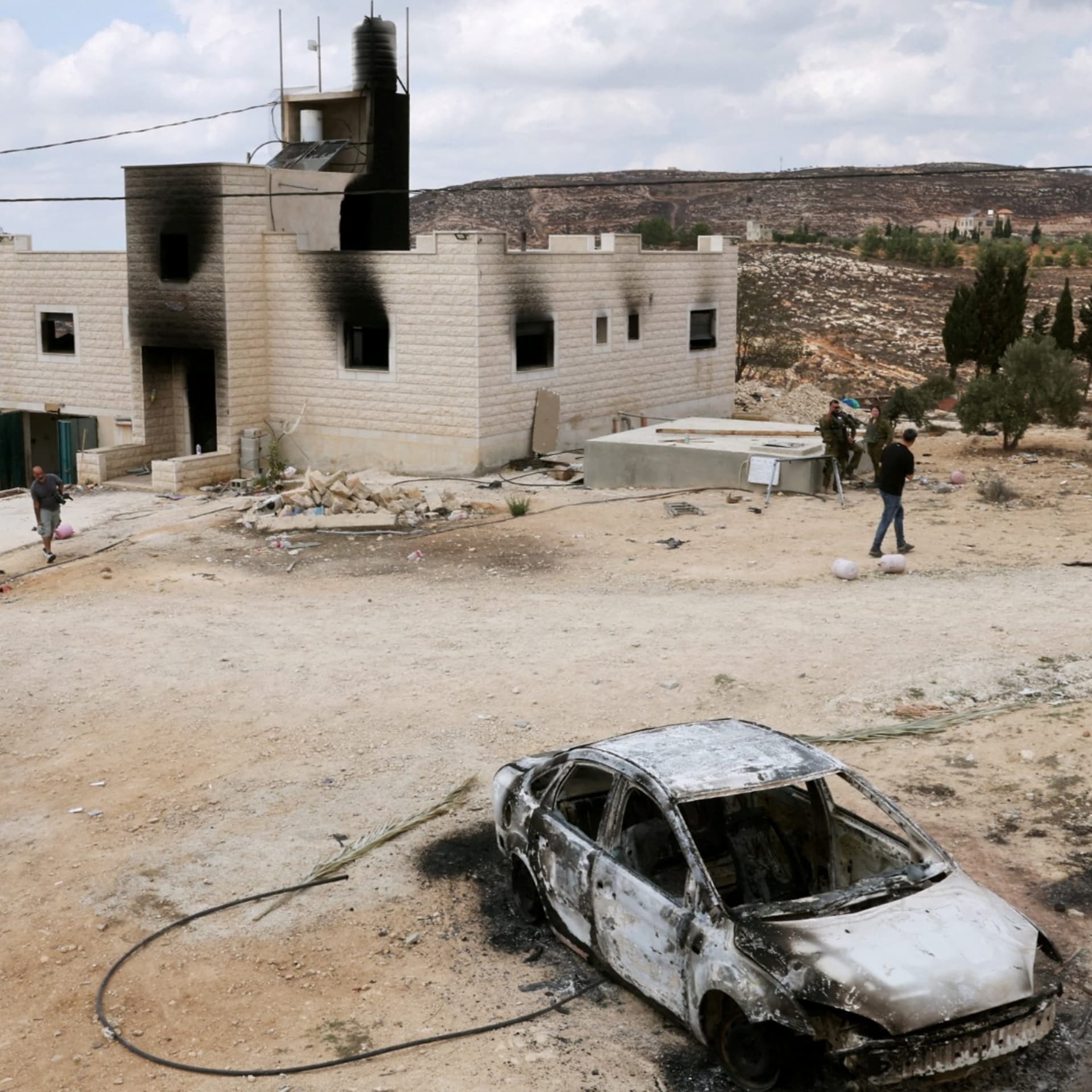
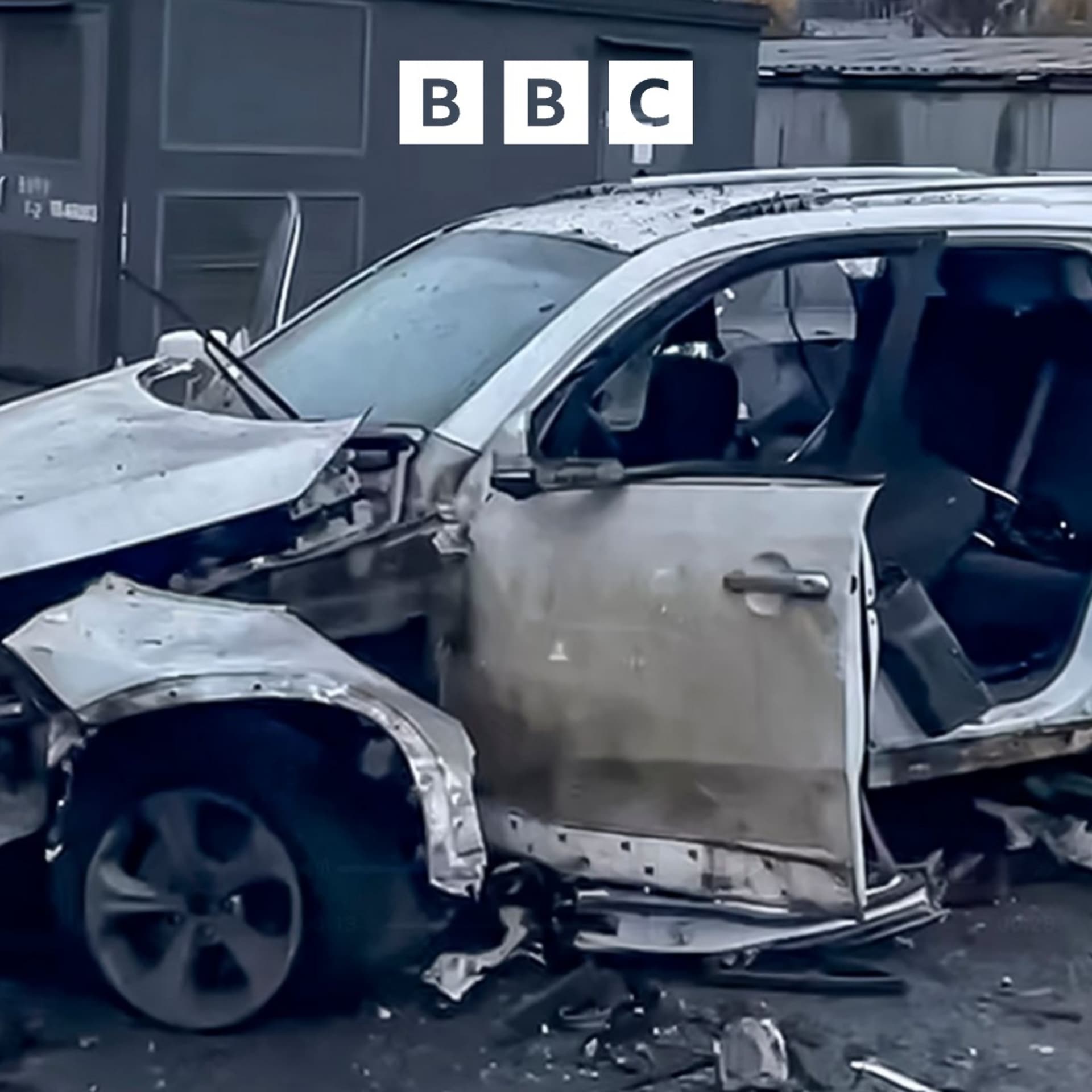
- Incident: Lt Gen Fanil Sarvarov was killed in a car bomb explosion in Moscow, marking the third military official killed in similar attacks over the past year.
- Investigations: The Russian Investigative Committee is exploring potential Ukrainian involvement, although Kyiv has not commented.
- Expert Insight:
- Steve Rosenberg, the Russia editor, discusses the implications of the attack, highlighting the ongoing war in Ukraine and its penetration into Russian territory.
- Thailand-Cambodia Negotiations
- Background: Ongoing border conflict despite a previously signed peace agreement.
- Current Developments:
- Thailand's Foreign Minister criticized the rushed peace deal.
- New talks are set to occur under the General Border Commission.
- Analysis: Jonathan Head provides context on the implications for ASEAN and regional stability.
- Cybercrime Crackdown in Africa
- Operation Sentinel: Nearly 600 arrests across 19 African countries targeting a rise in cybercrime.
- Focus Areas:
- Business email compromise, digital extortion, and ransomware.
- Insights: Mayeni Jones discusses the growing threats of cybercrime and the need for coordinated international efforts to combat it.
- Climate Justice Case in Switzerland
- Case Overview: Indonesian residents are suing Swiss cement company Holcim for climate-related damages.
- Legal Challenges: Plaintiffs must establish causation between the company’s emissions and climate impacts on their island.
- Expert Commentary: Isabella Kaminsky discusses the complexities of climate litigation and the potential for precedent-setting legal outcomes.
- Cultural Spotlight: Ukrainian Secret Santa Program
- Initiative: A program allowing people worldwide to send Christmas gifts to soldiers on the front lines in Ukraine.
- Emotional Impact: Soldiers report how such gestures significantly boost morale during tough times.
- Personal Stories: Accounts from participants and soldiers illustrate the program's significance amid ongoing conflict.
- Economic Trends: Gold Prices and Bourbon Sales
- Gold Prices: Reached a record high, driven by economic uncertainty and central bank purchases.
- Bourbon Production Halt: Jim Beam to pause production due to declining sales linked to trade wars and economic pressures.
- Analysis: Theo Leggett and Surinjara Tawari explore the factors influencing these market trends.
- Cultural Nostalgia: Winnie the Pooh Celebrates 100 Years
- Legacy: Reflection on the impact of Winnie the Pooh and its enduring appeal across cultures.
- Guest Insights: Authors discuss how the stories resonate universally, highlighting themes of innocence and friendship.
Conclusion The episode presents a comprehensive overview of current global issues, showcasing the interplay between geopolitical tensions, economic shifts, and cultural narratives. The coverage is timely and relevant, providing listeners with important insights into complex matters affecting the world today.
Contact Information
- Email: globalpodcast@bbc.co.uk
- Social Media: Follow on X @BBCWorldService, using the hashtag #GlobalNewsPod.
Production Credits
- Producers: Stephanie Tillotson, Peter Goffin
- Mixer: Andy Mills
- Editor: Karen Martin
Written by AI. May contain mistakes. Listen to the episode to check what was said.
Transcript
Automatic transcript. May contain errors.0:00This BBC podcast is supported by ads outside the UK. If journalism is the first draft of history, what happens if that draft is flawed? In 1999, four Russian apartment buildings were bombed, hundreds killed. But even now, we still don't know for sure who did it. It's a mystery that sparked chilling theories. I'm Helena Merriman, and in a new BBC series, I'm talking to the reporters who first covered this story. What did they miss the first time? The History Bureau, Putin and the apartment bombs. Listen on BBC.com or wherever you get your podcasts. This is the Global News Podcast from the BBC World Service.
0:46I'm Celia Hatton, and at 16 hours GMT on Monday, the 22nd of December, these are our main stories. A top Russian general is killed in an explosion in Moscow. Cambodia and Thailand head back to the negotiating table, months after signing a failed peace deal alongside Donald Trump. And nearly 600 people are arrested across Africa in a cybercrime investigation. Also in this podcast... Videos posted online show Ukrainian soldiers, battle-hardened men in well-worn uniforms, tearing into presents and beaming with joy. Bringing some Christmas cheer to the front lines in Ukraine. And the residents of a small Indonesian island seek justice for climate change.
1:38We're starting in the Russian capital. Officials in Moscow say a Russian general has been killed in a car bomb explosion. These people live nearby. I woke up and panicked. I saw policemen, firefighters and ambulances arriving. I thought somebody needed help, so I went outside and asked the neighbours if they needed any assistance. It was frightening. At first, I thought a Shahed or some other Ukrainian drone had been shot down. I started reading the news, but there was no information about the incident. So I only learned about it this morning. Lieutenant General Fanil Salvorov headed Russia's operational training department, and the Kremlin has been quick to point the finger at Ukraine.
2:21Svetlana Petrenko is a spokesperson for the Russian Investigative Committee. The inspection of the scene is ongoing. Eyewitnesses are being questioned and security camera footage is being reviewed. Various versions of the killing are being examined, one of which involves the possible role of Ukrainian intelligence services in organizing the crime. Moscow has blamed Kyiv for the death of two other senior generals who've died in explosions inside Russia in the past 12 months. We heard more from our Russia editor, Steve Rosenberg. Well, first of all, let me say I went down to the scene of the explosion this morning and the wreckage, the mangled wreckage of the car is still there, hasn't been taken away.
3:06Investigators say that early this morning, just before seven o 'clock local time, a bomb which had been concealed under of the vehicle was detonated. Lieutenant General Feniel Salavarov was inside the car. He was badly wounded. He later died of his injuries. And this is the third Russian general to have been killed in the last 12 months. So we're getting used to hearing things like this happening. So to an extent a sense of shock. However, as I say, these attacks have happened before. And we're now almost four years into Russia's war in Ukraine. And in a sense, the war sort of come to the Russian capital.
3:51I mean, assuming it really is Ukraine behind this, is this an attempt to do some damage to the Russian military? Are these generals really quite important? Or is this just a flex from Ukraine to show how far Ukrainians can penetrate inside Russia? Well, possibly both. I mean, Lieutenant General Salvarov was a senior figure. If you're the head of the operational training directorate of the general staff of the Russian armed forces, that's a pretty senior role. I mean, that particular part of the Russian military deals in combat training, readiness for operations and things like that. So it would be a sign.
4:29I remember a year ago when General Igor Kirilov was killed, walking out of his apartment block in Moscow. A bomb had been hidden in an electric scooter that exploded. Back then, there were sources in Ukraine that claimed that Kiev was behind that attack. So I think the Russians strongly suspect there is a Ukrainian link here. But investigators publicly are saying they're examining different theories, including that the Ukrainian secret services may have been behind this. Steve Rosenberg in Moscow. Let's go to the border conflict between Thailand and Cambodia now. Fighting's been continuing there, even though the two sides signed a peace agreement alongside Donald Trump in October.
5:14And now Thailand's foreign minister has said that pact was rushed through by White House officials so that it could be signed by President Trump when he visited the region. That admission, just as the two sides say, they're going to meet for a fresh round of talks. A Southeast Asia correspondent is Jonathan Head. I asked him how much stock we should put into this next round of negotiations when we've just heard the reported situation around that last deal that was signed. Well, I think the Thais know that they've got to stop at some point. I think what's been more surprising is that Thailand has been willing to ignore Donald Trump's pressure completely.
5:52I mean, they've snubbed him. He claimed to have got a ceasefire a week ago, and the Thais said that's absolutely not true. They've said they don't have to listen to anyone. As you heard, the Thai Foreign Minister, Siasak, has just effectively reprimanded the Americans in his very polite, diplomatic ways, a very diplomatic man, for rushing the big announcement they made in Kuala Lumpur. We all knew when we covered that it was being done for show for President Trump that the Thais were very unhappy with it. And in effect, what the Foreign Minister is saying is we will do it in our own time. But there will be this meeting between the commanders, the military commanders on both sides under what's called the General Border Commission.
6:26This is an already established bilateral process where they can sit down actually on the border and start working out their differences and I think that will be the point at which Thailand will start to scale down. The Thai military has gained small amounts of territory but given itself significant advantages up on the sort of mountainous northern border of Cambodia. It's pushed Cambodian forces back. It's inflicted really quite a lot of damage on Cambodian infrastructure. If the Thai intention was, and we've kind of heard that sentiment from some of its military commanders to teach Cambodia a lesson, in its view for failing to observe the previous ceasefire, I think they probably figure they've reached that stage.
7:04But this is pretty profound stuff for ASEAN. I mean, in 58 years of history, ASEAN member states have never fought each other like this before. The whole organisation is built on the premise that you manage your differences peacefully. And they've done it for 58 years. So the ties in particular with this rather aggressive approach and this round of fighting have really gone against that ASEAN spirit. Jonathan Head. Cybercrime, in which criminals target individuals or companies, is a growing problem across Africa. Often it's done by sending malicious links and emails or text messages. Now a huge police operation, codenamed Operation Sentinel, across several African countries has led to nearly 600 arrests and the recovery of millions of dollars.
7:51Our correspondent in Johannesburg, Mayeni Jones, told us more about it. It was coordinated by Interpol, which is the international policing organization, and it involves 19 African countries that range from kind of South Africa, which is the continent's most industrial countries, to less developed countries like South Sudan, the DRC, Republic of the Congo. And basically they focus on three main areas. So one of them is what they call business email compromise, when somebody kind of impersonates a senior person at a company and tries to get employees at that company to wire money or share sensitive information.
8:29They also look at digital extortion and ransomware, which is when some software is deployed to an organization's computer system, locking them out. And then you have to pay them, pay the criminals money in order to get access to your system again. And the reason why they focused on those three areas is because these were identified by Interpol as being the kind of biggest growing threats across the continent. So can you tell us more about that? It sounds like Interpol is dedicating a lot of resources to tackling cybercrime in Africa. How serious a problem is it? Yeah, they say that it's a really big growing problem in Africa, that it accounts for what they estimate to be 30 percent of all reported crimes in East and West Africa.
9:10And so it's something that they're taking very seriously and also by its very nature, cyber crime. You know, it doesn't just affect people on the continent, it could affect people all over the world. So in their rationale, they kind of say we need to kind of coordinate agencies, policing agencies across the continent and beyond if we're going to try and stop these crimes from being carried out. And what countries specifically are really involved in this or where are these operations really located? So, yeah, it's a really wide range of countries. So, for example, they've given a few examples of some of the issues that they tackled.
9:46There was one that was a kind of a cyber fraud network that was operating between Ghana and Nigeria. And apparently they managed to defraud more than 200 victims and, you know, steal over 400 ,000 US dollars. And basically what they would do is they would mimic well-known fast food brands. They would collect payments from users thinking that they're ordering their fast food, but then the orders would never come. And so 10 suspects were arrested for that in that case in Ghana. And they said over 100 digital devices were seized. So that's one example. But they've also tackled cybercrime in Senegal, in South Africa, in Benin Republic.
10:27So it's kind of spread all around the continent. And it shows just how widespread this problem is becoming. Mayani Jones in Johannesburg. And you can hear more on that story with Mayani and me on YouTube. Just search for BBC News, click on the logo, then choose podcasts and Global News Podcast. There's a new story available every weekday. Now, what can we do about the effects of climate change, especially in those places which are most vulnerable? One answer in recent years has been to try to take those deemed responsible to court. And today, in what could be a landmark case, a court in Switzerland has said it will hear a case in which four residents of an island in Indonesia are taking against the Swiss cement company, Holcim.
11:14Isabella Kaminsky is a climate change journalist who's following the case. My colleague Tim Franks asked her why the Islanders are targeting a cement manufacturer. The cement industry is a huge driver of climate change. It's a very, very carbon intensive process. And that's from two reasons. The way you gather your materials, mainly lignestone, and put them in huge kilns, which are treated to really high temperatures. And that heating is usually done using fossil fuels, so that releases emissions. But on top of that, the chemical reaction that takes place inside also releases carbon dioxide. And so estimates vary, but some of them suggest that cement production could be up to about 8 % of global greenhouse gas emissions.
11:53So it's a huge, huge contributor. I can understand it's an unarguable case as far as scientists are concerned that man-made climate change is leading to terrible effects on people's lives right now. and this is an island in Indonesia which is suffering and is at greater risk. But is it clear what legal hurdles the plaintiffs will need to surmount to prove that this particular Swiss cement company is responsible for the misery that awaits them? They have to prove a chain of causation between the Swiss company's actions and the consequences on their island of flooding, of rising sea levels, and all the other impacts they're going to have.
12:38And they're doing that by saying, look, Holchim has generated this amount of greenhouse gas emissions. These emissions are a certain proportion of global emissions that has contributed to climate change, and climate change is what is affecting us. And they've got a growing body of evidence to be able to back up those claims. Now, various people have tried to make that case in court, but no one's yet succeeded. So we don't know yet if a court will buy that argument, but we know that there have been several legal cases in other countries where courts have shown themselves to be quite sympathetic to the principle and suggested that the reasoning is pretty sound.
13:15In addition to seeking damages, I understand that the plaintiffs are demanding a greater reduction in the company's greenhouse gas emissions. I mean, Polsyn has given us a statement today saying that it's fully committed to reaching net zero by 2050. And it's shown its commitment over the last two decades. Presumably, that is going to be central to their arguments. although in fact I think they're also appealing against whether it is an admissible case. I'm sure the courts will be looking at their track record and their commitments but that isn't really what's central to this case. In court what Hortseem has been arguing, firstly it says it doesn't think this is a matter for the courts, that it's really up to politicians to legislate on this issue, which many other companies have argued as well.
14:03But in court it's been saying if it were forced to cut emissions then other companies would just come in, fill that market gap and overall emissions wouldn't go down. and that actually its emissions are a small drop in the ocean. We know that other courts have roundly rejected that in several cases and said actually even the smallest contributor is part of the bigger problem and you can't just brush that away. How they'll deal with companies' broad commitments is yet to be seen. I know those subject to the predations of climate change say it's urgent but from what I understand it took three years even for the court in Switzerland to decide that it was going to take on this case.
14:38So presumably there's unlikely to be any rapid conclusion to it. That's absolutely true. These cases are slow. They're not a substitute for policy and change on the ground, but they can help to draw attention to the problem. And perhaps one day they can help people who need the compensation for real tangible changes which are being made to their lives in negative ways. Environment and climate change journalist Isabella Kaminsky. Still to come in this podcast I've just been thinking and I've come to a very important decision These are the wrong sort of bees A very special bear, Winnie the Pooh, turns 100
15:24If journalism is the first draft of history what happens if that draft is flawed? In 1999, four Russian apartment buildings were bombed Hundreds killed. But even now, we still don't know for sure who did it. It's a mystery that sparked chilling theories. I'm Helena Merriman, and in a new BBC series, I'm talking to the reporters who first covered this story. What did they miss the first time? The History Bureau, Putin and the apartment bombs. Listen on BBC.com or wherever you get your podcasts.
16:03This is the Global News Podcast. Despite back-and-forth diplomacy in recent weeks aimed at halting Russia's war on Ukraine, there's no sign of the conflict ending, and Ukrainian troops are about to spend a fourth Christmas on the front line. So to boost the mood, many Ukrainians and people elsewhere are taking part in a secret Santa scheme, allowing people to send gifts to soldiers. Toby Luckhurst reports from Kiev. Videos posted online by the secret Santa scheme show Ukrainian soldiers, battle-hardened men in well-worn uniforms, tearing into presents and beaming with joy. Oh, oh. What is my call here for me?
16:50Come here. You can see how much these presents mean to them. The scheme was the brainchild of Arslan, a 27-year-old living in Kiev. He started the program in 2022, the first year of Russia's full-scale invasion. It's now gone international, with people in more than 30 countries organizing gifts for Ukrainian soldiers. People can sign up for the scheme through a telegram chat box, and they're then matched up with someone at the front who will receive the gifts. But Arslan admits it's getting tougher to find people willing to take part Every year the situation is going a little bit harder because emotionally people are tired.
17:27And I need to do more marketing things. People are tired. Yeah, yeah. And not just people. If we are tired, so how tired are the soldiers? But this is the main reason we should do. So RARE and Frontline are all together to win this war.
17:51well it's not the first place i would come if i were buying a secret santa gift it's a mountain and outdoor supply shop in the north of kiev in the obalon district surrounded by boots wet weather gear tents we've come here with erina who's taking part in the secret santa program she's been matched with a soldier and she's come here to buy him something he could really use. My defender, also a soldier, his name is Alex. He just wrote that he wants something warm. The shop assistants here are all very helpful. All of their husbands are serving at the front, so they get regular feedback on what's best to keep people warm and dry.
18:31And it turns out I can be quite helpful too. We have size 52. It's ML and he's 1 metre and 80 centimetres. It's like you? Do you want to use me as a measurement? Why not? Irina says she plans to add in some coffee, sweets and a power bank to her secret Santa gift. But the clothes are the most important part. I hope that it will help for someone to survive.
19:03To find out how soldiers view these gifts, we spoke to Vlad, currently serving in Ukraine's eastern Donbass region, the main focus of Russia's invasion. He and his unit have taken part in the Secret Santa program twice already. He says, with things tougher than ever now on the battlefield, gifts like these can be a vital boost.
19:24The state of morale is tough now. The enemy's pushing us from all sides. Presents from Secret Santa are something that lift troops' spirits. So of course we're waiting for our gifts. He's worried it'll be a rough Christmas. He says the Russians always try to disrupt holidays with attacks, so the troops can never really relax. But Vlad insists he's not just going to receive gifts. He's sending some home too. Of course, I'm buying my family something. How can I leave my girls without any gifts for the new year? I'm planning to give my wife a chain and my daughter little earrings. Toby Luckhurst in Kiev.
20:03It's been a theme of 2025. Gold hitting record prices. and it's just happened again. So is this a sign that the world is on tenderhooks waiting for a possible banking collapse or something more innocuous? Our business correspondent is Theo Leggett. Well, Celia, the latest record was a little above$4 ,420 an ounce. That's 68 % higher than the price at this time last year. And that's the biggest annual increase since 1979. So that gives you an idea of just where gold has been going this year. And there's a lot behind it. There are immediate factors and there are longer term factors. So the immediate factors, gold's price tends to rise.
20:45People move into gold when other assets like shares and bonds aren't performing well or aren't likely to perform well. And that's part of the context here. The United States has just cut interest rates. Further cuts are expected next year. That reduces the comparative disadvantage over gold, which obviously doesn't pay you a return. There's wider economic pessimism, which the interest rate cuts are linked to, which suggests that companies won't be making such good profits in the coming months, and therefore returns on shares won't be as strong. And of course, there's all the geopolitical uncertainty that we've got at the moment.
21:19Most recently, the blockade on Venezuela, but also the conflict in Ukraine, the ongoing rivalry between the US and China, uncertainty over US trade policy. I could go on, But times of uncertainty, gold is seen as a solid and stable asset. You can hold it. You can put it in your vaults. Its value doesn't tend to decline long term. So you've got that. So all of that has been helping to push up the gold price. But it's not the only thing. The other thing that's been going on for a few years now is central banks around the world have been buying gold. And they've been buying gold potentially because they're worried about assets being frozen by sanctions and that kind of thing.
21:57So Russia and China are among some of the biggest buyers of gold. And when you have a relatively finite supply, which we have with gold, if central banks buy up a lot of it, there's less to go around for everyone else. So when everyone else moves into gold, there is a shortage and the price goes up. And that's what we've been seeing over the past year. OK, so a lot of play when it comes to gold, a lot of things coming into play there. What about other precious metals? Well, silver has also been rocketing. In fact, I think the price of silver is up about 138 % over the past year. And that, again, part of it is it's a solid and stable asset.
22:32It's a commodity that you can move into when other assets aren't doing as well. But there are also a number of industrial uses of precious metals as well. And when you get the combination, this is what appears to be happening with silver, of increased industrial usage plus people moving into it as a relatively safe asset, then again, the price will go up. Theo Leggett. Well, as Theo mentioned, the global economy faces increasing uncertainty. Even big brands with decades of success behind them are feeling the pinch. One of them, the American whiskey maker Jim Beam, says it's going to stop producing bourbon at its main distillery for all of next year.
23:12That decision comes in the midst of President Donald Trump's trade war with Canada, which has contributed to a significant decline in sales of American alcohol across the border. Shirinjara Tawari is our business correspondent, and she tells us what else led to the decision. There's a few things at play, but it does seem that Jim Beam, which is one of the largest makers of American whiskey globally, is one of the casualties of Donald Trump's trade war. Now, the distiller has said that uncertainty over trade, the inability to plan its business has impacted its own business and operations. And that's one of the reasons it's pausing production for the next year.
23:56It's main distillery in Kentucky. Now, there are other things as well, like, for example, this whiskey is made in barrels. And there is basically an oversupply of these barrels in the state of Kentucky. And they are taxed at a higher rate the older they get. So when you think about aged whiskey, they actually become more valuable the longer they stay. But one of the reasons there is this oversupply is because of lower sales. People just aren't buying whiskey. Now, one of the reasons, yes, again, is tariffs and the trade war. It's impacted demand and people's ability or desire to spend money on things like alcohol.
24:38But we're also still living in a cost of living crisis. Prices are still high. And therefore, again, people, consumers are pulling back on spending on things like alcohol. Okay, so can you give us a rundown then? these big brands, what kinds of tariffs are they facing at the moment? Yeah, so what's happened with Donald Trump's trade war ever since he announced those Liberation Day tariffs back in April is all these countries and negotiators have been trying to bash out some sort of deal to agree on a tariff. But in the meantime, these businesses, they're not able to plan their next year or their following year supply.
25:19And some industries like, you know, distilleries and alcohol makers, which take the production process takes years, also automakers, plane makers, all these manufacturers, they have to plan years in advance. So all of this uncertainty has just caused this chaos. But there's another thing really affecting this industry, liquor. And that's the sort of spats between particular countries. For example, the US and Canada, they've had a big trade spat. And in response, many Canadians decided to boycott American liquor in protest. And some provinces are still banning American liquor from their shops. That's having a big impact on sales for America, which is Canada's biggest trading partner.
26:05Surinjara Tawari. And last, it's almost a century since the publication of A.A. Milne's first story to mention Winnie the Pooh, a short story about a bear who likes honey and the wrong sort of bees. Here's part of that story, read by the playwright Alan Bennett. I've just been thinking, and I've come to a very important decision. These are the wrong sort of bees. Are they? Quite the wrong sort. So I think I shall come down. How? asked Christopher Robin. Winnie the Pooh hadn't thought about this. If he let go of the string, he would fall, bump, and he didn't like the idea of that. Children's author Frank Cottrell-Boyce and the writer James Campbell have been speaking to Nick Robinson about how the first story came to be published.
Read the full transcript
26:55It was essentially a teaser after the huge success of the first Winnie the Pooh book when we were very young in 1924. They'd hoped to bring out the Winnie the Pooh book in 1925, but there were various delays Evening News, which was then London's larger circulation paper, offered to print a story. Winnie the Pooh and the Bees, as Alan Bennett was beautifully reading, was the story chosen. And it made a really big splash. It was right across the Evening News on Christmas Eve, so in two days' time, Christmas Eve 1925, and then repeated the following day, the BBC, then of course the British Broadcasting Company, an independent company as it was in those days broadcast the story to all of its listeners on the home service on Christmas Day afternoon so it was a really big splash it was equivalent to perhaps one of the Harry Potter launches today and it really set the scene and of course it was the first story where the name Winnie the Pooh appears although the bear had appeared when we were very young under the name of Teddy Bear this is the first name and we have loved the bear but all the other characters ever since Frank I mean, Winnie the Pooh is one of those things, like you've already mentioned Harry Potter, where you could be a Gryffindor or a Ravenclaw or whatever.
28:09And I think the same with little women. People decide whether they're Meg or they're Joe or the Beatles. You decide whether you're John or you're Paul. But it offers this sort of range of options. Are you a miserable Eeyore? Are you a too bouncy Tigger? Or are you a... Pooh is more complicated than all of them, but Pooh is easy to identify with. He's called the Pooh with very little brain, but he's often solving problems. He's actually quite clever. what's fascinating james campbell is that it crosses cultures doesn't it it's when you first read it's very very english but it isn't in its appeal is it absolutely not and interestingly i'm talking to you today from australia and i've been in singapore a few weeks ago and i was absolutely fascinated by how much winnie the pooh material is on display is up for sale here in australia sales of winnie the pooh books are 60 up on last year harper collins new centenary editions are walking off the shelves like hot lamingtons.
29:04It's absolutely extraordinary. And it's quintessentially English. I say English rather than British, I think it is. But yet it appeals universally across the world. I think because it is completely timeless, it has for us this wonderful feeling of childhood innocence and kindness and generosity. Children's author Frank Cotter-Boyce and the writer James Campbell. And that's all from us for now, but there will be a new edition of the Global News Podcast later. If you want to comment on this podcast or the topics covered in it, you can send us an email. The address is globalpodcast at bbc.co.uk. You can also find us on X at BBC World Service.
29:48Use the hashtag Global News Pod. This edition was produced by Stephanie Tillotson and Peter Goffin. It was mixed by Andy Mills. The editor is Karen Martin. I'm Celia Hatton. Until next time, goodbye.
30:28And in a new BBC series, I'm talking to the reporters who first covered this story. What did they miss the first time? The History Bureau, Putin and the apartment bombs. Listen on BBC.com or wherever you get your podcasts.
From the publisher
Russia's Investigative Committee said Lt Gen Fanil Sarvarov died on Monday morning in Moscow after an explosive device planted under a car detonated. He is the third military official to have been killed in bomb attacks in the Russian capital over the last 12 months. Investigators say they're considering whether Ukraine was involved. Kyiv hasn't commented. Also: A huge operation to tackle cybercrime in several African countries leads to nearly 600 arrests. Why four residents of an Indonesian island are taking a Swiss cement company to court. And gold prices are rocketing, but bourbon sales are struggling.
The Global News Podcast brings you the breaking news you need to hear, as it happens. Listen for the latest headlines and current affairs from around the world. Politics, economics, climate, business, technology, health – we cover it all with expert analysis and insight. Get the news that matters, delivered twice a day on weekdays and daily at weekends, plus special bonus episodes reacting to urgent breaking stories. Follow or subscribe now and never miss a moment. Get in touch: globalpodcast@bbc.co.uk