
In short
Global News Podcast Episode Notes
Episode Title
US and Israel 'moving to next phase' of war with Iran
Main Topics Covered
- Military Escalation: The US and Israel are intensifying their military operations against Iran.
- US Oil Policy Shift: The United States has relaxed its embargo on Russian oil due to rising prices caused by the conflict.
- US Political Developments: President Trump has dismissed Homeland Security Secretary Kristi Noem amid ongoing domestic issues.
- Scientific Discoveries: Insights into Stone Age dietary habits and methods to identify genuine Stradivarius violins.
---
Key Highlights
- Military Conflict Updates
- US and Israeli Actions:
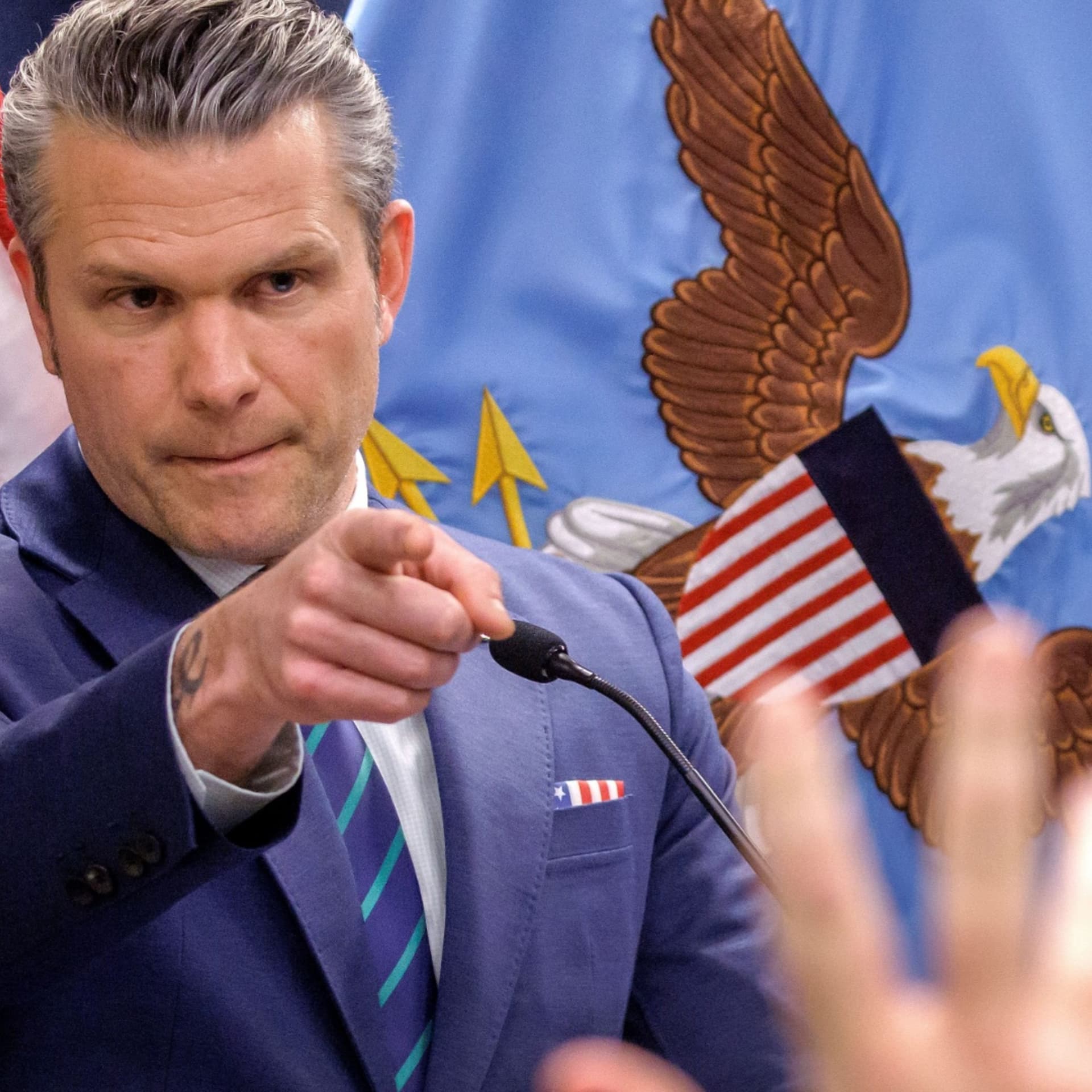
- Defence Secretary Pete Hegseth announced a significant increase in firepower over Iran.
- Israel's military has initiated extensive strikes on Iranian infrastructure in Tehran, targeting Hezbollah in Lebanon as well.
- Admiral Brad Cooper reported the US has targeted nearly 200 sites and sunk more than 30 Iranian ships in recent days.
- Iran's Response:
- Iranian authorities report over 1,200 fatalities since the commencement of attacks.
- Reports indicate a ghost town environment in Tehran, with citizens sheltering at home.
- Political Statements and Reactions
- Trump's Position:
- Trump emphasized US control over the timeline of the conflict and suggested immunity for Iranian Revolution Guards should they surrender.
- He claimed influence over the selection of Iran's next leader following the death of Ali Khamenei.
- Expert Analysis:
- Lise Doucette provided insight into the implications of Trump's statements regarding Iranian leadership and the realities of domestic sentiment in Iran.
- Despite the military onslaught, there are indications that the Iranian leadership remains operational.
- Regional Implications
- Evacuations in Lebanon:
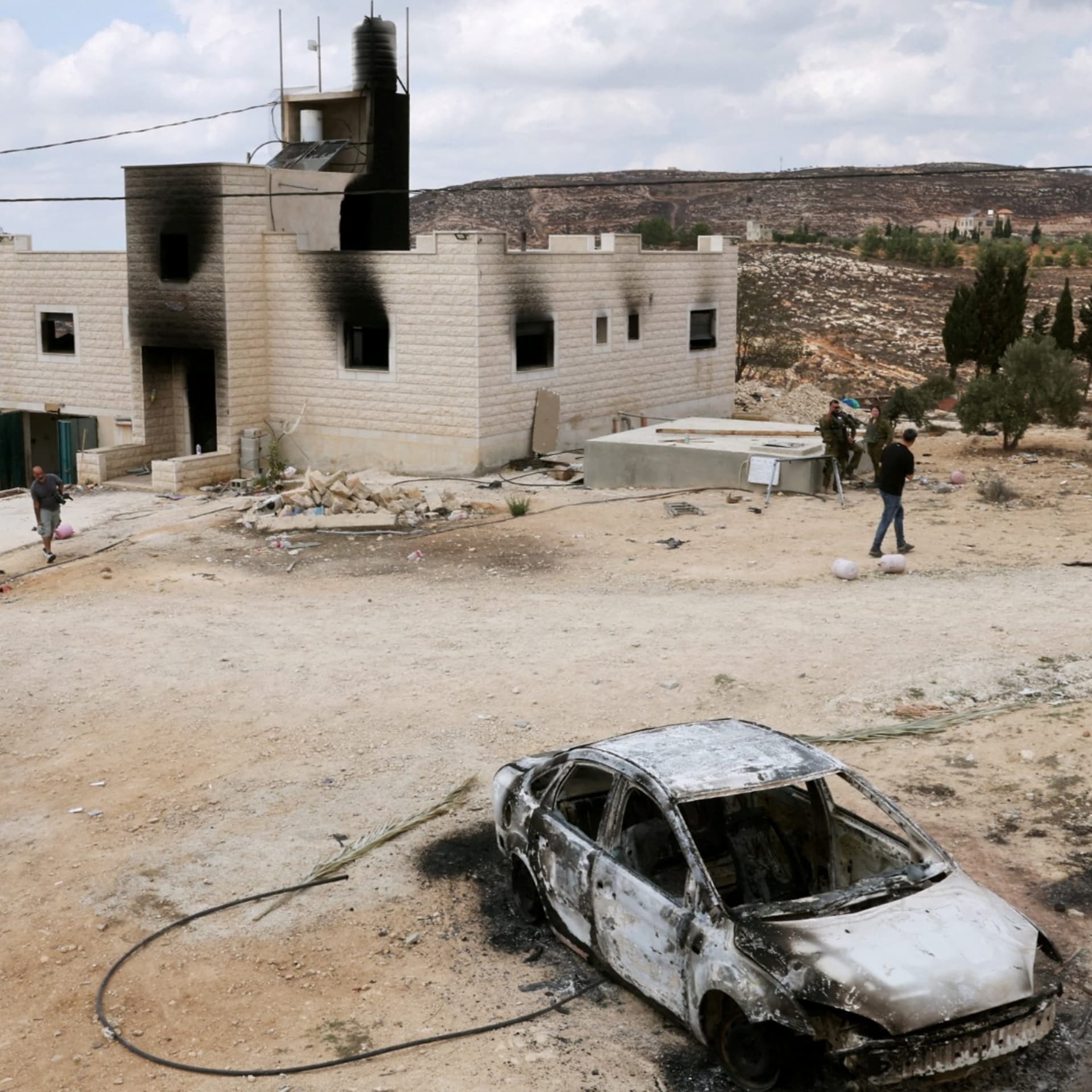
- Israel has ordered mass evacuations in southern Beirut, with significant civilian movement and disruption.
- Iran's Continued Retaliation:
- Reports suggest Iran has maintained retaliatory actions against US allies in the region, although at reduced levels.
- Economic Effects
- US Oil Policy:
- The easing of the embargo on Russian oil is strategic, aiming to stabilize global oil prices following the conflict's escalation.
- Analysts suggest this move may not significantly impact oil prices given the ongoing volatility.
---
Additional News Segments
A. Diplomatic Relations with Venezuela
- The US has resumed diplomatic ties with Venezuela, promoting mining investments and addressing political prisoner concerns.
- Interviews reveal a cautious optimism among Venezuelans regarding potential political transitions.
B. Domestic Political Changes in the US
- Kristi Noem was ousted from her position after controversial remarks regarding immigration enforcement incidents.
C. Scientific Discoveries
- Stone Age Dietary Habits:
- New findings reveal the complexity of Stone Age diets, moving beyond the hunter-gatherer label to a more sophisticated culinary culture.
- Stradivarius Violin Authentication:
- Researchers are using dendrochronology to verify the authenticity of Stradivarius violins, focusing on the age of the wood used.
---
Conclusion This episode of the Global News Podcast presents a detailed overview of the current conflict involving the US, Israel, and Iran, alongside significant developments in US domestic politics and intriguing scientific revelations. The discussions highlight the complexities of international relations, military strategy, and the ongoing impacts of geopolitical tensions on global economics and society.
---
Contact Information
- Email: [globalpodcast@bbc.co.uk](mailto:globalpodcast@bbc.co.uk)
- Follow on X: @BBCWorldService
- Use Hashtag: #GlobalNewsPod
---
Producers and Editors
- Producers: Daniel Mann and Muzaffar Shakir
- Editor: Karen Martin
- Mixed by: Charlotta Hadroy-Tuzimska
---
Related Podcasts
- The Global Story: In-depth analysis of major global events.
Written by AI. May contain mistakes. Listen to the episode to check what was said.
Chapters
Tap a time to open that second in VOUS and Israel Intensify Actions Against Iran
1:17 to 3:40
Explore the latest developments in the conflict involving the US, Israel, and Iran.
“The US and Israel say they're moving to a new phase of their war on Iran, with the American Defence Secretary saying that firepower was about to surge dramatically.”
Trump's Involvement in Iran's Leadership
3:40 to 4:24
Discussion on President Trump's comments about influencing Iran's leadership succession.
“We also urge Iranian diplomats around the world to request asylum and to help us shape a new and better Iran with great potential.”
Iran's Internal Struggles Amid Conflict
4:24 to 6:24
Insight into the perspectives and emotions of Iranians during the ongoing war.
“This tells us more about the state of President Trump's thinking that he should suggest something which would be unthinkable in the Islamic Republic of Iran.”
Government Resilience and Response
6:24 to 7:57
Analysis of the Iranian government's actions and their message amid military strikes.
“As this war drags on, more and more of the comments that we are getting is that Iranians are shocked.”
Escalation of Conflict in Lebanon
7:57 to 11:43
Overview of the evacuation orders and attacks in Beirut amid the conflict.
“They fired more salvos towards the Gulf.”
US Oil Strategy Amidst Conflict
11:43 to 13:10
Examine the US's strategy regarding oil embargoes in response to prices.
“as Hezbollah fighters said that they fired rockets and artillery shells at Israeli forces.”
Public Sentiment in Israel About Military Actions
13:10 to 14:04
Discuss the Israeli public's support for military action against Iran.
“I mean, so much oil is still stuck near the Strait of Hormuz.”
Rise in Gas Prices Amid Political Turmoil
14:04 to 14:33
Learn about the recent spike in gas prices and its political implications.
“A gallon of gas, as it's known in the US, has gone up by 27 cents just in the past five, six days.”
Israel Eases Restrictions Amidst Ongoing Conflict
14:35 to 15:18
Discover how Israel is responding to the reduced threat from Iran.
“With fewer Iranian retaliatory strikes against Israel and hardly any missiles breaking through air defences, the authorities there have lifted certain restrictions which were imposed on Saturday at the start of the war.”
Public Sentiment on Military Action Against Iran
15:20 to 16:44
Explore the Israeli public's overwhelming support for military action against Iran.
“A lot of going back and forth from the shelters.”
Show all 20 chapters
Personal Accounts from the Conflict Zone
16:46 to 18:04
Hear firsthand experiences from individuals affected by missile strikes in Israel.
“as something that will not save us once there is someone in Tehran that is interested in destroying us.”
The Uncertain Future of the War
18:06 to 18:38
Analyze the potential outcomes of the ongoing conflict involving Israel and Iran.
“No right by the international law, by the moral law.”
Diplomatic Changes in Venezuela
19:34 to 24:42
Uncover the dynamics of US-Venezuela relations following recent diplomatic changes.
“Choiceology, an original podcast from Charles Schwab, is a show about the psychology and economics behind our decisions.”
Trump's Domestic Policy Challenges
24:44 to 28:04
Examine the political fallout surrounding Trump's immigration policies and cabinet changes.
“and while some of them are privately critical of the government, they're still too afraid to say so publicly.”
Change in ICE Enforcement
28:04 to 28:26
Learn about the evolving role of ICE in enforcing immigration laws in the US.
“on undocumented immigration in the United States.”
Prehistoric Culinary Discoveries
28:26 to 28:49
Discover what our Stone Age ancestors ate and their sophisticated culinary practices.
“we now know that our forefathers had quite a sophisticated palate.”
Recipes of the Ancients
28:49 to 29:43
Explore the variety of plants and recipes used by prehistoric communities.
“Researchers at the University of York had initially been focused on trying to understand what Mesolithic pottery in northern Europe was being used for, explained Professor Oliver Craig, one of the authors of the study.”
The Legacy of Stradivarius Violins
29:43 to 30:19
Understand the historical significance and value of Stradivarius violins.
“The unique sound of a Stradivarius violin played by James Enos.”
Dendrochronology and Violin Authenticity
30:19 to 31:19
Learn how tree ring analysis helps determine the authenticity of violins.
“Let's hear from an expert in the field, Professor Paolo Cerevini, who is a forest ecologist based in Switzerland.”
Stradivari's Choice of Wood
31:19 to 32:55
Discover the specific woods Stradivari preferred for crafting his violins.
“So exactly the year in which it was formed.”
Transcript
Automatic transcript. May contain errors.0:00This BBC podcast is supported by ads outside the UK.
0:30Schwab. Visit schwab.com to learn more.
1:00bbc.com slash docs to learn more. This is the Global News Podcast from the BBC World Service. I'm Alex Ritson and in the early hours of Friday the 6th of March, these are our main stories. The US and Israel say they're moving to a new phase of their war on Iran, with the American Defence Secretary saying that firepower was about to surge dramatically. The United States has eased its oil embargo on Russia to make up for shortages caused by the war. President Trump has sacked his controversial Homeland Security Secretary, Kristi Noam. Also in this podcast. Imagine if we had done this before January 3rd.
1:47We would all have been jailed. But instead, this gave us more courage. And now we are not afraid. As the US State Department restores diplomatic and consular relations with Venezuela, we have an exclusive report from inside the country following the toppling of Nicolas Maduro.
2:08Early on Friday, Israel stepped up its assault on Iran and its proxy in Lebanon, Hezbollah. The Israeli military said that it had launched what it said was a large-scale wave of strikes against Iranian terror regime infrastructure in Tehran. It put out a similar statement regarding Hezbollah in Beirut's southern suburbs. Earlier, the United States and Israel said that their war against the Islamic Republic would enter a new phase on this, the seventh day of the conflict. The commander of the US forces in the Middle East, Admiral Brad Cooper, said that in the last 72 hours, the US bomber force had hit nearly 200 targets in Iran and sunk more than 30 of Iran's ships.
2:53The Iranian authorities said that more than 1 ,200 people had been killed since the U.S.-Israeli assault began on Saturday. Tehran has been described as a ghost town, with people mostly sheltering at home. The U.S. Defense Secretary, Pete Hegseth, said the amount of firepower over Iran will surge dramatically. Our capabilities are overwhelming and gathering still, as are those of our Israeli partners. Our munitions are full up and our will is ironclad, which means our timeline is ours and ours alone to control. President Trump has offered the Iranian Revolution regards, a key part of the Islamic regime, immunity if they surrender or face guaranteed death.
3:40We also urge Iranian diplomats around the world to request asylum and to help us shape a new and better Iran with great potential. It's a country with great potential. There's a much better future for Iran. It's now beginning. It's going to be, I think, a great future. And the United States will ensure that whoever leads the country next, Iran, will not threaten America or its neighbors, Israel, anybody. Earlier, Mr Trump had told US media that he needed to be personally involved in the appointment of a successor to the Supreme Leader Ali Khamenei, who was killed in an airstrike on Saturday. And he said he couldn't accept Khamenei's son as that successor, calling him a lightweight.
4:23I asked our chief international correspondent, Lise Doucette, what she made of Mr Trump's comment that he should decide who runs Iran. This tells us more about the state of President Trump's thinking that he should suggest something which would be unthinkable in the Islamic Republic of Iran. Anyone who knows their history, it's nearly a half century of history of outright hostility, deep distrust and suspicion on both sides. Iran has its own procedures for choosing its new leader. It's under the Constitution. And there's absolutely no way they're going to let a foreigner, much less President Donald Trump, President Commander-in-Chief of the United States of America, dictate who should lead Iran.
5:09What do the people of Iran want, though? Would they prefer someone nominated by the clerics of the Islamic Republic or someone that Donald Trump favors? It's extraordinary that we even have to ask that question in these times, such as the nature of these times that we're living through. I think we always have to say Iran is a vast country, 92 million people. We don't have opinion polls. The internet is always restricted and now it's severely restricted. And I have found on recent trips, including in February, that Iran does feel like a different country now, that after the wave of protests in January was put down with unprecedented force, causing many thousands of casualties, possibly the biggest number in Iranian history, that the emotion was still raw.
5:59So much pain and anger and so many people calling for change. Now, for some people, they want that change to be economic change, to make their lives better. They're dealing with 60 percent inflation, prices doubling. And right now they're doubling and doubling again with some of the pressures of this war. But others feel, but the only way that this can change is that you change the regime. But this has to come from within. As this war drags on, more and more of the comments that we are getting is that Iranians are shocked. They're scared. They're running for their lives. They're worried for the future of their country.
6:35They're worried that this is going to end in chaos and collapse. Yes, they want change, but they don't want their country to fall apart and they don't want to be set in the kind of spiral that the region has seen all too often when there is an external intervention. Is there any sign that the Americans are right and that the regime is buckling? It's so hard to know that they still seem to be functioning. There's layers and layers of succession that have been prepared, both in terms of the security commanders and in terms of possible political leaders. A few days ago, the White House said they had killed 49 very senior leaders.
7:14President Trump, almost every day, he says, well, the leaders we had in mind, they're now dead. So that indicates that they are familiar with some of the possible contenders. But some of the very key people, including Ali Larijani, who's the secretary of the National Security Council, which, quite frankly, is the most powerful organization running the country now, even though under the Constitution, there's a three man leadership council with the reformist president, the hardline head of the judiciary and another senior cleric. It is the National Security Council. It is the Islamic Revolutionary Guard Corps.
7:48And they are still operating. They're still, even though they're firing fewer ballistic missiles, fewer drones, dramatically fewer, they're still able. We saw that they fired another salvo towards Israel. They fired more salvos towards the Gulf. So they may be down, but they're not out. Lise Doucette. The Iranian government is trying to give the message that despite the strikes, it is business as usual and that the Islamic Republic is still fighting back. In an interview with the US television network CBS, the Iranian Foreign Minister Abbas Aragji denied US claims that Iran had been asking for renewed negotiations.
8:29We are not asking for a ceasefire and we don't see any reason why we should negotiate with the US. when we negotiated with them twice, and every time they attacked us at the middle of negotiations. So there is no request for a ceasefire by us, and there is no request for the negotiation with the US from us. But thousands of Iranians are fleeing the violence, and some of them have told the BBC life is tiring and they feel trapped. Personally, I don't really know what will happen. The only thing I do know is that I absolutely don't want anything to do with the clerics. I think most people feel the same way.
9:07They have to stay mostly at home to avoid getting caught in the middle of an attack, just to save my life. And the sound of ongoing blasts is fatiguing. They hit a lot of places near our house. They struck the police station and a passage base. From what I can see, everyone's happy, though they are stressed because of the sounds. Some of the messages from inside Iran sent to the BBC's Persian service. Hours after Israel ordered hundreds of thousands of people to leave the south of Lebanon's capital Beirut, its military, as I mentioned earlier, has begun attacking more targets there, which it claims are linked to Hezbollah.
9:51Traffic has been at a standstill on roads out of the city as people try to flee. Wirra Davis sent this report before night fell on Thursday. Chaotic scenes in Beirut this evening. A mass exodus from the Lebanese capital after an unprecedented evacuation order from the Israeli military. Roughly half of the entire city, including Dakhya, a stronghold of the Iranian-backed Hezbollah, now under threat of even more bombing. My kids called me. They told me the strikes were about to start. They warned me to leave Dakhya. There's nowhere else to go. Israel's also targeting huge swathes of southern Lebanon.
10:34This all that remains of a four-storey building in the town of Saida. Israel said it was being used by Hezbollah. On this occasion, they issued a specific warning to evacuate. That's not always the case. The occupants, including several families, said they had half an hour to leave. There are clear signs of support for Hezbollah here, But it's something that people are reluctant to talk about, given what's happened here already and the intensifying Israeli military operations here and further south. I don't know why they hit here. There are only civilians, women and kids here, says Ahmed. There was no one with weapons.
11:14It's a nice area. Israel disagrees. Its troops have reinvaded southern Lebanon, continuing to bomb Hezbollah positions it says are targeting northern Israel. With thousands of civilians also ordered to leave the south, some have seen it all before, while others are oblivious to what might come next. Weira Davis and state media in Lebanon have said that Israel has also launched airstrikes on the south of the country as Hezbollah fighters said that they fired rockets and artillery shells at Israeli forces. Hezbollah has warned Israeli residents to evacuate towns within five kilometres of the border with Lebanon.
11:57The war is spreading fast around the region, with Iran continuing to carry out retaliatory attacks on America's Gulf allies and others, though at a smaller number. And of course, the war has caused turmoil and volatility in the financial and commodity markets, resulting in a sharp rise in the price of oil. In an effort to tackle this, the US has temporarily eased its embargo on Russian oil, which will allow India to purchase Russian supplies. Our business correspondent, Nick Marsh, is in Singapore. The intention is to basically sustain flows of oil in the global market. Now India has been a huge buyer of Russian oil ever since Russia invaded Ukraine and Russia was cut off basically from most Western markets pretty much and India was buying it at a discount.
12:51The US has been trying to put a lot of pressure on India to stop buying this sanctioned oil, and India very recently did agree to that. So Scott Besant, the US Treasury Secretary, his intention is to basically say, look, the flow of oil is going to continue into global markets. How it's going to work, though, is a very different question. I mean, so much oil is still stuck near the Strait of Hormuz. I don't think this easing of the embargo is going to change things in a material sense. And there's also the argument to be made that India hadn't really stopped buying Russian oil on the ground in any case.
13:28So I think this is a case of the White House doing something or maybe just wanting to be seen to be doing something as it gets increasingly worried about the rising price of oil. Yes. So from what you're saying, this announcement is not terribly likely to make any great difference to global oil prices. It doesn't seem so. I mean, oil has risen by 20 % since the start of the war. I think the name of the game now from the Americans' point of view is just stabilisation. You know, make sure that things don't really, really spike and skyrocket because Americans are already feeling the cost of this at the petrol pump.
14:04A gallon of gas, as it's known in the US, has gone up by 27 cents just in the past five, six days. That's pretty bad, considering that Donald Trump and his administration are making cost of living pretty much the number one priority. It was the cornerstone of Donald Trump's State of the Union address, actually, the fact that gas prices were going down. And now they're going up as a result of his intervention. So we're expecting more announcements from the White House later today. let's see what they are and let's see if they make an effect. Nick Marsh. With fewer Iranian retaliatory strikes against Israel and hardly any missiles breaking through air defences, the authorities there have lifted certain restrictions which were imposed on Saturday at the start of the war.
14:50Limited public gatherings are being allowed. According to a poll by the Israel Democracy Institute, most of the Jewish population in the country is in favour of military action against Iran. 93 % of respondents were supportive. Our Middle East correspondent Hugo Boshega reports from Tel Aviv to find out why. The pace of Iran's missile attacks has slowed. Israel is easing some restrictions on the public, with shops reopening and people returning to work. A lot of going back and forth from the shelters. It's kind of like a strange Covid vibe, but with missiles. Isobel Meir is originally from North London, but moved to Israel three years ago.
15:33You know, I think it's very dangerous, the idea of them having those kind of weapons, so I do think it's necessary. I mean, hopefully it leads to longer-lasting change so that we can stop kind of going in and out of war. For decades, Iran has been framed in Israel as an existential threat, including by the Prime Minister, Benjamin Netanyahu. With Iranian leaders repeatedly calling for Israel's destruction, this is seen as a just war. Tamar Herman is a senior research fellow at the Israel Democracy Institute. Even during the former campaign against Iran, we didn't have such high numbers. My explanation is that the damage thus far was very, very limited in Israel.
16:15With the war in Lebanon in 2024, the success of the war last year with Iran, the success so far in this war, do you think that Israelis are becoming too easy with the idea of embracing military conflict? I certainly would say that on the radical right, people are much more eager to deal with the regional problems by force. They see all this mambu-jambu of diplomatic negotiations as something that will not save us once there is someone in Tehran that is interested in destroying us. Certainly many Israelis, even these who are not on the radical right, do not trust the world to come to our arrest.
17:07Ten people have been killed by Iranian missiles in Israel so far in this war, including one woman here in central Tel Aviv on Saturday. I'm standing right outside the building that was hit. It's now been demolished and many of those around are badly damaged. It's completely wrecked. All the windows are teared out of the place, filled with shrepenel from glass all over. Pretty obvious if we were in the building, it wouldn't end up well. Dan was visiting family when the missile struck. Had they been home, he thinks they may not have survived. But despite his flat being destroyed, he still supports the war.
17:46I don't trust Iran. I think it was pretty obvious they were doing anything in their power to get to a bomb. And if there's ever a justified war, this is a justified war. But there's a small minority who are firmly against it. I'm making a black coffee, so... Raun owns a coffee shop in central Tel Aviv. It's sad, actually. It's a bad time for Israel. Israel should not attack Iran. She's not the police of the world. No right by the international law, by the moral law. you don't have the right to attack a nation far away from here. It's still not clear what the end game of the war is. Benjamin Netanyahu is promising a new era of peace.
18:32Instead, this could lead to chaos and instability and even more wars. Hugo Buscega in Tel Aviv. Still to come in this podcast.
18:54A Stradivarius, how can you spot the real violins from the fakes?
19:07I'm Steve Rosenberg, the BBC's Russia editor. In Our Man in Moscow, I'll show you what it's like being a news correspondent in Russia as the Russian authorities wage war on Ukraine and try to silence dissent. The sound of war has reverberated around Ukraine for three years. Dramatic geopolitical upheaval alongside threats of intimidation and imprisonment. Our Man in Moscow. Watch with a subscription to bbc.com and the BBC app. Visit bbc.com slash docs to learn more. Choiceology, an original podcast from Charles Schwab, is a show about the psychology and economics behind our decisions. Join host Katie Milkman, an award-winning behavioral scientist and author of the best-selling book, How to Change, as she shares true stories from Nobel laureates, authors, athletes, and everyday people about why we make the choices we do and how to make better ones to help avoid costly mistakes.
20:02Listen to Choiceology at schwab.com slash podcast or wherever you listen. This is not the future we were promised. Like, how about that for a tagline for the show? From the BBC, this is The Interface, the show that explores how tech is rewiring your week and your world. This isn't about quarterly earnings or about tech reviews. It's about what technology is actually doing to your work and your politics, your everyday life. And all the bizarre ways people are using the internet. Listen on BBC.com or wherever you get your podcasts.
20:44This is the Global News Podcast. The United States and Venezuela have formally restarted diplomatic and consular relations seven years after Washington closed its embassy in Caracas. Since the US military raid on Venezuela in January and the seizure of Nicolas Maduro, his former deputy and interim president, Delcey Rodriguez, has promised safe conditions for foreign mining companies to invest in Venezuela during a visit from the US Interior Minister. But there are concerns from some Venezuelans that there is still no timeline for fresh elections. From the capital, Caracas, here's our South America correspondent, Aeney Wells.
21:28This is the first time I've been able to report from Venezuela in two years. And on the surface, there are lots of signs that Nicolás Maduro's government is still in charge. There are wanted posters plastered around the airport for the opposition's last election candidate, Edmundo González. The city's covered in billboards of Maduro and his wife with the hashtag, we want them back. But what has changed is the government is now working with the US. This week, US Interior Minister Doug Burgum met interim president Delcy Rodriguez on a visit to push mining development. I'm at the international airport now where Doug Burgum is about to set off and go back to the United States.
22:09At a press conference, he was asked whether he raised democracy with Delcy Rodriguez. We certainly talked about a positive future for this country. And there's a number of things that are happening, again, under the current leadership, that are very positive for everybody in this country.
22:28One change in Venezuela has been the release of political prisoners, although hundreds of people remain behind bars. I'm outside the El Rodeo prison now, where there's an encampment of tents of family members, people still inside, protesting and campaigning every day for their release. One person here is Juan Pablo Juanita. He's an opposition politician. He was accused of terrorism and treason for challenging the 2024 election results and was detained in May 2025.
23:02The first 21 days of my imprisonment were 21 days of humiliation and outrage. I went 21 days without washing, without bathing. When they released me, I went out to visit some detention centers. That really annoyed the regime and they arrested me again. My freedom is incomplete because there are still many political prisoners. I asked him what had changed since the US took Maduro after military strikes and claimed it would run the country. The balance of power. Delcy Rodriguez is subservient to the United States.
23:41Even the fact this protest is happening daily shows the big changes that have happened in Venezuela. Months ago, people would have been too afraid of repercussions for protests like this. Imagine if we have done this before January 3rd We would all have been jailed But instead, this gave us more courage And now we are not afraid But even though this fear seems to be Gradually, cautiously lifting I've spoken to many people here Who still feel afraid of speaking freely
24:15I'm on the streets of central Caracas It's exactly two months after the US seized Nicolás Maduro in a military raid. Supporters of him are gathering here to show their support for him returning. Delci is carrying the weight for Venezuela, resisting the blows and fighting for our population. Because while it is true the president is imprisoned, there is a population of resistance. Off mic though, some of the people here told me it was mostly government employees feeling obliged to go. and while some of them are privately critical of the government, they're still too afraid to say so publicly.
24:55After decades of the same government, supporters and critics want to know, is the transition really coming, and if so, when?
25:08Ionee Wells. Before the war in Iran broke out, President Trump was embroiled in a battle within his own country's borders. His mass deportation efforts, which targeted thousands of immigrants and their families, had led to protests in Minnesota in which two people were shot dead. Now the US president has sacked the woman who ran the campaign, Christine Noem. Anka Desai heard more from our Washington correspondent, Will Grant. With her firing, Christine Noem becomes the first, if you like, casualty, the first major change in Donald Trump's cabinet in his second term. His first term, as you remember, was peppered with changes to his personnel.
Read the full transcript
25:50But this time round, that's not been the case. Now, of course, there is this change, which is significant coming in the wake, as you said in your introduction, of the deployment of ICE immigration agents to the streets of Minneapolis and Minnesota more broadly. in that, of course, two American citizens were killed by agents, the killing of Rennie Goode and Alex Pretty, in separate incidents. Shortly after, Secretary Noem described them as domestic terrorists, a claim which was later, of course, disproven. And earlier this week, she gave a very, very combative appearance at a hearing with the Senate Judiciary Committee, clashing with senators on both sides of the aisle, refused to retract that initial description of the victims and tried instead to sort of steer the conversation towards President Trump's economic performance.
26:43We were relying in the hours after that incident that was so horrific on information we were getting from the ground from our agents. If you had anything you wanted to say to the parents or to the family of Renee Good after you called them domestic terrorists. I can't even imagine what they have gone through in the loss of their son, in the loss of their family members. But how about specifically calling them domestic terrorists without any evidence of that? Ma 'am, I did not call him a domestic terrorist. I said it appeared to be an incident of. I think the parents saw it for what it was. It feels very much like President Trump's patience with her ran out.
27:22She is now to be replaced by the Oklahoma Senator Mullen at the end of this month. and she will move to a different role, the special envoy for the Shield of the Americas. That's basically a security initiative for the Western Hemisphere, which will be announced sometime this weekend. And Will, is anything likely to change policy-wise at all? I personally doubt it in the short term. I mean, there may be a feeling that things have gone too far, even among senior Republican leadership in terms of the role of ICE agents on the streets of different cities in the United States. But as an overall sort of policy direction, I don't suspect that we'll see a major, major change in the role of ICE as, if you like, the enforcement, the crackdown on undocumented immigration in the United States.
28:13Will Grant in Washington. Now, have you ever wondered what people ate during the Stone Age? Well, thanks to a study of prehistoric dishes by a team of researchers at York University in the north of England, we now know that our forefathers had quite a sophisticated palate. Here's our science reporter Esme Stallard. Stone Age people are often termed hunter-gatherers. It turns out they may have been rather good at turning what they caught or picked into something really rather tasty. But the discovery about the variety of the diet enjoyed by our prehistoric ancestors was somewhat by chance. Researchers at the University of York had initially been focused on trying to understand what Mesolithic pottery in northern Europe was being used for, explained Professor Oliver Craig, one of the authors of the study.
29:02We can use carbonised deposits on the insides of the vessels. The lead researcher was able to identify microscopic fragments of plants within these carbonised deposits attached to the sides of the pots. So this gives us a whole new window into culinary history right back in deep time. What the researchers found in this leftover food was Stone Age communities were using a broad range of plants, from wild grasses to vegetable roots. But they were also following recipes, favouring certain vegetables and specific plant parts to go with the meat they had cooked. A firm favourite seemed to be the berries of the Gelda Rose with fish.
29:43Esme Stallard, take a listen to this.
29:54The unique sound of a Stradivarius violin played by James Enos. These instruments are so prized they have their own names. That one is called Baron d 'Arcini. They're also extremely valuable but they rarely come up for sale and when they do they change hands for millions of dollars. Antonio Stradivari came from Cremona in Italy and he made more than a thousand violins between the late 17th and early 18th centuries, but only around 650 survive. There are also quite a few fakes around, but scientists who specialise in dendrochronology, or the study of tree rings, are confident they can now tell not only whether a Stradivarius is real, but also where the wood came from.
30:45Let's hear from an expert in the field, Professor Paolo Cerevini, who is a forest ecologist based in Switzerland. If you take the belly of a violin and you see the three rings and you measure the width of each ring and you build a chronology with all the rings you see and measure on the belly, then you can compare these three ring series with the chronology three ring series of different valleys, of different forests. And so you can try to understand when the last ring you see on the belly was formed. So exactly the year in which it was formed. Stradivari was dying 1737. So if the last ring on the belly of your violin was built after the death of Stradivari, then it's certainly not Stradivari.
31:47But that's the only thing that endocrinology, the study of three rings can say. We can't say if it is a Stradivari, but we can say if it might be or certainly is not a Stradivari. So everybody was using Norway spruce, growing at the subalpine level. So on the Dolomites, on the Alps, at around 1 ,600, 1 ,800 meters elevation. And at such elevations, the trees grow faster, they grow larger rings if the summer air temperature is higher. If you have a colder summer, then you have a very, very narrow ring. We saw a study showing that Stradivari was taking the wood after 1700, during his golden age, only from the Val di Fiemme in Trentino on the Dolomites, Eastern Alps in Italy.
32:48Probably he decided that this was the best wood for his violins. Professor Paolo Cerebini. And that's all from us for now. If you want to get in touch, you can email us at globalpodcast at bbc.co.uk. You can also find us on X at BBC World Service. Use the hashtag Global News Pod. And don't forget our sister podcast, The Global Story, which goes in-depth and beyond the headlines on one big story. This edition of The Global News Podcast was mixed by Charlotta Hadroy-Tuzimska and the producers were Daniel Mann and Muzaffar Shakir. The editor is Karen Martin. I'm Alex Ritson. Until next time, goodbye.
From the publisher
The US Defence Secretary, Pete Hegseth, said the amount of firepower over Iran was about to surge dramatically. The Israeli military said it had begun a "broad scale" wave of strikes against infrastructure in Tehran. The head of US central command, Admiral Brad Cooper, said Iran's current and future missile capabilities were being destroyed. Iran, for its part, has continued to hit back and several Gulf states, including Qatar, Saudi Arabia and Bahrain have said they have intercepted several Iranian missiles. Meanwhile, the United States has eased its embargo on Russian oil, after prices rose because of the Iran war. President Trump has sacked his Homeland Security Secretary, Kristi Noem. Also, scientists in Britain discover the dietary habits in the Stone Age, and how to tell if a Stradivarius violin is real or fake?