
In short
The BBC Global News Podcast episode covers multiple breaking and background stories. Topic: US launches “defensive” airstrikes on southern Iran during an April ceasefire; implications for a potential peace deal; Iran’s internet blackout; renewed Israel–Hezbollah fighting despite a Lebanon ceasefire; Saudi Vision 2030 project scaling back amid Iran-war uncertainty; Russia threatening strikes on Kyiv; Ebola outbreak response in DR Congo; extreme heat/climate “whiplash” in Europe; Las Vegas Enhanced Games and anti-aging/performance-enhancing drugs; Sierra Leone’s “peace diamond” legacy.
Guests
David Willis (BBC North America correspondent), Bahman Kalbassi (BBC Persian), Lucy Williamson (BBC Middle East correspondent), Sebastian Usher (BBC global affairs reporter), Steve Rosenberg (BBC Russia editor), Declan Walsh (NYT chief Africa correspondent), Greg Dewhurst (scientist, UK Met Office context), Hannah Cloak (University of Reading climate professor), Hugh Schofield (BBC Paris reporter), Ross Tucker (sports scientist), Shima Khalil (BBC correspondent), Ed Butler (BBC reporter). Key claims/examples: US Central Command says strikes target missile sites and boats laying mines; Bandar Abbas explosions reported; talks may include a 60-day ceasefire extension and reopening the Strait of Hormuz; Iran’s internet may be restored but regime control likely persists (VPNs/WhatsApp access hard); Netanyahu vows to “crush” Hezbollah with 70+ strikes; WHO says Ebola detection/testing too slow (one lab testing 40–50/day; burned isolation tents); UK hit 34.8C and “whiplash” makes extremes more violent; Enhanced Games world records only recognized there; Koriadu’s 2018 diamond sale (~$6.5m) funded schools/clinic/roads, reducing maternal deaths.
Written by AI. May contain mistakes. Listen to the episode to check what was said.
Chapters
Tap a time to open that second in VOUS Strikes on Iran: Overview
1:33 to 2:33
The US has launched defensive strikes in southern Iran amid ongoing tensions.
“The US launches what it's calling defensive strikes on southern Iran.”
Ceasefire Context and Future Prospects
2:33 to 5:25
Discussion on the fragile ceasefire and potential peace negotiations between the US and Iran.
“I asked our North America correspondent, David Willis, what we know so far.”
Internet Blackout in Iran
5:25 to 8:10
Examination of the impact of a prolonged internet blackout in Iran.
“Meanwhile, Iranians are facing one of the longest running national Internet shutdowns in history.”
Escalating Conflict in Lebanon
8:10 to 9:04
Insights into the increasing tension and military actions between Israel and Hezbollah.
“people are very sceptical of these announcements until they see real connectivity.”
Saudi Arabia's Vision 2030 Challenges
9:04 to 14:04
Discussion on the setbacks faced in Saudi Arabia's ambitious Vision 2030 initiative.
“That was Bachman Kalbassi from BBC Persian.”
Russia's Threat to Ukraine Amid Conflict
14:04 to 15:27
Learn about Russia's intentions to attack Ukraine and the implications for civilians.
“Shameless blackmail, that's the verdict of the Ukrainian government on Russia's threat to launch large strikes against Kiev.”
Ebola Outbreak in the Democratic Republic of Congo
16:39 to 18:49
Understand the challenges posed by the Ebola outbreak and community responses to it.
“The head of the World Health Organization says it's a race against time to try and stop the spread of Ebola and that initial detection of the disease was too slow.”
Climate Change and Weather Extremes in Europe
18:51 to 23:09
Explore the recent extreme heat in Europe and its links to climate change.
“But it doesn't take you very long to realise that there is this deep current of apprehension and even fear among many residents who've really just been starting to come to terms with the amplitude of this outbreak.”
The Controversial Enhanced Games in Las Vegas
23:11 to 26:53
Examine the implications of the Enhanced Games and their impact on sports.
“And I would like to say to everyone listening, you know, this is really what climate change feels like.”
The Impact of the Peace Diamond Discovery in Sierra Leone
26:55 to 28:00
Learn about the transformative effects of a massive diamond found in Sierra Leone.
“Nine years ago, one of the most remote and underdeveloped communities in one of Africa's poorest economies, Sierra Leone, received an unexpected windfall.”
Show all 14 chapters
Reflections on Youth and Missed Opportunities
28:00 to 28:40
Exploring personal regrets and the impact of youthful decisions.
“He recalls now how he used the money to try to emigrate to Canada.”
Community Needs and Promised Development
28:40 to 29:40
Discussing the unmet promises of community development after diamond discoveries.
“Gombe now works as a welder in Sierra Leone's capital, Freetown, regretting much of his youthful ignorance.”
Progress in Healthcare and Education
29:40 to 30:28
Highlighting improvements in local healthcare and educational facilities.
“With education, they can change this community.”
The Legacy of the Peace Diamond
30:28 to 31:58
Assessing the long-term impacts of diamond resources on local communities.
“They haven't had a single maternal death here since the clinic was built.”
Transcript
Automatic transcript. May contain errors.0:00This BBC podcast is supported by ads outside the UK.
0:30The new tropical butterfly refresher from Starbucks. Guava and passion fruit flavors with mango pineapple flavored pearls. Yeah, that feels like summer before you even taste it. Funny how one small stop becomes the best part of the day. Start your summer rhythm with Starbucks. Try the new tropical butterfly refresher from Starbucks.
1:21We'll be right back. Denton.
1:26This is the Global News Podcast from the BBC World Service. I'm Charlotte Gallagher and in the early hours of the 26th of May, these are our main stories. The US launches what it's calling defensive strikes on southern Iran. We ask what it means for the ceasefire in place since April and the chances for a peace deal between the two countries. Also, will the internet finally be restored in Iran after months of a digital blackout?
1:58Also in this podcast, how climate whiplash is hitting more of us. What it means really is that our climate is becoming more volatile. So when we are seeing these swings between different weather patterns, they are just becoming more violent, more energetic. And we get the verdict on the enhanced games in Las Vegas.
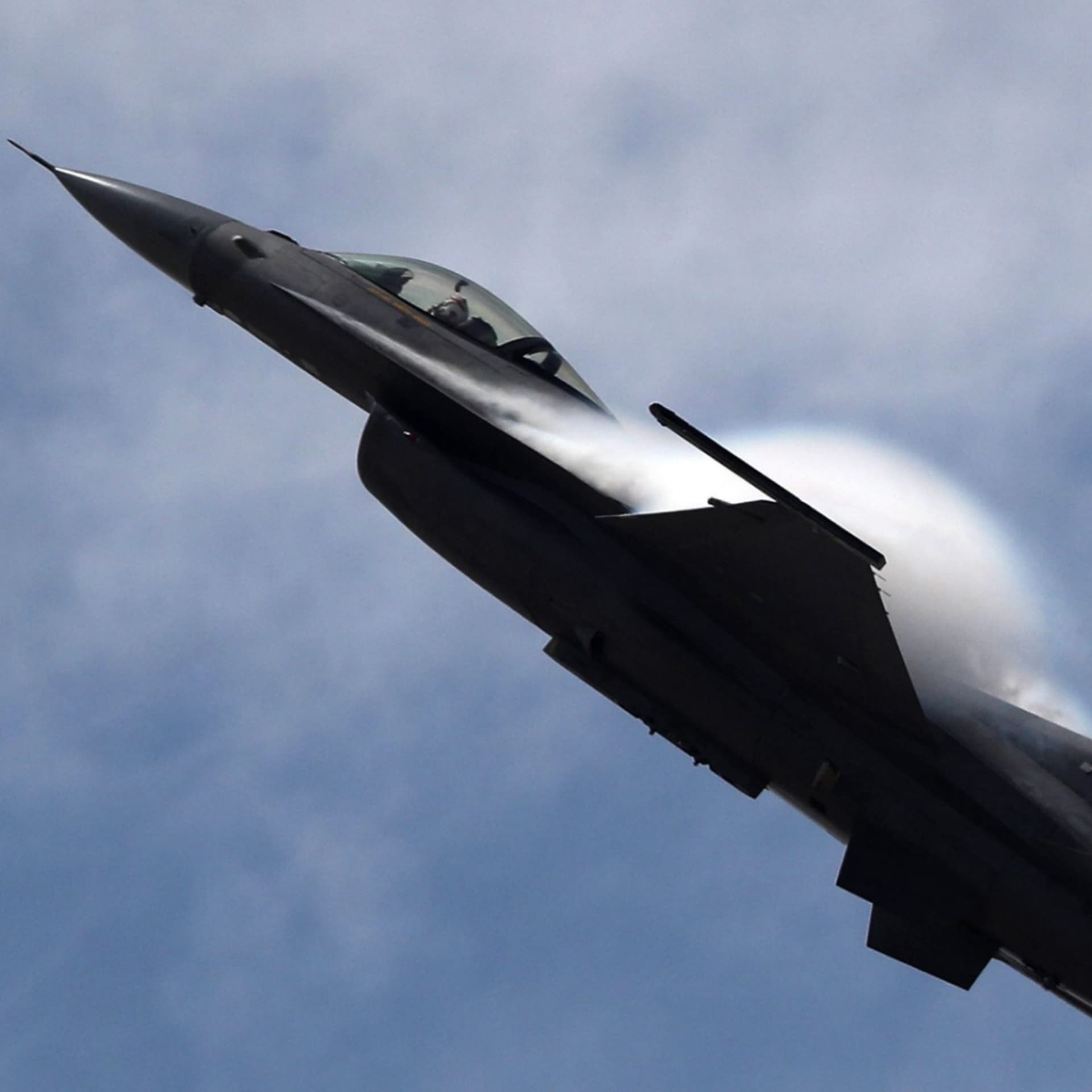
2:23As Washington and Tehran claim they're inching closer to a peace deal, US forces say they've launched airstrikes on Iranian targets. The two sides had been observing a ceasefire since early April. Iran has not responded yet. I asked our North America correspondent, David Willis, what we know so far. Well, Charlotte, the U.S. has attacked missile sites in southern Iran and boats trying to lay mines. According to U.S. Central Command, a statement from them says that U.S. forces conducted self-defense strikes in southern Iran today to protect our troops from threats posed by Iranian forces. This is the target, but doesn't give any details of the attacks.
3:07And that statement concludes, US Central Command continues to defend our forces while using restraint during the ongoing ceasefire. Well, there are reports, unconfirmed reports, of explosions near Bandar Abbas, which is a key Iranian airbase near the Strait of Hormuz. Precisely what impact, if any, these strikes will have on that fragile ceasefire. It's been in place for more than six weeks, of course, since the 8th of April. Isn't entirely clear throughout that ceasefire, Iran has maintained control over shipping through the Strait of Hormuz and the US Navy has been blockading Iran's ports. Now, President Trump wrote earlier in the day that a deal with Iran would either be great and meaningful, as he put it, or there would be no deal at all.
3:59Has this come as a surprise to people, given that 24 hours ago we were saying it looked like a deal was getting there almost? Well, you're absolutely right. The US Secretary of State Marco Rubio suggested earlier that a deal could be reached within a day, as he put it. And although that was swiftly rebuffed by a spokesman for Iran's foreign ministry, who said that whilst progress had been made in talks between the two sides, no such agreement was imminent. Now, they are thought to be discussing, delegates from Iran and the United States, a memorandum of understanding which would involve a 60-day ceasefire extension, the reopening of the Strait of Hormuz and further negotiations on Iran's nuclear program.
4:50That, of course, is not a final settlement. It leaves some of the thorniest issues still to be resolved, including the future of Iran's nuclear enrichment program, which this whole conflict was all about in the first place or supposed to be. The Trump administration almost seems to me to be willing a conclusion to this crisis. President Trump has made very little secret of his impatience, his desire to achieve a solution to this crisis with the, of course, midterm elections coming up less than six months away. That was David Willis. Meanwhile, Iranians are facing one of the longest running national Internet shutdowns in history.
5:33People there have been in digital darkness most of this year. first during a brutal crackdown on anti-government protests that shook the country, and then as the US and Israel went to war with Iran. Before the latest US strikes, the president, Massoud Peshachkihan, announced the internet blackout will end, with state media saying access could be restored in the coming hours. But BBC Persian's Bahman Kalbassi told me people are sceptical. The regime is intent on much more stringent control on the Internet, and it has taken major steps to make Internet as something of a privilege available to the few, available to those loyal to the regime, available to businesses that are close to the regime, or even students and professors who would have to go through regime channels.
6:31Are they suddenly prepared to give all that up? It very much remains to be seen. It's very hard to judge. There is a clear attempt by a lot of, especially the most hardline elements of the regime, to say Internet is not necessary for everyone. They have actually come out and said it publicly. So is the president overriding all of that, given that he's not a major player in the IRGC, the Revolutionary Guards are the ones who make these calls. That is a question that I will believe it when I see it. Because there have been times during this particular conflict where the president has come out and said something, and then he's been contradicted by the Revolutionary Guards.
7:17Throughout his entire tenure, that has been the case. And more so, obviously, since the war began and the power shifted even more than before to the hands of the generals. There's the reality, of course, that the economic impact of this internet shutdown is extremely grave. A lot of businesses are basically dying. Many young people who depend on internet connectivity can't do their basic work. So those pressures are boiling up. But is it enough or has it been enough for the entire government to recalculate and decide to not go forward with their plans of creating a North Korea style internet system.
8:07That really is the question right now. A lot of people are very sceptical of these announcements until they see real connectivity. And I imagine that even if the internet is restored, a lot of websites presumably are blocked. It's not totally free access? I mean, even before the war, internet in Iran was very much restricted, and many people accessed what they wanted to see or hear or listen to via VPNs. So that is the state of life in Iran has been for decades. But since the war, even that has gotten very, very difficult. Many of the VPNs don't work. People go through incredible hoops just to get connected to WhatsApp for a few minutes.
8:56So it is as if you create a major mass digital jail and put 90 million people in it. That was Bachman Kalbassi from BBC Persian. There have been more cross-border strikes between Israel and Hezbollah in Lebanon. A ceasefire between the governments has largely been ignored as both sides exchange fire on a near daily basis. Ahead of the latest barrage, Israel's Prime Minister Benjamin Netanyahu said he wanted to crush the Iranian-backed group.
9:32We are in a war with Hezbollah. Only in recent weeks, our heroic fighters have eliminated more than 600 terrorists. I want you to know this, more than 600 terrorists. But we are not taking our foot off the pedal. On the contrary, I said to press on the pedal even more. We will hit them. Lebanese officials say more than 400 people have been killed in Israeli airstrikes since the ceasefire began last month. Israel says 10 soldiers have been killed. Here's our Middle East correspondent Lucy Williamson. Any pretense of a genuine ceasefire in Lebanon disappeared tonight with that statement by the Israeli prime minister.
10:11Benjamin Netanyahu said, we are at war with Hezbollah, he said. And he talked about the need to increase strikes and deal them a crushing blow. Now, the conflict between Israel and Hezbollah, as you say, has continued through the five or six weeks that the ceasefire there has been in place. But I think people across Lebanon tonight will be wondering what this new announcement means. And certainly the Israeli military tonight said it had carried out more than 70 strikes across the country, including in areas such as the Beqar Valley in the east, also in Tia. I think what's interesting tonight to look at is U.S.
10:49officials appear to be briefing support for Israel's right to attack Hezbollah. They've been talking about how Hezbollah has repeatedly resisted requests to stop firing at Israel. And Israel, the U.S. officials said, will never be expected to passively absorb attacks. So I think all of that does point to some very delicate timing. The U.S. is currently negotiating the terms of a potential ceasefire deal with Iran. And any Israeli escalation in Lebanon could certainly complicate those negotiations. But it could also signal that Israel has been given a window to press ahead in Lebanon and that it may shortly find itself under pressure to limit its attacks.
11:33That was Lucy Williamson. Nearly a decade ago in Saudi Arabia, Crown Prince Mohammed bin Salman launched Vision 2030, an estimated trillion dollar programme of infrastructure and tourism projects designed to wean the kingdom off its dependence on oil. It's the second largest oil producer in the world and currently under pressure as a result of the Iran war. But as our global affairs reporter Sebastian Usher explains, some of the biggest projects are already being scaled back or shelved. The world needs neon because the world needs change. That's what we mean when we say... Made to change. To great fanfare back in 2017, the Saudi Crown Prince Mohammed bin Salman made a surprise announcement intended to thrust Saudi Arabia forward into a new uncharted future, which was dubbed Vision 2030.
12:30Today, as the chairman of the board of directors of NEOM, I present you The Line, a city of a million residents, 170 kilometres long, with zero cars, zero streets and zero carbon emissions. You can fulfill your daily requirements with a five-minute walk. Other extraordinary giga projects were touted, such as the Cube in Riyadh, a futuristic city within a city with the capacity of 20 empire state buildings. In the country's northwestern mountains, Trajana, an all-year-round ski resort. But a recalibration in recent months in response to both financial and logistical limitations has meant that such jaw-dropping ambitions have been scaled back.
13:12Abdullah al-Alda, a Saudi human rights activist, says they're now going for smaller wins with more achievable projects like luxury resorts in the Red Sea. A lot of the ministers are trying to say that, oh, we didn't fail, but we knew all along that we're going to rethink, curate as the market needs. I think loser number one is the Saudi people because it's their money at the end. Vision 2030's aim was to finally wrench Saudi Arabia away from its dependence on oil and generate unprecedented tourism. Some of this has been achieved, but the war in Iran has exacerbated uncertainty. Oil is still the main draw for foreign investors and the biggest influx of foreign visitors is once again Hajj, the annual Muslim pilgrimage which started today under the furnace of the Saudi sun and the threat of renewed conflict.
14:07That was Sebastian Usher. Shameless blackmail, that's the verdict of the Ukrainian government on Russia's threat to launch large strikes against Kiev. Moscow said the attacks would be aimed at targets linked to the Ukrainian army. Earlier, it advised foreign nationals to leave the Ukrainian capital. Our Russia editor Steve Rosenberg has the latest. In a statement, the foreign ministry said Russia would carry out what it called systematic strikes against Ukrainian military industrial facilities in Kiev, including locations where Moscow says Ukraine is designing, producing, programming and preparing drones for use.
14:46Decision-making centres and command posts would be targeted too, it said. It called on foreign diplomats and staff of international organisations to leave Kiev as soon as possible, and on the city's residents not to go near military and administrative buildings. Moscow is framing this as a response to what it claims was a deliberate Ukrainian drone attack last Friday on a college and student dorm in Storobilsk, a town in Russian-occupied eastern Ukraine. The Ukrainian military has denied deliberately targeting civilians. It says that that night it struck an elite Russian drone unit in the area.
15:23That was Steve Rosenberg. Still to come in this podcast, how a tiny community in Sierra Leone was transformed when a teenager found a massive diamond.
15:44Hi, Uncle Lazer here. America's built on fast cars, fast food, and even faster women. Moto Casino's built in America. You know what they're fast at? Fast cash prize redemption. You see, only Moto is U.S. owned and operated. Moto. It's American-made. That's who we are, and that's who we care about. Play for free at Moto.us. Moto Casino's the social casino. Avoid were prohibited. No purchase necessary. Visit Moto.us for more details. Must be 21+. Motor Casino, America's Social Casino.
16:39Offer ends May 26. Restrictions apply. Offers may vary. Visit jewelosco.com for more details.
17:16This is the Global News Podcast. The head of the World Health Organization says it's a race against time to try and stop the spread of Ebola and that initial detection of the disease was too slow. More than 200 people have died and more than 900 cases are suspected in the Democratic Republic of Congo. Cases have also been rising in neighbouring Uganda. Insecurity in the region is hampering efforts to curb the outbreak, which began in the northeast of the country, where thousands of people are displaced. Awareness campaigns have been telling people to wash regularly with soap and clean with ash.
17:54But those there say it's not always possible.
18:02we don't even have anything to wash our hands with or soap to protect us from disease we're appealing for the authorities to help we're in the midst of an epidemic but we don't even have soap if we don't get help we're all going to die here we clean the insides of our jerry cans with ash but finding ash is becoming difficult because we can't find any coal anymore and unfortunately we don't have the money to buy it. Please help us to buy coal so we can get ash. Declan Walsh is the chief Africa correspondent for the New York Times. He's been reporting from the epicentre of the current outbreak in Ettore province.
18:41It was where the first cases were detected 11 days ago. He spoke to the BBC's James Kumasamy. On the surface, shops are open, traffic is circulating, But it doesn't take you very long to realise that there is this deep current of apprehension and even fear among many residents who've really just been starting to come to terms with the amplitude of this outbreak. What kind of testing is going on there now? It's not great, to be honest. There is one government testing laboratory in Bonne. It's testing perhaps at most 40 or 50 tests a day. And that is entirely insufficient. Nearly all of the suspected patients are being kept in public health facilities that are under-resourced, under-equipped.
19:30What that means is that you've got people who are probably not, in fact, mingled in with people who are, and that's almost certainly spreading the data further. And to make matters worse, there have been these attacks on health facilities. Some of the handful of isolation tents that have been erected, at least three of them have been burned in recent days. And then last night, a group of perhaps over 100 young men gathered outside the hospital, demanding the body of a Christian leader who had just died. And there were running battles outside that hospital. there are many people in some of the worst affected areas who unfortunately don't believe the virus is real, or they believe that it is somehow the responsibility or has been caused by the people who are trying to treat it.
20:19And to be clear, the reason these bodies are not being given over to relatives is because it is during the preparations for the burial during the funerals themselves that Ebola is often spread. That's right. When someone dies, their body is almost at its most contagious. Usually mourners come to view the body of the deceased and they will hug them or touch them. And unfortunately, that is a disastrous practice. It effectively turned the funeral into a super spreader event. Declan, what about the precautions you're taking? Yeah, I mean, look, but nothing really prepares you for coming into an environment like this.
20:58You know, you just really have to be very disciplined in following practices, particularly of washing your hands. You know, you see people wearing face masks here, which certainly do play some role, but the experts will tell you that it's not a disease that's spread by respiratory means, it's spread by touch. It's spread by touching someone who is contagious, or it's spread by touching a surface that they have touched. We are extremely conscious about maintaining our safety protocols in that regard. That was Declan Walsh from the New York Times. Parts of Europe have been experiencing extreme heat for this time of year, with the UK breaking a record for the highest temperature in May since 1944.
21:42The UK's Met Office recorded a temperature of 34.8 degrees Celsius in London. Greg Dewhurst is a scientist there. Normally records are broken by less than a degree, a couple of points of a degree, but see the UK record beaten by a whole two degrees and also the Wales record beaten by a whole two degrees. It's a good indication of climate change in action. The world is warming. We're seeing more extremes and the records prove it. The record high follows a period of cold weather, torrential rain and even hailstones in parts of the UK two weeks ago. Experts call this climate whiplash and it's also been seen recently in France and Belgium.
22:28Hannah Cloak is a climate professor at the University of Reading in England. What it means really is that our climate is becoming more volatile. So when we are seeing these swings between different weather patterns, they are just becoming more violent, more energetic. So if we see heavier rainfall, we see perhaps really hot temperatures, those are the things that are extremely swinging between two different things. We do have kind of variable weather in the UK and that's really important to understand. It is just that superchargedness that is being injected into these weather systems. And that is what we can really feel.
23:05This weather is not caused by climate change. It's just supercharged and made worse. The temperatures are higher. Our rainfall becomes heavier. And I would like to say to everyone listening, you know, this is really what climate change feels like. France's weather agency has also said that new monthly highs for May were recorded at more than 350 weather stations. Our correspondent Hugh Schofield is in Paris and sent this report late on Monday. These exceptional temperatures are being felt across France but particularly in the west. Remarkably, as the sun came up this morning, it was hotter in the Brittany port of Brest than it was in Corsica.
23:4418 departments or counties are on the first alert level for heat, including the capital Paris, where this afternoon it's been in the early 30s Celsius and people are venturing out with caution. It's really hot. I'm pregnant, so it's kind of difficult. So I have a water spray and I have hats, sunscreen and everything. And I try to find a shadow. So actually we had a kind of cold May, so I was quite happy. But yeah, I need more water now. We have to plan things like having water, having sunscreen. It's just like we have to be very careful. Next, the Enhanced Games have taken place in Las Vegas. They're essentially the Olympics, but on steroids.
24:28The athletes competing were all allowed to take performance-enhancing substances, and huge cash prizes were on offer. Three clean athletes also won their events. Ross Tucker is a South African sports scientist. The entire thing was an advertisement. It was a platform for an anti-aging drugs campaign. It seemed like a thinly veiled attempt on the part of its backers to use elite athletes to promote the idea that healthy, otherwise healthy people, older people should use drugs for off-label use. That's really what it boiled down to, the Enhanced Games. They spoke about transparency and they spoke about redefining sport.
25:05I don't think any of that happened. But whether those billionaire backers continue to think that there's a market will determine whether we see another enhanced Games. Our correspondent, Shima Khalil, was there and I asked her what it was like. I think it was everything that you would expect from a Las Vegas spectacle. It felt like a sporting event slash rock concert slash this big launching pad for all sorts of performance enhancing drugs sold to the general public, not just to elite sports. There was booming music, flashing lights. There was a concert in the end. And of course, there were the competitions in swimming, in track, in weightlifting.
25:46and there were many athletes, former Olympians, that got another shot at their sport after retiring. Many walked away with big money. There was one world record that was broken, and that was Christian Golomyev, the Greek swimmer. He walked away with a million dollars. What's important, of course, to say is that this world record will be recognized only in the enhanced games because the games themselves have been dismissed and condemned by world bodies, including world aquatics and world athletics. They all see this as an affront to fair play. They also see that this is a dangerous precedent because the health implications, the long-term health implications, they say, are dangerous, that at the heart of this are the banned substances.
26:35What the organizers say is that this has existed for years in elite sport, and they're bringing it out in the open. And I think it's important to say that, again, this is also a business. They're selling this to the general public, and it is widely considered this event to be a launchpad for their big business. That was Shaima Khalil. Nine years ago, one of the most remote and underdeveloped communities in one of Africa's poorest economies, Sierra Leone, received an unexpected windfall. Villagers unearthed one of the biggest rough diamonds ever discovered. Ed Butler was there after the discovery and has just returned to see how the sale of the diamond has affected those involved.
Read the full transcript
27:20This was the scene on the day in early 2018 that Koyadu learnt its so-called peace diamond had sold at auction for some six and a half million dollars. We be fake joy, now we act. We dance, we dance, we jubilate, we laugh, we're glad to eat too much. Combo John Bull was the 15-year-old boy who discovered the stone in a local open-cast pit. You're suddenly a rich man, right? At that moment, yeah, I was a rich man, sure. It must have felt exciting. Very happy. At that moment, at that time, I was happy. Combo and other diggers each received over$100 ,000 for their find. He recalls now how he used the money to try to emigrate to Canada.
28:05The application and months of waiting cost him most of his earnings. We were spending a lot of money on feeding. We were also going out to bars and enjoying ourselves. So we indeed spent a lot of money. It was party, party, party for you, was it? No, no, not party. If now, now, that blessing came away. Looking back, I think that I could have done better, much better. and all we thought was that whatever we could make twice as much as we got from the diamond. But it didn't turn out to be that way. The Canadian visa was rejected. Gombe now works as a welder in Sierra Leone's capital, Freetown, regretting much of his youthful ignorance.
28:53But for the wider community in Koriadu, it's perhaps a different story. I told the government that where we found this diamond, There's no good school, no facility for education, no good road. There's no pure water. This is Pastor Emmanuel Momo, the owner of the pit where the diamond was found. He did a deal with the government. In return for him declaring it to them, they would provide the village with much-needed development. They promised all of those things. The school, the clinic, water and a road.
29:33So, did that happen? We want to make the future bright for the people, especially the kids that are going to school now. With education, they can change this community. That's Abubaka Amara, the head teacher at the large new primary school he now runs in the village. With multiple classrooms and solar power, it does feel like a world away from the husk of a building that I saw nine years ago. A shiny zinc roof on the new maternity clinic also speaks of progress. Can I come in? The village midwife, Judith Sia-Lamin, introduces me to Koriadu's most recent arrival, a newborn infant. So this is a little baby boy.
30:20Two days old. Very handsome. Judith tells me that some 6 % of expectant mothers used to die on the roads trying to reach the main hospital in town. They haven't had a single maternal death here since the clinic was built. Pastor Momo is proud of what's been achieved, although he says the government has done the bare minimum to fund the running of these new facilities, which is now paid for by foreign aid money. They know that what the promise, they have never met the promise. The Minister of Mines declined to speak to me about this story, but some do defend the government's record. Martin Rappaport is a philanthropist and campaigner whose charitable support helps maintain the Diamond Peace Project now.
31:05We were providing rice and now the government is providing the food for the children, which is an amazing thing. So what happened is we hooked them into the development cycle and environment. And you've got to understand how difficult that process is when you're dealing in a place like Koyar do, when you're dealing with absolutely starting from scratch. Tell me then, what would you say the legacy of the Peace Diamond has been? It's created a shift in thinking. And it's showing that resources like diamonds can have a real impact on the local communities. You have to have patience to do development properly.
31:49And you have to let the people do their own development. the legacy of the peace diamond is in fact the people. That report by Ed Butler. And that's all from us for now. If you want to get in touch, you can email us at globalpodcast at bbc.co.uk. You can also find us on X at BBC World Service. And don't forget our sister podcast, The Global Story. This edition of the Global News Podcast was mixed by Abby Wiltshire and the producer was Marion Straughan. The editor is Karen Martin. I'm Charlotte Gallagher. Until next time, goodbye.
32:32I'm Kai Wright. I'm Carter Sherman. Welcome to Stateside with Kai and Carter. We're a new show from The Guardian. We're talking to big thinkers and the best journalists just trying to understand the world through smart conversation and honest reporting. We don't have billionaires telling us what to say. Stateside with Kai and Carter will come out three times a week, Monday, Wednesday, and Friday, starting May 13th. Subscribe on YouTube or wherever you get your podcasts.
From the publisher
The US says it's launched new strikes on Iranian missile sites and boats, despite the ongoing ceasefire and diplomatic moves towards a peace deal. Meanwhile, Tehran says it will lift the nationwide internet shutdown today. Also: Israel and Hezbollah in Lebanon exchange fire; Ukraine calls Russian strike threats "shameless blackmail"; WHO warns the Ebola spread in central Africa is outpacing response efforts, and we hear from a journalist in Ituri Province in the Democratic Republic of Congo; Europe swelters in "climate whiplash" heatwave; Saudi Arabia scales back ambitious megaprojects as funding dwindles; an update from the controversial Enhanced Games; and the diamond that saved a thousand lives in Sierra Leone.
The Global News Podcast brings you the breaking news you need to hear, as it happens. Listen for the latest headlines and current affairs from around the world. Politics, economics, climate, business, technology, health – we cover it all with expert analysis and insight. Get the news that matters, delivered twice a day on weekdays and daily at weekends, plus special bonus episodes reacting to urgent breaking stories. Follow or subscribe now and never miss a moment. Get in touch: globalpodcast@bbc.co.uk