In short
Global News Podcast covering: US withdrawal of about 5,000 troops from Germany; Trump’s Iran war options; US-EU/EU trade tensions over vehicle tariffs; new US sanctions on Cuba; Gaza’s worsening pest/disease crisis; France’s May Day bakery rule confusion; UK scientists’ facial-recognition identification of an Anne Boleyn sketch; and a Flatpak World Championships furniture-building story.
Guests
No named guests in this episode’s main segments. Speakers are BBC correspondents and officials: Charlotte Gallagher (host), Peter Bowes (North America correspondent), Michelle Fleury (business correspondent), Will Grant (Cuba correspondent), Joe Inwood (World news correspondent), Yolande Nell (Middle East correspondent), Ed Butler (reporter), Harriet Bradshaw (history segment), Mark Ashton (sports/feature reporter). Also quoted: Pentagon spokesman Sean Parnell; German Chancellor Friedrich Merz; Trump; UNICEF’s Etty Higgins; WHO on cases.
Key claims/examples
Troops withdrawal “symbolic” but may weaken NATO deterrence; tariffs on European vehicles to 25% (from 15%); Cuba sanctions target broad sectors (“energy… metals and mining… financial services… security”); Gaza rodents/fleas spread disease (WHO: 110,000 cases); Holbein drawing facial recognition suggests an Anne Boleyn sketch is actually her mother; Flatpak champion builds a Billy bookcase and bedside table quickly (8:20) with no rogue screws.
Written by AI. May contain mistakes. Listen to the episode to check what was said.
Chapters
Tap a time to open that second in VOUS Troop Withdrawal from Germany
1:43 to 3:02
Discussion on the implications of the US withdrawing 5,000 troops from Germany.
“Also, Cuba says new sanctions imposed by the US amount to collective punishment.”
Reactions and Implications
3:02 to 4:49
Analyzing the potential impacts of troop withdrawal on NATO and security.
“And on Friday, the Chief Pentagon Spokesman, Sean Parnell, confirmed this in a statement.”
Trump's Strategic Decisions
4:49 to 7:12
Exploring President Trump's approach to military strategy and Iranian conflict.
“allies about Washington's long-term commitment to NATO, and it could be seen as weakening deterrence against Russia.”
US Tariffs on European Vehicles
7:12 to 9:29
Discussion on the recent announcement of increased tariffs on imported vehicles.
“Tensions are also ramping up between the US and the EU over trade.”
Cuba's Economic Crisis and Sanctions
9:29 to 12:39
Examining the impact of US sanctions on Cuba's economy and public sentiment.
“Cuba has described a new round of sanctions imposed by the United States as collective punishment.”
The Curious Case of the Missing Oscar
12:39 to 14:03
An intriguing story about an Oscar statue that went missing during travel.
“You know, it props up lots of small businesses with such a drop off, particularly since COVID.”
Film's Statue Recovery News
14:03 to 14:57
Learn about the recovery of a vanished statue during a Lufthansa flight incident.
“When he landed in Germany, the statue had vanished.”
Health Crisis in Gaza
16:28 to 20:29
Explore the rising health issues among displaced Palestinians due to pest infestations.
“In Gaza, rats, fleas and other pests are increasingly spreading diseases among displaced Palestinians.”
French Bakery Law Changes
20:37 to 24:05
Understand the confusion around bakery operations during International Labour Day in France.
“Now, if you think that buying a crusty, freshly baked baguette is one of the most famous daily rituals for people in France, you might be disappointed.”
Discovery of Anne Boleyn's Sketch
24:06 to 27:54
Hear about a new identification of a sketch of Anne Boleyn using modern technology.
“The team from the University of Bradford believe the image of Henry VIII's second wife has been hiding in plain sight for hundreds of years in a collection of drawings by the famous artist Hans Holbein the Younger.”
Transcript
Automatic transcript. May contain errors.0:00This BBC podcast is supported by ads outside the UK.
0:30Make your next financial move with confidence. Follow NerdWallet's Smart Money Podcast on your favourite podcast app. Decisions made in Washington can affect your portfolio every day. But what policy changes should investors be watching? Listen to Washington Wise, an original podcast for investors from Charles Schwab, to hear the stories making news in Washington right now. Host Mike Townsend, Charles Schwab's Managing Director for Legislative and Regulatory Affairs, takes a non-partisan look at the stories that matter most to investors, including policy initiatives for retirement savings, taxes and trade, inflation concerns, the Federal Reserve, and how regulatory developments can affect companies, sectors, and even the entire market.
1:14Mike and his guests offer their perspective on how policy changes could affect what you do with your portfolio. Download the latest episode and follow at schwab.com slash Washington Wise or wherever you listen. This is the Global News Podcast from the BBC World Service. I'm Charlotte Gallagher and in the early hours of Saturday the 2nd of May, these are our main stories. 5 ,000 US troops will be ordered home from Germany following a spat between the two countries' leaders. And are we any closer to an Iran deal? We'll hear from President Trump.
2:04Also, Cuba says new sanctions imposed by the US amount to collective punishment. In Gaza, rats and fleas are spreading diseases among displaced Palestinians. Also in this podcast. It's been quite an ordeal and I'm sure that no Hollywood star and really it doesn't sound like any other person who has ever travelled with an Oscar has ever had to deal with this. The Hollywood ending for a missing Oscar.
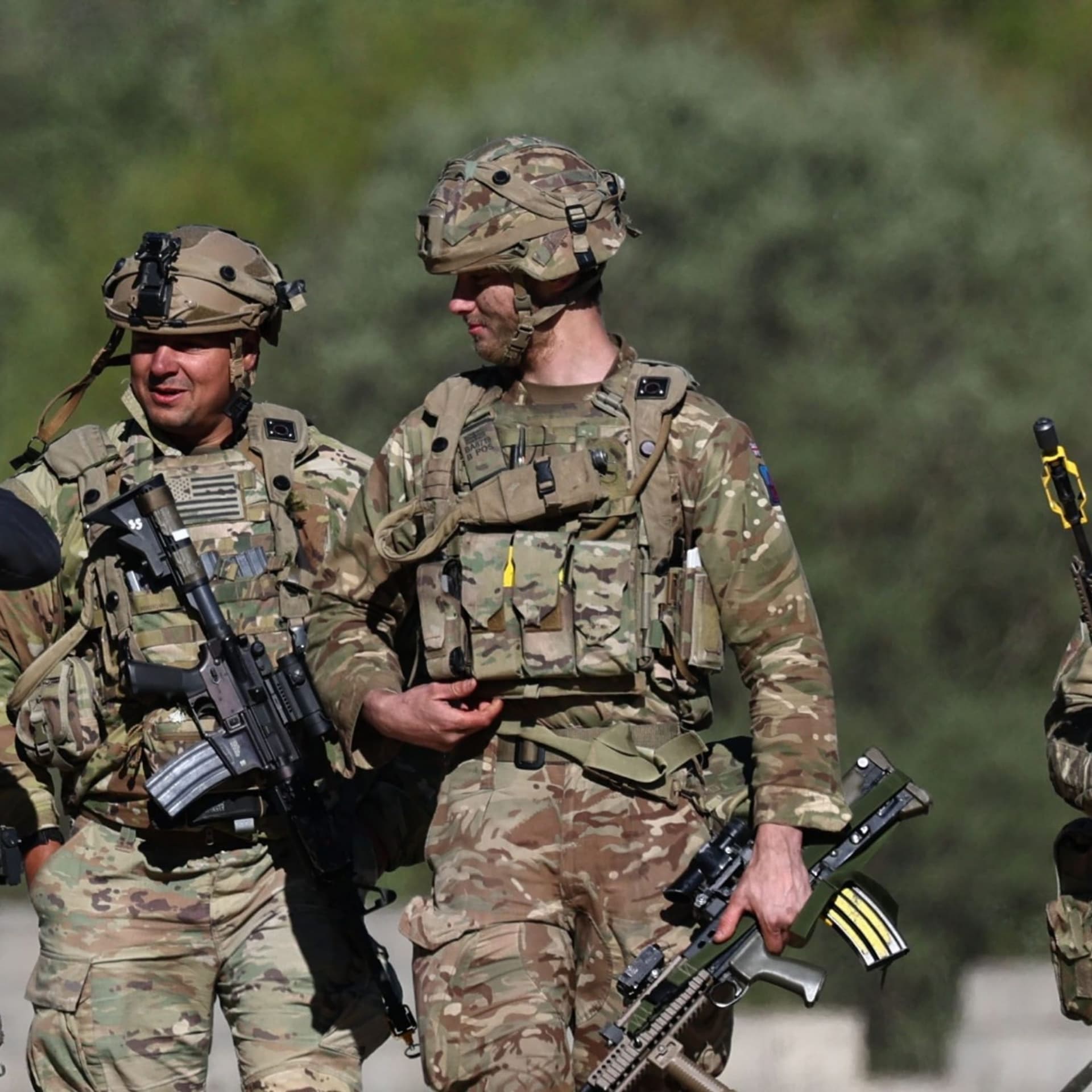
2:42President Trump has been threatening to punish some European countries for refusing to help with the war in Iran. And when the German Chancellor Friedrich Mertz commented that the US was being humiliated by Tehran, it seemed to have hit a nerve. Earlier this week, Mr Trump hinted he might pull thousands of US troops out of Germany. And on Friday, the Chief Pentagon Spokesman, Sean Parnell, confirmed this in a statement. It's been voiced by one of our producers. The Secretary of War has ordered the withdrawal of approximately 5 ,000 troops from Germany. This decision follows a thorough review of the department's force posture in Europe and is in recognition of theatre requirements and conditions on the ground.
3:24We expect the withdrawal to be completed over the next six to 12 months. I asked our North America correspondent, Peter Bowes, if this was about Mr Trump being offended by the German Chancellor? Well, the Pentagon statement that we've just heard suggests a wider review of troop requirements, but we can't ignore the spat between Donald Trump and Friedrich Mertz over the war in Iran. The Chancellor's reservations about the conflict are well known. They have been for a long time, from the beginning of the war, two months ago. He actually met with Donald Trump at the White House in March. This was just days after the conflict started, and he expressed concern that an extended war could do great damage to the global economy.
4:04In recent days, he has been more critical, saying that the US was being humiliated by the Iranian leadership. He also criticised Washington's lack of strategy. Mr. Trump responded to that, saying that the German Chancellor didn't know what he was talking about. And it was then, just a couple of days ago, that he threatened to reduce the number of US troops stationed in Germany, saying that a decision would be made fairly soon. It has been fairly soon, just 48 hours now. The Pentagon has confirmed that move. And what could be the impact on security, not just in Europe, but also the US? Well, the withdrawal of 5 ,000 US troops from Germany probably is more symbolic than strategic, although symbolism matters, of course.
4:48It is likely, I think, to raise more questions amongst allies about Washington's long-term commitment to NATO, and it could be seen as weakening deterrence against Russia. At the same time, the other argument is that the Pentagon may say, well, it's all about flexibility, shifting forces to where they're most needed. That's certainly what their statement seems to imply. But Germany is a key logistics hub, and a reduction in forces could risk slowing response times if there's a crisis. And do you think Mr Trump will face any backlash in the US over this withdrawal? Well, politically, I think he may face criticism from both parties for potentially undermining alliances.
5:29And these alliances go back for some considerable time. But his core supporters are likely, I think, to back this move as part of what is seen as the America First approach, although the president has been criticised quite a lot in recent weeks for veering away from that America first approach. By reducing overseas commitments, though, he would be appealing to his base, unless it leads to very clear security setbacks. It's unlikely to become, I think, a major domestic political issue. And you mentioned that, Peter, overseas commitments. And the biggest one now is obviously Iran. And President Trump is under pressure to decide what to do.
6:06He said in a letter to the US Congress that hostilities are terminated, but he's also told journalists the war could start up again. Do we want to go and just blast the hell out of him and finish him forever? Or do we want to try and make a deal? I mean, those are the options. Do you want to go blast the hell out of him? I prefer not. So not totally clear where Mr. Trump is going to go from here, Peter. And, you know, I'm tempted to say to that, well, probably only he knows what he's going to do next. Whenever he is asked if he is going to resume the bombing, he says to reporters, why should I tell you.
6:39And I think that is a response that emphasizes that he is keeping his options open, all of his options. He could try to intensify the economic stranglehold on Iran through the blockade of its ports. He could try to move to open up the Strait of Hormuz or partially open it through US intervention there. Both options could involve playing the long game. But I think the reality is, with domestic politics in mind, Donald Trump doesn't have a lot of time to end this war. if he is not going to risk the consequences at the polls in November. Peter Bowes. Tensions are also ramping up between the US and the EU over trade.
7:17President Trump has announced he'll be increasing tariffs on imported European vehicles to 25%. The tax is currently set at 15%, but Mr Trump claims the bloc is not complying with the terms of a trade deal struck last summer. The European Commission has responded, saying it's implementing the deal in line with standard practice. The US trade war with the EU has been one of the big issues of the Trump administration and in Florida on Friday, Mr Trump took aim at his French counterparts. So I'd call up like, as an example, France. I spoke with Macron. Emmanuel, your drug prices are a tiny fraction of ours.
7:58We can't have that. We're going to have to raise it. No, no, no, Donald, I will not do that. I'm going to put a 250 % tariff on all wines and champagnes that you ship into our country.
8:13And he said, Donald, Donald, how dare you? You should not do that. You cannot do that. And I said, no, I'm going to do it. OK, you have a deal. With more on the U.S. tariffs on European vehicles, here's our business correspondent, Michelle Fleury. Obviously, we have this signal of intent from the president with this post on Truth Social, but we still have to wait for the official document from the Department of Commerce and others that kind of formally announces the mechanism under which such trade tariffs would be implemented. A lot of them were, or at least this idea of blanket tariffs was ruled illegal by the Supreme Court.
8:53That being said, there are sectoral tariffs that are currently being explored by the administration. So whether it would fall under that, we just at this point don't know. And I think that's where, as ever, the fine print matters. And talking about fine print, a lot of this has to do with the fact that when you think back over the summer, all of those kind of trade deals that were announced, a huge fanfare. A lot of them were headlines, but they didn't have much time to kind of figure out the details. And I think it is differences of opinion on those details that has led to this ratcheting up of tensions that we're seeing right now.
9:28Michelle Fleury. Cuba has described a new round of sanctions imposed by the United States as collective punishment. Cuba is already in the throes of a major economic and fuel crisis exacerbated by the US's oil blockade of the island. The announcement came as a large May Day celebration took place in Havana, where Cubans vowed to defend their homeland against American aggression.
9:56President Trump has no right to do anything against Cuba. As for me, I'm Cuban-American, and with all the failures of the United States, in Iran, in Gaza, in Venezuela, for all those crimes they commit, I had to do something. The response has been very strong, right in front of the United States embassy. Millions of Cubans across the entire country, and here, hundreds of thousands in their anti-imperialist stand. So who will be the target of the new US sanctions? Our Cuba correspondent is Will Grant. Well, it's pretty interesting in the sense that it is very generalised. I mean, the wording says to any foreign person operating in the energy defense related material, metals and mining, financial services or security sector of the Cuban economy or any other sector of the Cuban economy.
10:48Huge amount of movement and wiggle room there in the interpretation of what that could mean. So that led, I think, to the foreign minister saying they obviously rejected those new measures, calling them unilateral coercive measures and collective punishment against the Cuban people. I think the truth is that this will be focused at squeezing the Cuban economy further by forcing sanctions against anybody who does dealings, particularly with those areas, mining, financial services and so on, and simply making it more uncomfortable for any entity, any individual who intends to do business with the Cuban government, which, of course, remains the main player in the economy on the island.
11:29And of course, normal Cubans are suffering. I remember you were there and you were reporting on hospitals and people giving birth in darkness because there were power outages. Is it still like that now in Cuba? Yeah, it remains very, very bad. There's been a bit of easing with the arrival of a Russian oil tanker last month, which was carrying somewhere in the region of 730 ,000 barrels of oil of crude. And that has helped things in the very short term. But of course, it's no long-term solution at all. Very interesting, of course, that the Trump administration imposes these new measures on the May Day celebrations.
12:05And we heard in the people's voices there on the streets that they were turning out in support of the government of that. But of course, people are very, very tired at this situation. They don't want to be on a constant hostile footing with the United States. They feel like that their own government has failed to invest in time with the crumbling infrastructure and so on, particularly in the energy sector. And yes, it remains extremely bleak on the island. And I suppose as well, it's stopping tourists going and that is going to lose the island a lot of money. Absolutely. I mean, tourism is the mainstay of the economy.
12:39It's the driving force. It's the main economic motor. It brings in foreign currency. You know, it props up lots of small businesses with such a drop off, particularly since COVID. But beyond there too, it's just getting harder and harder to bring in that foreign currency reserves with which they import foodstuffs, medicines and so on. So it's all related. But yeah, the tourism sector being hit very hard does have a direct impact on the well-being of the rest of the Cuban economy. That was Will Grant. Now to the curious case of the missing Oscar. It disappeared after Pavel Talankin, the director of the Academy Award winning documentary Mr Nobody Against Putin was forced to put the statue into a plane's hold in case he used it as a weapon.
13:23And then the airline Lufthansa said they couldn't find it. Our world news correspondent Joe Inwood has the details.
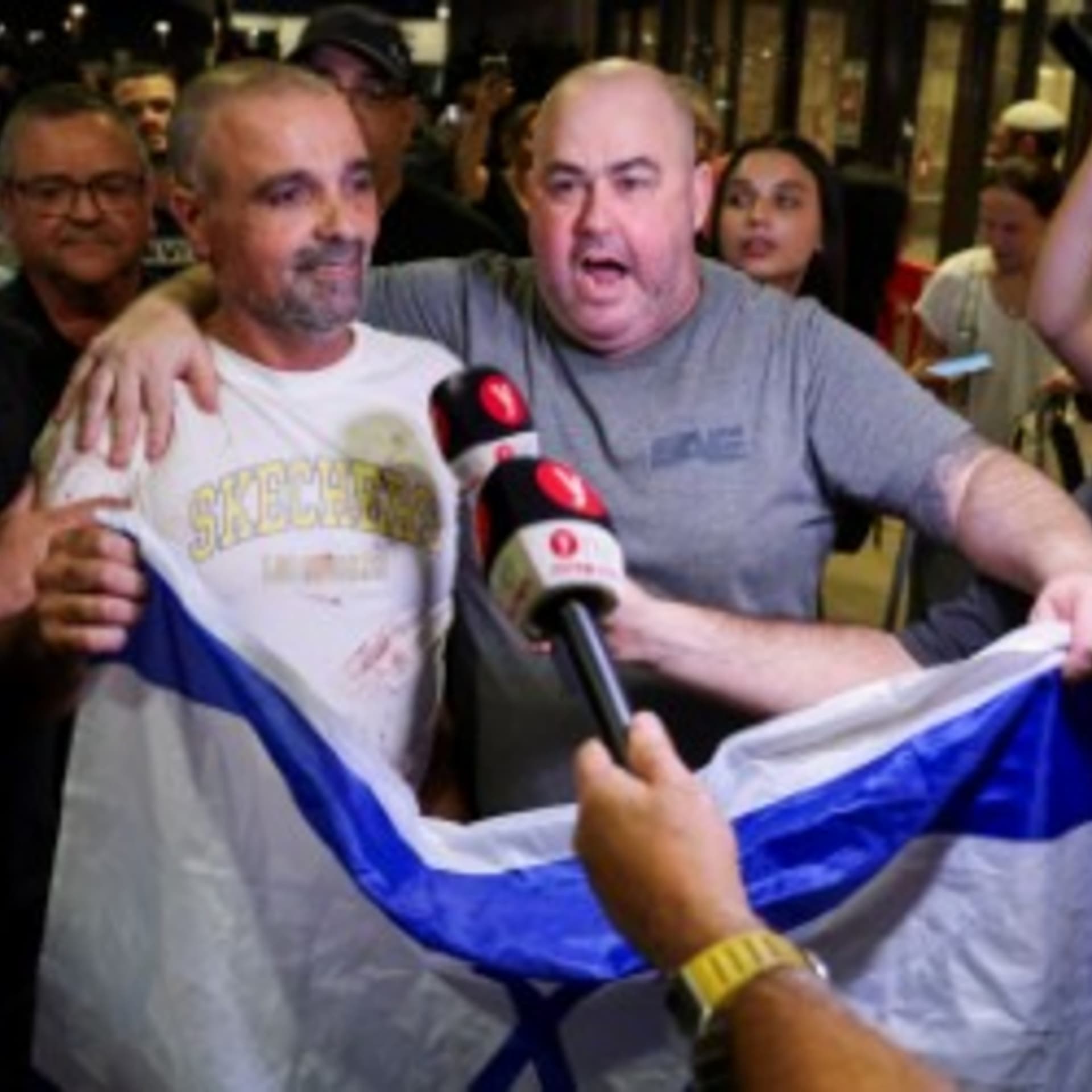
13:39It is an extraordinary portrayal of one's school teacher's fight against the Russian propaganda machine. Mr Nobody Against Putin was recognised with the Oscar for Best Documentary, amongst other awards. But security at New York's JFK airport decided Pavel Talanquin's 13.5-inch, four-kilo Golden Academy Award could be used as a weapon, and so made him put it in the hold of his Lufthansa flight. When he landed in Germany, the statue had vanished. The airline said it was looking for it, but the film's executive producer Robin Hessman criticised Mr Telenkin's treatment, saying this wouldn't have happened to Leonardo DiCaprio.
14:17But a few hours later, this moment on the BBC News Channel. Breaking news. Cluffed answer has just told the BBC it's been recovered. The film's co-director David Borenstein was being interviewed at the time. It definitely is a relief. I'm looking right now at the message from Linda from Lufthansa, so it's really good news. Lufthansa has apologised to Mr Telenkin for the inconvenience. The team behind the film said it was relieved after what it called a big kerfuffle. That was Jo Inwood reporting. Still to come in this podcast. Of the many mysteries that surround Anne Boleyn, her reign wasn't necessarily long enough for a kind of established iconography.
15:03And there is this tantalising suggestion that perhaps some of her images might have been deliberately destroyed. Scientists say they've used new technology to identify a previously unknown sketch of the Tudor queen Anne Boleyn.
15:29Welcome to Moto Casino, where the excitement never ends. with thousands of the hottest free-to-play social casino games, fastest payouts, and the best promotions in the industry. No tricks or gimmicks. Owned and operated in the USA. Moto Casino is a free-to-play social casino. No purchase necessary. 21 plus to play. Void where prohibited. Sign up today for a generous welcome bonus. Moto Casino. American Social Casino. Download the Moto Casino app today. Is China the real winner from the war in Iran? I'm Asma Khalid, one of the hosts of the Global Story podcast from the BBC. As the war in Iran drags on, one big idea we keep hearing is that somehow the real winner is a country technically not even involved in the fight, China.
16:12But is that story actually true? And what does this war mean for China's long-term ambitions? Listen to The Global Story on BBC.com or wherever you listen to your favorite pods.
16:28This is the Global News Podcast. In Gaza, rats, fleas and other pests are increasingly spreading diseases among displaced Palestinians. After two years of war, most of the two million people living in the Strip are now in makeshift camps with poor hygiene and sanitation. A recent survey by international aid groups found rodents were frequently seen in 80 % of displacement sites. Here's our Middle East correspondent, Yolande Nell.
17:01Here you see all the sewage that comes from all the area of Gaza. Imwadiya is a mother of three. Cutting through the beachside tent camp where her family now lives is a stinking stream of raw sewage, the ideal habitat for Gaza's growing population of rodents.
17:23While we are sleeping, they walk over our clothes, they walk over our food and even water. We have little water as well.
17:38In social media videos, Palestinians in the war-torn territory show the new daily battles they're facing against rats, weasels and other pests. There have been attacks on the sick, elderly and children. We woke up to her screaming at 2 a.m. Samah Ad-Abla, who's also displaced in Gaza City, recalls the night her four-year-old daughter, Mayasin, was bitten. When my husband turned on the torch, the weasel ran away. I looked at her hand and it was all blood. Everything was bloody. After the girl came back from the hospital, she developed a fever and vomiting. Samah and her husband now stay awake in shifts to keep watch over their two children.
18:27Gaza hospitals are also seeing a surge in skin diseases caused by fleas, mites, lice and bedbugs. According to the World Health Organization, they've treated over 110 ,000 cases this year, putting further strain on the broken healthcare system. Pest control options are limited. Some local councils have been dousing tents with bug sprays. But Etty Higgins from UNICEF says the root cause of the infestations must be urgently addressed. What is needed is a very large-scale campaign to be able to deal with the waste and rubble problems across Gaza. Pipes have been destroyed and treatment facilities have been destroyed, so we are trying to scale up our support to manage the wastewater and sewage.
19:18More than six months into a shaky ceasefire, Gazans are continuing to suffer. Citing security concerns, Israel restricts some supplies needed for repairs, such as pipes and bulldozers. But Kogat, the military agency that controls access to Gaza, tells the BBC it's working with the UN and others in the fields of sanitation and essential infrastructure. Many areas of the Strip previously used for landfill are now under full Israeli control, leaving huge rubbish piles in populated areas. another breeding ground for rodents. Small fires dot one dump in Gaza City. Right next to it, Rizak Abulela and his four children, including an eight-year-old with cancer, live in a tent.
20:08They can see and hear the rats and weasels. We can't sleep. They go down into the rubbish dump and fight because there are so many of them. I swear we can't endure it. Now with summer approaching, pest infestations and the public health crisis look set to get worse. And Gazans, worn down by two years of war, say that the situation is becoming intolerable. Jolande now. Now, if you think that buying a crusty, freshly baked baguette is one of the most famous daily rituals for people in France, you might be disappointed. at least on days like May 1st. It was International Labour Day, a significant national public holiday in France, and by law, only essential services such as hospitals and hotels may open.
21:01But is that a bit outdated? The government thinks so. It's embarked on a rule change allowing bakeries to remain open. However, there seems to have been a bit of a turnaround, leaving a lot of bakeries confused about who can actually serve customers. Ed Butler has been speaking to Patricia Orly, an employee of the Maison Collet bakery in central Paris. They said that the bakery could be open, but just the family could work. Okay, so the boss is allowed to work on May the 1st, but you're not as a member of staff. Yeah, but me, I'm his family. I'm his stepdaughter. You're the stepdaughter, so you can work, but other people can't work.
21:45No. Right. So now they're going to change the rules? They said that they changed the rules and everyone can work. But at the last minute, they sent a mail to say that we can't open and we can't work. We shouldn't, I think... You shouldn't make your workers come in. Is that what you're saying? Yeah. Yeah, yeah. I will check. Monsieur Collet? So, let's say, today, we're supposed to work. We have a family. A family, yes. Yeah, only family. Only the family was allowed to work. So, was it incredibly busy and very hard? The boss, it wasn't happy. It was stressed because he didn't know what to do. Yeah.
22:33How were your customers? Were they annoyed? Today, we have a lot, a lot, a lot of tourists because all breakers in the street are closed. So we are only the one open in the street. We were only four people to work and there is a lot of people who are running from here and here and here and here. It was difficult. So tell me, I mean, what would you like to see happen? Because the unions say they don't want to change the rules. The government now says it does want to change the rules. What do you think should happen? We want the low change and that we can open and we can let others work, pay it double.
23:17You would happily pay them twice the normal rate just so they can open on May 1st, yeah? Yeah, yeah. We are ready to pay them double to work. We asked our employees yesterday if you want to work. Everything wants to work and pay double. They were all delighted, but they're not allowed. We want to change this law and let them work. There is a lot of tourists. They want to try, they want to ask, they want to see. And all shops are closed. So it's a pleasure to have different nationalities here, asking bread, asking if we are opening, if we are. So it's difficult for us. That was Patricia Orley. A team of scientists in the UK say they've identified a previously unknown sketch of the Tudor queen Anne Boleyn using facial recognition technology.
24:16The team from the University of Bradford believe the image of Henry VIII's second wife has been hiding in plain sight for hundreds of years in a collection of drawings by the famous artist Hans Holbein the Younger. Dr Charlotte Boland, an expert at the National Portrait Gallery in London, told us about the enduring mystery of what Anne Boleyn looked like. Anne Boleyn is one of the most famous figures from English history. So she is Henry VIII's second wife. After only three years, court conspired against her, her own mistakes, her own actions, and she ended up being executed. Of the many mysteries that surround Anne Boleyn, her reign wasn't necessarily long enough for a kind of established iconography.
24:57And there is this kind of tantalising suggestion that perhaps some of her images might have been deliberately destroyed. Harriet Bradshaw has been telling us more. Anne Boleyn, the second wife of Henry VIII and mother of Elizabeth I, was arrested on this day in 1536, accused of incest, adultery and treason. She was beheaded just over two weeks later. The circumstances of her marriage and death made her an important figure in the English Reformation. but mystery surrounds what she looked like as only a handful of contested contemporary lifelike depictions of her survive including a preparatory sketch in a collection of drawings by Holbein.
Read the full transcript
25:38Scientists used facial recognition software to compare the faces in all the drawings with contemporary depictions of the Queen's cousins and daughter to see if, without human bias, she could be identified. The team concluded a sketch labelled as Anne Boleyn was actually her mother while a portrait currently known as an unidentified woman was most likely her. But their methodology is also contested. One art historian arguing you can't treat works of art as if they're modern photographs. Harriet Bradshaw. And finally, a struggle that will unite many of us, putting together flat pack furniture. We've all been there.
26:18It might take us several hours and involve some swearing or a lot of swearing. but believe it or not, constructing cost-effective furniture can be done in minutes by some people. On Friday, the fastest of them took part in the Flatpak World Championships in London. Mark Ashdown was watching. From rows over dowels and brackets to lost instructions, building Flatpak furniture can be a test for even the strongest relationship. The world's best professionals have taken it to the next level, facing off at Excel London to determine the best of the best. Two, one, go! Begin! In front of a live audience, two groups of four finalists were tasked with building a Billy bookcase, an icon of the IKEA range, with the fastest four progressing to an ultimate showdown, constructing a bedside table.
27:10There was tension, there was drama and plenty of head-scratching. The winner of the coveted Golden Hex Key Medal, Hayley McCauley from Wigan, who was delighted to retain her title. She'd won the first ever flat pack championship last year. Oh, I'm buzzing. I could cry. Keep my time as well. So I'm absolutely over the moon. Back next year? Absolutely. Watch out. I'm coming for it again. Hayley managed her bedside table build in eight minutes and 20 seconds, shaving almost a minute from her time in last year's final. Her cabinet also had to pass a sit test, which speaks for itself. and crucially, she had no rogue screws left over.
27:52Well done, Hayley. And that was Mark Ashton reporting. And that's all from us for now. If you want to get in touch, you can email us at globalpodcast at bbc.co.uk. You can also find us on X at BBC World Service. Use the hashtag Global News Pod. Don't forget our sister podcast, The Global Story. This edition of the Global News Podcast was mixed by Darcy O 'Brie and the producer was Stephen Jensen. The editor is Karen Martin. I'm Charlotte Gallagher. Until next time, goodbye.
From the publisher
The US Defence Department says 5,000 military personnel stationed in Germany will leave their bases over the next 6-12 months. The withdrawal of American troops follows a spat between President Trump and the German Chancellor Friedrich Merz over the war with Iran. Also, President Trump says he'll increase tariffs on European vehicles imported to the US; Cuba says new US sanctions amount to "collective punishment"; rats, fleas and other pests are spreading disease amongst displaced Palestinians in Gaza; the Oscar statue that was lost and then found by staff at Lufthansa Airlines; scientists say they've used new technology to identify a previously unknown sketch of the Tudor queen, Anne Boleyn; and we find out who won the Flatpack World Championships.
The Global News Podcast brings you the breaking news you need to hear, as it happens. Listen for the latest headlines and current affairs from around the world. Politics, economics, climate, business, technology, health – we cover it all with expert analysis and insight. Get the news that matters, delivered twice a day on weekdays and daily at weekends, plus special bonus episodes reacting to urgent breaking stories. Follow or subscribe now and never miss a moment. Get in touch: globalpodcast@bbc.co.uk