
In short
WHO warns a suspected hantavirus outbreak on a cruise ship may involve human-to-human transmission. The episode also covers US-Iran ceasefire claims amid Strait of Hormuz attacks, Israeli evacuation orders in southern Lebanon, a China fireworks factory explosion, Serbia’s Novi Sad railway station canopy collapse protests, language loss (“linguicide”), and Dolly Parton cancelling a Las Vegas residency.
Guests and backgrounds
Dr Maria Van Kerkhove (WHO Acting Director of Epidemic and Pandemic Threat Management). Health correspondent Jim Reid (BBC health reporting). Middle East analyst Sebastian Usher (BBC analysis). Health correspondent/Beirut correspondent Lina Sinjab (BBC reporting from Lebanon). China media analyst Kerry Allen (BBC analysis). Serbia correspondent Jill McGivering (BBC reporting). Author Sophia Smith-Gaylor (writes How to Kill a Language). Music reporter Chantal Hartle (BBC reporting).
Key claims
Human-to-human spread is rare; risk to the public is low; close contacts and cabin-sharing likely. Incubation may range from 4 days to 4 weeks. US says ceasefire holds; Iran disputes. Israel says Hezbollah planned further attacks; Lebanon says many civilian deaths. China’s blast triggered nationwide factory checks.
Notable examples
Yosemite National Park 2012 case (10 infected, 3 died). Argentina 2018 Andes strain outbreak (34 infections, 11 deaths). Novi Sad 2024 station canopy collapse (16 killed; no convictions after 18 months). Dolly Parton kidney stones and immune/digestive issues.
Written by AI. May contain mistakes. Listen to the episode to check what was said.
Chapters
Tap a time to open that second in VOHantavirus Threat on Cruise Ship
1:12 to 2:28
Discussion of the WHO's warnings about the hantavirus outbreak on a cruise ship.
“I'm Janet Jaleel and at 15 Hours GMT on Tuesday the 5th of May, these are our main stories.”
Human-to-Human Hantavirus Transmission
2:28 to 3:39
Exploration of the potential for human-to-human transmission of hantavirus.
“The WHO has stressed that this is not a virus that spreads like flu or COVID and that the risk to the general public is low.”
Historical Context of Hantavirus
3:39 to 5:28
Examining the rarity and historical cases of hantavirus transmission between humans.
“Van Kier-Kove from the WHO, the Acting Director of Epidemic and Pandemic Threat Management, gave this update.”
Differences from COVID-19
5:28 to 6:45
Comparison of hantavirus with COVID-19, highlighting key differences.
“about the nature of these cruise ships with quite tight small cabins that increases the risk.”
US-Iran Ceasefire Updates
6:45 to 7:29
Updates on the current situation regarding the US-Iran ceasefire.
“And briefly, the WHO is also trying to contact passengers who are on a flight.”
Conflict and Casualties in Lebanon
7:29 to 11:06
Discussion of the ongoing conflict in Lebanon and the resulting casualties.
“The US says its military and commercial vessels were fired at by Iran and it hit Iranian vessels on Monday as President Trump said the American military would begin guiding ships through the Strait of Hormuz.”
Evacuation Orders and Civilian Safety
11:06 to 13:54
Impact of evacuation orders on civilians amidst ongoing conflict in Lebanon.
“And we have more on this on our YouTube channel.”
Negotiations and Ongoing Injustice
14:01 to 14:41
Discussion on the failure to achieve a lasting ceasefire and justice for victims.
“Israelis, are not able to even imply a lasting ceasefire, let alone the right for people to return to their homes and villages.”
Explosion at Fireworks Factory in China
16:00 to 17:41
Details surrounding a devastating explosion in a Chinese fireworks factory.
“Hundreds of rescue workers were deployed along with dogs, drones and robots.”
Railway Station Collapse in Serbia
17:41 to 22:05
Report on the ongoing fight for justice after a railway disaster in Serbia.
“18 months ago, the collapse of a concrete canopy at a railway station in Serbia's second biggest city, Novi Sad, killed 16 people and sparked mass protests across the country, which carried on for months.”
Show all 12 chapters
Linguistic Diversity and Loss
22:05 to 26:15
Discussion on the implications of language loss and its global significance.
“The author, Sophia Smith-Gaylor, calls it an unprecedented mass extinction event or linguicide.”
Dolly Parton Health Update
26:15 to 27:55
Latest news on Dolly Parton's health and her upcoming projects.
“The star, who is 80 years old, has already had to postpone her upcoming Las Vegas residency because of health issues.”
Transcript
Automatic transcript. May contain errors.0:00This BBC podcast is supported by ads outside the UK.
0:30special. Stream the best of British TV on BritBox. Watch for the free trial today at BritBox.com Hey sweetie, your mother showed me this Carvana thing for selling the car. I'm going to give it a try. Wish me luck. Me again. I put in the license plate. It gave me an offer. Unbelievable. Okay, I accepted the offer. They're picking it up Tuesday from the driveway. I haven't even left my chair. It's done. The car is gone. I'm holding a check. Anyway, Carvana, give it a whirl. Love ya. So good, you'll want to leave a voicemail about it. Sell your car today on Carvana. Pickup fees may apply. This is the Global News Podcast from the BBC World Service.
1:12I'm Janet Jaleel and at 15 Hours GMT on Tuesday the 5th of May, these are our main stories. The World Health Organization says the Hanta virus may have spread between people on a cruise ship where three passengers have died and others are confined to their cabins. The US Defence Secretary, Pete Hegseth, insists the ceasefire with Iran is not over, despite the recent clashes between the two sides in the Strait of Hormuz. Israel issues new evacuation orders for two towns in southern Lebanon after 17 people were killed on Monday. Also in this podcast... I can't be dizzy, carrying around banjos, guitars and such, not to mention all those heavy rhinestone outfits, the big hair, my big personality.
2:00The country legend Dolly Parton cancels her upcoming Vegas residency over health concerns.
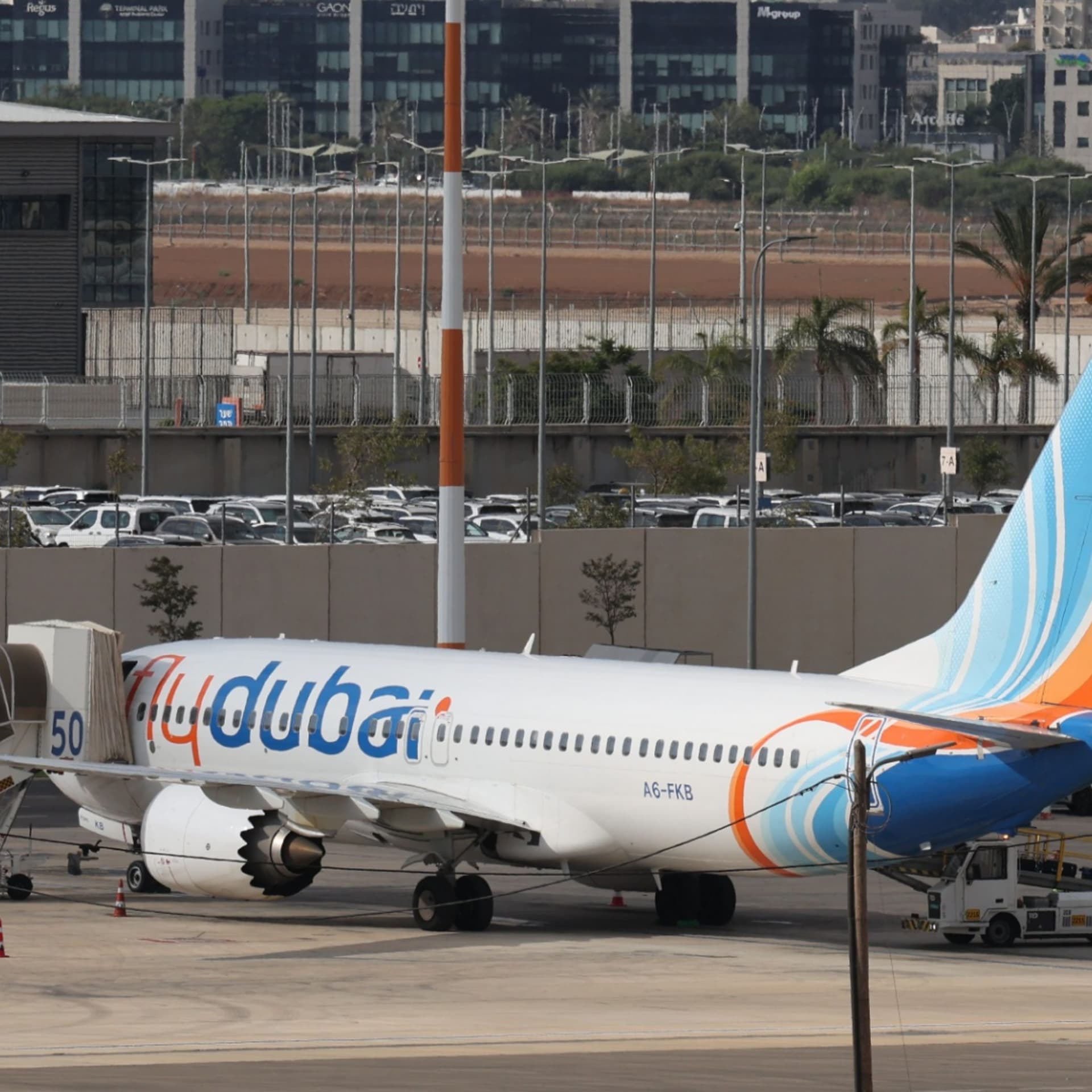
2:10The global health body, the WHO, says the suspected hantavirus outbreak on a cruise ship may have been transmitted from human to human. Usually, the disease is spread by rodents. Three passengers have died and a number of others have fallen ill. Two of the passengers are due to be evacuated. The WHO has stressed that this is not a virus that spreads like flu or COVID and that the risk to the general public is low. But Cape Verde has refused to allow the ship to dock. And Spain, having initially said it could sail to the Canary Islands, now says no decision will be made on which port will receive the ship until epidemiological data on board has been analysed.
2:52About 150 people are trapped on the ship, confined to their cabins. US travel blogger Jake Rosmarine, who's on the ship, posted this video on social media. We're not just a story. We're not just headlines. We're people, people with families, with lives, with people waiting for us at home. There's a lot of uncertainty, and that's the hardest part. All we want right now is to feel safe, to have clarity and to get home. The WHO says it's trying to contact passengers on an April 25th flight between St Helena and Johannesburg, which was taken by one of those who died on board the cruise ship. Dr Maria Van Kier-Kove from the WHO, the Acting Director of Epidemic and Pandemic Threat Management, gave this update.
3:46We do believe that there may be some human to human transmission that's happening among the really close contacts, the husband and wife, people who've shared cabins, etc. So again, our assumption is that has happened. And that's why we are operating and working with the ship to make sure that anyone who is symptomatic, you know, anyone caring for patients is wearing full personal protective equipment. The medical personnel who have boarded the boat have brought additional PPE as well. So how unusual is it for the virus to spread between humans rather than from rodents to humans? Our health correspondent is Jim Reid.
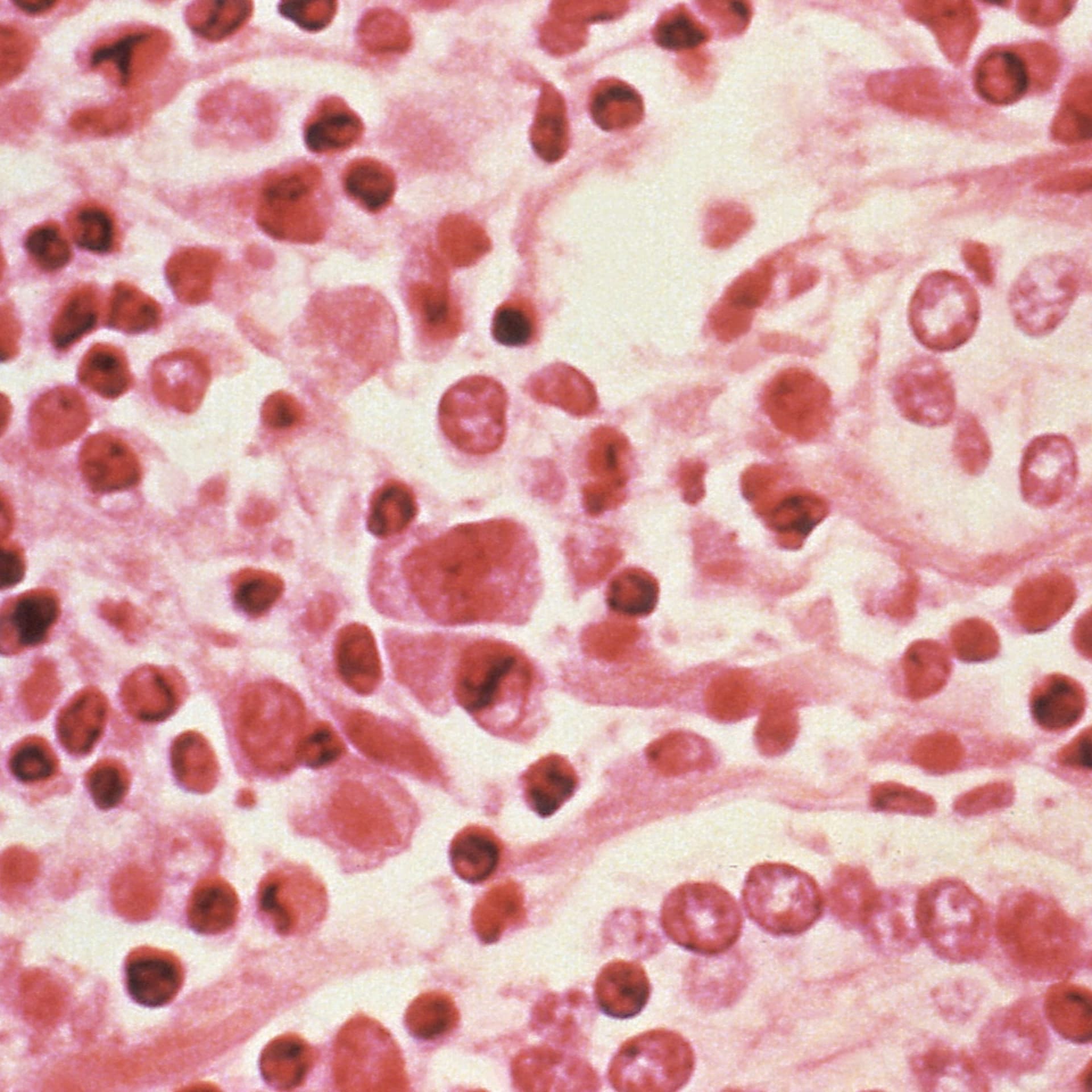
4:21I mean it is very rare that that should happen. The vast majority of cases of hantavirus appear to be spread from rodents as you say and this isn't particularly nice but it's mice and rat droppings and urine that then dry and then the dust then blows up into the air and people inhale it. There was a A famous case in Yosemite National Park in the US in 2012, where 10 people were infected, three died because mice had burrowed into the base of a cabin and made nests. But as you say, it does look like in some cases person-to-person transmission is possible, particularly this Andes strain of Hantavirus, which is found mainly in South America, which is, of course, where this ship sailed from.
5:02There was a case in 2018 in Argentina. a party led to a single party led to 34 infections and 11 deaths and it's thought that was caused by a single infected individual passing on the virus the only reason we know about these these cases though is because they are so unusual it's not the kind of thing that happens all the time the world health organization as you said saying this morning it believes that human to human transmission may have taken place but again it's stressing this is very uncommon and maybe it's something about the nature of these cruise ships with quite tight small cabins that increases the risk.
5:38And the WHO has been keen to reassure people that this is not like Covid, that this is different, but it will reawaken memories of the pandemic. How is this different? And I think a lot of people listening to this are bound to think that there are some key differences here. Coronavirus Covid was a brand new disease. People had never been exposed to it before had the chance to build up any sort of immunity and that as we know we know now it can spread very easily between people person to person you remember that that our number we talked about all the time the rate of transmission between people hantavirus is very different it's a family of viruses rather than one disease and crucially it's not new you know it was first isolated i think in in back in 1989 a team from south korea looking at field mice that's why it's named after the Hamta River in South Korea.
6:30It does not spread very easily. You normally have to be, as I say, in extremely close contact with another infected person, which is why the message from the WHO this morning is that the risk to the wider public is still much lower than it was back in those days of COVID and coronavirus. And briefly, the WHO is also trying to contact passengers who are on a flight. That's right. Right. This is a flight that someone who sadly died, later died of the virus, apparently took on April the 25th. They're going to be doing all this work to contact other potential people who might have been infected. One of the issues here is that the incubation period for this form of the illness is really unclear how long it is.
7:11Sometimes it develops between two and four weeks. It can develop in a matter of days, though, as little as four days. And that makes it quite difficult for the health authorities when they're trying to track exactly who else may have been infected in this suspected outbreak. Our health correspondent, Jim Reid. The US Defence Secretary, Pete Hegseth, says the US-Iran ceasefire is not over, despite recent attacks by both sides on the other in the Strait of Hormuz. The US says its military and commercial vessels were fired at by Iran and it hit Iranian vessels on Monday as President Trump said the American military would begin guiding ships through the Strait of Hormuz.
7:50Around 2 ,000 are estimated to be stuck there. Only one or two are reported to have got through on Monday. Mr Trump called the US plan to break the Iranian blockade Project Freedom. But in a mocking post, the Iranian Foreign Minister Abbas Irakchi renamed it Project Deadlock. He warned there was no military solution to the conflict. Iran insists that it still controls the strait and has accused the US of violating the ceasefire. At a briefing in Washington, the chairman of the Joint Chiefs of Staff, Dan Kane, and Pete Hegsleff gave an update on the war. Sounding less combative than on previous occasions, the US Defense Secretary said the current ceasefire was still holding.
8:33As you know, President Trump has directed U.S. Central Command to restart the free flow of commerce through the Strait of Hormuz under the umbrella of Project Freedom. To be clear, this operation is separate and distinct from Operation Epic Fury. Project Freedom is defensive in nature, focused in scope and temporary in duration, with one mission, protecting innocent commercial shipping from Iranian aggression. American forces won't need to enter Iranian waters or airspace. It's not necessary. We're not looking for a fight. But Iran also cannot be allowed to block innocent countries and their goods from an international waterway.
9:18Iran is the clear aggressor. Our Middle East analyst, Sebastian Nuscher, gave us his assessment of what Mr. Hegseth had said. Well, I mean, basically, he's out there to sell Project Freedom and to say that it is a very strong operation that has just started and that will ensure that the Strait of Hormuz is made safe for merchant vessels. I mean, that obviously those vessels, the insurers of those vessels are waiting to see. There are no rush to go through for obvious reasons. As you say, two vessels, according to the US, did get through. One was confirmed by the Maersk shipping giant itself. So we know that that happened.
10:04We know also that Iran responded very strongly. we're having the joint chief of staff now giving more detail about the operation. But this is really to bolster up both for Americans, for the rest of the world, and also a message to Iran of the depth of planning and seriousness involved in this operation. So, you know, I mean, telling Iran as they are trying to again and again, look, you've got nowhere to go. Your key card is being taken away from you. either get to a negotiating table now, essentially accept our conditions, or all hell will be unleashed. It seems the ceasefire is still holding.
10:42Yes, it is to a degree. I mean, yesterday, it was at its most fragile, the word that everybody's using, obviously, about it, the escalation, because Iran immediately responded, and it attacked a Gulf neighbour of UAE again, quite hard. If that were to continue over the coming days, then the ceasefire would be in real jeopardy. At the moment, I think we need to wait and see for that. Sebastian Usher. And we have more on this on our YouTube channel. Just search for BBC News on YouTube and you'll find Global News Podcast in the podcast section. There's a new story available every weekday. Lebanon's health ministry says Israeli strikes have killed 110 people since Thursday, despite a ceasefire with Hezbollah that was announced more than two weeks ago.
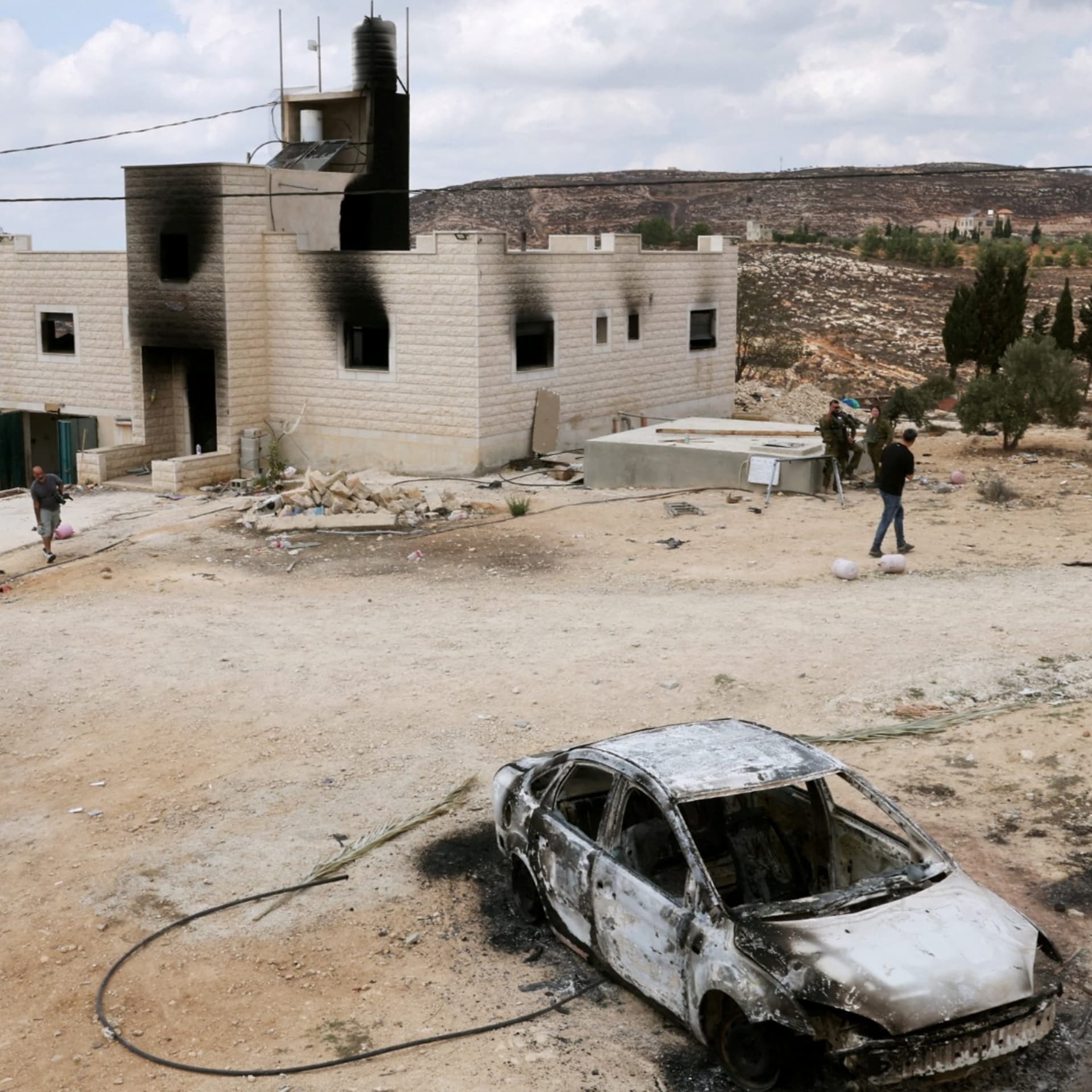
11:30Israel says 17 of its soldiers were killed in the same period. The Israeli military has told people in two towns in southern Lebanon to evacuate and accused Hezbollah of planning to launch further attacks. The conflict has also disrupted schooling for thousands of students. Nancy Nara is a teacher in a village in southern Lebanon. We're living, but it's not safe, of course. The occupation is just next to us. We always hear sounds of bombards, so it's not safe at all. Our schools are closed. We teach now online, but it's not the same. Many, many schools were destroyed and damaged. We heard more about the latest evacuation orders from our correspondent in Beirut, Lina Sinjab.
12:19These evacuation orders have become the norm for many Lebanese villages and towns in the south. so people get these orders to evacuate and they don't know when and if they will be able to go back to their towns and villages. We're not sure yet if these strikes have started after the evacuation order. But yesterday, several villages also got the order of evacuation and more strikes came from the Israeli Defense Forces. Sometimes these evacuation orders are also happening in areas that haven't been declared by the Israelis to be inside the yellow line because they keep on expanding their position on the ground and the areas that they declare as a buffer zone to protect their northern border.
13:07The Israelis maintained the same line throughout this war that they are attacking Hezbollah infrastructure, Hezbollah personnel, Hezbollah structures. But actually, if we look at the figures and the government say 2 ,600 have been killed until today. Most of the ones who are killed are civilians, men, women, and children, paramedics, journalists even. And, you know, there is even mountain anger because villages and homes and towns have been destroyed, demolished completely. The Israelis have warned that no one should be coming back. The Lebanese want to go back. They have nowhere to stay. They've been, you know, staying in schools or at relatives' homes or in public areas.
13:50Some are still staying in tents here in Beirut. So it's really a dire situation for people. They are worried that this is an occupation that's going to last. And these negotiations, that direct negotiations with the Israelis, are not able to even imply a lasting ceasefire, let alone the right for people to return to their homes and villages. Lina Sinjab. Still to come in this podcast. 18 months after that we still do not have justice for these people and I would say we still do not have peace for these people. Relatives of victims of a railway station roof collapse in Serbia are demanding answers from their government.
14:41At BritBox, character is everything. Stream the iconic characters defining British TV on BritBox, including Ludwig. I think I might just have solved a murder. Vera. Now we're getting somewhere. Agatha Christie's Poirot. Bonjour. And more beloved favourites. I'm a policeman. I'm professional. I'm a time lord. I'm the Duchess of York. Once you know them, you never quite forget them. I be in vain. I just am special. Stream the best of British TV on BritBox. Watch for the free trial today at BritBox.com. Here's golf legend John Daly. Hell yeah, these wins are piling up faster than my divorces. I only spent on Moto, America's social casino.
15:17You know I've won a couple of majors. And on Moto, I've won majors, grands, and epic jackpots on their classic Vegas slots with huge, huge bonus rounds. Moto Casino adds new games and awards players free coins every single day. Grip it and spend it on Moto Casino. Download the Moto Casino app today. Moto Casino, the social casino board, were prohibited. No purchase necessary. Visit Moto.us for more details. Moto Casino, America's social casino.
15:45This is the Global News Podcast. An explosion at a fireworks factory in China has killed 26 people and injured more than 60 others, according to state media. The blast in the central Hunan province was so huge that the authorities were forced to evacuate everyone within a three kilometre radius of the plant. Hundreds of rescue workers were deployed along with dogs, drones and robots. Our China media analyst Kerry Allen told us more. Well, this incident has clearly triggered attention from the very top. President Xi Jinping in China has commented that there needs to be an investigation into hidden dangers and risks at firework factories.
16:26And so what's happened now across the entire region. All firework and firecracker factories have suspended production and checks are being carried out. So this is the main story at the moment in China today. There was also a press conference earlier today where officials confirmed that search and rescue efforts have basically concluded. They took a long time because there was a lot of rubble, part of the factory collapsed and a lot of people were trapped inside. So now the focus is really on treating those who have been injured in hospital, most of whom have bone injuries. But this does raise questions about workers' safety and about the impact on the environment.
17:01It does, absolutely, yes. There have been a lot of incidents like this in the past in factories in China and they do trigger concerns about the chemicals that spread into the environment and people who live nearby because of close proximity to these regions. So this is partly why the evacuations have been carried out. A lot of people have had to carry out checks to see that that's not been contaminated. And you do get a lot of anger online about why incidents like this keep happening. Actually, there was only a similar incident to this in June last year, where nine people were killed. Again, it was an explosion related to firecrackers and firework factories.
17:41Kerry Allen. 18 months ago, the collapse of a concrete canopy at a railway station in Serbia's second biggest city, Novi Sad, killed 16 people and sparked mass protests across the country, which carried on for months. The accident happened at a station that had only recently been renovated and still nobody has been brought to justice. Now, critics of the government say they're determined to keep fighting for answers about who was responsible. From Novi Sad, Jill McGivering reports. For me, coming to this place, it's really emotional. It's always sad. This is like a graveyard. Jelena Bojic is a journalist turned activist who is still haunted by the tragedy of November 1st, 2024.
18:26I met her outside the now deserted station building where the concrete canopy fell. Giant hearts propped against the barricades commemorate the victims. Jelena is one of many still haunted by what happened. This is like a memory that 16 people were killed and 18 months after that we still do not have justice for these people. and I would say we still do not have peace for these people. Novi Sad is not the same city since 1st November 2024. Something stole happiness from us. We do not feel this as a happy town anymore. Within days, the shock and grief in Novi Sad had erupted into anger. The city was rocked by mass protests, which soon spread to the capital Belgrade and across the country.
19:12The protesters, led by students, accused the government of lies and corruption and demanded that someone be held accountable.
19:25After a year without answers, Diana Herke announced a hunger strike. She'd lost her son Stefan in the disaster. She told me she'd hoped the hunger strike would force the authorities to notice her, but no one did. Things just got worse, she told me. I was being harassed and felt under threat. I realised that if I died, there'd be no-one left to fight. Eighteen months on, the mass rallies have largely abated. Critics of the government accuse it of being increasingly repressive, an allegation echoed recently by the European Union. Supporters of the government say the criticism is unwarranted and politically motivated.
20:04In a bustling cafe in Novisad, I met Professor Jelena Klout. She has just lost her job at Novisad University. Officially, an old, dismissed complaint against her was revived. But she feels it's because she supported the protests, and she's defiant about the canopy collapse. We are normally not angry people, but when you see that no-one is still being punished, when you feel that there are so many loose ends and avenues of interrogation that needs to be finished, all these little things, anger, people are really, really angry about how government handled this crisis. The ruling party does have support.
20:48I saw tens of thousands of people gather in central Belgrade for a huge rally, addressed by the president, Aleksandr Vucic. He describes the protesters as agents of foreign powers trying to destroy Serbia. But many see the groundswell of anger triggered by the Novi Sad disaster as a continuing threat to his position. Outside Novi Sad station, I came across a group of about 50 cyclists staging a symbolic anti-government protest. I came to pay respect to these people who lost their lives a year and a half ago and we still don't have an answer to why that happened. I could have been there with my kids.
21:35I was three hours late. That was the time when I wanted to go to Belgrade. So I just suppressed it and didn't want to think about it. This is the first time I'm on this spot. So it's horrible. 18 months on, there are still no convictions, no official answers about why the station canopy collapsed. Many here say the fight for justice may seem quieter now, but it's far from over. That report by Jill McGivering. By the end of this century, it's estimated that half of the world's 7 ,000 languages will be gone, killed by war, climate breakdown, migration, nationalism or neglect, along with the vital knowledge that they've sustained for centuries.
22:23The author, Sophia Smith-Gaylor, calls it an unprecedented mass extinction event or linguicide. She was alerted to the crisis when her grandmother lay dying and she realised that she was losing not just someone she loved but the language she spoke to and with it a culture, a history and inheritance. She told Nick Robinson about the inspiration for her new book How to Kill a Language. My nonna came to the UK in her early 20s and with her She brought standard Italian and she also brought what was always ever referred to as the Alut. This was Piazzante or Piacentino and it's a variety of Emilia, a dialect of Emilia, often construed as a dialect of actually Italian, which is not true.
23:10And it set me on this journey of thinking about if I want to reconnect with the languages of my family, one that's been lost in diaspora and the Alut, which would have been lost regardless of whether I grew up in the UK or Italy. How can I reconnect with them? And it set me on this journey around the world, investigating why languages are disappearing at this seemingly unprecedented rate. And it's because something's disappearing them. And explain to people why it matters. Clearly, emotionally, it matters to you. That was a connection with someone you love. But you make the argument that it matters for us all.
23:43It matters for us all because this is the world's language diversity that we are talking about. Each language speaks to a cultural inheritance, but it speaks to a place, a people, a history and that people's future in turn. So around the world, there are communities really trying to rally against what is the loss of a language that they never chose to lose. But because of things you mentioned, globalisation, colonialism, languages have been taken from them. And they weren't given a chance to say, actually, hang on a minute. In a sense, it's a reaction against globalisation, in a sense that, look, it's great that we're all connected via the internet and often connected by some knowledge, however hazy of English, but people want more than that.
24:27I ask at the end of the book, in an age of seeming sort of impermanence and monoculture, what do we think is worth remembering and protecting? And for me, it's many things, but it's also my non-Nezdiolot. Because it's connected so closely with people's identity, it is also often a victim of war, isn't it? When I travel to Ukraine, when I've travelled elsewhere in Eastern Europe to Estonia, for example, on those border regions, the issue of whether you're speaking Russian, brackets originally forced to speak Russian, or now adopt Ukrainian or Estonian or another language is absolutely critical to that argument that's going on.
25:03Yes, you've got extensive linguicide happening today in Ukraine, as has happened over many, many years. It was with the Russian Empire, the USSR. With Russia today, the linguistic component is a major part of it. Ukraine has a state language commissioner to actually help it defend against this linguicide and use examples for the wider sort of genocide case that they hope to make. Languages need protection. In some places there is minority language protection, but you're right that every time identity politics enters the fray, it's very likely that language follows. And is there a new threat with technology to language, which is that AI largely trained on the English language, therefore is going to make it much harder to learn, not just relatively obscure dialects, but other languages.
25:51Yes, we should always remember with technology, it inherits the hierarchies of the analogue world. So already if a community is without prestige or power and their language has suffered prior to the technological age, of course, that's only going to be further exacerbated. Sophia Smith-Gaylor. And now some disappointing news for fans of the country music legend Dolly Parton. The star, who is 80 years old, has already had to postpone her upcoming Las Vegas residency because of health issues. Now she's announced that she's cancelling it altogether. But she reassured her fans that everything she has is treatable, she's responding well to the treatment, and plans to perform again once she's fully recovered.
26:35Chantal Hartle reports. Dolly Parton had originally been due to perform six shows at the Coliseum Theatre at Caesars Palace last December, but moved the dates to September. But in a video update, she announced that she wouldn't be able to perform as planned. The singer sounded upbeat but said she'd had long-time struggles with kidney stones and her immune and digestive system were out of whack. Some of the meds and treatments make me a little bit swamy-headed, as my grandma used to say. And of course I can't be dizzy carrying around banjos, guitars and such on five-inch heels, Not to mention all those heavy rhinestone outfits, the big hair, my big personality.
Read the full transcript
27:19Lord, that would make anybody swim-headed. Last year, Parton joked that she ain't dead yet after her sister caused alarm by asking people to pray for her. Despite the cancellation of her Las Vegas concerts, Dolly confirmed she's still busy with other projects. She's writing a Broadway musical and plans to open a museum and hotel in Nashville in Tennessee later this year. Signing off her latest health update, the singer told fans, think of me like an old classic car that once restored can be better than ever. Chantal Hartle. And that's all from us for now. If you want to get in touch, you can email us at globalpodcast at bbc.co.uk.
28:04This edition of the Global News Podcast was mixed by Chris Murphy. The producers were Siobhan Leahy and Stephanie Zacherson. The editor is Karen Martin. I'm Jonat Jalil. Until next time, goodbye.
28:34getting somewhere. Agatha Christie's Poirot. Bonjour. And more beloved favourites. I'm a policeman. I'm a professional. I'm a time lord. You're in the Duchess of York. Once you know them, you never quite forget them. I be in vain. I just am special. Stream the best of British TV on BritBox. Watch with a free trial today at BritBox.com
From the publisher
The World Health Organization says there may have been human-to-human transmission of a rare respiratory virus usually spread by rodents onboard a cruise ship off Africa's west coast. Three passengers have died and another is seriously ill. The ship was denied permission to dock in Cape Verde after cases of hantavirus were confirmed. The WHO says the risk to the global population is "low".
Also: the US Defence Secretary Pete Hegseth says the US-Iran ceasefire is ''not over'' despite both sides attacking each other in the Strait of Hormuz. Residents in southern Lebanon say they fear a prolonged conflict with Israel, as the Israeli army instructs more civilians to leave their homes. There is lingering anger in Serbia over a lack of accountability for a railway station disaster that killed 16 people in 2024. A new book explores why so many of the world's languages could be extinct by the end of this century. And Dolly Parton has cancelled her Las Vegas residency because of ongoing health issues.
The Global News Podcast brings you the breaking news you need to hear, as it happens. Listen for the latest headlines and current affairs from around the world. Politics, economics, climate, business, technology, health – we cover it all with expert analysis and insight. Get the news that matters, delivered twice a day on weekdays and daily at weekends, plus special bonus episodes reacting to urgent breaking stories. Follow or subscribe now and never miss a moment. Get in touch: globalpodcast@bbc.co.uk