

- Podcasts
- glossy* podcast
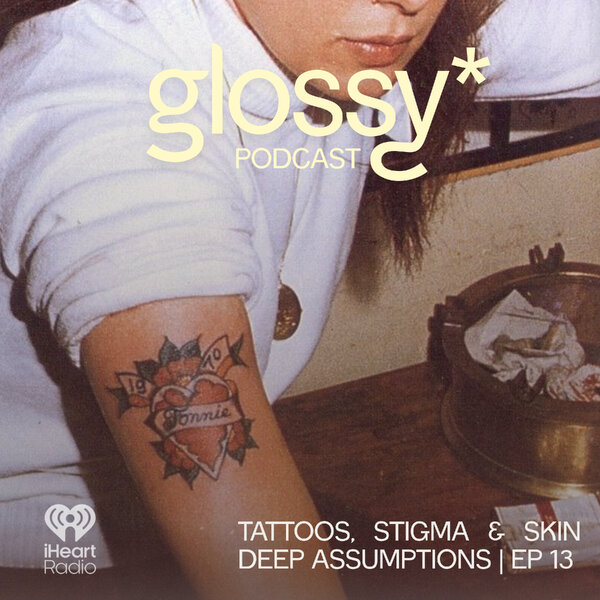
- Episode 13 | Tattoos, Stigma & Skin-Deep Assumptions
 glossy* podcast
 Ask ChatGPT
In short
Tattoos and stigma, including how tattooing evolved from ancient body marking to modern ink, cosmetic/medical tattooing (SPMU), and restorative uses; plus how workplace and travel rules affect tattooed people, and how tattoo removal works.
Guests
Jazz and Hannah (hosts). Hannah is a makeup brow artist and studied semi-permanent makeup (SPMU) about 4–5 years ago; she discusses techniques, aftercare, and client considerations. Jazz is a co-host and also has personal tattoo experience; they share industry perspectives from both sides of tattooing.
Key claims
Tattoo meaning is personal but social judgment varies by culture, placement, and industry. The “tattoos = criminal” stereotype is relatively recent (19th–20th centuries prisons/gangs). Japan’s restrictions relate to organized-crime associations (not all Japanese tattooing). SPMU is technically tattooing but fades because pigment is placed more superficially; it can still scar/traumatize if done poorly. Laser removal breaks pigment into smaller pieces; multiple sessions are needed and some colors (e.g., yellow/orange) are harder.
Notable examples
Otzi the Iceman (3300 BC tattoos); Auschwitz prisoner numbers; Japanese irizumi vs yakuza; destination tattooing in Bali (multiple sessions, sometimes anesthesia); Emirates cabin crew tattoo visibility rules; covering tattoos for theatre roles; reconstructive nipple/brow/lash/scar camouflage; government-subsidized removal for facial gang tattoos.
Written by AI. May contain mistakes.
Chapters
Exploring the Meaning of Tattoos
Discussion about tattoos as forms of expression and their cultural relevance.
“We are on episode 13 today and we are going to be talking about tattoos.”
Historical Context of Tattoos
Delving into the ancient origins and significance of tattoos throughout history.
“But I also still think we haven't changed that much, some people.”
Cultural Variations in Tattooing
Discussing different tattooing traditions and their meanings across cultures.
“And I guess that's where when you do think back of a lot of like tribal tattoos and different lots of lines and dots.”
Stigma and Criminality in Tattoos
Examining the association between tattoos and criminality through history.
“Yeah, and where the placement is on their body too.”
Japanese Tattooing and Its Implications
Understanding the unique aspects of Japanese tattoos and their societal implications.
“So it's important, I guess, to make the distinction here.”
Destination Tattoos: Trends and Experiences
Exploring the trend of getting tattoos while traveling and the associated risks.
“But, yeah, I was like, that's crazy, but also quite cool.”
Tattoo Acceptance in Society
Discussion on societal attitudes towards tattoos and restrictions in public spaces.
“I guess going back to Japanese style tattoos, that brings us to a question which is what happens when a society decides tattoos aren't appropriate for particular places?”
Tattoos in the Workplace: Stigma and Expectations
Explore the stigma around tattoos in professional environments and industry standards.
“Do we think banning someone with a tattoo is fair?”
The Duality of Tattoos: Personal vs. Professional Identity
Discuss how tattoos can impact personal identity and professional appearances.
“And sometimes it's even part of their professional identity.”
Changing Perceptions of Professionalism
Examine societal perceptions of professionalism and how tattoos influence them.
“Why do we associate a conventional appearance with professionalism?”
Show all 26 chapters
Evolution of Tattoo Techniques
Learn about the advancements in tattooing technology and techniques over time.
“So traditional tattooing, like we said, involved hand poke techniques with traditional tools.”
Semi-Permanent Makeup: Trends and Techniques
Discover the rise of semi-permanent makeup and its impact on beauty standards.
“So now I guess, Jazz, you're going to turn into a bit of an interviewer and ask me a few questions.”
The Evolution of Semi-Permanent Makeup
Learn how semi-permanent makeup helps people regain confidence and reduce maintenance time.
“So it might have been that over time their brows might have been over plucked or certain conditions that their hair doesn't grow the same as it used to.”
Understanding Semi-Permanent Makeup Techniques
Explore the different techniques in semi-permanent makeup and their effects.
“And they were like these tattoos that were designed to last only a couple of years.”
Navigating the Risks of Semi-Permanent Makeup
Discover the importance of proper training and research in choosing an SPMU artist.
“What actually are the different types of SPMU available?”
Aftercare and Healing: What to Expect
Understand the healing process and aftercare to ensure the best results from SPMU.
“Sometimes a lot of these sessions done over two appointments.”
Trends in Tattooing: Faux Freckles
Discuss the trend of faux freckles and considerations before tattooing them.
“and just don't, you know, go, oh, my God, what have I done?”
Tattooing Beyond Aesthetics: Restorative Applications
Learn how tattooing can serve restorative purposes, enhancing confidence for those in need.
“I guess it's like what you said, go to someone who you trust and specializes in that.”
Healing Through Tattoos
Explore how tattoos can aid in emotional and physical healing.
Changing Perspectives on Tattoos
Discuss the evolving perceptions of tattoos over time.
“And do you think that knowing about these uses then changes how we feel about tattoos?”
Tattoos and Aging
Examine how aging influences attitudes toward tattoos.
“And my mom was very much against tattoos.”
Why Do Tattoos Fade?
Learn about the factors affecting tattoo longevity.
“But also sun exposure, UV is terrible for tattoos.”
Tattoo Removal Methods
Discover the different methods for tattoo removal.
“Which is why with laser, it does take quite a few sessions to slowly break it down.”
Personal Tattoo Stories
Listen to personal anecdotes about tattoo regret and removal.
“My brother, he said that he was really unhappy with his tattoos that he did on his legs and he just wanted to get rid of them.”
Acceptance of Skin Changes
Discuss the journey of accepting body changes and tattoos.
“I have seen there was a guy, was he in New Zealand, an ex-gang member, and he had a tattoo on his forehead or actually crosshair, I think, and he's slowly getting rid of it.”
The Importance of Tattoo Research
Highlight the need for research and careful decision-making about tattoos.
“them it is what it is and you're like how stretch mark cream doesn't work truly like bio oil everyone Everyone had bio oil.”

Ask about this episode
Get the gist, explore an idea or ask about something said.
 Claude
On glossy* podcast, what are the key points of this episode?
Searching your listeningTranscript
Automatic transcript. May contain errors.
0:03Welcome to Glossy, the podcast you didn't know you needed. We're your hosts, Jazz and Hannah, friends for over a decade, bonded over a love of beauty. Between us, we've done it all. Salons, makeup counters, film sets, fashion weeks. Hundreds of bottles of fake tan and way too many products we probably didn't need. Now we're spilling it all here. The trends, the treatments, the hot takes. And the beauty confessions you won't hear anywhere else. This is Glossy. Welcome back to the Glossy Podcast. We're your hosts, Hannah and Jazz. We are on episode 13 today and we are going to be talking about tattoos.
0:42Yes. So tattoos, they are one of the oldest forms of body modification in human history. They have been used to represent identity, culture, spirituality. This is the new aluminium. If you know, you know. Rebellion, beauty, grief, belonging, and sometimes simply because someone wants to put something beautiful on their skin. But here is the contradiction. The same tattoo that can be seen as beautiful and meaningful by one person can also change the way that someone else perceives you. It really is a contradiction, isn't it? So I guess today we'll be discussing and delving a little bit deeper into tattoos, their background, and I guess what people think about them and what the general gist is.
1:45Because, you know, now it's changing, I think. But I also still think we haven't changed that much, some people. So a tattoo can be art. It can be culture. It can be deeply personal. and depending where you live or where you work, it can still affect how you're judged. Because the techniques we've traditionally associated with tattoos are now being used to create eyebrows, lips, hairlines, and even reconstruct areolas, which is very interesting. Very interesting. And personally haven't had that, but I can see how that would make you have more self-confidence if you've gone through something like that.
2:25Yeah. So when did putting ink into our skin become something that was considered both rebellious and beautiful? And how did we get from ancient body marking to modern cosmetic and medical tattooing? Yeah, so I guess we've got to go all the way back. Deep dive. Yeah, back to where it all began. So thousands of years ago are when tattoos began. So it's not necessarily a modern invention, which we know, but definitely techniques have changed a lot over that time period. So one of the oldest known tattoo humans is Otzi, the Iceman, who lived around 3300 BC. So when his body was discovered in the Alps, researchers found dozens of tattoos on his skin.
3:17And what's fascinating is that these weren't elaborate pieces of artwork like the tattoos we might think of today. Many were simply lines and markings, but their exact purpose is still debated. They may have been therapeutic, cultural or symbolic significance. And Otzi is just one example. I actually haven't seen the markings. Have you seen the markings? Seen pictures of some older markings. And I guess that's where when you do think back of a lot of like tribal tattoos and different lots of lines and dots. And I guess that goes back to how they were created normally like a stick and poke or a tapping technique.
3:57Well, that's what I was going to say. I got that tattoo at the start of the year and that was stick and poke. And that, I guess, is one of the more traditional ways of tattooing. Yeah, but it's kind of, I guess, had a modern resurgence. Yeah, of people wanting to do that. Tattooing developed independently across different parts of the world. So in ancient Egypt, tattooing appeared to be practiced particularly among women, with researchers suggesting possible cultural, religious, protective or therapeutic meanings. and Polynesia tattooing became deeply connected to identity, ancestry, status, spirituality.
4:43I can't say that word today. And spirituality. What is up with me? Can't speak. And yeah, in fact, the English word tattoo is generally thought to have come through European encounters with Polynesian tattooing traditions, particularly the word tattoo. Tattoo? Yeah. Yeah. And then I guess one of the biggest tattooing cultures as well is Japan and Japanese tattooing. Yes. So it's all kind of, and we're going to get into that a little bit later, but the different techniques but then also the stigma that they have around tattooing. Yes. We'll kind of dive a little bit deeper. Yeah, and where the placement is on their body too.
5:29Very interesting. So the association between tattoos and criminality is actually quite recent compared with the thousands of years that humans have been tattooing themselves. So during the 19th century and 20th centuries, tattoos became particularly visible in prisons, among sailors, soldiers, working class communities and various marginalized groups. And in prisons, tattoos could communicate identity, experiences, affiliations, crimes or status. And gangs also began using tattoos as markers of membership, loyalty and identity. And then that created a powerful stereotype that being tattooed equals being dangerous.
6:24so police, criminologists and media sometimes even went further treating tattoos as if they were physical evidence of someone's character so the idea was essentially that if someone looked like a criminal maybe they are one and of course you know that's a big leap. Yeah and I guess even like tattoos going back in history you know like being able to mark people you know, marginalized groups like in Auschwitz, they tattooed prisoners' numbers on them. Like the kind of branding. Yeah, as a brand. Ownership. And branding. Yeah. So it is quite interesting how, you know, it has recently become that sort of stigma around crime and gangs but there's just so much scope of what tattooing has been and is.
7:17Yeah. I guess one of the things that currently I feel like everyone's going to Japan on holidays and if you've got tattoos, there's certain places you can and can't go or have a visible tattoo. So it's important, I guess, to make the distinction here. Irizumi refers to Japanese tattooing and Yakuza refers to Japanese organized crime groups. So not the same thing. Mm-hmm. Japanese tattooing existed long before the modern Yakuza, but the Yakuza became strongly associated with large, elaborate Japanese-style tattoos, and that association has consequences for tattooed people more broadly. Mm. Actually, side note, I was just talking to a client recently, maybe a month ago, and we were talking about tattoos, and she was saying that a guy at her work who hadn't had any tattoos yet, went and got himself, he was on a wait list for one of like the best Japanese tattooists in Japan.
8:25And he was on a wait list with him for like two years. I don't know if he couldn't have other tattoos on his body or there was something like that. Anyway, he got the call up saying he's got a space and it was like in a really short amount of time. And he just kind of had to hop on a plane and go. He didn't know what he was getting. He knew it would be like a big tattoo. I'm pretty sure his is like a full back and arms, something like that. And it was like$25 ,000. And it sounds like an amazing experience to do that. And it was like the traditional Japanese tattooing, which I'm guessing is the Irizumi.
9:08Irizumi, yeah. Irizumi. But, yeah, I was like, that's crazy, but also quite cool. And apparently it was very painful, which, yeah, I can imagine. I can imagine if it's a big piece like that. Yeah. But that even, I guess, goes to, like, I was in Bali recently and lots of tattoo shops over there. Lots of people go there to get tattoos done because they're a lot cheaper than getting them done wherever they're from. But then it's also like that new side of people going and having multiple people working on them. And you can also be put under general anesthetic to have these pieces done. So some people literally go into like a hospital, have like full legs, arms, backs, chest, everything done in one session.
9:55Or they go to places like Bali, get lots of pieces done over a period of time, like a few days. which supposedly that's where like you can get like sick from it. Yeah, I was going to say that. From the pigment and the trauma and yeah, your body going into shutdown. Handling that trauma. Yeah, interesting that that's now become such a big thing. Destination tattoos. There you go. Were your tattoos that you got in Bali significantly cheaper than here? Because I didn't think our one that we got was that much cheaper. I don't think so. but also I think it depends on where you go like the place we went to was very nice like it felt very you know clean professional which is what you want yeah I mean you obviously that is 100 % what you want but I wouldn't say I can't remember how much now it was but I think between the two Two of us, we paid like$800 for like six small tattoos.
11:03Which is, that's pretty good. So like good, but it wasn't like, oh my gosh, this is so cheap. And the place we did go to, they had a special, like three small tattoos for$150. But those, like, because some girls came in whilst we were there wanting them. And from the sounds of it, it was literally like. A tiny heart or something. A very small tattoo counted into that. Yeah. But yeah, I feel like it's one of those things, like when you go into working in that industry and you know how much pigment costs and you know how much needles costs and you know how much like to reset all of that and the hygiene and the time and because we were probably there for like two hours by the time they, you know, draw up the designs and check, you know, it takes time.
11:53So I thought$800 for both of us was a great price. Especially for that many tattoos. Yeah. Which is great. Yeah. Yeah. I guess going back to Japanese style tattoos, that brings us to a question which is what happens when a society decides tattoos aren't appropriate for particular places? So like in Japan, some establishments have historically restricted tattoo people from entering. So onsens or hot springs, public baths, gyms, swimming pools, hotels, and other communal facilities. And the reason isn't simply we don't like tattoos. For many establishments, it's a historical association between the visible tattoos and organized crime.
12:43But I think Japan is kind of changing. Yeah, I think they're becoming a little bit more relaxed. But it is funny because there's like a huge like tattoo culture that's starting. But then you have some places. I saw a video of an influencer and she goes to Japan all the time, loves Japan. And she went once went on a brand trip, which normally she books her own accommodation when she goes separately, but she went on this brand trip. and she nearly didn't get to stay at the hotel that everyone was staying at because she has tattoos but she did have a few hand tattoos, which most of the time you'd be covered up and they wouldn't see it.
13:25But luckily they were like made an exception. And that hotel doesn't allow tattoos for any of the guests. And that's like the onsen too, like people, you know, cover up and put band-aids on and things like that. Yeah. Even in Bali, certain clubs don't like, like beach clubs, you can't have face tattoos or even neck tattoos. I know Australia is the same. There's some bars that you have to have certain things covered. Yeah. Which is very interesting. Yeah. Well, yeah, I find that interesting. Yeah. Like, what do we think? Do we think banning someone with a tattoo is fair? No, I don't think so. I mean, I can understand why people feel reserved because sometimes if you see someone with a very dark neck tattoo or a face tattoo, it can be jarring.
14:19Yeah. And maybe it's just from us growing up in that environment, but you can be quick to be like, oh, why have they decided to put that on their face? But we don't know if that's to do with their culture or anything. And I guess it's for some people it's just easier to be like this is your blanket rule versus, you know, exceptions could be so varied of, oh, well, it's fine if it's a coin size or it's fine if it's this or it's, you know. And also if they've made that rule, you know, 10 years ago, how long do they keep up that rule if so many people are now getting tattooed? Yeah. Which I guess then also goes into like tattoos in the workplace.
15:04and like what's acceptable, what's not acceptable. Well, yeah, I guess the stigma around workplace tattoos is often less about the tattoo itself, but more the idea of if you have a tattoo, you're not professional. So like professionalism or appearance or what a particular industry expects employees to look like. So like finance, law, corporate business, luxury, hospitality, airlines, I think is a big one. I feel like in New Zealand up until kind of recently, five or 10 years that you weren't allowed visible tattoos or something like that. Well, even I saw a video popped up on something the other day and it was like an Emirates cabin crew call out.
15:50And for them, you can't have any visible tattoos in the uniform. So that would pretty much be anything like a T-shirt outside of those lines would be not. Emirates. not get a job because of it. Emirates is kind of notoriously strict on appearances, or do you think that's changed? No, I think, you know, a world-class airline, they are definitely strict on what they want and who they want. Yeah. But I feel like a lot of places, like a lot of airlines especially, are very strict. And I feel like they can be to an extent. Like there's only a certain amount of jobs, And especially after COVID, lots of, you know, roles got made redundant on certain airlines.
16:38So I can understand how they want a certain thing and in a way they'll be able to get what they want. Yeah, I guess so it's their business that they can decide how they want to run it. Yeah, so these industries, I guess also like healthcare, government, military, police too. Yeah, these industries have historically been more conservative about visible tattoos or body art. And then you compare that to creative industries, which is like fashion, music, art, beauty, tattooing itself. Tattoos can be completely normal. And sometimes it's even part of their professional identity. Actually, a funny note on that is whenever you go in for a audition, they will ask definitely always about piercings.
17:32Yeah. And then mostly, 90 % of the time, they ask about tattoos. Yeah. So if you have a tattoo and if it's visible. Yeah. And then, like, you've got someone like Ryan, my husband, who has actually a lot of tattoos. Yeah, which he didn't for a very long time. And then now, so does he find now that he does have quite a few and like quite all over? Yeah. Is that making a difference when he goes for jobs or is he spending longer in the makeup chair? Yes. Yeah. So he is spending longer in the makeup chair if it has to be covered. So like there's a scene he's in a play next year. I'm not sure if I can say what it is.
18:13I don't know if it's been released. Anyway, let's not say just in case. He's in a play. So watch out. And he has to do a scene where he's in his underwear and he's playing a royal, I'll say that much, and who obviously does not have all these stomach and arm tattoos. So they will need a makeup artist every night to be able to cover it. And he's on quite a few jobs. He's come home and had to kind of leave what they've put on. Yeah. And it goes like, it goes all kind of funny. Yeah. And they just have to re-put stuff on it. But I mean, like us, when we did makeup school just 14 years ago, we learned how to cover tattoos.
18:57Yeah. And even when I was on counter at MAC, we would often have people coming in and saying, I've got these tattoos. Can you show me how to cover them? Oh, for what? For jobs. Yeah. Some would be for jobs. Some would be they have a special occasion or like a wedding, you know, something that potentially they don't want that tattoo showing. for and I personally hate covering tattoos I find or anything that's like a major cover like it never looks that natural to the eye and it depends what it's for you know like say a stage show you've got a little bit of forgiveness because you've got quite a bit of a space between that but if it's for something close up yeah anytime you're covering and you're putting lots of layers especially if it's got a lot of dark pigment to it or multiple colors yeah you know because you have to first color correct and then cover.
19:48It's, yeah. It's a lot. It's not always the best. Yeah. It doesn't always look great, does it? I agree. So, okay, here's a question. Why do we associate a conventional appearance with professionalism? So does a tattoo actually change someone's ability to do their job or does it just change our perception of them? which we've kind of talked about before with going outside with wet hair can make us feel like not put together. Yeah. And I definitely, yeah, it's one of those things like I always do my makeup and do my hair, even if it's just slicked back at least for a job because that's what. But then I feel like if someone had visible tattoos, if they were dressed well and smartly and everything else, I wouldn't look at a tattoo and go you can't do your job because you've popped some artwork on and I don't know if it's because we're from creative backgrounds that we're like oh cool like yeah like that's some cool art but yeah it's a very I know I remember years and years ago when I worked in a cafe and there was a guy that would come in and when you saw him on the weekend he would um he was covered in tattoos like completely covered rode a motorcycle and then when you saw him on a weekday he would wear a suit and you wouldn't see any tattoos because his tattoos didn't pass his hands it didn't go up his neck and so he could like switch between being like this professional corporate guy and then on the weekend he was you know like fully tatted like motors like leathers and it was just so funny that he kept the two worlds very separate which is interesting whereas I wonder now what corporate policies like if they've changed a little bit or what the rules are between that i do know with here that i've had some corporate clients who who want to do they're like oh i want to do this pink like one client in particular colors she wants to do like pink in her hair and she works for one of the banks and she's like i don't think that would go down well at work and i'm like really well even like some i know some industries like you can't have like social media accounts or like post about certain things there's all those rules as well so I can imagine if they're telling you about what you can and can't post they're probably definitely going to be telling you about what you can and can't wear yeah yeah because it's a reflection on their business I guess hey definitely though I think hopefully becoming a little bit more outdated.
22:31Yeah, I think so. Which then tattoos have changed. So while attitudes are slowly changing, technology was also changing too. So traditional tattooing, like we said, involved hand poke techniques with traditional tools. But over time, tattooing moved more towards mechanical machines, eventually leading to the electric tattoo machines that transformed the industry. Today artists can work with coil machines, rotary machines and sophisticated cartridge and needle system that technology evolution has completely changed what artists can achieve which is where like fine line tattooing is very popular it's what I've recently had a few fine line tattoos done myself which in the past you wouldn't have been able to create tattoos that looked like that because they probably might have bled or they wouldn't have lasted very well.
23:25So those tiny details, I mean, realistic portraits, I've seen some incredible, I mean, even like Ryan's tattoos, not that they're portraits, but some of them. Some of the bird ones. Yeah, they literally look like a painting. It's amazing what can be created, the shading and the colours, and that, you know, as they age, they just age as they are versus what we've seen. And versus the one that he has on his back. Yes. Which he got 25 years ago. And it's bled. Like it looks like an axe now and it's a eagle. Yeah. And that's even, you know, what I found with my old tattoos. Like, which we'll get into removal a little bit later.
24:13But I don't love them. And it's not that I don't love what I had done. Like I'm happy. Like I'm not, I don't regret that. It was more like if I don't have them done now, I know that they would look so much better. And, you know, I wanted them really small. And the tattoo artist was like, no, it has to be this size. Otherwise, it's just going to look like a blob. And I was like, well, I don't want a blob. Yeah. So it's like all of that has really changed, which is incredible. Yeah. So now I guess, Jazz, you're going to turn into a bit of an interviewer and ask me a few questions. Yes. Because you actually have quite a bit of experience in being tattooed.
24:51And being a tattooer as well. Different type of tattoo. So how did tattooing move into the beauty industry? Yeah. So I feel like, yeah, as people don't know, I am a makeup brow artist. And about four or so, maybe five nearly now, I studied semi-permanent makeup. So tattoos from a beauty technique have been around for a very long time, but techniques are definitely changing. So we've, you know, brows, lash lines, lip lines were all kind of, I'd say nearly 50 years. They've kind of been around that long. But the techniques, thank God, have changed drastically. drastically. So previously it was called PMU, permanent makeup, and now it has changed to being called SPMU, semi-permanent makeup.
25:47So I think that's where the industry, it can be a bit confusing. There's a lot of different names for different techniques and some people don't know what they've had done or when they come in, they might be like, what is this or what's that? So now SPMU is what you'd be looking at getting. And is that because it fades? yes it does yeah um so in the past PMU was a little bit deeper yeah into the skin um the pigments that they used were more like actual tattoo pigments and they did over time like we were talking about tattoos can blur and the color can change so your body in the past normally would metabolize either the warm or cool pigment, which is why, especially like when you see those black tattoos, a lot of them over time will go a little bit gray, a little bit green, a little bit blue.
26:42And when you see old school brow tattoos are kind of what people are most, they know, you will notice that there tends to be that kind of greeny blue hue to it. Or like the eyeliner ones as well. And they blur and they don't look great. Yeah. And they're very hard to get rid of those ones because they did go a lot deeper. Whereas now our techniques have changed and our tools and our pigments have changed as well. So we are treating that top layer of skin. So results don't tend to last as long, ideally about a year or so, and then you'd need to get them topped up. With that, though, the more you go and the more you get those topped up, slowly they start to become a little bit more permanent.
27:25but it also can be depending on what your skin is and what technique you've had done. So do you think that permanent makeup, so SVMU, brows or lips, do you think that it's becoming more popular because people want to look done? I feel like it's becoming more popular because people want to be lower maintenance. And so they want to have, it's very natural looking as well. There's obviously some techniques are a little bit more intense or some people like a slightly more bolder look, but most people just want to have what they had. So it might have been that over time their brows might have been over plucked or certain conditions that their hair doesn't grow the same as it used to.
28:14When we think about a lip line, over time your vermilion border can pale out a little bit more. It makes you feel like you've lost volume. so a lot of people are just wanting to kind of go back to what they had versus giving themselves a completely new face and that's yeah and that's what I would prefer to work with it's if someone comes in and they're like I want this or I want these brows it's like no let's do your best brows versus someone else's brows on your face yeah yeah I feel like when you did it on me with my brows and my lips it did feel like you would wake up and be like ah don't have to do my brows or don't have to put anything on my lips and it felt like just nice having that color you kind of feel like your best self really yeah and I always found that with my lips was you know it was like the little thing you go out for dinner or something and you used to always be like oh I have to go pop to the bathroom or grab a mirror to like re you know redo your lip line or put a gloss on whereas this I'd be like oh I feel fine like I feel like I've got some color I don't need to worry about it which a lot of people like post-covid when you kind of you know they call it like the zoom face i think we've spoken about it before but you kind of are paying attention to your face or wearing a mask and then the mask has to come off and then you're like i just don't want to have to worry about a lipstick anymore so a lot of people yeah it's that time thing they have kids and they don't have you know half an hour in the morning to do their makeup they just need to you know get changed throw your hair up get out the door get the kids sorted so it's like one more thing you can kind of do to be that low maintenance yeah so question is semi-permanent makeup is it actually a tattoo like if the if the pigment is being placed into the skin it is a technically a tattoo or yes technically a tattoo yeah um but one designed to fade because it's not going as deep into the skin It's a little bit like there was a place in America, I want to call, I feel like it was called like ethereal, inferior tattoos.
30:19And they were like these tattoos that were designed to last only a couple of years. And over time they were just meant to fade out, which I guess it's similar to like say a hand tattoo or different things like that that have a lot of, you know, friction or washed and things like that. but some of these tattoos in the states didn't actually fade that way they were meant to and people are now trying to get rid of them but same with spmu it is a tattoo so it is something to take seriously it's not a lot of people like oh i want to get them done it's like well let's just think about it first and it's not necessarily the best thing for everyone i remember when microblading came around originally everyone was getting their brows microbladed and some people had the most perfect brows and they were like I'm gonna get my brows microbladed it does fade but we are cutting into the skin so some people can cause scarring it can cause trauma and it doesn't necessarily fade the same way on everyone so it isn't something just to rush into because there still might be a little bit of pigment remaining and depending on medications and health yeah There's actually an interesting point about the microblading.
31:30What actually are the different types of SPMU available? Yeah. So for brows. The brows, there is microblading, which uses a hand tool, which makes hair like strokes into the skin. Then we've got powder ombre, which uses a tattoo machine to make a fine powdered mist into the skin. then we have combination which is a combination of the two techniques which has some hair strokes some powdering and then the newest technique is nanobrowse which uses a tattoo machine to make the hair like strokes so instead of creating the cut like microblading it's creating softer hair like strokes so that I would say is the better technique over microblading because it's causing less trauma to the skin.
32:22So that thing, it keeps updating, new techniques keep coming, which is exciting. And then what about with other areas? So eyeliner, in the past, it used to be quite dark and like bottom and it was quite fake. Now they can create more of like it really soft and you do brown and have that really kind of like shaded lash line enhancement, which is really beautiful. um lips there is a like a lip line or you can get the full lip blush which is the more modern that kind of really soft wash of color um some places i've seen you can even do like concealer i don't know how i feel about that i saw someone doing blush and like pigment like that into the skin so how would you even do that with just like or something like the powdering kind of shading and then it kind of builds you in you know a little soft color so now it's really coming in leaps and bounds so i can imagine given a couple years there'll be other areas too that they'll create different techniques for so what treatments do you think look the most natural probably lips and or definitely brows because i guess you've got the hair yeah already there i I feel like it depends.
33:42So a lot of people, they'll come and be like, I want microbladed eyebrows and they've got no hair there. So then you might be like, actually, you might be better with a nano or a little bit of a powder because with a hair stroke, you have to have a certain width for a hair stroke. So sometimes it doesn't look natural. So it all depends on the person. Whereas, yeah, powdering on some people looks incredible if they've got the hair because it just kind of fills it in. Whereas on other people, it looks too intense. I love lip blush. I find that just gives it a really nice soft color. But then some people want more of a lipstick.
34:16So then you're looking at different pigments and different techniques. So kind of always have a consult. And lots of people go into it thinking one thing, but be open-minded because they might suggest something else and that might be a better option for you. That's cool. And, okay, do you think that you can – well, it's probably I know what the answer to this is. Do you think that you can tell when somebody has had good SPMU or bad SPMU? Yes. But sometimes it's like when it's really bad SPMU. I think the problem with New Zealand is that anyone, and this is something to think about if you are interested in having it done, anyone can go and do a course in SPMU and those courses aren't regulated properly.
35:10So it could be that they do a one-day course, a two-day course, a three-day course, and that might be it. Or there's places that you then have six months worth of training and different levels that you have to complete. So make sure you kind of look into where someone is trained, how much training, what their background is. You know, if you're someone that has a background in brows or makeup, that's probably someone safer to go down versus someone who just all of a sudden decided, oh, actually, I think, you know, that looks fun. I might do that and train in it. And then you're signed off. But who was the person that signed them off?
35:50And it can be quite scary. So always do your research. Don't just go for whoever the cheapest option is because that might end up costing you a lot more further down the track. Like, have you, with your experience in it, have you had that where people have had something that maybe it wasn't the right shape? Yeah. And you've had to go in or be like, I can't do anything right now? And it's a hard one because you want to help people. And, like, I mean, you will know what it's like when you have someone coming to you with a haircut or color that is completely wrong and you want to fix it. And sometimes you can and sometimes you can't.
36:29Sometimes it's your best to tell them to go back to where they went to and they might be able to fix it. Sometimes a lot of these sessions done over two appointments. So they might have had the initial first session and not love it. And then they instantly want to fix it. But actually they need to wait a little bit of time. And sometimes they need to get them removed. It just kind of depends. Sometimes you can help them fix it. But then if you've done that, you were the last one to have done something to them. So you've got to be really careful with it. And that's actually a good point because I know with those types of tattoos and the instructions that you give for aftercare is like it does look scary at first.
37:07Yeah, definitely. And it can take, you know, there's the stages where I think it's like a week. Yeah. It looks like it's faded or two weeks it looks like it's faded, but then the pigment kind of comes back. Yeah, that kind of ghosting stage. So they will be normally the first couple of days. They're a little bit darker, a little bit more intense. and then as they heal, they might get a little bit itchy, they might flake a little bit depending on the technique and then the colour can drop away again depending on colour choice which a lot of people, if they don't listen and sometimes people are so excited to get something done, they don't pay attention to the aftercare and then, yeah, it's called a ghosting phase where the pigment feels like it's completely gone and then over time it will come back through and settle in.
37:49So it is a be patient, trust the process kind of thing. and just don't, you know, go, oh, my God, what have I done? Because, like, when I had my lips done, I wanted them to be supernatural. I kind of just wanted my lip color but everywhere. And they were literally, like, dark purple for the first few days. And I was like, this isn't what I wanted. And then as soon as they faded and healed, I was like, oh, my gosh, this is incredible. So I was like, I knew what was going to happen. Even I freaked out for a little bit. So it's completely normal too. Yeah. hey side note what is your opinion on um faux freckles tattooed i was gonna say it's a new technique isn't it yeah i personally i don't know i it's it's a weird one because at the moment freckles are very trendy but what's to say you know in a year or so all of a sudden people be saying freckles aren't a great trend.
38:52So I think if you're doing something like this, there is always a chance that that freckle, you know, might fade, but also might still stay on your skin. So that's true. I love the look of a faux freckle, but I probably would say just pop on. With tattooing, it's very easy. Maybe not tattooing and maybe just use some product to start with. But, hey, each their own. Very true. You know, like if that's going to make you happy. That's very true. Go for it. And I have actually seen some very realistic looking ones where I was like, that looks amazing. I guess it's like what you said, go to someone who you trust and specializes in that.
39:30Very interesting. Okay, so moving a little bit away from the beauty side of it and chatting more about tattooing becoming restorative. Yeah. So can you talk about how tattooing can be used for things more than beauty or decoration? Yeah. So that I think is kind of a really exciting thing about the industry is that obviously it was that makeup and how do we make our lives easier, but it can also give people back that confidence. So one of the more modern techniques is hairlines and scalp micropigmentation. So SMP. And that is where a lot of guys, folding is a natural thing that can happen. And this can be going back in and adding literally hair follicle dots into the scalp.
40:29For a bit of shading. For a bit of shading. So that if you say have completely lost all your hair until here, but then you might still have a little bit at the back. You want to kind of blend it in a little bit. Even I know some women get more of like a hairline created with more of a stroke versus the dot around to kind of fill out a slightly receding hairline. Then we can also, clients that have potentially gone through cancer, chemotherapy, other things like alopecia, You can kind of go in and recreate a brow or add a lash line back in. I guess the only thing with that is most people, say, going through chemo, you kind of find out.
41:13And then quite soon after, you want to get your brows tattooed on so that you sometimes don't necessarily have that time, which can be hard. Sometimes people just get one session because they just want to have something. and then also when hair regrows afterwards it doesn't necessarily regrow the same as it was so that's also something to think about but then we've also got reconstruction so if people have had surgeries mastectomies they've lost their nipple they can have that reconstructive which I incredible it is lit they're artists the people there's only in New Zealand there's only a couple people and they are true artists I do know some people instead of having that reconstruction of the nipple they sometimes just get tattoos over that area so it might be flowers or something just to make them feel a little bit more beautiful and to hide the scars and then also some people will are tattooing scarring so from stretch marks to surgery scars you can kind of go in and minimize that sort of redness from a scar so it is incredible what the industry has gone from you know something that some people find superficial to really helping people so they will go in over say stretch marks so it was like really red stretch marks yeah they could kind of go in like a skin color yeah wow yeah and I mean I've definitely had a few clients that have had like melanomas and things like that removed from around the lip line and sort of gone back in and helped try to recreate that lip line again which that was just something very small that I felt you know I was like okay you're actually helping people yeah with the confidence yeah yeah so when do you think tattooing stops being decoration and then it becomes part of someone's healing I think any time that you can kind of change something and help someone and it could be different with their self-confidence or yeah.
43:21And do you think that knowing about these uses then changes how we feel about tattoos? Like people say before I got my tattoos, people were like, oh, do you have tattoos? I'm like, yeah, my brows and my lips. Yeah. I know I always would say to people like if that was their first tattoo, I'm like, oh my gosh, you are hardcore going straight in with a face tattoo. But I think it does change. And like I used to always like my first tattoos are hidden. Like there, you wouldn't know I had them unless I was maybe in a swimwear or something. And it was only recently that I was like, actually, I don't mind having something that's visible.
44:01And I, you know, and I didn't like two of them. I was like, yep, I'll get that. And then one, I was like, I like that. I'm just going to get that as a tattoo. So I think over time, even our own mentality about certain things can change. And you're like, what's the big deal? Like if I don't like this, I can always get it removed. Yeah. I actually had that recently with my mom. Yeah. And my mom was very much against tattoos. And slowly, I've been convincing her, my brothers and I, and we got a little matching mini heart. And that was like a big deal for her. We tried to convince my Nan. Nan was like, absolutely not.
44:37She wouldn't even really come into the tattoo room. I was always doing that with my grandma with her brows. I'm like, let me tattoo your brows. And she's like, no, I'm too old. I'm like, you're not. But it is very like that whole generation. And I was like, I'm sorry. They're going to work at you. Yes, exactly. Nan might one day be like, okay, I'm going to get it done. Yeah. I don't think so. No. But mom loves her tattoo. But that's, I think that's the thing, like, I feel like for me, the older I'm getting, you know, that's always that thing like, oh, what are you going to be like when you're old and wrinkly with tattoos?
45:09And you're like, I feel like if I see someone that's older with tattoos, I'm like, they are cool. Exactly. So it's kind of that rewiring your brain about what you're kind of taught of what's right and what's wrong. I agree. Yeah. Yeah. So quick question. If tattoos are permanent or semi-permanent, why do they fade or change? So a lot of that can be the body. Yeah. So over time, the pigment does break down, which it's kind of our body's naturally healing result. But also sun exposure, UV is terrible for tattoos. So it's terrible for our skin as well. But if you're outside and you're tanning, over time, pigment will kind of slowly break down with the sun.
46:00The body's immune response as well can change. And so on the face, oils, certain products that we might use. So with semi-purement makeup, anything that's like brightening or exfoliating. So vitamin C, vitamin A, retinol, tretinol, and any of those products, if you're putting those on a tattoo, it will break down and increase the skin. the healing, which will then push that pigment out over time. Interesting. And then so with tattoos fading, if we're then going into removing tattoos, how does that work? It's a laser. Yeah. So there's technically a couple of ways to remove a tattoo. So the most common way that most people know about is tattoo removal with a laser.
46:47and with that it goes in, it hits the pigment, it breaks it up into, there's different lasers and some will break them up smaller than others but they're pretty much just blasting it, breaking it into tiny little pieces and over time it works its way into, I'm pretty sure it's the bloodstream and just slowly gets rid of the pigment. That's amazing. Which is why with laser, it does take quite a few sessions to slowly break it down. That can also depend on how deep the pigment was. So if something's quite shallow, it'll probably break down quicker. Certain colors don't break down as well as others.
47:27So if you've got a multicolored piece, some colors will disappear quite quickly. Others will stay. You need different lasers, different wavelengths to hit them. with brows you'll notice a lot of times a yellowy orange color is what's left of a brow after it's been removed which is very hard to remove then there is a way for removal which is another technique is by tattooing in a sort of like saline solution which over time will lighten the pigment but then some people also get them surgically removed depending on the area you can kind of get it cut out and removed. Seriously? Yeah. That's so intense.
48:08It would have to be a tattoo that you feel very strongly against. Actually, Aston said to me recently, a couple months ago, he probably won't listen to this, so it's fine. My brother, he said that he was really unhappy with his tattoos that he did on his legs and he just wanted to get rid of them. and I said to him, I think there were four tattoos that he wanted to get rid of. And like I do understand that because he went through a stage when he was probably mentally struggling a little bit where he just got random tattoos and they're quite big. And once you get one, you want another one. So he got, yeah, four or five or anyway.
48:54And he was talking about wanting to get rid of them. He just didn't like them. And I was like, is it that you don't like them or is it that you're not feeling great about yourself and other things? And then I was like to him, you know, getting those tattoos removed, it would probably be a few grand each per tattoo. And a few years. And I was like, would you be willing to pay 10 to 12 plus grand to have them removed? Is that how much you really don't like them? And he's like, oh, no. And it's painful. Yeah, and being painful. And it's painful. It's a long process and it doesn't necessarily guarantee that that pigment's going to be all gone.
49:35Yeah. And sometimes people can be left with like a slight scar as well, like slightly raised of where it's been. So it is kind of like one of those things that's like, oh, if I don't like it, you can get it removed. Yeah. But sometimes you can't and sometimes it's just lightening up enough to then potentially cover it with something else if that's. I have seen there was a guy, was he in New Zealand, an ex-gang member, and he had a tattoo on his forehead or actually crosshair, I think, and he's slowly getting rid of it. Yeah. And I'm like, I can understand that. A lot of the, I think it's the government will help pay and subsidize tattoo removal.
50:15So lots of the places do like a WINS kind of co-payment for people that have like facial gang tattoos and they want to get rid of it, which is incredible. That's amazing. Because a lot of the people that sometimes get those done, not necessarily by choice, it's like part of joining the gang, you kind of have to do certain things that you might not choose to. Yeah. and then to get out and get a job and you've got potentially tattoos, having someone that can help you get rid of them is life-changing. Yeah. Wow, that's so interesting. I didn't know that. Would you get rid of any tattoos? Yes and no.
50:53Yeah, so I mean the two I have, my first two, I potentially would get rid of them but I'd redo them. So it's not that I don't like them. So for now, no, because A, it's expensive, be it takes a lot of time and they don't bother me but yeah what do you think's worse living with a tattoo you don't like or getting one removed I guess what the tattoo is and where it is yeah you know like I can imagine some people go on you know drunk nights out and get certain things I think yeah it depends where it is if it's something you're seeing all the time I would 100 % get it removed if I wasn't happy with it but if it's something that's kind of there you'd probably be like it's fine it's you know it's part of you like it's it's a story it's yeah like I mean I remember when I was younger like stretch marks yeah I was so self-confident like I was I hated them and I remember googling like how do you get rid of them and it's like you can't get rid of them it is what it is and you're like how stretch mark cream doesn't work truly like bio oil everyone Everyone had bio oil.
51:57Yes, we were lathering ourselves with bio oil. But then as you get older, you're like, oh, I don't care about it. Like it doesn't affect you as much. And it's like, oh, well, that was when I was then and I had a growth spurt. Or, you know, like people go through pregnancy or lifestyle. And it's like at the end of the day, that's what happens. Exactly. Skin changes and it grows. And so, yeah. Yeah. Wow. I think this is actually a very interesting topic to be talking about. because I think it's relevant to a lot of people, not just probably our glossy community, but also boyfriends or partners or whoever.
52:35Yeah. Would you get in at like, are there more tattoos that you want to get, do you think? There definitely are. I went through a stage of like really wanting, you know, particular things. I still want us to get a tattoo, so we'll have to do a little vlog on that. A glossy tattoo. But I'm not, yeah, but I'm not, I don't, I feel like when I see it, Oh, no. Yeah. And right now I'm not 100 % on anything, but I will. Which I think is, that's like. It's good. Yeah. Whereas I am not, I don't know, I wouldn't say amazed, but like some people when they can just go and get like these massive pieces and they're like, I just felt like I wanted something.
53:13Yeah. I just find that so brave because I'm definitely, I'm a thinker. So I wouldn't just like rush into, rush into something big. That's like Ryan. Yeah. Like he got this strange window with a curtain kind of flopping in the wind. And I'm like, oh, my gosh, what is that? And he's like, I don't know why I got that. But then it's like, oh, it's like a story. He's got a samurai frog. Yeah, but that's like kind of a fun story as well at the same time. Not too serious. Yeah, like live your life. Yeah, YOLO. Yeah. well going back with like a massive yolo and be like yolo maybe not maybe that wasn't wise it's my motto I love it well thanks for explaining all of that too with you know the other end of actually doing the tattooing because that stuff is all interesting and if you go to get your eyebrows or lips done they're not questions that you would necessarily ask your tattooist But it's also, it is one of those really, it's a hard thing because they kind of, you want to tell people the correct answers, but everyone is so different that you don't know how like the results are going to heal on everybody and certain medications and things like that can affect it as well, certain skin types.
54:37So it is kind of, as a tattoo artist, definitely in the beginning, what was it? A semi-permanent makeup artist. There's no way I'm tattooing anything too big. But it's really scary when you're first starting out. Like as you're learning and different things pop up and you don't know what's happening. So it is kind of, it's a hard one because you have to do it to learn it. But yeah. Wow. It goes both ways. Wow. Very interesting. Yeah, ask a lot of questions. Don't just jump into something. Yeah. and maybe research, see some photos, talk to your friends. If you've seen someone with something you like, ask about where they've been or who they saw.
55:15Word of mouth is probably quite important. Really important. Yeah. Well, thank you guys so much for listening to this episode of the podcast. Let us know if you've had any tattoo disasters or any tattoo stories I feel like we'd really like to hear. Yeah, definitely. Yeah. regrets okay bye guys see you later
From the publisher
In Episode 13, we’re asking: why are we still judging tattoos?
They can be art, a connection to culture, a reminder of someone you love, or something you got on holiday because it felt like a good idea. But depending on where they are and who’s looking, tattoos can still change how people see you.
This week, we’re chatting about the history behind the ink, our own tattoo experiences, and how tattooing became such a big part of the beauty industry.
We chat about:
-
Where tattooing began and its connections to culture, identity and belonging
-
Japanese tattoo traditions and the stigma around visible ink
-
Tattoo restrictions in hotels, pools and workplaces
-
Whether tattoos actually have anything to do with professionalism
-
Getting tattooed in Bali and whether it’s really that much cheaper
-
Covering tattoos for acting jobs, weddings and special occasions
-
Fine-line tattoos and why we’d approach some of our older tattoos differently now
-
Hannah’s experience working in semi-permanent makeup
-
Microblading, powder brows, nano brows, lip blush and lash-line enhancement
-
Why “semi-permanent” still deserves some serious thought
-
Choosing an artist, checking their experience and understanding aftercare
-
The healing stage that makes you wonder what you’ve done
-
Faux freckles and whether we’d commit to tattooing a beauty trend
-
How restorative tattooing can help people feel more like themselves
-
Tattoo regret, removal and why it isn’t always a quick fix
We also chat about matching tattoos with Mum, trying to convince Nan, Ryan’s growing tattoo collection, and whether a Glossy tattoo could be on the cards.
Have a tattoo you love, one you regret, or a story we need to hear? DM us or comment on this week’s episode at @glossypod.
Follow us at @glossypod on Instagram for more beauty chats, episode clips and behind-the-scenes content.
If you enjoyed this episode, make sure you’re following glossy* wherever you listen, and don’t forget to rate and review the podcast. It really helps more people find the show.
See omnystudio.com/listener for privacy information.