 Ask ChatGPT

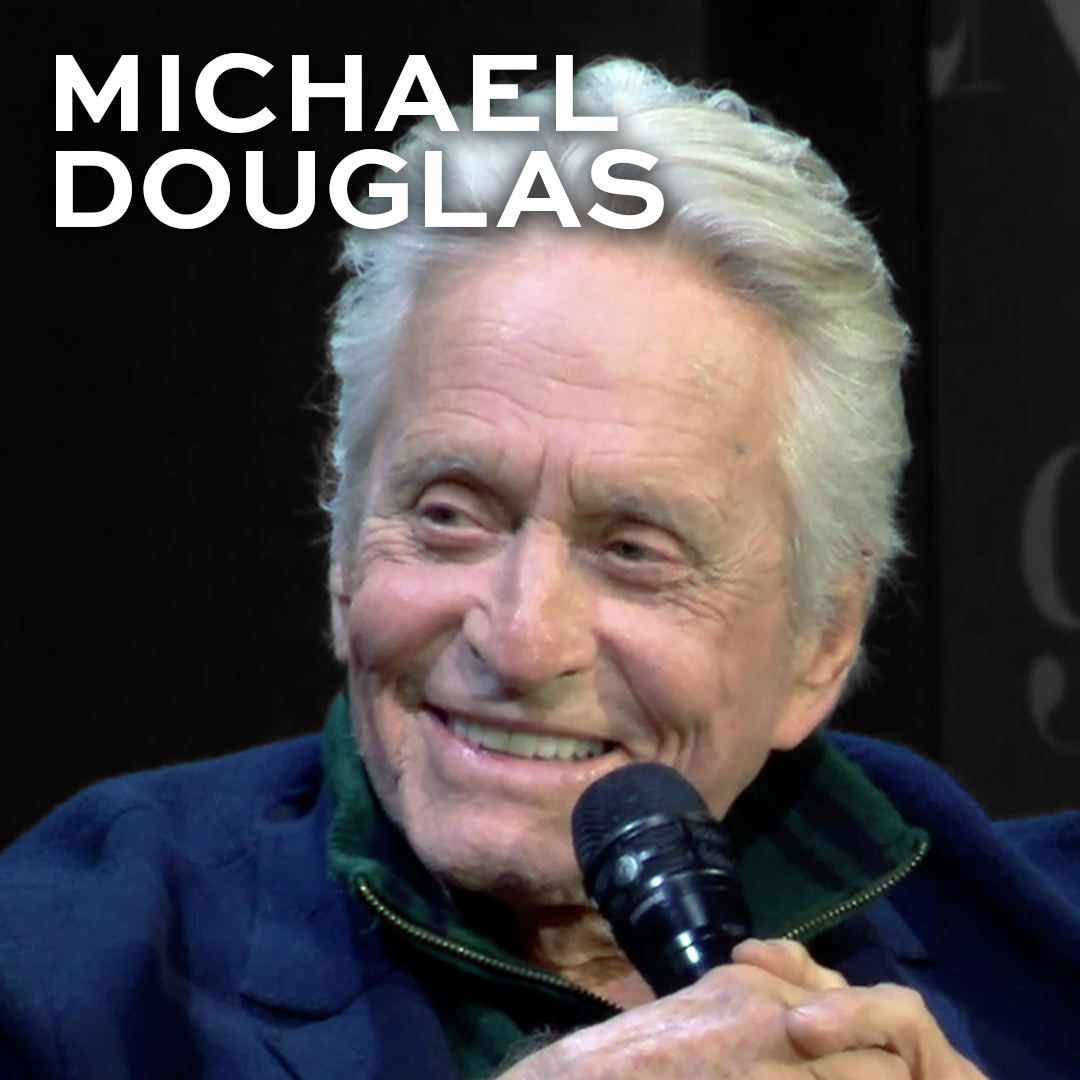
Michael Douglas discusses his new memoir One Hell of a Ride, including career milestones, acting craft, producing, major film productions, and personal struggles (stage fright, substance abuse, affairs, marriage difficulties, his son Cameron’s addiction and imprisonment, and his own cancer). The episode is taped at 92nd Street Y on the memoir’s publication day, with a focus on movie stories and behind-the-scenes anecdotes.
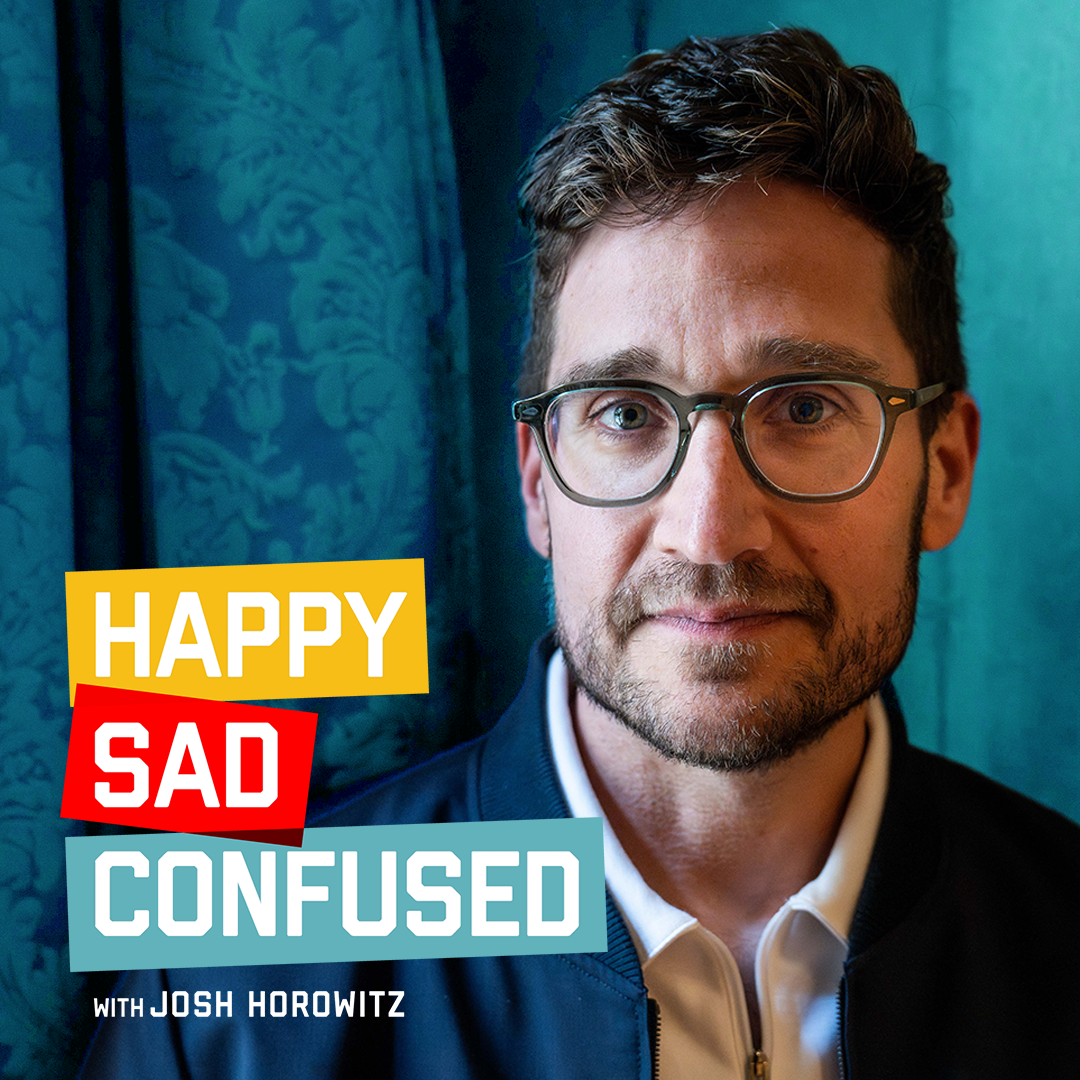
Michael Douglas is a Hollywood icon and producer, son of Kirk Douglas (Spartacus). He’s known for acting roles in Wall Street, Fatal Attraction, Basic Instinct, Romancing the Stone, and more, and for producing One Flew Over the Cuckoo’s Nest. Josh Horowitz hosts Happy Sad Confused (not a guest).
Douglas says acting is “lying” convincingly; he credits credibility as an actor to his Fatal Attraction nomination and Oscar win for Wall Street. He describes Oliver Stone’s intimidation tactics as effective for performance. He argues sex scenes rely on trust and choreography.
Cuckoo’s Nest rights and casting conflict with Kirk Douglas; the Greed is Good speech context; sex-scene trust process; his cancer changing priorities to family; work on Behind the Candelabra, Ant-Man, and The Game.
Written by AI. May contain mistakes.
Discussion about the significance of Michael Douglas's career and memoir.
“Also, if you like what I do, check out our Patreon, patreon.com slash happy, sad, confused, early access to every single episode, autographed merch, posters, access to our live events and much, much more.”
Exploration of the themes and personal stories in Douglas's memoir.
“Welcome to another edition of Happy, Sad, Confused.”
Transition to the live event setting and welcoming Michael Douglas.
“Maybe you've seen it all over the internet, all over your Instagram feed.”
Michael Douglas shares insights on his career and personal experiences.
“And I have to say, look, you've done a lot of press tours in your career and you've talked a lot about films, but this is a really open and exposing moment, I would imagine, for you.”
Michael Douglas reflects on his early life and journey into acting.
“So, of course, Dad was wonderful because Dad thought, oh, my son wants to be close to me.”
Michael discusses his transition from TV to film and producing 'Cuckoo's Nest'.
“From the parents behind Law & Order comes a mystery the whole family can enjoy.”
Michael shares his experiences with winning an Oscar and the significance of recognition.
“It was him just looking at me, you know, and wondering, I said, wondering whether I did everything and everything.”
Michael discusses his role in 'Wall Street' and the iconic 'Greed is Good' speech.
“I mean, Gordon Gekko, one of the all-time great characters and performances, truly, in history.”
Michael Douglas discusses his experience working with director Oliver Stone.
“And he said, well, I wanted an actor who had some business acumen.”
Michael Douglas reflects on his film career and the impact of his roles on culture.
“So in this series of this insane run that you have from the late 80s on for the next 10, 15 years, it's like not only are you in a series of amazing films, but they're zeitgeist movies.”
Douglas opens up about personal struggles and writing his memoir.
“One movie that happens to be one of my favorites that's a really ensemble picture and never achieved a kind of commercial success was a film called Wonder Boys.”
Michael Douglas reflects on his past and the impact of family dynamics on his life.
“Did Catherine, your lovely wife, Did she know everything, all of these stories going on?”
Douglas discusses his cancer journey and how it shifted his priorities in life.
“The whole thing was too much in the marriage.”
Douglas shares insights on his career, memorable roles, and decisions in Hollywood.
“I was born in 1944, so I'm not in the war, but this is by far the most complicated, difficult time I can remember, not only in this country, but on the planet.”
Douglas expresses his passion for comedy and the challenges faced by comedians in the industry.
“We've got some questions from our wonderful audience.”
Michael Douglas reflects on his diverse acting experiences and career choices.
“I've always wanted that shirt that Sean Penn presents you to at the end.”
Douglas shares the inspiration and process behind writing his memoir after a health crisis.
“I said, you know, I finished, I said, well, I'll take a rest and I took a rest for a while and I loved it.”
Douglas answers light-hearted random questions revealing personal preferences and stories.
“And truly, I know you guys all have the books.”

Get the gist, explore an idea or ask about something said.
 Claude
On Happy Sad Confused, what are the key points of this episode?
Searching your listeningAutomatic transcript. May contain errors.
0:00Did Catherine, your lovely wife, did she know everything? All of these stories going... I'll be home to ask her because she just got the book two days ago and I've told her, and this was all, as I say, BC, before Catherine. Prepare your ears, humans. Happy, sad, confused begins.
0:25Hey guys, it's Josh. Welcome to another edition of Happy, Sad, Confused. Today on the show, Michael Douglas, an absolute Hollywood icon, talking about his life, his career, his new memoir, and more. Thanks, guys, as always, for checking out the podcast. Remember to hit that subscribe button on YouTube, on Spotify, wherever you're doing it. I don't care. Just hit the subscribe button. Do me a solid. Also, if you like what I do, check out our Patreon, patreon.com slash happy, sad, confused, early access to every single episode, autographed merch, posters, access to our live events and much, much more.
1:01Helping us over there helps us make more over here. I don't know if you guys have been listening or watching the podcast for a long time, if you're recent subscribers, but we're on a really good run. I'm really, I can't say enough about the level of guests we've had on lately. Ben Affleck was an all-timer. A lot of attention for that one. But yeah, some really good stuff. And this is another one like that. Michael Douglas had never been on the podcast. This kind of came around kind of honestly at the last second. He was doing a 92nd Street Y event, and I was invited to host this. And it was such an honor because, look, of people of a certain age, we all grew up with Michael Douglas.
1:44Wall Street, Basic Instinct, Romancing the Stone. The list goes on and on. He produced One Flew Over the Cuckoo's Nest. He's been a star for decades. He, of course, came from stardom. His dad was Kirk Douglas, Spartacus himself. And he has laid it all out there in a new memoir. It's called One Hell of a Ride. I've read the whole thing. I absolutely tore through it. It's a great read. Tons of amazing stories in there. And this was a real treat. We welcomed him to the 92nd Street Live for a live event. This was taped on the publication day of One Hell of a Ride. So it was a real honor to kind of have this moment with Michael as the book was coming out into the public, as it was getting a ton of attention.
2:33It's still getting a ton of attention. A lot of like, there's a lot of like kind of salacious kind of gossipy things in the book, like about, you know, his relationships. He's very open and honest about, you know, his substance abuse issues, his affairs with, you You know, the likes of Gene Triplehorn and Kathleen Turner, his troubles with his marriage. But to be honest, for me, as a geek, as a movie lover, it's all about the movies and the stories. So we really concentrate most of this conversation on that stuff because that's what I care about. I wanted the stories about Wall Street and Basic Instinct and Oliver Stone and Danny DeVito and all that cool stuff.
3:11So that's all in here. He's an absolute icon. And I'm thrilled he finally came on the podcast and this was the perfect time to support his new memoir. Excuse me. All right. Hey, guys, it's Josh. Welcome to another edition of Happy, Sad, Confused. Today on the show, we don't throw this word around lightly. He's an icon. Michael Douglas is on the show talking about his memoir, his life, his career. It's all there. Thanks, guys, as always, for checking out the podcast. Remember, hit that subscribe button on YouTube, on Spotify. however you're doing it, up to you. And remember, if you like what I do, check out our Patreon, patreon.com slash happy-say-it-confused.
3:52We give early access to every single episode, bonus materials when we can. You hear those New York sirens? That's ambiance, you don't get that on smart lists, guys. But yeah, check out the Patreon, patreon.com slash happy-say-it-confused. Honestly, supporting us over there really does help us make more stuff over here. And I have to say, I am so, so, so proud of the conversations we've been having, the level of guests we've been having. One banger after another. James McAvoy, Ben Affleck, an all-timer of a guest. Coming up soon, some really big ones. John Goodman is coming up on the show. We've taped that already.
4:31Another all-timer. We're just, we're in a groove. So I hope you guys are enjoying what we're doing over here. And this episode is a big one for me. You know, people of a certain age, I think we all came up loving and adoring Michael Douglas movies. I mean, everything. Basic Instinct, Falling Down, Wall Street, Romancing the Stone. I mean, in the late 80s, 90s, he was as big as you got. It was like him and Harrison Ford, basically, as leading men. He had a run. He had an amazing run. And he's been, like, prolific pretty consistently through the decades. He's lived quite a life. It's all there in his new memoir.
5:09one hell of a ride. I highly recommend the book. I tore through it, absolutely adored it. It's got all the stories. It's got the kind of gossipy stuff, if you like that kind of thing. Like, he's open about his troubles, his substance abuse issues, his marital problems, the affairs he had with some notable co-stars. For me though, honestly, it's mostly about the movie stories and there are tons in there. And that's what this conversation really covers, It's those big major movie moments in his life that I just wanted the stories from. He'd never done the podcast before, so I had to go there with him for this.
5:44And this was a treat. This was a live event in New York City at 92nd Street Y. This was taped on the publication day of One Hell of a Ride. So it was like honestly a big honor for me, not only to have Michael on the show, but to kind of like really usher in this book into the world. It's gotten a ton of headlines. Maybe you've seen it all over the internet, all over your Instagram feed. It's certainly all over mine. But maybe you haven't actually had a chance to sit down and listen or watch the conversations with him. And this is a really good one. So I hope you guys check it out. I take you now to a live event taped at the 92nd Street Y.
6:23It's me and Michael Douglas. Enjoy. Hello, everybody. Well, again, welcome to the 92nd Street Y. You are in for a treat tonight. My name is Josh Horowitz. I host a podcast called Happy Sad Confused, and whether you know it or not, you're inside of it right now. I apologize. No, this is such a special treat for me. This gentleman has never been on my podcast. He's a regular here at the 92nd Street Y. He's been here before, but never for an occasion like this. To know and love film and TV for the last five decades is to know and love Michael Douglas. He is an absolute legend. He is one of the greats, one of the great actors, one of the great movie stars, one of the great producers.
7:03And it's all there in this remarkable memoir. One hell of a ride. It is also one hell of a read, let me tell you that. I very much enjoyed this. You are going to absolutely adore it. And today is the publication day. He's celebrating it with us. So please make him feel welcome, everybody. The legend that is Mr. Michael Douglas, everybody. Come on out, sir.
7:36Yeah. You don't have stage fright anymore, do you? Because back in the day, Michael used to have stage fright. Is that true? Yes, well, that was very true back in the day. But this might just do it again. But yeah, when I first started in University of California, Santa Barbara, my first performance is I had a wastebasket offstage. and every time just before I go on. Should we get one just in case tonight? No, we'll be all right. We got this. Congratulations, sir. I hope you feel the love tonight and I hope you feel the love out there. I feel like my internet algorithm is all Michael Douglas right now.
8:15You are everywhere. This book is everywhere. Today is the publication day, so congratulations. Thank you. Thank you very much. Thank you. And Josh, thank you so much for doing this and for all of you showing up, I really appreciate it. It's nice to see you out tonight. Thank you.
8:35It is a remarkable story. And I have to say, look, you've done a lot of press tours in your career and you've talked a lot about films, but this is a really open and exposing moment, I would imagine, for you. Does it feel like you're kind of putting yourself out there in a different way than you ever have before? Oh, yeah, very much so. You know, it's one thing to have a character in a film, but when you make the decision to tell a story, a personal story about yourself, it's uncomfortable, it's nervous. I like to think that my films have always been, most of them, trying to be as truthful as possible.
9:15and I am fascinated with that gray area, the good and the bad in somebody and I certainly have seen it in myself. So yeah, it was a very kind of nervous feeling over the past 18 months as it's coming together and I'm quite honest and have been blown away. We've been getting a lot of really good reviews in response to being open about being a bad boy. We'll talk about the good, the bad, and the ugly tonight. But let me read actually an excerpt from one of those reviews. The New York Times absolutely gave you a rave. They said, quote, Some celebrity memoirs skate over the good stuff, offering a highlight reel more than an in-depth feature.
10:00One hell of a ride is a blockbuster, intimate and uncensored, worthy of a bucket of popcorn with extra butter.
10:10New York Times. Is that as meaningful a review as you've ever gotten? Were you the kind of person that felt the reviews, the good and the bad, over your career? I haven't looked at closely the films, reviews, whatever period of time, but when it came to a book, and I must say, when I saw that, yes! Such a feeling, because you're not sure. You really aren't. You share things that are uncomfortable, and accept who you are, but I guess that's the privilege you get when you get into your 80s. Yeah. So this book, so here's the cover for those who can see, and then here's the back. This is Michael from Another Day.
10:50I said before and after. Well, what would you say to the guy on the back? What do you miss about that guy? What would you say to that guy? It's a good-looking smile. I wish he was as relaxed as that. No, I had, I don't know how I was able to keep up with it because somebody told me very early in my acting career, he said, the camera can tell when you're lying. I said, the camera, it'll tell when you're lying. I used to get so, wow, you know. So I had this sort of method acting time where I was trying to wipe the character of the makeup off your face and feel it like what you, but you can't do that.
11:37all the time. So it really wasn't until, I think as far as a fatal attraction, where I said, okay, here's the character. Let me start the character. And I said, okay, he's a lawyer in New York. Okay, I could be a lawyer in New York. He's married, yes. He's an adulterer. Yeah, yeah. And so I said, well, wait a minute. And then this moment came over to me that I said, acting is all about lying. it's not so it's about it's about lying it's convincing you and audience that you're telling the truth when you're telling a lie and once I understood that it really freed me up so much so much more in in my acting you also like needless to say you had an absolute icon in your house to live up to I mean Kirk Douglas one of the all-time greats and I mean that that hangs over your life and career, your career especially as you were starting out, I would imagine.
12:37Was he encouraging of you being an actor? As I understand that, like, the first performances, he wasn't necessarily super encouraging of what he saw at first. No. Well, he came up, God bless him. I grew up, my mother and father got separated when I was five, and I grew up on the East Coast with my mother, and my father was on the West Coast, and I went to sort of private school, went to Allen Stevenson here in New York, and then later I went to Choate, and it was all, you know, all boys, you know, this is 19, late 50s, early 60s, and so when it came to the end of Choate, where I was going to go, and I was pretty tight, you know, I was pretty tight, and you go in, do you remember, you go to your high school, college counselor, and they always reminded me of, like, travel agents, you know, they had these brochures, and you'd go through and you'd sit there and they'd go through the brochures and I went through this one way and I made a stop and they pulled this out no Ivy League buildings nothing and it said campus by the sea and then I had it on the cover and then there was this guy carrying a surfboard and he had two girls next to him in two peace bathing suits you were from back east in 1963.
13:59You hadn't seen a two-piece painting. So I said, I want to go there. So it was Santa Barbara. So, of course, Dad was wonderful because Dad thought, oh, my son wants to be close to me. He wants to come out to the side of me. He's close. And so I got out there, and I'm mentioning because it was the biggest, you know, change of my life. It was the early 60s. It was a very exciting time on the West Coast. UC system, and UC system was exploding, was growing very fast, great people. San Francisco, the whole scene there. And within about a year, year and a half, I went from being a preppy to a hippie with all of the things.
14:43And then I'm enjoying my hippie life, and then I got called in the second year to college counselor. I said, you've got to declare a major. I go, what? So you've got to major in something. You can't just keep taking general education courses. So I don't know, man. And I said, theater. You know, I figured theater. My mother was an actress. My father, that was going to be the easiest thing to do. So I took theater. And then started that. And then I never acted before in my life. And so the first show came up. I got a messenger speech. in much ado about nothing. And I remember my entrance in the show was down an aisle.
15:34And I came down the aisle as the messenger, and sure enough, I had to stop right by my father, and they talked me how to stand. You know, they showed me how to stand the right way. I ran, and I said, my Lord! And then I went, and I ran out, and he said, what did he say? what did he say and dad came backstage afterwards said Michael you were terrible and I think to answer your question John he was so relieved he said well I don't have to worry about this guy becoming an actor little did he know so I was a grinder you know it came to me naturally and I had a lot of stage fright I don't know why I used to do it it was a fight to get out there But by the end of school, I left and dad came to see a play and said, son, you were good.
16:32More Happy Say Confused coming up.
16:38You've got your favorite blanket, a freshly poured drink and a cold case burning a hole in your streaming queue. You're not just watching true crime. You're running the investigation from the comfort of your couch. Welcome to Murder, She Watched, the podcast where we recap, dissect, and slightly overanalyze some of the best and craziest true crime documentaries on our favorite streamers. Did the spouse do it? Why is the shady neighbor wearing leather gloves in July? Why did this guy agree to be interviewed in this documentary? We ask the tough questions that you're often just screaming at your TV.
17:15So every week we break down the twists, red herrings, and absurd documentaries that have kept you up all night. It's high drama, cozy vibes, and absolute couch detective energy. Grab your throw blanket and hit subscribe. Search Murder She Watched wherever you listen to podcasts, and let's solve this thing together. From the parents behind Law & Order comes a mystery the whole family can enjoy. Patrick Picklebottom Everyday Mysteries. Step into the whimsical world of Patrick Picklebottom, a precocious 11-year-old with a love for reading and an uncanny ability to solve mysteries. Inspired by the beloved children's book of the same name, this podcast vividly brings Patrick's tales of deduction and everyday adventures to life as he unravels baffling enigmas and solves clever cases.
18:07Patrick Picklebottom Everyday Mysteries is perfect for kids and is just as entertaining for grown-ups who love a good mystery. The whole family can listen now, wherever you get your podcasts.
18:25And of course, the first big break, I guess, was Streets of San Francisco, right? Working with the great Carl Malden. So you come off of that great experience for just a number of years, yes. Was it, I mean, at that time, transferring from a TV star to a film star was not the way to do it. That very rarely happened. Did you feel, was it as much baggage being a TV star as having that Kirk Douglas attached to your name? Did you feel that weight going into audition rooms and trying to jumpstart a film career? Well, you gotta remember, after I left Streets of San Francisco to produce Cuckoo's Nest, when flew to the Cuckoo's Nest, which is a whole story.
19:04And mind you, you have to help me, Josh, with time. No, we're gonna keep you here for five hours. They didn't tell you that? I guess, I don't know if you all know the story on Cuckoo's Nest, but my father had just done Spartacus. And he had a production company. And he found in Galilee this book by Ken Kesey called One Flew Over the Cuckoo's Nest. And he acquired the rights. And he made it into a play by Dale Wasserman who wrote the play. And he came back to New York at his height right after Spartacus to play R.P. McMurphy in the play. the play didn't work it didn't happen for whatever reasons it was maybe ahead of its time and his idea was originally that it would work out that he would develop into it in a picture didn't work out and then for many years he tried to develop it and then he decided he was going to sell it and by that time I had actually read the book in in my second year of English classic American novels and was in my episodic television.
20:10The quick jump was I did five movies in a row that were turkeys, all turkeys. So I was in episodic television doing that. Streets came up and I said to dad, I just had him in the office and I saw that he was selling it. I said, please don't, dad. It's a great story. Don't sell it. Look, give me a chance. Let me run with it. I'm going to try to get you the part. We'll get production together, the picture. And he said, okay, son. And you're just in your mid-20s here, right? 23, 24. That's crazy. Right? So he said, okay, son, I'll give you a shot for a year. So I'm up, and I go through his files about who showed any interest, and I find this guy, Saul Zanz, who's in Berkeley, California.
20:58It owns Fantasy Records as a jazz label, Milestone, Prestige. But the one thing he had is he just signed a rock group called the Gollywogs. So he hired this group called the Gollywogs. So we got to change their names. So they changed their names to Creedence Clearwater Revival. So he had all these jazz labels on one side, but Creedence is what played for Cuckoo's Nest. And so anyway, I got in contact with him, and he's in Berkeley, California. I'm shooting the series in San Francisco, and we figure out what had happened, so I acquired the rights to it. I come back to Dad. Dad, we got a deal, made a deal with it, and then we look for a director with my partner, Saul Zanz.
21:44We find Milos Forman, and he seems like he's perfect, and then Milos tells me, Michael, I love your father, but this is 20 years now, later he's too old. He's not right. So I had to do the hardest thing I ever had to do in my life, which is go to my father and say, Dad, we got the money, we're going to make the movie, but you're not going to be in it. And that was rough. That was really rough. Do you remember, like, how vividly do you remember that conversation, like how he reacted? Well, I just, there wasn't a lot of conversation. It was him just looking at me, you know, and wondering, I said, wondering whether I did everything and everything.
22:39And I had, I tried. And so, but he'd give me the rights and we'd sign things that was on the way. but I realize now you have maybe four good parts in your entire career, maybe five. You count them on one hand. And R.P. McMurphy was certainly one of them. So that was a really hard, hard moment. But I left the series after four seasons. I had a five-year contract, and God bless Carl Malden and Quinn Martin, the producer, because these days they never would let you out of the produce, to go do the picture, produce the picture. And the best moment was when I brought Dad up to see it in Berkeley, California, our final cut.
23:32And before, and he saw the picture, we came out afterwards, he said, son, it's a great job. It's a really good picture. And Jack, he was wonderful. And so, you know, I thought, oh, thank goodness. And so he was proud of it. But over the years, whenever he's wanted to, he would always say, you never let me play that part. You know, and this. And then I said, yeah, Dad, but you never made more money in your life. Look at all these Oscars it got. Look at how much money it made. Yeah, it was the right call. I mean, but that's, I can't even imagine that kind of conversation. so as the so the producing career takes off off of like in this kind of interim period of your TV career and then we get China Syndrome we get Romancing the Stone which establishes you as kind of like this like bonafide kind of action adventure star at that point like was there a point that you remember feeling like I have now established myself as my own man as my own all I was established was I had four hits as a producer in a row.
24:42I had four hits as a producer. And after Cuckoo's Nest, I had a studio deal as a producer. But I had films. I was not an approved actor. So I had films I produced, like Starman with Jeff Bridges, right? I wanted to play that part. You got an Oscar nomination for that. Jeff did, yeah. Jeff did. But no, I was still the television actor. And it's hard to explain because of streaming now. The separate rails television actors and movie actors were on. And television was really treated in much more secondary factors. So even after those, and even like Romancing the Stone, I tried to get Burt Reynolds for it, you know, and tried to get it.
25:31And so I came in on the back end. So I was known as a producer. I think after those four pictures, Sid Scheinberg, who was running Universal, brought me into his office and asked me if I wanted to run the studio, run the film division of the studio. And I was so taken aback because I never even thought of myself as this producer, but I was a successful producer. I said, well, no, I mean, I like to act. And he said, well, after three years, you can act, you know. I said, no, that's not going to work out. But no, it didn't, it really, to get the credibility, it really wasn't until the year of Fatal Attraction, followed three months later by Wall Street coming out.
26:16So Fatal Attraction was the biggest grossing picture, second biggest grossing picture of the year. And then Wall Street and getting the Oscar. And, you know, Dad had been nominated for three Oscars and never won. and I think me winning that Oscar, well, first the nomination, I remember it meant so much to me because the nominating committee is your fellow actors. So for me, it was the first time as a film actor was, man, I'm getting nominated by my fellow actors. So I remember how important that nomination was to me and it gave me the kind of credibility as an actor, the confidence that I didn't have before.
26:58And then, you know, Winning was gravy. I mean, Gordon Gekko, one of the all-time great characters and performances, truly, in history. And look, Oliver Stone is famously a button pusher of a director. He likes to provoke his actors, and it's seemingly he definitely tried that with you. And I guess it worked because it's an amazing performance. But can you take us a little bit inside that production, and in particular, the iconic speech, the Greed is Good speech? Did that read to you as what it was going to become? Well, I just recently found out that I was not the first choice, which was a bit of a shock.
27:40But I was reading Oliver's book. Warren Beatty was the first person he went to for the role of Gecko. And then he went to Officer and Gentleman. Richard Gere. Richard Gere. Thank you. He went to Richard Gere before he got to me. So all along, when I first met with Oliver, I said, well, why did you choose me? And he said, well, I wanted an actor who had some business acumen. And, you know, if I'm producing, oh, I said, okay, that makes sense. I found later I was a third choice.
28:22But it was a great script. I mean Oliver it was a really really he and Stanley Weiser it was a wonderful complicated script with a lot of dialogue and yeah Oliver's got a tough way of working I was in the picture for about two weeks we'd been shooting for about two weeks before there was a knock on my trailer door and Oliver came in and he said hi I said hi and he looked at me and said how you doing I said yeah okay I said, you doing drugs? I said, no, I'm not doing drugs at all. Because you look like you never acted before in your life. Gordon Gekko.
29:10Well, I guess I never go look at, I mean, the dailies and stuff, because you only see the bad stuff, so I don't like to do that. But there's a problem. I said, well, I guess I better go look at a couple of the scenes. So I go to the editing room. I look at a couple of scenes. They're both in Charlie Sheen's seduction scene in the back of a car and 21 Club scene. And I'm looking at them. I'm super critical. I think they're pretty good. You know, I think they're pretty good. So I come back to Oliver. I say, Oliver, I think they're pretty good. He says, yeah, they are, aren't they? I say, what are you doing?
29:47What are you doing? and Oliver was ready for me to hate his guts for the rest of that picture. It would make me just that much angrier, that much of an edge. And I got to thank him for it. You want to look at Oliver Stone's films, you start with Jimmy Woods in El Salvador, Tom Cruise in Fourth of July, Charlie Sheen in Platoon, Kevin Costner, JFK, Val Kilmer, in The Doors. He has gotten the best performances out of actors. And the difference, if you would ask me, the major difference between him and every other actor is he's a motherfucker. Most directors are like the patriarch figure. Actors are all insecure people.
30:41Patriarch, the director takes care of them. Oliver is like he's back in Vietnam and You're in the trenches with him, and you better be as good as he is. So I adore him, and I admire him. And I just actually did a little part in the picture he's got called White Lies, which is a biography of his life. And I'm playing his father. Well, there's karma for you. There's something there. More Happy, Say, Confused coming up.
31:13Hi, I'm Whitney. And I'm Katie. And we're the hosts of True Crime Campfire. We set out to make a true crime podcast we'd want to listen to. We get right to the story. We don't do a lot of extra talking, and when we do, it's usually to roast the short hairs off of some loser, murderer, or scammer. You'll laugh, but only at the people who deserve it. Like, which serial killer would you most like to shove into a locker? BTK and his awful poetry. Dude got caught because he didn't understand what a floppy disk was. We look for the stranger than fiction stories, like the case of Patty James, a killer catfish before the internet was even a thing.
31:48Or Howard Walmsley, a sentient wad of damp laundry who convinced his town he'd won the lottery, fleeced local businesses out of thousands, and then became a romance scammer. We've covered tons of cases you've never heard of. Cults, scammers, killers. So come find your next great binge. Listen to True Crime Campfire on Apple Podcasts, Spotify, or wherever you get your podcasts. new episodes every Friday. Reality TV is messy. Pop culture is louder than ever. And the internet completely unhinged. Welcome to Roxanne and Chantel, the podcast where cousins Roxanne and Chantel break down reality TV, celebrity drama, and the stories everyone's texting about.
32:28We recap the shows, spill the headlines, and sit down with the stars themselves. No filter. No boring takes. Just the tea. New episodes every week. If it's trending, we're talking about it. This is Roxanne. And Chantal. Let's get into it.
32:48So in this series of this insane run that you have from the late 80s on for the next 10, 15 years, it's like not only are you in a series of amazing films, but they're zeitgeist movies. They're movies that become part of the cultural conversation. It's fatal attraction. It's falling down. It's basic instinct. And they inspire conversation. They inspire controversy. They're all debated. There are protests for all these movies for various reasons. That must have been such a high to go from not only great film to great film, but zeitgeist film to zeitgeist film, to feeling like you're the center of culture.
33:26Yeah, it was pretty cool. it was well I'm a news junkie you know and I follow the news and so you know for a long time going way back I've felt this struggle of roles between men and women just an overall feeling that people are having a tough time finding their positions and it goes back to actually casting on Cuckoo's Nest when no actress wanted to play Nurse Ratched. Right. Because back then, in the women's movement, the idea of a woman being the villain was not acceptable yet. And so Angela Lansbury, Colleen Dewhurst, we had five different major actresses turn that part down until we found Louise.
34:18So I've always had a little sense of what was going on. on. But the thing you have to realize is you've got to have a good script rather than a good message. I mean, if you can get a message in there, that's great. But I think one of the issues and problems we've been having more recently in films is they're trying to get messages out there rather than make the film. You also had this run of like, I mean, forgive me, but you were kind of like the king of like the sexy thriller. You had like all of these films. It was Disclosure and Basic Instinct. And you're doing like, you know, sometimes like really extreme scenes, like right in the heyday of this kind of like era for that kind of film.
35:06A day before Intimacy Coordinators. Do you have thoughts on that? Like this is the era of the Intimacy Coordinator. You didn't do it with that back then. No, no. We just did it the old-fashioned way. but there's an arc to sex scenes in films it's not easy to do things like shadowing people and you're on top and this and that but the big thing with sex scenes is trust and as long as and I'm saying the lady trusting me obviously I trust her but like a dance like a dance move, you're taking the lead. And if you just talk it out slowly, kiss, kiss, right, looking at you, is it all right to touch your breast?
36:01Yes, all right, touch your breast. Kiss, kiss, and you do it, and it's just like choreographing a fight scene. It really is. You start very slowly, very slowly, and this like that, and then an action is boom, boom. It all makes it look like it really happens. But it's the trust issue. And I always felt it's awkward enough for ladies in terms of mostly being surrounded by a male crew and everything, especially in those days, to make sure that they were as comfortable as possible. and also Josh my producing hat and because what I realized it separated me from a lot of people was I really didn't worry about the part I mean if I found a script I just read the script and I loved it you know I just it made me scared whatever the hell the story was I loved it then I would go back and look at my part but I've always thought But, you know, your part rolls one small part of the whole.
37:14And so what you really need, and this is something Paul Newman used to talk about a lot, you want better actors around you. You want the best you can get because it's the whole thing that matters. I mean, I'd rather be good in a little movie than lousy in a big part. Well, and that reminds me of a few other films. I mean, I think of something like Traffic where you're a big part of the ensemble there. And even something like, honestly, one of my favorite films, and you are the lead in it, co-lead, is The American President.
37:45But it also, that movie works, of course, it's you and Annette, but it works because of Martin Sheen and Adonavir Smith and just down the line. It's an amazing ensemble. And that's a famous Aaron Sorkin script, of course. And I always think, I think of so many iconic scenes from that. But I also think of like that final speech that I'm Andrew Shepard and I'm the president. Do you remember that speech in particular, that dialogue of Aaron Sorkin? Well, I remember it because the movie is made 35 years ago. And what Andrew Shepard said then is prevalent to the situation now. So it's exciting on one side and very depressing on the other.
38:31One movie that happens to be one of my favorites that's a really ensemble picture and never achieved a kind of commercial success was a film called Wonder Boys. And if anybody, if you ever get a chance, it's a great picture. It's Robert Downey Jr., Francis McDormand, Tobey Maguire, myself. Directed by Curtis Hansen. Fantastic. Yeah, Curtis Hansen directed it. And I never quite understood why, but it's a charming, shaggy dog. Connecting to your old hippie days a little bit. That guy was kind of a little bit of that, right? Yeah, that's right. It's what we're doing after this, right? I mean, speaking of which, look, you can tell I'm a cinephile.
39:13I could talk to you endlessly about every single film in your filmography. I do want to talk a little bit about the stuff that's in this book. Some of it's making headlines. It's like you talking about the difficulties in your life outside of your career. you know your first marriage that that was a struggle it seems like right from the beginning your difficulties with with drugs with Cameron your son um you didn't need to write a book that covered that you could have just been like this my life in the movies um was it hard to kind of like go back and really kind of relive all of these difficult parts yeah yes I mean it's um you We always like to try to forget the more painful parts, but I didn't really think there was any sense in writing a book, especially one that I wanted my grandchildren to understand without sharing the whole story.
40:09And I think part of the success, actually, and this is the part I was so nervous about in terms of coming out and having that kind of vulnerability, but people seem to appreciate it and understand the roles. Yeah, I mean, one of the first things that shocked me when I was working on it, when I met my first wife, Deandra, at Jimmy Carter's inauguration on January 20th, 1977, and I married her on March 20th. I married her 60 days later well I couldn't believe it and when I realized it the invitations and everything so I must have asked Deandra to get married about 30 days after after I knew her and so needless to say we had a lot of ground to cover and she was a beautiful lady obviously infatuated with her but we had she never knew anything about Hollywood.
41:17And I was already into the late 70s, early 80s into my alcohol and drug phase. She was nothing about any of that. So we had our struggles. For instance, the realization that I had an affair with Kathleen Turner on Romancing the Stone. We were separated, Deandra and I at the time. but still that happened. And I, well, hell, I'm selling a book, man. I figured I got to have a couple of the stories about, that was one of those stories where people didn't know. I told you, I knew it, I knew it, you know. Well, it's even also basic instinct. Like, I feel like everybody's like, oh, maybe him and Sharon.
42:02Yeah. It's Gene Triplehorn. Gene Triplehorn. That's right, Sharon was my beard. Now, here's my question. Did Catherine, your lovely wife, Did she know everything, all of these stories going on? I'll be home to ask her because she just got the book two days ago, and I've told her this was all, as I say, B.C., before Catherine. So, you know, and we have a 25-year age difference. I'm looking at some of these films like with Kathleen. Catherine would have been seven years old. so you know I don't I don't I don't feel bad I think she understands yeah and on the you know the alcohol the drug stuff I mean do you see that in your like when you see certain roles do you see what you were going through personally that you were struggling like is there a certain film of yours that was compromised you think by what you were going through I don't think so there might have been but the trouble with alcohol and drugs is as long as you show up for work you don't think you have a problem, right?
43:10So as long as you show up in the morning, this has always been the story, I'm here, you don't have a problem. And again, career was the most important thing in many of our lives, at least certainly with my life and my ambition was going on and certainly was a difficult effect on my first marriage with Deandra because I was working all the time. and the fact that you could halfway function. But then it was really the culmination, I think, of dealing with my son's problems. And then my stepfather, we haven't talked about this, but my mom remarried when I was 12. My dad remarried when I was about seven.
44:01Anne was my stepmother for 65 years. and I was really fortunate because the four of them loved each other. They had dinners together. There was no friction between my mother or father after the divorce and I think that really helped me so much. So I preach to people a lot of times about, you know, step-parents are fantastic. I'm sure there's some nasty ones out there which we make movies about. The reality for most of them to assume, you know, out of their love for their spouse, they assume the responsibility of somebody else's kids. And so Bill Darin, who my father was my stepfather, my father said, Bill, and told him, Bill was your surrogate father.
44:50I'm so grateful to Bill, your stepfather, for raising you and living back east. So at that time, right before Bill passed away, and I loved him dearly. The whole thing was too much in the marriage. So I went to rehab, thank goodness. I mean, I had a few friends that were advising me. Michael, it might be a good idea to check in. And so that was very helpful. I mean, I can't imagine the complex series of emotions connected to your son, who has his own struggles then, right, with drugs, and eventually ends up in prison for over seven years, which, I mean, unfathomable for a parent, I would imagine.
45:30So I would imagine you've gone through all the cycles of grief and guilt and thankfully, it seems, have come out the other side. He's in a good place now. But you must have had time to reflect on that whole journey in the writing of this book. Oh, yeah. I mean, it's not a pretty picture. You wonder how young or how early he was when he saw me acting out. What an influence I might have had. But the reality is that there's a gene. There is a gene. There's a risk gene. There are certain families out there of the Kennedys, for one, you look at who like to take risks, and it could go the wrong way.
46:16And, yeah, Cameron has had a really rough time. He's out the other side. I have two beautiful grandchildren with him. I'm proud to say that all three of my children are actors, and they're good. I feel like my father, you know, shaking my head. You really want to do this? You really do, but they do. And, you know, you get through it. There's adversity. This is why I gave it the title that I did the book. I mean, another big adversity you faced, and I'm sure everybody in this room can relate to it, is you faced cancer. And that was, you were diagnosed, I believe, about 16 years ago. And you talk about it openly and about the struggle there.
47:01And you also say that it made you a better actor. It made you kind of a better human being. You've kind of found the silver lining in that very difficult journey. Can you explain what you mean when you say why it's kind of like made you the better man that you are today? because my career was no longer the most important thing in my life. My family was, and the people closest to me. And that's continued after the 16 years since I first had the cancer. It was sort of similar. In my father's case, he had a helicopter crash when he was 72. He was with a friend with a helicopter. They were going up, and the pit's aerobatics, which is one of those tail draggers, was taking off and couldn't see, and hit the helicopter at about 40 feet in the air.
47:55The pits went down and exploded. An 18-year-old pilot was killed with an instructor. And my father's helicopter fell about 40 feet down. Road is still going, gasoline pouring out, and it didn't catch fire. and he was, he didn't break a single bone in his body, Kirk Douglas. Not a single bone, he was black. He was completely, his body, he was black the entire body. The hospital, and he started thinking, why am I alive? And this 18-year-old kid is dead. And so he began a return to his Talmudic roots and got together with a rabbi every week and began studying the Old Testament. And at 72, he lived at 103.
48:50His third act, he was a different man because he too, his career was now secondary and his kindness and his generosity, his foundation, everything he's given away and his thoughtfulness, his ability to listen, he totally changed as a man and our relationship really bonded. And I, in my own way, have felt that coming out of the other end of cancer and realizing what is so important. And particularly in this the cocked world we're in right now. I was born in 1944, so I'm not in the war, but this is by far the most complicated, difficult time I can remember, not only in this country, but on the planet.
49:40And so for me, the only way to make any sense of it was to go back to the roots and say, you've got to start with your family and remind yourself, I know we all got problems, but sometimes you learn not to make the biggest effort to a stranger and take the person closest to you for granted. but you know every day you make that and from the family to your community realizing you know those people who run for town council maybe we democracy is complicated and it really realized how much more effort when you look at our forefathers how much time and effort they spent into maintaining creating this democracy it's a beautiful system a beautiful system but we really got to work at it I feel like I just got a bonus scene from the American president.
50:30I got like the sequel, the sequel moment right from it. President Shepard, thank you for your service. We've got some questions from our wonderful audience. This one is actually one I wanted to ask as well. When you look back on your career, is there a part that you regret turning down?
50:50No, I've got a lot that I'm glad I did, but I don't really have, there was a possibility in the very beginning of doing Love Story, but that was, but I didn't really have it. Ryan O 'Neill, he was, wasn't sure if he was going to do it, but no, I don't have anything. No. Is there, does anyone come to mind you've worked with either on screen or producing you feel hasn't received the acclaim or recognition that they deserved? Who's an unsung great talent you feel that you work with? Boy, well, she's going to get an honorary Oscar this year. That would be Glenn Close, who's been nominated like eight times, and is an extraordinary, extraordinary actress, so I'm happy that she's going to get that.
51:35There's so many really, really good actors out there. It's just a question, as I say, if you get one of those four or five times, you get the good part. You still tight with Mr. DeVito, with Danny DeVito? You go way back with that guy. Still tight. He was so sweet. He read the book one night. He's not a good sleeper, so he was reading the book all night. He was like tight. He's like he's bawling. He really touched him. He made a lot to me because he knows me. We were roommates right out of college in New York here. So I was very sweet. It was a lovely letter from him. Let me ask you a couple other not-so-random items on your filmography.
52:18You devote some time because it's kind of tied to your cancer journey to Behind the Candelabra, which is a remarkable performance working with Steven Soderbergh and Matt Damon. Did you feel out on a whim on that one? That's a bold swing. That's a big choice. Well, yeah. But it was, you know, I was coming out of my cancer wondering if I ever was going to work again. and God bless Steven Soderbergh, you know. We'd done Neural Traffic together before and it was just, it was so wonderful and I love playing character parts. I've always hidden behind wanting to do more character work. So we had to wait a year because I lost so much weight to kind of gain some.
53:06And I remember we got together before the picture was started I threw a lunch at a friend's house out in Malibu at the beach, and Steven Soderbergh was there, and my kids were there. And I know Steven was looking at me. I'm not sure, because we hadn't talked. It was a complicated piece. And all of a sudden, my son Dylan started going through the thing. Well, thank you very much. You're doing all the things. And all of a sudden, Soderbergh realized how much rehearsal I must be doing, that his kid is here playing the role. He gave me a lot much more security. but we had a great time on that and we had, I mean, I mean, when Rob Lowe came in, oh, as a psychiatrist, all the uplifts and everything, Matt and I, hey, how about, it's a few years ago, how brave is Matt?
53:52The prime of his career, right? You know, go with me for the rear, you know, I don't know. I remember shooting that scene and Steven Soderbergh is also the cameraman and director and he's figuring out how to stage it. So he said, what, You're lying across the bed, and Matt, you're behind. I'll be down low like this. I say, okay, okay, and action. And Matt takes off going, I'm supposed to be taking poppers, and this like that. We do the whole scene. And then, all right, cut. And he puts the camera down, takes his glasses off, and he says, I have no notes.
54:35There's one film that's actually, I don't even know if you cover in this book, but I love it so much. You talk about iconic filmmakers. David Fincher on The Game. That's a great movie. I really love that movie. Did you and David get along? I mean, he's a tough cookie himself. Yeah, no, we did. He just, he does so many takes. I know, yeah. He does, no, I mean, no, I admired him so much and I love that picture. I have a big check of the book. I have 10 chapters on 10 different movies because when I first started producing, I read a book called Memo by David O. Selznick, which is the greatest book to read if you want to learn about producing because it's all about his notes and all the pictures that he produced with Gone with the Wind and the Others, which gives you an idea of what a producer can do.
55:26And so that was a big help. So in the middle of the book, I got 10 chapters on different movies starting from the very beginning so people could understand how they start and create and sort of an education on that. And unfortunately, that's when I realized how many good pictures... You made too many damn good movies. The Game and Black Rain, which I liked a lot. Black Rain were not included. And Wonder Boys. Wonder Boys. You have enough for a volume too. You've got plenty. Wonder Boys is another one. Yeah. I've always wanted that shirt that Sean Penn presents you to at the end. I was left for dead in Mexico, and all I got was this lousy T-shirt.
56:07I've been looking for that online for years. You also, I mean, just like as a comic book geek, it was fun to see you pop up in the Ant-Man films in recent years. And those have those unique challenges, obviously, even in that last one, like green screen, the whole thing. Is it true that you asked to be killed off in the last Ant-Man film? I would have been killed off after the second one. but they wouldn't let me. No, after the cancer, you know, and after having behind the candelabra, there was a moment I said, well, what haven't I done? What am I interested in? And comedy. I am such a fan of comedy and just so curious and resent the fact that when Oscar time comes, comedians are never acknowledged.
56:58and yet we all love our friends that are funny. We all cherish them. This is not that many of them. And, you know, so what makes comedy? So when Chuck Lorre came to me with behind, yeah, with the Kaminsky Method with Alan Arkin, I said, man, what a chance. What a chance to work with two comedy geniuses. And I would watch Alan Arkin talk about Jewish humor and you know Alan and I can only have to and it was wonderful so I said okay that takes care of, I feel like I've learned more about comedy. Then I said I've never done a green screen movie I said I've never, so I said I liked all my agents, I liked to do one of these green screen movies to see what they like you know because it's amazing, it's nothing just a green screen that shows you the pictures once you look like when it's all finished it's hard acting You learned why you weren't there.
57:57They tell you, all right, it's coming at you there, this and that. And so we did Ant-Man. Paul Rudd was a wonderful actor, a lovely group. But then you can't get out of it. Reading the fine print, oh my God, they've got me. Reading the fine print. And then finally, I had never done a period movie. All my career, I'd never done a period movie. and the Franklin series, the Ben Franklin series came up for the year that was the end of 2023 and then I kind of called it quits. I said, you know, I finished, I said, well, I'll take a rest and I took a rest for a while and I loved it. I just, and I realized I'd been working really hard, Josh, for almost 60 years, you know, and so I'm taking off now for a while for about a year and a half.
58:52And then Shane Salerno, who I co-wrote this book with, is a screenwriter. And when I was in the hospital, I write in the book, one of the things that was weird when I had cancers, people don't like to, you know, I didn't get many visits. People, they're a little over there. They hear stage four, you know, it's like they don't know whether they're supposed to say goodbye or you know this but shane who i didn't remember i remember he started writing these notes you can be like and i they really meant a lot to me and then over the years um he kept saying you should write a book i said your story's amazing man no no no and then after about a year and a half of this resting up i thought about it and and i realized god between my father and I, we got 80 years in the business and 120, 130 movies and kind of a legacy and really not any other families were quite like this before and now my kids are actors.
1:00:02And then also the big thing was memory. I said, if I could do this, my memory is not that good in the past. and so this allowed you to go back and rediscover these memories and the friendships. So it all came together and so it's been 18 months and I'm really proud and happy of the ways it turned out. We're loving all the stories. Hello to everybody.
1:00:33And truly, I know you guys all have the books. This is the tip of the iceberg. It's an amazing read and it's an amazing life, well lived. Every happy sack infused episode of my podcast ends with some profoundly random questions, Michael. Are you ready for some random questions? I hope so. We'll see. Okay. Are you a dog or a cat person? Dog. Okay. Do you collect anything? What? Do you collect anything?
1:00:59I used to, well, when I was a kid, I collected stamps. Then when I made some money with Cuckoo's Nest, I collected Hudson River School paintings. and since then, no. Have you ever been a video game player, an arcade game back in the day? No video game you've enjoyed? No. That's fine. Not a video game, nor was I a comic book guy. That's okay, we forgive you. What's the wallpaper, the background on your phone? Is my, an older picture of my kids that this should be updated. I wouldn't imagine this happens to you, but are you ever mistaken for another actor? Who's the last actor you were mistaken for?
1:01:41That's a good question. No, I get, sometimes I get, let me tell you this quick story. So dad, before he passed away, he was saying, Michael, Michael, I'm looking at one of my movies on television the other night, right? I'm looking at the movie Michael. I can't even remember this word is. and then I look at it again and I say, wait a minute, that's Michael. That's not me. So people get excited and they go, Kirk, Kirk. I say, no, he's dead. You were great at Spartacus. You were amazing. And I do see, I must say, even the older I get, I see tremendous resemblance. You see it in the mirror sometimes when you catch yourself?
1:02:34You see it? No, I see it in photographs. I don't look at myself in the mirror that much, Josh. What's the worst note a director has ever given you? The worst note a director's ever given me? I can tell you the best one. That's fine, too. Faster. Just go faster. That's helpful. You like that? Everybody knows when in and out, pick up the pace. Yeah. And nothing sticks out as aggressive with that one? The worst note. No, one of the problems. I wish I got more notes. I think too many times directors were intimidated because I was a producer. You were their boss, kind of. Well, I knew it. So I would have loved to have gotten more help because I was much more insecure as an actor than I was as a producer.
1:03:24And in the spirit of happy, sad, confused, who's an actor that always makes you happy? You see them on screen. You're just in a better mood. Well, Albert Finney was my inspiration. I loved Albert Philly for years. Jack, of course, is a lovely actor.
1:03:47There's so many, but it's also the part. It's also the part. Bryan Cranston's wonderful, too. I like Bryan Cranston. Is there a movie that makes you sad?
1:04:00I remember years ago. Anybody here remember a movie called Lily? Yeah, a song of love. Here's a sad song. I remember that when I was a kid. I loved Two for the Road. That was a really, really sweet picture. I have to admit, Josh, I am not a large moviegoer. I haven't for a few years. I've turned into a little bit of a sports and news junkie. That's okay. All is forgiven. You make them. You don't have to watch them. Yeah. And finally, a food that makes you confused. You don't get it. Why do people eat that? Marmite. Oh, yeah. Marmite. Can't figure that out. My wife. I look at her. I don't know what we have in common.
1:04:47This is the biggest source of friction at home, the Marmite discussions. Oh, my gosh. I just said, how can you eat that? Well, good luck getting past the Marmite. Congratulations. And we're so privileged. Again, this is the day this book comes out, this wonderful book. One Hell of a Ride. You all have this copy. For those folks watching at home, check it out. It's a remarkable read. Thank you all. An absolute living legend. Mr. Michael Douglas, give it up one more time, everybody. Thank you very much. Thank you.
1:05:24And so ends another edition of Happy, Sad, Confused. Remember to review, rate, and subscribe to this show on iTunes or wherever you get your podcasts. I'm a big podcast person. I'm Daisy Ridley and I definitely wasn't pressured to do this by Josh.
1:05:43Oh, please. Not that music. That music gives me nightmares from my childhood. Could we get something a little bit lighter? Some lighter music here. Are you a fan of true crime TV shows? And what about Unsolved Mysteries? The show that jump-started all of our love of true crime. I'm Ellen Marsh. And I'm Joey Taranto. And we host I Think Not, a true crime comedy podcast covering some of the wildest stories from your favorite true crime campy TV shows all the way to unsolved mysteries. Baby, you will laugh. You will cry. You'll think about true crime in a whole new way. And you'll also ask yourself, who gave these people mics?
1:06:18New episodes of I Think Not are released every Wednesday with bonus episodes out every Thursday on Patreon. And every Monday, you can listen to our True Crime Rundown, where we go over the top true crime headlines of the week. So come and join us wherever you listen to your podcasts.
The one and only Michael Douglas joins the podcast. Michael bares all in his new memoir, ONE HELLUVA RIDE, and he sits down with Josh to share an even more in-depth look at the book’s revelations–plus a few that didn’t make it to the page. From telling his father, Kirk Douglas, that he wanted to act, to getting pushed by Oliver Stone on the set of WALL STREET, to an account of what it was like to film intimate scenes before an intimacy coordinator became the standard, to why he decided to do ANT-MAN, this episode is a treat for anyone who’s resonated with Michael’s prolific life.
Recorded at the 92nd Street Y
SUPPORT THE SHOW BY SUPPORTING OUR SPONSORS!
Rula -- Rula patients typically pay $15 per session when using insurance. Connect with quality therapists and mental health experts who specialize in you at https://www.rula.com/happy #rulapod
Quince -- Go to Quince.com/HAPPYSAD for free shipping and 365-day returns.
Limited Time Offer–Get Huel today with my exclusive offer of 15% OFF online with my code happy15 at http://huel.com/happy15. New Customers Only. Thank you to Huel for partnering and supporting our show!
Learn more about your ad choices. Visit megaphone.fm/adchoices