In short
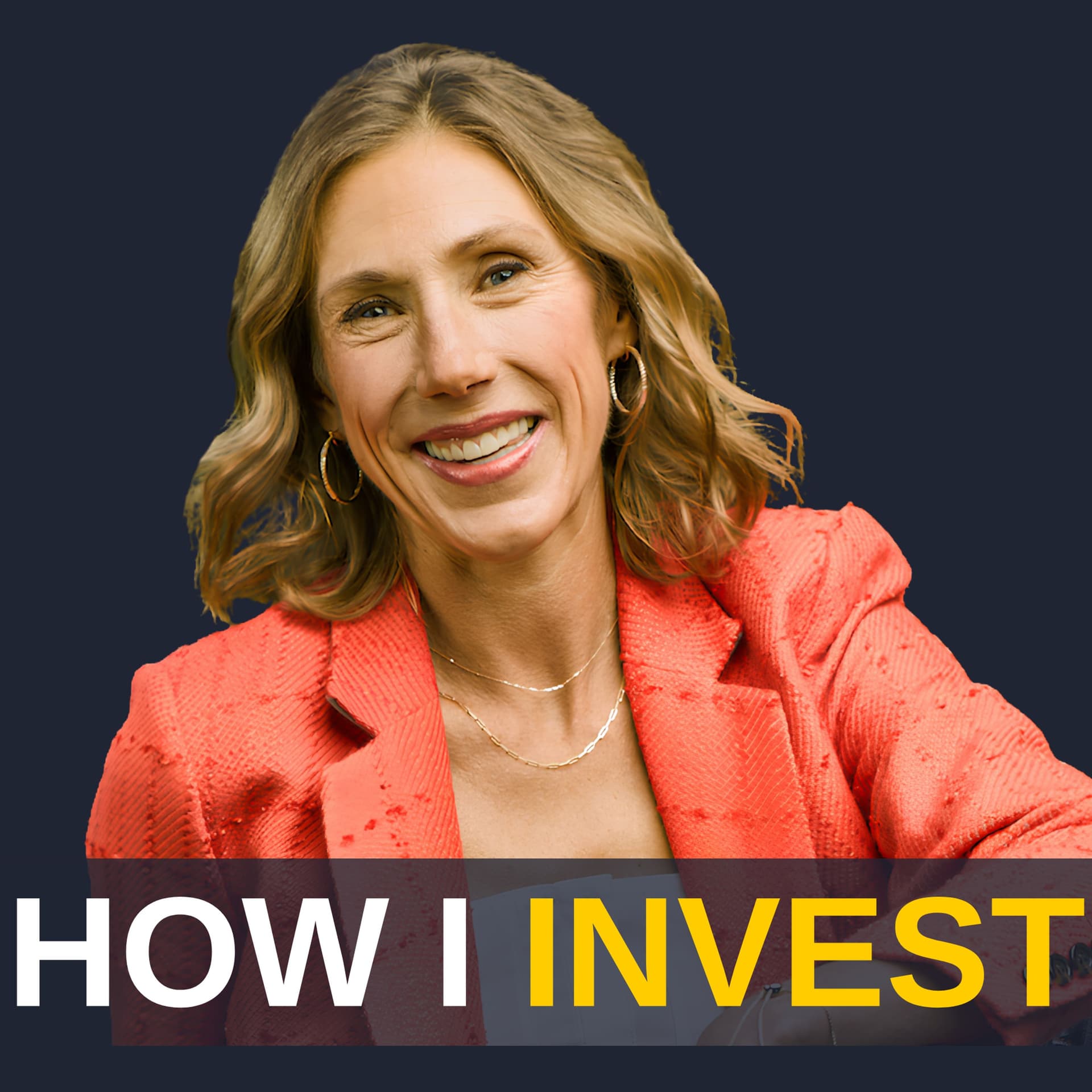
Elizabeth Weil, founder/managing partner of Scribble Ventures, argues venture capital works like a network-effect system: relationships compound across sourcing, diligence, and helping portfolio companies. She also explains how Scribble raised and grew through difficult markets while staying “right-sized” and collaborative.
Guest background
Elizabeth Weil grew up in Sacramento; studied at Stanford (undergrad 2004, engineering master 2006). She worked at Menlo Ventures, Institutional Venture Partners, then operated before joining Andreessen Horowitz and 137 Ventures. She founded Scribble Ventures in 2020, raised Fund One during the pandemic, and later raised additional funds; Scribble has about $280M AUM.
Key claims
VC value accrues from backing top ~1% founders and investing in “founder speed.” Consistency and “1% better every day” improve cycle times and returns. Larger funds can distort incentives toward fees/logo bets; Scribble stays lean and aligned with LPs via GP commitment.
Notable examples
Scribble Fund One raised $50M over Zoom; earliest LPs received ~75% return of fund, marked over 5X. She cites Twitter’s early culture as an example of “high horsepower” founders; mentions a Rubik’s Cube champion in the portfolio. She describes rejecting “difficult” LPs even when checks are large, and investing $750K–$1.5M core checks; breakout checks are typically $1–$3M.
Written by AI. May contain mistakes. Listen to the episode to check what was said.
Chapters
Tap a time to open that second in VOHow Scribble Ventures Was Founded
0:47 to 1:54
Elizabeth shares the origins of Scribble Ventures during the pandemic.
“So you recently raised an oversubscribed fund, which in 2026 is not easy.”
The Importance of Networks in Venture Capital
1:54 to 4:17
Discussion on the network effect in venture capital and its relevance.
“I walked a lot of miles talking to LPs on the phone, never once meeting in person.”
The Role of Relationships in Sourcing Deals
4:17 to 6:00
Exploring how relationships enhance deal sourcing and investment decisions.
“Just to play devil's advocate, I could see how sourcing and having great LPs around the table help you source diligence and make the ultimate decision.”
Incremental Improvement in Venture Capital
6:00 to 6:39
Elizabeth discusses the philosophy of continuous improvement in investments.
“And it's something actually my husband and I talk a lot about.”
Learning from Experience in Venture Capital
6:39 to 7:56
The significance of experience and ongoing learning in venture capital.
“It means the backend is more streamlined and simplified.”
Identifying Great Founders
7:56 to 11:17
Insights into what makes a great founder and their impact on startups.
“But I think that repayment venture capitalists always say that pattern matching.”
Evolution of Fundraising at Scribble
11:17 to 15:05
Elizabeth outlines how fundraising strategies have changed for Scribble Ventures.
“And when you can find that, and then you can also have that witty banter or they're a little bit like just, there's just something about it.”
Building Relationships with LPs
15:09 to 17:47
Elizabeth discusses her experiences in managing relationships with limited partners (LPs).
“It's such a full-time job to be talking to founders, especially at the stage that you're playing in.”
The Compounding Nature of Relationships
17:47 to 22:08
The importance of long-term relationships in venture capital and their compounding effect.
“In other words, this strategy of just being yourself, does it turn some LPs off and that's just part of the strategy or does everyone generally accept?”
Making Tough Decisions with Investors
22:08 to 23:27
Elizabeth shares insights on making difficult choices regarding LPs and investments.
“So where that comes to scribble in our funds, because I assume you mean more on the LP side versus the founder side, because you also play this on the founder side.”
Show all 24 chapters
Making Tough Decisions with Investors
23:32 to 24:39
Elizabeth shares insights on making difficult choices regarding LPs and investments.
“With Square, you get all the tools to run your business with none of the contracts or complexity.”
Balancing Relationships in Venture Capital
25:24 to 28:00
Discussing the balance between relationships and investment potential in VC.
“Instead of checking multiple accounts and spreadsheets, you can see everything in one place.”
Evaluating Difficult Investors
28:00 to 29:08
Explore the nuances of dealing with difficult investors based on their capital contributions.
“In other words, if somebody is extremely difficult to deal with, but they come with a$100 million check, I'm going to deal with that.”
Identifying Breakout Companies
29:08 to 30:55
Learn how to identify and evaluate breakout companies in the venture landscape.
“And this was mimicked after our angel portfolio, which we've been investing maybe eight years or so before I started Scribble.”
Investment Philosophy in Venture Capital
30:55 to 32:05
Discover the philosophy behind investing in standout companies and the importance of relationships.
“And like I mentioned, with the third existing, you've seen clear, clear signs from these are the breakout companies in your portfolio.”
Check Sizes and Collaborative Nature
32:05 to 33:48
Understand how check sizes influence collaboration and the dynamics of venture capital.
“And it's never been easier to start a company.”
Ownership and Valuation Perspectives
33:48 to 35:09
Delve into the perspectives on ownership, check size, and their implications in venture capital.
“So the thing that I've had to fight with LPs about, and this was very hard in the first fundraise, we do not have a set percentage ownership that we need to achieve.”
The Role of Fund Structure in Decision Making
35:09 to 36:54
Learn how fund structure affects decision-making and investor behavior in venture capital.
“I've had thousands of other conversations, nobody could explain to me why ownership and check size is not just a proxy for entry valuation and why those are different topics.”
Aligning Incentives in Venture Capital
36:54 to 38:48
Discover the importance of aligning incentives between venture capitalists and founders for mutual success.
“And we say our fund size is our strategy.”
The Core of Investing
42:00 to 42:42
Learn about the fundamental principles guiding investment decisions.
“and doing what he loved to do, which is just constantly dealing with founders.”
Old School Venture Capital
42:42 to 43:45
Discover the strategies and mindset of traditional venture capitalists.
“The journalist who launched and announced and wrote the article about Scribble back in 2020 said they're bringing back old school venture capital.”
Hiring for Culture and Excellence
43:45 to 45:53
Explore the balance between cultural fit and exceptional talent in hiring.
“You mentioned recruiting and who you work with.”
Advice for Emerging Professionals
45:53 to 47:13
Gain insights on maintaining curiosity and prioritizing personal time.
“Having kids probably showed me that in the best, like revamping of that.”
The Importance of Relationships
47:13 to 48:15
Understand how relationships shape career opportunities and success.
“And then the third thing, and this is super important to me, and I think as a junior employee, so my advice would be to make time every single day for your non-negotiable.”
Transcript
Automatic transcript. May contain errors.0:00Before we started recording, I was telling you that podcasting is this network effect game. You said venture capital is the same. What did you mean by that? Venture capital is huge network play. The game of venture is to see great opportunities, to pick them, to diligence them, and then to win them and help them down the road. And that collective network helps you in all of those parts of the game.
0:30My guest today is Elizabeth Wheel, founder and managing partner of Scribble Ventures, a venture firm that has grown to$280 million in AUM. Having recently raised an oversubscribed venture fund, Elizabeth has a unique perspective on how emerging managers can raise in difficult markets and how smaller firms can thrive in 2026. Without further ado, here's my conversation with Elizabeth. So you recently raised an oversubscribed fund, which in 2026 is not easy. How did you accomplish that? Great question. I would actually have to rewind to when I founded Scribble Ventures, which was the very start of the pandemic in 2020.
1:07And everybody asked, why does the world need another venture firm? And I knew I felt like there was a hole in the market for a right-sized fund focused on pre-seed and seed primarily to invest in the world's best companies and the world's best founders and doing that in a collaborative way. And I felt like at that point in time, so many funds had become sharp elbowed. So really what it became was just consistency. I saw that we were starting a global pandemic. Everyone thought it was the dumbest time to start a fund, but there was this huge inflection point going on. And I felt like that was the best advantage to investing companies when you're having a step change and there's a world phenomenon that we'll never see again.
1:50So Scribble was born 2020 summer of the pandemic fundraise entirely over Zoom. I raised a$50 million Fund One. It was hard work. I walked a lot of miles talking to LPs on the phone, never once meeting in person. And we were off to the races. Currently, Scribble One returned 75 % of the fund. So there's real DPI for our earliest LPs and supporters. It's marked over a 5X, so we're doing extremely well. And before we started recording, I was telling you that podcasting is this network effect game where the guests drive more listeners and the listeners drive better guests. And you have this self-reinforcing loop.
2:33You said venture capital is the same. What did you mean by that? Oh, I very much believe that venture capital is a huge network play. and something that I think from my youth, I took to and now why I absolutely love Venture so much. So when I grew up, I grew up in Sacramento. My mom was a second grade teacher and you just knew everyone in the neighborhood. You knew your mailman, you knew the person that poured coffee, you knew the sandwich maker at the deli. And going forward in my life, I always have said, I like making a big world feel small. So I love knowing all of the people, the little, the big, the little, we went to our garbage man's wedding with my first kiddo when he was two.
3:11So we just like knowing our world. So fast forward to when you're just an angel investor and the people in your world are the ones that are making you smarter about opportunities. They are helping you diligence opportunities and you just have this friend collective that you're able to collaborate with. For Scribble, we entirely believe in the same approach. And so far as we actually put together what we call the Scribble Network, and that's a group made up of executives, operators, founders. Many of the people that we list on our website are also small, limited partners in Scribble. But I look at it that front flywheel.
3:48The game of venture is to see great opportunities, to pick them, to diligence them, and then to win them and help them down the road. And that collective network helps you at all of those parts of the game and having unique insights when you're looking at your first ever robotics space company. Who can you call in that network that gives you the best expertise right away? It just keeps mimicking. So they help in all the parts, showing you opportunities and then ultimately helping the companies down the road as well. Just to play devil's advocate, I could see how sourcing and having great LPs around the table help you source diligence and make the ultimate decision.
4:29But why is it a network effect business in that, why does every deal become more valuable and every new investment make the firm more valuable? Venture capital is all about relationships and real world relationships. And I think that you want to know your founders the best. You know that they will collectively send you better deals as you get to know them and you feel the real purple person relationship. And I feel like all of the things start going up. So you know all of the people, You know more opportunities. You're able to diligence them faster. Collectively, the returns become better because you're investing in the top, top, top 1 % founders in the world and not even looking at the rest.
5:11So I think the increment value goes up and that ultimately accretes to the LPs as well. And then LPs, word of mouth, send more investors your way and it helps raise all the boats and all things Scribble. And then for our founders, if people know Scribble's involved, we hear, you're a Scribble company. And that can even add some cred around all parts of the table. So you're strengthening your relationships, you're strengthening your brand, it's Scribble company. Strengthening company's value, we hope, if we do our jobs right. And then you're strengthening LPs reputation when they can recommend, oh, you should meet Scribble.
5:48They're a great lesser known fund in the market. I'm also evolving to this idea that great businesses is just accumulation of every day coming in, just getting incrementally better. To what extent is that true? I believe in that too. And it's something actually my husband and I talk a lot about. We even share this with our kids, but every day you just need to get 1 % better and 1 % is nothing in that day. And over time, how much extra value that collects. And I also very much believe in that 10 ,000 hours where you really become an expert of what you do when you give it that time. Something that I've held true in my life every day is my non-negotiable of my morning run.
6:26I do that every single day. I'm not there to get faster necessarily, but every day, putting the endurance, putting the wake up, putting the practice in, and that makes me a better human being. I think with venture, 1 % better every day. It means the backend is more streamlined and simplified. You're decreasing your cycle times with meeting a best founder and being able to make the decision. And then ultimately doing that over and over again to raise great repeat funds and to return them. I mentioned I went to podcasting five times a week for nine months just to accelerate my compounding. Is there an equivalent strategy you could use as a venture capitalist in order to get better quicker?
7:08I would say that would be something I would fight you want to know. I graduated from Stanford, undergrad in 2004, my master's in engineering in 2006. And my first job right out of school was at Menlo Ventures. I still draw on that experience from sitting around this great boardroom table every Monday, many days bored when you had companies coming in and pitching. You didn't even know everything they did, But being able to be this giant sponge and hearing them present, being able to make your own judgments, then listening to the general partnership go around the table afterwards. I did that at Menlo and then Institutional Venture Partners.
7:49And then I operated for a stint before going to Andreessen Horowitz and then 137 Ventures. And I was just a sponge at all of those places where I would fast track to now. I have to actually couch myself from time to time because I think one thing I can be very judgmental personally and behind the scenes as soon as I meet a founder and there's some vibe some way some pitch some there's something and I need to make sure I separate my quick judgment on founder with the opportunity often they go hand in hand I think you can't and connect them. But I think that repayment venture capitalists always say that pattern matching.
8:35I do think there is something into the pattern matching about the opportunity and then the repeat cycles of just meeting great founders. I've had a lot of investors say the exact opposite, which they lean into their snap judgments, this kind of system one versus system two thinking. Why do you hold yourself back on that? I wouldn't say I hold myself back, but I might get off of the phone and be like, there was something there. That might ultimately be the right call, but putting enough work in behind the scenes to give some clear fair shake. And does that mean one of my partners meets the company and makes the call?
9:10Does it mean you just spend one more cycle saying like, did you pick up on that? Like, did you see that he talked over his co-founder? Like these little things, at least making sure, say I'm not taking crazy pills. So you give a fair shake. But those judgment calls, they go to the core. Do you believe in this idea of this canonical great founder? Or is the founder always in the context of the business that they're building? I believe that there is a canonical great founder. What's an example of that? I think if I look for some traits, some and it can be repeat or new. I don't think there's something said on that.
9:41I think the ability to hire a world-class team in the early days when you are absolutely talking people into doing something crazy, jumping off a cliff, usually something pretty consistent for this wild idea. Giving up their high paying job at Google or... Totally. And then also, I think hand in hand, but an early sales motion, I think a great CEO, like they're going to go find those customers early. They're going to be able to, again, talk people into doing what they want them to. I think there's this unique horsepower that we say that our Scribble team works at founder speed, but I think there is a founder speed and you can feel it with some founders and you can feel the delineation of time with some founders and their slowness.
10:25And I love working with those high horsepower, like really quick. Usually like my favorite founders, this I learned at my time at Twitter. I felt like in the early days at Twitter and I was there from around 50 to 2 ,500 people over about four years. There was this special time where the culture felt so good because you knew that person was there to do their day job and they were exceptional at it. but then they were also world-class at something else. And so you'd sit with them and they like might've been in the Olympics for volleyball or if somebody was a Rubik's Cube champion. We do have a Rubik's Cube champion in our portfolio now too.
10:57But there was something extra interesting. And I love feeling that out. I think with great founders, there's something extra exceptional and something that makes them a little weird. And I love finding that out. I love why I love doing podcasts with our companies and the CEOs because there's something weird about them. And when you can find that, and then you can also have that witty banter or they're a little bit like just, there's just something about it. And I think that's when you're - It is democratic. Yeah, very idiosyncratic. How has your fundraising evolved from your very first fund to now Fund 3?
11:37Yes, in early days, I mentioned the raising it entirely over the pandemic. You are standing up a crazy idea, just like founding something. I talked with everybody that could write a check into Scribble. And at that point, it was individuals, it was executives, great other operators that might have had some liquidity. And then slowly that evolves over time. You meet a few family offices that take the risk. They share it with their colleagues and friends. Then we had a few small fund-to-funds come in and back us in the early days. So it's been a very long tail. It was a lot of hard work. I will very much confess that I do not have 10 large LPs that make up Scribble.
12:22It's been a lot of footwork. And that's continued, but also evolved over time. So Scribble One was a 2020 vintage$50 million fund. 2022 vintage was our second fund, and that was a$55 million core fund. So again, consistency. Scribble Three was a 25 vintage fund, a$90 million vehicle. and then our breakout was in the end of 2022. First one was 30. The second one is roughly 55. And again, consistency. And that evolved over time where we added more fund to funds, more family offices. We have our first teacher's pension involved. So it has been a work in progress and we still value and count on our individual LPs.
13:06And we think they add a lot of network value for Scribble like we chatted about. But we are slowly moving up the food chain. And I hope to condense the fundraise just a bit, but still leave there something magic about having a really long tail of exceptional individuals around the scribble table. Expert calls have always been one of the most powerful ways to build conviction. But today, investors are asked to cover more companies, move faster, and do it with leaner teams. With AlphaSense AI-led expert calls, their TGIS call service team sources experts based on your research criteria and lets the AI interviewer get to work.
13:41The magic is in the AI interviewer, purpose-built and knowledgeable-based information to conduct high-quality context-rich conversations on your behalf, acting as a trusted extension of your team. Then they take it one step further. Your call transcripts flow natively into your AlphaSense experience and become querible, searchable, and comparable. So your primary insights plug directly into earnings preps, digital work streams, and pitch books with zero tool switching. And with AlphaSense expert call services, the AI-led expert calls are just one option because we know the importance of a hybrid expert research approach.
14:14AI for coverage and efficiency, humans for complexity and conviction. It's the institutional edge that scales research without scaling headcount. For hedge funds, that means validating thesis assumptions across dozens of experts before earnings instead of a handful. For private equity, it means faster pre-IOI scans and deeper commercial diligence. For investment banks and asset managers, it means pulling real operator perspectives straight into models and sector positioning without disconnected tools or manual handoffs. All of it lives inside the AlphaSense platform, trusted by 75 % of the world's top hedge funds alongside filings, broker research, news, and more than 240 ,000 expert call transcripts, turning raw conversations into comparable, auditable insight.
14:58Take advantage of AlphaSense AI-led expert calls now. The first to C wins. The rest follow. Learn more at alpha-sense.com slash how I invest. It's such a full-time job to be talking to founders, especially at the stage that you're playing in. How do you have time for so many LPs and what are some of your lessons from LP management? Great question because we have a lean, mean team at Scribble 2. We're a team of six of us all in. We're all operators and investors by background. So as far as team goes, it's myself, another great partner that had run his own venture fund. And the two of us are full-time day-to-day meeting companies, choosing, connecting with the rest of the ecosystem.
15:41I am the primary fundraiser. Our third partner is Kevin, my husband. We call him our operator in residence. So he has a full daytime job. We like keeping him that way. He would say he's better both operator and investor because he does both. So we believe that. So that's the three of us on the investing side, and that's as lean as it is. And then we have a great PR marketing community gal that I've worked with for a long time that brings great operational background as well. And then team admin and the CFO that stitches all together. So we are lean and mean. On the LP side, it's something I've actually come to like.
16:13So I hated selling Girl Scout cookies when I was a little kid. So I never wanted to raise a venture fund purely because of that. I never wanted to ask anyone for a dollar. I think really I was just scared. I always have wanted to achieve. I think I didn't want to lose a dollar for anyone. Why I think these funds are going to be the best funds in history ever because I am absolutely terrified of not making them great. But I've realized they're real people too. And I think I always thought the LP side was this ivory tower or a different echelon of people that were judging and had some extra expertise.
16:55And I realized they eat sandwiches too. They'll go on hikes with me in Portola Valley. And it wasn't just this, I need to show up and be really dressed and present a deck. It became getting to know them just like I get to know our founders. And I think that real people relationship has actually really helped Scribble. So I enjoy spending time with my LPs, but I've just had to own, I'm going to be really me. And I do, they say, Hey, can we meet for a coffee? And I said, actually, will you go for a walk with me? Nearly every person says yes. And then after that, they're like, that was the best meeting I've had.
17:29It's memorable. It's memorable. And I like to eat sandwiches. So we don't go to many sit down restaurants. And so many people now have like my deli choice and they say that was the best sandwich. So it's memorable. It's different. And I have just had to own being me. And I think that comes out in the Scribble brand. Are there downsides of just being you? In other words, this strategy of just being yourself, does it turn some LPs off and that's just part of the strategy or does everyone generally accept? That's a good question because it's very much a negotiation on that side or I think like a little bit like know your audience as well.
18:04Because would I do this with everybody? No. Pick which ones you do. I think we've shown the operational button up behind the scenes, and that's what you really have to make sure, and that we've grown as a firm over time. It's not Elizabeth's fund, it's Scribble Ventures. And we are a team, we're growing over time, we're evolving, we want to be a standalone venture firm that will outlast me. We talk about this as a team as well. So I very much make sure we can show how operationally structured we are behind the scenes, but then still letting my personality come out. But that it is more about team scribble versus what I've done as an angel.
18:46Because that was long ago now. We are more than six years in. So we've changed and evolved over time. I wonder if it's the female equivalent of man points. So there's this concept that men could only talk about their issues and their relationships until they have enough man points, until they're multimillionaires, have the six pack, have all the success, then they could talk about their struggles and their self-doubt. I wonder if that's the equivalent where it's easier by a fun three than it would be necessarily in a fun one. Yes, but I've also realized over time, and it goes back to my first job after my freshman year at Stanford when I learned this lesson.
19:23but I've just had to own being myself. And this first job, I worked at corporate finance, Wells Fargo, in this really tall building. And it was, I mean, I feel like I did data entry. I probably, I think I did do a data entry. And I was seated at the front desk of this floor because they didn't have enough seats for me to do my data entry. And I think private client services was on the other side of the floor. And I was always really friendly with whoever came up the elevator. Essentially, I was doing an intern's job, but in a greeting zone. And I remember getting the feedback from the big, big boss.
19:59And he said, you smile too much. And so the next day, and I was so taken aback, but I'm 20. And the next day I was like super solemn and I wore gray. And all my colleagues on that floor, by the end of the day, were like, what happened? Like, who are you? And like, did something bad happened. And I just was so miserable not being me. And I've always had to know, play the long game of my true personalities. Like it's too complex to have multiple personalities because when I'm that great of a memory and I've just said to be what you see is what you get. And I think a lot of people could probably verify that.
20:39I love that on many levels. And one level that I love that on is the compounding basis of relationships. If you truly internalize this idea of compounding relationships. Everybody talks about it. In fact, every CIO that's been around for 20, 30 years, when you ask them what's compounded the most in their career, 90 plus percent will say relationships because it's really the only true thing that compounds. So if you take that to be ground truth and you truly believe in it versus a bumper sticker you put on your car, then you have to be extremely careful in what relationships under what context you get into those relationships.
21:13And that's only further compounded, no pun intended, by the fact that these funds are 10-year funds. So at a minimum, that relationship is with a 10 years. If you have them over for a three-fund cycle, you're committing to 15 to 20 years with this relationships. And we become so focused on closing LPs, on getting that next milestone. You raise 25 million, now you raise 30, now you get 35 million, all this momentum that feels really good and that we get neurobiologically reinforced that we don't think about the downside consequences of that one relationship. And then who do miserable people love to surround themselves with?
21:49It's not happy people. It's other miserable people to the point of your boss. So now they make introductions to those miserable people. And five years later, you look at everybody around you and you have a certain type of person because you just were focusing so much on the short term and not thinking about the long term compounding of those relationships. So where that comes to scribble in our funds, because I assume you mean more on the LP side versus the founder side, because you also play this on the founder side. side. Making the hard decision to say no to dollars too. And have you ever done that?
22:19Oh, yes. Oh, yes. Have you ever done that to a large check? Yes. And it's hard because they would make the fundraisal so much easier. Support for today's episode comes from Square. It's all in one way for business owners to take payments, book appointments, man, staff, and keep everything running in one place. Whether you're selling lattes, cutting hair, running a boutique, or managing a service business, Square helps you run your business without running yourself into the ground. I was actually thinking about this the other day when I stopped by a local cafe here. They use Square and everything just works.
22:49Check out as fast, receipts are instant, and sometimes I get loyalty rewards automatically. There's something about businesses that use Square. They just feel more put together. The experience is smoother for them and it's smoother for me as a customer. Square makes it easy to sell wherever your customers are, in-store, online, on your phone, or even at pop-ups and everything stays synced in real time. You can track sales, manage inventory, book appointments, and see reports instantly, whether you're in your shop or on the go. And when you make a sale, you don't have to wait days to get paid. Square gives you fast access to your earnings through Square checking.
23:20They also have built-in tools like loyalty and marketing, so your best customers keep coming back. And right now, you can get up to$200 off Square hardware when you sign up at square.com slash go slash how I invest. That's S-Q-U-A-R-E dot com slash go slash how I invest. With Square, you get all the tools to run your business with none of the contracts or complexity. Run your business smarter with Square. Get started today. Support for today's episode comes from Square. It's all in one way for business owners to take payments, book appointments, man's staff, and keep everything running in one place.
23:52Whether you're selling lattes, cutting hair, running a boutique, or managing a service business, Square helps you run your business without running yourself into the ground. I was actually thinking about this the other day when I stopped by a local cafe here. They use Square and everything just works. Check out as fast, receipts are instant, and sometimes I get loyalty rewards automatically. There's something about businesses that use Square. They just feel more put together. The experience is smoother for them and it's smoother for me as a customer. Square makes it easy to sell wherever your customers are, in-store, online, on your phone, or even at pop-ups and everything stays synced in real time.
24:23You can track sales, manage inventory, book appointments, and see reports instantly, whether you're in your shop or on the go. And when you make a sale, you don't have to wait days to get paid. Square gives you fast access to your earnings through Square checking. They also have built-in tools like loyalty and marketing, so your best customers keep coming back. And right now, you can get up to$200 off Square hardware when you sign up at square.com slash go slash how I invest. That's S-Q-U-A-R-E dot com slash go slash how I invest. With Square, you get all the tools to run your business with none of the contracts or complexity.
Read the full transcript
24:56Run your business smarter with Square. Get started today. Summer is here, which for me means occasionally trying to escape New York City on the weekend. When I get time off, the last thing I want to do is worry about keeping my personal finances organized and my budget in balance. With a little advanced planning and powerful software tools, I can enjoy the summer knowing my money is taken care of. Monarch is the personal finance app that tracks everything. Accounts, investments, saving goals, and spending. Get your first year of Monarch Core for half off. Just$50 with promo code INVEST. What I like about Monarch is that it takes the mental load of managing your finances off of your plate.
25:27Instead of checking multiple accounts and spreadsheets, you can see everything in one place. The AI Weekly Recap is especially useful because it flags spending spikes and upcoming expenses before they become surprises. I also like Monarch's AI assistant. You can ask questions like, how much did I spend on travel last summer? Or how many subscriptions am I paying for? And get answers instantly. Use code invest at monarch.com to get your first year off Monarch Core half off at just$50. That's 50 % off your first year at monarch.com with code invest. What do you say? Oh, well, I think you, like every relationship, you have to kind of do it in a kind way.
26:05And there's a reason to smooth it. But there is not a place for some dollars in our fund. And we've had to fire a few LPs. We've had to just not even start the relationship. And it's made my life better down the road. It's one of those things that's very difficult to do at the time, but pays these huge dividends. Very much. And I've learned my lesson. There were a few that I'm thinking of, will not name names, that I accepted because that first fundraise was so hard and$500K check would mean so much. Yeah. And then you ask your LP base a question or you share something going on with the fund. And that's the relationship that comes back with 14 questions that have no real, like there's not really a lot of substance behind them, but they make you do the work.
26:56And then other LPs trust you and they know that you're operating in the best of the firm. And so those people slowly find their way out of our LP base over time. And again, it's just life's too short. Work with the best founders. I have made many decisions on that. On the founder side. Yes, deciding to invest in a world-class opportunity or that one that everyone is thinking is the hot company. And where I get off a call or a meeting and I say, I just don't picture being in business with that founder. And ultimately, it's a hard nut to crack or hard pill to swallow when they go on to raise up rounds.
27:34You look like the idiot that skipped it. But then when I've waited and been patient enough, ultimately, those are the ones that crash or have something happen around them. or a media story, and you made the good decision to pass with that gut. And ethics aside and brand aside, which obviously, you don't want to invest into the next FTX, non-controversial. I kind of think about these relationships and how difficult somebody is as a factor. In other words, if somebody is extremely difficult to deal with, but they come with a$100 million check, I'm going to deal with that. But if somebody is very difficult and they don't come with above average check, then that's something that I wouldn't deal with it.
28:12I don't look at it as much of a binary as more of a variable. Is that how you would look at it? You mean it's like the scale of capital? Just the scale and just it's a factor. It's an important factor, but it's not the only factor. Yes, it's not the only factor. And they might bring a number of other great things that could value where you kind of say, well, it's worth like if there's 10 positives and one negative, do you experiment with it? And there's funds are long. And does this mean you'll learn your lesson and maybe it turns out they're great? And so I try to keep an open mind there. So I don't think it's binary.
28:51I don't think you can be binary in this industry. You're pragmatic. Yep. Especially when it comes to relationships. You not only invest in the seed round, you also invest in breakout companies. You mentioned a third of them are scribble companies. Two thirds are non-scribble companies. Today, companies are growing so quickly. What do you look for in a breakout company? Great question. And this was mimicked after our angel portfolio, which we've been investing maybe eight years or so before I started Scribble. And this is just people that you know, great founders, people that you've worked with in the past, weird introductions, and just, again, backing the best.
29:26And they were small size checks at that point. But what we realized is it's the relationship that matters. And you might have missed a company at the seed, but then you have the opportunity at the B or so. and you very much can still underwrite great returns ahead, why not be able to invest? And I think that's where it's silly that so many funds are so focused on a certain percentage or a certain stage. This is a fluid industry, in my opinion, and it can't be black and white. So again, coming back to our consistency of back the best founders and the best companies. So with our breakout fund, so B &B on primarily, and yes, larger valuations too, But at that point in time, so for our core fund, we want to be able to envision 100x from here, underwriting each individual company as a 100x possibility.
30:17Are they in a market that could have one to two standalone public companies? Do we envision that this could be the team to get there in the approach? So for breakout, we argue about do we see at least a 10x from here? And that can be tricky given these valuations at the B stages. So we very much want to see that. Also, do we see them being a standalone public company? Again, is this the founder that has the horsepower to take it to there? I think there you see a lot of proof points. And there is that set of companies that you think will be the iconic companies going forward. And that's what we've built the fund with.
30:55And like I mentioned, with the third existing, you've seen clear, clear signs from these are the breakout companies in your portfolio. Insider information. Yep. It comes back to you have insider information and you have founder experience now. And we write a typically a one to$3 million check into those rounds. So also those are larger rounds that we're investing out of a$50 million,$55 million core breakout fund. And then for these net new or meeting the team, but you have historical years and other people that we know why we're so network approach. Even the other co-investors or early investors can invest and introduce Team Scribble because we are not being sharp elbowed.
31:36We're being collaborative. And we're told time and time again by our founders, despite check size, we're the most helpful on the cap table. So why turn that down at any stage? So again, we try to be the best partner. So if that's your pitch, you have the most value add per dollar. Yes. And clearly, clearly told time and time again by our founders. Are there any great companies right now that are not consensus of the Series B, Series C? Yes. It's not everything is consensus. It's at that stage because we also have phenomenal competition in the market right now. And it's never been easier to start a company.
32:09It's never been easier to scale a company and become a B right away. So it's not clear. I think there's many approaches that can work. But I think when it all comes together, you start knowing like, what is that scribble breakout company? And that's what we've had to evolve. Is your strategy scalable? In other words, would you be able to put in two, three times more capital? I think so, especially on the breakout side, especially because those are larger. Comes to a debate on do we want to scale scribble to that size of funds, especially in the core fund. There's something special about being a right sized fund at the pre-seed and seed approach.
32:44You can be collaborative. It's meaningful ownership. You are getting to know those founders at the earliest stages. This is only going to add value over time. and you can really return great funds time and time again. My goal for Team Scribble is that we look like a fund one on repeat. Every few years, fund one results on repeat. LPs always talk that often the first fund is the best one that that venture firm ever puts out. So I want to be that on a fly. You made a really interesting point, which is your collaborative nature is downstream of your check size. Very much so. In other words, if you increase your check size, you would now rationally not be able to be as collaborative.
33:27It breaks. We are able to be introduced to great companies by angels, by other great venture firms, by other great founders. You're Switzerland. We're Switzerland. And what's that check size that allows you to be like that? Typically, we write for our core pre-seed and seed fund checks. Typically, we write a$750K to$1.5 million check. So the thing that I've had to fight with LPs about, and this was very hard in the first fundraise, we do not have a set percentage ownership that we need to achieve. I have too many founders that come back and they say, oh, you have to juggle your check size because this investor is telling us they have to own 15%.
34:06That investor does not have to own 15%. This they put in their playbook and they're strong arming you to tell you that. But really, wouldn't it be better to be in the best companies and backing the top 1 % founders? We say yes to that. So I remember in the earliest days of that 2020 pandemic fundraise, I would get off of a Zoom call. And I was so impressionable at that time because I think I was scared. Like, am I going to be able to raise this$50 million fund? And the LP might have said, well, ownership really matters. Like, why do you not have a strict ownership target? And I would get off the Zoom and I would say, oh, shoot, should I change the model?
34:45all like this. And I just had to hold to that. And I think our funds are so well marked in impressing our LPs and better marked than some of those ones that have very much deep concentration. We believe that ownership matters, but it shouldn't be the be all end all. And I've just had to own that in our whole. We invested upon that strategy going forward, and it seems to have worked so far. I've had now roughly 400 episodes of podcasts. I've had thousands of other conversations, nobody could explain to me why ownership and check size is not just a proxy for entry valuation and why those are different topics.
35:21Perhaps you could clear that up. I think being in the best companies, it has to be the paramount, right? Best companies backing the best founders. If that, now look at valuations and what companies are sailing to, would you have rather had$10 ,000 in OpenAI or Anthropic when they started, even though that doesn't hit your 15%. Would I have rather had 15 %? Yes. But being on that rocket ship, is that worth it? We argue yes. I think if you can be a great partner to that founder and not be dumb money, I think that's where it values because it gets to the relationship game of you don't want to be a dumb check and then add zero value and have them taking this check.
36:01So we do think we do have a scribble bar of at what point is this not worth legal docs. Yeah. But would we rather be in the best companies? Yes. And I think over time, especially starting a fund, being in repeat phenomenal companies and company names, it shows you have the ability to win. It shows you're seeing and picking the right opportunities. And I think that helps. Brand halo. Helps. I just don't understand why you have a million dollars to invest. You can invest in one company at a$10 million valuation and own 10%. or you can invest in two companies at a$10 million valuation, known 5 % both.
36:40Why that's fundamentally mathematically different from each other. I love playing this game, especially now with - I'm genuinely because I've had very smart people claim otherwise, and I'm trying to understand what I'm missing. I think this gets to the structure of the fund. And this is now scribble aside because it's not - Yes. And we say our fund size is our strategy. I think that shows with the scribble one. I think where this starts to break with other funds, and this is just me postulating, but it comes to the support you need to give. If you're writing a 20 % worthy, 15 to 20 % worthy check, that company, or that is usually getting a board seat from that person.
37:15They're usually getting a lot of support from that fund. I think those are the funds that have added, you know, I was in Drees and Horowitz when we were putting operations on the map. Like I was there at a time when operations was a foreign word at a, at a value add was a foreign word. Totally, totally. and it was just the investors that were important around the table then. And we proved that differently. Well, the thing comes to two things. I think the firm structure, but then where many VCs that I do walk with and that are in our ecosystem, that we're all doing business with, boom, it's greedy.
37:52Like you raise a fund, then you're taking fees on it. Why don't you raise a larger fund? You're taking more fees. Then you do it over and over again. I can very fairly squarely look at my LPs in the eye and say our fund fees are not making us rich like we are aligned with you I think this where it's like you need to have all incentives aligned we are putting a more than a five percent GP commit into our own funds so voting with core dollars that is not even cashless that is like we are putting straight cash into our own firm We are paid when our companies return and our founders, our LPs are also rewarded with that.
38:39So we are not getting rich on fees. We need to support our companies so that they ultimately accrete value over time and lead to great exit opportunities. And so I think this gets to laziness in some ways of a lot of VCs and then firm structure. And why I have loved staying lean at Scribble and hiring MacGyver type people. And I love working with MacGyver type people. Like I love going to the hardware store, but we should all be able to do a lot of things with duct tape. And we should all be able to wear a few superpower hats and maybe help our companies both on talent, also helping on fundraise strategy, also being able to introduce to customers and do all of the pieces of the game.
39:28I say that our work with our founders is so bespoke. And I think that's exactly what you need at Pre-Seed and Seed. And our founders tell us they have Scribble in their pocket. And we start a WhatsApp thread one-on-one with Team Scribble and our founders. And they say, despite check size, most helpful on the cap table, but it's the big and the little. We're able to get the, hey, have you worked with this person at Meta? Down to the, we're gearing up for our B. Can you take 30 minutes and work with us on a strategy session on our fundraise? So we love doing all of the parts of the game. You bring up a really interesting point on fund size and how that could distort thinking and distort execution.
40:08There's two ways. To most people, one way that it distorts is obvious to most people, which is you want to have a bigger fund size so that you can have more management fees. But the second thing is also very true, which is now you start, if you fundamentally switch from being an investor to an asset manager, then you fundamentally start making different decisions. Why? Because now you start to want to look like somebody that is a good venture capital fund instead of being rewarded for those returns. So you might start making, and it's sneaky, sometimes you might start making consensus bets at crazy valuations just to get a logo on the door just so that it could go into the next deck.
40:44And you start making these decisions, some consciously, some subconsciously, versus if you only get paid and carry, All you care about is not whether you could raise the next fund and what the deck will look like in the next fund. You care about your actual returns on that fund. That is what drives everything. And that's only compounded by these larger GP commits. But I think people underappreciate the second aspect of having a larger fund. You start to actually being beholden to the management company instead of actually the carry of the fund. You literally have a different boss. I very much agree.
41:17Why have we seen so many phenomenal investors start their own funds? Like you're changing the rules of the game. And many of us have grown up in these great, well-heeled venture firms that litter, Santel, and San Francisco. And I think there's a new game. I think that's why venture is so interesting right now. And if I were an LP, why I would be putting my money into this part of the asset class. So you think purists are leaving some of these funds because they want to stay investors? Yes. Get back to the job. It's simplicity, stupid. Like it's get back to the core. Yeah, Nico Bonazos, who's from out of General Catalyst, he was saying how so much of his work, nothing to do with General Catalyst, had to do with just them being an RA.
41:57So much of his time was spent in compliance. He wasn't able to continue investing and doing what he loved to do, which is just constantly dealing with founders. Let alone politics. Like, are there any politics that scribble? I sure hope not. And my big three are that for where I choose my time to spend work. Um, number one is the people number two for me is location because life's too short to have a long commute or not like your environment And number three is am I learning? And I the team knows this and i'm like it's my fault if any of those are messed up now And I love my team I am doing it in a location that I thrive in and i'm learning absolutely every day So I will never need another job and we're all voting with our own money And I think there's something so powerful about that, but why we're just sticking to the core of investing.
42:49And it's our first ever launch. The journalist who launched and announced and wrote the article about Scribble back in 2020 said they're bringing back old school venture capital. And I'm a student of that era. I love reading about venture in the 70s and into the 80s. I was mentioned I was at Menlo Ventures and IBP, both two long, long funds where those 80-year-old partners were still in the room while I was there. And there was something really cool about that. But like, don't overthink it. What did they do in the 70s and 80s in venture? You saw a cool opportunity. You called your friend that was also a VC and you said, I don't know about this.
43:30Should we split it? And you did. And those were the great standalone companies that now are littering San Jose. According from today, you go past all those buildings. And those are the ones stood up by old school venture capital. You mentioned recruiting and who you work with. Just to play devil's advocate there, we talked earlier about sometimes you will work with a difficult LP for the right strategic reasons. The same case for recruiting. Are there sometimes people that are just so good that even if they have the wrong attitude, they're so singularly excellent at what they do that they're worth having on the team?
44:09yes if they are a culture fit so something that i love i love to know okay so well not really not really i would push back on that you could be like the quietest no not like me wants to work in a box and not talk to anybody you don't have to smile if you're exceptional what you do there's a home for you and the things and i think i learned this um both at twitter where you can still be a culture fit and something so different from other folks. I like the theory that I think it was Amazon, but they always had somebody on the interview committee called the bar raiser. And so there would be the people in the room that are testing you on your engineering capabilities and all those pieces.
44:53But then somebody was put on that interview panel purely to see if you raise the bar for the company. Every incremental hire must be better than the average. Yes. So are they here to do their job, but will they make our company incrementally better? So I think there is very much a home for different people, and we want that. I think that in venture you have to have because we also don't want consensus bets. I say to the team, since the beginning, consensus doesn't see around corners. And we have the philosophy and in practice, any one of our investment partners can write a check. And this means you can be 25 years old.
45:31You can be me. You should be seeing something different from everyone. And when we've done our postmortems, and I love doing postmortems because I don't also think a lot of VCs do them. we look back at some of our greatest return outcomes and those were non-consensit bets somebody said i hate this and somebody said i see something weird there we're gonna do it and i try to push the team on team meeting every week about making that decision if there's some conviction there like that's allowed to speak if you go back to 2020 before you had started your fundraise for fund one you could give yourself one piece of timeless advice what would that be That would be the big three that I mentioned, just choosing work for the people, the location, and am I learning?
46:17Second one would be stay curious. I think many of us get set in our ways. We think we know what we know. Stay curious. Having kids probably showed me that in the best, like revamping of that. You know that as a kid, I asked my kids one-on-one, and I have three of them. What do you want to learn? And they come up with some wacky, weird thing. I've had to make gummy candies. I've had to go do spray paint art, had to whittle. I find somebody to teach us to do that. And I take them one-on-one to go learn that. I look forward to those more than they do. Turns out I'm really great at archery. Who knew?
46:58That was prompted by my son, Alex. But you have to stay curious. And I think by doing that, it compounds your perspective in venture capital too, because you're coming with some weird approach of some speck of something that you've seen in the past. And then the third thing, and this is super important to me, and I think as a junior employee, so my advice would be to make time every single day for your non-negotiable. and that's something that for me, it's my morning run. Is it meditation? Is it having lunch with a friend? Is it calling your mom? Make time for one non-negotiable that's important to you.
47:43And I think in the early days of our careers, we think we need to sacrifice that because you're working for the man or you have to get to your job early. I've known looking back, I was the most miserable when I was compromising that non-negotiable for myself. And I would argue that it makes you a happier human, better worker, and just person over time. So really hold that true. And then the last bit of advice I would give, and fortunately, I think I channeled this through my time at Stanford as well, but it all comes back to the relationship. I would say that you will only upload your resume to a job site once in your life.
48:28and every job after that will come from somebody you know. And I would challenge anybody to find that horribly wrong. So you don't necessarily need to be nice to everyone you meet, but be additive to everyone you meet, be yourself for everyone you meet. And I think that relationship value just compounds over time as well. Elizabeth, thanks so much for jumping on. Thank you for having me.
From the publisher
What if the greatest edge in venture capital isn't having the biggest fund—but building the strongest relationships?
In this episode, I sit down with Elizabeth Weil, Founder and Managing Partner of Scribble Ventures, to discuss how emerging venture firms can outperform by staying focused, collaborative, and relentlessly founder-centric. Elizabeth shares how she built Scribble into a $280 million venture platform by backing exceptional founders at the earliest stages, why venture is fundamentally a network effects business, and why staying authentic has become one of her greatest competitive advantages.