In short
Perimenopause in women in their 30s, why better hormone testing is needed, and why earlier HRT may be beneficial.
Guest background
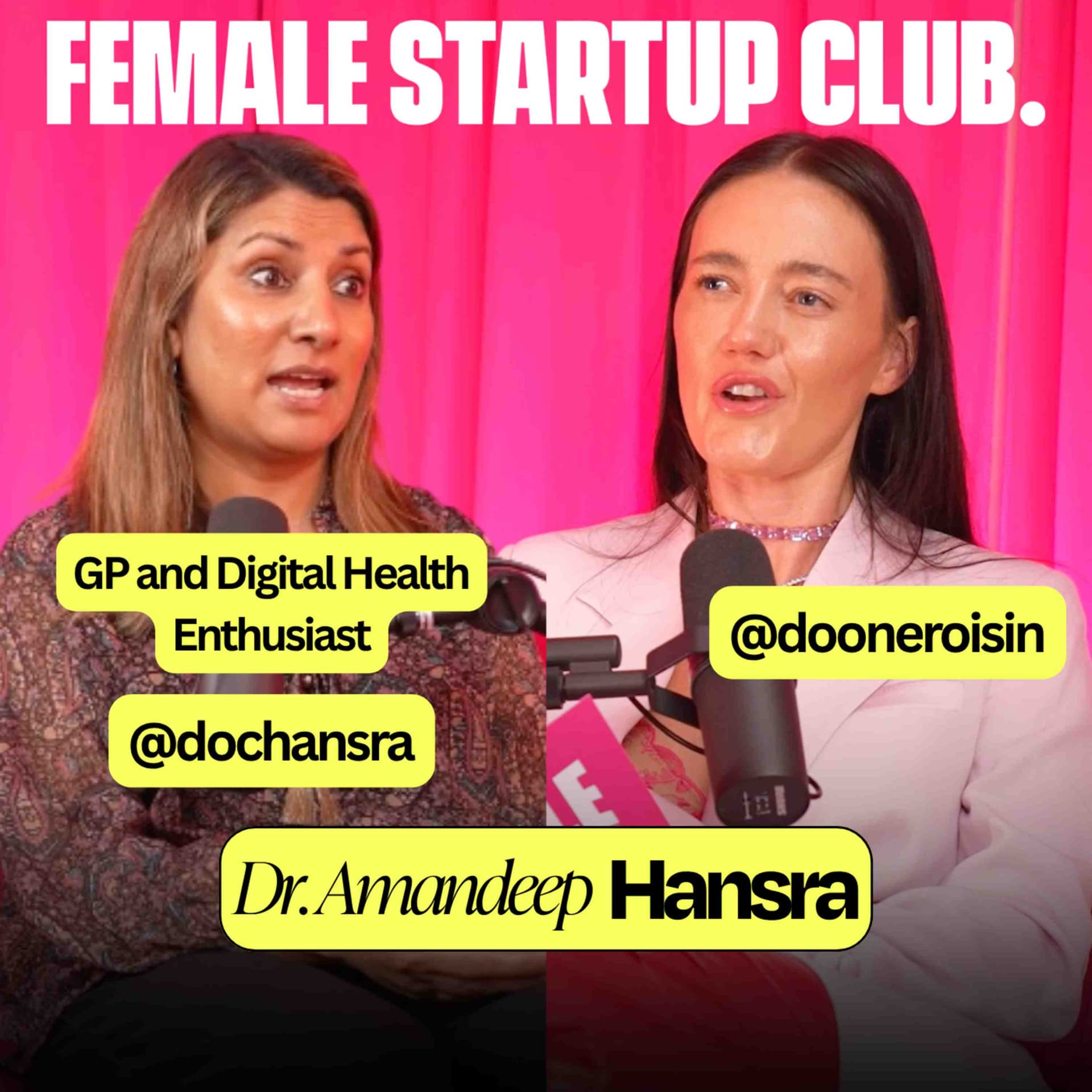
Dr. Amandeep Hansra is a clinician who discusses perimenopause/menopause care and hormone testing; she also describes her own experience seeking HRT and ultimately starting it.
Key claims
Perimenopause can begin in the 30s, and many women dismiss symptoms as “mum brain” or career stress. Hormone blood tests are a snapshot and can miss fluctuating levels; diagnosis often relies on symptoms. Better continuous monitoring (e.g., a hormone patch) could identify entry earlier. The 2000s Women’s Health Initiative scare involved older women and an HRT regimen no longer used; later evidence supports starting HRT within 10 years of menopause for improved cardiovascular outcomes and longevity. Many doctors still underprescribe HRT (only ~3–4% in one cited study).
Notable examples
Dutch test discussed as multi-day urine/saliva sampling; Dr. Hansra’s “three doctors” experience before being prescribed; FDA removed the HRT black box warning (cited as 2025).
Written by AI. May contain mistakes. Listen to the episode to check what was said.
Chapters
Tap a time to open that second in VOUnderstanding Perimenopause
0:45 to 3:40
Exploration of perimenopause, its symptoms, and the need for awareness and research.
“It would be great to understand when does it happen?”
The Limitations of Hormone Testing
3:40 to 6:17
Discussion about the challenges of diagnosing menopause through blood tests and the need for continuous monitoring.
“What about things like the Dutch test though?”
HRT: Myths and Realities
6:17 to 9:01
Insight into hormone replacement therapy (HRT), its history, and its potential benefits.
“actually have overall improved cardiovascular outcomes and live longer.”
Finding the Right Doctor
9:01 to 10:34
Advice on how to find a doctor who understands women's health issues, particularly menopause.
“Yeah, there's a stigma or personal bias or something in the way of the kind of facts.”
Advocating for Better Care
10:34 to 14:00
Encouragement for women to advocate for their health and seek appropriate care despite challenges.
“who are very invested and knowledgeable in this space.”
Advocating for Yourself in Women's Health
14:00 to 14:47
Learn the importance of self-advocacy when addressing health concerns.
“before and really, you know, specific care.”
Finding the Right Healthcare Provider
14:48 to 15:56
Understand how to find a doctor who aligns with your needs and values.
“the times that I've been dismissed basically forever from doctors until I moved back to Australia.”
Transcript
Automatic transcript. May contain errors.0:00Doone Roisin:First that they're looking at is can perimenopause be slowed down? Yeah. Please elaborate. That was my question. Okay. This is interesting. You know, perimenopause has become a relatively new phenomenon. You know, for many years, women and, you know, I hate to say it, but it's, you know, can start in your 30s. So it's not just you hit 45 and that's menopause and, you know, then it's all downhill. It's like we start feeling the effects of our hormones changing in our 30s. and women are coming in early and early, more out of awareness, and they'll come in and they'll say, you know, it's mum brain, or I've got brain fog, or I'm just too busy, or I've got so much stuff going on, it's the peak of your career, so you're like, you know, you put it down to everything else, but the fact that your body's actually changing and your hormones are changing.
0:48And I think that if we can know more about that space, if we can understand what are the changes to the body that are happening that are affecting women who are silently suffering, and I do say silently because most of them just don't go and see anyone about it, then I'm all for us finding out more about it. It would be great to understand when does it happen? Why does it happen? You know, are there any influencing factors from a hormone perspective? Because we don't tend to rush to put women on hormone replacement therapy in their 30s. We wait till they're having hot flushes and night sweats.
1:23And sometimes I think, my God, why would we wait that late? You know, maybe we can start hormone replacement early. Maybe there are other things we can do to influence hormone production. And so I am totally supportive of that. And I think I'd love to know more about perimenopause. We do not have enough data in that space. Yeah.
1:40Doone Roisin:And for perimenopause or maybe even more broadly menopause, I am not super well versed on this topic for myself yet. But can you just go into the doctor and get like a blood test and it'll tell you if you're in menopause or not? See, this is the myth, right? Is that everyone goes, okay, I will just go and get a test and it will tell me if I'm in menopause. And it doesn't, unfortunately, it doesn't quite work that way because what happens is our hormones fluctuate day to day, hour to hour, minute to minute. So when I do your hormone levels right now at this second, they might look completely normal, but you could, I'm not saying you would be way too early, but you know, you could be menopause.
2:18Well, maybe not. I'm 37 or I'm about to turn 37. So I could be. So you could be. But we would take a blood test at a point in time. And this is where I really love where we're going with data and how we're getting continuous data. Because if you think about the traditional way of going to see the doctor, you see the doctor, you get a blood test, you've got a measurement at a point in time, or they do your blood pressure, or they do your blood sugar level. It's always a momentary reading or assessment, whereas hormones fluctuate and so what you actually need to do is watch the patterns of hormones and we realize that's been very hard in the past because you can't do a blood test every minute and check what's happening or every day that's too much but what you can do is obviously then look at the symptoms and go I so we diagnose menopause based on symptoms not based on a blood test but if you're really post-menopausal the blood test should show that your hormones are low, you know, continuously.
3:14But the perimenopause, early menopause period is really difficult. And I just want to say if anybody's innovating in this space and can create a patch where we can monitor hormones and actually read them and know what the fluctuations are happening, and maybe that's what Kate's going to stimulate, is that we need to be able to measure hormones better to be able to identify when these women are entering that phase of perimenopause and help treat them. Totally. Wow. That would be, I mean, incredible.
3:44Doone Roisin:What about things like the Dutch test though? I've done a Dutch test. I think it's a US based. Yeah. What did they measure on that? Do you remember? I think it was like across a couple of days and I think it was urine, like multiple times. Was it saliva? But you had to do it like morning, night during the day and you had to be very specific about like the kind of the time and, you know, the food you'd eaten and things like that. It was specifics. It's not something we do tend to do here in Australia. I mean, I don't know whether there's lots of evidence to support that. I think the more that you get, more information that you get, the more accurate, obviously, you can sort of head towards, but you will never get a definitive yes, no, without having sort of, you know, ongoing trends and, you know, sort of longitudinal data, which is what I think you really need.
4:37And so we have gone on symptoms. And I think that, you know, if somebody develops some innovation in this space, it's going to help us be able to pick this up a lot earlier. But yeah, I think what they're moving towards with the Dutch test is really trying to have more than one point of measure. Yes.
4:54Doone Roisin:There's something I wanted to ask you now just off the back of that question. It was further down in my list of questions here. but I wanted to ask you around the HRT kind of treatment why can't you just take it you know when you're younger and like what is it I feel like I hadn't really even heard about HRT until you know more recently yeah look unfortunately we had a real scare back in the early 2000s there was the women's health initiative they did a big study on a group of women and gave them HRT and they had to stop the study early because they found that these women were having higher rates of breast cancer and cardiovascular disease.
5:35And then there was this big uproar. All these women that were on HRT came off it and they were like, oh my God, it's going to give us cancer. The problem is when we look at the details of that study, they were actually studying women who were over 65. So they were like 65 and over. So they were actually more than 10 years post menopause. There was a specific HRT regime, which we don't use anymore. And a lot of these women had a high rate of breast cancer risk anyway. And so when they dug into the study, they realized, okay, maybe we overreacted. And then they've spent the last 20 years doing obviously more studies and realized that actually if women start HRT within the 10 years of menopause, that they actually have overall improved cardiovascular outcomes and live longer.
6:23So there has actually been benefit that we've been able to identify. And the cancer risk was, you know, more to do with the fact that these women were of that age. You know, once you get older, your cancer risk increases and it wasn't really to do with the HRT. And so the FDA in the US removed the black box warning, I think it was in 2025 from HRT and said, it's no longer, you know, something we need to be worried about that people should be on it. But the really sad thing is, you know, they looked at this, I think it was in 2020, they looked at a group of women who were all sort of post-perimenopause or menopause or age who went to the doctor with symptoms.
6:59And I think only three or 4 % of them got prescribed HRT. So the doctors still haven't, you know, gone out there and said, we've now got the evidence to say it's not bad, we can start it earlier. So there's, it's, I mean, what people don't realize is it's like taking the pill. It's just like a lower dose of hormones in the pill. And because the pill has hormones in it that we need to stop us ovulating or having, you know, getting pregnant, but HRT just gives you the smallest amount of hormone that you need to manage your symptoms. And so I think we're doing more and more research to say, well, how early can we start it?
7:37Obviously, if we start it too early, then women are still in their fertile period and it doesn't work for fertility like to stop you from getting pregnant so they'd also need to have a contraception method but but i'd say for women who um who for whatever reason you know don't need a contraception method um you know maybe they've you know had their tubes tied or whatever that there is no reason um that you can't look at a personalized view of when measure up all the risks and benefits because it has benefits for your heart, has benefits for your bone. You know, obviously you talk about longevity and just your symptoms and your functioning every day, like your mood.
8:18And, you know, I myself have started it, you know, where we went through, well, I've started to feel a little bit perimenopausal and went, you know, there's nothing but benefits for me at this age. And it can be life-changing, you know, when you suddenly feel like you wake up, a bit like what you were saying before, and you're like, I feel like a new person. I'm a different human being. And so I just say to women that if you don't feel right, like go and have the conversation. And if you don't find the right
8:46Doone Roisin:doctor, and even myself, I went to three doctors before someone said, okay, I'm happy to prescribe it. Three doctors and I'm a doctor myself. I could have written the script myself, obviously not the right thing to do, but I was like, I want someone to manage this for me, but it took me three goes. So I just encourage women, if you find that you're getting a resistance, sometimes it's coming out of unfounded fear. Yeah, there's a stigma or personal bias or something in the way of the kind of facts. Yeah, and there's just defensive medicine of like, I want to protect myself from getting sued, so it's better if I don't give you something.
9:23But, you know, everything we do in medicine carries some sort of risk. and as long as you know what the risks are and you weigh up the benefits versus the risks, which is what I did, I think that long term, we're going to start seeing, I think, a shift back towards giving women what they need at points in their life. And you will see, and there's economic benefits. The number of women affects their work productivity, what they're able to achieve in a day, the way they parent, you know, all of these funny memes about women going through menopause, like we'd like to get rid of them. And so we actually treat this.
10:03But I think it's having, it's days coming back.
10:06Doone Roisin:Yeah. Oh gosh. It's so interesting because when you're kind of, I guess, approaching the age where these types of conversations are coming up more and social media is like bringing these things to the forefront. To me, I'm like, wow, wouldn't you want to do it? Like, that sounds amazing. I'm like, great. Put me on the wait list. Yes, she's got to find the right doctor. And there's some great services that really just focus on perimenopause now and menopause, which is also what I'm loving about the innovation space is that people have identified that you need specific clinicians who are very invested and knowledgeable in this space.
10:39And I've got quite a few great companies like MetLuma and Mima. Like they've got, you know, great services that they offer to women and in a very safe and supported environment. Right.
10:50Doone Roisin:That was actually my next question and I've kind of sidetracked from my notes here. But my first question was how do you actually find a doctor that is kind of removing the stigma and the bias and who is, I guess, just women's first type doctor? And my second question was around medical studies and kind of like what needs to change to do more medical studies and more medical research on women to advance that side of it. But we'll start with the how do you find the right doctor? How do you find the right doctor? So, you know, now there's a lot of, you know, women specific practices, which is, you know, my sister's a GP, focuses on women's health.
11:33The whole practice is very women health friendly. They'll see men, but it's predominantly 90 % women. I think if you go to those that are advertised as women's health practices, you know already that the doctors working there have got a lot of knowledge about treating women. I'd also say that it might be better to go to a female doctor if you can find one. I know in some remote rural areas you don't have that luxury or choice. But if you can't see somebody physically, there are so many online services that have women's health, you know, doctors like MetLuma, which I was talking about, but there's a bunch of them out there that - Like Maven Clinic in the US.
12:12Yeah, exactly. So they're really targeting women who need that specific advice and you might not get it from your traditional general practice. But the great thing about them is they spend longer with you. You know, I went to one of my appointments and I was like, oh my God, why isn't she kicking me out? And I was in there for like an hour and I'm like, You want to hear everything about me. But normally I'm in and out 15 minutes and like somebody just goes, I can't give you a script.
12:34Doone Roisin:In the UK, it's five minutes. And you go in and they're like, it's five minutes, like one problem. And I'm like, I've got so many and I reckon they're all linked. But like it's going to take me more than five minutes and it's more symptoms. And they're like, you've got five minutes. That's just how the system works. But that's not proper medicine. And this is why people turn to alternative services or what they see in the influences on social media because they're like, my doctor didn't listen to me. and women do get dismissed and um you know I will say this as someone who experienced this where I was clearly having some neurological symptoms something weird was happening in my body and I went to see a doctor and he said to me you're you know you're in your 40s you're sort of that age um are you sure that it's not anxiety and um I was thinking you know I am a doctor myself I probably would have thought about those options before I'd like come to someone like I was that desperate that I needed to see someone.
13:30And I was like, I now know what all women feel when they feel like they're getting dismissed that everything's anxiety. So if you feel like something's not right in your body, you keep seeing somebody until somebody listens to you. And that may mean that you have to find some of these services. It might be that it's online. That's okay. If they need to do something physical, they will find out a way to get whatever they need, whether it's blood tests or get you examined somewhere. But at the end of the day, what we found with technology now is it's made accessible, care accessible to people that didn't have it before and really, you know, specific care.
14:05So if it is for women's health, there are services that specifically target perimenopause or menopause or fertility. So, you know, I would just Google, find something that feels like it talks to you as a brand as well. You can tell when things have been designed by not women for women. So sometimes you're like, that does not look very women friendly, but it says it's a women's health business. So something that talks to you that makes you feel that you're going to be seen. But you don't have to just go to the first place and say, I've been told it's anxiety or something else. Well, I've had my opinion.
14:41So now it's nothing. Don't do that. Please advocate for yourself and go see other people until you get the answers you need.
14:47Doone Roisin:Yeah, I think that's a really important message because even for myself, I think about the times that I've been dismissed basically forever from doctors until I moved back to Australia. And it creates a level of distrust for the system, which isn't good for anyone, basically, because then you avoid going and you're just like, oh, I'm going to hear the same thing. And so it's important to hear that kind of message of advocate for yourself, keep going, keep looking for a better doctor that's suitable for you. Not necessarily a better doctor, sorry, but a doctor that you mesh with so that you can get to the bottom of whatever's happening because you know yourself better than anyone else.
15:32Oh, 100%. And I say it's like dating and finding a partner. You don't just go, okay, well, this person looks good on paper and I've just got to push through even though I don't really like them or I don't want to be vulnerable with them. And, you know, it's an intimate relationship because you tell people, you know, you tell a doctor some of your most deepest, darkest, most vulnerable things, and you've got to have somebody that's sitting on the other side who you feel safe with. And if you don't feel safe, like you're going to be judged or they're going to dismiss you, then you find someone that you do get on with.
16:03And I say this about psychologists, I say this about GPs.
From the publisher
What if the brain fog, the mood swings, and the exhaustion you're dismissing as "just stress" is actually perimenopause... and you're only 37?
This is a conversation from our full length episode with Dr. Amandeep Hansra on Female Startup Club, where she's getting brutally honest about the thing most doctors still won't tell you: perimenopause can start in your 30s. And the tests we're using to diagnose it? They're basically useless.
In this conversation, Dr. Amandeep opens up about why a single blood test won't tell you if you're perimenopausal (your hormones fluctuate minute to minute), why she had to see three doctors before getting HRT prescribed (as a doctor herself), and the 2000s study that created a generation of women too scared to take hormones that could actually help them live longer.
I wanted to know:
Why we can't diagnose perimenopause with a blood test (and what we actually need)
What the HRT scare of the early 2000s got wrong and why doctors are still scared to prescribe it
How to find a doctor who won't dismiss your symptoms as anxiety
This one is for the woman who's been told "it's just stress" or "maybe it's anxiety" when she knows something deeper is going on in her body.
Let us know what you think of this episode by leaving a review or commenting on our video wherever you’re tuning in from (we reply!) :)
💁♀️ SPONSORS
→ For ecomm founders: Omnisend is your email-SMS-automation partner that costs 60% less than the big names and returns $79 for every dollar spent → Use code FSC for 30% off your first 3 months at omnisend.com/fsc
🔗 LINKS
→ Dr. Amandeep Hansra Instagram: www.instagram.com/dochansra
📱 Join 160K smart chicks in the Female Startup Club universe:
→ Use code 'FSC' for 30% off your first 3 months at omnisend.com/fsc
→ Female Startup Club's Instagram: www.instagram.com/femalestartupclub
→ Doone Roisin's Instagram: www.instagram.com/dooneroisin
→ Get opportunities delivered to your inbox 3x weekly here: https://female-startup-club.beehiiv.com/