
In short
Personalized women’s health protocols using sauna, red light therapy, supplements, and guidance on cold plunges; emphasizes evidence quality and limits of N=1 approaches.
Guests
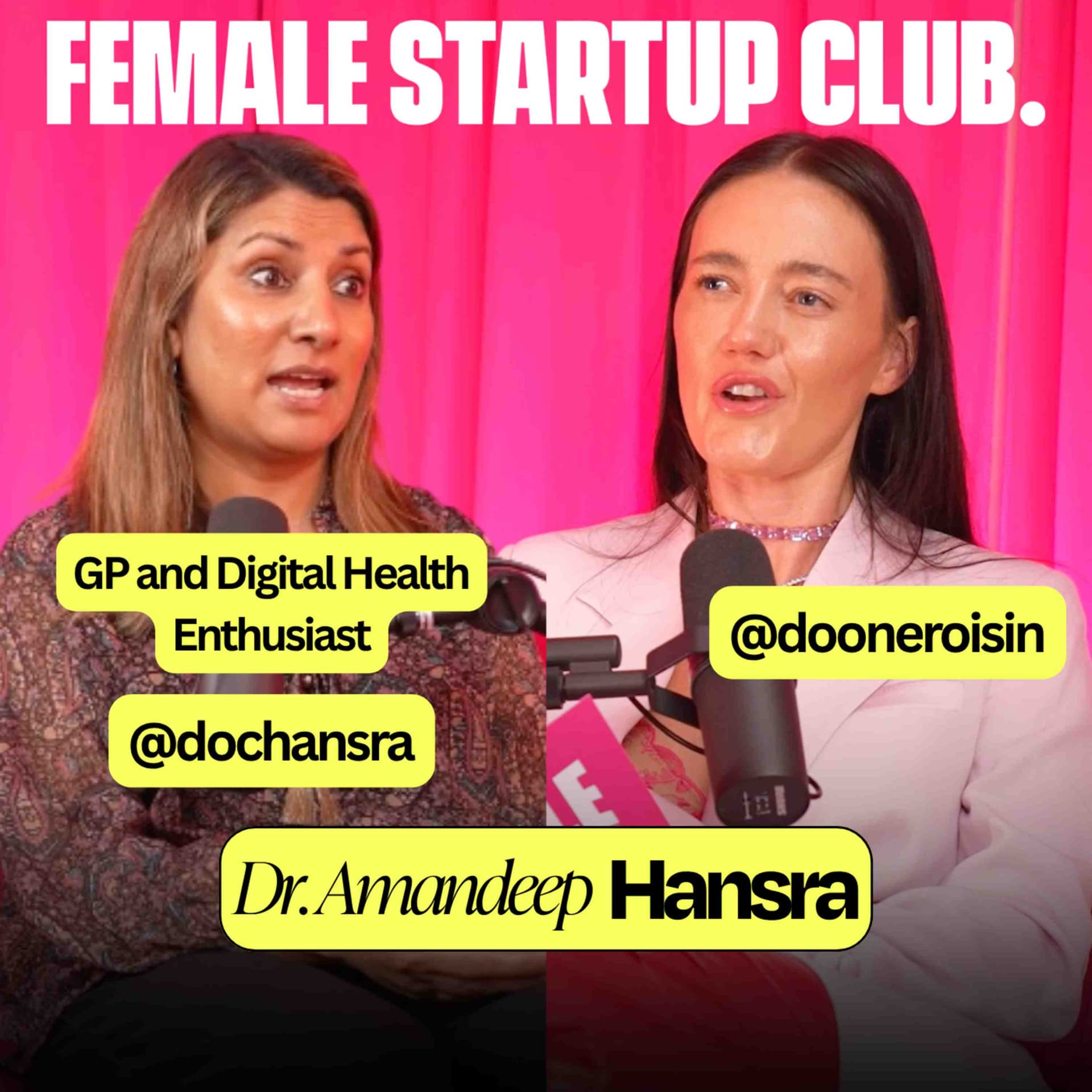
A doctor (hosted interview) discussing clinical trials, precision health, hormone tracking, and patient guidance. Co-host asks questions about cold plunges, fertility, and how to research evidence.
Key claims
Women need different protocols by life phase (pregnancy, post-pregnancy, peri-/menopause) and by individual biomarkers, ethnicity, biology, and childhood. Prioritize iron, magnesium, vitamin D; protect muscle mass and bone density to reduce diabetes/cardiovascular risk. Sauna: 4–7 times/week, ~20 minutes at ~80°C; Finnish study links to improved cardiovascular outcomes and lower all-cause mortality. Cold plunges: avoid soon after strength training (may reverse hypertrophy); women run warmer; avoid extreme cold (<10°C) and be cautious if pregnant/trying to conceive. Red light: medical-grade devices; evidence for collagen/skin; Omnilux cited.
Notable examples
Hormone patch releasing estradiol/progesterone based on day-to-day levels; ChatGPT/LLM “made-up” citations warning; OpenEvidence tool recommended; yoga vs PTSD drug trial funding example; animal-study caution.
Written by AI. May contain mistakes. Listen to the episode to check what was said.
Chapters
Tap a time to open that second in VOUnderstanding Individual Health Protocols
0:00 to 0:30
Explore how individual factors influence health protocols for women.
“You are right when the question you said before about the clinical trials is that this will be N equals 1.”
Phases of Women's Health
0:30 to 2:02
Learn about the various life phases impacting women's health needs.
“And at different points, different things are going to be important.”
Personalized Health Solutions
2:02 to 3:00
Discuss the future of personalized health tracking for women.
“So if that same patch could then release the right dose of hormone for you as a person in that moment, that is when we get to true personalized care.”
Cold Plungers and Muscle Recovery
3:00 to 4:40
Understand the effects of cold plunges on women's muscle recovery.
“So that's probably my only other question in there.”
Sauna Benefits for Women
4:40 to 6:06
Discover the cardiovascular and longevity benefits of saunas.
“These are traditional finished saunas, but we think the data is going to be similar.”
Red Light Therapy Insights
6:06 to 8:05
Examine the evidence and applications of red light therapy.
“Brian Johnson, you do you, but everyone else.”
Research Challenges and Funding
8:05 to 9:10
Discuss the challenges of funding trials for women's health.
“I haven't read anything in the studies that says it damages your uterus or anything.”
Navigating Health Information
9:10 to 11:18
Learn how to find credible health evidence and research.
“You've said this just a couple of times.”
Transcript
Automatic transcript. May contain errors.0:00You are right when the question you said before about the clinical trials is that this will be N equals 1. We'll have Kate and her biomarkers and every woman is different. And things that also affect us are, you know, our ethnicity and biology and our childhood and how we grew up and our diet. Like there's so many influencing factors that we do need to try and study as many women as possible because I think one won't tell us what's the ideal sauna protocol. Exactly. but I think some of those I have some you know sort of gut hunches over what we'll find I absolutely think women will have different requirements based on different phases in their lives like we're different to men in the sense that we obviously change due to our hormone sort of profiles and when we go through pregnancy when we go through you know post pregnancy and we go through perimenopause menopause like we've got so many phases in our lives.
0:58And at different points, different things are going to be important. So the supplements you need leading up to having a baby, it's going to be very different to supplements you need to age well. So I think, but, you know, fundamentally women are going to need different things to men. So I definitely think, you know, things like iron and magnesium, vitamin D, like, you know, we have more trouble in maintaining our muscle mass. We have more trouble in maintaining our bone mineral density, you know, that then affects our metabolic health. So, you know, in terms of whether we get diabetes or cardiovascular diseases related to muscle bulk, and if we don't protect that as we age, you know, we then get all these other medical problems.
1:39So it's all very, you know, linked. But I do think that we're going to, as we do more research in this area, we're going to be able to provide a much more personalized and customized service to women where again the risk is that we go okay now we're studying women all women are the same and all women are going to need this and I go back to my hormone you know innovation that I want somebody to build where it's actually tracking your hormone levels day to day so you know wearing a patch and it's working out what your estradiol and your progesterone etc all doing is because I also think the replacement that you need will be based on your individual needs.
2:17So if that same patch could then release the right dose of hormone for you as a person in that moment, that is when we get to true personalized care. And so I don't want it to just, we figured this stuff out about women in general. I want it to be, we figured out that women need a very specific protocol and we're going to give them all the tools that they need to manage their own requirements and whether it is supplements as well. Like who knows that exactly this many milligrams or grams of, you know, because it comes in that tablet form is what you need and is what I need. Like, wouldn't it be great if we could get that dosed to exactly what our body needs at that moment as an individual?
2:57And this is where precision health is going. And that's where I think we'll be. Yeah, definitely. And I would not be doing cold plungers. So that's probably my only other question in there. I love cold plungers. I love cold water. I run hot. I'm like an internally hot person. I think, okay, you can do cold plungers. Just don't do it a couple of hours after strength training because it actually reverses the hypertrophy of muscle that you're trying to do. So I think for women specifically, men less so, but cold plungers actually just undo some of the work that you've just done with your muscle, building your muscle, and it's so important to build your muscle.
3:36So wait a couple of hours and then do it. I think hot and cold is fine. Like if you're going to do hot and cold, but the ice baths are really getting into that. The proper cold. Freezing, yeah, cold plunges and women's body temperatures just run a bit higher. So I think if it's above 10 degrees, fine, but I just wouldn't be, you know, there's so many other. And it's great for mood. Like it definitely elevates your mood, which is why everyone gets addicted to them. That's very much. The short-term benefits, but I think the longer-term benefits for muscle preservation for women, they need to be careful.
4:09Saunas, I'd say, go for your life. I don't think enough women sauna. There's definitely research on that. They did a large Finnish study because of Finnsal sauna. But they found that, I think it's about four to seven times a week if you can, 20 minutes at 80 degrees. and they found that, you know, improved cardiovascular, you know, benefits as well as, you know, lower rates of death from all mortality. So basically it gives you longevity. And they haven't really studied the infrared saunas in as much detail. These are traditional finished saunas, but we think the data is going to be similar. So I definitely think saunas, you know, a red light therapy, there's some evidence around red light, particularly for collagen production and improving your skin.
4:55Yeah, I wear the red mask, but I'm like, do I need a whole red mat? Does my dog need one too? Like, where are we at with the mats? So I think the studies again show that the ones that you might get on Amazon are not good enough. The doctor approved medical grade, but the ones that are allowed to be at home medical grade. Omnilux is what I bought. Yeah. So get a good, you know, credible one. Yeah, they are expensive, but it does help with, you know, we use it for scar reduction and, you know, for particular dermatological conditions. So there is medicine around that. But, you know, some of the stuff is still emerging.
5:33So I just say to people, you know, keep looking at the evidence and particularly evidence around actually doing studies on women. So don't just rely on what, you know, is coming out and saying, we've studied a thousand people, make sure that there are a thousand people that look like you or that might have similar biology to you. And some of these things, you know, not particularly these, but some of the drugs that people are getting interested in now, they've only had animal studies and animals don't behave the same way as humans. So please wait for human studies before you put things in your body.
6:06Yes. Obviously. Yes. Brian Johnson, you do you, but everyone else. But, you know, just on the topic of the clinical trials and things like that. I'm kind of like, but why can't we just be like, oh, cool. Do some tests on me. Let's gather a thousand people and go to a place and do some testing. Like, I don't know. It just seems like kind of like an easy one. It comes back to money. It was always about money. So if you think about, I remember I was talking to a psychiatrist recently. He was telling me that for PTSD that they found that yoga could be just as effective as some SSRI antidepressant medication they give, right?
6:53Wow. But nobody is going to fund a trial of yoga because they can't sell. There's no one that sells yoga. Like, I mean, you know, there's a small gym that does yoga. But whereas if you are a pharmaceutical company that sells an antidepressant, you will fund a trial that shows antidepressants work in PTSD. So you might front up the hundreds of millions of dollars that it will take to take a whole drug through a pathway and do the trials and, you know, because you're going to get the commercial benefit at the end. But then I'm kind of like women are the biggest consumers. Like we control the money in the household, especially as women, you know, kind of become more high earning, et cetera, et cetera.
7:36I'm like, so why aren't there more things going into research? Because we will buy it. Oh, look, I think it will get there. But they need to find the drug that they can sell to women and then do the trials. To do the trials. Okay. Okay. Got it. To do trials on things that are not drug related, you have to find somebody that's really motivated, interested and has money. Got it. And can get grants. So it's all followers of money, unfortunately. Got it, got it, got it. Wow. Okay. Is it true that just on the topic of cold plunges, is it true that it damages your fertility and uterus and things like that because you're getting too cold?
8:15Or is that a myth? I haven't read anything in the studies that says it damages your uterus or anything. I think it's more just if you're pregnant or you're trying to get pregnant. Obviously, temperature regulation is important, which is why we don't tell people to do saunas and things in, you know, when they might be incubating a little human. Incubating a little human? I've never heard that. I love that. Because, you know, you raise a temperature and that little person's going to get hot as well and they're developing. and probably similar with, you know, really putting them through a shock of a cold sort of insult.
8:47So I think fertility I haven't seen any studies but it's definitely one, again, just to watch because I think they're starting as it's becoming more and more commonplace for people to do this hot, cold thing. You know, there are more studies happening and on women as well. So I think they probably won't know because obviously it's not been a thing, you know, for a long time and now suddenly it's become a commercial. It's become mainstream. Yeah, definitely. You've said this just a couple of times. It's piqued my interest. When you're saying, you know, look at the evidence and look at the studies, for someone like me who's like not an academic, like, you know, wouldn't even know where to go to read the evidence, how do you recommend just the average chick go and do research and evidence in a way to get to an answer?
9:36Yeah. Great question. So I have had patients of mine who've gone, well, I went to ChatGPT or I went to Claude or Gemini and, you know, it's quoted a study. It said this was going to be really good for me. It's quoted a study. I saw the link. So therefore, it must be good. What we have found with some of those open large language models is that they make up links and references. They're meant to be agreeable. So you click on the link and it doesn't exist. And some people don't click on the links. They just go, oh, I'm just going to trust. There's a link, so it must be real. They make those links up.
10:13So not always, but sometimes. So my advice is if you're going to use any of the open models, make sure that you follow the link and actually look at the study. But the other great tool to use is open evidence. So it is free and it is something that we as clinicians will use as well, where it is, again, an AI tool that gathers all of the credible medical evidence and will present it to you, you just ask it a question. You could say, tell me about cold plunges and what it does for women's fertility. And it will pull up all the studies, whether it's from, you know, the MJA or, you know, New England Journal of Medicine, like all the credible publications.
10:51And it will put it into something that's quite readable, but you can also then follow the links to the actual study and read the study if you're interested in it. But open evidence has been great. I love that. Yeah. So I would just stick to something that's going to give you, you know, proper scientific evidence rather than some of just the open LLMs. Oh, my gosh. I love that. I'm such a, like, get into a rabbit hole and I can feel that that's going to be my new. It's very dangerous. That's going to be my new thing.
From the publisher
What if the health advice you're following wasn't actually studied on women... and the protocols everyone's recommending might not work for your body at all?
This is a conversation about personalized health, why women need different protocols than men, and the future of precision medicine that actually tracks what your body needs in real time.
We're diving into why clinical trials need to study more women, how your hormone levels should dictate your supplementation, and why the one size fits all approach to health is fundamentally broken.
We're exploring the cold plunge debate (and why timing matters more than you think), the Finnish sauna study that showed longevity benefits, and why red light therapy might actually be worth the investment if you buy the right device.
Here's what we're diving into:
Why clinical trials need to study more women (and why N equals 1 isn't enough to understand what works)
How ethnicity, biology, childhood, and diet all influence what your body actually needs
Why women have different requirements at different life phases (pregnancy, postpartum, perimenopause, and beyond)
The supplements women actually need: iron, magnesium, vitamin D (and why they're different from men's needs)
Why maintaining muscle mass and bone mineral density is critical for metabolic health (and preventing diabetes and cardiovascular disease)
The hormone innovation we need: a patch that tracks your estradiol and progesterone day to day and releases the exact dose you need in real time
The cold plunge truth: why you should wait a couple hours after strength training (because it reverses muscle hypertrophy)
Why women's body temperatures run higher and cold plunges below 10 degrees might not be ideal for long term muscle preservation
The Finnish sauna study: 4 to 7 times a week, 20 minutes at 80 degrees for cardiovascular benefits and lower mortality rates
Red light therapy: what the studies actually show (collagen production, scar reduction, dermatological benefits) and why you need a credible device like Omnilux
Why yoga can be just as effective as SSRIs for PTSD (but nobody funds the trials because you can't sell yoga)
The money problem: why pharmaceutical companies fund drug trials but not trials on things like yoga or cold plunges
The cold plunge and fertility question: why temperature regulation matters when you're pregnant or trying to conceive
How to actually research health advice: why ChatGPT makes up links and why Open Evidence is the tool you should be using instead
This one is for the woman who's been following health advice without questioning where it came from, who wants to understand what her body actually needs, and who's ready to take a more personalized approach to her health.
💁♀️ SPONSORS
→ For ecomm founders: Omnisend is your email SMS automation partner that costs 35% less than the big names and returns $79 for every dollar spent → Use code FSC for 30% off your first 3 months at omnisend.com/fsc
🔗 LINKS
→ Use code 'FSC' for 30% off your first 3 months at omnisend.com/fsc
→ Female Startup Club's Instagram: www.instagram.com/femalestartupclub
→ Doone Roisin's Instagram: www.instagram.com/dooneroisin
→ Get opportunities delivered to your inbox 3x weekly here: https://female-startup-club.beehiiv.com/


