In short
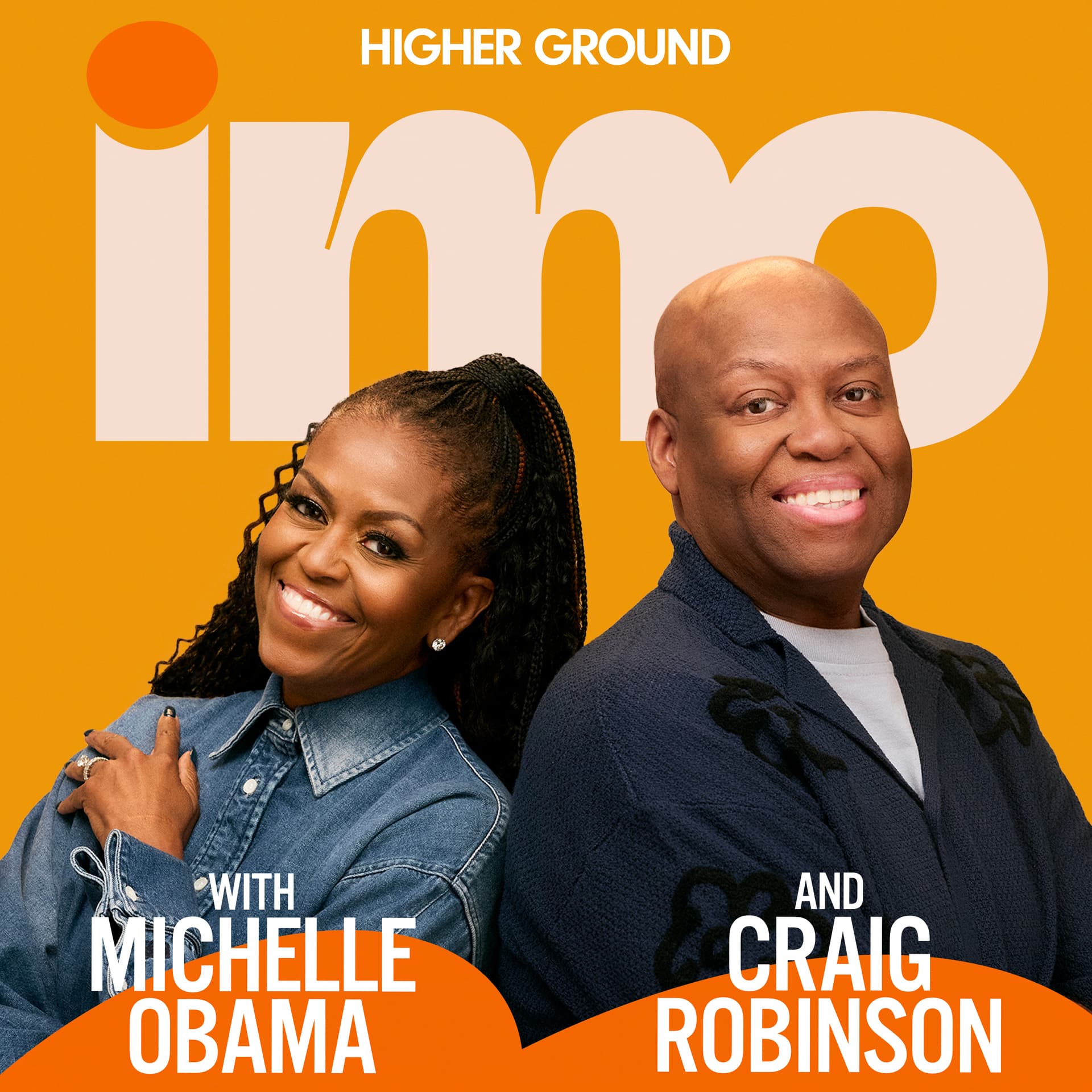
Dave Chappelle discusses why Yellow Springs, Ohio matters to him, how community shapes creativity and mental health, and how his upbringing (Washington, D.C. and Ohio) influenced his comedy. He also reflects on comedy’s role as a “shared space,” his mother’s guidance, his early career, and the creative process behind The Chappelle Show.
Guests
Dave Chappelle is the main guest. The episode also includes hosts/speakers Craig (mentioned during introductions) and a sister (Dave’s sister, who speaks about meeting Dave and their family background). A “lovely sister” is present on the show, and the hosts interview Dave throughout.
Guest backgrounds
Chappelle is a highly decorated comedian and cultural figure (multiple Grammy Awards, Mark Twain Prize for American Humor). He describes growing up with a split life between Washington, D.C. and Yellow Springs, and becoming a professional comedian by age 16. The hosts are local to Ohio/Yellow Springs and frame the conversation around community and radio.
Key claims
Communities like Yellow Springs keep people connected and reduce fear; fame can be isolating for comedians; comedy clubs allow many perspectives without silencing; media often misreads jokes by removing nuance; his mother “put the battery in my back” and taught humility and courage.
Notable examples
Antioch College’s “Ask Every Step of the Way” policy; Chappelle opening for Richard Pryor at Newark Symphony Hall and seeing a massive, emotional final-show ovation; early D.C. comedy influences (Patton Oswalt, Tony Woods, Tommy Davidson, Martin Lawrence); The Chappelle Show’s writing process with Neil Brennan; Rick James and Prince sketches; Eddie Murphy’s “green light” after a screening.
Written by AI. May contain mistakes. Listen to the episode to check what was said.
Chapters
Tap a time to open that second in VOReflecting on Lessons Learned
0:00 to 0:46
Dave shares how interactions with others have shaped his life perspectives.
“He had this thing he would do, not with everybody, with certain people.”
Dave Chappelle's Connection to Community
1:55 to 6:04
Dave discusses the significance of his hometown and community connections.
“And I know this will sound familiar, but we've got Dave Chappelle, who is, I am such a huge fan of Dave Chappelle.”
Navigating Dual Identities
6:04 to 10:37
Dave reflects on his upbringing in two different cultural environments and its impact.
“Driving around, I told you I got this familiar sense.”
Memories of Family and Community
10:37 to 14:07
Dave shares fond memories with his father and the importance of community.
“When you think of the time with your father, your friendships here, how old were you?”
Addressing Campus Issues
14:07 to 14:42
Learn how a small town tackled sexual assault accusations effectively.
“The problem was that people on the campus, there was like an astronomical amount of sexual assault accusations.”
The Joy of Thinking
14:46 to 15:35
Dave shares his views on the importance of reflection and thought.
“But man, and this is going to sound crazy.”
A Day in Yellow Springs
19:42 to 21:10
Dave describes his typical day in Yellow Springs and its community vibe.
“You know, this is such a wonderful place.”
The Value of Relationships
21:18 to 22:38
Explore the importance of personal connections and their impact on happiness.
“Man, I would love to finally eat personal or cold, cold shoulder this person.”
Fame and Its Challenges
22:40 to 24:18
Dave discusses the downside of fame and the importance of authenticity.
“And I just want listeners and folks to hear this from one of the most famous men, you know, because I know I feel that way.”
Lessons from My Mother
24:19 to 27:40
Dave reflects on the impactful teachings from his mother.
“You're going to forget how much you need to just talk to people.”
Show all 41 chapters
Understanding Rules and Freedom
27:43 to 28:00
Explore how rules can provide structure and understanding in life.
“Well, I mean, there's one I mentioned when I got the Twain Prize.”
Lessons from Mom: Embracing Authority and Boundaries
28:00 to 28:38
Explore how parental guidance shaped the speaker's understanding of rules and self-expression.
“She used to tell me not to be afraid to fight.”
The Value of Voice and Humility in Parenting
28:38 to 29:42
Discuss the importance of parents valuing their children’s voices and setting boundaries.
“But that sounds so much like our parents.”
Growing Up with Intelligence and Humor
29:42 to 30:40
Reflect on balancing intelligence with social acceptance during childhood.
“That's better than iPhones and new cars and the best sneakers and contacts and connections.”
The Early Signs of a Comedic Path
30:40 to 33:38
Uncover the moment the speaker realized their potential for comedy.
“Well, you had to learn how to you had to learn how to fake the funk.”
The Journey to Stand-Up: First Steps
33:38 to 35:44
Trace the speaker's early steps into the world of stand-up comedy.
“He said, well, you know, like Red Fox or Richard Pryor, you know who that is?”
Support and Guidance in Pursuing Comedy
37:50 to 41:24
Examine the support system the speaker had while pursuing comedy.
“She thought about the education that you would need.”
Defining the Comic Identity
41:24 to 42:00
Discuss the evolution of a comic's style and identity in their early career.
“if I left on Friday to go on the road because it was an artistic pursuit and I'd catch the train up the eastern seaboard and get a gig here or there.”
The Journey of Becoming a Comedian
42:00 to 43:56
Dave Chappelle reflects on his early influences and development as a comedian.
“There are certain, you know, people ask me, who are your favorite comedians?”
An Impactful Moment with Richard Pryor
43:56 to 46:48
Chappelle shares a powerful story about performing with Richard Pryor and its impact on his career.
“It feels dumb talking about myself around y 'all, but I'll try.”
Navigating Controversy in Comedy
46:48 to 49:59
Chappelle discusses the complexities of performing controversial material and audience reactions.
“But that was the moment I knew that fame was one of the things I wanted.”
The Evolution of Comedy and Audience Engagement
50:00 to 52:44
A discussion on how the internet has changed the landscape of comedy and audience interaction.
“so when they take nuance out of words and just be like, did you hear what he said?”
Behind the Scenes of Chappelle's Show
52:44 to 56:00
Chappelle reminisces about the creative process and challenges faced during the production of his show.
“And, you know, it goes back to, you know, the whole point of community.”
Pushing Boundaries in Comedy
56:00 to 57:20
Learn how challenges in comedy can push societal norms and conventions.
“So we got away with a lot of stuff because South Park pushed boundaries and people got away with stuff because we pushed boundaries.”
Memories with Charlie Murphy
57:20 to 59:20
Discover the memorable stories and experiences Dave Chappelle shares about Charlie Murphy.
“And he's real gangster and he got that growl.”
Acting vs. Comedy
59:20 to 1:02:00
Explore the differences and similarities between acting and stand-up comedy.
“And by all accounts, by his own account, he loved that sketch.”
Walking Away from Fame
1:02:00 to 1:08:20
Understand the challenges and realizations Dave faced after leaving his show.
“And then that same week, I'm like, you know, we wrote the sketch.”
Support and Perspective in Life
1:08:20 to 1:10:04
Hear how personal relationships help navigate career ups and downs.
“I wish Elaine was mic'd up now, because I want to be like, what was he like during that period?”
Building a Life Together in Yellow Springs
1:10:04 to 1:12:05
Dave Chappelle shares the importance of his wife's support in their life transition.
“And for someone that's like, you know, your wife, ideally, the best time she's at your shoulder.”
Parenting and Community Connections
1:12:05 to 1:14:49
Chappelle discusses the role of community in raising children and the parenting styles he values.
“And I'm sure that's tough, giving up your social life.”
Self-Discovery Through Parenthood
1:14:49 to 1:17:27
Dave reflects on the lessons learned about courage and self-worth through being a parent.
“If my kids are messing up, somebody in town tells me, hey, I saw your kid doing this or that.”
Navigating Modern Challenges
1:17:27 to 1:19:28
Discussion about the complexities of parenting in an era dominated by technology and AI.
“And really, COVID was when I really learned that because we were all trapped in our choices.”
Reflections on Grace and Public Life
1:19:28 to 1:23:11
Chappelle expresses appreciation for Michelle Obama's dignity during her time in the public eye.
“Like what kind of jobs there will be or how those jobs will be done.”
The Impact of Voice and Comedy
1:23:11 to 1:24:00
A discussion about the significance of Dave's voice and comedy in today's society.
“What do you think, how do you feel about where we are now in society?”
The Power of Comedy in Uncertain Times
1:24:00 to 1:25:45
Dave Chappelle discusses the emotional power of comedy during challenging times.
“There's one guy who is above me, but your voice carries a lot of weight.”
Finding Hope Amidst Adversity
1:25:45 to 1:28:04
Chappelle reflects on personal loss and the importance of community support.
“But it's never really been quite like this before, where everyone feels like we're on the precipice of some amazing change.”
Digital Disconnect and the Value of Gathering
1:28:04 to 1:31:04
Michelle Obama and Chappelle discuss the dangers of technology and the importance of real-life connections.
“And this day with you, with this community here in this space, gives me a whole lot of hope.”
Lessons on Living Small and Legacy
1:31:04 to 1:33:34
Chappelle and Obama share insights on living modestly and the true meaning of legacy.
“Why does everybody think they deserve a granite countertop?”
Cherished Moments and Meaningful Connections
1:33:34 to 1:38:00
Chappelle reminisces about significant moments with Eddie Murphy and Bob Dylan.
“To that end, I once got to go to one of your parties there.”
Reflecting on Legacy and Memories
1:38:00 to 1:40:45
Dave Chappelle shares personal stories about the importance of memories and legacy.
“and I realized that it's the first time since his brother passed that he and I had just spoke about Charlie or things like that.”
Mindfulness and Relationships in Comedy
1:40:45 to 1:42:08
Chappelle discusses the importance of being mindful in interactions and the impact of legacy.
“and how you've gone about it very well will live far beyond our bodies.”
Transcript
Automatic transcript. May contain errors.0:00I used to shout on my dad around town. He had this thing he would do, not with everybody, with certain people. Hey, how you doing? I'm good, man. And he would look at me and be like, now how are you doing? And then they'd say what the real thing was. But then it taught me again. Everyone's like a book that I haven't read. And man, sometimes I can get past the cover and man, I learned so much from so many unlikely people. So, and then of course I take those lessons around the world and make millions and millions of dollars.
0:46Craig Robinson:This episode is brought to you by Chase Home Lending. Hey, little girl, how are you doing? Well, I'm doing just fine. We've got a special episode ahead. We are out of the studio, and we are in Ohio in a beautiful town. Yellow Springs. I was going to, you know. She was setting me up. Our guest is not supposed to be here. He's not. And he's not supposed to be talking. He failed the first test. He's not supposed to be here. But it's good to see you. I haven't seen you in a couple of weeks. I know. It feels like months I haven't seen you. It has been months. Now that we've been doing this podcast, I get to see my lovely sister at least once a month.
1:29But I've been really busy the last couple of months, and she's been vacationing in Hawaii.
1:33Craig Robinson:I haven't been vacationing. That's where I live. You know, see, this is how. I mean, dude, you know, I work almost every day, almost. Do you? No, not really. That's what I thought. But we have a special guest. We do. And we should do a proper introduction. Okay, take it away. And I know this will sound familiar, but we've got Dave Chappelle, who is, I am such a huge fan of Dave Chappelle. And I'm going to read him his bio, but I want to tell you two things about meeting him for the first time. One is Dave Chappelle is one of those people who makes me laugh just by thinking about him. I can think somebody or someone says Dave Chappelle and I'll start giggling.
2:25And I'm going to tell, I mentioned this to Dave in the car or when we were riding around. Everybody knows Dave smokes.
2:36Craig Robinson:No. I hadn't smelled smoke since our mom passed away. And it was such... Our mom smoked. This sounds weird, but our mom smoked. And being around Dave gave me this warm feeling. That nicotine love. Of being around my mom. Yeah, he told me that this morning. And I was like, really? You're really going to tell that story? I am. I am. because I think people relate to something like that. Okay, all right. Well, let's introduce Dave. Come on, dude. Dave Chappelle is one of the greatest comedians this country has ever produced. Full stop. Woo! Multiple Grammy Awards, the Mark Twain Prize for American Humor, the highest honor in comedy, a voice that has shaped culture, challenged power, and made the whole world laugh and think at the same time.
3:37This man is a legend. So it is a genuine joy, a personal honor for the both of us to introduce a man who is not only the most important artist of our generation, but a true neighbor to this community. O-H-I-O! Yeah, y 'all thought I didn't know about that, didn't I? Welcome, Dave Chappelle, Dave.
4:02Craig Robinson:Oh, Dave Chappelle. Wow. Thank you. Dave, thank you. Thank you for inviting us here to Yellow Springs, your home. The tour, as Craig was saying, we got in our cars. There were about eight of them. And we drove around and we, you know, saw all the wonderful sights. Had the opportunity to stop by your mom's house. Dr. Sion, thank you. just a beautiful beautiful why was it important for you to have us here well you know being yourself being Michelle Obama I'm sure it's not lost on you that that this community to feel seen by the world if it's seen by you and unbeknownst to you maybe you know this community have an enormous amount of support.
5:00Ohio elected your husband twice. And here locally, the message of hope and change resonated profoundly. And I was telling you earlier, and I think you guys would agree, when Obama was running for president, it felt as if he lived in Ohio because the presence of his ground team was so strong. And this radio station is our community's lifeblood to us. It's our connective tissue. And we got close to losing them to Dayton, Ohio. And, you know, we were able to work things out and get this building built. And this is the first time I think this room has ever been used in any actual recording capacity.
5:46And man, I can't think of a better way to inaugurate any room but with you and your brother here amongst us and our friends and family. And it means the world to us. It means the world to me. But all of us, I can say without a doubt, are elated that you're here.
6:03Craig Robinson:There was...
6:09Craig Robinson:Driving around, I told you I got this familiar sense. I mean, one of the greatest privileges of my life was not just serving as First Lady of this country, but getting to campaign throughout this country. And what I saw on the campaign trail is very reminiscent of what I felt here driving around your community. And it is just a decency and an openness and a willingness to connect with people. And as Luke said, to accept people for who they are. And I always want to translate that to people across the country, because in a time when we don't feel like we see each other, you know, I just want to remind people that communities like this one is really the truth of what I saw in America.
7:02Craig Robinson:It was the America I was representing. And I felt that, you know, I mean, it was oozing in every stop that that we we made. And I think it's important for our listeners to understand that that America has not disappeared. It is here alive and well and thriving throughout this country. So it's just been a thrill for me to be back on soil like this. But you were raised here. This was your community. Oh, absolutely. Or you had your connection to Yellow Springs. Can you talk to us about why this community is so important to you? I think my presence, my family's presence in this community is an extension of like my father's life work.
7:54He lived here all my life. And a lot of the ethics of community, you know, I learned from him. My mother and he are both from Washington, D.C., so I would mostly live with my mother. But Christmas time and summertime, I would come out to Yellow Springs, and it was so much different in D.C. And it also kind of prepared me for what my life would be like, because I was a kid with two lives. I had friends from out here, and I had friends in D.C. And, you know, D.C. is like, you know, it's black.
8:32Craig Robinson:Very. Right. But this town is white. and I would come out here and play DC records for them and they'd be like, what is this music? And then I'd go home and play rock and roll stuff in DC and they're like, what is this music? But I felt like before there was an internet, I got a good sampling of culture that way. And that upbringing really did kind of help me become the type of comedian I am. It made me less afraid of people. And this is going to sound weird here, but it made me not afraid of white people. So in comedy, in like say the 80s, really the 90s, comedy circuits were segregated. And people don't know that.
9:15But black comedians played one set of rooms and white comedians played one set of rooms. And Washington, which was a majority black city, didn't have any black clubs until a few years into my career. Not to say that it was always like that. But for just like full-time comedy rooms, you know, I started out in what they would call white rooms. I can remember one of the owners saying when I started out that he didn't like more than one black comic on the show because he said it would offend his audience. It's like, dude, it's Washington. Right. Right? But I always played anywhere that anyone would listen.
9:54And I didn't realize that I was a little older when I would see some comedians hit like an invisible wall. Like they would never play Sunset Boulevard or they'd never go play Greenwich Village or certain like, you know, comedy staples that they just considered white rooms. They felt safer on Crenshaw or on this place or that place. They thought they wouldn't be understood. And I thought that the challenge of art was no matter where you go, you should try to be understood. And that, I don't know, something about that upbringing, the duality between Ohio and Washington, I think made me game to become what I became.
10:36Craig Robinson:What are some of your fondest memories? When you think of the time with your father, your friendships here, how old were you? What was your age range when you were spending time here? It was summers, it was holidays. My parents split up when I was two. I don't think they actually got divorced until I was five, but they split up when I was two. What did your mom refer to your dad as? The gentleman? The gentleman that I was married to. We went to my mom's house today and she said, yes, my ex-husband used to live around here. I'm like, dad. She didn't even say ex-husband. She said, the gentleman I was married to.
11:17Craig Robinson:The gentleman I was married to. I was once married to. It's like, oh, okay. It sounds like your dad. We can see where he gets those chops from, huh? But you know what's funny? Okay, I don't have any memories of them married. I have a couple memories of them being married. but I have a lot of memories when they were together. And it was always very polite. They never spoke ill of each other. They always found something good to say, you know. And knowing both of you, I hope you don't know why I say this, Mom, I can see exactly why they fell in love, and I can see why it wouldn't work. Exactly, like time, let's call this.
11:57You know what I mean? And I think one of the funnest or most interesting parts about becoming an adult is learning what the adults in your life were actually like. You know what I mean? And getting past the role of them being a senior and just people that came before you that were trying to figure things out. So I always joke with my wife, Elaine, and I'm like, you know, I don't feel like I'm getting older, but the kids are catching up.
12:29Craig Robinson:You know what I mean? It's like, when did you get so old? Yeah. It's just like, but I have incredibly fond memories of living here. Now, when I was younger, I should tell you, this place was different because Antioch College was a much stronger force in the town. And your viewers aren't going to know. Antioch College, if you think of the most radical leftist politics, go left of that. And that's what this town was about. There was a policy that Antioch made years ago that everyone used to make fun of called Ask Every Step of the Way. This was 30 years before the Me Too movement. That was like if you were getting ready to, you know.
13:13Craig Robinson:Yeah. We know. We know. And then you would be like, well, may I kiss you? Or may I do this or that or the other? You would ask. And man, the whole country was laughing at that policy. And even I was like, because I was living in New York at the time, watching the news, like, oh, you're making fun of Yellow Springs. And so I came home for Thanksgiving. And I found out that my father's widow wrote the policy. Wow. He was alive at the time. And I asked him, like, yo, John, what was that? And she explained to me the reasons for the policy. And I laugh about it now because it's so much like what Hollywood just went through, all this weird ambiguity.
13:51And it's like, how do you teach young adults how murky sexual contracts are? Because if you make them correctly, no one should see you make them.
14:06And, you know, as odd as it sounds, it worked. The problem was that people on the campus, there was like an astronomical amount of sexual assault accusations. And she says, as an administrator, by the numbers, you have to recognize that can't all of these be true, but you can't dismiss any of them. So we have to teach them what it is. And it worked. Those same numbers plummeted. So Yellow Springs, I say that to say, has been on the cutting edge of solving certain types of problems that Americans face all the time. This is a thinking person's town. I love doing all kinds of stuff. But man, and this is going to sound crazy.
14:51I have the most joy thinking. I told my wife years ago, I know you remember, I said, babe, if you ever see me staring off into space, don't bother me. because I'm working. If you see me writing something down, I've already done the hard part. I'm going to try that with Barack.
15:13Craig Robinson:Don't bother me. I'm working. It is like that. I'll just be like, you can blame Dave for that.
15:32My life, pretty hectic right now. And what was making it all so much harder was how spread out all of my tracking was. I had reminders in my calendar, in my email, in a notes app. Then I found Yahoo Mail, now with Planner. Planner brings your tasks and events together in one place so everything stays organized and you don't miss what matters. So if I've got a dinner reservation buried in my inbox or a reminder I flagged for myself, it's all there in one view. Planner also pulls key details from your emails like appointments, school events, and bill reminders and turns them into actionable plans, saving you time and effort.
16:19Planner is extremely helpful when life gets busy and you start getting that feeling like you've missed something. And it's honestly saved me from forgetting events more than once. And the best part is, it's already right there in Yahoo Mail. No need to download a whole new app, even with your Gmail connected. So check out Yahoo Mail Planner and see how it works for yourself. This episode is brought to you by Apple Gift Card, the perfect way to celebrate graduates and empower them for their next adventure. I've had my two older kids graduate, plus, of course, my nieces and nephews, and finding the right gift can be tricky.
17:01If your kids are like mine, they'll always have opinions, right? And I've learned the best gifts are the ones where they get to choose. That's why an Apple gift card just makes sense. They can use it for everything they love. Maybe some AirPods on apps, games from the App Store, or subscriptions like Apple TV, Apple Music, even Apple Fitness Plus. Whether they're heading off to college, starting a new job, or just celebrating, they get exactly what they want when they want it. And it couldn't be easier. You can grab an Apple gift card online or at a bunch of retailers. Send it digitally or hand it to them in person.
17:47Super simple for you and for them. Visit applegiftcard.apple.com to find the perfect graduation gift today. This episode of IMO is brought to you by Chase Home Lending. When you're thinking about buying a home, it's a major decision. a mix of excitement, nerves, and a lot of questions. I've been there myself, and I know how important it is to have someone in your corner. You know, I was remembering back, I could have used some support when I was shopping for my first home. I didn't know anything. I had saved up enough for a down payment, but I didn't have much else to work with. I knew very little about interest rates, closing costs, or even mortgage insurance.
18:33I also had very limited knowledge of how to choose the right home for me. Chase Home Lending offers personalized local guidance from home lending advisors who truly understand and support you in your community. With over 5 ,000 branches nationwide, Chase is always close by. And as a coach, I've had to lean on many people for advice, and that really made a difference as I was going through the home shopping experience. It was comforting knowing that I could rely on folks who had been through the process and emerged okay. Finding a place to call home is a big step, and having someone you trust to guide you can make all the difference.
19:19With Chase Home Lending, you get support that feels personal so you can move ahead with confidence. Visit chase.com slash IMO to see how Chase can help you begin your home ownership journey. Remember FDIC, equal housing opportunity.
19:42You know, this is such a wonderful place. I've only been here a couple of days. I went to get coffee this morning and I must have seen four or five folks. They all said hello as if they had seen me before. Thank you for that. And but what I think our listeners and viewers want to know, what's a what's a typical day for Dave Chappelle in Yellow Springs when you're not thinking? Well, I was going to say, I get up at 4 a.m. and stare off in the space.
20:17Craig Robinson:Stare off in the space. Well, okay, this question is actually at the core of why I like it here. Because the days are predictable, and they're simple. You know, not, I mean, look, the rest of a public person's life, it's like circus fodder. Not nearly what I've experienced with you today, because I can't even imagine having that many people have to be involved in every move you make. But public life is not an easy life. But for me here, like everyone's as famous as I am here. We all kind of know each other. We all see each other every day. So, you know, I know a lot of names. I know a lot of faces.
21:07I have people here that I love. I have people here that I love not liking.
21:17Like, if something bad would have happened to them, I'd miss.
21:22Craig Robinson:Not liking. Man, I would love to finally eat personal or cold, cold shoulder this person. But it's that kind of culture. And, you know, like I'm not that old, 50 years old, but there's a whole generation of kids that I watch go from like nothing to adults to like strong, really wise adults. It's just, it's just, it's irreplaceable. It really does remind you of the value of people. And I think most people don't, you know, I'm lucky because I get to be celebrated for what I do. But I think most people forget how much they influence the people around them. And there's people here that I'll see and I'll know from the rumor mill that they're going through something terrible.
22:11And I'll see them smile through it. And, hey, Dave, good morning. And I admire that. And it reminds me to be the same. And then when I go out in the world, I can be more courageous because I know I have a place where if I completely wiped and came back here, they'd just be like, they'd all smile. Good morning. Even though they knew I wiped. And I'd be like, hey. And that's just why I love it here.
22:39Craig Robinson:I mean, it's so important to kind of emphasize that point of simplicity in a time where especially young people are, you know, they're suffocating themselves with so much stuff. And I just want listeners and folks to hear this from one of the most famous men, you know, because I know I feel that way. I know Barack feels that way, is that, you know, we we're striving for fame, for notoriety, for all the wrong things. And the truth of the matter is that life is about that small stuff. You know, it's the small connections that you make with people. It's about relationships with your neighbors and your family members.
23:23Craig Robinson:And you can't get that by holding a phone. and it is so important when we look at rates of depression and anxiety that our young people are feeling it's because they've moved away from the simple you know just the you you told us about how you know every morning you walk out of your house and you go over the red bridge and you walk down the bike path and you know you know your neighbors and you see those rolling hills and the trees and you take in the air. It's like hearing you, Dave Chappelle, say that that is the key to your joy and your sanity is powerful. I mean, it means everything, you know, especially with comedians, right?
Read the full transcript
24:07So fame is one of the worst things that can happen to a comedian as an artist because you're sequestered. you know, life is you know, this is not my case but
24:25it's not authentic, your life you know, the yes people or whatever the cliches are, but this place man, this place does not do that, like man at times I really wish that they would they don't though they just don't and I wouldn't trade it And the other thing is that I do get to just talk to people, which a lot of people, you know, ambitious people especially. You're going to forget how much you need to just talk to people. I used to shout on my dad around town. He had this thing he would do. Not with everybody. With certain people. Hey, how you doing? I'm good, man. And he would look at them and be like, now how are you doing?
25:13And then they, well, you know, then they'd say what the real thing was. But then it taught me again. Everyone's like a book that I haven't read.
25:23Craig Robinson:Yes. And man, sometimes I can get past the cover. And man, I learned so much from so many unlikely people. So and then, of course, I take those lessons around the world and make millions and millions of dollars. I'm just kidding. I'm just kidding. It shouldn't be a surprise to anybody. You know, Dave, you're not just one of the funniest people out here, but you're one of the smartest men that is on the public stage. Way to go, Mom. So it's no surprise that your parents are badasses. Oh, yeah. Especially your mom. Mom is, yeah. Can you talk a bit about her, your relationship with her, as you said earlier?
26:16Craig Robinson:What did you say? She championed you. You had a way to— I said she put that battery in my back. That battery in your back. My mom is—I called her a greatness whisperer. That's it. A greatness whisperer. Yeah. She would say things that I still meditate on that made me not want to be great as much as, and this is going to sound arrogant, but it's not as arrogant as it sounds. Almost, but not quite. You made me not afraid to be great. I think so many people who have greatness inside of them are timid or don't shine as much or don't want to out exceed anybody. I don't want to be noticed because there's a target on you that comes with that.
27:07And my mom kind of put the soul in my back. If someone said or else, my mom would teach me to say, or else what? You know what I mean? Just ask or just move or just take the step. if you feel, but it was very moral. She also gave me lessons in what humility actually is. And she gave me antidotes for self-loathing. I feel like people just swim in a broth of just shame and self-loathing a lot.
27:37Craig Robinson:How did she do that? How did she make me not? How did she, what was that antidote? Well, I mean, there's one I mentioned when I got the Twain Prize. And I said, this really moved people. But something she used to say to me all the time, she said, sometimes you have to be a lion so you can be the lamb that you really are. Because she saw me being timid, and she was like, it's okay. She used to tell me not to be afraid to fight. Let your hands go. Can't win a fight without letting your hands go. Okay, Mom. Okay. But for real, she taught me, this is going to sound, it's not going to sound, I can't explain this, but she taught me how to not be afraid of getting in trouble.
28:23Because she was my authority figure.
28:25Craig Robinson:So you're his problem. No, I'm just kidding. But she was a loving authority figure. And to both my parents' credit, they didn't just bombard me with rules. They helped me understand the rules had reasons. And we didn't agree. Young people, don't we snap for this? Yeah, the rules have reasons. I know you know about that. I see an activist in the front row. But that sounds so much like our parents. I mean, we were talking in the car about how blessed we were to have two parents who loved us, you know, mother and father that poured into us. But a big thing was, I talk about this all the time, our mom loved our voices, you know.
29:16Craig Robinson:I mean, she just loved our dirty draws and loved everything that came out of our mouths. And she was interested and curious. Our parents both were. And it's that pouring into us, but the humility that comes with, you know, you don't just tell a kid no. You tell a kid why and how. And we got that every step of the way. And it's amazing how that little simple thing of seeing a child valuing their voice, giving them some boundaries, giving them some humility, like that's better than stuff. That's better than iPhones and new cars and the best sneakers and contacts and connections. We didn't have any of that.
30:00Right.
30:01Craig Robinson:But we had parents who put that battery in our back. And even if we this what I remember is it didn't matter how ridiculous the things we said. She didn't. What she did was she would ask questions to encourage us to get to the point we were trying to make. And that patience is what I remember and what what I think gave me the confidence to be intellectual and successful that way. And you was outside of Chicago intellectual. Oh, yeah. Were you ostracized? No disrespect, but you were now nerds. Both of you. Well, you had to learn how to you had to learn how to fake the funk. You had to talk, talk to languages.
30:53Craig Robinson:You had to talk the language of I got an A, but let's not talk about it because I got to get home, too. And you had to, you know, own your intelligence. Now, my brother had basketball to help him. I had sports. So everybody loved you because you could play. Oh, my God. You just played every sport and throw out the N-word every now and then. Yeah, it works. You know, that always works. Show that he's hard. Show that I'm a little hard, but don't tell my mom I said that. You didn't have to fight because you were a baller. Everyone loves a baller. Everybody loved ballers, but I didn't become a baller until I was about 12, so I had my share of fights before I was 12 years old.
31:36Right. And unlike your mom, my mom would be like, be careful fighting because you're bigger than everybody. Oh, man, my mom was like, you better bite, nigga. You better fight. See, if your mom was at my house, there would have been a couple of ass whoopings going on. But you know what else it was about you, Mom, that I love? It's, okay, my mom's laugh is like music. And her mom's laugh is like music. And my grandfather, her dad's laugh is like music. Man, and I think that's another thing that made me want to be funny. Just hearing that music come out of them, it made me feel joyful. At what age did you realize that?
32:22Because one of the questions I was thinking about when we were talking about talking to you is you were smart enough and talented enough to pick a whole lot of different avenues, but you picked comedy. So, okay, yeah. Or I don't know if I picked it. Okay, so I can't remember a time when I didn't feel like I was a funny guy. Okay. Or some kind of equivalent. I'm like, yeah, I'm just like, that was my thing. But I didn't know that was a thing. When I was eight years old, my grandmother had a friend come visit who was a jazz singer, Johnny Hartman, the famous jazz singer, one of the only vocalists that John Coltrane has ever recorded with.
33:04Beautiful voice, smoked cigarettes. His voice sounded like velvet, so smooth. and I remember I had just done a book report on Dr. Charles Drew.
33:16Craig Robinson:How old were you? I was eight, and I was thinking, you know, I was going to be a doctor. And I showed the guy the book report, and he goes, man, he goes, that's good. I'm going to be a doctor. He goes, nah, he said, because I was cutting up all day. I was eight, he said, you're going to be a comedian. Wow. And I go, what's that? He said, well, you know, like Red Fox or Richard Pryor, you know who that is? I'm like, yeah, yeah, I was. From Sanford and Son. I don't know. He knows him. He said, it's a person that's funny for money. He goes, you're going to be one of those. And I thought about that.
33:55I think about it every once in a while. I'll think about it because, you know, he's long passed away. God rest his soul. But whatever he saw in me that day, he saw it so clear that it scares me to think back at it. I'm like, so did I choose this or did I? But when I finally did do stand-up, to me it was like a lifetime. It was only six years, from eight to 14 when I started. 14. Yeah. Which didn't seem crazy at the time. Yesterday I got a text message from a comedian I started out with. He's kind of a famous guy, Patton Oswalt. Yeah, yeah. He sent me a video that one of his fans has sent him. And I couldn't understand.
34:42They were in some, like, dilapidated room. And then he pans over and I look, and it's the stage that we had both started on.
34:49Craig Robinson:Was it in D.C.? On 14th and Nell, Northwest. It's ironically, drum roll please, it's a gay club now.
35:03Yeah, but it gave me chills just to see it because it all happened so fast. I can't believe how far I came.
35:20You know, something I love about this show is getting to hear so many different people's stories. It's so inspiring to research each guest and discover their backstory. All the hard work and big swings that went into their success. Because, and I know this has been true for me, you need to take some big swings if you're going to build something yourself. Fortunately, there's tools out there like Shopify, a platform designed to make running your business 1 million times easier. Whether you're just getting started with a side hustle or growing something bigger, Shopify gives you the tools to actually build your business the right way.
36:02Even better, Shopify is how your stuff gets discovered everywhere, from Google to YouTube to the Shop app. I'll just say that purple Shop Pay button is another game changer for so many brands. The one-click experience means fewer abandoned carts, more completed purchases, and less stress. I'm always a little too relieved that I don't have to dig for my wallet. Want to build something that's truly yours? Start your free trial at shopify.com slash IMO. This episode is brought to you by Netflix's Remarkably Bright Creatures. You all know I'm a movie lover. And while I usually steer towards your classic crime dramas and heist films, I also love a good comfort watch.
36:53Remarkably Bright Creatures, based on the New York Times bestselling novel, is just that. A feel-good, heartwarming flick about nature, family, and new beginnings. First of all, I love that Netflix is adapting this novel. There's already a lot of people who love this story and have been waiting for this one for a minute. The movie follows Tova, played by the incomparable Sally Field, as she forms an unlikely bond with Marcellus. an octopus. And their relationship ends up bringing some real healing, an unexpected connection with Cameron, played by Lewis Pullman, and a few big discoveries that change all of their lives.
37:35Also, the octopus is voiced by Alfred Molina, which is just good casting. It's the perfect watch for Mother's Day weekend. So definitely check it out. Remarkably Bright Creatures is only on Netflix May 8.
37:58Craig Robinson:there are a lot of creative kids in communities across the land um being a creative being going to do show business i mean for most black parents they'd be like you better get you a good job what do you what are you talking about yes exactly you know but your mom did the exact opposite i mean she She got you on stage. She thought about the education that you would need. Wasn't she the one that suggested that you go to one of my favorite high schools on the planet? Duke Ellington. Duke Ellington in Washington, D.C. Yes, she was. I think, you know, not just that. She would sit with me, you know, after school, she'd meet me.
38:47We'd go to the comedy club. We'd sit there all night. We'd eat fried food.
38:50Craig Robinson:Your mom would go to the comedy club with you. After she had been working and doing whatever it was she did that day. And I didn't realize it at the time, but, you know, she's a mom. She was auditing the scene. Now, I don't think she necessarily thought I was going to be a famous comedian. But at that time, the crack epidemic and everything, all the bad things I could be doing, and I expressed such this earnest interest in being a comedian. And so she shepherded me. She figured out who was trustworthy and not trustworthy. And, okay, could you come give my baby a ride home if I leave early and that kind of thing.
39:26And then by the time I was 16, I was professional. Like I would get gigs and make money. And I didn't need her to go as much. And then that was kind of sad because her baby was growing up. but the big one was not going to college because I'm the first person since slavery in our family to make that choice.
39:51Craig Robinson:Way to go Dave, way to break the cycle of education. Someone needs to break this cycle of learning. But I ended up moving to New York and honestly maybe it was the best education a person could ever get But the guardrails of that education was ambitious, ambition, not just like really artistic ambition. I was enamored. I always looked at the company like, what else can it do? And I still experiment with it, which is more dangerous now, but no less rewarding. This job never gets easier. It's never not fulfilling and it's never not challenging. So at 16, you're a professional on the road, on your own.
40:40Who were your influences? Who were your, did you have any mentors? Did you do it solely by yourself? No, no. Okay, so the local scene in D.C. was popping. Like I said, Patton, who went on to be famous, he was there. A guy named Tony Woods was one of the big guys on the scene. BET had just started, and it was local in D.C., so Chris Thomas was doing all these things on BET. Tommy Davidson was on In Living Color but he was from our local scene, Martin Lawrence was just getting big but these were all local guys so I wasn't on the road yet I would get a road gig here or there and the principal at Ellington used to give me excused absences if I left on Friday to go on the road because it was an artistic pursuit and I'd catch the train up the eastern seaboard and get a gig here or there.
41:34But it was mostly happening in town, in Washington. And the scene was very experimental and very competitive, but there was a lot of camaraderie on that scene. New York was different, but man, D.C. was, I think, the perfect place to start because I had enough room to get good.
42:00Craig Robinson:is there a point in a comedian's development where they determine what kind of comic they want to be um i mean you are a gifted storyteller weaving in life and observation and you know taking us full circle did you did you have to become that did you know that as a kid that that you know that's how i want to make people laugh That's a very good question. Thank you. No, that's a very good question. There are certain, you know, people ask me, who are your favorite comedians? And it's not like that. In my mind, it's a dunk reel of just different comedians doing different things that amaze me, some more consistently than others.
42:47But, man, any night it could be just some guy who just says the thing of that night. but man when I was in high school and I can't remember who I saw do it first the first time I saw a guy do what we call call back a joke make reference to something they referenced before I'm like wait a minute you do the same joke twice and and and and from then on man I'm telling you I'm like those guys that can draw perfect circle freehand if I went on stage with no material I would just know what to do but I've been doing this so long comedy it's almost like a language that I know how to speak I can say anything in this language but there are real parameters and it's like music you also want to break out of those parameters like a bebop guy like I don't want to play the same stuff everybody plays but that being said man in my life man I've seen some of the greatest comedy ever done and I feel so lucky to have seen all of it.
43:52But what made me want to be what I'm like is a long story. Can I tell it?
43:57Craig Robinson:Please. This is your interview, Dave Chappelle. Please, take your time. Tell it slowly. I have so many questions. It feels dumb talking about myself around y 'all, but I'll try.
44:13Okay, the single most impactful thing that I've ever seen, I was maybe 19 years old I opened for Richard Pryor at Newark Symphony Hall and I got there early and I met I met Mr. Pryor before the show and I could see like I eyeballed him that he's not he wasn't feeling well and by this time everyone knew he had MS and all that I just don't know what MS does to people but I knew that whatever it does it was doing it and so I say to myself you know what I want to do good, but let me just take it easy because it's like a legend. So I just did the housekeeping job. I got the crowd good and warm, and they didn't want to see me anyway.
44:58They wanted to see him. And then I go and I get off the stage. He had the intro where his man goes, Ladies and gentlemen, the most two beautiful words in comedy, Richard Pryor. Man, man, crowd goes nuts. And he goes out there, and you could tell early on that this was not his night. And maybe 30 minutes into his set, he stops. And it's something I wouldn't even know you could do. He looks to the ground and goes, look, he goes, I want to do this for you guys. But he goes, I'm not feeling well. He said, I'm sorry. He goes, I don't got it in me tonight. I'm sorry. Just like that. and man, you could hear like a pin drop and then this guy in the back of the room jumps to his feet like that.
45:49He jumps up, he goes, we love you, Richard. And the place exploded.
45:59Longest, loudest ovation, like man, it went on and on and he stood there and then, okay, I'm young, right? But then I realized what I'm looking at, that this is his last show for them. They probably will never see him live again. And people were crying and wiping tears out their eyes, and he looked a little emotional. And to me, it was the first time I had seen, like, actual love, like, bouncing off the walls. Like, man, they love this person. And if I had never seen that, I wouldn't even know that's something to want because no one has a like Richard like that. And when I saw that, more than any type of style, I'm like, man, I want to be like that.
46:47And that notion made me work, I think, more patiently than I would have. But that was the moment I knew that fame was one of the things I wanted. But whatever the hell that thing Richards had, that moment.
47:07Craig Robinson:But so then what does it feel like when it doesn't work? Now it doesn't. Now, man, OK, it's a good question. You mean like if I do a show and it doesn't go well? You know that and when the when the love doesn't come and the opposite comes. Oh, OK. Well, OK. OK. It could be both and. Yeah, maybe. It's more like, in my experience, it was both. Because I was doing jokes that some people thought were controversial and some people didn't. But that experience, from my perspective, is much different than what it must have been like watching it. Because, you know, listen, people would think it's me versus the gay community.
47:56I never looked at it like that. I always thought it was corporate interest and culture negotiating itself. So, you know, most of those people who were critical of what I was doing didn't seem like they were of it. It's like they had their faces pressed against the glass commenting on what we were doing in there, but they weren't in there doing it. And I think I spoke to you about this earlier. every opinion you can think of is is represented in a comedy club every type of person you can imagine does stand-up comedy transgender stand-up comics uh black white age every kind of perspective uh and we all champion whatever opinion we champion we would never think to silence one another we might duke it out on stage in the sense of like if someone says something racist and I get mad, I'll be like, yo, put me up next because I'm going to say something about what he said.
48:54But silencing that person wouldn't be anything. And then after the show, we all be upstairs drinking. And we might still talk about it or argue about it. But that's our life. And we're artists. And that's what we do. And we have this outlet. So for a media outlet to speculate on a comedy show that they warn at or misinterpret a joke or, you know, nothing makes a comedian madder than reading his joke wrong in the paper. And reading a joke is nothing like hearing one or being one. And the intention of a comedy show is a very unique intention. We're playing with whatever the culture is made of. And we break it down and we get it right or we get it wrong.
49:41But in all art, if it's going to be good or even hopefully great, you gotta have a margin of error and what they were doing was acting like thought or speech was binary like there's only, everything's either this or that but all art is in between it, it's all nuance so when they take nuance out of words and just be like, did you hear what he said? He said, it's like, yeah, but that's not what I was saying
50:12Craig Robinson:We talked about, you know, the first time I realized, oh my gosh, I'm in politics, was, you know, my husband's running for president. I was campaigning heavily for him, but my experiences campaigning were in communities like this. It started small and then it grew from there. And all my conversations would be like this, extemporaneous, talking to a group, introducing myself, telling a joke, trying to humanize myself and my husband, introducing us as real people, but not on script. And there's a difference in how you would see the crowd respond right here. We're all in the room together. Maybe the words wouldn't be exact, but we would all be able to feel it.
51:05Craig Robinson:And that feeling wouldn't just be a small group. It could expand into a stadium, you know, an arena. The people there could feel the intent. But then I realized, oh, it's not about the people here. It's about the people with their faces pressed against the wall interpreting what I said without being there. Or even more insidious trying to bend what you say to make it more interesting or salacious or because they have a different. I don't know. I don't know why they do all the stuff they do. But I do know in recent years, it's, you know, you'll hear a lot of comedians complain about that. And what they'll say is we can't say anything.
51:59That's not true. You can say anything that you can get away with. And that's the skill. You know, the negotiation with the audience of what's acceptable is what makes the genre so interesting. And it could change from room to room, night for night. Like, every room's a little different.
52:33Craig Robinson:Well, you said younger comedians are a little bit different because they're not, their audience isn't in their room. No, they're internet people. They're internet people. And, you know, it goes back to, you know, the whole point of community. You know, it's like sharing a space with people is really important to connection and understanding. And it's no wonder why we feel so divided is because all of our interaction is happening without this heart to heart feeling this even seeing somebody's face nod and, oh, you get it or maybe you don't. We're losing that. And you said young comedians nowadays have a different ethos because they're not in the room.
53:21Negative, too.
53:22Craig Robinson:Yeah. Because it gets more engagement. I mean, if they talk bad about somebody, they'll get more clicks and more engagement. So everything's a diss record now. And it used to be. It's not like that. Can we talk about The Chappelle Show? Oh, yeah. Oh, yeah, yeah, sure. Yeah, really? I just, when I think about you doing that show, I think about how much fun it must have been just sitting around with your friends and your boys, thinking up ideas to be on the Chappelle show? Man, that's the truth. I had one guy that I primarily wrote the show with, Neil Brennan, and we're still friends. But one of the things we would do is we would take submissions.
54:12We'd always rewrite the submissions, but the guy would give us an idea. They'd be like, oh, that's funny. We'll write it up. And if we use it, we'd pay him. But it was awesome. That was the thing I would have been submitting some stuff. Man, it was funny. But it was my first time being corporately funny. And it got me ready for the next time because it was always a negotiation with the network. But I liked, in hindsight, because we had pitched that show to HBO. And boy, they turned it down in spectacular fashion. Because at that time, they had the Chris Rock show and they felt like they were invincible.
54:49Man, but we went on Comedy Central and shot Lights Out. And I think the show was better on Comedy Central because there was an era of you shouldn't be able to say these things. HBO looked like you just do anything anyway. But on Comedy Central, that dance around standards and practices was joyful. And shout out to South Park. because I remember one time I did a Tyrone Biggum's character I play on the show who had an addiction problem.
55:22There's no nice way to say it, Craig. He takes a shit in the alley. Yeah. And Renee, the standards and practices lady, calls me upstairs, and she's like, look, you can't have Tyrone take a shit in the alley. And it was gross, too, because we took, like, a baby Ruth bar and, like, melted it. And then we just dropped it in the frame.
55:48It was really gross. But really funny. She goes, you can't do that. And I go, I don't know. How about this, Renee? What if I put a Christmas hat on it and make it sing a Christmas carol? And then she goes, okay, okay. So we got away with a lot of stuff because South Park pushed boundaries and people got away with stuff because we pushed boundaries. But it was all about just kind of, you know, making room for everything. And to their credit, especially at that time, at that time, television was governed the opposite of the Internet. It was called least objectionable programming. How do we make sure everybody likes everything everyone says?
56:30And that's obviously impossible. But they were brave in the sense that they would let us challenge a lot of convention. Chappelle's show was fun. Charlie Murphy. Oh my gosh, yeah.
56:51May he rest in peace. You know, I used to see Charlie Murphy in Hollywood at parties. I shouldn't say this, but one night, man, I'm sorry, Mom, I was high on mushrooms and I went to some place.
57:07Craig Robinson:He's okay now, though. And I'm fine, I'm fine. But I say that to say, if you were Harold Mushroom and ran into a personality as intense as Charlie Murphy, it's like daunting. He talks to his teeth and he's, what's going on? And he's real gangster and he got that growl. But man, this one night I ran into him and the whole night just became about watching this guy, Charlie Murphy. Now, I didn't know in the near future we would work together in such an intimate capacity. But that night, I could see something great about him. And he would always talk about Eddie, but he'd always go, my brother, my brother this month.
57:46And if anyone said anything bad about Eddie at any point in his life, he'd smack the shit out of him. He loved his brother so much. But what I learned that night, because he was always a villain in movies, he was hilarious. He was like an artful storyteller. His stories had all this texture. And then one day on the set, we were doing some sketch, and Charlie was telling us all these stories about coming with Eddie. And in the middle of the lunch, he goes, someone said something about Rick James. And he said, man, I fought Rick James on five different occasions. And we were like, what? And, man, he started telling us all the times in every story he beat up Rick James and all this.
58:35And, man, we were dying laughing. and we pull inside and they're like, man, can we do that on the show? They say, wait, wait, you want me to beat up Rick James on the show? I'm like, not really. And we just had them tell the stories and we dramatized them. And now you think, you know, and as we're shooting it, like, yo, this is like, because we were on set dying laughing. And then here's the kicker, then we're on the set and Charlie goes, I bet you I can get Rick to come for this. And he did. He did. We ended up doing one sketch with Rick James and then another sketch about Prince. Yes. And I asked Prince to do the sketch, and he was like, no.
59:17But then when he saw it, he said he wished he had. And by all accounts, by his own account, he loved that sketch. So it's just one of those things where it's like... And the other thing about that Rick James sketch, last thing about it, is Charlie made us show it to Eddie first. So I'd never been to Eddie Murphy's house, but we go there with his brother, and Eddie has this big screening room in the downstairs, and he's sitting in, like, a big armchair with his back to us. And no one's seen the sketch, so there's no laugh track on it. Chappelle sure had a real laugh track. And, man, he didn't laugh once.
59:59And the sketch was, like, ten minutes long. And, man, I'm sitting behind him with a pitman or something. And then the sketch goes off, and he doesn't even turn around. But from behind him, I see him raise his arms like this.
1:00:11Craig Robinson:Oh, yeah. And then he turns around and goes, it was a red couch and Rick had it on Capizios. That's what he said. And he gave us the green light, and he let us do it. And to me, it's one of the greatest sketches ever. It sure is. I mean, I think I watch that once a month, at least once a month. Well, being from Chicago, the player's ball is lights out and so accurate. You know what's funny? When people ask me, to me, that was my favorite day of shooting. Really? I laughed more on that. Not necessarily my favorite sketch, but those characters are the ones I revisit the most. And it's not as fun to do without Charlie.
1:00:59But it's still fun to do. And man, that was like Patrice O 'Neal, who's a great, great comedian. He and I used to like hate each other because he's an asshole, man. And I don't even say it because he's dead, but he, you know, and Kevin Hart and everyone get mad when I say that because they love Patrice so much. I love him. I got there. but at that time I was the guy to beat and Patrice was new in town so he would always he was like before the internet he was a perfect troll and there's a few people I've met in my life that just knew how to push my buttons and man Patrice could play me like a keyboard he just knew how to make me mad and then one day I snapped and when I finally yelled at him about it he was like Dave Dave he goes Dave Dave think about it man think about it I talk to everybody this way.
1:01:57And I'm like, that's true. And then I start laughing.
1:02:00Craig Robinson:Get over yourself. Yeah, he was that guy. And then that same week, I'm like, you know, we wrote the sketch. And I'm like, yo, let's call Patrice. And he was great. And one of the things that made me love him for doing the sketch is that when he showed up, he was nervous, which was very, was a huge honor that he cared as much as I cared. and man, we were good. Up until they died, we were good. And are you guys, and when I say guys, men and women, comedians, how do you train yourselves to be such good actors? Well, I don't know that everyone can do it. I'm not going to say any names, but I think for me, it was definitely Ellington.
1:02:48There's a vulnerability that an actor has to have that I don't know that comedians are necessarily vulnerable the same way. And with the mercy of a script, like, you know, unless you're working on something flexible, you got to service the writer's words. But acting is an amazing skill. Now, this has nothing to do with me, but the fact that it's one of my favorite performances I've ever seen. And I think I told you about this. I saw you once in March. Denzel Washington in Training Day. Oh, yeah. It's like watching the most technically perfect. It's like everything I learned in school, he executes perfectly.
1:03:31If you know what you're looking at, it's amazing. And in the Academy Museum in L.A., they have his script with the marked up margins, and I saw it. And it just reminded me of how much work this guy puts into acting and how serious he is. And I don't think a lot of comedians would be that serious. But Richard Pryor was a great actor because he was vulnerable. Cat Williams is a guy, every time I see him act, I'm like, man, he should do that more because he's great at it, surprisingly great at it. And he never studied a day in his life. I don't know how he knows how to do that. I went to school. I read books and I can do it like, you know, but some people can, it's like music.
1:04:13Some people can just play. I don't know how.
1:04:16Craig Robinson:Do you feel like you tap into that vulnerability? Well, I do. I think I'm more vulnerable on stage than most comedians. You know, I'll say anything when people feel like they can't say anything, which is a vulnerable position to put myself in. But some jokes, it's like I just want to see if it works. I don't want to not try. And I think that I've, over the years, cultivated an audience that's more forgiving than a casual comedy observer would be. These people, I think, almost come to experience the danger because the audience is also vulnerable if you're taking it out of bounds. Yeah. Yeah, I don't know.
1:05:07Craig Robinson:So there's much talk about you walking away from the show. It's been discussed, but I find it, I was reading something where you said, you know, you just went out the country for a week or so. It has this guy for two weeks. It's just like, you know, what do you think it was about that time that made people lose their minds over you making a decision that was preserving yourself? I think at that time, it was the idea that the money, you know, comedians weren't getting$50 million checks that I had heard of. I think it was the money, and at that time, the show was wildly popular, and all of a sudden, it was just gone.
1:05:59And, you know, I got to tell you the truth. When I quit, I thought, you know, maybe I'll go back, but it took some time for me to realize, oh, I'm never going back, maybe like a year. And then I thought my career was over. I believed that for a few more years. so I went through the whole process of mourning the narrative that I had in my head of being a big star and at that time I was just back in Yellow Springs you know how Yellow Springs says, welcome back superstar laughter I was like, oh man
1:06:37Craig Robinson:laughter it's like, no, how are you really dating laughter Yo! Perfect Colbert. Took me, I don't know, anything, maybe four years to get over it. But man, imagine how liberating that is to believe that it's over. And I got over it. And then I just went back to work. I still needed money. And I could still fill rooms up because people liked the show. and like I started back in comedy clubs and then I did this big tour and the tour was tough for me because the show was like, it's a festival thing. It was like a five hour show that I'd have to close. It was tough, but it got me back out there. And then when I left that big festival thing and just did my own thing, I was just in the pocket again.
1:07:36And then like a few years after that, that someone would call me and be like, congratulations. For what? You just got tour of the year. I'm like, I did? I would never even pay attention. And one time somebody called me and said, congratulations. I was like, for what? They're like, you just made Forbes list. And I was like, what? And I looked, because I don't just count the money that comes in. And I looked and I said, like, Deja Pellman, I don't know what it was that year. I'd made$8 million. I'm like, oh. And I looked. I said, well, who? I was 10th in the top 10. And then I looked at the other nine names, and I'm like, ah, I should come back.
1:08:23Craig Robinson:It's like, I think I can do this now. Yeah, I think like, eh. I wish Elaine was mic'd up now, because I want to be like, what was he like during that period? Were you staring off into space and telling them, don't talk to me? now. What were you like then? Because Elaine does not have a mic. She was the person that really helped me get over myself. Let's give a round of applause to Elaine. Girl.
1:09:00And I got to tell you, especially if you want... Nice move, by the way. Yeah, you know what it is, Craig. You know what it is.
1:09:10But, you know, I think at that time, maybe I did, you know, you almost have to fight the urge to feel sorry for yourself if you're mourning your career. And she's not that kind of person. She just always keeps it moving. Almost, I mean, it's like too much sometimes. Like, will you slow down? She just, but she just, you know. And our kids were young. And so she was just like, come on, man, get over that. Now, I got to tell you, a friend of mine that was famous passed away recently. And one of the things that he said as he was dying, and, man, he knew he was dying. He said, I'll never forget this.
1:09:47He said, man, he said, he said, I took myself too seriously. And, man, that really resonated with me because there's such an easy trap to fall for. And nobody sets that trap for you better than yourself. So it's good to have somebody that, you know, I mean, not to say she didn't let me mourn my career, but she also helped remind me that my life is about more than myself. And for someone that's like, you know, your wife, ideally, the best time she's at your shoulder. And for someone at your shoulder to remind you of that. And it's like, you know, and I had to think about it. Like, well, I guess technically she lost the money, too.
1:10:33Craig Robinson:I bet she knew what number you were on the Forbes list. She's like, eight million? Okay, check. And you know what? We also always had what we needed. You know, never really worried about money. Now, what happens is when a guy gets famous, they upgrade everything. That's when they get a new wife and a new house and a new this and a new that. Man, we everything the same, which allowed us to do stuff like this when we did get money. It's like, you know, why upgrade our house when we can upgrade the town we're living in?
1:11:15Craig Robinson:You said something really lovely about Elaine, because Elaine, you grew up in New York. You're not from Yellow Springs. This is this is this was new. But I asked you how she felt about moving here and why you chose here. Can you talk a bit about you remember you remember that conversation, Dave? Yeah, I said something to the effect of it's true. At that time, my idea was we should build a lifestyle that that I can feel more secure in maintaining. so that I can, you know, be courageous. And, you know, she's from Brooklyn. She didn't have any friends out here like that or any of that stuff. And we moved down here.
1:12:04And, you know, at first it was just me and her and our kids. And I'm sure that's tough, giving up your social life. And, you know, in New York City in and of itself, if you live in New York, it's hard to live. I mean, I'm from here, and it was hard to come back here after living in New York. But, man, she did it, man. She learned her way around. She found everything that she wanted, and eventually, as the years went on, she made her life here. She has friends, and I have friends, but she was a pioneer. and even now I'm more inside and a lot of people in the community don't reach out to me directly, they go through her because she's
1:12:56Craig Robinson:a lot of head shaking here you can't count on Dave for nothing no you can't but she's outside and she's a very kind person but she's also So she can hold a line because everybody asks us for everything. And, you know, it's part of being in a community. Everyone's like that. But she's been amazing at helping me do all of the things we've been doing in the community and, you know, having a relationship with the community. When I go travel, she's the one that tells me what's going on in town. Yeah. Yeah. Well, you're a father of three. Oh, yeah. What's Dave the father like?
1:13:48Craig Robinson:Who can we get the mic to?
1:13:54You know, if my kids were vegetables, they'd be organically grown.
1:14:05Craig Robinson:That's got a big definition in the organic community. Okay, well, I mean, number one is with the soil, which would be Yellow Springs. It's a place where they can independently learn to be courageous and, like I learned before them, no offense again, to not be afraid of white people. My kids are unlike me. They're mixed race, right? Their mom is Asian. Their dad is black. But their generation, I don't think, thinks of anything like that. In a town like Yellow Springs, a young person can use their time more the way they want to because there's not so many immediate dangers. And it is a community.
1:14:49If my kids are messing up, somebody in town tells me, hey, I saw your kid doing this or that. Correct. But, you know, my parents weren't, like, heavy on rules. In fact, looking back, and I hope this doesn't upset you, I looked at my parents' reference books. You get the most out of them if you're interested. My mother has amazing stories about her life. My father would tell me amazing stories about his life, but they also gave me a weird context about my life. They didn't police me as much as they guided me or horsewisted me. I would think it was my idea, but it was them. And I think a parent in a similar style, I'm the invisible hand dad.
1:15:45I'm there, and I think my oldest son has figured it out, everything. He figured everything out first. but he's I think uses the resource of me as like a wiser person than him the most he's the one that calls me just to to chew on something I'm trying to figure something out what do you think of this what do you think of that I don't know but we're all happy we laugh together all you know
1:16:15Craig Robinson:what have you learned about yourself being a parent yeah
1:16:22That's a great question.
1:16:24Craig Robinson:Another one. Yeah, man. I think I'm keeping count. That was three. No, that isn't. I don't mean that in the meat of the press. Thank you for your question, Scott. What have I learned about myself? Probably that I'm more courageous than I believe myself to be. and also being a parent, you got to, again, like Elaine, you got to forgive yourself or get over yourself. And I think that being a parent for anybody is very humbling. But if you have all the money in the world, it doesn't make you a good parent. In the beginning, I think I got to provide for my family and all that stuff. But I've realized my time was way more valuable than I ever understood when I had three people that needed it.
1:17:16You know what I mean? So maybe that. And I learned that I'm a happier person than I thought. And really, COVID was when I really learned that because we were all trapped in our choices. Yes. And I remember at one point just being in the house like, this is not that bad. I like these people. Everyone's comfortable and safe. and I could walk around town and we all be going through COVID together and I recognized everybody. And then all those choices that I made, like moving to Ohio and stuff, that people laughed at me about, now I felt vindicated about each and every one of them because the world shut down and just for a minute, I'm absolutely right.
1:18:02And it felt great. Do your kids find your humor? Do they think you're funny? You're funny.
1:18:12Craig Robinson:Oh, yeah. Oh, yeah. Oh, yeah. Maybe not around the house, but like, I remember when they were kids, we were talking about Tyrone Bigham's earlier. And that was the first time they were in the backseat, like cracking up, laughing, watching something on the iPad. I said, what y 'all are laughing at? And it was that Tyrone Bigham's sketch. And I was thinking in my mind, I told you that poop was funny. Spandering. Renee. Renee. Yeah,
1:18:45I don't know. It is humbling having kids. And, you know, I see time on them, you know, as they grow and become. And it is just like, whew, it's so precious.
1:19:00Craig Robinson:Isn't it fun watching them become people? Yeah, it is. Right before your very eyes. And scary. Oh, my God. The most terrifying thing. So I tell people, it makes sense not to have kids. Absolute, complete, emotional sense. Don't do it. Yeah, that's right. And you know, it's funny. I think now with AI and all these things, I don't know what you would tell a kid about how to prepare for the next 10 years. Like what kind of jobs there will be or how those jobs will be done. What does a lawyer do in the AI age or any of us? and I think I don't know it's interesting but I'm amazed at how sophisticated the kids minds are that they can sift through an avalanche of information and they can say I'll send them videos and be like dad that's not real and say I'm like sorry you know I'm getting that a lot I am so foolish I believe all this stuff it's a shame I have the worst.
1:20:04Craig Robinson:But it's also a reminder of why we have to train them up and move out of the way. I mean, it's the organic parenting piece of it. We've got to trust that they have to find the courage now to figure it out. It's not our courage anymore. You know, we can't supplant our courage for theirs. And these times are going to be, that's going to play itself out. I mean, we're moving into something that we don't understand. We don't know AI. We can't figure it out. And it may seem scary now, but we have to have faith that they will figure this out and be able to tap into the values that we've instilled in them in communities like this.
1:20:52Craig Robinson:that they'll remember humility and boundaries and love and trust and all of that, that compassion has to go into whatever the solution is. That's right. You know? Yeah, well, you know, in the last, you know, a big part of their lifetime, my kids, maybe my daughter's entire lifetime. I was trying to explain to somebody, I'm like, you know, my daughter is 16, so Donald Trump is like the first white president she's ever seen. I know, right? Yeah. I know, right? Yeah. And my baby's like, oh, no, they're not good at it, daddy.
1:21:39Craig Robinson:It's a hard job. It's a hard job. I'm trying to tell the people. It's a hard. It's a hard job. It looks hard from the outside. But to that end, just so I make sure I say this, your family was so incredibly graceful. This is a long way to go, but you know what reminds me of seeing you guys is that black dude on that Artemis ship. Uh-huh. You remind me of that. You experienced something. You're like in a social space program. And it's so sequestered and you see all these amazing things and come back and you share all that information. But whatever you had to go through to get in that spacecraft and to pilot through all of that.
1:22:31You know, as I go on in public life and see more, I have a greater appreciation of what I saw during the presidency. And you use the word I always think of. You in particular, I believe, did more to humanize what a presidency is than maybe anybody ever. You're the first person that I feel like I could know that's been in that space and survived it and came out as gracefully as you went in. So I really, really, really appreciate you and your family and your presence. Thank you.
1:23:17Craig Robinson:Well, I wanted to ask. Go ahead. You ask and then I'll go. What do you think, how do you feel about where we are now in society? You know, just some Dave Chappelle thoughts. And while you're thinking, please know that your voice means a lot to a lot of people, our age and younger. because, you know, I've got four kids and they range from 34 now down to 14. He's the head of the ODC, the old dad's club. I'm the head of the, actually, I am the vice chair. There's one guy who is above me, but your voice carries a lot of weight. I personally could hear it every night. Oh, man. Thank you, bro. Like, you know, it's funny.
1:24:20I think, you know, last week I was in L.A. And I performed at a nightclub on Ventura Boulevard I'd never been to. This, for me, is a big treat. if I get to test drive like a new venue. And I love the club. I think it's called, what's it called? Katie's, I think it's called. So shout out to Katie's. It's a great, great room. But I bring it up because on a night like that, I'll try out mostly new jokes just to see, you know, where I'm at and where people are. And you're right. People, it's not that my voice is important, But now it's like somewhere the crowd is coming almost like church. They're not coming to hear me say anything important, but they're coming to lay down a burden, so to speak.
1:25:21And so a show like that was incredibly fun to do. But it tells me about where people are. And remember, this is in North Hollywood, so everyone's doing pretty good out there. is that these times are uncertain, that there's an emotional content or pain. Or some people come to counteract a numbness. They just want to laugh so they can feel something. But it's never really been quite like this before, where everyone feels like we're on the precipice of some amazing change. And every day the new cycling is more appalling than the last day. and it doesn't seem like it's ever going to end. And every week I learn some new word, like straight of Hormuz or blah, blah, blah.
1:26:14And it's such an avalanche that it is fun, even for me now, to watch comedians contextualize this stuff. Someone asked me about my transgender jokes. They go, you know, you got in a lot of trouble for those transgender jokes. And I go, ah, the good old days. because so much so much has happened so quickly and but okay i'm hopeful as a matter of practice this building opening up and being completed that makes me hopeful having my own comedy club finally after all these years that makes me hopeful you guys being here with us it's like a dream come true it makes me hopeful my community coming together in tough times our family we had tremendous losses recently people in our family passed away and the community picked us up that made me hopeful
1:27:24the little things mean so much more now and I would want to remind anybody that's listening to this show man, that smile that you must have when it hurts to smile is priceless right now anything you can do to let each other know you're safe that you're okay it means everything right now Because otherwise, this is intolerable. It's insufferable what's happening right now.
1:28:01Thank you.
1:28:03Craig Robinson:Thank you. But I, you know, I'm hopeful too. And this day with you, with this community here in this space, gives me a whole lot of hope. You know, I mean, as my husband says, we have overcome worse, but we overcome it by pulling together and not feeding on each other. That's just the thing that we have to remember. We have to remind our young people, you know, because this Internet kind of conversation, we're playing in that space a little bit too much. and I don't want young folks to get comfortable with that dissing mentality. What did you say? Everything's a diss record. Everything's a diss.
1:28:50Craig Robinson:That good algorithm. Yeah, you just play in that space and you mistake those for real feelings and truth. And this is what's real, you know, what you feel in the room when you're with people. You know, you were showing us the videos of the juke joint gatherings and the, you know, the cornfields. You know, people of all races and ages and with different cultural proclivities all dancing to the same beat and smiling and moving together. It's like that's the power of gathering. You know, the power of gathering is that we are reminded of our similarities and we forget the minor little stupid differences that is tearing this country and this world apart.
1:29:41Craig Robinson:And I want more young people to fight for the gathering, you know, fight for coming off of your phones, finding community, being reminded of who we are as people and do not let the algorithm separate us from one another. That's the that's the danger of AI. You know, that's that's that's, you know, but that's in our control. You know, that's something we built. I could text message, argue with an AI bot all day. If I thought it was a person, I would fuss with the thing all day. It does feel good to be outside. You know what my son told me? It's a trend with him and his friends. They ditch their phones just so they can be outside.
1:30:30My daughter got a CD player for her birthday and went through the roof because she couldn't believe that she could hold the music in her hands. the kids are nostalgic for something that they haven't really lived through or seen and I think you know we the OG's got to let them know that what our analog how good our analog life feels you know uh and I do think that that that pendulum will swing back at least in the culture somehow as an elective but but yeah I got the technology I'm overwhelmed by it and I think the point that you the decisions that you made to live in a way that allowed you to be courageous
1:31:15Craig Robinson:you know another way of saying that is to you know start out living small you know we're a culture where everybody is promoting you start our big you know even watching HGTV everybody wants a big tray ceilings they want the they want the man cave they want everything now It's like it's your starter home. Right. You know? Why does everybody think they deserve a granite countertop? You know?
1:31:46Craig Robinson:We've just lost the script. It's like, you know, we grew up in a one-and-a-half-bedroom apartment over our aunt's house. My father got a new car occasionally. You know, we got three gifts at Christmas.
1:32:09Craig Robinson:Our parents didn't believe in stuff. And now everybody's promoting the bling, the this, the that. And look, there is nothing wrong with making a good living, with, you know, living well. But I try to tell my kids, learn to live small because that's, you know, you're happier if you can live within a thing you can control. You know, you're not reaching for something that's not even that important. That is not the thing that's going to make you happy. You asked, what was it like living in the White House? You know, it was a house because that's all a house is. What made it a home was what we brought to it.
1:32:54Craig Robinson:You know, I love the people we brought in it, how we opened it up, how we shared it with other people, how we made sure that we got every black entertainer that would never get invited back in there. How we brought in Duke Ellington School, how we touched young people. That's what made that house a home. It wasn't the size of it, the color of it. And that's, you know, what I want young people to understand in this pursuit of fame and fortune. It's a lie. You know, it is, you know, we've lived it. That is not the thing that is going to bring you joy. That's right. Yeah. To that end, I once got to go to one of your parties there.
1:33:39Craig Robinson:Yeah. It was your birthday. Yeah. We were talking about it. Yeah. One of the things that, okay, you know, obviously I love smoking cigarettes. That's why I'm not. Obviously. I asked somebody, I go, where can I smoke a cigarette around here? And one of the butlers took me down by the kitchen, and I saw your dog, Bo. Oh, yeah. I'm like, oh, there's that dog. I've seen that dog on TV. And I'm like, can I get his autograph? They're like, he bites. And the dog walked by. and in the kitchen was like a jukebox kitchen and I'm like man it's the kitchen at the White House and I said I wonder what they cooking in there and I look fried chicken I said man this does feel like home there was some greens, some fried chicken going I said man and one of the chefs was Filipino I'm like man this is just like home we used to call those white house parties Yeah.
1:34:42They were so good, though, man. And that particular night was one of the last... Actually, that weekend was the last time I'd ever seen Prince alive. And he was playing, and he was a surprise guest. I didn't know he was there. And he came out, and as soon as he saw me standing out there, he was like, I should have done that sketch.
1:35:04It was so great, though.
1:35:06Craig Robinson:He had a lot of special nights, yeah. A lot of joy. A lot of joy. But one of the, I forgot to tell you this, one of the greatest highlights of my life is I'm standing there. I'm like, man, I can't believe it. And I'm shy. I was just standing in the corner. And I feel this hand on my shoulder. And I look over and it was you. And you go, are you having a good time? And I was like, I'm working.
1:35:36Craig Robinson:Way to go. Close them loops. Way to go, man. Oh, man. Well, Dave, talk about joy, man. You and this community have brought us a lot of joy. So thank you so much for inviting us. I do have one more question. This is what she does. I know. This is what she does to me. I know. One more question. I know, but we talked about this. It's like, you know, we're because we're on the same. You know, you have invested so much in supporting this community, you know. and we're in the process of opening up our presidential center in June on June 10th, by the way. So I know I've been spending a lot of time thinking about what is legacy?
1:36:23Craig Robinson:What does it mean? I don't know. How do you think about legacy and your legacy in particular? Well, okay. First of all, that's not apples to apples. but I mean but the goal is the same I mean we're opening up this center on the south side of Chicago for a reason because it is our community it is our place in the same way we're making that investment you know so I think it's maybe it's red apples to green apples I think
1:37:00recently because I'm getting older look, and I lost friends. Like, you know, the worst part of getting older is you get those phone calls more often.
1:37:14And I don't think he would mind me saying this, but last week when I was in L.A., I hit up Eddie Murphy out of the blue. And it's not something I do often, but when I do it, it's almost just because, could I just call Eddie Murphy? And it turns out I could. and I said, you mind if I just stop by and want to just talk to you for a little while? And he was like, sure. And I went by and I didn't realize it was his birthday or the day before it had been his birthday. You know, Eddie's a beautiful house, obviously. He's a family guy, so we're sitting on his back patio and the music in the background is his grandkids like joyfully playing in his pool.
1:37:57And he was wistful and we're talking and I realized that it's the first time since his brother passed that he and I had just spoke about Charlie or things like that. And this is to the legacy part. And I said, hey, can I use your restroom? And I walk into the restroom. And I saw a picture of Eddie holding this Mark Twain prize with your husband. And it was prominently featured in his home. And then I'm like, man, I would wear that as a T-shirt. I'm thinking to myself. And then it's going to sound weird, but it dawned on me, like I'm Dave Chappelle hanging out with Eddie Murphy on his birthday.
1:38:43It's just the two of us. And that's important. Another time, I chased Bob Dylan down for a meeting. And when he got there, he don't know me at all, but I guess someone told him, like, you should meet with this guy. And he was like, yeah. And so he goes, yeah, man, what are we talking about anyway? Anyway, he was like real standoffish, and I just kept asking him questions. And it took him a while to realize, like, oh, man, he just ain't want to know a lot of stuff. And I'd be like, what about the 60s? He goes, man, I don't want to talk about the 60s, man. He would say, but by the end of it, you know, Bob Dylan was explaining to Dave Chappelle what Minnie Bruce was like.
1:39:22so when I think about legacy it's always in these moments where I meet the first black first lady of the United States and her brother and I'm like you know as simple as these meetings are they're important they happen Coretta Scott King went to college here and then she went off and married Martin Luther King And a few years after she graduated from Antioch, her husband came back with her and they did the commencement address at Antioch College. And that's just, you know, at the time it was just another day in Yellow Springs. But now, you know, I've never met any of these people, but I know Antioch and it's our history.
1:40:10so I think the buildings encapsulate the message of what our lives have been that you you know I've got to spend all day with Mr. Robinson and Ms. Obama and I feel like I've known you for years I feel like when you speak to your mother I can just see her vividly and it makes me want to smoke but
1:40:40But as simple as it all is, what you've accomplished with your life and how you've gone about it very well will live far beyond our bodies. And so for me, more than money or anything, I hoard memories. Today is like a memory. I'll close my eyes and I'll treasure the day for the rest of my life. Even if we became the best of friends, this time was such a special time to be together. So, you know, I also look at it like when I meet people, I try now. It used to not be like this, but I try to remember it by myself. Because I had made fun of a comedian once who was younger than me, just busting his balls.
1:41:32but he got really hurt and he did all this press about how bad I was. And I was mad at first. And then I called him up like, why you say all those things about me? He said, well, you forgot that you said this and the other. And then dawned on me like, oh, it never occurred to me that this person might look up to me. That's just another person I'd see at the comedy club. So now I'm more mindful in that regard. So, I mean, you know, one day at a time, one foot in front of the other, I look back only at the places where the treasures buried, but I look back at all the shadows and the scary faces, and I just try to just, you know, I'm just hoping that my legacy is something like that applause break Richard Pryor got in Newark.
1:42:20Craig Robinson:Well, you're well on your way. For sure. Thank you. Thank you. Thank you. Man, what an honor. Thank you. It's been a special visit for us, really. It really has. You all should be proud of the community you built. All of you.
1:42:43Thank you.
1:42:48Thank you. Appreciate you. Thank you, man. Thanks for having us. Yeah, I guess I have to officially close it out now. So we really appreciate it, man. And it's been a wonderful couple of days. And thank you all for being so welcoming to me and my sister and our colleagues. It's been absolutely wonderful. Man, Craig, don't be freaked out. I know you don't know me that well, but you'll see in time. I love you, Craig. I love you, Jay. Yes, sir.
1:43:27Craig Robinson:I love you, Dave. Thank you.
1:43:53Thank you.
From the publisher
Legendary comedian Dave Chappelle joins Michelle and Craig from WYSO, the public radio station in Dave's hometown, Yellow Springs, Ohio. Dave dishes about growing up with a double life -- one in a small town and one in a city -- what he's learned about himself as a dad, how crucial it is to live in community, and how his mom taught him to not fear being great.
Have a question you want answered? Write to us at imopod.com.
See Privacy Policy at https://art19.com/privacy and California Privacy Notice at https://art19.com/privacy#do-not-sell-my-info.