In short
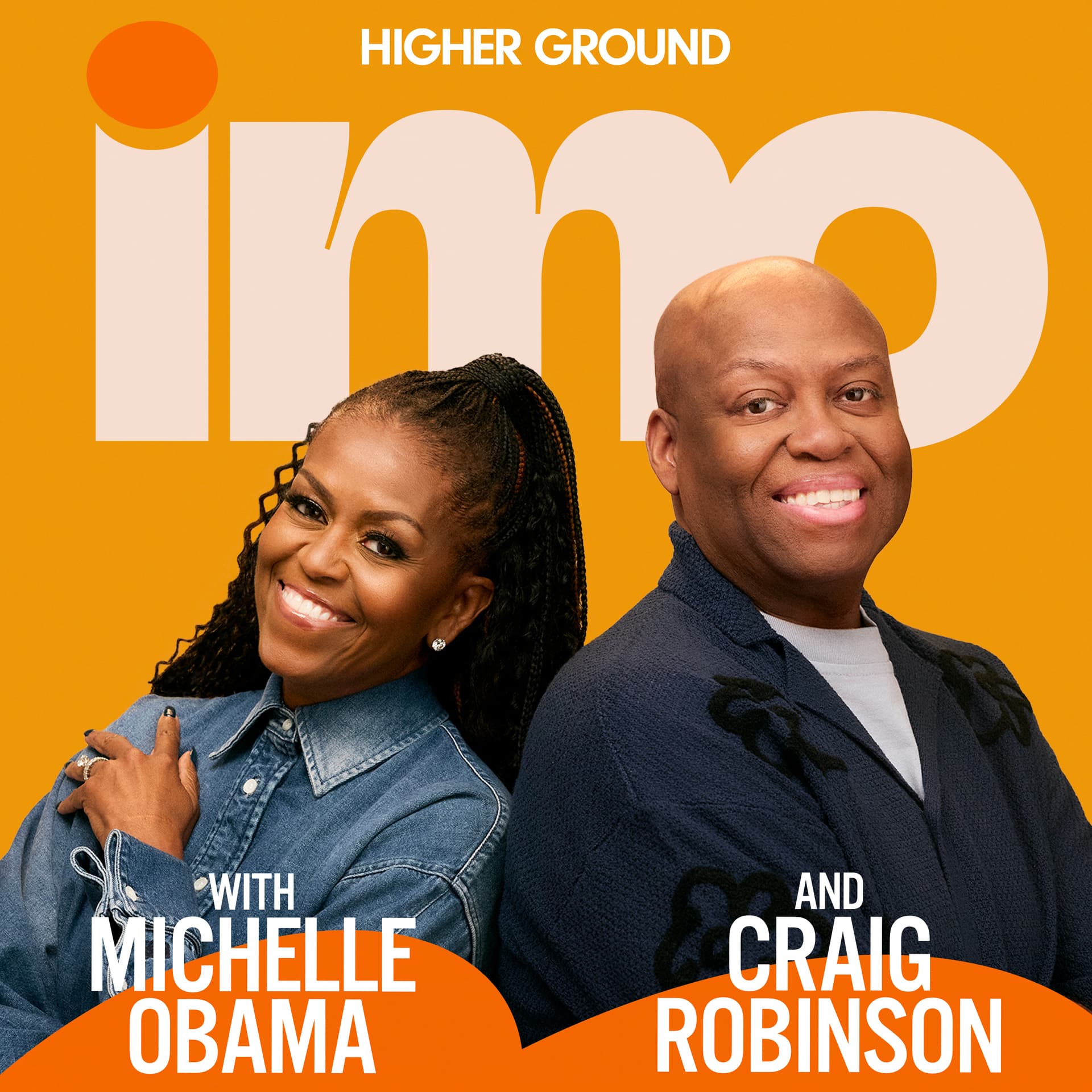
Michelle Obama discusses life after the White House, why podcasting appealed to her, her “janky” view of the country’s current state, and how her upbringing shaped her approach to ambition, authenticity, and public service. She also covers the campaign and press distortions during Barack Obama’s rise, her strategy for maintaining her narrative, and the First Lady platform she chose (health/nutrition, education, and military families). She reflects on visiting Walter Reed and the moral weight of war’s aftermath, and touches on her final First Lady speech to educators around January 6, 2017.
Guests
Michelle Obama (former First Lady; best-selling author; co-host of the IMO podcast with Craig Robinson; former lawyer and public servant). Sam Fragoso is the interviewer (host of Talk Easy with Sam Fragoso), and Craig Robinson is mentioned as her podcast co-host.
Key claims
The country feels “rusty” and off course; she doesn’t do nightly printed news binders, relying on Google and her husband for information. Her mother taught her to question authority; her father modeled pride, responsibility, and generosity of time. During the Obama campaign, press attacks reframed her as “emasculating” and “angry,” which she says was soul-sucking. In the White House, she says she “picked” her issues strategically and focused on health/nutrition and military families.
Notable examples
Her high school confrontation with a teacher over missing vocabulary cards; her early-morning bus commute to Whitney Young; the lunch meeting with Barack Obama at Sidley Austin; campaign distortions in Iowa; Walter Reed visits where she stayed hours; and her educators speech emphasizing diversity as strength.
Written by AI. May contain mistakes. Listen to the episode to check what was said.
Chapters
Tap a time to open that second in VOMichelle Obama's Journey to Podcasting
1:01 to 4:00
A detailed introduction of Michelle Obama, discussing her life and experiences that led her to podcasting.
“I know, it just sounds so official, you know, Mrs.”
Navigating Life After the White House
4:00 to 5:59
Michelle shares her feelings about leaving the White House and adjusting to life outside politics.
“So with that, I hope you enjoyed my conversation with Michelle Obama.”
Childhood Memories and Family Dynamics
5:59 to 7:58
A look back at Michelle's childhood, her family life, and the influence of her parents.
“Like at the White House, there was a nightly ritual, at least my understanding.”
Education and Standing Up for Yourself
7:58 to 13:20
Michelle discusses her education experiences and learning to advocate for herself in school.
“Well, compared to his sort of topsy-turvy life, we were a regular American family.”
Commuting and Life Lessons
13:20 to 14:01
Michelle reflects on the early mornings of commuting to school and the life lessons learned during that time.
“I did, because I was like, let's call in the authority.”
Reflections on School Commutes
14:01 to 16:30
Michelle Obama reflects on her school bus rides and the lessons they taught her.
“Did you procrastinate your homework and finish it at the last second?”
Aiming for Educational Opportunities
16:30 to 18:11
Michelle shares her aspirations for education and the desire for better opportunities.
“Because you're also, when you're dealing with neighborhood schools, you're dealing with what is it like to be in a neighborhood school and be a smart kid when not everybody else is thriving, right?”
The High School Guidance Counselor Encounter
18:11 to 20:55
Michelle recounts a pivotal moment with her guidance counselor and her college ambitions.
“Now, the story you tell over and over again, I've heard you tell it many times.”
Influences of Family and Community
20:55 to 24:48
Michelle discusses the impact of her father's work ethic and her family's values on her beliefs.
“But is that the kind of college kid you were?”
Understanding Commitment and Determination
24:48 to 25:58
Michelle emphasizes the importance of commitment and determination in achieving goals.
“He showed him the same kind of love as, you know, he showed us.”
Show all 28 chapters
Understanding Commitment and Determination
27:11 to 28:21
Michelle emphasizes the importance of commitment and determination in achieving goals.
“I'm a big fan of furniture that's just as practical as it is good looking.”
Meeting Barack Obama
28:33 to 31:53
Michelle shares the story of how she met Barack Obama and her initial impressions of him.
“You get a degree from Harvard Law and you promptly get a job as a junior associate at the Chicago law firm Sidley in Austin.”
Reflections on Vulnerability
31:53 to 34:14
Michelle reflects on the vulnerability that Barack noticed in her during their first encounter.
“Oh, Michelle was full of plans that day, on the fast track, with no time, she told me, for distractions, especially men.”
Choosing a Different Path
34:14 to 36:27
Michelle discusses her career choices and the realization that life offers more than just box-checking.
“I lost my father in the time that I met him.”
Support Through Politics
36:27 to 38:42
Michelle explains her initial reluctance about politics and how she came to support Barack's passion.
“10 years of public life, eight years in the White House, around the time he starts to run for state Senate and then senator leading up to 2008.”
Campaign Trail Challenges
38:42 to 42:04
Michelle describes her experience on the campaign trail and the media's distortion of her persona.
“I mean, the amount of work you do for something you don't like.”
Michelle Obama Reflects on Campaign Struggles
42:04 to 48:04
Michelle Obama shares her experiences with criticism during her husband's campaign and discusses the emotional toll it took on her.
“And then there was one and then there was more.”
The Role of First Lady and Key Issues
48:04 to 53:06
Michelle discusses her role as First Lady, the issues she championed, and the strategic approach she took in her initiatives.
“And I thought that was such a vivid description of what I imagine you had to do for eight years.”
Hope and Diversity in Education
53:06 to 56:00
Michelle reflects on her final speech as First Lady, emphasizing the importance of diversity and hope in education.
“And once you go into Walter Reed, when there's a war and the beds are full, the beds are full of not people who are dealing with diabetes or the heart attack that they had, which Walter Reed provides care all the time.”
The Power of Hope
56:00 to 57:02
Michelle Obama emphasizes the importance of hope in overcoming adversity.
“So the young people here and the young people out there, do not ever let anyone make you feel like you don't matter or like you don't have a place in our American story, because you do.”
Understanding Each Other
57:02 to 57:58
Michelle discusses the necessity of understanding and empathy in society.
“So I want to close today by simply saying thank you.”
Reflections on Leaving the White House
57:58 to 1:00:06
Michelle shares her emotional experience of leaving the White House after eight years.
“You know, not everybody in that group was a Democrat, but they, you know, we know what's right.”
Disappointment in Political Change
1:00:06 to 1:02:32
Michelle reflects on her disappointment with the political landscape post-Obama.
“You know, it's a little bit of all of it.”
Economic Struggles and Anger
1:02:32 to 1:04:50
Michelle discusses the economic challenges faced by many Americans and the resulting anger.
“I know what it's like to be underestimated, underinvested in.”
The Launch of IMO
1:04:50 to 1:06:40
Michelle talks about the inspiration and purpose behind her new podcast, IMO.
“I want to talk about your next chapter because you started the show IMO, this beautiful book, The Look.”
Conversations with Her Mother
1:06:40 to 1:10:00
Michelle shares poignant memories of conversations with her late mother.
“I do love when I can make it easier for somebody else.”
Reflections on Life and Time
1:10:00 to 1:20:25
Michelle Obama discusses the fleeting nature of life and the importance of meaningful living.
“I didn't say anything because I knew what she was saying.”
Reflections on Life and Time
1:20:33 to 1:22:16
Michelle Obama discusses the fleeting nature of life and the importance of meaningful living.
“And for me, health screenings always ended up on that list.”
Transcript
Automatic transcript. May contain errors.0:00Hey, IMO listeners. We wanted to share something special with you this week. An episode of another podcast from our network, Higher Ground. Talk Easy with Sam Fragoso. This show is a weekly series of intimate conversations with artists, authors, politicians, and entertainers. Sam has an uncanny ability to get guests to open up in ways they haven't before, leaving listeners feeling connected and curious about new works of art. In this episode, Sam talks with my sister about many things such as the pivot to podcasting, vivid memories about growing up on the South Side of Chicago, the work ethic modeled by our father, and the enduring influence of our mother, and the complicated dynamics of navigating life inside and outside the White House.
0:50There's so many good nuggets of inspiration here that I'm sure you'll love. You can listen and watch more Talk Easy wherever you get podcasts. What would you like me to refer to you as throughout this episode? I have former first lady, Mrs. Obama, ma 'am, boss. I answer to it all. I don't like former first lady. That's just, that's too much. We'll cross that one off. Mrs. Obama, I guess it's okay. You don't love that though. I know, it just sounds so official, you know, Mrs. Obama. But I think it's your, if you want to call me Michelle, if you want to call me Hey You. I don't think we're going to do Hey You.
1:32Okay.
1:40This is Talk Easy. I'm Sam Fragoso. Welcome to the show.
1:52Today, former first lady, best-selling author, and now fellow podcast host, Michelle Obama. Since the time Michelle first appeared on the campaign trail alongside Barack in 2007, she's attracted a mix of excitement, adoration, and also unrelenting scrutiny. And through all of it, whether it's on the stump in Iowa, launching initiatives like Let's Move, publishing her chart-topping memoir, Becoming, or speaking candidly about marriage, grief, race, or public service, she's maintained a level of self-possession and really authenticity that feels increasingly rare in public life. All of which is on full display on her weekly podcast, IMO, which she co-hosts alongside her older brother, Craig Robinson.
2:38And so today, we start with the present. Life away from 1600 Penn, her version of doom scrolling in 2026, and why podcasting appealed to her at this stage in life. From there, we discuss the lessons she learned growing up on the south side of Chicago, the ambition that carried her from Whitney Young to Princeton to Harvard Law, the first lunch she shared with her future husband, the period of adjustment that followed Barack's bid for the presidency, the complicated dynamics of life inside the White House, and a whole lot more. But before we get into the interview, I wanted to note at the top that Michelle Obama is not a politician.
3:15As she says a couple times today, she never even particularly liked politics. And while there have been repeated calls for her to run for president, whether it's from party strategists, cable news commentators, or plenty of anxious Democrats, she has never once expressed interest in mounting such a campaign, or even in the job itself. I mention this because in the last year, we've had a lot more politicians on Talk Easy, and I suspect discerning viewers will notice a real difference in tone, temperament, and approach to how I handle those conversations with those in elected office, including our recent episode with Governor Josh Shapiro of Pennsylvania, or our slightly contentious talk from last year with Senator Elizabeth Warren, both of which you can find wherever you are listening or watching this right now.
4:00So with that, I hope you enjoyed my conversation with Michelle Obama. I want to start at a very simple place, which is, how are you doing? I'm doing good. Is that true? I'm loving the 60s. You know, I mean, we're out of office. There's a new level of freedom. I am truly an empty nester, meaning that I have grown daughters that are really good and they are independent. And I'm now moving from parent to consultant friend. And I love that place. But for the world, I am personally doing really well. I heard you on a recent episode of IMO, you said, I'm good, but for the world. The title for the episode was, call these times what they are, janky.
4:56Now, Janky is the makeshift studio I made 10 years ago when I first started this show. And doesn't it feel like the country is there? A little, but Janky to me feels like the banana yellow Datsun that Barack picked you up in on your first, like that's Janky. That's Janky. When you say Janky, what do you mean by that? I mean, the country feels like it has a hole in it and it's a little rusty. Like a hole in the car? that we're messy right now, that we're confused, that we're upside down. That's what it feels like. It feels like we are off course. Not that we can't get back on course, but I don't think anybody's happy in the mess we're in.
5:43I don't hear or see or feel anyone who's like, yeah, this is exactly what I wanted. Not deep down. And so it feels janky. It feels crumpled and messy and rusted and worn and tattered and torn. I want to know your day to day. Like at the White House, there was a nightly ritual, at least my understanding. There were two binders of briefings that would get delivered in the early evening. One was for you and one was for the president. And you'd read yours in the sitting area of your dressing room. So at this point, like, do you get a binder like that every night? Do you get a basically like a printed version of the doom scroll of what's happening in the news?
6:24No, no, I don't. I don't do that. What's your engagement with that? Well, I live with Google, my husband. Is that your nickname for him? No, I don't. But he he's he's he's my source of information. You know, although he is trying to ease himself of knowing too much. He is an important source in at dinner every night. You know, maybe not every night. He's my primary source. I mean, it's a pretty good source to have. It's a very good source to have, although, you know, he doesn't have inside information. He doesn't, you know, he doesn't have access to the current leadership in that way. But he knows things and he's reading things.
7:05And I'm usually like, is there something I need to look at if there's a good article? You know, just tell me. Tell me. Just like a lot of people feel about him. They're like, can you call me when you're packing up and getting on the helicopter? Can you just give me a little hint? The helicopter to go where? That we don't know. But people think there would be a helicopter that would come for us, you know, and they just want to know ahead of time. And just to be clear, you'll have a seat on that helicopter for a 6 '1 long haired podcaster, right? I just want to just want to get that out. In the coming, you say so little of who I am happened in those eight years.
7:41So much more of who I was happened before. Like you come of age on the south side of Chicago, on the upper floor of 7436 Euclid Avenue, in a room separated by a wood partition between you and your brother Craig. I've heard your husband describe your upbringing as the black version of Leave It to Beaver. Is that a fair assessment? Is that how it felt to you? Well, compared to his sort of topsy-turvy life, we were a regular American family. Mom, dad, brother, sister, one of each. My dad was the breadwinner in the household. He didn't put on a suit and tie. He put on a blue engineer's uniform and he had MS.
8:29So he didn't gallivant into the house and say, honey, I'm home. He was a shift worker, you know, so he had days, nights, afternoons. And my mom had a calendar up on the refrigerator that had his shifts worked out so we could all know when was dad going to be home for dinner? Is this the week that he could go to the basketball game? You know, so he would do that calendar so that we could plan our lives around just knowing where he would be. My mom stayed home. She was a housewife until I went to high school. She was involved in the PTA, very involved when we were young because she made a choice to send us to the neighborhood public school around the corner.
9:14But it was a neighborhood public school in a black community. But she often encouraged you to question teachers and authority, right? For sure. Why do you think she did that? As my mom said, you know, a lot of adults just didn't give, don't give little people credit for having brains and thoughts. And she, you know, for whatever reason, my mom, you know, she would have been an amazing child therapist. She understood kids and she enjoyed them. She enjoyed us. and she saw from an early age that we could be taught things that we could understand that we could figure things out on our own and that if you explain something to a child rather than snatching it from them or spanking them that they would get it so she believed we were really smart that we had all this capability and that sometimes our teachers were people who didn't have it you know?
10:13I mean, she was pretty honest. She'd point out, it's like that teacher shouldn't be a teacher. She doesn't know what she's talking about. And she was very concerned about not letting some other person damage her children. She wanted us to learn how to fight our own battles in a way that was effective. Sometimes she said, I would go a little, I would cross the, not cross the line, but I would play on the edge of the line. And what would that look like? There was this one time in high school, I remember it distinctly, I was in this, I went to a great magnet high school, but there was, I think I was a sophomore, I was in some English course that was just kind of basic.
10:53We were doing vocabulary in a basic way where we had to find words, put them on a card like we were children, and write the definition. And these cards somehow had credit. I always thought the assignment for high school student was kind of stupid and lazy for the part of the teacher. But, you know, it was easy. So I had done all these cards, and I'd done all of them. When I got my grade, I had a C. I went to my teacher, and I was like, what's with the C? I know it's a limited amount of work you have to do, and I know I've done it. You made your case. Right. But all he said was, you didn't turn in your cards.
11:30And I was like, how could I not turn in my cards? I actually turned in my cards. And then I thought, so you have us doing these cards, and you're not even keeping track of them. So this is some bullshit, basically. You're allowed to curse on this show. Yeah. I didn't wait to be asked. Yes, yes, we curse. Not all the time, but yeah. As much as you want. Okay. Okay. So then I said, well, show me where you keep the cards that students turn in. He opened a drawer where all these cards were just strewn about. I mean, it was like a dump truck of cards, these cards. And I was like, you have us doing this and you've just thrown these cards in here.
12:10You're not even paying attention. And so I start going through the drawer. He's like, look. And I was like, there were thousands of cards. It was like he was that that was such a jerk move. And so. That's like right here for you. Like you're describing it as if it happened two days ago. I mean, it's so unfair and outrageous. So I have an attitude already. And so I start taking the cards out. OK, you want me to look at them? So I was taking them out and I started throwing them on his desk because I was like, it's going to be in your way, too. You're going to have me go through this pile of junk you just threw in the drawer.
12:43And I actually found all my cards. And when I found them, I just threw them on his desk as like, here they are. And I was like, call the principal. Call. You don't like my attitude because this, what you've done to us having us do this stupid assignment that you're not even tracking, the principal should know. Please call my mother. You know, it was that kind of stuff. And I went home and I told my mother this story. She was like, well, you might not have wanted to throw in the cards on his desk. She said, you were right. You know, you were fundamentally right, and I eventually got my A in the card.
13:19Did you get the grade you wanted? I did, because I was like, let's call in the authority. You went above him. Well, I didn't have to. I called his bluff. There we go. Are you a poker player? Have you ever played? Oh, no, no, no, no. I feel like you'd be pretty good. Seems like a waste of time. Oh, no, it's fun. When you, I'm not going to defend poker here, but I. We want to go in on poker, Sam? Yeah, yeah. My parents are going to be like, so you talked about Texas Hold 'em with her? Holy cow. My understanding is to get to Whitney Young, you had to wake up at 530 in the morning, make your way to 75th and Jeffrey to catch the first of two buses.
14:01Now, I was a kid who also rode the bus to school. Not as far, not as long. Did you ever nap on the bus? Did you procrastinate your homework and finish it at the last second? Like, this is before the iPhone, before the walk. Man, I'm sorry to aid you here. Don't, no worries. As you saw the city unfold before you, like, what would you do? What did you imagine? You know, when you're up that early in the morning, you're barely up. It feels like a nap to me. Yeah. And it's still dark out at 530 in the morning, especially in the winters. I mean, we could take the whole bus ride from the south side to the west side and the sun would barely start coming up.
14:38And because it was so early, you know, we were commuting with business people, the adults, seeing the city in its fullness, right? You know, in Chicago, because you're a Chicagoan, you kind of live in your neighborhood, right? Yeah, you stay in your pocket. You stay in your pocket, and downtown is a really kind of special place. Well, we lived downtown because the students at Weed & Young had to go through downtown. So I got a feel for the life of this other world, the important part of Chicago. Right. Passing the Art Institute, going down Jackson Boulevard and passing the big hotels with the bellmen and the door, the bellhops and the passing some of the financial district and then moving further west as things were not developed at the time.
15:27I mean, the near the near west side is now this bastion of bourgeois, blah, blah, blah. But then it was pretty abandoned and run down and the school was right on the edge of that place. So sitting there and taking in that experience was kind of a part of the ride that I enjoyed and the wonder and the kind of unfolding of what life had to offer beyond my neighborhood. And what did you want at that point? I had a distinct understanding that there were things that you could control at that age that would get you to a better place. What do you mean? We all understood that in order to succeed, you had to make some right choices.
16:11And the neighborhood high school wasn't a place that would direct you where you wanted to go. And so I knew that Whitney Young, this new magnet high school that was doing what the multi-age program did, which was drawing in all of the best talent, would give me an opportunity to learn and learn safely. Because you're also, when you're dealing with neighborhood schools, you're dealing with what is it like to be in a neighborhood school and be a smart kid when not everybody else is thriving, right? Because there's nothing that's more frustrated to kids who struggle than sitting next to the kid who's getting the A.
16:48And now you've got to fight to get home or you've got to you've got to code switch to to get home because, you know, kids are frustrated. Right. Or they don't have a parent at home or there's something else going on in them. And who gets the brunt of it except is the kids that stand out. And that impedes your learning. And I knew all that. And I was like, I want to be in a high school where I'm not fighting with, you know, where all the kids are on the kind of same page. where it's like really cool to excel and thrive. You sound like a pretty wise teenager. I was pretty wise because, you know, my parents were, they trusted us to make these decisions.
17:29And it wasn't like my mom was the one that was doing this research. My dad was working all the time. My parents didn't go to college. They didn't know this pathway. But they knew that we'd figure it out. I was already thinking very strategically about life. And when I got to height, so the short question is, what was it that I wanted? I wanted to be on this pathway that would lead me to a place where I would have options. I didn't know what those options needed to be. I didn't see it necessarily, but I knew the links to education, the best education that I could get would at least give me the foundation to figure it out when I got there.
18:11Now, the story you tell over and over again, I've heard you tell it many times. You're a senior in high school. You're in the top 10 % of your class at Whitney Young. And you arrive at your appointment with the school guidance counselor. Now, I want to know if you can go back to this moment. How did you present your plans to this woman? Like, how did you describe or lay out your dreams to her? And did she ask you any questions? I had four schools that I was looking at that I walked in and said, look, I'm going to apply to a state school like University of Illinois. I'm going to apply to an out of school state school, the University of Madison in Wisconsin.
18:55I was going to apply to an HBCU Howard and I was going to apply to Princeton and Ivy League school because my brother went there and I was smarter than him and worked harder than him. So I was like, he's managing. I went to the campus. I was like, it's lovely. It seems safe. It's a great school. It'll be an interesting education. I'm going to give it a shot. That was sort of the research I came in with. So I'm sure I presented that to her. You were prepared. And I think her thing when she looked at Princeton, she says, essentially, you might be reaching too far on that. That might be a stretch for you.
19:35I don't know if you're Princeton material. which was like wow you know do you do you know me you know have you talked to my professors I mean you just met me I'm pretty sure this was a person of color she's not a real person in my mind she's a face because that's how little interaction I had with her because after that conversation I never talked to her again I went to teachers professors who knew me and decided let me let me get the advice of somebody that's actually taught me. I mean, so it was sort of like a gut check, but I was also kind of telling on her. It was like, just so you know, you got counselors here that are telling little black kids that they shouldn't strive for the best.
20:22I don't know if I said that, but that was kind of the thought. You know, your late mother told the New Yorker, and it's made me laugh since I read it. She said, Michelle's always been vocal about anything. If it's not right, she's going to say so. And so Craig would call me because Craig was at Princeton when you when you land there. And she said, and so Craig would call me and say, Mom, Michelle's here telling people they're not teaching French right. She thought the style was not conversational enough. I told him, just pretend you don't know her.
20:59It's like, save yourself. Michelle who? I don't know. Chicago, it's a coincidence. It's like, don't know her. Never heard of her. But is that the kind of college kid you were? If something was wrong, would you get out there and be vocal? I probably would. I don't remember the French thing that well. My family tells me all kinds of stories that like I don't even remember that. But no, my fundamental personality has always been the same. And this is something that I tell, that I see in people that I interview and talk to who are successful in all kinds of fields. People say what I felt, which was I knew what I could do early on.
21:46I mean, my earliest memories of like four was knowing, like, I know some things. Like, I do understand some things. It's in my little soul, but I'm seeing things and I feel certain things, you know, that are like there was a confidence. There was a sense of who I was. And I know that a lot of kids feel that about themselves. You know, that's why I say kids are born with a light. You know, they all have it. I kind of understood mine, but I also grew up in an environment that was fueling my light. And contrary to for a lot of kids, people are snuffing it out. Right. They see it. And the moment they see it, they try to dim it.
22:30And what I want young people to know is that there's a voice inside of you that is telling you a story about yourself that is often good and believe it. I just happen to believe it. I believe that I was smart. I was capable. I had good judgment. I could make decisions. And a lot of this came from the way my parents parented us. Is part of that belief, of course, it comes from your mother who told you, question authority, ask why. But you mentioned this earlier, your father, who worked for the city at the power plant from 27 to the day he passed, he put on that blue uniform. And I wonder, like, if that belief in yourself first came from the belief he had in himself to keep going.
23:24You know, my dad was he was a worker. He took us to work. It was the water filtration plant, by the way, for the city of Chicago. And, you know, the main water filtration plant by Navy Pier. That was his work. And we drive around the back and it was a beautiful location because it was right on the water. You know, the boiler room where he worked faced the lake. But I remember all of that, his sense of pride, his sense of responsibility, his determination, his lack of complaining about it. But he was that in all kinds of ways. So it wasn't just the uniform time when he was putting it on. It was always also the way he showed up in his community, in his family.
24:05My dad was a precinct worker, which meant that, you know, he worked for as a city worker, which is what happened in the daily administration. You're a city worker. You also got to work in politics. But my dad flourished in that because he worked in our neighborhood and he knew the grandmothers and the neighbors. He said time is something you give other people. Yeah. And he showed that. I mean, he was generous with his time. He was the one people came to. And I saw that more than I saw his disability. That was as much had an impact on me and how to show up in the world. His relationships to other people, the way he equalized people.
24:47He treated people the same no matter what, whether you were the cousin that was kind of a drunk and was a little irresponsible. He showed him the same kind of love as, you know, he showed us. He didn't discriminate. He didn't, you know, and those are the kind of things that I guess it was the determination. It was the work ethic. It was also the sacrifice. I mean, my fighting was like my dad's fighting for me. So when I run into incompetent people, people who don't care about their work and don't care about their job, it's as much that sort of sense of outrage that you're a teacher that's giving a stupid assignment to not just me, but to a bunch of kids.
25:35If you're phoning it in, you know, that kind of pisses me off. As you know, I don't believe in phoning it in here. By the billions of notes, I understand. And I'm loving it. OK, good, good. When we come back, I want to talk about where that commitment and determination delivered you back in Chicago. That's coming up next with Michelle Obama. Lately, I've been thinking about the moments that change you, not the big dramatic stuff, the small ones, like when you catch yourself about to say something reactive and you just don't. It's not something that happens overnight. It's something that you build one moment at a time.
26:15That's what growing feels like. And that's why I'm excited to tell you about Grow Therapy. Grow connects you with thousands of licensed therapists across the U.S. with virtual or in-person sessions, nights and weekends. You can search by what matters, your insurance, specialty, identity, availability, book in minutes, and start in as little as two days. That's much faster than the national 48-day average. There are no subscriptions or long-term commitments. You just pay per session. Plus, over 230 million people nationwide can use their insurance on Grow. So chances are you could be covered too.
26:56See if you could pay as little as$0 for therapy in seconds at growtherapy.com slash IMO. That's growtherapy.com slash IMO. growtherapy.com slash IMO. Availability and coverage vary by state and insurance plan. I'm a big fan of furniture that's just as practical as it is good looking. For example, Kelly and I just went on Wayfair and got ourselves this incredible extendable dining table. Right now it's in our breakfast nook and it seats four people perfectly. But if we ever need some extra space, we can very easily just pull apart the two ends and add panels to make it seat up to eight people. We got it in the walnut varnish, but it also comes in natural wood and black.
Read the full transcript
27:45And that's one of the things I appreciate about Wayfair. You can find thousands of options across every style and budget, and then use the filters, customer photos, and reviews to figure out what's actually going to work in your space. They have more than 20 million verified five-star reviews. So when you're making a bigger purchase like a dining table, you can feel a lot more confident about what's showing up at your door. Transform your space with pieces that hold up to real life. Join Wayfair Rewards today and get 5 % back on every purchase. Head to Wayfair.com or shop the Wayfair app for all things home.
28:26That's W-A-Y-F-A-I-R dot com.
28:30Sam Fragoso:Wayfair, every style, every home. You graduated from Princeton. You get a degree from Harvard Law and you promptly get a job as a junior associate at the Chicago law firm Sidley in Austin. Now, I want to talk about the day you meet your future husband. You're on the 47th floor. You're in your office where you typically ate most of your lunches because you were working 70 hours a week. You were assigned, I think, to be his advisor. So walk me through this. Barack, at the time I was a first year, was a first year law student. So he interviewed for his first year summer, which, by the way, for a firm like Sidley and Austin that was inundated with candidates, it was rare for them to select a first year in their program.
29:17But he was special. And that's all I heard was, boy, have we found somebody. Everybody that met him, that interviewed him was like, he's amazing. And the secretary's like, and he's cute, and he's this, and he's that, and he's Barack Obama. And I was like, okay, whatever. So I get a picture and the picture is not a great picture. I mean, it looks like he's gone into like a 7-Eleven to take his picture. Right. I mean, it's bad lighting. And, you know, and I was like, I don't think he's that cute. And I'm thinking, OK, these are white people that are flipping over an articulate black man. So I was like, let me just lower my expectations.
29:58And then it was like he was from Hawaii. And I was like, what black people are in Hawaii? Right. So I already had in my mind that this was going to be some nerdy, ultra conservative. You know, I just sort of painted a picture, not not an angry picture. I was just like, oh, I know what I'm getting. So I called him first on the phone just to introduce myself. And when he picked up the phone, he he had that Barack Obama voice that I didn't expect because I had already pictured him as kind of a dweeby kind of person who would be. appealing to white people as a black man. Do you ever do his voice back to him?
30:37All the time. We all do it. He was like, hello, it's Barack Obama. I can't get down that low. But I was like, whoo. The voice was sexy over the phone. I was like, wow, this is Barack Obama? Look at this photo again. Hold on. Yeah. So my job was to greet him and he was late. And then I was like, you're late at the Robinson household. You don't. My dad's not late. How are you late? Right. But I think it was raining and something happened. And as I would learn, that's kind of him, you know. But I went to greet him at the reception's office and there he was, which I was like, wow, I didn't expect this.
31:20He was tall, handsome, had some flavor. And I was like, wow. You got past the tardiness. But I was still sort of like, OK, so we got settled. And then I had to take him to lunch after he had spent his day getting his paperwork, finding his cubicle and all that sort of stuff. So I took him out to a lovely lunch that was expensed by the firm. And we talked for hours. So this is the part of the story I want to ask you about. In the absence of your husband being here, I thought we could read from a passage of his book, The Audacity of Hope, in which he writes about this first encounter with you over lunch.
31:57I haven't read this in a while. I imagine it's been a minute. The audacity of hope. Oh, Michelle was full of plans that day, on the fast track, with no time, she told me, for distractions, especially men. But she knew how to laugh, brightly and easily, and I noticed she didn't seem in too much of a hurry to get back to the office. And there was something else, a glimmer that danced across her round, dark eyes whenever I looked at her. The slightest hint of uncertainty As if deep inside She knew how fragile things really were And that if she ever let go Even for a moment All her plans might quickly unravel That touched me somehow That trace of vulnerability I wanted to know that part of her Oh, what a great writer he is I wonder I'm sure you haven't read that in a long time I sure haven't It's beautiful, though.
32:58You were the student who is, as you described yourself, a box checker, a color-coded noter. That description of you, like, did you believe your plans would unravel if you let go for a second? The vulnerability that I think he felt was my honesty and forthrightness about life. You know, you make plans and God laughs, as they say. This was the first time in my life when I realized that I was just on a path. That I had, I didn't know anything about the path. Why did I pick law school? Because I didn't know what else I was going to do after Princeton. And the options before me, you could work at Procter & Gamble and do sales.
33:43You could go to Wall Street. And I was like, that doesn't sound good to me. I'm not ready for that. So what am I good at? I can talk and argue and write. I'll apply to law school. And then you apply to law school and you get into Harvard and you go. And this was after we met. So these thoughts were, you know, I was just in it. I was a first year, right? So the vulnerabilities that he saw were just me understanding that life wasn't certain. But I think as we got to know each other and started dating, he was with me through that process. I lost my father in the time that I met him. I lost one of my best friends to cancer, and she died suddenly.
34:28She was like 26 at the time. She was my age. She was diagnosed in December, and I was at her bedside as she was taking her last breaths in May. And she was healthy. You know, now you're confronted with this stuff ends, and it ends suddenly, and it ends unfairly. And, well, what am I doing sitting here on the 47th floor? And now I've met this guy who I'm starting to fall in love with who did things completely differently. His path, as I said, was swervy and confusing. And his childhood was something that I never understood or experienced. He had lived in places that I never thought about. And he was doing pretty good.
35:12Barack was with me through that process of thinking, who do I really want to be? You know, and it's not just box checking. I couldn't do that. I could box check my way. I knew I could become a partner, you know, but I was also starting to learn about my fellow junior partners and I was realizing you don't like this either. And that's going to be your future if you keep going. I started to realize that there was time and I hadn't done anything else, Sam. In my life, I'd worked in Bob Goldman's book bindery. I'd been a babysitter. I'd been a camp counselor, but I didn't have internships like that.
35:52I didn't get to see banking or other fields or community service or nonprofit. I saw nothing. I knew nothing. And it was just becoming clear to me how little I knew about life. And here I was about to sink my fate into a career that I didn't even like. And my father died. And life is short. And this guy that I know, he's done something totally different. Let me put down the box checking. Let me get off the path. Let me take a risk and try something else. Let me swerve with him. Let me swerve with him. 10 years of public life, eight years in the White House, around the time he starts to run for state Senate and then senator leading up to 2008.
36:41You said in the past, first of all, after not wanting to be in politics but supporting my husband because I love my country, my decision to support him had nothing to do with what was good for me. Yeah. As he's talking about politics, trust me, I am pulling back at him. I'm like, this is politics is stupid. I mean, I grew up in Chicago. I know Chicago politics. Corruption. Corruption, incompetence, insularity, people holding on to power, people not wanting, you know, I'd seen it all. And I knew people in politics. I was a seasoned person. And I was like, it's hard to do the right thing in politics.
37:22And then I was like, and you're this really smart, good guy, you know, good guys aren't in politics. Why would you want to do something dumb like that? They will eat you up alive. You told him that. Yeah. Yeah. And what did he say when you said that? You know, he had been an organizer on the South Side. He, you know, he spent as much time in these communities as I had. He knew the political structure. He just wasn't afraid of it. He was like, yeah, you're right. He didn't disagree. He was like, yeah, this is a tough road. But he was very, he had the same thing about him as I did. He knew what he could do.
38:01And I knew that. It wasn't that I didn't believe in him. I just didn't like politics. And I understood his limitations. And I'm more pragmatic and less of a dreamer. So that was my view all the way through. But I also thought, well, he has a passion for this. And I learned that, wow, when you find something that you do love, that's a gift. And it's not my place to stand in the way of that. I don't like it. But we are independent people. You support me. I support you. That will not be my life. That's your life. But even you not liking it. I mean, the amount of work you do for something you don't like.
38:47I mean, you're on the campaign trail. I don't like politics. They called you the closer. I don't like politics. I love people. Yes. And I love service. You're absolutely right. And I was surprised. You went out there and you write so beautifully in Becoming about enduring the 2008 campaign trail. And you say it's important for young people to know about this chapter, about this experience, when, quote, my whole persona was being distorted. What did that look like back then? And how did the press try to distort you? In my view, it was also a failing in Barack's campaign, his team of people. Because when I said, OK, I'm going to, you know, I didn't campaign for a state senate office.
39:36You know, I helped get petitions signed. I wasn't involved in his U.S. Senate race in a major way. I was supportive, but I had a career. I had small children, so on and so forth. I get out there on the campaign trail. I have a small team that I am given, you know, what people are hired. But the structure that I had my chief of staff, Melissa Winter, and I had one, my comms director, Katie McCormick Lullivelle. And the three of us, two white women and me and young. And we go out there and start going to Iowa. Site, you know, that's all we do. We're given an assignment. Yes. Not a comms team, not speech training, not a speech writer.
40:19I talk to no one about this. I got on the first flight out, landed, and there was a kid, some kid, waiting to pick me up. It looked like you, Sam. Young, even though you think you look like an old man. You look like a baby. And that's what every staffer on the Obama campaign, they were amazingly precocious, smart, engaged, serious people. Somebody would have on a suit and I'd get in a car and be dropped off at somebody's house. And you'd give speeches? I would talk because I was like, I didn't have a speech, but I would tell my story. So what was the distortion? What was the thing that hurt you?
41:05The distortion was when I became more effective because it wasn't what I said. My take is that I was having an impact. Oh, a positive impact. A positive impact. I mean, the backyards turned into, you know, churches and then they turned into a gymnasium at a school. I mean, the numbers of people that were in Iowa that were curious about this campaign, this candidate, and then his wife, who gave, I guess, gave them a glimpse into who he was as a man, his values, things like that. I think what I chose to talk about, which wasn't policy, I was like, I can't, I don't have time to learn about all of his policies because I still have a job, but I can talk about us as a family.
41:50That that was appealing to people and that was a connection. So it was just we were moving numbers in a way that drew attention to me that who is this who is the wife of this guy? And that's when before I knew it, press was at my events and cameras. And then there was one and then there was more. The criticism was severe. And then they said I was emasculating. And then they said I was angry. And then they said, you know, there were just all these terms that I was like, oh, my God, where is this coming from? You said you didn't love your country. I didn't love my country. And this stuff sort of spread out over time because.
42:29Can I show you something? Yes. I want you to just look at this and see if you remember this. Yeah, I remember this. Yeah. Yeah. I heard you say in the Becoming Doc, people would tell you, oh, Michelle, it's just politics. It's just politics. And you said, no, it's not just politics. It changes a person's soul. And I wondered, when you see this, when you think back on the things that they said, what they accused you of, what did that do to you? Well, at first it made me almost walk away completely. You know, I mean, my thing was, look, if I'm a hindrance to my husband's campaign, then I should just be at home in my job where I want to be anyway.
43:22I don't want to do this. And maybe I'm not good for him. Maybe I am not the right person. Did you really believe that? I believe that there was a lot of frustration. There was just frustration with the campaign. There was frustration with the way I as a spouse was treated, as a woman, as a black woman was being treated. that made me just want to say, I don't need this. We have a happy life. I don't want to get chewed up in somebody else's process and then not be protected in it, you know, because I also didn't have a complete press team because I understood what was going on. It just became exhausting.
44:11I understood that there was no one that was affirmatively looking out for me on my husband's campaign team, you know, Until it became a problem. I was angry about that. So it just became exhausting. And that kind of exhaustion is soul-sucking. And I talk about it because I want people out there to know that why should somebody write off this kind of stuff to being just politics? Like, it's okay. This is part of the game. And it's easy to do that when people say that. It's just politics. And it's like, no, let's be clear of what you're doing. I mean, Mrs. Grievance, that's what they call this. Yes, it was politics because it wasn't true.
44:56So in terms of me feeling it, it was soul sucking because it was a game. And I was like, I have to now play a game that this isn't about what it really is supposed to be about, which I knew going into it. That's why you didn't want to do it in the first place. That's what I want to know. When your husband's elected, you go into the White House, that game that you're talking about, because you strike me as someone, this is our third time meeting, you really don't want to bullshit if you don't have to. Now you're in the White House, first black family there. How do you maintain a sense of yourself, a sense of your authentic self, when the world is demanding you obscure parts of yourself, that you hide parts of yourself, that you have a perfect image that no one has?
45:42These hardships in the campaign prepared me. I mean, instead of quitting, I just said, okay, I got to be smarter. I've got to be more thoughtful. I have to be tighter, you know, because we're in it now. My husband's doing this and I'm seeing him less and less, right? Because he's got his own. So we're in it. It's like, hang on. It's like everybody's got to buckle up and we've got to, we're going to figure this out. We're going to figure out how I, as a Black woman in this arena, needs to communicate. How to soften, how to moderate tone in a way that I can be heard. I mean, it's the beginning of the going high, right?
46:30The going high philosophy that sometimes people are like, do we always go high? I was like, I don't, but I just don't go low in public. I go low in my kitchen table. I go low with my mom. I'm like, I let all that stuff out with people that I can safely let it out to. But my point became, what are we trying to do? We're trying to create change. We're trying to have an impact. We have the potential for doing this. I can do this. Do you not go low in public because you feel people can't handle it? I don't think it's useful. You don't think it's useful. I think if you're trying to get something done, the strategy is how do you and you're trying to communicate with people.
47:09If I'm going low, I'm just indulging my fear. I'm doing my worst instincts. It's selfish because it's like I'm just having a tantrum. You know, so now you see me angry, but you still don't hear me. What was clear was like, I can reach so many more people as long as I'm in the game. I can make changes. We can be more strategic, be more thoughtful. By that campaign, I understood that I had to take control of my own narrative, that I couldn't count on a team of people or other people on the campaign. I had to start taking charge of reshaping it because if I didn't and didn't do it quickly, I could easily be redefined and redefined negatively.
47:55So it was like, I've got to do this well. I want to talk about how you do this. Fellow Southsider and poet Gwendolyn Brooks writes, conduct your blooming in the noise and whip of the whirlwind. And I thought that was such a vivid description of what I imagine you had to do for eight years. And the role of first lady, like, I don't think people know this, but it's such an odd, like, there's no salary. There's a stipend. Yeah, there's a stipend. But the East Wing's filled with a staff with, like, no budget. Like, everything you do is you say, like, there's a soft power. But you focus on education, healthy eating, and military families.
48:37When you look back on this time now, why were those the issues that you wanted to give yourself to, that you wanted to give your platform to? What I learned over the course of my career, because by now I've done many things in life, right? When we're at this stage, I've been a lawyer. I've worked in city government. I've run departments. I've built a nonprofit organization. I come in as a professional. And so when I came into the first lady's job, it was that same mentality of, okay, first of all, let me decide what I care about. Because in this role as first lady, I pick it. You know, that's the beauty.
49:15Barack couldn't pick his issues. They were flying in on his table. You had to do all of them. I understood what the First Lady's power was. And I was like, I can do the, somebody else can do the flowers and all that. I'll look at it. I approve it. But, you know, there's a florist. They're good. It's like, give me some options. Number one, that was a minute. Now let's figure out, you know, all that stuff is important and it's important to do. I enjoyed it, but I didn't have to set the table. You know, I'm not cooking the meals. You know, I haven't cooked for a long time. That's, you know, let's let the people who cook, cook.
49:54Do you miss cooking? No, I don't. I don't. When I had to do it, I could find enjoyment in it. But, you know, it's like there are people who have spent time cooking. They're better than me. You can do it. You know, I seed that to you. And there's some people who love it so much that they want to do it. And they should. You should take something off your list and do the cooking because you like it. I'm in training. I'm getting better. So this is a good thing for me. You know, it's good. You should know how to cook. So I approached the job that way. So these, but I was also strategic because I was like, the other thing is like, I can't pick some issue that the president of the United States can't support.
50:35He was going to be working on health care. So I was like, okay, I do deeply care about health. I've learned about childhood obesity. I've dealt with that in my life. And I'm really passionate about that because our kids are growing up healthier. I was dealing with that as a mother, and I knew there was something that we could do there. So I started with nutrition because I thought that's going to tie into health care. Whether you support his health care plan or not, being healthy and living healthy and doing it for our kids, that's got to resonate. I started there. Over the course of the campaign, when it comes to joining forces and military families, this was an issue that I learned about as I campaigned.
51:16pain because I spent a lot of time in military communities on military bases. And I was beginning to understand that so many Americans have no idea what these families are sacrificing. I was honored. I was moved by who these mostly women were and how they had to move every eight years and how kids were going to school. I was learning so much. I thought no one knows. If you don't live in a military community, you have no idea. You just assume that you serve and sacrifice and you wave the flag, you start a war, and you have no idea what these families are going through. I was like, let's put our money where our mouth is.
51:56We believe in defense? Well, let's take care of the people who are defending us. They shouldn't be fighting for housing and child care. And we were in a war. We were visiting Walter Reed. We were seeing people coming back with no legs and no arms. we were dealing with the pains of caretakers and who were caring for a husband that would never walk or couldn't see. The first time you went to Walter Reed, you were scheduled to be there for 90 minutes. You stay for four to five hours. When you talk about that exact thing you said, people don't know the consequences, like the cost of going. When you see this current administration being as flippant as they are about it, you think about those troops you visited at Walter Reed.
52:39How do you hold that? How do you make sense of that in this moment? This moment has happened before. So it's not new. We talk about security and defense. We're spending so much money on it. Everybody feels good about it because only 1 % of us are really sacrificing for it. So it's easy to be in that position, you know, if you're not really looking at the people who serve. But you looked at those people. You spent a lot of time. And our administration did. The president did. The vice president did. And once you go into Walter Reed, when there's a war and the beds are full, the beds are full of not people who are dealing with diabetes or the heart attack that they had, which Walter Reed provides care all the time.
53:27But when the beds are filled with casualties and you see how young these kids are and you see how young their spouses are and you know what the road ahead is going to be for them. Irrevocably altered by war. I can't leave. Where do I have to go? I'm not going to finish this. You know, I'm not going to see everybody. I'm not going to stop at every spouse and give a hug to every mother. Well, why am I here? Where are we rushing to? That's how it goes from 90 minutes to four hours. What could be more important? You don't leave that situation. And you have a responsibility to at least, as a first lady, whose kids are not getting shot down, whose husband just goes to the Oval Office and is not on the battlefield.
54:20Let me see you. Let me let you know that I see you. It's like, it just seems like the right thing to do.
54:37you all right yeah yeah yep how are you doing i'm upset what upsets you well you know what of the many things yeah i i i was thinking i want to talk to you about January 6th. Not that one. Okay. It's like, Sam. Sorry, I wrote that joke down. I thought you'd like it.
55:08January 6th, 2017. East Wing. It's your final speech. Your final speech is First Lady. See, I didn't even really tie those two dates together. This is what I'm here for. Okay. This is what I'm here for. Everyone in the room got nervous Crystal's about to get up Talking about the insurrection Relax guys, relax We're talking about something that actually matters to me Which is a speech you give And as you know, my father 30 years, Chicago public school teacher You give a speech to educators And school counselors Speaking to the importance of diversity In education And I wanted you to watch some of that with us Our diversities of faiths and colors and creeds, that is not a threat to who we are.
55:55It makes us who we are.
56:01So the young people here and the young people out there, do not ever let anyone make you feel like you don't matter or like you don't have a place in our American story, because you do. It is our fundamental belief in the power of hope that has allowed us to rise above the voices of doubt and division, of anger and fear that we have faced in our own lives and in the life of this country. Shoot, it's the hope of my folks like my dad, who got up every day, do his job at the city water plant, the hope that one day his kids would go to college and have opportunities he never dreamed of. That's the kind of hope that every single one of us, politicians, parents, preachers, all of us, need to be providing for our young people, because that is what moves this country forward every single day.
57:02So I want to close today by simply saying thank you. Thank you for everything you do for our kids and for our country. Being your First Lady has been the greatest honor of my life. And I hope I've made you proud.
57:19Well, that's misgrievance. Because it's like when you speak with passion, your facial expressions, the words that you use, AI could turn that into anything, right? somebody could interpret that in all kinds of ways. And, you know, that's why we have to be reminded of the good in us. We have to give each other the benefit of the doubt. And if I don't do it as First Lady, if I don't do it in my position, you know, that's when we start picking each other apart, you know, and we start seeing each other as the other. What I look at when I see that speech is not just me, but the faces behind me. You know, not everybody in that group was a Democrat, but they, you know, we know what's right.
58:11We know what we believe. And I know that about people. But if no one is telling you, and they're telling you just the opposite, that that same woman who said that doesn't love her country, and that's all you hear because you weren't there, You know, you don't know her. It's like it's the same thing you feel as a kid. You don't even know me. And you don't think I can do this. You don't think I should go to college. You don't think to ask a question. You don't think to ask the question. You don't think to do the research. You don't think to do your job, to be competent, to be a competent American, to be a competent human.
58:54When you get on that plane, Inauguration Day of 2017, and you take off after eight years, after all you have done, after all your family has given to this country, did you finally have a moment to exhale? I didn't just exhale. I sobbed. It was like walking on that plane and having that door close. It was just like it all came out. It's almost like you could breathe. It's like, phew. Okay. We made it out. It's like, the kids, you got your arms. My husband, you got your head, you know. Everyone packed their laptop. Got Blanky, Tiger. If you left your phone, I'm sorry. We're not going back for it.
59:40We don't need it. We'll get another phone. Do you remember that plane ride? I don't see it completely clearly because so much of what we did was so much. It was so many emotions all the time and managing so much else and everybody, the staffs. So sometimes the specifics where people can, you know, it's a little blurry. But how does it feel to you now? It's relief and pride and exhaustion. You know, it's a little bit of all of it. I mean, I was proud of my husband, proud of the man he showed up as every day, proud of my kids for, you know, putting up with it, having their entire childhood ruined.
1:00:29No, I mean, they they've lived in the White House longer than they've lived anywhere. Imagine trying to grow up with Secret Service. You know, it's hard enough. Trying to have a boyfriend or go to a prom or play on a team at another school or get into college. Yeah, I was proud of my mom, proud of our team, proud of the country still. I was disappointed that we left the way we did. But I still know the country that we led. And it didn't change. People didn't fundamentally change. It's just that we can be easily influenced, especially when we're in pain and struggling. I want to ask some big questions before we go.
1:01:14We talked in the beginning about the janky timeline. Yeah. In 2008, when your husband was elected, you said in an interview for your first cover of Vogue, the writer was Andre Leon Talley. It's really a beautiful story. You said, quote, I was proud as a wife, but amazed as a citizen. I felt a sense of relief, a sense of calm that the country I lived in was the country I thought I lived in. And I read that and I thought, as a citizen, when Donald Trump wins in 2016 and 2024, how did your thinking about the country you live in change? Did it change by the passage of time? I mean, I was deeply, deeply disappointed.
1:02:02But my husband is such a good person to have for context and clarity. And he's right. That outcome had as much to do with people's pain and confusion about where they are in their lives. You know, we haven't completed the assignment of actualizing this democracy. It works and then a lot of times and for a lot of people it doesn't. I've seen it all. I've experienced it all. I know. I know what it's like to be underestimated, underinvested in. And that's happening all over the country more and more as the income gap is widened and more people are falling through the cracks and experiencing worse than what I did growing up.
1:02:54You know, my father had a job his entire life. He was never unemployed. We never worried about our rent. You know, we had health care. He could put us through college. We could afford college even though it was expensive. The basics, more Americans had more of the basics, and that's becoming less and less. And my gosh, when you don't have a chance and you're doing everything you're supposed to do, and that's happening for people of all races and all colors in all parts of this country, in cities and rural counties and on farms and people who are like my dad, that makes you angry and it makes you susceptible to find someone to blame other than the people who are rightfully a part of the problem.
1:03:48And that's true. That anger, I can't look some people in the face and tell them you have no right to be angry or to do something that maybe is against your own interest. That's human nature. Many of the people who voted for my husband twice, twice. And I know that that's how they feel. It's like this isn't about anything other than I'm just, we need something different. They voted for Donald Trump. Yeah. You know? That's a lot of people. So you can't just pigeonhole them and say you just don't care and you're racist or whatever you're thinking. This is an act of I don't know what else to do. I just wish we had more leaders that were figuring out how to do more for the middle class, for the working folks, because those are the folks who are drowning in this economy.
1:04:42It's not me anymore, but I know those folks. And they're good people, and they don't have a way out. And that makes for bad choices. I want to talk about your next chapter because you started the show IMO, this beautiful book, The Look. I want to know, the show, was it inspired in part by the conversations that you were having with your brother and your mother before she passed away? It was almost two years ago now. Why is this the time to do this for you? Well, that was kind of a test case, you know. I mean, it was a fun way to promote becoming. It was a good way for people to hear my mom's voice, which I think is a wise, important voice to have out there.
1:05:32And so our team was so like, wow, that was different. That was special. So that was there. It wasn't like I had a plan to do a podcast because podcasting is just now becoming, you know, it's becoming a thing. And it's a really great way to reach people. So all the stuff that I do now post White House is still, is there a purpose that's useful to somebody? Because I don't have to work. I don't need a job. We've had plenty of attention. As my mom said, I'm not special. I was just I just had things work out and I've learned some things along the way. And now that I'm 60, I know what I know. And even though I was this little cocky, confident four year old, I still sort of like, I don't know.
1:06:23I don't know what I'm doing. I don't know if this is right. I'm going to be clear about it, but I don't know. Maybe that's the vulnerability that Barack saw. It's like, yeah, I think I know, but probably don't. Work in progress. Yeah, I can now sit in my wisdom in a way that I feel comfortable saying, maybe I can help somebody else. That's the mentor in me. I do love when I can make it easier for somebody else. It's like, don't go down that tunnel. I was down there. It's dark. Come back. I'm expecting a phone call from you anytime I'm making a bad decision here. You know me. Well, now you have to ask because I've learned just don't call Sam up.
1:07:05You tell him what you think. As I said, your mother passed away almost two years ago. Marion Robinson. We talked about your father earlier. And I want to know when you think of her and those conversations you had back in Hawaii before she passed away. How do you hold those now? I should also add I was rewatching the documentary. and your mother is so funny. Like, I just kept dying laughing. She could have been school counselors, you said. She could have maybe done stand-up comedy. I don't know. She was just so fucking funny. Yeah. And so before we leave, I want us to hold the story that she would tell that made you laugh and also that conversation that you had with her on the couch.
1:07:52Yeah, my mother, I had the pleasure. My mom got sick, had an issue that was going to eventually kill her. And she was with us in Hawaii for Christmas like she always was. And she had to be hospitalized. And she was just getting older and frailer. And every time she had this issue, she couldn't eat. She had to have a feeding tube. And as the doctor said that, you know, she just wouldn't bounce back. And you just never know whether she wouldn't. And this was a pretty serious one. She was in the hospital for a couple of weeks. and then she got better and got home. And I had the privilege of nursing her, which she hated, you know.
1:08:32She hated her being dependent on us and us, she feeling like she was a burden. She was a proud person. She was so proud. And she was so proud of the fact that she could let us live our lives because she raised us to be independent and not somebody that was worrying about their mother. But my mom was also pragmatic. She was preparing us for her death since we were 10 because she believed that she didn't want little kids feeling like they couldn't go on if something happened to their parents. And she was like, you'll be fine. You know, I don't want all this morning. People die. That's the way it is.
1:09:07Your mother's going to die one day. And we're like, but we're 10, mom. Do we really have to face this now? So she's getting us ready. So. And was she ready? This was the conversation on the couch because we were sitting there and And she knew how sick she was, but she was improving enough. But we were sitting there watching some court show or, you know, Below Deck, which she loved. She loved Below Deck. She just couldn't understand why they couldn't get along on that boat. I was like, yeah, Mom, you're right. People are crazy. They're getting paid to knock it along. But she got quiet, and I was like, how are you feeling?
1:09:52She says good. And she said, that was fast. I said, well, what are you talking about? She said life. She said life was fast. I didn't say anything because I knew what she was saying. It was like, as ready as she was, life is freaking fast. because when she got sick that time, my mom was working out. She worked out at 87. She got on at 86. She got on a treadmill every day. She did her exercises. She smoked. She smoked and ate what she wanted. Look, we can't be perfect. Can't be perfect. And she wasn't trying either. She was like, don't talk to me about smoking. She's like, I'm here, you know. I'd be happy to die.
1:10:36She's like, I don't want to live forever. She's earned it. She's earned it. But she had a happy life. And she loved us and she loved to be with people. And I think when you get to that point, if you're fortunate enough to have a good life, are you ever really ready if things are great? But it made me think and be reminded how short life is. That you get to a certain age and things just go really fast. and that it made me think about being very mindful about how I spend the rest of this 20 summers or 30 summers or however many more I'm blessed to have and to make sure that now I'm doing good things, but I'm doing things that mean something to me at its very core.
1:11:31Not just serving others, not just doing the right thing. But what do I want? And that conversation, you know, sort of woke me up. It's similar to the revelation you had when your friend passed away, when your father passed. Yeah. And you met Barack and you went, this can't be all there is. Yeah. I have to do something else. And you're having it in another way in this third act. And my last thing for us, you know, when you talk about time like that, I have this photo and I wondered if you could talk about this moment for us because I bet in some ways that happened just the other day. They both look like babies, Barack and my mom.
1:12:20This is in the hotel room that we went to in Chicago the night that Barack was elected president. And this was right at the time that the news officially, even though we knew earlier in the evening that the numbers were looking good. CNN breaking news. Exactly. We project he now has enough electoral votes, more than 270. Has that scary music that comes on? It's just like in his face, you know, pops in large, you know, and it's surreal because it's like, is that Barack on the TV as president of the United States of America? It really was. And I was probably sitting over here, sitting to the to the left.
1:13:04And I'm sure my mom has that look like, well, I'll be damn. This boy did it. I can't believe it. he is actually going to be the president of the United States. Oh, my God. How is he going to manage it? Is he going to be okay? And I think that sense in Barack of, I'm sure he's thinking, oh, my God, what have I gotten my mother-in-law into, this lovely Leave it to Beaver family? I've just blown it up. I've just lit a match under this lovely family. Let me grab her hand, because we're going to need you to move with us, Mom. And she did. She did. I heard she did even her own laundry. Oh, my God. My mother, she was like, there's no need for you to do my laundry.
1:13:56I've been doing my laundry for years. She wouldn't even eat dinner with us, only on special occasions because she felt like, you all need time to be a family. You don't need me sitting there. The girls may want to talk to you about it. So she always did her dinners, unless we were doing Thanksgiving or birthday or whatever. She treated her third floor like she was on 74th and Euclid and we were in our house. She was like, I'll come by when you need me. She was there every evening when I came home because she was there to meet the kids. And then she'd go up to her little apartment upstairs. There was no wood partition this time.
1:14:30No wood partition. Pretty big house. When you look at this photo, when I look at this photo, we started this conversation with the janky timeline discourse. Obviously, that was a less janky time. I think we can agree. And I wondered, you and your husband have long subscribed to this idea that, quote, we don't fix things in a lifetime. That incremental progress is about as good as we can hope for. And of course, when I hear that, I think of Dr. King's famous line, the arc of the moral universe is long. But it bends towards justice. Yes. And I have to say, as we sit here in this moment, and I'm looking at this photo and I'm looking at you, which is a surreal experience for a kid who grew up in Chicago.
1:15:17But as we sit here in this moment in America and what's going on right now, I'm wondering, after all you and your family have given, after all you've done in the White House and out, what if the arc of the moral universe does not bend toward justice, but breaks. It's never broken before. Why would this be any different? You know, we've been through worse. I mean, we've been through jankier times, you know, a lot of a lot of really janky, painful times in the history of humanity, in the history of this country. Nah, you know, I look at this picture. My husband reminds me that happened. That happened here.
1:16:04And a lot of people, more people than who elected this person, this current president, voted for him. So it will bend, you know, it might bend a long time, but we won't break it. God might break it. Mother Nature might break it. And we will be indirectly responsible for it. But humanity, we see with any disaster, the world keeps moving on. Humans are the ones that, you know, can't adapt, but we often do adapt. So you still believe in the promise and hope of this photo? It's our responsibility to believe. We're the older generation. If you don't believe, then you stop working. You say, oh, oh, well, what's the point?
1:16:51And who suffers but children who have no choice to work. They don't have. We're working for them, just like Nelson Mandela. You know, Nelson Mandela was in prison for most of his life and died before he saw the full fruits of his labor, and he never got cynical because he knew that his sacrifice was not about him, and that's what we have to understand. The people in the civil rights movement, the people who sat and fought for women's equality who died over gay rights, they didn't experience the fruits of their work because it wasn't for us. It's for them. It's for our kids and our grandkids. That's what our parents did for us.
1:17:32My mother did not have the opportunities that I had. My father didn't. But they didn't stop. They didn't stop raising us. They didn't stop voting. They didn't stop reaching for better. They didn't get so cynical that they just gave up. So if we do that, then we're spoiled. And we're not building the muscle for change. So, yeah, we had eight years of wonderful and hard times. But we didn't do that for me and Barack. This isn't about us. It's about the next generation. My last question, as we sit here, you're somehow in your 60s. I don't know how. There's no chance I look half as good as you when I'm 60.
1:18:19Thank you. Tell me what's precious to you in this moment. Oh, always, always children. I'm like my mother. I love kids. I love young people. You know, they are pure. They come here clear, clean, hopeful, positive. We can either lift them up or we can smash them down. But if we lift them up, boy, wow, it's beautiful. It's a beautiful thing to experience and to watch. I started by saying, why am I good? Because I raised these really two good, amazing kids. And I remember when they were babies and they were being formed. And here's the thing. I don't assume that I am special, that my girls are special.
1:19:02They're special to me, but they're still human. All kids are like them. They're all the same. I don't care what part of the country, the world they're in. They're all precious. This is what your mom said. Yeah, I believe that. And I've seen it. I got to travel the world. I see all these beautiful, bright kids in Africa and India and Asia, all with the same hope, the same possibility, the same fire that was in me. I think it's a precious thing to nurture. And if we're thinking in that way, we make different choices. We don't choose things for us today. We choose them for them. And I think we can do a better job of making choices for them.
1:19:41We can do so much better than we're doing now. And, you know, I'll keep working for that as much as I can until I get a little tired. Me too. Yeah. These conversations are important. Please keep it up. Hey, you tell me. I work for you now, so it sounds great. Get to work. Michelle Obama, thank you. Thank you, Sam. Okay. Way to go. Was that all right? That was beautiful.
1:20:25This episode of IMO is brought to you by Cologuard, a non-invasive colon cancer screening test. There are certain things in life you keep meaning to get around to. And for me, health screenings always ended up on that list. But I was surprised to learn that colon cancer is on the rise. It's now the number one cancer killer for people under 50 in the U.S. The good news is it's also one of the most preventable cancers, which is why getting screened matters. I've actually done the Cologuard test myself, and what surprised me most was how straightforward it was. The kit comes right to your house. There's no prep, nothing invasive, and I was able to complete it in about 15 minutes.
1:21:07Then I simply mailed it back and my results were provided 10 days later. I was impressed to learn that the Cologuard Plus test detects 95 % of colon cancers. That's similar to a colonoscopy as seen in a separate study. I know a lot of people put off screening because they think it has to involve a colonoscopy. But if you're 45 or older and at average risk, don't keep waiting. There's a simple way to screen. The Cologuard test could make a real difference and timely screening is key to better outcomes when it comes to colon cancer. Talk to your healthcare provider about screening for colon cancer with Cologuard or request it online today at Cologuard.com where they have an easy telehealth option.
1:21:55Prescription only. Cologuard products are intended to screen adults 45 and older at average risk for colorectal cancer. Do not use if you have had a personal history of colorectal cancer or polyps, have inflammatory bowel disease, a family history of colorectal cancer, or certain hereditary syndromes, or a positive result from another colon cancer screening method within that test-recommended screening interval. Cologuard results should be interpreted with caution as false positives and false negatives do occur. Available by prescription only.
From the publisher
This week, we're taking a break and sharing something special, from Talk Easy, part of our podcast network at Higher Ground.
On Talk Easy, host Sam Fragoso shares deeply researched conversations with actors, politicians, activists and so many others, getting guests to open up in ways they haven't before. In this episode, Sam talks with Mrs. Obama. They get into her pivot to podcasting, her version of doomscrolling, and why these times are janky. She describes the complicated dynamics of life inside (and outside) the White House, the enduring influence of her late mother, the beloved Marian Robinson, and how her hard-fought belief in the American people has never faltered.
For more episodes, watch and listen to Talk Easy with Sam Fragoso on YouTube and wherever you get your podcasts.
See Privacy Policy at https://art19.com/privacy and California Privacy Notice at https://art19.com/privacy#do-not-sell-my-info.