In short
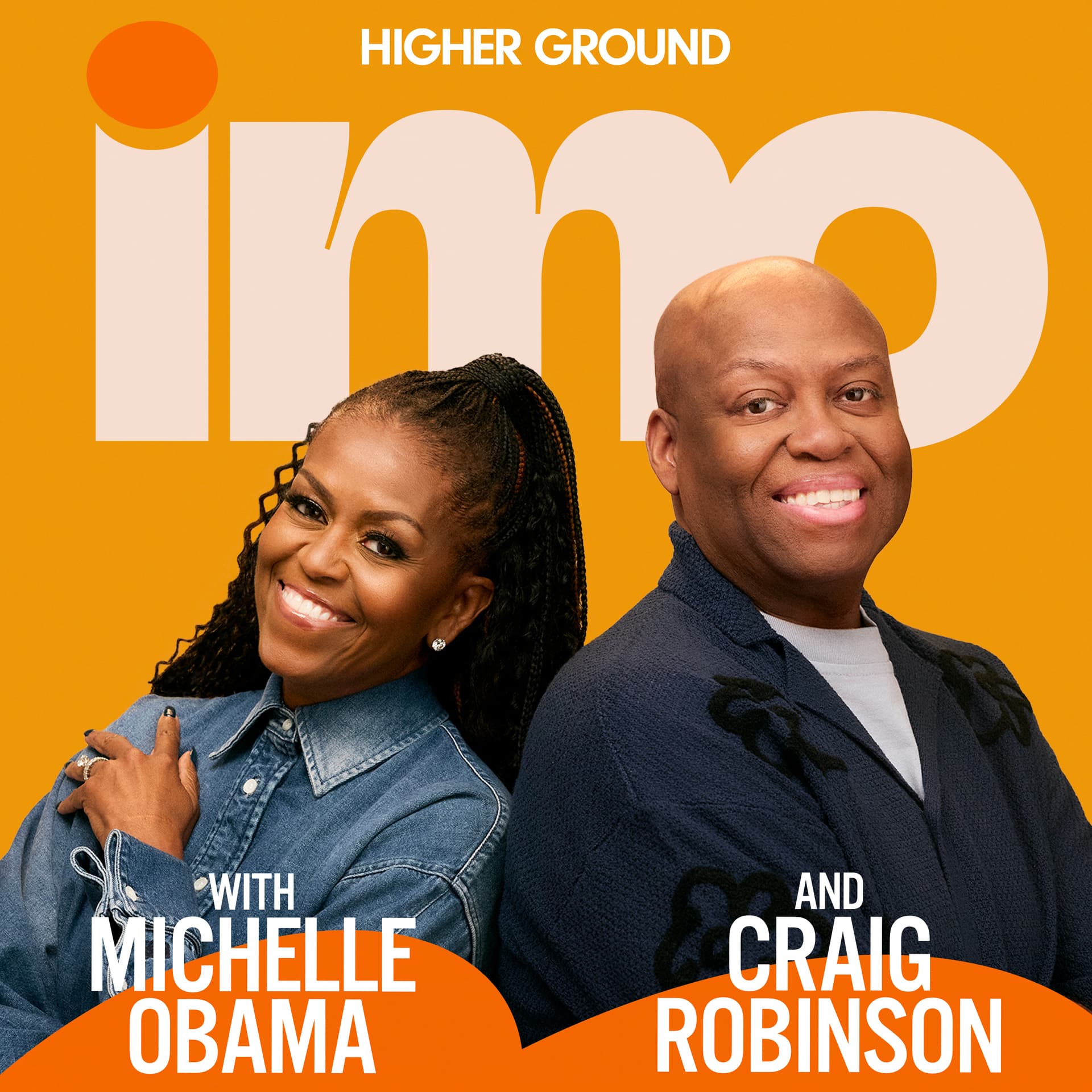
Podcast Notes: IMO with Michelle Obama and Craig Robinson
Episode Title
What Every Woman Should Know About Menopause with Dr. Sharon Malone
Episode Overview In this episode, Michelle Obama and her brother Craig Robinson welcome Dr. Sharon Malone, a nationally recognized OBGYN, back to the show. The conversation focuses on menopause, its implications for women, and the importance of open, informed discussions about women's health.
Key Themes and Discussions
Introduction
- Setting: Michelle and Craig share insights from Martha's Vineyard, setting a relaxed tone for the episode.
- Photography Session: Michelle discusses booking a photoshoot, showcasing the amenities of Airbnb and emphasizing the importance of capturing personal moments.
Michelle’s Upcoming Book
- Book Announcement: Michelle shares details about her forthcoming book titled "The Look," which focuses on her fashion evolution and includes essays alongside visuals.
- Themes: It explores the intersection of fashion, identity, and the experiences of women, particularly women of color.
Guest Introduction
Dr. Sharon Malone
- Background: Dr. Malone is introduced as a friend of Michelle and a highly respected figure in women's health with a focus on menopause.
- Friendship and Support: The dynamic between Michelle and Dr. Malone is highlighted, emphasizing their personal bond and mutual support.
Key Discussion Points on Menopause
- Understanding Menopause: Dr. Malone shares key facts about menopause, noting that it affects every aspect of a woman's life—physical, emotional, and psychological.
- Communicating Symptoms: Women are encouraged to communicate their symptoms effectively to their healthcare providers, as this can often prevent misdiagnosis or mismanagement of their conditions.
Personal Stories
- Dr. Malone's Background: She recounts her upbringing in Mobile, Alabama, her experiences as the youngest of eight children, and how her childhood shaped her resilience.
- Community and Support: Both Michelle and Dr. Malone discuss the importance of community support, especially for women navigating health challenges.
Navigating Life Transitions
- Embracing Change: The conversation emphasizes that transitions should be viewed positively, framing menopause as an opportunity for growth rather than a burden.
- Self-Advocacy: Dr. Malone stresses the importance of women advocating for their health and being proactive about their treatment options.
Hormone Replacement Therapy (HRT)
- Effective Treatment: Dr. Malone highlights that HRT is the most effective treatment for menopause symptoms and dispels myths around its safety and efficacy.
- Guidance on Usage: She clarifies that women can use hormone therapy long-term unless certain health contraindications arise.
Audience Questions
- Listener Engagement: A question from a listener named Kaz in Australia prompts a discussion on managing emotional and psychological changes during menopause.
- Advice for Partners: Craig reflects on how he can better support his wife during her health transitions, emphasizing the need for understanding and shared attendance at medical appointments.
Conclusion
- Final Thoughts: The episode wraps up with a reaffirmation of the importance of open discussions about menopause, the benefits of HRT, and the value of community and support in navigating this life stage.
- Dr. Malone's New Podcast: The introduction of Dr. Malone's podcast, "The Second Opinion," is promoted as a resource for further exploration of women's health issues.
Key Takeaways
- Menopause is a natural transition that requires awareness and proactive management.
- Open communication about symptoms is crucial for effective treatment.
- Hormone Replacement Therapy (HRT) can significantly improve quality of life during menopause.
- Community and support networks play a vital role in navigating health challenges.
Additional Resources
- Dr. Sharon Malone's Podcast: "The Second Opinion" - a platform for discussing women's health issues.
- Michelle Obama's Upcoming Book: "The Look," available for pre-order.
Join the conversation and explore more about women's health at [IMO Podcast](http://imopod.com).
Written by AI. May contain mistakes. Listen to the episode to check what was said.
Transcript
Automatic transcript. May contain errors.0:00This could have been an uncomfortable discussion for a guy. It absolutely was not. It was the opposite. I felt safe and informed and educated. Did you feel safe? That's what... Oh, let's hold his hand. He felt safe. You see, this is... You were safe, too.
0:21This episode is brought to you by Rivian and Alloy Women's Health. Hey, you. Hi, Craig. It's Michelle Obama in her favorite place. In Martha's Vineyard, in this beautiful barn in Chilmark on the vineyard. I like Chilmark. Yeah, it's... That's the perfect name for it, Chill. It's Chill, Mark. It is. I'm sure there's a deeper meaning to the name of the town. But yeah, one of my happy places. How you been? I've been good. Do you know what I did this trip? I'm so proud of myself. What'd you do? I got some pictures of myself taken all around the vineyard. Oh, fancy pants. Down by the port. In Edgar Town?
1:04In Edgar Town and where you could see the lighthouse. By Harborview? By the Harborview. Yeah, yeah. And you know how I booked it? How? On Airbnb. Oh, okay. You can book services and experiences. Oh, wait, wait, wait. You booked a photo shoot? I booked my own photo shoot. Oh, wow. Yeah, well, I didn't book it. Yeah, yeah, yeah. My secretary booked it. So that's a part of the special amenities, the new approach to Airbnb. the experience. You can get different kinds of services. You can get a chef. You can get a tour guide. And you can get a photographer. So I got a photographer. Well, that's very cool.
1:46I'll send you some shots. I know this generation, which likes to photograph themselves everywhere, their food, that's a great idea. Yeah. So did you, I can't wait to see the photos. We got to post them up on IMO. I'm going to send them to you. I'm going to send them to you. We're going to have them on social media. Were you cute? Of course I was cute. All right. Well, wonderful. Wonderful. And I, a little birdie, as dad would say, a little birdie told me, you have another book coming out? How come I didn't know about this? I do. You did know. You probably weren't paying attention. That could be true.
2:21But we announced in the summer that my third book is coming out. And I'm really excited about this book because it's called The Look. and it's all about my fashion evolution, something that I never talked about as first lady because I didn't want to be limited to what I look like or what I wore, but that was definitely an important part of my journey. So the book is structured like a coffee table book, but it's beautiful photos, but a lot of wonderful essays. The foreword is written by Farrah Griffin, who is a professor of sociology, dean of everything at Columbia. I co-wrote it with Meredith Koop, who's my stylist.
3:09Yes, I know Meredith. And we also have her story in there. We have my whole, what I call my trifecta story, makeup, hair, all the team that worked on those. You hear from them, you hear about the journey behind all that went into waking up every morning and being the first lady. And so it's coming out in November. And we are going to have a special IMO podcast on the look, a limited IMO series that will go deep into some of those stories. Wow. So the secrets will be out. the secrets will be out. And it's fun. It's beautiful. It's insightful because it's not just about fashion. It's about how we show up in the world, what it takes, how we're, the lens with which we oftentimes as women are struggling to break free of as we're doing substantive things in the world.
4:08Talks about hair, the black girl hair experience, all of that. All the things that I never talked about, I do it in this book. And we will be doing it on the podcast. So our listeners know you can pre-order The Look. It is available wherever you get books. I can't wait. Our first little teaser on something, but we got some more teasers. Yes. Because our guest today is the first returning guest that we've had here on IMMO. She was such a hit all across the land. And people had so many health questions, we thought we'd bring her back. Yes. We are talking about Dr. Sharon Malone. Craig, you can run down our bio.
4:54Yeah. Yeah. Well, of course. Dr. Malone is a nationally recognized OBGYN with over 30 years of experience and now a New York Times bestseller. Yes, indeed. Her book, Grown Woman Talk, and she has also been a longtime advocate for practical information on women's health and aging. She is now also the host of her own podcast, From Higher Ground, The Second Opinion. Please welcome our dear friend, Sharon Malone. Subject matter expert extraordinaire. Sharon. Hi, sweetie. How are you? Good to see you. Good to see you. Good to see you. Welcome back to the IMO table. And you get in there. Back by popular demand.
5:47I can get in there. As they say. I mean, folks just love, love you on the first episode that you were here because you are fabulous. You are killing it on the book front. And it's not just the information in the book. It's the information provider. Sharon, I think everybody here knows that you have been one of my best friends, one of the happy places in my life for a long, long time. And I just want to take some time for people to really get to know Sharon, You know, not Dr. Malone, the Sharon that I know, because one of the reasons I think your book has been so popular is that it shows your voice through and through.
6:40You know, you are not just a substantive expert in the field, but you are funny as all get out. Your music taste is sublime and your voice just rings true. Were you always a comedian? You know, I'm a survivor. And let me just say, when you're the youngest of eight children, you have to learn how to bob and weave. It's like you can't beat anybody. So you better figure out a way to disarm them. And you're the youngest by a long way. I'm the youngest by a lot. You were the oops baby. Exactly. Now, those are your words. That is correct because I have to own that. But the age span between the oldest and the youngest in my family is 23 years.
7:25Wow. So my oldest brother was married when I was born. Got it. And then there's seven years between me and the next sibling. So, you know, I had my way with no one. So, you know, you just learn how to, you know, disarm people, perhaps with a little humor so they won't beat you up. Because that's the key in life is just when you're growing up, you just don't want to get beat up. Exactly. Exactly. And back in the day when I was growing up, they really would beat you up. It wasn't like they would just drink. Yeah. Back in the day, folks still fought. Yes, they did. I remember you were telling me about your early school years and how you were, you told me the story about how you were always the smart kid and you would do everybody else's homework.
8:13Tell me, tell them about that. See, your survival skills. I'm telling you, you know, not only was I the youngest in my family, but I used to be a skinny little girl. You know, so again, I couldn't control anybody at home and I couldn't control anybody at school either. So, you know, I'd be sitting there and it's like, Sharon. And I'd say, oh, yes, you'd like to see my homework? No problem. I didn't give you the math homework, do that. But, you know, hey, you got to do what you got to do, right? I didn't get beat up. So both of you all have kept this really tight circle of friends, not just here on Martha's Vineyard, but throughout your lives.
8:52And can you talk a little bit about what community has meant to you and how it's helped you over the years in your practice? Community is everything. And, you know, I also had the unfortunate experience of losing my mother when I was 12 years old. So I moved a lot. Okay. You know, so when my mother died, I moved to Atlanta and I was, you know, new family living with my older sister. I went to a new school in a new state. And you have to figure, you have to find it because I wasn't, I never moved with my family. You know, it was always just me. And I lived in Atlanta for two years and I lived in Dallas for a year.
9:35Another year I came back to Mobile. And every place I went to just to combat the loneliness that you feel and particularly loneliness in the face of loss, you know, I found people. And I found people at school or people at church that could really help fill up some of that empty space that I had. Yeah, yeah. How did you become such a survivor? I mean, where do you think you got that from? Because you lost your mother young. Your father was much, he was an older parent by a lot. You were kind of like an only child. I was like an only child. I was, I say I was a free range child because when you live with siblings, even though they're older than you, that's not the relationship that we had had.
10:22This is, you know, my sister, you know, and the happiest thing you could say when someone would tell you, you're not my mother, you're not my father. And you whip that out a lot. I would whip it out occasionally, yeah. I was kind of a pain, but I really, I don't know where it comes from, But I do know this, that sense of resilience and the sense of feeling as if I may be down, but I'm not out. I think I got that from my mother because as difficult as things were for me, my mother also lost her mother when she was only 14. And she was the one who was really in charge of taking care of her younger siblings.
11:08So, you know, relatively speaking, you know, my life was way easier than her life, even though they both were difficult in, you know, in different ways. But my mom was really pretty an amazing woman. And I'm glad that at least I got to know her for 12 years. And, you know, and some people don't get that. And I, she was amazing and strong and smart. But here's the thing, smart people, but they were smart at the wrong time. Yeah. You know what I mean? They didn't have the opportunity to show how smart they were. But, you know, I saw it. I still feel it. And I still, you know, every time I think of her and even my older sister, I still hear her voice in my head.
11:53And that's, she's been gone over 50 years. Yeah. At what age did you say, all right, I think I want to be a doctor? Or did that not come till later on? Because I think all of us wanted to be a doctor at some point. We just didn't have the brain power. We didn't have the 40 to stick it out. We learned early on. It's like, ooh, math. There's math in being a doctor? Well, count me out. You know what's funny is that the thought occurred to me when I was probably in third grade. And third grade was the first time that I had ever heard anybody's parent who was a doctor. You know, my parents were working class people, as were most of the people in our neighborhood.
12:36And you grew up in Alabama. Mobile, Alabama. Segregated Mobile, Alabama. But I didn't really know professional people. And so, but the other thing that I talk about a lot in my book is the fact that I didn't grow up having any experience of even interacting with doctors. You know, I was taken care of by Dr. Mom, you know, and my mom knew growing up where she did in the rural South, she knew a lot of remedies, home remedies. And I told you, she was really smart about most things. But there was a point at which, you know, your skill set, you know, is exceeded. And that is unfortunately why my mother lost her life.
13:18But I say that to say, I was like, wow, there's a black kid in my class and his dad is a doctor. And it's about knowing, you know, just see what you can see. That was the biggest thing I could think of to be was a doctor. And that idea got in my head. And when you're a smart kid and you can do math and science, it just kind of got a life of its own. Oh, Sharon's going to be a doctor. Sharon's going to be a doctor. And here I am. Did you feel like you had the same challenges that girls today have being taken seriously in math and science? Or did you feel like there are a lot of girls who just don't go into the field because they don't think they have math brains or they're the only ones in the advanced math class?
14:07What was that like for you as a young black girl growing up in Mobile, being a STEM kid, essentially? You know what's funny is I think that, you know, everything leads to something else. And being the youngest of eight kids and growing up in the deep South and segregation, I started first grade in 1965. Okay. My sister had just graduated from the University of Alabama. She integrated the University of Alabama in 1963. So everyone in my family, for generations and generations, no one had ever been to an integrated school until Vivian integrated the University of Alabama, but she was 20 years old.
14:48There was a Catholic school that was across the street from my house. It was literally, I could throw a rock and hit the playground. And that school had always been white. And in 1965, I think my mother felt emboldened. And so she was like, well, if Vivian can go to the University of Alabama, you can go to school across the street. So I went to that Catholic school for two years and there was a nun there. And her name was Sister Miriam Regina. And bless her heart, she let me be smart. You know, even though I was only one of two little black kids in class, she affirmed the fact that I was smart.
15:26She would say, you know, she would say, Sharon, you take the reading group and go in the back, that kind of thing. And so from the very beginning, I never had that feeling that someone was smarter than me. You know, I'm in a class full of white kids and I'm a smart kid here. But I didn't have that gender thing either, because even when I went back to segregated schools, there were boys, there were girls, and everybody was kind of on your own. If you were the smart kid, you were the smart kid. You didn't have to, you know, hide your light. And you really had to love what you do, not just because you're good at it, But I don't know that a lot of people know that you, in the midst of becoming a doctor, being a doctor, starting your own practice, you also had three little kids and a husband, our former Attorney General Eric Holder, who had, as one of the things that bonded us, he had a career that just took you to places that you might not have wanted to go.
16:26but there you have it. And I want people to, you know, just talk about what it was like for you with three, you know, back-to-back children and maintaining a thriving practice and getting to be a doctor.
16:49This segment is brought to you by Alloy Women's Health. At Alloy, everything starts with the science. We're on a mission to make evidence-based menopause care accessible, starting with real doctors who specialize in perimenopause and menopause. You know, I am the chief medical advisor at Alloy Women's Health, and I feel like we're having a full circle moment here because it all started with you. Almost exactly five years ago to the day, you and I did a little podcast on menopause. We sure did. And believe it or not, that podcast led to the founders of Alloy and Fallen Water and Monica Mellonauer, who is in Rotterdam.
17:31They listened to that podcast, heard me and said, wow, we need that woman to be part of Alloy. But it all started with you. And I think that says a lot about the credibility that you have because they figure if she's good enough for Michelle Obama, she must be okay for our company. And I've never looked back since. What wisdom have you gained through your health journey that you wish more women would speak openly about? Sharon, we talk about this all the time. I just want women to own their bodies. I mean, I want us to be more aware of how we feel physically. So many women are taught to ignore our bodies, not to sweat, not to overexert ourselves.
18:22But what I've learned over the years is that knowing my body and understanding my healthy baseline, knowing what my body is supposed to feel like when everything works, helps me know when something's going wrong. So I don't just exercise and eat right and get sleep because I want to look good. I also want to know in my body what health feels like. So I always encourage women to understand that how they feel physically is as important as they look. You know, I always tell my patients that because honestly, no one knows how you feel but you. And being able to communicate that effectively is everything.
19:07Join the 95 % of women who tried Alloy and saw relief in the first two weeks, head to myalloy.com and tell them all about your symptoms and you'll get a fully customized treatment plan. And you'll get$25 off your first order today when you use code IMO25. Head to myalloy.com and enter the code IMO25 to get$25 off your first order.
19:40Well, you know, I am not going to lie. It was really hard. And when I look back on that now, and I say to myself, wait a minute. At some point in my life, I had a newborn, a two-year-old, and a four-year-old. And my husband was doing his thing, you know. But I knew that. And it was just, it's such a blur, you know. And that's why Michelle and I could always relate because I was like, I was mad through all of the 1990s. I didn't come out of the other side of it. I'm like, wait a minute. Oh, y 'all, can you be left alone? Okay. That's when I was like, phew. But it was, it's a lot. So you were mad though.
20:27Oh my God. Are you kidding me? Because this would be, you know, my husband would say, okay, I'm on my way home. I said, okay. and then hours later, children are in bed and then he'd let the garage door up. I'm like, daddy's home. And I'm waking up. Oh, ouch. But you know what? But see, it's all relative. It's all relative. And I always had to say to myself, I was like, okay, Sharon, get a hold, get a grip. I had a lot more resources than my mother had. By the time my mother was my age, I think she had seven children. I only had three. So I was like, you know. Say, I should be able to manage this.
21:11I should be able to manage that. And she didn't even have disposable diapers. So surely I did. Surely. So. But you were on call too. I was. Because you were delivering babies. I was. And with babies. I was. And had to be up for 24, 48 hour shifts. Yeah. You know what? You know what that led to? right so when I've got all these little children and I have two girls and I have a boy and the day before my 40th birthday that was the day of the big chop okay one day I had a ponytail I went to work that morning and I had a ponytail I had a perm and strong straight hair and it was all back in a ponytail and I after work I went to the hairdresser and I came home and I looked like this.
22:02And like, I can't deal with one extra hair. I can't do it. And honestly, I think my husband thought I'd had a nervous breakdown between 8 a.m. and 6 when I got home. And he was like, honey, are you okay? I said, yeah, I'm good. I'm good. Best thing I've ever done. I've not grown it back one time since. And that was 25 years ago. Wow. Yeah. But that's something, you got to do what you got to do. You got to do what you got to do. This is why we are friends. Because we spend all our time talking about, girl, how are we getting through this? Exactly. Exactly. But the way you get through it is really with community, with your friends.
22:41Because on those many times when, you know, my husband couldn't get home or I had to go somewhere, sometimes you just call up your friends and say, girl, I got to run here. Can you come over here and sit with the kids for a while? So that is how I think that even through the most difficult times, we made it through because I had this really wonderful community of girlfriends. I had them then. And you've met a lot of them. They're still around to this day. So that's the beauty. We've met each other's friends. I mean, that's how the friendship circle works, at least with us. I know with a lot of women friend groups, our friends have become friends with one another.
23:19I mean, I know Deedee and Bonnie and your other Michelle, your other Michelle. And, you know, all those characters play, you know, they live vividly in my head because they've been such an important part of your life. That's exactly right. And we know each other's stories, you know, and it's nice to see those characters come to life because, you know, we talk about our friends all the time. So, you know, that's the, I think that's the really wonderful part about being of womanhood is that we do sort of naturally sort of create communities. We have to, we have to. Yeah. And we started, you know, the story goes, we talked about this when you first came, your first visit to IMO.
24:07But one of our bonding experiences were these boot camps that I would hold at Camp David for my old friends and new friends. We did about three times a year. a weekend. We'd go to Camp David. We'd have our trainer there. We'd have all the Marines there. And it was my version of wellness, although I was a little too harsh about it. But you know what? Let me just say this about your sister, okay? She's always ahead of the curve. So now everybody's got a wellness retreat and a wellness weekend. We were doing this 17 years ago, you know, before it was a thing. So that's why I said what she said. Oh, I thought you were going to say that she was a little bit competitive.
24:50And that's why she, we all know that. We know that. When we go on the walks, I'm like, I'm going to just stay back here with the slow group. Bike ride. She's got to be in the front. That's all right. I'm good. I'm secure about that. I'm with you. I'm with you. That's Sharon. Sharon says no to a lot of stuff. She's like, you know what? I'm going to go on a third of that walk and then I'll see you back at the bar. You know? You know what? I'd like to say that I am personally responsible for reinstituting a little wine hour at the end. Because before— Because it was dry. It was dry. And then for the third time, people were like, I don't know if I'm coming if we can't drink at all.
25:35It would have been a one-person boot camp. It would have been like, okay, I'm about to lose all my friends. They would have—let me just say, in the little rooms, you'd have M &Ms. You'd go there, the M &Ms would be gone. Right, because they come on non-boot. All my friends have been to camp, David, outside of the boot camp weekends. So they know what is usually there. You should share with the audience, like, what is it like when it's not boot camp? There's candy everywhere. There's candy everywhere and cookies. It's supposed to be a delightful retreat. There's a little Shangri-La Inn where you can get bar food.
26:11Oh, yeah. Wings. All kinds of things. My friends would be lying and eating a healthy dinner, but then going to Shangri-La and getting some fried food. And I'd be like, this defeats the purpose. But, you know, one of the things I knew about Sharon is like Sharon could hang because we were doing stuff like we were playing dodgeball, you know. I mean, women of all ages. Remember Susan, one of our friends who at the time was in her 70s, and we were competing with dodgeball with her. Oh, no. Tell me you didn't hit her with a dodgeball. She wasn't on my team, and she was always the last person standing because nobody wanted to hit her.
26:50Yeah, you know, we could have, but it would have been wrong. And I'm like, come on, somebody take her out. Just take her out at her knees, you know? Everybody was like, oh. So Susan B standing there, always the last man standing, you know? Yeah, yeah. Relay races. I want to know, Sharon, if you were your own patient, how would you describe yourself as a doctor? Oh, I would be the one in there really asking the questions. And I would be like, are you sure? Because I'm not shy when it comes to that kind of advocacy. Because I always had to advocate for myself because I had no one else to do it for me.
27:33You know, I didn't go to, I didn't, we didn't have, you know, people go to pediatricians appointments for just well children checkup. That wasn't a thing. Never. We went, you got shots at school. Nobody got braces. No, no, no, no. I can tell you what kind of doctor she is. if I had grown up and lived in D.C. and if we didn't have Walter Reed, the Presidential Medical Center, I would be among the many, many patients who are loyal to Dr. Malone throughout the D.C. area. I mean, everybody, she has delivered every child that we know. She has taken care of them through adolescence. and you imagine you birth a child and then you see them through to, if it's a girl, maybe you're talking to them about birth control.
28:32You see some people into their adulthood because not only is Sharon good, but she provides, the confidentiality is real. There is no slippage. I don't know who half your patients are. You never talked about who your patients were, but everybody walked up and said, of all races throughout DC. I've been with Sharon for many years. My wife is with her. My daughters are with her. She is the go-to doctor. And I realized that, started to realize how valuable that was during the bootcamp weekends where we would, after we punished ourselves and ate salad and maybe had a glass of wine, we'd sit around and we just started talking about life and questions.
Read the full transcript
29:19And it often led to what was going on with us, our bodies, as we aged. And Sharon was always there with just clear, practical guidance and advice that she's everybody's second opinion. And maybe that's a good segue to talk about your new show, because that's another reason why we've got you on here is because you've been so popular with our IMO listeners and your book has been so popular that we are bringing you into the IMO family with your own podcast called Second Opinion. Can you talk a bit about your show? You know, first, I want to say thank you for that. But, you know, I wanted to be, I always modeled my professional career over, or I would say around the concept that I'm not the doctor and you're the patient.
30:22That's not how that hierarchical thing. Oh, gotcha. Where doctors sometimes patronize you. Where you got to feel or I have to talk down to you. Because I know what it feels like being on that other side of it. I know what that meant for my mother and family members to not be able to have adequate healthcare, particularly in the segregated South. So I wanted to come to the second opinion with that same attitude. I do hear you and I see you and I understand what you're talking about, but I'm gonna give you some advice in a way that you can understand it. And you know this, there's not a time when I'm out somewhere and someone who I just met will start, they'll say, oh, you're a doctor?
31:08And then they'll start asking me the questions that they should have asked their doctor, but they don't have time to. And that's why I want the second opinion to be that show. I want it to be approachable. I want people, I want to talk about the things that people really have questions about that you don't have time to talk about in your doctor's office. Or that you, for whatever reason, may have been too intimidated or felt as if, no, that's a stupid question. There is no stupid question. Or may not even been trained to ask the questions. Sometimes you don't even know what the possibilities are.
31:44And there's an intimidation factor. I mean, especially when it comes to women and people of color. We don't know that we're supposed to question authority. We're not socialized to feel that way. So you have always been a safe space for all of our friends, our community. Sometimes you just need the reassurance that there's somebody who loves you, who cares about you and sees you, who is pointing you in the right direction. And that's been the history of just women's interaction with doctors. I mean, we've not been believed. We've not been seen. You're being hysterical. And when you're talking about Black women, then there is also this incredibly ingrained bias.
32:36We think that Black women, oh, well, you're just being extra or you can take it. And we know this because we have data that says that Black women are constantly, are consistently under-medicated for pain, not believed, under-treated for conditions that they actually do have. I mean, and there's a lot of robust data about that. And so what I want to do, and I'm going to be completely clear. I don't know everything. That's why the show is called The Second Opinion, because there are going to be things that I don't know. I may not know the answer, but I know who to call. And I also know the questions to give you, such that when you see your doctor, you know the right questions to ask.
33:24But you're right, Craig. Sometimes you don't even know what the universe is. You just take that as, oh, well, I guess that's what my doctor said. But is that the right thing for you? That's the mindset I want people to have. And in this world of social media where people are way too reliant on their own search engines to answer deep medical. I mean, but I think that's just the, it's a reflection of how intimidating the medical process is. I mean, people would rather go online and feel what they mislabel as independence. You know, it's like, or, you know, a lot of people don't even have access.
34:07They don't have doctors to call. So especially this generation of young people who are going on WebMD and they're looking up symptoms and they're self-diagnosing. or they're seeking out their own medication and all of that, that has become a growing sort of practice among a whole generation of people, which I find completely dangerous. Can you talk a bit about that?
34:41Hey, everybody. Craig Robinson here. And you guys have heard me talk a lot about how much I love staying in Airbnbs. Well, our family is planning a trip out to the West Coast to visit our daughter. And we were thinking, man, it's going to be hard to roll up in her two-bedroom apartment with six people. So we decided to get an Airbnb where we could all hang out comfortably. We'll have more bedrooms. We don't have to fight over bathrooms. There'll be a kitchen. We can cook out if we want. So my wife, Kelly, found the perfect place for us using Airbnb's guest favorites. We're staying close to my daughter's place, which means we can spend more time with her and easily get out into the city.
35:25We get a chance to tour LA, take her to her favorite restaurant, drop by Universal, let the kids play around for a day. Or we could go by Griffith Observatory, which is the place I've always wanted to see. If you're starting to think about your next trip, check out Airbnb's guest favorites. Guest favorites are the most loved homes on Airbnb by other guests. This episode of IMO is brought to you in part by Acorns. Back when I was coaching basketball, I saw firsthand how powerful consistency can be. With Acorns, it's the same play. Show up, stay steady, and let time do the rest. Acorns is a financial wellness app that makes it easy to start saving and investing for your future.
36:11You don't need to be rich. Acorns lets you get started with the spare money you've got right now, even if all you've got is spare change. You don't need to be an expert. Acorns recommends a diversified portfolio that can help you weather all the market's ups and downs. You just need to stick with it, and Acorns makes that easy. Acorns automatically invest your money, giving it a chance to grow with time. This reminds me of the consistent steps it took for me to go from a player into the business world and back into coaching. Sign up now and join over 14 million all-time customers who have already saved and invested over$25 billion with Acorns.
36:55Plus, Acorns will boost your new account with a$20 bonus investment. Offer only available at acorns.com slash IMO. That's A-C-O-R-N-S dot com slash IMO to get your$20 bonus investment today. From Acorns, Mighty Oaks do grow. Investing doesn't have to be complicated. Acorns makes it easy to invest for your future, plan for tomorrow, and spend smarter today. Paid non-client endorsement compensation provides incentive to positively promote Acorns. Investing involves risk. Acorns Advisors, LLC, and SEC Registered Investment Advisor. View important disclosures at acorns.com slash IMO. This episode of IMO is brought to you by Cologuard, a non-invasive colon cancer screening test.
37:47Currently, the American Cancer Society recommends that if you are at average risk, you should begin screening for colon cancer at age 45. There are an estimated 60 million adults age 45 plus in America who are not up to date with their colon cancer screening. So we need to change that by spreading the word about another option. The Cologuard test can help you put your health first and feel more in control of your colon cancer screening process. This easy to use screening test is delivered right to your door and allows you to collect the sample comfortably at home. on your own schedule. The sample is shipped back to the lab for testing and results are available within eight to 10 days.
38:33It's simple, but the best part about the Cologuard test is that it allows you to start screening for colon cancer without all the hassle of preparing for a colonoscopy. So you don't have to prep the day before. And by prep, you know I mean fasting and drinking all that liquid. You get to skip the stress of having to request off work, go under anesthesia, get a ride home, and all the other hassles that come with an invasive procedure. And in addition to its convenience, Colaguard is also affordable. Most insured patients find they pay nothing out of pocket. With zero downtime, no special preparation, and a screening test that's delivered right to your door, let's start prioritizing our health.
39:22So, if you're 45 or older and at average risk, ask your healthcare provider about screening for colon cancer with the Cologuard test. You can also request a Cologuard prescription today at Cologuard.com slash podcast. The Cologuard test is intended to screen adults 45 and older at average risk for colorectal cancer. Do not use a Cologuard test if you have had adenomas, have inflammatory bowel disease and certain hereditary syndromes, or a personal or family history of colorectal cancer. The Cologuard test is not a replacement for a colonoscopy in high-risk patients. Cologuard test performance in adults ages 45 to 49 is estimated based on a large clinical study of patients 50 and older.
40:15False positives and false negatives can occur. Cologuard is available by prescription only.
40:26You know what? I think that the explosion of social media, particularly when it comes to medical issues. I mean, there's a lot of good that has come from it because we've raised the awareness of a lot of issues, particularly when it comes to menopause and perimenopause. And I think that the conversation that you and I had five years ago really sort of opened the floodgates because you were one of the first people who said the word menopause, oh yeah, and I'm in it. And now it's a conversation that has been, you know, that is never ending. So that's good. That's great. It's really neat because as a husband and a father and a son, because the first time I heard about menopause was from my mom, and she was just talking about hot flashes.
41:18So she wasn't like— I don't even remember her ever talking about hot flashes. She would say it to me when she was having one, and she's like, oh, I'm having a hot flash. And I was like, I knew what a hot flash was. And I knew what it indicated, I should say. I didn't know what it was. I knew what it indicated. And so there are many men who can't even support the women in their lives because we have no idea what's going on. And so I'm so happy that we're talking about this from a man standpoint, because not only do we not know what's going on, we're not like women. Like Kelly goes to all of my appointments.
42:02I never go to her appointments. And I'm sure you don't see too many husbands coming in for their wives' OB-GYN appointment. Only when they're pregnant. Right. You know, because that's like whatever's going on with you is only important when you are carrying another human being. It's like I have a stake in the baby, but not in the woman carrying it. So you go on along to your pap smear. So I want to be prepared so as Kelly moves into this stage, I can be at least educated and be a little bit more supportive than— Right. And then be a role model for other dudes out there. Because it's a lot. It sounds like a lot.
42:45It's a lot. But you know, what menopause is, is that if men understood the things that women endure from the moment we hit puberty to straight through menopause, there is this normalization of women's suffering that we take on as well. Because we think we're supposed to suffer. Well, that's what being, oh, I'm supposed to have cramps. Oh, I'm supposed to have this. I'm supposed to. And so a lot of times we, because we don't know where to go and who to ask for help. And if you think that's normal, what really disturbs me is seeing how long women have suffered. And menopause is just the last of the suffering episodes that they have had to endure.
43:39And so when you get to menopause, if you understood that menopause is not just about a hot flash, menopause affects every organ system in a woman's body. So that's why a lot of the stuff, the irritability, the mood swings, the brain fog, the crying jacks, depression, anxiety, it's affecting your brain. It's not, you know, when people say, oh, it's just in your head. Yeah, of course, everything is in your head. You know, that's where everything registers, but it is having real life effects on your skin, your hair, your sexuality, how you move around in the world, your confidence. Imagine if men experienced any of that.
44:21There would be a pill, a rub, a spray, and surgery already discovered and being implemented. But the sad thing is that we do know how to treat menopause. We do, but unfortunately, it's like it's been a secret. And this generation of women really has been left out of the conversation and thinking that they, because it's dangerous or maybe it's going to give me cancer, that hormone therapy, which is the most effective treatment. That's why I will get in people's business because if I see people out there and they're fanning or they got a little electric fan, I'm like, I'll go, hey, you know we have something for that.
45:00Please don't just sit there because it goes on for years. It's not like labor where you go, well, this baby's coming out of there at some point. No, this is for years and for some women, a decade or more of not feeling your best self when this solution is at hand for most women. Yeah. But we don't know. Explain to Craig and the listeners once again, what has been the rub against women using hormone replacement therapy? Yeah. Yeah. You know, hormone therapy has been around since 1942. So it's not like we just discovered what the treatment is. You know, it's a hormonal issue that is dealt with by giving women hormones, okay?
45:45Estrogen primarily. And we've been doing that. But, you know, again, for women of color and for people who don't have doctors to see, you know, again, you're least likely to have gotten that in 1955 because, again, you didn't know and you don't have a doctor. So there's that. But the big shift happened in 2002. And there was a study that came out called the Women's Health Initiative, which really put the fear of God in women because we knew it was effective for treatment, for the symptoms that everybody knew. But when it raised the issue that hormone therapy slightly increases the risk of breast cancer, then it was game, set, and match.
46:28Women threw away their hormones. No matter how great they felt on them, they stopped taking them. And doctors recommended that they stop. Absolutely. And then so imagine for 23 years, we've had the solution right at hand and no one would take it for fear of breast cancer. And that's not true. And the data doesn't back that up. No, it wasn't true then. It's not true now. And that the benefits outweigh the risk. But we have to undo all of that negative thinking. Because women fear breast cancer more than they fear a heart attack. Because breast cancer strikes at something that's very personal. I can see it.
47:12So that's been my mission, is really to try to get out there and to get women to understand. Suffering is a choice. don't choose it. Why would you? And let me just say, I don't choose it. I started to feel the symptoms of menopause. It was sometime during the first term. And it comes like you wake up one day and you're having hot flashes. And at what age range was this? I had to have been in my late 40s, right? Mid 40s, but here's the thing. When menopause happens, it's very different. It varies from woman to woman. It depends on your history, your gene structure. Some people go into menopause in their 30s.
48:01Some people may not feel any symptoms, right? And that's maybe confusing to husbands, right? Because you think, well, this should be happening equally to everybody and it doesn't. So for me, I was in my late 40s, at least when I started having hot flashes, but I knew that that probably meant I was perimenopausal. I could have been perimenopausal for 10 years before that, right? But it was like I woke up one day and started having these bouts of severe heat and flash and sweating, it was like, what happened today? I woke up and it was different like that. So I was like, okay, I knew enough to know, okay, I'm starting to have the hot flashes, right?
48:54And I thought probably like a lot of women, let me see if I could handle this, the suffering thing. Let me see if I can get through this. Why? I don't know. Probably I didn't think to just call the doctor right then and there. It started it. Let's go. But I said, well, I've got time. Let me just sit this one out. And I went on a couple of trips. I'm the first lady, right? I've got speeches and I'm on planes and I'm changing clothes. I got my hair done. It was one trip. I think I had about 40 hot flashes. And I was like, I can't live like this. I can't get off this plane soaking wet. I can't factor in the time to change clothes and redo my hair in between a day of speeches, right?
49:40I just, it wouldn't be a good look. People would be like, what's wrong with her? She must be lying. She's sweating, you know? And you're literally sweating. I think there are a lot of us out here, men who hear hot flash, but we don't know what it means. We don't know that you're dripping. You're drenched in sweat. If you've ever had a night sweat, have you ever had a night sweat? No, but I've had sweating from working out. So I know where sweating a lot is. It's different. Yeah. Sweating from working out, there's exertion that leads to your body heating up. And you can feel it coming. And there's a connection.
50:15No. You are sitting here like this. And from within, like a furnace is lit in you. Like a hot, hot furnace. Right? Like your organs are just hot coals. Right? Your stomach, your liver, your heart. It's just... Think of that. I'm not laughing at your pain and suffering. And it comes like that. It's not painful, but it's just hot, right? Yeah. And then from inside, it's like you burst with water. Water just drips. Dripping. Yeah. Your clothes are soaking wet. You have to change your clothes. Right. Right. And you know what, Craig? That's a hot flash. And imagine for women, and this is happening, you know, peak career time.
51:02Yeah. You know, you're in your 40s, you know, you're in a board meeting or you're getting off Marine One. And, you know, and all of a sudden you just break out into a sweat and you never know when it's coming. It's totally unpredictable. And one of the things, the other symptoms that women really find very distressing is the brain fog. Like you're sitting there and then all of a sudden, out of your head, you just completely lose your train of thought. And for professional women, that's a problem. And it undermines your confidence, your ability to do your job. So I say this, and I don't say this lightly, hot flashes are really important because not only are they just uncomfortable in the short time, but they are harbingers of other things to come.
51:54And women who have a lot of untreated hot flashes are more likely to have disrupted sleep. They're more likely to be hypertensive. They're more likely to develop bad habits because again, if you're not sleeping, what are you going to do the next day to compensate? You're going to eat more. You're going to exercise less. All of these things independently and collectively increase your risk for cardiovascular disease. So that's why I say when I see a woman having hot flashes, I do want her to know that, no, this isn't something to say, oh, don't worry, dear, it'll be over in 10 years or so. But then the damage is done.
52:31So what are your thoughts on the notion that perimenopause is underdiagnosed? Oh, that is, you know, at least for menopause, you kind of have an idea. Okay, it's done and I'm not having my periods anymore. But the reason why perimenopause is so underdiagnosed is because it wasn't really recognized as a thing. You can have all those symptoms that we were just talking about and still get in your period. And your hormones would be normal if you went to the doctor and said, oh, can you check my hormones and hormones are normal? And then you walk out and go, oh, well, I guess it's just me. I'll have to wait.
53:12It might be eight, nine years before your period stops. So what are you supposed to do? Just be miserable for eight or nine years? No, you can treat when you're symptomatic. And I think that, again, we have a generation of doctors that doesn't really recognize and understand that you can treat when you're symptomatic. But there's not going to be one blood test that's going to confirm it for you. You are in perimenopause when you are having symptoms, and nobody knows that but you. And then you have to communicate those to your doctor. Exactly. Exactly. Well, that's why we have to talk about the symptoms, right?
53:48Because a lot of women aren't even taught to be aware of what's happening with our bodies, right? A lot of women don't want to sweat, period, because they don't want to move. We're more worried about getting our hair messed up and keeping the blow dry in or not messing up the perm. That becomes more of a motivator. So if we're not like— Messing your hair is messed up. That's the important thing. That becomes— That may be a driver because if you're sweating so much, you just got to blow out and then you get a hot flash. Well, that might be the motivator for more women than worrying about having a heart attack.
54:26So what can we do men as husbands to support our women earlier, later, whenever it's needed? help us under, help us cavemen know how we can help. No, but I think that having a little grace and really understanding that what she's going through is difficult. Yeah. You know, it's uncomfortable. It is. Sometimes that irritability, that little extra snappiness that happens, it's because, you know, that's because everything is affecting your brain. It really is. And sometimes you have to, even when they may not recognize it themselves, sometimes you might have to say, you know, honey, you look like you're having a bad day.
55:15You know, why don't you go sit down? I got this, whatever it is you need to get, be it the kids, be it the dishes, whatever. But giving them a little grace and say, if she's yelling at you or she has broken out into a rage, because that's another sign. That's another symptom. That's probably why I was mad for a decade. Perimenopausal. Rage. Just rage. And you can sometimes feel yourself and say, now I know I shouldn't be that mad. Yeah. But what men need to understand is that don't get mad at her for being mad at you. Understand that she's going through something. Yeah. Oh, see, and now you just lost a bunch of men right there.
55:57It's like, what do you mean? Now, we haven't lost them. You're about to lose them. I'm getting on them before you give them a chance. I was just watching your face. Did you see his face when he said that? He was just like, well, that now. Would you let a brother soak in the information? Tell me, what did you soak in? Let me see your reaction. This is just a typical relationship issue. If you happen to have a response to some information that could possibly be read in a couple different ways, it's like, ah, there you lost me. Well, I'm just asking, what was your response? What was your reaction?
56:29My response was, it is, to me, For younger men, they won't know regular behavior from perimenopausal behavior because sometimes you all get mad at us. Anyway, so I'm thinking in my mind how I can communicate. How many people here went, ooh, I see a lot of men go, ooh. All the men are smiling because they're like, he's doing it for us. And all I'm saying is I'm trying to help get the message out to everybody that that's a great point. Because sometimes folks get mad at you because they're mad at you and you did something and they're mad at you. But sometimes folks get mad at you because they're going through something.
57:16And we have to get better at being able to discern that or at least saying, are you mad at me or are you not feeling well or something like that? You got to put it into some communicative way. Like you say, to give them more grace. It's just not something that you learn in the locker room or on the basketball court. You don't learn that. And you will not find it there. You come to IMO to get some grace yourself. Mm-hmm.
57:51This episode of IMO is brought to you by Progressive Insurance, who help people move forward and live fully. Owning a home can be one of the most powerful ways to build financial security. But for many, especially first-generation buyers, it can feel out of reach. That's why I appreciate what Progressive is doing. In 2024, they contributed over$7 million to help individuals and families break the cycle of renting by providing support, offering educational resources, and developing tools to build long -term financial stability through home ownership. Their work goes beyond just insurance. They're opening doors.
58:36Through their newly created up payment program, Progressive is helping first generation home buyers move closer to the dream of home ownership by offering eligible applicants a chance to receive a down payment assistance grant. You know, owning a home for me made me feel grounded and also set me up for the future. And as a coach, when your life is dependent on wins and losses, it's really important to have the comfort of a really nice home to come home to, especially for your family. Home ownership is one of the biggest investments you'll ever make, and Progressive wants to help more people take that life-changing step.
59:18Learn more today at Progressive.com slash OpenTheHouse. You may remember me talking about this sponsor last month. That sponsor is Helix Mattress. Let me tell you, sleep used to be a struggle for me. I'd toss and turn, wake up groggy, and rely way too much on coffee to get me through the day. And I know I'm not alone. So many of us are trying supplements, gadgets, or meditation apps to fix our sleep. But the real game changer, the foundation of it all is the mattress you're actually sleeping on. When I switched to Helix, it was like night and day, literally. I took their two-minute quiz, and it matched me with the perfect mattress for the way I sleep.
1:00:07I ended up with the twilight, and I cannot overstate how much better I feel. Now I wake up rested. My mornings aren't such a battle, and I have the energy to dive into my day, keep up with work, and of course, keep showing up here on the mic with you folks. Sleep impacts everything, your mood, your focus, your health. And for me, investing in a Helix mattress has been one of the best things I've done for myself in a long time. If you don't trust me, you should trust the experts like Good Housekeeping and Forbes who have done the research for you. And our listeners can get 25 % off site-wide by going to helixsleep.com slash IMO.
1:00:52That's helixsleep.com slash IMO for 25 % off site-wide. And make sure you enter our show name after checkout so they know we sent you. helixsleep.com slash IMO. This episode of IMO is brought to you in part by understood.org. If you're a parent of a child with ADHD, dyslexia, or any learning difference, and especially if you're navigating special education as a parent of color, you know it can feel like a maze. There's a podcast from understood.org called Opportunity Gap that's here to help. It's hosted by Julian Saavedra. And in every episode, he talks with special ed teachers, child psychologists, and other experts.
1:01:43They break down things like how to navigate the IEP process, what accommodations your child is entitled to, and how to build a strong relationship with your child's teachers. You know, I checked out the opportunity gap myself, and what stood out to me was how practical and empowering it is. It's a resource that really meets families where they are. It also provides tools to help families build confidence in navigating the challenges of children who learn differently. To listen, just search Opportunity Gap in your podcast app. That's Opportunity Gap.
1:02:27Well, you know, I'm going to give you a little easy way to think about it. Okay. If you come in and your wife is like on you and whatever. And mind you, we are not talking about Kelly because she might be going through something, but I'm not aware of it. No, let me say this. I think the first question that comes in your mind when someone in there is like on you, the first question you need to ask is, what did I do? Ask yourself, sometimes you did something. You know what I mean? Sometimes you did something. You know that we as men know when we have done something. But when you can honestly say, I didn't do anything, then you have to at least put that in the differential, saying perhaps this is something she's having a bad day.
1:03:15But go further than that. Don't just give her some grace and go let her lay down and take a nap. Say, honey, maybe you need to see somebody. You know, go see your doctor because this seems a little out of character. How about let's go? Yeah. That's even better. That's even better. That's even better. To make her know that, again, we have options, we have treatment, and you don't have to sit there and just endure it. And it will make everybody's life better. Your life better, children's life better, her life better. You know, and here's something that I think the most surprising statistic for me was that two-thirds of all people in this country with Alzheimer's are women.
1:04:03Two-thirds. And it's not because we live longer. So that's not it. But it is clearly something about how women's brains are affected. And it starts happening at menopause. And again, you say, no one ever said, hmm, wonder why that is. We are just now getting to the point where we're starting to ask that question. And I think if there's anything that I want our listeners and viewers to know is that for what we do know right now is that for women who have an early menopause, which means menopause before age 45, or a premature menopause, which means you're menopausal before age 40, those women are more likely to develop Alzheimer's.
1:04:53So you got to say, well, hmm. And so the current recommendation is that though, if you have an early or premature menopause, those women not can, but should take estrogen therapy and hormone and progestin therapy to protect their brains. And we got to do a little bit better job about asking and answering some of the questions about it. Something I always ask you, Sharon, just because this is a me question. We've talked about this. How long do you stay on hormone replacement therapy? Because I use hormone replacement therapy and there's still a, you know, because there is still the thought that, well, you shouldn't do it for more than 10 years.
1:05:34There are a lot of women that hear that and they're trying to wean themselves off of it. Or you're trying to start late because you're like, I don't want to use up my time. No, not true. The American College of Obstetricians and Gynecologists, the Menopause Society, we all agree, current guidelines are that unless you develop a contraindication to taking hormone therapies, you can take them forever. There is no set time at which you say that expires, and particularly when it comes to osteoporosis hormone therapy. prevents osteoporosis. But if you stop your hormone therapy, guess what happens? You start to lose your bone density again.
1:06:17And within five years of stopping, you'll be right where you would have been had you not taken it at all. So no, there is no reason. There is no time limit. It's like a statin, right? Which we take all the time. People are on cholesterol medicine. They're on blood pressure medication, right? If you develop one of the four contraindications, then maybe you have to stop it. What are those contraindications? Breast cancer, uterine cancer. If you have an active, like if you develop a pulmonary embolus, or you have vaginal bleeding that's undiagnosed, that's about it. And even some of those are sort of fungible.
1:06:59It depends. But I forgot, what was I saying? What was I talking about? See? I know. And I can't help you because my brain fogged up too. You were talking about hormonal therapy. You guys are funny. I know. Okay. I was saying on both ends. On both ends. So there's no time limit for how long you can take. But here's the other part that I want women to understand. You don't get any extra bonus points for saying, Oh, I haven't suffered enough. Wait out, wait until they get real bad. No, you start when you are symptomatic and you don't have to wait until you've not had a period for 12 months. You don't have to wait until, you know, your brain fog is so bad, you can't find your way home.
1:07:50None of that. You can start when you say, I am symptomatic and this is bothering me. This is affecting the quality of my life. It doesn't, you actually do more harm by waiting than by starting because you get more benefit the earlier you start. Well, this would be a good time for our question because the question is very pertinent and it comes from Kaz in Australia. What tips might you have about navigating transitions in life, in particular menopause, as it's a whole new ballgame impacting on every part of life, psychological, emotional, physical, and spiritual. I'm mostly interested in managing the rollercoaster of emotions and sense of self.
1:08:35And I'm keen to hear from a woman and a man's perspective. Well, I think you know what my perspective is. And that is, if you are having that many symptoms, then again, see your doctor and say, am I a candidate? Yes or no. And if they tell you no for no good reason, then you need to find another doctor or find someplace where you can get the relief that you need. Because it is. Menopause is a total body experience. And, you know, I think that I would be remiss if I didn't say that the cornerstone of healthy living and healthy aging and longevity, all of it, has to do with living a healthy lifestyle.
1:09:15So, you know, you exercise, eat right, have community, get a good night's sleep, cut down on alcohol. That's whether we're talking about menopause or we're talking about cancer. No, we got to cut down on alcohol. Now, how high on the list does that have to be? Well, you know what, you got, as I say. Just for all the ones that are concerned. Because when you got brain fog, sometimes you just need a glass of wine to make it fog. To just clear it up. Sometimes it's like, poof, I can see again. You know what? Sometimes you only hit four out of five of those things. So you know what I mean? You just got to say, hmm, well, I did get a good night's sleep.
1:09:49So, you know, as I said, there's got to be some joy in the world. And we can't let that pendulum swing so far in the other direction. But I think, you know, in moderation. But when you've done all those things and you're saying, okay, I'm still feeling all of this tumult in my life, then let me say this, and I'll say it loud for everybody to hear. There is nothing that is more effective for the treatment, menopausal symptoms, than hormone therapy. Nothing. Some people might try one thing, but that's the number one. I want to tell Taz, was that her? Taz. Taz. Taz. First of all, I want women, us to embrace transition, you know, because I think that that's still something we struggle with.
1:10:38You know, the broader question was how do you manage transition, menopause being among that at this stage in life? You know, sometimes we view transition as something negative. It's like we are always evolving and that's a good thing. If we're alive enough to have transitioned, then we're blessed, but we shouldn't be ashamed of it. And I'm trying, continuously trying, because it's the thing you never stop working on as a woman, as a person, is to try to figure out all that good and not get all sucked into what I didn't get, what I didn't have, what I didn't do, because there's still time ahead.
1:11:23So embrace the transition. That's terrific. Embrace the transition and then see your doctor. Live a healthy lifestyle. But the most important thing is get the hormonal treatment. Yeah. You know, one thing I want to say, Craig, before we leave this, before we leave Kaz, is that I also think that, you know, the two of us here at this table, we're, Michelle now is, you know, 60. I'm considerably over 60. but it gives you the role models for what your life could be. You just have to be well enough and healthy enough to be able to take advantage of it. Because I think this is a great time. It's different, but it's really the first time that we get to do what we want to do.
1:12:13You know, you're kind of relieved from a lot of those day-to-day responsibilities. And so I want young women and people who are going through this transition, don't dread what's on the other side because we're good. We are so good. The best time of my entire life is right now. It really is. And that is not made up. I do not wish to be 20 again. Not in any way, shape, or form, but I enjoyed my 20s. I think young people should enjoy every decade and not bemoan it because there's learning and all of it. but there is some real freedom about this time in life. And you just want people to be healthy enough to enjoy it.
1:12:58And I'm thinking about my 70s. I'm thinking about my 80s because I want to still be able to do some of this stuff in my 80s. Yeah, it is a journey. And it can start by reading grown woman talk and listening to the second opinion. So what would you do differently, Craig? Or what are you going to do differently? as a man after hearing this conversation? You know, I think it's going to start for me where I am going to start attending appointments with my wife when she goes in for appointments just because if she needs some, if she's going to be foggy, she's going to need somebody, some backup in there to hear what's going on.
1:13:42I'm not the best at that because I don't even do it at my own appointments, but there's two heads are better than one. That's how I would start. Number one. Number two is I'm going to do a little bit more communicating as I see these symptoms coming along. Because right now, we're still got young kids. We're busy. It's easy for me to overlook any kind of behavioral changes because we're running around. It's easy for her to overlook it too. And it might even be easy for her to overlook it too. So those are the first two. And then the third thing is this whole hormonal therapy thing is brand new for me.
1:14:31So this is, as always, it's just a treat and so helpful, so resourceful. And it's absolutely the reason why you're kicking off your new show because we need more of this. And you have such a way about you that as a, I mean, this could have been an uncomfortable discussion for a guy. It absolutely was not. It was the opposite. I felt safe and informed and educated. Did you feel safe? That's what, see. Oh, let's hold his hand. He felt safe. You see, this is. You were safe. I am trying to be. I love that. You're a bad side man. The banner is the best. The best.
1:15:20You see what I got to put up with? I know you know her now. I know. But I like that word. I'm teasing you. I know you are. But men do need to feel safe to be invited into these conversations and not feel ignorant or attacked. or, you know, and it's probably better not to have some of these conversations with your own spouse. Because you might get some of that 1990 backlash. Right? Yeah. The 90s. You might get something. You just made me think about the 90s. The 90s. That's right. Oh, you think I'm angry today? You remember how mad I was in 1990? Well, I am so excited that you are kicking off your podcast.
1:16:08It has been a long time coming. I am your biggest fan. And not just because you are my dear, dear friend, but as the listeners can see, she's one of the smartest women that I know. And she gives it to you straight with a little chaser. With a little. Everyone, please tune in to the second opinion. Like and subscribe. Get it done. It's coming out soon. Everywhere you get your podcasts. Thank you, Sharon. Thank you, Melinda. Always great to have you.
From the publisher
This week, IMO welcomes our first returning guest: Dr. Sharon! Her new show, The Second Opinion, is available to listen to now. Dr. Sharon discusses her childhood growing up in Mobile, Alabama; her close friendship with Michelle; and why women’s healthcare is so personal to her. Plus, she goes deep on what every woman should know about menopause.
Have a question you want answered? Write to us at imopod.com.
And for more information on the The Second Opinion, go to: https://www.drsharonmalone.com/second-opinion
See Privacy Policy at https://art19.com/privacy and California Privacy Notice at https://art19.com/privacy#do-not-sell-my-info.