In short
Leaders Worth Knowing Podcast
Episode Summary
Craig Tiley's Dream Team - The Australian Open According to the People That Run It
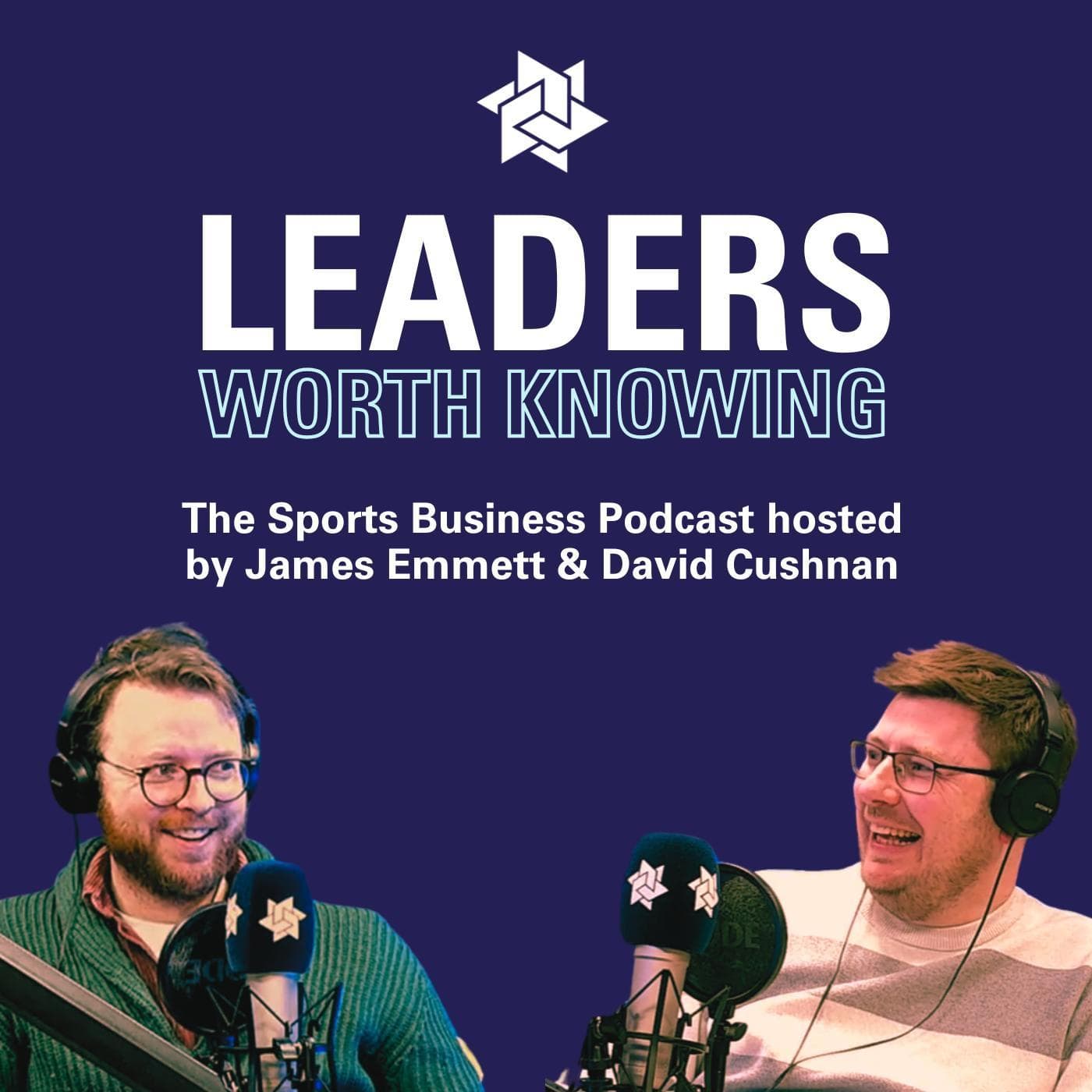
Podcast Description The "Leaders Worth Knowing" podcast features prominent figures in the global sports business, hosted by Leaders Editorial Director James Emmett and Content Director David Cushnan. This episode focuses on the inner workings of the Australian Open, featuring insights from key executives responsible for its success.
Episode Highlights
- Event Context: This episode comes after a record-breaking tournament that saw 1.3 million attendees, emphasizing the Australian Open's reputation as a leading fan experience in global sports.
- Key Guests:
- Craig Tiley, CEO of Tennis Australia and Tournament Director of the Australian Open.
- Darren Pearce, Chief Content Officer.
- Amanda Del Pret, Director of Product and Customer Experience.
- Roddy Campbell, Director of Partnerships International.
Key Discussions
The Australian Open Experience
- Fan Experience: The Australian Open is referred to as the "Disney World for sports" and has been recognized for its exceptional integration of sponsors into the event experience.
- Record Attendance: The tournament attracted over 1.4 million visitors, significantly more than Wimbledon and the US Open.
- Opening Week Success: Craig Tiley highlighted the successful opening week that attracted over 220,000 attendees and showcased initiatives like a $1.1 million slam.
Innovations and Leadership
- Innovative Spirit: Tiley emphasizes a culture where 50% of the experience must be new each year, promoting a risk-taking environment for his executive team.
- Four S's for Event Success: Tiley identifies seats, screens, space, and shade as essential components for a successful event.
Content Strategy
- Darren Pearce's Role: As Chief Content Officer, Pearce focuses on delivering content that enhances the experience for off-site fans, emphasizing the importance of engaging storytelling and innovative approaches to broadcasting.
- Personalization: The need to personalize experiences for fans, both on-site and off-site, was a recurring theme, with the goal of making every attendee feel valued.
Partnerships and Commercial Strategy
- Roddy Campbell's Approach: Discussing the importance of seamless sponsor integration, Campbell emphasized developing long-term relationships with brands and leveraging global markets, particularly in Asia.
- Festivalization of the Event: The Australian Open has been recognized for its festival-like atmosphere that incorporates music, food, and entertainment, aiming to appeal to a wider audience beyond just tennis fans.
Enhancing Fan Engagement
- Amanda Del Pret on Customer Experience: Del Pret shared insights about creating diverse food and entertainment options that cater to both hardcore tennis fans and casual visitors.
- Shake Shack Partnership: The introduction of Shake Shack as a pop-up restaurant was particularly successful, with 70,000 burgers sold during the tournament.
Conclusion The episode provided a rich exploration of how the Australian Open is managed, focusing on innovative leadership, a commitment to enhancing fan experience, and strategic partnerships that drive engagement and revenue. Key executives emphasized the importance of balancing commercial success with creating memorable experiences, setting a high standard for sports events worldwide.
Key Takeaways
- The Australian Open sets a benchmark for fan experiences and innovative event management.
- Leadership encourages a culture of risk-taking and continuous innovation.
- The integration of partnerships enhances the overall event experience, allowing for a diverse and dynamic atmosphere.
- Personalization and understanding audience demographics are crucial for maintaining engagement and satisfaction.
For more details on Leaders Week London, visit [leadersinsport.com/leadersweek](https://leadersinsport.com/leadersweek).
Written by AI. May contain mistakes. Listen to the episode to check what was said.
Chapters
Tap a time to open that second in VOThe Australian Open Experience
0:45 to 2:45
Exploration of the Australian Open as a premier sporting event and its fan engagement.
“Over the course of three weeks of activity on its Melbourne Park site this year, the Australian Open welcomed around 1.4 million paying visitors.”
Craig Tiley's Insights
2:45 to 6:00
Craig Tiley discusses the innovations and memorable moments from this year's tournament.
“Can I just say, first of all, the Podlaver Studios.”
The Value of Innovation
6:00 to 9:05
Craig Tiley shares his approach to innovation and leadership within the Australian Open.
“So we assess all those based on the return on our investment.”
Risk and Reward in Leadership
9:05 to 12:15
Discussion on the importance of taking risks and fostering an innovative culture in sports management.
“And there's also not forget that those that come to an event are less than 1 % of your audience, your biggest audience, your broadcast audience.”
Balancing Fan Experience and Commercial Success
12:15 to 14:01
Exploration of the balance between maximizing revenues and ensuring a great fan experience at the tournament.
“and then all of a sudden 40 ,000 people showed up in the first half an hour on Sunday.”
Balancing Player Experience and Fan Engagement
14:01 to 16:50
Learn how the Australian Open navigates player accessibility and fan experiences.
“But on the other hand, it's also the player that drives the entertainment for the fan.”
Accessibility and Pricing Strategies
16:51 to 18:19
Discover how the event pricing impacts fan accessibility and overall experience.
“and we'll again continue to look at what's in the best interest of the player experience and the fan experience.”
Personalizing the Australian Open Experience
18:20 to 19:47
Understand the importance of personalizing experiences for fans and players alike.
“We have about 62 ,000 seats for fans to sit and watch tennis.”
Crafting Content for Off-site Fans
19:48 to 20:56
Explore how content is tailored to engage off-site fans during the Australian Open.
“And underneath that is the offsite fan, which is when you look at it, it's how 99.94 % of looked at the figures will ever experience the Australian Open globally.”
Innovative Walk-on Experience for Players
20:57 to 22:29
Learn about the new walk-on experience designed to honor players at the Australian Open.
Show all 28 chapters
The Impact of Visual Elements on Player Experience
22:30 to 23:21
Discover how visuals and thematic elements enhance the player experience during matches.
“to the activities on the site um and through to something we're just trialing at the moment but We have a great concert series.”
Capturing Intimate Player Moments
23:22 to 28:00
Understand the approach to capturing players' behind-the-scenes moments without intruding.
Capturing Players' Off-Court Moments
28:00 to 29:00
Learn how behind-the-scenes content enhances the Australian Open experience.
The Evolution of Broadcast at the Australian Open
29:00 to 31:00
Discover the impact of host broadcasting on the Australian Open's media coverage.
“From there we have a buggy lane which sort of circles the stadium indoors which is full of running tracks, warm-up areas, bikes etc.”
Engagement Strategies for Year-Round Content
31:00 to 34:20
Understand how the Australian Open maintains audience engagement through strategic content.
“So the first thing we did, I mean, it sounds bizarre now, but when we took it over, the standard broadcast at a Grand Slam was six or seven courts where that was it.”
The Role of Shake Shack at the Australian Open
34:20 to 36:40
Explore the significance of Shake Shack and fan experiences at the tournament.
“I think everyone knows this, but the trend is shorter, sharper, shorter, shorter, shorter.”
Understanding Australian Open Fans
36:40 to 40:00
Learn about the diverse demographics and personas of Australian Open attendees.
“Let's get straight into the issue of the day, which is Shake Shack.”
Festivalisation of Sports Events
40:00 to 42:01
Discover how the Australian Open integrates music and entertainment in its events.
“And so the fact that we can get a global brand and get everyone their first taste of Shake Shack.”
Understanding Fan Engagement at the Australian Open
42:01 to 43:57
Learn how the Australian Open utilizes consumer feedback to enhance fan experiences.
“But I will also tell you there is a lot of walking around to see how fans are engaging in what we have around the precinct.”
Festivalization and Music Integration
43:58 to 46:37
Discover the festival-like atmosphere created through music and entertainment at the AO.
“I just want to have a bit of an after party with 10 ,000 of my closest friends.”
Celebrity Engagement and Content Strategy
46:38 to 48:56
Explore how the Australian Open engages celebrities to enhance the event experience.
“That's exciting content for them because it's like I'm going to do something that the best players in the world have done and not everyone gets the chance to do that.”
Innovative Partnerships and Globalization Efforts
48:57 to 52:54
Learn about the strategies behind forming partnerships and expanding the AO's global reach.
“Some of the big global brands that you see on the court and some are brands that are selling beverages and other things around the precinct.”
Balancing Innovation with Commercial Success
52:55 to 56:04
Understand the challenges of innovating while achieving commercial goals in sports events.
“Australia when you incorporate digital and social.”
Balancing Innovation and Commercial Success
56:04 to 56:45
Explore how balancing innovation with commercial targets is key for event success.
Navigating Brand Relationships at Events
56:45 to 58:13
Learn about managing brand expectations and experiences in evolving event landscapes.
Insights from Sports Sponsorship Expert
58:13 to 1:00:44
Gain insights from a sports sponsorship expert on brand activation and perception.
“Craig actually talked about wellness and beauty being a new kind of vertical for this year.”
Building Up: Innovations in Event Infrastructure
1:00:44 to 1:02:33
Discuss the shift to multi-level sponsor activations and its implications.
“And we do have to do it all from scratch, which can be a blessing and a curse.”
Future Strategies for the Australian Open
1:02:33 to 1:03:38
Explore plans for next year's tournament, focusing on regional expansion and influencer engagement.
“Some of the team is over in Singapore doing a live site.”
Transcript
Automatic transcript. May contain errors.0:03Hello and welcome to another episode of Leaders Worth Knowing, the sports business podcast from us here at Leaders. My name is James Emmett. I'm the editorial director at Leaders and I am in Melbourne, Australia. I'm here for the Australian Open, the first Grand Slam of the tennis season, which has become acknowledged as one of the best fan experiences in world sport. It's particularly admired in the sports industry for the way the partners are integrated into that experience. It's been called the Disney World for sports, the Happy Slam, but you might well call it the Brand Slam too. Over the course of three weeks of activity on its Melbourne Park site this year, the Australian Open welcomed around 1.4 million paying visitors.
0:59For context, Wimbledon gets just over 500 ,000. The US Open got 1.1 million last year and an NBA team with all the games it plays will do around 800 ,000 tickets a year if it sells out every game. I've been here for the last few days of this year's tournament which really has heated up towards its final stages on the court at least. And I've been trying to put my finger on how the organisers have transformed this event into the hottest ticket in town and the envy of the sporting world. I've been around the grounds observing things for myself, but I've also been talking to the key players, the key executives, bringing it all together.
1:50So on today's episode, we're going to hear from a few of those key executives. I recorded a series of interviews in the wonderfully named Podlaver studios within the site of the Australian Open at Melbourne Park. So we're going to hear from Darren Pearce, who is the chief content officer at the Australian Open, runs all of the broadcast and output that comes from here around the world, followed by Amanda Del Pret, who is the director of product and customer experience, followed by Roddy Campbell, who is the Director of Partnerships International. But first, we're going to hear from the man leading the whole shebang.
2:37It's Craig Tiley, the CEO of Tennis Australia and the Australian Open. Enjoy the show. Craig Tiley, thanks very much for having me here in your studios. Can I just say, first of all, the Podlaver Studios. You would never get away with that anywhere else in the world. That's amazing. Yep, again, just probably a sign of the creativity of the team coming up with some fun things and just giving it a go. Yeah. Craig, we're speaking now on the second Friday, well, the third Friday of the AO Men's Semifinals Day. So it's not quite finished yet. But when you come to look back at this tournament, maybe in a year's time.
3:20What do you think you'll remember it for? Well, every year, each tournament, we reflect on the success of it. And this year, we really pushed some of the innovations and took some risks that we didn't trial them much other than just giving them a go. But I think that what we will reflect on and the entire team of this event is just the intensity of the number of people that came through the gate. and we're excited about the fact that there's that many who want to come and experience the event. The success of some of our initiatives, the opening ceremony was won, which will become a new tradition now with Roger Federer this year.
3:59The$1.1 million slam was a huge hit and bigger than we actually expected it to initially be. And then I think just right throughout the three weeks, the enjoyment that the fans were having on everything on the precinct, there's so much to do over 40 restaurants 80 bands that come over the course of the three weeks as there's a you know full-time music zone uh the kids ballpark increased and it was always full um and then you know adding the beauty and wellness pillow was a new add to us this year with our partnership with mecca and and uh and then you know we the moments of fashion uh we worked closely with naomi asak on her collaboration and and made sure that we had the right timing of that moment with her and she's turned the on-court walk-on to a fashion catwalk basically so I think there's going to be like 5 to 10 really special moments How many folks did you have through the gate then for that opening that jazzed up opening week?
5:01Over 220 ,000 and a lot of people there were days over 10 years ago we were happy to get there for an entire week of the regular event but that's all changed. We are going to smash the record that we previously had but it's about the numbers but it's also about the quality of the experience. So I asked a few folks what I should ask you. A few folks from within the tennis industry and one of them said, ask him how much Roger Federer cost and then a laugh face. So I'm not actually going to ask you that but I am going to ask you a sort of... Well, I can give you an answer on that. Go on. In my view, any time you get Roger Federer in the house, it is an unbelievable experience.
5:45It's going to be worth it regardless of the investment. And we did it in partnership with Roger and his team. And we've been talking about this for a long time, since he retired, basically. It was to get the right moment to do it, and this is the right moment. So in my mind, there was no cost. It was just pure value. the opening week what's the equation like for you between the cost of programming it or things like roger federer of making it a really special um week with lots of activation lots of extra events and the benefits that you get from you know taking over that week yeah it's a great question because if you look at it purely from a transactional sense you say like how much what's the dollar we spend versus the dollar we get yeah um and then you look at it from a value sense uh what's the return that we get.
6:31So we assess all those based on the return on our investment. And the return was that we had an incredible uptake of tickets sold for the following two weeks. In fact, we were close to, before the event even started, close to 80 % with everything being sold. And that's a remarkable number. That's 15 % higher than we were in previous years. So there's no question the benefit was remarkable. It's the beginning of a journey that we're going on and we're making it accessible so the price points are five ten dollars to get into the grounds that's not what we're looking where we're looking to make a return everything's open so all our food outlets open the music is going and the full site is on but we want to introduce the game to those people that maybe don't have the the the means or it's not the following the week the event the following is not as accessible and we definitely achieve that but i've said to the team is that in the next two to three years the opening week will become the most attended week and we'll design it as such where we do that where we have the events and and so um we haven't done the actual transactional financial side of it yet but uh but our cfo has given me a really good indication that at the very least it's way ahead of where we were last year with the investment and we're going to be in a break-even situation with it you talk about probably remembering this tournament for the innovation that you pushed through there are lots of new things that you tried all the stuff in opening week you talked about naomi asaka and her amazing fashion thing, the investment in health and wellness as another vertical of the experience here.
8:00What is your personal approach to leadership and to innovation and fostering an environment where your people can innovate in a kind of risk-free way? Someone was telling me that you challenge your executive team to do 50 % new every year. Yeah, and that would be right. We said that publicly. we actually we've had two hot debriefs already from this event and I like to quickly go into an assessment and not spend too much time on it and reviewing what we did I like to more be focused on talking about what we're going to do so I like to live in tomorrow and enjoy today and live in tomorrow a little bit and what happened yesterday happened yesterday so that's the approach that we've taken but yes that's right the challenge for the team is 50 % of the experience has to be different year on year and that's a hard thing when you've got permanent infrastructure so there was a much bigger investment in in temporary infrastructure.
8:51And when you run events, I'll say it's the four S's. If you want to be successful in an event, and the four S's are seats, screens, space, and shade. And you need to have more seats, more screens, more space, and more shade. And if you have that, then your patrons are going to have a great time. And there's also not forget that those that come to an event are less than 1 % of your audience, your biggest audience, your broadcast audience. Often that gets forgotten. So what we provide to our broadcast audience through having in-house production is also unique because we personalize it to each of the markets.
9:21So the challenge to the team is that 50 % innovation, but then the attitude is also, I don't believe that innovation is a department. I believe it's a behavior. And everyone in the organization hire people that have that innovation mindset and are willing to take risks and don't have any fear of change. And then you put those two, put that group together in a room and you can achieve some great things. It's all about hot debriefs, which I love the sound of, to be honest. in order to help people try something new and take risks I think you've got to have an environment where they're not scared to mess up you've got to be able to try some stuff that doesn't work in order to try some stuff that does work how do you make that so?
10:02how do you make it that your commercial team can try something with a partner and it just doesn't land? I think it's really important as a leader that it is to permeate the attitude of it's okay and I don't have any problem asking for help. I don't have any problem saying, oh, that didn't really work or let's give it another go somewhere else. And I run, I'd much rather ask for forgiveness than permission, the team, and I'd much rather, we reward giving something a go versus something being successful. And it's most important that the team understands that the cornerstone of leadership success for us is giving it a go, is taking the risk.
10:44and you can plan something out. You can spend hours planning it out and do all the research to make sure you get it right. And all the effort you've spent on that is pretty wasted because you could have just done it at the beginning to see if that was going to work. So that's the approach we take with the team. But you also need a balance. You have balance in your team. There need to be some that don't pull the brakes, but keep it real and make sure that we're not doing anything too crazy. Yeah. At a granular kind of performance management level, something that you'd have to think about as a leader of an organization.
11:15How do you make that rewarding, doing something new over rewarding success? Are your people incentivized to try new things? Well, the first thing we do is we talk about it. And then the next thing is when we do our evaluation of everyone's performance, that's one key element to their performance. And that is that what are the list of things that you gave a go? What are the ones that you felt worked and what you felt that one didn't work? And we actually want to look more at the ones that didn't work because we want to let out or ensure that the team understands the ones that didn't work, it's okay.
11:47It's okay that they didn't work because what is great about it is that you made the attempt to do it. And there are many things, you know, like, I mean, there's a long list of things that we've done, whether it be in the player areas or whether it be in the fan areas where it hasn't worked, so we had to quickly change it in real time. You know, the first day of this event, for example, we predicted that having four entrances into the precinct was going to work really well and based on the number of tickets we had sold and everything and then all of a sudden 40 ,000 people showed up in the first half an hour on Sunday.
12:22And we were ready for it but not that ready for it. So someone on the team said, well, we just got to get a bulldozer and make another entrance. And we didn't do the research or anything like that. I said, okay, guys, just go for it, figure it out. And if it works, great. If it doesn't work and within 24 hours, they stood up a new entrance which came straight down from the train station into the precinct and from then on we didn't really have any any challenges and we created a situation now where we probably need to do that year-round but that wasn't that wasn't on the on the on the plans initially a couple more questions and then i will let you get on with being the ceo um it strikes me that you are currently you you're constantly operating a few different kind of balances um like you know we talked about the balance between uh sort of success and trying something new that you're always doing with your team but um strikes me that there is a balance that you're trying to strike between maximizing revenue ticket sales commercials and also having the optimum fan experience you know there is a there is a boundary to this site and therefore there will be a top number for like the number of people that can comfortably be in the site um but also i feel like there's a balance going on between being a player first tournament you know people always talk about the amazing relationship that you and this tournament has with the players but also you're clearly trying to do new stuff with the players that gives fans gives tv more access it doesn't always come off right we've seen a couple of instances this year and i want to dig into a couple of those balances so maybe maybe first of all the player the players one i've done a tour of the grounds you've got spectacular kind of player facilities all of that sort of three or four levels on rod laver arena all turned over to player kind of lounge and restaurants all the players all the agents all talk about the amazing treatment that they get here but this year we've seen some you know disgruntlement about the whoop thing um and uh we've seen some issues on i guess it's sort of cameras in areas that the players wouldn't necessarily expect you know um there was the coca-coff incident what's your take on sort of giving and taking with players yeah look i mean as you said at the very beginning that it's a delicate balance um but the first thing i'd say that's the part of the sport i come from um i've been player first pretty much in my whole life either as one and as a coach and so i understand it but i also want to play a role in taking the players along the journey is the relationship between the player the gap of the relation between the player and the fan always needs to close because ultimately it's the fan that drives the commercial opportunities for the player.
15:04But on the other hand, it's also the player that drives the entertainment for the fan. So you're always going to have that balance. And I hope I've led from the position of it's player first. We certainly do that in the services and the care and the opportunities we provide for the players. But then, as I said, it's always coaching them on making sure that they make themselves more accessible. If a fan doesn't have the accessibility to a player, they turn off because they'll go to another sport or something else where they can have that accessibility. And through social media and how we've kind of homogeneized, how we've taken the whole environment to a position where if you don't, as a player, really engage the fan either personally or the platform you're playing on, like in this case the Australian Open, you're going to ultimately lose in the long run.
15:55and people don't get to really feel that when it happens. And we've seen a number of cases where it happens. So if I go through specifically some of those instances, I personally believe the WHIP device, I personally believe players should have that device. It's a rule. So it's the current existing rule. Should it be reviewed? Absolutely. And because, again, the relation with the coach and the player and what happens on court and how the broadcast happens, again, needs to be brought closer together. We have places on site here, and it was actually misreported, misreported, but places on site here where there are broadcast cameras, certainly when the player arrives, seeing their arrival, and then they go down the corridor to the zone, they walk onto the court.
16:35Obviously, that thoroughfare is also broadcast, but then the rest of it, the player restaurant, all the quiet rooms, the player rooms, there's none. There are security cameras because we need to make sure that everyone's safe and secure, but not broadcast cameras. So there's plenty of places on site to do that. and we'll again continue to look at what's in the best interest of the player experience and the fan experience. What about the balance between driving revenue, driving ticket sales and fan experience? How much is too much? My personal views, you can get to a point with too much, but what we've done is we've provided a range of accessibility.
17:09The most important thing you need to do as a leader of an event is make sure that it's accessible. And the number one thing that takes away that accessibility are price points. and the number two thing that takes away is not a good experience. So if you mess up in those two areas, you can forget it. You're going to eventually be diminished as an event. So price point for our first thing is very accessible. So you would, you know,$5. This week, for example, you can buy a$20 ground spot for four days. So you can come get to experience what everyone else experiences. So our price point is very accessible.
17:45And then the experience is we need to be making sure that across the precinct, our verticals of music, of food, of young kids and family, of beauty and wellness, of gaming, of health. We need to make sure that we provide those right across the precinct in different zones, which we've done. And our CSAT score, our customer satisfaction score, is as high as it was last year, which we're very pleased at because we're a little nervous because of the number of people we had on site. I think if we get about 100 ,000, 105 ,000, that's about it. I don't really want any more on site until we get one of the S's more of, and that's more space.
18:20We know definitely we need more seats. We have about 62 ,000 seats for fans to sit and watch tennis. But if you get 100 ,000, there's going to be quite a few that don't have a seat. But there's plenty others to do on the side. So you hope you rotate enough. But we need to add more seats too. And final question, Craig. If I asked you to write out a list of ingredients that go into the secret sauce for the Australian Open, what would you say is the key ingredient? Personalize the experience. say a bit more about that with for the fan off-site the fan on-site and the player uh we need to know what appeals to that individual we can't just roll something out because we think it's good and then expect everyone else to enjoy it and think it's good as well we need to understand what those three major groups fan off-site fan on-site and player want on the player side that's your content those 800 are your those those your your your lead singers those and they they're the main product so you've got to make sure you take care of them and and at a level that they never experienced before and you got to personalize it with us it's not just about the event for the three weeks with the play it's about year-round what happens so we stay constantly in touch and and reaching out and then with a fan you've got to communicate and you've got to listen and you've got to ask questions and understand and there may be some you may have to have a thousand things you've got to do to personalize the experience for that fan but that's what you need to do craig tyler thank you very much indeed thanks james good to be here darren pierce thank you very much for joining me thank you for having me in your studio i appreciate that pleasure to have you here james darren what do you do what do i do i i look after a great team uh and our remit is really content, reputation and influence.
20:10And underneath that is the offsite fan, which is when you look at it, it's how 99.94 % of looked at the figures will ever experience the Australian Open globally. And so it's obviously a key brand thing. But we look at that content with a view to getting as great an experience as you get on site, off site. So you're the chief content officer nominally. right yes what in when you look at those three bucket areas and you think broadly about sort of content from the australian open the off-site farm what is the secret source i think we we try and deliver content that enhances the brand and those involved and by those involved i mean the players but also i mean the broadcasters and our partners we're not looking for sugar hits or big controversial moments we're really in essence trying to deliver an experience that can come somewhere close to what the on-site fan gets so when you see our coverage and when you look at even a thing like the color of the court which years ago we went from a green the process we went through to decide that was one on the visibility of the ball for the player but also the broadcaster and then from the brand side what's the thing that appeals about this to say if you're sitting in northern europe in a freezing cold winter of course everyone talks to us about the blue sky and the beautiful blue ocean so that color is actually predicated on the sky and the ocean in melbourne in the bay and you will have seen the walk-on we've done this year and we did some work with is devlin who i don't know people told you all about they've told you about that and she was captivated by that and we've doubled down on that and that whole walk-on starts with some vision from the bay just shot off sandringham about 15 kilometers down the road to really dial that up and then from that what else are you experiencing on site that can translate into our content not just the broadcast but our social a whole lot and so we look to that and part of that is um what the player preparation is in the behind the scenes coverage all the way through to the activities on the site um and through to something we're just trialing at the moment but We have a great concert series.
22:36We're elevating our music. And for the first time, we've got something in the can. We actually covered that concert, Kid Leroy. And we're looking at how we're going to do that and look at getting that out. So people can really experience everything you can experience here. You mentioned Es Devlin there. As far as I know, Es Devlin, Prue Ryan might have told me about this a little while ago. Didn't she? She works in music. Didn't she work with Lady Gaga and Beyonce? And you too. Yes. Not me, but Bono, et cetera. Talk us through that. We've all seen it on TV, right? Amazing. And I was lucky enough to do a little tour yesterday.
23:11It is like an art installation. The beautiful sort of screens that just seem to go on forever. It's very soothing. You talk about the video image of the ocean. but then you know as a player walk on it immediately and dynamically places that play it must be a very stirring thing for a player to do because it immediately places them potentially in a line of history uh with all the different players who have competed out and won the australian opens really spectacular thing talk to me about how that came about i can let me take you way back there's a tradition in tennis it's we want to honor that tradition the player gets called to match the tournament director or tournament referee gets the player from the locker room and they stand at the entry to the court a long pathway years ago we thought oh that's nice let's we want to honor the court let's make it like a walk of champions this is one of the most famous courts arenas in the world we want that to be coming through our broadcast so we started off years ago just putting posters on the wall so basically like a an office corridor with some and we noticed the players were stirred by that were inspired by that well let's go a step further we got to screens and a still video image and we just kept ramping up then we're consulting with airs where we want to make this even more and broadcasters were picking it up players the first thing they were doing coming taking photographs in it they want to honor the tradition too we want them to be seen in that light like you said we want them to be inspired they get on that court um sometimes inspiration can go too far but we want them to be fully inspired we also wanted to integrate that into the stadium show how do we do that we need moving imagery you've seen we have led uh signage around the court as well so how do we honor all that we spoke to airs about the very origins of the color of that court she was all over that um and that's why we developed this we literally have black studio tv studio flooring here's a very long skinny tv studio with audio so they start that walk there's literally a triangle they're standing in and the door opens at the apex of the triangle and they start moving there's some fairly dramatic music at the start of it and they're walking but we wanted to capture what the players are feeling and what they're like at the start.
25:42And they're sort of standing there, just prepping mentally and waiting. That's a pretty powerful moment for the fan to see. We've seen that. We wanted to bring that to life. They're zoned in. They start that walk. We want to capture their experience all the way along. So part of it starts with that ocean and sky. And then there's pretty dramatic movement with the lights. And then when they hit what we call the part of the champions, where all those open champions are looking upon them, We cue some audio, some Nat sound from the commentators from those days. So Rod Laver wins the championship back in the day.
26:19That's been quite stirring as well. We noticed some players, some of the big ones, hearing their name at the end of that, a bit of a wry smile. We wanted that. Then the dramatic entrance onto the court for the fans. So syncing all that up. So honour the court, honour the player, and then the content for the off-site fan. It's amazing that you put the players through a sort of bespoke interactive art installation. I mean, it must be a wild experience for them. Do you know how many screens there are there? Have you got the numbers at the tip of your tongue? I don't. Sorry. It must be hundreds. It must be a nightmare for if there's a fault with one of them, you've got to be ready to...
26:57You can't have that and, oh, one of them's out. Sorry about that. No. Yeah. You know what it's like when you're in broadcasting, but you're on air every second matters every delay anything so a lot of work has got we set up a mini one on this uh one floor above us during the year and set up a mini walk we wanted to trial the flooring we wanted to check the lighting we've used mirrors and some tubes of light there's a lot about it um there's a there's a ray of light that starts the walk and it finishes with the crack of light in when the roof opens um so getting that thematic right throughout the whole walk we've rehearsed the beauty of it though yes some can go wrong but we've been value adding all the way through the tournament for those listening to this have a look back or stay watching you may even see a black and white image of a walking rod laver who accompanies the player along which we've put in quietly just to we've got a whole lot of thoughts around how we can do that in the future as well that walk is definitely part of what i would describe as sort of innovative work that you have clearly been doing here on behind the scenes content on the content around players before they get on court which seems to be a sort of specialist area of yours doesn't always go right obviously this when we talked to craig um earlier in the show about you know the coco goff episode that you had doesn't always go right sometimes there are flare-ups players feel like there's an overreach in terms of how they are captured off court but talk me through the work that you do to capture those intimate moments and you know of players outside of what they're doing on the court what we're trying to do is there's there's a story we're telling and the story of the event particularly this weekend we're coming into the finals is the anticipation of the moment the build up to that that's what the walk-on is about as well what people don't realize the amount of effort and preparation goes into these players and the professionalism that's involved we wanted to bring some of that to light we don't want to be intrusive but we wanted to show that in their preparation environment so you'll see the arrival area where they're coming in and players come to the site hours and hours and hours before match time you see it in some other sports in the NFL when they're walking in or the NBA etc.
29:19From there we have a buggy lane which sort of circles the stadium indoors which is full of running tracks, warm-up areas, bikes etc. They'll do warm-up for that then out onto the practice court they'll have a practice hit that is out in the public area then back in for more warm-up in the gym preparation and getting ready. We want to utilize that to show the serious professionalism that goes into it and also for the fan to follow through that anticipation and build up to the big matches and on the whole it's worked mostly pretty well we're conscious as Craig would have said we want to take on board the feedback we don't want to impact their performance at all and if anything we want to show people that amazing effort that goes into it and lift that performance it's sort of the ethos we go into the whole thing show the amazingness of these unique athletes because I don't think it's always been properly told and we want to we want to really tell that yeah i appreciate that um we don't have a lot of time left but i do want to get your view on the control that you have and the added value that you can bring by having control of the broadcast so the australian open has run its own host broadcasting operation for the last six years i think you said uh actually none of the behind the scenes for 60 but the actual broadcast i think we're in our 11th year Right.
30:39Okay. And you've just taken me through the massive media center here, all the different kind of control rooms. Very impressive, always a very impressive operation, a broadcast operation. But what do you think that gives you that other major tennis tournaments maybe don't have who don't do the host broadcasting? I think what we get to do is capture more. So the first thing we did, I mean, it sounds bizarre now, but when we took it over, the standard broadcast at a Grand Slam was six or seven courts where that was it. And so a lot of scheduling decisions were who's on the broadcast court. I know it sounds weird now, but that's how it was.
31:19The first thing we did was fund cameras on every court so we never had those awkward decisions because every court matters somewhere in the world. So we expanded the coverage from total duration was about 800 hours to over 3 ,000 hours in the first year. Now we've moved way beyond that to our yield from our broadcast in terms of hours of content where we do different types of content. So we run an animated feed that's fully incorporating RLA and you've got to see it to believe it. That's another version we run. Is that your Nintendo Wii thing that you do? that's amazing and great fun and the geniuses on our team who have sit and dabble with it and play with it and have a great time with it is an example of the content we can do and we can play with and we can execute at reasonable cost I mean that's one of the things that you need to control it could get out of hand you've got to control cost in this exercise you can't just willy nilly we're looking to add value not just for the broadcaster but add value content full across the spectrum.
32:25So for our post content, for our social in-event, and then for our year-round as well. So I think the advantage is the volume we can get and then the ability to then utilise that in its archive state to then drive our YouTube, TikTok, et cetera, year-round. One of the things, and this will be the final sort of theme, one of the things the Australian Open has been praised for recently is the ability to drive significant YouTube figures all year round. You know, this is an annual tournament. Obviously, there's going to be a spike, but how have you been able to maintain good engagement figures on YouTube, in particular, with your content strategy?
33:09First and foremost, I should say this right at the start of everything we've done, get the right people. So the capability we have in-house is world-class. Doing that and then just really... making the product to suit the audience you're after we do it for tiktok we do it for youtube we do it for insta we do it for our broadcasters we do it for kids um so really being clear on what we're about with that youtube offering and that is about the moments they want to see the biggest performer on that youtube offering has often been the legends now it wasn't that many years ago the legends weren't even broadcast but the phenomenal impact of some of those and people seeing those and enjoying those.
33:51And then how we repackage, it's just storytelling. And taking the storytelling, not necessarily a mile away from purist tennis, as in who wins, who loses forehands, backhands, but into the element of interest. What is the interest in the picture? What is the interest in that clip? And being true to that, I think has helped us. So is there a particular format that you see has done really well? You know, when you're sort of drilling down into the fundamentals of storytelling, is there something that you've done recently that's really working? I think this is not rocket science. I think everyone knows this, but the trend is shorter, sharper, shorter, shorter, shorter.
34:25And being able to still tell, and you see it when you watch internet production over the years and when you've been around as long as I have, there's the disruption phase where any stuff works, regardless of the quality of the camera and the picture, et cetera, to the point of now you and I sitting here on this podcast in a high quality studio with great audio, was good with a three-camera shoot. Like at the start, it was done on your phone and just talking. So elevating that production quality ahead of what the platform itself is doing. So always being on that, on the graphics, on the AR and the AR and AI.
35:01But the quintessential thing is short story, long story, has to be great story. Good point at which to end. Darren Pearce, thank you very much indeed. My pleasure. Amanda Delprete, thank you very much. Well, thank you for having me here in your studio. I really appreciate that. No problem, James. It's lovely to meet you. Amanda, please could you tell me your role and responsibilities here? Yes, I'm excited to do that. So my title is Director of Product and Customer Experience. Okay. That's an important one here. It is. So our team has a big role of responsibility. So I have a fantastic, talented team.
35:35And we look after the precinct development. So everything you see that our fans get to enjoy, activations, racket in hand. And all those sort of things around the precinct, our team does the design and development of those and then works with our operation team to make it come to life. Yes. We look after music and entertainment. So we have a 21-day festival going on. We look after food and beverage. So everything from very high-end hospitality to chips around the arena. And I can't say that without saying Shake Shack in a breath. Oh, wow. Will we come back to that? It's the talk of the town. Isn't that amazing?
36:16It is amazing. Oh, hold on. Let me go on. Let me go on with the other things. Then we've got retail merchandise. So we have 14 stores online where people can buy AO merchandise. And we also have a new pop-up store at Federation Square in the Melbourne city. And then we also have a customer experience team and a customer support team. Okay. Lots under your purview there. Let's get straight into the issue of the day, which is Shake Shack. We've got Shake Shacks in England where I live. So when I saw that Shake Shack's here for the first time, I was like, oh, yeah, great. But it's a really big deal.
36:53It is a massive deal. So we knew it was going to be big. I think we'd underestimated how big. I think there's been 70 ,000 burgers consumed so far. So we've got an area called Topcourt, which is for older teens. and we've got music up there and all sorts of stuff happening. So we put Shake Shack up there because it's just a great space to do it and they could have their authentic restaurant look. So have you been up there? I don't think so. We'll need to go for a walk. So it looks amazing. You walk into Top Court and then you just see a big Shake Shack experience there. And it's the one time when you're like, I'm sorry, there's a line for it and we're not apologising for it.
Read the full transcript
37:36People have come here to do it. And I think the best story we've had out of it, there was a person that went up to was waiting in the line walked up to the front bought 30 burgers and said I bought a grounds pass to come in to get Shake Shack so that was their reason for being here and then they had some fun at the tennis honestly I think that's not the only example of that happening so at a broader level yeah the concept of bringing Shake Shack in Australian Open has become known for lots of fan experience innovation but in the food and drink space definitely for the last couple of years people have been talking about how um the concept of getting pop-ups sort of well-known melbourne restaurants restaurants to come and do pop-ups here what a great experience people automatically know their price point and what they like and um and i understand that there is a quite a smart commercial strategy behind that to kind of develop that into more kind of owned ip yes yeah um but the idea of getting a foreign brand to come in and do something similar how do you know that that's gonna surely Shake Shack have done their research on whether the Australian market is is sort of something that they should get into how is it happening here at the Australian Open first it's a bit it's a good it's a good story actually it's a bit of both um we and you're right like our food team is just like best in the business at finding um new ways to innovate the whole food and beverage landscape.
39:09So we have a Michelin star chef here in one of our AO Reserve restaurants. That doesn't happen every day at an event, so that's amazing. The Shake Shack thing happened because we're like, what's really interesting for us? How do we get a first in market, first to a Grand Slam? And then we'd been to some of the tournaments and ended up working with our master caterer, who is Levy, who also had a relationship with them. So we went and had a chat at the US Open and then 18 months later after they'd done their homework and we'd done ours, it just felt like a really good brand connection. And we had their global leadership team out here the other day.
39:47They are blown away by the event. I think unless you've been here, you don't really understand how big it is, how engaged our fans are, how diverse our fans are as well. There really is, like everyone's here. And so the fact that we can get a global brand and get everyone their first taste of Shake Shack. Like you said, you've had it before. There's lots of Australians that just haven't had it before. And they did a really good job of marketing it as well. So if we've got a really good partnership, we will work out how to show up together. And this is a fantastic example of it. And what do you reckon?
40:22With three days of the tournament left, you think, what did you say, 80 ,000 burgers? We've got 70 ,000 burgers so far. Okay, can we reach 100 ,000 burgers? Oh, I think that, well, it depends how many you eat. If I can get you to go, that'll be a good day. I can commit to two, I think. Well, I think to a day, don't you? Maybe, maybe. In your view, Amanda, what is the single thing that makes the Australian Open so great? What, if you had to sort of list out the ingredients that go into the secret sauce of the Australian Open, what is the most dominant flavour there? I would say intimate understanding of our fans and what they want.
41:02And so no matter who you are, we understand you and how you want to experience the Australian Open. So we have everyone from hardcore tennis fans. They want to watch live tennis and they want to sit there for three hours and watch a five-set match. Two, I'm a mum and a dad with a kid or family with kids. and I've never been to tennis before and I want to get my first taste of it. And we also understand how to do that in a really fun way that ultimately makes everyone want to pick up a racket and get involved in the game in some way. Yeah. How do you know what you know about your fans? How many sort of, what do you call them in marketing terms, where you've got like a demographic profile?
41:45Consumer profiles? Yeah, personas. Personas, yes. How many do you have and how do you know what you know and how is that constantly iterating? Yeah, good one. We've got eight personas and we know them intimately. We have more data than we know what to do with. So we do lots of consumer feedback throughout the tournament, the end of the tournament, so we can understand who's been, what they've enjoyed, what their highlights were and what the things that we can learn for development for the following year. But I will also tell you there is a lot of walking around to see how fans are engaging in what we have around the precinct.
42:20You can tell from a Shake Shack line that people are saying that's the best day ever, you can tell from a different line whether actually people are looking for a different experience. So our team just loves wandering around and seeing how our fans interact with the spaces and experience. And it's actually a really good way to learn. And to the entertainment music side of the businesses under you as well. Yes. Another thing that people talk about the Australian Open is the festivalisation of sports events. Absolutely. It's become a sort of specialist area for the Australian Open. When you think about festival, you think about music and food probably like pop-up trucks what's the approach to music programming I actually had a drink last night with a friend who lives in Melbourne who's not particularly a sports fan but he's been to the AO a couple of times and he says he goes not really for the tennis although it's great to be able to buy a cheap ticket and get a seat to the tennis he goes because he knows he's going to get sort of music acts here there and everywhere and like It's just a great, fun day that he's happy to take his wife to, who also doesn't like sport.
43:26And that's perfect. That is the target market for our music. So people that may not come to the tennis, if we've got music they're interested in, and our music tickets include a grounds pass. So the idea is come early, enjoy some food and drinks in the precinct and go to the music, or go to the music and then come out and enjoy the atmosphere afterwards. where we've got music going on at the moment is John Kane Arena and you walk straight out of John Kane Arena into Grand Slam Over which is famous for people watching a big screen as a community and watching whatever game is on at night and it is just electric down there so you may not be a sports fan but you can't help getting sort of, you know, adored by the vibe that is when you come out of, in music and then you come out and you're like, what's happening over there?
44:13I just want to have a bit of an after party with 10 ,000 of my closest friends. What's the approach to sort of programming the music? How strategic are you in that? Or is it really a case of like any kind of music promoting, like who's available and when can they get one? We're really trying to get different artists for different genres. So we had the Kid Leroy on Wednesday night. I don't know who that is. Okay, so he's actually an Australian artist and a bit of a Justin Bieber took him under his wing, so he is quite famous. And that audience was probably late teens, early 20s, and people that was probably going, might have been just going to their first concert for the, you know, first concert for the first time.
45:00So kind of lots of groups. And then we've got the Veronicas, who, do you know the Veronicas? They're also Australian. And they've been around for a while, and they will probably have an older audience, So they're a bit of a retro. Tell you who I know, Amanda, Peggy Gee. I know she's on. Yep, she's on. So she did some great content for us the other day. So, again, you can see all different genres. So that's what we're trying to get is people to say, I probably am not that interested in the tennis, but I'll come to music, different people each night, different fan audience each night, and then just spill out into the precinct because why not when you're here?
45:37Well, this is the thing as well. You mentioned you did some great content with Peggy Gee. part of I guess the attraction of having different cultural reference points within the ecosystem the Australian Open having musicians as well as sports people yeah having celebrities around Anna Wintour has been here Bill Gates if you can call him a celebrity but he was here how do you maximize their impact when they're here how do you get them to do a program of content creation for you or whatever it is. Yeah, I think when we're looking for artists or celebrities to work with, we really want them to be friends of the AO, which means they'll work with us on content because they want to be here.
46:21They might actually be experiencing the AO or tennis for the first time. And so we try and get something that feels quite authentic to them as well. So I think when you see people in the player walk on, that's a bit of a star-studded moment. So they're getting to go through the player walk-on. Not everyone gets to do that. That's exciting content for them because it's like I'm going to do something that the best players in the world have done and not everyone gets the chance to do that. So we'll just try and find something that feels authentic to the celebrity or the artist and something then they're really proud to show off on their socials as well.
46:55The player walk-on, was that your initiative? I would love to take credit for that, but no. Where does that fall under? That's a sort of look and feel of the event, isn't it? Yeah, so we've got a team that looks after all of the player spaces and really curates them again on what the players, how they want to feel at home and what they feel comfortable with. And we did, there was a lot of work done over the last 12 months on the player walk and it's kind of extraordinary. So it changes and it's got a new flooring and the players come out looking like, I mean, they're already superstars, but they come out just with light shining and cameras everywhere.
47:30It's a really special experience. It's like an art installation. Like it just goes on for ages. The people that work with us to create that will love that you said that. That's what they do. Yeah, it's amazing. Absolutely amazing. Final question, Amanda. We had Craig in here a little bit earlier talking about his sort of trick of pushing everyone to do 50 % new every year. Obviously, you've only been here for a couple of years. So that's 100 % change for you. I've experienced that. How does that work in practice for someone working under him? What's it like to work here in an environment that really pushes innovation?
48:07It's inspirational. It just sets the tone for how we all think, how we all want to be. And I think it makes us really think differently. And we walk into every tournament with no barriers. So we'll walk out going, we have no barriers to AO27. And we will start thinking about what we want to curate and experiences and go and find partners to work with that just will. disrupt as you said the festivalization of sport we think of ourselves as a sports and entertainment event and so we're the first one out of the gate for the year and our job is to disrupt and we love it like it's the imagine saying that to a team go crazy dream up stuff that feels impossible that's kind of the the tone that craig sets and it really works throughout the business yeah amanda del pret thank you very much indeed thanks james that was fantastic appreciate it roddy campbell welcome thanks for being here thanks for having me here roddy um what is your role and what are your responsibilities here good to see you again james um i'm the director of partnerships in international business here at tennis australia this is my fourth australian open so i look after a team that manages partnerships across the ao and other events i also have a team in china so the international business has predominantly been China so far so that's managing everything not just partnerships but marketing the brand and retail travel all that sort of stuff so we're looking to replicate the success of China in other markets going forward but yeah inherited a great team and a great set of partners that stick around.
49:44How many partners who are you looking after and how many is in the in the portfolio and what sort of percentage of the business of the Australian Open does partnerships We have around 45 brands that work across the AO and they vary in the structure. Some of the big global brands that you see on the court and some are brands that are selling beverages and other things around the precinct. In terms of the business, it's like roughly a third, you know, the other big streams being ticketing, hospitality and of course media rights. So that's probably not dissimilar to other major events. When people talk about the Australian Open, they say lots of positive things, which is nice.
50:29But a thing that keeps coming back around is the idea that the Australian Open has one of, if not the best, fan experiences in world sport. and to push it a bit further than that it is the prime example of an elite sports property where sponsor integration into the experience is so seamless and additive I presume you take that as a compliment but also can you explain how you've done it yeah I mean walking around the precinct the brands and and how they show up are a big part of the color so without brands we wouldn't have that reputation and that fan experience so we do curate and collaborate with them on how they're going to offer you know a premium hosting environment or a great interactive fan experience in one of our more consumer focused areas one of the tricks really comes with our segmentation and our festivalization approach that allows us to to provide a platform for brands beyond global sport and tennis so yes that there might be quite a lot of brands relative to other events but because the event stretches over three weeks it stretches into multiple markets it there's there's pillars that are beyond sport whether it's music and gaming and so brands have space so the team is very conscious of creating those those clear lanes for brands and and that's that's paid off over the four years that you have been here doing this what would you say your is there a particular partnership or particular thing that you have been responsible for that you're most proud of really proud of the longevity and and the renewals that we've sort of managed to achieve as a team um it's always great to welcome new brands and new energy in but you know celebrating our 25th year with with Kia who are showing up with as much energy as if it was their first year to be honest so that is rewarding and you know we we grew the ANZ partnership we've evolved you know several partnerships from just branding relationships or transactional retail relationships to quite broad relationships with all sorts of layers, whether it's influencers or whether it's those brands having a role in tennis.
52:44So I definitely think that the extension and evolution of partnerships is one of the most rewarding parts. I think I've really enjoyed the globalization element as well. So we are an event that happens to take place in Melbourne, but our audience is 95 % outside of Australia when you incorporate digital and social. So I've really enjoyed the freedom to build teams in other markets to go and do events in other parts of the world. So we have, you know, events in Japan and Brazil and China and San Francisco. So we've, you know, shown up and taken the AO blue iconic brand around the world and given, you know, that was a big investment at the start, but we're starting to figure out how to recoup that investment and give brands a bit more leverage points internationally.
53:37So that's working quite well. And yeah, just the work the team do in China, for example, has enabled us to find new partners from the region, has allowed existing partners to have a ready-made way of activating in a huge market for them. So yeah, I'd say really proud of the, I guess it's sort of bouncing back from COVID. I've come in at a time when we're in real growth mode and we've put our foot on the gas, I think, particularly in Asia. How does that element sort of play out in a negotiation that you might have with a particular client? The fact that you are ready, willing and resourced to go to their home market, their target markets outside of Australia and activate.
54:21At what point are you, I guess, take me inside a typical kind of prospect negotiation. and how are you laying out what you could do for them? Yeah, I think obviously we can drown them in data that shows the strength of the brand and the audience in big markets like Asia. I mean, the time doesn't work for every market, so we have strengths and weaknesses like any event, but we definitely play to any brand that's focusing on Asia Pacific. I mean, we've got an incredible story to tell. But we're not there yet, but we definitely want, you know, if you're on the court, it's a it's an investment that requires a global budget most likely so you know we want to be more than three weeks in melbourne we want that brand to be able for their us office or their uk office to be able to leverage that ip so we need to create content we need to bring influencers from the region we need to do events in market so that they can they can get a return um so i'd say we probably compete the most with f1 and and teams in f1 because they are very strong B2B brands.
55:26They offer an opportunity to activate in 24 cities around the world. So if you're a global brand, do you want to have the flexibility that that offers or do you want to put all your eggs into Melbourne for three weeks? So we're trying to present opportunities around the world, but we're also trying to reinforce that January in Australia is a pretty good place to bring your clients. Nobody says no to an invite to the tennis. So a B2B platform, like we look at the brands along the river terrace and makeup of their guests they're coming from all over the world they're not that's not Kia entertaining you know Melbourne based dealers that's that's all of those brands bringing people not even just from Asia anymore they're coming from all over the world so it just it feels like the world's a lot smaller in a business perspective so yeah we definitely want to make brands think of this as the place to do business when Craig was in here earlier on craig tiley he was talking about a couple of sort of balances that that he and you guys as an organization are constantly trying to strike and a couple of them i think are really relevant to you one of them is the the balance between doing something new and innovating we talked about the kind of do 50 new thing but also you're a commercial guy grounded in commercial targets I'm sure and success hitting your number exceeding your number is important how do you approach that balance of trying stuff and also making sure that you hit the numbers and then also the balance between commercializing the inventory that you have and the fan experience you know the less about number of people in the grounds more about activity that a sponsor does and maybe sometimes it's not additive and like how do you approach that kind of thing it is a balance i think the fact that we are trying new things every year is generally warmly received but by our partners i mean we have some very established brands in global tennis that activate the same way at every event so when we change things like the player walk on or we change parts of the precinct you know there is a bit of a bit of friction maybe at the start but we we just try and over communicate we try and take them on the journey um but the yeah there's definitely been some reactions to some of the the things that we've tried and we've we've sort of smoothed them out and it's all generally well received but i think that is almost becoming our brand so if you want to work with an event that doesn't change and you know what you're going to get every year um we're probably not for that brand whereas i think generally out of those 40 plus brands they like the fact that we're going to attract new segments they like the fact that we're going to you know have the world talking about this event that they are hopefully proud to be a part of so the innovation is is generally working for them as well yeah you had a mutual friend of ours ricardo fought out to this tournament in the first week ricardo has worked in sponsorship for many many years he used to lead coca-cola's uh sponsorship um around the world he is a sports sponsorship expert uh i think he did an interview with you didn't he at the air matters yes yeah yeah no it was great did he ask you any tough questions i was asking him the questions actually the roles did you ask him any tough questions uh i asked him what his first perception of that ao was and he compared it to disneyland and he you know he's such an eloquent speaker i think the 150 brands we had in in the room that day were enamored with him and it was nice uh you know we can talk about how great the ao is till the cows come home but it's nice to not be marking our homework nice to have someone else he is um kind of what we wanted to achieve just just to have some perspective and get some feedback he's seen it all whether it's you know fifa or the olympics um every major you know some of the biggest spenders in sport yeah so um he was he was a good voice for that forum which was new for us this year so i asked him what he really felt okay he wrote a really good piece analyzing his time here and looking looking particularly at the commercial inventory talking about the sponsors that you have and i was like yeah yeah ricardo all good what did you really think like who who's doing it really well on the on the brand side who's doing it really well and who's got challenges and he said on the sponsor side these are the things that he found genuinely really impressive so he was really impressed with the success of Mecca, the makeup and cosmetics brand.
59:52Craig actually talked about wellness and beauty being a new kind of vertical for this year. He says their pop-up store is always packed. He thinks the Kia sponsorship in general is world-leading and what they were doing around the one-point slam was incredibly successful, though he's not sure if this is Kia or whether it's you doing that. And then finally, he said, it's hugely impressive that they managed to sign three beer sponsors with regional rights. So there you go. So there is any... No, I'm not going to do the negatives. I mean, all three of those are great stories, to be honest. One's about Newness in Mecca opening up new Pillar for us, like an incredibly impactful brand in Australia with that Gen Z audience.
1:00:32So they've definitely helped us penetrate that segment and never built a three-story store on the precinct before. So this is something that I wanted to talk about. So you have these restrictions here on the site and most of the, almost all the infrastructure is temporary. Yes. and we had a little tour yesterday and you were saying yeah yeah you know a few years ago they'd just be single story kind of sponsor activations and gradually most of them taking two stories and you're talking about like well we're now encouraging them to go like let's build up yes and that is the direction of travel right and sponsors are going for it there's such demand on the space we need to sort of build towards the sky you know grand slam over all the bars are crowded and and doing great footfall but you know we we can go up two stories three stories You know, we've built another story on Chemist Warehouse, our pharmacy, New Balance, Ralph Lauren, they're all multi-level stores.
1:01:23And we do have to do it all from scratch, which can be a blessing and a curse. It is a big expense for us and the partners, but it allows them to freshen up every year. And Harry the Hire has got some good kit, I hear. Yeah, yeah. There's a few suppliers in this market. I don't think there has been enough material to go all the way along the River Terrace. But I think in future years that there'll be more availability that allows us to do it. yeah and and just pick it just going back to your ricardo's summary about the the three beers yeah that is a good proof point of our approach you know like asahi is you know the beer and bolter are the beers that are being drunk around the precinct um that's an australian-based deal so very much about volume and and driving as well as hosting but you know there's there's an audience that can be tapped into in that category so with virtual signage and and targeted digital we we We facilitate Qingtao as the beer of China and recently announced Stella as the beer of Brazil and Latin America.
1:02:19So, you know, we want to do more than virtual signage. We want to do events in those regions that, again, give a platform for those brands. We can't do that in every category, but there's certain ones that tend to lend themselves more to region by region approach. And finally, Roddy, in the spirit of, you know, trying 50 % new every year, what are your thoughts on next year's tournament? What's your big new thing? Going vertical is definitely a theme. I think going even more regional. Some of the team is over in Singapore doing a live site. I saw a load of Instagram shots overnight. That looks like a roaring success.
1:02:52So we'll probably take that model and extend the brand out to... like a fan zone a fan zone yeah so extending the brand to some key hubs around the world is definitely part of it and then i think working with creators and influencers has been such a huge theme of this event there's thousands of of of talent that's here showcasing the event to the world some of them arranged by by our team some of them arranged by our partners so i think finessing that approach and how that can become another benefit for our partners of working with as the platform we provide for the influential voices they want to bring, give them amazing experience, amazing access, amplify the content they're producing.
1:03:32We want to be best in class at that as an event. And you, above any other Grand Slam, probably have the capacity to do that because you control all the broadcast, all the host broadcasting. Exactly, yeah. I mean, that was a huge shift many years ago, and my colleagues can talk more in depth about that, but that's just given us control of the narrative and makes it easy for partners, whether they're broadcasters or creators to come in and and and we can help them tell the story of the ao in their own tone so yeah that's a huge strength of us yeah roddy i'm going to let you go and do all the schmoozing that you have to do uh at event time roddy campbell thank you very much someone's got to do it someone's got to do it thank you
From the publisher
As the dust settles on a tournament that attracted a record 1.3 million attendees, we explore the inner workings of the Australian Open in a special episode.
James Emmett spent the weekend on the ground at Melbourne Park, as Carlos Alcaraz and Elena Rybakina claimed the big prizes, to find out how the AO operates, as a tennis and social event, and a best-in-class fan experience.
James sits down with Tennis Australia CEO and Tournament Director Craig Tiley, and then a trio of Tiley's key executives: Chief Content Officer, Darren Pearce; Director of Product and Customer Experience, Amanda del Prate; and Director of Partnerships, International, Roddy Campbell.
They explain all aspects of how the AO does what it does: designing, developing and delivering sponsor activations, creating hospitality offerings to suit all tastes and price ranges; retail and merchandising experiences; innovative content and broadcast products; and wide-ranging entertainment programmes.
- -
Leaders Week London is moving to Stamford Bridge, home of Chelsea FC. We’ll see you on Wednesday 7th and Thursday 8th October. For more details visit leadersinsport.com/leadersweek