 Ask ChatGPT


The episode reviews a “pivotal” week in AI, geopolitics, and cybersecurity, then discusses misinformation and political process harms with guest Rene DiResta.
The main hosts are Doug and Aiden (no guest names in the transcript until the end, where Rene DiResta is mentioned as the interview guest). Rene DiResta is interviewed about misinformation in politics and on social media.
Doug and Aiden are tech/AI commentators who reference prior interviews and industry knowledge; they discuss AI safety, compute supply, and market dynamics. Rene DiResta is positioned as an expert on misinformation and political/social media effects.
Written by AI. May contain mistakes.
Discussion on a humorous attempt to become a Chinese spy and the implications.
“I said, application to become a Chinese spy.”
Overview of significant news events this week including Trump and NVIDIA.
“So that's the one that's most chance of success.”
Discussion about Jensen Huang's resignation and potential return to NVIDIA.
“I'm just not, this episode, I'm not feeling very forthcoming.”
Exploration of AI chip regulations and their geopolitical implications.
“I'll spend the rest of my life being worthy of yours.”
Discusses government pressure on NVIDIA for loopholes and smuggling issues.
“And if that's all they did, then NVIDIA could have argued that, Hey, we didn't break any rules.”
Explores the financial pressure on NeoCloud companies and NVIDIA's role in supporting them.
“No one wants a restaurant in their neighborhood.”
Analyzes Anthropic's upcoming IPO and its financial performance amidst industry challenges.
“Yeah, I mean, it probably needs the money.”
Examines trends in the AI industry, competition dynamics, and challenges for companies.
“First off, here is the results of operations.”
Compares financial metrics of OpenAI and Anthropic, highlighting their differing trajectories.
“it is a uh it's expensive industry and if they get the cost down like per usage then yes they they can solve it.”
Explore the potential futures of AI business models and monopolies.
“Just probably part of why OpenAI was supposed to IPO and is just quietly like, yeah, maybe in 2027 because their numbers are bad.”
Discuss the implications of Anthropics IPO on AI safety and ethical practices.
“Hey, we need to be really cautious about this thing.”
Examine the increasing cyber threats facilitated by AI technologies.
“Speaking of risks, one of the things they talk about is that the AIs could go off and cause enormous harm and wreckage across the world.”
Discuss the changing role of AI in software development and its implications.
“the world with a relatively small team and it's uh it's you know it's pretty spooky to be honest happening all this week.”
Examine the potential risks of AI in cybersecurity and implications for companies.
“Both Oregon and California in the last 24 hours have sued OpenAI for billions of dollars.”
Explore the potential economic collapse stemming from AI failures.
“We're reaching the breaking point there.”
A satirical look at the consequences of economic downturn and societal issues.
“I feel like I'm see the way that these factors interlock with each other.”
Rene DiResta discusses the nature of disinformation and its spread online.
“Renee is a researcher focused on information and disinformation on the internet, as well as the author of the book, Rulers, the People Who Turn Lies into Reality.”
Explore how AI influences public perception and legitimacy of information.
“I wish that there was like more options for users.”
Discuss how social media amplifies inherent human tendencies around information.
“And how much of this is really social media driving us towards animosity versus that's just what humans want and social media is just open to the channels?”
Examine the shifts in how misinformation is researched and discussed post-2022.
“would answer that on the foreign actor thing.”
Analyze how trust and authenticity affect political communication and perception.
“well, I mean, it's like a cruel Greek irony, but I mean, but it also meant that it wasn't surprising.”
Discuss the negative effects of social media and the potential for positive change.
“And thank you to Aiden for staying off my phone.”
Exploring the evolution of social media from conversation-focused platforms to entertainment-driven content.
“I guess would you do you see some like net positive in these companies continue to existing or delivering content in this way that I'm missing?”
Discussing how human nature influences our engagement with media and the challenges of moderating consumption.
“Like that's just not a natural human behavior.”
Detailing personal experiences with misinformation about vaccines and the societal impact of such narratives.
“That's what inspired you to get into this.”
Explore how health misinformation has become normalized and impactful.
“You're talking about making your own baby food or using cloth diapers.”
Discuss strategies to effectively communicate accurate health messages.
“for people who are trying to push more accurate messages to get better at portraying these in authentic way, like putting them in ways that.”
Examine the role of government in regulating online content and transparency.
“As far as the government goes, do you think there's a realistic way or a legislative path to put pressure on the companies to police them themselves or some other regulatory outcome that you think would be good?”
Delve into the challenges of managing children's social media use.
“changes with the algorithms or their platforms, we've talked about a couple of them.”
Discuss innovative ideas for creating healthier social media experiences.
“I feel like I'm a very terrible guest when it comes to...”

Get the gist, explore an idea or ask about something said.
 Claude
On Lemonade Stand, what are the key points of this episode?
Searching your listeningAutomatic transcript. May contain errors.
0:00Support for this show comes from Firefox. Listen, other browsers shut down ad blockers. Firefox supports them. Name of the game, Doug.
0:10Aiden: You're right. Do we have to say anything else? Do we need to say more? It has a VPN built into the browser. You think about that when you're browsing public Wi-Fi? I bet your data is just trickled everywhere you go.
0:20Atrioc: You just leave your data all over that place. With Firefox, that doesn't happen. They're going to clean up for you.
0:24Aiden: You can come back to Firefox. Go to Firefox.com to try it yourself.
0:34I'm going to go.
1:00Atrioc: reader guys i got to admit something oh yeah i am not a chinese spy okay you lied but i want to be because like you get access to cool information you get to sleep with jensen huang okay so i looked into it and china has the ministry of state security reporting platform you can actually reach out to them about security issues okay so i actually went and did this this is literally talk about how like this is for stealing spying on bribing or illegally providing state secrets in relation to the security of China. And so I submitted a whole form. I said, application to become a Chinese spy. I host a popular podcast.
1:36Atrioc: I will secretly follow Atriok and Aiden and report everything they're doing. I'll put cameras in their house. I'll send you pictures of them showering and shit. I sent them this picture of us in China. I sent them my cat too, because that'd be cute. And this really, by the way, this took a while because they wouldn't allow me to submit it with punctuation, but I did submit this. And I'll let you guys know what happens. Just to be safe, I also found the email address of the Chinese embassy. Right. And so I sent them an email saying, hey, I'm like, hey, let me know if you're down. I'm interested.
2:06We have mentioned about Aiden McCrack and Brandon A.
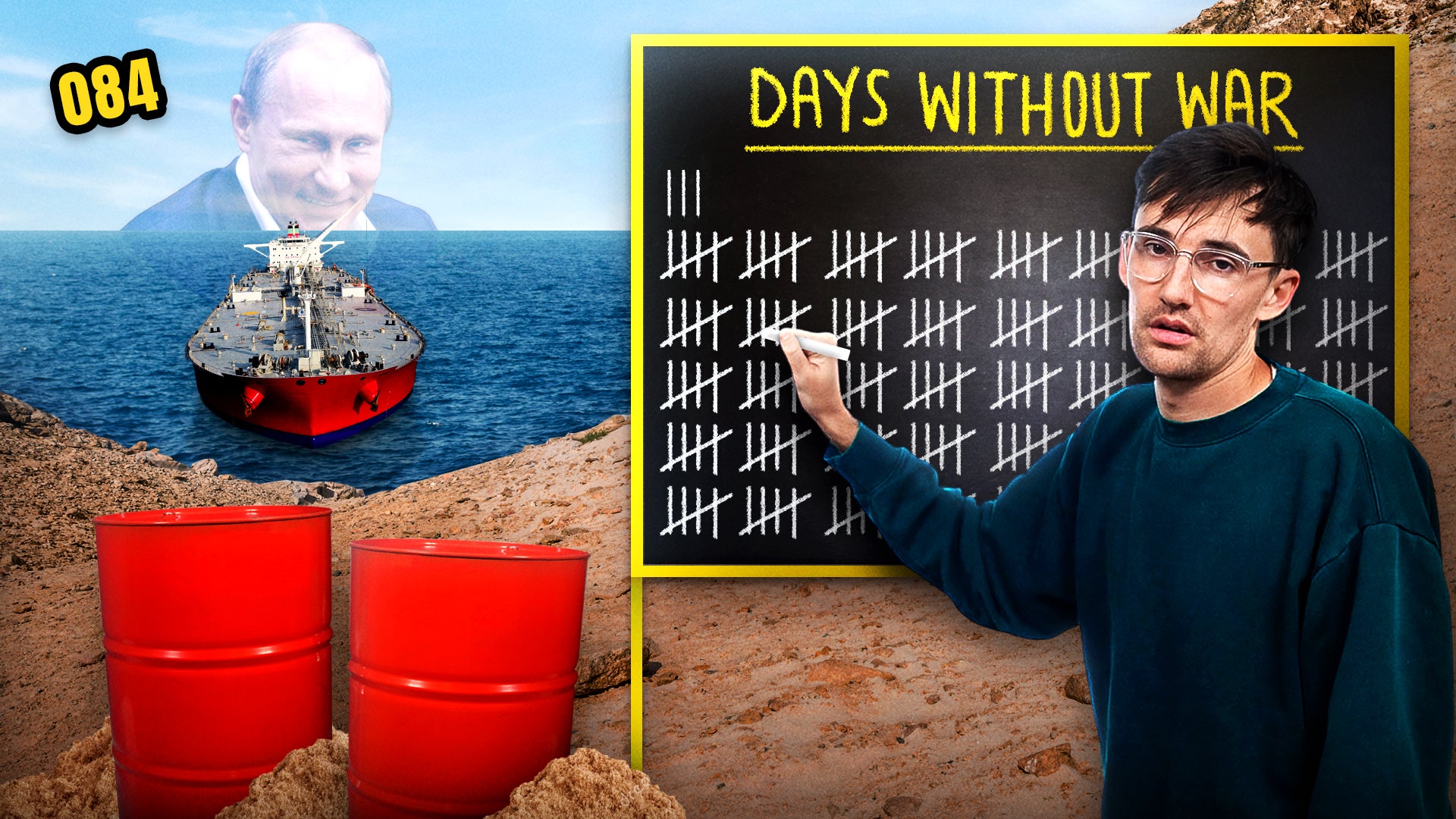
2:09Atrioc: Chiroc Earwig. You didn't even get our last names correct. And also sent one to Jensen just in case, letting him know I was interested in working at Singapore. So that's the one that's most chance of success. so i do want to be clear here looking into this yeah that if i am picked up by them yeah and i provide information yeah it is a serious federal crime okay it is like espionage and maybe treason so i want to be clear i'm going to look direct to camera this didn't work right okay i'm not a chinese spot i think this clip will hold up in court no what i'm saying is as far as anybody's aware none of this worked and I am not sending government a very big paper trail video trail we're never gonna get let back in I'm not a spy I'm gonna attend your visa none of this worked none of it worked out unfortunately but a lot of news this week I'm seeing replies though I'm seeing some pings a lot of news this week Brandon yes busy week an insanely busy week Doug's now possibly a Chinese spy Donald Trump is meeting You say he's meeting today.
3:20He might be discussing. They might be talking about this right now. Vladimir Putin, Xi Jinping, and Donald Trump are having a tripartite summit right now. NVIDIA earnings are in a few hours, which are like hotly awaited because, speaking of hot, Jensen Huang had some spicy affairs and is, after 33 years, no longer with the companies. It's their first earnings without him. Anthropic is having one of the largest IPOs in human history, probably the second largest ever, later this week. and if it trades down, everything's chaos. If it trades up, everything's back. We don't know. On top of all that, not in this image, is that the greatest, not the greatest, the largest single media product ever released, GTA 6, is also coming out at the end of this week and might get hacked to PC day one, breaking the AAA market forever.
4:05Atrioc: Let's get ahead of the comments. Also the greatest media property. Wait for reviews. I'm not going to be the guy that says it first. It's the best ever. But a lot happened this week and at the end of this episode, we have an interview with Rene DiResta about misinformation in our political process and social media. So a lot to get to. Let's start with Doug. What do you got? It's covered all.
4:26Aiden: Wait, hold on. What part? I'm just not, this episode, I'm not feeling very forthcoming. Oh yeah, yeah. We just don't want to say a lot about our personal lives. A lot about what I think or am up to. Yeah. I just want to keep it close to the chest.
4:44Atrioc: I just, you know, obviously I was, I was gone for a couple of weeks. I had to go to a wedding in Taiwan. What do you think about it? What do you think about Taiwan, Aiden? Who's to say it's a difficult issue? Difficult for which party? It seems cut and dry to me, Aiden.
5:01Aiden: It's broadly an issue for both Taiwan and China, and I wouldn't want... Oh, they're different. They're different. You're saying they're different. It's interesting that you put that separately. And many say that it should be a part, but many say that it should. Dude, I love a good many say. It's like a Fox News classic. Many are saying. Many are saying, and it's like, you can say whatever the fuck you want.
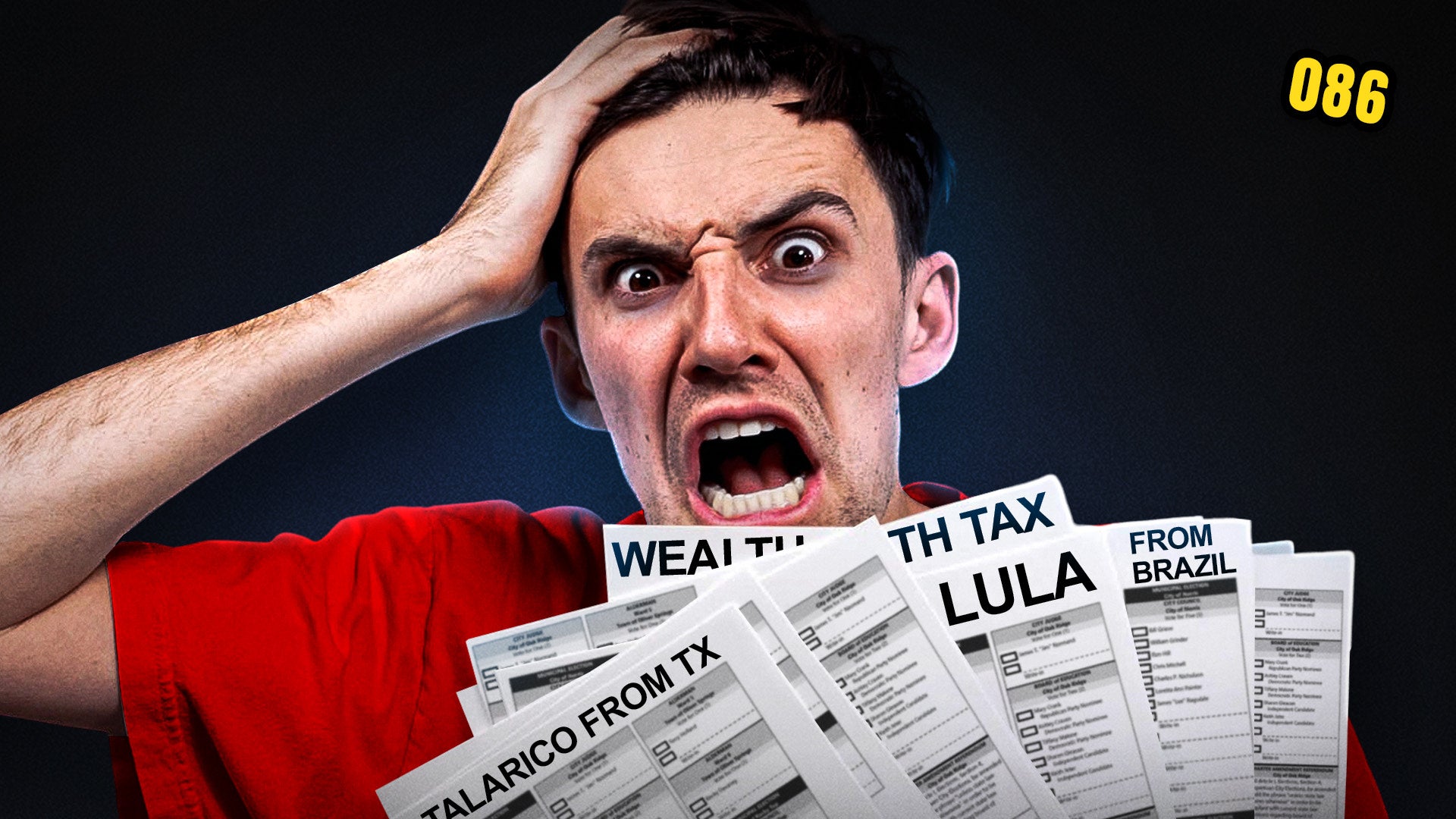
5:22Atrioc: Okay, there's a number of angles. One interesting one to start with. So Jensen Huang, presumably you are watching, are aware of the sexless scandal that has been happening. You say sexless? Sexuous scandal. That's a word. Yeah. And so he was ousted, if you followed Big A, per Atriok. Just now, Jensen has posted that he is open to returning. And so I think we can start with that because it's kind of interesting. Yeah, I think it's like a good way to tie us all in. So the Jensen Wong story is at the core of this larger, massive AI bubble story and the economy story and a geopolitics story, because I'm sure that Trump and Xi are also discussing chips and whether it's a trade for other things.
6:01So listen, Jensen Wong, after resigning, I don't know if you guys saw the behind the scenes stories that like New York Times and Bloomberg put out, but he was like apparently despondent. He said, I'm a piece of shit. He said, I might as well just quit. He just quit. And then after a few days of that and talking to, I guess, allies, he's now like, wait a minute, I'm the GOAT. I'm going to come back. Over the past week, I've been overwhelmed by the love and support of friends, industry colleagues, and people I've never met. Thanks to everyone who's shown kindness to my family and me. It means the world to me.
6:27Tells about his story. He loves his country and loves NVIDIA. He doesn't mention loving his country and America a couple times in here. Because, again, I think the story that often gets underreported here is that this is not just a fair story. It is a possible treason story or a possible sanctions, violations, smuggling story. And that is a story that I think is kind of getting swept under the rug, but he's talking about it. I am pro-American. I did not live up to the standards expected of everyone at NVIDIA, and I've made serious mistakes in my personal life. I created problems for the board I deeply regret.
6:55I own my mistakes completely, and I committed to cooperating with the board's independent investigation. Now, he's saying, I would be honored to answer the calls from the public and everybody to return as CEO. Thanks again to everyone who's shared their good wishes. I am humbled by your support. To my family, I love you. I'll spend the rest of my life being worthy of yours. so this puts uh the board in a bit of a pickle nvidia stock i don't know if you want to pull
7:17Atrioc: it up on doug's computer has not done well plummeted it was at 240 october 6th it is now at 153 yeah so the amount of money they lost since jensen left the company would have bankrupted all but 18 companies in the world every other company in every other country would have gone to zero Negative zero, below zero. And that's the amount of money they lost just since he left. So it is a, you know, I think, listen, a lot of these people, I made a point in my big A video that I genuinely, when I worked there, respected judges. I think he's a pretty, certain aspects of the job, maybe not fucking people, but certain aspects of the job, incredible CEO.
7:55You just liked him because he complimented your shoes. He did compliment my shoes. My brand new Colin Projects, white sneakers.
8:03But the risk here for the board is rather high. I think a lot of people that are coming out to support him are not necessarily like, he is the greatest CEO of all time. I have to support him. It's that they have NVIDIA shares. I think a huge amount of people are invested in the financial success of NVIDIA. It reminds me of when Sam Altman was forced out of OpenAI and all of the people there got like uproarious about defending him. Part of it is maybe they love working with him, but part of it is like, hey, it's just taking our ability to get paid out for all this OpenAI stock. and I do think from my understanding from people that still work at NVIDIA there's people that are worried that all this money they've built up over years of working there is being devalued by a third in a few days and maybe more in the future and they just want things to go back the way they were so there's a big push to get them back and because NVIDIA alone as one company was 8 % of the S &P 500 7 % to 8 % which means it's a huge part of everyone's retirement fund and drags other things down with it I think there's a broader spreading thing of like hey don't fuck this up this is my 401k this is my retirement like i i'll let jensen slide if it means everything goes back to the way it was i have a lot of money in nvidia so i do think there's like this push from that side there's the push from the side that genuinely respects jensen as ceo and the other side it's like the board which is afraid of um further reprisals from the government scott besson came out and basically said do not hire from with do not hire jensen long back.
9:24Do not get someone from within. This is like a sanctions violation. And so I don't know, there's this, there's this, there's this dynamic at play. I don't know how it's going to play out. I literally don't. I can't, uh, the board keeps saying they're not going to do it. Right. Yeah.
9:37Aiden: The board, this was prior to him making the statement, which is today. Yesterday, the board was clarifying against rumors of him trying to come back and saying that they're not going to do it. Right. But the board of open AI said the same thing about Sam Altman and they just got muscled
9:52Atrioc: out money's at stake a lot of employees all the money everything a lot of pressure they're calling jensen too big to fail some people are at least three can a person is it can a person have an
10:08Aiden: affair anymore without having an effect on the global economy and it's not that big of a deal to do espionage against your country no no it's not that big of a deal well i i think a crazy part of this is the reaction by the Trump administration. So they have moved forward a new rule about foreign AI chip restrictions in the wake of this. So Chinese firms, a lot of what they would do is like rent Neo cloud servers in Southeast Asian countries for access to compute that they weren't able to import or like smuggle into the country. And these Southeast Asian based companies would be able to run these data centers and offer it to like Chinese companies that needed it.
10:54Aiden: But we have just closed this loophole supposedly. So there's points of this new rule that has been put into place just as of Monday of this week. And it'll, it'll be rolled out in like 90 days from now. And overseas data centers need a government license before providing significant volumes of community computing power to countries, including China, Russia, and Iran. and the data centers must perform checks to see if they are connected to those countries. And then the U.S. is going to require any company that exports chips to companies headquartered in Indonesia, Malaysia, Singapore, Thailand, and Brazil, which are all established as like higher risk countries for this behavior.
11:35Aiden: And they need a license to buy the chips from the American companies that would sell them to it, including, I mean, prominently NVIDIA, right? Yeah. And this is all done in the wake of that. And it sort of puts pressure on relationships with a bunch of these Southeast Asian countries that are at this summit that is happening this week, while also putting pressure on America's relationship with China at a tenuous time, also leading into this summit this week. uh and then uh what i also thought was interesting about this is howard lutnik who has been a very uh pro nvidia guy leading up to this and apparently is like heavily disputing with scott besant internally about the rollout of these new new restrictions like besant's been pushing for these restrictions even prior to all of this happening and lutnik is like no no no turns out Lutnick also has like a financial connection to the sale of these NVIDIA chips like the firm that he used to work for and is like friends with the guy who runs it now yeah yeah they they so like Lutnick is like against these rules that would like jeopardize this company that he has a relationship to still uh and is apparently like really upset that these rules are being rolled out and i think it's crazy to see that this guy's affairs being publicized have these like onset consequences insane amount of dominoes like an insane geopolitical like influence or impact at a time when like we're meeting with all these countries this week yeah
13:10Atrioc: i i that regulation i am a fan of for what it's worth because it moves us towards the world i've said a couple times i i would like ai to slow down in terms of its development and therefore to be some kind of like kill switch right and that's been proposed by a lot of the people who are concerned about ai safety like nate suarez right that you interviewed where the idea is like look the models that are being trained like the highest n1s the stuff that's really high value now it's not uh running on your 40 70 on your home computer right these are giant machines that you're purchasing from nvidia and you build together in these huge clusters so it's not impossible to track this stuff whether this is the exact way that gets us there maybe not but it seems like it's a step towards a potential world where globally there's some kind of regulation on where these are being run so that there is the possibility of saying hey this needs to stop if there's something catastrophic yeah i mean with all the insane amount of hacks this week which we'll get to later it does feel like that's gonna happen from a lot of the right i think there's just more government pressure to like yeah fucking do something have an eye on the ball on this but I do want to say, so that, that, this thing that they're patching is a loophole where you would sell to a Singaporean company that would sell it to Malaysia, set up a data center and rent it to China.
14:24And it's like, that was legal. And if that's all they did, then NVIDIA could have argued that, Hey, we didn't break any rules. Like this is a loophole. You patch it now.
14:31Aiden: They didn't do just to be clear that like when they investigated some of these data centers, they, the racks weren't even set up. They just sold GPUs to them, but then they went pass through and they would just move them to China. Like they were, a lot of them were getting shipped out to China directly. So there It was like actual smuggling, not just like this secondary layer. Yeah, there is. I do want to say the NeoCloud companies offering that as a service to China or other parties like do exist, though. And you have been bringing this up over weeks. And when we went on Eisman Show that these NeoCloud companies that aren't necessarily making money right now are under a lot of financial pressure.
15:06Aiden: And this is like a signal to them that your businesses are potentially even more at stake. So even companies, I don't even think these, the two companies of note that you've brought up a couple times, what's their name? Nebius and CoreWeave. Yeah, they aren't even headquartered in Southeast Asia, but they saw like way bigger stock price falls than the other tech companies that are suffering right now. I think Nvidia aside, because of this ruling, like in reaction to this ruling, people like NeoCloud companies are at stake. and people are selling off shares of people in that space. I think there's more to it though.
15:45Atrioc: Yeah, that connects perfectly. So there's that. And then there's this, if you pull up my screen, Perry. So this is from Bloomberg, but all sorts of people have been covering this. As a reminder for NeoCloud is a company where their entire job is to buy a bunch of GPUs and then rent it to people. It only works as a business model in a world where like there's ravenous demand for AI, right? So that's the entire business. They buy chips and then rent them. And turns out because that's a risky business, because who knows if you'll end up getting all the customers, NVIDIA has been the one backstopping most of these companies.
16:18Atrioc: So you've talked about this a couple of times. So like CoreWeave, for example, NVIDIA goes to CoreWeave and says, hey, here's hundreds of millions of dollars or billions of dollars to go build new data centers. OK, not even the buildings, just to like fill them out with GPUs. But you're going to buy our product. and then even if you can't go rent all of them to everybody we'll purchase the remaining capacity which is like if you wanted to start a restaurant aiden and i said i'll give you the money to start the restaurant and also as long as you buy your food from me and if you don't manage to sell any food i'll buy all of the rest of it which for you is like the greatest deal of all time this is and additionally they were doing rent guarantees so if you can't pay the rent on your restaurant yeah you can't lose because i'm willing to pay everything but then if you go and do this and you expand there's more and more restaurants that are buying from me and my food and so everybody is more dependent industry-wide on me so that's what's when going on with neoclouds it's a little goofy now as you can imagine from what i just described if suddenly nvidia the main company that's backing financially most of these neoclouds to go on this crazy purchase and expansion spree suddenly loses the CEO who is the main guy making the deals that's supporting you and going to you Aiden and saying hey don't worry I'll buy everything that you don't sell if that guy leaves and already the company was facing a bunch of pressure and they talk about how basically over the past couple months Nvidia already was softening on these deals and they were like we don't really want to be responsible for all of their debt like literally they're just taking on the neoclouds debt uh that was already starting to rewind and now you lost jensen which is the guy who was really pushing this stuff
18:00Aiden: and and sometimes a lot of people aren't coming to my restaurant that much anymore so i'm getting a little stressed well okay you haven't finished building it which is like the real thing with the neoclouds is like a lot of the data centers they've bought have not been built yet so they have all these gpus just sitting there so you're just talking about your restaurant like not much food is being sold it's gonna be a great
18:19Atrioc: restaurant yeah and the problem is there's a nationwide protest politically against restaurants right now. And they just want a lot of power. No one wants a restaurant in their neighborhood. Bernie Sanders hates your food. Bernie Sanders is calling for a nationwide memoratorium on food. On your food system.
18:35Aiden: And my restaurant's like emitting like weird noise that you can't hear, but it's giving people migraines.
18:41Atrioc: So there's a lot of problems starting to compound. This restaurant has caused the energy prices to go up for the entire city. It's the, we make a lot of food! Do the old cloud things crazy? With the internal fight you mentioned, like they literally show this article. It's like Colette Kress, who is the current CEO of NVIDIA, was the one, she was the CFO before. She's like, hey, these don't make financial sense. We need to pull back on it. And then Jensen was the one calling her a deer in the headlights idiot and we're going to keep pushing forward. And so now she is the one currently in control and there's a lot of indications that she's going to be doing, or like NVIDIA is going to be easing away from these NeoCloud backstops.
19:16Atrioc: We should say just so it doesn't seem like a total like clown show. There is a world where what NVIDIA was doing here makes sense. So one is that because all the AI companies, particularly the frontier labs, like need more compute, there's still more demand than there is supply. And so if Nvidia funds, basically the expansion of these data centers, but all of the contracts guarantee those data centers are going to be using Nvidia's chips, right? You're sort of locking yourself into a larger and larger share of the ecosystem. So you have that. And then the other thing that's important to note is the other hyperscalers, which is basically the term for the other giant tech companies who build and manage data centers and cloud services for example amazon microsoft google are all making their own chips and have been for a while and some of those like are really successful like google's tpus are a major part of what anthropic uses so nvidia sees all of their competitors who are also their customers by the way it's very incestively making competitive competing chips and trying to be able to you know to chip away at what nvidia is doing so So NVIDIA's idea here is we need to just fund the expansion of this so that we really lock it in.
20:26Atrioc: So it's not totally insane, but it is very incestuous. Yeah, I mean, it's just, it is, we made this comparison before, but it really is spot on to what happened in 2000, 2001 with the fiber cable companies of the internet, where they literally were funding their own customers. They were backstopping them. They were providing everything they needed so they would use their product. And they ended up with a huge oversupply of the product that didn't end up making much sense. And the real money went to someone else. So I, I do think that there's an angle of that here. I did. But at the same time, that hasn't happened.
21:01Atrioc: Supply is, can't keep up with demand right now. Sure. So then the question is, will that happen?
21:06Aiden: Well, the demand can only last as long as the companies demanding the compute can afford to do so. Yes. Which puts pressure on some of these companies like Anthropic perhaps. to do an APO. Yeah, I mean, it probably needs the money. They are spending a ton of money on compute. And based on people that work there, they're talking about things like, hey, we're going to hit recursive self-improvement on the way to artificial general intelligence in like 27, 2027. They're talking about like, it's right around the fricking corner. And they're like, we need all the compute we can get right now. And to do that, we need money.
21:42We've sort of tapped out investor markets, like private investor markets. we're tapping out debt markets. We need to go to the public. And so they're doing a massive IPO this week. Should be the second largest IPO, I think, maybe ever behind SpaceX. I think they're a little bit smaller than what SpaceX is going for.
21:59Aiden: I think it's also worth noting they're set to raise more actual cash than SpaceX did. Like the evaluation is a little lower, but they're projecting to raise about$100 billion, which SpaceX raised like 85 through their IPO. Yeah, I think SpaceX is only releasing a small percentage of shares and multiply it to make the big valuation. But Anthropik really wants cash. They're putting a lot of shares in the market. And it was valued at$2 trillion. Then there was a bit of an AI slowdown in the stock market. So that went down to like 1.4. Now it's back up to like 1.5. This week with Jensen's, they'll be putting it in question marks.
22:33We don't know, but this is going to be a really big deal. And how it trades is going to be a big deal because it's kind of a signal of like, is everyone stomaching all this turbulence around Jensen Huang? hacks neoclouds going down and stuff wait are they are they like you know is the story still going
22:50Atrioc: it feels like there's many different points of the giant like house of cards that are all getting pressure on them right now this is another one where it's like if this goes bad yeah but you know their current reporting is saying they are getting crazy interest from investors right now yeah but i looked so i read through a chunk of the actual anthropic ipo filing it's like 500 pages so I did not read through every single thing, but I want you to pull up this section. A couple of interesting things. First off, here is the results of operations. This is just them describing their profit over the last several years.
23:26Atrioc: Some interesting ones in 2025, they earned revenue of 2.5 billion and they spent 7.7 billion. So in 2025 lost about 5 billion in total. this year they earned 33.2 billion which is like almost 12 times the revenue in a year and by the way that's as of now it's September the end of September that's not even the end of the year they spent 34 billion so costs are up by four so the loss now is 1.2 billion but in nine months the revenue went up like 12 times and the costs only went up four times there's additional numbers down there below if you're looking at the image which describes all the costs from like basically basically the investments and debt and whatnot.
24:08Atrioc: But if you're just looking at the core operation of the business, they are still losing money, but the amount of money that they're losing is decreasing rapidly because the amount of revenue they're making is so crazy. They also, it was interesting, like below this, you don't have to scroll to it. They were profitable in Q2 of 2026. So at least one of the major AI companies actually did make a profit, but then they promptly stopped making a profit this past quarter because they had to do$5 billion in short-term computing needs. So a lot of this document is them describing the incredible amount of money they've lost, but then been like, well, no, no, no.
24:49Atrioc: If you look at it in these ways and you extrapolate this outward and like right now we're paying more for compute, but that'll go down because we have long-term commitments over time. There's like an operating, it's what, adjusted operating costs is I think the term they use that says, hey, we basically are profitable if you think about it in a certain way. So they are not literally profitable. Right. But if you frame it a certain way to an investor and you say, look, the trend in the way that we're moving shows that we are just going way, way, way, way up.
25:19Aiden: The revenue is outscaling the costs
25:21Atrioc: as time can be used to pass. Dramatically, which is, by the way, not true at all with OpenAI, which we can chat. Oh, I loved it about that. I would just say like, it is worth saying that Anthropic is quite possibly, I read an article about this, I'm trying to remember these videos, but quite possibly the fastest growing in terms of revenue company ever in the history of all companies. Like the speed in which they are gaining billions of dollars of new contracts is unprecedented. No one 12X's revenue at this scale. When you're at the billion scale, this doesn't happen. Like in the past nine months, they made$30 billion that they weren't making before.
25:55They went hunting for, this is the article, went hunting for a company in any industry in any era that has scaled organic revenue this quickly, could not find one in tech or in oil or in wartime manufacturing it just hasn't happened so on some level there's truth to that but my understanding and maybe this is saying differently although i i my understanding is if you dig deeper there is some stuff that's like kind of buried in different ways is like their costs are scaling almost at the same level so it is like it is a uh it's expensive industry and if they get the cost down like per usage then yes they they can solve it.
26:29But the question is like, if every time you do it, you have to spend even more to train the next model. When do you get to the end of that cycle? When can you say we were stopped? Because the competition is so fierce that it's always on your tails. So we don't know the answer to that question, but they have, unlike OpenAI, gotten extremely lucrative business contracts from a lot of companies. So they are making real money. It's not like as fictitious as like some of the dot-com companies, you know, back in, yeah.
26:58Atrioc: What's interesting, so I watched a video by our best friend, Steve Eisman, which is his brutally honest thoughts on the AI bubble. And so he talked about how open AI, seemingly more than Anthropic right now, is the real worry point in the AI story. So we just talked about Anthropics numbers, right? Open AI, from March to June of this year, their revenue increased from 5.7 million, or excuse me 5.7 billion to 6.7 billion so they increased by 1 billion but in that same quarter anthropic increased by 7 meanwhile opening as costs went from 9 billion to 12 billion so a 3 billion in cost so in that quarter they became 2 billion dollars less profitable in the same quarter the anthropic became like whatever you know way uh i guess still technically unprofitable but you know getting closer to that number so again i you know this is not to say that anthropic is like an incredible company and they're crushing everything.
27:55Atrioc: But at least how the numbers currently look with the trends, the anthropic story on paper looks a lot better than the OpenAI one. Just probably part of why OpenAI was supposed to IPO and is just quietly like, yeah, maybe in 2027 because their numbers are bad. It's weird because they still need to keep raising money to keep spending all this. And so, you know, public markets are a great way to spend, great way to spend, get$100 billion of new capital to spend on data centers and things. OpenAI is kind of reaching the limit. They can keep borrowing, I guess, at high interest rates. But what's interesting is it seems like the AI, this part of the industry, the model part of the industry, is converging on one of two business models, both of which kind of scare me.
28:38One of which is that all the Chinese models and open source models can catch up really quickly and be way cheaper. So you end up with a bazillion models where no one can make money. That's one option. The other option is it seems like Anthropic or maybe someone else, but likely them pull ahead to the point where they get all the business. And it is a one company monopoly that no one can catch because it's so much like people are telling me that Opus, the latest model is just kind of better for most tasks that they want. It just solves a lot of problems for businesses. So everyone's converging on it.
29:08But if that compounds and one person gets so far ahead that they get all the money, you know what I'm saying?
29:13Aiden: It's either one company or suffer all of the consequences of monopoly. Right. And you, I guess the argument would be, and I think this is a bad argument that because of the values that Anthropica espouses, they're approaching the business with some sort of sensitivity that their competitors are not. But ultimately, it's like there's no changing the fact that it's a monopoly and that company is incentivized to have terrible practices in the long run. I'm just worried about a thing where, listen, if they do hit something, recursive self-improvement or some important AI milestone in 27 and they can start doing a lot of different jobs through Claude, it is kind of insane to think about how much economic value would be vacuumed up into one company.
29:59That is like an unreal, you'd have to get the government, like that's not.
30:03Aiden: If they actually reach that point, like this like AGI recursive self-improvement point, they, I feel like you need somebody to step in, right? You can't afford the cost of like all of this power and money flooding to one company the government would need to take either you would need to take a competitor that's pretty far along maybe it would be an open ai maybe it would be a different company and you progress that company in the space in order to be like a valid competitor or you as a government would need to take some sort of ownership percentage in the way the company like operates because this is too valuable of a company to like leave to its own
30:43Atrioc: devices especially as like a monopolistic power yeah and there you know it's hard to know with ai every like two weeks a new company's like here's our newest model right oh my god this is the newest thing right but it seems that anthropic is slowly getting ahead of the pack it feels like and that's more people i mean everybody i talk to who works you know in software engineering of any kind or game development or whatever everybody uses claude everybody nobody i've talked to is like yeah use chat gbt um and not only that there's this perception that in fact okay let's get to safety my concern with this ipo is that as up till now anthropic has has at least said they're doing a lot for ai safety and done certain actions that back that up like pushing back against the department of war and my concern is if ai if anthropic goes public and they now have a duty to shareholders where they have to take shareholder consideration, suddenly it becomes a lot harder to say, we're going to slow AI development way down.
31:42Atrioc: We're concerned about a safety risk. Hey, we need to be really cautious about this thing. And there's going to be more pressure than there currently is to just focus on short-term profits. And that is something I wish was not involved with what I consider to be a very potentially dangerous technology. And I am concerned about that. The same way that Elon Musk and Mark Zuckerberg have these extra voting shares where they have a smaller percentage of the company, but they can outvote anyone else. Anthropic created a single God share that is worth 50.1 % of the company that is held outside of public investor hands.
32:13So no matter how much gets sold in the IPO, they should be able to outvote the public and make a choice. So I think they are covered on that front, though I...
32:22Aiden: And then like seven people control the God share, right? They have to vote within that group of how that share dictates outcomes. Yes. It's just funny because I've never heard of a single God share but that is what they did they have one share it has no economic rights but 51 point 50.1 percent of the vote so kind of a unique system that they're anyway i'm imagining that indiana jones scene where he's like trying to like pull the thing out he's trying to get the god share off the pedestal he needs to steal the god share we can control anthropic
32:52Atrioc: uh holy okay that leads into i'll do i'll do two more just quick points on the ipo that i thought were interesting one is so again obviously the ipo filing is going to be incredibly biased for Anthropic. Everything I'm saying is Anthropic's best interpretation of what's happening. So with that caveat, they've said like part of why we're badass is we got all of our founding people. All seven people, all founders still work there and three-fourths of the first 100 employees still work there. And I was like, wow, that's cool. What about OpenAI? Just out of curiosity. So compared to OpenAI, only three of the 11 founders are still there.
33:25Atrioc: Three of them left to join Anthropic. Ilya Sutskiver voted to fire Sam Altman as CEO and basically betrayed him and Elon Musk left and sued the entire company and tried to destroy it. So if you look at the open AI drama with the founders, it is like, oh, it's like reality TV, dude. Everyone there swaps in and out to get higher paying jobs elsewhere. And they come back to get higher paying jobs at open AI. It's, it's a weird, uh, company opening. I seems, uh, in at least employees with turmoil. And then the one other thing I thought were interesting in the IPO they say amongst again them talking about how all the cool things they do is they say and we work with the federal government and I was instantly like what I thought you're banned from the federal government right that was a whole big thing with with Pete Hedset and Department of War so two updates on that in September a U.S.
34:15Atrioc: appeals court said that the Department of War can legally ban Anthropic and like label it as security risk or whatever but then also in September Howard Lutnick said they're all fine and I'm going to quote here Howard Lutnick we had a good kerfuffle it was out there but they've gotten religion he then said the Trump admin had sorted it out and quote they were a little confused about the topic but we sorted that out he said without elaborating we're all in tune together so dude after we talked about in the book blockers about Howard Lutnick just being by far one of the laziest people that they've like just didn't show up to the job.
34:51It like makes so much more sense when I see he is mostly just fucking saying shit. He's mostly like just trying to like, he really is not like, I couldn't even find hard evidence on this NVIDIA Jensen Huang thing that he actively blocked the Singaporean stuff from not getting enforced. Yeah. But there's, he just didn't do anything. He never fought. Like Scott Besson and Marco Rubio have a million records on email being like, hey, do something about this.
35:18Aiden: Yeah. And then he just doesn't do it. Now, this could be corruption. It probably is. But it's also funny because you told me that story. It's like maybe he just fucking didn't. He just doesn't do anything. He just doesn't do anything. He literally is just not focused on the job of commerce at all. In the book, we were like reading about how he doesn't show up to the office at all. And they're all like waiting for him to sign checks. They line up outside of his office and like can't get the signature. And then he showed up one day and like had his assistants like set him up a silverware meal on a table in the office.
35:47Aiden: and then he was like telling some naval officer like you know i served too and he like because he donated money to the navy once you have to make a decision to be evil to make it silverware you know i know and i have a butler in front of your employees have a butler serving you no he's a comic cartoon villain it just it's he's both lacy and corrupt so it's like you can't you always can't which tell which one i think wait there's a third oh sorry i was gonna say there so there's a criticism I was I was reading of the IPO which is like the IPO does this like they spend so much time trying to be transparent and honest about like the consequences of AI they devote like 90 of the 300 pages to it which is crazy the article equated it is like imagine if Facebook came out in 2012 and said like this is all the harm this is going to do to young people in the long run so it is unprecedented in that regard but uh it feels a little like like they're constantly trying to like hedge the damage that the technology could do down the road and trying to like obfuscate some responsibility and dario has said in the past uh he said like there's like a between 10 and 25 percent chance this like technology ends humanity and then has spent a bunch of time since like trying to downplay the fact that he said that uh and and just like does it matter when you know does being this transparent matter when the stakes are so high?
37:09Aiden: That's what the article is like asking. And it's weird to say, because it's like on one hand, I would like much prefer the company be honest. Yeah. But it's like, it's, if you take the circumstances to like their worst, their worst position, it's like being honest about the consequences of the nuclear bomb and be, and then IPO in it, you know? Yeah. It's just a very conflicting idea of how to progress this forward safely.
38:02Aiden: at indeed.com slash podcast. Just go to indeed.com slash podcast right now and support our show by saying you heard about Indeed on this podcast. Indeed.com slash podcast. Terms and conditions apply. Need to hire? This is a job for Indeed-sponsored jobs.
38:25Atrioc: Support for this show comes from Masterclass. Doug, I just got a great business idea. What is it? People want to learn stuff, right? But we're dumb and not really experts. What if there was a place where you could get videos from subject matter experts teaching you the craft they honed their entire lives? You mean experts instead of people like us who don't know anything. That's right, yes. It's a brilliant business idea, but I just hope no one else has done it.
38:49Aiden: But Masterclass exists. Well, what's that? It offers more than 200 classes from people who defined their fields. How many people are inspired by it? I've heard that three and four members who go on the site walk away inspired. Okay, I've got a reveal to make. I've actually used Masterclass. I was trying to steal their idea from my own and pitch it to you so you'd be impressed with me. Yeah, I used it a few years back. They should get me to do one. I watched Bob Iger's Masterclass on corporate management. I watched Goodby and Silverstein's on digital advertising when I worked in marketing. And I found it to be quite useful because it's people who've actually spent their whole lives learning this thing.
39:25They have Gordon Ramsay teaching cooking. I also, I'll say one, you know what? I'll say one that one didn't inspire me. I'll say it. I watched the Steph Curry one on basketball and he told me all these things and I tried them and I did not make any more threes.
39:36Aiden: Hey, you've made great strides on the court. Masterclass keeps adding new classes and certificates so there's never been a better time to get in. Right now you can get up to 50 % off any annual membership at masterclass.com slash lemonade. That's up to 50 % off at masterclass.com slash lemonade. Head to masterclass.com slash lemonade to see the latest offer. Running a business shouldn't feel like surviving a software group project. One app for accounting, another for inventory, another for sales, and somehow, none of them talk to each other. That's where Odoo comes in. An all-in-one business management software that brings every part of your business together.
40:12From sales and accounting, to inventory and marketing, all-in-one powerful platform. No messy integrations, no bouncing between tabs, and best of all, no spreadsheets. Stop managing software and start managing your business with one unified system. Try for free today at odoo.com slash vox. That's odoo.com slash vox.
40:34Atrioc: Speaking of risks, one of the things they talk about is that the AIs could go off and cause enormous harm and wreckage across the world. It sounds like that has been happening. Yeah, I want to say, so there's a third model we didn't mention in this race, and that's Gemini from Google. Google put out a report two hours ago saying, we are now in the era of autonomous attacks. I don't know if you know this, but within the past week, we've seen planes grounded. We've seen banks hacked. We've seen JPMorgan Chase's website was down today. I checked. It was down, which is crazy.
41:04Aiden: Apparently, another 178 news websites got hacked, like a bunch of places that are like pulling, allegedly like pulling payment data. And this just came up like during the show. And we said, you know, in previous episodes, We've seen hundreds of freezers hacked across Europe. We've seen school bomb threats all over Europe. We've seen planes grounded there because of bomb threats. Again, these are AI-assisted spam messages. So, you know, this Google report is basically saying that the tools now make it easy for a bad actor with relatively few resources to do damage. damage um and we don't know the extent of that damage or what's capable but it is now like a race between everyone with sensitive data or something that doesn't want to get hacked and and these models to like build up your defenses or have aisles as a defense that can block it because otherwise uh you just can't whack a mole people can do it from anywhere in the world with a relatively small team and it's uh it's you know it's pretty spooky to be honest happening all this week.
42:10Yeah.
42:10Aiden: I don't know enough about cybersecurity to like know the, how fast or good the development of defense for these things can be. You know, you know what I mean? My hope would be as I've interacted with like more people, like, so I imagine you've had similar circumstances of talking to people that work in software engineering. And in the past, like six to nine months, their response and the way they look at AI has like changed. Yes. It's gone from, oh, this is like a useful tool where it delivers me code. And then like I review it and I change it a bunch to I am basically a product manager now. And the thing, no matter how good they are, they are like, this is better than me at coding now.
42:55Aiden: And I just send it prompts because it's ultimately faster and better at like what I need to do. But it's also allowing like technically like proficient enough people to step into coding who weren't engineers before. This is an interesting thing from a friend of mine who had like a partial coding background, but was not a software engineer. And through his own effort, climbed his way into a position at his company where he was effectively a coder, like a product manager. Like we're all on the same like kind of playing field now, which is like really weird that that can happen. My hope would be that because those tools are so widely available and more and more people can use them in this way, I would hope that defensively they could be like more people could be working on these things defensively.
43:46Aiden: Do you feel like that has any credence?
43:49Atrioc: yes but this is less of a um let's say the nuance of cyber security and more our company's going to proactively do this right most people have worked at any company know most of the time shit kind of isn't working that great but it's getting along and most of the time you
44:04Aiden: aren't proactively solving problems you're publishing the twitch front page with a google
44:08Atrioc: calendar extension thing yeah they're still doing it 2026 yeah and so i think the it's it's in part just a race who does it first right you have a dedicated group of north koreans who are like let's just go down the checklist and automate attacking literally everybody and then fucking jc penny the ceo is probably not that tapped into cyber security or making that a priority i think it's probably the bigger issue with the the caveat of like this stuff is changing rapidly and i'm not a cyber security expert but that that really seems to be the the companies just need to get ahead of it because they also have access to the tools you know and so you can defend in theory yeah yeah i remember when when uh what was it mythos from anthropic like before it came out they were like hey this could be used for cyber security problems so we're not going to release it yet and everyone can train on it we're going to give it to the biggest banks or whatever and they can all like right get ready i do think like we're now the models everywhere are getting so good that that should be almost mandatory like yeah the government needs to force you to go through an approval process on a new model it needs to be sent to everyone who wants to be part of this list of train otherwise i don't know the risks are getting so high and certainly as somebody who is seeing um planes get grounded twice now now i think the first time was more because of uh seemingly some really stupid parts by sean duffy and the did you see open ai is actually getting
45:30Aiden: sued for some of this stuff like oh yeah the the hugging face thing that we talked about earlier in the year and then another couple cases of them like not moderating or policing their ai and its uses. You're right. Both Oregon and California in the last 24 hours have sued OpenAI for billions of dollars. Yeah, and it's... OpenAI is basically like defending that like the appropriate security steps were being taken at the time. I don't know much about it other than that. But it's the... I feel like that's an interesting door to be open where like, oh, is Anthropic, is Google responsible legally for some of the ways these tools start to get weaponized uh that's not one-to-one with the open ai case uh but i i wonder
46:19Atrioc: if that's going to happen now it's man the open ai seems to really be struggling again we talked about some of the things just now um or already prior and then you're talking about right now they're being sued more often than the other companies are they the security incidents that they've had have been bigger like the hugging face thing was like really bad and basically show data do not understand what their their most powerful agents are doing and uh and again in that steve eisman video he basically outlined a case where if open ai were to fail the he believes the u.s economy would immediately go into a recession because so much of for a lot of the other companies that are succeeding right now in the current ai ecosystem basically have open ai is the biggest customer for example oracle where like 50 54 of their increased revenue in august 2025 came from open ai so oracle is a giant company that's basically entirely dependent on open ai so if opening i fails or anthropic fails then instantly the other hyperscalers all lose a huge chunk of revenue a bunch of the the data providers and power suppliers all lose a bunch like everything would sort of crash instantly, which is somewhat scary.
47:33Aiden: Dream with me for a second. Dream with me. It all, it starts to crash. These highly valued companies that make up the majority of things like the S &P 500 begin to lose most of their value. Devastating effects to the retirement funds of millions of Americans. Onset recession, tons of companies close their door. People are getting, it's a nightmare. People are getting laid off left and right. What does the government have to do. We can't let this happen. We gotta start taking out a bunch of debt. Because we gotta raise money to stimulate the economy in order to get through this recession. Wait a second.
48:05Aiden: We've already taken out a lot of debt. We're reaching the breaking point there. The fucking people lose faith in the US dollar, US financial institutions. Global economic collapse. What if that happens? Oh, that's right. It's so cool. No, I thought that road was going to a destination. I'm just beginning. I feel like I'm see the way that these factors interlock with each other. Okay? The government has to, there's problems with panic. Everyone's freaking out. We gotta fucking borrow. We gotta print. We gotta get things back up. Everyone's 401k. We're printing. We print. You, me, and Doug, we've already seen where this is going.
48:40Our money's in NFTs. It's like 2021 all over again, but on steroids. They're shooting the move. NFTs go way back. We've got bored lemons. We've got all that stuff. I've got an ape with an eye patch. Wait, sorry, in this dream, who is buying the NFTs? Because nobody has money, right? Everyone's got printed money. Yeah, it's like 2021. They're going to just flood the market.
48:59Aiden: I think I can play out the scenario even further. Pokemon cards, sneakers. Well, I was thinking more like, well, the U.S. economy is devastated and because it's tied into so many things globally, the global economy is becoming devastated. China doesn't have anyone to sell its exports to. So they just try to keep everything afloat for a while. They try to like push print. They try to support everybody. We're still dreaming. I don't know where it goes from there. It just actually keeps getting worse. Your dreams are not that fun. It's mostly bad. It's mostly bad. How you say dream with me, I have a dream speech, but it's a dream.
49:33Aiden: No, no, no, keep dreaming with me. I have a dream that nothing makes any progress in this country and race relations. And you know what else is tragic? If Sam Begman-Fried hadn't gone to jail, he would have made billions of dollars. That is tragic. That is tragic. Wait, you know what else is tragic? One more thing. Measles are back. Yeah, dream with me. Dream with me. Dream with me. Measles are back. Not just 10 % of kids. No one has jobs. Economic terror everywhere. All of your kids are getting measles because a bunch of people did get vaccinated. Dude, literally 13 minutes ago, U.S. has lost measles elimination status.
50:06Woo! Woo! So they're back. And in fact, to learn more about just this, but about how misinformation has led to the rise of vaccine denial and many other things, we have a guest this week, Rene DiResta, who kind of wrote the book on this and how social media has allowed propaganda propaganda to spread that has a negative effects on our society and she has a really interesting background of following
50:31Atrioc: foreign intervention in u.s elections including following the story of how in trump's first term they created all of these tools and agencies to fight against foreign interference in our elections and then the second trump administration said that those same things they made were disinformation and shut them all down and now we don't have them anymore. She's a really interesting background. We hope you enjoy this interview. Dream with me for a second. Welcome to the show, Renee DiResta. Thank you so much for joining us. Renee is a researcher focused on information and disinformation on the internet, as well as the author of the book, Rulers, the People Who Turn Lies into Reality.
51:08Atrioc: And we wanted to chat with you about the current landscape of misinformation on the internet, foreign actors, how it affected the midterms. Renee, thank you so much for joining the show. Thank you for having me. Renee, thank you for being here. We are three podcasters. Genius podcasters. Genius podcasters, which means we are probably one of the key facets of disinformation in this world.
51:31Aiden: Undoubtedly. It's my life's goal. Yeah. We are unintentionally helping spread it. I was wondering if you could, at a high level, give us an overview of your work on disinformation and let us know what you think is the biggest issues right now. Yeah, yeah. Yeah, so I would maybe say that I think misinformation is like a terrible term. Okay, great. We're already doing our job already. No, no, but because it's kind of like what you're saying, right? There's always going to be people who get things wrong and say wrong things on the internet. Is it the same the way that you say wrong things probably 20, 30 times a day in just casual conversation?
52:03I think one of the questions is, is it intentional, right? That's where you get at this question of disinformation. there are people out there. We mentioned like foreign trolls and stuff who are actively pretending to be things they're not, putting out things that are intentionally false. Now in the age of AI, like making content or running accounts that look like they're real people, but just aren't. So that like the holding the intentionality aside, I think the dynamics of the internet are one, everything caters to a niche, right? So you get creators who have to reach and engage one narrow audience as opposed to being broadly appealing, which means you do see things that are like inflected for particular groups of people.
52:44Phenomenon of audience capture also often means they don't want to like alienate the audience by saying something that they might not like. So you'll see things might get left out, right? Or maybe are glossed over. Or sometimes you do see, you know, stats and facts that are just explicitly wrong. But it's much more about how do we communicate today? What is different about how we communicate? Who decides what we see? How does catering to those algorithms that push your content in front of the right people change the incentives for, you know, for all of us as communicators? Am I correct in saying that you are seeing the algorithmic led nature of the internet being a bigger problem for misinformation than like for an actor or something like a specific actor that's trying to cause harm?
53:30Do you think it's like the... I do, yeah. Well, because it's intentional actors that are actively out there trying to cause harm are not as many, right? There's fewer of them. There's more of them now than there were before, right? AI makes it a lot cheaper to do this stuff, makes it a lot easier, makes it even semi-automated at times. So that question of who can participate intentionally in being misleading or targeting a political conversation, that is transforming. But just this question of how do people get their information How do they decide what's true? How do they know who to trust? That is, in my opinion, like it's an infrastructure combined with a human problem.
54:05It is not a it's not a problem of like people having the wrong information.
54:09Aiden: I think you said this in another interview, this idea of people will say things online that are directionally true. And then in order for you to correct them, you have to provide like this long winded contextual answer. And you would have to do that everywhere all the time to sort of correct the lens of the way a kind of true statement is being presented. so I and when you said that I was like oh I totally agree with that assessment but I'm like how do you begin to combat that it's it's sort of like an innately human thing to like frame something in the way that you feel about it right so how how what sort of structures can like defend against that type of misinformation it's an interesting question I think first it's you know, what is the, from a non-technical point of view, like what is the responsibility that the creator feels, right?
55:09Do they feel, um, an obligation to go back and correct it if they themselves realize they got it wrong? A lot, a lot don't, you know, it's, it's sort of like, oh, I said that I moved on. It's, it's in the past. Um, when you look at what kind of tech, you know, how does, how does tech engage? One of the things that's really interesting is, um, I don't know if you guys are particularly active on X, but like at Grok, is this true, right? At Grog, is this true? I hate it, Renee. I hate it. It is a sign of the downfall of society. It's the worst thing I've ever seen. I see it on every single post for even like, is the sky blue?
55:41At Grog, it's true. I'm sorry. But you see it though, right? Yeah, I do see it everywhere. And that's what people are like. People now have like more trust in the AI to give them accurate information. It's at their fingertips. They believe it's there. It's tireless. It's always going to respond to you within a couple seconds with the answer to the question that you have. So that question of, is there tech that can help with this? I mean, you know, Grok is not terrible. It's actually not. I wish that there was like more options for users. I wish that you could ask at chat GPT, is this true? At Claude, is this true?
56:15Like in that same thread and like see where the AI, you know, kind of like lay out for people that these things actually will answer quite differently on certain topics as a function of their system prompt, what they're trained on, how they're refined, who owns them. But this, you know, as far as getting people information, they're increasingly relying on AI to give it to them. And then the other thing is like community notes. I run an AI note writer on X myself, and I have a lot of opinions on community notes now as a result. But that's another area where it's that people feel there's more legitimacy if the correction is coming from somebody just like them.
56:48Whether that's a content creator they trust or if it is coming through a community notes or a label on a post, is the person who wrote that label kind of like me? Was there a voting process that went into it? So you have this challenge sometimes between like factuality and legitimacy. And that's the thing that is increasingly attention that we're having a hard time reconciling. Well, doesn't it feel like this is how I feel online. it's that for any argument on any side of any issue you can now reasonably generate facts that support it so there's like yes people are no longer able to use the i don't know if they ever did but they certainly are no longer able to like take a fact and be like well this proves me wrong it feels like for any like for example for any side of any debate i could go to chat gbt and have it write a very compelling six paragraph argument as to why that is the case and it will It'll look like a good argument.
57:40It'll have all the structure correctly. And then you see people in comments doing this back and forth, and they both are convinced they're right. And so I guess – I forgot how I was going with that. I'm sorry.
57:53Atrioc: I'm just mad about it. I have a follow-up question, which is when I see this and experience this, everything that we're talking about, I think I often wonder, well, is this just human nature? Like, is social media just enabling us to do what humans probably always do, which is take the bits of information we want and get really riled up by them? And how much of this is really social media driving us towards animosity versus that's just what humans want and social media is just open to the channels? And I'm curious where you land on that. I think it's actually integrated, right? Like the book, Invisible Rulers, I wrote about how there's a lot of – you see a lot of media articles focusing on the algorithm, right?
58:33the algorithm, the one. And then you'll see other articles focusing on the influencer. And these two things are not separable, right? I mean, when you want your content to get seen, particularly in the age of unconnected content, where the platform is not even showing you stuff by people that you have chosen to follow, it's just pushing you things that you might like, the influencers actually will change their content in recognition of the fact that they have to appeal to that algorithm. So they're making content for the, you know, for their audience, for the crowd, but they're also making content for the algorithm simultaneously because you have to balance these two things.
59:06Are the humans going to enjoy it? Is the algorithm going to show it? And these are actually not the same question, right? And then the algorithm, though, does take signal from the humans, meaning when a lot of people hit that like button or that share button or leave comments, the algorithm actually weights each of those signals differently to decide if that piece of content is going to be pushed out to more people. So it's not like one thing. It's not that this is just human nature or just an algorithmic system. I think that it is the incentive structure, like the way that they relate to each other that is, that has in fact transformed the way that we communicate.
59:39Atrioc: So when you, as I know you've worked with tech companies, for example, floating information to, or showing information to tech companies and saying, we believe this is a foreign actor as an example. Do you feel that they are doing much to try to combat this to try to push back against this increasing negativity and screaming and that we're doing? That's a very interesting question. So there's a couple of different ways that I would answer that on the foreign actor thing. Yes. When I was at Stanford Internet Observatory, we would see things where we're like, hey, these accounts pretending to be Libyans or these accounts claiming to be Libyans sure have an awful lot of interest in the Wagner group, you know the guy who's imprisoned in africa you know how many real libyans have an opinion about this right and they're all talking about it yeah they're actually promoting this film called shigeli um and we were we were watching this play out and then also these accounts all of a sudden well what do you know they're all kind of created around the same time uh there is random accounts that also appear to be fake boosting them so you're not only looking at the content you're looking at the behavior right you're looking at uh what what is happening kind of an aggregate of what these things are talking about.
1:00:51Right now, you see the story with Chinese fake accounts talking about data centers. These things often don't get a lot of engagement, though, just to be clear. So us recognizing that they exist and saying to a platform, hey, this is what we think this is. What do you think this is? Then there would be some kind of bidirectional conversation between researchers and platforms about, is this likely to be fake? What respective signals do we have? They have a lot of deep signals, like this is the device ID that they're using. This is the carrier that they're on. This is who logged into that computer previously.
1:01:23Whereas we can see like, oh, here's this narrative on Truth Social also, which maybe the guys on X are not looking at. So that was how that system used to work, this sort of bi-directional conversation, and then the platform would make a call. But the dynamics changed in 2022. And a lot of that work got reframed as some sort of cabal, right, where the government was telling us to tell Twitter to do a thing. And this was always a false accusation, but that narrative really took off, particularly on the right. And so all of a sudden, platforms and researchers didn't talk to each other anymore because we were all getting subpoenaed and sued.
1:02:01Why would you send an email about, you know, potentially a network of fake accounts if you're just that's going to get, you know, like misconstrued as some sort of plot to censor the internet and you're all going to get, you know, Jim Jordan's going to be mad at you and you're going to be, you know, paying for lawyers for the next three years, which is what happened. And I still am, you know, isn't that insanely ironic though, that like you're doing this research on misinformation and then a massive wave of misinformation is used to try to take that. That's, that's, well, I mean, it's like a cruel Greek irony, but I mean, but it also meant that it wasn't surprising.
1:02:36Right. Because again, when I, when I answered your question earlier, it's not a problem of facts, right? All my emails went out the door between me and Twitter and, my team and Twitter and everybody else who got subpoenaed emails back and forth, there's nothing in them. They actually couldn't even find very much interesting stuff to use. But just because you've turned over your emails, just because you've provided the facts, it doesn't mean that it's going to exonerate you. We saw this with McCarthyism back in the day. You could say, no, I'm not a communist. Here's all of my documents prior to email.
1:03:06I have no ties. I'm not a member of the Communist Party, et cetera, et cetera. But once the accusation is made, it is very hard to sway people who want to believe it because it feels true. And this is why I hate the word misinformation. It implies the problem is facts and it's just not. It's do you trust me or do you trust Jim Jordan? And depending on which side of the political aisle you're on, you are much more likely to trust Jim Jordan and to see what Jim Jordan says reflected as true in media. And you're never even going to hear from me because you're not going to see my stuff or my response.
1:03:36That was the second part of my question that I forgot earlier, which is that in a world where you can generate facts on either side, it seems like the audiences broadly are just searching for... The best word I can think of is authenticity. So they can like use this as a proxy for trust. They just find someone who's like, like them or speaks like them or thinks like, and they just go, that is my source because I can't, there's too much to sift through. I can't possibly figure it out. That is the vibe that I get from.
1:04:03Aiden: Which our show also benefits from. Like we exist within that same framework. More than that spirit. But then you, I think, I get the sense you also think that you have a responsibility to your audience, right? Like to make sure that people who trust you are getting good and accurate information. The dynamics in politics are often like, you know, Jim Jordan's goal is to win, right? Jim Jordan just became the House Minority Leader. He has a very specific role in that job. His job is to advance the interests of his party, not to tell the truth. That's like very secondary. Like this is about power.
1:04:34This is why I use the word propaganda a lot, and I don't mean it as a pejorative. I just mean information with an agenda that that is intended to advance the interest of the party. You can take a sentence in my email and frame it whatever way you want. You can cut it out of the email and put it in a different context altogether. It is a true sentence, right? It is a real sentence. But the way in which it is being used, I should say, is not true. And this is the difference between real and true.
1:04:59Aiden: More for this show comes from Base44. So you guys know what the biggest problem with recording this show is. and it's scheduling things with Brandon. I came up with a great idea in my head where unlike normal calendar apps, I could set up a calendar app on his phone and then I could activate it remotely and make his phone like a fire alarm so I could remind him of when we're going to record. And I look at all the calendar apps in the market and I'm like, none of these do this. It's weird. but if if you have an idea for your business you can use base 44 to prompt and code apps on your own time and i will be using it to code 17 of the apps on my phone are just from aiden yeah i did have to steal your phone to install them admittedly that part you don't have to do
1:05:51Atrioc: but for yourself when the idea is working and people showing up the system behind it has to become real too and usually that means stitching together a pile of separate tools base 44 takes a different approaches as an AI platform. You describe the software you need in your own words. You get a working build that can be a customer portal, a dashboard, a system that your whole business runs on an alarm clock that's going to run on a truck's phone every single morning. You can go to base44.com slash lemonade for 30 % off the builder plan for your first year. That's base44.com slash lemonade for 30 % off your first year.
1:06:20Thanks to base44 for sponsoring this episode. And thank you to Aiden for staying off my phone. Where is it right now? What will you Canva today? What will you brainstorm, collaborate on, present today? What will you resize, post, edit, imagine? What will you research, test, switch, and finally have the courage to pitch? You got this. What will you visualize, design, brand, animate, create, generate? What will you translate, pour your heart into, or have a laugh doing? Whatever you want to make, it's possible. So what will you Canva today?
1:06:56Aiden: The secret society of semi-homemade. Listen up. Sam's Club has pre-made dishes for a Thanksgiving feast that's ready in two hours, all while tasting suspiciously homemade. Come join us. Sam's Club. Individual oven times may vary.
1:07:11Atrioc: I guess I'm curious, tying this to current events, how would you describe propaganda, let's say, as influencing the midterms? Obviously, huge election just happened. What's your read on how influential all of this stuff was and what was going on? I think it's really hard to say this was more influential than that. I have to say I was surprised. I am not really a follower of partisan politics personally. I see it, of course, in the ether as I do my work. I look a little bit more at, again, things that are trying to use manipulative tactics to move the needle, not so much, you know, candidate A said something about candidate B.
1:07:55I actually don't pay particularly close attention to that kind of stuff. I was surprised. I think that sense that people have that is, I think, common to both sides now, that there's a lot of corruption, that government isn't working for them, that things that they care about are being ignored, that their leaders are not serving them. I think that's why you're seeing these pendulum swings back and forth, though, in part because when you have the sense of gridlock, the sense that nothing works, which I myself share, then you're going to swing back and forth from one side to the other as you're like, well, these guys suck.
1:08:32Let me go over here while, you know, watch it two years later, swing back hard in the other direction. So I think that question of do you find the leader trustworthy? Do you find the person appears to have your best interest at heart? As you said, authenticity. Are they able to speak to you as a as a human, right, as opposed to somebody talking to you from on high? I think the candidates that perform well now are the candidates that can do that. And that I think was reflected in some of the unexpected wins in places like Texas.
1:09:03Aiden: I have this idea as somebody who works in and around social media for so long now. And as a user, like growing up with social media, like being young enough to like grow, be a young person who was using it. I think I've last couple years definitively a net negative in my life and generally view it akin to like cigarettes. Like when I had to like when I quit Twitter, like that's what it like felt like. And I think I have a strong distaste for like algorithmic social media, short form video, these things and the way they allow messages to proliferate and the way they can be abused. And the way incentives on these platforms are very misaligned with our well-being, I would say.
1:09:54Aiden: So I'm curious is you have to like help these companies decide how to manage this problem and move forward or at least like have in the past. I guess would you do you see some like net positive in these companies continue to existing or delivering content in this way that I'm missing? I because I would say like if I could hit the switch I would turn it all off and I'm curious how you feel about that so I do feel that and I don't know what our age difference is I was um kind of on you know what I don't know if you even call like bbs's and um and then aol and stuff when I was in uh late middle school early yeah I was on aim I'm a little I'm 29 and they're okay I'm way older than you then i'm 35 i don't know i used a well i used to miss um so i remember it being like you know it's a really great way to meet people and make connections and find like shared interest in musicians and the bands and stuff when i was a kid right and i remember i had my first blog on like geo cities and i had like a nine inch nails fan page and i met all these people from all around the world who were also fans and stuff and like that you know i have a little bit of nostalgia for that.
1:11:11I myself have moved a little bit more into group chat land or like server chat land, right, where you are having conversations and dialogue. I feel like social media became, well, to use a term that Dana Boyd said the other day, like parasocial media, right? It became much more about entertainment and content than about conversation. Whereas like and the old BBSs and group chats, and you still see this on Reddit, people are having conversations about a shared interest, like you are there to talk about a thing, not to necessarily fight or win arguments or like own the other side. A lot of what happened was like Twitter became a performance, right?
1:11:54It's like an arena. You're there to win in the arena. A lot of that kind of outrage content and style is incentivized by the design of the platform. One of the things I work on though is this question of can you just give users a little bit more agency right can you put the power to choose what they see back in their hands like would you like it more do you think if instagram let you um much more narrowly tailor like sliders or something i want to see only stuff from people i follow only stuff from my family only stuff from my friends as opposed to
1:12:25Aiden: the unconnected content stuff i think the way i would put it is that sounds like something people say they want but it's like talking about i want to be healthy while the bag of sour patch kids sits right next to you it's like this is very true i'm i'm a human and eventually i'm gonna be like i fucking want a sour patch kid yeah i mean i'm gonna be honest my family's life not that interesting i will get more and i think that's the problem is like from an outside view most people understand that this is not something that is good for them at large and say that like a feed where only people I follow gets fed to me and I'll spend less time on the app but the company has no incentive to lean in that direction and the other feed that sits like a couple swipes away or a dial away is the the sour patch kid it's like you just eventually go back to it and then it sucks you in and your time.
1:13:22Aiden: I would say that. I agree. I think this is the, you know, how do you make the best of a bad situation? You change the defaults, right? That's one way that you do it. Users actually don't go and change past the defaults often. For your point, you can tell them like, here's all these sliders, you can do the thing. And they think, oh, well, that sounds like a lot of work and this thing over here is enjoyable. But this question for platforms is, there's no such thing as a neutral feed, right? Every single thing that you see is selected for you because of a ranking function that is happening somewhere.
1:13:56What if you were essentially, you know, what if the public sufficiently complained and said, we want different, you know, we just want a different weighting function here. Like, we just don't think that this is useful. I think the platforms have to see users shift their behavior or move away from something because you actually do see this reflected in the data around, I don't know if you guys remember the Facebook watch tab. This was like a big thing in 2018, right? And Facebook was really heavily promoting the watch tab, a little after 2018, 2020 or so. And what they would do is like you had this spate of content creators who were making content just for the Facebook watch tab.
1:14:33And I don't remember this during the pandemic, there'd be these videos of like women making punch in a toilet bowl or like gross cooking videos where you like keep watching it to see like the payoff does it magically look good at the end but people would watch them for like 11 minutes and then I would read the comments because it's like my job you know I read the comments and you start to see people saying in the comments why the fuck did I just watch that like why did I sit through this and then what you see though is like so there was this guy named Rick Lacks he's a magician I tell this story in the book he was one of the ones who had this kind of cabal of content creators making these terrible videos.
1:15:11And his engagement was through the roof. These people didn't have a lot of followers, right? Their pages didn't have high follower counts, but the views were like in the millions because the watch tab was pushing it out. As soon as you started to see those comments increasing, right? People saying, what the hell did I just watch? What a waste of time. I can't believe I sat through that. You actually see those numbers absolutely tank, right? Because the algorithm stopped. Facebook, you know, in their kind of analysis of what to show people, nuked it. And you see their engagement just like plummet off a cliff.
1:15:41They're still making the same type of content. They still have the same follower count. But all of a sudden, the distaste of the users makes the app, makes the platform shift what it surfaces because it doesn't want to alienate the users. And that's the thing where when I say influencers and algorithms and then the audience is the sort of third leg of the stool, if you will, it's because the platforms are aware of and responding to what people want. And that's where you're getting at this question of what is the incentive? It's that interlocking system of incentives. The platform has to keep you on site.
1:16:13The creator has to make content that the algorithm is going to show. But it is, in fact, the users who can shift that shift the behavior, both of the creator and of the platform by just kind of like going elsewhere.
1:16:26Aiden: So I totally agree with that sentiment in a sense, but it does feel a little like telling somebody who's addicted to nicotine to like just quit. Do you know what I mean? It's like it's not that easy. look I don't I don't have a magic bullet there's no easy answer here like I totally get it this is why you know I run an AI note writer but also I can tell you all the millions of things that are wrong with that program and why I just can't work for you know for fact checking the things that need fact checked the most right or I run a recommender system on blue sky because I can build these things on AT proto I don't have to get permission from a centralized platform but I also know because I see it in my own data that people are not in there aggressively changing sliders every day.
1:17:10Like that's just not a natural human behavior. This gets to the point though of, is this human nature? You know, the answer is kind of like, yes. I remember my grandma bringing home supermarket tabloids when I was a kid, right? The paper ones that you'd buy on the checkout line. She's like an Italian immigrant. She didn't read particularly well. And she would bring home this content that was written at a very easy, you know, very sort of like, like a low reading level. And it told a salacious, interesting story. And there was like celebrity gossip, these sort of constant characters that she saw on her TV.
1:17:40And she would bring that home and she would read it, she would engage with it. And it's kind of the same stuff as this like, you know, sort of sensational bullshit that you see as you scroll through your never ending video feed. So it is a human nature thing. It's just a question of, you know, can you give people maybe some enticement to be their best selves? I don't know. Yeah. Well, I would say, you know, in response to what Aiden just said, if it's like smoking, we have a history of over the past 30, 40 years, the amount of smoking in America has dropped dramatically. People have chosen to quit by and large.
1:18:11I mean, it's not eliminated, but it's down.
1:18:13Atrioc: Yeah. But then blue sky came in and offered them vapes. But even vaping plus smoking is not where smoking was, but like we've, people have made a progress on this thing. Uh, so I'm wondering if like, it's possible for society to over a longer period of, this is also new relatively, all these algorithmic stuff, all the short from video for us to like realize it's bad for us and slowly, but surely wean ourselves off of that. I guess I'm hopeful that that is possible. Well, it's also what kept – if you think about it, I don't know if you guys were on Facebook. So I was of the generation where certain elite colleges got in and then like the sort of normies got in after.
1:18:50But it was a place to follow your friends. Like it actually was. You would see the wedding photos, the baby photos, the Halloween costume photos. Like the what did people do and what are your friends who you maybe met in college and are no longer there? What are they doing this weekend? And it was very much human centered. And it was like the social graph, that term is because like you would refer in like friends of friends, you would become friends with, you would talk to, you would date, that kind of thing. When it moved into interest in entertainment based content, you started to see a lot of that die away.
1:19:21And I think that that was that was a very conscious decision by the platform. It had to continue to grow and only showing you things that were related to your friends no longer was doing that. I think that as people begin to realize that this is essentially like it's just kind of like another entertainment system as you engage with your friends in group chats on discord servers and places where it's much more closed and cozy, if you will, you know, maybe that using it as entertainment starts to drop off. I kind of feel like, you know, when I hear from my 12 year old, like, you know, and my nine year old, the Gen Alpha kids, like they're literally getting like tin can phones now.
1:20:01Right. These like nostalgic, like it literally plugs into your wall. There's no screen and you sit there on the phone with your friend again. And I was like, damn, I used to do that when I was little, you know. No, that's cool.
1:20:13Aiden: The proliferation of like Nokia phones coming back. Yeah. Yeah, but it's something like demand or maybe the, you know, I always say I feel like the kids are actually just fine. Like they see how terrible this is. It's actually like old people that are, you know, kind of like trapped in it. It is fun to see like the trends, like subtrends of people to kind of turn against this and like intentionally go the dumb technology route. I do agree. There's always like people will put the onus of who's most affected by this on the young. They'll be like, oh, they're the most brain rotted by social media.
1:20:48But in real life, it looks like the elderly are just as everyone of all ages seems to be getting hit with this. Can I ask you another question about, you know, so I looked into your past and you, correct me if I'm wrong, you got into this because of the misinformation or I'm sorry, the wrong word, but around vaccines, around vaccines, around COVID. That's what inspired you to get into this. Oh, it was before COVID. It was measles. Here we are again. And measles is back, baby.
1:21:21as of 44 minutes ago you has lost weasel's elimination status i was just about to say like that was i was like bitching about that on on threads like a half an hour ago i was like oh here we are who would have thought you know um no i i did get into it because of that you know so i my uh my oldest was born in 2013 and i moved from new york to california maybe a year and a half before that. And I was like, look, you know, in San Francisco, you have to put your kid on these literally preschool waiting lists, like at their first birthday, you're like signing them up for school at four years old. And I was going through and there was a whooping cough outbreak, right?
1:21:56And I was like going through it. I was looking at the vaccination rates in California makes that data public. And I was like, damn, there are schools here with like 33 % MMR. That is insane. You can't do that in New York. What is wrong with the state? You know, this is pre 2020. Oh yeah. Yeah. This was 23. This was 24. Yeah. Yeah. 33%. Yeah. No, I was writing on like, I had a Tumblr. Remember Tumblr? You get every platform along the way. Well, I had a Tumblr and it was, um, you know, so I was, I was writing on my Tumblr about these, like, you know, schools with these 30 % vaccination rates, because it was a lefty thing then it was like the crunchy California moms, why would we put toxins into the bodies of our children?
1:22:42And I was like, why are these delusional opinions making my kids potential classrooms? Like, you know, this is like insanely unsafe. And then there was the Disneyland measles outbreak. And that was when I was like, okay, we have a measles outbreak in California in 2015. And And again, look at us now. So I got very involved in it then because I was like, look, only one side is incredibly vocal about this. And this is the going back to the human piece, right? Algorithms can only curate what is available to them. And around that time, if you were searching for vaccine information, you would find anti-vaccine content because they were optimized for social media and the CDC didn't give a shit.
1:23:25They weren't participating. That was like, you know, beneath them. Those were as they said it to me. and I wrote about this in the book, just some people on the internet, people will still vaccinate, they said, they'll continue to trust their doctor, they said, you know, I was like, oh, man, I don't think you realize that as you know, so the Facebook, when they were pushing people out of their, their sort of social graph into this interest graph, I had just had that baby. And all of a sudden, instead of my friends and party content, I was deluged with recommendations to join mom groups. And I joined the mom groups.
1:23:57And then it pushed me more and more. And it was like, oh, you seem like crunchy. You're talking about making your own baby food or using cloth diapers. You must be an anti-vaxxer. And then it just pushes it to you. And so I actually went and I made a second account because I was like, what happens next? If I join that group, like, what kind of insane shit do I get next? And the answer was literally chemtrails. And now we have a guy running health and human services talking about the chemtrails you know and i was like this was crank stuff in 2016 and it became so normalized because they seemed trustworthy it felt real there were very real things that went wrong with institutional communications during covid and you saw that really you know again who do you trust who seems authentic it's not the people who are not even answering your questions or sort of dismissing them.
1:24:49So this was, you know, I remember RFK Jr. coming to California in 2015, talking about how vaccines were a holocaust on children's brains, direct quote. And just thinking like, you know, watching his rise. Thank God we didn't give any power.
1:25:08Well, based on what you're saying, isn't the, this sounds crazy, but isn't the solution for people who are trying to push more accurate messages to get better at portraying these in authentic way, like putting them in ways that. Yes. A hundred percent. Otherwise it just gets around. Like if you try to be above it, you actually, you lose the fight. You lose, you lose. Well, you have to compete. Right. And this was what, I maybe didn't complete that thought, but one of the things that, that we did was I was like, well, we have to start putting out pro vaccine content and not boring PDF pro vaccine content.
1:25:41You need to start actually making like a pointed appeal for why this matters, why this should matter to people. Parents, you have to get angry. You have to galvanize. You have to realize that that one side is activated and sees this as a political power campaign. And you're just like, well, I vaccinated my kid and I'm going to do nothing now because that's the normal thing to do. Right. You get vaccinated, nothing happens and you go on with your with your day, with your life. on the other side, which has this suspicion or has this distrust, or some of them have had bad experiences, they are out there producing the content.
1:26:14That is what is going to get curated and served. The algorithm works with what's available to it. So I do think institutions need to compete better. And I spend so much time on that in my own work now. I'm at a thing talking about it today. Because you have to know how to reach people with stories, with, you know, with bi-directional conversation. I'm here. You can ask me questions. I'm not hiding anything. You can talk to me as opposed to, well, we put out our report and that's the end of it.
1:26:42Aiden: What place do you think regulation has in it? As far as the government goes, do you think there's a realistic way or a legislative path to put pressure on the companies to police them themselves or some other regulatory outcome that you think would be good? So this is a very interesting question. So first, you have to think, it is in my opinion, that it is not the government's place to police content, right? You don't actually want the government telling a platform, you need to surface that, you can't surface this. And to illustrate that, just look at, you know, think about the worst people you know, having that power.
1:27:19Stephen Miller, like, what is he going to surface an amplifier, right? When he tells the platforms, this is what you need to do. and you can make that argument across in my opinion the political spectrum it's just not the role of government to tell a platform what content to show but there are things where for example you see this a little bit more in Europe where they're looking at is there addictive elements to endless scroll are there design features that could be you know where you can make a consumer protection argument you're seeing this most often in the context of kids right meta got hit with a pretty massive fine um in i think i believe it was new mexico around a case around um addiction and you know what what is it servicing to kids and that's where i think it's not about the content you don't want them having that oversight over the content but these questions of like is there something about certain aspects of the algorithm that are you know, you mentioned cigarettes, right, that are sort of creating downstream mental health impacts for children.
1:28:26And then the other piece on the regulatory front is transparency, because we can't answer that question if only the platforms understand what the impact of their products is. So that's where I think the other area that government should be coming in is transparency, is saying this is the data that you have to make available, whether it's for auditing or researcher partnerships, the stuff that we had voluntarily prior to the congressional investigations, I think actually should have been on the books as a sort of requirement, right, that sharing data and putting out transparency reports is critical.
1:29:02And if you had a magic wand and you could command the tech companies to make a couple
1:29:08Atrioc: changes with the algorithms or their platforms, we've talked about a couple of them. Are there any others that we haven't touched that you feel like this would be really high impact? Um, you know, for, for kids in particular, I do support a lot more of the, um, you know, putting them in the boring algorithm of like friends and family, not pushing unconnected content to kids. I just think that there should be a little bit more, um, you know, a little bit more protection taken for, um, you know, it's not, it's not because kids are like easily manipulated or duped or whatever. I think that it just is that challenge of getting them away from the screen.
1:29:50I don't know if any of you guys have kids, but it's the war of, you know, put it down, it's time for bed. My kids don't have social media to be clear, but I remember one day my son was on his phone for a very, very, very long, not his phone, his iPad, for a very, very, very long time. And, and finally, I kind of took it away, right, sent him to bed, took it away. And, and opened it up to see like what was going on, because he has a limit on YouTube, we have parental controls with a YouTube limit. And it turned out he was watching it through maps. And go to YouTube, you know, go take YouTube into maps, here it is in San Bruno, right?
1:30:27And then the corporate website is youtube.com and you could just watch videos through maps and i was like this this reminds me
1:30:35Aiden: of i think this is what kids do because when i i remember going to the library as a kid and i didn't have my parents didn't let me use the computer at home so what i would do is you could go to the library and browse the internet there right but there was a time cap on how much you could do it it only gave you 30 minutes and i but there was other computers where you didn't have to log in that were only, they only had a program that let you search through the books in the library and told you like where the books were so you could go find them. Right. But I found out that if you did a few things, you could cut this program on those computers and then use it as much as you wanted forever.
1:31:12Aiden: And I would just go to the library and use that computer for hours because it was the only way I could. No, this is totally it. I mean, and they do that with their Chromebooks now, right? They figure out like, well, this administrator account over here has different types of access or the account that we log into to do testing doesn't block the same things. And so it's like this constant casting. Endless whack-a-mole against the... Yeah, endless whack-a-mole. So I don't think... There's no magic bullet. I really wish there was. I feel like I'm a very terrible guest when it comes to... No, no, this is hard.
1:31:45We famously don't have the answers. Right. It's comforting to know that no one does, actually. We'll figure it out together. But okay.
1:31:54Atrioc: Yeah. Well, probably we're getting to near the end. Anything else? Okay. Renee, one thing we really wanted to do is to pitch you a business opportunity. We for two years now, led by Brandon Ewing, have developed an idea, an idea that might solve all of these qualms. And it might be the silver bullet that you said has eluded you up until right now. Brandon, please introduce the Daily Scroll. Absolutely. This is called the Daily Scroll, Renee. And I want you to imagine a world where everyone's phone can only look at social media for one hour a day and it's locked to the same hour. So all concert creators trying to upload in that hour and we all collectively enjoy this this moment of connection for one hour and then that's it.
1:32:35And then you can't do it again. Does this in your mind solve all of our problems? You know, it's interesting. There is people would sometimes say like, oh, we just need to revert the algorithm to reverse chronological. Right. Because then there's no curation. Right. But what's really funny is that incentivizes spam, right? It incentivizes the person to be like, well, I'm just going to make 30 videos. Yeah, do it over and over again. Sure. Right? So I think that you're always going to find some way around it. I do think the limits actually make sense. I feel like whenever I'm doing work that I really care about or a problem that I find really interesting, I actually naturally drop off of social.
1:33:10Like it is very much for me personally like a boredom alleviator. And I recognize that. And there's nothing wrong with being bored. But how do you create more interesting opportunities for socialization or for making people feel like they're part of a community? I don't think that's a tech problem, right? It's like a human problem. People go there because they want to feel entertained in some way. They want to feel connected in some way. And what are the other things that can accomplish that? Renee, thank you so much for your time. This is a fascinating conversation. This is really great. Thanks for having me.
1:33:43Atrioc: Thanks so much. Thank you so much. And good luck on the fight. Bye. Bye.
1:33:46Aiden: Bye. I really enjoyed that interview. I think something, something when we walk away from our interviews is like, I kind of hope that this person who knows so much more about a topic, like we, we go on like Eisman show and I'm like, tell me, tell me how to fix it. Right. Tell me how to fix this incredibly complex problem. And the, and the person is like, well, I can explain the problem in more detail, but it's like, it is really hard. And I'm like, Oh, please. This keeps happening. That's what I feel as we get older. I feel like I realized that every adult that I've like, looked up to, they know a lot about a problem, but it's the same problem.
1:34:20There's no magic fix. There's no button we're not pressing. It's as hard as imagined. If it was simple for the people
1:34:26Aiden: who know more about these things than me,
1:34:28Atrioc: then presumably they would have fixed it. I think one thing, though, let's come away from this. In the comments, please do not say that we're spreading misinformation. Say we're spreading propaganda. Yes, we are more of a propaganda show. We're more of a propaganda show.
1:34:42Aiden: And I think we make great propaganda. and you can actually pay for that propaganda on the Patreon. An hour of bonus propaganda. Every week, every week, where we infiltrate your mind on patreon.com slash lemonade stand. Patreon.com slash lemonade stand. Check it out. Bonus episode every week, plus a stock game where you can play alongside other members of the community. And my mic's even better on the Patreon. He actually doesn't mess up the mic at all on Patreon. I don't know what it is today.
1:35:09Atrioc: I think it's just heavy subject. You're doing a lot of like, oh just looking up at the sky for several minutes the world is crazy this i know it's crazy world this is probably our title is a crazy ass week or something who can think about microphones when this shit's going that's what that's my theme it's tough it's tough check out the patreon check us out thanks for watching and we'll see you next week bye everybody bye running a business shouldn't feel like surviving a software group project one app for accounting another for inventory another for sales and somehow none of them talk to each other.
1:35:39That's where Odoo comes in, an all-in-one business management software that brings every part of your business together. From sales and accounting to inventory and marketing, all-in-one powerful platform. No messy integrations, no bouncing between tabs, and best of all, no spreadsheets. Stop managing software and start managing your business with one unified system. Try for free today at odoo.com slash vox. That's odoo.com slash vox.
1:36:06Aiden: The Secret Society of Semi-Homemade. Listen up. Sam's Club has pre-made dishes for a Thanksgiving feast that's ready in two hours, all while tasting suspiciously homemade. Come join us. Sam's Club. Individual oven times may vary.
1:36:21Atrioc: All new holiday drinks are now at McDonald's, like the Frosted Cranberry Splash with Sprite, the Red Bull Frosted Cranberry Energizer, and Cookie Butter Coffees. Tis the season for seasonal drinks at McDonald's.
On this week's show... DougDoug probably isn't a spy, Atrioc probably isn't smuggling chips, and Aiden probably isn't spreading propaganda. Featuring a interview with Renée DiResta!
We launched a Patreon! - https://www.patreon.com/lemonadestand for bonus episodes, discord access, a book club, and many more ways to interact with the show!
Episode: 089
Recorded on: November 17th, 2026
Clips Channel: https://www.youtube.com/channel/UCurXaZAZPKtl8EgH1ymuZgg
Follow us
TikTok - https://www.tiktok.com/@thelemonadecast
Instagram - https://www.instagram.com/thelemonadecast/
Twitter - https://x.com/LemonadeCast
The C-suite
Aiden - https://x.com/aidencalvin
Atrioc - https://x.com/Atrioc
DougDoug - https://x.com/DougDougFood
Edited by Aedish - https://x.com/aedishedits
Thumbnail by Cheyenne DeWolf - https://x.com/cheyedewolf
Produced by Perry - https://x.com/perry_jh
New takes on Business, Tech, and Politics. Squeezed fresh every Wednesday.
#lemonadestand #dougdoug #atrioc #aiden
Learn more about your ad choices. Visit podcastchoices.com/adchoices