In short
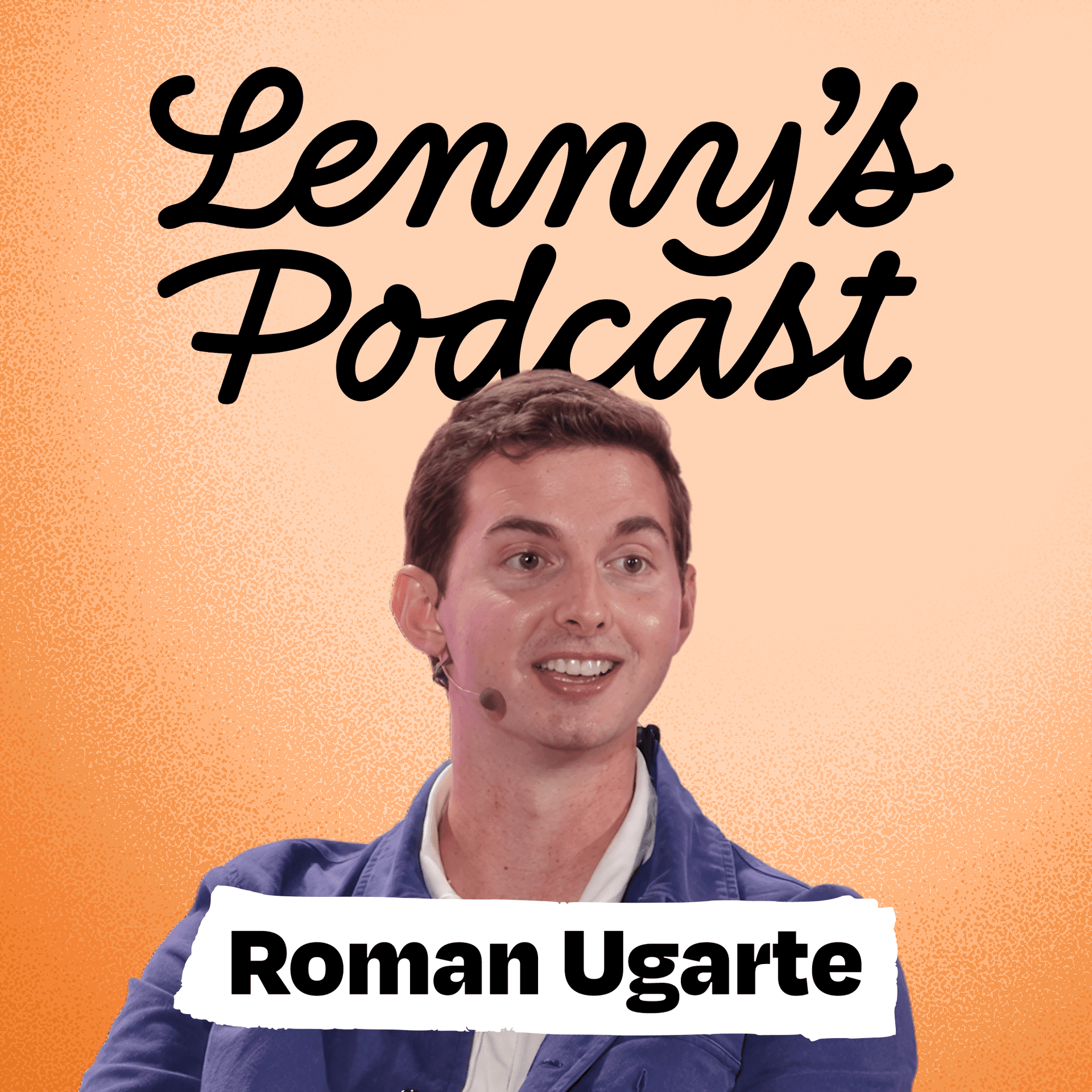
Podcast Summary: Lenny's Podcast - Episode with Maor Shlomo
Episode Overview Podcast Title: Lenny's Podcast: Product | Growth | Career Episode Title: Solo founder, $80M exit, 6 months: The Base44 bootstrapped startup success story Guest: Maor Shlomo, Founder of Base44 Description: Maor Shlomo discusses his journey as a solo founder of Base44, an AI-powered app builder, which he bootstrapped to an $80 million acquisition by Wix within six months. He shares insights on growth strategies, productivity tools, and the unique challenges he faced as a solo founder.
Key Topics Discussed
- The Origin of Base44
- Inception: The idea for Base44 stemmed from personal experiences:
- Helping his girlfriend with a website.
- Volunteering for organizations that needed software but lacked developers.
- Vision: Maor aimed to create a tool that simplifies app building, leveraging AI to automate coding.
- The Growth Journey
- User Acquisition:
- Began with three close friends as initial users.
- Implemented a rigorous feedback loop, continuously refining the product based on user input.
- Milestones:
- Achieved $1 million in ARR within three weeks of launch.
- Garnered 400,000 users in just six months.
- Product Launch Strategies:
- A failed initial launch on Product Hunt eventually led to significant user growth.
- The second launch gained traction, landing Base44 in the top 10 of Product Hunt.
- Focused on building in public and sharing the journey on LinkedIn, creating community engagement.
- Bootstrapping and Solo Founding
- Funding: Maor did not raise external funding and bootstrapped the business, leading to greater control and profitability.
- Advantages of Being a Solo Founder:
- Flexibility in decision-making and speed of development.
- Ability to pivot quickly based on user feedback.
- Challenges:
- Managing all aspects of the business alone can be overwhelming.
- Technical challenges, including server management and scaling.
- Productivity and Tech Stack
- Productivity Tools: Utilized AI tools to enhance productivity, such as:
- RescueTime: For time management.
- Cursor: For generating code.
- Tech Stack:
- Built on technologies like Render.com for hosting, MongoDB for databases, and Python for backend development.
- Leveraged various AI models to enhance code generation and user experience.
- Acquisition Experience
- Negotiation Process:
- Discussions with Wix began informally, with a focus on synergy and shared goals.
- The acquisition was expedited by the lack of complexity in Base44’s operations.
- Signing Amid Crisis: The acquisition deal was signed during regional tensions in Israel, adding a layer of stress to the process.
- Lessons for Founders
- Focus on Passion: Spend at least 50% of time on projects that excite you.
- Community Engagement: Building a supportive community around your product is vital for feedback and growth.
- Embrace Velocity: Rapid product development and iteration can drive user engagement and retention.
Key Takeaways
- Building for a specific audience, coupled with a strong feedback mechanism, can lead to successful product-market fit.
- Public engagement and honest storytelling about the development process can significantly enhance user growth.
- Bootstrapping offers flexibility and control but presents unique challenges that require careful navigation.
- Strategic partnerships and community-driven events (like hackathons) can accelerate growth and visibility.
Additional Resources
- Base44 Website: [base44.com](https://base44.com)
- Lenny's Podcast: For further insights and discussions on product and growth strategies.
Conclusion Maor Shlomo’s journey with Base44 exemplifies the power of innovation, community engagement, and the determination of a solo founder. His experiences offer valuable lessons for aspiring entrepreneurs in navigating the complexities of startup life and achieving substantial outcomes without external funding.
Written by AI. May contain mistakes. Listen to the episode to check what was said.
Transcript
Automatic transcript. May contain errors.0:00And six months you went from zero, basically nothing to selling this company for 80 million plus dollars to X. The funny thing is the base 44 for the first time in my life was not trying to build the biggest thing ever. Me and my girlfriend, we were on the plane, I told her, hey you know what, if we get to 1 .5 million till the end of 2025, we're gonna buy a nice cup and we got there in like four weeks. I feel like the journey that you've been on over the last six months is kind of like the dream for a lot of founders. How long were you actually solo. The first person started when month and a half before their acquisition.
0:32So I think it's a different ball game because if you're solo you're literally managing teams of 3 eyes writing code. I don't think of written in a single line of HTML or JavaScript in the past 3 months. You're competing against very well funded companies, lovable, bold, raplet, versatile. Have you got your first 10 users? I started with 3 users, really close friends. I got them to sit down with me every other day around the table and they would use that tool, they will try to build something, it will break, I'll take a look and then just build it for them. I'm not gonna try and scale anything before I know that users enjoy it and the best magic to see them enjoying it is that they're starting to share it with someone.
1:11Today my guest is Mayor Schlommal. This is a unique episode because I almost never have conversations with early stage founders. I made an exception because Mayor's journey is in many ways the dream for a lot of founders. Mayor started a company called Base44, which essentially have more advanced by coding tool. Six months later, just a few weeks ago, he sold the company for $80 million to Wix. He's a sole founder, it was just him for most of those six months. He never raised any money, he bootstrapped it and built it purely out profits. When he launched that on product hands, he got so much love that the product hand algorithm thought that was bots.
1:46When his really just people from all over the world wanting to support their product, in our conversation, Mayors shares exactly how he grew the product from 0 to 10 to 100 to 100 to 100 to 1000s of users, his tech stack that will add him to move so fast, tools that he uses to be super productive as a sole founder with severe ADHD, also the super important insight that everyone needs to hear about how he came up with the idea and then refine the idea. Also just a bunch of common growth tactics that he tried that didn't work for him, and some key advice for anyone looking to start their own bootstrap company.
2:19A big thank you to Noam Segal and a mere client for suggesting topics for this conversation. If you enjoyed this podcast, don't forget to subscribe and follow it in your favorite podcasting app or YouTube. With that, I bring you Mayor Shlomo. This episode is brought to you by SOS. The way teams turn feedback into product impact is stuck in the past. Vague reports static taxonomies unactionable insights that don't move business metrics. The results, churn, loss deals, misgrow. Saus is the AI product co -pilot that helps CPO's and product teams uncover business impact and act faster. It listens to your sales calls, support tickets, churn reasons, and loss deals, surfacing the biggest product issues and opportunities in real time.
3:00It then routes them to the right teams to turn signals into PRDs, prototypes, and even code that drives revenue, retention, and adoption. That's why what not, link tree, incident IO, and zip use sauce. One enterprise uncovered a product gap that unlocked $16 million ARR. Another caught a spiking issue and prevented millions in turn. You can too at sauce .app -slash -leni. Sauce built for AI product teams. Don't get left behind. This episode is brought to you by Deescalte. Design teams today are expected to move fast, but also to get it right. That's where Deescalte comes in. Deescalte is the all -in -one research platform built for modern product and design teams.
3:41Whether you're writing usability tests, interviews, surveys, or in the wild field work, this gap makes it easy to connect with real users and get real insights fast. You can even test your Figma prototypes directly inside the platform. No juggling tools, no chasing ghost participants. And with the industry's most trusted panel, plus AI part analysis, your team gets clarity and confidence to build better without slowing down. So if you're ready to streamline your research, speed of decisions, and design with impact, head to dscout .com to learn more. That's dscout .com. The answers you need to move confidently.
4:22Mayor, thank you so much for being here. Welcome to the podcast. I am so excited to do that. Thank you for having me, Lenny. It's my pleasure. I don't actually do conversations like this often with early stage founders, but I'm excited to be doing this because I feel like the journey that you've been on over the last six months is kind of like the dream for a lot of founders, especially founders that don't want to build massive teams that don't want to raise a ton of money. Basically the journey you've been on is build a product, people loved it, it grew like crazy, you didn't raise any money, you sold it for $80 million, we'll talk about this six months in and I know it's not all rainbows and butterflies and this amazing, you know, happy moment to moment all day, but I know it's a lot of hard work, but this is just what a lot of people want to achieve when they start a company, and you're just in the thick of it right now, like you've just announced your acquisition, so I feel like this is a really unique point in time to extract as much wisdom out of your head as possible.
5:18Really that I time to kind of like, to sled to bed and... Yeah, I think there's gonna be many more times, but this is a really unique time. Let's start with a couple basics, just what is base 44 for folks that aren't super familiar with the product that you built? Base 44 is an AI -upbuilding platform, meaning that you are able to use natural language to describe what you want to build, an app, a game, a website or something like that, and then have AI code it for you. What are the first ones doing that? I think it's a very crowded category, but I think Base 44 takes a very different approach, a very opinionated one for and one that users or users like to call it a butter is included approach which means that for every app that she build in base 44 you already have built -in included a database, integrations, user management, analytics without connecting field party services or bringing API keys and so on.
6:20And I think it helps a lot when you're trying to use scale as wide coded application to be very complex and very functional. And so, yeah, I think for most of the category nowadays, they're doing a fantastic job, one with building react web apps, like font and web apps. And then when a user needs some backend stuff, they have a great integration with super -based. Super -based, I think, is the most common thing that most competitors use. And honestly, all of them are doing a great job with the integration, but as the nature of an integration, I think it's potentially slightly less strong than building other things full stack built in.
7:03And once we did that, and actually I engineered the endpoints and the SDKs and whatever to work well with LLMs, I think base 44 does a really good job with building very complex and functional, real world applications. Okay. I want to talk about the origin story of just like how you even realize that there was an opportunity to hear clearly it worked out. But before we get there, let me just share a couple stats about this journey to give people a sense of just how crazy this is and add anything I'm missing. So in six months, you went from zero, basically nothing to selling this company for $80 million plus two weeks.
7:38It took you three weeks to hit a million dollars ARR. You bootstrap this business. I think you put in a few tens of thousands of shuckles not even you as well You have something like 400 ,000 users right now your solar founder There are two different wars involved in a journey. You're based in Israel. See you have to deal with that And we're gonna talk about some of the stories Any other stats that are worth sharing anything else that's important high level before we get into the origin story You know, I think so I think It like looking back it sounds But mostly this is it. I love that perspective.
8:16Okay. So out of the start, there were two things I think that drove me to it. One, my girlfriend had like a website to capture leads. She has like a small business. She's like an artist. And I tried building that with like one of the tools out there for website building. Not an AI powered one. and it was such a pain trying to do that. One, kind of like designing with the Dreg and drop and everything and then things get messed up in mobile and you try again and it's like, then how do you manage your data and set one and in the previous company we dealt a lot with other lens. And while I was doing that, I was like, it doesn't make any sense.
8:55I know models can write the code to do exactly what I'm trying to do right now. Like build a website from a year for no builds, like slightly more complicated than a website was actually a web app. I know models can do that. They just don't have the right infrastructure. To do that, if I set up an infrastructure for like, hey, here the leads go to the database, you can write the act code and it will serve it and it will be great from a SEO perspective and so on. Then I'll know that it's going to be super easy and she can do it on her own. And the other trigger was volunteering to help with this Couts organization here in Israel, with everything that has to do with like a system and software and and back office systems that they needed and and back then they're like it's a huge organization by the way really huge like tens of thousands of people and they have many as as any other organization in the world that we're constantly living at has many software needs and so every time they needed to build something, they didn't have any internal devs in any software engineer, so they reached out to other agencies and agencies usually would quote them like a million bucks just to build something that a new people could build.
10:08I was and still by the way, a huge fan of tools like Ritual for like the previous wave of like no code tools, but then those tools were really more of like low code tools. right? You still need it to know some JavaScript something to make them work to have the interaction right. And again, also back then I was like, I know for the software and systems that you want to build, I know it could be done. It's just, elements can write that and we can really empower the organization to build all the different tools that you want. Just give it the right setting, the right infrastructure, so that LLM has access to you at database, maybe to another LLM to be like the app on top of AI.
10:52to have some user management, to have all those kind of things that it needs, but it can translate the user needs to actual code. So those two were three girls. Back then, I started a company seven years ago called Explorium, very different than Base 44, very much like enterprise, top -down sales in the data space, very capital heavy, we raised $130 million. I was a CEO for seven years. Then when the October 7th broke out, I went to Brazil for almost a year. And then when I came out, I went to travel the world a bit just to take some time off. And wanted to do what I was like, what I liked the most, and I have it at a chance because exploring Google, and having it at a chance for a while which is coding, I wanted to get back to building and get my hands dirty.
11:49And so I had those like given those experiences both with my my part and my girlfriend and also with this couch. I was like, let's take a shot at it and start the product that I know is going to be really very fun to build. And I think when you're approaching it this way and like not a usual way of like let's raise a ton of money and try to own the category. And I knew I was getting into a very crowded category. I also knew that I have like some Some different angle and some different take on the category But when you're approaching you this way is like does not a lot to lose and I think it gives a lot of energy And that's how base 44 started.
12:28It definitely Definitely didn't think it's gonna take off so fast But yeah, that's been much avoided Okay, I like that you don't take good effort for the work you did to help you take off so fast I'm excited to talk through that just first a few maybe takeaways from what you just shared of how this idea merged for folks that are looking for ideas One is clearly we're solving somebody's real problem your own problem Helping your girlfriend build this this website for her and then working with this the scouts program in Israel basically building them software So so I think that's a really important takeaway you weren't just like hey, maybe this will be useful to someone when it's every real problem, and I want to solve it.
13:07And nothing out there is good enough. So I'm going to build it myself. The other is you said that you're having fun. Feels like that's an important element, just like you should enjoy it. You shouldn't feel like it's some kind of drag. You know what? I feel like when I was a Phil Steinmer, when I first started my first company exploring myself, like many smart people told me those two fairly important truth is like build something that you would want to use. old that you'll actually use and make sure that throughout time you keep doing something that you really like and so when you're first timer or at least for myself when I heard those kind of things I was like yeah those are cliches business is always always important let's increase revenue like let's close modules and I feel like like those are even though it sounds like a cliché it's so much easier one building something that you'll actually use so I actually tried solving both problems like I was building that the product and at the same time developing those two products for my girlfriend for the scout and later on also for other friends and family and we'll get to that that's how I got my short couple of users but super important to build something that you'll use you'll move forward so much faster but also doing something that you love I think I was the CEO of Exploring Flow 7 years it was such a fantastic experience It had so many highs and lows, but it had some point.
14:34It did go. And it took me too much time to realize that what I really like doing is just building products and scaling products and not necessarily like being a CEO, managing sales, managing HR, managing all those kind of things. And I think that gives a lot of power. It's easier to walk very hard when you're doing something you really like. Let's follow that thread and talk about being a solo founder. I think this is something a lot of founders. It's hard to find a co -founder that out of the blue when you have an idea, I see famously doesn't like solo founders. So I think there's a lot of power in what you've achieved.
15:11So let me just ask you, first of all, any, I guess, lessons about being a solo founder that you think would be helpful for other people considering starting a company in their own. And also just how do you stay productive? How do you get stuff done as a solo founder using AI? One solo founder and specifically bootstripping, it's not for like I don't think it's your development for every use case. But if you're building like a B2B company, especially if you're like doing a B2 enterprise company, like you'll need to hire a salesperson or a sales team like you need to like spend your money on marketing that's going to be very hard to try to sell to your company when you're on your own and nobody knows if the product's going to stay there tomorrow.
15:50So I don't think it's like a divide setting for every company. I feel like if you're building something that has the potential to be viral To target the masses and so it doesn't really matter if you're like thunder or not It's just like build a great product that people will share if you're able to do that and you're able to get out of like this Cape velocity of getting to product market feed Then everything is better doing a solo bootstrap then that away round. Why not go like even from a pure cold angle of like the financial outcome? Obviously if you're able to bootstrap your business and again get out of like the scapegoos and you be profitable to some degree then you likely generate a financial outcome that's I think for most cases way better than than any other thing.
16:43Second is so not specifically the solo but the bootstopping thing. Less stressful, like you wake up in the morning as like if you're profitable and there's like a thing that's like this term default alive. It's so much easier, I've done both. And the weight of raising so much fund. Even if you're investors are gay, the mind vessels were awesome and they were always supportive and so on. But even so, I feel like being bootstop, like no other money except for yours in the business and the business is going and profitable. I feel like can keep the energies up. And I think they keep like one thing that I've learned from my previous company is like energies are super important.
17:27Usually it's a marathon. For me it was a sprint. I thought it's going to be a marathon, but you want to do something that you like for years and years and if you're able to show up every day, you know your chances kind of like goes up immediately. But then there's like a lot of downside and a lot of stressful moments doing that. One, just keeping the self -corruption, keeping the servers up when you're solo, you don't have a dev -ox team, you don't have uncle, you don't have anything, I think is really tough. I had a few accidents that really I'm joking about that by saying it to my friends like showed them my life a bit with just like this dress.
18:09I had the one funny. Now I look at it as a funny moment where I was at my brother's wedding and we were doing the photo shoots and I was actually the one actually who was supposed to also do the ceremony and then doing the photo shoots I have a friend from MIT calls me up and he's like hey somebody hacked into base 44 and it's like a cryptoskin and you've got to take care of that because people are building apps on top of base 44 when they're putting the data inside and so on and I remember like hanging up the thoughts like okay I'll take a look at it immediately and I remember hanging up the phone and saying I know why it's such it's karma I know for a fact it's true somebody probably hacked into that because what are the other the chances that on the only night that I'm not able to open up a laptop and and handle that, this is what happens.
19:07And so I full out those, I'm excused and like I have to go and like practice towards the ceremony or something like that. Open up the laptop, spend two hours to very scary hours of my life. It ended up being just the LLM tried using a package called Cryptography, which is like a no JS, like a JavaScript package has nothing to do with crypto. But obviously the user, not the technical user, saw this error of like, hey, something cryptography or something like that was sure to someone, like a crypto scam hacked into the app. And so you have a lot of those moments that the whole thing is like, you're not able to share it with anyone, share the burden even, or the stress, or put anyone on top of it and say, hey, you know what, I'm out for today, like you handled that in my previous company, my two co -founders, we were really good friends, like great friends and even if one of us would mess up, then still would have someone to share it with and run jokes around and like and just be there with someone so when you're solo it's hard.
20:18And then brutal prioritization, which is something you have to do because you have to to keep up the pace of the product. And obviously nowadays with AI and like everyone can build software like you have to go extremely fast on one side and on the other side figure out marketing along the way and how to do that. And every time I remember that every time I had this ceremony where I'd start today and try to look inside and ask myself, what do I need to work on today? And what do I want to walk on today? So what I want to walk on today was always like, I want to code. Like that's what I like to do.
20:59Let's improve the product. I know there's like a bug that makes like a noise sounds to users. I know there's like the feature that's in my head that I'm saying, oh, competition haven't thought about that. I have to build it. I have to put it out there to be in front of everything. And then it's like, what do I have to do today? So at many different stages on base 44's journey, it was I know I can like improve the product a lot But I need to do some more marketing. Oh, I need to like I know this is not the bottleneck I know people are like converting will the growing retention is looking good And it's all about just like increasing the audience even though I know like I need like even though I want I really want to work on the product and So I think it is like this context switching is hard Yeah, and the last piece obviously is I was spending a lot of my time on making sure that my setup Like how I code higher right content and so on is optimized and everything is automated And so I spent a lot of time Thinking and agonizing about how to structure the code repository for example so that I can use can't sell for backend and base 44 for content to light like code really fast.
22:20And this was like really important for me to keep kind of like trying to find out new ways of like how to automate and increase the pace of like building solo. Because if you're able to correct that, actually like smaller teams with a lot of context nowadays can move faster. So, and the same goes also for marketing, and for other tools, where you want to automate as much as you can, especially when you're solo, because time is gonna be like the thing that kills your business if you're not managing it right. Okay, let me follow that thread. That's a really interesting topic. So, what is in your stack of productivity for yourself, and then just that allows you to build base 44, just like the tech stack of base 44?
23:05So you said cursor, these 44, what else did you use day to day that helped you be more efficient? So I have severe ADHD and so it can also be like a super power But then you have to like first that the first thing you wanted to do is like make sure that you your walk day looks like Like that that you can be focused and that you get like a lot of like deep walk and so I There's a product called Rescue Time, which I really like, but I think it is like a bunch of other products, like shuts down every access to Twitter and LinkedIn and so on. This was really hard because I was starting to do this building public, which turned out to work pretty well for base 44.
23:47And so every time you want to take a look at your post or see how many likes and impressions and so on. But then you can't focus on anything else. And so I had this first setup that really like allowed me a certain set of software tools that I can use to manage kind of deep work. Chaos was being awesome. Base 44 not only did like the work for the font inside, but also a lot of like the business apps that are used well on top of base 44. So we're at managed users and give credit and and we're right content and then like I had this up where I kind of like at the start of the week would write Some like high level content ideas and then the base 44 app will take it and break it down to Kind of like something that sounds more like me I fall in deep post and then I'd approve that and then it would break it down to like a Twitter post And so I wrote things that were like really customized to my process and what I wanted to do Which really helped right I think you can do that not only with base body for just yeah You can vibe code your way into like productivity tools that really fits what you want to do and what kind of like the process for you looks like and I had So again for example for my Social post and so on there's like a process that I would follow and maybe no one else would would follow that and so So, Vibco, the custom app for that was really helpful.
25:21Let me actually ask about that. That is super cool. So, you built basically internal tools for yourself using base 44, people can use other tools potentially. So, you built one that's like, help me craft a tweet. How does that actually look? Like, what does the input, that sounds really interesting. So, the way that I like to walk is like, I would have those moments where I have an inspiration for like a piece of content. So the way I grew based on the platform, probably different topic, but was a lot around building in public and going in audience and Speaking to my audience were which were fellow builders, so it was really easy.
25:57So a lot of that was like around sharing on like the base 44 journey And I would have a process that I thought was like a write down before that on a piece of paper like some ideas that I had for like post for throughout the week because you want to keep consistency and keep putting like nothings out there. And then my process before the app was like I'd go to Cheshire PTL right like a very vague kind of like structure or skeleton of a post and tell it like hey fix my writing and prove my writing a bit and then Cheshire PT will spit out something that was like too far off, too much like too selzy and not my tone and then I'll say no keep close up to the original and we'll fight about that and then like move the emojis the hyphens look weird and so on.
26:41So okay, I'll have now my LinkedIn post and I'll need to generate an image for that. So I'll go to a different tool and then I'll take this LinkedIn post and now okay, I need to like put it out there so in my Twitter account. So okay, let's break it down to a Twitter thread. Now you need to shorten there like it's you need to make some adjustments to the content and so I've taken this entire process which I think was like what was working for me and just vibe coded it up around it to help me speed it up. And then made sure that the LLM inside the app was using my own tone of voice and was saving the previous post to understand how it looks like.
27:19Like what are the posts that I really like that I've written beforehand so that in the next post it will speak just like me. This might be a good plug for base 44. So like say someone went to go to base 44 .com and try this out. What would be a prompt you'd suggest like how they get started building into it like this? Usually what I'll do is I'll write down, I think LLM's nowadays do a very good job with like start vague. It's going to build the skeleton for what you need and base 44 does a good job with this, like understanding at least the big pieces, okay, they're going to be an LLM writing the content is going to be decent that.
27:50And so you don't have to like write the entire spec, it's just like something like, hey, I want to build my own content generation, a iPower tool. He does my process currently and my process is doing this and then LinkedIn and then Twitter write something to support that and Then form their iterate and also something that I really like with with the entire category again Not only base 44. I feel like there's tons of tools doing a great job But something I look like in base 44 is that like you can because it's really easy to change the software It's like you get this adaptive Software is like as you improve your processes or maybe your processor change It's like you adapt it.
28:29So like, base 44 got acquired by weeks, two weeks ago. And so now the process of like putting content out that looks a bit different. And so with just two points, I could change it to support your new process, which is really fun. That's a cool phrase, adaptive software. I heard malleable software is another way to describe this. Let me, I want to talk about growth, but a couple more things real quick. This idea of bootstrapping, I'm curious. So essentially, you're competing against very well funded companies, lovable bull, raplet, these zero over sell, cursor raised, I don't know, Brazilian dollars at this point, I know you're not competing with cursor, directly.
29:04If you weren't going to be acquired by Wix, did you think, did you plan on raising money? Do you think you had a chance staying glued strapped, competing against the folks that everyone's, you know, the more popular products today? Base 45 was like fairly profitable, much more than what I thought. So even if like even if I wasn't getting acquired I thought like I can make good money out of it He ended up like I remember we I I had like a very failed product on launch at like mid -January and then Started writing some like started building in public it around start of February and that's where he took off And then started like I think Phil's dollar or like that the Phil's 10 or a hundred bucks worth words mulch and And then in May, I already did close to 200k in profit.
29:56And so I think either way, there was a room to compete. Even though it was small, I was seeing that the users that come to me, they'd come to base 44, stick with base 44, even though they're very familiar with the rest of the competition. The challenge was obviously making as much noise as data folks. You can see like data of I'm coding tools doing like a million dollars hackathons and so on. And doing an awesome job when you're close really. But I didn't have the resources so I tried finding ways to fight the fight. I think we had a very successful hackathon for good which turned out to be a great growth engine and also did good in the world, which we had 3000 teams just building some great do -good apps.
30:52But also to be very honest, I think part of the reason to get acquired is because this market has been moving so fast, faster than anything I've seen, faster than what I thought is going to move. And at some point I feel it's going to be like you see base 44 grows and you start thinking, hey this can really help people with their lives like this. This is like one of those self -toil categories that I'm saying that I'm very not objective but I feel like can really move the needle for a lot of people. I've been seeing people be like fantastic awesome things and so I was like let's go for the like the big one.
Read the full transcript
31:27Let's try and actually build some global scale maybe lead the category maybe win it and I felt like the best chances to do that is to power it up with weeks. There's like plenty of reasons to that. We can touch on that later, but it's like same DNA, same customer base, like they know what they're doing, they're seeing and obviously like very good connection with the entire management team over there. And so I feel like their acquisition, again, being very honest, I felt like it's going to be a financial success either way, but their acquisition is like taking a stance and saying, you know what, let's play in the big lead.
32:06and let's punch down, not only punch up when fighting in this very clouded space, and that's part of the reason why to get acquired. That was really insightful. So part of the part of what I'm hearing is you could have stayed independent and made a really good income and built a really good business, at least for a while who knows what would happen long term. But as a solo per newer, as someone that's never raised money, you can make significant income doing something like this in a crowded space if you have something that people love that enough people love. So I think that's a really interesting insight.
32:40Like it's okay if there's a Brazilian dollars in funding going to competitors, there's a lot of there's a big market here. Yeah, I think it's a bit different bowl game right now. I was like I was killed many times like I thought how am I going to go into the fight? Those companies are one, some of the fastest going companies ever. So again, there are great teams and very well funded and a lot of money being poured into you. But then, like, four times, I saw that I'm able to keep the pace. You've not even have the, like, a faster pace and have, like, a different angle. And it's not changing over time.
33:14So like, nobody's like, and so I think it's a different ball game because even, like, if you're various, very small team or even if you're solo, like you're, you're literally managing, like, teams of the eyes, like, writing code. I don't think I've written a single line of like HTML or JavaScript in the past three months But still like that base 44 font and changes a lot because AI writes that so yeah, I feel if you have an interesting angle and you're able to move fast I feel like money and funding is not necessarily the De facto to win a category and That's gonna be like and and that's gonna change even more drastic in future as LLMs get better as like people like 10x engineers would have way more impact that would want to be 100x engineers because they're able to manage Ilelemison is not necessarily the team size and all the funding That would be able to win you a category And what you just shared is amazing that you haven't written any you said JavaScript HTML in three months Which is half the lifetime of this company which sold for 80 million dollars and more potentially it feels like now the big Things you got to get right is kind of like at the beginning of figuring out what problems to solve and being really good at understanding where the gaps are and then it's distribution marketing, getting people to be aware that you exist and give you a shot.
34:33Yeah. And even distribution, I'm still learning that is like it's a, even distribution nowadays, it's very different and, and also in favor of like this solo, not this is silly to solo, but it's like not necessarily that you're going to pull a lot of money on paid campaigns like a base 44, with close to zero marketing budget. I spent like $2 ,000 on an influence opposed that didn't really bring anything and then tried paid for like a couple of thousands of bucks, didn't really work and so everything was like organically and built in public and so even distribution is very different but yeah if you have an interesting take on in the remain, base 44's Phil's user was one of my best friends like we go up together and up to a few months ago he was a restaurant manager and then he left and started like a SaaS company for managing invoices for restaurants.
35:28So this is a guy that has both distribution. Obviously this is a very local like software and company but has distributions like has those connections but has a very deep domain knowledge and now that like the technical here is no like she did human coding are like very different in very different places. And so I think if like domain knowledge become or domain expertise and some again interesting take on a domain or a product or a category becomes like a key thing. And then distribution, yeah, that's a hard one to get. But also we're all just changing a lot. Yeah, and I love that you did it with no funding.
36:09The other thought here as you're talking is it feels like you could have kept doing this and made money and lived a great life. But there's this question of how ambitious do you want to be? I've gone through this myself where I was like, oh, this newsletter is making a living off this writing one email a week. I could do live really well just doing this. But then I'm like, oh, I'm not doing podcasts. Why not do another podcast? Why not do some other stuff? And the reason I do that is it just like it's kept sporing to do something the same way forever. And there's this opportunity that's out there.
36:37I'm like, I should do that. And I feel like some people are on it. I just don't need that. I'm good. that I'm gonna live in, I don't know, DGN just coded, make 100, 300, 500K, you're from this thing. But I feel like folks like you, like there's more ambition. And one way is raise a bunch of money in other cell to a company that has a platform that you can build on. Yeah, I emphasize with this a lot, but the funny thing is that like base 44 for the first time in my life was not trying to build the biggest thing ever. So I met a lake when I started exploring my previous company. I was so hung up and like let's raise the most amount of money in the least amount of time.
37:18I remember that I showed like, man that I looked, kept looking and like, hey, the X -Ballium raised $100 million before snowflake. This is insane. This is amazing. And so, and I did that for seven years. And I think base 44 is the first time that like I stopped and said, you know what, I just want to go back to do what I really love, which is just building a product. I don't care if it like if it wins the category or not, I don't care if it's going to become really big or not. I remember when we when when me and my girlfriend got back from like the trip to Asia and we were on the plane, I told her, hey, you know what, if we get to 1 .5 million, I don't remember where I said exactly this number like if we get to $1 .5 million in the year till the end of 2025 we're gonna buy a nice car and we got there like four weeks and so it was the first time like saying let's not try and build the biggest thing let's just do something I really like and let's just build a product that I'm gonna enjoy building but then at some point it got to be very very successful and thing it comes with like once you see a success and you think like true positive TV and fucked on people, then you're saying, okay, you know what?
38:36Let's go for the like let's play to be league and try to scale it That so aligns with my journey. I Similarly, I'm just gonna do a newsletter life's gonna be great. I'm not gonna build I'm not I I called it my Anti -empower I don't want to build anything big. I'm just gonna keep a chill Project chill project before getting real job into what I called it and I think that is a really big insight Some of the best stuff comes from not putting a bunch of pressure on yourself trying to build something huge and just following a poll following your interests following Just that insight you have ends up being some of the best ideas come out of that and the biggest ideas.
39:13I love it. I get with that. Yeah. This episode is brought to you by ContentSquare, the analytics platform that helps companies build better digital experiences. ever wonder why customers drop off before converting or why some pages perform better than others. ContentSquare takes the guesswork out of digital experiences, giving you real -time insights into how users interact with your site or app. With AI -powered analytics, automatic frustration detection, and clear visualizations, you'll know exactly what's working and what's holding your customers back. Whether you're optimizing an e -commerce checkout, refining a B2B lead flow, or improving a mobile app experience, Content Square pinpoint exactly what needs fixing and why.
39:54Content Square powers better customer journeys across 1 .3 million websites and apps. Discover the insights you've been missing at content square .com slash Lenning. Let's talk about growth. So here's what I want to talk through just how you got the first users of base 44. So I'm thinking maybe, how do you get like the first 10 users? How do you get the first 100 users? How do you get the first thousand users? What are the levers used there? What are the tactics? So let's start with 10. How do you get your first 10 users? Just begging people close to me that I feel like that they have really good connections with to use it.
40:32I feel like there's no other way. And maybe there are other ways. But again, I was very new to like B2C, like to consumer -ish type of product. And so I grabbed or I started with even three users like really close friends Two of them back at the time I caught them in like a part of their life when they were unemployed So I was like, hey, what why did you try build a SaaS business or something like that? So three really close friends Well somehow I got them to sit down with me every other day around the table and they would use that at the tool. They will try to build something it will break. I'll take a look I'll take a look at the logs.
41:15I'll go back to my computer try to change it push into production and then just build it for them I feel like plenty of people are lucky to find Maybe a method that consistently works for your like 10 a hundred a thousand and then from there. But I tried to look at it as like milestones. And so first I was like, I'm not gonna try and scale anything before I know that users enjoy it. And the best magic to seeing them enjoying it or at least making value out of it, even if they're not enjoying because there are plenty of bugs and slowness and so on, is that they're starting to share it with someone.
41:57So I haven't invested anything in marketing before I felt like okay for the first three or five or ten friends At some point they started sharing it with their friends like they're like you'd see okay There's like one you use us to then and two new users to then so on So once it started happening even on very low percentages because Base 44 turned out later in its journey to be very viral But then it was like an okay product people loved it and all liked it and started sharing it with that and so once I started seeing that this works and we got to like 10 users We're all my friends and then and then they live in the user or something like they start seeing people that don't really know me That's why I knew okay now It's something invested marketing or try to launch this thing or try to like get more people to use it because if you try to do it Beforehand, I feel like you're gonna waste a lot of time and resources on just like having a very devolved in -dome like you get users in and you source out you'll not be able to do.
42:59And unless you have like a lot of money to invest in paid, so that like it makes sense, then then it's sort of very hard. I knew that I'm not gonna do that. It's like a product that I'm building on one of to be profitable from the get -go and not feeling bad for investing too much money into your paid and so on. And so I knew that it has to be viral. At some point I started starting to look like it's viral. Then I did a very failed and very bad product hand launch. But also now looking back I'm saying this is completely fine. I feel like people sometimes treat their lunches like product lunches as like make it or break it for the company.
43:34This wasn't the case for me. I was like this is a tool for me to get to my next 30 users, my next 50 users. And that's exactly what happened. and so first product and launch we got like 50, I got like 15 new users by the way the second one broke product and they thought it was like plenty of bots we won the first product of the day and the first product of the month of the week but it's the different story and so we got like 50 users and we got the first user to pay this wasn't insane and insane feeling because I'm like an and to put it on camera for the enterprise space, I was thinking that this is insane.
44:14Why would anyone pay for my product without meeting me, without looking me dead in their eyes or trying to get a discount and so on? Obviously this user chair did a few hours. The product wasn't good back then.
44:28But from there I started seeing some very slow growth. So I got my first 50 and then 20 left and then the other 30 started sharing it with like other users that were really good. And then I tried a bunch of marketing things, didn't work, influence opposed or paid or something like that. And then one of my friends was also a founder. Different space told me, hey, you know what? I think it's really cool that you're building it on your own and that you're like you're trying to like take a very different approach than the usual visit find it way why don't you show like content about that like then of that it's like you're gonna have the same like you already and so builders they're trying to build their own products or maybe even businesses and it will likely resonate with them and so I started sharing the journey on LinkedIn and I remember like seeing posts like okay there's this nice concept of building public and people get really interested and I think hidden based 44 I had like this really nice synergy between the building public and also my audience was like builders.
45:39Alright, if I was like building, I don't know, a product to attorneys and probably this wasn't made a lot of sense. Once I started like sharing what I'm building in public and getting more users and improving their product tremendously, I was so lucky like the community around base 44 is nothing like I've ever seen. It's like so supportive. There's so much feedback. And so from the loop of like improving the product, this is exactly like how how people say it should feel like is like people asking for features before you can actually build them. They're getting so excited about your product. They're writing the nicest things people have tried like started writing like, hey, you changed my life.
46:20I wanted to build. I had that like those ideas throughout my life. I didn't have a like an ability to do that. The resources or money to pay for developers. And then the other thing that I did it worked really well is I've noticed that people really like sharing what they're building on top of base 44. Like they would write posts. I remember at some point, a friend of mine reached out and he was like, dude, how much are you paying those people to write posts about space 45? I was like, I'm not paying anyone honestly. And so what I did is I actually, I did this program inside base 44 saying, hey, if you share just about the process of building the app or the app itself, it doesn't even have to be about base 44.
47:03If you share it in social, you'll get extra credits to build. So those two like building public and giving up credits worked extremely well. And that's how we got golf going. Okay, let's pause there. That was awesome. How many users do you have at this point of the journey, roughly? I think there was like two weeks between no a week Between having like being on a pace of like 20 users a day to see 4 ,000 users Commissive to your product like new users a day Break the product like it was how scaling it else so just like some things I needed to learn While moving is like I wasn't a DevOps engineer.
47:48I don't know how to scale databases basis. I didn't know that the virtual CPU would really come back at me when trying to scale and so on. And again, trying to be profitable. And so you try to use every free tier that you can. But then once you start scaling, it's good. So yeah, I think once I started sharing in public, it will do a few thousands a day and then formed the credit thing like the to this. Okay, so this is kind of like the whole journey. I know there's a few other elements I want to touch on, but let me point out a few things that stood out to me that I think might be helpful to folks.
48:24The first is right at the beginning, coming back to a lesson you shared at the beginning, which is build for specific people. So initially it was build for yourself, build for your girlfriend, build for the scouts program, and then it was built for these like three friends, just building it, sitting with them, building the things they need to use it, which is really interesting because a lot of times the advice you get is look for pull, look for people with problems to solve. You almost went the opposite. You're like, use my product. I need you as a favor. Use my product and help me make it better.
48:56Absolutely. Also, I don't know though, I think maybe Power Dimes are changing, but there are some things that I don't believe in. It's like MVP's first and foremost is like, if you're building something that people will not be able to use or is not good enough, especially these days where it's so much easier to build software so that attention span for people to actually try out new software products is getting shorter and shorter. So yeah, pick a bunch of people that I don't know, all you something or have any reason to use your product when it's bad. Build for them, be there physically. I remember that even when we passed 20k users, 50k users and 100k users, it was still very tough to get the right feedback.
49:41So I would bring like 20, 30 people to like a room together, like almost like a focus group or a small hackathon. I'll do it every other week just to get feedback and it was so much easier than any other thing and it was the same thing that I tried developing when we were just like three users and five users. And so yeah, build it for them, they can come from different backgrounds. Again, something else that I don't really empathize with or what you do with is like you have to have like a certain ICP. It's not it's not necessarily about like the profile of a thousand more of like what they're trying to do is like way more we put it so you can have different types of people but they're all trying to do the same thing like trying to build a tool.
50:22I think some of this people should remember the tool you're building is a specific kind of tool that helps you build things and so these lessons don't necessarily apply I'm in a lot of cases you want us to be really specific with ICP because there's like one thing you accomplish with this thing versus this very horizontal product. But I think that's still very good to know because maybe for your product you hear all this advice. You need a very narrow focus. You got to have a very specific role and company size and all these things. You're like, okay, maybe not. Maybe your tool is something that a lot of people can use for a lot of different reasons.
50:52Don't worry about that too much. Okay, so step one, share it with the friends, a few friends, like force them to use it. please use this, I'm going to watch you. You're pointed by being there physically, I think it was really interesting. Don't just send it to them over email and ask them how it went. It's like sit next to them and watch them use it and then keep making better. Then you tried this product -out launch, another great lesson, you may fail on product -out. That's okay. You still gain, it sounds like you tripled your quadrupled user base from 10 to 30 in a failed product -out launch.
51:24You also said you've tried paid, which didn't work, you tried influencer marketing didn't work. So basically all the paid stuff didn't work, but that's great. Great lesson. I think people don't really want to be doing that kind of stuff. The point you made about starting to share it in public, I think is really interesting. A lot of people post stuff on LinkedIn, and everyone gets cringey. There's a lot of people building in public. Who cares? What do you build? I don't know. I don't care about what you're building. What does it, you think, stood out about the way you approached it? That is it?
51:52That's what you built? That tells you you had to post really viral stuff. What do you think you did that allowed that made people care? Is it like the small community already? Part of it, Israel and the tech scene, like is that a big part of why I think it worked? Is there anything else that might be helpful to folks that are thinking about building in public and being successful there? So first of the disclaimer, I feel like I had some very small not audience, but like I had plenty of like lean team connections before and so everything started from lean team. It's like you did, okay? Yeah, so now that neck position is getting crazy all over the world.
52:22also getting a lot of followers from a bunch of different social media platforms. But started with LinkedIn, I think the fact that I was like the CEO of this company previously had some people around me in my connections. So again, you have to have like few writing to like something like that. It's all different a few weeks ago. building public is great, right? But and other channels can really work, but at some point you have to take a bet on one channel that you see it's working. So like if you're writing posts week over week and you're like you get five likes, it's likely not gonna change drastically.
53:04So, and again, I tried a bunch of things, influencer didn't work, okay, just put it aside for a second. Let's see if I can find a channel that works. And so yeah, I in for the building public I was trying to be As honest as I could and and just write the good the bad and I think the else of the fact that like I wasn't Adventure like I wasn't a VC funded company. I didn't try looking the best or show. Hey look at my amazing metrics So like make everything looks like really pink and really great And I'm the fastest going whatever bootstrap company in the world. I think just writing really about the good, the bad and the ugly and just being very realistic and sharing the learnings along the way.
53:49Again, this is specifically for my audience. So my audience will build this and so I'm not sure that it works to any other product category, but yeah, just being very realistic and doing post from the deepest like technical how tech stack and how I optimize their alarms to just sharing some feelings or growth. People like to see numbers, people like to see charts. And also, even in the building public, like I would ask my friends beforehand, that they knew that they were the target, like what do you think of this post? Is it interesting? Is it not? Do you see value out of that? And it's like almost like a product that you're releasing out there.
54:31It's the same thing. Okay, this is really interesting. So being honest, really effective, feels like there's like the underdog element of being a solo founder, not BC funded ads to it. Also just sharing really interesting learnings, things you've learned yourself that I'm in the lead people find interesting because you didn't know this stuff. And also just like fun stats and charts and things like that. Building a tool on base 44 that can help you make these tweets better. Also, I think it's important that you had a network ahead of this, like you had people, you had followers, you had connections, it wasn't like starting from zero.
55:05What's like a rough sense of just like, I don't know how large your network was, what's like a way to think about that. So folks are like, oh wow, I'm nowhere near that. I don't think it was very big. I think it was like maybe a few thousand connections. Nowadays it's tens of thousands, but like he's starting some engagement. And once you do that, especially when you're like, saying, okay, this is the channel that I'm gonna put all my weight on. Okay, that's a really important point too. It wasn't like, cross post a Twitter and Instagram all these things, it's pick one and just nail that. Yeah, till this day, I think that posting for me, posting on Twitter was the waste of time.
55:45At some point, okay, I saw LinkedIn succeed and I was like, okay, let's do the same thing on Twitter. Now I have a better following on Twitter, but yeah, it didn't really work. So I was spending a lot of time where like from LinkedIn I saw like the highest away and it could be very different for different Foundals for different products. It could be Reddit. It could be like opening opening up a sub stack like it could be a very different things for me. That's what worked. And like once you see something world, just double triple down on that. Keep on like don't try to spray and play. It doesn't work at this stage.
56:19This for me. That is really great advice. It aligns with what I often see with traditional growth engines. there's like, S .E .O. there's pay, there's sales, there's reality, word of mouth, and usually a company grows mostly through one. And LinkedIn interestingly was your effect your growth. Also just this incentives piece is really interesting, a really cool tactic. So the tactic here is incentivizing people to share what they built on base 44 and they get credit to build more. I've never heard of that before. How do you actually do that? Do they send screenshots or something? How do they get credit?
56:51They literally like early on, they sent me emails and I would tag them again with an app and an LLM like there's, there's, there's support is a whole different topic we can speak about for hours, like how do you run support when you're solo, which is a huge topic, but like they would send, I would say, hey, right, a post, paste the link back, send me an email with like the link and like, and I'll give you credits. And so at some point I automated that because I couldn't really manage like the whole theme But yeah, because you couldn't really like connect you like the social APIs and so into this house So it's like sending me to post I know exactly what you mean with the support challenges of being a solo person with the newsletter of million people I get endless little things just come up.
57:38I am really curious to hear you solve it. Let's not get into it In terms of being solo actually I haven't asked this yet. How long were you actually solo? So when did you actually hire your first second person into the journey of the six months? So the Phil Spiritson started two months ago, so a month and a half before the acquisition. So I was running mostly solo. I think when he started, I already knew that it's headed building. To acquisition. Yeah. And also at some point, like who wants to add, I like, I like, I saw the changes, chances of this happening where I grow. So yeah, I hired like the best people I know because I knew that like I have now this a few years if not more that like I want to build an awesome like I have to build this to be really big and I need the right people around me and it's not anymore about like let's try and be as profitable and as fun as possible.
58:33Like let's literally take can be your bet. That's where I started like bringing in people that I knew, the best people that I knew to help me build that. Also, the way the deal is structured, not that I can share a lot of details on it, it's like okay, there's like the 80 -noll that got published at the initial payment and then there's this error -note piece, which is really interesting because I think the weak structure did deal in a really win -win situation. But then a lot of my compensation and love like the upside is actually based on that. I don't know the 80 mil. And so I have both the financial interest also the personal interest and like building this to be as big as possible.
59:17So in the month before the acquisition, I had the team starting to scale. But also base 44 like became more profitable that I could afford myself to bring in more people. The first hire was that an engineer where what they do. actually a product person. Like a product manager. Yeah, well it's someone was I've been working with a lot and he's like a check of all trades so he can go into like LLM logs and look at like mistakes and she's the pawns. He can write Python script, analyze things that we do. He can start implementing analytics into the product so like a very technical product build that could wear many hats.
1:00:00That's what you want when you were starting out. Like at some point I was like, his name is you have, at some point I was telling you, hey, you have, you take growth now. And it's like, I haven't done growth anywhere. No, you take growth now, like try and let's try new challenge. I was kind of think so you want to bring in someone that at least the field style that can do many different things. Okay, that's really interesting. Let's finish talking about growth. And let me share stuff you've shared already about what work. And then there's a few more things I read that you did that. I'm curious how big of a deal they were.
1:00:34So first, you just grabbed a bunch of friends, use this product, use that to learn what to build. You tried product kind, sort of effective early stages. It was ended up being really effective. Then you had another launch that was like, you said, broke the product kind algorithm. How many users that drive? That was not like a huge inflection, that second product kind of launch. The thing is like things happen so fast that I didn't really implement any like data It's like stuff like this. I don't really know how many how many users is bought but I remember I am a first like the Community run based for the phone again is like one of the most incredible communities of cinema is a very strong one And like they're all in like the right so that they all were very excited about the port of Tunt lunch and there was like let's Cairo, okay, base 44, and then I wake up and I see the weirdest things like base 44 is not even in the top 10 And I was like I know full effect is like Thousand people already voted by the time it was noon and noon in Israel right very early on I was like I see people right I see more posts on LinkedIn saying People should vote to base 44 and I actually see up votes And so, till this day, I don't really know what happened.
1:01:48So, one of the community reached out to the support team for Productant and saying, you guys should like check out your algorithm because something is not right. Like, just even look at LinkedIn's like, search for base 44 productant, like you'll see this many posts. And they're like, you know what, you write, we fixed it and then we jumped to like the first place, we were like 500 uploads. The Delta was 500 out of the plates from the second place. I've never seen that. Yeah, so it was fun also seeing the community early for this. Speak your community. Was that all in WhatsApp, where do you manage this community?
1:02:29WhatsApp is a surprisingly good tool to get feedback from the community. Obviously, it's not a great tool for the community. Unity is going so fast, so it's blue past like a thousand or two thousand or five. I don't even remember what's the limit on WhatsApp. But till this day, like the WhatsApp community, which was like very early on, is such a great place to get feedback. It's also even only enough, it was when it first started out, it was my best place to find out if the product is up, if there's like slowness, if there's like bugs, people write like really fast and they can see that. But obviously at some point we turn to like more scalable solutions like disco, the reddit.
1:03:17Yeah, those things and then just keep on sending product updates via email. Okay, there's another couple of levers I've read about and then I'm going to move on to a different topic. One is this hackathon you mentioned that helped you to grow and become aware. The other is you do a bunch of partnerships, which is really rare for a company in pure size. So just talk about those and what that did to the business. At one point, one of the things I really liked about building base 44 is that I saw people doing, like, building ups that were really, like, incredibly positive and like doing really good in the world.
1:03:53And so, and it's, I think something really interesting, like now invite coding in general is like, Like once you actually scale software, you can also scale the impact the software does. So you can have like non -profits, build themselves tools, you can have people that build apps for education and neglected domains that didn't really have budget because there was like no business, our idea. And once you open this up and make it super cheap to create software, then it's becoming. I mean, and so I wanted, and this was like, early on, like we were at the 5 ,000ish, 10 ,000ish users. And so I said, okay, well, you know what?
1:04:34Let's do a hackathon where we open up for everybody to build like apps that do good in the world. I had no budget back then. So I was like, okay, this is gonna be a 5K hackathon. Like the price is gonna be 5K. And that was your own money. You were gonna give away. Yeah, it was like the profits that something based for 4 .4 did at the same time and then a lot of people started registering and a lot of teams I ended up being 3000 teams. I said like really big. I think like the largest I think it's the largest four good hackathon I self -hoved and then started getting I'm sponsored requests because it went all over social and all of a sudden I found myself with a very like nice back then like smaller business partnering up with Amazon with Google with MongoDB with the Lloyd like with really great companies that one of them had a studio behind this.
1:05:37Have a phone which was so so fun like that those are awesome teams like the ones that we partner up with they open up their offices, a couple of super low to have like teams be there and the prizes when obviously very high. I think this is this will likely be one of the top moments in my career was very, very empowering. But like people built a lot of interesting things. I remember this person building a tool for a grandmouse and an Alzheimer like she has Alzheimer's and like building an app which is essentially a game to help the gunmother to memorize our family members with like photos and names and like so many interesting and great and impactful applications.
1:06:25I love that there's benefits to the hackathon route which other vibe -goating tools are taking, not just growth but also just good feelings and just building community and seeing what people are doing like meeting people excited about what building so many side benefits. Okay, before we move on from growth, is there anything else that's worth mentioning that worked really well or just like they think that people think will work and just didn't work for you that you didn't already mention? The last piece, but people talk about that a lot is that velocity eventually is a gold engine. So like part of like building in public is you want to put content out there that people we like to see and so we joked about it, but that's really true, like people like to see charts and they like to see numbers.
1:07:11And it gets them attached to like this project if they are saying, oh, I wonder what's gonna be perfect next week or I wonder like how much money is losing and how can you optimize and like that they get attached to that. And I think also the loss of these to some degree the same thing because if your product evolves really fast and you're putting features out there like every other day people get attached to that. And people like like it's I remember I Remember people commenting on my post saying you know, I'd like it's moving so fast. I have to try it now And so this is about of it's like velocity solves so so many things like most of my thoughts When and still are when running base 44 is like how do we increase velocity?
1:08:00How do we increase velocity? It's gonna solve every product. But we have most of them It's going to solve some of your marketing challenges if you're smart about it and you're putting the content out there and you're making everything like a mini launch I say feel like that was also a great Our own growth to that is a really good point Clearly everyone in the spaces is understands this as well. I want to talk about the acquisition piece But a couple quick questions that have been on my mind one is just what is the tech stack that you built on? Because I think a lot of founders are like what the hell do I build on?
1:08:31and how do I, what will help me move fast? So get as geeky as you want, just like what are the tools and infrastructure used to build base 44? The end of the dot com, oh my god. This is, I like, they honestly don't not paying me anything. I wish I would have invested or anything. I don't think I ever spoke to someone, you know, they're, holy like this is, this was so much fun to work with and still is like, I mean, I mean, my previous company, we had like a lot of teams of DevOps, building processes for us to push the product. So render .com is like, how does it call this? It's a cloud. It's like a very built on top of AWS.
1:09:12You have a bunch of easy, easy commanding processes and easy to start up web apps and scale them and someone. It's just render. It's not like a fancy version of render. It's the word render .com. Oh, yeah. It's looked at up. OK. Cool. Yeah. So this is like everything that has to do with infrastructure. I managed both the website the platform and applications It's all because based for place for the force like a complex ecosystem You have that the user applications that have to be isolated and separated from the platform that has to be isolated and separated from the websites like a whole a whole thing Monaco to be is really good when you're vibe coding especially when you're building a vibe coding platform because was schemas change a lot and it's not necessarily like users LLamst don't always understand what the user is trying to send so they keep changing the data schema and I feel like this has been a right choice.
1:10:10Obviously Kelser but again I was spending 20 30 % of my time just optimizing for making the whole repository LLamst suitable. So by the way, those are concepted there I also implement it in base 44, but one thing that I kept doing is I tried making the LLM write as least code as possible. Like when you're trying to implement a feature that try to get to a place where it can implement the feature entirely without your raining code, but the LLM would write least as least codes are possible. Because then when LLM tries to like when they I try to like implement the entire feature from scratch. There are more places where you can make mistakes or get confused.
1:10:56There are more things that you need to save in the context when you ask it for a follow -up prompt or something like that. And so I built a very high level, very opinionated infrastructure, like code infrastructure, right? It takes care of like the entire thing. When you build a new feature, it takes care of like the entire like the the card, the authentication, the database, like everything that has to do with that. So that when you ask the LLM to implement a new thing, It writes very little code and by the way, this is also true for base 44 was like Provide a lamb with their really good Infrastructure and SDK and have the LAM like the LAM still has the flexibility to write the entire future because it's code But make it so that that it doesn't need to just feed out too many tokens and obviously everything that has to deal with all set does one controversial take for me working with other lambs is Don't use TypeScript.
1:11:53Use plain JavaScript, use JSX. It's easier for modules to write code this way. So the font for base 44 for the platform, I mean, is built in JSX, not TypeScript. And I feel like this has been working well. Part of the reason why I have been written a single line of RHD, Mellow, or JavaScript in the past. Like, just it does this really well. And another thing that works really well working with AI is, like try to push as much as possible in the same repository. I mean, self -accepting the front end and the back end, it's easier to give the context to the AI of both what's in the back end and what's in the front end.
1:12:41Besides that, so my stack is like the back end is in Python. I'm sure people can be very judgmental about that. In terms of performance, I haven't gotten into performance issues and there's a lot of traffic to base 44. And every now and then people try to deduce base 44 on still the server holes. So I feel like if you're building it the right way, Python is just a very great language to do that. And another maybe interesting take is, because there's many of the new apps and products that are being built to some degree around LLM's. So one of the things that I use is for the LLM that actually writes code in base 44, I use a mix of different models for different tasks.
1:13:30So Cloud4 for example does a really nice job with first the initial form, like writing the app from scratch. Then everything that has to do with UI is just fantastic, like design is great. But then for example, Gemini is really good when you get a very complex problem or you need to figure out an algorithm or Cloud4 got stuck in some bug loop, which happens a lot when you've got it. So I have this pipeline that tries to figure out the user point and then route it to the right, I love them, which I feel like has been working pretty well. Wow. That was extremely interesting. In this routing, does this, is this what you do within cursor?
1:14:16You do this within base 44 based on what the person's working on. Base 44, yeah. I don't think you also has this. I wish they, I think there's like maybe an, an auto option for like, but I in base 44 is like when users ask, that's awesome. I feel like trying to analyze what they're asking and then figure out what's the right to look at them to use. That is so cool. So it's just Claude and Gemini. Those are the two they use for base 44. Yeah, well, all of those tools, base 44, chaos, all the vibe coding tools, I use the same paradigm, or I don't know if you call it a method, which is like, you have the heavy guns, which is usually either Claude for or Gemini, and then Claude for and Gemini usually create the high level solution or high level kind of like what changes do you want to make to the file.
1:15:03So not writing all of the file forms for each every time. Kierstoff does that based on like, and so writing like, they're only the chunk of code that needs to be implemented in high -levels. Then you get like smaller, faster models, like Flash or for Mini, from OpenAI, to implement to like, to patch the code inside their file. Okay. When very tactical question and a completely different direction, product question, activation, getting people to an aha moment, feels like something that is core to retention, something that comes up a lot on this podcast. If there's anything you learned about getting that right, anything you did that was really successful and getting people to see the value of base 44 really quickly and in that, start sharing it, using it.
1:15:49His one interesting thing that I learned that I think was counter -intuitive to me, because you always want to build the best product out of for your users, But sometimes it contradicts their heart moment or how fast can you get users to do that. So first when I was like, a few months ago, more than that, when base 44 started before actually implementing your app, so you'd say something like, hey, create a task management app. And before implementing that, because a lot of times you get this, not super clear request from the user, I'd show the user like, The LLM would first, before even writing code, it would first generate user flows.
1:16:33Like almost like a PRD or like, but something that's more digestible to folks who have, like, are not coming from the space. So it will generate user flows. It will show it to you, like, hey, you want to create a task. And then you could, you could say, yeah, yeah, so maybe I want to add some files and stuff like that. So it will show you what is going to generate to make sure that it understands you. And then it will generate the app. This was actually something I ditched because too many users, even though it was good for them and it was the right product decision to do that because you'll create like better ups doing it this way.
1:17:11But the conversions to like get to their ham moment were not super high and also like not super like I think one of the key to their ham moment in the vibe coding world or at least in base 44 was like. it, like it actually understood me and you see the app. And if you have like a stage in the middle, it makes the surprise like slightly less surprising. So I think I ditched that. And that was a nice lesson that I don't know actually how to define the right way. But it's like get your users as fast as possible to their home moment. Sometimes there was a price to that. Make sure it's not too big.
1:17:49But sometimes there was a price to that because At least when you're building B2C and it's all new to me because I'm not coming from the space But at least when you're building B2C like that tension spend is so low Really So you want to get there in like a minute or two or three And then form there okay later on Ramp up the features that you want to you want to actually put there so that they can be like the right product for before your users There's an awesome insight. Thank you for sharing that that's actually something that I think well a lot of people Okay, final topic. I want to talk about the acquisition process.
1:18:24Founders often look at this as like the dream, oh my God, I can sell my company millions of dollars, but I know it's always stressful and hectic and wild and the work only begins. You know, you're not like I'm off. You have to keep building this thing. So first of all, just head to acquisition conversations. Start weeks reached out. I think Bed 10 is like a lot of folks from the community well posting saying, a week should definitely buy based for this whole because for it gets too big or something like that. Even though like we're not playing or competing in the same category, but it was clearly going to be...
1:18:58Why were they recommending Wix? Or was just the connection there? First because of the Israeli like, the Israeli ecosystem. Got it. But also, folks were building websites with base 44 and so it's kind of like the same... Obviously, it's an incredible product for building websites, but a different approach for Miller -Lamst. Now, definitely getting there. So I got the management team. Like, Wix's management team is so friendly and such great guys. And I remember sitting there, and I think the Phil's sentence that was the first thing that Avishai Desiote told me is like, hey, everybody's been saying that we should buy you, maybe it's less worth the talk and we'll hear to help.
1:19:47And I think early on we explored like a list in my mind is like, yeah it seems like those are that's that's a great team to work with they're definitely in the same space there's a lot I can benefit from partnering up together so it wasn't clearly an acquisition like on their acquisition path and Avishai the CEO is like a very season, very experienced and helped a lot of entrepreneurs in the B2C space and specifically in Israel to kind of go and succeed and so remember meeting him for a few nights of like just eating some steaks and just chatting about how to go base 44 and just literally just getting there to get an advice and so at At some point we saw first that we have great chemistry, both with him and with the rest of the team, which I think is really, really crucial, especially if they're buying a solo.
1:20:46Like this is a very unique case, but especially if they're buying like a small team, I think it's crucial for the buyer to make sure or to feel like they're going to have really good connection with the chemistry with the founders, with the key people. Because eventually it's like, I remember like the key for the key reasons where we were like debating together whether I should join Wix or not. Like one of the key things that we've put on the table is, oh yeah, and it's going to be a lot of fun working together. And I think also being a person is going to be fun to work with is the key, especially if you're not like a 500 people company that someone's buying.
1:21:27If you like a big company and doesn't really matter like you're buying the operations, you're buying the product. If you're a small company, they're just starting out and getting some great momentum. You have to be a person that people would love to like want to work with for the next few years. So this was critical. I think the best place, and this is not easy to get to, to this position, but the best position to negotiate such a deal or even to get there is to be also very fine with that op -eth not getting acquired in some ways it's like it's weird but it's like it's like endating when you're in the first couple of dates you don't want to show too much interest because then it's I think also I was in a position that I was saying hey if it works out it's gonna be amazing and if not it's gonna be amazing it's gonna be either either way fun or obviously I wanted it to work out yeah and the last thing I think is I don't know if it's suitable for everyone but I'm very happy with the structure of the deal with AirNode piece because I feel like it's still I still show up every day to walk and it's been only two weeks but so it's gonna be like that for years and like I have a personal investment in the business and its success so it's really I feel like it's better than just selling the business and just spending the next few years and wanting to disappear I love that part of the deal.
1:23:00You could be a billionaire if it does well enough. I don't know the details, but in theory. Let me ask, so I know a part of the story also is that when you're signing the deal, the war with Iran basically broke out. Tell that story. So I was trying to not, I wasn't nervous throughout the process, but this is like a huge deal for me, So when I change my life, probably will change my kids life. And when we kicked off the process, we wanted it to be fast. Also, it's not like base 44 was like a very old company with like a lot of baggage. Like there's no legal. There's no like it's was very easy. The due diligence process was very fast.
1:23:42And I remember I was saying to the lawyers and to great like two shows that we work with. It's like until until Thursday night, that's it was signing Thursday night. No matter what we do, let's do it Like let's wrap it up and make sure that we're aligning to sign Thursday night and we get to your Thursday night It's 2 a .m We stopped fighting over like small details And the lawyers have agreed to everything and I was like, okay, just sending it out for signatures We said Thursday night and then lawyers were saying Yeah, we agreed on everything, but we still need to change the wording and so on.
1:24:23And we're very tired. I was like, we're not going to do it the right way. Let's wake up tomorrow morning and do that. And I remember I was like, I'm not going to sleep. And then 4 a .m. was just like this announcement. Like, hey, a wall ball, God. I was doing a run in the zone. I was like, yes, this is so classic. I'm sure that the deal would like, I wasn't sure. I was like, I was like, holy, I can't believe this is happening. It's such an insane term of events, but everything will, when it's fine from there, we woke up to next morning and signed the papers. Yeah, it was, as I said before, it was definitely the least Boeing month that they had in my life.
1:25:04I was just thinking back to exactly that phrase that you shared. Oh man, there's just so many parts of the story there. So interesting. It's here. Here is a journey story in so many ways. Mayor, is there anything else that you want to leave listeners with anything that we didn't touch on? Maybe just last piece of a negative advice for founders that are trying to be on this start on this journey or on this journey, they think might be helpful to them. So first before getting to the negative advice, if it does, like the only thing that I would say really if there's anyone from the base 44 community that's actually listening to this I am so grateful like this community has been so supportive and many times I'm saying okay maybe I did this right in that way but I'll it's hard for me to think about what I did so many things right to get like this community behind the product and so I'm so grateful for the community so So if everyone's listening really, I'm hoping to sell everyone better.
1:26:10What not to do? Yeah, does plenty don't just make sure that at least 50 % of your time you open on the parts of you that you really like and that you really good at. You know, there's like this plenty of ways of saying that in different diagrams that they show you is like what you're good at, what you want to do, what's fun for you, what energizing what's not. I think 50 % of it should be in like this with part of you're doing the thing that you're genius at like your genius zone or whatever they call it and also funny because that's what keeps you up like showing up every day and it's unbelievably different than being a very talented person, very skilled person but doing things that you either don't like or and it's Fine, like everybody does things that even like, and in every job there's like those places, but keep yourself in the zone of genius.
1:27:08I think that's really crucial. And I feel like in the last few months, I've also met plenty of like really great and friendly CEOs, even from the Israeli ecosystem like for public companies, like weeks, the mind of the comm and ito and so on. And they're all, like obviously they have to do a lot of different things and being CEOs of public companies like you have to like manage a lot of things a lot of logistics and I don't know bureaucracy but they all have
1:27:42not talked it like a major or something a major part of their job is doing something that they really like and they really good at. It's like whether it's like product design, whether it's like building a marketing machine or something like that or think that's critical. Yeah, that's the biggest thing and also it's like and Probably here this nowadays on an athlete podcast, but it's the best time to build And it can be a really life -changing just Stalling out something that you really like where I feel like we're at the age at the start of an age is Gonna be bigger than the revolution that the internet did obviously.
1:28:20I think now it's becoming clearer to anyone And so just building what she wants becoming so much easier just do it, do something that you like. I think it's gonna be from a lot of chances going to be life -changing and if not, at least you'll have a really little regret in the future. Mayor, I'm gonna skip the lighting round but I'm gonna give you because it's approaching midnight your time. I want to make sure he gets him sleep. I'm gonna ask you one question. There's something I meant to ask you earlier but I didn't. Base 44, what is that about? Why did you call it Base 44? This is the most like really the stupidest probably reason that you hear for a name behind a product so again Base 44 was not intended to be like a very large scale like the global phenomena that it's becoming right now I wanted to have based in the name Because I feel like that's gonna be the base of where people is gonna start build software or software campaigns and so on.
1:29:18And obviously back then, base .com wasn't available and I didn't have money to buy a very fancy domain. So I started seeing, I think it was Cloudflare, I don't remember even what domain provider was that. It started showing me some numbers. My date of birth is February 2nd. And so, base 22 wasn't available and say, okay, let's double it. And then, base 45 is like, I like the sound of it. it's almost like base64 and for the netherd enemy it was like okay, base64 is one way to encode data from one type to another and it's like base44 is going to do the same, it's like encode natural language into software and I was like okay, clicks, let's go with it.
1:30:05It's good that it's memorable that the number in the name but there's no real like very sophisticated reason behind it. That is an amazing story. I love it. I love that you like basic 64 was cool, but I guess all may there's a reason 44 could be cool And it's not even base 42. There's always like numbers around there that people know and it's like not 44 Double main birthday sort of like 64 That's amazing. It worked. I guess I don't know maybe shows you the power of how a name doesn't necessarily make a huge deal Interestingly a recent podcast episode is about how name can make a big deal. So there's both sides to it Mayor, this was incredible.
1:30:44Thank you so much for doing this. Congratulations on the outcome. I know this is just the beginning. I know the product is only getting a better. What a fun place to be. Hope you get some sleep. Two final questions. Working folks, check out what you're building. Is it just base44 .com, anything else they should know? And how can listeners be useful to you? Just try it out. Think of it a place where people really love the product. And for every user that we get, it turns out to be two or four later on because they're sharing it. So just try it out. base44 .com and build something that you like and if you have a beach more time just leave feedback so that we can make it better.
1:31:19Amazing. Mayor, thank you so much for being here. Thank you, Lenny. Bye everyone. Thank you so much for listening. If you found this valuable, you can subscribe to the show on Apple Podcasts, Spotify, or your favorite podcast app. Also, please consider giving us a rating or a leaving review as that really helps other listeners find the podcast. You can find all past episodes or learn more about the show at Linnie's podcast .com. See you in the next episode.
From the publisher
Maor Shlomo is the founder of Base44, an AI-powered app builder that he bootstrapped to an over $80 million acquisition by Wix in just six months. As a solo founder (with severe ADHD), he hit $1 million ARR just three weeks after launch and grew the product to more than 400,000 users, all while navigating two wars in Israel and never raising a dollar of outside funding.
What you’ll learn:
1. The growth playbook that took Base44 from three friends to 400,000 users without spending any money on marketing
2. How he hasn’t written a single line of front-end code in three months—and how to structure your code repository to make it easier for AI to write your code
3. His AI productivity stack that allowed him to compete against heavily funded competitors
4. Why being a solo founder in AI might be the ultimate advantage (and the wedding story that almost killed the business)
5. The story of signing the $80M acquisition deal while war broke out with Iran
6. How to identify when to sell vs. stay independent (and why Maor chose acquisition despite being highly profitable)
7. The counterintuitive product decision that tripled activation by removing a “helpful” feature
8. How building in public on LinkedIn drove more growth than any paid channel
—
Brought to you by:
Sauce—Turn customer pain into product revenue: https://sauce.app/lenny
Dscout—The UX platform to capture insights at every stage: from ideation to production: https://www.dscout.com/
Contentsquare—Create better digital experiences: https://contentsquare.com/lenny/
—
Transcript: https://www.lennysnewsletter.com/p/the-base44-bootstrapped-startup-success-story-maor-shlomo
—
My biggest takeaways (for paid newsletter subscribers): https://www.lennysnewsletter.com/i/167384119/my-biggest-takeaways-from-this-conversation
—
Where to find Maor Shlomo:
• LinkedIn: https://www.linkedin.com/in/maor-shlomo-1088b4144/
—
Where to find Lenny:
• Newsletter: https://www.lennysnewsletter.com
• X: https://twitter.com/lennysan
• LinkedIn: https://www.linkedin.com/in/lennyrachitsky/
—
In this episode, we cover:
(00:00) Introduction to Maor and Base44
(08:16) The origin story: how Base44 came to be
(14:55) Bootstrapping and solo founding: challenges and insights
(22:52) Productivity hacks and tech stack for solo founders
(27:23) How to get started using Base44
(28:47) Thoughts on raising money
(34:05) Distribution in the age of AI
(36:09) Ambition and goals
(40:05) Growth strategies: from first users to thousands
(51:32) Building in public
(57:42) The solo founder journey
(01:00:23) Community support
(01:03:23) Hackathons and partnerships
(01:06:42) The importance of velocity in product development
(01:08:20) Technical stack and infrastructure insights
(01:15:24) Activation lessons
(01:18:19) The acquisition journey with Wix
(01:25:14) Final thoughts and advice for founders
—
Referenced:
• Base44: https://base44.com/
• Retool: https://retool.com/
• Tzofim: https://www.israelscouts.org/
• Y Combinator: https://www.ycombinator.com/
• RescueTime: https://www.rescuetime.com/
• Cursor: https://www.cursor.com/
• Wix: https://www.wix.com/
• The rise of Cursor: The $300M ARR AI tool that engineers can’t stop using | Michael Truell (co-founder and CEO): https://www.lennysnewsletter.com/p/the-rise-of-cursor-michael-truell
• Building Lovable: $10M ARR in 60 days with 15 people | Anton Osika (CEO and co-founder): https://www.lennysnewsletter.com/p/building-lovable-anton-osika
• Inside Bolt: From near-death to ~$40m ARR in 5 months—one of the fastest-growing products in history | Eric Simons (founder and CEO of StackBlitz): https://www.lennysnewsletter.com/p/inside-bolt-eric-simons
• Behind the product: Replit | Amjad Masad (co-founder and CEO): https://www.lennysnewsletter.com/p/behind-the-product-replit-amjad-masad
• Everyone’s an engineer now: Inside v0’s mission to create a hundred million builders | Guillermo Rauch (founder and CEO of Vercel, creators of v0 and Next.js): https://www.lennysnewsletter.com/p/everyones-an-engineer-now-guillermo-rauch
• Snowflake: https://www.snowflake.com
• Yoav Orlev on LinkedIn: https://www.linkedin.com/in/yoav-orlev-4a044b72
• WhatsApp: https://www.whatsapp.com/
• Amazon: https://www.amazon.com/
• Google: https://about.google/
• MongoDB: https://www.mongodb.com/
• Deloitte: https://www.deloitte.com/
• Render: Render.com
• Claude 4: https://www.anthropic.com/news/claude-4
• Gemini: https://gemini.google.com/app
• Cloudflare: https://www.cloudflare.com/
—
Production and marketing by https://penname.co/. For inquiries about sponsoring the podcast, email podcast@lennyrachitsky.com.
Lenny may be an investor in the companies discussed.
To hear more, visit www.lennysnewsletter.com