Ask ChatGPT
 Lenny's Podcast: Product | Career | Growth
11 Oct 2026 · 1h 2m · 29 chapters

Why large companies should run “lab teams” like startups—independent frontier groups that rapidly test new AI capabilities, find “almost possible” breakthroughs, and decide when to kill ideas. The lab model should avoid being absorbed by existing business units and should not rely on design sprints.
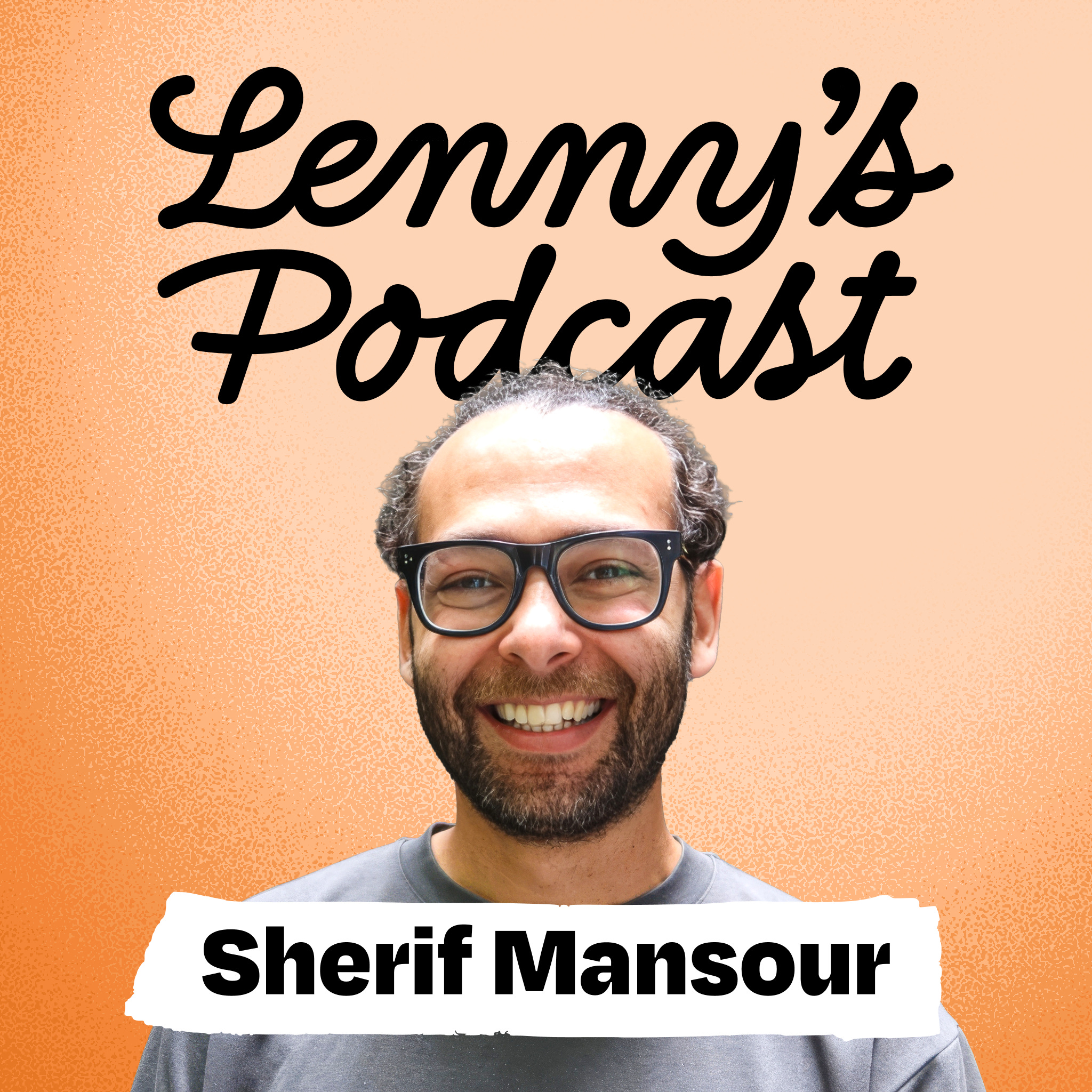
Josh Woodward, head of Google Labs, the Gemini app, and AI Studio. At Google for 16+ years; leads experimentation and scaling of new AI products.
Best ideas rarely come from scheduled design sprints; they emerge from constant curiosity, hallway/weekend hacking, and small obsessed teams. Product-market fit is signaled by users’ eyes lighting up during early prototype demos (pupils dilate). Teams usually know to stop before leaders do; leaders should enable uncomfortable “this isn’t working” feedback. Labs should operate on ~6-month rolling planning and hit milestones in 50–100 days.
NotebookLM podcast (parliament debate audio) sparked a new direction; Google Flow/“Whisk” image animation inspired accessible creative control. Gemini connects to Google data (e.g., Gemini Spark), and consumer breakthroughs may come from entertainment/feeds, messaging/chat, and new “scarce resource” experiences.
Written by AI. May contain mistakes.
Learn why every company should operate like a labs team to stay competitive.
“My thesis is that every company needs to start thinking and operating like a labs team.”
Discover the significance of experimentation in finding great ideas.
“Before we get into it, I've noticed a lot of people don't finish the episodes, which is totally fine, but you end up missing the best stuff.”
Explore patterns and environments that foster great ideas in teams.
“If you were to reflect back on the best ideas that emerged out of labs and even in Google in general, what are some patterns of where the best ideas come from?”
Find out how to identify ideas that are almost possible and ripe for development.
“I didn't hear brainstorm meetings in there as a place good ideas come from.”
Learn the signs of product market fit and when to double down on ideas.
“In this doc I talked about, we have 82 predictions that all begin with, we believe the future is, or we predict.”
Discussion on early projects and their significance.
“And that was one where we're like, we got to just do something with this.”
Exploration of product market fit and how to recognize it.
“Let's talk about product market fit and signs that something's actually working.”
Key indicators for knowing when to pivot from an idea.
“And it is both like so exhausting and so fun.”
Comparing the experimental nature of Labs with the success of Gemini.
“I was going to ask it later, but I'm so curious.”
Discussion on the impact of AI in consumer product innovation.
“It's quite confusing as an outsider, but I get it.”
Exploration of the challenges faced by AI assistants and future directions.
“So it feels like consumer right now is in a really fun place where there's always been the sense of like consumers dead.”
Discussion on the importance of principles in AI development.
“And there's a lot of stuff we're playing with right now that will be will be out soon.”
Discussing the need to focus on creating meaningful AI products rather than just benchmarks.
“And so I wish there was a lot more discussion in the industry happening around that and sort of what kinds of things do we want to build?”
Exploring essential skills and attributes for success in AI-related positions.
“What skills are you finding are trending up in value in the people that you're working with?”
Analyzing the shifting dynamics between PMs, designers, and engineers in labs.
“So I think that's where my prediction is that skill will almost increase in importance because there will be more products and because there'll be more of this kind of like free agents kind of jamming on stuff together.”
Strategies for balancing work intensity and maintaining team morale in labs.
“all these prototypes, but do that in service of becoming an exceptional, extraordinary PM.”
Discussing the changes in project planning and timelines in AI development.
“And something I found is the opposite also is dangerous when you have too little to do and too little stress and too little pedal on the metal.”
Learn how planning has evolved in tech due to fast-paced changes and AI.
“And, you know, whether that for us is a Google IO or a model release or whatever, I think that's always healthy to be thinking about.”
Understand why companies need dedicated teams to explore the latest tech trends.
“It was last week of the day we're recording this.”
Explore the lifecycle of lab projects and the different challenges at each stage.
“and then they do it as a separate company or whatever, right?”
Discover essential strategies for building effective lab teams within organizations.
“And in zero to one, you're looking at eyeballs like we talked about.”
Learn what types of individuals make successful lab team members.
“challenging how the company works and almost like the way things happen.”
Identify frequent mistakes when setting up lab teams and how to avoid them.
“People that are energized by that huge credibility boost.”
Engage in the debate about the future quantity and nature of Google products.
“And these are just vanity metrics that are really bad most of the time.”
Explore the importance of gathering feedback in product creation and refinement.
“And maybe if this thing super fragments, what's that world going to look like?”
Explore how to navigate product development complexities and the importance of feedback.
“kind of the behavior that adds value because there's so much complexity.”
Josh shares unique awards he gives to encourage team efficiency and innovation.
“And if people have ideas, please just like let me know on X or whatever.”
Discussing innovative ways to appreciate team members and foster a positive environment.
“I heard you give these hilarious awards to teammates.”
Josh encourages listeners to provide feedback and highlights the importance of community.
“Josh, how can listeners be useful to you?”

Get the gist, explore an idea or ask about something said.
 Claude
On Lenny's Podcast: Product | Career | Growth, what are the key points of this episode?
Searching your listeningAutomatic transcript. May contain errors.
0:00My thesis is that every company needs to start thinking and operating like a labs team. Every company definitely needs a set of people, a team. Their job is to be at the frontier. They're the people who have like eight,$200 a month subscriptions on everything. Everyone has to get really good at trying a bunch of stuff with the latest models, figuring out what is now possible before your competition does, before a startup comes and eats your lunch. You've got to try to create a space where weird things can grow. If you look at the history of a large company who starts a lab, the lab is usually ineffective and fizzles out after about three to four years.
0:34You can't just nestle this under an existing business unit. It has to have its own kind of independence. You've seen more ideas thrown at the wall and tried and prototyped than maybe anyone else. What are some patterns of where the best ideas come from? They very rarely come from design sprints. They don't come in conventional places. You can't microwave good ideas. What skills are you finding or trending up in value? I'm actually looking a lot right now for people. What's their unlearning rate? How fast can they learn something and then walk away from it? What's something that might surprise people about what product market fit looks like?
1:10When you're showing people early prototypes, you're looking at people's eyes. That is the metric. What are signs that it's time to kill an idea? The team usually knows before the leader knows. Today, my guest is Josh Woodward. Josh is head of Google Labs, the Gemini app, and AI Studio. He's been at Google for over 16 years, and his job is to experiment with and scale new AI products. My premise for this conversation, and why I believe it is so valuable, is that every company is being forced to think and operate like a labs team. Because what is now possible is changing so quickly, you have to get very good at playing with the latest technologies, running tons of experiments and uncovering new opportunities before your competition or startups do.
1:55Josh runs the longest lasting and biggest labs team in the world. And he shares a ton of very specific lessons about where the best ideas come from, how to know when to quit an idea, what it looks like when you have product market fit, what skills are becoming more valuable in today's era, why roles aren't actually blurring into one builder role, and so much more, including some spicy stuff. A huge thank you to Steven Johnson, Sophie Miller, Jeff Huang, and Logan Kilpatrick for suggesting topics and questions for this conversation. Before we get into it, I've noticed a lot of people don't finish the episodes, which is totally fine, but you end up missing the best stuff.
2:31So to help you, I've created a new Lenny's Most Replayed Moments YouTube channel that is exactly that, the most rewatched and shared segments from our long-form episodes. Check it out and subscribe at Lenny's podcast dot com slash most replayed moments. There's also a link in the description with that and bring you Josh Woodward.
2:54Josh, thank you so much for being here. Welcome to the podcast. Thank you. So great to be here. It's even better to have you here. I want to first lay out the premise for this conversation and I want to get your take if you agree with this. Yeah, yeah. Sounds good. Worldview. So my thesis is that every company needs to start thinking and operating like a labs team because the underlying tech that we're all building on is changing so fast, which means what we can do is changing so fast, which means that now everyone has to get really good at trying a bunch of stuff with the latest models and basically figuring out what is now possible before your competition does, before a startup comes and eats your lunch.
3:35And so it feels like the skills that will matter more and more now are things that you all have gotten really good at, which is finding great ideas, figuring out how to run a ton of experiments, figuring out what to double down on, building teams that can operate this way, at the same time not distracting the rest of the company from all the shiny stuff and letting them focus. So broadly, how do you, does that resonate? Yeah, I think your premise is spot on. I think the devil's in the details, all those things you just said. So I think what's easy for, you know, Well, in some ways, every startup is a lab.
4:09And the real question is like, how do you bring some of that same methodology, ideas, energy, excitement into bigger teams or even medium-sized teams? But I absolutely think it's needed. And then the question is, yeah, how do you build that environment and nurture and cultivate that kind of both ideas, but also the people that can really thrive there? Awesome. Okay, that's exactly what we're gonna talk about. Yep. This episode is brought to you by our season's presenting sponsor, WorkOS. What do OpenAI, Anthropic, Cursor, Replit, Sierra, Clay, and hundreds of other winning companies all have in common?
4:45They are all powered by WorkOS. If you're building a product for the enterprise, you've felt the pain of integrating single sign-on, SCIM, RBAC, audit logs, and other features required by large companies. WorkOS turns those deal blockers into drop-in APIs with a modern developer platform built specifically for B2B SaaS. Literally every startup that I'm an investor in that starts to expand upmarket ends up working with WorkOS. And that's because they are the best. Whether you are a seed stage startup trying to land your first enterprise customer or a unicorn expanding globally, WorkOS is the fastest path to becoming enterprise ready and unblocking growth.
5:23It's essentially Stripe for enterprise features. Visit workos.com to get started or just hit up their Slack where they have actual engineers waiting to answer your questions. WorkOS allows you to build faster with delightful APIs, comprehensive docs, and a smooth developer experience. Go to workos.com to make your app enterprise ready today. So I'm going to start with coming up with ideas, finding great ideas. If you were to reflect back on the best ideas that emerged out of labs and even in Google in general, what are some patterns of where the best ideas come from? Yeah, it's interesting because a lot of them, I wish there was an answer in the back of the book where there was one thing that maybe one observation, Lenny, is they come from a variety of places.
6:09So one lesson I've always felt is like you always have to be watching for something that catches your eye. Maybe we come back to that in a second. They very rarely, at least in my experience, have come from design sprints or times where you set aside on a calendar. Okay, this is we're going to go come up with our next idea. they usually come when people are swimming in the hallway maybe on a weekend often over a break a lot of our labs teams will be hacking and building on stuff and they just can't help themselves and they'll come back and they'll share a video and be like look at this amazing thing um so i think one lesson is like always on alert second lesson is like they don't come in conventional places is you can't microwave good ideas.
6:52And maybe that leads to a third thing I've seen is sometimes it's about less about the idea and who are the interesting people. And more importantly, what are their interesting little side projects and passion things and like creating the chemistry around that. Because usually what we found, at least in labs over the last four or five years, is that all these ideas, whether they're Notebook or Flow or AI Studio or Google Beam or any of this stuff, they get started like very small groups of people. who are just obsessed and usually very curious about something and they just won't stop. And so you're kind of like, how do you kind of create a space where that can happen and then kind of be on alert to like catch it and try to like, you know, funnel it, funnel it forward.
7:35So what I'm hearing here is interestingly, not like design sprints. I didn't hear brainstorm meetings in there as a place good ideas come from. Yeah. Is there an example maybe because, you know, like someone listening to this, I'm trying to think about what can they take from this to find, to help them find great ideas, say their startup founder or at a big company playing with the latest models. What are some of like the conditions that you find most help? Yes. Yes. I mean, one thing we try to do a lot, and I think this would apply in any of those situations is like, how do you get yourself to the frontier?
8:09And that can be both with like playing with the models, but also just watching what are the types of experiences that have just become possible where we have a phrase on the team we talk about what's almost possible we just have a list actually where we're trying to track those things and when one crosses over it's almost like a phase shift when something goes from like solid to gas or liquid to gas or something you're like oh that just became possible i saw one of these two days ago and i can't stop thinking about it are you able to tell us or it's uh maybe soon but it's like you you kind of if you're at the frontier, playing with the models, watching what's happening, and you kind of have this list, then when you see something, whether it's on X or wherever, then you're like, okay, that just now has become possible.
8:57And then we try to think about how do we get a team around that and just go. And so that may be as you're kind of in startup land, if you're thinking, or maybe you're starting to pitch ideas to VCs or whatever, that's kind of how I'd be trying to think about. And then of course, tech alone isn't enough. You've got to kind of match that to an interesting user problem. And ideally, if you can put those together in a way that's so good, people will pay for it. That's kind of the combination of things we start looking for pretty early. So that's an interesting tactic there is make a list of what is almost possible and then watch for, OK, wow, this is now possible.
9:32Let's explore this now. Yeah, that's right. Is there anything on that list you can share of things that are not yet possible, but almost possible that you're waiting for or watching for? Well, maybe I can share a few areas. I mean, because I think how we think about it in labs is we have kind of a bit of a thought experiment we go through where we're like, what is the future of a certain thing going to look like? So the future of software design and development or the future of creativity, the future of work or knowledge. One area we're watching very close right now is just like, what is the future of entertainment going to look like?
10:05And this whole idea around immersive entertainment is super interesting. just at a technical level for many reasons. But also you think about just kind of the user sort of behaviors and like what does entertainment look like last year, this year, versus next year, maybe in three years. And so that's one where we've got a whole list underneath that where we're like, ooh, okay, well, if a model can get to this kind of latency and this amount of languages and this amount of modality, you can start to kind of think through what would be interesting from the tech side. And then we do a lot of work in labs around where are just behaviors and trends going?
10:45And for that, some of it, of course, you can kind of study in the Bay Area. But for a lot of our teams, I'm always thinking about how do we get way outside the Bay Area? And thinking about where are the other cities, the classrooms, the other places to kind of like almost like mine for ideas and these behavioral changes. So an interesting takeaway here is this, you're not just waiting for inspiration to strike, you're doing a lot of pre-work to think about, here's what is almost working, here's where we think the future might be going, there's areas that are going to be ripe for disruption. That's right.
11:19Yeah. In this doc I talked about, we have 82 predictions that all begin with, we believe the future is, or we predict. This is dangerous ever to make one prediction, let alone 82. too. So but I think you have to almost have a point of view about the future, knowing that nine out of 10 or maybe 9.9 out of 10, you're going to be wrong. But I think that's one of the things we really try to cultivate in the team is how do we chase the future? That's one of the values and sort of trying to chase it. You almost have to throw yourself out there and try to live in it a little bit. What are signs to you that an idea is worth pursuing when you're in the shower and you have this idea?
11:56What's the sign that, OK, that's worth betting on, at least for to start with? And what's often just like a false, false signal, like, okay, no, that's actually not going to work. Yeah. I think one thing for me, especially when you've got these lists going and you're thinking about the future, when you see something that surprises you, or maybe that's very interesting to you in a certain way. And if you can describe it to yourself, like this thing I saw about 48 hours ago, I was, I left that sort of demo and I thought this is so exciting. and I think that's maybe a signal I use a little bit is like trying to be at the frontier and then what makes me interested or excited and then feeding off that kind of with the team together I feel like that's too that bar is too low these days because everything is so magical and like or it's the opposite now everything okay great this thing is doing my taxes for me of course that's yeah yeah yeah yeah well I think this is one of the things obviously that excitement is maybe a tech thing and yeah there's dazzling demos every other day or every other hour right now but then I think trying to think through where's the user behavior maybe that is like universal or maybe there is some shift on that side and then the way we think about monetization too is like can you get to a group of people that are just gonna like can't live without it like they literally will pay you because it's so valuable to them and then kind of how you can kind of put those pieces together but yeah sometimes it's got to come from one of those areas I would say Is there a great example or story of a product that emerged in this way?
13:27Yeah, I mean, I remember still the first time I heard the first, like, Notebook LM podcast, exactly where I was standing. It was right outside this room. And it was probably at, like, 6.30 p.m. on a Tuesday or something. And there were two people on the team who came over and were like, you got to listen to this. And it was the proceedings of the British Parliament debates, not known for its riveting material, but these two AI hosts were talking about it in a way that was literally interesting. And that was one where we're like, we got to just do something with this. And that was one. I remember the first time when I saw something come out of Google Flow, we had a project before that called Whisk, where you could whisk together multiple images and then start to animate them.
14:16And it was a level of control and creative kind of channeling that had never been possible that I kind of made, it was like that accessible. So maybe those are two examples. We also have other examples where we get excited. We try to build some product that's just not good. So, you know, that's the other thing is a little bit of like a game of numbers in this as well. Let's talk about product market fit and signs that something's actually working. I feel like you've seen more ideas thrown at the wall and tried and prototyped than maybe anyone else. I don't know if that's true, but it feels true.
14:49What are signs to you that this is something we need to double down on? And what's something that might surprise people about what product market fit looks like? Yeah, I think one of the maybe trickiest parts of it is it is way more art than science. I wish it was science. We know how to run science experiments, make data-driven decisions, set OKRs, all this process that helps. they're like um sometimes in the early days lenny it's literally a couple of people on the team who might just have conviction and they're just like i think the future is going to look like this and i don't i can't explain it that's what's hard just like that advice is just not that useful or helpful but i would say that's some of it i think maybe a little more useful uh we talk a lot about how do we get outside the building and just show people prototypes and when you're showing people early prototypes, what I'm always doing in those is you're looking at people's eyes.
15:50And like, that is the metric. It is not a DAO, it's not a DAO over a Mao, it's not a D7, it's none of that. It's literally like, hey, like, Lenny, did you see this? What do you think about this? And like, if your eyes kind of light up, if you lean in, these are the kind of signals you're looking for the early days. Maybe the third thing I would say, and this one's also maybe on the flip side of your question is like the people who get excited about things usually we try to kind of think about what's the problem we're falling in love with not the product because what i found is it takes three four five pivots before you either got something or you're just like that's it didn't work um so i think when people fall in love with an actual product solution first it's going to, at least in my experience, lead to a bad time.
16:43So that's the other thing I think we try to think a lot about. And usually people talk about PMF, you sort of know it when you have it. I think that's true. In the last, I don't know, year or so, when Nana Banana went viral on Gemini, when the Notebook LM podcasts have gone, when stuff's happened on Flow or Stitch or other kind of projects that have kind of had these mini moments, you're literally just swarming it and holding on for dear life. And it is both like so exhausting and so fun. But yeah, you almost have to take a lot of shots, I would say. And in the early days, again, it feels a little more art passion driven than science, unfortunately.
17:25Those are actually very concrete, specific things to look for. The eyes light up. I've heard someone else describe this as their pupils dilate. Yes. That's right. And you know, too, right? When you're talking to someone, if they're having a good time, if they're into it or if they're just bored out of their mind and you're showing them some dumb product. So it's really like, can you hit a nerve with like a pain point in their life where they're just like, I want that. And I mean, that's what makes this job so fun is trying to figure out how many of those nerves you can hit. So having that context of it's clear when things are product market fitting and they're eyes are lighting up.
18:05What are signs that it's time to kill an idea? Yeah. One of the things on this one, and I talked a lot to the team about this too, is sometimes a team is looking for, hey, the leader needs to make the decision. And that's kind of where it comes from. What I found is the opposite. The team usually knows before the leader knows. And the signs are like, does the passion start to run out? You've tried everything you can think of And it's just not working. And people know when a project's not working or a relationship's not working. That's something that people see. And so I think as a leader, what I try to do, say, in labs or even some of our features in Gemini is like, how do you create an environment where people can ask those uncomfortable questions and be able to say like, hey, I don't think this is working.
18:54And yesterday, just as an example, we had a feature we were really excited about in Gemini we were going to launch. and we got some of the early data back. People went out, looked in the eyes and it just wasn't there. And so I was so proud of the PM on the team because she was like, I don't think we should launch this. It's not good. And so I replied all, I was like, this is great. Thank you for doing this. And so it's like, how do you create a culture where the team can call both like good things and bad things out? And I guess in that way, as a leader, in my case, I trust the team a lot because they're the ones every day trying to make this thing go.
19:30And I think if they're like, hey, it's not going, then it's like, all right, that's okay. Let's pivot. Let's do something different. I have to ask you this question. I was going to ask it later, but I'm so curious. It's so interesting that you oversee labs, which is zero to one experiments, try stuff that's totally new. And then the Gemini app, which is one of the most popular apps in the world with probably a billion users. How did that come to be? Why is that the structure under your team? Yeah, yeah. Well, I guess in some ways they are very different ends of the scale. You're right. Gemini, over a billion users.
20:02It's global. Like labs, you know, we joke on labs. Sometimes our early projects, zero to one stuff, you know, we'll get so excited about 10 ,000 miles. And like most other products, dashboards don't count that low. So this is kind of the joke on the team. But I think maybe there's a few common pieces, though, even though the scale is different. I think one, the type of people that are attracted to these things, even Gemini, despite its size, is very much got a zero to one heartbeat all over it. And so I think part of it is like the type of builder, the type of person you're attracting, these like blurring lines between what it takes.
20:41Two, we're all like AI kind of nuts and maniacs. We love this stuff. Like we can't get enough of it. We're building all the time. um the third one though i would say is like a little bit of everyone on the team we talk a little bit about like the order of how we think about our priorities and we like the mantra on the team is like users first google second and like our product third and so like labs third or gemini third and i think that unites us too and that's like we don't try to do things like for our own team we're very much part of team google but also ultimately it's like is someone loving this on the other end of this product.
21:22And so that does kind of tie it all together, but they are on, yeah, different ends of the spectrum for sure on terms of size, like conventional numbers. Yeah. It's quite confusing as an outsider, but I get it. Is everything you're doing in labs now AI based? Is there anything non-AI driven in labs now? Yeah. It's all AI driven right now, for sure. When we started four or five years ago, we had a few other areas we were exploring and we kind of made the call, at least for the foreseeable future, go all in on AI. We don't just do software stuff though. I mean, Google Beam is one of the projects we're working on is like this incredible kind of magic mirror that kind of can create like a 3D version.
22:03We should get you one. I'll take it. You're going to kind of talk to someone almost like they're a hologram on the other side. Yeah. So we are, we're exploring kind of other adjacent things to AI, like, you know, you could consider that almost like AI hardware in a way. I will take it. Thank you. I'll send you my address. So it feels like consumer right now is in a really fun place where there's always been the sense of like consumers dead. There's nothing you can do. Facebook got it. Google, you know, like there's no way to compete against these juggernauts that have taken the consumer world.
22:36But AI feels like it's unlocking a lot of opportunity in consumer. I'm curious what your hypothesis is for where the next, where a major breakthrough might happen in a consumer app. Yeah, I feel like consumer is one of the most exciting, competitive, all the things happening right now. So it feels completely opposite to me from that kind of view. A couple of areas I think that are kind of interesting. I mean, one, I think there's a big question. We talked a little bit earlier of just like, where's entertainment going to go? are we going to be looking at like different types of feeds forever or are there ways that this technology can bring us maybe closer together in the real world or do things with other people I mean there's different views on where that could go is it like more around bots or more around people and so I think that's like very interesting space I think we're watching right before us now like the entire kind of messaging chat space felt like, hey, that was sort of maybe solved.
23:38There's lots of different experiments happening on that right now, both inside Google and outside. So that feels like a whole nother area that maybe is like no longer as fixed as it once felt. And then maybe the third one I would throw out is I still feel like going back again to the problems, like what are some of the big problems people face in the world? And I think like, you know, what are things that are super scarce? Time on earth, how much money people have and how they can save money. These kind of memories are like experiences that people can have kind of IRL together and that kind of thing.
24:14So I do feel like there's maybe like new consumer products to be built that can go after a lot of that stuff that, you know, whether it takes the form factor of a chat bot or a personal agent or whatever that's going to look like, I think is kind of yet to be invented in a lot of ways. okay let me ask you a spicy question along these lines i'm so curious to get your take so it feels like every every uh ai assistant app that's launching these days basically sucks in gmail and google calendar and docs all the google data all this juicy google stuff uh connects and does all these magical things with it within google i cannot do any of these things it's so hard to build anything.
24:58First of all, you may be working on AI Assistant, but there's nothing there yet, as far as I can see. And then just generally, it feels like everyone's just taking all this juicy data and doing magical things with it, and Google hasn't. What's kept you guys from doing something like that? Is it privacy concerns? Is it works, bureaucracy stuff? Is it coming? What can you say? Yeah, yeah. So there's parts of it out there today. If you're in Gemini and Gemini Spark, you can actually connect all that stuff. And it's quite powerful. I think where we're iterating on that though, is we've been in a world where even if you look at some of the other competitors, there are different modes almost that you go into.
25:40And I think the lesson, even from the last couple of weeks is forget the modes and toggles, just like one prompt box, tell it what you want. And it just does stuff for you. So that's definitely where, not only where we're headed, where others are headed. I think that's kind of a broader, almost like UX simplification happening across the industry. On the data bits there, it's interesting because actually one of the main things people will ping me about or others is like, oh man, Google, I've got all my stuff with you. Just make the thing work. And there's a lot of reluctance actually to be connecting it to a lot of other sort of competitor products.
26:21So watch this space. We hear you loud and clear. There's a lot of work if you go online and just look under kind of personal intelligence is sort of the way we think about this stuff is like you want a Gemini that is personal, proactive, powerful, that sort of works for you. And so that that's been the vision for the last kind of year or so that we're headed towards. And there's a lot of stuff we're playing with right now that will be will be out soon. All right. I'm excited. It just feels like, yeah, like I have so many little schedules and things running within my email. I'm just like, man, why didn't Google just do this?
27:00It does feel the advantage you all have is distribution. So once something happens, similar to Muse recently, it's going to be very easy to grow it and convince people to use it similar to, you know, within like AI mode. So anyway, okay, I'm excited. Things are happening. Things are definitely happening. What do you think, so kind of going in a different direction, what do you think is underhyped in AI right now? And what do you think is overhyped, if anything is overhyped? Oh, yeah, yeah. You know, underhyped, I was thinking a lot about this over the summer. I ended up writing kind of a doc internally just around like labs principles of like how and almost like why are we building what we build?
27:42And so maybe the underhype thing is more of a discussion around principles, values, sort of, I believe very strongly, whether you're at Google or a startup founder or anywhere in between, you speak through your products. And your products actually represent and almost encode those principles. And so I wish there was a lot more discussion in the industry happening around that and sort of what kinds of things do we want to build? What kind of future do we want? Uh, so anyway, that would be my underhyped one. Um, cause I think, uh, yeah, there could be more of that. I think the overhyped one, um, I think I've been saying this maybe for a year now, but I still think it's overhyped model benchmarks.
28:27Oh, and I still, uh, you know, a lot of friends and a lot of labs and everyone's still looking at the same set of benchmarks for the most part. Um, but I think, um, you know, where I'm grew up and where I'm from, and I guess how I think about product development is like most people in the world are never, ever, ever going to care about an ELO rating. They may not even know how to pronounce ELO. It just doesn't matter. And so that's where I kind of get back to kind of like a lot of, I feel like the talk in AI right now is about speeds and feeds and benchmarks. And these are proxies, obviously, for kind of where things are and capabilities.
29:04But I still feel like sometimes as an industry, it can kind of over rotate to that and kind of lose sight of like, why is this useful to someone? And what's like the product or the feature that's going to deliver like real value to like help people. So anyway, those would be my over unders. Yeah. And it's also along those lines, it's always, it's also hard to know what, what, what is better. Like, how do you know what's going on? Like you have this new model. It's the best model ever. It's like in practice, it's not that much different than the previous model that also everyone thought was the best model ever we have agi every every time there's a model launch we have agi now and so like the benchmarks like are trying to show you here's where it's better but but if you didn't like you're just sitting there okay this is okay this is better i like what it's doing here yeah i think this is also though where um i feel like a lot of folks that like follow you and listen to you is like please please please think of amazing products like because ultimately all these model capabilities and benchmarks and all the intelligence gets translated into just like can you build something people want.
30:05And so to me, it's like, what a time to be alive as a product person, because you have kind of this like huge menu of things that were almost possible that are now possible more and more with each passing week. The first point you made there was something that came up recently in a conversation with Tara from OpenAI about how now that we could just build everything and AI has so many opinions about where to go, what you said is exactly right, which is what do we want the world to look like? What do we want? What is the vision of the future we want? Not, okay, we can do all these things. That's great.
30:40Maybe we don't need to do all these things. Right. So I think that's a really important point there. Yeah, definitely. Definitely. This season's supporting sponsor is DX. Now that everybody at your company is finally using AI, the question that engineering leaders face is no longer, are we using AI, but is it paying off? With DX, you can measure and benchmark the impact of AI adoption across your full product lifecycle. DX shows you where AI is helping developers and where it's creating new bottlenecks. You can also use it to evaluate AI vendors, monitor costs and licenses, and see exactly what's limiting your agents.
31:18That's why hundreds of enterprises, including Snowflake, Sony, and BNY, use the DX platform to measure AI's impact on developer productivity. Visit GetDX.com slash Lenny to get a demo of DX. That's GetDX.com slash Lenny. What skills are you finding are trending up in value in the people that you're working with? And what do you feel are trending down when you look at people are doing really well now? What are the kind of attributes and skills of those people versus things that are maybe less important now? Yeah, I feel like there's a whole lot out there on taste and judgment and vibe coding and all of that.
31:59I guess the things I'm looking for, I'm always trying to find like what are the mispriced signals. And so like one I think is how you will hear sometimes people talk about like what someone's like learning rate. Like do they have a growth mindset? What's their learning rate? I'm actually looking a lot right now for people. What's their unlearning rate? like how fast can they learn something and then walk away from it um based on maybe what they're seeing when they test their product or something so unlearning rate is one um another one i'm interested in i read a book a year or so ago um about roger federer the amazing tennis player and there was this phrase in there about federer had explosive endurance it's just this beautiful turn of phrase and uh with the alliteration everything but it's like there there's something around like how are people taking care of themselves and the people around them where they can go really hard and that's the like explosive part but they can do it over a while and they find ways to kind of pace themselves and labs we have kind of you know we have like seasons of labs where we talk about this so i think that explosive endurance this unlearning rate um and then maybe another one I would say is like as much as you know coding and other things are becoming maybe trending towards like you being able to direct lots of agents and not having to work with as many people I still feel like collaboration and like how you work with people matters even more now and um one of the things we look a lot for is like can someone kind of blend and bridge these worlds where they're like incredible collaborator with an agent or a swarm of agents, but also with people.
33:48And I guess what we believe on the Labs team and on the Gemini team is that like, there's still just so much joy in working with people. And so like, but it's like, how do you find the right chemistry? And so maybe one thing I'd say there is like people that can build trust, that can scale trust, that that underpins any kind of great collaboration. And so that's another maybe signal I'm always looking for is like, how fast can this person kind of build trust with people and sort of create that kind of environment, if that makes sense? Yeah, these are so interesting. On that last one, is that kind of a growing, emerging, even more important skill you're finding with Rise of AI?
34:27And I'm curious why. I think so for a couple of reasons. I mean, I would say one maybe is like uniquely Google. It's a larger organization. So you've got to be able to kind of do that. But the ones that don't feel uniquely Google, one, it feels like as the execution costs of making products goes down, we'll be able to make more products, which you may make the same products with the same people. But I think there's a lot more. You probably see this, too. It's just like people will team up with different people to make stuff. And so it's very interesting when we're thinking about like almost like fielding a new team for a labs project.
35:01We used to say like it's about five to seven people. now it's about two to three people uh maybe four uh but it's kind of like those people just kind of almost you can almost imagine like super talented musicians who team up with different people and then they play different songs together the songs of the products but it's like that is like those are the mvps and labs where you can be like hey drop this sort of pm but that can also code and design because all the roles are blurring with kind of other people and kind of see how they jam on stuff together. So I think that's where my prediction is that skill will almost increase in importance because there will be more products and because there'll be more of this kind of like free agents kind of jamming on stuff together.
35:46Along those lines, I imagine you have been pulling designers, engineers, NPMs into labs, and they kind of all kind of work together and sometimes different functions take leads. Has there been a shift in who you find is most impactful and successful in leading product ideas, labs, teams, in terms of the ratio of PM versus design for ENG? For example, are PMs becoming more valuable or ENG becoming more valuable, something like that? Yeah, it's interesting. We've been studying this a lot and actually testing a lot of this too. I would say in general, PM happens to be the function, maybe by nature, because it's a bit more horizontal, that feels like it's maybe been able to adapt to some of the other functions faster.
36:32And we see this when we'll run little builder pilots across the company that comes back is like, oh, yeah, that that's like maybe I don't want to say it's easier, but maybe it's PMs are more accustomed to like, all right, I'm in this meeting. I got to simulate something as a lawyer or as a BD person or as a sales. You know what I mean? So like, Like I think in some way, maybe there's some inherentness and like who selects into that. So that definitely is true. But I would say our best people can kind of come from any function. And I would also even widen it, Lenny. We're seeing like strategy and ops people and PD people and marketing people, you know, kind of be like builders and labs and they are really good.
37:13And I think what maybe this is another overhyped, underhyped thing. I think right now people are maybe overhyping like everybody's a builder and it's just this new job function and everything's kind of the same. I actually feel like at least what we're seeing is that people still have their specialty. It's like their major or minor in college or something. And I feel like there's a risk if everybody comes a builder that you lose a lot of respect and appreciation and obviously the expertise that comes from those specialties. specialties. And so I think when we set up teams, even though we may be like, this is more of like a builder crew, we're still thinking about like, where are the specialties?
37:55And that ends up being super important as well. I completely agree. You know, like, yeah, I like that. I like this metaphor of the major and minor. That's a really fun way to think about it. Like you can be better at building, but you're still, like your PM skills are still like the primary thing you're amazing at. Definitely. And I think that's the advice we give, especially to a lot of new PMs on the teams, like APMs or people earlier in their career is it's great. You're vibe coding and you're making all these prototypes, but do that in service of becoming an exceptional, extraordinary PM. And like, don't lose that major.
38:26Like that's what you need to hone, especially when you're early on. I love the way you described it where PMs are really good at simulating other functions, such as like an AI way of thinking about collaborating. And this idea of explosive endurance uh someone tweeted this recently they're like what's what's so called when it's both a marathon and a sprint it's that yeah he's like talk to roger federer yeah yeah i feel like everyone's in that right now that's just like a constant theme and trend on this podcast and just in tech right now it's just everyone's in this marathon plus sprint mode yes yeah oh man i guess is there anything that you do to help people deal with that because it feels like it's non-stop yeah i mean one of the things we try to do, and I mentioned it a little bit earlier, but I can unpack it some, is like, we think of kind of like seasons in labs.
39:14And like, can we think about, you know, at any given point, there's 20 or 30 experiment, you know, running simultaneously. But for each individual little team, trying to kind of create a little bit of like milestones or like a rhythm to the work. And there's sometimes like, it is just flat out full on. And we try to, maybe the best lesson I've learned as a leader is almost to sort of name that, declare that, you know, people opt in or opt out of that. But also be very clear when a team is not in that mode. And I think is like, how do you try to architect almost like a rhythm to the year where it's like, hey, we've got a big model coming.
39:53These five products are super important to showcase this model. We think this model will propel them. Like U5 is like, it is explosive time. Do you know what I mean? And so it's like trying to create a common language around that, which is sometimes, in a lot of ways, like PMs sometimes can be very effective if they can come up with like, what is the sort of shorthand or the common language? And so we actually put a lot of thought into that too, of like, all right, you all are on right now. Whereas after they go through that, we may be like, say after like a Google I.O., a lot of labs teams will sprint.
40:28After I.O., June is like, hey, just go hack. go rediscover what's new go just go build you like have fun and then it's so interesting Lenny because the instinct or the like temptation is like oh man it's June it's like unproductive we're not shipping and it's like no actually those are where all the new seeds are coming from for like the next season do you know what I mean and so it's like trying to think through the rhythm of that is is one way we try to do it I don't think we always get it right though by the way I think and I think one of the things we're talking a lot on the team is I guess in the past people talk about like work-life balance and there were other ways this conversation got framed I think what we're why I like things like explosive endurance or concepts like that is like we want to be doing this as a team for many many years and so it's like you can't just like empty the tank in nine months and just like kill yourself right so it's like you have to you have to have a view towards the long term but also recognize the moment you're in is fast I love the tactic of just naming it, having a lot of power and just making it clear this is the mode we're in now and won't be forever.
41:32Right, right. And something I found is the opposite also is dangerous when you have too little to do and too little stress and too little pedal on the metal. People get bored and start looking for other jobs. They're just like, well, it sucks. Yeah, yeah, yeah. I think there's always something there, though. You're right. We talk on the team a little bit of never waste an event or a date. or you can think about even as a startup, like where's that moment you want to intersect with something in the world? And, you know, whether that for us is a Google IO or a model release or whatever, I think that's always healthy to be thinking about.
42:08I got a question the other day on Gemini. They were like, what's our two-year roadmap? And I was like, we have a six-month roadmap on this team. Like we have a multi-year vision, but I think the world has changed so much too. Some of it is like the thing I saw two days ago is now a project. that happened in 48 hours. You can't plan for that in a way. And so that's the other element you almost have to recognize in the moment. Yeah. So along those lines, how has planning changed in the past couple of years? Like you guys are different from the rest of Google because everything is new. And but just what have you seen in terms of timelines and timeframes shift in planning with the rise of AI?
42:44Yeah, we usually are thinking, you know, somewhere on the order of about six months. And usually I say that because that's that almost possible window where you assume every lab is cranking out some new pre-training model a couple times a year. There's individual points in between. So you kind of have an overall cadence of where the models are. And then I think we're almost imagining in about 100 days, usually, we always think about where can you move your product meaningfully forward. Our best labs team, they all do that. They'll go from like idea to some meaningful milestone in like 50 to 100 days.
43:20And part of that is also like, how do you design a culture and an environment where you unblock a lot of stuff so you can just let people cook? And so that's the other part of it is like kind of creating that environment. But that we think about planning is kind of almost like rolling six months, maybe, is to answer your question. So I had this Lenny and Friends Summit. It was last week of the day we're recording this. And Dan Shipper gave this really interesting talk about how to build where the tech is just constantly changing underneath you. And his advice is to have a frontier team that's dedicated to testing out the new stuff.
43:54And basically it's their job, try all the new stuff, report on what we need to pay attention to so that the rest of the company can not have to be distracted and focus on the task at hand. How do you feel about that as a model for companies? I think every company definitely needs a set of people, a team, however you want to manifest it. That is, their job is to be at the frontier. And they're almost like, if they haven't heard about the latest hot thing viral on X in the last 24 hours, it's like, what are you doing at your job? You know what I mean? So I think there's definitely an element of like, you want people plugged in to like the hive mind of kind of how people are building and thinking in all the model releases.
44:35they're the people who have like eight$200 a month subscriptions on everything you know what I mean so like you know you have to kind of architect the organization where that can exist I think the second thing though that's just as important is the environment of which those people can build and so that's like the other maybe like part of that and then I think the third part which is honestly where if you look at the history and I've read a bunch of books on this because most, like, if you just look at the data, a large company who starts a lab, the lab is usually ineffective and fizzles out after about three to four years.
45:11Or it may have duration, but the company can never commercialize the things coming out of the lab. And so you get things like someone comes by and sees the future and then they do it as a separate company or whatever, right? And there's like famous examples throughout history of that. And so I think there is this interesting balance of like, can you have a team of people who live at the frontier, like Dan says, who are building frontier things, but can somehow bridge or connect across the bigger company in a way that it's not, oh, that's just some weird R &D group always coming up with like gimmicks and toys.
45:47Do you know what I mean? And so I think it takes a certain person or a certain set of people who can actually be like, hey, that thing looks like a toy right now. That's going to be essential to our future in five years. And that's actually where at least studying history, where sometimes these frontier ideas fall short, you can get the first two things right, and then fail on the third one. And then the whole thing really doesn't matter. Do you know what I mean? Yeah, it's interesting. I was just like, even Anthropic has a lapsed team, like the most cutting edge company. They're, you know, just like at the frontier already.
46:21They're like, okay, but we also need a lapsed team to actually watch the frontier frontier. Yeah, that's right. Well, one thing we joke about too, Insight, as Labs has grown now and we've got a few projects, thankfully, have kind of hit and are, you know, lots of users now and growing. We've actually internally, to this point of like common language, what we started to find was a bigger project like Notebook in terms of users or Flow or AI Studio or these things that have really kind of grown out of Labs. they were in some ways there's a risk they crowd out the zero to one stuff and so the terms we've started using is like there's zero to one labs there's one to ten labs and there's like 10 to 100 and these may not be like mean anything to your audience but to us we actually have kind of encoded like these are different stages of like the lab's life cycle and we want all of these products to have this like innovative energy that's common but inside each of those stages there's very different challenges and very different things you're optimizing for.
47:21And in zero to one, you're looking at eyeballs like we talked about. And in maybe 10 to 100, you're looking at like waterfalls and CPAs and thinking about like, how are we actually converting people to these like magic moments in the product? And it's a scaling game in a lot of way. Say someone listening is convinced they should set up a frontier team, a lapsed team. And it feels like lapsed teams have evolved a little bit. It used to be like build the next big business unit is like the idea here. It's like, OK, what's like a new technology that is unlocking something or a core business? Like, I wonder if that's true, but that's what it feels like to me.
47:55But I guess just with that in mind, what are maybe three tips for someone that wants to set up a lab team internally? Yeah, I think one, you've got to try to create a space where weird things can grow. And you can't just nestle this like under an existing business unit. it has to have its own kind of independence is one. And in some companies, that means it needs to report to the CEO or it needs to report enough of a distance in a way. And we can go into that if you want, but that's super important. I think the second thing is a set of people. And in the case of us, this was this users first, Google second, labs third thinking where the job of the lab is to make users successful and make Google successful.
48:42It's not to make itself successful. And so there's a bit of a, maybe a humility or a collaboration or kind of this mindset of like, what does success look like? And I think for us, how we've broken that down and how I would encourage companies to think about it is like, is your goal of this lab is to graduate things to existing products? Or is your goal to go invent new product lines and categories? And in our case, we started and it was a graduation lab. And it's expanded over time as we've started to realize AI really transforms and blurs a lot of categories. But being very clear about what game you're playing and what is winning or losing look like would be the second thing.
49:22So isolated in some way, but also part of the same team. And I think the third thing, and we talk about this a little bit on labs is, and I can imagine for maybe CEOs listening or other kind of C-suite people, use your lab not just for product development or technology exploration, but even for challenging how the company works and almost like the way things happen. And that's actually the phrase we use on the team is lab sometimes creates good trouble at Google. So there's like bad trouble you don't want to create, but good trouble. Give you an example. We were one of the first teams that were like, we're seeing the job roles blur.
50:04We have to have a builder job ladder and we need to think about it differently. And we should use labs as the place to pilot it before we roll it out across Google. And so that's another way you can think of like the multidimensionality of a lab in a way. You just like think about the processes and ways of working, not just products necessarily. That's really interesting. Yeah. Yeah. What about the type of people that you would put on this lab scene? You mentioned this unlearning rate is a really interesting way to think about. What else? What do you look for? And what's like a person you want to kind of avoid on the lab scene?
50:35Yeah. Yeah. Great. Man, we are obsessed about finding people who just like can't stop themselves from building. I mentioned that earlier. We have a whole doc on the team, the labs in a nutshell. We have one on Gemini too, Gemini in a nutshell. The first week someone joins the team, I email it to them. and most of them have seen it before as part of some of our hiring screening too. They build all the time. They're intellectually curious. They're reading, they're on X, they're listening to podcasts. They are obsessed about solving people's problems, not about their own ego or glory. They are the people when you're around them, they add energy.
51:15You leave a conversation and you're like, I want to be with that person. Like I'll run through a wall with that person. Do you know what I mean? We've got like 17 or 18 of them. Maybe I can send some of them to you after if you want, if you want to include in the show notes. Yeah, but it's, it's, it's such an important part. And that third thing I talked about as like a tip for setting up a lab, it's not just about job ladders and stuff. It's literally about who are the people of the future that you are trying to bring in that are going to think different and challenge things different. And it is, it's a different type.
51:47And what we've also found is these products have grown the zero to one people are different a little bit than the one to 10 and the 10 to 100 too so it's like how do you kind of create some commonality but i i do think like you know you're talking to someone you're looking at like in an interview if i'm talking to someone they're like hey let me show you this thing i just built instant credibility or if they're like i'll ask them questions about you know unknown unstructured dark caves you know these events and like where they're like, don't know what's like, which way is forward. How do they figure it out?
52:20People that are energized by that huge credibility boost. So yeah, there's definitely a certain type that you're looking for. In terms of the org structure, what's the biggest mistake people make? Yeah, I think, you know, it's actually, I'll give you a live one we're talking about right now. It's like, we're trying to figure out how much you kind of isolate different sub teams and going after things versus try to create groupings of like thematic things but for example we've talked about like interactive entertainment as like an area or like a pond we're interested in fishing in and it's like how does that do you do that as one set of people doing that is like five people just take like five shots at it um so that like a mistake sometimes i think is people maybe rush to a group and maybe the bias is towards like consolidate make it clean and i think what i've learned maybe the hard way over the years is like actually sometimes you kind of have to live in the messiness a little bit and almost like see what emerges but still be willing to kind of make those kind of changes those are really like org design team kind of things um the other chain or the other thing i'd say sometimes is a common mistake in a you know you hire too many people too fast this happens at big companies it happens at startups too and it's like it can be so addicting to like sometimes look at like oh our team doubled or tripled in the last quarter or six months or whatever.
53:40And these are just vanity metrics that are really bad most of the time. So I think that's the other thing is like a common mistake. I remember I was on a project years ago and we got to like 30 engineers and I was so happy and we had zero product market fit, but a very inspiring vision. And you probably know the outcome of how that ended basically. I'm going to, in our last few minutes, I'm going to ask you a question. Logan Kilpatrick suggested to ask you. I think he's head of ai studio right yeah he's great former podcast guest yeah i don't know exactly where this question is coming from but i'm so curious uh his question is in five years do you think google is gonna have 10 000 products or five oh yes okay this is a long-running debate logan and i have on the team um but it's funny at least to me i keep switching my answer so maybe I'm a bad right now.
54:34I'm more in the camp of like, I don't know if we're even going to think of products the same way. So I think one framing of it is 10 ,000 products from Google. That's like 10 ,000 surfaces that have their own brands and it's all complex and everything. Um, I'm not sure that'll be possible to your earlier point, what's possible or what should we do? Um, because you can have a product factory that's just going to turn out these products. So that's like one, one thing you could think about. I'm more and more thinking about like, are there almost like experiences or things that are going to be more bespoke that the models might make?
55:09And that might mean there's labs teams behind it, making the agent that does this thing that you experience maybe in a common surface. I'm not sure. But I also am not, we have a couple of experiments in labs going on this right now of like, can we prove both sides of this debate? And maybe that's why he threw it in. And sometimes that's what we'll do is we'll kind of take both sides of it and say like, okay, if this thing really consolidates down and there's a super app or a set of super apps, what's that world going to look like? And maybe if this thing super fragments, what's that world going to look like?
55:44And so right now I'm probably more on the camp of like, I think super apps have worked in some use cases in some parts of the world, obviously extremely well. But I think for a lot of people using them, they can be very complex and it's very hard to actually drive kind of the behavior that adds value because there's so much complexity. But this is also assuming humans are going to be the ones tapping most of these experiences as well. And so anyway, this is a fun one to debate. And yeah, one of Logan and I's favorite kind of we'll chat on this one a lot. I love that it's just unclear where we're going.
56:20Like it's just shows where we're just, We're all just trying to figure this out. That's right. That's such a good example of that. Okay. Well, before we get to our very exciting lightning round, Josh, is there anything else you wanted to share? Anything else you want to leave the listeners with? Anything you want to double down on? Yeah. I mean, I guess one thing I'd think about is like, and I'm always trying to think of this too. And if people have ideas, please just like let me know on X or whatever. It's like, I still think there's a lot of space right now on how to get feedback about about the products and experiences you're building, whether it's in Google Labs or as a startup founder or whatever.
56:56And so that feels like another area of like, how do you listen and sort of aggregate, collect, get insight, inspiration from feedback loops that I feel like there's a lot of interesting stuff happening with AI applied to that right now. And I'm sure all you probably do too, Lenny, on your stuff and my stuff of agents running overnight, summarizing everything that's happening. But I feel like there's an interesting, like, what makes a PM great? A great PM has insight about a certain type of people and the types of things that are going to delight them or solve their problem. And I feel like that's an interesting, like, how do you crack that feedback loop with AI and these new types of products we're building?
57:36So anyway, that's something also in the back of my mind right now. Yeah. Like, so the idea, the question there is just how do you get AI to be as good as an amazing top percentile PM at identifying opportunities and insights? Yeah, I think that's one branch of it. And I think the other one is like, is there a world where, I don't know, there's probably some people in your life, just like there in my life, when you're around them, insights seem to flow pretty naturally and you kind of get to a lot of interesting perspectives. Like, is there a collaboration model with people and AI that enables more of that?
58:07I think it's kind of an interesting prompt, maybe. Sounds like we're getting into B2B SaaS offer over here at Google Labs. I'd love it. I'd buy that. Okay. I know you have to run soon, so I'm going to skip to just one lightning round question. I heard you give these hilarious awards to teammates. My favorite is the TPU Harvester, but there are others. Share these awards you give and what they mean. what they're for. Oh, yeah, yeah. So the TPU harvester, we just need more and more TPUs as our products are growing. And a few of us wanted to figure out a way to reward people who do the grungy work of efficiency and reclaiming TPUs, harvesting TPUs so we can build the next features and fuel our growth.
58:51So we give out a rake to these people and a cash award. Like an actual rake? Like a little miniature rake we made on Etsy. And that one is really fun. And we've kind of turned into this big celebration. So this is people that save TPUs, that optimize. People that optimize and save. Not use the most tokens. That's right. That's right. Yeah, yeah. We talk to them separately. But I think that's one. It's like a rate. Another one, people that go in fix paper cuts. These little things that add up in a product that annoy people. We made like a golden Band-Aid and we give people to that. It's like they put it on their desk as a golden Band-Aid for fixing paper cuts.
59:30We have a thing in labs we're really interested of, like, people who can push the model to these, like, frontier ways, like, in surprising kind of ways. We have this thing called the LLM Whisperer. Like, they're able to kind of whisper to the model. They get a giant set of ears, like, because they can hear things from the model that others can't. And, like, a really nice mechanical keyboard. There's more of these things, too. But we're trying to find, like, ways to kind of, like, I don't know, encode the value in these like dorky symbols but that that means something like becoming more efficient with our tpus enables us to grow and reach more people paper cuts these are what make the product delightful and like excellent uh and then obviously like the whisper with the ears is like these would lead to kind of breakthroughs and new products so yeah we're always coming up with weird stuff like this i love this this kind of traditions are the best i heard there's also like a big thank you one where you get like talk to leadership or something like that yeah this one is a little bit of kind of like a secret society in a way where we'll basically like put a put an invite on someone's calendar and we'll just you know it looks kind of scary because there's like four or five leaders on the team there's no agenda uh and then they show up and we take turns we go around the circle and we just tell them why we appreciate them so much for being on the team.
1:00:52And it's pretty fun. And it totally surprises people. And I always start the meeting with like, this is not a bad meeting. This is a good meeting. Usually, your mind may assume the worst, but we're actually doing the opposite. These are some of the most valuable people. Wow. That is awesome. I love all of these. Josh, how can listeners be useful to you? Oh, send us feedback. So many of you do already, I would say. We get a lot of a lot of joy and we're very grateful for all the people who use this stuff we're trying to build. And if we can be helpful on the lab side or the Gemini side too, please let's make it two-way.
1:01:31And thanks again, Lenny, for having me. It's been great to spend some time with you. I think we're going to help a lot of people figure out how to build, stay at the edge. I really appreciate you being here, Josh. Thank you so much. Yeah. Thank you. Have a great day. Bye, everyone. Thank you so much for listening. If you found this valuable, you can subscribe to the show on Apple Podcasts, Spotify, or your favorite podcast app. Also, please consider giving us a rating or leaving a review, as that really helps other listeners find the podcast. You can find all past episodes or learn more about the show at Lenny's podcast.com.
1:02:07See you in the next episode.
Josh Woodward is the head of Google Labs, the Gemini app, and AI Studio. He has spent over 17 years at Google and oversees its longest-running and largest labs team, whose products include NotebookLM (now Gemini Notebook), Project Genie, and Flow. His job is to find, experiment with, and scale new AI products, and he has built one of the most distinctive product cultures in the industry for generating ideas, running experiments, and, even more importantly, knowing when to quit.
In our in-depth conversation, we discuss:
1. Why every company now needs to think and operate like a labs team
2. Where the best ideas really come from
3. The “almost possible” framework
4. How to recognize genuine product-market fit early
5. When to kill an idea
6. What skills are rising in value in the AI era
7. Why roles are not actually blurring into one universal builder role
8. How to set up your internal labs team
—
Brought to you by:
WorkOS—Make your app enterprise-ready, with SSO, SCIM, RBAC, and more
DX—Engineering intelligence for the AI era
—
Episode transcript: https://www.lennysnewsletter.com/p/why-every-company-now-needs-to-think
—
Archive of all Lenny's Podcast transcripts: https://www.dropbox.com/scl/fo/yxi4s2w998p1gvtpu4193/AMdNPR8AOw0lMklwtnC0TrQ?rlkey=j06x0nipoti519e0xgm23zsn9&st=ahz0fj11&dl=0
—
Highlights: https://lennyspodcast.com/mostreplayedmoments
—
Where to find Josh Woodward:
• X: https://x.com/joshwoodward
• LinkedIn: https://www.linkedin.com/in/joshwoodward
—
Where to find Lenny:
• Newsletter: https://www.lennysnewsletter.com
• X: https://twitter.com/lennysan
• LinkedIn: https://www.linkedin.com/in/lennyrachitsky/
—
In this episode, we cover:
(00:00) Introduction
(02:53) Why every company now needs to think like a labs team
(05:43) Where great ideas come from
(07:43) The “almost possible” framework
(11:52) Finding product-market fit
(16:09) Falling in love with the problem, not the solution
(17:57) When to kill an idea
(19:35) Overseeing Google Labs and the Gemini app
(22:21) Next consumer AI breakthroughs
(24:32) Google’s vision for a personal assistant
(27:18) What is overhyped and underhyped in AI right now
(31:36) Skills rising in value: unlearning rate, explosive endurance, trust
(35:45) Why roles are not blurring into one universal builder role
(38:59) Explosive endurance rhythms
(41:31) How planning has changed: rolling windows and 100-day milestones
(43:37) Labs lifecycle stages
(47:37) Tips for setting up an internal lab
(54:00) The future of products in an AI world
(56:26) Google Labs culture, rituals, and closing thoughts
—
References: https://www.lennysnewsletter.com/p/why-every-company-now-needs-to-think
—
Production and marketing by https://penname.co/. For inquiries about sponsoring the podcast, email [email protected].
—
Lenny may be an investor in the companies discussed.