
In short
Back-to-school stress and anxiety for kids, teens, parents, and even pets; how families can reduce anxiety and know when to seek help.
Guest
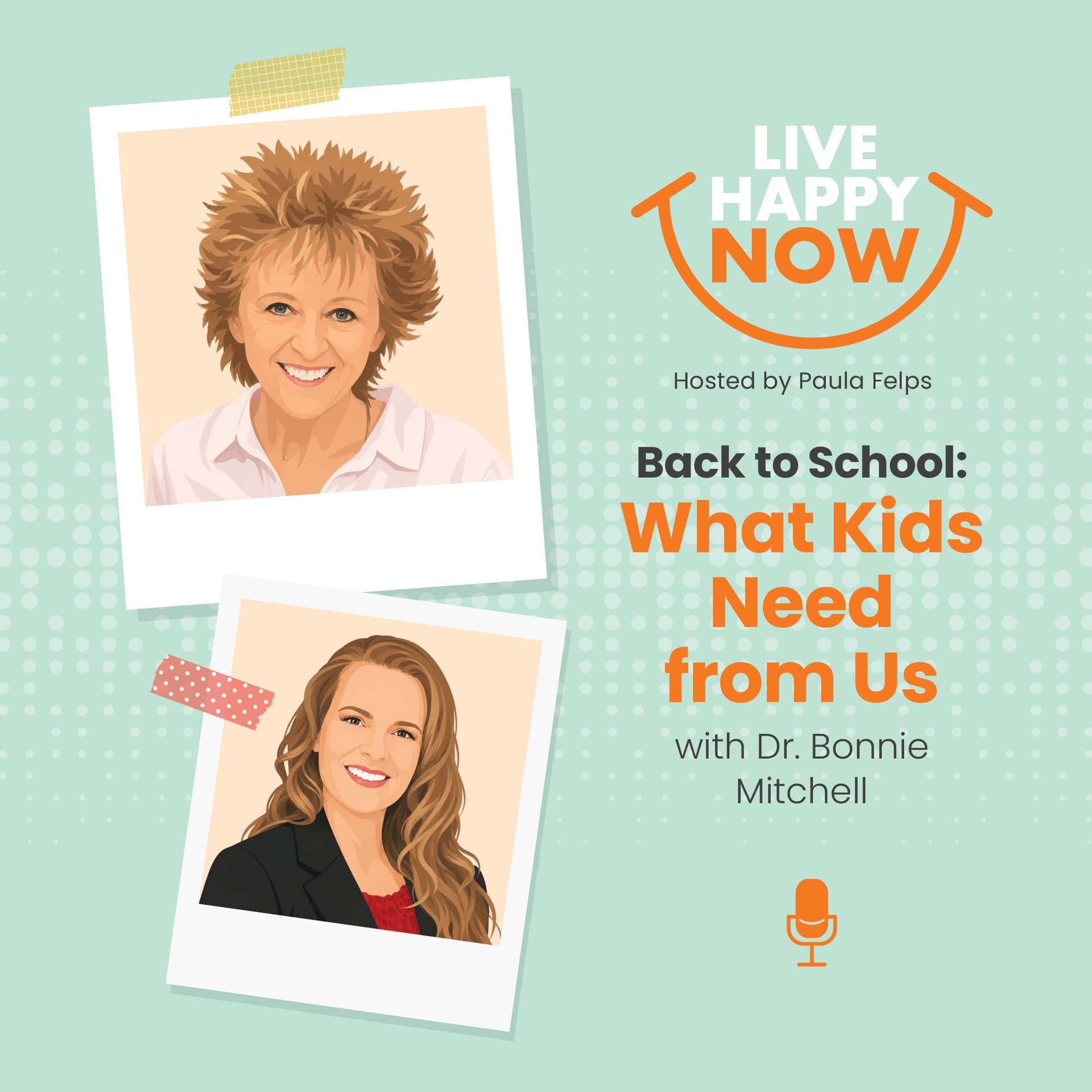
Dr. Bonnie Mitchell, Clinical Director of the Mental Health Treatment and Stabilization Center of Sacramento.
Key claims
Anxiety rises from disruption, uncertainty, separation, and social fears; parents should normalize anxiety and talk about it directly. Watch for behavioral/physical changes that could also reflect depression or bullying. If anxiety is extreme or debilitating, consult a primary care doctor and possibly mental health specialists; medication may be considered.
Notable examples
Younger kids may show stomachaches, sleep problems, nightmares, clinginess, irritability, hand/arm rubbing, low energy. Teens may resist going, hide under blankets, fear classes/tests/college outcomes. Coping ideas include “safe place” at school, bringing a “piece of home,” and creating a consistent morning routine before school starts.
Written by AI. May contain mistakes. Listen to the episode to check what was said.
Chapters
Tap a time to open that second in VOIntroduction of Dr. Bonnie Mitchell
0:45 to 2:00
Dr. Bonnie Mitchell discusses back-to-school stress and its impact.
“We're going to talk about back to school, and I wanted to know, were you one of those kids that looked forward to back to school, or were you one of those that dreaded it?”
Understanding Back-to-School Anxiety
2:00 to 4:00
Exploring the anxiety surrounding the return to school for families.
“So let's start by talking about why it's such a stressful time for everyone in the family.”
Anxiety in Younger Children
4:00 to 6:00
Signs of anxiety in younger children as they return to school.
“So with younger children, you'll see more of the physical signs because they may not be saying that they're anxious.”
Recognizing Anxiety in Teenagers
6:00 to 8:00
How anxiety manifests in teenagers returning to school.
“There's no stigma attached to being anxious.”
Addressing Anxiety: Parental Responses
8:00 to 10:00
Effective ways parents can respond to children's anxiety.
“All these questions are going through a teenager's mind, even before the first day happens.”
When to Seek Professional Help
10:00 to 12:00
Recognizing when anxiety requires professional intervention.
“I got five more classes to go and I'm going to be home.”
Building Trust and Communication
12:00 to 14:00
Encouraging open communication between parents and children.
“But you need to look at all your options.”
Effective Family Conversations for Back to School
14:00 to 16:15
Learn how to foster open communication in families to ease back-to-school transitions.
“to do this you need to do that you need to do this you need to do that and you don't have your child's in.”
Expert Tips for a Smooth School Transition
16:15 to 16:26
Discover three simple habits to help families navigate the back-to-school season.
“Bonnie, thank you so much for sitting down with me today and sharing your wisdom.”
Transcript
Automatic transcript. May contain errors.0:03Dr. Bonnie Mitchell:Welcome to Live Happy Now, where we explore the science and the stories that help us live with more joy, resilience, and connection. I'm your host, Paula Phelps, and each week we sit down with experts and everyday heroes who show us how happiness grows when we put it into practice. For the next couple of episodes, we're digging into back-to-school stress and how it affects kids, teens, parents, and even pets. This week, Dr. Bonnie Mitchell, Clinical Director of the Mental Health Treatment and Stabilization Center of Sacramento, joins us to talk about some of the ways going back to school affects a family and how to help kids of all ages work through the anxiety it creates.
0:40Dr. Bonnie Mitchell:Let's hear what she has to say. Bonnie, thank you so much for joining me today on Live Happy Now. Thank you, Paula, for having me on. We're going to talk about back to school, and I wanted to know, were you one of those kids that looked forward to back to school, or were you one of those that dreaded it? I had a tendency to be one or the other depending on the situation. So like if I was going back to school to a school that I'd already been to, I'm bored. But transferring schools or starting a new school, maybe going from junior high to high school, a lot of anxiety, a lot of fears, a lot of the unknown, which caused a lot more anxiety.
1:22Dr. Bonnie Mitchell:So you look at this from both sides. That's fantastic because I was one of those. I grew up in this in the small town, same classmates every year. So I was always like, oh, good. I get to see all my friends again. So back to school was always like an exciting time for me. So, yeah, well, we moved around quite a bit when I was growing up. So sometimes it was very frightening because I didn't have any connections with people. Yeah. Yeah. And, you know, as we move into the back to school season, it is so disruptive for everybody in the house and all the TV ads make it look like it's all about new clothes and cool tools, but that's not the reality for most people.
2:01Dr. Bonnie Mitchell:So let's start by talking about why it's such a stressful time for everyone in the family. Oh my goodness. Let's talk about parents and the struggles and their anxiety of how they're going to balance their life, getting back into the swing of school from pickups, drop-offs, daycares, non-daycares, having to get the kids up, fighting with the kids to get them up out of bed sometimes, getting out the door on time. And then from the child's point of view, all the stress, hey, I've had a relaxed summer. Things have been chill. Now I have to go back to school. What does that entail? Who's going to be there?
2:40What am I going to wear? Where am I going to sit? Who's going to be my friends this year? are my same friends still going to be there? Because sometimes kids have been gone all summer to grandparents or camps or different things. And so they don't even know who's left and who's returning. So there's a lot of anxiety.
2:58Dr. Bonnie Mitchell:And it's interesting because I wrote a story a couple years ago and it talked about how animals also respond to back to school because your dogs, your cats have been used to having this constant companionship. So there's something else for moms and dads to worry about. Like the animals are upset too, because now they're going through this loneliness that we don't oftentimes acknowledge. Exactly. Not just the animals, but even younger siblings that stay at home all day. They go through separation anxiety because their older brother and sister that they've been playing with all summer or bugging and annoying all summer is now going to be gone.
3:37And they feel the anxiety and the shift. And now they also have to get up because they're getting in the car seat to take brother and sister to school and then interrupting their naps to pick them back up again. And so it changes the whole dynamic within the family.
3:54Dr. Bonnie Mitchell:So how does this anxiety show up? Because I know it shows up differently for young children than for teenagers. What are some of the different ways in different age groups it can show up? So with younger children, you'll see more of the physical signs because they may not be saying that they're anxious. They may not be displaying it on their face, but you can see it in their behavior changes right before school starts, whether they've got more stomach aches, they don't feel like going to school, they have trouble falling asleep. Maybe they're just so anxious to go that they want to go or so anxious that they don't want to go, that they have problems falling asleep, staying asleep, having frequent nightmares about the first day of school, constantly feeling low energy, lethargic, and just not feeling, I just don't feel good overall, mom.
4:40I just can't. Also muscle tension. Maybe they're rubbing their hands, their arms a lot more than they typically would. Sometimes we equate that to growing pains, but that can also be a physical sign of anxiety. Can also see that they'll become a little more clingy. They want to spend more time with mom and dad. They want to spend more time with their siblings. They want to spend more time with their pets in the house because they're getting ready to separate and it's creating an anxiety within them. So they go from one extreme to the next in that clinginess. They can also be more angry, more irritable.
5:19They have trouble focusing on certain things because all
5:23Dr. Bonnie Mitchell:of this is underlying what they're displaying. When you start noticing these behaviors in your child, what should be the parental response? It could be a conversation. I've noticed something's a little bit different today. Are you, could you be worried about school or friends? And just opening up the conversation and maybe even saying, you know, I've noticed that you're rubbing your hands a lot more. Are you anxious about something? And not be afraid to say the word anxious or anxiety, because if that's what we're seeing, we need to address it. And there's nothing wrong. There's no stigma attached to being anxious.
6:07Everybody gets anxious at one point or another for one situation. Nobody in this world escapes being anxious at least once. So we need to be comfortable with talking about it.
6:18Dr. Bonnie Mitchell:What about for teenagers, because it's going to show up differently for them? What are some of the warning signs and some things that parents should look for with teens? Because that's a tricky area. That's the harder area. Because one, a lot of times they'll say, Mom, I'm feeling anxious. They know their emotion. Wanting to change it can be something completely different. I just want to hide. I want to go under my blanket and just hide away for the day and not go to school. And I don't want to see this person at school. I don't want to see that person at school. I don't want to take this class.
6:51They'll have a lot of resistance telling you things that they don't want to do. The important part of conversation with them is coming up with things that they do want to do. Things that are happier things about school. Well, just think if you're in high school, you've only got two more years to graduate or this is your senior year and try to make it more positive. And seniors have the worst because they're at the point, we used to call it in the back of the day, senioritis. Yep. I don't want to go to school, but this is just something I've got to do so that I can get to the next phase. But then I have a whole bunch of fears of what that next phase is going to look like.
7:31I've got to take the ACTs, SATs. I've got to pass all my classes. I got to make sure that I get into a good college. What if I don't get into the college I want? Do I want to go to college? Do I want to go to a technical school? Do I want to study abroad? Do I want to travel? Do I want to just go into the workforce? If I go to school, well, how am I going to pay for that? What if I don't get a scholarship? What if my boyfriend goes to this college and I go to this college? What if my best friend gets to a different college in a different state than I do? How am I going to fit in? All these questions are going through a teenager's mind, even before the first day happens.
8:12Dr. Bonnie Mitchell:And as parents, we don't necessarily have the answers to those questions. Nobody has those answers right now. So then how do we walk both our young children and these teenagers through this anxiety to let them know it's going to be okay? So one, we need to commonize it. I guarantee you, you're not going to be the only one that's going to be feeling this way. And that's okay. You're allowed to feel your emotions. Let's face what's what you're feeling and let's address it. Let's look for some positives. If your anxiety is so high, let's look for an escape route. Who is your safe place while you're at school?
8:52Where can you go if you're feeling overly anxious? Who do you feel comfortable? Which teachers at the school from last year did you feel comfortable with? Or what activity did you feel comfortable with? Maybe take a favorite book with you so that if you're feeling alone, you have something that you can do and just kind of get back into reading a book that you enjoy. Just taking something that brings a little bit of home with you. Whether it's a rock from home, whether it's a picture from home that you can just put in your pocket, something that just reminds you of home that helps ground you back down when you're starting to feel very anxious and helping them think about some of the positive things in life.
9:34Dr. Bonnie Mitchell:That's a great approach. I love that of taking a piece of home with you because it's almost a separation anxiety for some that they don't want to leave the house. They don't want to get out there in that school situation. And yeah, to be able to have that touchstone is super important. So important. When we think about using mindfulness and grounding, just having something that reminds us, oh, wait, I've got a piece of home with me and I'll be there soon. I've got my countdown. down. I got five more classes to go and I'm going to be home. Or after recess, we've got two hours and then I get to go home.
10:13Helping your child or teenager create a routine is what's going to be key for lasting. That, I love that. I love that approach.
10:24Dr. Bonnie Mitchell:We'll be right back with more of Live happy now.
10:32Dr. Bonnie Mitchell:And now let's hear more from Dr. Bonnie Mitchell. I also wondered, when do you know that it's more than just, I'm feeling anxious about starting school and we need to go a little deeper? Great question. A change in behaviors, a change in patterns, those can all be signs of anxiety that parents need to be well aware of. Because any type of change can demonstrate either an increase in anxiety or an increase in depression. If parents are noticing extreme anxiety or extreme depression, because we know bullying is also a problem with schools these days, and children might not feel comfortable telling anybody about that.
11:15Dr. Bonnie Mitchell:So if it appears that there are extreme emotions at play, what can parents do? It goes right back to that first conversation, help normalize it. And then it may get to the point where if it's really debilitating, it's really causing them to have meltdowns, breakdowns. I just can't go. I don't want to go. Throwing fits. Might be time to go in and see a specialist. It may be something that's hormonal. So maybe we just need to get checked out with our primary care doctor first. Maybe it's something that they're eating that's not agreeing with them. We need to rule out everything that's going on inside the body before we just assume it's true anxiety.
12:00If the doctor rules out everything inside the body, either the doctor could send you to a specialist, a psychologist, a psychiatrist, a therapist, or they may offer to put you on an anti-anxiety medication depending on the situation and the severity of it. And that's okay, too. But you need to look at all your options.
12:23Dr. Bonnie Mitchell:What if bullying is at play here? How do we talk to a child who has been bullied in the past and is afraid to go back to school because of this, or who the bullying perhaps is still going on? What's the approach there? So that's where that open conversation comes into play. And parents need to get involved with the schools. They need to know who the administrators are. They need to know who the teachers are. They need to know, realistically, even who the lunch lady is or gentleman. But they need to be involved in their child's school. Their child is spending eight hours at least at school a day.
13:04That's half of their waking time in some cases, depending on their age. and we don't know who they are. We need to know who their friends are. We need to know who their friends' parents are. And it's a lot. It can create the anxiety in the parents because now I've got to have this whole new social network. If I feel safe, that my child can start to feel safe in these environments and they can know who they can trust and who they can't.
13:31Dr. Bonnie Mitchell:How do you open up those conversations with a child before these things start happening? so I always start with a review of last school year what did you see that you really really liked from your last school year what did you see that you didn't like those things that you didn't like how could you make them different this year if you were to walk through that same thing again this year having them help problem solve because the last thing a parent needs to do is you need to do this you need to do that you need to do this you need to do that and you don't have your child's in. So do you do this as a group, like as a family meeting, or do you do it as a one-on-one situation?
14:14Dr. Bonnie Mitchell:How, what's it? Cause I love this approach. So how do you implement this? So it can be either, or it can be an open conversation, especially if there's older kids in the house that they may have different problems, but having them problem solve can help with younger children understand how to look and problem solve. And they can see that sometimes their problems aren't that different. They may be older, but they've got a lot of the same worries and fears. And so having that open conversation as a family is very helpful. But then also having it in a one-on-one setting too. Because some kids don't like to speak up even within their family.
14:58They don't always feel the safest because maybe my older brother will pick on me or maybe my older sister will sarcastically make comments about it. So having that one-on-one follow-up conversation is going to be key as well. This way, it's an ongoing conversation. It's not a one and done.
15:16Dr. Bonnie Mitchell:There's so much that we can learn as we start to implement these practices and start a new school year. But could you give our listeners three simple habits that families can start to help make this transition calmer and happier? Start a healthy routine. In the morning, same routine. Wake up at the same time, even before school starts. Because if you wait till the first day of school, the anxiety is already sitting at the breakfast table with you. Waiting for everyone else. Exactly. So start it before school starts. Waking up the same time, eating breakfast, setting them off on a good note, reminding them that they're loved, they're cared for, they're valued, and they're smart enough.
16:05And whatever they face, they're going to come home and they're going to be safe every night. So getting up, breakfast, consistency. see.
16:16Dr. Bonnie Mitchell:Bonnie, thank you so much for sitting down with me today and sharing your wisdom. And hopefully we'll help people navigate that back to school path a little bit easier this year. Thank you very much, Paula.
16:31Dr. Bonnie Mitchell:That was Dr. Bonnie Mitchell, offering tips on how to reduce anxiety and help our kids navigate the back to school season. If you'd like to learn more, just visit us at livehappy.com and click on this podcast episode. That is all we have time for today. We'll meet you back here again next week for an all new episode. And until then, this is Paula Phelps reminding you to make every day a happy one.
From the publisher
Back‑to‑school season looks fun in commercials, but for many kids and teens it brings anxiety, uncertainty, and emotional strain. In this episode, Dr. Bonnie Mitchell, clinical director of the Mental Health Treatment and Stabilization Center of Sacramento, explains why the transition is so challenging and what families can do to help children feel grounded and supported. From clinginess and sleep disruptions in younger kids to academic pressure and social fears in teens, she breaks down the signs parents should watch for and offers practical ways to make the shift into a new school year calmer and more connected.
In this episode, you’ll learn:
- How back‑to‑school anxiety shows up differently across age groups.
- Conversation starters to help children feel seen, supported, and understood.
- Simple grounding habits that make the transition smoother for the whole family.