Ask ChatGPT
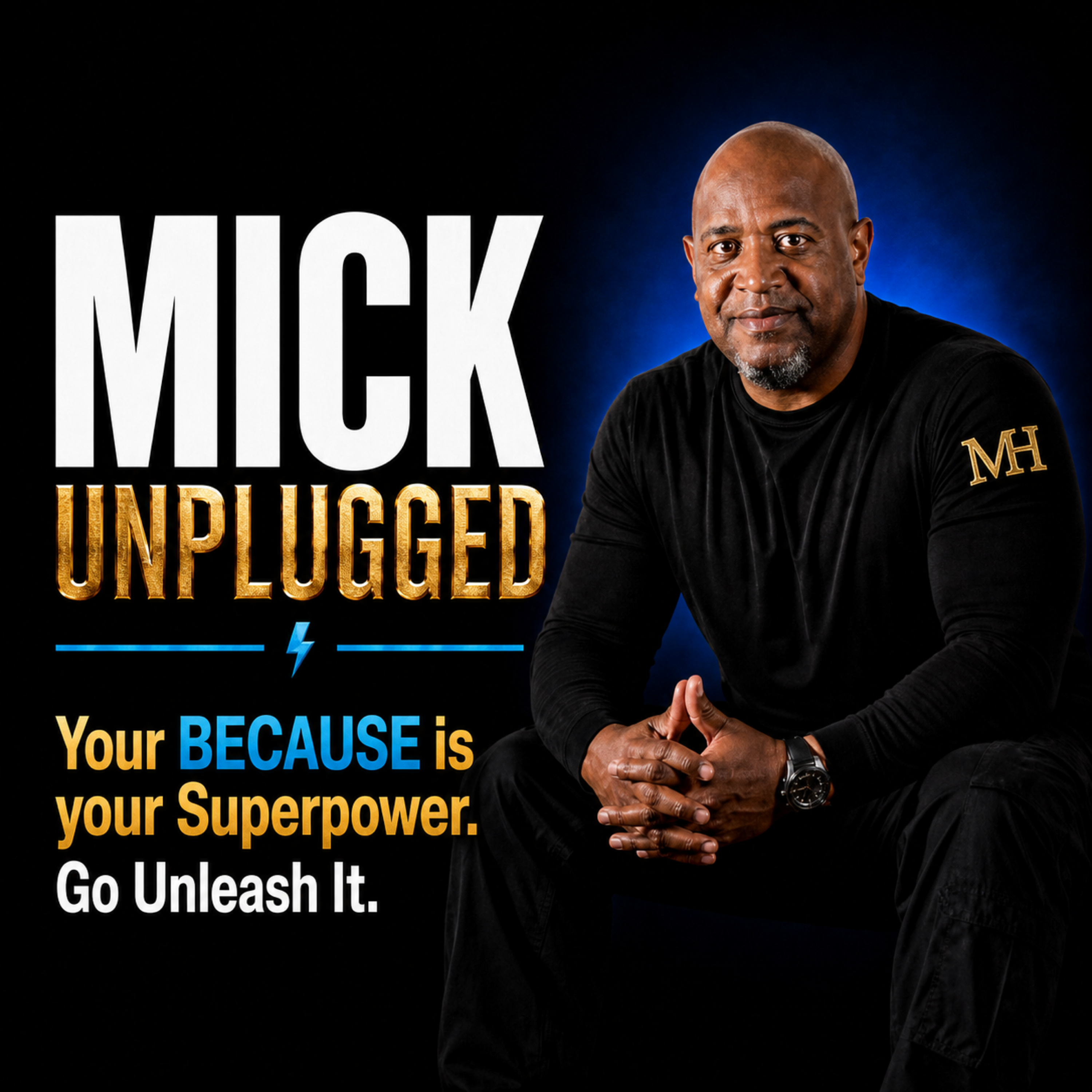
 Mick Unplugged
15 Oct 2026 · 45m · 25 chapters

Adam Zeitsiff (Adam Zeitsiff) argues the U.S. is in a “generational failure” of child health—kids are less active, more obese, and less likely to live as long as prior generations—hurting long-term economy and national security. He connects the problem to reduced physical education, sedentary home life, and screen time, and describes how the Dominique Dawes Academy aims to reverse trends by building “happy, active, and strong” kids.
Adam is a technologist turned fitness executive (CIO/CEO roles at Gold’s Gym; CIO at LA Fitness). He previously worked in software for gym scheduling and grew/sold that business. He now helps lead the Dominique Dawes Academy via a private equity-backed effort.
PE and recess have declined; nutrition is improving but activity is not. Parents must be reconditioned toward active lifestyles. AI should educate consumers and support acquisition/retention analytics, not replace trainers.
Harvard study predicting 57% obesity risk by age 35 (for today’s 2–19-year-olds); Dominique Dawes’ Olympic legacy and post-career focus on kids; Academy “gold medal moments” (e.g., a 3-year-old’s first cartwheel). Academy growth: opened first gym May 2020; expanded to 9 units, targeting 30–40 more in 5 years.
Written by AI. May contain mistakes.
Discussing the alarming decline in children's health and activity levels.
“And we are for the first time have kids that are less healthy, less active, more obese and have a less of a chance of living longer than we do, which is the opposite of what should be happening.”
Exploring Adam's motivation for advocating for children's health.
“Adam, so much I want to talk to you about, man.”
Examining statistics surrounding childhood obesity and its impacts.
“So we don't have to be dealing with these kids when they're older, helping fix those problems.”
Discussing how schools and parents can influence children's fitness and nutrition.
“And so it just became something that for me with a young one at home, got remarried, have older kids, younger kids.”
Strategies for involving parents in improving children's health.
“So how do you get the parents involved now, right?”
Adam shares his unexpected journey into the fitness industry.
“So this next segment of the show, I call the Unplugged Truths, right?”
Insights into Adam's experience as CEO of Gold's Gym and his vision.
“And I heard one of your other guests talk about last month when I was listening about, he was in his early fifties and he feel like he's just starting his prime and I'm the same way.”
Learn how the revival of Gold's Gym integrates technology and franchise expansion.
“We added a bunch of overseas franchisees.”
Understand the differences between Gold's Gym and LA Fitness franchise models.
“Sad that it got cut short from the COVID perspective when we sold the brand, but the brand has been thriving ever since.”
Explore the difficulties of integrating youth programs into adult gyms.
“So with your passion of youths, how did you start to incorporate that into either of those brands?”
Discover the vision behind Adam's involvement with the Dominique Dawes Academy.
“And I think that's a perfect segue to the academy and it's going to lead me to what I call our hot takes.”
Learn about the rapid expansion and vision for the Dominique Dawes Academy.
“So I just bought right into it and we just started to look at it and say, how do we scale it?”
Understand the impact of AI on health, fitness, and academy operations.
“And then we will probably open another 30 or 40 in the next five years.”
Explore the core philosophy of the Dominique Dawes Academy for youth development.
“Like, are you using it in that sense to see some of those trends or to build use cases, or is it too early for that yet?”
Explore how personal experiences shape leadership and success.
“So we do talk about that a lot with our parents on our website, with our kids that coach for us.”
Discuss the importance of mentorship and impactful moments in shaping one's career.
“every great entrepreneur like yourself there was a room, a dinner, a moment, a conversation that changed their life, right?”
Learn the value of seeking advice and collaboration in entrepreneurship.
“And in your journey, you gave a little clue earlier about Dominique doing something most entrepreneurs don't do, right?”
Understand the significance of hiring and compensating the right talent for business success.
“want people that can help you scale and scaling also should mean more revenue.”
Explore initiatives for mentoring young talent in the industry.
“You need less people because they are organized.”
Reflect on past leadership decisions and the importance of learning from mistakes.
“Before I get you out of here on this unplug five, I wanted to ask you this question too.”
Engage in a fun rapid-fire question segment exploring personal preferences.
“But when you are born in that region, they clean you up, they stamp your butt with a B, and you are a Red Sox fan, and you just can't help it.”
Discusses the surprising success of the Boston Red Sox this season.
“We're having a surprisingly much better year than we all thought as a Sox fan too.”
Explores favorite Patriots players and iconic New England cuisine.
“There goes my invitation to Christmas, yes.”
Adam shares notable experiences and encounters with celebrities at gyms.
“Who's the coolest person that's not one of those two that you've seen in one of your gyms?”
Discusses the words that Adam wants to be associated with his legacy.
“As the book of your life is being written, the last sentence of the last page, what are a couple of words you want in there to make sure that it defines you and your legacy?”

Get the gist, explore an idea or ask about something said.
 Claude
On Mick Unplugged, what are the key points of this episode?
Searching your listeningAutomatic transcript. May contain errors.
0:00Mick Hunt: When it's time for hibachi, my protein comes from ButcherBox and ButcherBox only. Go to ButcherBox.com slash Mick to get$20 off your first box. Hostinger's AI builds your website in minutes. No coding needed. Go to Hostinger.com slash Mick and use code Mick for 10 % off. Join the millions who are already banking fee-free with America's number one choice for banking. Head to Chime.com slash Mick. Go to im8health.com slash Mick right now or click on the link in the description and use code Mick for a free welcome kit. Five free travel sachets plus 10 % off your order. There is a huge issue in this country with our children who I honestly believe we have failed.
0:42And we are for the first time have kids that are less healthy, less active, more obese and have a less of a chance of living longer than we do, which is the opposite of what should be happening. And that is going to have a tremendously negative impact on our country, our people, our economy, our national security for the long term. And it's scary, man.
1:10Mick Hunt: Ladies and gentlemen, welcome back to another exciting episode of Mick Unplugged. And today I'm talking to a guy who I have looked up to for a very long time. You can't talk exercise and technology without mentioning this guy's name. He is the goat of goats, the legend of legends. He is none other than my guy, Adam Zaisal. Adam, how you doing today, brother? Good, Mick. Thank you for having me. Doing really well. Thank you for being here, man. Of course. Yeah. Thank you for being here. Now, we were just talking offline about our New England Patriots and the Super Bowl that we're going to win this year.
1:45Mick Hunt: Absolutely. Yeah, man. I'm excited. Go big or go home, baby. We're there. Yes, sir. Adam, so much I want to talk to you about, man. Like you have this, I'm going to say this weird thing because people tell me I have this weird thing too, right? Like business, tech, CEO, nerd. Like before I get into that journey, though, I always ask my guests this first question. Sure. What's your because?
2:16Mick Hunt: That thing that's deeper than your why, right? Like if I were to say, what's your why? You might tell me your family. You might tell me the Patriots are your why, right? But when I say, but why, that sentence usually starts with, well, because. And I want to know from Adam, man, like what's your because? Why do you keep doing all the amazing things that you're doing for children in the world today? Yeah, no, I appreciate it. And for me, the because is our children. And because right now there is a huge issue in this country with our children who I honestly believe we have failed generationally the last 10 or 15 years.
2:51And we are finally have for the first time have kids that are less healthy, less active, more obese, and have a less of a chance of living longer than we do, which is the opposite of what should be happening. and that is going to have a tremendously negative impact on our country, our people, our economy, our national security for the long term. And it's scary, man. So that's my because is I want to do what I can to have an impact, even in the smallest way as part of a bigger platform to turn that around and to reverse that. So we don't have to be dealing with these kids when they're older, helping fix those problems.
3:25We can get to them when they're young.
3:27Mick Hunt: And this is where I'm going to give you your flowers, man, because we all know the Whitney Houston song, right? I believe the children are a future. Teach them well and let them lead the way. But very few people actually act on that. I hear people talk all the time about the things that you say, right? Like, hey, our kids are a future, right? They're going to be our world leaders. They're going to be our military leaders, right? But we don't do enough now. You've put action in that. When did you first realize that this was not just a passion of yours, but it was actually your because. When did you first realize that?
4:01Yeah, you know, it's interesting. I spent, before I came over to Dominique's business, I was in the adult side of fitness for 18 years. And probably about 18 months after COVID really started, I became more involved in advocacy and policy advisory and help for the fitness industry, the Health and Fitness Association, the Physical Activity Alliance, anything we could do to help get fitness recognized as something that was critical and not just a nice to have. And because of that, I started seeing all these stats and they were scary. And I'm not a numbers guy. I need a good CFO or I'm in trouble, but I read the stats.
4:35And it's funny, back in 2000, childhood obesity was probably about a 13 % of our country. 13 % of our kids were obese. Not a great number, but okay, we can do something with that. Fast forward to last year and a couple of years ago, but even now it's almost 22%, almost of anyone under 19 is considered obese, meaning they're in the 95th percentile of BMI for their age and their sex, which is very scary. And even scarier is it's predicted to be close to 30 % in the next seven years. And I just looked at all those numbers. I was like, what's happening? You know, when you and I were young, we were outside, we were running around, we were active until dark, until our parents called for us.
5:14My mother had one of those bells. It was so embarrassing. She would ring the bell. I'm like, oh, mom. And everyone knew it was my mom. But anyway, so we were out, we were doing the things we had to do. And all of a sudden it's not happening. Kids were in front of screens. And this was way before COVID. In front of screens, at home, playing video games. Nothing wrong with that in moderation, but it's become everything that they're doing. And I think the thing that scared me the most, Mick, was that Harvard had a study last year that said, if you are a child right now, Wednesday, right now, between the ages of two and 19, you have a 57 % chance of being obese by the time you're 35.
5:4957 % of those kids will be obese by the time they're 35. So that is scary. So that's whatever that fast forward is, we're going to have more than half of those kids be obese by the time they turn. And that is scary for our country. That's scary for all those reasons. And so it just became something that for me with a young one at home, got remarried, have older kids, younger kids. I saw her and I I said, man, I don't want that to be her. I don't want that to be her friends. And so it just was something that when this opportunity came up to work with a legend like Dominique Dawes and her private equity group and her vision for kids, it was a no-brainer.
6:21It was my thing.
6:22Mick Hunt: So how much does nutrition in school these days play into that? And then also, I'm going to say physical education in schools play into that. because I look at it, I'm not going to say the nutrition side, but the physical education side, I think is a little bit different than when we were in school, right? Like we had the fit test, right? Like I remember being the most flexible kid in school, right? Like the sit and reach. That's right. But then we had like the school Olympics and you want it to be like the fastest or the strongest or whatever. But when I look at my nieces and nephews now, like they don't do those things.
6:57Mick Hunt: Like recess is like, if you have a cell phone, you can go sit over there with that group and do whatever. Like they don't play football or basketball. Like how much of it starts at school? I think a lot of it does. And I think when you and I were in school, it was called PE, physical education. And I think a lot of the education part is gone too. So what does that mean? Kids don't understand the reasons and the negatives of what's going to happen if they're sedentary. If they don't, they sit on the phone instead of play. And so I think it does start a lot in the schools. Part of it is not their fault.
7:26Part of it is a funding thing. And we as a society have to do a much better job of giving back that funding for phys ed teachers who are woeily underpaid, like most teachers are, and get more and get them active. So it does start there. And it certainly starts at home, which is a whole nother conversation, but it does start at home. But yeah, it starts in the schools. Nutrition is getting better. We're finally starting to get some help there. Instead of giving that slab pizza and some French fries, we're starting to see some vegetables and we're starting to do what we used to do when you and I were younger is there was a little bit of everything and we could eat it and we didn't come home with 2000 calories in our stomach.
8:01Right. And so, but I do think part of it is there, that's where they're impressionable. They see their friends, they see their friends playing. My seven year old comes home and we do talk about what they do in recess and we're in Texas. So recess is hot, right. But they, they, they chase, they play chase because they don't have phones or seven and they don't know any better. And so between the school helping and parents helping, we can definitely turn that around, but it does start there. Certainly.
8:21Mick Hunt: Yeah. So how do you get the parents involved now, right? And we're going to talk about what you're doing at the academy in a little bit, but how do you get parents involved? Because yeah, schools need to do their part, but everything I've ever done in life, it all circled back to home, right? And so how can parents get involved? Like what are the things parents can do in the household? Yeah, I think there's a number of things. Unfortunately, if you look at this generational failure I mentioned, it's a 15 to 20 year failure. I'd say a lot of those people that we failed early on are now parents.
8:55And the problem is they are also living sedentary lifestyles. They are inactive. And so we've got to educate them, whether it's through the schools, sending things homes, whether it's in the communities. We've got groups that I'm involved with, the Physical Activity Alliance, trying to deploy a national physical activity plan and a guideline for every city so they can have that, so they can give that to parents, so parents can help their kids get active. So part of it is, unfortunately, reconditioning some of the parents who were kids 15 years ago when this all started, who now have sedentary lifestyles as adults who have sedentary kids.
9:26And so there's a lot of effort that has to go into that part of the schools, part of the community, and part of it policy. It's up to the government too.
9:32Mick Hunt: That's amazing. It's amazing. So this next segment of the show, I call the Unplugged Truths, right? And I'm going to give you a truth again, to give you your flowers. You were so unique in this, I'm going to say, fitness. You brought up the word education. Whether it was children or adults, with your journey of your adulthood, right? Like, you've always been on the education part, especially when we talk about fitness. So my unplugged truth is this, man. Like, you're this unicorn of a guy that not only talks about it, but has lived it forever. Talk to us about that journey that you've had before the academy just a little bit.
10:21Yeah. I mean, I got into the fitness industry by accident, really. I was in technology. I'm a technologist at heart, still am. And technology and operations, as you know, it's one thing these days, right? But I was a technologist, had a couple of young guys that worked for me in a software company that we sold. They went off and did their thing and needed an investor. I'm like, okay, we'll help you out. Buy you a few computers, put a little money in the bank. And it turned out that it was in the fitness industry. It was software to help gyms schedule their basketball courts, their personal trainers and things of that nature.
10:51So it just kind of got there by accident. Ended up going to work there, help run the business with them. We ended up selling it to a publicly traded software company in Toronto. Did a bunch of acquisitions there and grew the business. And then just ended up becoming a fitness industry guy by accident, really. And then after about nine years on the technology side, helping gyms build their businesses, operate them efficiently, engage with their members, got a call from Gold's Gym to be their CIO and take everything that I learned and bring that to an amazingly cool global brand. So did that for a number of years, ended up becoming the CEO there, was rebuilding the business, our franchise model, all those fun things.
11:30Then, of course, we all know what happened in March of 2020. What happened in March of 2020?
11:35Mick Hunt: I don't know. I tripped over something. I don't remember, but yes. And so we ended up selling the brands. It's in great hands now, salvaging the brand. And the fitness industry got hit hard, just like every industry. We're no better or worse than them, but the 35 % of gyms in the country closed permanently. So it was like a rebuild with our industry. So we spent some time on the tech side and most recently as the CIO of LA Fitness, great company, great ownership group. And this calling just came and it was during that, that when I, my because change and it was just a great opportunity. And here we are.
12:08And I heard one of your other guests talk about last month when I was listening about, he was in his early fifties and he feel like he's just starting his prime and I'm the same way. And I figured I've got 15 or 20 years to try to leave my mark and what I've learned with, for these kiddos.
12:22Mick Hunt: I'd love to pick your brain. I've been waiting ever since I know you were coming on the show to have this conversation with you as well too. So goals, Jim, iconic, right? Like, you could almost say the gold standard. No pun intended, right? But usually when there's change at the top, it's for a reason, right? And this isn't to go into secrets to Gold's Gym. This is more to talk about Adam and what you've done. What was it like for you when you're like, holy crap, I'm the CEO of Gold's Gym? Like, what were some of the things that were your fingerprint on Gold's Gym that maybe the world wouldn't know?
13:02Yeah. And I think it's exactly what I said, by the way. And the first thing my wife said is don't let it go to your head. You still report to me at home. I said, okay, yes, dear. Don't know right, you do. Yes. Don't know right, you do. Yes, dear. So, you know, I think for me, having spent three and a half years there as the CIO first really gave me a good understanding of the business, the brand. And I think the mark that I wanted to leave, and I hope we did, it kind of got halted, obviously, was it was an amazing brand. It always has been, always will be. But it grew because it was a franchise model.
13:31And it was very early in the day. In fact, it was a licensing model first in the 80s and then grew. So my mark coming back there was, okay, we had at the time 140 gyms that we owned. So we wanted to pick through and make sure we had the best of the best gyms. Let's rebuild them a little bit. We rebuilt all our operating plans, which is very important, operating excellence. We had gyms in Texas that operated differently than gyms we owned in Maryland. And so we had to fix that. But the thing I was most proud of is we took the brand and we kind of reignited the franchise model. We added a bunch of overseas franchisees.
14:03We started rekindling the U.S. franchise model. We were building a little bit smaller footprint so you could still have a full-service Gold's Gym without the overhead. And so we were really focused on that, building that brand back up again. I mean, it's a legacy brand. It's been in some great hands. Arnold Schwarzenegger still goes there a couple times a week. He still reports from there. I had the pleasure of meeting him twice and working out with him once, which was extremely intimidating because he was in his 70s and still lifting more than me. So, but, and so that was the, we were really focusing on getting that brand back out there.
14:34Most people don't know it's in 30 something countries besides the U S so it's out there for master franchisees. We have, we have to go, they had gyms in Egypt overlooking the Nile. Like it's some real great, amazing, over a hundred gyms in Japan, like a real cool legacy. And so that's what we were really trying to accomplish. And also we were merging technology into that, building some digital fitness components to go with the in-person component. So you can have the Gold's Gym in your pocket or in front of you, wherever you were. So great time, great team. Sad that it got cut short from the COVID perspective when we sold the brand, but the brand has been thriving ever since.
15:07There you go.
15:08Mick Hunt: There you go. What were some of the differences between Gold's and LA Fitness? Well, LA Fitness was a company-owned model. So it is the largest company-owned model, I can think, in the world. I mean, over 700 gyms started with one, then two, then three, And then all of a sudden it just blew up through organic growth, through acquisition. So really just a little bit of a different model. Growing LA Fitness business was building new gyms, acquiring gyms and rebranding. Gold's more franchising. And Gold's had the legacy. Gold's had the icon. I mean, that brand and the apparel, the equipment licenses were just as valuable as the gyms.
15:47So just kind of two different models. One of their areas certainly serving a similar customer base, but kind of going about it two different ways.
15:54Mick Hunt: Okay. So with your passion of youths, how did you start to incorporate that into either of those brands? Yeah, and actually we really didn't. It was hard. We did have some trials early on at Gold's with some kids programs. But it's hard when you're dealing with adults and you've got adults who want to get away from the kids and go to their space. You know, there's a couple of cool brands, like UFC gyms. Adam Sedlak is a friend of mine. He's the CEO. They've done a nice job incorporating some kids programs in their gyms. a couple classes a week, either by themselves or with their parents, great.
16:28But it's hard mainly for brands to do that, which is why you see a Dominique Dawes Academy and other, lots of other brands, swim schools, karate, you name it, where kids can just be kids and parents can go be parents because sometimes we all need that separation as well.
16:42Mick Hunt: No, absolutely. And I think that's a perfect segue to the academy and it's going to lead me to what I call our hot takes. and so I'm also gonna say this and this is giving you and that whole that whole team at the Dominique Dawes Academy again your substance your flowers yeah what you're doing at the academy and how that is growing and impacting youths is freaking amazing thank you freaking amazing appreciate it Talk to us a little bit about, one, what made you say yes to the opportunity, and then what's the vision that you all have now? Yeah, I think for me, it was interesting. It was presented to me as some ninja concept, and the recruiter didn't really sell it right.
17:37So it took a little diligence to understand it and realize, okay, wow. So I think, you know, the vision, Dominique Dawes is such an amazing person, not just because of what she did during the three Olympics, gold medalist, bronze medalist. you name it, three-time Olympian, first black woman ever when gold. She's unbelievable for that, but it's more what she did afterwards. She was co-chair of President Obama's Sports Fitness and Nutrition Council, chair of the Women in Sports Foundation. She took her fame and her success and said, okay, that's great, but now I want to help kids. It worked really well for me, but I probably wouldn't want my children going through what I went through.
18:13So how can I take that and turn that into something that will help kids. And so when I finally had a chance to sit with her after my intimidation factor ended and I was talking to her, I just bought into it. I said, that makes a lot of sense. And that's really something we're doing different is we're taking what she built and what she learned and doing the opposite of what you think she would want to do, not building an academy to grow Olympians, but building an academy to grow regular kids that are happy, active, and strong. So I just bought right into it and we just started to look at it and say, how do we scale it?
18:44And that's really where I came in with her private equity group that invested and we were on our way.
18:49Mick Hunt: Yeah. So talk about where it began and where it is now. Because that's a cool story. It is. Yeah. Dominique was always considering, and this is a story she tells, so I'm not putting words in her mouth, opening a gym and she wasn't sure she wanted to do it. And her husband, Jeff, an amazing guy said, you know, you've got a great story, a great background and you have a different vision. And he encouraged her. He really encouraged her and pushed her and she did it. So she opened her first gym, signed her lease in 2019, opened it in May of 20, which was obviously not the best time to open a gym and have a 10-year lease in front of you.
19:20But she did it. And as parents, a lot was happening in the Northeast, and it was much more rigid than down south. Atlanta, Texas, we opened up within six weeks. They were closed for months and months. And so parents were flocking in to get their kids out of the house, but they also believed in her vision. And so she opened that gym to much success, grew it, opened her second gym in Rockville, Maryland in 2023, and then decided, hey, you know, I have, at the time she had four kids under 10, a great family, great husband as a school teacher. Am I going to be able to grow this or should I get some help?
19:53And she did what most entrepreneurs don't do, by the way. And she decided, I'm going to get some help early on. Got some private equity group. We came in and now we are next Saturday opening our ninth unit. So within about 18 months, we went from two to nine. And then we will probably open another 30 or 40 in the next five years. You just said that so casually. Yeah. Another 30 or 40. Yeah. It takes time. It's a lot. I feel like sometimes I have a Century 21 business card because all I do is look at real estate with my development partner. But yeah, I mean, and it's become a great model and people get it.
20:26And it's funny when they come into our grand openings, they're all carrying their magnificent seven books. And they want to sign it. They're carrying their ticket because they were here in Atlanta and they were at the games. And most of the little kids are like, who's this lady? And mom's like, just be quiet. I want to talk to Dominique. And she has that kind of impression on people. And so, yeah, now we've got nine almost open. And yeah, we will have 40 or 50 in the next five years or so more. And our goal is how do you impact as many of these kids as possible? There you go.
20:56Mick Hunt: Where are the nine locations for our viewers and listeners? Yeah, we have two in Houston. We have Alpharetta, Georgia, right down the street from here. We have four or five now in Maryland, Northern Virginia. And we're about to open Mount Laurel, New Jersey. And we're expanding in all those markets. We're adding Florida. We're adding a few other markets. And wherever there is families who have kids who want to be active and there's a lot of people around, that's a good place for us. Very cool. Yeah. With your tech background, here's another hot take. This is a me hot take because you know I also own an AI company as well too.
21:30Mick Hunt: How is AI impacting health and fitness, but more importantly, how is it impacting good, bad, and different for the Dominique Dawes Academy? How are you guys implementing and using AI? Yeah, we're starting to implement it, but just to take a step back, you know, I think AI has been something that certainly is going to be a huge help to health and fitness. So we just take away the healthcare side because that's a different animal, but the fitness side, I used to write workouts for my wife and she would go to the gym and do them. She doesn't want me to do it anymore. I call it her boyfriend. Chat GPT does it for her.
22:02Is that what your boyfriend gave you? She said, yes. And she does it for her. And it's great. She's self-sufficient now. And it tells her the why behind things. So as much as I consider fitness to be second in terms of personal and touch compared to healthcare, like those are the two most personal things you can get with somebody. And so I don't think you'll ever replace humans and personal trainers and group exercise classes and amazing concepts like boutique studios, but it will help the consumer educate themselves more. It'll help them be healthier and do more when they're not in the gym. And I think that's a really great use for AI just for the consumer perspective.
22:35But in our business, yeah, we are, now that we're getting our wits about us, we're getting some infrastructure with nine units, we're going to be piloting AI first and foremost for more for customer acquisition, the basic stuff. And then I'm a big believer in using the data we have to say, hey, what do our trends look like in terms of attrition? When do kids leave and when do they come back? We're very seasonal. If this kid leaves in May because they're going away and this is their third year with us, what's the chance they're going to be back for their fourth year? Things of that nature that can just help us make smarter decisions, spend better, things like that.
23:08Mick Hunt: You can't build a brand people believe in if they can't find you. When I launched Make Unplugged, I had a message. I wanted people to go beyond their why and discover their because. But having something to say is only the beginning. You need a place where people can discover your work, understand your mission, and take that next step with you. That's what I like about Hostinger. It makes that step easier. Describe what you want and Hostinger's AI builds the first version of your website in minutes. No coding, designer, or developer needed. And the help continues after launch with AI tools for website copy, SEO, and email marketing.
23:47Mick Hunt: You've put real work into your craft. Give people a place to find it. Hostinger builds your vision step by step. Create your website today. Go to hostinger.com slash mick and use code mick for 10 % off now. You work hard for your money. Paying fees just to keep it somewhere? That deserves a second look. Chime is changing the way people bank. They're not like traditional banks that charge fees and gatekeep perks and rewards. Chime offers the most rewarding, fee-free banking. No overdraft fees, no monthly fees, no minimum balance fees. Get 5 % cash back on Chime card in a category of choice, like gas or groceries, while building credit through regular, everyday spending with no credit check.
24:30Mick Hunt: Grow your money faster with a savings rate that's nine times the national average. And in a pinch, SpotMe lets you overdraft up to$200 fee-free. Join the millions who are already banking fee-free with America's number one choice for banking. Head to chime.com slash mick. That is chime.com slash mick. Sign up now. It only takes a few minutes. Chime is a fintech, not a bank. Banking services and Chime card provided by Chime's bank partners. Qualifying direct deposits required. Terms and limits apply. Go to chime.com slash disclosures for details. Are you seeing it help with predictive analytics for the students in the academy?
25:11Mick Hunt: Like, are you using it in that sense to see some of those trends or to build use cases, or is it too early for that yet? We're using it a little bit on the marketing side to build the personas of the parents with the kids and their propensity for wanting to be in a place like ours. That's as far as we've gotten so far. But, you know, we've yet to begun to fight with AI. We're finally fully deployed on the Microsoft platform after being on Google Workspace for years. And so we're building that infrastructure. But we will definitely be there with that. It's so much easier even than when I was the CIO at LA Fitness two and a half years ago.
25:44It was a lot harder. Now you almost don't need – you still need data experts. But you can start the process on your own and then bring your experts in to help you.
25:51Mick Hunt: No, that's really cool. That's really cool. So for the Academy, with the Academy, I'm going to give you the floor. Why should a parent want their kids to be a part of the Academy? Talk to us a little bit about the goings-on and some of the stories and case studies that you're seeing there. Yeah, I think for us, I mean, Dominique's big belief is children should be able to be active and have fun in a safe and compassionate place. And that is what she's built the foundation of this business on. So that is part of our onboarding with coaches. Coaches, we're here to help our kids find their own gold medal moments, we call it.
26:29How can we have little three-year-old Sally find her gold medal moments because she can finally do a cartwheel? That's her gold medal moment of the day. Same time we do it for our team members. You're a 17-year-old kid, which most of our employees are 16 to 24. What's your gold medal moment? You're probably not going to be here in five years, but what can you learn from what you're doing with us that's going to help you in five years? So that's the biggest part of what we do. So parents like to come in and they see gymnastics and they see ninja fitness. And gymnastics is the ultimate in grace, right?
26:58But it's also the ultimate in discipline. And Dominique jokes all the time. She said, Adam, gymnasts are the most boring people. We do the same thing over and over and over again, just like Ray Allen with his free throws, because we've got to be perfect. And so that, not our children, our kids, we don't want them to be perfect, but it teaches them discipline. They realize that, why am I on the beam every week doing this thing for months? because you need to perfect it if you're going to go to the next level. And that gives them a really strong lesson in life too. Discipline is important in almost everything we do.
27:25So we try to bring that to the kids. We bring the physical literacy. We bring the emotional and social support as well. Same with ninja fitness, both gymnastics and ninja. It's upper body, lower body, core and grip strength. Tell me a sport that doesn't need that, right? So what we think is we're very foundational. There's a 99.99 % of the kids that go through our program will never touch gymnastics in high school or college. That's fine. but there's a good chance they're going to play six or seven other sports. And Ninja Fitness Gymnastics built a foundation for their athleticism and their discipline and their ability to learn to fail so they can succeed as a result.
27:59And that's the most important thing. So we do talk about that a lot with our parents on our website, with our kids that coach for us. And it resonates with parents, and they get it, right?
28:08Mick Hunt: They get it. That's good stuff, Adam. Adam, you're an amazing leader. I appreciate that. because again, I know your story. I know your journey. And I tell people all the time, when you look at success and I will say success leaves clues, but you got to be willing to see the clues. That's right. Because they're out there and anybody could have picked them up. So I'm going to switch to a segment I call The Room.
28:39Mick Hunt: Because every great leader, every great entrepreneur like yourself there was a room, a dinner, a moment, a conversation that changed their life, right? What was the room for you? Like, what was that moment, that conversation that said, I'm going to do this, or that moment that you saw your career take off? Yeah, I mean, I think there's maybe twofold. There's, when I was younger, my grandfather was a Korean War veteran, came back, started of the business and he was in the lighting manufacturing and refurbishing business. So you name the institution in Boston, Harvard, the hospitals, he put the lights in, he did all the high-end fixtures.
29:22And I spent a lot of time in his shop in the summer as a kid. And I remember him talking to his team and milling around and talking to them and encouraging them about their kids and about this. And I asked him, I said, well, you're hanging out, you're doing, is this what you do all day? Like you do for work? He goes, well, my job is to make sure my team is happy, make sure they love being here. This job puts food on their table, but it puts food on ours and mine, yours too. And so, and I wouldn't be here without them. And I saw the mutual respect they had for it. And I was a kid, so I didn't understand what it was.
29:54I just saw that they loved him and he loved them. And I always said to myself, and I still remember the shop floor in my head, that I want to be like that. Probably not in the lighting business, but I certainly want to have that mutual admiration that I respect my team, but they can look back and say they respect me because of the same. And so I always knew I wanted to run a business. I didn't know I would be starting some businesses or working for some large brands, but that just always stuck with me. And it didn't really hit me until probably college when I was working for a young entrepreneur to help pay the bills that I realized this is what I want to do.
30:25So it kind of resonates with everything, but I can go back to age 10 or 11 when I remember that.
30:30Mick Hunt: That's amazing. And in your journey, you gave a little clue earlier about Dominique doing something most entrepreneurs don't do, right? What are some other tips that you would give our viewers and listeners that are entrepreneurs? Like what's something that they can do that they're not thinking of right now? So if you're the CEO of a company or if you're, if you're the founder of a company and you're at that, dang, I need to scale, right? If you're watching, if you're listening, there's no one that's done it better than Adam. What's some advice you'd give? Yeah, I would say a couple of things.
31:06I think early on when I was a kid, not just that I thought I knew everything, I didn't think I need to ask, right? And so as you're an entrepreneur, I know it's your vision. I know it's your baby, but you got to ask. There's people who've made all the mistakes. They've done it, whether it's a fellow entrepreneur, whether it's an executive, like ask, because there's probably going to save you a ton of money and a ton of time. Set your ego aside. You're going to get there a lot quicker. And I think also depending on what business you're in, some might be in a tech business, But if you're not, I would say you can get ahead by embracing technology a lot more than most people will, depending on the type of business you're in.
31:40And it's, again, not to replace your people, but it's to make those people much more efficient and to do those things. So I think the biggest thing for me is just be open, ask, be ready. And I tend to, when I run my business, I tend to, as best I can, run things in a consensus type format. The people that I bring in, they're much smarter than me in operations, much smarter than me in finance. and it's clear when I talk to them that they're much better at that, especially the finance piece. But we have meetings every week and we make decisions mainly together. And the only time I will step in on a decision is if I know it's not going to be what Dominique wants or private equity wants or whatever, but that's so rare because the team is on board.
32:19But I would say listen to your team as well and involve them in as many decisions as you can. A, because chances are they've made some mistakes and they're the experts and things, but we all know when you walk out of that room lockstep that you've all been part of that decision, the buy-in is much better.
32:33Mick Hunt: Totally agree. And one of the things that I have picked up from you and my best friend, Robert Irvine, instills the same belief that you just talked about is hire better than you. That's right. And know when to get the F out of the way. That's right. Right? And I got that from you because I think a lot of times as entrepreneurs, we think the buck stops with us. That's right. Right? And we think that we can't be vulnerable and that we have to always have the answer. That's right. Yeah. Right? What I really love about you and the folks that I coach and that I mentor, I tell them, hey, go check out my guy, Adam, because what he's going to tell you is hire better than you.
33:17Mick Hunt: That's right. Which means you got to be willing to compensate better also, right? Because if you want that, like, compensation matters. And I would say my advice for a lot of entrepreneurs, if you're trying to scale, you ever open the fridge and think what's for dinner? After a full day, that decision ought to be easy. That's where ButcherBox comes in. ButcherBox delivers 100 percent grass fed beef, organic chicken, wild caught seafood and more. All sourced to standards they can actually tell you about. They've already done the research and made the tough sourcing decisions. So all you have to do is decide what's for dinner.
33:54Mick Hunt: When it's time for hibachi, my protein comes from ButcherBox and ButcherBox only. Every box is customizable, so you can choose the cuts and proteins that fit your routine. Whether you're grilling for friends, feeding the family on a Tuesday, or trying to avoid another expensive takeout order, you've already got great protein ready to go. If you're looking for an easier way to get great meals on the table, give ButcherBox a try. Go to butcherbox.com slash mick to get$20 off your first box, plus ground beef, steak tips, or chicken breast in every box for life with free shipping always. That's ButcherBox.com slash Mick.
34:29Mick Hunt: Again, that's ButcherBox.com slash Mick. Be sure to use our link so they know we sent you. On Mick Unplugged, we talk about showing up with purpose. For me, that includes taking care of myself without overcomplicating my day. That's what I appreciate about IM8. One drink makes my daily routine simpler and easier to stick with. I am eight daily ultimate essentials bring 16 supplements into one drink with 90 ingredients across nine major organ systems for$2 and 61 cents a day. Co-founded by David Beckham, it was built by leading doctors and researchers. I use I am eight. Give it a try. Go to I am eight health dot com slash Mick right now or click on the link in the description and use code Mick for a free welcome kit.
35:13Mick Hunt: five free travel sachets plus 10 % off your order. That's code Mick at im8health.com slash Mick. Code Mick at im8health.com slash Mick. These statements have not been evaluated by the Food and Drug Administration. This product is not intended to diagnose, treat, cure, or prevent any disease. Compensation for those key people matter because if you want that vision, if you want people that can help you scale and scaling also should mean more revenue. That's right. You got to hire the right people for that. Talk to us about the importance of hiring the right people and then paying them too. Yeah.
35:53I've met Chef a couple of times because he used to be involved with Gold's a little bit, a wonderful guy. So giving of his time too, really great guy. I think if you look, especially when you're trying to scale a business where there is the possibility of an exit, it may not be a Google type exit, but an exit that is going to change your life in some way, shape, or form. And even these days, changing your life could just mean paying off your house. I mean, that would change that for a ton of people that would change their free cash flow and their life tremendously. But you've got to spend to get there.
36:20And I think for me, the one thing I've tried to learn is to not get into a wage war, so to speak. Like if you're going back and forth too many times, if someone's trying to pit you against someone else, you've got to be able to pick that up because chances are they'll do the same thing in a year. And I've always tried to say, I will definitely pay someone what they're worth or more if they believe in the mission. And that is hard. Every industry is different. Every mission is different, but every single person that I have hired to be on our VP of operations, my new CFO, they all were former athletes or they all have kids and they believe in the problem and they believe in the solution.
36:52And so I know they're going to be invested long term, but they also have an opportunity to really do well once we exit. And that's important for them. So yeah, it does cost up front and it costs at the end, but you're not going to get there without them. You're just not going to get there.
37:04Mick Hunt: And what I learned, Adam, and I want to get your opinion on this too, is when you take your time and hire the right people and compensate them well, you actually need less people. That's right. I don't know if you saw that as well. I agree. You need less people because they are organized. They know exactly what they're doing. They've made the mistakes before. Absolutely. And even, yeah, even with some of these new roles that we just brought on recently, a couple of new positions, I see it right away. They're more efficient. They get things done. They use technology to help. And yeah, yeah, they become one plus one equals three.
37:35Exactly.
37:35Mick Hunt: Exactly. And you talked about the room or those moments for you. How are you giving back in that sense of mentoring and creating rooms for others? Because I know that you do. So I'd love to give you the floor to talk about how you're doing that for others now. Yeah, I think in a couple of different areas, I think certainly we're trying to build more of a grow from within mentorship program within our business. Number one, we're trying to hire as many kids that will want to be here and make a career out of it. Seven coaches aside, because that's usually your high school or college. So we're mentoring some of those folks.
38:07We're bringing them through programs. We're assigning them some help with some of our other leaders so they can kind of watch and learn. We're trying to deploy what I call in-training programs, like a general manager in training or a program manager, which runs all the coaches in training. It's an extra cost. So we're starting slowly, but it's A, you always need one in the wings. Either you're opening a new gym or someone gets recruited and you've got to backfill them. so it gives them a chance to do what we do and build a build a career out of it um which has been which has been extremely helpful because you've got someone ready to go it's been great so yeah and a few other areas i spent a lot of time helping um just some other youth other younger folks in the fitness industry who are trying to figure out which way they want to go happily chat with them all the time because there are so many directions now you can go and they just want to be in management and i said what does that mean to you and once we start to dive into that they're like you know i don't know if i love management very much there's a lot of problems with people And so you just have to sit and explain from experience too.
39:01Mick Hunt: That's good stuff, man. How can people find and follow the Academy? Yeah. And I'm assuming you're still taking new students, right? Every day. Yes, sir. Every day. So DominiqueDawesAcademy.com. You can find us there. You can find your locations. We'll post new locations. We have our global handle on social, which is Dominique Dawes Academy. We've got regional socials. Certainly find me on LinkedIn as well. It'd be great to connect with everybody. And yeah, we're out there and we're trying to make waves and change some lives. Yeah. So in the description, in the show notes, we've got links to not only Adam, but the Academy.
39:34Mick Hunt: Do me a favor and support. I need that. The Academy needs that too. Yes, sir. Right. Before I get you out of here on this unplug five, I wanted to ask you this question too. Sure. if you could do one thing differently as a ceo what would that one thing have been i think so a couple one thing well one or two like early on i didn't listen to the advice i just gave and i mean like maybe 10 years ago all right and it really took me some time to make some mistakes to realize i need to listen to the people around me more so i didn't i didn't do that as fast as i should have and i did that a little bit faster who knows i mean we'd still be in the same boat we're in, but I would have been a better leader earlier and maybe had an impression on people.
40:20So I would say that was probably the one thing from, I wish I had done a little earlier is listen to my own advice now. Um, it would have been even more helpful as I was growing.
40:28Mick Hunt: Isn't it funny how us as CEOs and founders and entrepreneurs always go back to, man, if I would have just listened to me, right? The advice that I give now, if I would have just has actually done that. And that's why for me, when I coach and mentor others, it's like, I almost look at them as if they are me, which is why I'm very selective about who I coach and who I mentor, because it's like, all right, I see where you are and I know that I can help you because of a mistake I made, right? Like that's how the mentors that I have, that's why they're my mentors because it's like, I went through that.
41:10Mick Hunt: You have a blind spot. Let me help you see that blind spot. Yeah. And the world we live in, unfortunately, blind spots happen because I mean, how many times do you shift your focus every day as a CEO? 30, 40, and you're going to miss things. You are. Absolutely. All right, Adam, I'm going to get you out of here. This rapid fire unplug five. Are you ready? Oh, yes, sir. I think so. You're a Boston guy. That's right. Right. Patriots, Celtics, Sox, Bruins. Which one is your most favorite? Yeah, it has to be. Man, it's tough. It's probably the Sox. I grew up early on watching this. The Celtics are like a 1A.
41:50I'm a diehard Celtics fan. My daughter played college basketball. She's a Sox. But when you are born in that region, they clean you up, they stamp your butt with a B, and you are a Red Sox fan, and you just can't help it. So yeah, Sox. Sox. Yeah.
42:03Mick Hunt: We're having a surprisingly much better year than we all thought as a Sox fan too. Unbelievable. Couldn't believe it. Back in June, I thought, let's get ready for the draft. And then all of a sudden, here we are with the second wild card spot coming up on the first. Dude, I didn't think we were going to break 60 wins the way we were trending earlier this year. And it's like, all of a sudden. And with a lot of players' names you didn't even know. Yeah. That's right. Yeah. All right. Who is your favorite Patriot of all time? I mean, I'm staring at you. I know. You could say Tom Brady, certainly.
42:38But I was like you. I was there during the lean days. And I don't know. It's probably a toss-up between Adam Benetari, because he used to live in my neighborhood, and Steve Grogan, man. Grogan was a tough man, playing with half a broken neck and whatever he did during the day. Yes, the neck roll. I think he created that for sure. So between those two guys, yes, certainly.
42:58Mick Hunt: My uncle's going to be disappointed that you didn't say Stanley. I'm sorry. You know you are my favorite New England patriot of all time. He's right there as a 1A, no doubt. No, you didn't say his name. It's okay. We'll let it go. We'll let it go. There goes my invitation to Christmas, yes. Absolutely. You messed that up. You messed that up. All right. Also, being a Boston guy, what is your go-to New England meal? Oh, man. I don't get it often, but I still think, when you think of New England, I think of New England clam chowder. Clam chowder. I got to have it. I got to have it. No. I didn't really, we didn't have enough money to grow up on lobster rolls, right?
43:33So for us, it was clam chowder. And every time I get it, I critique it, especially if it's outside New England. But yeah, that's my go-to.
43:39Mick Hunt: That's pretty cool. That's pretty cool. All right. So you've worked at a lot of gyms. You talked about Arnold. You talked about Robert. Shout out to Robert, too. Who's the coolest person that's not one of those two that you've seen in one of your gyms? Oh, man. um that's a that's a tough one i i spent a lot of time at gold's in our gym out in venice beach and um i i got to meet a bunch of folks out there and um man i met uh why am i blanking on his name lando calorician the actor i forgot he was out there i've met a few really cool folks okay i think one of the folks um that i met was actually a young at the time a young influencer now he's quite popular.
44:22Um, uh, his name is Joey and he's got millions of followers now, but I met him as now fiance at the time. And it's just, he was just, he didn't know who I was, could care less. It was just super welcoming, super cool guy. Um, but yeah, I mean, I've met so many people out there that yes, Arnold was unbelievable to meet him. It's still super intimidating, but, um, just, I think meeting the people who are more regular, who found their way through fitness or found their way through that aura of gold's gym was, was really cool to see for me. Really cool.
44:49Mick Hunt: Really cool. Last question, Adam. As the book of your life is being written, the last sentence of the last page, what are a couple of words you want in there to make sure that it defines you and your legacy? Oh, wow. That's a good one. I think, certainly I think resilience is one of those words, I think, uh, help make a difference. Make a difference is really important. That's what we're trying to do here and reverse these trends. And so if that, if that word was in there, he helped make a difference. He helped launch a change. Those are important things for me. I, you know, the most important thing that I care about is my four kids remember me with a certain, in a certain way.
45:32Right. But, but from that perspective, if it make a difference, resilience and trying to help affect change, those would be great words for me.
45:38Mick Hunt: Okay. Good stuff. Good stuff. Adam, dude, I'm so honored to have you on. Thank you. Honored to be here. I look up to you. If you're watching, if you're listening, definitely follow Adam. Connect with Adam. He's very engaging. Follow the Academy. Connect with the Academy. Even if you're not in one of the areas today, there's still ways that you can help be a part of what the Academy is doing. So make sure you're checking out the website. All the links are in the show notes in the description. Adam, brother, I appreciate you. Thank you, Mick. Yeah, thanks for giving us the platform. Appreciate it.
46:15Mick Hunt: Absolutely, absolutely. And for all the viewers and listeners, remember, your because is your superpower. Go Unleash It.
What happens when business experience becomes the foundation for a more personal mission? Adam Zeitsiff joins Mick Hunt to discuss youth fitness, purpose, and the leadership lessons behind building teams that can carry a mission forward.
From technology to Gold's Gym and LA Fitness, Adam reflects on the experiences that led him to his work with the Dominique Dawes Academy. He explains why a child's gold medal moment might be learning a cartwheel, gaining confidence, or discovering the value of practice.
The conversation also explores the shop-floor example his grandfather set, the importance of asking for help, and why hiring and listening to capable people can change a business. They close with mentorship, lessons Adam wishes he had learned earlier, and The Unplugged Five.
YOU'LL HEAR
- Why Adam's because is centered on creating better opportunities for children.
- How his technology background shaped his work in the fitness industry.
- The mission behind helping kids find their own gold medal moments.
- What his grandfather taught him about caring for the people on your team.
- Why entrepreneurs need to ask for help, listen, and hire strong specialists.
- His perspective on AI, mentorship, and the legacy he wants to leave.
EPISODE CHAPTERS
00:00 The mission behind the work
00:33 Meet Adam Zeitsiff
01:34 The Because: a mission centered on children
05:45 Schools, parents, and physical activity
08:55 The Unplugged Truth: technology meets fitness
11:45 Leading at Gold's Gym
14:32 Two different fitness business models
16:05 Hot Takes: the Dominique Dawes Academy vision
20:43 AI and the human side of fitness
23:17 Finding a child's gold medal moments
25:57 The Room: a grandfather's leadership example
27:56 Asking for help and scaling a business
30:01 Hiring and compensating the right people
32:58 Mentorship and growing leaders from within
34:25 Connecting with the academy
35:11 Leadership lessons learned the hard way
36:46 The Unplugged Five
40:12 Legacy and making a difference
CONNECT & DISCOVER Adam Zeitsiff:
LinkedIn: https://www.linkedin.com/in/adam-zeitsiff/
Instagram:https://www.instagram.com/zeitscameraaction/
Dominique Dawes Academy: https://www.dominiquedawesgymnasticsacademy.com/
Academy LinkedIn: https://www.linkedin.com/company/dominique-dawes-academy/
Academy Facebook: https://www.facebook.com/dawesgymnasticsacademy
FOLLOW MICK
Mick Hunt Official: https://mickhuntofficial.com/
Instagram: https://www.instagram.com/mickunplugged/
TikTok: @mickunplugged https://www.tiktok.com/@mickunplugged
YouTube: https://www.youtube.com/@MickUnpluggedPodcast
LinkedIn: https://www.linkedin.com/in/mickhunt/
Apple Podcasts: https://podcasts.apple.com/us/podcast/mick-unplugged/id1731755953
Spotify: Mick Unplugged https://open.spotify.com/show/2cUp7JRzkVqunYmD2ENe4g
Buy Mick's book: How to Be a Good Leader When You've Never Had One
https://www.amazon.com/Good-Leader-When-Youve-Never/dp/1394357958
Your because is your superpower. Go unleash it.
Content note: Contains occasional strong language. Business plans and expansion discussions reflect the time of recording.
#mickunplugged #adamzeitsiff #kidsfitness #gymnastics