In short
A “No Such Thing As A Fish” episode built around four weekly facts: Dylan Thomas’s bizarre posthumous stories (including being used as a poker table), Canada’s extreme lake density and lake-naming rules, a Spanish football stadium banning sunflower seed snacks, and Singapore’s unusually high Scotch consumption (plus related trivia).
Guests
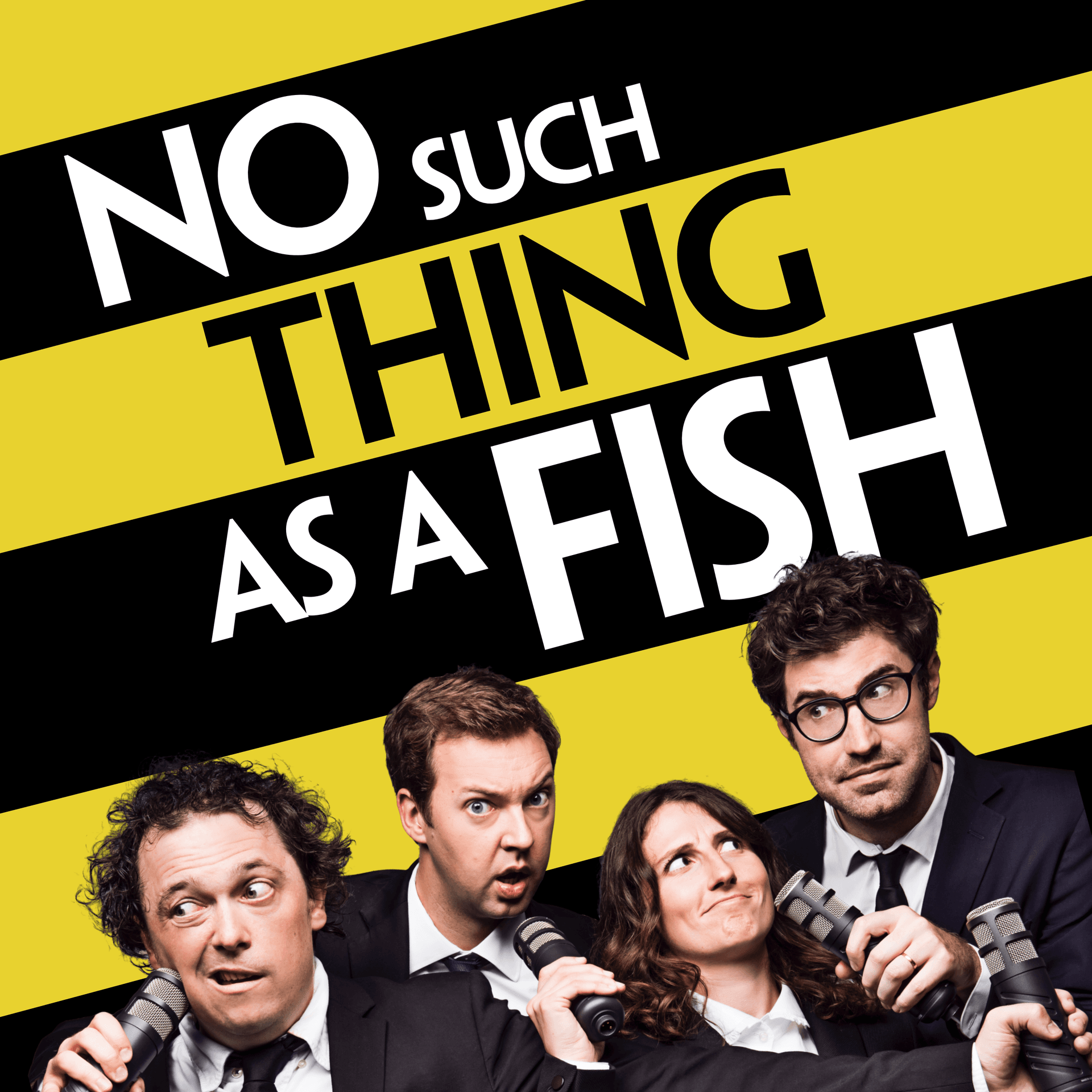
Dan Schreiber, James Harkin, Andrew Hunter-Murray, and Anna Tashinsky (the show’s regular hosts).
Key claims and notable examples
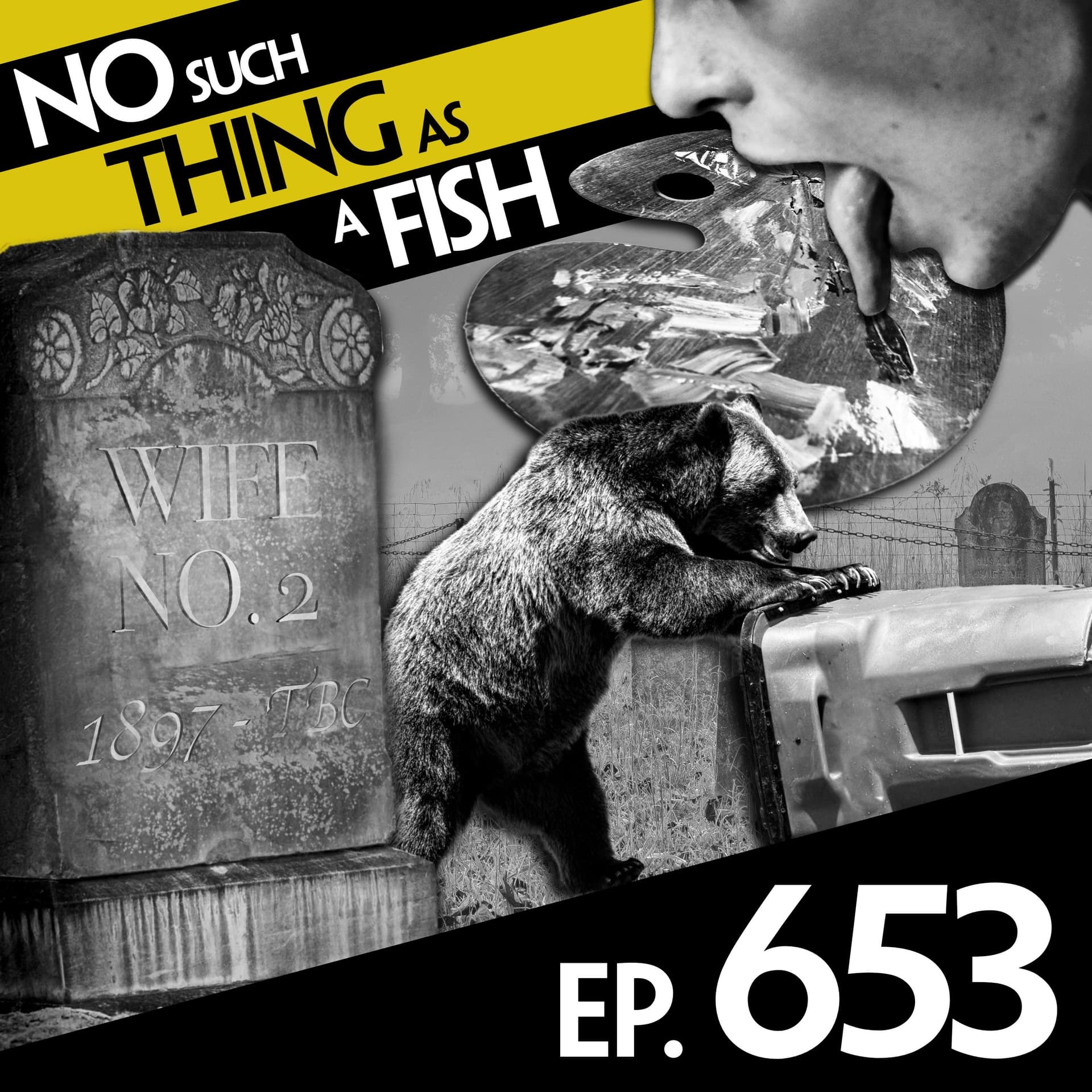
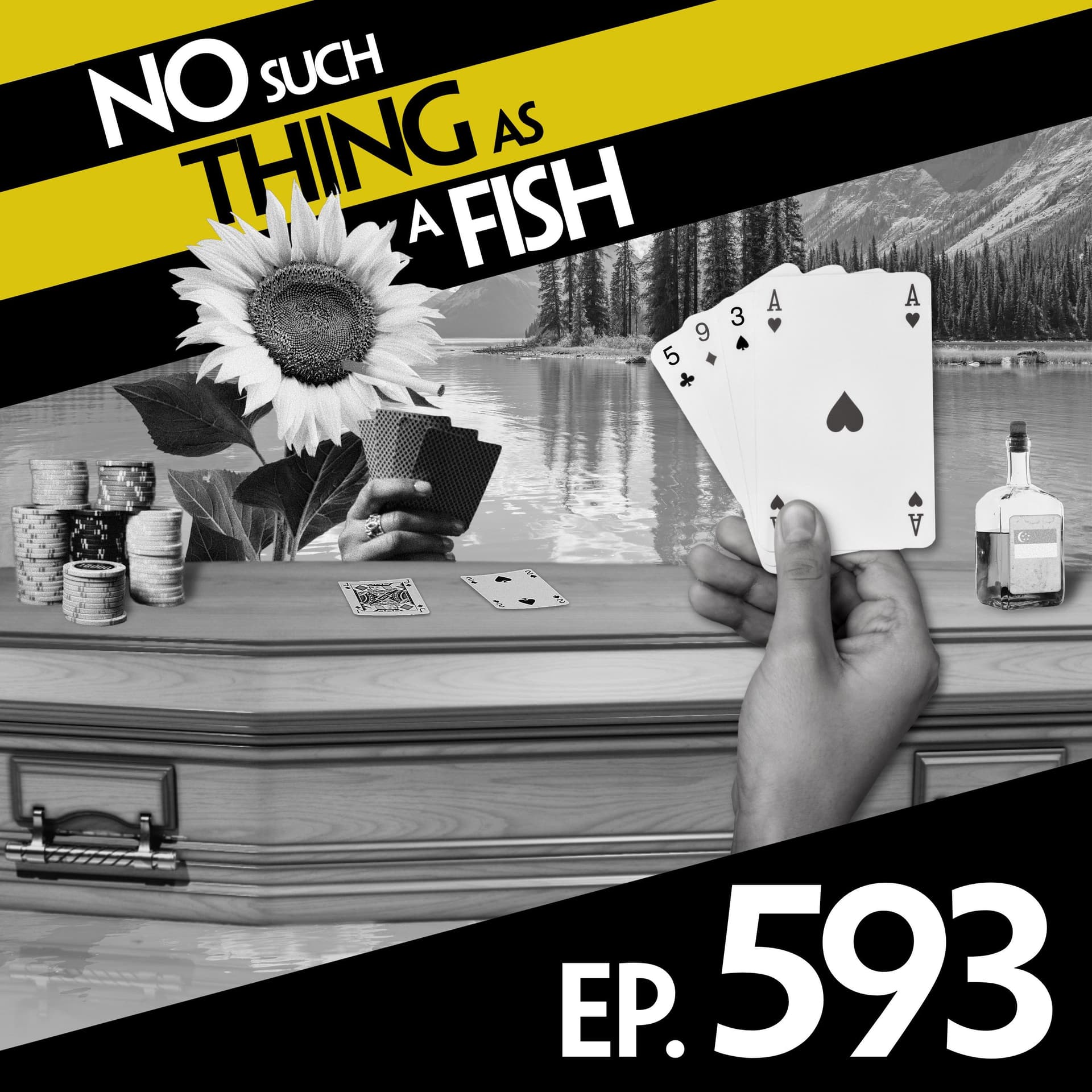
- Dylan Thomas (died aged 39 in 1953) was brought back from America to Wales; sailors allegedly used his coffin as a poker table. Carter lobbied for him in Westminster Abbey; Jimmy Carter wrote a poem about it.
- Canada has about 900,000 lakes (or 3.5 million by smaller definitions); lake naming is slow and often honors fallen WWI/WWII soldiers.
- Elche (Alicante) banned sunflower seeds (“pipas”) at matches because shells clog drains and rot; smoking is reportedly tolerated.
- Singaporeans reportedly buy/export about a bottle of Scotch per person per month; the stat is tied to Scotch Whiskey Association export figures.
Written by AI. May contain mistakes. Listen to the episode to check what was said.
Chapters
Tap a time to open that second in VOIntroduction of Dylan Thomas
1:12 to 1:53
Discussion begins on Dylan Thomas, a notable poet, and his unusual burial circumstances.
“Hello and welcome to another episode of No Such Thing as a Fish, a weekly podcast coming to you from the QI offices in Hoburn.”
Dylan Thomas as a Poker Table
1:53 to 3:17
The hosts share a story about how Dylan Thomas's coffin was used as a poker table.
“So starting with fact number one, and that is my fact.”
Caitlin’s Disruptive Behavior
3:17 to 4:40
Exploration of Caitlin's actions and their consequences during the journey home.
“I would have gone out my way to find the coffin.”
Dylan Thomas's Drinking and Death
4:40 to 6:46
Discussion about Dylan Thomas's drinking habits and the events leading to his death.
“No No Okay so we should say Also, most famous Welsh poet, arguably, I'd say, ever?”
Dylan Thomas's Reputation
6:46 to 8:10
Analysis of Dylan Thomas's reputation and relationships with peers and friends.
“So actually, Dylan Thomas died of his own joke, as well as medical misdiagnosis and all of that.”
Later Life and Poetry
8:10 to 10:36
Reflection on Dylan Thomas's limited output of poetry in his later years.
AJP Taylor and Dylan Thomas's Influence
10:36 to 11:48
Discussion on Dylan Thomas's interactions with historian AJP Taylor and his influence.
“He also, because we're calling him a poet, but he also wrote some pretty seminal other pieces.”
Bizarre Anecdotes about Dylan Thomas
11:48 to 13:33
The hosts recount bizarre and humorous anecdotes about Dylan Thomas's life.
“Actually, having just said Winnie the Pooh, I only know Winnie the Pooh-sized honeypots.”
Dylan Thomas in Poets' Corner
13:33 to 14:00
Discussion on Dylan Thomas's legacy and his posthumous recognition in Poets' Corner.
“On one occasion, he managed to stab himself in the eye while eating a plate of meatballs.”
Jimmy Carter's Love for Dylan Thomas
14:00 to 14:40
Learn about President Jimmy Carter's admiration for poet Dylan Thomas and his efforts to commemorate him.
“which is reserved for some of the greats.”
Show all 35 chapters
Neil Morrissey Buys Dylan Thomas' Local Pub
14:40 to 15:25
Discover the amusing fact that actor Neil Morrissey purchased the local pub of Dylan Thomas.
“The board makers Sorry Okay, give us a clue What, the TV show?”
Canada's Lake Density
15:25 to 16:20
Explore the astonishing statistic that six out of ten lakes in the world are in Canada.
“It was Neil Morrissey The other man behaving badly bought his local Really?”
The Great Lakes and Their Formation
16:20 to 17:40
Understand the geological processes that led to the formation of Canada's numerous lakes.
“No, I got this on a great sub-state by a guy called Thomas Pueyo.”
Naming Lakes in Canada
17:40 to 19:11
Find out how lakes in Canada are named and the challenges involved in the process.
“And maybe all the myths that we have about floods in all different cultures have flood myths, maybe due to that collapse.”
The Most Common Lake Names
19:11 to 20:30
Learn about the most common lake names in the USA and why many are being renamed.
“I think if I say, can you name your lake Polina, he shouldn't be saying, no, I have to do it after this other thing instead.”
What Defines a Lake?
20:30 to 21:51
Delve into the definitions of what constitutes a lake and the scientific criteria involved.
“So if you've got 700 Mud Lakes and you say, I've injured myself next to Mud Lake, what are they going to do?”
The Caspian Sea Controversy
21:51 to 23:24
Examine the political implications of whether the Caspian Sea is classified as a lake or sea.
“That's supposed to be the level between a pond and a lake.”
Taboo Around Crater Lake
23:24 to 24:28
Discover the cultural taboo surrounding the Calmath people's view of Crater Lake.
Seiches and Lake Flooding
24:28 to 25:19
Learn about seiches and their potential to cause significant flooding in lakes.
Geography of Canada
25:19 to 26:45
Understand the surprising geographical fact about Canada's southernmost and northernmost points.
“I mean, yeah, only because I've seen maps.”
Sunflower Seeds at Spanish Football Games
26:45 to 28:00
Explore the quirky ban on sunflower seeds at a Spanish football stadium and its implications.
“Okay, my fact this week is that at one Spanish football stadium, they will stop you from eating sunflower seeds, but they won't stop you from smoking.”
Sunflower Seeds: A Global Snack
28:00 to 29:22
Learn about the cultural significance and popularity of sunflower seeds in various countries.
“And this was in the Times that I read this and one of the fans said this is the best thing they could have done now they just have to enforce the ban on smoking.”
Van Gogh and Sunflower Seeds
29:22 to 30:44
Discover Van Gogh's sunflower paintings and their connection to sunflower seed production.
“I mean it's just classic TikTok that doesn't seem everyone's a food expert until you actually try what you're eating and then it's disgusting.”
History of Sunflower Seeds in Russia
30:44 to 32:55
Explore how sunflower seeds became popular in Russia and their significance during fasting.
“So I should just say Elche, by the way, the football team, they're from Alicante.”
Sunflowers and Chernobyl Cleanup
32:55 to 34:24
Understand the role of sunflowers in cleaning up radioactive waste after the Chernobyl disaster.
“Sorry, yeah, that we started eating sunflower seeds because, so they were huge in Russia first.”
Pop Culture References to Sunflower Seeds
34:24 to 35:59
Learn about famous characters and instances in pop culture associated with sunflower seeds.
“Famous pop culture person who eats sunflower seeds.”
Ai Weiwei's Art Installation
35:59 to 37:48
Examine Ai Weiwei's sunflower seeds art installation and its political implications.
“He handcrafted porcelain sunflower seeds with his team.”
Baseball Players and Sunflower Seeds
37:48 to 40:04
Delve into why baseball players chew sunflower seeds during games and its historical context.
“Because it's about 2 ,000 seeds per head, right?”
Food Culture in American Sports
40:04 to 42:04
Discover the snacks associated with American sports, particularly during NFL games.
“Wieners, get your wieners Hot dogs, that's the same as a wiener isn't it?”
Exploring NFL Tailgating Culture
42:04 to 42:55
Learn about the unique tailgating culture at NFL matches in America.
“and I was asking my, well, my husband's lived in America and he was like, yeah, I mean, literally everyone does it at every NFL match.”
Singaporeans and Scotch
42:55 to 45:28
Discover surprising statistics about alcohol consumption in Singapore.
“My fact this week is that Singaporeans drink more than a bottle of scotch per person per month, which is twice as much as their nearest rivals.”
Unique Yakult Offerings in Singapore
45:28 to 47:22
Find out about the different flavors of Yakult available only in Singapore.
“When you land in Singapore, there's a big banner that says, much like Portsmouth, welcome.”
Innovative Land Reclamation in Singapore
47:22 to 51:02
Learn about Singapore's land reclamation efforts and their impact.
“But the salmon always try and swim back into the vending machine.”
The War on Public Urination
51:02 to 56:00
Explore Singapore's strict measures against public urination and their historical context.
“And it's very controversial because it's drained.”
Humorous Territory Marking
56:00 to 56:21
Listen to a lighthearted discussion about marking territory humorously.
“who are almost home and just can't hold it anymore.”
Transcript
Automatic transcript. May contain errors.0:02Anna Ptaszynski:Hi everybody, it's Andy and James here from No Such Thing As A Fish. Hi, your favourite too. Shh, but yes. Now we're here with a little Topper Show announcement because we've got some secret juicy gossip for you. We sure have and that gossip is that we are going to be doing some live shows. You didn't hear it from us, but if you go to King's Place in London on the 5th and 6th of September, you can see not one but two no such thing as official live shows. Dan and Anna will also be there for clarity. Anna will not be there for clarity. Yeah, sorry. Yeah. Dan will be. And some very, very special guests.
0:39Now, we have already booked one of these special guests and I promise you if I mentioned the name of that person right now we would sell out in seconds.
0:47Anna Ptaszynski:That's right. And if it does sell out there are streaming tickets available too. You can watch the show live. See what it's like when we're not rigorously and scrupulously edited. hear all the stuff we say that really should be edited out by getting a streaming ticket. And where do you get those tickets from, Andine? I think if they just go to our website, there'll be a link. No such thing as a fish.com. Excellent. We'll do that right now. But in the meantime, it's time to say on with the podcast. On with the show.
1:33James Harkin:Hello and welcome to another episode of No Such Thing as a Fish, a weekly podcast coming to you from the QI offices in Hoburn. My name is Dan Schreiber. I am sitting here with James Harkin, Andrew Hunter-Murray and Anna Tashinsky. And once again, we have gathered around the microphones with our four favorite facts from the last seven days. And in no particular order, here we go. So starting with fact number one, and that is my fact. My fact this week is that before he was buried, the poet Dylan Thomas was used as a poker table. That doesn't feel very practical. No. The chicks are going to go everywhere.
2:10Anna Ptaszynski:And I imagine as a poet, you're wearing a lot of ruffles, maybe a cravat. You know, you're not going to be a smooth table.
2:17James Harkin:No. Okay. So it's not his body that was physically used as the poker table. Dylan Thomas, as a bit of backstory, had been in America and he died on the 9th of November 1953. Let's get right to the, let's cut to the chest.
2:30Anna Ptaszynski:Was he born before he died? I need to know all the context, Dan.
2:34James Harkin:So yeah, it was really unfortunate. He was 39 years old. He was a big drinker. There's a bit of mystery about what actually caused his death, but there we have it, the facts. He dies November 1953. His wife, Caitlin, decides she doesn't want him to be buried in America. She wants to bring him back home to Wales, his home country. And so she puts him on a ship and he's in the hold. And one night she's a bit disruptive upstairs and she gets sent downstairs and it just so happens that she's bunking up very near to his coffin and she notices that all the sailors gather around the coffin and use it as the poker table.
3:06James Harkin:And she thought, he would have loved this. So was it not
3:10Anna Ptaszynski:obviously a coffin? I think it might have been. They might not have cared. That's quite macabre. I would have tried to find another table. or just a packing crate or something.
3:20Dan Schreiber:Would you? I would have gone out my way to find the coffin. Yeah. If you have a coffin on board. I genuinely think when I go, if I could organise it that my mates had a poker game on my coffin and they didn't mind, then I'd be down for that.
3:32Anna Ptaszynski:It would be more golf for you though, wouldn't it? That's hard to play in a coffin. Right. You could be the last hole. The 19th hole. I'm hoping that I'm laid down face up, actually.
3:50Apparently, like you said, there was some ruckus with Caitlyn. I read that she was in a cabin with, and I quote, some sort of glamour queen that she really didn't like. And so she deliberately caused a ruckus so that she would get kicked out of that cabin.
4:04James Harkin:Yeah. Yeah, having now read up about Caitlyn, I wonder if that's true or if she was just generally causing ruckus. Because that was the thing about them. They were sort of described as the prototype Sid and Nancy of the sex pistols. They were a couple that were destructive. they'd get huge fights they would get drunk everywhere they went but what's crazy is that when Caitlin got back she went on a pub crawl with the person who picked her up and Dylan was just left in the car park in the coffin while they were getting pissed along the way in all the pubs towards where his home was going to be yeah
4:35Anna Ptaszynski:Did you find the claim that he was buried in a banana shaped grave? No No Okay so we should say Also, most famous Welsh poet, arguably, I'd say, ever? For me, he is. I mean, he's barred territory. If someone asked me name a Welsh poet, he would be the one. Exactly, exactly.
4:55Dan Schreiber:And he certainly was barred from most of his local partners.
4:58Anna Ptaszynski:Well, there is a claim, I read, that the gravedigger was deaf and mute, and he only knew that he was burying a man whose favourite fruit was the banana. So, in tribute, he originally dug a banana-shaped grave before being told off and told to correct it. Now, I just think if you're a professional gravedigger, you know that you very rarely get a banana-shaped coffin. Yeah. Do we know that his favourite fruit was banana? Do you know, the original thing is so untrue that I haven't even saw that. I thought deaf and mute sounds like a Welsh name. I thought that was the name. So his death, Dan, you said that there was some weird things about that.
5:37James Harkin:Yeah. There was the idea that he drank so much that the night before he went into a coma, Which then led to him going to hospital and eventually dying He claimed to have drunk 18 whiskies Say the line, say the line Supposedly his last words were I've just drunk 18 straight whiskies I think that's a record Or something like that That's a great line But that's not true, is it? He definitely said things after that I think he did say that, actually, in fairness But it was the day before And then the next day he did talk to people And said different things He said, God, kill for a banana right now So it was the doctor's fault, right?
6:17So, yeah, so he was sedated with some morphine and then he went into a coma.
6:22Anna Ptaszynski:And he had pneumonia, which hadn't been diagnosed. And that was the problem with the morphine. But this is the interesting thing. I think it's actually Dylan Thomas's fault because he did make that joke about having had all these whiskeys, right? And then I believe his friend who'd overheard that when he was really ill said to the doctor, oh, well, he told me yesterday he'd had 18 straight whiskeys. So the doctor very naturally assumes alcohol poisoning and then gives him the morphine, which puts him into the coma, which kills him. So actually, Dylan Thomas died of his own joke, as well as medical misdiagnosis and all of that.
6:51Anna Ptaszynski:But basically, it's because his friend said, oh, yeah, well, this is what he was saying.
6:54James Harkin:Well, it's possible he wasn't joking, though, because they went and interviewed the bartender who was serving drinks that night. And he said he didn't drink 18. Absolutely not. But someone pointed out that a shot in America versus a shot back home is three times the amount. So they think in his incredibly drunken state, Dylan Thomas was doing math and worked out how many that would have been back home, which was 18. In fairness, the math was only three times six. But once you've had 18 whiskeys.
7:24Dan Schreiber:He actually wasn't good at taking his drink. He's got this reputation for being such a heavy drinker. But I think people who knew him said actually he was kind of a lightweight. So maybe he just seemed pissed a lot. He had a famous sort of relationship slash, what's an enemy ship?
7:39Anna Ptaszynski:Frenemy.
7:40Dan Schreiber:He was sort of a frenemy, but without the fribbit with Kingsley Amis, who only met him once, but used to write really awful things about his poetry. And Amis met him in 1951, and he said he was an outstandingly unpleasant man who cheated and stole from his friends and peed on their carpets. And he boozed a lot because it fitted his image as a poet rather than out of any thirst or need. I think people quite a lot of people didn't really like him very much even his friends no it's a shame if you like his poetry to read up on him because it makes him quite unlikable doesn't it I think he considered himself to be a poet which meant he didn't need to get a proper job he could just sort of dilettantishly turn up at people's houses and sleep on their sofas and urinate on the carpets perhaps I don't know but yeah like one of his really good friends Norman Cameron he wrote who invited him in what was he doing here that insolent little ruffian that crapulous lout when he quitted a sofa he left behind a smear oh dear
8:37James Harkin:if that's what his friends thought of him what of his enemies right but his fans kind of loved it right they loved this image of a drunken poet who was living up to that romantic idea that they're sitting in a shed with a glass of whiskey writing these incredible lines and in his final eight years you know died 39 as i said final eight years he wrote six poems he spent basically the last period of his life going on tours and talking and reading out his poems he became an orator as opposed to a writer and people would go because it was quite rock and roll is Dylan Thomas going to swear at someone in the crowd is he going to drunkenly fall off the stage and pass out is he going to leave a smear on the sofa the curtain comes up there's a sofa on the stage get it Dylan
9:22Anna Ptaszynski:but he was kind of like you know people were into that I think he was less hard living in lots of ways. So he lived for a while in a place called Lan and the Thomas family GP, the doctor wrote, he didn't do any womanising he was pretty sober, he was very respectful he started the day by helping his dad with the Times crossword every morning apparently his capacity for drink, I'm quoting now, was very limited compared with the average hearty. He couldn't drink very much three or four pints was his absolute limit but then of his wife Caitlin the doctor wrote, Caitlin is a nymphomaniac and a first class bitch
9:59Dan Schreiber:was that a medical diagnosis back then she does seem a tough character but i really didn't know the thing i found most unbelievable about him is you say that he only wrote six poems whatever in his last seven years really he wrote all of his best poetry pretty much everyone agrees by the time he was 19 isn't that insane i was a child when i was 19 it's like you're thinking such immature stuff and that's why it's kind of nonsense i used to love him when i was a teenager because I thought, well, this must mean something amazing. But it was really heartening to read all of these reviewers write about him and say, the word's beautiful, which is what's so fun about reading him.
10:34Dan Schreiber:But no one knows what he's on about.
10:36James Harkin:He also, because we're calling him a poet, but he also wrote some pretty seminal other pieces. Like he wrote Under Milkwood, which was a play, which is still sort of known today. I did it at school. Did you, really? Lots of people do, don't they?
10:49Anna Ptaszynski:Who did you play? Sorry, no, as in for my GCSE English, I had to learn it. Okay, right. You played a tree, admit it You're one of the trees But there's a lot of milk under me You guys know AJP Taylor? I only know the name as well He was a really famous 20th century historian Like mega famous At a time when historians were rock stars Anyway Dylan Thomas befriended his wife Margaret And Euphemism? well she definitely had the hots for him and dylan thomas went to stay on the sofa and did a lot of like he would stay for a month and ajp taylor liked to keep a barrel of beer in the house that was just his nice thing but he hated having dylan thomas to stay because he would drink supposedly 15 pints a day and he'd constantly have to be replacing his barrel and taylor's wife margaret felt absolutely besotted with dylan thomas she spent all her money on him She wrote him erotic letters She persuaded AJP Taylor to buy a house For£2 ,000 for Dylan Thomas And Taylor said, okay fine If you stop giving him money, which she did not And then she bought him another house Jesus Christ He does sound like a really annoying guy to have to stay I read one anecdote about him He went out drinking with novelist Philip Lindsay and got his penis Stuck in a honeypot Winnie the Pooh Taylor The great thing about this This is in Andrew Lysett's biography And it's kind of mostly there and not really anywhere else But it was from people who were there who said it happened But no one knows why he did that Was it a honey trap?
12:32They said on the same occasion He pushed a shirt button up his nose And couldn't get it out You go into the A &E And you're like yeah it's this button thing And can you get the button thing out please Sir there appears to be something No, no, just the button.
12:49James Harkin:Actually, having just said Winnie the Pooh, I only know Winnie the Pooh-sized honeypots. Do they come smaller? Wait, does Winnie the Pooh have massive honeypots? Yeah, his head gets stuck in them.
12:56Dan Schreiber:Oh, yeah. Well, maybe Dylan Thomas was very well endowed, and that's what kept the women following him.
13:01Anna Ptaszynski:But the shape of a honeypot is, it expands as it gets towards the base, as it were. It's not like a honey jar. I could understand him getting his penis stuck in a honey jar.
13:09Dan Schreiber:I was imagining a honey jar. It's a set honey, a runny honey. You know when you go to a travel lodge, and you get those tiny little jars of honey.
13:19Anna Ptaszynski:We're going to have to ask you to leave the breakfast buffet.
13:24Dan Schreiber:Everyone's got their own size honeypot. Yeah, it's full of tantalising details, that biography. It's amazing because he's spoken to everyone who ever knew him. But people just give memories without elaboration. So there's those two. On one occasion, he managed to stab himself in the eye while eating a plate of meatballs. No further details. How do you do that? How do you do that? And then someone else said there was a particular period where he had to deal with his rubber fetishism. No more on it. That's it. What is it? That's all we got.
13:52James Harkin:What did he do with rubber? Now, he is a very important poet. He is part of the Poets' Corner in Westminster Abbey, which is reserved for some of the greats. It's Shakespeare and so on. He originally wasn't in there. And it all comes down to Jimmy Carter, President Jimmy Carter, who lobbied for him to be in there.
14:10Anna Ptaszynski:Why?
Read the full transcript
14:10James Harkin:He loves him to the point where he went to certain bits of Wales, just to be around the area that Dylan Thomas would have been in. Even wrote a poem called A President Expresses Concern on a Visit to Westminster Abbey by Jimmy Carter.
14:23Dan Schreiber:No way! That makes me like Dylan Thomas again, having just gone off him. Jimmy Carter liked him.
14:29Anna Ptaszynski:Because you're a massive Carter fan, yeah.
14:31Dan Schreiber:What a weird presidential... Is that what happens on state visits?
14:35Anna Ptaszynski:Maybe he campaigned a bit harder to get himself re-elected. Exactly.
14:38James Harkin:Well, it happened in 82, so maybe he worked on it post-presidency, but it was on that trip that he said, I can imagine Donald Trump at the moment is trying to get Barney the big purple dinosaur in Westminster Abbey
14:49Anna Ptaszynski:We'll do it, we'll do it Lan this place where he lived his local pub was a place called Brown's Hotel it was bought recently by guess who? The board makers Sorry
15:07James Harkin:Okay, give us a clue What, the TV show?
15:14Dan Schreiber:I'm in a two Ronnie scale
15:20Anna Ptaszynski:What was Dylan Thomas? He was a man behaving badly Oh, was it Martin Clunes? It was Neil Morrissey The other man behaving badly bought his local Really? And Dylan Thomas was a man behaving badly And Neil Morrissey for international listeners Was about 30 years ago In a sitcom called Man Behaving Badly That's a great fact
15:45Anna Ptaszynski:Okay, it is time for fact number two, and that is Andy. My fact is that six out of ten lakes are in Canada. That's amazing. Out of all the lakes in the world, That's wild. 60 % are in Canada. It's big, Canada. It is big, but it's not 60 % of the world's landmass. It's a disproportionate number of lakes. So if you wake up after a big old Dylan Thomas style bender, and you look and there's a lake there, you're more likely than not in Canada. That's right. That's right.
16:17Dan Schreiber:Do we know how many and why?
16:19Anna Ptaszynski:We do. 900 ,000 and geology is the short... No further questions. No, I got this on a great sub-state by a guy called Thomas Pueyo. And basically, at the bottom, you've got the Great Lakes, sort of celebrity lakes. Yeah. And then there's this line stretching across the country above which it's just monstrously full of lakes. Just lakes everywhere. like throw a brick um and it's because there's a region near the coast further up near the coastal mountains which is lower because the mountains kind of depressed the land around them with their land mass didn't know mountains did that and everywhere else in the world or most other places these depressions they turn into river valleys water flows along right but canada is very far north so it rains less so there's less water and it's also to do with the ice sheets that dug these huge holes in the ground and that leads to lakes when the ice retreats do you know what i mean you've got basically lake-shaped masses everywhere yeah that's it was the laurentide ice sheet wasn't it and that also formed niagara falls and the great lakes so it was a biggie and it might also have given us noah's ark so apparently the collapse of the ice sheet caused the flooding of the Gibraltar, Straits of Gibraltar, loads of water going into the Mediterranean Sea, huge floods everywhere about 8 ,000 years ago.
17:40And maybe all the myths that we have about floods in all different cultures have flood myths, maybe due to that collapse. Love it.
17:49James Harkin:That's amazing. It's crazy. So 900 ,000 lakes in Canada, you're saying, Andy. Manitoba is an area that has 100 ,000 of those lakes. And only 10 ,000 of those lakes have been named as of 2017. The number will have gone up. But they're trying to give names to every single lake that's out there. Can we campaign? Well, here's the thing to have a lake named after us. Yeah. Doesn't work like that. Fish Lake. Yeah. Damn. Well, this is a problem that there's not a big group that names the lakes. There's one main guy and then he's got a few assistants. What? Yeah.
18:25Dan Schreiber:Well that's why they haven't gone around to naming them all yet.
18:27James Harkin:It's been very slow. He'll name like seven a year. What? But that's gone up now with the assistants.
18:32Anna Ptaszynski:Nearly as slow as Dylan Thomas writing poetry. Is this guy just going around doing rock star shows and saying I name lakes?
18:38James Harkin:Exactly. The thing he says is he gets a lot of calls on Valentine's Day with people saying, can I in a romantic gesture name this lake after my partner or girlfriend or boyfriend or whatever. And he says no it doesn't work like that.
18:49Anna Ptaszynski:Is he stressed that all these lakes don't have names or is he relaxed about it? He's relaxed.
18:53James Harkin:He's taken his time. What they're doing is basically naming it after fallen soldiers from World War II and World War I. And it's important work because if you happen to have an accident at a lake, how do you find it if there's no name?
19:04Anna Ptaszynski:Dan, if it's important work, maybe he should be trying to name more than seven every year.
19:08James Harkin:He has. There was one year where they named 2 ,000. Oh, okay. Because he got assistance in. Assistance came in. Vegas can't be choosers. I think if I say, can you name your lake Polina, he shouldn't be saying, no, I have to do it after this other thing instead. I think he should be accepting these names because he needs 20 ,000 of them. He needs a lot of... He needs a lot. And in fact, there's only been one exception so far. One living person, when an Olympic gold medalist in hockey was given a lake name, he sort of got put ahead of all the fallen soldiers.
19:37Dan Schreiber:They'll do anything for hockey players, the Canadians, won't they? I think he needs to be sacked. Sorry. Do you know what the most common lake name in the United States of America is? Oh, is it guessable? Maybe. Is it big lake or deep lake? No, but you're getting there. It's very descriptive.
19:58Anna Ptaszynski:Round lake. Wet lake. That's the closest. It's mud lake. Really? Yeah, there are 900 mud lakes in America, but they're endangered, really, because they're all getting renamed. So Michigan, for instance, had 300 mud lakes, but 71 of them have been changed in the last few years. Why are they changing them?
20:21Dan Schreiber:Is it not politically correct? Well, one reason that you want to... Mud Lake isn't very nice, but number two, like Dan said, you need to be able to tell exactly where something is. So if you've got 700 Mud Lakes and you say, I've injured myself next to Mud Lake, what are they going to do?
20:36Anna Ptaszynski:Yeah, you're right. There are reports, and again, this is at the level of Dylan Thomas was buried in a banana shape. That's great. Well, there's a lake in Canada called Lake Mini Wanker, but that is true. Some reports say it's the smallest lake in Canada And it appears not to be I think there are some smaller But it is home to a drowned village Which is called Mini Wanker Landing Cool And was it named after someone who drove a mini? It was when Tom Cruise lands his plane That's why he radios into the control tower As a joke All this depends on how you define a lake Right? Because there's a thing called Lagos L-A-G-O-S Which is like a research It's like the Wikipedia of lakes where you go to if you want to know anything about lakes in North America.
21:23But they define a lake as something that is one hectare in area, surface area. So that's about two football fields. But if you were to count lakes that are like one hectare, so half that size, then the number of lakes in Canada goes up to 3.5 million.
21:37Anna Ptaszynski:Oh my goodness.
21:38Dan Schreiber:That's getting stupid. It's basically a puddle.
21:40Anna Ptaszynski:That guy at the naming office is going to be probably still relaxed. We've got time. And the other scientific definition of a lake is it needs to have an aphotic zone. So that's an area deep enough where plants can't grow because they don't get enough light. That's supposed to be the level between a pond and a lake.
22:00Dan Schreiber:Interestingly, on the definition of a lake, there's also the bigness of lakes. So Lake Superior, one of the Great Lakes, and the Great Lakes are all shared between the US and Canada, except one, Lake Michigan. Lake Superior is the largest lake on earth, but only if you don't count the Caspian Sea, which is about five times bigger. And it's really interesting, the Caspian Sea controversy, because Caspian Sea is technically a lake, I believe, as in it's not connected to the sea, but it has higher salinity than almost any other lake. So it's a huge political debate between Azerbaijan, Iran, Kazakhstan, Russia, Turkmenistan, which all border this lake slash sea.
22:40Dan Schreiber:Because if it's a lake you split it equally so that's why all the great lakes are split equally between us and canada and it's hugely important because it's got massive natural resources it's got loads and loads of oil deposits in it and mineral deposits yeah and so iran which has a very short coast on the caspian is saying no it's definitely a lake definitely a lake because i want to split it equally with the rest of you whereas if it's the seashore you own a distance away from the seashore depending on your length of coastline exactly so then you know russia's saying or kazakhstan which has a huge coastline saying this is bullshit you can't take a fifth of the oil in it yeah yeah wow which side do you fall on and when would we get a resolution to no honestly done i think they got a few other things to iron out in that region there was a massive meeting in 2018 called the convention on the legal status of the caspian sea where all the countries met and they were there for weeks and they concluded it's neither a lake nor a sea oh great it's a pond um here's a lake this is also in the united states of america it's called crater lake and the calmath people who live around it haven't looked at it for more than 7 000 years no how close do they live they don't know do they fall in
24:00Anna Ptaszynski:no they don't fall in so it's basically it's a taboo and it's we think down to an eruption that happened 7 ,700 years ago and then they preserved these stories of this myth that's happened and that would be 300 generations of word of mouth have kept this story going don't look at the lake what if you accidentally look at the lake another eruption probably
24:28Dan Schreiber:someone must have no one's done it, we don't know
24:32James Harkin:well we'd know
24:33Anna Ptaszynski:we would know wow, that's crazy
24:37Dan Schreiber:some lakes swing from side to side like a banana they're called banana lakes no they're not this is amazing though, there are these things called seiches and the most famous one is in Lake Erie which is one of the great lakes but basically it happens if there's a really strong wind that's going in one direction on a lake and it keeps pushing the water up to one end and then the wind suddenly stops then the water you can imagine like in a bath swings backwards and it does extraordinary things like in 2008 there were 16 feet high waves uh in Lake Erie that flooded um it's Buffalo I think in New York that always gets flooded in 1844 there was a 22 foot high Seiche wave which caused this flood in Buffalo which destroyed the town completely just from this swinging lake crazy 78 people died it stopped the Niagara Falls from flowing because it dammed it up because like the force of all the water pushed the ice to the top of Niagara Falls and stopped it flowing what just from this swinging lake isn't that cool that's very cool not the deaths
25:40Anna Ptaszynski:but yeah the other stuff
25:41Dan Schreiber:that was a long time ago
25:42Anna Ptaszynski:okay yeah Canada is so big that the southernmost point of Canada is closer to Brazil than it is to the northernmost point of Canada. I don't believe you. Well, you've got to. Okay, maths. How do we resolve this then?
25:57Dan Schreiber:We need a conference. I mean, yeah, only because I've seen maps.
26:05Anna Ptaszynski:I mean, that's bonkers. It's crazy. There's not much in it. It's about 10 kilometres in it.
26:10Dan Schreiber:There's 10 kilometres in it? Yeah. That's so close.
26:12Anna Ptaszynski:Southernmost point of Canada to northernmost point of Canada is 4 ,620 kilometers. Right. To Brazil, from the southernmost point of Canada, it's 4 ,630. Yeah.
26:24James Harkin:That's like how my house in Margate is closer to Belgium than it is to London. Yeah. That's wild. And it takes you hours and hours and hours to get here every day. I should stop going via Belgium.
26:44Okay, it is time for fact number three, and that is James. Okay, my fact this week is that at one Spanish football stadium, they will stop you from eating sunflower seeds, but they won't stop you from smoking.
26:57Anna Ptaszynski:That is so weird. Is it? Are you allowed to smoke sunflower seeds? Life hack. Oh, good thinking. Yeah. Yeah, roll up. Actually, you're not really supposed to smoke, but they don't enforce that ban. but they are enforcing their ban on sunflower seeds and that's because if you go to spanish football games you will often bring sunflower seeds with you as a snack they're called pipas and this team called elche has decided to ban them because people keep you kind of you crack them open and eat the seeds inside and then you throw the shells away and the shells they clog the drains they clog the pipes they rot and deteriorate the seats um the pigeons come rats come and they're having to basically redo the entire stadium and part of the reason is because these sunflower seeds are just all over the place and they're rotting and they're making everything
27:53James Harkin:minging yeah there's too many for them to clean up so you just as you arrive you're just cracking shells underneath your foot going to your seats it's uh it's pretty amazing such a tiny thing causing such chaos. And this was in the Times that I read this and one of the fans said this is the best thing they could have done now they just have to enforce the ban on smoking. Yeah.
28:12Anna Ptaszynski:Is it Spain-wide that these things are enjoyed? It's common throughout Spain, yeah. Really interesting because it's quite a hippie-ish quite healthy thing I imagine. Like, oh, I'm just eating some sunflower seeds. This is a really salty. Oh, okay. They're very salty.
28:25Dan Schreiber:This is the thing that I discovered. It's this whole global culture that we do not have in Britain of sunflower seeds being such a popular snack and there are all these countries. So Spain is one of them where they're really popular. Across Eastern Europe, Eastern European listeners, Brighton, confirm how many sunflower seeds you eat a day. China, the Middle East, Russia, they're like this big deal snack. And so I think in China, you have them in the shells and it's this great meditative experience. One girl was saying that you put it in your mouth, you have to get the sunflower seed out of the shell.
28:55Dan Schreiber:You kind of dilute your teeth a little bit. Yeah.
28:58Anna Ptaszynski:So the little grey thing that I get when I buy a packet of sunflower seeds is not a sunflower seed.
29:02Dan Schreiber:it's actually that's the kernel yeah it's a kernel a de-hulled kernel whereas people here
29:07Anna Ptaszynski:are eating the naked seeds which are the black and white striped yes they're bigger that are
29:10James Harkin:inside yeah that is a sunflower seed yeah and it's pretty amazing i went to the um the national gallery the other day to look specifically at van goth's sunflowers right and it's research with this fact no it's completely separate i was just i i thought god it's around the corner why have i not been there and i went stood and just stared and each flower there's 11 flowers they contain about 2 ,000 between 1 and 2 ,000 seeds that would have been edible you know what was in the pot I find that fascinating I've never thought about it in that way before no me neither
29:41Dan Schreiber:if you're really hungry and you've got a sunflower growing in your kitchen scrape off the top if it's reached ripeness and get some seeds out there's like a TikTok trend at the moment where people are like roasting entire sunflower heads and eating them oh really? I mean it's just classic TikTok that doesn't seem everyone's a food expert until you actually try what you're eating and then it's disgusting. Well, people do seem to rave about them. And I was reading in China the way they harvest them is really cool. So people go through with big machetes or massive pairs of scissors and they chop the heads off all the...
30:12Dan Schreiber:Yeah, or nail scissors, whatever you've got to have. Like you're opening
30:14Anna Ptaszynski:a department store.
30:16Dan Schreiber:Yeah, exactly. A lot of ribbons to cut. They chop the heads off each individual sunflower but then they pick up the heads, they spin them upside down and they plonk them back on top of the stalk and they leave them there for another week to dry. And that's because it saves having to dry them in a certain space. So you'll sometimes go to a big sunflower field in China and be like, all the flowers are upside down. Yeah.
30:39Anna Ptaszynski:They've all been decapitated.
30:40Dan Schreiber:They've all been decapitated and had their heads put on upside down. Who did this? That's amazing. What psycho. So I should just say Elche, by the way, the football team, they're from Alicante. They were promoted to La Liga last season and I read as much as I could about them. There's not a great deal of interesting stuff apart from the kit man the head kit man is called pepito whose name is spanish for pumpkin seed lovely it's not quite right is it no quite got the nomads almost got it i saw his name and i was like that really looks like it means sunflower seed yeah but unfortunately no pipas is the sunflower seed which also means blowjobs in greek golly well that
31:23Anna Ptaszynski:surely that might have led to any congenial a load of Spanish football fans turn up at Panathinaikos
31:29Dan Schreiber:you've got to crack it open with your teeth
31:35Anna Ptaszynski:they are known these seeds as Spain's football foreplay I don't know if you came across that phrase but what is Britain's football foreplay? pies nice pie that's just foreplay in general isn't it? a nice steak and kidney pie scotch pies they're called what is a scotch pie scotch pie is probably if you go to football in the south of england you don't really get this stuff but certainly in the north of england they're kind of made of pastry like water pastry and they usually have mutton in them lots of potato not so much meat absolutely delicious yeah yum and they were um supposedly despised by the scottish church because they were considered a sumptuous meal and very similar to english pies so the Scottish church tried to ban scotch pies for a while but they never managed.
32:24Anna Ptaszynski:I would say keep your beaks out guys I just think that's not their jurisdiction to... The church tends to get involved in lots of different things, doesn't it? Historically especially the Scottish church I just think that's a bit like Jimmy Carter getting involved in Dylan Thomas' posthumous reputation, I just think, come on, prioritise you've got Kirk's to run
32:46Dan Schreiber:Actually it was because of the church I think that sunflower seeds came to be. Well, they did, unless you're saying that God made them. Exactly. Sorry, yeah, that we started eating sunflower seeds because, so they were huge in Russia first. Russia was like 100 years ahead of the rest of us, mainly in terms of turning them into oil, which is where it's so valuable. And it was basically because during any kind of fast, Christian fasting or Lent or anything like that in Russia, then any kind of vegetable oils were banned. And then Peter the Great or his minions sort of discovered that you could get oil from sunflower seeds it was pizza the great when he you know he did his european tour he brought them back in like the netherlands or something and brought them back he did yes and then some peasant in russia in the 19th century like a just working in the fields peasant what built a machine to get oil out of them and because they were new oil the church hadn't managed to create in its list the name sunflower oil and so So everyone just drenched their food with sunflower oil during Lent.
33:45Dan Schreiber:That's why it was so popular. And now Ukraine and Russia is by far the biggest producers of sunflower oil in the world. Like by a billion. I read that. Really? More than half the global production is them. And that's why Ukraine, like the sunflower, is a symbol of Ukraine. I see. I didn't know that.
34:00James Harkin:It was used as well for mopping up basically a lot of the radioactive waste during the Chernobyl disaster. Was it? Yeah. Yeah, so the stems, they noticed that when they put them into bodies of water, that it would take up a lot of the radioactive elements and then they could bring it away and then they could discard it in a better way. But so sunflowers are planted largely around nuclear radioactive areas in Chernobyl. Gulf sunflowers are useful. Yeah, yeah. Famous pop culture person who eats sunflower seeds. Okay. Cardi B. Yeah. Cardi B. Good shout. Someone that you guys have, a character that you guys will be familiar with.
34:37Oleg Snoopy. A fictional character. Yeah, 1990s. 1990s fictional character. The Fresh Prince of Bel-Air. Very good, no. Dennis the Menace. No.
34:48Anna Ptaszynski:Oh, yeah, cartoon or real? Real.
34:50Dan Schreiber:Zack from Saved by the Bell? No.
34:54Anna Ptaszynski:Mr. Blobby. British or American? American. Okay. One of the Simpsons. No, but one of the biggest shows of the 1990s. Friends. People are yelling this at home, not friends Something that Dan would like Due to his other podcast A weird, cryptid-y thing What's a Come on guys, the truth is out there
35:14James Harkin:Oh, Fox Mulder loved Sunflower seeds? Fox Mulder, he eats sunflower seeds all the way through it And he had to stop in the later Series because, according to him, it's hard To act with sunflower seeds Yeah But it was the creator, Chris Carter, who would eat sunflower seeds and he kind of passed it on to the character but david dacovny who played molder wants people to know that he doesn't like sunflower seeds and he also does not wear ties so fans are discouraged from sending him either
35:46Dan Schreiber:poor guy so he's forced to eat sunflower seeds constantly and wear lots of ties as well
35:51James Harkin:poor guy i mentioned van gogh earlier there's another very famous art piece which is called sunflower seeds. Do you remember that? Ai Weiwei. Ai Weiwei, 2011. So this is extraordinary. He handcrafted porcelain sunflower seeds with his team. There was 1 ,600 people and they made 100 million of them.
36:13Anna Ptaszynski:It feels like he's the guy to solve the Canadian lake naming dilemma. They could just bang through that. If these 1 ,600 people, I'm sure it's making a very important political point and stuff like that. But it's a long time to be making tiny ceramic seeds isn't it? Oh I see you're thinking it's a bit of a waste of time I mean being a podcaster is a waste of time I fully accept that but I just think We've made 100 million identical episodes of this show but it has been useful I would say Yes what's the point? They weren't identical were they? They were slightly, I remember this Oh because they were handcrafted
36:49Dan Schreiber:I remember slight differences
36:53James Harkin:Well they put in So they were first displayed at the Turbine Hall at the Tate. And if you've ever been there, you know what that's like.
37:01Dan Schreiber:Yeah, where you get these huge exhibits that are really famous every year. I went to that one, actually. Did you get to walk on the seeds?
37:07James Harkin:No, I didn't. You could walk around on them. So to begin with, and it raised up about 10 centimetres off the ground. That's how many seeds were, the height that it reached to.
37:15Anna Ptaszynski:Only 10 centimetres?
37:16James Harkin:Well, it's a big, it's a huge hall.
37:17Anna Ptaszynski:Yeah, it's a massive hall. Not that much. Put it in a small room, have them up to your neck. That's what I would have done. Good idea. That's exciting. Now that's art. So was the point he's making is that we're all different?
37:28Dan Schreiber:No, the point he was making, I believe, well, it was lots of different points, like much art, but I think a lot of it, and this is why the trampling was so important, and I remember being so disappointed, is about the oppression and repression of the Chinese state and all these people, these billions of people in China being treated just like one random identical sunflower to another, don't have your own. And I think Chairman Mao used to say that the people of China were sunflower seeds and his idea is that like if you get all of these hundred million seeds together then they make something very big and important but by themselves they're kind of oh yeah that's a different interpretation there you go i don't know like i like you i went i was slightly disappointed that
38:08James Harkin:i wasn't allowed to walk on them and you weren't you weren't allowed to begin with you were allowed to walk on them and then health and safety because they thought little micro dust was coming through from all the crunching but i worked out that the equivalent sunflower seeds that he made that van Goff would have to paint would be 50 ,000 flowers.
38:27Anna Ptaszynski:Because it's about 2 ,000 seeds per head, right?
38:29James Harkin:About 2 ,000. I think that's right. I was 18 whiskeys deep by the time I did that.
38:34Anna Ptaszynski:That's doable. Baseball players also love sunflower seeds, apparently, in the USA. There is this question of why baseball players are constantly chewing. Because they are. If you look at them in the dugout, they're always eating. So there's one big theory is that the game is boring. my daughter when she gets born she always asks can I have a snack right that's the theory is that's what they're doing you know they're sporting guys they will burn it off but basically it's a dull game to watch and to participate in I really like lots of sports but I do find it difficult to sit in a stadium through an entire baseball game I think there really is a divide
39:10Dan Schreiber:in the world which no other sport has between people who understand why baseball is appealing and are obsessed with it my friends obsessed and the rest of us who think but it sounds like all the players are on our side
39:21Anna Ptaszynski:well they they know from the inside but they used to chew tobacco that's another theory why they might chew sunflower seeds now because you don't chew tobacco anymore but chewing tobacco could give them some buzz and they had another big advantage when baseball players chew tobacco they could slobber their juice onto the ball interesting Phil and Thomas used to slather his juice on their surface didn't he if you slobbered on the ball it would become darker and that would be harder for the batter to see so it's a tricky sneaky way of making a camouflage ball I understand this against the rules to do that the rule was changed in 1920 to disallow ball defacing that was what it was defined as so maybe that's another reason for the rise of the sunflower seed apart from the unbearable tedium of watching this game okay speaking of tedious American sports I mean I absolutely love American football but what snacks do you associate with American football?
40:23Anna Ptaszynski:Wieners, get your wieners
40:24Dan Schreiber:Hot dogs, that's the same as a wiener isn't it? So hot dogs, for me I would more have hot dogs than a baseball game probably Candy gloss Nachos Yeah all these are good answers Caviar? Caviar is correct From the Caspian Sea, the belugas No it's, I think for me it's chicken wings Okay If you're watching the Super Bowl everyone in America basically eats chicken wings. Right. And this all came due to an accidental overorder by a company in Buffalo. They accidentally ordered a load of chicken wings and they didn't know what to do with them. And so they came up with a new recipe, which was Buffalo wings.
41:05So you basically put chili sauce and butter together and it makes this sauce and they're absolutely delicious. And this bar called Anchor Bay, they started making them. And then a little bit later, the Buffalo Bills NFL team made it to the Super Bowl for three years in a row. And everyone associated the Buffalo Bills team with buffalo wings. And suddenly chicken wings became like the food for the Super Bowl.
41:30Anna Ptaszynski:So it's all a big mistake. It's all down to a big mistake. But 1.6 billion chicken wings are eaten on Super Bowl Sunday every year.
41:38Dan Schreiber:Jesus. I think because Americans get some shit sometimes from the rest of the world about certain elements of their culture. But one of the greatest cultural things that exists in America, which I didn't really know that it was a thing, is tailgating. Tailgating? The tailgate. Driving very close to the person in front of you. Well, indeed. That's the only thing I know. That's all we know it as. But like basically any NFL match in the parking lot, then you'll have a tailgate party and there's hosts. and I was asking my, well, my husband's lived in America and he was like, yeah, I mean, literally everyone does it at every NFL match.
42:10I've been to a couple of NFL matches in America and I never got invited to this party. I'm so sorry. Wow, interesting. So wait, sorry, you go to the car park.
42:18Dan Schreiber:Yep, and there are just people who are such big fans of the team that they cook up a massive feast. They've made like a hundred burgers and pizzas for everyone and loads of beers and just everyone has it. They have a big party, but kind of anyone's invited. so you go and it's called tailgating.
42:35Anna Ptaszynski:Almost anyone. Don't rub it in that. I was starving that day. Driving around a completely empty town, weren't you, James? All the restaurants were closed.
42:54James Harkin:Okay, it is time for our final fact of the show and that is Anna.
42:58Dan Schreiber:My fact this week is that Singaporeans drink more than a bottle of scotch per person per month, which is twice as much as their nearest rivals. Wow. How? What?
43:10Anna Ptaszynski:Are they the children of Dylan Thomas? I like the way you say rivals, like there's a big sort of international competition for who can drink the most scotch.
43:18Dan Schreiber:Poor old Latvia coming second, desperately trying to catch up. Are they second Latvia? Latvia are second. Really? Yeah.
43:24Anna Ptaszynski:A bottle of scotch per person per month.
43:26Dan Schreiber:Isn't that insane? That is a lot. Latvia has their own what is it now? I have some at home. It's like schnapsy stuff that Latvians drink. And they have balsam as well. Balsam, yeah. So like they're spreading themselves too thin, the Latvians. You're right. Give up the balsam and having tasted the balsam just give up the balsam.
43:47Anna Ptaszynski:And then you'll win. Stick with the whiskey. So a bottle per person per month.
43:52Dan Schreiber:Or they buy a bottle of scotch per person per month. And I think that's an important distinction because I struggle to really find the reason.
43:58Anna Ptaszynski:Because I've got a bottle of whiskey at home and I've been working on it pretty solidly for a couple of years now. I've got past the halfway mark.
44:06Dan Schreiber:Well done.
44:06Anna Ptaszynski:Is all this whiskey being drunk or is it that it's just being bought and stored?
44:10Dan Schreiber:Well, it's not clear. So the stats are from the Scotch Whiskey Association, which says that they export 12.76 bottles a year. They have all the export figures. In case you're wondering, domestically, in case you're wondering, the Scottish surely drink more. 73 million bottles are sold domestically in the UK each year. So even if every single UK bottle of whiskey was sold in Scotland, they'd only just be drinking as much whiskey as the Singaporeans. And we know that Andy's having... Because Andy's getting through. Working away on my famous grouse, yeah. I've still got a bottle of whiskey in my house that I bought on my honeymoon, which was 12 years ago.
44:49Really?
44:49Dan Schreiber:Is that for ageing purposes? No, I only use it for whiskey sauce on Burns Night once a year. It's not unbelievably delicious whiskey, is it, that you're wasting? It's Talisker. It's pretty good. Oh, really? Okay, well, we're not contributing to the English stats, obviously. But it's weird. I was looking it up. Singaporeans, very light drinkers. They consume two litres of alcohol per person per year, which is about five times less than we do as Brits. and it seems to be when I was looking at like people talking about it Singaporeans talking about it it is about investment and a lot of them are buying up whiskey now it's become a trendy thing it's a pretty wealthy country
45:29James Harkin:well there's a lot of expats as well so lots of expats who will skew the number of people and what they drink
45:35Anna Ptaszynski:if I go as a tourist to Singapore because I know it's a whiskey hub as in they've got lots of amazing whiskey from around the world and whiskey shops and things and I buy a bottle there does that count do you think? a Judy Friesich yeah I've never been except I think briefly to the airport once but it sounds like an amazing the air pot is nice in fairness and again I didn't go specifically to I just went into Changi couple of glasses of whiskey straight back out I've had half a glass of whiskey today I think that's a record
46:06Anna Ptaszynski:but it's an amazingly weird place it's cool I've been yeah I went a lot as a kid I suppose it's not far from there it's right at the bottom of Malaysia and it's much like Portsmouth in that it's an island but it's separated by a very narrow strip of water from the rest of the mainland, as it were. Portsmouth of the South. It's the Portsmouth of the South.
46:25Dan Schreiber:When you land in Singapore, there's a big banner that says, much like Portsmouth, welcome. Here's another thing they drink there. Yakult. Oh, yeah? So, you know Yakult, that kind of little sort of yogurty drink with probiotics in it. Yeah. Singapore is the only country in the world that sells different flavours of Yakult.
46:45James Harkin:Is it? Yes. Yum. Interesting. So just a childhood thing Yakult was massive in my childhood in Hong Kong But I can't picture another flavour Other than the basic Honestly they only do it in Singapore They also have the biggest serving size Of anywhere in the world Which is 100ml Now you can get that one in Hong Kong as well You can get that in a few countries But you can't get it in the UK But you can get it in Singapore
47:07Dan Schreiber:You mean of spirits? No sorry of Yakult It's like a novelty Toblerone right? And also in Singapore this is the only place they have it they have a yakult home delivery service which started in 1986 and they will bring you your yakult to your door if you want it jesus christ their gut health must be out of this world that's so strange isn't that weird but it's because it's an island it's got this kind of
47:36Anna Ptaszynski:island culture you know where just things are popular there that aren't popular anywhere else like they've got the world's first ever salmon atm there okay yeah um it's a vending machine in In fact, there are dozens of vending machines specifically for Norwegian salmon. But the salmon always try and swim back into the vending machine. Yeah, it's bizarre. Norwegian salmon. There were 61 as of 2019, but it stays fresh in there for two years. Salmon? Because it's frozen. It's frozen. Okay. Oh, still. Okay.
48:05James Harkin:Singapore, when you go there, and this is, again, from the viewpoint of a kid, it's not particularly weird. It was a bit intimidating because of the rules. You were always told, can't chew gum there. That's illegal. You will be lashed if you chew gum. I remember the tale of that. Yeah, I remember every time I would go there just being like, wow, it's so clean here. And yeah, there's a reason for that. I've just realized, because I remember thinking that as well, but maybe I misunderstood. Because if they're all drinking so much scotch and they're all getting lashed every day.
48:36Maybe that's what it meant all along.
48:38James Harkin:Yeah, no, it is pretty wild. I was surprised actually that the number one imported drink isn't gin. That's just because simply of the Singapore sling. The most famous drink to have the name Singapore in front of it.
48:51Dan Schreiber:What's the second most famous? There are no others.
48:54James Harkin:But that is a massive drink there. It was invented in Raffles, the hotel, which is an extraordinary hotel. I don't know if you've ever seen pictures of it. I've been. You've been to Raffles. In fact, I've had a Singapore sling there. Have you? So yeah, they say at the bar, which is called the Long Bar, They say that about 2 ,000 Singapore slings are made per day. I gotta say, I ordered one, had a sip, and then ordered a beer. I did not like it. Because you didn't like it. It was too sweet and sour. Yeah, it was basically invented by one of the bar staff there because women were not really allowed to drink publicly.
49:26James Harkin:And so you make this with pineapple and lime and you put the gin in, but it looks like they're just having a nice fresh juice. And so that's kind of how it kicked off. James, when you went to that bar, did you notice as you walked that your feet were crunching everywhere on shells? Some kind of seed shells. No. I don't recall that. I don't remember it very well, to be honest, because it was quite a lot of years ago. But no, I don't think so. I remember it being very colonial. Right. So they have peanuts there that they give to you in bags, but they don't give you a plate to put the shells on because it is tradition to throw them on the floor immediately after you've eaten them.
49:58James Harkin:Oh, really? At the end of the day, they just have to sweep up all the discarded shells that are sitting there.
50:03Dan Schreiber:Nice for the cleaning stuff. Do they appreciate that tradition? All those migrant labourers cleaning stuff?
50:08James Harkin:It's part of it. Yeah. And also, here's a really interesting fact. It is located on number one beach road. However, there is no beach near it. Riddle me this. Did there used to be a beach near it? There used to be. And there's so much reclaimed land. Oh, it wasn't named after Dylan Thomas's wife, who was a nymphomaniac and a beach. First class beach at that. Was that wild? There used to be a beach right at the edge of it. It's on Beach Road. That's crackers. And so much land has been added that it's no longer in sight. And Singapore is 20 % larger than it was in the 60s. And it's basically taken the land from Malaysia and Indonesia, which you would think sounds like a war.
50:51But they've not gone to war and taken the land in that way. They've gone over there, taken all the sand, and then created new land in Singapore. So the sand comes from different countries. It's Malaysian land. It's Indonesian sand. But it's made Singapore 20 % larger.
51:07Dan Schreiber:And it's very controversial because it's drained. Like they've banned it in Indonesia. They banned it a while ago. They've officially, I think, almost all of it comes from Cambodia now because it got banned elsewhere. Cambodia have banned it. But you can still make a huge amount of money as a Cambodian who's willing to get sacks out and collect loads of sand and export it. Sort of sand smuggling. Sand smuggling, yeah.
51:25Anna Ptaszynski:Because it is, I think a lot of stuff about Singapore is to do with the fact it's so small. And they import so much of their food that they have to have innovative solutions for feeding themselves and, you know, supplying their own stuff.
51:35Dan Schreiber:And they've smashed that. It was always the chat when I went, which was 20 years ago, but I think it was the same. The only two things people ever told you about Singapore, and no offence to Singaporeans, I know there's more, but the airport's amazing and the food's incredible. And actually, when you're there for three days, once you know the food is the only thing really to do there, once you've had kind of four meals in a row, it's like, well, I can't enjoy this anymore. What am I going to do now? How can you stop enjoying food? I've had them within about two hours. He's just gone round stuffing your face.
52:04Actually, I just thought of something that they did in Singapore that's like the NFL stuff, which is they turn the car parks into like food halls.
52:13Dan Schreiber:Oh, really? I'm sure they do that. Yeah, I remember going to... It was like an old car park. Once the car park closed and all the cars had gone, suddenly it just opens up and they sell like durian and... Yeah, okay, that sounds likely. That's a big thing, isn't it? Yeah, yeah, yeah. There's like one huge food hall.
52:29Anna Ptaszynski:Graves Because there's so little space going They have to be all shaped like banana And they kind of tessellate with each other They're all spooning
52:39Dan Schreiber:So sweet
52:41Anna Ptaszynski:There used to be a couple of hundred cemeteries in Singapore Now there are only about 60 left Because they just need space You get 15 years only in the ground If you choose to be buried And then you have to go elsewhere Obviously as we've said They're kind of big on their rules and trying to stop people from doing certain things. There was an anti-gambling advert in 2014, and this featured a little boy called Andy, and he was complaining to his friends that his dad had bet his life savings on Germany winning the World Cup, and Germany then won the 2014 World Cup.
53:18And the National Council on Problem Gambling said that they decided to choose Germany because they thought they were very unlikely to win, but at least it would be realistic. You can never bet against the drones in a one drop. Exactly, they should have known. But obviously everyone thought that this was encouraging people to gamble. So the council revamped the advert, and Andy, the little boy, says, his friend asks, your dad's team won. Did you get your money back? And he said, no, dad never stops. He wants to bet one more time, on which he bet on Leicester winning the next year's Premier League.
53:51No, he didn't.
53:54Anna Ptaszynski:that's so funny yeah lots of things banned that's the that's the only thing i know like chewing gum i know obviously yeah but i mean it's pretty draconian there isn't it so you can still be caned if you're a man under the age of 50. another euphemism for getting drunk oh no yeah you're right yeah but you can really like they have a cane and they will and it's sort of minor levels of crime but it's really painful like it's really bad and there are all sorts of rumors about the procedure and just it's i thought like jaywalking could get you caned like is what i thought when i
54:21James Harkin:went there i don't know if it's true but minor vandalism does kind of stuff weeing in a lift dan you were there as a child did you say did you not not it's not at that age okay because they had a huge problem with people weeing in the lifts sorry sorry what age did you stop weeing in lifts like 23 yeah okay you're dylan thomas face
54:46Anna Ptaszynski:um yeah because everyone lives in high-rise buildings and in the 60s and 70s every lift stank of piss and it was horrible and they had suggestions of how do we combat this because it's a really nasty social problem. One block of flats just bought its own lift attendant like everyone chipped in and you'd have someone to you know press the buttons but also stop anyone weeing and eventually in the 1988 war on piss they installed urine detectors in lifts and had a crackdown and if any if a drop of wee hits the floor that urine detector detects it the lift slams to a halt and you have to wait there until the authorities come and drag you off to Chokey oh my god and the first people calling for it were I think boys who were just sort of I want to know they have this problem in other countries that most people live in high rise you're so close to home when you're in a lift what if you're going out it feels like go before you leave it just feels like you're so close to having either just left your toilet or just arriving at your toilet.
55:48But you know what it's like
55:49Dan Schreiber:when you really need the loo, you suddenly can't hold it anymore when you're 10 yards from your front door, right?
55:54James Harkin:Yeah, you let your guard down a bit and then your bladder.
55:56Dan Schreiber:Exactly, you relax.
55:57Anna Ptaszynski:I don't think it's people who are incapable. I don't think it's people who are almost home and just can't hold it anymore. I think it was just a... I don't know. If I was visiting your home, though, James, I might wee in the lift on the way up just to kind of mark the territory. I live in a ground floor flat. Yeah, but through the front window. It might be.
56:20James Harkin:Okay, that's it. That is all of our facts. Thank you so much for listening. If you'd like to get in contact with any of us about the things that we've said over the course of this podcast, we can all be found on our various social media accounts. I'm on at Schreiberland on Instagram. James? My Instagram is no such thing as James Harkin. Andy? My Instagram's at Andrew Hunter M. And if you want to get to us as a group, Anna?
56:41Dan Schreiber:You can email podcast.qi.com or you can tweet at no such thing or Instagram, no such thing as a fish.
56:48James Harkin:That's right. Head to our website as well, by the way. We have all of our previous episodes up there. We have a link to the gateway to Club Fish, which is the secret members club that we have. We do a lot of bonus episodes there, ad-free episodes as well. Do check it out. Or just come back next week because we'll have another episode waiting for you here. See you then. Goodbye.
57:15Thank you.
From the publisher
Visit nosuchthingasafish.com for news about live shows, merchandise and more episodes.
Join Club Fish for ad-free episodes and exclusive bonus content at apple.co/nosuchthingasafish or nosuchthingasafish.com/patreon
Get an exclusive 15% discount on Saily data plans! Use code [fish] at checkout. Download Saily app or go to https://saily.com/fish