
In short
No Such Thing As A Fish: Episode Summary
Episode Title
No Such Thing As A Hedgehog In A Lifeboat
Podcast Overview
- Show Concept: The podcast features a group of hosts discussing the most fascinating facts they've learned over the past week.
- Hosts: Dan Schreiber, James Harkin, Andrew Hunter Murray, and Anna Ptaszynski.
- Guest: Melanie Bracewell, a New Zealand comedian.
Episode Highlights
- Introduction of Guest: Melanie Bracewell is introduced, highlighting her work in various comedy shows and her current stand-up tour called "A Little Treat" across the UK.
Discussion Points
Fact 1
Selena Gomez Oreos and New Zealand's Possum Problem
- Invasive Species: The New Zealand government is using special Oreo cookies (Selena Gomez-flavored) to lure invasive possums, which have no natural predators in New Zealand.
- Bait Effectiveness: These Oreos contain a unique flavor profile that attracts the possums more effectively than other baits.
- Humor and Commentary: The hosts joke about the absurdity of using celebrity-endorsed products for pest control and discuss the ethical implications of such methods.
Fact 2
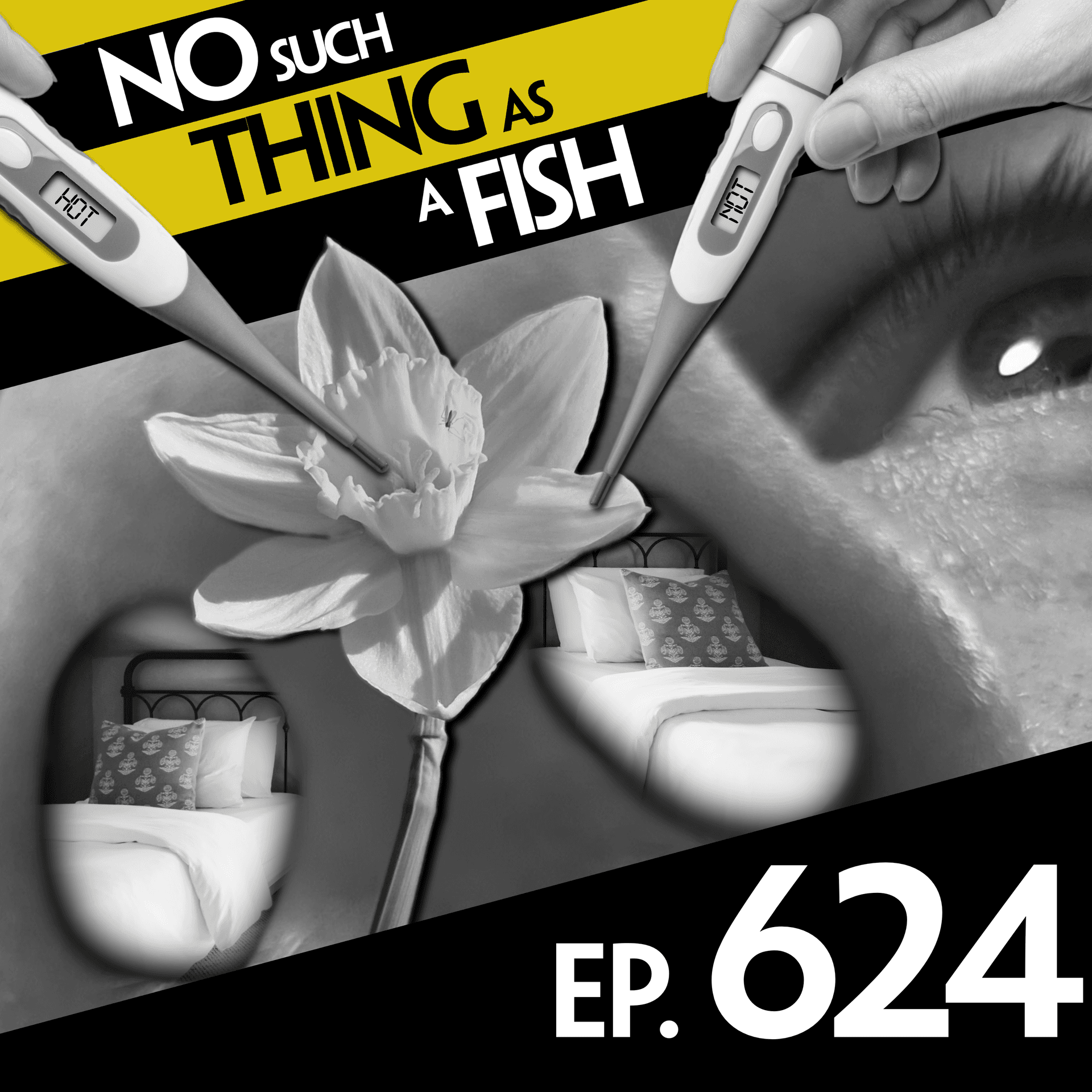
Twin Beds in Victorian England
- Cultural Context: Couples in Victorian England commonly slept in twin beds due to the belief that "weak sleepers" could drain their partner's vitality during the night.
- Health and Romantic Implications: The discussion touches on how cultural norms and medical theories influenced sleeping arrangements, including the rising prevalence of twin beds as a modern solution.
- Historical Anecdotes: The hosts share stories about history, including the aristocracy's sleeping habits and how they provided privacy for potential infidelity.
Fact 3
Daffodils and Their Heat Generation
- Temperature Dynamics: Daffodils can create a microclimate that is up to eight degrees warmer inside their blooms to attract pollinators, particularly in early spring.
- Bee Pollination: The flowers are timed for early blooming when few pollinators are active, leading to discussions on their adaptations.
- Folklore and Symbolism: The hosts share folklore associated with daffodils, including superstitions about bending flowers signifying death.
Fact 4
Snot Transplants for Chronic Sinusitis
- Innovative Medical Research: Discussion on a new study that suggests using snot from healthy individuals to treat chronic sinusitis by restoring a healthy microbiome in the nasal passages.
- Humor and Medical Insight: The hosts blend humor with information about the medical implications, as well as the social stigma surrounding bodily fluids.
Key Takeaways
- Ecology and Ethics: The episode highlights the intersection of ecology, invasive species management, and ethical considerations in pest control.
- Cultural Evolution: The discussion on twin beds reflects changing societal norms regarding intimacy and health perceptions.
- Botanical Science: The facts regarding daffodils illustrate how plant adaptations can impact ecological dynamics and human interactions with nature.
- Cutting-edge Medicine: The conversation about snot transplants showcases the evolving landscape of medical practices and the innovative approaches being explored to treat chronic conditions.
Concluding Remarks
- This episode of *No Such Thing As A Fish* combines humor with fascinating facts, providing insight into cultural, ecological, and medical topics while engaging listeners in witty banter. The dynamic between hosts and guest Melanie Bracewell adds a lively element to the discussions, making the episode both educational and entertaining.
Additional Information
- Merchandise and Live Shows: Listeners are encouraged to check out the official website for news on live performances and merchandise.
- Membership Offers: Information about ad-free episodes and exclusive content is available for members through Club Fish.
---
Feel free to reach out on social media for any comments or feedback about the show!
Written by AI. May contain mistakes. Listen to the episode to check what was said.
Chapters
Tap a time to open that second in VOPodcast Format and Introduction
1:54 to 2:12
Discussion of the podcast format and the hosts involved.
Invasive Species in New Zealand
2:12 to 4:40
Exploring New Zealand's struggle with invasive possums using special Oreos.
“Hello and welcome to another episode of No Such Thing as a Fish, a weekly podcast coming to you from the QI offices in Hoburn.”
Possum Control Methods and Challenges
4:40 to 7:30
Delving into effective methods and the broader implications of possum control.
“I don't know if you did or not But if you sent her an email saying Dear Miss Gomez, have you been killing animals in New Zealand She's not going to respond to that P.S.”
Hedgehogs and Their Impact
7:30 to 9:10
Discussion on the challenges posed by hedgehogs in New Zealand ecosystems.
“I'm not trying to say I'm on the side of Big Fur.”
Community Efforts in Pest Control
9:10 to 10:40
Highlighting community-driven efforts to control invasive species in New Zealand.
“What they had said was that the reason they introduced it was to remind settlers of gardens in the UK.”
New Zealand's Predator-Free Initiative
10:40 to 12:32
A look at New Zealand's ambitious predator-free initiative and its implications.
Introduction of Ticks and Other Invasive Species
12:32 to 13:56
Exploration of other invasive species like ticks and their impact.
“I think I may have seen them wild in Australia.”
The History of Twin Beds
15:39 to 17:33
Discover why married couples in Victorian England slept in twin beds.
“My fact this week is that one of the reasons married couples slept in twin beds in Victorian England is because doctors claimed that the week sleepers stole their partner's vitality during the night.”
Twin Beds and Adultery
17:34 to 19:19
Explore the reasons behind separate bedrooms in Edwardian society.
“And that is because, well, for lots of different reasons.”
Cultural Shifts in Sleeping Arrangements
19:20 to 22:39
Learn how societal views on sleeping arrangements changed in the 20th century.
“Ideally, they'll be at school or off on a trip or whatever.”
Show all 27 chapters
Sleep Preferences and Polls
22:40 to 25:25
Understand modern preferences regarding sleeping with partners.
“The Hays Code was fascinating because in Hollywood, you had a guideline saying don'ts and be carefuls within movies.”
The Science of Snoring
25:26 to 27:26
Find out about a surprising method to stop snoring using a conch shell.
“And she proposed that you shouldn't have twin beds.”
Fun Fact about Daffodils
27:27 to 28:00
Discover an interesting fact about daffodils and their temperature.
“It makes an incredible note when you blow it.”
The Temperature Inside Daffodils
28:00 to 28:34
Discover how daffodils maintain warmth and attract pollinators.
“My fact is, it's eight degrees warmer inside a daffodil than outside.”
Daffodils' Unique Structure and Pollination Strategies
28:34 to 29:48
Learn about the unique features of daffodils that help them attract insects.
“Are you about to open up what I think you're about to open up yet?”
Daffodil Folklore and Cultural Beliefs
29:48 to 30:48
Explore the folklore surrounding daffodils and their meanings in various cultures.
“and the petals are directing sunlight inwards and third thing, the stem is turning the trumpet away from cold breezes.”
Daffodil Breeding and Species Diversity
30:48 to 33:12
Understand the extensive breeding of daffodils and its implications for biodiversity.
“We're recording this on the 19th of February I've got a couple in my garden They started coming up a few days ago How are they looking?”
The Quest for Missing Daffodil Varieties
33:12 to 33:58
Delve into the search for rare and lost daffodil varieties in the UK.
“But loads of them are not attractive to insects.”
The Legend of Peter Barr, Daffodil King
33:58 to 36:06
Learn about Peter Barr's adventures and contributions to daffodil cultivation.
“There is a daffodil that's known as the Sussex Bonfire.”
The Toxic Nature of Daffodils
36:06 to 37:17
Find out why daffodils are poisonous and the risks they pose to humans and pets.
“That's the biggest producer of daffodils in the world.”
Dangers of Mistaken Identity: Daffodils and Food
37:17 to 38:23
Explore the risks of mixing daffodils with edible plants and the resulting hazards.
“And people have been hospitalized quite a few times.”
Climate Change and Early Daffodil Blooming
38:23 to 39:44
Examine the effects of climate change on the blooming patterns of daffodils.
“So the weight of the pollen that they're carrying around makes their bodies warmer.”
Innovative Snot Transplant Treatment
39:44 to 42:00
Discover the groundbreaking concept of using snot transplants to treat nasal blockages.
“But if he'd said, I wandered out there with my sister, what's the rhyme?”
Living with Chronic Rhinosinusitis
42:00 to 43:59
Explore the challenges and symptoms of chronic rhinosinusitis and its effects on daily life.
“or chronic rhinosinusitis, It sounds awful.”
The Role of Mucus in Our Health
44:00 to 45:24
Learn about the surprising functions and production of mucus in the human body.
“Does it happen all the time or does it happen never?”
Unusual Medical Practices and History
45:25 to 47:14
Delve into historical medical practices, including the use of cocaine for sinus issues.
“So if you take those ones out and eat them, then that's like a vaccine.”
The Future of Transplants
47:15 to 51:11
Discuss the potential for head transplants and the science behind various types of organ transplants.
“Is it because they outlawed pseudoephedrine in New Zealand for a bit and they've brought it back?”
Transcript
Automatic transcript. May contain errors.0:04James Harkin:Hey everyone, welcome to another episode of Fish. Dan here, hope you're doing well. Just wanted to let you know before we get into the show about our guest joining us today. It's one of our favourites, someone who's joined us a number of times over the last few years. It is New Zealand comedian Melanie Bracewell. So Mel, if you haven't heard her on the show before, is someone whose work you may have seen in other places. Her stand-up clips are always popping up online for any doom-scrollers out there. If you're an Aussie, you'll know her from the TV show she co-hosts called The Cheap Seats. If you're a fan of Taskmaster and have consumed all the international formats, you will have seen Mel on series four of the New Zealand Taskmaster.
0:43James Harkin:And if you're a general connoisseur of comedy, it's good to know that she has had a hand in the writing of such shows as the rebooted Time Bandits and also the absolutely brilliant Wellington Paranormal, of which she starred in two episodes as well. But this is all stuff that's on the screen over on the other side of the planet. What about us in the UK? Well, good news. Mel is in the country right now on a stand-up tour, literally happening as I speak. So the good news is you can see her in person doing the thing she does best, which is stand-up with her new show called A Little Treat. And if you want to find all the details for that, go to her Instagram.
1:19James Harkin:It's at Melanie Bracewell, or just Google her name and A Little Treat UK tour. It'll all come up, but basically, as of March 1st, she's going to be in Norwich, then she's going to be going to Brighton, Liverpool, Manchester, Edinburgh, Newcastle, Glasgow, Leeds, and Cardiff. So it's a limited run, but the tickets are selling fast, so quickly get in now before she heads back over to Oz, where, just a heads up for the Aussies and New Zealanders, she's going to be on tour with this show from May. All the details are online, but for now, enjoy her here, dorking out with me, Andy, and James on No Such Thing As A Fish.
1:53James Harkin:On with the show.
2:12James Harkin:Hello and welcome to another episode of No Such Thing as a Fish, a weekly podcast coming to you from the QI offices in Hoburn. My name is Dan Schreiber. I'm sitting here with James Harkin, Andrew Hunter-Murray and Mel Bracewell. And once again, we have gathered around the microphones with our four favorite facts from the last seven days. And in a particular order, here we go. Starting with fact number one, and that is Mel.
2:37Melanie Bracewell:My fact this week is that the New Zealand government is stopping invasive species by using Selena Gomez Oreos.
2:47Dan Schreiber:It's huge.
2:49Melanie Bracewell:It's specifically possum. So there's a huge possum problem in New Zealand. There's no natural predators for possums. Basically, they were trying to lure out the really persistent possums that weren't able to be trapped by other means. They say what happens often is that they will go and have a little bit of bait, get a bit sick, and then go, I'm never going to eat that bait ever again. Or they get almost stuck in a trap, and then they don't ever go towards traps again. So they were trying to find something that would lure these possums that are very afraid of the traps in. And what worked specifically was Oreos, but not just any.
3:26Melanie Bracewell:They had to be the Selena Gomez Oreos. So why did they like them so much? So they have like a combination of chocolate and cinnamon that the possums just love. What a review.
3:36Dan Schreiber:What a review for the Oreos. I reckon I would be straight in those cups.
3:40Andy Murray:Yeah, really. They do sound very nice. This is not an advert for Selena Gomez or for Oreos. But, you know, she's put a lot of work into the flavor profile, I think. Oh yeah, it was like years She was in the lab, wasn't she? She wanted to be an Oreo person That's why there hasn't been a new album from her in quite some time Is she a singer?
3:58James Harkin:I didn't know that Sorry, who do you think Selena Gomez is? I don't know, I was asking A scientist?
4:04Melanie Bracewell:This was an article on the spin-off Which is a New Zealand website And that was one of my favourite parts of the article Is that the scientist does not know who Selena Gomez is He said, I don't know who she is I just know she makes a good Oreo
4:18Andy Murray:She has made no comment They have asked repeatedly What do you think that your Oreos are being used To wipe out blossoms in New Zealand
4:24Dan Schreiber:She's a busy woman It's a tough gig as well
4:27James Harkin:Because it is being used for what is getting rid of a pest It's being used to protect Native New Zealand birds But at a cost of killing an animal If you're against that, that's a big issue
4:38Dan Schreiber:If you sent her an email this week I don't know if you did or not But if you sent her an email saying Dear Miss Gomez, have you been killing animals in New Zealand She's not going to respond to that
4:48James Harkin:P.S. What do you do? What's your line of work? The line she's used as the strap line is great for movie night and make wonderful birthday treats and music award watch party snacks. She didn't include an exterminating and invasive species.
5:02Melanie Bracewell:The initial experiment that they had toyed with, what they would do is they'd leave these things outside of traps so that the possums would get a taste for them. And what they were toying up was actually using drugs, like addictive drugs. And then they read a study about chocolate and cinnamon having similar properties and similar properties of addiction. And so they would leave them out and not trap them and then get them addicted to these Oreos. That's really interesting.
5:29Andy Murray:Well, they're going to stop making these things. This is a limited edition Oreo.
5:33Melanie Bracewell:That's the issue.
5:34Dan Schreiber:They're going to run out and they're going to need something else to lure in the possums into the traps. No six things of fish, Kit Kats?
5:41Andy Murray:Yes.
5:42Dan Schreiber:What do you think?
5:43Andy Murray:I don't want to be part of.
5:44Dan Schreiber:for podcast listening parties.
5:46Andy Murray:Are we saying fish-flavoured Kit Kat?
5:48Dan Schreiber:No, cinnamon and chocolate. Oh, yeah, got it. Possums aren't going to eat that.
5:52Andy Murray:Fish-flavoured Kit Kat? I think I would. Would you? Yeah, yeah. Yum. Fish finger.
5:58Dan Schreiber:It's not a legally protected term, let's not. Very true. So these guys have come over to New Zealand from Australia. Is that right? That's where they're invasive from.
6:06Melanie Bracewell:Yeah, Australia. And then there's some pests that have been introduced from England as well. And sorry, guys. or to bring it up. But look, we were booked for that, Tom.
6:17Dan Schreiber:We were asked to come. So the reason that they're not a problem as much in Australia is because they do have predators. And one of them is the powerful owl.
6:29Melanie Bracewell:Oh.
6:30Dan Schreiber:And the powerful owl is Australia's largest owl. And it is able to disembowel a possum in less than 20 seconds. Wow.
6:38Andy Murray:That's impressive when you say it like that. But I've no metric of how long it should take me to disembowel a possum. Bring it in
6:49Dan Schreiber:Yeah I know what you mean Interestingly the reason they disembowel it Is because they're meat eaters And they're not interested in eating vegetables But the possums eat vegetables And so they don't want to eat their insides Because they're just full of useless green stuff They want to eat their meat That is insane
7:07James Harkin:The equivalent of a kid picking the peas out of their food
7:11Andy Murray:Nice Do you know why possums were brought over To New Zealand in the first place? They were brought over for the fur trade And it didn't work for fur But then the numbers exploded And I think there are now 47 million Give or take Which ironically would be plenty for a thriving That's a lot of fur
7:30Dan Schreiber:That's what the fur trade then said Like maybe about 15-20 years ago Hey why don't we turn these guys into lovely pelts And that's a really good idea Wait a minute Weren't you the guys who brought them over in the first place?
7:42Andy Murray:I'm not trying to say I'm on the side of Big Fur. But then, as you say, you've got loads of invasive things. You've got weasels and stoats and rabbits. The really annoying thing, the stoats were brought in to control the rabbits, which had been brought in. Yeah. Yeah. It's the old lady who swallowed a fly.
Read the full transcript
7:59Melanie Bracewell:Yeah. Yes. Yeah. It's mad.
8:01James Harkin:The other thing they're doing with them is it's become a bit of a delicacy over in places like Hong Kong and Taiwan and China and so on. And so they're sold over there and they're sold under the name Kiwi Bear. That's the meal that you have. You have a Kiwi Bear for it, don't you? Yeah, it does, doesn't it? Yeah.
8:17Melanie Bracewell:One pest that really ravages New Zealand and it's more difficult to get rid of are hedgehogs. And what people think is because hedgehogs are quite cute, is that they're cuter and they're diabolical. They'll eat birds, eggs and things like that. But because people think they're cute, they're less likely to want to poison them. Can I give you a tip to get rid of them?
8:37Dan Schreiber:Build bonfires. Okay. Because when we were a kid, we were told that if you build a bonfire, a hedgehog will always go inside it. So you have to check it before you set it on fire for hedgehogs. That's true. Right. I think they're attracted to them or something.
8:49Andy Murray:They hibernate in them, don't they? Do they? They go and they think, oh, a lovely nice pile of leaves. Wow. Yeah, yeah. I've read about this.
8:54Melanie Bracewell:I love that your responses make it look like an accident. Yeah.
8:58Andy Murray:Yeah. It's called the Beatrix Potter effect. It's why it's too cute. Apparently, there are more in New Zealand than in Britain, which is why they're obviously native to Britain. They're not native to New Zealand. And it's been proposed that we put all the hedgehogs on a big ship and sail it over. But I don't think it's practical. It's not been proposed by anyone.
9:15Melanie Bracewell:What they had said was that the reason they introduced it was to remind settlers of gardens in the UK.
9:22Dan Schreiber:It's the reason that you put them on a big ship and send them back because if you put them on a small dinghy, they're just going to pop the thing. Yep.
9:30James Harkin:So I'm just thinking if it did hit something and they had to do an escape. Quick, everyone into the emergency. Oh, shit.
9:39James Harkin:Women and children first.
9:41Andy Murray:Hedgehogs definitely last. Is it controversial? Because I know you've got this whole brilliant national scheme. I love it. Predator-free New Zealand. I'm a fan of all those individual elements, right?
9:52Melanie Bracewell:You guys are trying it here very slowly.
9:55Andy Murray:We're starting at the top.
9:57Dan Schreiber:That's a Prince Andrew joke.
9:59Melanie Bracewell:I was trying to get there, but I didn't want to say it.
10:03Dan Schreiber:We've just all had a buzz on our phones that he's been arrested for context.
10:07Andy Murray:Yeah, have you tried arresting the possum? Sorry But it seems like it's a very sort of big community effort You know, people are setting up traps in their gardens There was this school in 2022 on a place called Is it Rakiura? Or Stewart Island? Oh, yeah And they had a 100 day challenge for the children To kill as many rodents as possible And the 40 students who were taking part They caught 600 rats between them One five year old did in 60 rats over three months
10:36Melanie Bracewell:That's the thing that they say If a kid is trying to harm animals That's like the sign of a psychopath But we're trying to sort of Just get them to get to that point
10:44James Harkin:Well I think it's a controversial thing To an extent Because about a decade before that In 2010 A school got questioned Because they did this They did this kind of hunt For possums and for rats But then they got the kids To play a game of possum tossing Where who could throw the possum the furthest And we did a lot of surveys To see how people felt about that
11:05Dan Schreiber:I gotta say in 20 years time You guys are gonna have an enormous prison population Or some incredible sports teams With just a killer instinct Absolutely
11:15Andy Murray:The New Zealand empire begins to spread Across the world
11:20Dan Schreiber:It can go the other way So New Zealand has bush ticks As do Australia But they've recently been introduced to America With quite a lot of problems And so much so The first one they found Was a couple of years ago in New Jersey and a woman had been shearing her sheep and she came in with these ticks over her and said I think there's a problem here and it turned out to be these invasive ones and she had so many on her she had over a thousand on her pants alone wow she was just head to toe in these ticks wait is this a person or a sheep it was a person got it and she survived she survived yeah tick bites if you don't get the if you don't pull them out and leave the head in Particularly the Aussie ones You get Lyme disease Yeah I assume they just Sprayed her with something Not very nice And the ticks fell off
12:07Andy Murray:Oh what a pickle
12:08Dan Schreiber:That's a beard That's what it is Isn't it It is
12:11James Harkin:What's the pickle Like as in I'm covered in a thousand ticks There's no good side Oh I thought a pickle Means like What a pickle I found myself in
12:20Melanie Bracewell:Do you think that there's Two sides to a pickle Yeah I think being in a pickle Is bad overall Is it
12:26Dan Schreiber:What about that saying There's two sides to every pickle Yeah That's the name of my autobiography
12:33Melanie Bracewell:Oh I guess In a pickle you think of someone who's trying to make a decision Yeah What a pickle I find myself in No you're in trouble But in a pickle it's kind of both sides are still bad Right
12:45Andy Murray:You're on the horns of a dilemma You're in a pickle Unbelievable You can't rely on guests just to hoof you out of problems Mel have you ever seen a peacock wild in New Zealand
12:58Melanie Bracewell:I haven't seen them wild in New Zealand. I think I may have seen them wild in Australia. Oh, okay.
13:03Andy Murray:Because they're a big problem in New Zealand as well. Yeah, okay. Which I didn't know about. And it's partly because the possums have been successfully trapped and hunted in various areas. Yeah. Now, no one's eating those delicious, delicious peacock eggs. They're all so invasive and they're feral and they're very hard to catch because they're very wary of humans. They flee. They do lots of damage to crops and things like that. But obviously, they're also very beautiful and majestic.
13:24Dan Schreiber:You have picked kind of the best animals to get over there, really, haven't you? Yeah. That's cute.
13:28Andy Murray:But it is for the amazing birds of New Zealand, which are beautiful. And in the areas where they've managed to fence it off, they've done various islands. The birds have all come back. And it's now a cacophony of incredible birds nesting there. And it is pretty amazing. It is beautiful. Yeah. And if it takes a million possum skulls to crush under our heels, we'll do it. Fish Kit Kats are now available in your local stores.
13:55James Harkin:Stop the podcast. Stop the podcast. Hey everyone, this week's episode of Fish is sponsored by Aura Frames
14:01Andy Murray:Yes, now Aura Frames solve a very particular problem Dan, Mother's Day is coming up Ooh, yes I know Now, many mums the world over When you ask them, what would you like for Mother's Day or a birthday or Christmas or whatever They say, nothing I just want to see you And that's baked in already You want to maybe get your mum something to show appreciation
14:21James Harkin:That's right Well listen, if your mum wants to see you all the time You can literally make that happen by buying an aura frame, putting it in her house and uploading thousands of photos specifically of just your face for every day, 24 seven.
14:36Andy Murray:It is a really fantastic thing. It's a smart digital photo frame in which you can store as many photos and videos as you want.
14:43James Harkin:You can preload photos even before it's sent out. We've got one of these in our house. They have been a game changer. It's incredible because you can get ones that you can either fix in portrait or landscape. It's got a built-in speaker, so if you're playing videos through it, you can actually hear the videos as well, and you can update it from anywhere in the world via an app. Yes.
15:04Andy Murray:So if you'd like to try it for a limited time, you can save on the perfect gift by visiting auraframes.co.uk to get£35 off Aura's best-selling Carver Matte Frames, named the top frame by The Independent, by using the promo code FISH at the checkout.
15:18James Harkin:That's right. So go to auraframes.co.uk. That's A-U-R-A frames.co.uk. Promo code is FISH. And this deal is exclusive to listeners of our show. So order yours now to get in in time for Mother's Day. Support the show by mentioning us at checkout and terms and conditions apply. On with the podcast. On with the show.
15:45James Harkin:Okay, it is time for fact number two. And that is my fact. My fact this week is that one of the reasons married couples slept in twin beds in Victorian England is because doctors claimed that the week sleepers stole their partner's vitality during the night. I think that's true.
16:03Melanie Bracewell:Yeah.
16:04Dan Schreiber:Interesting. What do you say? Like if I'm snoring all night and my wife's just going to wake up tired. Yes.
16:10James Harkin:Yeah, absolutely. I think though it could be the week sleeper is also the one who wakes easily. So you would be asleep. It's a hell of a pickle. the situation.
16:20Melanie Bracewell:And what's the good part of it?
16:23Andy Murray:This isn't about snoring and waking up. This is just about someone being an energy drain. Is that what it is? Yeah, it's sapping the vital essence.
16:30James Harkin:It went more in it, didn't it? It was like electromagnetic energy was being sucked from you. In that case,
16:35Dan Schreiber:who the hell is saying this shit?
16:37James Harkin:Well, this is Victorian England. Oh, right, okay. Yeah, all of it. All of Victorian England. We're currently looking into getting twin beds in our house and as happens with you guys, You start Googling stuff and you go, oh, what do I know about twin beds?
16:49Dan Schreiber:And fortunately. But the thing is with you, this is getting more intimate because previously you were in bunk beds. Yeah, exactly.
16:55James Harkin:Yeah. I'm currently sleeping in the bottom bunk bed of my son's room while my wife's in bed with our three kids. Okay. Are you looking into getting twin beds? Yeah, but not for me and my wife. For our two youngest kids. Okay. Thank you. Context.
17:11Melanie Bracewell:Now you know that your vitality is being drained. That may change. You may.
17:15James Harkin:Fortunately, someone had the same question about the history of twin beds, and that was Lancaster University professor Hilary Hines, and she wrote A Cultural History of Twin Beds. As she was looking into it, she discovered that it was believed in around 1860s that it would literally be taking away your energy.
17:32Melanie Bracewell:The quotes are so extreme. This was one of my favorites. each sleeper should have a single bed in a large clean light room so as to pass all the hours of sleep in a pure fresh air and those who fail in this will in the end fail in health and strength of limb and brain and will die while their days are not all told it's so it's like they should you should do this and then it's going no you'll die you will die it's very powerful you know it's
17:59Dan Schreiber:quite persuasive there's like quite a long-standing history of people sleeping in separate rooms even in the British aristocracy. And that is because, well, for lots of different reasons. One reason, because you're just going to have a better night's sleep quite often. But secondly, because they thought that it was unhealthy to sleep in the same bed because germ theory had just come out and they didn't really know how the germs would work. And the other thing is, like, if you wanted a bit of romance, you could go to your partner's room rather than sort of like nudging them with a cold foot and saying, do you fancy a bit?
18:33Dan Schreiber:You actually have to knock on the door and say, you know, let me in.
18:37Melanie Bracewell:Good to see your seduction techniques in real time.
18:40Dan Schreiber:Interesting that you assume that was my technique and that was my wife's technique.
18:45Melanie Bracewell:We seem to be in a pickle.
18:48Andy Murray:There's also the other thing of this. So the Edwardians, so early 20th century, a big bit of the reason that they had separate rooms was to allow adultery. Oh. Because upper class Edwardian society was absolutely rife with adultery. And it was kind of expected that a husband and wife would get married, they'd have some children. And then once the children are out, it's free play. Out of the house or the womb? Out of the womb. Okay, so while the children are still living there. Ideally, they'll be at school or off on a trip or whatever.
19:22James Harkin:No, no, no, but it's not when they've grown up and moved out.
19:24Andy Murray:It's literally in the family home. It's literally, well, it's especially not just in the family home, but in grand houses where you might go visiting. You might go for a weekend party at someone's house. So you'd have single rooms. And some of these rooms have little brass brackets outside with a little name label saying exactly who's in where. And supposedly it was to help the butler identify who was who. But it had a very useful second purpose of allowing a bit of hanky-panky so you're not knocking on the wrong door in the middle of the night and ending up in a real, you know, tangle.
19:55Dan Schreiber:Even more than that, there was a house called Wentworth Woodhouse in South Yorkshire, which was the biggest house in England, basically. and they when they had all the tufts coming to visit they gave everyone a map to all the bedrooms brilliant so you could kind of look at the map and go oh i want to go to mrs jones's room so i need to go up here down there around there this wedworth woodhouse was the biggest uh private house in the whole of england right victorian era how many bedrooms do you think it had
20:25Andy Murray:Riddle me this I'll say I mean bedrooms I'll say high double figures Yeah I mean it can't have more than about 50 or 60 bedrooms I would assume Oh I was going way more
20:40James Harkin:Oh wow I feel like the other times I've been on this podcast
20:49Melanie Bracewell:Dan you always ruin the guessing game Because you guess so high And so then the real fact feels kind of lame in comparison.
20:57James Harkin:You're meant to be backing me up. What's going on? Don't listen to Andy. Oh, sorry, sorry. Well, no, I think because I was thinking that I know George Harrison has a house, which is absolutely monstrous. Like, it's huge. And I thought that that had in the hundreds. I thought that had close to like 400. So I'm going to say 400 rooms.
21:16Melanie Bracewell:Okay. I'm going to say, well, maybe I'll lowball it. I'll say 42.
21:22Andy Murray:Okay. Okay. I said 50 or 60, 42, 400. George Harrison's gone about 400. My sweet lord, Dan is the closest.
21:32Melanie Bracewell:Oh my gosh, I'm sorry for doubting you. There we go.
21:36Andy Murray:300 rooms.
21:37Melanie Bracewell:Wow.
21:37Dan Schreiber:Wow. Basically, they would have big hunting parties where everyone would come and shoot guns.
21:43Andy Murray:But interestingly, it was only two bathrooms because of the plumbing arrangements at the time. And that was fine. Yeah. Yeah Twin beds were Quite modern This is the interesting thing Because of the association With greater hygiene And not having your Energy sapped away from you They were seen From the late 19th century And early 20th To be the modern thing Now we think of them As being quite old fashioned But they were really Kind of Modern And quite cool They were
22:09Dan Schreiber:But again it was For the richer people Oh yeah yeah yeah And normal people Like forever Normal people would share beds And then what happened was Around the 50s There were a few Different reasons But one of the reasons is television started to be more realistic and television shows would show married couple. And also the Hays Code had finished. So people are allowed to show men and women in bed together. So people started showing men and women in bed together. And everyone thought, well, now that's the modern thing. That's the fashionable thing. Is that what changed it? There's a few different things.
22:41James Harkin:The Hays Code was fascinating because in Hollywood, you had a guideline saying don'ts and be carefuls within movies. So the don'ts were explicitly do not do this. The be carefuls were this is the guideline if you're going to do this kind of scene. And if someone who is watching it finds that offensive, they will not allow for that to be in the movie. So one of the things.
23:02Andy Murray:That's very useful in the bedroom, too, to have don'ts and be carefuls. Yes. You know?
23:05Dan Schreiber:And he's got a sign on the side of his bed. No heavy petting. No bombing. No running. No cold foot nudging me.
23:15James Harkin:Yeah, this was a big problem for Hollywood. So there's a specific example of a movie where the marital bed was one mattress and it was a Lucille Ball movie. And they had to reshoot the scenes. So it cost$30 ,000 for them to go and reshoot this. And it was simply that they just had to have it something like 12 inches apart. That was like the expected length Of how far the beds needed to be apart Not enough distance for me
23:43Dan Schreiber:Am I right?
23:47Andy Murray:Oh my god Okay so some opinions About whether you prefer to sleep in bed With a partner or not This is a recent poll by YouGov 5 % say Their dream arrangement is different beds In the same room So that is twin beds 10 % say different beds in different rooms is the dream. 76 % say same bed in same room. Interesting. Nobody says same bed but different rooms. Wow. What are the challenges? Just my preference.
24:20Melanie Bracewell:There were some studies that determined that often when people sleep with their partner, their subjective view of how well they slept was higher, but the truth is that they had a worse sleep. Oh, interesting. Which I feel like is what sleep trackers do to my brain, where I feel like I've had a great sleep and I'll wake up and I'll say, you've had a horrendous sleep. And then I'll be in a bad mood. I'll go, well, it told me I've had a bad sleep. So I'll spend the rest of my day feeling bad. But then the opposite, I'll feel like I've had a terrible sleep. And then my phone will say, it was a great one.
24:52Melanie Bracewell:I'll go, you know what? Let's really put a peep in my step. Yeah.
24:54James Harkin:I think for a lot of people, if you have a partner, there's a sense of safety. Yes. So you sort of turn around, they're there, everything's okay. So it doesn't matter that you woke up. you did it so you could check and you feel a lot more safe.
25:04Andy Murray:Did you read the Marie Stopes line? Yeah. Marie Stopes, who was very, very famous for writing a book called Married Love. And she was a campaigner for birth control. Yes. Yes. Big campaigner for that, that kind of thing. She wrote that the twin bed set was an invention of the devil, jealous of married bliss. And she proposed that you shouldn't have twin beds. Instead, the wife should have a room with a double bed and the husband should have a bedroom to himself for general use, keeping the wife's bedroom a romantic place.
25:37Dan Schreiber:I think. And then the husband can have a bed that's in the shape of a race car. And the he-man. Exactly.
25:45Melanie Bracewell:Yes.
25:46James Harkin:I would kill for that verse.
25:50Melanie Bracewell:On an unusual bed-sharing story, John Adams and Benjamin Franklin shared a bed once. It's an excerpt from his diary President John Adams of America Yes Okay In 1776 He described the time he had to share a tiny bed with Benjamin Franklin And instead of sleeping They had an argument About whether to keep the windows open or closed Franklin eventually won the argument When Adams got too tired and fell asleep
26:18Andy Murray:Nice Who really wins Because Adams has fallen asleep first Yeah, exactly
26:22Dan Schreiber:Yeah, it's true And also Adams became president And Franklin never did Yeah, yeah, yeah Double win Double win for Adams
26:28Andy Murray:You too, Franklin
26:30Dan Schreiber:nice i mentioned before that snoring's a problem there's been a new study that gives you a way out of snoring and that is before you go to bed you have to blow on a conch shell oh no way you might have seen the study before that if you blow on didgeridoos that's supposed to help because it helps your breathing you have to do circular breathing well apparently conch shells are even better because if you learn properly how to blow a conch shell you have to do very deep breathing you have to do very strong exhalations and also the spiral shape of the shell gives like a unique kind of type of blow and it means you won't snore no way i've
27:10Andy Murray:got a conch do you wow oh my gosh sleepover party absolutely that's how andy manages his
27:19Dan Schreiber:household isn't it you're only allowed to speak if you're holding it i never get a hold of it
27:24Andy Murray:I'm so annoying. Yeah, no, I've got a big blowable. It makes an incredible note when you blow it. It's really good. Where did you get it from? Under the sea. Yeah, it was an island, a holiday in, I think, somewhere in the Caribbean. It was many years ago. But it makes a great noise.
27:42Dan Schreiber:Was it not when your school crashed on that desert island that time?
27:48Andy Murray:I'd rather not talk about that weekend.
27:52Melanie Bracewell:If you were the only survivor, how weak were the rest?
28:02Andy Murray:I was king of that island, Mel. Wow. Wearing my possum skull armour.
28:17James Harkin:Okay, it is time for fact number three. and that is Andy. My fact is, it's eight degrees warmer inside a daffodil
28:24Andy Murray:than outside.
28:26Dan Schreiber:Brilliant. So, yeah,
28:27Andy Murray:if you're feeling chilly and you're listening to this and there's a daffodil nearby, spring is coming, just get in there.
28:33Dan Schreiber:You could put, at most, a little pinky.
28:36Andy Murray:Are you about to open up
28:37Melanie Bracewell:what I think you're about to open up yet? No. Oh, okay. Because I was, when I saw the list of facts, I saw a daffodil while I was going for a walk and so I put my finger in the daffodil and I sent the photo to Dan and he did not reply to the photo. I'm sorry, but... So it was such an ominous thing to send.
28:55James Harkin:It was uncomfortable when I was sitting next to my wife and Mel slipped into my DMs with a picture of her fingering a daffodil.
29:03Melanie Bracewell:I said, doing some research for the show.
29:06Andy Murray:Very funny. Yeah, that's the photo there. Amazing. Was it what? Yeah.
29:11Melanie Bracewell:I can't tell. It was such a cold day that I don't know, because it's up to eight degrees, right? That requires probably a bit of sunshine.
29:20Dan Schreiber:You probably also need to keep it in there for a certain amount of time. And you can't just stand there with your finger in a daffodil for a couple of hours.
29:27Andy Murray:The park keeper will pop over. But basically, the daffodils are really interesting. They're not like a normal flower because they've got this trumpet thing, which most flowers don't have. And they want to get bees in and pollinating insects in general. And often daffs are some of the first flowers of spring. So it's quite cold still when they're up. and the cone acts as a wind break and the petals are directing sunlight inwards and third thing, the stem is turning the trumpet away from cold breezes. So basically they're making it a lovely, as warm as possible environment to lure in any pollinating insects that are up and about at this time of year.
30:04Andy Murray:I love it.
30:05Melanie Bracewell:It's like a restaurant with a fireplace.
30:07Andy Murray:Yeah, that's very nice. So it's very, very charming.
30:10Dan Schreiber:So I think there aren't any bees around at this time of year, are there really? No, probably not. So I think they'll be pollinated by flies. Yes. And this is the thing, the flies that are around this time of year, they tend to be colorblind. And so that's why the flowers that you see this time of year, like snowdrops and daffodils, are white and yellow. Because they stand out against the green. Contrast is the main thing.
30:33Andy Murray:Yeah, yeah.
30:33Dan Schreiber:And then later in the year, you get more colorful ones. So good.
30:37Melanie Bracewell:Does the heat in the daffodil sort of warm up the pollen so it's like a hot meal? Is there any?
30:44Andy Murray:Yeah, I like it. Yes, I'm going to say yes It absolutely does
30:48Dan Schreiber:Anyone have your daffs out already? We're recording this on the 19th of February
30:52James Harkin:I've got a couple in my garden They started coming up a few days ago
30:55Dan Schreiber:How are they looking?
30:56James Harkin:They're looking yellow
30:58Dan Schreiber:Is the head bent a little bit?
31:00James Harkin:It is, it's bending down Oh dear, because according to English folklore
31:04Dan Schreiber:That means you're going to die this year Oh damn Dear me Now that is a pickle
31:14James Harkin:Beautiful flowers Or death
31:17Andy Murray:Oh that's very funny
31:19Dan Schreiber:If you dream of them Any maiden who dreams of daffodils Is warned not to go into a wood with her lover And if you see the first daffodil of the year Out of all your friends and stuff It means you will have more gold than silver For the rest of the year Although silver is doing quite well isn't it
31:36Andy Murray:Both are overpriced at the moment Doesn't say anything about bitcoin
31:41Melanie Bracewell:But even more gold than silver doesn't necessarily mean more money. If you had a million silver coins and two gold coins, you still have more wealth overall.
31:54Dan Schreiber:And also they're both good things. It's like a reverse pickle.
32:01James Harkin:The daffodil bending over though, I mean that's quite sort of daffodilish to do, I would say. I would say it's a classic daffodil move. In fact, the name daffodil, when it goes back to Narcissus, which is the family it's from, is it? Yeah. That was obviously because when Narcissus was looking down into the water, he couldn't stop staring at his reflection in the mythology. And they say that daffodils do the same. They look down at the water, they're looking at themselves.
32:29Dan Schreiber:But do you know that that Narcissus is actually Narcissus poeticus, it seems, which is a different, it's not the daffodil that you know. it's a related daffodil which is white and so they're and that's the one that Linnaeus called the Narcissus because he based it on that bit of mythology and the one that we have is just a related flower
32:50Andy Murray:we just have a related flower, that's so interesting this is the really weird thing, there are 36 different species of daffodil, right, but they became very popular for breeding and crossbreeding and making your own variety, so different to species is variety, right, so there are 36 species of daff but there are 27 ,000 varieties. Yes. It's mad. It's crazy. And there's actually... I just love it. But loads of them are not attractive to insects. Right. Because they've been bred by plant breeders for their looks, they've not been breeding them for their pollen qualities or anything or their attractiveness to insects.
33:25Andy Murray:So they've taken over the process. So that selection process has meant that lots of dafts that you get these days are not actually especially delicious.
33:32Dan Schreiber:So humans have to go in and propagate them, do they? Yeah, yeah.
33:35Andy Murray:Yeah, if you look carefully, if you have a garden or some daffodils in your garden, just keep an eye out. Because you'll often find a creepy old man with a finger and a daffodil.
33:46Melanie Bracewell:I'll send the photo to all of you guys so you can have that.
33:50James Harkin:But there's lots of, if you go online, there's lots of missing daffodils in the UK now of these crossbreeds that they're really hoping are still out there. So you can find a list of people saying, if you live in this area, so for example, Lewis in the UK, in Sussex. There is a daffodil that's known as the Sussex Bonfire. So they have a big bonfire night celebration there. And a local...
34:11Melanie Bracewell:And so many dead headshots.
34:15James Harkin:Yeah, there's a local plant breeder called Noel Burrow who created this thing. And it hasn't been seen for the last 20 years, but they think it must still be in someone's garden. They just haven't identified it. So they sort of say, please look around, see if you can find it. But they look so similar.
34:27Melanie Bracewell:It's like a Where's Wally. Because it's like, do they look like an ordinary daffodil? I think they do have different qualities.
34:35James Harkin:There's the Mrs. R.O. Backhouse daffodil as well that's missing. They're desperately hoping to find the Mrs. William Copeland daffodil. There's all these amazing little crossbreeds that have become famous.
34:45Dan Schreiber:This could be your new show, Dan, Daffodil Hunters. Yes. I feel like going around looking for interesting daffodils. Yes. It's like, you know, what's his name? Bob Mortimer. Like his show where he just fishes and, you know, people love it because it's like nice and relaxing. You see lots of countryside, but you also get a great comedian.
35:03James Harkin:yeah i think that's a really good idea crawling through people's gardens
35:10Dan Schreiber:but i'm doing it with rummish have you guys heard of peter bar the daffodil king no no no so daffodils originally came from spain and portugal and then they were brought here by the romans and that means that in spain and portugal you have lots of different varieties of daffodils and in order to make the new ones You need to get some of the old ones and then cross them So he rode through Spain and Portugal Sleeping under rocks With only a single blanket for comfort And was once mistaken For a famous bandit by police As he went around looking for daffodils And he made thousands And thousands of these
35:49Melanie Bracewell:That sounds like something someone says to say that they're tough Like I just sleep under rocks every day Under rocks is a weird Sounds like something from the manosphere
35:59Dan Schreiber:My wife has her own bed And of course I just sleep under rocks I read a newspaper clipping About this guy Peter Barr The Daffodil King And the clipping said that the only other man Close to claiming the title was Dorian Smith But that gentleman is too content With his ownership of the Silly Isles To enter in a vain rivalry
36:22Andy Murray:He owned the Silly Isles These are little islands off the coast Of Cornwall is it They're really...
36:29James Harkin:Cornwall is king of daffodils. Is it? Yeah. That's the biggest producer of daffodils in the world.
36:33Andy Murray:Well, Britain is the biggest country. It's like this is... We're world leaders in daff production. It's not nothing.
36:40James Harkin:It's not nothing. 30 million tons of bulbs are produced there.
36:45Andy Murray:30 million tons of bulbs?
36:46James Harkin:Yeah, yeah. That doesn't sound plausible. That could be a number that's over 100 years. I'm not sure if that's an annual produce. Oh, right. No, of course it is. Interesting. That's just extraordinary.
36:56Dan Schreiber:the biggest unbelievable i just cut flowers people buy them because they look nice yeah exactly but
37:02James Harkin:i we have mentioned this before but i forgot it they're very poisonous like cats and dogs and things can't eat well and humans and humans oh yes okay
37:16James Harkin:well no but this this is a problem because often when you go into a local supermarket the flowers will be positioned right next to the fruit and veg right and there's been people that They're saying you've got to stop leaving the daffodils near the Chinese vegetables, near the onions, because they can be mistaken for them. And people have been hospitalized quite a few times. If you have a daffodil like...
37:37Melanie Bracewell:Like mistaken for...
37:39Dan Schreiber:So they're often sold, but they're not open yet. Yeah. So they look a little bit like spring onions. And there are also some other like spring greens that you get in China that look quite a lot like them. Right. I was reading an article by John Robertson, who works at the Poison Garden in Annick. Oh, yeah. It's like a garden with all poisonous plants in it. And he's found lots of examples of people being poisoned by daffodils. He said there were some parents who were not very well, and they had a couple of children who were just old enough to make a stew. And they went and picked out what they thought were onions and put them in, and they were daffodil bulbs.
38:13Melanie Bracewell:What is the right age to make a stew?
38:18Andy Murray:It's a really good question. Normally you have to get your license in the UK. I don't know if that's a thing in the UK.
38:22Melanie Bracewell:On bees and heat, a study from North Carolina State University found that bumblebees carrying pollen, their bodies heat up depending on how much pollen they have. It's a workout. So the weight of the pollen that they're carrying around makes their bodies warmer. And so they're afraid that global warming, the workout of carrying pollen will be too much for them and they'll overheat. I know.
38:49Dan Schreiber:You know what happens if, sorry to interrupt, but you know what happens if a bee overheats? We've mentioned this on our show before. It ejaculates itself to death. Really? Yeah. Really? It just can't stop. It's just... It can't stop, yeah. I can't remember the exact details, but I remember that sentence very clearly. Yeah, yeah. Sticks in the mind.
39:11Andy Murray:Just on the thing that Mel said, they are now flowering two or three weeks earlier than in the past.
39:15James Harkin:This is a climaty thing. This is a world getting warmer thing. So if Wordsworth went for his famous walk with his sister today,
39:25Andy Murray:there might be nothing there at all. Because although they'd have already flowered a couple of weeks ago, he'd have had to write about something else. It doesn't seem like the biggest problem. The real sliding doors moment. This is not the biggest effect of climate change that you can think of, but it is bad.
39:39Dan Schreiber:But that is the thing about it is he says, I wandered lonely as a cloud, but he wasn't lonely. He was with his sister the whole time.
39:44Andy Murray:But if he'd said, I wandered out there with my sister, what's the rhyme?
39:48Melanie Bracewell:blister i suppose i got a blister yeah i mean i've spent a few days in here i don't think the clouds are that lonely there's quite a few hanging out together
40:00Melanie Bracewell:across the countryside yeah you're right so maybe in an ironic way
40:12Dan Schreiber:okay it's time for our final fact of the show and that is james okay my fact this week is that you may be able to cure chronically blocked noses with a snot transplant lovely it's future guys
40:26Andy Murray:yeah incredible it does sound good yeah reading about it i thought yes sign me up yeah well i
40:32Dan Schreiber:mean i don't know if you suffer from this kind of thing i do definitely chronic rhinocitis in fact i had surgery for it a few years ago and that was kind of the best way to deal with it and it kind of still is but i read about a new study in new scientists this week and they've come up with this idea of basically siphoning snot out of someone and shoving it right up there it's as simple as
40:53Melanie Bracewell:that really but surely the people that don't have blocked noses don't have a lot of snot to offer so they could probably only be a donor for one person their noses are way too clear
41:06Dan Schreiber:yeah that's what you mean well they're basically everyone has some kind of microbiome in their sinuses and what you're trying to do is get those bacteria and viruses out of a healthy person's nose and put them into an unhealthy person's nose it's really cool it's really i think it just
41:21Andy Murray:sounds like a great idea so it was um was one of the pioneers of it a scientist called amy monge
41:26Dan Schreiber:yeah amy monge from vancouver and another guy called anders mortensen from helsenburg yes and
41:33Andy Murray:And so she was inspired by fecal transplants, which we've talked about before as being very useful. You don't want to get those two mixed up. Absolutely not.
41:44Dan Schreiber:You've just put snot up this person's bum. Wait a minute, that means...
41:50Andy Murray:So, yeah, it gets referred to as a sinus probiotic because you've got, you know, this... You're fighting snot with snot, basically. And this thing, chronic sinus condition or chronic rhinosinusitis, It sounds awful.
42:05Dan Schreiber:It's a shocker. So you've had it. I still kind of have it, but the surgery helped quite a lot.
42:10Andy Murray:You've mentioned your sinuses in the past, but I've always thought, yeah, I've got a cold too. And I'm so sorry, James.
42:15Dan Schreiber:Basically, I often can't breathe. Yes, yes, yes. Which is kind of vital for living.
42:22Andy Murray:Absolutely. That's priority one. But it gets dismissed by lots of doctors as a minor inconvenience. But people living with it, which might be up to 10%, I read, approaching this number, your face hurts, you're always bunged up, You lose your sense of smell Headaches Bad breath Try getting on an aeroplane Oh yeah of course As soon as you
42:40Dan Schreiber:You know when your ears sort of Equalise Yeah yeah When that happens for you I just get this incredible pain In my silences I've heard that
42:48Andy Murray:If you get on a flight And you've got a bit of a cold That can happen can't it And just suddenly Oh And that Well allegedly People with it Seem to be 77 % Likelier to have depression Than those without Because it's just such a Chronically Yes Debilitating Do you think
43:02Melanie Bracewell:There's a research team. This is a game. You guys guess what the name of the research team trying to work out. They're using like AI to work out the cause of this rhinocitis in people. What is the name of this research team?
43:18James Harkin:Like the acronym, you mean?
43:19Melanie Bracewell:It's not an acronym. It's just like a fun bit of wordplay. And it's like when you read it, you go, of course.
43:26Andy Murray:Okay. Blow.
43:28Dan Schreiber:Who knows how to fix this?
43:30Melanie Bracewell:I mean, you've got the right pun. Have I? Well, in terms of it's got nose in it, but it's medical.
43:37James Harkin:And it's about figuring out. Do nose harm?
43:40Melanie Bracewell:No, it's so much simpler than that. It's literally just a word in the medical field that you would use a lot. A doctor. What does a doctor do to you? Diagnose. Yes. Lovely. Lovely. Yeah, too good, too good. That's pretty good.
43:56Dan Schreiber:Because Dan, you talked about acronyms. There is the way to measure whether you have chronic sinusitis is the sinonasal outcome test or snot. Beautiful. They basically give you 22 things. Do you need to blow your nose? Do you sneeze a lot? Do you have a runny nose? And you put how often? Does it happen all the time or does it happen never?
44:18James Harkin:What's interesting is how much mucus and snot we produce per day. Buckets. It's buckets. It's 1.5 liters per day is what the body produces.
44:27Dan Schreiber:Okay, that's like a large bottle of Coca-Cola, isn't it?
44:30James Harkin:Yeah, and it's used for various different things that I didn't realise it was used for. It lubricates poo, so then it makes it easier to exit our body.
44:39Andy Murray:Yeah, you're saying it with a slightly disgusted look on your face, but you try going without. You'll be crying out for that mucus to come back.
44:45James Harkin:I don't know how I try going without.
44:47Dan Schreiber:You try going without mucus.
44:49James Harkin:I don't know what things were, but like... You're too good for mucus, do you? How dare you? I don't know how bad it got for you on the Lord of the Flies Island, but we keep our poos lubricated.
44:58Melanie Bracewell:Because that's the thing is that people obviously would find the idea of eating snot disgusting, but we are swallowing our snot all the time. Most of those liters, we're just swallowing it.
45:09Andy Murray:Yeah, because it traps, you know, like bacterias or tiny hairs or whatever that are all landing in your body. And it can be in the lining to your lungs and things like that. Then you bring that up, you know, that's all trapped, gets full of the pollutants.
45:22Dan Schreiber:You bring it up, you swallow it, out it goes. Easy. One interesting thing about picking your nose and eating it is that according to some scientists, they think that might be a good thing because the pathogens that get stuck in your nose are the weaker ones because they haven't managed to get all the way up. So if you take those ones out and eat them, then that's like a vaccine. Like a vaccine. Exactly. I should say not all scientists.
45:47Andy Murray:Before this podcast recording, actually, Mel sent me a photo of her with her finger jammed up. I didn't understand the term now.
45:54Melanie Bracewell:It's so much warmer up here.
45:59Dan Schreiber:You can get terrible sinusitis if you're a tortoise. There was a tortoise... Sorry to any tortoises listening. There's a tortoise in Bristol Zoo in 2014 called Helen who had a terrible nasal infection and they gave them a course of antibiotics and lots of sinus rinses and stuff. and the reason is that tortoises can't cough, and so if you get the infection, they can't get it out of their body. But the reason I mainly bring it up is that this tortoise called Helen has a underfloor heated sandpit. No way. And it's a bit of a sore point on this show, Mel, that Andy hasn't got underfloor heating in his house.
46:41Dan Schreiber:That makes me sound like an insane diva.
46:43Andy Murray:I'm just saying the Romans had it 2 ,000 years ago. Why don't we all have it? It's not just me. Why does Helen have it? I mean, yeah, genuinely, what the hell? There are humans out there who could do with underfloor heating. Some of them around this table. Wow. Well, congratulations, Helen. I hope you're very happy.
47:04Melanie Bracewell:I hope your sinusitis never gets better.
47:09Andy Murray:Cold medicine in the UK is substantially worse than it used to be.
47:13Melanie Bracewell:Is that right?
47:14Andy Murray:Yeah.
47:15Melanie Bracewell:Is this pseudoephridrine or no? This is not to do with the actual...
47:19Andy Murray:It certainly is. Oh, it is. Right. Okay.
47:21Melanie Bracewell:Is it because they outlawed pseudoephedrine in New Zealand for a bit and they've brought it back? Oh, did they? Because it's very easy to turn that cold medication into drugs. Yes. Is it? Is it?
47:32Andy Murray:A key ingredient of crystal meth is pseudoephedrine. And pseudoephedrine is where Pseudofed gets its name from. Pseudofedrine. Do you hear it? Pseudoephedrine. It's in the beginning bit, right? It was used to it. It's in the name. It was used for decades Banned in 2008 And replaced with something much less effective Called phenylephrine And I mean it's good news if you don't like crystal meth Being a big part of your community Bad news if you have chronic sinusitis Can't you get it?
48:07Dan Schreiber:Can I get it under the counter somewhere?
48:08Andy Murray:I think there are very specific
48:09Dan Schreiber:The problem is I can't get my head under the counter Because it all goes into my eyes
48:14Andy Murray:There are very specific circumstances I think under which a doctor will give it to you But it's not just ladled out now Because it's too easy to use it to make crystal meth I've written a new script called Blowing Bed And I think it's going to be really successful I'm really excited
48:29Dan Schreiber:A German doctor called Wilhelm Fleiss Was a friend of Freud And he thought that your nose Got more swollen once a month And it kind of had its own menstrual cycle And he thought that the swelling of the nose
48:46Melanie Bracewell:caused some kind of like sexual disorders yes and yes okay and now i sit back and allow dan to
48:58Dan Schreiber:explain what the hell he was thinking with that interjection well i just know that take the
49:04James Harkin:tampon out your nose before you talk to us dan i've always thought that the nose was very similar to a vagina you've always thought that
49:15Melanie Bracewell:yeah as a young boy i just always thought no because we we share very similar we
49:21James Harkin:my nose and vaginas share very similar tissues on the inside they have erectile tissues yeah
49:27Dan Schreiber:exactly yeah um and it is true that if you get excited down there it can give you a blocked nose sometimes that's called honeymoon rhinitis and it's because the blood rushes to the erectile tissue in both places whoa um but this guy wilhelm fleiss he thought that the best way to deal with it is to take cocaine and he thought that if you took cocaine then it would stop your nose from going through this menstrual cycle and that it would stop your sexual disorders and surprise surprise sigmund freud absolutely agreed yeah and was the one who would prescribe him this cocaine so that his patients would feel better.
50:07Dan Schreiber:Well, I'll give it a go.
50:10Andy Murray:It was a big cold and flu remedy, wasn't it? Yeah. Cocaine was just a standard thing. Again, cocaine, crystal meth, all these drugs before we really understood. And heroin was good for coughs, wasn't it?
50:19Melanie Bracewell:I was trying to think of a pun that whole time and the only thing I could think of was if you've got a stiffy and a stuffy. Absolutely. It's all I could get. It's all I could get.
50:28Andy Murray:Can I tell you one more weird transplant thing? Yes, please. Oh, yeah, that's not transplants. So there is a belief Among some doctors That we might Within the next 10 years Get the first ever Head transplant
50:40James Harkin:Oh Yeah Wow It's pretty interesting So this is a surgeon
50:44Andy Murray:Called Bruce Matthew Who's a former NHS neurosurgeon So qualified And basically It's really a body transplant Actually Yeah
50:51Dan Schreiber:Because
50:52Andy Murray:Yeah it's the same It's taking
50:54Melanie Bracewell:Yeah true The head is the person
50:56Andy Murray:The head is the person No it's not the same Because if they say We're giving you A head transplant That means they're Going to take off Your head And put someone else's Head on But what happens to your head? It's your head But the key thing apparently Is that your head and your spinal column Have to be kept together There's no way of just taking off a head And putting it on another body It has to be head and spinal column Okay And then I found myself looking into What other transplants we can do So shoulder replacement surgery Absolutely happens That's fine Knee surgery Again very cool by now Knee replacement But we don't seem as far as I know To do toe transplants
51:28Dan Schreiber:Toes onto your fingers I've seen that
51:30Andy Murray:Toe becomes thumb that is the gold standard for letting you pinch things again. Okay. But I don't think they ever say we're going to take a toe.
51:38Dan Schreiber:Is it because you can manage without one of your toes?
51:42Melanie Bracewell:I have a broken toe and the doctors go, well, we're not going to put your toe in a car. So then I just have a toe that just doesn't bend.
51:49Dan Schreiber:Oh, okay. Like you can't live your life without working kidneys, right? Yeah. But if you lose one of your toes, it's not great, but you can still live your life.
51:58Melanie Bracewell:You're not going to be able to get many people to sign up to like donating their body. If they find out they're just donating their toes. Your toe could save someone's awkward conversation at the pool.
52:10Andy Murray:Yeah, yeah. It's not top of the list of things to solve, for sure. For absolutely sure. Yeah, that's true. Wait, so, okay, so we're doing heads.
52:17James Harkin:Yep. Shoulders. Yeah. Is that what's going on here? Yeah, yeah, yeah. Okay.
52:21Melanie Bracewell:Oh my God, I can't believe it.
52:22James Harkin:No, I knew the second you said it, I could see in your face. You didn't just mention toes for no reason. There's no waste with Andy.
52:29Melanie Bracewell:I don't know. Wow.
52:36James Harkin:Okay, that's it. That is all of our facts. Thank you so much for listening. If you'd like to get in contact with any of us about the things that we've said over the course of this podcast, we can all be found online. I'm on at Schreiberland on Instagram. James? My Instagram is no such thing as James Harkin. Andy? At Andrew Hunter M. And Mel?
52:53Melanie Bracewell:At Melanie Bracewell.
52:54James Harkin:Nice. And you are in the UK right now? I'm in the UK.
52:57Melanie Bracewell:I'm touring around. So come see my show if you'd like.
53:00James Harkin:Yeah. Yeah, all the dates are on your Instagram, right? So you can, it's a pinned post.
53:04Melanie Bracewell:Yes, you can check it out. And also if you can't come, I'll be releasing it as a special sometime during the year. Amazing. Yeah, you can catch it on it.
53:11James Harkin:Great. Okay, cool. Well, also, if you want to get to us as a group, podcast.qi.com is the place to send your emails. If you've got any amazing facts that you want to let us know about, we do our show, Little Fish, where we gather together all the best of those facts and we read them out. That's every Monday. Or if you want to give us some feedback about things we've talked about in main episodes that you think we need to know about. We have another show, which is part of our secret members club, Clubfish, which you can get by going to patreon.com slash no such thing as a fish. And Andy goes through all those emails.
53:41James Harkin:He picks the best of them out. And we do that show, drop us a line where we discuss them all. So check that out. Otherwise, why not just come back next week? Because we're going to have another episode. Thanks as ever to Leang Lee and Ethan Ruperalia, as well as the larger Fishbuster team here at the offices in Hoburn, and we'll see you next week. Goodbye.
From the publisher
Melanie Bracewell joins Dan, James and Andy to discuss springtime, snot and Selena Gomez.
Visit nosuchthingasafish.com for news about live shows, merchandise and more episodes.
Join Club Fish for ad-free episodes and exclusive bonus content at apple.co/nosuchthingasafish or nosuchthingasafish.com/patreon