

 Ask ChatGPT

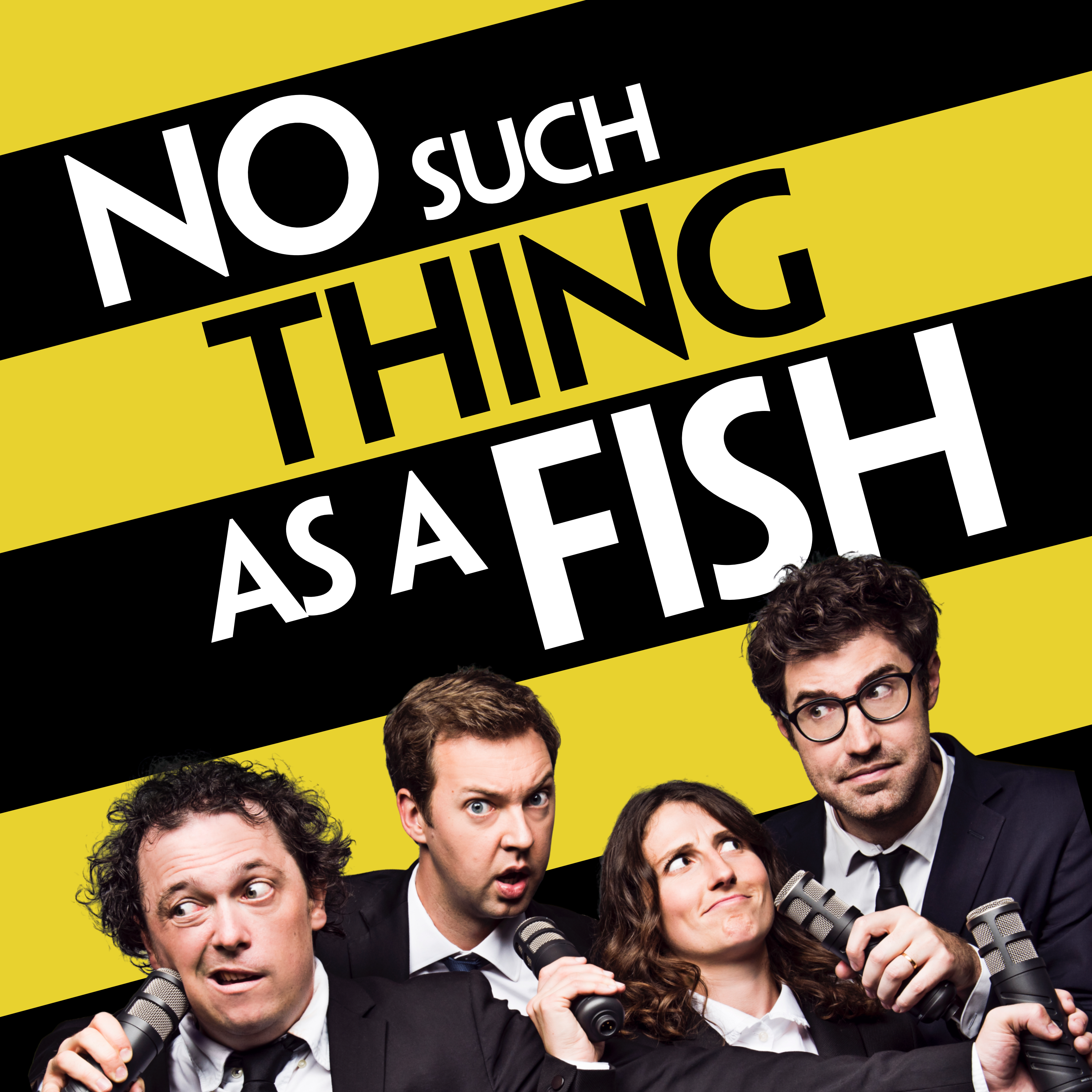

Russell T. Davies discusses his autobiography and TV writing/production realities, especially Casanova’s memoir and how scripts are protected from leaks; the panel also covers Welsh folklore traditions (jumping the broomstick, besom weddings, love spoons, bundling) and related cultural origins.
Russell T. Davies (British writer-producer; Queer as Folk, It’s a Sin, Years and Years; head showrunner of the Doctor Who reboot; wrote an autobiography). Panel hosts/regulars: Dan Schreiber, Anna Tyshynski, Andrew Hunter-Murray (QI/Fish team).
Casanova’s memoir is extremely long and detailed; his world was “incredibly sexualised,” with no age of consent, and his writing is constant rather than romantic. Casanova’s prison escape is recordable and ends with a comic twist. TV scripts use a color-coded revision system (Final Draft pages in ordered colors like white, blue, pink, yellow, green, goldenrod, etc.). Leaks are treated as theft; Doctor Who had everything leaked despite BBC security.
Casanova’s alleged “extreme shagging” (including incest claims), his escape from prison, his gonorrhea “gift” story, a Peter O’Toole on-set profanity anecdote, fake/secured scenes to prevent leaks (Queen visiting Swansea plot), and Welsh customs like besom weddings and bundling.
Written by AI. May contain mistakes.
Discussion about Casanova's autobiography and its unique features.
“Hello and welcome to another episode of No Such Thing as a Fish, a weekly podcast coming to you from the QI offices in Hoburn.”
Exploration of Casanova's sexual escapades and societal views.
“Starting with fact number one, and that is Russell.”
Debate on the validity of Casanova's adventures and memoirs.
“Except that, also, there's no age of consent.”
Analysis of Casanova's character and the perception of his life story.
“I would say, so one example of extreme shagging is shagging your daughter.”
Discussion on Casanova's relationships and ethical implications.
“It didn't keep me young, it kept me old.”
Insight into how Casanova's memoirs were influenced by his life experiences.
“in the full length of it, it's constant and not sexy and not particularly masturbatory either.”
Recounting Casanova's dramatic escape from prison and its details.
“He's punished for a million things like witchcraft and all sorts of blasphemy and stuff, but never for that, never for lack of feeling.”
A look into Casanova's sexuality against the backdrop of his times.
“oh there would be 24 volumes well apparently it stops on a final line it doesn't conclude itself I think so.”
Explore the chaotic and humorous retelling of Casanova's escape from jail.
“and it's a bit like a Shakespeare play as well it's a phallus made of smooth guts around a piece of hide really?”
Understand the color coding system used for script revisions in the industry.
“Okay, it is time for fact number two, and that is Andy.”
Discussion on the challenges of script leaks and their impact on productions.
Hear the story of a planned royal visit that impacted the production of Doctor Who.
“who might be on the desk at the back while all the technical processes these things go through.”
Discussing the significance of a Doctor Who episode that never aired due to scheduling issues.
Exploring bizarre requests made to screenwriters, including changes to character identities.
“House, I'm just going to call on my Dan bingo card that we've got absolutely everyone you're interested in.”
Tom Cruise had to drive while reading cue cards, leading to a crash during filming.
“So they taped his cue cards to the windscreen of the car.”
Recounting a dangerous incident involving television presenter Anthea Turner and pyrotechnics.
“He's had two car crashes because that led me on to another script that he did in 2004, 2005, Collateral with Jamie Foxx.”
Discussing the unique tradition of jumping over a broomstick for marriage and divorce in Wales.
“but the thought of Tom Cruise, like being, how much did that cruise scramble?”
Exploring the cultural context and historical roots of the broomstick wedding tradition.
“And when I said that, I tried a little jump backwards and you're lucky I'm here.”
A deep dive into Welsh courtship practices, including love spoons and bundling.
“And it will have the status of a beesome child, which is a bit better than just being an illegitimate child.”
Learn about the origins and peculiarities of terms related to temporary classrooms and a historical cement scandal.
“So that night he wrote, I love this, it's called A Comedy of Danger.”
Explore the fascinating contract behind the original Back to the Future movie that prevents any remakes or sequels without approval.
“Okay, it is time for our final fact of the show and that is my fact.”
Learn about the restrictions on time travel narratives in China and the cultural implications of storytelling in that context.
“And he had a veto over whether or not they make it.”
Delve into the reboot of Doctor Who and its connections to the show's legacy and cultural significance.
“Now you say this, I remember that, and now I'm not aware of a single sale to China or a single Chinese viewer.”
Discover a fantastic book recommendation that's currently available.
Learn how to engage with the show and access exclusive content.
“He will bring them to our special bonus episode, which is called Drop Us a Line.”

Get the gist, explore an idea or ask about something said.
 Claude
On No Such Thing As A Fish, what are the key points of this episode?
Searching your listeningAutomatic transcript. May contain errors.
0:00Hey everyone, welcome to this week's episode of Fish, where today James Harkin is away and we are joined by one of the juggernauts of British television. It is the writer-producer Russell T. Davies. You'll know his work if you've watched any British television over the last 20 plus years, starting with Queer as Folk. He did It's a Sin, years and years, an amazing futuristic show. And of course, he was the head showrunner of the reboot of Doctor Who. Amazing character. We were so excited he was up for coming on the show. And he has a new book out, which is his autobiography. So if you have any interest in the world of TV, what it's like making it, what it's like going into productions and doing all the scripts, this is the book for you.
0:45Because it's not just his time in Doctor Who and all the other shows I mentioned. And there's other things like Casanova, which we talk about in this episode. And it's out now. In fact, I saw a copy of it in a bookshop just this morning on my way in here. So go get yourself a copy. I hope you enjoy the show. It's a bit raunchy, the first fact. Just a heads up if you've got kids with you listening. I should add as well, if you're a member of Club Fish, you're going to have an XL version of this episode. And there's a lot more anecdotes from his life in TV in there. So if you want to get the full version of this show, go to patreon.com slash clubfish and you can find that there.
1:18Otherwise, please enjoy the show and on with the podcast.
1:36Hello and welcome to another episode of No Such Thing as a Fish, a weekly podcast coming to you from the QI offices in Hoburn. My name is Dan Schreiber. I'm sitting here with Anna Tyshynski, Andrew Hunter-Murray, and Russell T. Davis. And once again, we have gathered around the microphones with our four favorite facts from the last seven days. And in no particular order, here we go. Starting with fact number one, and that is Russell. Casanova wrote his, it's called a memoir. It's a massive, massive autobiography. Some pages of which are on pages watermarked with love hearts. There's a thing
2:10Dan Schreiber: Because he was such A romantic guy Well was he? Was he? It's not the thing I wrote a Casanova Television series Starring David Tennant Many years ago 2003, 2004 2005 And I had to read All 12 volumes Of that autobiography Which was long Wow Marvellous It had just come out In paperback And the paperback version Has a portrait Of a naked lady Along the spine So you need all 12 volumes To get the lady A bit like The Mr. Men. Exactly. Or you do that with like the MCU or something. Yeah, yeah, yeah. Or Spider-Man across all the spines. So for prudish people, they can take the boob, take volume seven and re-out.
2:50Basically, I couldn't look upon them, obviously. And that's long. Let me say, that's a long autobiography. Is it? I mean, I think the thing is about Casanova is that he's not that remarkable. He's remarkable because he wrote it down.
3:03Dan Schreiber: Yes. Because he wrote his life down. It was quite a life, I've got to say. He never lived anywhere, never settled. He wandered all over Europe and so gave us great insights into so many different countries and places. But all the sexual law of the time, everyone was at it. Everyone was at it. He's not the great lover. He's not. Everyone was having sex at the rate the cussed over. There was nuns, priests, everyone, and he just happened to write it down. I mean, because I read a review that was like, you know, by some counts, his sex count was up to about 135 different women. somewhere between 120 and 135.
3:38Dan Schreiber: And then this review said, which was a lot by standards of the day. And I was thinking, that's a fuck of a lot now, guys. But you're saying everyone else is doing that, don't you? I don't think it was a lot by standards of the day. I think literally everyone's at it. It's incredibly sexualised. It'd be amazing to really try and really portray what that was really like. Except that, also, there's no age of consent. It would kind of be untransmittable. You'd have to show it on the dark side of the moon once. And that would be it to get the full story of what it was like. That count is not a high count.
4:08I've read Hollywood biographies where Warren Beatty, I remember he has a count that's in the thousands. I don't know how many thousands, but I do remember doing a calculation at the time. And I worked out that he had had more sex with different women than I'd had breakfasts. Not even hot breakfasts.
4:25Anna Ptaszynski: Breakfasts. At the same time. Can I ask about the paper with the love hearts on it? I read that they basically were largely unnoticed because they were watermarked. and in the hundreds of years since it was written, it's slightly faded. So if you hold it up to the light, you can see these love hearts that are on it. I thought that this was like novelty paper, but I think they're not quite sure if he intentionally used that paper or not. I don't believe he'd use that paper because they're not particularly romantic books. Yes. And he's not romantically swaggering through Europe. And he's not, I mean, he will fall in love with a woman every other day and then pledge his truth and then head off somewhere else.
5:00But it's not, it doesn't have hearts pulsating in it. I wouldn't have thought Yes I doubt that I've got to say I think towards the end He lived to 73 or something It was a very long age For a man in those periods
5:14Dan Schreiber: Well it keeps you young Doesn't it Doing that Exactly He's the proof And he was a librarian A castle at the end of his life Really badly treated He wasn't the man of legend then As in most people aren't In their lives And So I would have thought He'd grab any piece of paper He could use I don't think he was rich enough To have chosen are just scribbling away. And also he wasn't writing consciously something about love and women and sex. Although I do enjoy now that every review about him feels obliged to say there was so much more to Casanova than just the shagging. And when you read about him, it was still a lot of shagging.
5:52Dan Schreiber: Whether or not some of you think that 135 isn't a high number, I'm going to say a lot of shagging and a lot of extreme shagging. We should actually cover. Extreme shagging. What's that? I would say, so one example of extreme shagging is shagging your daughter. I think we would agree. In his defence, it wasn't like he was a stay-at-home dad, so it's not like...
6:12Anna Ptaszynski: You mean a legal shagging? I think you've mixed up your words there. Your order, my client was participating in extreme shagging, nothing further.
6:22Dan Schreiber: Well, the spin is, and tell me if it seems sympathetic in the reading of the book. Basically, this was his daughter by a woman that he'd shagged, and she really wanted to help out her own husband by getting pregnant, because he, as all husbands were, was very keen for her to get pregnant with his son. And Casanova, her loving father, said, I'll help you out and impregnated her to do her a favour.
6:44Anna Ptaszynski: Did he know that she was his daughter, though?
6:46Dan Schreiber: Yep. Right. I've got to say, because I have read all 12 volumes and I read them diligently, and it's so constant and endless. I can't even remember that. You'd think that would be the standout moment in your memoir, wouldn't it? If that was any of us, like, wow, that chapter's amazing. Actually, it's constantly that. that it kind of wears you down. It didn't keep me young, it kept me old. I was exhausted by the end of it.
7:08Anna Ptaszynski: Can I present a theory? So this is a librarian at the end of his life, isn't he? And I knew him principally as a librarian. I'm a bit shocked to hear about all this stuff, to be honest. But as you say, it's unending. He loses his virginity at the age of 16 to two sisters and then they all have some bread and cheese. He's so attractive. He's going everywhere. He's having these amazing adventures. Is there a chance this is an elderly librarian who's making it up? I just wonder. because it's so picaresque. I know he was a real person because there are accounts of him meeting Catherine the Great. I think it would be more entertaining.
7:39I think because actually it's kind of incessant. And at the same time, he'll tell you exactly how many crayfish he had that day. A lot of crayfish. It's crayfish mad. I think he's got the most astonishing memory. Every bloody carriage he travelled in, every scent that he gave to a gatekeeper is in there. So I think when you sum it up, if you read the little slim paperback version, then that sounds exotic and marvellous and maybe made up. in the full length of it, it's constant and not sexy and not particularly masturbatory either. It would be better if it was. We'd have better fantasy than that.
8:11Yeah, yeah, yeah. So I kind of believe it.
8:13Dan Schreiber: The extraordinary thing is, I thought the same. I thought, come on, some of it can't be true. It's mad. But they have matched up everything they can match up. Every single ferry train he took, every single hotel he stayed in, every castle he entered, they have a record of him going there. One of the famous things about him that's not sexy is his amazing prison escape. and you read his account of that and you think, it can't be true. You know, he'd chipped away a piece of iron with a bit of marble that he found, made a hole in his ceiling, got caught, so then communicated secretly, I think, with a friar elsewhere in the prison, hiding messages and books, convinced him to chip a hole in his ceiling.
8:50Dan Schreiber: They broke out. They crept along the ceiling of a palace, fell through a window or whatever, a skylight, and then they're met by a security guard and Casanova just says, I can't believe you've locked me in here all night after last night's party. Let me out immediately. And the security guard believes him and he's let out. And all of that is just, I mean, that is the Count of Monte Cristo style. But we know we've got the records of the prison escape. We've got the hole in the ceiling. And when you sum it up like that, it sounds a lot more entertaining than it does when you read it. You live through every chip in that room.
9:22It goes on and on and on. He's not one for self-editing. So I believe it. I do believe it.
9:28Dan Schreiber: He sounds like a bore. Do you think he just bored women into submission? He sounds like actually he was quite tedious going on. They were all at it. Everyone was doing it. Everyone was boring everyone in both senses of the word. It was all going on. It was a highly sexualized world. Apparently he wasn't a bad character. I mean, who knows? But I read accounts of where he would sleep with a lot of sex workers and he would not sleep with certain prostitutes if they didn't speak his language because he thought post-sex chat was really important. So who are you? I want to get to know you. He talked to women.
10:03Yes, yes, yes, he did. That's why when I did, I'm bringing it back to my version of Casanova, but I gave him a son on whom all the legends and the bad legends and the bad reputation he did were piled on top of. So that became the Casanova legend was he actually was all right. He was all right. He was just a man.
10:21Dan Schreiber: Although he wasn't, I really wanted to like him. You know, I really wanted to find him A harmless, lovable rogue.
10:27Anna Ptaszynski: Here we go.
10:28Dan Schreiber: I found his tone quite cruel. I found that he could be very callous with what he said about human beings. You know, there's someone who dies basically because of him, and he's like, you know, doing the shit. There's, you know, he thinks, oh, God, I wish I killed him, but I needed him to get out. So if you're out there thinking he was a gentle soul who you could have converted, I think he had a hardness to him. I think that was the world.
10:48Anna Ptaszynski: I think, oh, I'll kill him. I thought, oh, he's dead, he's gone, I think. Yeah. Did they think and feel differently, did they? And I think maybe they do.
10:54Dan Schreiber: Yeah. because he's never brought up for that. No one chastises him for that. He's never punished. He's punished for a million things like witchcraft and all sorts of blasphemy and stuff, but never for that, never for lack of feeling.
11:05Anna Ptaszynski: Is he in prison for sexual misdemeanor? He's pissed people off, I think. There was a bit of black magic, wasn't there, or something they said. Was there?
11:14Dan Schreiber: Offending, yeah, religion and public morals. Yes. Oh, okay. They made up the black magic. Yeah, yeah.
11:18Anna Ptaszynski: Because he's offended my morals with the thing with his daughter. So like... Well, exactly. But a different world. It wasn't then You just don't like extreme shagging That's what you have to ask my wife Alright Do you know the reason the memoirs Came around is as a result Of a prescription given to him by his doctor So you know the old gag of Grimaldi Going to see a doctor and he says you should cheer yourself up By seeing Grimaldi I am Grimaldi You should try shagging Casanova I'll cheer you up It's not quite the parallel I was intending he was seeing his doctor for depression and he was feeling melancholy and he said you know what you should do you've had this amazing life go sit and write it and that's going to make you happy again and he did and apparently he was laughing and laughing he could be here cheering himself up and hence why it's probably so detailed and so long he was fighting a depression um and he does only reach the age of 35 or something in in the biography and i'm kind of glad he died when he did oh there would be 24 volumes well apparently it stops on a final line it doesn't conclude itself I think so.
12:23It's like drop down dead. Which is interesting.
12:26Anna Ptaszynski: There's another story about him and a doctor. Not the thing about him having depression and being told write your memoirs. This is when he meets a stranger. And the stranger says, thank you, Casanova. Thank you. You saved me. You saved my career. Casanova says, what do you mean? And this guy was a surgeon. And he spent years in poverty. He didn't get enough business at all. Then Casanova passed through town and gave so many people gonorrhea. that this doctor's career, which he's had a very busy year and it completely saved his career. And he said, but of course it's died out now and I don't suppose you could possibly see your way.
13:04Anna Ptaszynski: And he didn't have it this time, so he wasn't able to oblige. Exceeding. Yeah, yeah.
13:09Dan Schreiber: Yet what can I give them? Give my gonorrhea. Wow. I know. I kind of leapt into that autobiography dying to write the moment where surely a man that sexual and that sexualised would have sex with a man. Never happens. Right. And I really thought it would. I really thought if you're that open and all the society's at it like they were and no, no, no, no. I'll be proved wrong by some scholar and I'll probably skip my pages. No, no, no.
13:35Anna Ptaszynski: But there is a bit with Bellino, isn't there? Yes. A male castrato singer with whom Casanova falls in love and Casanova's astonished because he's, you know, he's, is it a ladies' man or a man's man? Yeah. It's the one, you know, he's convinced that he was never ever attracted to men and he became convinced that Bellino was actually a girl in disguise gropes Bellino, feels the sausage turns out it's a fake sausage Bellino is a girl in disguise Casanova's reputation for being totally 101 % straight, unimpeached and it's a bit like a Shakespeare play as well it's a phallus made of smooth guts around a piece of hide really?
14:12Anna Ptaszynski: lovely smooth guts to my drag queen at the same time What was so interesting about the story you were telling, Anna, about how he broke out of jail, is that final line is such a great little plot twist. And in my head, I'm hearing it as Casanova, but I'm also hearing it as a Doctor Who. And I think that's because the only Casanova I know and have ever seen is David Tenney. But it does feel very Doctor Who-y in the kind of chaotic nature of an escape. And then there being just such a simple, fine comic twist at the end. Were there previous ones? Like, I imagine because the 40s and 50s were a more straight-laced time, there wouldn't have been a kind of Basil Rathbone Casanova.
14:52Oh, Frank Finlay did it in the 60s, and I think that was quite... I think it was like a Dennis Potter Casanova, I think. It was very dark. You look at it now, it looks very dark and very heavy, and I didn't watch much of it. I think it was much more of a treatise on male darkness by the look of it. Right, okay. Frank Finlay, is that? Yeah, Frank Finlay. Yeah, yeah, yeah. That's interesting because you had two Casanovas in there. You had David Tennant, but you also had Peter O'Toole. I did, yes. Which, playing old Casanova, sort of telling the story. I love your meeting with him in the book. Oh, the story of the meeting.
15:22Yes, yes, yes. That is a great meeting. I was... How much can we swear on this podcast? We'll bleep it, so do it. Okay. It's like me and the director were summoned to Peter O'Toole, like three days before filming, summoned to Peter O'Toole's suite in the Midland Hotel. And he's there in full grandiosity going, you c**t. you absolute f***ing c*** I'm like whoa hello and there'd been some rewrites issued you f***ing ruined this you f***ing are you stupid and it was I've got to say it was more aimed at her because I think coming from a film background he had no concept that writers existed it was all about the director and so I kind of didn't get the full blast Portierie got the full blast and but at which I was kind of loving it I mean that's what I feel like I feel like that's almost It was like a Sunday morning or something and I was being called a cunt by Peter O'Toole.
16:13It's kind of what you want him to be like. It's just the one and I loved it. But the part was also, we couldn't work out what was wrong because we'd issued some rewrites and were like harmless. These rewrites sort of said, I'll go to Venice instead of I'll go to Rome. And then I kind of realised he's in his 70s. He's learnt it. And his head's gone. He's going to do a complete panic. So I thought, I went, how about if we take all these rear routes and just get rid of them? Exactly. Fine, get out.
16:45Anna Ptaszynski: I thought it was going to be that he had had the impression he was going to be playing young, sexy Casanova and he had only just clocked. Can you imagine? Old decrepit librarian. What are you talking about? Oh my God, that would be brilliant. Okay, that's the story I'll tell. That's a much better version.
17:05Dan Schreiber: Stop the podcast. Stop the podcast. Hi everyone. Today, we are sponsored by NordVPN. That's right. NordVPN, the all-in-one digital security app that gives you advanced protection when you're online. That's right. So Dan, how do you protect yourself from the sun? The sun? I don't. I stay indoors. I have not been out for 27 years. Okay. And how do you protect yourself from your sun? Ah, I do that. So you've got to go outside to get away from him, haven't you? I'm in a real dilemma. It's the sun or the sun and I lose either way. Okay. Final question. How do you protect yourself from online scams, Dan?
17:43Dan Schreiber: NordVPN, of course, Anna. Of course. NordVPN's next gen antivirus, I assume you mean, that blocks scams and phishing before they reach you. It's a wonderful thing that you should have as part of your security system when online. It is upgrade your online protection with an all-in-one security app by getting an exclusive NordVPN deal and four months extra, go to nordvpn.com slash fish. And that's risk-free because there's a 30-day money-back guarantee. Okay, do it now. On with the show. On with the show.
18:19Okay, it is time for fact number two, and that is Andy.
18:22Anna Ptaszynski: My fact is, anyone working on an American TV show needs to know these colours in this order. White, blue, pink, yellow, green, golden rod, buff, salmon and cherry. That's not just American, that's British. Really? That's everywhere. The same colours in Britain. Well, I think the order's that. I'm so glad to be here to correct you. Dream come true. To come on. You fools. Should we just go back to episode one? edit me into them all I think you'll find that would be so annoying no but we have that we have that so this is yeah sorry it's universal well it's because actually the software is kind of universal there's one form of software that everyone uses and it might as well be a monopoly because everyone works off it and then once everyone works off it every office works off it so therefore if you're handing in a script do it in final draft so they've got the whole thing stitched up
19:17Dan Schreiber: and just to explain for those outside the industry because it's quite an interesting system. It's basically for script rewrites, right? So when you're on a TV set, things are constantly being rewritten and tweaked. And I can totally imagine, I've had this writing QI scripts as well, because we never came up with this system, where you have no idea which version is which, and someone might be working off one version, and someone might be three versions ahead. So this is the order of the colours of scripts, which tell you which version you're on. Every new colour is a revision. Yeah. And yet one of the colours is goldenrod.
19:48Dan Schreiber: A colour that no one has ever heard of. Is that golden? Yes. Why don't they just call it gold?
19:54Anna Ptaszynski: Yeah. The paper isn't really gold. It's just kind of orangey-yellow. But I don't know how those names ever came about.
20:00Dan Schreiber: No, weird. And the funny thing is, it's like you have to go through those colours
20:03Anna Ptaszynski: if you change one word. And then if you change another word a day later, you've got to go up. Really? Because if you change a field to a tavern, it's as simple as one word. Meet you in the field. We haven't got a field. Meet you in the tavern. That goes to a pink page. And if the next day someone says to you, oh, we've changed location, the tavern's going back to a field. You can't go back into that pink page because it's been issued. Then you go to blue or whatever order it is, blue, pink, blah, blah, blah. Really hope there was one revised version of Casanova where the pages came in. The only change is young Casanova, Peter O'Toole.
20:34Exactly. And you go through so many changes. By the time you've been through them all, then you go double blue, double pink, double golden. Wow. Double, yeah. Yeah, yeah, yeah. You can even get to triple. But everyone on a set is used to it. It genuinely works. On the front of the page of the script, it'll say what colour you're on. So if you're all up to Goldenrod that day, it means if someone's working off the blue page on that set, they're on the wrong one.
20:59Dan Schreiber: It's such a good system.
21:01Anna Ptaszynski: That's where we get the phrase, I'm on the same page as you. That's where it comes from. There you go. It used to be I'm on the same colour page,
21:07Dan Schreiber: but it just got shortened, didn't it? It just snapped in, yeah.
21:10Anna Ptaszynski: Can I ask Russell, have you ever been involved with either self-destructing scripts or fake scenes in order to prevent against the possibility of leaks. Oh, not... What's a self-destructing script? I think it's a digital version that they then delete off your iPad. Oh, right. It was the Avengers movies. It would be that after a time. I was once approached by a kind of Spider-Man spin-off for television and the security process was so long I gave up. I went, I'm not doing that. Really? I genuinely went... I mean, I might not have ever got the job, but they wanted me to submit and it was related to Spider-Man in some way, the Spider-Family or something.
21:51Honestly, after sitting there for 20 minutes and still not getting through security, I just went, fuck this. I'm not going to do that.
21:56Dan Schreiber: What do you mean, digital security? Yes, digital, just to get to read what they'd sent me. What they'd sent me was behind so many barriers and required so many emails and so many passwords. And of course, famously, never mind all those colours, they then print those scripts on red paper so that can't be photocopied. yeah oh okay right can it yeah apparently
22:15Anna Ptaszynski: this is Christopher Nolan I think does the same kind of thing with his films so this is very interesting you have to have sometimes you're not allowed a work email or a personal email you have to have your own new email set up and then go through two layers of two digit I've never been there because I just went life's too short it just sounds crackers can't be bothered yeah so I spoke to one of the writers on the show Succession oh yeah and I asked did you ever do things like fake scenes or fake plot lines or whatever it might be to throw off people who were leaking yeah and this writer said no absolutely not the idea that we would have had the time or the capacity we could barely do the main show you know because we the deadlines were so fast and all this but there was a really interesting thing sometimes the actors got a bit distressed by the fact they didn't know what was coming next because you might be writing an episode while you're filming the previous episode i mean it's you know it's tight when yeah they want 10 new episodes a year or whatever and this actually happened and i i can't say who it was but there was a moment where the writers realized one of the actors in succession was getting early scripts from somewhere and there was a leaker who was not leaking it to the public but there was some kind of internal black market within succession so that one particular performer could get the scripts very early and the writer looked through and saw oh my god that's hang on that's a script that i haven't finished yet how do you have that and some kind of system unclear they had to sort of do a mole hunt though for I think who was leaking the scripts internally it's like we faced that on that on our last two series of Doctor Who absolutely every single thing leaked this is in the book but every little nice surprise you put in every little nuance, every little cameo every little thing you put in everything leaked and they have vast security systems of the BBC.
24:07Well, they actually found the person who was leaking the information, but he was a member of the public. So, and you can't actually go in and arrest a member of the public. I said, why can't we? If that's my copyright. Do it. Actually, that's theft in my eyes, but I don't think the BBC ever liked to arrest a person for theft, because the BBC's not going to come out of that very well, I think. Is that still burning in you slightly to work out who it is? Because behind that, that person is obviously friends with someone somewhere involved with Doctor Who who was leaking every single thing. And, you know, will I go to the grave and never know who it was?
24:41And it might be someone I stood next to every single day. Oh, my God. Or it's more likely to be someone sitting in an office who might be on the desk at the back while all the technical processes these things go through. And whoever it was is probably sitting there masturbating furiously to this podcast. Have a nice time. We get a lot of that. Narrow it down. Narrow it down. But with a Dalek hat. Yeah.
25:07Dan Schreiber: why do you it's so confusing is it a deliberate thing or is it just you accidentally got drunk and you told your friend everything in the pub oh no it's power no it's absolutely deliberate and consistent and it's a power game but also it's I also think it's genuinely malicious because I think it does I mean it's not the most destructive thing in the world but it's slightly destructive and no programme needs anything slightly destructive because then then you're in a chain with that then you know that might transmit to just 20 ,000 Doctor Who fans that's fine But they've all had it spoiled. And also you've got to look at the, when you get something spoiled, your reaction to it, it's got the word spoil in it for a reason.
25:44It's not an enhancer, is it? It's a spoiler. I absolutely think it's theft. And that's why I'm surprised we don't go further with it, except actually it's so widespread throughout all fandoms and all television shows that if you start to imprison these people who are leaking, my God, the prison population will be in crisis. although fun on the wings great conversations
26:08Anna Ptaszynski: spoiler prison would be good though everyone's in for spoiling a different show amazing how creative that would be and then you just put a big sign on the building called BBC but the one thing they don't say is what they're in for spoilers it is extreme I'll tell you that much we did a fact a long time ago on the show Russell which was about Dallas and the fact that who shot JR was the big question that dominated American society at that time, right? And they filmed every cast member shooting JR, including the cameraman, including the catering staff. They all came in and had a guy with shooting him so that that wouldn't leak.
26:46But yeah, but you never... And who was it? Oh, I don't know. Oh, it was Kirsten. Come on. Kirsten?
26:52Anna Ptaszynski: How could you not know that? I was about to keep thinking it was Maggie Simpson. I just remembered fake scenes that I have written, which are Doctor Who scenes, so your clickbaits will go mad. So bear me out. which is that we were once told that the queen wanted to visit the set of doctor who and that would be enormously prestigious for everyone how marvelous but she was only going to swansea okay so our head of drama julie gardner was told and she was not allowed to tell anyone uh for security reasons which kind of makes sense and um so the only person she could tell was me so in the middle of a shoot she said you've got to invent a scene set in swansea in the middle of this episode that we go to Swansea and shoot and then it's like, oh, that's the Royal Visit that day.
27:35So then we can arrange that. But you can't tell anyone. So we couldn't tell the producer or the locations guy or stuff like that. So I suddenly issue this pink page with a scene where the TARDIS flight lands and it has to be in, you know, no one could say, oh, let's shoot this in Cardiff. You know, so it's like, it arrived on the Swansea seafront in the middle of an adventure where the doctor stepping over and saying, there's the mumbles. It must be this. and the entire production team sitting there going why have you done this? We can't afford this. The producer going we can't have a day in Swansea and I was going it's a really, really
28:11Anna Ptaszynski: important and they go it's not important they just walk out and he says what's important and you literally were not allowed to say it was on pain of death and also I genuinely believed that would be very good publicity for the show I thought it would do Doctor Who good to have the Queen sat there and then the Queen changed her plans and then it just all never happened yeah she went to cardiff that day um i was looking into screenwriting generally both for tv and for movies and i i particularly like when uh requests get made by the production heads uh and the screenwriter is asked to change the script in such a way that it just seems insane one of the examples i found was there was a movie called prick up your ears which is the story of joe orton and it was written as a book by a journalist called John Lahr and then Alan Bennett got it and he did the screenplay of it.
28:59Anna Ptaszynski: House, I'm just going to call on my Dan bingo card that we've got absolutely everyone you're interested in. Joe Orton was a gay British playwright. His partner, Kenneth Halliwell, murdered him with a hammer in their house and it was a horrible story. They were very young. The notes that came back to Alan Bennett, he says in his introduction, is we love it, but could joe orton be american and could he be a heterosexual no way yeah oh my god and that what do you do when a note like that comes through russell do you just abandon shit just have to dig your heels in i did get a note saying well we thought this woman was super strong and we thought she was super clever why is she crying in the scene and you see they're going three pages earlier her lover was shot dead in her arms.
29:48You literally bang your head against the wall just going, honestly, it's incredible. But in those situations, you just dig in. You just sit there and go, no, nothing's changing there.
29:58Dan Schreiber: It's anti-feminist that you suggested a woman would cry for something as small as that.
30:03Anna Ptaszynski: It doesn't make her sound like a girl boss anymore.
30:08Dan Schreiber: Just on the madness of scripts and how up to the wire they can go, Tom Cruise had an episode in Days of Thunder in 1990 where they were rewriting the script so much up to the last minute that he was actually had to get in a car and do a car chase or something or drive a car just after they changed the script. He hadn't memorized a line. So they taped his cue cards to the windscreen of the car. Now, I don't know how you don't see it in the filming, but so he could shout them out, which I find it so weird that you're expecting an actor to act plausibly while reading off cue cards and driving. But he did indeed crash the car as a result.
30:43Dan Schreiber: Yes. He's had two car crashes because that led me on to another script that he did in 2004, 2005, Collateral with Jamie Foxx. Oh, good film. It is a good film. And there's a car crash in that. And Jamie Foxx was responsible for accidentally crashing the car in a stunt. And he said it was very funny because Jamie Foxx wasn't that famous at the time. And Tom Cruise was Tom Cruise. And he said the crew and cars all just scrambled over Jamie Foxx, kicking in the sights. Are you all right, Mr. Cruise? Are you all right? Poor guy. Trampled on. I worked on that television programme that blew up Anthea Turner live on air.
31:15You know that? You know the television presenter, Anthea Daly? Yeah. It's on every BBC safety film. Up to you.
31:22Anna Ptaszynski: You, P2U. We were so ahead of the day. When was this? Like to 1990, 92, 93? Oh, wow. And Anthea Turner live from one of those air shows indoors. They sat her on a pyrotechnic. She sat on a pyrotechnic, did that on a Saturday morning TV, did the link to camera. and probably you'll find it online. So she's sitting there and it explodes on her. She drops out of camera. And the careers that were ruined after that because how did that happen? Who said sit there? There was never a clear story told, but oh my God, when it goes wrong, it goes properly wrong. I'm just like the thought of, no offense to Anthony, but the thought of Tom Cruise, like being, how much did that cruise scramble?
31:59They must have run. The death stretch is astonishing. That can happen. It's absolutely astonishing. It's amazing. Wow.
32:06Dan Schreiber: Thank God it does for the stories. on death there was a writer called Alvin Sargent and he wrote four Spider-Man movies so you might have worked with him had you gone through the security but he always used to say and he has passed away that on his tombstone he would have loved to have read finally a plot wonderful that's a writer I want my tombstone to say now available on DVD
32:34okay it is time for fact number three and that is Anna
32:37Dan Schreiber: My fact this week is that in Wales, you used to be able to get married by jumping over a broom together and divorced by jumping backwards over it. Lovely.
32:48Anna Ptaszynski: Did you have to be together as well for the divorce?
32:50Dan Schreiber: Yes, I believe you did. You see, I'm now so old that you're running pieces of folklore past me that I remember. I know that you sent me this information. I know the phrase jump the broomstick as a marriage thing. whether it's because I was born in Wales or not but I instantly know that means marriage. I'm so glad you know this because it was a common phrase because of this. I'm not sure how many marriages were done. Yes, but it was common into the 60s. Therefore, 70s, I've been, when I was six or going into the 70s, I literally, I can't think where or when it was said but I literally know it as a thing and also the tradition at the same time, the tradition of if a couple were in bed of putting a broomstick down the middle of the bed to stop them copulating.
33:35That was a thing as well. It was kind of a joke phrase you'd expect your grandmother to say, like put a broom down there in the bed.
33:41Anna Ptaszynski: So it was both marriage and the opposite of marriage. It's like weird.
33:47Dan Schreiber: Let's verify, in case listeners start questioning your age, that I don't think that people are actually getting married this way, even in your childhood. But yes, the phrase was going on.
33:59Anna Ptaszynski: Was it called a besom wedding?
34:01Dan Schreiber: A besom wedding, yes. So besom was the name for brooms before brooms came along. I never thought about this, but the word broom is just named after the broom plant. It was just the plant they made brooms out of.
34:10Anna Ptaszynski: Didn't know broom was a plant. No, what's a broom plant?
34:13Dan Schreiber: No, no, I mean, nor did I. A broomstick. Yeah, exactly. Looks like a broomstick. No, I suppose it's nice that we have this word that just is a plant because of that. The bit that got me about this was the bit you're dealing with very likely is jumping backwards. And when I said that, I tried a little jump backwards and you're lucky I'm here. basically that's surely that was the earliest anti-divorce law in the world because it's impossible to jump backwards can you jump backwards try jumping backwards let's all do it now I'll have a quick go come on like it's like be careful because it's odd I'm so glad Russell did the practicals for this you see well good well done pretty good yeah yeah yeah but there's an odd though isn't it it is it's an odd feeling there's an extra detail on that that I read because I guess it's folklore so things get attached in different ways well and lots of different ways of doing it because every village would do it a different way.
35:04But what I read is that in order to get divorced, not only did you have to jump over it backwards, but the broomstick had to be put in between your front door and you had to do it leaving the house. So you jumped over it as you were going out. It was a threshold. Yeah, exactly.
35:16Dan Schreiber: It was the same with the marriage. It was always, sorry, you put the broomstick at the door. Oh, you would do it going in. But one detail that was added is that you can't touch the broomstick or the sidings of the door, but then they don't say what happens. How big are doors in Old Wales? We're little people. Well, how are you both fitting side by side over the broom? I think one at a time is what I'm assuming, right? Do you think that's where carrying the bride over comes from? Must be. Over a broom, over an obstacle. God, you've got to jump over the broom while carrying your wife. While carrying the bride.
35:45And you deserve to be married. Yes.
35:49Dan Schreiber: It's quite interesting the sort of, like the reasons behind it was basically, so it was a non-church wedding. And the community that it persisted in the longest was the Romani communities in Wales because they didn't do church weddings. And so this was another way of getting married and, you know, without needing the church. But it was also a way of, if you've been knocked up and haven't got married, it was a way of ensuring that your child wasn't raised as an illegitimate nothing. All I can think of is the word bastard, but I don't think we're supposed to call children bastards anymore when they're born out of wedlock.
36:20Anna Ptaszynski: You said the word illegitimate. That was the one that you... That was the one, okay, yeah. You skirted right over again.
36:27Dan Schreiber: That language. You don't want an illegitimate child. So it was like a way of saying, I am officially married, but I'm not saying that this guy actually now has to raise the child. If you send me a bit of money every now and again, I'll just stay living with my mum. She'll raise the child as her own. And it will have the status of a beesome child, which is a bit better than just being an illegitimate child. That's a horror film. The beesome child. That's good.
36:49Anna Ptaszynski: Yes.
36:50Dan Schreiber: Righted.
36:52Anna Ptaszynski: More Welsh romantic traditions. Okay. Your love spoons. That is weird. Really, I've got a... I've got a Welsh-lust pen. You're weird, then. What do you do with it? Is it on the wall? I don't, you know, it's so nice that I don't use it for anything. That's the problem with that. But I didn't realise how much of a thing it was. Oh, and they completely exist still. Yeah, yeah. I mean, I wouldn't go to a wedding and expect to be given one. It's a tourist thing now. Yeah, yeah, yeah. Like horse bosses, you know, it's that. Because it sounded like it was how you courted someone and it had all these little symbols on it that suggested what you were envisaging with them going forward.
37:28Sorry, that sounds rude. Okay, grow up.
37:30Dan Schreiber: It's not like a Casanova. There are 17 sexual positions running down the street. Very big, very big love spoon. There's a cliche, though. It's like if I invented like a Welsh soap opera that was really coy and sweet, I called it love spoons. Yeah, that's nice. A twee little...
37:44Anna Ptaszynski: Yeah. But the idea is the man carves it for his intended. And it's either you're away at sea and you're wiling away the long hours and that's the way you've chosen to do it. Or you... Like Scrimshaw. Yeah, exactly. Yeah, yeah, yeah. Or that you're actually going and sitting with your girlfriend or your wife-to-be and this is a way of just passing the time in the long, long evenings when you're only allowed to chat. So you may as well be whittling something while you do it. But is that scene, is it always men doing the whittling? It's a man's thing. I think so.
38:14Dan Schreiber: Yeah. I believe so. I would say that's an offensive date. If I'm going on a first, second, third date and the guy spends his whole time whittling an effing spoon, I'm going to think I wasn't captivating enough company. You'd think he was taking that. All right. Yeah. What would you think if he gave you a knitting sheath? That was the other love token that would be handed over. Well, they're quite sharp. Yeah, in Wales. Finally you've outreached me. I don't know these. It's basically if you were putting your sword away into a sheath, it's the equivalent for knitting needles so that you would have them at the ready to pull out and knit as soon as you were in.
38:47Quick, I need a jumper!
38:50Anna Ptaszynski: Have we mentioned the bundling before as well? Because you mentioned the broom down the bed. But the other more aggressive version of that, if you thought there's no way this young man's going to be stopped by a broom down the middle of the bed, you would be tied up in a sack and put next to you. And I don't know if this happened in the 60s or 70s. Wow. But the man or the woman was tied up in the sack. I think anyone who was willing to be put in the sack went in the sack, basically. But it was lower half only. But occasionally, I think, again, with especially dangerous young men or women, they'd be tied up to the neck in a bag.
39:20Anna Ptaszynski: and then you were allowed to lie in bed all night chatting with your intended, but it was just a safe way of ensuring that no hanky-panky occurred.
39:28Dan Schreiber: And it was both people in separate sacks or both the same sack with a division?
39:31Anna Ptaszynski: What do you mean one sack? If you put them both in one sack, that's incredibly dangerous. That's extreme shagging. You've totally got it wrong there. That's why we get the phrase in the sack. Was she good in the sack? Yes. I think that I read one source.
39:46Dan Schreiber: So again, there are various versions of bundling. one source I think says you do have a sack which had like a division in the middle so they're both in it but you can't cross the boundary what is it stitched down the middle
39:57Anna Ptaszynski: like a kind of two I think maybe I think just have two sacks I think as ever all this stuff happened sometimes and in different ways in different places
40:04Dan Schreiber: and initially bundling actually didn't involve any sacks I think it was the Puritans who made it a bit like that and I think back in ye olde Wales it was just meaning two youths who wanted to shag but weren't married and bundling meant you can have them in a bedroom together, in bed together, and they'll chat all night in inverted commas. I mean, I read an 18th century account of old Welsh customs and this person was saying, people attest to the innocence of the occasion all over Wales, but the number of times you get something happening nine months after one of these moments. There's a hole in this sack.
40:38Dan Schreiber: Hang on. Oh, my God. Going back to that original fact, I read the whole jumping over the room. I think that was also the case for enslaved African-Americans because, of course, they weren't allowed to marry. Yes. So that was the only ceremony they could invent. Homesteads, their own accommodation, and their own rules of making their own society. And still is. Freedom that they found, yeah. I think still is a traditional thing to do in some communities. And I think there's a lot of debate about where that came from. But I think the most likely is that it did come from this Welsh custom and that it was partly, you know, Welsh sailors travelling all over the world and partly then, you know, Welsh migrants brought it to America and working class Welsh and English Celtic people in America were there with the enslaved Africans and they passed it on.
41:20Dan Schreiber: A crossover you wouldn't expect. Amazing. Cymru and Beth. That's lovely. Are you from which bit of Wales? Swansea. Swansea. Oh, where the Queen has not been. Damn it. And was this, so all this stuff that we're talking about is, it was folklore, but was there stuff in your time that you mentioned to people down in, say, England and they're like, you guys used to do that? Well, it's fine. No, I mean, it's funny. I've not thought of Jump the Broomstick Since I was When you sent me this article I just knew that phrase Yeah right I didn't exactly I didn't go to university Going guess what we do in Wales We've got a broomstick Down the bed So I've never thought of it As long Also Swansea's The only place in the world I think That calls a port-a-cabin A demountable Oh lovely Demountable classrooms And I thought everyone Called them demountables So I would go through Life going oh You know The meeting's in that Demountable over there People are fucking insane What like the port-a-cabin We call them demountables That's an extraordinarily different word Because my school was I went to a great big comprehensive school Of 2 ,300 pupils But in the first year it was closed down Because of the great high-illuminous cement scandal You think these recent cement scandals are new We had them in 1974 Schools were built with high-illuminous cement Hospitals had been built with it Swimming pools collapsed Because they were built with this faulty cement So all these buildings were closed down We literally went through this again recently It's astonishing And no one remembered high-illuminous cement So our schools were closed down so our school was rebuilt entirely out of demountable classrooms like 40 in a field what's a why demount is it like yeah i think you can demand them you could dismantle dismantle dismantle you might as well have called them they could be mounted and demanted but only swansy i've ever heard that word no one else has ever said i've never heard that yeah
43:04Anna Ptaszynski: that's great um one thing that originated invented in wales actually the idea of the radio play interesting this is very cool so this was in 1924 I think and BBC was in its very very early days and you know they've done a few bits of Shakespeare on the radio and they've done an adaptation of Pride and Prejudice but they've got a big night coming up which is going to be a few of these things tied together and the commissioner is saying it just feels like we need something something that's actually written for the radio and a writer called Richard Hughes who was 23 said oh I'll write you something and they said, well, we've only got four days to go so there's no way we can know it.
43:44Anna Ptaszynski: So I'll write it tonight. So that night he wrote, I love this, it's called A Comedy of Danger. And it's, because it's Welsh, it's in a coal mine and it's, you know, a party goes down a coal mine and they get into difficulties and all their stuff. And he knew nothing about coal mines. I think he was trying it on because he was Welsh and he thought that's what they would want. Yeah, pretty much. He said, you know, he wrote it in one night And it went out. Three days later, it was recorded. And bang, first ever radio play written actually properly for the radio. Do we still have it? Was it recorded at the time?
44:17Or would that have just gone out and disappeared? Oh, God, those things 24. Yeah, it seems unlikely.
44:21Dan Schreiber: They haven't kept Doctor Who episodes in the 80s practically. So I'd be surprised. We've probably got a script. I like him. He was a grifter and a grafter at the same time. Yes. They used to believe in knockers, apparently, which were tiny miners who mined under the ground in Wales and alerted real miners to where the location of mines was. And Welsh miners up until the early 20th century would say, the only reason we need to dig here was because we heard the knockers knocking away. And I just read such sincere attestations that people will say we're crazy, but I heard them drilling the other day.
44:55That's a Doctor Who story. There we go. Yes, do the knockers. Yeah, yeah, yeah. I love that.
45:00Dan Schreiber: Knock them up.
45:00Anna Ptaszynski: Brilliant.
45:01Dan Schreiber: Yeah.
45:01Anna Ptaszynski: You'll need a name tweak, won't you?
45:09Stop the podcast. Stop the podcast. Hey, everyone. This week's episode of Fish is sponsored by Saley.
45:15Dan Schreiber: Yes. Now, if you have ever been lost abroad or just desperate to do some Googling while you're sitting in a gorgeous Spanish tapas restaurant, you'll know how badly you want a good internet connection. And it can be a nightmare when you are, say, in a tapas restaurant. You haven't sorted out a plan on your phone, but you do desperately need to make a call. And you are going to rack up a huge bill as a result. And so, Saley is your protector. Yes, with Saley, you get an eSIM that only needs to be installed once, and then it will significantly reduce, even eliminate roaming fees because it has affordable eSIM plans in over 200 destinations.
45:51It's also got 24-7 support. It's really essential. You really don't want those bills, guys, if you're going overseas.
45:57Dan Schreiber: You do not. So, all you need to do is download the app, buy a plan, and install the eSIM. It's as easy as that. and you can get an exclusive 15 % discount on Saley data plans if you use the code FISH at checkout. You just need to download the Saley app or go to saley.com slash fish. Do it now. Okay, on with the show. On with the podcast.
46:24Okay, it is time for our final fact of the show and that is my fact. My fact this week is that the only way that there will ever be a reboot of Back to the Future is if someone goes back in time to change history. So this is the fact that Bob Cermekis and his producer friend Bob Gale, who was also a writer with him, had a clause put into the contract when they were making Back to the Future, when it was sold, that you can never make a remake of it. You can never make a sequel without our approval. And we're never going to give that to you. It's a quick pitch, Russell. I think there's actually a good idea for a movie to be called Back to Back to the Future.
47:01Back to the Future. Where you go back in time to get them to stop writing their clause. I just said, employ that lawyer. Yeah. That's an astonishing deal. Yeah, really. That is breathtaking. Is it? Is it a hard deal to do?
47:10Dan Schreiber: I feel like you could just write it down. I've not heard of that on anything ever, ever, ever. Yeah. Even like your big novels and stuff like that. Bob Gale's always asked about it. And they say, when is Back to the Future 4 coming out? And the one quote that I found was he said, you know, you don't sell your kids into prostitution. It's the wrong thing to do. We put the end of part three for a reason. And they're not buckling on it. They just think they would only do it if they had Michael J. Fox. They're not going to have Michael J. Fox do it. Therefore, that's the story. That's what you get.
47:38Dan Schreiber: Hold on. Can I ask? This is a reboot, not a sequel, right? So it's in the contract that they can't remake the first one. No. But you can remake a backstitch. They made the sequels. Yeah, because they made the sequels as well. Exactly. Yes, they made all three, part one, two, and three. And the contract that they've suggested, the clause, is that no reboots or sequels without their involvement.
47:57Anna Ptaszynski: Yeah. Can I check? did they sign this amazing contract before it was really successful? Yes. Because that makes it easier because then no one's demanding, we must have this. And if you can get it signed before it's hugely successful, maybe that helps. Absolutely. I think that was the case. At the same time, studios just want to keep everything. Everything. I mean, I've had deals fall through just because American companies will want the stage rights. And you sit there going, I'm not going to give you the stage rights. And the whole deal's been cancelled because of that. So they are rapacious. So to let someone do that, that's a great lawyer.
48:32Yeah. That's really, really astonishing. Well, it sounds like that might have been a bit of that bit of Hollywood anyway. So Ghostbusters had a similar clause, not as strong as that, but it needed approval of Aykroyd, of Bill Murray, and maybe one, and Reitman. And the reason Ghostbusters 3 took so long to come out is because Murray just didn't want it. He had, he didn't even write it. He was just one of the stars in it. And he had a veto over whether or not they make it. Really? Yeah. So maybe Hollywood contracts were just a bit looser back then. Those were the days. Wow. There's a great fact that we did as a headline fact on Fish once, which is that the person credited as the official consultant about the future for the movie Back to the Future, he was their consultant, was the great-grandson of H.G.
49:15Wells. Yeah, that's who they brought on to it. Do you think that man just piped up and said, I'm their grandson of H.G. Wells and lied? I know how I'll get the job. Yeah, because really, what credentials does that give you? How was the interview there? Any more logs in it? No. Well, that's right. There wouldn't be at that period. Yes, that's quite correct. Absolutely. In fact, yeah.
49:37Anna Ptaszynski: Can I tell you something about Chinese time travel? Yeah. This is really interesting because we did a fact maybe... There's a girl from left to right.
49:43Dan Schreiber: Lovely.
49:44Anna Ptaszynski: Ten years ago, maybe, we did a fact about saying that time travel narratives are not legal in China and that they crack down on it because, of course, if you're changing the past, you might be changing the future, and therefore you might be implying a world in which China didn't have a communist revolution, all of this stuff. So, it's really interesting. That has changed a lot in the decade or so since we discussed it, because there are now loads of stories which have alternate histories, but it turns out the main use of the alternate histories is to take modern political thinking and technologies back, so that everyone can be communists even better and even earlier.
50:22Anna Ptaszynski: They're really popular, and they're basically make China great again stories like Red Dawn, where the main character goes back to 1905 and says, hey, communism, 45 years early. So I think that's fascinating. I did because I remembered that fact and I thought, OK, Russell with Doctor Who, was that ever a problem? And I found an article that said in 2017, China finally signed a deal with the BBC to allow for Doctor Who to be shown. And so I looked into it more. And before that, I found a blog by a lady called Susan Bloomberg Kaysen, and she's an English teacher. And she wrote a thing saying, I teach English speaking and listening to groups of post-grad med students here.
50:58And in order to help them learn, I put on an episode of Doctor Who. And she said, after a while, the conversation in the room started to get a bit heated. And then suddenly one of the students leapt to his feet, raced to the front and paused the episode. There followed a four minute rant in Mandarin, in which I'm told this particular cardiologist decried both the program, the choice of showing it, my parents' marital status and a few other interesting things. and then they all complained and said, sit back down, he's just trying to get higher up in the party. And they watched the rest of the episode.
51:27But there were heated students who thought, time travel, not allowed, this is immoral. Also cardiologist, and he's got two hearts. Yes, lovely.
51:34Anna Ptaszynski: He's so heretical. Wow. There was a big fuss about the BBC signing a deal with China and then was never heard of again. Right. I'm not aware of a single screening. Now you say this, I remember that, and now I'm not aware of a single sale to China or a single Chinese viewer. That's weird. What happened there? Yeah. You may never know.
51:53Dan Schreiber: Yeah. Tell us if you're listening in China. One of the early chunks of the book, of your book, is the reboot of Doctor Who. I mean, you have... Thank you for bringing it back to my book. I really appreciate the strenuous effort. The publicity one was looking at me saying, you should be doing this, Russell. Thank you. I was being kicked under the table, actually, by Millie. No, but you did do this. You did take on the juggernaut. And I was quite surprised by some of the details. I'm not sure if you've ever said those before. but it wasn't meant to be David Tennant. So you were recording... Peter O'Toole.
52:24It was Peter O'Toole. I think. No, but almost the equivalent because it was Tom Baker that you initially thought that you would bring back. In 2001, I was brought in to... I kept on being brought in to meet various different people every time. And at that point, I was like, well, why not Tom Baker? Why not have, you know, the world's greatest living doctor is still sitting there in retirement. So it was discussed. And then the tide came in and the tide came out. It was never mentioned again and different people came in and blah, blah, blah. But it was talked about. Yeah. It was like, wow, because he's so brilliant.
52:54Yeah.
52:55Dan Schreiber: I became obsessed, speaking of the history of Doctor Who, with something now these guys will be bored by, which is the first voice of the Dalek. It was a guy called Peter Hawkins. Yes. So the Daleks are often compared to a pepper pot. Everyone knows this, right? Yeah. What was his other big role? A flower pot. He was the voice of Bill and Ben, the flower pot men.
53:18Anna Ptaszynski: That's really good Pepper Pot, Flower Pot Pepper Pot, Flower Pot Thank you Can I say a fact We have a listener Called David Lever Who sent in a lot of Wonderful Doctor Who facts Recently And we weren't able To do them all But I just like this one So much That when the Deadly Assassin Now regarded as one of Tom Baker's best episodes Great show Was released The head of the Doctor Who Appreciation Society Hated it so much He immediately Disbanded the society And then David adds This was the last time Doctor Who fans ever got this proportionately angry. That's great. That's funny there. Russell, did you, when you read the 12 volumes of Casanova's autobiography, did you read his five-volume science fiction novel?
54:03No, I didn't. Is that available anyway? I don't know. We know details about it, though. It's people who lived on the moon, isn't it? No, they lived in the Hollow Earth. Oh, in the Hollow Earth, that's it. It is wild. Which is quite a long-running Hollow Earth theory, isn't it? Yes. That's very... Yeah, it was coming up. It was kind of the... Knockers. Knockers. Knockers. It was the knockers. That's all connected. Casanova's knockers. That's why we're here. Okay, there we go. Yeah, it was... I mean, it sounds amazing. It sounds incredibly inventive. Basically, it was two... I think they were brother and sister, and they go into the earth.
54:38Anna Ptaszynski: Oh, yeah, I bet they are. They go and they get stuck in the earth. I don't know what happened with the brother and sister with him. Well, I mean, everyone was at it in the proto-Earth inside our planet. They were 18-inch tall, hairless humanoids with red, blue, green, mixed-coloured skin. I'm coming back to Wales now. I can say that. They would get some of their nutrients, or a lot of their nutrients, from the breasts of women, one of which produced milk, the other which was wine. Oh, Giacomo, Giacomo, Giacomo, Giacomo. That's what it was like.
55:08Dan Schreiber: Mine do that, actually. Well, this is very exciting. Russell T. Davis' Casanova's knockers coming soon.
55:24Okay, that's it. That is all of our facts. Thank you so much for listening. If you'd like to get in contact with any of us about the things we have said over the course of this podcast, we're all online. I'm on at Schreiberland. Andy.
55:34Anna Ptaszynski: At Andrew Hunter M. And Russell. Please don't bother me. Yeah. Really? What the hell are you talking about? But if you want to see stuff that Russell's up to, you do have an Instagram account which is very active I do catches lots of fun adventures and you got your new book out so yes that is out now it's the story of your life in TV basically so we spoke about Casanova and Doctor Who but there are so many more shows years and years queer as folk it's a sin it's a sin children's shows soap operas everything everything it's a fantastic book I've read it it's called The Queerist of Folk it is out now so get your copy you can also ask us some questions about this episode if you want by emailing podcast at qi.com.
56:14Andy goes through all the emails. He will pick out those questions. He will bring them to our special bonus episode, which is called Drop Us a Line. And you'll find that as part of Clubfish, which is on Patreon. So go to patreon.com slash clubfish. There's lots of extra bonus stuff there. Do check it out. But if you have maybe an extra fact that you think you want us to know about, why don't you send that? Because we collect all of our best facts and we bring them to Little Fish. That's our Monday bonus show. So if you want to hear one of your facts read out loud, again, podcast at qi.com. Otherwise, come back here next week.
56:48We are going to be back with another episode. Thank you as ever to Liang Li, Ethan Ruperalia, as well as the wider Fishbuster team. And we'll see you next week. Goodbye.
Russell T Davies joins Dan, Anna and Andy to discuss scandalous lives, Swansea brides, and slipping through time.
Visit nosuchthingasafish.com for news about live shows, merchandise and more episodes.
Join Club Fish for ad-free episodes and exclusive bonus content at apple.co/nosuchthingasafish or nosuchthingasafish.com/patreon
Edited by Dan Schreiber
Produced by Leying Lee
Team includes Tara Dorrell, Joe Mayo and Ethan Ruparelia
Get NordVPN two-year plan + four months extra ➼ https://nordvpn.com/fish
It’s risk-free with Nord’s 30-day money-back guarantee.
Get an exclusive 15% discount on Saily data plans! Use code [fish] at checkout. Download Saily app or go to https://saily.com/fish

