In short
Podcast Episode Summary: No Such Thing As Space Eggs
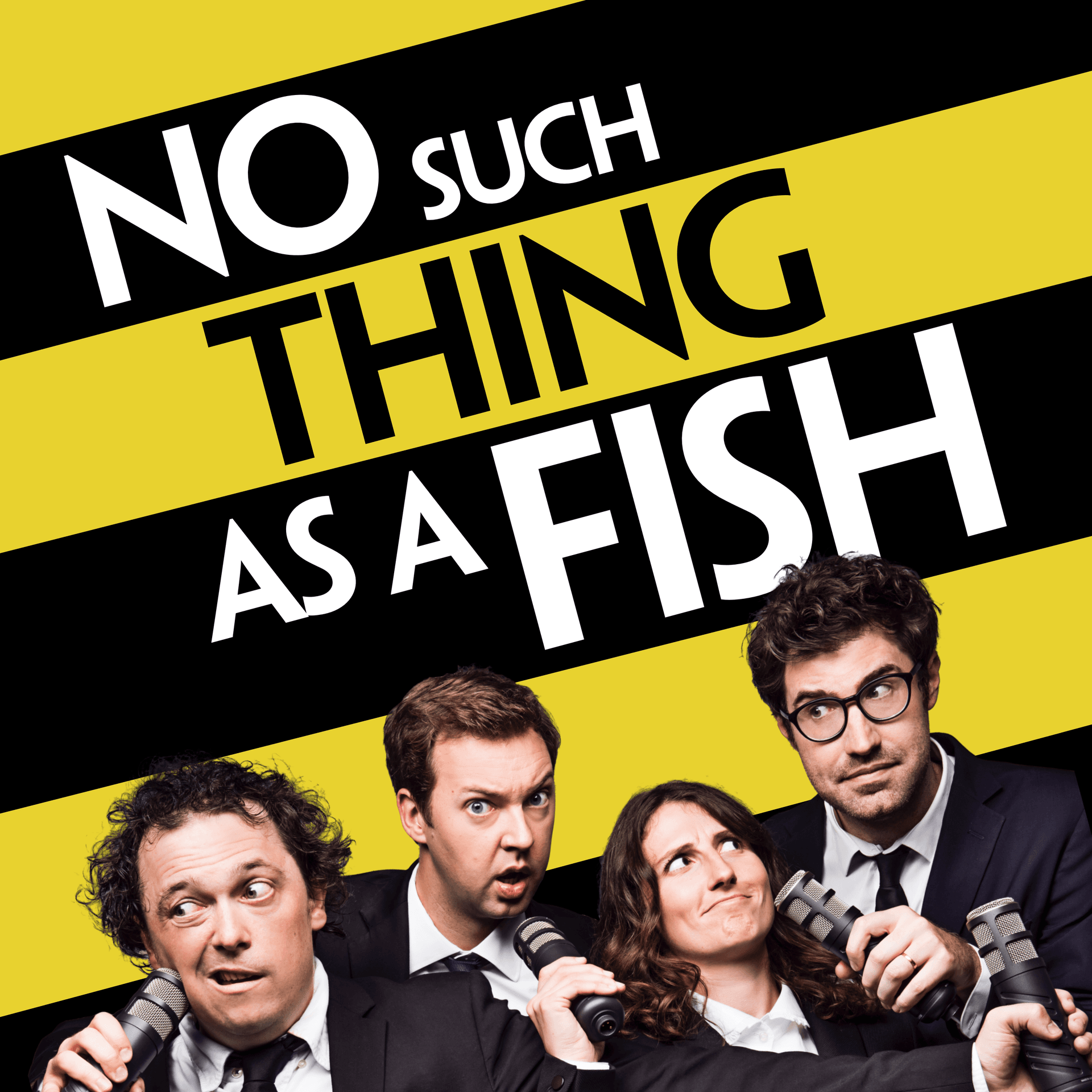
Podcast Overview Title: No Such Thing As A Fish Description: A weekly show where four hosts discuss fascinating facts they've learned over the past week. The hosts are Dan Schreiber, James Harkin, Andrew Hunter Murray, and Anna Ptaszynski.
Guest
Lieven Scheire (often referred to as the Stephen Fry of Belgium)
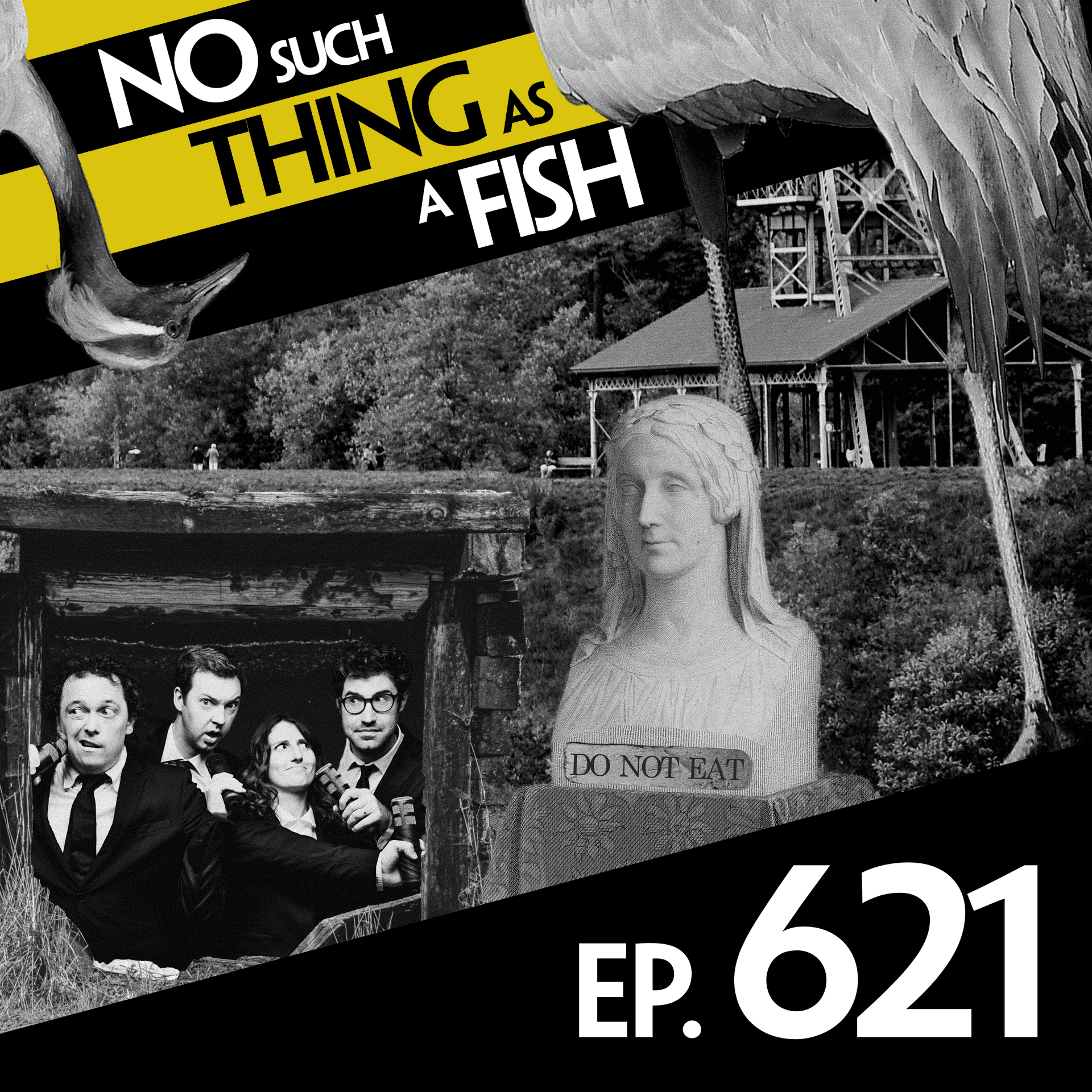
Episode Details Episode Title: No Such Thing As Space Eggs Episode Description: Lieven Scheire joins Dan, James, and Andy to discuss fascinating facts about cray, cranes, and the intriguing world of silica gel.
---
Key Facts Discussed
- Seymour Cray and Supercomputing
- Background: Seymour Cray, known as the father of supercomputing, had unconventional problem-solving methods, including retreating to tunnels he built under his home.
- Notable Myths: Claims of him talking to elves for solutions and burning a boat he built each year to avoid taxes.
- History of Supercomputers: Discussion on how the US Air Force once used PlayStation 3s to create a supercomputer, which ranked among the top 50 in computing power.
- Fastest Supercomputer: The current fastest supercomputer, El Capitan, can perform vast calculations in a second, including managing the results of numerous coin flips simultaneously.
- Future of Supercomputers: Potential developments in space, where supercomputers could leverage solar power and cooling efficiencies.
- The Etymology of the Crane
- Definition: The machine is named after the bird due to their likeness in structure.
- Historical Use: Medieval cranes used treadmills powered by humans or animals to lift heavy loads and were crucial in constructing cathedrals.
- Modern Cranes: The biggest current crane, named Big Carl, is the result of a family business that evolved from horse-drawn tree transport.
- Children and Animals: Historical accounts describe children and dogs being used to power cranes in medieval times.
- Silica Gel's Properties
- Surprising Volume: One gram of silica gel can cover an area of 800 square meters due to its porous structure, making it excellent for drying out environments.
- Common Uses: Found in various products to absorb moisture; not toxic but labeled "do not eat" primarily for choking hazard reasons.
- Applications: Effective in defogging windshields, maintaining dry conditions in items like shoes, and even deodorizing laundry.
- Mary Somerville: A Pioneer for Women in Science
- Historical Significance: The first female scientist to be commemorated with a marble bust at the Royal Society, yet she was never allowed to visit due to women's exclusion from the premises until 1945.
- Contributions: Known as the "Queen of Sciences," she made pivotal contributions to mathematics and astronomy, including predicting the existence of Neptune.
- Legacy: Somerville's work inspired many and she tutored Ada Lovelace, emphasizing her role in the history of science.
---
Key Themes and Discussions
- Innovation and Creativity: The podcast highlights the unconventional methods and creative thought processes behind significant scientific advancements, such as supercomputing and engineering.
- Gender and Science: The barriers women faced in the scientific community historically, exemplified by Mary Somerville's life, underscore ongoing conversations about inclusivity in STEM fields.
- Curiosity and Knowledge Sharing: The hosts' enthusiasm for each topic illustrates the joy of learning and sharing knowledge in an accessible and entertaining format.
---
Conclusion This episode of No Such Thing As A Fish presents a delightful mix of humor, fact-sharing, and insightful discussions on topics ranging from supercomputing to the history of women in science. The guests and hosts engage in thoughtful commentary, making complex subjects relatable and enjoyable for the audience.
For more information, visit [No Such Thing As A Fish](http://nosuchthingasafish.com) for news about live shows and merchandise.
Written by AI. May contain mistakes. Listen to the episode to check what was said.
Chapters
Tap a time to open that second in VOThe Start of the Facts
2:57 to 4:00
The team introduces the format and begins sharing their favorite facts.
“Hello and welcome to another episode of No Such Thing as a Fish, a weekly podcast coming to you from the QI offices in Hoburn.”
Seymour Cray and Supercomputing Myths
4:00 to 6:00
Discussion on Seymour Cray and the myths surrounding his genius.
“I heard that he burned a boat just because he'd built a new one.”
The PlayStation Supercomputer
6:00 to 8:00
Exploration of the US Air Force's use of PlayStation 3s for supercomputing.
Understanding Supercomputers
8:00 to 10:00
Examination of what defines a supercomputer and its capabilities.
“Supercomputer tips Morocco to win 2025 African Cup of Nations trophy.”
Future of Supercomputers and Space
10:00 to 12:00
Discussion on the potential future of supercomputers in space.
“I need to work out how many pizza flops are in this computer.”
Seymour Cray's Legacy
12:00 to 14:00
Insights into Seymour Cray's impact and some personal anecdotes.
“I'd try to see if it had any other impact on the world, Chippewa Falls as well.”
Debating Neil deGrasse Tyson and James Cameron
14:01 to 15:27
The hosts humorously discuss the accuracy of films and the authority of famous figures in science and cinema.
“I think Neil deGrasse Tyson needs to get his priorities right with the complaining.”
The Fascinating History of Cranes
16:28 to 19:04
Exploration of the origins and designs of cranes, both medieval and modern, as well as their uses.
“Okay, it's time for fact number two, and that is Lieben.”
The Mechanics of Obelisk Lifting
19:04 to 22:58
Discussion on the techniques used in ancient Rome to lift heavy obelisks and the fascinating details surrounding it.
“There was a Roman one called a polyspaston, which could lift 3 ,000 kilos per person walking in this thing.”
Crane Facts and Etymology
22:58 to 25:47
Interesting facts about cranes, their names, and how they relate to their characteristics and sounds.
“Were watching This very delicate operation It's like watching snooker.”
Show all 23 chapters
The Return of the Crane
25:47 to 28:00
The story of how cranes were hunted to extinction and their remarkable comeback in the UK.
“The crane is called a crane because of the noise.”
The Last Great Auk
28:00 to 28:38
Learn about the extinction of the great auk and its historical significance.
“We've got five cranes coming in from Look out, you've got to bump into a crane!”
The Last of Its Kind
28:38 to 30:37
Discover the story behind the last great auk and the implications of its extinction.
“And so great orcs got really rare because, well, they can't fly, so people used to eat them.”
Silica Gel Facts
30:37 to 30:53
Understand the surprising properties and uses of silica gel.
The Science of Silica Gel
30:53 to 33:35
Explore how silica gel works and why it’s effective at drying things out.
“You're about to go on the ride of your life, guys.”
Uses and Misconceptions
33:35 to 34:31
Learn about the practical applications of silica gel and common misconceptions.
“People won't find an ancient Egyptian mummy if you accidentally swallow a tiny bit of it.”
Historical Applications of Silica Gel
34:31 to 39:24
Find out about the historical uses of silica gel, including in gas masks.
“It is for if you drop your phone in the toilet or the bath.”
The Chemistry of Graphene
39:24 to 42:01
Dive into the fascinating world of graphene and its unique properties.
“But you would actually put a little silica inside the top of salt can.”
The Ig Nobel Prize: A Quirky Achievement
42:01 to 43:19
Explore the humorous and unexpected achievements recognized by the Ig Nobel Prize.
“and he was walking past it one day and I think on a whim he chucked a ham sandwich in just to see if it would float and it did.”
Mary Somerville: A Trailblazer in Science
43:20 to 46:39
Learn about Mary Somerville, an influential scientist whose contributions were overlooked due to gender bias.
“Yeah, they could have flexed the rules, but they didn't.”
Obstacles Faced by Women in Science
46:40 to 49:59
Discuss the historical challenges women faced in becoming part of scientific institutions.
“Yeah, so she was really sort of a pivotal figure for science back then.”
The Legacy of Mary Somerville and Others
50:00 to 56:00
Examine the impact of Mary Somerville and other women scientists on the field.
“Well, humans are very creative in rationalizing these things.”
A Unique Birth Story
56:00 to 56:58
Hear an intriguing tale about the unique circumstances surrounding a person's birth.
Transcript
Automatic transcript. May contain errors.0:03Hi everyone, welcome to this week's episode of No Such Thing as a Fish, where we were joined by our very, very, very good friend Levin Skerra. Now, regular listeners of No Such Thing Is A Fish will be well aware of Leven. He has been on our show many, many times. He is always absolutely brilliant. And we always love it when he comes over from Belgium and tells us all his amazing facts about science. Now, if you would like to learn more about a particular kind of science, AI, then do I have good news for you? Because Leven is coming over in March to do a live tour across the UK, north, south, east, west.
0:39He's coming along and he will be telling you all about AI. Would you believe it's more complicated than just getting a program on your computer and asking it questions and it getting the questions wrong? There is more to it. And we're better to learn about it than with Lieven Skira, the man sometimes called the Stephen Fry of Belgium. I know that quite a lot of companies are snapping up tickets because they want their employees to learn all about AI. And Lieven is such a good science communicator. definitely it is a place to go if you want to learn about that subject and have a laugh along the way if you want to know more about that then go to leavenskirer.com probably you can't spell that if you're british so he has also bought the domain leaving shire like what a hobbit might do perhaps leaving shire.com if you type that into your address bar you will get his website and you'll be able to get tickets if you want to learn more about no such things of fish then a good place to go at the moment is patreon.com slash no such things a fish where you can join any one of our three tiers the lowest of which four pounds a month will get you dual drop us a line where have you ever listened to the show and thought those guys have got something wrong well if you have then other people have thought that as well and they have sent us emails and andy goes through them and picks out the very best and he quizzes us about them it's not just things we got wrong It's also people with extra material because there are so many experts listening to our show.
2:08So it's a really good place if you've enjoyed the previous episodes to learn a little bit more about those subjects. Patreon's also got a free tier. There's a little bit on there, I think, if you sign up to No Such Things Are Fish on the free tier. But it's also a place where we will announce new things as and when they happen. And I can tell you a lot is cooking up at No Such Things Are Fish HQ. So if you want to learn more, go to patreon.com slash nosuchthingasafish. Anyway, really hope you enjoy this week's show with Livan Skilla. On with the podcast.
2:57Hello and welcome to another episode of No Such Thing as a Fish, a weekly podcast coming to you from the QI offices in Hoburn. My name is Dan Schreiber. I am sitting here with Andrew Hunter murray james harkin and leaving skira and once again we have gathered around the microphones with our four favorite facts from the last seven days and in a particular order here we go starting with fact number one and that is james okay my fact this week is that when the father of supercomputing seymour cray got stuck on a problem he would go into tunnels he built under his house
3:38this is a guy called seymour cray uh he built some of the first supercomputers and according to one of his colleagues who's john roll wagon cray said that when he got stuck in a problem he'd go under there and the elves come with the solutions to his problems yeah what is certainly true is that he was brilliant at sort of getting a computer problem going away just thinking about it and then getting the answer yeah so it's an interesting story because it's sort of um he had such weird myths about him. Did he really talk to elves? Was he messing with his friend? There was a story that he built his own boat and at the end of every year he would burn the boat and then he would build a new boat the next year because he loved building things and he loved creating a new thing on the blank page.
4:21I heard that he burned a boat just because he'd built a new one. And he didn't want to pay the tax on two boats? Unclear. Well a lot of people think that he did do that once and then it became the myth that he did it once a year but he did like his thinking time yeah have you come across this guy leaving no i haven't some supercomputers have a great history you know that um the u.s air force once built a supercomputer out of playstation 3s no the condor console really yeah they bought two million dollars of playstation 3s wow they took out the computer chip what were they trying to play um analyzing satellite images I've not played that game It sounds good It sounds right up your street in fairness Andy Once Flight Simulator's been knocked on the head You need 1760 PS3s To build a supercomputer And the reason they did it was that it saved them 8 million dollars But they weren't using the Playstation itself They were extracting a chip from it did you say?
5:21I think they used most of the hardware And you could run Linux on it Back in the day so you're in the Russian military and your secrets are cracked by 1700 PS3s but so what what is a supercomputer then because that's a collection of playstations does that count as a supercomputer I think there's no like official definition of them but it's it's a term that I think was coined to make the difference with the mainstream computing power of that time and that changes constantly now the the PS3 supercomputer was in the top 50 of computing power at that time 2010 so it did did qualify as a supercomputer and this guy seymour cray his computers were super because he basically was one of the first people to use transistors so a transistor is like an electrical switch you know a computer goes with zeros and ones your transistor will tell you if it's a zero or a one because it switches one way or the other before that they used vacuum tubes so like um light bulbs almost and whether the light bulb was on or whether it was off that would be your zero or one and that's how they work out all the logical things they had to work out so he could suddenly make things much much smaller the fastest supercomputer right now yeah what can it do in the space of a second so the fastest supercomputer i think at the moment is called el capitan at the lawrence livermore national laboratory and let's say dan you were to do a coin flip against everyone in japan yeah okay as you do as i've been trying to do for many decades you'll get a yes from a commissioner one day it's a really fun idea and then once you've done then leaving does the same against everyone in japan yeah and then andy does then i do and then everyone in the world does a coin flip against every single person in japan this el capitan would be able to manage all those results in a single second which is not a long tv show i can see why ai is ruining the arts japan against the world it's petaflop time but i i like this word petaflop so flop is a floating um uh floating point operation so an addition or a multiplication and then peta comes after terra i think uh mega giga x is after peta x is even bigger yeah so we've got a new supercomputer in the uk it opened up last uh summer uh it's in bristol it's called isambard ai and it's going to be used the guardian report of various things it's going to be used for Improving skin cancer detection rates Really good Predicting crowd movements And maybe if there's going to be an accident on a construction site You know it can sort of If a brick starts falling It can work out where it's going to land Maybe even more useful than that And also how to spot Sick dairy cows in Somerset And there are a lot of dairy cows in Somerset And if they're getting early signs of Mastitis, that's a real pain for them You know what, I went on to Google News last week and I searched for supercomputer and these headlines were all on the first page.
8:18Supercomputer tips Morocco to win 2025 African Cup of Nations trophy. Supercomputer reveals who's had the easiest ties in the FA Cup. Supercomputer predicts Man United finish as Michael Carrick takes over. Supercomputer delivers Leeds United versus Fulham prediction and Supercomputer predicts where FA Cup journey will end for Mansfield Town. I can see who's funding the research yeah i'm so glad we're using cities worth of water and electricity to come up with this vital stuff about mansfield town what is going on isn't that so weird but what i think is happening is a normal computer is doing these calculations in a journalist's office somewhere and they're just thinking let's call it a supercomputer i assume that's what's happening right yeah it's not a protected term is it i don't think so i don't think it is super in front of everything i feel like seymour craze was the first properly called a supercomputer right i think i did i just one last fact on him so dan you said he had this intense focus he would spend days in complete seclusion maybe in the tunnels under his house there there are stories also that he was very afraid about nuclear war um so he dug he was digging sort of bomb shelter or having bomb shelters dug under his home i don't know how true that is but apparently he would often on family car journeys demand complete silence so he could think for the entire duration of the journey.
9:35I mean, the dream. The absolute dream. But wait a minute, surely the kids are watching Frozen in the back. Are they watching that on mute? They're not allowed to watch anything. The whole family have to stay silent because Dad is driving and thinking. They're watching a great man think. What more entertainment can you have? Let it go is nothing compared to watching Seymour Cray have an idea. You can pay to watch Seymour Cray think from the back of a car. I don't care how the wheels on the fucking bus are going. I need to work out how many pizza flops are in this computer. Or you will not have the iPad by 2010 to watch your shows on.
10:13Yes, exactly. And then when everybody else is science, you still have the elves babbling in your ear. Shut up, elf. Can I tell you a mad thing about where supercomputers are going to go next? Oh, yes, please. Do you have a guess? League 2 football results. Where it's going to go next? Space! Quantum computing? Oh, computers in space. Is it? Lots of people are trying to get a supercomputer in space. Everyone wants it to be in orbit. You know, Bezos and all sorts of people. And basically the theory is on the ground, all the computing power uses lots of energy and lots of water for the cooling and things like this.
10:53Up there, we have solar power down here, but solar up there and cooling requirements are not nearly as big. Well, solar power is 24 hours if you choose the right orbit. So you don't have nights. Cooling is a strange thing because it is very cold, but also there is very little material. So you're kind of in a vacuum. It's like you can't sweat. Yeah. So the ISS has this big gray things that some people think there are solar panels, but they're actually, the only way to cool the ISS is by radiation, like radiate the power off. And these things are to radiate the power rays So you need some sort of cooling In space too But it's a different way than Liquid cooling that we do here Could we cook something with radiation in space And then that comes back to Earth I guess so I've just had an idea, that's all I'm just going to write to Bezos after this Bye Andrew, space sausage I'm thinking space sausage When SpaceX is straight there SpaceX, oh my god I don't want to deal with masks space sausage you send the satellite up surrounded by a thick layer of meat right it's like a scotch egg like a giant scotch egg in space and as it cooks it drops off and comes back to earth when it's cooked how does it not burn on re-entry we'll solve this down the line I'm asking for a hundred million dollars alright just quickly on Seymour Cray he was born and eventually set up his offices in a place called Chippewa Falls in Wisconsin.
12:31Oh, yeah. I'd try to see if it had any other impact on the world, Chippewa Falls as well. So two I could find. A lady called Judith Ann Hensk, who was a singer in America, was the original singer of a song that's had a bit of an influence on the world because the song was called High Flying Bird. Oh, and Noel Gallagher's band is named after it. Noel Gallagher's band is named after that. Is it really? huge influence on the world there that's one the second one is I don't think you're going to cap get ready it is the hometown of Jack Dawson who sadly died on the Titanic in the movie Titanic Leonardo DiCaprio's character is called Jack Dawson so there's a scene in the movie where Kate Winslet is standing on the front and she's about to jump off and he talks her out of it And he talks about the time when he was standing on a frozen lake in Chippewa Falls, his hometown, and how it cracked and how cold it was when he went under and so on.
13:29And so that's the other main thing that they're known for, except the lake wasn't there until after the sinking of the Titanic. So it's a goof. There's a new lake? Yeah, that's sort of a man-made lake in Chippewa Falls. And it wasn't made until 1917. Gosh. Now, James Cameron did a whole thing where he changed the literal sky to put the stars in the right place when he redid the Titanic movie because he got that wrong. Neil deGrasse Tyson complained about it. Yeah. Neil deGrasse Tyson was watching the movie and at one point said, the sky is wrong. I think Neil deGrasse Tyson needs to get his priorities right with the complaining.
14:06Well, Cameron changed it. He redid it for the anniversary release and he hasn't changed this? He's going to have to go back now and do it all over again. Do you think you have the same authority as Neil deGrasse Tyson when it comes to James Cameron's ear? Hundy P. Hundy P. Of course. He'll probably just hand back all the money He'll probably say, you know what, I'm going to stop making Avatar 9 And I'm just going to focus all the time on time travelling this lake back in time That'll be his solution Avatar, by the way, which is 100 % scientifically accurate on my tree, right? Yeah, exactly I haven't seen what the modern computers look like, the supercomputers But aesthetically, they were really beautiful The original Kray supercomputers So Seymour Kray's Kray 1 was a sort of tall cylinder in the middle Oh, that's right, yeah And then it had sort of like leather seating around the bottom that you could genuinely sit on.
14:54And it was because the cooling system that it needed was underneath. And it just was a thing that was part of the design. Was it heated seats? Yeah. Yeah. Super heated seats. Yeah. It keeps getting referenced as love seats. And there's a few suggestions that people would sleep on it. Not for... It was in the 60s. Yeah. Is that a big cylindrical super good kitchen in your pants? I'm afraid it's an exo-flop.
15:26stop the podcast stop the podcast hi everybody just let you know we are sponsored this week by squarespace yeah you guys know squarespace it is the all-in-one website platform that is designed to help you your business your personal projects stand out on the big worldwide web so that people come and think oh this person knows what they're doing yeah absolutely it's so convenient, simple. I'll just give you an example of a couple of the services they offer. So if you want to have fantastic SEO tools, help your website get discovered fast. Squarespace has integrated tools, which are designed to show you up as much as possible on search engines and bring in more of the customers you want.
16:03Or if you want to fundraise on your website, there are built-in donation tools. If you want to showcase videos, you can do that and create stunning video libraries. There's so much you can do. That's right. So head to squarespace.com slash fish. You'll get a free trial, and when you're ready to launch, use that offer code, FISH, and you will save 10 % off your first purchase of a website or domain. That's right. Squarespace.com slash FISH. Do it now. On with the show. On with the podcast.
16:34Okay, it's time for fact number two, and that is Lieben. My fact is that a crane is called a crane because it looks like a crane. Any questions? Which crane is which? Aha, the crane, the machine Is named after the crane, the bird And what does this have to do with Seymour Cray? Nothing Nothing yet, I'll ask the elves Medieval cranes looked like the birds Have you seen a medieval crane? On paintings? Only through the process of researching this I hadn't though before, no Yeah, so a medieval crane would be a wooden building in a way and it had these two, what do you call them, where the hamster would run around them.
17:19Treadmill. Yeah, treadmills. So it had two big treadmills at the side and people would walk in the treadmills to make the rope move. And then from these two large treadmills, there was kind of a wooden building diagonally going up like 10, 15 meters. And then from the top, there would be a small piece going diagonally down again where the rope would come out. and they would use this in harbors to take loads out of it. And these old medieval cranes, they look a lot like a crane, the bird standing in a field. And so that's why they were called cranes. So cool. They're very beautiful. I had not seen one of these before, these tread wheel cranes.
17:58And they're mad. I think there's a place where they're trying to build a castle authentically in France and they're using one or two of these actual things. And Tom Scott, who's been on this show, has made a video where he goes and operates this crane. Really? It's crazy. And they were used for quite famous things, like Cologne Cathedral. So much. Salisbury Cathedral. And it turns out that if you have enough people and enough time as well, because it moves slowly, but you can basically lift many, many, many tons in weight just by someone walking around. If you have the right gears. Yeah. If you have the right gears, then you can certainly do it.
18:33Could you ratchet it and then use it as a catapult or something? A trebuchet. I don't know if, because then you need a lot of torque on there, and maybe the wood wouldn't. Okay, because I was thinking for Andy's meat in space business. Yes, that's how we'll get it back down. That's a good idea. Or is that how you're lobbing it up? That's how I was lobbing it up. Oh, sorry. Okay. You've got to get the sausage up there, mate. That's true. Is that a slang expression I'm not familiar with? It's a very normal expression here in the UK. Get your sausage up, mate. There was a Roman one called a polyspaston, which could lift 3 ,000 kilos per person walking in this thing.
19:10I mean, the gearing is amazing. And then they were used in ancient Rome, and then they weren't used for many centuries, and then in medieval times they came back. But they were still being installed in London in the 1850s. I think there's one down in Guildford, actually. It's not in operation to that. I think it's a historical one. There are a few that can still be found in the cellars of cathedrals because they used to move up with the floors. So if you've built the first floor, you would disassemble the entire crane and build it again on the first floor so you could work your way up there and then when they were at the top and the church was finished they would just store it in the cellar like they wouldn't build it up again but all the material would be would be there that's very good do you know what the world's biggest crane is right now right now probably the bird or the machine uh we're talking machine still i think yeah sure so is this guessable absolutely not is it is it what would you call it what would you call it mammoth mammoth now oh i see mastodont these are great names it's called big carl and it's named after carl sarans who works he's a director of sarans engineering which is a flemish family business oh which what what's it called sarans s-a-r-e-n-s i see sarans cranes all the time at my street big carl they're a family business they started moving trees with horses and carts as you do and now they're into are the world's biggest cranes.
20:34And I was reading a trade magazine with an interview with Carl, and they said what's going on with the crane industry. And he said the whole industry is picking up. Brilliant. Which I don't think he deliberately did as a joke. Doesn't translate in Dutch, actually. Does it not? No, it's through the roof. It's so good. In these medieval cranes, we had these big treadmills, and they used people to walk in there, sometimes children. Actually, in Ghent, there's still a Crane Children's Street. Krankinderstrand. They weren't like really small kids, but they were like teenagers that were used. And they used animals.
21:15Dogs, for example. There's still pictures of dogs standing in these treadmills kind of sealed off of the world with a small wooden wall left and right. So in the morning, you would put your dog in a treadmill and it would just walk and in the evening, you opened the door and it could Come out again. You've got to make sure to put the dog in the right way around. Otherwise, you get home at the end of the day, it's disassembled half a cathedral. Nightmare. Not again, Fifi. These ones that we used, you've heard of a capstan maybe? That's the thing you see them on board a ship for lifting various things.
21:51It's where you've got a pole vertically and there are four spars coming out of it on the ground and you have people pushing them around in a circle and that lifts something upwards. That was a big thing. they were used a lot in the 15th, 16th century, especially to raise obelisks, because Rome basically got a lot of obelisks from its territories in Egypt. So they were all in... Stole. Stole. Yeah. Why am I worried about medieval Romans coming at me? Yeah, yeah, yeah. They were all sort of nicked. But basically, to raise these, they would use cap stands with hundreds of men and horses involved, pushing them around to lift them up.
22:29And I just love this detail. This comes by the way From Low Tech Magazine Which is amazing It's about the past And forgotten tech And how it can actually Be very useful today The website is solar powered It runs off the author's Home solar power system Anyway To raise this obelisk In the Vatican in 1586 It used 800 men 140 horses And the best detail Spectators were ordered Not to speak Or make a noise On pain of death Because hundreds of people Were watching This very delicate operation It's like watching snooker. It's like watching the snooker. And it was apparently in force. Seymour Cray was there.
23:05Will you shut up? All of you. I want to see more crane. Oh my God. So what's the reason? Because like often you can't make noise because there's someone drumming to make sure everyone goes in the right beat. It might well have been that. I don't know whether it was that or just like a mistake from distraction could have been fatal, you know. But yeah, sounds exciting. One last thing on crane cranes In 2005 Both of these things are crane cranes Which one are we talking about? Mechanical cranes This is just a crazy story It happened in London, South London, 2005 15 year old girl Was found on a crane at night 130 feet above the ground Riddle me this Well sleepwalk is the obvious one She was asleep She'd sleepwalked up there And a passerby had seen someone up there Called the authorities and then a fireman went up Crawled out found her there asleep Didn't know how to Wake her up because if I wake her up She might Panic Where was she asleep I have a vague memory of this story that she was on the Wait on the other side It's not even like she was in the cabin bit No no no Quite not that Quite not Wow So it seems like he got her phone Out of her pocket and called her parents From the phone and said can you ring back So that I can, so that that'll wake her up How did he get Her login to her phone Did he lift up her head And hold the camera in front of it It's 2006 it was a simpler time But you still had codes on phones didn't you Maybe, well anyway it was all fine in the end How do you navigate that opening sentence With the parents Hi I'm on a crane A crane crane
25:00cranberries are named after cranes really berries yeah the organic crane lovely because the plant stamens look a bit like the beaks of cranes geraniums are named after cranes wow from the greek geranus meaning crane because their seeds look like the crane bills the the the dutch word for geraniums is a stork beak no stork bill ah so they're quite similar birds and um pedigree the word pedigree also comes from the word for crane uh the geranos and that's because the foot of a crane has bits that stick out and when you draw like a family tree you have the bits that stick out pedigaranos foot of a crane wow that's really nice oh i love these etymology things that suddenly remove the blanket for some time.
25:49Abracadabra. Yes. I love it. That's great. The crane is called a crane because of the noise. So they have, they're migratory birds. Did I use the right amount of syllables? Yes, migratory birds. And so they fly over Belgium and Holland in huge groups, sometimes thousands of them. And they're quite high up. They have these long necks. And then you can hear crrr, crrr, crrr. They make this crane, crane, crrr, crrr. and so if you want to finish the etymology the machine is named after the bird and the bird is named after the sound it makes and in Belgium we also say crane to tap, water tap, faucet do you?
26:27because they also have well they used to have this vertical piece and then a horizontal piece like a pump cranes, Britain's tallest bird oh yeah what are we talking? oh 9, 10, 12 feet that big that big are they? well if you put them on a hill They're four feet something Yeah they're four feet When we did 20 something Yeah that is four feet Yeah But they're making a comeback across the UK Which is very nice Because they were hunted and eaten To extinction in the UK Also drying out wetlands A lot of that went on in the Middle Ages And that really damages their habitats People ate cranes I've never heard of that People eating cranes Apparently they are I'm afraid to say They're absolutely delicious They Well they certainly were in the 14th century when presumably food was a bit less nice.
27:15But no, in 1465, there was a new Archbishop of York and 204 cranes were roasted to celebrate the fact at the feast. Right. And by 1600, miraculously, they were extinct. But they're back. And it's partly because a random pair got blown off course, as you were saying, Levin. Oh, yeah. The migratory. In 1979, they got blown, of course. They ended up in the Norfolk Broads. And now there are maybe a couple of hundred and lots more breeding pairs, which is obviously the main thing. And there's a place in Suffolk where they are breeding, an RSPB site, Royal Society for the Protection of Birds. And to help them breed, the staff have cut runways for them in the grasses, in the reeds, just to help them take off and land safely.
28:00With the lights and everything? And the control tower? And the guy with the ping pong bats? Yeah, yeah, yeah. We've got five cranes coming in from Look out, you've got to bump into a crane! What kind of crane? Crane, crane. Small fact about the lighthearted topic of eating birds into extinction. Oh, yeah. I, this week, I personally ate the stork into extinction. No, I held with my hands the very last great auk that ever walked on this earth. Really? It was strangled in 1844 on Elde, an island in Iceland. And so great orcs got really rare because, well, they can't fly, so people used to eat them.
28:49And back then, like 19th century, if an animal became really rare, it became super expensive because all the collectioners wanted one. Yeah, it's amazing. I read an article about this where it's like it would become well known that there was an animal that they're about to go extinct. and what people thought was not shall we save them, they were like this is our last chance to catch one and so these Icelandic sailors could make a nice buck out of you had to strangle them because otherwise you damaged the meat in the skin so they know that the last great orc was killed on that island, the intestines were kept at Copenhagen and for a long time they didn't know where the skin ended up and then they did genetic testing on the intestines and on all the 67 great arcs that are in museums and it's in Brussels.
29:39So they found out this is the very last great arc that ever lived and it's now up there. It's in a place called, well, it's our National Institute for Natural Science. They have a huge collection of taxidermy. They have 1 million mammals, birds, amphibians, reptiles and then they have I think 30 million if you count all the insects with it and they have this separate room for extinct species that is extra secured because they are very valuable I met one of the conservators there and almost weekly he makes the sad walk with the new species to the extinction this is I want to film this one day this weekly walk of getting the phone call like yeah you know that bird over there on that island well extinct now put it in the put it in the special room and then yeah then you have to take an animal to the extinction room yeah that's so sad it is you got anything funny in the section no okay it is time for fact number three and that is andy my fact is a single gram of silica gel has an area of 800 square metres.
30:58Okay. Strap in, everyone. This is so much fun. You're about to go on the ride of your life, guys. There's a fantastic website called Scope of Work. It's really good. It's amazing essays about all sorts of stuff. You know the silica gel, the little packets do not eat, right? They often come in one gram packets. And they're to dry things out, right? They're to dry things out. They'll be in your shoes when you buy them. Exactly. Or a bit of furniture or whatever and that stuff in there is silica gel and the reason it's amazing at drying things out is that when you zoom in on it it's not like glass which is silicon uh silicon dioxide it's much less dense than glass silica gel is full of these tiny tiny tiny pores so they're 2.5 nanometers across, which is the width of one strand of DNA.
31:49But these little balls of silica gel are so riddled with these voids, these holes everywhere, that one gram of it has an internal area of 800 square meters. So that's four tennis courts. They're absolutely amazing at taking on their own weight in water vapor, because it all condenses in their tiny capillaries. So that's why they're so effective and when you when you're a you know shoemaker for example and you're trying to say they will say silica gel sellers how big do you want to keep dry how big an area how big a volume and how dry do you want it to be what's the maximum moisture you want inside the shoe box yes and they can just gear it exactly because they know how much silica gel can absorb it is pretty amazing i mean we all know these packs we've all got them in various items that we've bought um the the say do not eat on it turns out that's not because as everyone assumes that they're toxic they're not toxic they're delicious they're like the brains i remember when the archbishop of durham came in a few years ago they had 200 000 silica gel packets didn't they yeah so don't eat them but it's largely for the packet isn't it it's to say don't eat you might it's a choking hazard um it's very funny we have to say don't eat them because obviously we're not recommending people eat silica gel but it doesn't seem like actual i don't think it would be any good for you because it would absorb all the water sorry it would adsorb all the water because it doesn't absorb absorb is like a sponge you get the water goes inside of it adsorb means that it sticks to the outside of it it's really weird but the outside is in the inside precisely of the silica it's like a weird net thing but anyway so yeah if i think if you did eat a few of them and you had swallowing problems already, I don't think it would be that good.
33:33Yeah, definitely don't eat it. People won't find an ancient Egyptian mummy if you accidentally swallow a tiny bit of it. It's not like it dries you into a husk. An amazing assassination method. Like the end of Indiana Jones. That's how they achieve that effect on set. All of these chalices have got a bit of silica gel in them apart from one. We should say the only potential reason you shouldn't eat them is that some of the beads might have a little moisture indicator like which is to indicate when they change colour, like cobalt chloride which could be dangerous if you ate enough of it Yeah, just don't eat them It says don't eat them Take advice from the packet, not from us You'll be fine, but don't But one thing you could do, which I don't, I see that, I get scared It's toxic, chuck it in the bin Actually, collecting them is quite useful because they can be used, not to eat, not to eat I'm sorry, but we've covered some pretty nerdy collectors.
34:30Surely. Surely there aren't collectors. It's not for the sake. It's not like a stamp collection. It is for if you drop your phone in the toilet or the bath. Instead of putting it in rice, put it in a box full of these little packs and it's going to probably act better than the rice. So they have their uses. Apparently they're great for defogging windshields as well. If you just chuck your hundred silica packs you've saved. I've heard musty smells of books It adsorbs All of the musty smell Rust in toolboxes If you've got a slightly damp garage or something Just pop a bit of that in Allegedly if you have a big enough packet You can deodorise your laundry But why don't we collect them and use them to lower the sea levels again Oh yeah The thing with these numbers Is that people have no idea Of how small atoms are Atoms are well, it's just crazy.
35:28We can't get our head around it. I used to have an example in my show on genetics. I talked about Julius Caesar, who bled to death. Let's say he lost one liter of blood. You take one glass of water like I have in front of me. What is the chance that I have a molecule in here, an H2O molecule that literally exited a wound of Caesar as he bled to death? It's about 2 ,000 in each glass of water. Wow. But you definitely have that in there? Yeah. That belongs in a museum, man. yeah but the thing is that there are a lot more h2o molecules in a glass of water than there are glasses of water in on earth but so how much of history is sitting in that glass right now everything from the beginning of the planet dinosaurs dinosaur piss oh a lot of dinosaur piss that's what i always that's what i always tell the homeopaths like diluted dinosaur piss yeah but maybe it turns out that actually dinosaur piss is the secret panacea medicine and they've been right all this time.
36:23Who knows? I didn't know I'd been drinking Hitler piss. There's some Dalai Lama piss in there too and some Mahatma Gandhi piss, so it kind of evens out. Okay, good. Here's something you can do with silica gel. You can make opals out of it. Ooh. So... The cars or the stones? The stones. Or the fruits? Yeah. No, the stones. Basically, opal is made of silica gel, but it's dehydrated and it's compressed by nature. But you can make opals in the lab by getting a load of silica gel, putting it in water, leaving it for weeks and weeks and months and months until it all sinks down and stacks itself perfectly.
Read the full transcript
37:03And then you remove all of the water and it's in a perfect lattice and that's how you make lab-made opals. That's very cool. It's the same material, basically. And in a different crystal structure. Precisely, yeah. When you start zooming in enough like this, everything gets a bit weird, I find. Like, this stuff, silica gel, was first created in the early 20th century by a researcher at Johns Hopkins University called Walter Patrick. And he created it out of a material called water glass, which as far as I can tell is water-soluble glass. Okay. That's not very useful in this construction. It's quite hard to have a glass.
37:41That just feels like sandy water, doesn't it? I think if you pour the If you have a glass of this stuff and you pour some water in It dissolves Which is a good prank There's nothing else But I find it so bizarre that this exists And there's an amazing 1930 paper The story of silica gel Which I read too much of It's by the main silica gel making company Basically And it begins People really knew how to write science in the old days Oh so it wasn't very dry Oh my god Walked right into that Stepped on that rake You set it up yourself I know, I know I left the rake out The story of Silicator Just listen to the way this begins, alright Someday the true history of mankind will be written A history that will treat not the struggle of man against man But of the epic struggle of man against the forces of nature One great force of nature is oxidation The intimate union of oxygen and carbon producing combustion Combustion produces heat And primitive man This is about silica gel It's great It's so good It's Lord of the Rings style science It really is though, isn't it?
38:50Yeah One of us uses way more silica gel than the others Can you guess? Is it me because there's a K-pop band called Silica Gel? That's not the reason But it is you Oh, I think I know why Go on I think just through my research Yeah I think it's James because of his cat Ah Yes Okay Oh, that's how I dry her She's been out in the rain She's in there with the shoes now Don't eat it It's cat litter Cat litter More adsorbs We've been using it So World War I After the invention by Walter Patrick It was used in gas masks Yeah Salt shakers used to use it In the cap You would put little bits of it So that the salt wouldn't dry out So it doesn't clump up because people would put bits of rice in there, right?
39:41Yeah, rice. But you would actually put a little silica inside the top of salt can. I'm going to put some in my coffee tin when I get home. Do not eat. I'm sorry. How many times do we have to tell you? But am I allowed to drink it? You sounded like a health and safety Dalek there. Do not eat. I'm just imagining you putting it in your coffee and you pour the water in your coffee and all the water's gone. I'm like, what? I put three kettles in here. you can do that with the with the powder from diapers it's a typical magic trick that you do in science shows you take like three cups like um non-transparent cups like paper cups and in one of them you put the powder that is inside a diaper oh okay like a baby diaper you put them you put it like one or two centimeters at the bottom and then you pour water in all three of them and if you take the one that had the powder you can turn it around over your head and nothing will come out because it, I don't know if it absorbs or adsorbs, but it also sticks to the side.
40:39So it's a magical trick. And I think it turns a little bit white or something. And I've seen people use it as fake snow, that stuff. Really? Don't eat the yellow snow, though. Do not eat it. Do not let's pee. That's brilliant. I had one more thing about these one atom layers. Oh, yeah. Like graphene. So graphene is stuff that is made of one layer of atoms carbon atoms all in hexagonal shapes. It's the stuff that your pencil is made of. So you're writing with graphene. And the cheapest way that they made one-layered graphene, it's very difficult to make something of one atom thick. The cheapest way was with sticky tape.
41:23You just put sticky tape on a pencil and you rip it off. And then you put sticky tape on the sticky tape and you rip it off again and you keep going until there's just one layer left. it's kind of a low-tech way to make to make graphite this is a silly question how do you get it off the sticky tape i do not know i think you study it on the sticky tape oh okay okay so it's not for production no no and then you put electricity on it in there and stuff yeah it was because we've met um andre geim yeah we um discovered it i think but he won a nobel prize for it definitely and he also won an ignobel prize for levitating frogs yes that's right he was at his university and there was a giant magnet and he was walking past it one day and I think on a whim he chucked a ham sandwich in just to see if it would float and it did.
42:11So then he... This is how these people, like, putting a sausage in space, putting a ham sandwich in a magnet, you know, these ideas, they seem stupid at the time. We do the impossible. And then 30 years from now we get the call from the Nobel Committee and it's like, yeah, thought that would happen eventually.
42:30It was the Ig Nobel Prize he won for that one Not the Nobel Prize For the frogs, yeah The guy who does the Ig Nobel Prize It sounds incredibly serious when he rings you up Yeah He's the opposite of the Swedish chef My favourite Ig Nobel Prize Is also, has to do with surface Was mathematics I think it was 2002 Ig Nobel Prize in mathematics For an Indian researcher Who calculated the entire surface If you were to fold an Indian elephant open yeah so what is the surface what is the surface of an indian elephant if you were to fold it open what do you mean yeah fold it open like no you don't mean cut it in half and then fold i think i think fold all the surface area so it's very wrinkled yeah and um it was really useful research because for especially vets when they had to dose medication for elephants they had to measure the height of the elephant and it was very dangerous because they're moody creatures and people get killed by them and he could calculate it from a footprint so he could just let an elephant walk over some mud and then measure the area of the footprint and then he could say the entire surface area of the elephant is this so the dosage of the medication is this and you don't have to get near it and get killed wow yeah you know what they say about elephants with big feet they're just big in general yeah that's what they say that's another saying here um along with lob a sausage up there
43:59okay it is time for our final fact of the show and that is my fact my fact this week is that the first female scientist to be celebrated with a marble bust at the royal society was never able to visit it because women weren't allowed in the building wow this is kind of a nice story at the start because she's got a bust yes and then kind of tells off quite a lot beyond that yeah um this was a fact that was told to me directly by a particle accelerator physicist from australia called dr susie sheehy it's s-h-w-e-h-y if anyone wants to look her up she's really awesome and um she was saying it's really fascinating this incredible scientist who was born 1780 called Mary Somerville, was known as the Queen of Sciences in her time.
44:44She was such an influence that all the members of the society wanted to commemorate her with a bust in her own lifetime, and they did so, but because the rules of the society did not allow women into the building, she was never literally allowed to go and see it. Yeah, they could have flexed the rules, but they didn't. It's outrageous in hindsight. It's absolutely outrageous. She could have seen it, I think, because in 1834, when she was still alive, there was a ship that was named after her called the Mary Somerville ship. And the figurehead of that ship was copied from that bust. And not only for the ship, a lot of the leading scientists of the Royal Society loved it so much that they asked for a casting of it for their own home.
45:25So she could have gone to their houses as well. Again, these are just bad reasons not to let her in. I'm just livid about it. We're not saying that this is a good conversation, but she likely would have seen it in people's homes, on the front of a ship. So it's pretty cool. It got a lot of outing. But her history at the Royal Society was amazing. She, I think, was she the first woman to have a paper read out, authored by her at the Royal Society? But she wasn't allowed in. Her husband had to read it out on her behalf. You know, I think he had to get things out of the library from her. And she's amazing.
45:57She wrote so many extraordinary scientific works. She was an amazing mathematician I mean she just achieved so much In 19th century science She pre-discovered A planet So in 1842 I love this so much In 1842 she wrote a work saying You know there are some, get ready Disturbances in the movements of Uranus Alright No giggling in the back And she basically said It looks like there might be something else That is causing these disturbances in the movements of Uranus. And she inspired an astronomer called John Couch Adams. Lo and behold, four years later, Neptune is discovered. Right where she said it would be.
46:38It's very cool. It is very cool. And she tutored Ada Lovelace. Really? Yeah, so she was really sort of a pivotal figure for science back then. But she was a woman, therefore it was hard. And what was the reason that she got to science? Because of course, back then you had to have the time and the money. So when she was a child, she got into Euclid like a lot of scientists did. So Euclid is an old Greek book where he proves lots of geometry, but it's really easy to follow. You can just pick it up from the first pages, like this is what a dot is, this is what a line is, and then the final pages, this is an incredibly complicated bit of geometry.
47:18So it's really interesting for younger people to go through. So she was interested in it, and then she married her cousin, and her cousin died, but he was very rich, so she became a woman of wealth. so she could do whatever she wanted. She was quite young at this age. In actual fact, she then married another cousin of hers. She had a type. She had a type. Rich cousins. But she was, yeah, she was wealthy and she was interested in the sciences and so. And her parents originally didn't want her to learn too much. And I think for the first seven or eight years of her life, she wasn't taught to read, she wasn't taught anything.
47:51And eventually her parents thought, we better teach her, you know, the basics of reading and accounting. Then she was getting too good. She was reading too much Euclid and they freaked out a bit because they thought too much education had driven her sister insane so her sister yeah she had an older sister i think and um her first husband who you mentioned james who was cousin number one samuel grieg was a bit of a hindrance to her he didn't agree with women being educated basically happily he died after three years leaving her everything so as you say she then got to marry cousin number two who was a brilliant support all the way through her career And hung back so she could shine As it were It sounds like education was the screen time Of the children back then Just half an hour of education a day It will drive you insane They used to take her candles away at night Really?
48:40The parents would come in and go We're taking your candles, you're reading too much But this is a thing you would like James especially I think she got into it because There was an algebra puzzle in a friend's fashion magazine And that's what brought her to Euclid She thought that seems interesting and she begged her brother's tutor to buy her the elements of geometry. I would like this because I like fashion magazines. That's it. You see James in public, he's never without a grazia. Puzzles, I love puzzles. An era where fashion magazines printed algebra puzzles is a great era. So the Royal Society, they didn't allow women to be members and into the building until 1945.
49:18And it was founded around 1660. There was a moment where a woman did make it in, Margaret Cavendish who was also one of the early Great female scientists of that period She went in in May of 1667 And it caused such An uproar and scandal That no one was back until 1945 She sort of got around with them or There was some disagreement I think she pointed out some mistakes in the experiments probably She was really interested in science She was very extravagant for her age She wore Men's clothes which was seen Very strange at the time John Evelyn who was there said her headgear was so pretty I never saw anything so witty though I was half afeard god bless us when I did see her she looked like a cavalier but that she had no beard and Samuel Peeps who was there said the duchess have been good comely woman but her dress is so antic and her deportment so unordinary that I do not like her at all so I think she was just a bit like she wasn't what you would expect to be in the royal society at the time yeah and that was it um but there was actually someone who was a fellow before 1945 a woman and that was queen victoria who was she was an honorary royal fellow because it's the royal society and she was royalty so she was allowed to be a member but like it was a member by name really didn't go in so this the idea of women not being part of these science institutions not just the uk like this was this was global um there's one great example which is that in france in 1911 the academy rejected Marie Curie to be a member of it 1911 is the year that she won her second nobel prize in sciences if you get three if you get three we'll let you in but two i think you're still an amateur if you only have two nobel prizes it's so weird that you have these people who are supposed to be very logical doing experiments, but still, just having a woman there who has won two Nobel Prizes still going, well, no, I don't think it's appropriate for you to enter here.
51:24How do you get your head? Well, humans are very creative in rationalizing these things. There was a, to come back to the UK, the Royal Society, their earliest published report by a woman in their journal was attributed to Governor Belcher's lady. That's who's written this. And there was Hertha Ayrton. She was a brilliant scientist, and she improved electric lighting dramatically, I think in the early 20th century. And a group of scholars proposed, we really should let in a woman into the society. And then they said, oh, sorry, you're married. Sorry, if you've been single, different matter. And Hertha Ayrton, she was told at the age of 52, I'm sorry, you're just too old to contribute to the Royal Society, while the society's president at the time was in his 80s right it was i mean yeah yeah obviously massive double standards but yeah maria mitchell's another interesting one so she was a an astronomy person in the 19th century and she was friends with mary somerville she came to over to europe to meet her she couldn't get into the royal society they wouldn't let her in there but um when she met george airy frs the british astronomer royal he said to her in england there is no astronomical public and we do not need to make science popular wow so she went on around europe and visited lots of people and then she went to the vatican where they had an amazing astronomy place and she wanted to go and look at their telescopes and she was told that because she was a woman she wasn't allowed there after dark so she could go and look at the telescopes during the data oh no but as soon as it went dark women were not allowed in isn't that amazing we've mentioned that there was the mary somerville ship and that was again in her lifetime that ship was out there so she would have seen the bus it sank uh with all hands aboard in her lifetime yes about 20 years and then yeah exactly there's only one other fact as far as i can tell that also had a ship named after it that we've done on today's show a little quiz question oh we've done cranes hms silica gel it's incredible to see it plow its way across the seabed always in dry dock is the correct answer there was a ship that was named after silica um and it too also sank uh so it's now at the bottom of the ocean somewhere slowly getting bigger and I wonder how much higher the ocean would be if that didn't happen.
53:59That's great. She's on the Scottish tenor now, Mary Somerville, which is nice. Oh, that's nice. Because she grew up in Scotland as of 2017. And if you look at it under UV light, there's a little Easter egg hidden in there. It's a lunar diagram, which is from one of her books called The Mechanism of the Heavens. So that's very cool. Also, the other thing she did, she was a real science communicator. She did do brilliant mathematical work and science in herself, but she also wrote these incredible books which explained and drew together science to lots of people and there's a report you see it in lots of places said that she was the first person ever called a scientist because there was a review of one of her books by William Hewell who coined the word scientist in review he didn't actually call her a scientist he just said it's crazy that we have chemists and biologists and we have blahists and everything but where's the word why don't we call them a scientist and scientists at the time hated the idea of the word scientist because they were getting very snotty about the idea of professional scientists coming and ruining a traditionally amateurs game for rich blokes well as a physicist you don't want to be in the same room with a chemist of course there shouldn't be one word or an engineer can i tell you a thing about her husband her second husband yes so i've got here you can see this is reflections by mary somerville this is a first edition of her memoir wow which was printed a couple of years after she died.
55:22Look, there's the bust. You can see the Royal Society bust. And it begins with a little intro from her daughter saying, this is genuinely how it begins, right? The life of a woman entirely devoted to her family duties and to scientific pursuits affords little scope for a biography. Okay, well, I've just bought this. There are in it neither staring events nor brilliant deeds. Okay. And my mother was strongly averse to gossip and to revelations of private life or intimate correspondence so nothing of the kind will be found in the following pages why have you bought this book it's the it's the silicon jail of literature is what it is and she's underselling it right because in the first two pages there's a shipwreck and the two sea battles and the american revolution wow her father was involved in all of that oh wow and then get this get this about so her second husband also her cousin right yeah okay just i'm just gonna read this my mother was dangerously ill and when she When Mary herself was born But my aunt was about to wean her second daughter Janet So my aunt nursed me till a wet nurse could be found So I was born in the house of my future husband And nursed by his mother They'd both They'd both been suckled About the same age They were about the same age It might have been No wonder the daughter's like nothing to read here Just maybe put it down Just put it down Five pages in, you're getting some double suckling stories Okay,
56:57that's it That is all of our facts Thank you so much for listening If you'd like to get in contact with any of us About the things that we have said Over the course of this podcast We're all online I'm on Instagram, on at Schreiberland James? This morning, Lee even added me on LinkedIn So why not add me on LinkedIn as well? I got a request as well Yeah, I can tell you why. Because I'm touring with this AI show. And it's so popular amongst companies that I have to go to LinkedIn to promote this stuff. Wow. It's the boomer TikTok. And that's where I'm going to be. Okay. Is there anywhere else to find you online, Lieven?
57:31Yes, on my website, lievinschere.com. But because you cannot spell this, I've also registered lievinschere.com. Andy. I'm on Instagram at andrewhunterm. Yep. And you can get to us as a group online as well. But if you want to send us anything, podcast at QI.com. That is our email address. All the emails go to Andy. He reads them through. He collects the best of them and he brings it to our bonus episode, which is the mailbag episode called Drop Us a Line. We do it every two weeks. We absolutely love it. So if you've got a great story about something you've heard us say, send it there. Or if you have a great fact, also send it there because Andy collects those and we bring it to Little Fish, which is our new Monday show.
58:13hopefully you've heard it by now where instead of our facts we do all of your facts so if you want to listen to jewel go to patreon.com slash no such thing as a fish you can join up there we got lots of fun tiers if you want to just listen to our other shows or you want to check out anything else about us want to go to no such thing as a fish.com all of our previous episodes are up there and if you want to see an incredible night of science go to leave and skewers ai tour which is happening in the next couple of months leaving when do you start it's uh march i start i think the 10th of March I will start in Leeds and then I go all over the country it's not in a geographical logical order so I'm going to drive up and down all the time amazing yeah okay great so it's the last the last three weeks of March and I'll end in London on March 28th that's right Leicester Square Theatre that's it very exciting alright well that is it for us thank you as well to our production team Ling Li Ethan Ruperalia and all of the other fishbusters who are working behind the scenes and we're going to be back again next week with another episode.
59:15We'll see you then. Goodbye.
From the publisher
Lieven Scheire joins Dan, James and Andy to discuss Cray, cranes, and the crazy crazy world of silica gel.
Visit nosuchthingasafish.com for news about live shows, merchandise and more episodes.
Join Club Fish for ad-free episodes and exclusive bonus content at apple.co/nosuchthingasafish or nosuchthingasafish.com/patreon