
In short
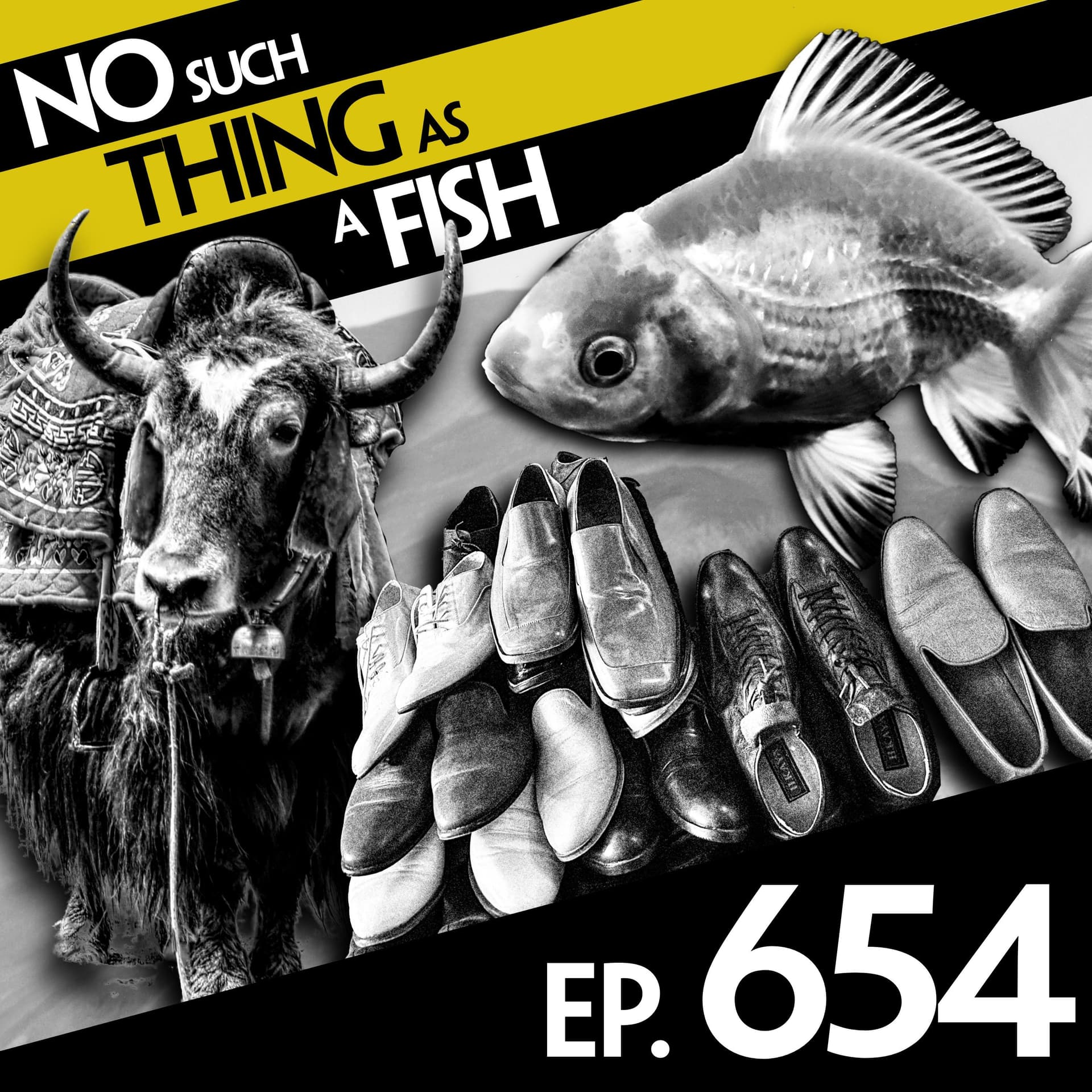
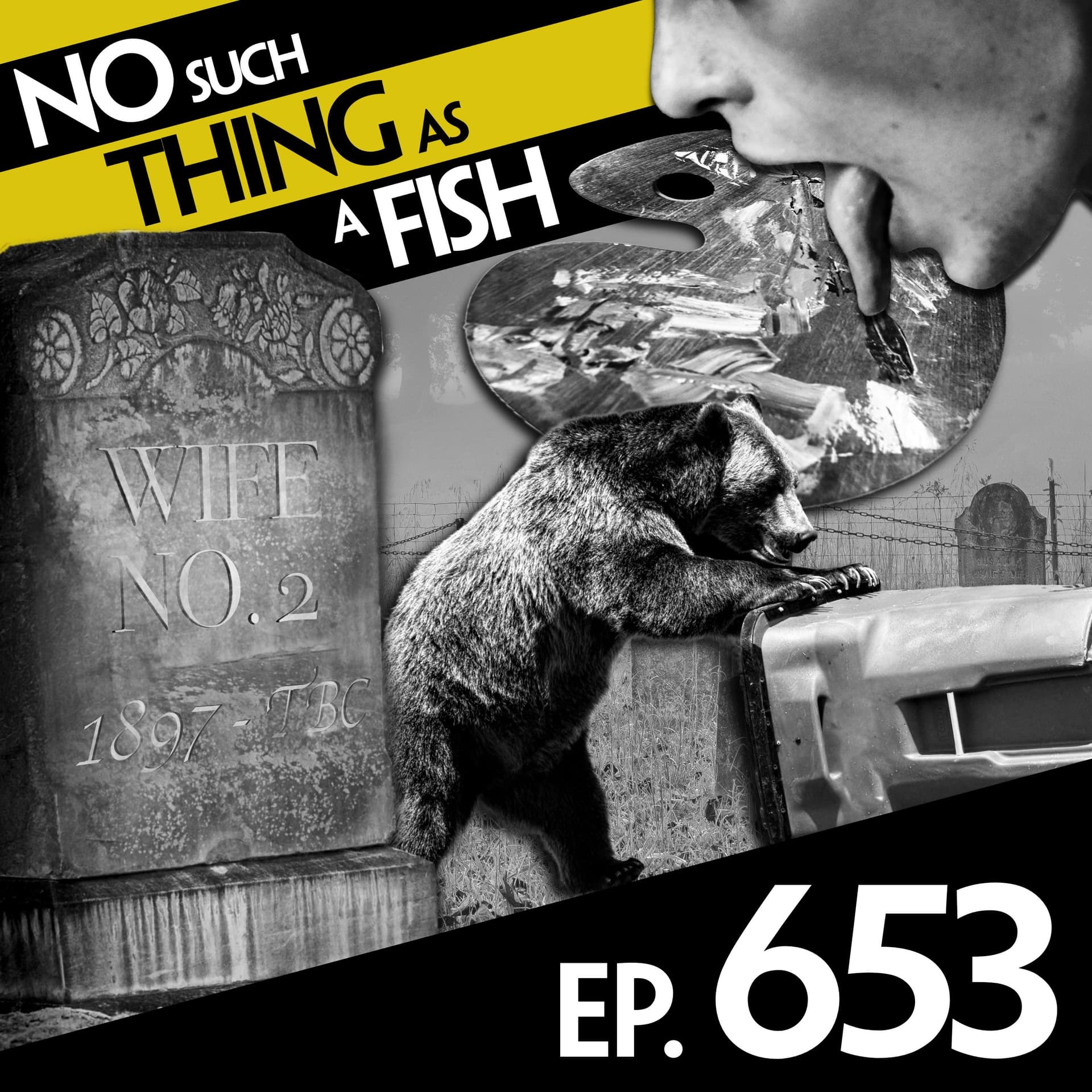
The “Fish” episode’s four weekly facts range from donut history myths to porpoise conservation science, tractor ballast in Canada, and long-term “restart civilization” planning.
Guests
Dan Schreiber (host, QI offices), Andrew Hunter-Murray, James Harkin, Anna Ptaszynski (all deliver “facts” and debate them).
Key claims & examples
- Donut “ambassador” Edward Velasca/Falasca allegedly traveled America in the late 1940s measuring donut holes and predicting they’d shrink; evidence includes a Smithsonian-linked photo from Sally L. Steinberg (“Donut princess”) and her book The Donut Book.
- Chinese Academy of Sciences used 2,000-year-old poems to infer lost Yangtze porpoise habitat; finless porpoises are discussed as distinct from dolphins; vaquita/totoaba swim-bladder trade is cited (aquatic “cocaine,” ~$50,000 per bladder).
- Canadian tractors use vegetable juice (RimGuard beet juice) in tires for cold-weather ballast and grip; compared with toxic ethylene glycol and other fluids.
- Long Now’s “Manual for Civilization” library (3,500 books) and the 10,000-year mindset; includes The Clock and “The Buck” as a civilization-restart guide.
Written by AI. May contain mistakes. Listen to the episode to check what was said.
Chapters
Tap a time to open that second in VOThe Doughnut Measurement Mystery
0:30 to 2:26
Discussion about a man who measured donut holes in the 1940s.
“Starting with fact number one, and that is Anna.”
The Donut Princess and Her Collection
2:26 to 4:32
Exploration of Sally L. Steinberg's donut collection and its significance.
“Actually, that was the most plausible explanation I thought.”
Doughnuts in War Times
4:32 to 6:20
How doughnuts were made and served during wartime.
“and they kind of got a taste for the doughnut.”
The Origins of Doughnut Holes
6:20 to 8:16
The story of Elizabeth Gregory and her influence on doughnut creation.
“And then in New England, there was a woman called Elizabeth Gregory and her son was a ship's captain and she wanted to feed him, you know, keep him well fed at sea and all of that.”
The Evolution of Doughnut Spelling
8:16 to 11:24
Discussion on the different spellings of doughnut and their history.
“when he was 85 years old, how he felt about it.”
Dunkin' Donuts and Cultural Change
11:24 to 13:20
How Dunkin' Donuts has transformed and its impact on donut culture.
“That makes sense because in all the old newspaper archives, Americans are spelling it with a G-H.”
The Myths and Legends of Doughnuts
13:20 to 14:00
Exploration of myths surrounding doughnuts, including why cops like them.
“You get the donut and you get the nipple access.”
The Origin of Doughnuts
14:00 to 14:58
Learn about the humorous origins of doughnuts tied to a nun named Agnes.
“This is the Smithsonian's leading donut ephemera expert who is putting this in her brilliant book.”
Cops and Doughnuts Myth
14:59 to 16:06
Explore the connection between police officers and their fondness for doughnuts.
“Do they get like 20 % off every purchase?”
Poetry and Porpoises
16:07 to 17:42
Discover how ancient poetry is being used to protect porpoises today.
“Sonnets from the 17th century to save slugs.”
Show all 28 chapters
The Mystery of Porpoises
17:43 to 19:50
Uncover the fascinating details about finless porpoises and their unique biology.
The Plight of the Vaquita
19:51 to 22:37
Learn about the critically endangered vaquita and the threats it faces.
“They're just like a sort of gray sausage in the water.”
Harbour Porpoise Mating Habits
22:38 to 28:00
Explore the unique mating rituals of harbour porpoises and their challenges.
“But that's crazy that the demand for something in China is messing up the species.”
The Use of Beet Juice as Tire Ballast
28:00 to 29:38
Learn about why beet juice is preferred for tractor tire ballast.
“One is that in Canada, it gets very cold.”
The Evolution of Tractors
29:38 to 31:09
Discover the history of tractors and their slow adoption in farming.
“I wonder why you came in such a big overcoat today.”
The Decline of Horses in Agriculture
31:09 to 32:38
Examine the significant decline of horse usage on farms over the decades.
“where everyone said this is it, end of horses.”
The Amish and Their Relationship with Tractors
32:38 to 34:08
Explore the unique stance of the Amish community on tractor usage.
“You've got the Amish, of course, who don't love using tractors.”
The Origins of Lamborghini
34:08 to 35:30
Learn about Lamborghini's beginnings in tractors and the rivalry with Ferrari.
“Anyway, I thought, you know, that's interesting.”
The Legacy of Robert William Thompson
35:30 to 37:15
Discover the contributions of inventor Robert William Thompson to transportation.
“And apparently he crashed his car into the cafe and the cafe owner was like, whoa, whoa, discombobulated and he said, I'll have a glass of wine, please.”
Inventions Ahead of Their Time
37:15 to 38:09
Discuss the challenges faced by inventors when their ideas precede demand.
“And he had invented these tires and he tried them in Regent's Park.”
Long-Term Thinking and Its Importance
38:09 to 41:48
Understand the concept of long-term thinking and its implications for civilization.
“Okay, it is time for our final fact of the show.”
The Clock and Future Civilization
41:48 to 42:01
Examine the significance of The Clock and its role in preserving knowledge.
“rather than say, hey, maybe this fire will spread, man.”
The 10,000-Year Clock
42:01 to 43:21
Discover the purpose of a clock designed to last 10,000 years and its implications.
“Why are they building a clock in a Texas mountain which will function for the next 10 ,000 years and which you won't be able to visit?”
Books for Rebuilding Civilization
43:22 to 44:46
Explore the interesting selection of books aimed at preserving knowledge for future civilizations.
“Please tell me the donut princesses book.”
The Buck: Restarting Civilization
44:47 to 46:00
Learn about a book designed to help restart civilization after a catastrophe.
“It's 2.3 kilograms, so almost as heavy as Dan's testicles if he was a porpoise.”
Messages to Future Civilizations
46:01 to 47:28
Explore how we might send messages to future beings and the challenges involved.
“How can we leave a message to them once they've evolved to say, don't do this, do that?”
The Next Intelligent Species?
47:29 to 48:48
Discuss potential candidates for the next intelligent species on Earth post-humans.
“and there's this amazing thing called the Kursk Anomaly, I think it's called, and it's in Russia.”
Surviving a Space Mission
48:49 to 50:28
Investigate the challenges of maintaining a sustainable population on a long-term space mission.
“How many people do you need on your spaceship?”
Transcript
Automatic transcript. May contain errors.0:12James Harkin:Hello and welcome to another episode of No Such Thing as a Fish, a weekly podcast coming to you from the QI offices in Hoburn. My name is Dan Schreiber. I'm sitting here with Andrew Hunter-Murray, James Harkin and Anna Ptaszynski. And once again, we have gathered around the microphones with our four favourite facts from the last seven days. And in no particular order, here we go. Starting with fact number one, and that is Anna.
0:36Dan Schreiber:My fact this week is that in the 1940s, a mystery man travelled America measuring the holes in donuts and passing a ruling on what size they should be.
0:46Anna Ptaszynski:Pervert. It's got pervert written all over it.
0:52Dan Schreiber:That didn't even cross my mind. and I'm looking down all my research on this guy and questioning his motives.
0:57James Harkin:Yeah, I didn't as well. Why is he a pervert?
1:00Anna Ptaszynski:What's going on? Just it's weird having an obsession with measuring holes and putting your mucky little fingers in there. What are you doing? Why's he got mucky fingers? Because they've got sugar on them because of all the doughnuts.
1:09Dan Schreiber:We don't know he wasn't a good hand washer. In fact, we know almost nothing about him. What was he measuring the holes with? That's what I want to know. Come on, people. Okay, now I get it. Edward Velasca was a perfectly innocent doughnut aficionado So and this I started looking into this because there's a picture that occasionally pops up online of a man who's holding up a big sign with three pictures on it. And the sign says size of donut hole down through the years. And then there's three pictures of donuts in 1927, 37 and 48. And there are just these all these reports in the late 1940s of this guy, Edward Falasca, going around America and announcing that donut holes will be shrinking.
1:50Dan Schreiber:and that, he says, is because people were getting dunker dimples from handling the existing size, which I think meant if the hole's too big, you leave a dent in your donut when you dip it.
2:02Anna Ptaszynski:Pervert, pervert, pervert, pervert. I'm sorry. This is just a screenshot. Also, this was the 1940s. The world had big things on its plate. No longer. Nah, they'd forgotten all that. It was 47. First half of the 40s was a very stressful time. It was. But second half was Donut City. No, you're right. Maybe he was in the war and, you know, when peace comes, I'm going to get back to doing what I love. I'm thinking PTSD.
2:27Dan Schreiber:Actually, that was the most plausible explanation I thought. It's a bullet holes, isn't it?
2:32Anna Ptaszynski:Oh, yes, of course. It's a D in PTSD for donut. I didn't know that. I did not know that.
2:38James Harkin:So there's a great photo, isn't there, of him holding up a board and he's pointing to three different donuts over the years. That's the one. That's the one in that. Exactly. And that photo, we have that thanks to a Smithsonian collection of Donut Ephemera, which is collected by Sally L. Steinberg. She is the donut princess of America. And she wrote a book. Self-appointed. She wrote a book called The Donut Book, The Origins, History, Literature, Law, Taste, Etiquette, Traditions, Techniques, Varieties, Mathematics, Mythology, Commerce, Philosophy, Cuisine, and Glory of the Donut, which I found a copy of.
3:11James Harkin:And it is insane. It's an insane book, but it's so brilliantly researched. And she's the person who has this photo that we now know of as a result of her collection.
3:20Dan Schreiber:Yeah, if you thought the Smithsonian had very serious things in its collection, it doesn't. It has donut ephemera from this girl who was the granddaughter of that. I think the reason she calls herself a princess is because she was the granddaughter of Adolf Levitt, a refugee from Russia in the 1920s who made America's first donut machine. So it got called the Donut King and she's his offspring. Because obviously Russia did away with their monarchy, didn't they? In the start of the 20th century. But they didn't figure for the donut monarchy, did they? So indeed, they were chasing him down for decades, actually.
3:48Dan Schreiber:A lot of Stalin's resources went into tracking him down.
3:52James Harkin:He was supposedly inspired, so it goes back to the war, actually, where people were cooking biscuits and dough, and they were putting them on bayonets and giving them out to soldiers so you would have the hole so that you could kebab it. There's lots of stories about how he had the inspiration. That's one that's mentioned. I think it's definitely true that they did have doughnuts in the war, though, isn't it? Yeah. In the First World War, they had the Salvation Army volunteers, who went there on the front line. And they just went there to make various sweetmeats and cakes and stuff. But they realised that doughnuts actually, you don't really need many ingredients for them.
4:24You don't need to bake them. You can just cook them in oil. So they're really easy to do right on the front line. And I think the popularity of doughnuts, people put it down to that because the servicemen came home and they kind of got a taste for the doughnut.
4:37Anna Ptaszynski:Quite brave. They were called the dough lassies, the Salvation Army. And there were some men in the tents as well, the Salvation Army tents and plenty of women too. and they were sort of looking after the American soldiers and sometimes they got shrapnel in the tents. They were that close to the front lines. And yeah. That's how sprinkles were born.
4:55Dan Schreiber:And didn't they use soldiers' helmets as frying pan? I don't believe any of this stuff. They used bayonets to store the donuts on. This is amazing.
5:04James Harkin:The whole of war was just a donut production unit.
5:07Dan Schreiber:It was. That was what it was for.
5:09Anna Ptaszynski:Wait, is it a bayonet charge they're doing or are they just bringing us some lovely new donut? Is that jam?
5:15Dan Schreiber:open your mouth cross your fingers no they did they said they used soldiers helmets they'd ask for a soldiers helmet to double up as a frying pan because they didn't have any of the equipment
5:23Anna Ptaszynski:at first
5:24Dan Schreiber:well this is what they claimed but I don't believe these women because they also claimed
5:29Anna Ptaszynski:your catchphrase
5:32Dan Schreiber:there were two women who started it really it was their idea and Helen Pervianz who was one of those another Perv she wrote that in one day her and her one colleague Margaret who are making these in their frying pans using their shell casings as rolling pins. She wrote they'd make in one day 2 ,500 doughnuts, 100 cupcakes, 50 pies, 800 pancakes, and 255 gallons of cocoa, which, James, you've worked in catering.
6:00Anna Ptaszynski:That's a lot.
6:01Dan Schreiber:That's not possible.
6:02Anna Ptaszynski:War catering, isn't it? Can we talk about the mad doughnut myth? I think this is not true of doughnuts in general. Okay, go on. Because I'm going to counter it. I think it might be true. Oh, okay. while we're in New England. They had been brought over as oily cooks, which is the Dutch word meaning oily cakes, just cakes cooked in oil. And then in New England, there was a woman called Elizabeth Gregory and her son was a ship's captain and she wanted to feed him, you know, keep him well fed at sea and all of that. And she put nuts in the centre of the little cake she made. There was dough in the middle, dough, nuts, doughnuts.
6:38Anna Ptaszynski:And supposedly her son, Hanson Gregory, Put the hole in donuts Because he was a ship's captain He was at the wheel having one of his snacks A terrible storm blew up He was trying to control this big ship's wheel He jams his donut On the wing Are you deliberately making up extra stuff now?
6:58James Harkin:This is the story He spews it on the ship's wheel To control the donut while he's
7:03Anna Ptaszynski:Helming the ship He's trying to control the ship And keep his lovely donut I actually think Andy that you were not going to go down any of this route. But as soon as I said that, I believe it. You thought, right, what is the most ridiculous thing they could possibly say?
7:17James Harkin:What's the back end of that story? They make it through the storm. He removes the doughnuts and everyone goes, what's that? I think that's it.
7:25Anna Ptaszynski:Is that it? He did claim that he had made the hole himself, but he claimed he'd done it on purpose rather than jamming it on the wheel later.
7:32Dan Schreiber:Yeah, with good reason, because it wasn't cooking properly on the inside. So I'm sceptical about Elizabeth Gregory putting the nuts in the middle, But I think he just said it wasn't cooking right on the inside. So I thought, take the inside out and then it cooks right. I'm with Anna. I think the nut thing doesn't make sense because the word nut just means a cake, like ginger nuts or biscuits or whatever. But the fact that it was invented by him and he put the hole in, the dates do work.
7:57Anna Ptaszynski:Okay. Okay. So it definitely was invented somewhere around New England. And it was definitely around that time when we first see donuts with holes in. And he was really proud of it.
8:07Dan Schreiber:If he didn't do it, he really embraced the idea that he did. He definitely thought he did. He did. Or he wanted to convince the world. And he would say when an interviewer asked him in 1916, when he was 85 years old, how he felt about it. Was he pleased when he got the results of this first donut ever that he made? He said, was Columbus pleased when he landed in America? What year was that? That was 19... 1492. It was 1916. And I know what you're going to say. we have bigger fish to fry. Another period of total war. Which for America at the time...
8:41James Harkin:For America, a halcyon time of peace. Do you know the idea of dunking donuts? Very big in America. Not so if it's massive here. Is it massive here? Do you mean the shop? I mean the act itself of doing it. No, it's not. I don't think it is a big thing here. But in America, it was. And there's a lot of theories about who was the first person to do it, where it came from. It was a ship's captain. Yeah. whose donut fell overboard during the Boston Tea Party. This is delicious. Well, the donut princess has put forward a few theories in the donut book. One is that she said that it began in the Civil War.
9:18James Harkin:It was inspired by soldiers dunking hardtack into coffee. Hardtack being a type of biscuit that they would put in or a cracker. But then there's this other theory that a Hollywood actress who was really big called May Murray. So namesake of you, Andy. she was sitting in a cafe she was holding her donut and it slipped out of her fingers and fell into her coffee and she picked it out and the person with her did the same thing to make it look like it was intentional and because so many people were watching they went wow what's that and it became a fad off the back of this famous actress
Read the full transcript
9:50Dan Schreiber:wouldn't you love to be a person who was famous or respected or feared enough that you could do something really stupid and it became copied and trendy the other day I was playing golf and someone said to me halfway around or your flies are undone. Imagine if the next day you come into central London and everyone's got their flies. Yeah, exactly. That does happen. There'll be many examples of that. Knowing our bit of behind the scenes inside baseball here, you know our Google document where we put what subjects we've researched each week so that we don't go in different directions. We all spelt the word donut differently, right?
10:27And I spelt it the American way, D-O-N-U-T, because I just think everyone knows what you mean and it just saves a few characters. Saves time, yeah. But the interesting thing about that, I think, is the original spelling was D-O-N-O-T-E-S for donuts. Donut-des. Donut-ees. Donut-ees. Right. And that's from 1782. And then we have donuts with D-O-U-G-H, nuts, which is the British way of spelling it. And that kind of takes over and becomes the main thing. And then the spelling D-O-N-U-T, which is how Americans spell it, There's a journalist called Kate Taylor for Business Insider who looked at this and found that basically, if you look at where Dunkin' Donuts opens throughout America, you can see where the spelling changes.
11:12And the spelling basically changes wherever Dunkin' Donuts goes. People start spelling it that way.
11:17Anna Ptaszynski:They used to spell it with the UGH in the middle. And obviously now Dunkin' Donuts is ubiquitous in America, so everyone spells it N-U-T. That's very interesting.
11:26Dan Schreiber:That makes sense because in all the old newspaper archives, Americans are spelling it with a G-H. But I must admit, I put it in our public doc, public to the four of us, with a GH. But in my private notes, it's too much effort to put those extra three letters in. Get out! Sorry.
11:40James Harkin:We keep saying Dunkin' Donuts. Do you know in America it's no longer called that? It's now just called Dunkin'. They've lost the donuts. And I think it's largely because, as the donut ambassador not weighed in, the donut archduke not made a statement. Well, it sounds like they don't sell as many donuts as they used to back in the day. they're largely a coffee and restaurant place. Dunkin' is what they're called colloquially, you know, that people just say, let's go to Dunkin'. So it's gone. Except globally, we've still got it as Dunkin' Donuts.
12:08Anna Ptaszynski:I think we should not leave out the world's leading donut-consuming country in this. San Marino. San Marino. And that's by sheer volume. It's not per person. It's just amazing. No, I've seen the claim in various places that it's actually Canada. Yeah, I saw that. It's amazing, isn't it? Really? Tim Hortons is the chain. He was a hockey player. Yes, now sadly no longer with us. I don't know. Related to the donut consumption? No, I don't believe so. He used to skate over and he would put donuts on the end of his ice skates.
12:45James Harkin:Well, they can be dangerous. In the Donut Princess's book, she cites a few times where donuts can lead to major issues under a title called What Can Donuts Do? On the highway, I saw a man stuff a chocolate donut in his mouth. Then his car skidded into two cars for a three-car crack-up. So, just a word of warning. That's the donut's fault, that, isn't it? What are the chances of the donut princess watching you in a car eating a donut leading to a crash, right? What's her outfit like? That's probably what put him off when he was driving. He's like, my God, that woman's dressed in just two donuts over her nipples.
13:18Dan Schreiber:That would be such a bad nipple cover, because it would be the only bit that it didn't cover, wouldn't it?
13:25Anna Ptaszynski:That's what makes it sexy.
13:27Dan Schreiber:Oh, I see. You get the donut and you get the nipple access.
13:30James Harkin:I was reading that. Have you guys come across this thing that in France, anything that is a sweet fried cake has the nickname of nun's fart? Oh, no. I think nun's fart is a specific thing. That's a specific egg, I think.
13:40Anna Ptaszynski:It's so light and airy that it's like a nun's fart.
13:44James Harkin:It's almost like a profiterole. Oh, that's not the story that I read.
13:47Anna Ptaszynski:Oh, God.
13:48James Harkin:Okay, according to the donut princess. Okay, now, because we know what a nun's fart is, now I'm thinking that maybe not everything the donut princess is saying it might be true so no she definitely saw someone crash a car after eating a chocolate donut she says that uh a long time ago there was a nun called agnes and agnes and her fellow nuns were in the kitchen making some stuff and uh one of them had some sweet dough on a spoon and agnes farted really loud and it made the other nun laugh so much that she dropped the dough into the water with the oil in it, frying it. And what? This is the Smithsonian's leading donut ephemera expert who is putting this in her brilliant book.
14:33James Harkin:And yeah, and so that became the byword for it. It's like, it's a nun's fart because it inspired the dish.
14:39Dan Schreiber:In which religious track did the nuns record this for posterity? One of us has got to write this moment down.
14:46Anna Ptaszynski:That's very funny. I thought it was just because it was a lovely light cake, but now I realise it's because of Agnes. A specific incident. Oh my goodness. Agnes the nun. Why do cops like doughnuts? That's the myth, isn't it?
15:00James Harkin:Yeah. I don't think it's a myth. They do buy doughnuts.
15:03Anna Ptaszynski:Yeah, they do.
15:04James Harkin:Why? Because they have like a deal. Do they get like 20 % off every purchase? No. If you're on a, like a stakeout, might be the last day on the force. Yeah. But you're having to sit out there for 24 hours while the hoodlums are doing whatever they do inside. Can you hang it round your gun? Is it so nice? I was in the middle of a bit of whimsy here Sorry, I got too excited They're tired, so they need to drink coffee And what goes with coffee donuts? Well, not far off actually, yeah
15:33Anna Ptaszynski:Sort of irritatingly, considering it was whimsy Basically The idea of it comes from the 50s It was when cops were often on the late night beat And they were the only snacks available They were the only shops open a lot of the time Because they have a morning rush and they would have to stay up late baking away for the for the morning so it was one of the only options available to them i want james's
15:52Dan Schreiber:whimsical the wire version uh i want that to continue rather than that quite mundane explanation for yeah sorry yeah can you make something better up like the donut princess my guys my guys retired now
16:13okay it is time for fact number two and that is james okay my fact this week is that scientists are using poetry from the past to protect porpoises beautifully eliterated is that the most eliterative fact we've ever had do you think i think so yeah if it had been to protect slugs would you still put it forward as a fact i would still said the word scientist at the start but The rest of it might have been different.
16:35Anna Ptaszynski:Sonnets from the 17th century to save slugs. Anyway, sorry, porpoises. Yeah, so this is a team from the Chinese Academy of Sciences, and they looked at 700 ancient Chinese poems dating back nearly 2 ,000 years, and then they've managed to work out the habitat that has been lost in the time, which is extensive. So is it like someone in the 5th century writes a poem saying, oh I saw a great porpoise over here and it reminded me of yeah so we know where on the Yangtze river so this is all on the Yangtze river in China that we know where they will have lived where they will have written where they will have visited and they write about porpoises because porpoises are really big they're really obvious they're quite active on the surface of the water especially when there's thunderstorms they kind of jump around and try and catch fish and so that's obviously quite a moment for someone to write poetry about so yeah there's lots of examples of it in history and they've kind of mapped it out and then they looked at actual science and they said yes the same as what actual science says that's really cool so it kind of fills in
17:36James Harkin:the gaps a little yeah it's brilliant one of one of the poets was an emperor it was one of the yeah was it the stone emperor
17:46James Harkin:he was sailing across the yangtze river and yeah he he wrote porpoises chased moonlight on silver tides as dragons summon storm clouds loom in sight and that was used as part of the yeah and of course dragons have died out now as well haven't they so that is one of the problems because a lot of the things that people wrote were metaphorical so you're not always you have to kind of read the poem understand the poem and then work out are they talking about a porpoise that they've seen or are they talking about a long lost love yeah particularly in china you're right all of this stuff is like chan long himself he had a concubine who was called the fragrant concubine and she doesn't say much for the rest of the so he he met uh i'll go for the fragrant one again yeah he was overseas and he smelt her and he was like oh my god i've never smelt anything like you before he was oh he didn't smell her from overseas he was overseas yeah was she also overseas though he was next to her guys he was next to her i'm imagining he sort of picks up her smell and like a cartoon character floats to water well they he fell in love with her and he was like i must make her one of my concubines and a deal was struck and she came back and she was bathed in camel's milk all the way as she was coming back to make sure that her fragrance remained there preserved yeah but then we don't know if she was real or not that suggests that she smelled like camel's
19:04Dan Schreiber:milk doesn't it hang on wait what's the porpoise and she was called known as the fragrant porpoise
19:09James Harkin:woman no no no i was saying that um all these metaphors dragons and so on we use like even in his life we have a concubine who's written about and we don't know if she was real or not it's
19:18Dan Schreiber:sort of sort of yeah maybe i've been misunderstanding poetry all my life so far but sometimes when i read poems i don't assume that it's all based in scientific historical facts well it depends on
19:27Anna Ptaszynski:the poet doesn't it philip larkin if he says i found a hedgehog you sort of trust that um these these ones are finless porpoises aren't they yes which are very cool though i believe the only freshwater porpoise in the world every other kind lives out at sea and porpoises are just a family of toothed whales, small whales, basically. But finless really gave me pause. And I was really surprised to read that. And it turns out they do. I was thinking they would. How do they move? They're just like a sausage. They're just like a sort of gray sausage in the water. It turns out they just don't have a dorsal fin on their back.
19:59Anna Ptaszynski:They do have flippers on the front. Interesting. Oh, yes. I find it really interesting and very surprising having read this that dolphins and porpoises are not the two most closely related animals to each other. Oh, what? Isn't that weird? Well, you would think that who is most closely related to a porpoise? A dolphin. Absolutely.
20:19Dan Schreiber:But actually, it's not that at all, is it? Who is it? A hedgehog.
20:22Anna Ptaszynski:It's the other toothed whales, basically. Yeah, yeah, yeah.
20:26Dan Schreiber:Looks-wise, I feel quite bad for them because they're basically conflated with dolphins and essentially they're, whenever they're described, they're like fat, snub-nosed, spade-toothed dolphins. That's why when you're like What's the difference between a porpoise and a dolphin It's like a dolphin has a beautiful elegant long nose Porpoise has this squashed thing
20:44Anna Ptaszynski:I think they're charming
20:45Dan Schreiber:And they're stocky They're stocky though Come on, they're broad aren't they? They're all stocky
20:52James Harkin:When do you see a thin dolphin? Yuck Have you guys seen There's a Wikipedia page Which is sort of known for its joke So it's the list of cetaceans And it's got all the whales, dolphins and porpoises listed down Like a cetacean needed kind of thing Exactly So what they have is that They have the name of the animal and then they'll say how many are in the wild and then they have a photo And if they're missing a photo, they say cetacean needed
21:14Anna Ptaszynski:Oh, that's very good.
21:16James Harkin:It's very good and the list I think used to have more but it's down to one now It's just got one cetacean needed which is the Durrani Yagala's beaked whale and there are photos out there But just no one's put one on wikipedia. So if anyone out there wants to fill the final cetacean needed Spoil the joke. Is that the reason they haven't put it up because I want to keep the joke? That's what I was thinking. But it's pretty depressing reading as well, by the way, despite the really great gag, because it does show how many are left in the wild of certain porpoises and dolphins and whales, and it's really scary.
21:45Anna Ptaszynski:These ones are down to about 1 ,200. They've had a very, very slight bounce back, but the numbers are still so much lower than they were even 30 years ago. It's because the Yangtze has a lot of sand mining, much of it illegal, and it obviously just completely messes up their habitat. The vaquita is probably the worst, right? Yeah. In a good way. Yeah. There was, how many do we reckon? About a dozen. In 2021, the estimate was 10 porpoises remaining in the wild. The problem is that there's a fish called the totoaba, and their swim bladders are very popular in Chinese medicine. They're known as aquatic cocaine.
22:21Dan Schreiber:They go for like$50 ,000 per bladder. It's mental. It's insane. Is that the vaquita? No, that's the totoaba. So people fish for that fish and then they end up damaging the vaquita. The fishing nets just happened. They're the same size. But the vaquitas live off Mexico. Yeah. But that's crazy that the demand for something in China is messing up the species. The Chinese ones, they used to have similar fish in China, but they died out. And so they go to the Mexican ones instead. Chinese birds does have quite a lot to answer, doesn't it? When you read about extinctions of a lot of animals. I've got to say, though, the prices, they are eye-watering.
22:57And you can kind of see where the poachers are coming from Oh I'd do it
23:01Dan Schreiber:I'd kill the last eight in a heartbeat That's going to get me a million dollars It's mental how expensive they are for a swim bladder That's crazy And also, maybe they're all experts But I wouldn't be able to tell Toto Abba swim bladder from a cod swim bladder No you're right
23:16Anna Ptaszynski:There's in fact, do you know what guys There's money to be made here in faking swim bladders And we'll protect the vaquita in the same time Oh great, alright All right, we'll head to shop at nosuchthingasfish.com. Oh my God. Can we talk about the harbour porpoise, please? Sure. Because that one's not doing so badly in endangerment terms, relatively. And they are amazing. So this is a thing specifically about their mating. And if you want to see a harbour porpoise mate, there's one place in the world to go. And it's the Golden Gate Bridge. Because they hang out in the sort of narrow channels of water.
23:52Anna Ptaszynski:Very romantic. and you just
23:53Dan Schreiber:when you say one place is this like the Sargasso Sea for eels all harbour porpoises from all around the world congregate under the Golden Gate Bridge
24:00Anna Ptaszynski:no no no it's just a good place because you have a great vantage point through the slats like a pervert basically and it's called the funnel of love is where these channels are that they mate
24:08Dan Schreiber:cool
24:08Anna Ptaszynski:did you guys read about the mating process no it's crazy it takes one second okay so basically the female will surface for air that's her big mistake she very briefly swims along the surface at which point a nearby male will just prang himself at her like a torpedo, approaching 100 % of the time from the left-hand side. That's important. The female has about half a second to assess whether she wants to raise this male's offspring and either twist towards him or away from him, basically. So if it goes wrong, he just goes boing, bounces off, corkscrews out of the water and goes off. And if it goes right, then there's a very, very, very quick coupling and then, you know, for one second and then, you know, she might well be pregnant.
24:56Anna Ptaszynski:But it's really interesting as this evolutionary race going on, the male's penis is very asymmetrical and it might be because males have worked out the optimal angle to approach from to give themselves a chance and the female's reproductive tract is very complicated potentially because the female's trying to, in evolutionary terms, have a bit more control over this procedure and scientists have worked all this out. but the males have approached from that side to get around the vaginal folding.
25:22James Harkin:So you could tell if you were a female and you turned around, you'd know that this person's interested in you because of the angle they're coming at. Well, he's swimming towards you with a penis a third the length of his body very, very fast.
25:32Anna Ptaszynski:So the signals are not mixed.
25:36James Harkin:This is not a rubbing thicky moment. And their testes go massive.
25:40Anna Ptaszynski:They've got big testicles in breeding season.
25:42James Harkin:The total body mass can go in the testes can be represented as four to 6 % of their body weight.
25:47Anna Ptaszynski:it would be three kilos for you Dan
25:49Dan Schreiber:yes because 46 % doesn't sound much but then three kilos would be how much is that like at least twice as much
25:57Anna Ptaszynski:well I'd have to contact my tailor
26:01yeah bad news though for harbour purposes in Britain we have some pollutants called PCBs polychlorinated biphenyls and they were used in like old light bulbs and hydraulic fluids and stuff like that but they were used for many many years they're banned now but they're still in the environment and if a porpoise has too much of that then their testes will shrink oh another thing about harbour porpoises that i think this might explain why
26:30Dan Schreiber:they can only mate for one second it's because they have to be eating all the time oh really um so they live in cold water which requires lots and lots of energy and they're quite small um and so they can only eat really small fish and so they need just hundreds of them and there's a study that found that they can hunt up to 550 fish per hour and they have a 90 hunting success rate as well which i think is up there with dragonflies which i think we've said are the most successful hunters but yeah if you're eating 500 fish an hour you just don't really have time to do anything else at all um and you're saying they have to be eating just to maintain their body yes they i think they lose they would lose 10 of their body weight a day if they didn't eat so they die very quickly.
27:13Dan Schreiber:They disappear. Gosh. I know. What an easy diet, though. Imagine if you were told you were going to lose 10 % of your body weight a day if you didn't eat. Piece of piss.
27:21James Harkin:The Zen pic of the sea that they've got in there. I can still imagine it getting to about 5pm and me seeing that key lime pie at the fridge and thinking, ah, I'll start tomorrow.
27:37James Harkin:Okay, it is time for fact number three and that is my fact. My fact this week is in Canada, tractor tires are filled up with vegetable juice. This is so interesting. It's a ballast thing. So you've got tractors with the center of gravity is way off and you could tip over. That's very, very dangerous. So you need to counter that weight now. So instead of putting air into these giant back tires, beet juice is something that is used a lot. And for various reasons. One is that in Canada, it gets very cold. If you put water in there, that could freeze. So that's really bad for the whole tractor in its own right.
28:11James Harkin:So they use this because it can get really cold and not freeze.
28:15Dan Schreiber:And you've got a, yet you put a straw in, nice little drink on a cold day. I just want to say as well, like ballast is not just used to stop you tipping, it's to give you grip. So let's say it's a really muddy day or even an icy day and you want to get your tractor to go down a muddy field, then you need the weight in your tires to help you get grip. Yeah.
28:37James Harkin:ethylene glycol is used as well but the problem is that is toxic so if it leaks out of the tire uh animals around who are eating it can die so they don't like to use that and then windshield
28:46Anna Ptaszynski:washer fluid is used um that's very good as well yeah that's very good as well so i didn't think you got windshield water fluid in that quantity well you don't really get juice in that quantity
28:55James Harkin:either so you've got to go to specialist places to get it that's a very good point i think uh Windscreen fluid is also flammable.
29:04Anna Ptaszynski:Oh, cool. I mean, not cool, but you know. So that's another reason why you might want to go for the beet juice. Oh, dangerous. There we go. I've retaken that. We should say just a little shout out to the commercial name for this beet juice, which is RimGuard. Yes. Nice. The heaviest non-corrosive tyre ballast on the market. And I went to their website and the two options are find a dealer of RimGuard or become a dealer. I was incredibly tempted to click option two and book it. Anyway, would anyone like to buy, if any listeners would like to buy 300 ,000 gallons of RimGuard, please contact me. I wonder why you came in such a big overcoat today.
29:42You want a bit of RimGuard, mate?
29:44Anna Ptaszynski:Guard your rims, governor. Anyway, yeah. Tractors. Tractors. Invented, I think, in Britain. Ooh, couldn't agree more. Britain, Britain, Britain. All right. probably the first version of them was you would get two traction engines two big steam engines on either side of your field and you put a big rope between the two of them and then you would attach something to the rope like a plowing machine and you would pull it from one side of the field to the other and that was before we had any kind of like tractors like we know them today i think that's a good shout yeah traction engines yeah yeah there's a real mystery um about the tractor
30:25Dan Schreiber:which is why it took so long to catch on. And it comes up a lot in conversations about like what we can expect from Andy.
30:35Dan Schreiber:So it's often used in chats about like how long we should expect driverless cars to catch on. Why is an AI moving as fast as we think it is? You know, a new technology comes along. Everyone says, as they did in the 1910s when tractors came along basically like to mechanise farming. Everyone said, well, this is going to revolutionise farming immediately and completely replace horses. and incredibly by 1942 in Britain, horses still outnumbered tractors by 30 to one on British farms. It took until the late 1950s for tractors to overtake horses. So that's like half a century. And yeah, it's an example of slow diffusion where everyone said this is it, end of horses.
31:14And actually horses are just really good because they're flexible and they don't use up fuel.
31:18Dan Schreiber:They don't use fuel. There was a depression, so people didn't really have the money to make the big tractor investments at the time, but they did have the money to employ some bloke to look after the horses because labour was cheap. They weren't that good at first. They didn't have pneumatic tyres, so they just sank in the mud quite a lot. Right.
31:33Anna Ptaszynski:Yes, the tyres were solid rubber or solid metal in some cases. They were not very useful. This is a really interesting thing about the change it made. So in 1910, the USA had 25 million horses and mules on its farms. By 1960, there were 3 million left. So that is a huge decline. And they'd been replaced by 5 million tractors because one tractor can do the work of lots of horses, basically.
31:55Dan Schreiber:In 1963 million, I find still really surprising. Yeah. That's that many.
31:59Anna Ptaszynski:America's big, isn't it? But in 1910, this is the other thing that tractors changed. One in three Americans worked on a farm.
32:07James Harkin:Wow. One in three.
32:08Anna Ptaszynski:Wow. By 2010, a century later, it was 2 % of the workforce worked on a farm. 1910.
32:13James Harkin:That's wild.
32:14Anna Ptaszynski:It is. It's a massive shift over the last 100 years. And the same will be true in lots of other countries, obviously. I'm surprised it's one in 50 now. Yeah. when you think how big cities are and how much population lives in cities.
32:27Dan Schreiber:Yeah, get more tractors, lads. Why are you still hand-pulling these plows?
32:30Anna Ptaszynski:Well, that might be including people who work on farm shops and things. I don't know. Yeah, people who work in Whole Foods probably can't say. No doubt. That's technically agriculture, yeah.
32:40Dan Schreiber:You've got the Amish, of course, who don't love using tractors. So they're doing a lot of it. You know, that probably takes quite a lot of labour. Yeah. But I was looking into the Amish's use of tractors because you picture an Amish horse and cart, right? And you picture a horse-drawn plow. So these are the people who don't like to use any technology. Yes.
32:58Anna Ptaszynski:Are they in Pennsylvania?
32:59Dan Schreiber:Yeah. Okay. So I...
33:02Anna Ptaszynski:Big shout out to our Amish listeners, we should say.
33:05Dan Schreiber:Yeah. I'm pro this. So they don't use tractors.
33:07Anna Ptaszynski:Do they use podcasts?
33:09Dan Schreiber:There's quite a lot of variety within the Amish community. And I think if you're at the quite technological end, you might be listening to a podcast right now.
33:15James Harkin:Oh, well, write in if you're Amish and you listen and tell us how.
33:17Dan Schreiber:Please do. Write in with your quill.
33:22Anna Ptaszynski:just get us on tiktok guys
33:25Dan Schreiber:but they don't use tractors just because they think it's a slippery slope to cars
33:30Anna Ptaszynski:basically well the ballast means it's not a slippery slope maybe they haven't discovered
33:34Dan Schreiber:the vegetable oil in which case um so there's lots of amish websites that say you'll have a tractor on your farm and it'll run little errands it'll carry hay bales around it will fill up silo but don't use it in the fields because then you'll get a taste for how good they are at driving and And the next thing is you'll be on the roads. And actually a lot of Amish people use the old tractors with just the metal tires because they really damage roads. So that's to remove the temptation. So if you've just got metal, what are they called? Those spikes that you have for proper traction on old metal tires.
34:05Winter tires? Lugs. Lugs.
34:07Dan Schreiber:Then, you know, you can't get onto a road because you're ruining it. So you're stuck in your field.
34:12Anna Ptaszynski:Right.
34:12Dan Schreiber:Anyway, I thought, you know, that's interesting.
34:14Anna Ptaszynski:That's certainly how I got into driving.
34:15Dan Schreiber:I started in a tractor and now I'm knee deep in Maserati.
34:19Anna Ptaszynski:It's a nightmare.
34:21James Harkin:Well, that's the original Lamborghini was a tractor. Right. Yeah. So Ferruccio Lamborghini founded his tractor company way before he founded it as a car company. It's a slippery slope. They still make them though because on Clarkson's farm he has a Lamborghini tractor. Yeah. And he got really rich after selling a lot of them. And so he started buying nice expensive cars and he bought a Ferrari. and he was really annoyed with how the clutch worked in one of his Ferraris. And he was also really annoyed that when he pointed it out, the sales team were just really bad with him. So he got into an argument with Enzo Ferrari and said, you need to make this better.
34:56James Harkin:And he said, go away. And so he went, I will. And I will invent my own car, which is a better version of your car. So the Lamborghini was built to spite the Ferrari. It's a proper rivalry, but it started with tractors. I read a guy, there's a book called Lamborghini Supercar Supreme, which was written by like a big historian of this time. And they think, even though Lamborghini said that this is what happened And even Ferrari said this is what happened They reckon it probably didn't happen And it was all marketing stuff that that's
35:23Dan Schreiber:Well, I kill the joy of the story I know, I'm sorry We can accept that these two people might have elaborated on this story But they've said it, go on And then they attached donuts to the exhaust pipe Lamborghini, a lot of these people actually started because they were into car racing And Lamborghini was into car racing for a very short amount of time he entered one of his early cars into the 1947 Mila Miglia road event and two-thirds of the way through the race he crashed into a cafe and never raced again. Really? And apparently he crashed his car into the cafe and the cafe owner was like, whoa, whoa, discombobulated and he said, I'll have a glass of wine, please.
36:03Brilliant. To toast the end of my racing career.
36:07Dan Schreiber:And they didn't give him a glass of wine, did they?
36:09Anna Ptaszynski:Well, it's a cafe. It depends what time of day it was. And what their license is. Oh, if it's in Italy.
36:14Dan Schreiber:You think even if someone's crashed their sort of tractor race car through the wall of your cafe, you're serving them wine? I think I would do that because then I'd be to the police, look, he's been drinking. But I think all of these are kind of slightly exaggerated stories. They're all terrific.
36:28Anna Ptaszynski:They're all worthy of the donut princess herself. Can I talk about my tractor hero? We've all got one. Okay. Robert William Thompson. He was a Scottish engineer. He made the first mechanical road haulage vehicle. It was a steam traction engine. So he invented the pneumatic tyre in the 1840s, really before there were decent roads for a pneumatic tyre, also before there were cars, and in fact, really before there were bikes. So he invented something that the world wasn't yet ready for.
36:57Dan Schreiber:Running around with a steering wheel going, anything I can do with this.
37:00Anna Ptaszynski:It's going to change the world. And he invented it, but there was a lack of demand, as I've said, and the rubber was really expensive, so he couldn't make it commercial. And so he went off and invented the self-filling fountain pen instead. Wow. He was such a great inventor and engineer. And he had invented these tires and he tried them in Regent's Park. There was a big trial of two carriages next to each other, one with pneumatic tires, one without. And the pneumatic tire one was much nicer to ride in and much more smooth and comfortable. But yeah, there just wasn't the demand. If you, like, let's say you know how to make cars, which I certainly don't know how to do that, but a lot of people do.
37:34And you think, okay, well, I've also made a time travel machine. So what I'm going to do is I'm going to go back to the time before cars and I'm going to make the first car. and I'm going to be, you know, my kids will be billionaires. You can't go back too far, can you? You have to go back to the time just before the first one was made, because if you do go back too far, they don't have roads.
37:53Anna Ptaszynski:You're right. The conditions need to be in place. Otherwise, you then have to invent the road, and you don't know how to invent the road. As luck would have it, you brought a fountain pen with you.
38:09James Harkin:Okay, it is time for our final fact of the show.
38:11Anna Ptaszynski:That is Andy My fact is that if civilization comes to an end One of the best places to be is a cafe In Fort Mason, San Francisco Is that so you got a good view Of the popper, Shaggin? You're going to have to occupy yourself in the aftertimes That's going to be one of the few things that is entertaining No, this is Quite a cool thing, it's a library that's called The Manual for Civilization And it's a collection of three and a half thousand books Basically which contain the operating instructions for Earth, how you would start civilization again from scratch if you had to. And it's run by this organization called the Long Now, who are quite sort of eccentric, but they say we need to be focusing on the next 10 ,000 years.
38:55Anna Ptaszynski:You know, we've got problems which are immediate, but actually we've got to preserve civilization. Yeah, yeah. I'm not going to do my recycling because what's going to happen in 10 ,000 years?
39:03James Harkin:Yeah, exactly. Exactly. So it was a phrase that was coined, I think unknowingly by Brian Eno, the musician, he was talking with Stuart Brand and a few other guys who are the founders of Belong Now. And they were saying all this stuff about, remember how back in the day, people used to talk about the year 2000 and all the like, what's going to, in the year 2000? And we don't do that. We don't talk about the year 3000 in the way that they would talk about. I think not much has changed, but we live underwater. I think philosophers have talked about this for years.
39:30Anna Ptaszynski:That's a huge change as well. The infrastructural changes. How do you mean not much has changed?
39:40Anna Ptaszynski:how do trains work underwater what are you saying okay buster's been talking about it but not many
39:47James Harkin:other people um but yeah so like in the long now foundation for example we're not living in the year 2025 we're living in the year oh 2025 which i really like yeah it's quite teenage to do like
39:59Anna Ptaszynski:they were founded in oh 1996 yeah i mean everything that i read about these guys it does sound like teenagers who have just read a book for the first time going oh but dude what about this
40:09James Harkin:well steward brand the founder he's part of that old counterculture america he was part of like you know lsd and all that he had these big hippie ideas of changing the world and so he's yeah those little things i think they were a bit sort of hippie-ish in their ideas yeah yeah i mean it's
40:25Dan Schreiber:a very good thing to be focusing on obviously and it's what it's largely what responsible people who look to the future do focus on but what i quite like is that this cafe um which has the big library in it doesn't it so the cafe is called the interval and it was founded with such great ideals and it reminded me a little bit and i say this with complete fondness of qi actually set up its own bar many years ago and i'm sure many other people have done this thought i'm gonna set up a cafe but the idea is that everyone's gonna have amazing conversations so the idea of this cafe is everyone will be discussing topics relating to long-term thinking how to save the world in 10 ,000 years and you go to the TripAdvisor reviews and the only thing they say is, God, the cocktails are good.
41:06Dan Schreiber:Oh, really? And that was true of the QI Club as well. The cocktails are amazing. I want to just say on the record that I disagree. I think we should be looking at the problems that are immediate and deal with those. And I don't think we should be saying, yeah, we don't need to save the purposes because we need to worry about what we're doing in 10 ,000 years.
41:24James Harkin:It's just a lot easier to kick it down the road, I think. I think to be fair, that is what they're about. I don't think they're saying, let's forget about it. They're looking to extend ourselves to 10 ,000 years. You don't think so?
41:35Anna Ptaszynski:Well, it's hard to allocate your resources. The stuff that the world is losing now, like biodiversity and things like that, I think is a really, really immediate and pressing concern. And then you have to preserve it for a long time. But sometimes you have to put out the fire that's burning now rather than say, hey, maybe this fire will spread, man. No, I'm just saying that Stuart Brown,
41:55James Harkin:he created the whole Earth catalogue.
41:57Anna Ptaszynski:What is the whole Earth catalogue?
41:58James Harkin:It was an idea of going, where are we now? What do we need to look at? How do we save things? It was a big collaboration project.
42:04Anna Ptaszynski:Well, explain this, Dan. Why are they building a clock in a Texas mountain which will function for the next 10 ,000 years and which you won't be able to visit? Well, you mean the one that was conceived by a millionaire, funded by the world's richest man, and built in his private space pot inside his mountain? That's right. Yeah. That does sound like it'll help us in the long term. Okay, guys, when you put it like that,
42:27James Harkin:Now I sound like a horror man
42:29Anna Ptaszynski:No, no, no Jeff Bezos has funded it It's simply called The Clock That's no I, Colin Yeah, and Brian Eno's involved in that too Yeah, he's a founding member I think it like ticks once a year or something, does it? I remember reading about it Like as in instead of ticking once a second It ticks once a year And the cuckoo comes out once every millennium I think that was the original thing But for some reason they changed it and it plays a tone every thousand years instead of the cookie. But originally they were going to go for the cookie. Right. Probably because they thought, well, the cookie will have died out by then and we don't give a fuck about that.
43:05Dan Schreiber:They're not about saving stuff now. They are about like whatever's in charge in 10 ,000 years, save that. It's more about the idea is to change your manner of thinking, not think about the modern day, just about what's happening today and tomorrow, but to think in the long term. That's their idea. Okay. like you know go on a diet today and next week you'll be feel better rather than eat chocolate today well they would be more like well maybe i should buy some really really big clothes because i'm not gonna have a diet for a while but i know that in 20 years time i'm gonna be morbidly obese that's actually really good you should start marketing big clothes um this library
43:43James Harkin:has 3 500 books as mentioned um i found a list of some of the books that are in there um because They are interesting. What are the books that are rebuilding? Please tell me the donut princesses book. There's Dirt, The Erosion of Civilizations. There's six Ian Embank novels.
44:00Anna Ptaszynski:They have quite a lot of sci-fi, as you might expect from some sci-fi thinkers.
44:03James Harkin:I was talking to a scientist the other day who said that a lot of scientific ideas are inspired by reading nothing but science fiction. So they are valuable things, I think.
44:12Anna Ptaszynski:Completely. But I think they haven't chosen all the books yet. As of the year 2014, they only had about 1 ,400 nominations for their library. And of those, 200 were sci-fi. And I just think if you need a book on how to build a water wheel, and you've accidentally got all five Dune novels in your... Well, Dune is in there. I know. Of course it's in there. They will be useful for kindling. That's true. I wonder if they have The Buck. Have you guys heard of The Buck?
44:43Dan Schreiber:What's that? This was the third most successful Kickstarter campaign of all time. It's a book that I own as well. I have one. It's 2.3 kilograms, so almost as heavy as Dan's testicles if he was a porpoise. And it was written by a group of escape room designers. And the idea is this one book will help you restart civilization if you have it. So on the first page, it tells you how to make string and how to start fire and how to make wheels. and then it goes all the way to the last pages which tells you how to play football and how to make sex toys right and stuff like that well ironically my testicles are the other thing you
45:17James Harkin:need to restart civilization so that's true that book and my balls are the uh their sex toy that they came up with was a five foot tall fountain and you pour water into it and as the water goes down it creates a vacuum that makes a sucking action on a handy attachment that you can attach to yourself. Do you need the fountain?
45:36Dan Schreiber:I mean, is that the best way of creating that suction? Well, the technology you've got after reading the book. It's using, well, to be honest, they do tell you how to make electricity and stuff in the book. Yeah. So I'm not sure why, because this is right at the end they do this. But yeah, they probably had
45:49Anna Ptaszynski:a few pages left and they thought, well, we've got to fill up the book somehow. So we may as well, you know. It's a great book, though. It does sound really interesting. I know that it's not dealing with the immediate problems facing the world. I do find it quite interesting. It is interesting.
46:02Dan Schreiber:the idea of it's fun to think about in you know 10 000 years i i mean i don't know if you guys listen to the 80 000 hours podcast but listen to the first hour but yeah they're always talking about the deep future and what we do about it and i uh there was one i listened to recently where they interviewed paul cristiano who's a ai researcher who thinks about you know how should we leave a message to let's say lizard people if they're the only ones who have survived in 20 000 years sweetly the first thing that happened in the interview was he said let's say lizards are what have survived. How can we leave a message to them once they've evolved to say, don't do this, do that?
46:38Dan Schreiber:And Rob Wiblin, who's the host, said, I must interrupt now because apparently there's some insane conspiracy theory that I've never really heard about, about lizard people running the world. And I just want to be clear. And I was like, oh.
46:50James Harkin:They're already here, mate. What's he talking about? Get with it. You think King Charles?
46:54Dan Schreiber:I did feel like you guys are so well informed, but you don't know the right stuff. You don't know about the crazy lizard conspiracy theories.
46:59Anna Ptaszynski:Many of the donut royal family are actually lizards themselves.
47:03Dan Schreiber:But anyway, his solution, which I quite liked, was you need to draw attention to a spot in Earth where we can leave a message saying don't create nuclear weapons or whatever it is we want to say. And Paul Cristiano's suggestion was there's this massive magnetic anomaly in Russia. So if we're talking tens of thousands of years in the future, anything that you carve on a rock or a big structure you make will have like descended into the Earth or tectonic plates will have moved. But magnetism doesn't really change. and there's this amazing thing called the Kursk Anomaly, I think it's called, and it's in Russia.
47:35Dan Schreiber:And if you go there, your compass goes totally mad. The magnetism is insane and it's riddled with iron deposits. And he was like, it's really easy to find quite early on in civilization once you've worked out magnetism. Go there and then we can encode loads of, just draw loads of maps there. Right. Leave them that message. Have we checked that magnetic anomaly for messages from previous civilizations? What a good point. Yes. Shit. We actually have. I've got a book called Ancient Aliens I think it's kind of interesting like let's say humans die out as is probably likely over a long period but then some other animals don't die out then what will the next big species be?
48:15Like the lizards obviously they've had their go with dinosaurs really arguably right? Is it a turns based system? It is turns based We've had lizards so we've had a mammal
48:24Anna Ptaszynski:Yeah yeah So one idea is octopuses okay i would happily i would happily give it to them yeah so like let's say there's a big problem on earth on land-based earth um that we've probably caused then maybe at the bottom of the sea they'll be okay uh and the idea is that they would probably go straight to renewable energy because they can't really burn coal down there because they're underwater but what they do have is tidal power and hydrothermals so heat coming from the bottom of the ocean great so they will be able to go straight in at the you know the tesla stage that's really that's quite a comforting thought actually woke octopuses oh god oh you'll be one of the right-wing octopus journalists
49:09James Harkin:that's the missing lyric from the busted song isn't it not much has changed except we are now
49:14Anna Ptaszynski:ruled by our octopus overlords you've got to cut a verse lads this is really an important verse No, cut it It doesn't play well with the 18 to 24 market Cut the octopus first Okay, let's say we're going to the stars then Okay You need a crew mission which takes dozens of generations, right? How many people do you need on your spaceship? I feel like I kind of want to go on my own Okay I'm not sure I could last the journey That's the octopus mindset
49:44Dan Schreiber:You're going to love the anti-social octopus age
49:46Anna Ptaszynski:Talking to other people Well, yeah, for like tens of thousands of years Well, you'll die at some point point which is the that's the consolation probably quite early given what my crewmates will think james can you um you just pop in the airlock and uh again i've dropped i've dropped the contact lines i just want to find it um no so basically the mission lasts many generations sorry that's the thing i missed out i see it's going to take centuries and centuries and centuries to get to the planet that we've picked as our new home so it's the question andy sorry to interrupt is the question how many people do we need so that we don't die out from inbreeding bingo right yeah Bingo.
50:20Yeah.
50:21Dan Schreiber:Okay. Like four? I mean, if you have a child with your cousin, it's basically fine.
50:26Anna Ptaszynski:Yes, they will have children at some point though, won't they, Anna? You've not thought this through. Exactly. That's okay for one generation. Yeah. And then it gets progressively worse. Yes. And the ancient Egyptians will tell you. You've got to go for 6 ,000 years.
50:40Dan Schreiber:See, I'm a short-term thinker. Absolutely. I've got to get along now. You're not welcome. I'm going to go around 100.
50:46James Harkin:Two. Just me and my sister There's going to be incest at some point You might as well get it over with
50:56Anna Ptaszynski:Let's nip it in the bud One of you is right And it's obviously James Who's it? This is the easiest game show ever When you're up against two idiots
51:13Dan Schreiber:Send me and Dan somewhere else Make sure we're not on the ship
51:17Anna Ptaszynski:I don't think we're sending you to one of the good planets. Anna and Dan's weird incest mission. You're not going to get a plum posting.
51:32James Harkin:Okay, that's it. That's all of our facts. Thank you so much for listening. If you would like to get in contact with any of us about the things that we have said over the course of this podcast, we can all be found online. I'm on at Schreiberland on Instagram. James. I'm on TikTok. No Such Thing is James Harkin. Andy. I'm on Instagram at AndrewHunterM. And if you want to get to us as a group, Anna?
51:52Dan Schreiber:You can go to Instagram at No Such Thing is a Fish, Twitter at No Such Thing, or email podcast at qi.com.
51:58James Harkin:Yep, or you can go to our website, No Such Thing is a Fish dot com. All of our previous episodes are up there. There's a link to some live shows that we're doing later this year. Otherwise, just come back next week because we will be back here with another episode. We'll see you all then. Goodbye.
52:18Thank you.
From the publisher
Visit nosuchthingasafish.com for news about live shows, merchandise and more episodes.
Join Club Fish for ad-free episodes and exclusive bonus content at apple.co/nosuchthingasafish or nosuchthingasafish.com/patreon