In short
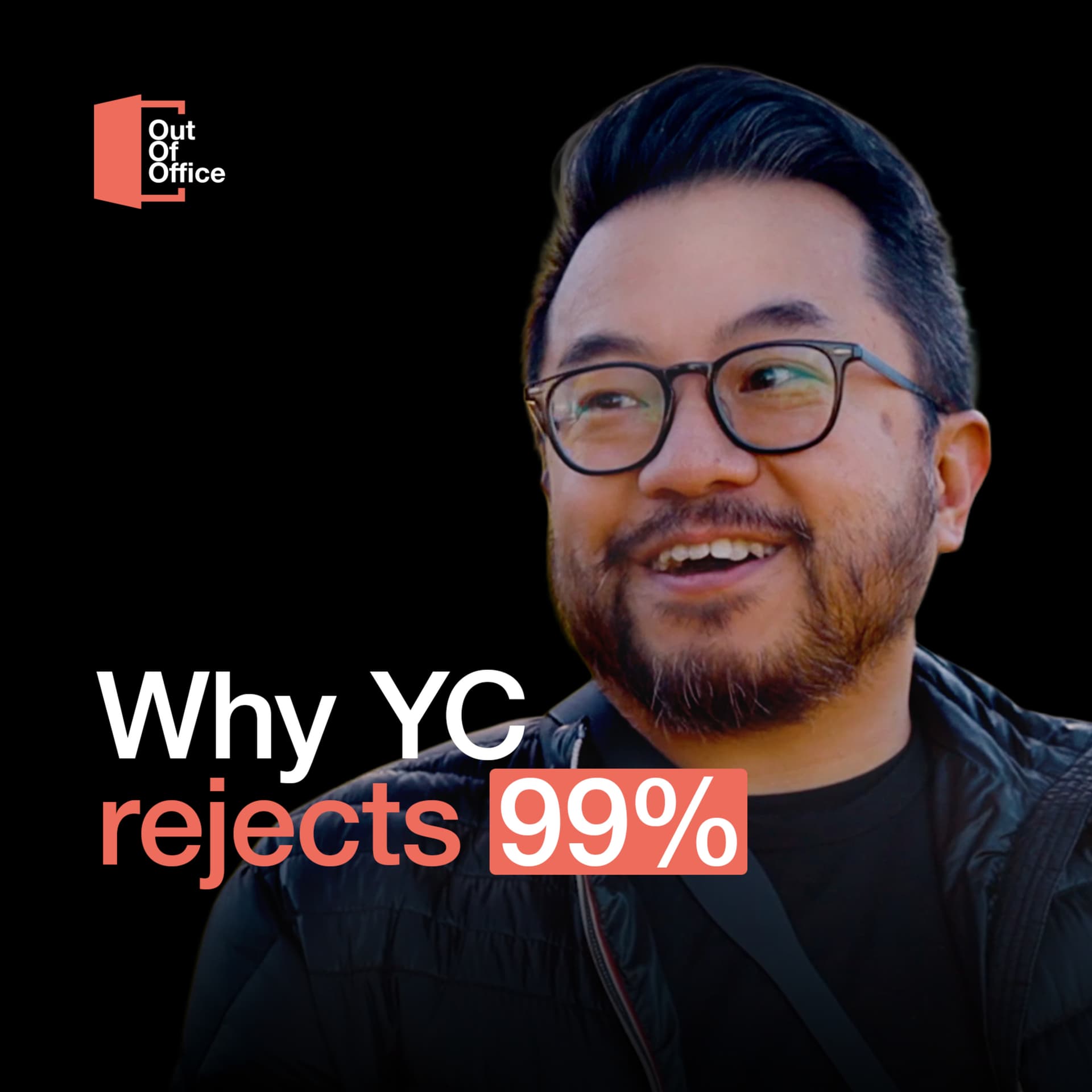
Out of Office Episode Summary: Garry Tan is Out Of Office
Episode Overview In this episode of Out of Office, host Michael Mignano engages in a candid conversation with Garry Tan, CEO of Y Combinator (YC), as they stroll through San Francisco. The discussion touches on Tan's upbringing, his journey from tech founder to investor, and the broader implications of technology in society today. The dialogue extends to themes of community, faith, and the evolving landscape of venture capital, particularly in the age of AI.
Key Themes and Discussions
- Personal Journey and Tech Landscape
- Garry Tan’s Background: Grew up in Fremont, Bay Area; learned to code during the Web 1.0 boom.
- Initial Experiences: Worked at a design firm that created the first Apple e-commerce store.
- Tech Influence: Discussed the importance of being in the Bay Area, where technology is a fundamental part of life and culture.
- Political Involvement
- Awakening During COVID-19: Tan's political engagement stemmed from witnessing crime and public safety issues exacerbated during the pandemic.
- Chesa Boudin's Recall: Active participation in the recall of the district attorney due to perceived failures in public safety and accountability, particularly regarding issues affecting the Asian American community.
- Community and Faith
- Importance of Community: Tan emphasizes the need for tech leaders to engage with the local community and address societal issues.
- Faith Journey: Tan shares his conversion to Christianity in his 20s, discussing how faith plays a role in his life and work.
- Y Combinator and Investment Philosophy
- YC’s Evolution: Discussion on the changes and future direction of YC, including a shift away from competing funds to focus on supporting startups effectively.
- Investment Strategy: Emphasis on building long-term relationships with founders and maintaining a continuous support system for companies post-graduation.
- Future of San Francisco and Technology
- Resilience and Growth: Tan expresses optimism about the future of San Francisco, advocating for building housing and enhancing education while ensuring safety for all residents.
- AI and Venture Capital: Discussion on how advancements in AI are reshaping the startup ecosystem and the way venture capital operates.
Notable Quotes
- "Being in the Bay Area is like it's in the water."
- "You can be in tech, you can be pro-prosperity, you can create abundance, but then also you can make it work for everyone in your community."
- "Now is the moment where all of that is going to work."
Conclusion The episode provides an insightful glimpse into Garry Tan's perspective as a leader in tech and venture capital, reflecting on his personal experiences and broader societal issues. His call to action urges tech leaders to engage with their communities meaningfully, emphasizing the importance of safety, education, and collaboration in shaping a better future.
Stay Connected
- Website: [Lightspeed](https://www.lsvp.com)
- Follow on X: [Lightspeed](https://x.com/lightspeedvp)
- Follow Michael Mignano: [Michael on X](https://x.com/mignano)
Note: The information in this summary is intended for educational purposes and does not constitute investment advice.
Written by AI. May contain mistakes. Listen to the episode to check what was said.
Chapters
Tap a time to open that second in VOSan Francisco's Unique Culture
1:46 to 3:56
Discussion on San Francisco's beauty, food, and community.
“This is one of the most beautiful places in the world, I think.”
Growing Up in the Bay Area
3:56 to 6:34
Gary shares his early experiences and influences in tech.
“I grew up on Long Island and I would take the train into New York City.”
Political Engagement and Concerns
6:34 to 11:13
Gary discusses his political interests and concerns for San Francisco.
“I think Mike Solano was on there, like Balaji was on there.”
Impacting Local Politics
11:13 to 14:03
Exploration of Gary's involvement in local political changes in San Francisco.
“So this is like you started getting really involved after this.”
Accountability and Political Change
14:03 to 16:02
Learn about the accountability in politics and how small contributions can lead to significant local changes.
“Like, if anything, like, in the background, people started saying, oh, yeah, like, that's actually what we really believe.”
Garry's Event House Journey
16:02 to 18:13
Discover Garry's journey of acquiring an event house and its unique history.
“Like any future political aspirations maybe after YC or something?”
Saunagate and Public Perception
18:13 to 20:07
Explore the phenomenon of Saunagate and the misconceptions surrounding it.
“that's why it got converted into condos so we'll get to we'll get a look at it.”
Faith Journey and Personal Growth
20:07 to 25:30
Garry shares his journey of finding faith and how it shapes his life and community engagement.
“So somehow they started fomenting this idea that I'm grooming founders.”
The Intersection of Faith and Technology
25:30 to 28:04
Understand the growing connection between faith and the tech community and its implications.
“It's not saying this is definitely right or this is the only way that you could possibly think about the world, but more like, hey, why don't you just go to church and see if it resonates for you.”
Exploring Faith and Community in Worship
28:04 to 29:18
The discussion highlights personal journeys with faith and community experiences at Epic Church.
“So rather than, you know, I spent a lot of time trying to approach faith from like purely intellectual.”
Show all 23 chapters
Navigating Rejection in Startups
29:19 to 30:58
Insights about the high rejection rates at YC and the resilience required for startup founders.
“Like, I do wonder how much of it is driven by the interest in AI and people sort of like, what's it all mean?”
The Resilience Test for Entrepreneurs
30:59 to 33:38
Discussion on the challenges and rejections entrepreneurs face and how to prepare for them.
“There are more people who got rejected multiple times from YC in the batch than people who got in the first time.”
Transitioning to Leadership at YC
33:39 to 35:38
Garry Tan shares his transition from Initialized to becoming president of YC and its significance.
“I've always wondered sort of what the transition for you was like coming from Initialized, which I believe you founded with Alexis, right?”
Understanding YC's Investment Strategy
35:39 to 39:20
Exploration of YC's investment strategies, including dealing with unicorns and decacorns.
“And, you know, I funded like multiple Decacorns because, you know, at the earliest stage, just because I was like - You were there.”
The Evolution of YC and its Impact
39:21 to 42:01
Discussion on how YC's approach has evolved and its impact on startups and the tech ecosystem.
“But if it took pro rata, it'd be$7 billion.”
The Evolution of Acceptance Rates in Startups
42:01 to 43:34
Learn how acceptance rates for startups have changed over time and the implications for the future.
“I mean, that's mainly a function of like, you know, our acceptance rate used to be like two, two and a half percent.”
The Role of AI in Startup Growth
43:35 to 45:13
Discover how AI is influencing the ease of starting and building companies today.
“And do you feel like a big part of why there are so many, well, you mentioned the acceptance rate, but so many more companies in the batch.”
Karaoke Culture and Community Connections
45:14 to 47:16
Explore the significance of karaoke culture and its role in local community bonding.
“That's another reference people will not get.”
The Importance of Community Engagement
47:17 to 49:59
Understand the value of getting involved in local communities and fostering connections.
“We'd like come and have a nice dad's night out.”
The Future of San Francisco and its Challenges
50:00 to 52:38
Investigate the pressing issues facing San Francisco and potential solutions for a better future.
“and your local actual community, to get involved with the religious community and the faith community.”
YC's Vision for Future Growth
52:39 to 54:19
Gain insights into the future direction of Y Combinator and its impact on entrepreneurs.
“We talked about the batch size, we talked about AI, we talked about how it's changed since you got there, but now where does it go from here?”
Advice for Early-Stage VCs
54:20 to 56:01
Hear key strategies for early-stage VCs to thrive in a changing investment landscape.
“I think the venture can and should be 10 times bigger than it is now.”
Final Thoughts on the Journey
56:01 to 56:14
The discussion wraps up with reflections on the significance of showing up.
“You know, fun people before it's obvious.”
Transcript
Automatic transcript. May contain errors.0:00San Francisco, like it's a little bit of a one industry town. Right, right, exactly. And for someone to say, like, actually get out techies, like, that's actually a call to, you know, let's destroy the city. This is sort of like the post-truth apocalypse of truth. Like, if you just put up a website and make it look official enough, like, well, you know, LLMs read this. You know, OpenEye, ChatGPT, Perplexity, like, Gemini, like, they'll read these things and it's sort of in the ether now. I feel like there's this weird anti-tech culture where people who grew up in San Francisco often don't feel like the prosperity of tech goes over to them.
0:40And I think that that's actually somewhat of a failure of community and it's a failure of government. And those are things we can do something about. You gotta explain Sonagate. I mean, obviously I've seen it all over Twitter. People think that you do some crazy Illuminati shit. What about you? like any future political aspirations, maybe after YC or something? Oh, I mean, maybe like 10, 20 years from now. What would you do? You're going to be the mayor of San Francisco? I'm Michael McNano from Lightspeed, and this is Out of Office. Today, I'm talking with the legendary Gary Tan. Gary is the CEO of the startup accelerator Y Combinator, or YC as it's known, which has funded 5 ,000 startups representing a combined$800 billion of value.
1:24I came out to San Francisco to visit Gary in his hometown and talk about his path to YC and his philosophy on making big bets on founders. To kick things off, we met up across the street from his home in the beautiful Dolores Park before diving into a conversation about the city itself, politics, faith, and even Gary's sauna. Enjoy. Great to see you, man. What's up, man? Great to see you, brother. All right. Thanks for doing this. No, thanks for having me. This is a beautiful place. This is one of the most beautiful places in the world, I think. We are in San Francisco, your home city. And as you know, we've been looking forward to this for some time.
2:03The things that I really want to talk to you are probably quite obvious. Seed investing, maybe some of your political involvement. But I think we should probably start with San Francisco because this is where we are. And tell me a little bit about this park. You live right near here, right? Yeah, I mean, I remember basically like when I was working on my startup back in what 2008, this is like my dream area. Really? Yeah. So and then it's just such a blessing to, you know, be able to move back to this area. And this is where they invented the mission burrito. My favorite place right here. Like a specific place there?
2:41I think it was La Taqueria down this way on 24th. But yeah, this is sort of the area. This park is sort of like the mecca for where, I don't know, everyone just wants to hang out on a beautiful day. Yeah, it's gorgeous. And you're, I mean, you're like, you're not from San Francisco, but you're from the Bay, right? You're from Fremont? Yeah, I grew up in, you know, over the Bay. This whole area is kind of funny because when I was 18 years old, actually 17, I was still in high school. I, like, took BART in and took the 16 into Petrera Hill, and that was where I learned how to code. There's like the Web 1.0 boom was happening like 1998.
3:20And I learned to make, you know, basically database-backed websites back then. And, you know, I didn't know anything, but I managed to like cold email my way into this design firm called Adjacency. And that was the firm that made the first Apple e-commerce store for Steve Jobs. Wow. Oh, my God. I got to work on all these brands like Power Bar and Specialized and Esprit and Harmon Kardon. I was like, you know, 17 years old. I was like making, I don't know, 25 bucks an hour. I was like, I had it made, you know? That's awesome. Yeah. And so you would take the train up here? Like how long does that take?
3:56It was like an hour. I mean, yeah, it was a while, but. That was like me for New York City. I grew up on Long Island and I would take the train into New York City. We're the bridge and tunnel folks. Yes, exactly. We are bridge and tunnel. But look at us now. Yeah. How do you think, I mean, maybe before you were doing that, Like, how did growing up in the Bay Area kind of shape your interests in tech? Like, you know, how did you get into it all? Just because you're surrounded by it? I mean, basically being in the Bay Area is like it's in the water, right? Even down there where you were. Yeah, definitely.
4:30I mean, I thought Fremont's even closer to Silicon Valley than San Francisco is. Right, right. And so you got, you know, Apple and Cupertino. And then everything about the Bay Area economy kind of comes from tech. Like there's a little bio, but there's semiconductors. You know, Silicon Valley is silicon initially. And then it's kind of funny these days, it's silicon again. Yeah, that's true. Yeah, I mean, it's gorgeous here. I mean, you suggested that we hang out here. And when I pulled up, I was like, wow, what an unbelievable day and place to be starting this. So as you know, I come here quite often for work.
5:03I'm coming here for deals or board meetings, talk to a founder. Just come here on a Saturday morning. Yeah, I was going to say, like, for somebody who lives here, I mean, what advice would you have for somebody like me to kind of, like, appreciate the beauty of San Francisco? Because this is gorgeous, and I don't know. At least I don't always associate kind of beauty with San Francisco. I think about just work constantly when I'm here. Got to bring the family. Come down. Right down the street over there is our family's favorite playground. Okay. And then you stroll down right over here and buy right creamery.
5:34That's incredible. Like homemade, I suppose. Yeah, like get the salted caramel, get a mission burrito at El Bon Sabor. That's my favorite jam. Pizzeria Delfina, like right here on 18th is incredible. That place is great, yeah. If you get an Airbnb around here, go to Buy Right Market. And it's just like the freshest produce, like all the freshest specialty, everything. And this tiny little store. Yeah. So, yeah, I mean, this is my own little form of heaven, I think. And it's really nice. I mean, I know there's been a lot of talk about San Francisco and some of the issues. but like it seems like it's, I don't know, it feels like it's getting nicer.
6:08We're so back. Yeah. We are back. Yeah.
6:15So this is probably a good segue into something that I actually want to talk to you about, which is politics. I feel like, you know, for somebody who follows your Twitter account and, you know, we know each other a little bit, like you seem to have a strong interest in local San Francisco politics. Oh, yeah. Where did that come from? I mean, it was COVID. I remember being on Clubhouse. I think Mike Solano was on there, like Balaji was on there. And then this guy who was the district attorney at the time, Chesa Boudin, jumped in the chat. And we're just, you know, freaking out about how San Francisco is really falling apart.
6:52And he's in there gaslighting everyone about the crime is actually down. And, you know, there was something that struck me. I mean, this was in the middle of the lockdown, right? Right. When emotions are sort of at their highest. I mean, everyone's a little crazy during that time, but I realized that here's someone who, I mean, might actually be pretty dangerous to people, to the people of San Francisco. Like, that you could walk in and sort of say things that were just clearly not true for anyone who could read the numbers, or actually live in the community and see what was happening to Asian American elders.
7:28By then I was really upset about the death of Hanako Abe, And, you know, this happened on New Year's Eve in 2020. It was like sort of this, you know, someone who had been arrested like 30 times felony sort of like repeat offender was on drugs, drove crazy down Market Street and killed these two women on New Year's Eve. and, you know, he was basically immediately let out. Like, it seemed like there was going to be no accountability at this point. And I started digging in and realizing, actually, there was, like, this social experiment that was happening to San Francisco. This is before the conversation on Clubhouse.
8:08I mean, this is about that time. I mean, I had already been getting really upset. Like, why was this happening to, you know, San Francisco is a very unusual city in some respect because it's actually 35, 40 % Asian American. And so to see our elders being, you know, stabbed and sort of maimed, killed, you know, follow home, home invasion robberies, and for there to be no accountability, to have a district attorney, you know, the district attorney is supposed to hold people accountable. Yeah, 100%. But we had elected someone who explicitly was like not really doing anything like that. And for someone to come in and sort of say that crime was down, that like the lived experience of our communities was so wrong, like this is someone who's elected.
8:56And I, you know, sort of lost it at that point. And simultaneous to that, there's someone who I now consider a really big mentor to me, Nancy Tong. She actually ran against Chesa and she in that clubhouse said, hey, tech people, if you want to understand what's going on with SF politics, how did we get here? I'm happy to just go on a walk with anyone here. Oh, wow. We basically went on a walk, kind of like the walk we're on, in Noe Valley. And she just laid it out. Like, this is why this is. This is how these, you know, sort of people, you know, got into power. And then the hard part from that conversation was like, at that point, SF, we had lost everything.
9:36Like, you know, we had a relatively moderate but, like, kind of powerless mayor in London breed. but the board of supervisors was completely captured. That wasn't the only issue, actually. Like, safety is number one to me. Second was, like, education. Like, I realized that even in San Francisco now, if you're an eighth grader, it's actually very hard to take algebra. Huh. Which, like, I mean, I realized at that point, as a person in tech, like, you know, I grew up sometimes food insecure. Being able to go to public school and get access to calculus and a great education allowed me to go to Stanford, allowed me to study computer engineering.
10:17Like, my whole life got set up from, you know, what was a great public school education. And so to hear that, you know, we are bringing thousands of people to San Francisco to start companies. They're starting companies that employ thousands to tens of thousands, maybe hundreds of thousands of people. Those people are having kids, building their families. And like, how can we do that? And then their kids cannot even get access to algebra in middle schools. And like that, like the politics here got so crazy that like over equity. I mean, honestly, out of like sort of this pathological empathy, they were going and sort of destroying the very thing that we actually like.
11:02I mean, that's underpinning society. Like you want safety. You want your kids like we want our elders to be safe. We want our families to be safe. and we want our kids to be able to have an access to good educations. Yeah. Hard to argue with any of that. It's nuts. So this is like you started getting really involved after this. I mean, I feel like you, you know, just again, observing from afar, throwing events, helping, you know, helping candidates raise money, things like that. Like what else? What did you do? I mean, basically, what's funny about it is it was all driven by Twitter. So I started following people who were all the way in the weeds, like people who ran nonprofits like Stop Crime SF.
11:38You know, I started following people who went all the way in the weeds, who like look at the budgets, who are in the city, in the city government. And then I realized at some point, like Twitter and X, like, you know, on the one hand, it's not real life. On the other hand, it really is because you can if you look and you're not like distracted by whatever the feed says, if you're actually searching actively for people who speak directly about what is happening, it's all available to see. And I met all of them. It was like we started meeting in person. It's like a BBS meetup, actually. It's like a forum meetup.
12:11Like you're meeting people from Usenet or something. Like, you know, we're dating ourselves because, like, I mean, that's, it's like, it was like an internet meetup. But that's what it is now. Yeah, like old school meetup.com. Yeah. That's amazing. Yeah, I feel like, you know, some of the other things I saw you talk a lot about, EMB seemed to be a really big thing for you. I'm guessing, you know, I can only imagine that has to do with sort of the rising cost of housing, probably as a result of tech, I'm guessing. Yeah, I mean, it turns out it's all the same people who don't want to build housing.
12:42They actually hate us. They hate tech. And they hate abundance. And, you know, it's interesting. Like, New York is fascinating because it's such a multifaceted city. Like, there's just so many different industries. And, you know, San Francisco, though, like, it's a little bit of a one-industry town. Right, right, exactly. And for someone to say, like, actually get out techies. Like, that's actually a call to, you know, let's destroy the city. Like, let's actually, and, you know, it doesn't take a lot. Like, you can just go to Oakland and see what's going on in Oakland right now. Like, they lost all their sports teams.
13:16It's actually one of the most dangerous places in the country now. And, you know, if we let San Francisco become Oakland, like, you know, I grew up in the Bay Area. I really love this place. And I'm not leaving. Like, I'm not going to Austin. I'm not, like, leaving the city. Like, there's no place to run to. So we just said, we're not going to leave. We're going to stand and fight. But you're back. Like you said a minute ago, we're back. So what happened? What changed? How did you in maybe some small way impact that? I mean, I think there was just a shift in Overton window. I just started saying things that normally people would think they're going to get fired for.
13:53Things like, oh, no, it's actually not okay that our elders are being stabbed and shot and beaten to death. Like, you know, we want accountability for that. And nothing happened to me. Like, if anything, like, in the background, people started saying, oh, yeah, like, that's actually what we really believe. We're just too afraid to say that. And, you know, in the background, like, you know, what's funny, it blows my mind. People spend millions of dollars, like, so much of their personal capital on national races and just, like, go completely bonkers. and yet like you know very small amounts of money like i didn't donate more than maybe a couple hundred grand i mean it's a lot of money yeah of course but like you know tech has been really really kind to me and like a small a relatively small in the global sense amount of money in politics and local moves the needle a lot so what are what are some of the like big positive changes you've you've seen recently yeah i mean the big thing is uh we recalled chesa budin that district attorney who like literally would just, I mean, I think he was openly victimizing the Asian American community.
15:04Like, you know, there would be someone who was a victim of like, literally like, you know, an Asian grandpa named Vicha Rutanapakti was murdered in cold blood on video. And he went to the media and said, oh, the perpetrator was just having a temper tantrum. And I'm like, how can you say that in a city where, like, if Asian Americans allow this to happen in a city where we control, we're 35 % of the population. Like, where's the justice for Asian Americans? Like, this is, you know, a classic stop Asian hate thing. And we got them out. And so we have a great DA now, Brooke Jenkins. We recalled three school board members.
15:41And now algebra is coming back a little bit too slowly, in my opinion. But it's at least on the men. There's a path. Yeah. And we retook the board of supervisors. So we actually have a YIMBY moderate pro-business and pro-public safety board of supervisors for the moment. You know, these things come and go, right? What about you? Like any future political aspirations maybe after YC or something? Oh, I mean, maybe like 10, 20 years from now. What would you do? You're going to be the mayor of San Francisco? I mean, honestly, like I'm pretty focused on money and media. And then, you know, I actually think the actual job of being an elected official seems terrible to me.
16:21It seems pretty hard. We're going to go to, I think, like your favorite bar in a little bit. But I would love to check out your place. Yeah, come on over.
16:34Tell me about where we're going. I see the house in the distance. It's kind of like the tallest thing I see. Oh, yeah. What is this place? Yeah, so we're headed to my event house. So one of the things when I was taking on the job at YC, I realized like COVID was ending. And actually, a lot of my job is just bringing people together. Yeah. And so this thing came up on the market and I'm really addicted to Redfin. And I got a crazy deal on it. I got like, you know, maybe a million and a half bucks off the thing. So it was just sitting there for maybe like two years with no offers all the way through COVID.
17:12and then I said, well, I could use a place like this. We're going to see it. It used to be a church and now it got converted into condos and then we use it for political events. We use it for YC stuff sometimes. So I realized I kind of want to have a place where I can just have people over and just convene. And so that's one of the things that, yeah, this is my house. That's really cool. Did you have to do a lot of work? I feel like anytime there's a place that's just sitting and then maybe there's a price reduction. It's like, it's probably going to be a project. Oh, I mean, luckily it was good to go.
17:47Really? Yeah, this used to be... Turnkey? Yeah, 1902, I believe. It's in the historical register and it was the Church of the Second Scientist. What is that? It was one of the Christian churches, you know, kind of Christian science churches. And then I think it was just sitting for a while because, you know, as a lot of churches in San Francisco went, like, you know, the congregation got smaller and smaller and then a developer had to put in a bunch of stuff to make it seismically good and that's why it got converted into condos so we'll get to we'll get a look at it. I'm excited to check it out.
18:22Yeah let's check it out.
18:36Yeah, this is sort of the main cave. We've got the gym, but this is the famous sauna gate. So the place of sauna gate. So we have a nice cold plunge. I'm not going to subject this to you, but it is really an awesome experience. Is this all Brian Johnson approved? Oh, yeah, definitely. All right, cool. He helped design this? No, but he is definitely, you need to make sure you ice your balls. All right, you got to explain Saunagate. I mean, obviously, I've seen it all over Twitter. People think that, like, you do some crazy Illuminati shit in this sauna. It's honestly just a sauna. What's going on?
19:13And Cold Plunge, that's it. I mean, like I said, we host a lot. I mean, I fund, you know, 50 companies or so a year myself, like all the YC partners do. Yeah, of course. And then I like to host people for dinner. And so we had like, you know, a cohort of about, you know, 20, 30 founders over for dinner upstairs. And then I had just gotten this set up. And so, and there were a couple, you know, sauna aficionados that were, you know, they're Scandinavian. Partaking. And they were like, oh, can we jump in? And I was like, yeah, why not? Go for it, right? I didn't, I didn't. And then these guys like came and they took a selfie.
19:51I saw that. Yeah, I saw that photo. Yeah. And then suddenly, you know, as it does happen to public figures, like things just start like getting out of hand. Like I think a lot of, there's some people who literally got rejected from YC probably a dozen times or something. And then I think something breaks in people's brains when that happens that many times. So somehow they started fomenting this idea that I'm grooming founders. It's just completely nuts. In the sauna. Yeah. Yeah. Oh, my God. So that's why I'm just like, no haters in the sauna and no selfies. Yeah. I think that makes sense. I got a sign in there that says no selfies now.
20:29But the real question, have you ever done a deal in the sauna? No, definitely not. This is like, you know, the sauna and cold plunge to me is like no work talk. Yeah, yeah. Yeah, this is decompress. That's right. This is my yeah, this is my chill zone. Cool. Cool. All right Let's go check out the rest of the place I'll follow you. Oh, please. Yeah, so this place this was like this when you got it just everything. Yeah, totally I mean, this is from the prior owners the Legos. Yeah. Wow. Yeah, this is like your kids or something Oh, you know, you helping them make a hard cover all the other walls with it, too With more Legos.
21:06Yeah, I mean it's got a whole city vibe really totally This is crazy. I mean, what am I even looking at here? Yeah, I think it's a city, honestly. Like, you can see this, like, little monorail. And, yeah, the previous owners were really, really into art. And we're just glad that they left this behind. And it's my project to cover the rest of all the walls in the place. Yeah, you and your kids. Exactly this, yeah. That would be a fun family project. Yep. Super cool. All right. Please, come on in. Oh, thanks. Whoa. Yeah, so this used to be the main sanctuary of the church. and we can host 50 people for a seated dinner.
21:41Just come over to Gary's house and have dinner. And we've had my birthday party here. Wow. Yeah, that was fun. We got a nice band in here. Wow. How many people do you have in here? I mean, maybe like 150 comfortably. Oh my god. That's unbelievable. Yeah, we've hosted Pat Gelsinger from Intel. Peter Thiel spoke here. I mean, yeah, I mean, we've had London Breed, you know, we're having Scott Wiener here next week. So it's, I mean, I think of it almost like as a salon space. Yeah. But it's just one that is literally my house. Super cool. How old is this glass even? I think it's something like 110 years old.
22:25So that's how old this building is, 110. But this is new. This is like maybe 10 years old. Oh, wow. Yeah, that's the... Before you moved in. Yeah, that's the seismic retrofit. Wow. One of the things I've heard about you, speaking of a church, I understand you are a deeply religious person. Is that true? I mean, I'm converted Christian. Converted Christian? Yeah. I grew up as an atheist. Okay. Meaning in your household growing up, not only was there no religion, it was like religion is not. I mean, personally, I was atheist. And my dad's Buddhist and my mom's Christian. Okay. But I just really struggled as a kid.
23:05I mean, I had a pretty rough childhood, so I just really kind of struggled with the Odyssey, this sort of idea, like, how does an omnipotent God, all seeing, all knowing, all good, all powerful, one of those things has to be wrong if we're living in this broken world. And there was a Rumi poem that really spoke out to me that sort of explained it. It was the story of the wise man and the snake. And long story short, it's like, you know, God puts a snake. You know, he sort of, we have to struggle with evil and like the difficulty of life. And, you know, he can't just remove it because we wouldn't do the things we need to do to sort of grow as people or to become who he might want us to be.
24:00So, you know, that was like sort of this really powerful moment for me in my, you know, actually mid-20s. Oh, wow. That sort of came to faith, sort of overcoming this idea that actually, yeah, the world's really screwed up. But, you know, there can be a God in that case. And that led you to convert to Christianity. Yeah. Wow. What was that process like for you? I mean, did you have to go through like a lot of education or how does one convert to Christianity? I grew up Catholic. Totally. It was just like, it was just there, I guess. But yeah, for somebody like doing it in their 20s, what does that even look like?
Read the full transcript
24:36I guess I just started like church, going church hopping, like trying to find a community, try to see what really resonated for me. Was this a family thing or just you? No, just me in my 20s, you know, a single dude trying to like make my way. Wow. And, you know, there are some pretty fun experiences going to different kinds of churches. I mean, I went to a Korean church and they made me do a faith healing. I went to a Pentecostal church and I had to speak in tongues. Yeah, it was like really interesting to see how many different types of faiths there are. But now I'm on the board of Acts 17, which is sort of the nonprofit that brought Peter Thiel and Pat Gelsinger onto the stage.
25:17And, you know, they talk about their careers and but they also talk about God and they talk about their faith. and one of the things that we really want to give people an option for, especially in this modern time, is the chance to be seeking, right? It's not saying this is definitely right or this is the only way that you could possibly think about the world, but more like, hey, why don't you just go to church and see if it resonates for you. Yeah, and see. It's interesting. I mean, it feels like there's... I don't know if you want to call it a resurgence or maybe people are just being more open about it, but it does seem like there are a lot of people who are starting to take religion and faith more seriously in the tech community, which I will admit for me when I learned that it seemed somewhat counterintuitive.
26:01I think I always felt like science and religion were two very, very different things. Help me make sense of that. Why do you think this is such a—faith and religion is so at the forefront right now in the technology community? I think we're just looking for meaning, right? And then we're at the dawn of AGI. We don't know if a singularity is coming. Maybe it is. I think that there's this very deep existential angst, not just in tech, but broadly. Life, yeah, especially post-COVID. I think that it might be, it's not for everyone, but I think it will help. Maybe a return to Christianity or any faith.
26:43I think that the world actually desperately needs a lot more of that. So, I think it's a different thing in the Bay Area too. I mean, what do you mean? Interesting thing. I mean, it's all non-denominational. It's just like, I guess California faith, it sounds like it's very different than other parts of the country or even the world. Yeah. Sorry. Explain that more. I mean, my sense is there's Methodist, there's Presbyterian. Like these are like very like old traditions that are like very specific. Yeah. And then, you know, if you go to a church in San Francisco or anywhere in L.A. or, you know, or even New York City, like you go to a Redeemer.
27:21And it's not like, you know, steeped in like Baptist, Baptist, Baptist, like, you know. Guilt. Guilt and or like, you know, hellfire and brimstone. Right. It's I mean, it's very Jesus focused. So I think it's just interesting. It's like a cultural experience in some way. Science versus Christianity. it's not really like that orthogonal. We had the head of the NIH come and speak at Acts 17. He talked about how faith actually, you know, really integrated with like his life and how he thought about his work. And so I actually approached faith through worship music. So rather than, you know, I spent a lot of time trying to approach faith from like purely intellectual.
28:10And like, I think some friends of mine like are actually able to do that, but there's nothing like going to a really good worship and like, like singing and just like allowing sort of the Holy Spirit to enter you. I mean, it's just an interesting thing that I want people to be at least open to. Right. And, you know, this is speaking as an atheist growing up. Like I remember being in history and English class and there'd be like a world religion unit. And I was the guy who like the Christians in that class would say like, you're going to hell. And I was like, oh yeah, that's not very welcoming or inclusive.
28:47I'm like, I don't think Jesus would say that. Does your family go? Is this not like a whole 10 family experience? Oh yeah, we've been going to Epic Church in San Francisco and, you know, yeah. Your kids go and they love Sunday school. Yeah, I mean, I think there's a real resurgence. you know, Epic Church more than doubled the number of people who go to that church in the last, you know, I think, year. Wow. So there's something happening. There's totally something happening. I think Bible sales are through the roof, apparently, globally. So you make a good point about AGI. Like, I do wonder how much of it is driven by the interest in AI and people sort of like, what's it all mean?
29:27Like, what's, you know, where does this all lead? And maybe that's where people want to find an answer. Yeah, I mean, one of the other people who actually the ED and founder of this nonprofit is actually Michelle Stevens. So she's, you know, Trey Stevens' wife. And Trey famously started Anduril. I mean, my favorite, he has this amazing essay and talk about good quests. You know, you can work on a lot of stuff, but hey, maybe we should actually work on and things that link us to our fellow man, but actually solve real problems. Like, we don't have to help people click on ads. Like, there are bigger, meatier problems in the world than that.
30:07Speaking of worship music, I believe you are next going to show me your favorite karaoke bar, The Lion's Den. So let's head over. Yeah, let's go to Chinatown. Awesome, thanks for giving me a tour of the place. Yeah, thanks for coming.
30:32I haven't taken that many Waymos because I don't live here. Yeah, totally. I heard they're coming to New York, though. Oh, that's exciting. I started the ride right now, so here we go. You know, today's kind of an emotional day because I'm sort of absorbing. We reject 99.3 % of people who apply to YC right now. Today is the day that the rejections go out. Yeah, they just went out today. and so the internet is processing it so i you know i think a lot of people i'm feeling like in the newest sphere a lot of hate but i'm also like guys like the first step to getting into yc is getting rejected from yc to most do many applicants that get accepted have they previously been rejected i mean i think the average number of times people who got in this last batch who like they applied maybe at least twice wow that's the average yeah oh that's fast it's very very normal to get rejected from YC before getting into YC.
31:25Oh, wow. There are more people who got rejected multiple times from YC in the batch than people who got in the first time. I had no idea. That's fascinating. And so when you said there's hate brewing on the internet, we talked about being a public figure earlier. On a day like today, do you and the various group partners at YC, do you just get bombarded with tweets, angry tweets, angry emails? Does that get filed for future applications? I mean, I think it's a resiliency test at some level. Yeah, that's interesting. Because it's like, look, we're not clairvoyant. Right. And also, just because if 99.3 % of people are getting rejected, it's almost like you can't get that mad.
32:07It's just so unlikely. And you're going to be rejected in countless ways as a founder at every turn. That is definitely true. At every turn of the journey. So just get used to it. Start getting used to it now. That's right. You're going to have to overcome so many no's and so many hurdles. You're going to get rejected. People don't want to work for you. Investors are not going to want to invest. They're going to say no. Yeah. I mean, how often is it that someone gets rejected? Users are not going to adopt your product at first. Reviewers? Reviewers hate it. Reviewers? Hacker news commenters hate it.
32:35Oh, yeah. Everyone's going to hate you. And then, I mean, it's actually fascinating to see that play out at YC because some people have never failed in their entire lives. and then they get punched in the face with users. They get punched in the face with investors. And it's a problem. Like I was just, the joke internally, this batch was, I was thinking when you get into YC, maybe I should make people do a 60 second hang from a bar, like a fixed bar. You ever do this? No. This is like a thing when I ran cross country in high school. It's really hard to do. Hang from a bar. Yeah, we're going to hang in a bar.
33:14But, you know, one of the true tests of like, can you overcome? Yeah. And if you could do it for a minute, like, great. Like, you're probably resilient enough to, you know, take a few slings and arrows of outrageous fortune. And, you know, if you can't even do that, maybe we will force you to watch this seminar about mental toughness. I mean, it is, building a startup really is kind of, there's almost no better exercise or test of endurance. than building a stardo yeah right it's just like every corner you're getting punched in the face and it's like how much can you take and eventually you know hopefully you break through uh and the snowball starts to roll down the hill it's a pretty painful experience yeah that's right having i know you've gone through it i've gone through it it's uh it's not a feel-good experience most of the time or at least until it starts working now we've talked a little bit about um you know like times we've hung out or the podcast I did with you at YC, just kind of how awesome it's been for you to be at YC as the CEO.
34:18I've always wondered sort of what the transition for you was like coming from Initialized, which I believe you founded with Alexis, right? Like that was your And Harge actually. So I'm working with Harge, who is one of the co-founders and he hired me at YC back in the day. So I feel like we sort of, you know, YC is this tree of prosperity. And then And for a time under Sam, I went off and went into one of the branches of the tree of prosperity. And then... As in a company or that's when you... Oh, that's what initialized was. Like all of our wins, you know, rippling, flock safety. Really, like I credit being a part of that ecosystem for all of our success.
35:03Sorry, just to make sure I understand this. So you were at YC, because you were like a designer in residence at YC, right? You did design stuff at YC back in there. And then I just did so many office hours that it was probably too awkward to not make me a partner. So they made you a partner, but then you're saying you went off and you started initialized and because you were part of the ecosystem, you just saw so much of the deal flow and funded so many YC companies. Yeah, and all of our wins, like 90 % of our wins were YC. I didn't know that. But yeah, I mean, that's how I feel about being president of YC.
35:32It's like I was a part of the tree. You know, I was someone in the ecosystem and the ecosystem was incredible for me. And, you know, I funded like multiple Decacorns because, you know, at the earliest stage, just because I was like - You were there. Yeah, I was there and I couldn't meet these people. And like, that's what YC represents to me. It's like, you know, yeah, it's the outcome of a, you know, 0.7 % acceptance rate. And then these are like the best of the best people, you know, like we're not going to get it right every single time. The thing that gets me is people get so mad when we make a mistake.
36:06It's like, oh, yeah, sorry. You reject something that ends up working out. Both ways, right? They get more mad when we let in someone who turns out to be not quite as good. And then they're like, but I got rejected, and I'm way better than these people. And it's like, oh, yeah, yeah, yeah. It turns out we're human beings. But that must be hard to point out, right? I mean, because not all YC companies make it. I don't know. I have to imagine a lot of them don't. Yeah, that's right. I mean, the unicorn rate is only 6 % to 12%. Only. Of course, of course it's low. But it's also tiny. Yeah, no, it's tiny.
36:39I think it's tiny, which makes sense. So then obviously you went back to YC after initialized. Like, what? Was that hard? Leaving your baby initialized? Oh, it was so hard. Yeah. But how did you do that? A lot of it is like, you know, YC. It was working, wasn't it? It's working great. And some of it, I gave it to my partner. So Brett Gibson runs it now. Okay. And he's like just knocking it out of the park over there. And then, I mean, basically being able to go from like the branch back into the root and to be like sort of the central gardener of the tree. I mean, it's a dream job. Yeah. So was that why you did it?
37:16Because it was a dream job? It was like, oh, shit, I can be president of YC. Yeah. I mean, Paul and Jessica like tracked me down and said, Gary, we need you back. And I'm like, you know, honestly, it was very hard. I had to say goodbye to the team that I brought together, but I also set them up for success. They were able to continue to invest and do an incredible job. And so, initialize is as strong as ever. And then I can go back to the tree and make sure that I can actually support them even more from outside the tree or from outside the branch. It feels like there's been a lot of changes to YC.
37:56and you've talked to me about this stuff a little bit. You know, I think around the time when you joined, YC had, they had a growth fund. I think you called it like continuity fund or something. That's my understanding is that's gone. Yeah, we're out of competing with you guys. So we want to be your best buddies. And all we ask is please let us, you know, keep funding the companies as they go. So we want you to lead and we just want to take our paradas. Yeah, but what's the, I appreciate that. You're very generous. But what was the strategy? Like, why wasn't it working or? I mean, it turns out that, like, if you own, like, you know, 7 % to 9 % of all of these companies, just taking the proratas means you never miss the decacorns.
38:38And you know how the power law works. Like, you know, 6 % to 12 % of the companies will end up being worth a billion dollars or more. And then actually, you know, that's not even the bulk of the return. The bulk of, like, you know, we think that a really good return for YC would be 8x. and the bulk of that is actually not even in the unicorns, it's actually in the decacorns and the Stripe, the DoorDash, the Coinbase, the Airbnb, right? And so if most of your return is that, then it's binary whether you are in the proratas and continuing to own pieces of the company or do you like let yourself get diluted down.
39:20So YC famously invested like what, $12 ,000,$15 ,000 to own 7 % of Airbnb. But at IPO, it returned$2 billion. Wow. But if it took pro rata, it'd be$7 billion. Whoa. And you'd only have to probably invest like another couple hundred million for that. No, I mean, structurally, there was no way to do it. But now we do. Because of the continuity fund? Because there was more allocated to that or something? They just hadn't raised the money. Hadn't raised the money. Yeah. Wow. So, okay, so then is the idea, I think what I just heard you say then is, turns out the core YC business is just so good. So why focus?
40:01Why have any distraction from that focus? Structurally, economically, team-wise, like just put 100 % of the energy into the core. And have one team doing it. It's like I have 15 equal general partners. And it's, you know, people talk about benchmark as an equal partnership. Like I think YC should be, you know, people should think about YC as the defining equal partnership in all of venture. Right. Wow. It's just such a good business on its own. Why defocus the business? And I mean, it probably saves a lot of operational overhead. Let's have one team that just focuses on, and one relationship. There's one partner, that partner - Oh, right, because it was a completely different partner.
40:38Yeah. Different partners. Yeah, why have a different team? It's probably confusing for the teams. Yeah. Yeah. And then basically now, the experience of going through YC is very straightforward. Like you interview with the partner, if the partner likes you, like they're your person for the life of the company. And like, you know what? Like YC actually owns a lot of these companies. Right. Like we own, you know, like you're giving us 7 % ownership. Like, you know, help us. You know, we just graduated, you know, 160 companies this week. And I told every single one of them, like, listen, guys, like we're actually big major investors in your company.
41:16Yeah. So make us earn it. Yeah. Like come back, like do office hours with us. Like we're here to help you like for the life of the company. Like YC doesn't, the only thing that ends at the end of YC is like we don't have regularly scheduled things. Like just come talk to us anytime. Like literally here's my cell phone number. That's become very clear to me. I mean, you and I, and plus, you know, some of the other group partners, like we actually talk about companies that are in older batches. And I didn't actually know that until you guys started talking to me about that. Naturally, if we didn't have that, you know, sort of actual continuity, then actually we wouldn't be able to do that.
41:52We'd be like, oh, yeah, I met those guys a couple of years ago and that's it. They're part of the later stage. Yeah. That's super interesting. The batches have gotten a lot bigger, right? Yeah. I mean, that's mainly a function of like, you know, our acceptance rate used to be like two, two and a half percent. And then it was like over the last 20 years, it went from that down to like 0.7%. Oh, wow. So, you know, I think net net, you know, the number one thing that people are always worried about is like, oh, shoot, there's so many companies. But I think that, you know, this has become a real bit like I think the size of the outcomes is 10x bigger.
42:26Like I remember first raising initialized fund one and thinking like, man, the biggest exit we can possibly imagine is like Dropbox. You know, I think it was worth four billion dollars at the time in 2011. And I was like, no, no, no, like 50 billion is on the table. A hundred billion is on the table. Like, you know, I mean, if anything, like I would love for YC to help create all the next generations of Elon Musk's. And if that happens, then we're talking$1.5 trillion. Great. Like, that's what the world needs. Like that going back to technology, like that's how we evenly distribute technology to all the people who should have it.
43:03So is the idea then like you actually would scale the batches to be as big as operationally possible? But I need you to be making money. And I need more mics. I need more people who are - Because you need them to get funded when they graduate. Well, I want you to do well and I want everyone in venture to do well because that's how we all rise together. Right. And then that's how founders win, right? Like it doesn't have to be this adversarial, there can only be one. This is the most abundance growth mindset business that has ever existed in humanity. And do you feel like a big part of why there are so many, well, you mentioned the acceptance rate, but so many more companies in the batch.
43:42Do you think AI has a lot to do with that? Oh, absolutely. Just because it's getting so much easier to start and to build? The really interesting thing is like, it's not clear to me capital is going to be a bludgeon anymore. So, I mean, and that might actually be a really good thing. You know, there's like discernment, taste, ability to help, like ability to, I mean, do what you're doing right now. Like, you know, I love that you're a consumer founder because turning around and applying that to investing is like the most intelligent thing you can do, right? Say more. Oh, yeah. I mean, this is, you know, you're building your audience.
44:17Ah, okay. I see what you're saying. This is awesome. I mean, this is why I started doing YouTube. This is a consumer experience is what you're saying. It is, right. Yeah, yeah, exactly.
44:26I think it's parking. Oh, nope. And it just, it's very confusing. It is parking. It's, I think it's parallel parking. Finding a spot to pull over.
44:43All right, here we are at Chinatown. I wanna see this. So this is like your spot. Yep. The lion's den. This is, I mean, it's a little hole in the wall, but it's the best karaoke joint. And you know that because you've frequented all the karaoke places. You're like a karaoke connoisseur? I usually do karaoke at home at the church. Oh, yeah. So, yeah, we have a good setup there, too. Where are we going? Yeah, there it is. Okay. What's your song? What's your karaoke song? Oh, man, Because I Got High. What was that guy's name? Afro Man? Yeah, that's a good one. That's another reference people will not get.
45:21Yeah, I mean, you know, being 44, that's just how it works. Yes, of course. You just get older and then the founders, you know, they're young and they don't watch the same movies that like brought us up. They don't. I thought you were going to say Tupac hit him up. That's right. Isn't this the scene of the infamous Tupac? This is the scene. Hey, great to see you, Stephen. We were just talking to you with Forrest. Oh my God. It's so cold. Oh yeah, thanks for opening up the bar for us. Oh yeah. Thank you. Isn't my buddy Mike? Are you guys coming tonight? Thanks for doing this. We're coming right now.
45:55We're just filming real quick. Oh, that's you guys with the podcast? Yeah, we're just filming like for a... You mind? No. All right, let's do it. I thought you guys were going to be in VIP. Now they just want to take a full hour. Oh, yeah, we just want a drink, yeah. We're just here to... Oh, the Nigel. Thanks for opening up for us. Yeah. This is the famed Lion's Den. The infamous. I've heard a lot about this place. Gary's been telling me about it. We built this for Chinatown. Really? Yes. Okay. This is kind of built for the community. This has been something to bring more people to Chinatown.
46:28Instead of buying back scratchers and walks, now they can have cocktails and whatever. Well, I'm excited to have one. Are we too early to order something? We can do it. I have some connections. What's up? Negronis? Yeah, Negroni sounds great. Thank you. My usual.
46:51Well, cheers to the Lions. Cheers. Thanks for having us. Thanks for hosting us. Cheers. Thanks for hosting us. Yeah, no problem. Wow. So, yeah, this is the place. You've been telling me about this place. Oh, yeah. Speaking of Tupac. Yeah. This is where that all happened, right? Give us this. This is another one. This is like Sonagate. Oh, yeah. This is another Gary controversy. I'm trying to get over it. You know, I'm trying to get over this stuff, you know. So, but you know, the story is me and a bunch of dads from my oldest, you know, we were all in fourth grade at the time. We'd like come and have a nice dad's night out.
47:25Okay. And downstairs we're doing karaoke. Is that a normal night for you guys? Oh, I love karaoke. Okay. Yeah, I mean, we have a, we call it the Case Dad's Drinking Club. So we like to, it's actually a dining club, but we do a little drinking. Okay. But, you know, we came out, we had some karaoke. I happened to have just done Hit Him Up by Tupac. And, you know. It's a classic. It's a classic for our generation, I guess. Yes. And people didn't really get the joke. You know, I was really fired up about politics. And I, you know, said some things. I sort of made that lyric something that it shouldn't be.
48:03And, you know, I woke up in the morning. I apologized and realized, you know what? Like, that's just not me. Like, I, you know, don't need that out there. People didn't get the joke and I kind of get it. And especially now with so much political violence in the world, it's just not the vibe that is me. But I don't know, this is where it happened. It starts with karaoke and then all I know is I delete Twitter off my phone after I have a couple drinks, especially when I'm at a lion's den. This is your move now? It's just a move. You delete Twitter. Yeah, it's an if statement and it just keeps me out of trouble.
48:37You should get like Opal, have you seen Opal? It's this app that locks certain apps. Very smart. And you can make it extremely difficult. I think the only way to do it is to either uninstall the app or shut down or restart your phone or something. Yeah, the reality is in the future, the phone actually will just do this for us. It'll know us. Stop. Do not open Twitter. Yeah, that's right. Do not rage tweet. How did you find this place? How did this become the dad's favorite karaoke spot? Oh, I mean, I got to know a local organizer activist named Forrest Liu, and then he had us over, and then we decided to become members of the place.
49:19Because, I mean, I think this is one of the stories. This is a membership? Yeah, there's a members club downstairs, and I'm a member. I have a little box. Oh, wow. On the little placard, it says Twitter Menace. What? That's amazing. Yeah, but, I mean, it's a local place. You know, politicians hang out here. local business people, Chinatown activists, people just this is the local place. I think that's important for tech. I think that we should get involved in our communities. For sure. So this is the jam. I feel like that's what I'm learning about you, is that's your thing to get involved with the community, get involved with the local political community, and your local actual community, to get involved with the religious community and the faith community.
50:10Obviously, YC is a giant community. It feels like you really... Now I understand that home that you showed me a little bit better. It feels like community and bringing people together is kind of your thing. Yeah, so the internet is this crazy thing, and obviously we get attacked. These cancel mobs come for you, all this stuff. But when you sit down for a drink with someone and you get to know someone, Yeah. It's just, it hits different. And so I do think that we need to do a lot more of that. And I think we can do that right here in San Francisco and we can build a better one, a much better city if we do that.
50:45What's the future of San Francisco in your mind? Where do things go from here? I am someone who's like from the Bay. I feel like there's this weird anti sort of tech culture where people who grew up in San Francisco often don't feel like the prosperity of tech like sort of goes over to them. And I think that that's actually, you know, somewhat of a failure of community and it's a failure of government. And those are things we can do something about, right? Like, you know, I'm the last person to be like, oh, you know what? Like, I don't want to pay taxes, right? Like, I think the tax, like, I'm fine to pay the taxes, but I want the dollars to go to things that protect our community, that make sure our kids can learn algebra.
51:27Like, they should have good educations. I believe that like rent should not be$10 ,000 a month for a one bedroom. And that's what it's going to be. Which is why you want to build housing. We need to build housing. And so, you know, it is a failure of government. And, you know, it's dereliction of duty to the people. But you know what? Like this is America. You know, I remember going on a walk with my friend Nancy Tung, who we were mentioning earlier. Yeah, you mentioned it. She's now the head of the San Francisco Democratic Party. Wow. We won back even the Democratic Party in San Francisco. And if we're successful in the next 10 years, you're going to hear San Francisco Democrat, and it's going to mean a different thing.
52:04Right now, it means like, you know, the worst of what you might, you know, I am a Democrat. And, you know, I am not OK with what the vibe is when someone says I'm a Democrat. Because, you know, people don't hear the things that I want for the Democratic Party out of San Francisco. But I think that that's what we can and will be. Like in 10 years, people will look at SF and say, actually, they did it. and they did it right. They made it work. You can be in tech, you can be pro-prosperity, you can create abundance, but then also you can make it work for everyone in your community, like the people who live next to you who might not work in tech.
52:40What's the future of YC? We talked about the batch size, we talked about AI, we talked about how it's changed since you got there, but now where does it go from here? I think of YC as, we said it's the tree of prosperity. Actually, the vibe I think is actually like Airbnb. like it's a two-sided marketplace. YC is. Yeah, and the interesting thing about Airbnb is that there's virtually limitless demand, right? Like there's always more people who want to stay in any given city in the world. And the limiting reagent for Airbnb is actually hosts. Right, it's supply. So that's why some of it is like, I'm so glad to hang out with you, befriend you and like just like see you grow as like you know one of the top investors at demo day that like our friendship grows and then i want you know i want to fund all the things that uh you know you precede and then on the flip side i want you to come and like get into all the best companies at yc because like that's how we actually build this thing like you're my super host actually i appreciate you saying that so so you're saying it's the the supply is the is the the batch the YC company.
53:49Oh no, supply is you. Supply is great investors who are going to do the work. Got it. And then demand is the bash. I mean, I'm at like 99.3 % of people I have to reject. I'm like totally pegged. And so I need to grow YC so that we can have more startup founders and more success in the world. And then I need to make sure that you make a lot of money and and your team can grow and you guys do great. And that's the world that I want to live in. I think the venture can and should be 10 times bigger than it is now. Do you think that, we talked in the car a little bit about capital not being a bludgeon anymore.
54:31Do you think the capital needs, oh wow. That's awesome. That's the Christmas, it looked like a pig. Yeah, yeah, yeah. That's for the Toys for Tots drive. Do you think the do you think that capital becomes less of a bludgeon therefore There's less of it. There's less demand for capital. Therefore. There is less capital over time Do you think I don't go far? No far. It'll go further. Yeah And so like how did maybe I asked you what do you think the future of YC is what do you think the future of VC is I mean, I think that like people should Maybe club together less and then do more early stage Like I think that that might be where a lot more of the outcome.
55:12What do you mean clubbed together or less? Oh, I mean, there's, you know, the 2018 version of venture is like, you know, such and such firm comes in and then, you know, our other buddy comes in and then our other buddy comes in and then the fix is in. Handing things off. It's like, look, like, don't even try to attack this market. Yeah. And, you know, sometimes it'll work. And then I think increasingly in the age of AI, it's not going to work. Yeah. And that's good news. Like, I don't want, you know, there are seven companies worth a trillion dollars. Like, I think that that's bad. I think that we should have thousands of companies worth billions to tens of billions of dollars.
55:45And I actually think that now is the moment where that's going to happen. So what is your advice for the average VC right now who invests early stage? What would you tell them to do? I mean. Somebody like me. I mean, I think you're already doing it. Like, show up. Thank you. Show up, do early stage. You know, fun people before it's obvious. And then I actually think now is the moment where all of that is going to work. Right. Well, thank you so much. I mean, not only do I feel like I got to know the real Gary Tan better, but I feel like I got to know this city better from somebody who probably knows it better than most.
56:22So I really appreciate it. Looking forward to a happy new year. And thanks for showing me around. Cheers, brother. Cheers, man. Thank you so much for watching this very special episode of Out of Office with Gary Tan. I feel like I really got to know Gary and the city of San Francisco. If you don't already subscribe, do me a favor and smash the subscribe button or the follow button, depending on where you're watching or listening to this. And of course, do us a favor and give us a thumbs up or five stars wherever you're watching or listening. As always, you can learn more about Lightspeed at LightspeedVP.
56:58And you can follow me at McNano. This has been a production of Lightspeed and Pod People. Thank you so much. And we'll see you next time.
From the publisher
In this episode of Out of Office, Lightspeed Partner Michael Mignano joins Y Combinator CEO Garry Tan for a walk through his home turf: San Francisco. Garry reflects on growing up in the Bay Area, learning to code as a teenager, and how those early experiences led him from founder to investor to one of the most influential figures in tech. The conversation spans seed investing, Y Combinator’s evolving model, and why Garry believes abundance, resilience, and taste matter more than ever in the age of AI. They also dive into Garry’s outspoken involvement in San Francisco politics and his investment in shaping the city, from public safety and education to housing and self-driving cars, and what it really takes to move the needle locally. Michael gets to know the real Garry Tan as they check out some of his favorite local spots. Along the way, Garry opens up about faith, community, and why bringing people together offline has become central to his life.
Episode Chapters
00:00 Introduction to San Francisco's Tech Scene
01:04 Meeting Gary Tan: A Journey Through San Francisco
02:22 Gary's Early Days in Tech
04:09 The Impact of San Francisco on Tech Aspirations
06:16 Political Awakening and Local Involvement
18:38 Saunagate and Garry’s Personal Life
22:36 Relationship to Faith and Technology
30:32 Reflections and Future Aspirations
31:05 Rejection and Resilience in YC Applications
31:32 Handling Public Criticism and Rejection
32:13 The Journey of Building a Startup
34:06 Transition from Initialized to YC
35:59 YC's Investment Strategy and Success
37:52 Changes and Future of YC
49:32 Community Involvement and Local Impact
50:45 Future of San Francisco and Tech
52:40 Future of YC and Venture Capital
56:13 Personal Insights at the Bar
56:31 Conclusion and Farewell
Stay in touch:
Website: https://www.lsvp.com
X: https://x.com/lightspeedvp
LinkedIn: https://www.linkedin.com/company/lightspeed-venture-partners/
Instagram: https://www.instagram.com/lightspeed/
Subscribe on your favorite podcast app: https://linktr.ee/ooolightspeed
Follow Michael:
TikTok: https://www.tiktok.com/@michael.mignano
LinkedIn: https://www.linkedin.com/in/mignano/
The content here does not constitute tax, legal, business or investment advice or an offer to provide such advice, should not be construed as advocating the purchase or sale of any security or investment or a recommendation of any company, and is not an offer, or solicitation of an offer, for the purchase or sale of any security or investment product. For more details please see lsvp.com/legal.
Out of Office is produced by Lightspeed in partnership with Pod People.
