
In short
Podcast Summary: Post Reports - A Surprise Kennedy Center Makeover
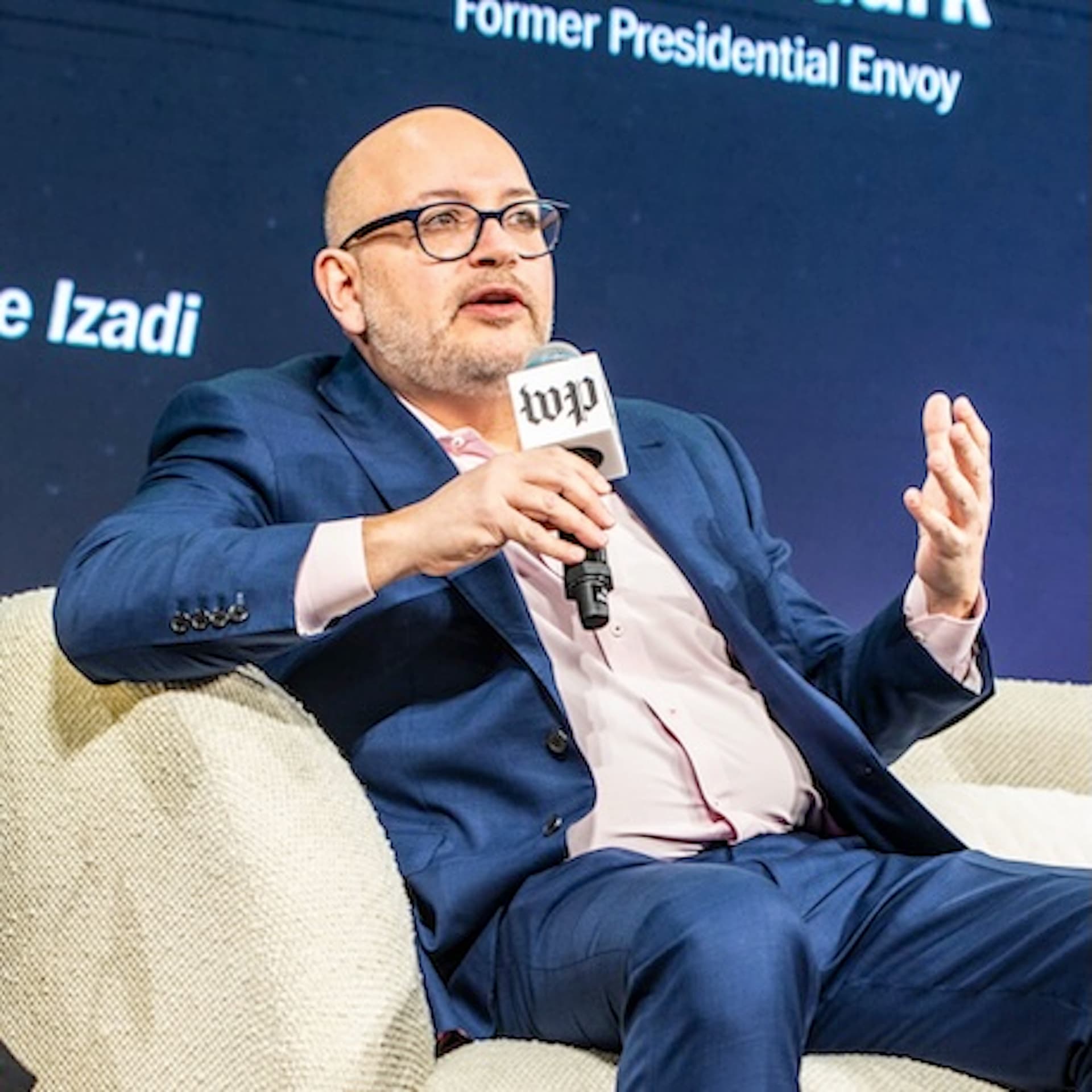
Podcast Overview Title: Post Reports Hosts: Martine Powers and Elahe Izadi Description: A daily podcast from The Washington Post, offering unparalleled reporting, expert insight, and clear analysis. Published weekdays around 5 p.m. Eastern.
Episode Details Title: A Surprise Kennedy Center Makeover Date: February 3 Guest: Travis Andrews, Style Reporter Description: In his second term, President Donald Trump is attempting to overhaul the Kennedy Center, a prominent performing arts venue in Washington, D.C. The episode discusses Trump's plans for renovation, the implications of his involvement, and the backlash from the arts community.
Key Topics Discussed
- Trump's Plans for the Kennedy Center
- Renovation Announcement: Trump plans to close the Kennedy Center for two years starting around July 4 to undertake a significant renovation.
- Criticism of Current State: Claims of disrepair, including issues like crumbling marble and broken elevators, although specifics on the extent of damage are unclear.
- Board and Leadership Changes: Trump reshuffled the leadership, appointing loyalists and taking on the role of chairman. This led to concerns about the direction of the institution.
- Reaction from the Arts Community
- Artist Cancellations: Following Trump's takeover, prominent artists, including comedian Issa Rae and the cast of Hamilton, have canceled performances in protest.
- Financial Implications: The Kennedy Center is facing a challenging financial landscape due to low ticket sales and subscription cancellations, complicating the renovation decision.
- Concerns Over the Renovation
- Cost: Estimated renovation cost is around $200 million, which aligns with recent congressional appropriations to the center.
- Funding Sources: Taxpayer money is primarily allocated for building maintenance, while the Kennedy Center has historically relied on private funding for programming.
- Cultural Significance of the Kennedy Center
- Cultural Hub: Originally intended to be a bipartisan space for artistic expression, the Kennedy Center now finds itself embroiled in political controversy.
- Impact of Trump’s Focus: The episode explores why Trump has become fixated on the Kennedy Center in his second term, contrasting it with his previous distance from the institution.
- Potential Outcomes of the Renovation
- Long-Term Viability: Concerns exist about the feasibility of completing the renovation within the proposed time frame and the potential for a half-finished project if leadership changes occur.
- Future of the Arts Institution: The episode questions whether the renovations will ultimately benefit the Kennedy Center or if it risks becoming a symbol of political conflict.
Key Takeaways
- Unprecedented Changes: The episode illustrates significant shifts in the Kennedy Center's leadership and programming under Trump's administration.
- Artist Backlash: The dramatic response from the artistic community highlights the tensions between political leadership and cultural institutions.
- Symbolic Importance: The Kennedy Center serves as a battleground for broader cultural and political discussions, reflecting the changing dynamics of American arts funding and support.
Conclusion The episode provides a detailed examination of President Trump's ambitious yet controversial plans for the Kennedy Center. It raises critical questions about the interplay of politics and the arts, as well as the future of a venue that has historically served as a cultural cornerstone in America.
---
*For further updates on this topic and more from The Washington Post, tune into Post Reports and subscribe to their daily news briefing, The 7.*
Written by AI. May contain mistakes. Listen to the episode to check what was said.
Chapters
Tap a time to open that second in VOTrump's Ambitious Plans for the Kennedy Center
0:47 to 2:52
Discussion on Trump's plans for the Kennedy Center and the skepticism surrounding them.
“From the newsroom of The Washington Post, this is Post Reports.”
Financial Implications and Artist Boycotts
2:52 to 6:15
Exploration of the financial struggles facing the Kennedy Center and the impact of artist cancellations.
“I think that is certainly a fear a lot of people have.”
Cultural Significance of the Kennedy Center
6:15 to 11:15
Understanding the importance of the Kennedy Center in American culture and politics.
“You know, I think a lot of people will have heard that in recent months, with all these changes at the Kennedy Center, that artists who had previously planned to perform there are backing out in protest.”
Trump's Relationship with the Kennedy Center
11:29 to 14:01
Analysis of Trump's evolving relationship with the Kennedy Center throughout his presidencies.
“So, Travis, I want to zoom out for a second.”
The Cultural Impact of Trump's Kennedy Center Involvement
14:01 to 15:12
Explore the reactions and implications of Trump's involvement with the Kennedy Center.
“It's kind of a, you know, career culmination sort of honor saying that you've made significant impact in the arts, particularly in America.”
Concerns Over the Kennedy Center Renovation
15:12 to 16:45
Discuss the potential consequences of the Kennedy Center's renovation under Trump's leadership.
“And from my vantage point, it seems like Trump's very good at taking advantage of those sort of things.”
The Future of the Kennedy Center
16:45 to 18:23
Examine the fears and expectations regarding the Kennedy Center's future post-renovation.
“than a lot of other ones that we're talking about right now.”
Transcript
Automatic transcript. May contain errors.0:01In his second term, President Donald Trump has prioritized overhauling the Kennedy Center, the former arts venue here in Washington, D.C. He criticized the programming, calling it too woke. He swapped out the center's leadership. That board named Trump the chairman. And then most recently, the institution was renamed to the Trump Kennedy Center, and Trump's name was added to the front of the building. Now, Trump says he is shutting the whole place down for the next two years. He says he is renovating it and that it will be better than ever when it reopens. But a lot of people are not convinced.
0:47From the newsroom of The Washington Post, this is Post Reports. I'm Martine Powers. It's Tuesday, February 3rd. Today, I talk with style reporter Travis Andrews, who's been covering Trump's obsession with the Kennedy Center. We'll talk about what Trump hopes to get out of reinventing this institution. and why it might be harder than he thinks.
1:14Travis, thank you so much for joining us. Oh, thanks so much for having me. Okay, so explain to me, what exactly are Trump's plans for this Kennedy Center renovation? That's a wonderful question, and it's one I wish we had the answer to. Oh, man. You know, he has spoken for a long time about the center being in what he calls disrepair, never really offering much proof of this, but he said that the marble is crumbling, that it's infested with rats, that the elevators are broken. He didn't like the color of the columns outside, which were kind of a bronze gold, and has repainted those white. But as far as what he plans to do with an entire reconstruction, we don't really know.
1:57Yesterday, he gave us the very first glimpse of what might be the case. So we'll be closing it sometime around July 4th. It's like we'll close it on July 4th in order to do something great for America. And then we're going to build it. We have great contractors. We're going to build it and we'll do it right. We're using the highest grade marbles, the highest grade everything. It'll be brand new. He said that he's not going to tear it down. I believe rip it down was his exact quote. I'm not ripping it down. I'll be using the steel. So we're using the structure. We're using some of the marble and some of the marble comes down.
2:32Which suggests to some degree that he's going to tear a lot of it down, right? And I think a lot of people in this moment are thinking about the quote unquote renovation or destruction of the East Wing of the White House. And like thinking that maybe this building itself could kind of face the same fate of being really like taken down to the ground. Absolutely. I think that is certainly a fear a lot of people have. And one of the things that really struck me in reporting just the past couple of days that I think is really kind of integral to your question of what his plans are is that no one really seemed to know he was going to put this true social out saying that he wants to close the place for two years for reconstruction.
3:12The board, his own board, did not know for the most part so far as we know. Most of the top leadership, if not all of the top leadership, didn't know. Rick Grinnell, the president of the Kennedy Center who Trump installed, he sent an email to the staff an hour after, more than an hour after Trump's Truth Social post. And it was basically a copy and paste of the post with, you know, a short little note about how we don't really know much right now, but more to come. So it really seems like everyone was caught off guard. Yeah, yeah. And just to ask the basic question here, like, can Trump unilaterally decide, decree by Truth Social that he's going to conduct a, you know, multimillion dollar renovation of this building?
3:59In fairness, that's not exactly what he did. And I've noticed this in reporting from some other outlets that have kind of glossed over that in the true social, he does say this would require the board's approval. Presumably, the board will vote in whichever way he kind of instructs them to. But I do think that is notable that at some point there clearly has to be a board meeting where this has to apparently be voted on. Not that, again, I think that is anything more than ceremonial, but I do think it's worth noting. And how much is this renovation or reconstruction going to cost? Well, conveniently, he said it would cost around$200 million, which is close to the exact amount that Congress appropriated to the center last year.
4:44They appropriated$257 million. And again, a little context I think is important. The Kennedy Center, regardless of what the talking points for the new leadership has been, is not fully funded by taxpayers at all. The government really only funds a very small portion of it. And the portion they fund is the building. Maintenance and upkeep is how that money has always been. It's normally been around like$45 million a year is appropriated. So last year when he lobbied for and got the$257 million, that was a huge number. And that's not going to programming. I mean, it's not going to salaries or anything like that.
5:20This is purely for building upkeep and maintenance. And so even then, it suggested that he wanted to do something big in terms of like reconstruction or revamping the actual building. That clearly he was asking for this money for a reason and that he expects taxpayers are going to be paying for this renovation. Right, which is ironic, again, given that the new leadership has consistently and constantly kind of attacked the center's previous leadership for, quote unquote, using taxpayer dollars to have all this programming they didn't like and everything like this when that's never what the actual money went to.
5:56And now taxpayer money will go to essentially closing the place for two years. So I want to talk about what's been happening at the Kennedy Center recently, because I think it's hard to separate this announcement about the renovation from the wider criticisms and cancellations from artists. You know, I think a lot of people will have heard that in recent months, with all these changes at the Kennedy Center, that artists who had previously planned to perform there are backing out in protest. You know, we have comedian Issa Rae who canceled her appearance there. Hamilton was supposed to be coming to the Kennedy Center next month for a couple months.
6:34That's not happening anymore. The Washington National Opera, you know, this institution here in D.C., they announced that they are going to be moving out of the Kennedy Center. Then there was this kind of blow up with Philip Glass, the acclaimed composer. Can you talk a little bit about that and how that kind of became a turning point in the story? Yeah, it's been kind of interesting. There's been sort of two giant waves of cancellations. You mentioned like Issa Rae and Hamilton, and that was last year when Trump took over the center. And immediately there was this outcry and all these artists kind of quit and said they were boycotting and canceling.
7:13And then sort of kept happening, but a lot more quietly. And then recently Trump put his name on the building and renamed the center the Trump Kennedy Center. And that sparked an entire new wave of cancellations, including Philip Glass, as you said. And I think this second wave really feels like the—I'm trying to think of a good metaphor. It's really—there was no straw left on the camel's back, so it just kind of broke the camel. The camel has died. After this wave, there just didn't seem to be anyone left willing to perform there, at least very, very few people. Not enough to put together an entire year, so far as I could see.
7:52And, you know, it really felt like there wasn't anyone left on the stages for the most part. Well, and according to your reporting, this left a pretty complicated financial picture for the Kennedy Center itself. I mean, you have performers who are deciding not to perform there. So you can't really have as many shows as you would have otherwise. And then, of course, there are people who have decided that they're not going to attend performances, people who had kind of season tickets to this institution that they will not be paying for going forward. So how does that kind of picture of the boycotts and the cancellations, how does that play into this decision about just shutting the whole place down for a couple of years?
8:33One of the difficult parts about the Kennedy News Center, because it is a private public institution, and as I said, you know, historically not much money from taxpayers actually went to it. We can't see their numbers. We can't see their books, and they have refused to share them since last year. What we do know, ticket sales, way down. Subscriptions, way down. Artists willing to play there, way down. If you go there on a normal night, theaters will be half empty, if not more. And amid all this, President Grinnell and the new leadership has said repeatedly that they're bringing in, quote, common sense programming.
9:07And by that, he means programming that sort of pays for itself. They don't want losing shows. They want to run this as a capitalist institution. They believe that the art should make money and sustain themselves, which, you know, whatever. That's your philosophy. That's fine. But nothing that's happened suggests that they've actually achieved that goal. If anything, it seems like the opposite has happened, that they're not making money from the shows that they're having there. And they're trying to offset a lot of this with like corporate sponsorships and things like that. But it seems like in the end it becomes a zero-sum game where you just run out of money.
9:40How can you have an arts institution when you don't have the arts there? Well, then let me pose this to you. I mean, if the Kennedy Center is facing this outlook where people don't want to go there and performers don't want to perform there, I mean, maybe this is a good time for a renovation. Maybe this is if the building has to get some updates. And, you know, I'm sure you've been to the Kennedy Center in the last few years. You walk in. It's, you know, like a little threadbare. Like, it could use a little bit of a facelift that maybe this is actually like a sensible time to do that if nobody wanted to go to the place anyways for perhaps the remainder of the Trump presidency.
10:17You know, it's difficult to argue with that idea. And it is interesting that the only reason people don't want to go there is because of the same people who now want to renovate it. Kind of a self-fulfilling prophecy to a degree.
10:36After the break, I talk with Travis about how this renovation could make or break the institution of the Kennedy Center going forward. We'll be right back.
10:53The holidays may be over, but smart savings can still continue. Right now, you can unlock your first six months of access to The Washington Post for just 50 cents a week. After that, it's$14 every four weeks. You can cancel any time. You'll get unlimited access online and in our app to trusted journalism that helps you make sense of what's happening now and what's ahead. If staying informed is one of your goals for the year, this post-holiday sale is the perfect place to start. Go to WashingtonPost.com slash subscribe and begin the year informed. That's WashingtonPost.com slash subscribe. So, Travis, I want to zoom out for a second.
11:36For folks who are listening to this who don't live in D.C., weren't planning on, you know, coming to the Kennedy Center next month to see Hamilton, why does the Kennedy Center matter? I'm so fascinated by this question because it's always mattered to me, at least since I've been in Washington. And the reason is it is, you know, I think Trump and Grinnell have said this, and it's true. It is America's cultural center. It was built 1971. It is a memorial to John F. Kennedy, but it is also meant to be a place in Washington that's always been bipartisan, that can bring people together to enjoy the arts.
12:13Sometimes those arts are political, sometimes they're pure entertainment. But this was a place that I would see over the years, people on both sides of the aisle come together and enjoy the arts. And, you know, not that important in the grand scheme of everything else that goes on in the city. But I do think that was special. And now it's kind of been turned into a political tool, which is the opposite of what its intent was. And so I would say it matters because it was a place that all Americans could go and see the arts. I think one reason why people have been a little surprised by what has played out over the past year is that in the first Trump presidency, he had a very different relationship with the Kennedy Center.
12:58I mean, I think you still had this conflict of artists who were clearly outspoken about their opposition to what the Trump administration was doing. But his solution back then was basically distancing himself from the Kennedy Center, not showing up to things that presidents previously would have shown up to. What changed? Like, why during this Trump term have we seen him so fixated on the goings-on at the Kennedy Center? I've wondered this a lot. And I'll be honest, a year of reporting, and it's still impossible to know why he glommed on to the Kennedy Center. I have some theories. I think he felt a little spurned by his first term in which artists who were getting the Kennedy Center honors said they would boycott it.
13:40if at least they would boycott the segment of that weekend in which they went to the White House. And just to explain that the Kennedy Center honors, you know, that's that big event that happens every year where there's some, you know, famous performer, singer who like comes and gets to sit next to the president while everybody like lodges them and talks about how great they are and like plays their songs and stuff. It's a big thing. They put it on TV. Yeah, it's a big thing. They honor five artists every year. It's kind of a, you know, career culmination sort of honor saying that you've made significant impact in the arts, particularly in America.
14:12And the president goes and, as you said, sits next to the honorees. And there's kind of a whole tribute that takes place. It's a very, very large, expensive show, black tie event filled with luminaries of Hollywood and Washington alike. and Trump decided during his first term because of the boycott to just remove himself from the proceedings and he never went. So it was surprising in a second term where one of the very first things that he did was say that he was going to basically take over the Kennedy Center and install himself as chairman of the board. It seems from afar like a lot of things Trump does is try to get retribution or revenge when he feels spurned by something and taking over the arts institution that maybe he felt didn't accept him in the first term fits into that pattern.
15:04And then people really cared. People got up in arms. It became this giant cultural kind of talking point. And from my vantage point, it seems like Trump's very good at taking advantage of those sort of things. He realized that people did have a lot of feelings about this. People would talk about this. And we kept going. Why do you think people are so upset by this, by what has taken place over the last year, but even more this announcement of the renovation or the shutdown? I've thought about this an awful lot. I feel like this is sort of – it's a symbol, I think, to some degree. This is an arts institution has absolutely nothing to do with the White House or Trump or politics or anything.
15:51It's something that should just be completely outside of the line of fire and somehow just ended up right as a target, which I think symbolically scares people. why this. I think one of the reasons is because it seems so unusual and unexpected that Trump would be so invested in this place. I also think in a way it's easier for people to think about the closing of an arts institution and to think about what's happening in Minneapolis and think about what's happening around the world. I think that it's kind of an easier place to put your anger and rage if you have those things. Interesting. Then, you know, thinking about people being shot in the streets.
16:36Yeah, yeah. The stakes here, you know, both feel important, but also that it's in some ways like a less scary story than a lot of other ones that we're talking about right now. Help me understand a little bit more about like how this can play out in the coming years. So, okay, Trump closes the building down. They do this many million dollar renovation. What would that mean for the Kennedy Center going forward? I mean, is there a world where, you know, two or three years from now, this building looks newer than ever and that it actually is better off for the future having been refurbished, even if it's done by a president that a lot of people have issue with?
17:17Or is there a real potential downside here for the Kennedy Center going forward? I think one of the fears that I keep hearing people have, and I'm no architect or contractor, but two years does seem like a short period of time for such a large building, especially if it's being ripped down to its steel infrastructure and being rebuilt from there, which the president kind of suggested. I can't speak to that. Maybe they could do it in two years, maybe not. But I think one thing people are really scared about is, OK, in that two years, presumably your staff is no longer employed, so you don't have a staff anymore.
17:51If you don't get the building built, you know, back up, then the president leaves office. And then where are we left with a half finished construction project? No art center, no staff. I think that's the biggest fear people have. Does this mean it actually doesn't come back? Because, sure, I think refurbishing could be great. But I think that that's the biggest fear is that what happens if we don't finish this project? Then what?
18:23Travis, thank you so much for explaining all this. Thank you so much for having me. Travis Andrews is a style reporter for The Post. That's it for Post Reports. Thanks for listening. Today's show was produced by Emma Talkoff, Thomas Liu, and Renny Svernofsky. It was mixed by Sam Baer and edited by Reena Flores. Thanks also to John Fisher. If you're looking for the latest updates on the big news of the day, check out our morning news briefing, The 7. We bring you through the seven stories you need to know about every weekday morning by 7 a.m. You can listen to it wherever you listen to podcasts.
19:01I'm Martine Powers. We'll be back tomorrow with more stories from The Washington Post.
19:20The holidays may be over, but smart savings can still continue. Right now, you can unlock your first six months of access to The Washington Post for just 50 cents a week. After that, it's$14 every four weeks. You can cancel any time. You'll get unlimited access, online and in our app, to trusted journalism that helps you make sense of what's happening now and what's ahead. If staying informed is one of your goals for the year, this post-holiday sale is the perfect place to start. Go to WashingtonPost.com slash subscribe and begin the year informed. That's WashingtonPost.com slash subscribe.
From the publisher
In his second term, President Donald Trump has gone on a mission to reinvent the Kennedy Center, the beloved performing arts venue in Washington, D.C.
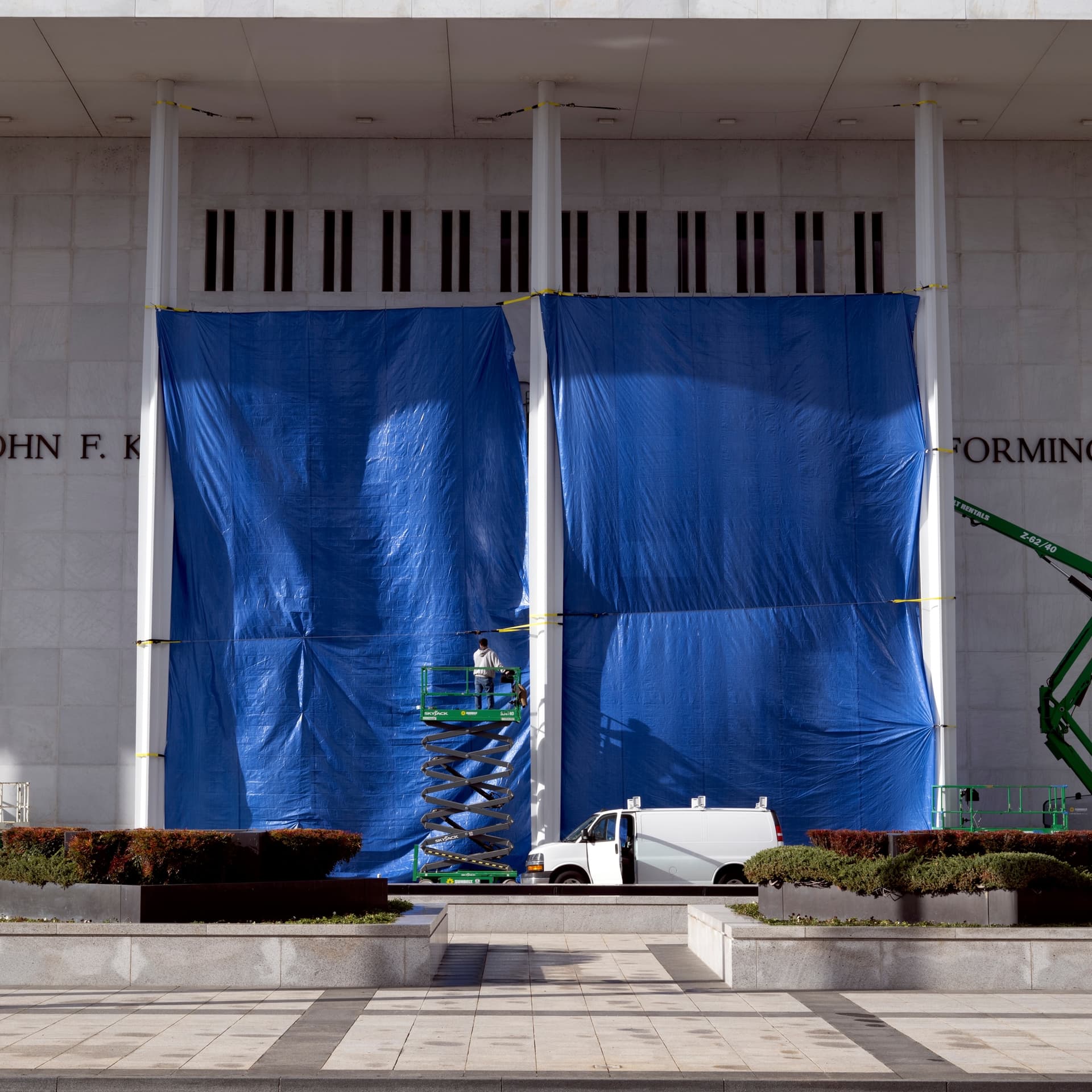
Trump promised to overhaul the center’s programming. He installed loyalists on the board who made him chairman. In December, Trump’s name joined John F. Kennedy’s on the building’s facade.
This week, Trump announced further plans to close the center for two years as he undertakes a massive renovation. Details of the plan remain murky, but Trump says he intends to overhaul even the building’s marble facade.
Style writer Travis Andrews has been reporting on Trump’s growing involvement with the Kennedy Center. Today, he joins Martine Powers to talk about why the president is so invested in the future of the institution — and why his plans have some people concerned.
Today’s show was produced by Emma Talkoff, Thomas Lu and Rennie Svirnovskiy. It was edited by Reena Flores and mixed by Sam Bair.
Subscribe to The Washington Post here.