
In short
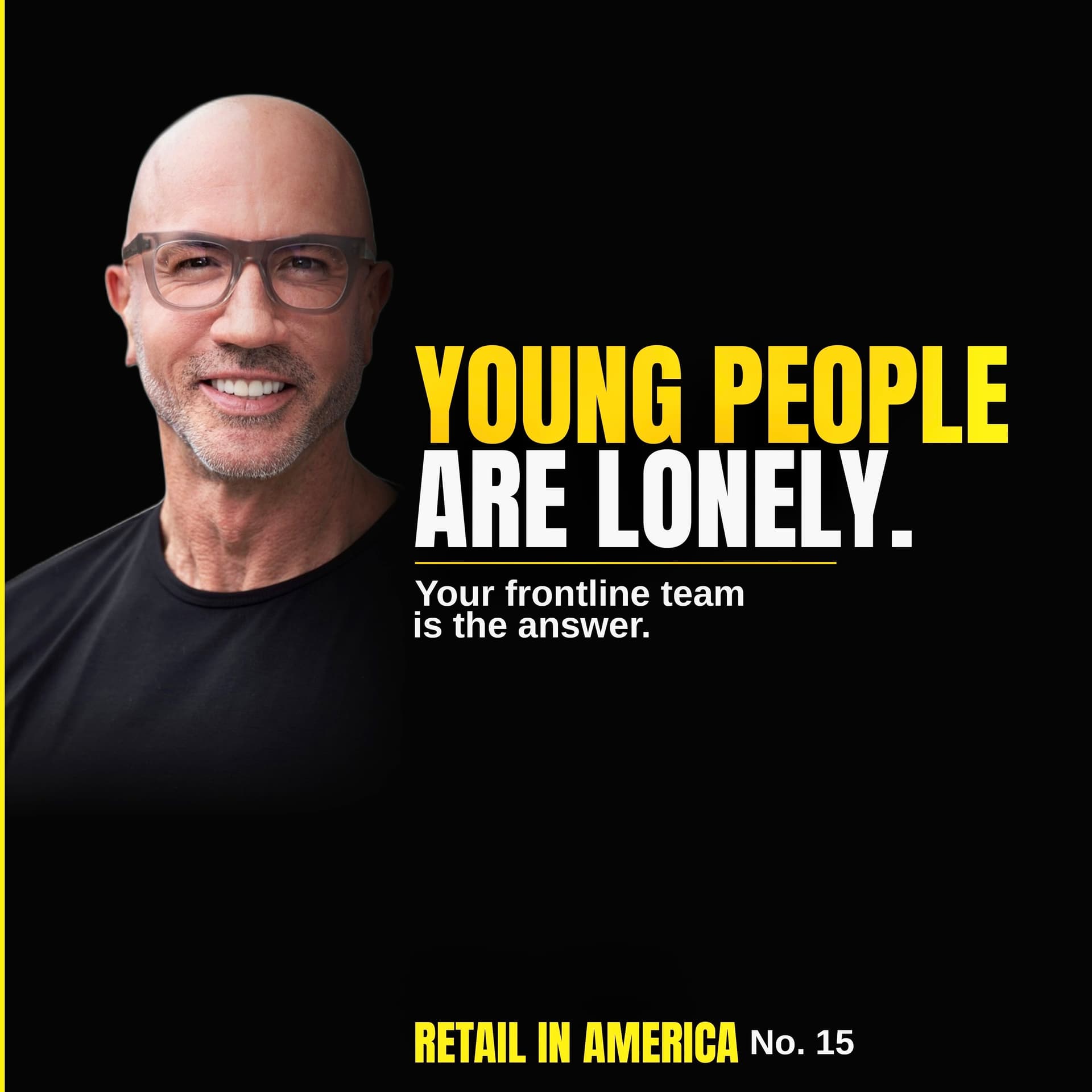
The World Happiness Report 2026 finds U.S. people under 25 are dramatically less happy than 15 years ago, linked to increased social media use; the episode argues Gen Z’s return to physical retail is driven by loneliness/belonging needs, and frontline teams can restore connection more effectively than tech changes alone.
Guest backgrounds
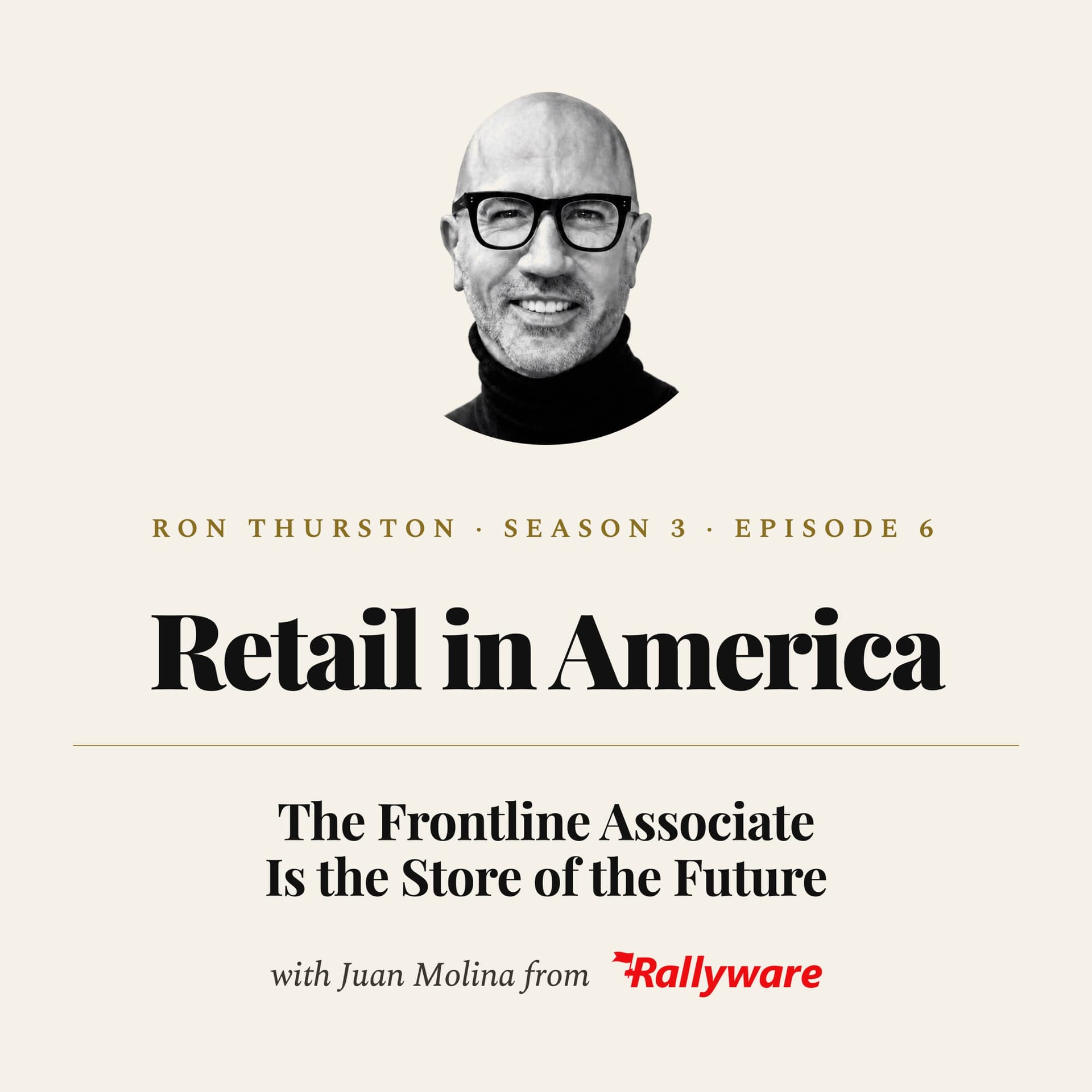
No guests mentioned; host is Ron Thurston (Retail in America).
Key claims
Belonging predicts happiness; belonging is six times more powerful than reducing social media use. Algorithm-driven platforms erode well-being, especially for Gen Z. Social connection boosts resilience and trust; frontline presence/empathy can “reset” customers.
Notable examples
62% of Gen Z purchases happen in physical retail; 42% of mall visits are social. Example interaction: associate makes eye contact, asks real questions, stays present ~20 minutes.
Written by AI. May contain mistakes. Listen to the episode to check what was said.
Chapters
Tap a time to open that second in VOUnderstanding Happiness Decline Among Youth
1:01 to 2:06
Explore the decline in happiness among young people and its implications for retail.
“I want to give you a few numbers, and I want you to actually sit with them.”
The Importance of Belonging in Retail
2:06 to 3:18
Discover how creating a sense of belonging can enhance customer satisfaction.
“So Gen Z's return to stores is not a retail trend.”
The Impact of Social Media on Well-Being
3:18 to 4:28
Understand how social media affects Gen Z's mental health and shopping habits.
“Let's go to human truth number two and talk about the platforms.”
Frontline Workers as Key Connectors
4:28 to 6:13
Learn how frontline workers can address the loneliness epidemic among young customers.
“Let's talk about the people caught in between.”
Transcript
Automatic transcript. May contain errors.0:00The World Happiness Report for 2026 was just published, and as always I'll link it in the show notes. It's one of the most comprehensive studies of human well-being in the world. 136 countries, hundreds and thousands of respondents, decades of data. And buried inside it is something that every retail executive needs to sit with. In the United States, young people are dramatically less happy than they were 15 years ago. Not a little less, dramatically. The kind of decline researchers describe as population level shift. And the primary driver, the same platforms your customers used to find your store.
0:45I'm Ron Thurston. This is Retail in America. Every episode, I give you three human truths about retail, about technology, and about the people caught in between. As always, every stat I reference will be linked in the show notes. And if you want these episodes delivered straight to your inbox, you can subscribe at ronthurston.com. I want to give you a few numbers, and I want you to actually sit with them. In this global rankings of happiness change for people under 25, the United States ranks near the bottom. That's directly from this new World Happiness Report. And at the same time, social media use has exploded.
1:28And the connection is clear. more use, less satisfaction, less connection, more anxiety. Now here's the part that matters for you. Gen Z is still showing up in stores. In fact, they're choosing them. 62 % of Gen Z purchases still happen in physical retail and 42 % of mall visits are considered social in nature. So they're not just shopping. They're seeking something and the World Happiness Report just told us what it is. So let me jump into this episode's three human truths. The first one, let's talk about retail. So Gen Z's return to stores is not a retail trend. It's a response. It's a response to a loneliness problem, to a connection problem, to a belonging problem.
2:20The report shows us that feeling like you belong is one of the strongest predictions of happiness. And when belonging increases, life satisfaction increases dramatically. In fact, belonging is six times more powerful than reducing social media use. Six times. Now that's, again, directly from the World Happiness Report. So when someone walks into your store and your team makes eye contact, smiles, asks real questions, is curious, that's not a transaction. That's a belonging moment. And it matters more than you've been told. Because I've spent 30 years saying that the frontline teams are what really matters.
3:06But this data reframes that completely. Because they're not just driving sales. They're delivering connection in a world that is increasingly missing it. Let's go to human truth number two and talk about the platforms. Because this is where it may get uncomfortable. The same platforms driving traffic are driving dissatisfaction. Now, not all technology, but a very specific kind, the kind built on comparison. Endless scrolling, curated lives, and the research is clear. Communication platforms can support well-being, but algorithm-driven content platforms erode it. Especially for Gen Z. In fact, many young users say they wish those platforms didn't even exist.
3:57But now they can't leave because everyone else is still there. Now, think about what that means. Your customer walks into your store after spending hours in a digital environment that made them feel worse about themselves. Now, they're standing in front of your team. Your Instagram worked. Your TikTok worked because they showed up. Now the technology strategy should stop and the human strategy should begin. And lastly, human truth number three. Let's talk about the people caught in between. The frontline worker is no longer just part of the retail experience. They are part of the solution here to something much bigger.
4:42A human problem, a connecting problem, and a well-being problem. because the research shows that people who feel socially connected are more resilient. They have more trust and they navigate the digital world better. And your frontline associate can create that moment, not through a script, not through a training module, through presence and through empathy and through curiosity. And the same thing I write about in Retail Pride and the same foundation behind Human Pride. So let me make this real. Customer walks in, your associate looks up, makes eye contact, gauges and listens, stays present for 20 minutes.
5:27That's not a sale. That's a reset. So let me be direct. Gen Z is walking into your stores, less connected, less certain, less supported than any generation before them. And your store, at its best, is one of the few places left where that can change. And that's not a small responsibility. That's a defining one. And we are investing billions into technology and automation and AI and efficiency. But the real opportunity is human. Because what they came for cannot be automated. They didn't come for speed. They didn't come for efficiency. it came for a person. And your job is to make sure that there's one there to meet them.
6:17I'm Ron Thurston. This is Retail in America. If this episode made you think differently, please share it with someone. If you want to go deeper, talk about retail pride and human pride are both links in the show notes. Until next time, invest in your people because they are your strategy.
From the publisher
Episode 15: The Happiness Report & Retail
The World Happiness Report 2026 was just published. 136 countries. Hundreds of thousands of respondents. Decades of data.
And buried inside it is something every retail executive needs to sit with.
In the United States, young people are dramatically less happy than they were fifteen years ago. The primary driver? The same platforms your customers used to find your store.
In this episode, Ron explores three human truths — about retail, technology, and the people caught in between — and makes the case that your frontline team may be one of the most important forces in the wellbeing of a generation.
Reports & Sources Referenced:
- 📊 World Happiness Report 2026 — Wellbeing Research Centre, University of Oxford / Gallup / UN SDSN
- 🛍️ Gen Z Purchases 62% In-Store — WSJ / Circana data, via PYMNTS
- 🏬 42% of Mall Visits Are Social in Nature — Westfield / Advertising Week
Books Mentioned:
- Retail Pride by Ron Thurston — ronthurston.com
- Human Pride by Ron Thurston — ronthurston.com
- Subscribe at ronthurston.com to get every episode delivered to your inbox, twice a week.