
In short
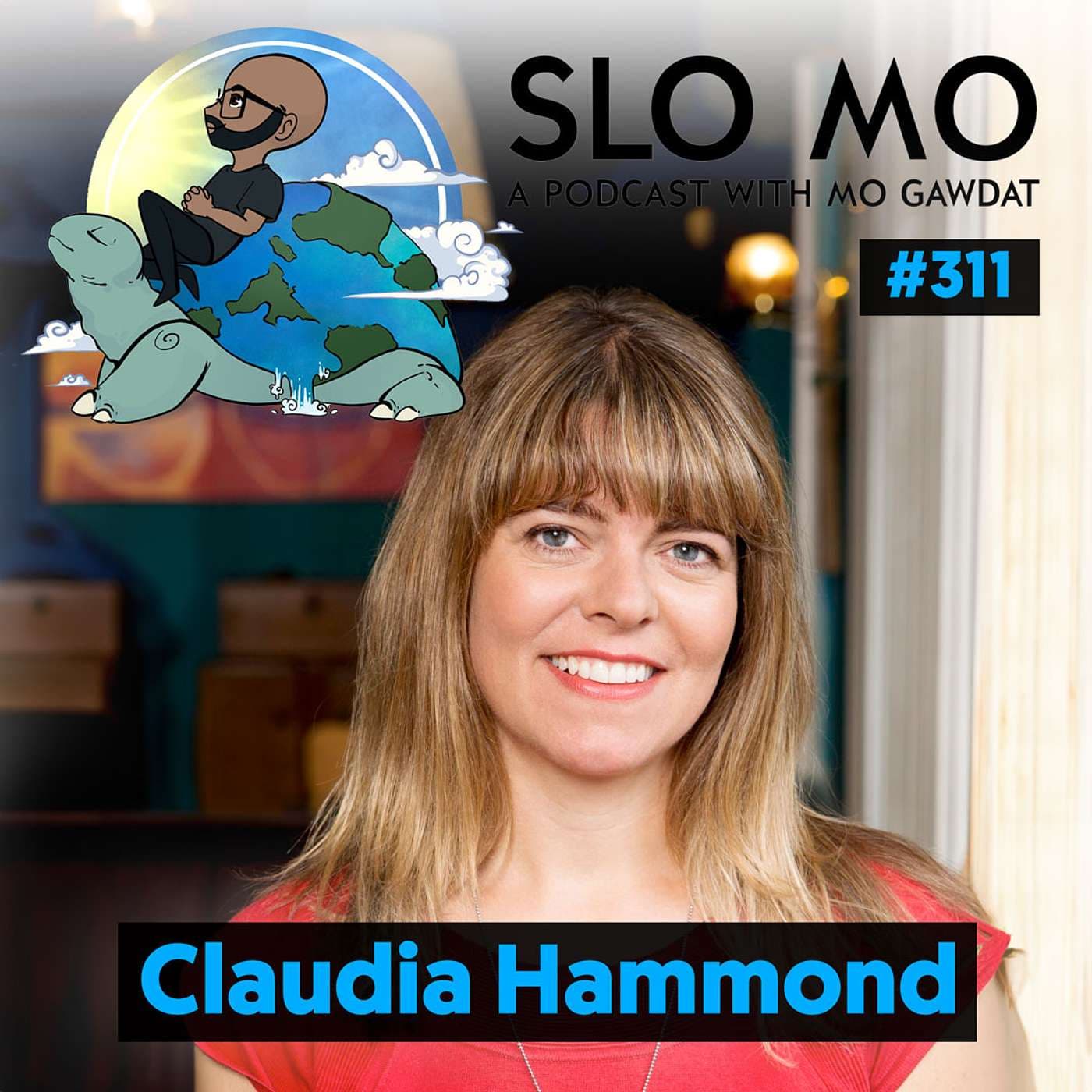
Podcast Notes: Slo Mo - Can You Be Kind AND Successful? with Claudia Hammond
Episode Overview In this episode of "Slo Mo," host Mo Gawdat engages in a deep conversation with Claudia Hammond, an award-winning broadcaster, author, and psychologist. They discuss the psychology of kindness, its role in today's world, and the possibility of being both kind and successful.
Key Topics Discussed
- Introduction to Claudia Hammond
- Background as a psychologist and broadcaster.
- Notable works include *The Art of Rest* and *Mind Over Money*.
- The Prevalence of Kindness
- Despite global cruelty, Hammond believes kindness is more prevalent.
- Discussed the reasons behind the perception of lack of kindness in society.
- Kindness as a Skill
- Kindness can be developed and is not merely an inherent trait.
- Examples of toddlers demonstrating altruistic behaviors.
- Kindness in Leadership
- The relationship between kindness and effective leadership.
- Evidence suggesting kind leaders are more effective and successful.
- Kindness and Success
- The misconception that kindness is a weakness in professional settings.
- Importance of creating a supportive work environment through kindness.
- The Relationship Between Money and Happiness
- Money can create stress, but it is not the sole determinant of happiness.
- The importance of understanding one’s relationship with money.
- Rest and Recovery
- The necessity of rest for mental health and productivity.
- Activities that can be restorative beyond just sleep.
Detailed Breakdown of Discussion
- Claudia Hammond’s Background
- Early Interest in Psychology and Broadcasting
- Volunteered in hospital radio at age 14, which ignited her passion for psychology.
- Pursued dual career in radio and psychology, eventually merging both fields.
- The Prevalence of Kindness
- Kindness vs. Cruelty
- Despite visible cruelty, kindness is embedded in societal progress.
- Historical context shows that violence and cruelty were once more common.
- Kindness as a Skill
- Research Findings
- Toddlers exhibit altruistic behavior, demonstrating that kindness is innate yet can be nurtured.
- The notion that kindness often goes unnoticed in daily life.
- Kindness in Leadership
- Impact on Team Dynamics
- Kind leaders retain staff and foster a positive workplace culture.
- Evidence shows leaders viewed as kind are more likely to be effective.
- Kindness and Success
- Misconceptions in Professional Settings
- Many equate kindness with weakness; however, it is a vital asset for sustainable success.
- The hard conversations and decisions leaders must make to maintain kindness.
- The Relationship Between Money and Happiness
- Understanding Financial Decisions
- Money is a tool for choice rather than a direct path to happiness.
- Experiences tend to provide more lasting happiness than material possessions.
- Rest and Recovery
- Importance of Mental Health
- Rest is essential for productivity; guilt associated with rest is counterproductive.
- Exploring various activities that facilitate relaxation and rejuvenation.
Key Takeaways
- Embrace Kindness: Kindness is not only a moral value but also a pragmatic approach to leadership and personal well-being.
- Recognize Kindness in Action: Actively look for and acknowledge kindness in everyday life to foster a more positive outlook.
- Prioritize Rest: Understand that rest can take many forms and is vital for maintaining mental and physical health.
- Rethink Money's Role: Evaluate personal financial habits and beliefs about money in relation to happiness.
Conclusion The conversation between Mo Gawdat and Claudia Hammond illuminates the intricate relationship between kindness, success, and well-being. By recognizing the importance of kindness and prioritizing rest, individuals can enhance their personal and professional lives.
Written by AI. May contain mistakes. Listen to the episode to check what was said.
Transcript
Automatic transcript. May contain errors.0:01I am so glad you could join us. I'm your host, Mo Gaudet This podcast is nothing more than a conversation between two good friends sharing inspiring life stories and perhaps some nuggets of wisdom along the way This is your invitation to slow down with us Welcome to Slow Mo
0:34Welcome back. My guest today, despite the cruelty we see in the world today, believes that kindness is more prevalent than brutal cruelty. And that really caught my attention. It really got me thinking. Because in an interesting way, I think she's right. In her approach, Claudia Hammond is a professor of psychology, but also a broadcaster, a podcaster, prolific author, five books, incredibly interesting and engaging. I personally loved Time Warped. I love Mind Over Money. I love the recent one, The Keys to Kindness. There was one about rest, which I would love to talk about. I think it was The Art of Rest.
1:22and the first one was emotional roller coaster. I didn't have a chance to look at that, but I find that her approach is highly scientific, but very approachable. And I think this is something that is highly needed in the topic. She truly is an inspiration in her work and her commitment and dedication to try and help people out. In her broadcast responsibility, she reaches 100 million people over the waves of the BBC radio everywhere in the world. And today I have my time with her to talk about topics that are really, really, really interesting and intriguing for me. Claudia, thank you so much.
2:05You're truly an inspiration. I told you before we started recording that I normally don't prepare very much for the podcast. I'd like to get to know a person on the podcast, but I have to say I got stuck in a wormhole with you. I really did. I mean, I had one link to one video you did with my wonderful friend, Rangan Chatterjee. And I kept saying enough, enough, enough. And then I kept going from video to video. I love your writing very, very much. But to me, it is your very sort of matter of fact when it comes to your research. But you're talking about a very soft topic most of the time. You choose topics that are sort of like hidden in our psyche somewhere.
2:55And I always want to start by understanding how do you become who you are? Like, were you always in that line of thought and study? Have you always wanted to do this stuff? When did you start? How did you become you? Yeah, in a way, I had sort of twin things going on in my career for a long time because I had two things that were really grabbing my interest and didn't know which to do. So I kind of did both. So I was very interested in – I knew for a long time I wanted to work in radio. So when I was 14, I started volunteering at my local hospital for where they used to have then, and still do actually, hospital radio.
3:36Oh, what's that? Where you – a long time ago, the patients had headphones by their beds and, of course, before the internet, they couldn't have other stuff on apart from radios. But we did, we had a little radio station in a porter cabin in the hospital car park. No way. And there were programs broadcast all day. And we had a, you know, our own, you know, record library with thousands of records there that people would donate. And then we'd volunteer. And on Sunday evenings, I would do Claudia's Sunday requests. And I'm no DJ. So trust me, it was not very good. But what I got really interested in was going to see the patients first to ask for their requests.
4:13So I used to go around the wards beforehand and talk to patients. ask them what record they'd like played and then they would listen out later on for me to play their request but I got really really interested in talking to the patients and that was what got me interested in psychology in a way I was really interested in what they said and how I'm sure lots of them weren't listening to the program to be honest but they liked well I think they liked more having this teenage girl come and talk to them for a while and particularly like the older ladies I used to talk to them a lot and they would have their request already written down often a hymn I mean it was often the old rugged cross and things like that and amazing grace they would have their request written down as with the the men who'd had motorbike accidents there were lots of men in traction you know with their their broken bones all up on uh stirrups and stuff um and they were very bored um and so they would write and often very into music and they would write down their requests as well and have them all ready for me and I used to chat to all these people and the older people in particular the older ladies they they fascinated me because they would tell me all sorts of things really personal things about their illness and they'd say things like you know I've got blood coming out of my mouth but I'm not going to tell the doctor and I'd say I think I think maybe you should tell the doctor I you know I don't know but that might be important and no no I don't want to bother them I don't want to bother them oh wow and I say why don't you tell one of the nurses oh no no they're really busy the nurses are lovely and they're really busy and I said do you want me to tell them on my way out I always chatted to the nurses at the nurse's station I'll tell them on my way out if you like no no no no you've got to promise me you won't tell them and I used to wrestle with should I should I tell them or not tell them because they'd ask me not to on the other hand this seemed like it was important and that just got me really interested in why were they telling the wrong person this in a way you know they wanted to tell somebody and they weren't actually choosing the person who was who who could do something about it really and that got me really interested and I at school I really liked arts and sciences and I wanted to do a new subject that I hadn't done before at university and I thought psychology looked interesting because I knew there was lots of statistics in it.
6:14Lots of people hate the stats in psychology. I like that sort of thing. I know. But it was about people. So it was what a brilliant combination. You've got maths and you've got people and you've got a subject that's trying to pin down something as complicated as human beings and trying to find ways to scientifically, you know, study how they think and how they feel and why they do the things that they do all these mysteries so I thought that would be interesting but before that I wanted to have a year out before university and I applied to wrote to radio stations all around the world in Hong Kong and all sorts of places in the states trying to get a job for a year in a radio station and I actually also wrote my mum persuaded me at the last moment she said oh why don't you just write one to the local BBC radio station as well and I'd already done work experience there a couple of times and it was where I lived which is a place called Beverchere about 50 miles north of London so it was a place I'd always lived so you know I wanted to go somewhere that I thought might be more interesting at that point really but I wrote to them and they they happened to have a job going that I then applied for in the newsroom as an assistant and I did work there and I absolutely loved it it was amazing I met my future husband there as well so it was even better but I loved that it was live radio and I would be we had tapes then I'd be running up and down with tapes from the newsroom to the studio.
7:33And it was just really, really interesting seeing all this happen. So then I knew I was really interested in radio, went to university, carried on working for a different local radio station. I went to Sussex University on the South Coast, worked for a local radio station there as well. So that by the time I left, I'd done a lot of radio, but then I got really into psychology. So then I carried on with that, did a master's, but also working in radio. And then I started working. the first BBC all speech rolling news station BBC Radio 5 Live had just started and I applied for freelance shifts there so I was freelancing there but also doing some lecturing and psychology and then I started reporting but also doing lecturing and psychology and for a long time I couldn't see how these things would match up and then I was a reporter for about 10 years and then started doing more and more pieces about science or health or psychology and then started specializing in that and actually it's much more straightforward now because everything i do is about the same subject now so i'm often for my radio shows i'll be interviewing people about their brand new research that's just literally come out in a scientific journal that week and then the following week i can tell my students about that so it's all it all it all fits in all together you know so it's it's it's it's lovely now i specialize it's much easier in a way it's So inspiring, Claudia, honestly.
8:52I mean, you come at a time where I'm constantly revisiting my choices because there are things that I absolutely freaking love doing. I love to write. I totally love to write, but publishing is such a grueling job, right? And I keep going back and forth between, you know, if my mission is to reach more people, maybe podcasting, maybe speaking, maybe content generation but I love to write I just love it right and the passion that you put in this little bit about you that I didn't know is so inspiring because honestly you just were so almost I don't know if you can call it clarity but it was drive like you you found something that that energizes you and you just jump in most of us I mean I I'm I'm very much that but I I because I have so many things I'm excited about.
9:45I struggle to prioritize them. But most people don't have that, that they don't trust their intuition that they're doing the right thing because, you know, psychology and radio are almost on opposite ends of the world, especially when you started. Right? Yeah. But you still followed through with that. That's a very unusual character, isn't it? Yeah. I mean, in a way, I didn't know that they would link up as neatly as they did in the end. So sometimes I I think these stories, they sound like they make more sense when you make sense because you look back at your own life and make sense of it afterwards.
10:20You know, we form our own narratives and make it make sense. But what I did know was that I definitely wanted to do radio and I wanted to study this subject. I didn't know they'd link up so well in the end. But I think there is a massive advantage in knowing what you want to do really young. Because all through university, I was getting paid more than I would have got working in a bar. but to do the thing I really wanted to do, which then was A, really fun, and B, got me the work experience to then get, you know, to then start on that path. And so by the time I'd left university, I'd already done so much, all because I knew what I wanted to do.
10:54So I think that was luck in a way, knowing what I wanted to do. But it also is a lot of courage, right? So there is that element that I think most people would go like, yeah, that doesn't make sense. Let's just do what everyone else is doing, right? You know what I mean? And you also, I think in my knowing your work, you happen to have quite a few extreme skills, like your passion about statistics and mathematics and research and so on. That's not the typical, you know, DJ skill, right? You know, those who are like you and I who love numbers and math and facts and so on, you know, we'd rather speak very little, honestly.
11:34You know what? You want to understand the topic? Well, it's 42. and that's the end of the explanation right yeah so why do you think that is was that upbringing was that is that a brain superpower what is it I don't know I always liked numbers actually I mean I always found was you know lucky and found maths easy at school and really really liked that but wanted it to be for something for something useful where you could get some answers about people and I've always just been really interested in people and in fact I didn't used to when I first started doing hospital radio you know as a teenager you're very self conscious that we all are um and i didn't tell most people i was doing it you know i thought they'd really laugh if they thought i was doing it so i think you know my best friend knew and probably possibly one or two other people knew and my dad used to drive me over there every sunday night and then come out in the dark on a sunday night and pick me up again afterwards which was very kind of him but um i just knew i wanted to yeah try out doing this thing even though i wasn't going to tell anyone about it um at the time you know they don't laugh now which is now they listen yeah yeah yeah now i got you all future husband you met him at 14 no no no 14 was when i was doing the volunteering so i met him when i was 18 19 19 all right how is he doing yes he's fine he's very well yes and and still committed oh yes yes he's great we like that yes yes yeah why do you think what did you guys do right uh i think we've done we've often done our done our different things but always been interested in each other's things now we do lots of gardening together i love gardening i love and uh uh he had a kind of you know if you can't beat him join him so he loves gardening too now so that's good okay so now we understand why basically it's like if you're if you're driving so fast with your passion as always he would jump in that's a good yes which is good exactly he makes amazing compost for me you know which that's right yeah amazing compost good quality good quality um and and he's and also he's uh i mean he's a novelist and he's He's brilliant at writing.
13:29You know, he's better at writing, actually, than I am. So it's really interesting talking to him about books and writing and, you know, share that. Oh, that's a very interesting overlap of a lifestyle, actually. So he was a journalist. So I met him as a journalist in local radio. And then he was a political journalist and became a novelist. Yeah. How much of your time and effort is given to writing? Five books is a lot of work. It's a lot, but it's over quite a long period. The first one came out in 2005. so now I only have one come out every few years I mean I tend to the trouble is that the difficult bit is the deadlines for everything else are always quicker so if there's someone I want to interview for my podcast radio show they're only free the next day then instead of writing I do that and so then I postpone and it seems like the deadline is ages away for a book but of course it's not something as you all know it's not something where you can stay up all night and get it done you know you can't just do it's not an essay you can't you can't do that no I know I always avoid the deadline so I've never actually signed the book until it was fully written oh wow yeah because otherwise i would i would disappoint people for sure because because you know my my writing patterns are very unusual i i would spend almost like a like an inventor really i'd spend the first four months not writing a single word and and just just building structures and thinking of topics and concepts and how they link and writing little notes on my phone and on my notepad and everywhere and literally not a single word and and then bam eight eight weeks normally oh that's so impressive i wish i could do that it is once you get once you get the structure at least for me once it's clear in my mind yeah i'm not able to stop writing i just cannot like i basically wake up in the morning and you know my wonderful wife would go and say okay so hold on i'm gonna go make a coffee and i would just pull the laptop out and write four lines in because it's just it's bursting out sort of uh but i have to say it's uh it is uh i i all i don't know why but i always feel a little like jealous if when someone writes more than me it's like what's wrong with me why do i do i not have five books yes so well some people do them so fast i know what you mean yeah yeah they seem to have another one yes yeah yeah yeah yeah i have to say you stopped me in my tracks with your new book because it is a very cruel time in the world and you know i think all of us are i personally i'm in a lot of pain like i i'm an empath by nature and i feel the pain of everyone right my approach normally is to avoid immersing myself too much in the news uh because there's no point seeing all of the of the torture really uh but but but i do want to understand the world so i immerse myself very deeply in the analysis and and the political views and all of that uh and and i have to say the cruelty of our world today is just it's higher than we've ever felt let's say okay maybe maybe it's not the cruelest uh you know as compared to the middle ages maybe but but for our lifetime it's you you never felt the cumulative pain of so many people and yet you say but kindness is more pervasive and your your analogy is actually correct but it's it's difficult to grasp until i heard it from you so why do you believe that why do you believe that kindness is actually the baseline yeah because it's true that it doesn't often doesn't feel like that um but um but there is good evidence really that that over the centuries you know we are progressing in terms of kindness it is true now that in most places, people don't go and watch someone being killed for fun.
17:11And that did used to happen in, you know, many, many places in the world. You know, it was much, much more common. And now, you know, we don't say here, you know, go to the town square and watch someone be killed. We don't have people fight each other to death for our entertainment in most places. That although it's true that at the moment, you know, as you say, there's so many terrible horrors happening. I think there's still progress generally. So I think you can have two steps forward and one step back. But in general, there's still progress, you know, and just as there's, you know, more kindness to animals than there has been.
17:44And people did not used to often consider that very much at all. And now that's in general, it is now much more accepted that you should also be kind to animals and that they can, you know, suffer as well. And so gradually over time, if you look at the amount of violence that happens gradually over time, it is it is going down. but sometimes there will be blips in the world you know so this particular moment there are more wars than there were say 10 years ago but this is you know it's not like the second world war at the moment so um and the blips there are blips like you know the first world war the second world war various wars there'll be all these blips all the time but in general people i believe are trying to be kinder and kinder to each other and you know stephen pinker and rutger bregman have written lots about this and i know they they come from slightly different approaches with it but both So they think for slightly different reasons, but both of them that we are gradually getting kinder.
18:37And I think part of the reason is that we do want to be kind. You know, we are hardwired to be kind. And that the reason that humans have succeeded and evolved successfully for so long, so far, is through cooperation. And cooperation comes from kindness and comes from understanding other people's points of view. And that is the absolute, has been the complete key to human success. You know, humans can't, would not have survived this long if they couldn't live in groups that protected each other and then specialised and some sort of food and some sort of other things. And that allows more and more people to live safely.
19:16And transfer knowledge from one to the other. And transfer knowledge. Which is truly a big act of life. So we're not starting again each time. And now we have this extraordinary situation where most of us can't do any of the other things. You know, it's so specialist that you and I can sit in this room and we can be chatting on a podcast. We can't make the microphone. own we can't make the carpet we can't make the electricity work you know or maybe you can maybe you can do these things but you know we can't most of these things we can't possibly recreate ourselves you know so many different people have been involved in everything that's just happening in this one room that we're sitting on to make this happen and a man amazing amounts of cooperation with strangers have happened for these things to happen you know that's what trade is in a way but would you call that kindness i mean what what how do you define kindness in that case What is kindness?
19:58What's the opposite of kindness in your view? So there's lots of debates about academic definitions of kindness. And the one I like best is that kindness is trying to do, is doing something with the intention of benefiting someone else. And I say the intention there because it won't always benefit them. Because you may have meant well and it didn't go down well. And occasionally, you know, that happens. You try to help someone and you got it wrong or they didn't appreciate it in the way you hoped. But most of the time people are succeeding in being kind. And so that's the definition I like, best of kindness.
20:31And people are, in order to cooperate, people are thinking all the time of what the other person wants. And if you look at, you know, I love the studies with toddlers because we think on kindness because you think of toddlers as being, you know, they scream quite a lot and they have tantrums. And it seems like all they care about is themselves and they don't care that their parents are absolutely exhausted. They're going to have another tantrum. And that all seems very harsh. But yet, if you give them the chance, they also want to be kind. And there are these, they're lovely, the videos. You can see them online of some of these studies where they get a toddler and they say as young as an 18-month-old.
21:09And they get an adult and the adult has a pile of magazines in their hands and is trying to open a cupboard door. And they can't open the cupboard because they've got their hands full. And the majority of the time, the toddler will go and help and it will open the door for them. And then they try and make it harder by making sure the toddler is playing with a toy they really like, game they really like. And so they have to leave their toy to go and help. Will they do that? Yes, the majority of the time they still will. I mean, figures like 91 % of the time they will. You know, it's really high.
21:37And then they make it so there's a load of plastic obstacles on the floor and they've got their favorite toy. So they've got to drop their toy, climb over the stuff to go and help. And they still do. And in the videos, they're so pleased afterwards. They're sort of puffed out with pride for having helped. You know, they want to help when they've got the opportunity. And Michael Tomasello, who's at the Max Planck Institute in Leipzig, has done lots of studies on this. And I like this phrase. He calls toddlers indiscriminate altruists because they'll be kind to anyone. They'll be kind to other children and to adults in terms of this helping behavior, even though other children are less likely to give them something than adults.
22:14You know, adults might be the ones who might reward them with something. They might give them sweets. They might give them a toy. They might give them something they like or attention. The other children are less likely to be able to do that. Older children work that out and know that, you know, if you're nice to the adults, you get stuff. But the toddlers don't. They're indiscriminately kind. And they kind of want to do this. And so we are hardwired to do this. And our brains reward us for doing it. So the reward systems in our brains are activated when you say, if you put someone in a scanner, if you give them some wine through a straw, some chocolate, you see the reward systems.
22:49of their brain activated. And if you give them money as well, you see their reward systems activated. But also you see reward systems activated if people give away money. And in fact, you see different extra areas activated as well. And you can do these experiments where you give people money before the experiment to make sure they've got some. So you give them, say,$30. And then you say, would you like to give some of that to a charity? And on a screen, you put loads of different charities for them to choose from. And they choose, they're going to give$10 of it to a particular charity that they like.
23:17and you'll see the reward systems in their brain are activated. So our brains reward us for being kind. So we want to be kind when we can, and that's because we'll survive. Yeah, I mean, the idea of survival because of being together with others is definitely, definitely, in my view, more valuable to humanity than our intelligence advantage, for example. But what happens with the 9 % or where do we go wrong? So it seems to me that I always believe that we're born in our best form, right? Happy, calm, loving, unthreatened by anything, compassionate, kind. And then something happens and we fall out.
24:01Or are those 9 % hardwired to be selfish? Yeah, I mean, probably not. You know, even toddlers will already be being affected by the experiences going on around them. so if people are treated cruelly and neglected then they soon learn that being kind doesn't get them anywhere and that they will be cheated they might be promised something and then they're not they don't get that thing and they may be and then they will start to become very very self-defensive and you can see the development say of the i'm really interested in these people who are called extraordinary altruists who are really really kind and will do things like donate a kidney to a donor that they don't know to a stranger and be very determined that they want to do that and there's been research looking at the um amygdala this walnut shaped area deep inside the brain that is the seat of some emotions but not all emotions and that that will actually become more developed in those people who are extraordinary altruists and much smaller and less developed in the other extreme the psychopaths now it's possible we still don't know it's possible the psychopaths are born psychopaths and that there's something really extreme about them but But the – and sometimes you'll hear people say loads of people are psychopaths and all managers are psychopaths.
25:11Yeah, it's being used, overused. It's overused, yeah. But if you think of the real psychopaths as in, you know, the ones who are killing people, that is such an extreme in a way. And often that something will have also happened to them as well. But what is also interesting is that people can be, of course, very neglected, have very appalling childhoods, and still be really kind as well. You know, it's not inevitable. And some people will decide, you know, they're not going to be shaped by that. And sometimes it will make them go the other way, that they're going to be really, really kind to people because of it.
25:43So I don't think people should feel their destinies are so shaped that they can't get out of that. But it's definitely miles easier to be kind if other people have been nice to you. I find that quite interesting. It's definitely always been one of my big reflection points, the idea that you're born a psychopath. but neuroplasticity will tell you otherwise like even even if you're born in a certain way unless you're talking about a defect or a deformation or whatever you know a genetic error somehow but otherwise even if if you in your childhood are not exposed enough to emotions so your amygdala is not used that frequently and neuroplasticity shrinks it there is a possibility to change to flip to go in the other direction which basically means that in an interesting way kindness is a skill yes yeah that can be learned yeah no and i'm very i am very optimistic about our brains if you like and optimistic about the the changes that can be that can be made if um people are you know given the right support and shown some kindness themselves because one of the interesting things about kindness is you know kindness begets kindness and we know from studies that you know there is this reciprocity and there is this pass it on um and that kindness is contagious and so if people experience kindness then they will then be kinder to others and of course lots of people are learning it as you say it's like a skill and people are learning it from watching their their parents their caregivers be kind to people and be kind to them and then they see that themselves so so i don't think it's hopeless do you think the opposite is true if if you give kindness to others you would experience more kindness in your life uh yeah so what's interesting is when in i did this um it was part of this big study called the kindness test which was run by sussex university and we launched it on my bbc radio shows and podcasts and 60 000 people took part from around the world which is amazing so it's the biggest study of its kind that's been done on kindness and one of the things we asked people was uh how often they received kindness and how recently and how much kindness they saw and how much kindness they gave and the people who did the most kind acts also received the most kind acts and also saw the most kindness around them what's your explanation so they they observed it around them um so i think one is that it is contagious and so people are if people are kind to them it gives you ideas for how to be kind for a start you know if someone does something does something lovely for you you then think oh that's i hadn't thought of that what a lovely what a lovely thing to do make made me feel nice maybe i can make someone else yeah i could do that for somebody when they're in that same situation and which could be just that there's you know you've got various things all all happening at the same time and that none of which are completely disastrous but somebody notices that there's all these different things and sends you some flowers or a nice message or something like that it can be small things and that you notice those nice things that they do and then you do that for somebody else in the same way so that would be one one reason for it and then I think the noticing kindness is really interesting because I think observing kindness around you makes you feel better about the world and humanity and particularly as a counter to everything distressing that you're seeing on the news is that most people are trying their best and even in the things that you see many of those people have been pushed into really terrible situations where they don't see an alternative but to to do the things that they are having to do or feeling they have to do and that we know from loads of psychological research of course that negative things are more salient because to survive we need to notice the negative things so if a kitten is following you up the street you don't need to notice but if a lion is following you up the street obviously you need to pay attention so we notice the negative things if you show people a photograph of loads of faces and in that crowd one face is angry and one face is happy people are much faster at spotting the angry face because we need to notice those so the trouble with that is that because it means we then don't notice necessarily the positive things going on around us and one of my big tips for how to be kinder is to become a kindness twitcher you know to notice the kindness around you deliberately and i kept a diary while i was writing the book on kindness a diary of kindness kind things that i saw kind things that i experienced and kind things that i did or thought about doing sometimes i thought about doing them and then was embarrassed and didn't do them and i noticed that very much but once you start to notice it you can't stop i don't do the diary now but i notice it all the time now so i noticed i mean i was on a train yesterday and i dropped my i dropped my keys in one carriage and somebody came all the way up to the next carriage and gave them back to me that's wonderful and they come looking for the person i'd moved seats and i hadn't realized that come out they come out my bag and he came and gave that to me and i was very happy because they would have been very very inconvenient so but it was really kind really kind thing for him to do but now i notice it i notice it all the time people being kind to each other on the steps of the trains and the tubes and people think oh London's so busy no one's kind to each other I see it honestly every day people being nice to nice to strangers and that then makes you feel better about the humanity that most people are trying to be kind and that there is kindness all around us we don't necessarily notice it.
30:53There definitely is I mean one of the things I find amazing about this podcast is I met so far maybe 300, 310 people and everyone's so wonderful. Yeah, everyone's really nice. It's like, what the hell people? Like, you know, couldn't be that everyone's pretending. I have no doubt in my mind that you have any evil in you at all. And when you really get to know people at just a slightly deeper level than the stress of the day and the struggles maybe that they're going through or the rush that they have to rush through the streets with or whatever. and when people pause there's most people are so wonderful it's actually quite interesting yeah kindness is pervasive in that in that manner yeah yeah yeah do you think that kindness is an asset or a weakness i'm let me let me take a let me take a work example for example you know i was told many times by my late mother who is lovely and you know my ex-wife who is wonderful that i may not be a very good fit as a startup founder because I'm too kind, too kind, right?
31:58It's like, you know, I'll always prefer the compensation of my teams over my own profitability. Or, you know, if my government employee is just delaying my paperwork, I'll just find a reason in my heart to understand they must be busy or, you know, which is reality for me. So sadly, you typically find examples of people who are more successful and billionaires, if you want, to be a little abusive of others. I mean, how can kindness be better than that focus and, you know, sort of self-centered approach to life? It seems to bring success to be selfish. Yeah. And so I think it seems like that. But actually, when you look at the evidence, that's not necessarily the case.
32:43And so I outline these different keys to kindness. And one of them is that kind people can be winners and i think often kindness is seen as something weak and a bit soft and kind of nice to have if you um can have that but you know not not a priority and yet in business say in workplaces one of the really important things particularly at the moment is to try to retain staff and not have not have staff leave and one of the ways of doing that is to make is to be kind to them and make them feel valued there and then people will stay longer in those jobs. There's a really interesting psychometrician in the States called Joe Falkman.
33:17And he's done a study looking at 50 ,000 leaders and the feedback that, you know, 360 feedback where their staff feedback on what the leaders were like. And he looked at how effective they were as leaders, but also how nice and kind the staff thought they were. And there was only a one in 2 000 chance of them scoring high on effectiveness but also low on um kindness and niceness basically if the staff didn't like them they were very unlikely there was only a one in 2 000 chance that they would also be effective leaders so actually part of being as per the view of the staff for the view of the staff yeah yeah and so because you want to retain your staff you also there's also evidence that there are these things in workplace they call in psychology you probably come across organizational citizenship behaviors which is things like the extra things you don't have to do but that are not part of your job but they're not in your contract but they make the world go around like you know reporting the printer when it's broken or putting some paper in the printer or washing up some mugs that aren't yours those things that make it nice or bothering to collect for somebody's leaving present when there's not somebody's job who's got to do that and people withdraw those behaviors if they don't in fact the first sign of them being possibly thinking about leaving is that they withdraw those behaviors and they stop doing those because they don't feel they're being treated fairly or being valued properly and they stop doing those little things first and then after that they start looking for jobs elsewhere but if people are treated kindly then there's evidence they carry on doing those organizational citizenship behaviors and that you bring the best out of that kind leaders bring the best out of those people now i think it's really interesting that within organizational psychology this isn't doesn't tend I think one book called kind leadership but it doesn't tend to be about kindly called kind leadership it gets called ethical leadership instead and I think and it is but if you look at the definitions it's the same thing but I think it feels more palatable exactly because kind kind leaders are seen as soft I had that in my career at a point in time which, you know, we had a very, very driven executive team at Google.
35:26And, you know, during one of the executive meeting conversations, I said something like, but, you know, these are humans that we're talking about here. You can't just rearrange the organization this way. And, you know, one of them said, oh, I wish I was working for you. You're so kind. And I looked at him and I said, how many people did you fire in the last three years? And he said, oh, I didn't fire any. I said I fired X number of people. I didn't fire them. I found them other jobs in other parts of the organization when they're thriving. Okay. Which is the kind way to do it. Because unless someone is bad, which is rarely ever someone you come across.
36:05Yeah. Right. But keeping them in a role that they're not, you know, they're not really leading in or not really thriving in. You're actually doing them a disfavor. Right. So don't talk about being soft. Kindness is not being soft at all. Yeah. kindness is to do what you rightly said is to do take an action with the intention of benefiting another yeah and and i think a leader's responsibility is to benefit the organization which basically means benefits all others right but also benefit the person that's not doing very well so so it's not about what you do rather how you do it and what the intention behind what you do it is yeah and absolutely it's not soft at all because it's really hard having those conversations absolutely so i think yeah i i completely disagree when people say oh being kind is soft i think it's tough it's hard because many bosses would just leave you know if there's one person who's you know slacking and not doing their work and everyone else is picking up their work then to do nothing about that is unkind to all those other people and really unfair on them yeah yeah and the kind thing to do for the person who's slacking as you say is to find out why you know are they why are they not they're clearly not suited to this role or don't or they're going through a tough time or they're going through a tough time something else is going on yeah what's going on there so the kind thing is to try to talk to them about that but that's a hard conversation to have and many people will not want to do that which is then unkind to the others and that's why yeah this is why i'd absolutely say kindness isn't soft it's hard it means having difficult conversations and working out how to word them and that's difficult you know this reminds me of i think the biggest example of not being kind is to tell your friend what they want to hear which which actually i you You know, I don't know if that's true, but in my small circle, I find that to be true more among women than among men.
37:46We men, we just like, you know, oh, you're an idiot. You're doing this. And even not in a harsh way, but, you know, we just sort of blurb it out and say, I don't think what you're doing is right. The other person doesn't care about my view anyway. So it's like if it makes sense and it opens their mind, they'll be happy. If it doesn't, they don't get wounded by it. but I find it actually very unkind to just for someone to be listening to her girlfriend talking about a bad boy really abusing her and she goes like you go girl you're doing well he will love you whatever whatever right I find that the kindness truly is to do what benefits the other person yeah not to do what makes them feel good right yes yeah yeah and I think in a way maybe that's where that where ethical leadership is quite a good title because the way the ethical thing to do is to uh you know tell the girlfriend the truth about that you know of what you think might happen so what would be your top tips like someone is listening to us now you know they're they're thinking oh interesting so there is benefit in kindness this would make me successful it would make my world and my little world more successful what would be your top tips yeah so one is to to become a kindness twitcher to look around your for kindness all the time maybe keep a diary about that um and another is to really try to see things from other people's points of view and we kind of think we see things from other people's points of view but to really try to do that to really put yourself in their shoes and to think well what could be the reason that they're they're doing that if someone says something you know maybe at work or somewhere else that's upset you to try and think would i react this badly am i quite tired are there things that mean i'm reacting worse to this you know am i really tired today would i be as upset about this on a different day is there something that's going on for them did they really mean it that way or am I just slightly taking it that way?
39:31Why are they really doing this? It's to really try to see it from their point of view, which is probably that they're not trying to deliberately be cruel, but that they've said something that's upsetting. And the other is, you know, I do a whole chapter on being kind to yourself, which really matters in terms of, you know, burnout and so on. And we do say to other, you know, we say to ourselves, our inner critic will say to ourselves things we'd never dream of saying to a friend. You know, if a friend made a mistake at work, then we wouldn't say to them, well, this proves you're an idiot and you've always been an idiot.
40:05You always will be an idiot. And I just knew it. And no one will ever forget. And this is going to be awkward and embarrassing and difficult forever. And no one's going to forgive you. If the friend told you about the thing, you'd say, oh, well, people will forget that really fast. You know, things happen. And you'd say, I'm sure you were doing your best. And, you know, you won't do it again. You know now not to make that mistake. And, you know, you tried. And I expect there were other things going on. And, you know, it'll be all right. It'll be OK. This is what you tell the friend. And you don't say that to yourself.
40:31Instead, you tell yourself that you're an idiot. And then you repeat it. And yes, exactly. And repeat it and repeat it. And you can even do things like imagine that. Imagine yourself coming towards you in the street and being upset about the thing you're worried about. And what would you say to that person? You know, what would you what would you say? How would you listen to what they're they're thinking? Once again, why do the majority of people use a tough language when they're talking to themselves? Yeah, I think we have this fear that it's a kind of slippery slope and that if we ever let ourselves off, then we'll go down the route of sort of hopeless laziness.
41:06I mean, this fits in with rest that I've written about is that I think that we fear that if we allow ourselves to rest at all, we'll then become really lazy and hopeless and never do anything again. When in fact, what we need is the balance between, say, rest and activity and to get those rhythms right in our lives. So let's talk about rest because that's, I think one of my biggest work in the last couple of years was to move from when my son left the world and I decided to take on that mission of 1 billion happy. It's just very blinding, especially when it starts to work, right? So it starts to work and then you suddenly tell yourself, you know, you can't sit your ass down when, you know, getting up and doing one more thing might reach 10 or 100 more people or a thousand more people.
Read the full transcript
41:53And I have to admit recently more and more, especially with my age as well, I'm starting to realize two things. One is that I've not been kind to myself in terms of finding enough rest, but that I'm actually less effective for it. Yeah. Which is really shocking. And, you know, I started to really commit to my silence retreat practice only three years ago. and my god when i when i really rest okay and i stop engaging trying to answer every message and trying to right i become so much more productive so much more productive so much more physically capable and i i just get so inspired like i get so many ideas that can actually help way more people than creating another reel or whatever how long do you do silent retreat for i go for 40 days 40 Yeah.
42:43Wow. Oh my God. That's amazing. I'm not a monk silent retreat. I don't go and sit on hard rock. I mean, I think it's more tradition than the purpose of the retreat. My retreat is very gradually, actually very kind to me. So in the first week or 10 days, I'd allow myself 20 to 40 minutes to check my messages and wind things down. And then afterwards, I sort of allow myself 20 minutes but i rarely ever use them i listen to music i take notes i even take my my notebook out and write if i'm inspired it's just silence in terms of my words and silence in terms of the hunt for my attention all of the messages that i receive and so on and oh my god i can i can honestly tell you like week seven sorry day seven or eight massive clarity like you just it and and I always cry like for the last week before I'm I'm going back to to the world I I'm just like constantly crying why I'm doing that like can I just please take 40 more like it's just a joy and and and it's not just that I also exercise more because I have the time I meditate way more because I have the time I eat very healthy I walk in nature it just changes everything really and i and i come out of it mostly with a book like the inspiration so that really is effectiveness very effective yeah yeah yeah but but i have to say otherwise rest is a struggle for me uh it's because the demand of the modern world are very erratic if you want so so what why yeah those boundaries have really dissolved between yeah for many people between work and and non-work now which is very difficult.
44:31So what are your, I'm not even going to argue the value of risk, rest, because I think people, people know they're just denying it to themselves. So what are your top practices? I think that one of the things to do is to give yourself permission to rest, which is often by... Permission to rest, yes. Yeah, by noticing that or realising that it is good for your, say, mental health to rest. And so, you know, I outline the evidence for why it's good for your mental health. And I've had so many people at, I talk a lot at science festivals and book festivals and things like that. And I've had so many people come up to me at signings and say that they, the thing they've really taken is that it's, they don't feel guilty anymore resting.
45:11So in the research I did on rest, we found a certain percentage of people said they felt guilty every time they stopped. You know, they thought that they shouldn't because there is always something else to do. And there is always something else to do if you want to. But that just as, you know, i don't feel guilty say going for a run because i know that's good for me physically or and good for me mentally as well but i don't feel guilty because it's good for me physically in the same way we shouldn't feel guilty about taking a rest or a break because it is protective of our mental health and so many people have said to me that's been a key thing that they've changed their view on by by by seeing that and by seeing that yeah this is something you're doing to protect yourself just as you might go running to protect your physical health and so um you know i as i said I love gardening and I used to when I was you know if I was working at home obviously sometimes I go out into the garden tiny garden for like 10 minutes and I'm deadheading things and I can feel this sense of calm and I don't think at all about work what else I'm doing at that point because I'm completely absorbed in deadheading those plants and looking to see how the broccoli is doing and things like that and I but I did used to feel before I wrote the book on rest I did used to feel sort of guilty doing that thinking I ought to be working really not not hanging around the garden in working time although I'm freelance it's my time but I now don't feel guilty about that at all I now think well this is good for me and this is good for my mental health I should be doing this and so my big tip is you know I talk about a kind of prescription for rest is to find the two or three activities that you find really restful you know it won't be gardening for everybody some people think gardening is like outdoor housework I don't know how they could think that but some people think I had I had a boss of mine that I saw you when I had when I lived in a in a very i had a beautiful garden and a boss of mine you know came to my home at one time and he was like why do you do all of this you don't believe in division of labor like and i was like did you hire someone to go play golf for you exactly i love this yeah yeah absolutely yeah yeah and so and so it's to to find the things that the activities that do make you feel that allow you to switch off that stop those thoughts whirring round and round in your head and so in the big piece of research I did with Durham University on that called the rest test we asked people which activities they found most restful and and there's a kind of top 10 that I go through in the book and it doesn't have to be those 10 you know it could be something different gardening wasn't in the top 10 disappointingly because I didn't get to write a chapter on it but other things were like you know having a hot bath or listening to music or going for a walk or doing nothing all of those things came in the top 10 and it can be any of those things but to try to to try to make room to do those those things just for 10 minutes 15 minutes it hasn't got to be for loads of time and to to see the difference that that can can make and to also reframe wasted time as a as a as a rest so if you've uh you know you have a parcel delivery you miss a parcel delivery and they've taken it back to somewhere else a sorting office depending on where you live and you've got to go there and you've got a queue, there's quite often a queue here for the sorting office, then you may have to wait there 10 minutes and 15 minutes and that may be really annoying and you feel impatiently, oh, I've got to wait just to get this parcel, how annoying.
48:22Or you could see that as if you're in the middle of a busy day and somebody said, I tell you what, you can have 10 minutes now just to watch the world go by. You don't have to do anything at all. You don't have to check your emails. You don't have to do anything. You can just sit and watch the world go by. Then actually you'd think, oh, that was nice. And so that's the thing I really do now is to reframe those moments in queues. um and to think oh that's nice you know i was about five minutes early getting here and then i was shown to a nice sofa i thought oh how nice i get to sit for five minutes now i apologize i apologize for fire for being five minutes late no no i was early and then i was resting so that was nice yeah and but i do that on airplanes yeah that's incredible really so so you see one of the things that really challenges us in the modern world is that there is always a a call for your attention and you're on an airplane and they you know especially the long-haul flights and there is this screen in front of you and 20 you know movies that you should watch and normally when you watch one or two I mean sometimes my flights are 10-15 hours and then you you go out of the flight so exhausted while you could actually just journal or you know chill or look at the the the the ceiling and do nothing and that actually energizes you want a lot more it it feels like the the you know the flight is a little less hectic if you want yeah Yeah, and I think one of the things is that we need to accept that our to-do lists are never going to end.
49:43I mean, they might, as in one on one particular. That's sad. But we just have to accept that rather than try to get to the end. There will always be some things to do. And so you're allowed to stop and say, well, it's the end of the day now. I'm not going to carry on doing them. And, you know, research has shown that with people working from home, which has many advantages and makes things easier in some ways, in some ways it really doesn't. and that they are that particularly during lockdowns, people ended up working longer hours if they were working at home because there's no reason to stop.
50:11You know, if you've got the journey home, at least you've got to stop because in the end you've got to make that journey. If there's no journey, then. Yeah. It's interesting that you also put activities into rest. So rest is not about lying down and doing nothing. Yeah, yeah. You can also do things that take effort but are restful. Yes, yeah. And it could be dancing. You know, 15 % of people told us that they found exercise of some kind restful. And for 8 % of people, it was running that they found restful. And they found they couldn't kind of quieten down those worrying thoughts in their minds until they exhausted their body a bit.
50:47And then for them, that was the thing that really worked. So, yeah, it can be an active thing. And it's a question of working out what that thing is for you and getting those rhythms of rest and activity right. I mean, just sitting down and doing nothing, if you're not, say, meditating maybe, is hard. Most people find that really hard. And lots of people will have heard about the experiment that Timothy Wilson did in the States where they put people in a room for 15 minutes and they just had a table and chair. They weren't allowed to go to sleep. They didn't have their phones. They didn't have a pen and paper.
51:18They had to do nothing for 15 minutes. The only thing they could do was to – they had a sort of bracelet around their ankle attached to an electric shock machine. They could give themselves an electric shock. I know that experiment, yeah. Yeah, if they wanted to. But they'd all tried it out beforehand. So it wasn't just curiosity. They all had a go at the electric shock beforehand. It's painful. And they only included in the experiment people who said they would pay$5 not to have another electric shock. And even though they would pay not to have another electric shock, in the end, 25 % of the women gave themselves at least one electric shock in the 15 minutes.
51:54And 77 % of the men did it. I know. I mean, one man gave himself 193 electric shocks in the time, which is quite good going in 15 minutes. But, you know, masochists apart, I think, maybe an outlier him. But the others, people still did it because people did find it so hard to just be alone. Yeah, the psychological discomfort. But in the end, they thought, oh, go on, go on, I'll press the button. I'll do it again. Wow. So I think doing nothing is in a way hard. So that's a hard way of trying to rest unless you're practicing mindfulness or meditation and learning how to do that is a hard way to rest.
52:31And we call it doing nothing in particular. So it did come in the top 10. But I think that means a little bit of pottering around. Doing nothing in particular is quite nice. Sort of light tidying, light wandering around. You know, in a way, that's what you do in the garden. If you're not doing the heavy stuff. Very, very, very strong advocate for gardening. Oh, I am. I am. I am. Yeah. can I ask you where does sleep fit into this sleep is something everyone is struggling with yeah and I think it's interesting that sleep is now taken much more seriously and I think that thing of sort of competing the kind of you know Margaret Thatcher oh I only have four hours of sleep a night and and that being seen as some sort of ideal I think thankfully that idea is going away and that it's now being realized how much you know sleep makes a difference to everything you know physically mentally that we we really need sleep but then i think the other trouble with that is some people you know there we are finding studies with some people monitoring their sleep all the time that they are then becoming worried that it said that they hadn't slept well so then they feel tired because they thought they hadn't slept well because it tells them they haven't slept well when actually they didn't think they had a problem before so um so i think we don't want sleep to all rest actually to be another another thing to worry about on your to-do list but but yeah it's really important the way you describe it actually is quite interesting because then social media really becomes almost the anti uh the anti-rest right it's like the super villain that takes our rest away yes i mean it depends i think always i think with social media it so depends on what you're doing you know if you're looking at you know some people's feeds on instagram say with particularly because their visual are so beautiful you know if you're if you It won't surprise you to know that I follow a few garden people on Instagram and just looking at their gardens.
54:15They're just so beautiful. Oh, I want to do that. And that's clever. And I'll do that. And that is really, really restful. I do that with carpentry. Or, yeah, carpentry. Ah. Or, you know, Wordle is so massively popular. And I do Wordle every day. And it's almost feel ready to sort of start the day because I've done something completely different. And we know it's using different brain circuits to do something like Wordle. And that actually that's a different thing. and that that might you know again a good thing to do what we definitely know is that watching people arguing on social media just before you're trying to go to sleep it's not a good idea because it enrages you and nor is looking at your email just before you go to sleep so it's a very bad idea because you see a work email that you can't do anything about that gets you right back into worrying about work mode whereas the evidence does suggest if you are doing something different like a puzzle then that's not necessarily bad and some of the evidence about the blue lights has been is now clear that that some of that's been a bit over egged and that actually it's more about what you're doing on that phone but one thing that is really bad is not having an alarm clock and looking at your phone for the time in the night and one thing i would say to parents of teenagers with phones is one that you know don't let them have their phone at night but um get a clock because if you want to know the time just look look at a clock because otherwise if you look at the moment you look at your phone you see there are there are notifications and messages oh and in the middle of the night that's a really really bad thing to do yeah but some understandably people want to know the time in the middle of the night sometimes i think the the absolute must do is to switch off all notifications really yeah i don't know why people don't do that yeah there's absolutely no point in having notifications on your phone because it's just constant torture yeah yeah yeah or just choosing really carefully the ones you have yeah like you might need a few calendars i keep my calendar on yeah yeah yeah but certainly groups you know muting groups because that should be a thing you decide oh i'm going to look at those now rather than um feeling this is another thing i've got to answer another thing i've got to answer can i ask you because i love that book as well uh so the the reason why we grill our self working and really rest very little is is our relationship with money money is not easy for most sadly when in reality i think if you really get it it's actually quite easy it's not that complicated at all, especially to just cover what you need, basically.
56:32First of all, why is money so much more important than other things like happiness and rest and kindness and so on? Where did we go wrong with this? Yeah, it's interesting that money has such a kind of psychological hold over us. And, you know, I was talking about when you're in a brain scanner and the reward systems light up if you see chocolate. In a way, you know, money is a what's interesting about that is it also lights up if you're given money in a scanner you can't spend it in the scanner so it's a future promise if you promise someone some chocolate in the future you don't get the same effect of the reward system as them having it now money is the one thing where it it is actually it's a future reward that is stimulating your brain now because you can't have anything you've got to exchange it to get something so um but we we know that it's valuable and its value of course is the fact that it's choice you know it's choice and opportunity and you can this one piece of this one note you can choose exactly what you want to spend it on and that is a sort of incredible thing and in one way money has allowed the most amazing cooperation around the world because money is um you know a form of trust and we're able to trust complete strangers by the fact that money is involved and that we've we've labeled this this thing trust whether it's numbers on a screen or or a note and So you go to a cinema and you can go to the cinema.
57:54You've paid online on your phone or whatever. And you know that when you go, the film will be there. All the people who were in the film will get paid. The people who made the film will get paid. The people running the cinema will all get paid. And you're going to sit there with a load of strangers. And you've all come to this agreement to do the same thing at the same moment. Kind of remarkable. And loads of people will be around the world in different places. And that all works because we have this thing called money. and there's no civilization that's invented a kind of currency and then gone back again to not having currency once each civilization invents currency they then keep that currency because it is so useful the problem is as you say the hold that it can have over us and the belief that it can imbue in us that if we just have some more of it we'll be happy so people will often you know somebody will tell somebody they're changing jobs they're leaving the company they really like to go to another company for um a but they're getting a pay rise you know and they're going to get a pay rise of a few thousand and most people will sort of think that seems perfectly logical that of course you you're leaving because you're progressing on to another one when actually you've got to think and it all depends obviously what the salary is is that is going up by a few thousand but what will you do with that few thousand that will make a significant difference to your happiness if you already liked your current job your current colleagues you knew how it was for you to leap into the dark to work for a boss you don't know who might not be nice and who might annoy you every single day for your few thousand more now if you know that you will spend your few thousand on something that will bring you real happiness which evidence shows is experiences on the whole rather than things you know a bigger telly doesn't make you uh happier in the longer term spending that money on an experience might even though that experience has gone you know a weekend away has gone you anticipate it beforehand which makes you feel good you enjoy it often with other people cementing your relationships and having a socializing time and you look back on it those are all better better use of your money than the bigger tv screen say in terms of in terms of what might make you happier but in order to change that job you've got to be sure that this this is going to make you happier and i don't think we always consider that consider what are we actually going to do with some money are we really making the right decisions yeah i used to tell people interview for a job that's going to make you happier not a job that will pay you a few hundred dollars more yeah because if it pays you happier the less money will be more effective because you're not going to be spending on trying to make yourself happy basically yes yeah which is which is i think a lot of people miss that i mean i have to admit there is joy in you know not having to think too much if i want to go and buy something and to feel that oh yeah yeah no that's an amazing luxury to be able to do that particularly in global terms you know it's amazing and also it shouldn't absolutely shouldn't be underestimated the stress that not having money has you know where money and happiness are so so connected obviously is the a huge stress of worrying about money and where the next rent is coming from how people are going to be paid yeah and you see the massive effect that that has on people's mental health and and you know it's been loads of work on scarcity that sender millenathan has done in the states that's really interesting on how when money's scarce people's thinking inevitably narrows and they think about that thing all the time and it makes everything else more difficult yeah but you see the thing for me is that scarcity believe it or not and i say that with confidence because i know very rich people is that scarcity is not a question of the amount of money you have so the truth is i mean the reason why i can sort of buy anything i want is that what i want is very simple i mean the now the price is going up, my t-shirts are up to$18, right?
1:01:30But at the end of the day, and it's not cheap of me, it's actually, I love them. I love the texture of them. I feel they're easy. They make my life, they hide my little belly. They're wonderful, right? You know, I know friends of mine who will actually buy incredibly expensive shirts, incredibly expensive cars, incredibly, you know, expensive places to stay when they travel. You know, they travel first class, they do whatever. And yes, and, you know, it's actually quite common to see people in the finance industry, for example, who are struggling because if they stop earning for a month, their family will feel scarcity because, you know, what, do I make them fly business class?
1:02:12Like, I can't do that, right? And it's really weird. Actually, you know, I know of a few cases of people who took their own life because they couldn't keep up with that standard, right? and it is shocking really that it's on the uh it's on the spending habits side that your money skills begin yeah yeah and there is this thing yeah this sort of hedonic adaptation that we get people get you get used to having things that are slightly more expensive and then slightly more expensive so people most people believe that they will get better at um saving in the future and that they will earn more in the future and that they'll get better at spending less in the future so most people think because of that they're going to be richer in the future now they might earn more in the future if they progress through their careers but they won't spend less because they will start gradually having nicer things thinking oh we're going to have a slightly nicer meal or we're going to have a nicer room oh let's have let's have the room with the balcony and then you always want a room with the balcony um and then it's difficult then you suddenly feel deprived not to have the room with the balcony yeah and so so i can see that then at the extremes that becomes very extreme people think that they need these things and must have these things and then get stressed by not having these things or feel that they can't leave a job that they hate to do the thing that they would really love to do.
1:03:25And I think it's interesting in the city, you will often see people say, well, at the beginning, they'll say, I'm going to do it till I'm 30 because then I've got enough money. And then I've got enough and then I'm going to do the thing I really want to do. And then how often do they then do that? Rarely ever, yeah. Yeah. So your book is Mind Over Money. What is the advice? How do you have your mind controlling your money urges? So it's about looking at the decisions that we make about money and how sometimes different cognitive biases, these biases can come in and make us not make the best decisions about things.
1:03:57So, for example, one is about, say, there is an effect. It's called the compromise effect where if there are three things of different prices, they're often laid out in threes in shops and they're often laid out in threes online in particular. And you'll see like a budget laptop, a bit more than that laptop, and then a really expensive, really beautiful, glossy laptop. and that third one is only put there with the cheaper ones to make you buy the middle one instead so in studies when it's when it's just the two of them the cheap one and the middle one then half the people will buy each one if you add the expensive one there suddenly twice as many people get the mid-priced one that they were going to and shops know this and so when you're shopping if you were never never intending to buy the expensive one it's because the reason we do it is we hate disadvantages and things and we hate loss and there's lots of studies on loss aversion and how we hate loss more than we enjoy gain.
1:04:46And so the cheap one has the disadvantage of being it's cheap, so maybe it's rubbish. The expensive one has the disadvantage of its enormous price tag, leaving us with the middle one. And so people choose that because they think it's got fewer advantages. But actually, they never really needed that one. The cheap one would have been absolutely fine. They've just been swayed by the expensive one. So one piece of advice is if things are in threes, just ignore that expensive one. Don't look at it. If that's not... And compare the other two. If you can't possibly buy that, don't even look at that.
1:05:15Compare the other two and see what you really get with those. And to really think about the decisions that you're making. And, you know, there are things like people will, Daniel Kahneman's done loads of work on this and others, and that people will, they'll drive 20 miles to save 20 pounds or$20 on something that costs$60 because they think, oh, that's good, I'll save a third of it. When they buy something that costs a thousand, you know, or more, like a secondhand car or something, they don't then go to an effort to save that, save 20 pounds on that because you think well it's not worth saving 20 pounds on the house 20 pounds are 20 pounds yeah but 20 pounds is 20 pounds is 20 pounds so if you want to look after your 20 pounds is think about all the 20 pounds is um there's things like insurance people buy some insurance is bought just because you don't want to feel regretful later at a loss so of course if you can't afford the thing then don't then you need if you can't afford to replace it then you need the insurance for it but if you if you can if that happened once in your lifetime of buying insurance then maybe you don't need to buy as much insurance so for example hiring a car i always used to buy the extra insurance as well never do and then worked out that how many times was i doing that and yes i need to face the fact that one time somebody will crash into me and i'll end up you know a thousand pounds down and i'll be furious i'll be really cross but that actually over all the years of hiring cars abroad then it will be actually worth it and it might never happen either and that that's that's worth it and that i think there's loads of insurance people are buying that we don't need we're insuring against the future regret rather than against the actual i mean i i i definitely definitely definitely look back at my and i love cars so i had many cars in my life i definitely saved at least the price of a full car by not insuring all my cars Yeah, yeah, yeah.
1:07:01And so, yeah, sometimes we're just buying more than we need for those things. So it's a question of really looking at the things like that and really looking at your relationship with money as well. And whether you are, if someone asks you to do something, particularly can happen with freelancers, that not to start seeing your timers by the hour for the non-work things, if you sort of mean, not to start thinking, oh, but that's all, but the friend would quite like me to go and help them with that. but actually you know that would be time i could spend doing this and then then time spent earning that and then time becomes something that gets monetized instead of something you do for the things you enjoy or want to do or to be with the people you want to be with your approach fascinates me in every possible way every possible topic i i feel jealous that you wrote one book more than i did you'll soon catch up exactly i i don't know i i urge you very strongly to write as many as you they are so eye-opening and so fascinating and i'm really grateful for your time this was really a wonderful and very very useful conversation this was such a lovely chat i enjoyed it i enjoyed it very much too i hope you guys enjoyed it as well this to me is all the work of claudia really is quite uh intriguing and i really think if you're not following her work you have to follow her work her books highly recommended definitely my kind of teacher if you want very very scientific in approach, very matter of fact.
1:08:24And I think it's very eye-opening. When you learn those things, you end up really making a big difference. Rest, people. Rest. Okay. Be kind and forget about money. I think that's the summary of what we spoke about today. Rest, slow down. There's always a bit of time to slow down. I'm always very grateful for the opportunity that you give me to speak to such amazing, amazing people and make new friends. Thank you very much for that. Tell the world about it, the bigger the podcast becomes, the more opportunities you kindly give me to meet more and more interesting people. I love you all for listening, and I will see you next time.
From the publisher
Claudia Hammond is an award-winning broadcaster, author, and psychologist. She hosts BBC Radio 4's All in the Mind and Health Check podcast. Known for her books like The Art of Rest and Mind Over Money, Claudia explores well-being and psychology.00:00 Intro3:00 Why psychology?13:50 Claudia's books16:50 Kindness in today's world is possible24:00 But why are some people unkind?27:00 Kindness is a skill30:00 Kindness is all around if you notice it33:25 Can kind people be successful leaders?38:45...