
 Ask ChatGPT

 Sourcery
17 Nov 2026 · 51m · 14 chapters
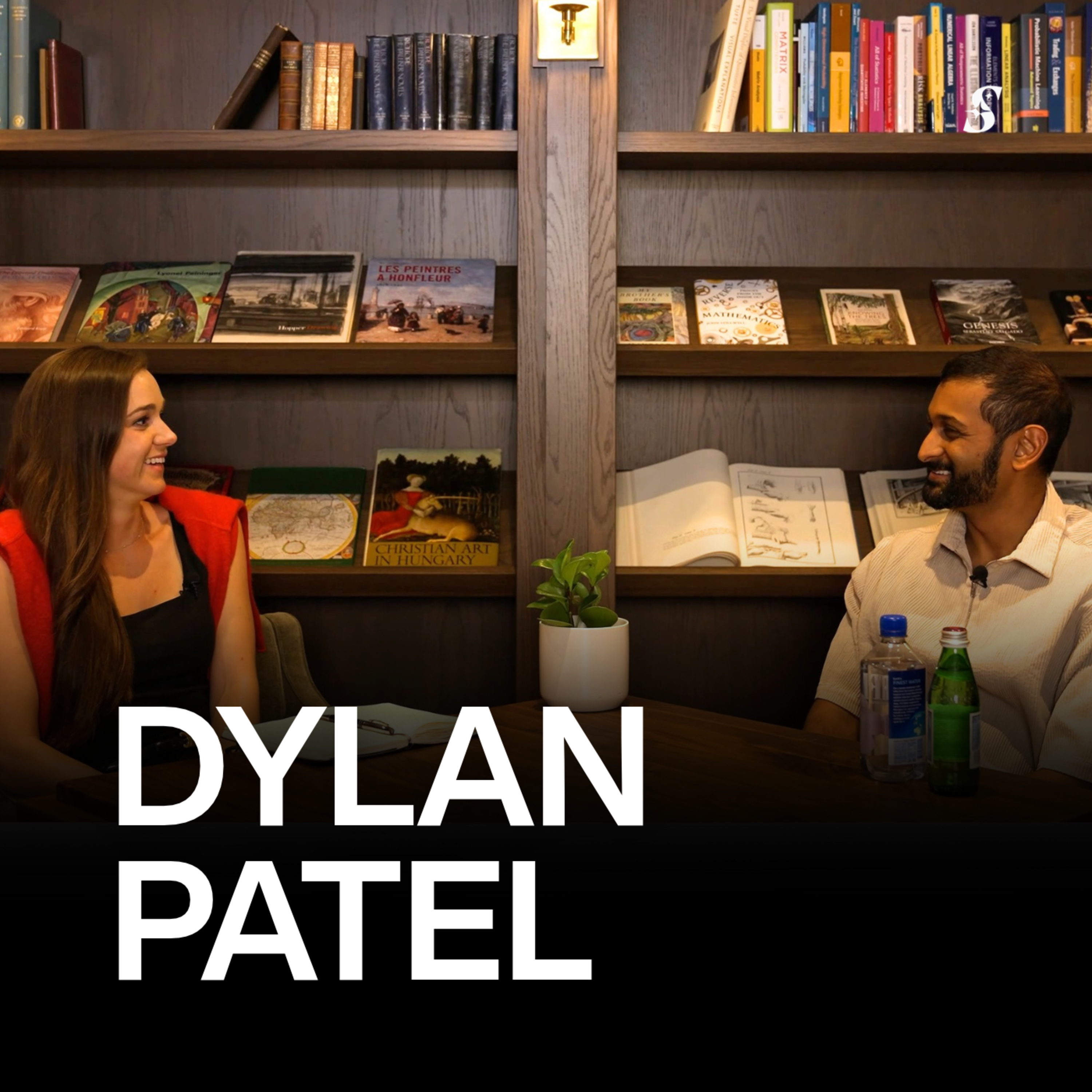
Dylan Patel on the AI Market Shakeout & Building SemiAnalysis
In short
Dylan Patel (SemiAnalysis/Citrine) discusses the AI market “shakeout,” why data-center regulation is delaying capacity (permits/water/air), and how product quality and enterprise contracts are shaping winners in AI applications. He also explains SemiAnalysis’s research approach, why he invests in hardware/infrastructure, and the rationale for launching a VC fund.
Guest background
Dylan Patel is a VC and analyst focused on semiconductors, data centers, and AI infrastructure. He leads SemiAnalysis (tracking data centers worldwide) and Citrine (research with a different style), and has ~115 employees across 15 countries with offices in NY, Chicago, SF, Oregon, Singapore, and Korea.
Key claims
Space-based compute is unlikely to matter for 3–4 years; most near-term data-center delays are permit-driven, not equipment/labor shortages. Many people don’t realize data centers exist in their counties (49% unaware of 100MW+ sites). AI “product” beats “model” in stickiness; safety features can over-restrict. Persistent agents are growing (45% of his $15M AI spend via Perplexity Computer).
Notable examples
100MW+ county awareness poll; Texas regulatory levers (water/wastewater/stormwater/air permits, union labor uncertainty). Water-use narratives are often overstated (NYT cited ~1000x error, per Patel). Product examples: Meta’s “Muse” and “Instinct” outperform OpenAI/Anthropic products despite weaker models; OpenAI chat app lacks useful model toggles. Data-center community examples include Louisiana teacher payouts via property-tax rules; “embedded water” comparisons (data centers vs In-N-Out; Musk claims). VC/fund focus: seed/Series A in infrastructure (robotics, silicon/optics, manufacturing).
Written by AI. May contain mistakes.
Chapters
0:37
Understanding the AI Data Center Landscape
Dylan discusses the current state of data centers and their hidden presence.
“I get that it's like source code or whatever.”
2:32
Regulatory Challenges for Data Centers
Exploration of regulatory pressures affecting data centers in the U.S.
“How are you seeing the stress or the pressure from that?”
3:38
Public Perception of Data Centers
Dylan analyzes public perception and misconceptions about data centers.
“And then the union labor thing is the other one that's like kind of sketchy because there's like very little union labor in Texas.”
7:22
The Economic Impact of Data Centers
Discussion on how data centers can financially benefit local communities.
“Ohio, there's some counties that ban them.”
10:47
The Evolving AI Market Landscape
Insight into the competitive landscape of AI companies and their market shifts.
“But yeah, I think I think like people hate dislike AI more than they dislike your data centers.”
13:05
Product Development in AI
Dylan shares insights on AI product development and company strategies.
14:00
AI Product Comparisons: Muse vs. OpenAI
Explore the differences in performance and user experience between Muse and OpenAI's models.
“I think like some of the safety focus of like OpenAI restricts them, right?”
20:10
Market Sentiment and Investment Insights
Gain insights into the current market dynamics for AI startups and investment strategies.
“It needs power, land, and infrastructure.”
28:01
Investing Insights & Strategies
Learn about investment strategies, founder dynamics, and the challenges in hardware versus software investments.
30:30
The Contrasting Views on AI
Explore the differing perspectives on AI between organizations and the rationale behind these views.
“Like, I'm not here to change your voice.”
Show all 14 chapters
34:03
Business and Media Dynamics
Understand the challenges and strategies in balancing objective analysis with business interests in the media landscape.
“How do you not just like attention hack, but also like provide useful things?”
40:00
Challenges of Running a Company
Discover the hard lessons learned while running a business, including decision-making and personal sacrifices.
“we'll never push our companies that we invested in publicly because those are separate companies, right?”
42:00
Navigating Tough Decisions in Business
Learn about the challenges of making tough business decisions and the skills needed to navigate them.
“Like obviously that stuff gets sacrificed sometimes.”
50:07
Exciting Innovations in Technology
Explore upcoming innovations in semiconductor technology and AI performance.
“I know I'm going to steal this room from now on.”

Ask about this episode
Get the gist, explore an idea or ask about something said.
 Claude
On Sourcery, what are the key points of this episode?
Searching your listeningTranscript
Automatic transcript. May contain errors.
0:00You're building out an empire here.
0:01Dylan Patel: We've got people in 15 countries. There's about 115 people. Offices in New York, Chicago, SF, Oregon, Singapore, Korea. You know, we track every data center in the world. And we as a firm know more about data centers than anyone else. 49 % of people in counties that they have a 100 megawatt data center did not even know there is a data center in their county. Oh my god. My biggest customers are hyperscalers, semiconductor companies, and AI labs.
0:37Dylan Patel welcomed sorcery.
0:40Dylan Patel: Yeah, well, good to be here. It's a wizard's themed. Is it sorcery? I get that it's like source code or whatever. It's not source code at all. It's not based on source code. It was for sourcing deals. I come from the VC world. I was thinking like source code or like, you know, magical. cool. Magic would be cool. I mean like that makes a lot of sense. It was like a play. Your aura has gone down a lot. It was like source code. It's like wizards, source code, and then VC. I think this is where the hierarchy of things I really need to go. So that's why I live in LA. It's like I'm closer to the witchery or like what I don't know what they call it.
1:21All the wizards and there
1:23Dylan Patel: are wizards in LA. There's like there's lots of stuff in LA. There's like crystals, there's reiki yeah i mean there's a lot of crystal people but like crystal girls about like what's what's what do you mean what's reiki what's wizard people oh you need to please explain you need to get into this is energy healing in the earth oh yeah you know kumbaya stuff i think some of that is has actually uh migrated up north because you guys have taken a liking to mushrooms and you know psychedelics and ayahuasca i've never done a drug in my life really yeah no alcohol no completely holy crap obviously that's crazy so we're i mean like this is kind of like on theme though because we're in this we were calling it like the hogwarts library over here you have a deep secret library in the back of this office that's actually quite nice yeah congrats thank you thank you so i feel like for today i was trying to come up with all the different things we could talk about because we could talk about everything with you there's obviously a lot of stuff going on um whether it's with the ipos models data centers new regulation all the research you're putting out and even how you've been growing semi-analysis probably most relevant to get into the shift in dc but also the us and more regulation a lot of that does come down to data centers whether that's like pushing them out of states that usually like applauded them before and now don't.
2:52How are you seeing the stress or the pressure from that? And do you see data centers and space as a solution?
3:00Dylan Patel: I mean, I think space is like a solution still two years away. So it's a lot to say about what happens over the next few years in terms of regulations, at least a few years away, right? In terms of real, real high volumes. I know Elon's trying to do a shitload in 2028, but I'll take the over on that. But probably like at some point in this decade it could be like there's some you know like a gigawatt in space i bet it's like this decade um maybe 2030 but yeah um if i had to guess um i would say as far as the space question so that doesn't solve anything in the next like three four years um or it's not a meaningful amount of the capacity um and potentially space is like way more than a few years away too um just engineering is very hard there um i would say as far as like the regulations domestically i mean there's you know hinojosa governor hinojosa in texas um she's been pretty positive i think and constructive in her in her discussions we've tried to talk to people in her admin and stuff and um or her like co-circle and what she said publicly she's not she says she's not going to stop data centers she's going to make sure that they, you know, don't raise electricity prices, don't, you know, are reasonable stewards of water, which I think most data centers can do pretty easily.
4:20Dylan Patel: So the sewer solvable. And then the union labor thing is the other one that's like kind of sketchy because there's like very little union labor in Texas. And so how do you mandate union labor when, and do you tell all these people that are making like, you know, electricians that are making 200k or more working on a data center or, you know, industrial plumbers making 200k or more at a data center, all of a sudden, hey, you have to join a union and you can't just like work for it. It's like, that seems like a very unpopular thing. And all the other construction crew, right? So that seems like the biggest, at least based on what she said publicly and her admin says, and, you know, actually building data centers in Texas.
4:56Dylan Patel: But she has a lot of levers to fight back on any data center, right? There's water permits, wastewater permits, stormwater, or stormwater permits, there's water consumption stuff, and there's like air permits. And those three things she can control and stop very easily. And if she does, a lot of data centers stop. There's data centers that aren't even connected to the grid that use very little water, but she can still stop them via the air permit. And so it depends on how much of a stickler she is on the union labor point. I imagine it won't be that crazy because it's a lot of money coming to Texas.
5:32Dylan Patel: It's a lot of workers coming in Texas. It's a lot of, you know, industry. You know, it's not the eye-watering numbers that you hear about data centers because most of that stuff is from outside of, you know, Texas, like the chips and the networking and a lot of the materials, but it is still a shitload of like people working in the data center industry. You know, tens of thousands people and hundreds of thousands from, you know, the, you know, the broader sense. So we'll see what happens there, but I'm, you know, we've definitely adjusted like you know we track every data center in the world and the timelines and we've definitely been adjusting that um we pushed back you know multiple gigawatts out of 2027 into 2028 and in 2028 there's quite a few gigawatts that are getting pushed out not because they can't build it not because um the labor is not there not because of some like shortage of equipment but because you know permits are just not available and um i think that's the biggest sort of uh risk and And there's a lot of jurisdictions all around the U.S.
6:30Dylan Patel: The vast majority that have banned data centers have no data centers. Most of these jurisdictions that are banning data centers like explicitly or running memoratoriums don't have any anyways or like any meaningful capacity going up. We ran a poll, funnily, in all the counties that have 100 megawatt plus data center already or under construction or planned in the next three years. um and funnily enough 49 of people in counties that they have 100 megawatt data center did not even know there is a data center in their county oh my god so like it's like pretty fucking hilarious because like how do you not know this um so we did this poll with david shore and he collaborated with our team and like there was other things like you know 40 only 40 of people knew a data center was even coming where there was 100 megawatt data center coming in the next three years so it's like you know i think i think it's like a function of like if you look at all the exit polls like data centers was not like any of the top issues right for the election it was like it was like inflation and war in iran and like you know these kinds of like really pertinent things to people's lives but it's pretty clear that most people don't realize that there's even data centers coming in their data center or in their region or there are data centers already um they just have a nebulous like data centers are bad a view because of you know stuff that's on the internet um you know both reasonable stuff as well as from like bad sites as well as like completely unreasonable fake astroturf stuff um you know from you know and and and like climate people need something to focus on and and then also like there's some level of external actors wanting to push anti-data center narratives as well most people don't know about data centers and that that are coming and the places that have them have not been them yet.
8:20Dylan Patel: You know, Texas is like a example. Ohio, there's some counties that ban them. But again, not the state as a whole. I think it'll become more and more pertinent. But these companies can do stuff to easily make it work, right? We put out a post on, you can just subsidize the power of everyone in a 30 mile radius. And it costs like nothing. Like, you can, you know, subsidize things and just give people money and it'll be fine. So where does the negative narrative come from? I mean, I've heard amazing stories, too. Like, I know Dina Powell was speaking about this on stage at the All In Summit. She brought, I think it was a city council leader.
9:00And they now can fund all the education in their area because of the benefits and the revenue that it brings to their county.
9:08Dylan Patel: Yeah, yeah. There's a county in Louisiana who got massive. They paid out all their teachers like 20K. Yeah, I think that probably was it. There's a rule that your property tax has to be, you know, all the tax you collect, like they just kind of have to credit it back to government employees. And so they're like, oh, shit. OK, like, look, if if done improperly, a data center can be allowed if your house is right next to it. If done improperly, data centers can use a lot of water. But if done properly, they use very little water. You know, all of Elon Musk's data centers use less water than three in and outs.
9:43Really?
9:43Dylan Patel: Yeah, I mean, you have to count the supply chain of cows, but yes. If you count the supply chain of cows, three in and out. Oh my God, you've got an asterisk. No, I mean, I think it's fair, right? It's like, what's the embedded water usage? And we did the same for the data center, right? All the embedded water usage of like the materials that are in there, including the fabs that are building the chips, all the embedded water usage of all the power that's being generated from the turbines and getting all the oil and all these things, gas. Like even if you do the embedded water usage of the data center versus the embedded water usage of In-N-Out, it's three in and ounces equal to all of the data center capacity elon musk has but that's just because like agriculture wastes a lot of water and no one cares about that but if a data center you know intakes that water evaporates for cooling like people freak the out so i mean there are obviously ways that you can use water in data centers that is very inefficient but like no one does that yeah um likewise there's a lot on the front of i think they don't return a lot to the community if done incorrectly right if you give them a property tax break um and then they're grid connected um it's possible that they could cause grid prices to increase they can not give much property tax back and almost no one works in a data center so it's great while they're being constructed but then afterwards it's like who cares um and so there's like this big boom and then a bust most people aren't paying attention to that i think most people are just like they just don't like them because they're a little loud um and if you're close to them sure but if you're not close to them there's no there's no noise and which is the whole point right like that survey is like there's 100 megawatt data centers 49 percent of people don't know there's a fucking data center in the county and it's 100 megawatt days or it's not like it's some small one well do you think it also kind of leans into there's obviously a huge negative um aura and narrative around ai and data centers is like the physical is a physical thing you can actually protest yeah versus like software i agree i think there's also like a lot of like incorrect numbers like um i think there's like one of the books in the new york times bestsellers overestimated the water usage of data centers by like a thousand x and then they like revised it but like no one pays attention they always just sign this yeah they just cite this And it's like, OK.
11:59Dylan Patel: But yeah, I think I think like people hate dislike AI more than they dislike your data centers. But then data centers are easy way to point at it. So let's talk about hating AI. So we have some awesome, huge IPOs coming out. SpaceX had a big one earlier this year and they are now an AI company. We have Anthropic coming up. If this doesn't land around that time, it'll be before or after. Who knows? And then we have OpenAI. We had Cerebris earlier this year. we had like a bunch but there's a lot of there's a lot of stuff happening in the ai world and i recently had a poor of agrawal on the pod and we talked about the force he has he has yeah altimeter he has this like whole thing on the four seasons of ai because google will be in vogue and then it'll be anthropic then it'll be open ai and then it'll be like what was the fourth one spacex so like how do you kind of like deal with the juggling of like who is the top dog at the moment well the thing is like the market doesn't actually shift the valuations that much so like you know people talk about the you know this company's doing well this company's doing well this company's doing all this company's doing well but it takes you know the market doesn't go you know all over the place it kind of uh smooths in the curve um you know i think obviously anthropic crushed it in q2 and then open ai crushed it in q3 and anthropic kind of did pretty poorly i mean they did okay in q3 um now they're back to crushing it because of opus 5.5 and Fable 5.2 um and opening i keeps delaying releases of models and so like you know maybe you know and then and then you know um google got back in i i think like you know these are competitive markets where you know as people who watch this stuff and are terminally online um we're going to watch this and over index on any individual data point um that is just like human nature to over index on data points or like the are we watching still the model releases are we watching applications now it just seems like meta is now winning with the release of it's not called jolly what is it called muse do you name your muse jolly no that's what it's called i'm just like obsessed with the little like the bear is the like the character the thing is called jolly yeah really yes like the white thing yeah oh i didn't realize i don't know if it's a bear either i don't what it is the it's a teddy bear it looks like a teddy okay like yeah it's not a bear it's a teddy something it's something it's something fluffy yeah the fluffy thing got it the fluffy thing that is muse um how do you handle muse is coming into the scene and ai applications starting to pick up some of the momentum uh yeah i mean i think i think uh applications are definitely important to watch um it's pretty clear like instinct and muse despite being worse models than OpenAI's models are way better products than OpenAI Dots.
14:50Dylan Patel: I think like some of the safety focus of like OpenAI restricts them, right? Like they have this thing called Guardian and it like stops the model from doing certain things in Codex and in Dots often overzealously. And so Dots is just a shitty product compared to Muse and compared to Instinct, whereas Instinct and Muse will run with what you want them to do. And there's something to be said about being safe, but like good products need to be good products before, you know, and safety is like important, but like, I don't know, like a kind of, if it, if it like texts someone incorrectly or like books an appointment incorrectly, like fine, whatever.
15:27What if they cancel something that's important or says something not good? Yeah. Let me roll the dice. Oh boy. Okay.
15:32Dylan Patel: I mean, I don't know. No, I think, I think obviously that's like incorrect, but you're not hearing about Muse and instinct doing this all the time. So I think it's like, it's just opening eyes on the overzealous end. you know, products are very important, right? Like for us, throughout the year, our spend is like seesawed all over the place in terms of what we're using, but the majority being cloud code for most of the year. But over the last few months, we've gone from, you know, zero persistent agents to 45 % of our$15 million a year AI spend being persistent agents. And that 45%, The vast majority of it is not through, you know, Anthropics, Cloud Tags or OpenAI's Slack agent or Dots or anything like that.
16:15Dylan Patel: It's through Perplexity Computer, which on the back end is still using Cloud and OpenAI. It's just a better harness. It's very interesting. Like, you know, I don't think I don't know if there's much of a sticking point for us long term. We're a small, nimble organization that moves fast. But like, you know, it is something to be said that like products are really important. Like Instinct doesn't have the best model. um they're primarily using open models um and yet the and and yet open ai is terrible versus them right so i think product is very important um i think products will be stickier in general right like muse is probably just going to be a lot more sticky um and instinct is just going to be a lot more sticky people are going to index to that use case um i think like cloud code and codex are not going to be that sticky because developers can switch easy um but enterprise contracts will be sticky and there's like contracts floating around where Anthropic's like oh if 70 % of your AI spend is with us we'll give you this discount and if it's not you don't get that discount um 70 % plus like I've seen them offer to this like enterprise customers um that's something like that is very sticky um and so we'll see we'll see what sort of stickiness happens I I do you know wonder you know how much you know because Anthropic and OpenAI are just bad at product how much um there's just It's like, have you seen the OpenAI chat app?
17:33Dylan Patel: It's so dumb. You open up chat. There's a chat section. There's a work section. On each one, you can do a sliding scale of what model you want, like how it can be instant response or it can be high, extra high, pro, medium amount of reasoning effort on the chat side. And then on the work side, it selects the models, but there's no pro option. It's like, what the fuck is this? I think most people just log in and start using it. They have no idea you can toggle between models. Genuinely. I think probably 90 % of the people. I agree, but it's like, why do you have all these options then? I don't know.
18:07Dylan Patel: Yeah, it's like bad product. Like, this is a billion user fucking app. It's a fair point because Tesla at least will take things off the production line. Why don't the models do that? Yeah, or like, you know, like, Meta is good at product and like, Muse is actually intuitive. Like, I was able to beta test Muse. Alex, like, texted me. He's like, hey, try this new product out. uh it was like the week that instinct was popping out he's like we've been working on this for a while but you know we're try it out so i tried it out and i was like fuck this is pretty good and it was like clear and good ui and it's like this is not the case for open ai and anthropics i don't know what they're doing um it's the cycle of like higher meta vp that wasn't like actually that important at meta you know create a bunch of garbage hire new meta vp and just like the cycle of like, I don't know what's going on.
18:57Dylan Patel: But yeah. This episode is brought to you by Brex, my favorite. You become what you spend on. And I refuse to spend my time on work that shouldn't exist. Expense reports, receipt chasing, and manual closes. The companies building what's next from Vercel, OpenAI, Anthropic, Granola, and Deepgram all made the same call. They all run on brex brex is the intelligent finance platform that combines cards expenses and banking into a single stack with agentic finance built in ai agents that handle expenses automatically enforce policy before spend happens and close your books in minutes that's why sorcery runs on brex so i can spend time on building and not busy work it's time to get brex af learn more at brex.com slash sorcery That's B-R-E-X dot com slash S-O-U-R-C-E-R-Y.
19:55Bye. From handshake to signature faster, Harvey, the AI platform built for legal work, is trusted by 80 % of the AMLA 100 and over 20 % of the Fortune 500. Learn more today at Harvey.ai. That's Harvey.ai. AI needs more than chips. It needs power, land, and infrastructure.
20:38So as the market does shift into applications, do you remain bullish? I know your sentiment changed a little bit.
20:45Dylan Patel: how are you on like temperature check sentiment of the roi is it there with the amount of spend that it takes to grow these companies apart from the big leader i think i mean like look most startups will fail that's just like a fact of life but some of them will be successful as well right like seems like instinct has some staying power they've gotten a lot of users now i don't know if it's worth like the valuation they've got but they're fucking kicking ass right and we'll see um you have a legitimate shot of just having some staying power um i think like you look at like companies like Sierra and Harvey, like they're growing revenue really fast.
21:20Dylan Patel: Um, you know, maybe their customer acquisition cost is really high, but like, you know, they're solid and they're in there. Right. And I think like those companies have ROI. There's other companies that may not like, you know, it's like, um, you know, are the inference providers, are they worth the valuation multiples that they have potentially not? Right. Or they, maybe they are because they're growing revenue so fast and their margins are good. So it's just a question of like, I mean, know i think most startups will fail i think some will succeed i wouldn't want to be the i wouldn't want to rain on anyone's parade just like you know i have my own thoughts um on each company but and and most of these companies are doing badass shit right like it's just like the market dynamics are one in which ever you have to pivot and move really fast some application companies will work some of them are just like pure pass-through though right like like i don't know if you saw harvey's like blogs they like showed their margins of just seesawed all over the place or if you've seen like you know yes like 45 percent of my company's ai spend now flows through perplexity but like i don't know what perplexity's margin is on that yeah um i don't think it's that high um because it's if it was like a more expensive way of consuming clod and you know clod itself then i probably wouldn't switch off of it right um this is great you're really getting into the investor seat which will lead us into our next topic of your starting of VC funder you started one yeah I already started it so you can't talk about it too much but why well I can't I just don't want to you can't okay then you don't want to okay well then we're gonna talk about yeah yeah sure sure so why why extend out you're building out an empire here you acquired Citrini you're starting you started a VC fund like what's the goal here how are you building out something analysis to extend I think there's many ways you know I guess like for me what's the base goals in life is to like not base goals maybe it's like a crazy thing but like what are the things I want to do you know professionally and then life is like I want to you know have fun I want to make money I want to know everything which is obviously like a crazy goal and impossible um you know I want to you know spend time with those that I love like my family and stuff and then um yeah I think like those are the base like goals and then from there what does that mean right like Like, okay, if like I'm trying to know everything, that kind of makes sense as a research business and an analyst business.
23:35Dylan Patel: Oh, and I want to influence, sorry, the other one is like, I want to influence the people and things that matter. And like, that makes sense if you're an analyst and research firm, you're influencing people based on your research and opinions and your facts that you provide. And you are the closest to knowing everything. Although like, you know, obviously it's impossible to know everything. But there's many ways to monetize that, right? There's selling research, there's doing consulting and that's the bulk of our revenue, right? It's like this, you know, either these data sets that we sell to people or these consulting projects we work on with, you know, hyperscalers or infrastructure funds or what have you.
24:07Dylan Patel: Right. Like we work on these consulting projects that are one on one and that stuff is sort of firewalled away from the research. But another way is like, well, if you see something awesome super early, we started an early stage venture fund. So I raised a raised five hundred million dollars, solo GP. You know, we're focusing on seed series A. That's about all I'll say. It's in the infrastructure space, all the way from like robotics to, you know, you know, silicon and optics and manufacturing and, you know, all these aspects of hardware networking. Yeah, there's just many, many different places that we're investing, but all early stage.
24:42Dylan Patel: And so I think like, you know, we'll never like use the platform I built to pump the companies I've invested in. But there's many ways to help them, right? I have 115 people who work for me across SemiAnalysis and Citrini. Um, and, and now the third company is the fund, which is like separate and firewalled away. But like, you know, there's many ways to help people. Like if this company needs help, you know, maybe we sell them research, maybe do consulting. If they're super early stage, we can invest and give them some help pro bono. Um, there's a variety of different ways to help people. Um, but the key thing being like, I want to know everything.
25:15Dylan Patel: I want to have fun. I want to make money. I want to influence. Um, and obviously like spend a lot of time on those I love. Yeah. So as you think about that, where do you find, obviously there's so many advantages to have you as an investor and there's obviously some conflicts with that too, but most investors do have like their own thing or their own company. You do mention you have a lot of influence and you do have a lot of knowledge and it's clear that you're kind of compiling that together for the fund. Why did you choose the hardware side of it? I mean, there's some software stuff too, right like there's like software for hardware software for infrastructure um software infrastructure um i think i think um i don't know shit about applications so why would i invest in applications right like i don't know how to scale a fucking app to a billion active users why would i be useful i mean i could be useful to like you know let's say an instinct right help them think about infrastructure and cost or whatever right um met the founder recently but like and we talked about some of this stuff but like at the end of the day i don't know shit about the product and i don't know how to scale users so like how can i don't i don't think i would like be could even make the determination that he's going to succeed or not seems smart um they seem like good people but like yeah like how am i supposed to make invest in that um whereas in my company at semi-analysis i have people who have worked at asml and applied materials land research all these companies making equipment for semiconductors i have people who did r d at tsmc and intel i have people who designed chips and worked on kernels and stuff at like nvidia and people have done infrastructure at google microsoft amazon and people have worked on training models people have worked on compilers people built data centers people built power plants like i have people who've done all of these things in my company and i i can like tap into those expertise i think we as a firm know more about data centers than anyone else i think we know as a firm more about you know generally like where how power is being generated for these data centers on Behind the Meter.
27:12Dylan Patel: I think we know more about like chips and just all the aspects of chips and software and evals, right? We've started testing eval models with GDPX. There's all these different things that I think like I have expertise in as a company or we're trying to be experts in and we're trying to sell data and we're trying to do consulting. But it's not like application stuff. It's like, you know, it's like models, infrastructure, hardware. There's places aspirational, right? Like robotics, no one, no one really knows the whole robotics supply chain, but we're trying to be experts in the supply chain. Hopefully be the experts in it and then it would be, it makes sense.
27:46Dylan Patel: Right. So anyways, I think like, I don't understand like investing in shit you don't know anything about. Right. Like I think like one of the most toxic traits about whether it be San Francisco or New York investors is like, they think they know everything about something that like they don't know anything about. yeah and I was like I don't know shit about a lot of things um I think I know some about the things I'm investing in I think I think I know more than the vast majority of people but like you know even in even in places I'm investing I'm like learning stuff all the time so it's like if I didn't know anything I'd be I'd be like so lost like how do you invest like that I think there's you know obviously there's like you invest in founders and then you invest in ideas and obviously like a great company is both of those things um i think in hardware it's harder to just have a great founder and they figure out their way you kind of have to have a great founder and idea um whereas in like i think in a lot of the application software world you just invest in a great founder that figure it out so what does early stage mean to you though like what is the check size you're going at because it's such a sliding scale i'll keep that confidential confidential yeah why would i tell people what i'm doing that that gives that removes optionality for me to do something different maybe someone wants your money if they're awesome they'll find me and or i'll find them right hopefully i guess it's a fair point um so are you doing a lot of like outbound sourcing or is it kind of coming to you or do you just like kind of get it through your cabal cabal is a strong word i don't really know if i'm even using that word right um i think a cabal is like it's like a group of people that are like conspiring and like you know like evil if it has some evil connotation to me what's the non-evil version i don't know your friends yeah my friends and team besides your friends um friends team you know i mean i don't know there's like again like i said there's 115 people work for me if they see something interesting they'll refer it um oh you're gonna get inundated with pitches now i yeah but i mean i just like most people's pitches are boring and wrong and like i don't know i think that's the broad uh view that i have yeah vc life vc life um i don't know yeah but anyways i think like there's a lot of good ideas out there there's a lot of interesting work and a lot of innovators and so yeah we'll just we'll find them fair the the the check sizes i mean i don't want to talk about the specific details because like yeah okay i'll just we'll just remain that one up to the imagination on a 500 million dollar fund well congratulations on that um i know you don't like to talk about it so i appreciate you sharing um in terms of citrini can we talk about that what was the thought process there and like i mean it seems like you guys kind of conflict sometimes at how you view the world yes um they are bearish ai that's okay like if they want to be bearish ai like look like james is awesome he's uh you know he he's awesome and the whole sutrini team is awesome they've captured the market's imagination they've been right a shitload of times um and their way of doing research is very different than the way of semi-analysis's research is done um so like you know let's operationalize it let's help them be better let's you know improve that um yeah i think i think there's just a lot of things they can do better from ways that i see it um at the same time not lose their like ideal of who they are and in research and so i think like it just made sense to join forces with them and and help them on the things that we can help them with um it is a separate company it remains a separate company they they uh kyle who's their director of research is like got the most sort of voice on what gets published and not and you know they were like i think at one point when we acquired the company they were like they were like oh are we allowed to be verished i'm like do whatever you want.
31:53Dylan Patel: Like, I'm not here to change your voice. I'm here to help you run this as a better company, right? Like, make it a better company. And I think the team has been pretty positive on that. They've been, like, nailing a lot of calls. I mean, they got bearish AI months ago, right? And I was like, that's crazy. I mean, they were, well, they, I mean, they kind of always been a little bit bearish on something. But, like, I remember when the Centrini paper broke out, it It was probably February, right? And it shook the markets. And then that was like a whole topic. And that was just one thing, right? And it was just like ripple effects.
32:31Dylan Patel: And I think some of the things they said have come true. And I think they said it was a thought exercise, right? It's not like what they believed is going to happen. Anyways, I think they've been super bullish AI, but then they flipped and were super negative AI a few months ago. And I'm still super bullish AI in the long term. but like I think our jobs are very different, right? Semi-analysis is like we're tracking the exact infrastructure, you know, each and every data center, every chip. We're testing the chips. We're testing the models. You know, we're testing the models on bio and security and cyber and chip design and like all these different aspects.
33:05Dylan Patel: We're testing clusters like and we're tracking every bit of the supply chain, how many cables are shipping, how many servers are shipping, how many GPUs, how many tools are shipping for the fabs, how many, what's the price of memory? All these questions is what like semi-analysis is trying to seek and answer. on a very technical numerical basis um so trini is i think tries to be technical right like they wanted to know what's going on with ai drug design so they went and developed a scorpion antivenom with with ai and it works like okay right it works like okay like it's like pretty surprising but it's like they are super deep into like or like they wanted to know if oil was going to stop being shipped so they sent someone to the straight over moves right it's like and they're going to keep doing crazy shit like this um so i think like you know it just made a lot of sense it's not that like i'm going to make them become part of semi-analysis it's a separate company um you know and and yeah so i think it's just like they're awesome there's a lot they can do better and you know so we want to help them do better i mean i'm really curious because as you build out this multiple businesses who is a business leader that you look up to like are you going off the playbook of someone else or like how have you learned i think there's a lot of like very interesting businesses across history and humanity but like ultimately no one has really done the mix of things that we're doing and so i think it is uncharted waters i mean media is obviously being completely rewritten information services businesses are being rewritten everyone recognizes like the gartners and idcs and those kinds of companies just suck and are useless and yet information is more valuable than it's ever been um how come you know what is a new way an information firm exists um media and attention uh the old guard is in many ways bad and i think obviously like there's still awesome reporters at like places like wall street journal or bloomberg or new york times but those brands have definitely taken a huge hit and fallen off in quality a lot and there's a lot of like the creator economy um and there's a lot of like you know people who are just big on YouTube or some other platform, you know, Twitter, X, Instagram, Substack, attention is important.
35:12Dylan Patel: How do you monetize attention? How do you not just like attention hack, but also like provide useful things? And I think like, that's, you know, something, you know, through the semi-analysis newsletter, the Citrine newsletter through their social medias, there's a lot of valuable things that you can put out there. And what's the correct way to monetize attention? I think like, you know, if you look at like Gartner, the way they monetize it is they are like a racket, like you know they'll be like pay us or we're gonna rank you poorly they don't it's not that explicit but like you could look at their ai software agent like index and it's like yeah they put ibm like whatever the fuck ibm's coding agent is above like i think they put it above cursor or clod code i don't remember which one they put it above them sleeping on ibm you know they have the magic quadrant right you know and it's like how the fuck is ibm's coding agent better it's like whatever um and they've done this for a lot of folks um you know so it's like obviously that the correct way is not to do that kind of like bullshit because then you lose your credibility and no one cares what you say um so like one thing that we will never do is like take paid partnership or take paid we've never done ads we've never done you know uh you pay us for an opinion like we never do any of that shit right and so our biggest customers are the ones we hate on the most right and it's like okay yeah like my biggest customers are hyperscalers and major semiconductor companies and ai labs and it's like i don't think there's one that we like only say positive things about um you know we fall in and out of love with anthropic and i will like we'll say that clearly like you know you know we'll fall in and love in and out of love with like not in and out of love but like we'll say positive and negative things right um you know same with you know any of these companies so i think like it's important for people to care what you say you have to be objective and give what you truly believe um which is sometimes antithetical to like you know we've had people try and pull their contract because we you know they were mad at what we said, but then their team was like, well, no, actually we still want their data.
37:03Dylan Patel: Right. So it's like, it ends up being like, it's like an interesting thing is like, you know, you have this attention, you have this business where you're selling data and consulting services. People only care about your data and consulting services because you're an objective truth seeking player. Um, you know, the attention side of things you could monetize via selling an opinion that is paid, right. Selling your opinion. But if you do that, then you lose the whole like gambit so you don't ever want to do that right you always want to give your own opinion and you can be wrong sometimes right I mean I think I've totally been wrong sometimes but you know we I and my whole team will always only say what we believe you know if we're wrong and so that I think is like a little bit different we're a lot more cavalier you know you know we've said you know crazy things like or not even crazy things I think they're accurate but like we've said things like oh we think some of nvidia's practices are anti-competitive right like you know with regards to how they treat certain neoclouds and like we're not going to shy out from shy away from that even if they try and tell us that's false we've seen plenty of data points that we think otherwise um or we've you know had opinions like hey open eyes products sucks in many cases or anthropics product teams suck in many cases right like what is going on why is perplexity my primary persistent agent customer supplier yes they're doing a lot of things right but like like, open-hand anthropic is fucking up, right?
38:25Dylan Patel: And yet, at the same time, we could be like, wow, these are the best companies in the world, too. And I think, like, as long as people believe that our opinion, and as long as our opinion is true to our word, there will always be people who cast shadows and doubts. They're like, oh, you're just saying that because, you know, someone paid you to, right? Like, you know, it's like, or like, you know, even like, you know, or separating opinion, right? Like, sometimes we'll talk about something technically, publicly, and then our research will be, say something completely different, as an example, we've said iris energy iron has terrible technology on the cloud services side um you know their clusters can be unreliable they don't have you know all these other things in cluster max the same time we've said oh but they have powered land and that's worth a lot right and and you know we've said both of these things um or vice versa right i have an i have an investment large investment in fluid stack and yet we've still said their data centers are delayed publicly right it's like you don't have to compromise your morals or beliefs i think a lot of vcs especially think they have to like be the tail that's wagged by the dog that is their companies.
39:26Dylan Patel: And actually it doesn't matter. Like good founders will recognize like, I'm going to give you honest feedback and we're going to tell you what we think is true. If you disagree with us, that's fine. We're not, there's no animosity here. In fact, we criticize the things that we love the most. I think at least as analysts. So like, you know, we can, you know, you can just because you're invested in something or you have a financial interest doesn't mean you have to like just be the tail that's wagged by the dog. So is that the biggest difference you're going to make as an investor? Oh yeah. Yeah.
39:58Dylan Patel: I mean, like, I think, I think like I will not shame, I'm like one, we'll never push our companies that we invested in publicly because those are separate companies, right? The fund is a completely separate entity and company than Semi-Analysis and Citrini. So they will never say anything to pump a company that is like on the venture side. Um, but at the same time, we have all these connections through those, right. Um, I just happen to know people in every layer of the supply chain can help you get introduced to them or hire or what have you. Right. So I think like, um, you know, there's different, and, and, and it's the same, like, you know, like if there's information that I have under some consulting contract, you know, there's compliance, you spend a lot of money on compliance.
40:40Dylan Patel: You can't like fucking like just like willy-nilly do stuff. And even if I've invested in a company or that company, you know, through my fund, or if that company is a big customer or some analysis is data or even consulting, that does not mean, you know, if we're testing something empirically or if we're tracking some supply chain number, we're not going to just say what we think. Or if we think technically the direction is wrong, we're not going to say that what we think that. I think that's the key point. I do think it's like you've built a really unique business. You've built a phenomenal business and you did it like in a quite short amount of time and like you've ridden an incredible market.
41:18And it seems like you're creating some durability with it, with the fund and with other things and like how you're planning out like research and how you're pricing things. But what along this journey, I can't imagine it's it can't all have been that great. So what have been the hardest lessons that you've had to learn or the most challenging moments?
41:38Dylan Patel: Running a company is very hard. You know, you should like lose sleep. Right. So I don't know. Like that's that's fun. But, you know, it's a lot of fun. You miss obviously a lot of things. You have to choose what you're going to work on. So you're going to miss a lot of things, whether it's in like some people's lives or like, you know, your own life or like sleep or like health. Like obviously that stuff gets sacrificed sometimes. There is obviously like you miss out on or like it's really tough when you have to make tough decisions. And when you're running a business that does a lot of revenue, you have tons of tough decisions, whether it be like negotiating with a customer or team members or fighting between team members or, you know.
42:25Dylan Patel: Kittens. Yeah, we had a kitten in the office. That's really cute. But like I think I think, yeah, there's tough decisions to be made. there's all the time and so i think you know you can i think that's another difference is like a lot of investors have never made tough decisions like do i invest in this company or not it's like it's like have you fired people that fucking sucks have you been sued by someone you fired that fucking sucks um you know you know it's like you know these kinds of things are just like annoying and like you have to learn how to deal with them and know the playbook and like how do you negotiate with a customer or a supplier or how do you hire someone how do you convince someone to work for you?
43:00Dylan Patel: Like, how do you keep everyone motivated? Like all these things are, I don't know, I actually don't know the answer to these things, right? You just kind of fly blind. Maybe I've done it a few times, but that's like, still haven't done it much. But you've built it out to how many offices and how many employees? You know, so we've got people in 15 countries, there's about 115 people, offices in, you know, New York, Chicago, SF,
43:25Dylan Patel: Oregon, Singapore, Korea, but then we've got people in a bunch of other countries. you speak all those languages fuck no I speak speak I speak English Gujarati some Hindi Spanish and I would say two of those languages I'm like I can get by right I'm good I'm decent I can like converse but like not good no I don't know that many I wish I should learn I know enough Chinese that I can make people laugh really yeah is it because your Chinese is so bad or well that's exactly okay it's well it's bad and i only know phrases that are insane really yeah yeah should i dare to ask which ones you know no i mean it's it's it's up to people to ask me right i think like it's just like like there's like some old chinese proverbs and like if you can like i think there's some things you can say based on the body language of what's happening even if you don't understand what the fuck is going on you just say this phrase or you say like the word like an easy example is like you hear some people and like there's a certain intonation of when people are speaking and you say which means kind of like what why like you know like people will be like what the fuck and they're like you know it's like it kind of makes sense and they'll think you know chinese but there's obviously much more complicated stuff like okay so if i wanted to like playing piano and like how you can't share an umbrella with a fat person there's all sorts of things like this that you can say that are like really insane how good is ai at real professional work, Merkur's AI Productivity Index, or APEX, tracks it with every major frontier model release.
44:57Built with partners like Harvey and Cognition, see where the frontier actually stands at merkur.com slash APEX.
45:04Dylan Patel: Today's episode is sponsored by VCX by Fundrise, the public ticker for private tech, allowing investors of all sizes to invest in venture capital. Learn more at getvcx.com. Public is a multi-asset investing platform where you can automate your investing with AI agents. Create your own custom agent with a simple prompt. Agents can monitor markets, execute trading strategies, and manage your cash across stocks, bonds, options, crypto, and more. Want to buy at market close and sell the next day's open? Just tell your agent. Automate your investing at public.com. Founders scale faster on deal. Set up payroll for any country in minutes.
45:48Hire anyone anywhere. Get visas handled fast and get back to building. visit deal.com slash sorcery that's d-e-e-l.com slash sorcery so if i wanted to show that i can hang like what should i say don't ask me i don't know shit but you've just said those work i lived
46:07Dylan Patel: i lived in taiwan for like a while and i like you know i don't know but like i don't know i like it's like it's like it's got context you know if you if you learn it you know then i'm giving you the alpha and then alpha's decayed it's leaked all right whatever man it's over you gotta you gotta come up with your own uh wizardly spells you're right it all comes back to sorcery it's a good it's a good circle around moment um okay so i think we're just about at time if not more but dylan patel i have to ask you what are you most looking forward to the next 12 months I think there's a ton I guess I mean there's just a lot of stuff that we're launching and doing so like there's um testing of um various chips including Huawei chips Amazon's chips various AI startups chips on inference performance um there is you know the new model releases I think are sick we launched a new benchmark called GDPX um it tests across many domains cyber um chip design hardware design material science bio quant rsi and i'm excited to see you know obviously the models get good at them because the models suck the models suck at most of these benchmarks um but like they're very complicated tasks and as the models get better at them what does that unlock for society i think we're going to see tremendous progress in technology especially hardware right i think hardware is going to just accelerate like crazy um you know i think in a year you'll be able to like this the number of companies making things in the hardware realm is going to skyrocket and the number of companies that can do it well it's going to skyrocket that's gonna be really fun to see all the innovation in society from that um robotics um obviously there's tons of niche semiconductor technologies that i'm really excited for um especially on like the packaging and networking sides memory side so yeah i think there's a lot of things i'm excited about cool is your favorite chip still tykes is that what you said takis takis takis takis you know what that is?
48:10Dylan Patel: T-A-K-I-S. Takis. Takis, the blue ones. Or purple ones. I don't remember what color. They're purple? They're blue or purple. I'm bad at, I'm like partially colorblind. Really? Yeah. They say it's red-green colorblind, but I can tell the difference between red and green. And like, I don't fucking understand that. But it's like, it's a really interesting one, right? It lives on the X chromosome, the type that I have. I can see most colors, right? It's So this has been clinically confirmed. Yeah, it lives on the X chromosome. Okay. And it passes, it can only express itself in men. And it goes from the maternal grandfather to his daughter.
48:51Dylan Patel: His daughter always has it. And then like if you draw a permanent square, that daughter will pass it to 50 % of her sons because she has two X chromosomes. Wow. um and for some reason if it goes from the you know if it's like the woman gives it to her daughter it can then you know sort of like it can skip a generation too right because there's uh but it lives on the x chromosome and it generally comes from your maternal grandfather but it's like a interesting thing and like i see color a little bit worse but i see way better in the dark because like the cod wrote i think it's rods versus cones like the light detectors in your eyes your rods are better at like is it dark or light and cones are better at like here's a spectrum of color um and so i mean i can see every color around us right is but it's just like my color skills are a little worse what color is this it's red what color is this it's blue well then you can't see purple is that no i see purple too i just see purple and blue is like similar like oh but i'm also just kind of dumb no i don't think so no i think so i think i think uh stylistically right you're stylistically dumb maybe maybe less aware less aware there you go stylistically less aware there you that sounds much more sophisticated anyways i think it's a it's a it's a fun it's a fun thing to be able to see better in the dark how did we start talking about this i don't know all right dylan patel thank you so much for your market update yeah yeah for sure thanks for having me on the Wizards of Waverly Place.
50:21I know I'm going to steal this room from now on. I think it's very fitting.
50:25Dylan Patel: Awesome. Awesome. Hey, it's Molly. If you enjoy our interviews, check out our newsletter, sorcery.vc, where we deliver a once a week top deals and tech headlines email and also go deeper on our podcast interviews. Subscribe to Sorcery today. And don't forget to subscribe to the podcast on YouTube, Spotify, Apple, or wherever you listen. Link in description to sign up.
From the publisher
I sat down with Dylan Patel, Founder & CEO of SemiAnalysis, to discuss AI markets, and how he's building a research and investment empire with the acquisition of Citrini Research and the launch of a $500 million venture fund.
Dylan has built SemiAnalysis into one of the most influential independent research firms covering semiconductors, AI infrastructure, data centers, and global supply chains. Today, he oversees 115 people across SemiAnalysis and Citrini, with businesses spanning proprietary data, technical research, consulting, and now venture capital.
We discuss the competition between OpenAI, Anthropic, Google, and Meta, the shift from foundation models toward applications, and how changing product adoption, margins, and valuations are shaping the AI market.
Dylan also breaks down the economics of AI infrastructure, the risks facing data center development, credit markets, AI valuations, and where he sees opportunities emerging across the technology stack.
We then get into the business behind SemiAnalysis: why he acquired Citrini Research, how he's scaling a global research organization, and why he raised a $500M solo-GP venture fund to invest at the seed and Series A stages across semiconductors, robotics, optics, networking, manufacturing, and infrastructure software.
Recorded November 11, 2026
Dylan Patel: https://x.com/dylan522p
Molly O’Shea: https://x.com/MollySOShea
Sourcery: https://x.com/sourceryy
𝐄𝐏𝐈𝐒𝐎𝐃𝐄 𝐋𝐈𝐍𝐊
YouTube: https://youtu.be/cBArIbI6gVA
𝐒𝐏𝐎𝐍𝐒𝐎𝐑𝐒
• Brex—The modern finance platform, combining the world’s smartest corporate card with integrated expense management, banking, bill pay, & travel. https://brex.com/sourcery
• Harvey—The AI platform built for legal work, is helping the best firms and companies close deals faster. More than 200,000 lawyers, 80% of the Am Law 100, and over 20% of the Fortune 500 build with Harvey. Visit: http://harvey.ai
• Zone—develops next-generation data center campuses, partnering with AI companies, site developers and technology leaders to bring compute online faster and at scale. Visit: https://zonefrontier.com
• Mercor—The human intelligence behind frontier AI. Frontier labs and leading enterprises use Mercor to turn the knowledge of 5M+ experts into the data, evals and benchmarks that make AI better at real work. Visit: http://mercor.com/sourcery
• VCX—VCX is the public ticker for private tech, allowing investors of all sizes to invest in venture capital. View The Portfolio at http://GetVCX.com
• Deel—Deel is the global people platform that helps startups hire, manage, pay, and equip anyone, anywhere. Trusted by more than 35,000 fast-growing companies, Deel is the people platform that just works, so teams can scale without the chaos. Visit: https://www.deel.com/sourcery
• Public–Investing platform Public just launched Generated Assets, which lets you turn any idea into an investable index with AI. With Generated Assets, you can build, backtest, refine, and invest in any thesis with AI. Gone are the days of one-size-fits-all ETFs. https://public.com/sourcery
Follow Sourcery for the latest updates!
Disclosure:
Paid Ad. Agents are an experimental AI tool. Its output may be inaccurate and is not investment advice. Public Holding’s, Inc. makes no guarantees about its accuracy or reliability—verify independently before use. Brokerage accounts and services provided by Open to the Public Investing, Inc. See additional disclosures at https://public.com/disclosures/agenticdisclosures.
More from Sourcery
All episodesWe use cookies.They keep VO running smoothly and help us improve it. Privacy policy