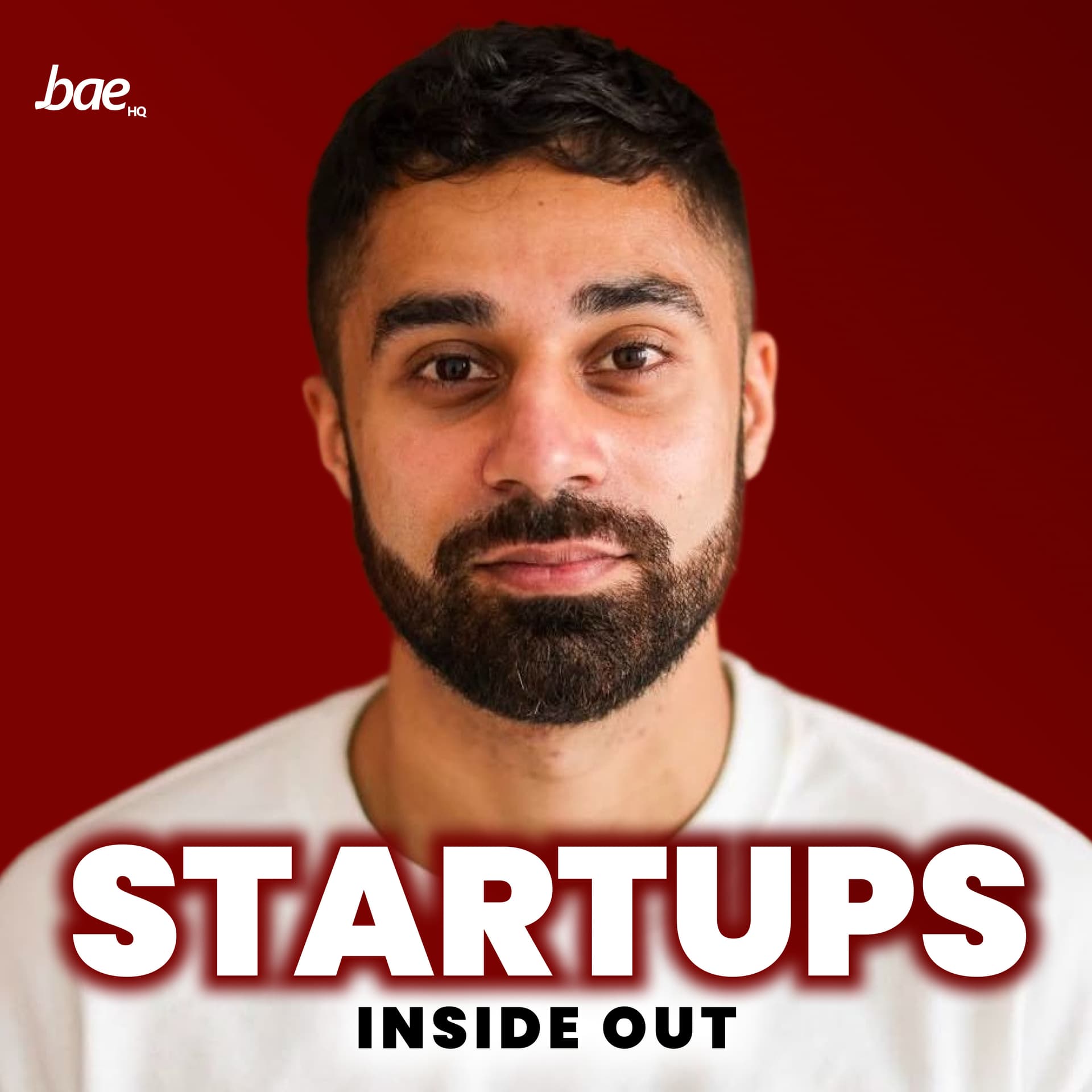
In short
Hive’s Series B fundraising and scaling parcel delivery in the UK with a proprietary end-to-end electric logistics platform. Murvah Iqbal discusses customer growth, technology/AI progress, hiring and leadership changes, fundraising lessons, and personal health/mindset while traveling and speaking publicly about UK entrepreneurship.
Guest
Murvah Iqbal, CEO and co-founder of Hive (parcel delivery). Background highlights mentioned: former Manchester City football player (captain); founder/entrepreneur; active public speaker (Parliament, conferences) advocating for startup-friendly UK policy and risk-taking; female founder from a minority background.
Key claims
Raised $42M (31M GBP) Series B to accelerate engineering, product, commercial engine, and expansion. Headcount ~120. “Never lost a customer.” Word-of-mouth remains primary; inbound driven by “private Hive deliveries.” Built a proprietary platform end-to-end; AI/ML helps speed. Focus on profitability and “sensible deployment” of capital.
Notable examples
Customers/brands: Cars, Arken, Nespresso, Uniqlo, John Lewis, Espresso. Electric fleet: Mercedes eActros 600 electric trucks; 100% electric end-to-end parcels; “spotted” and “cyber security is no joke” Slack channels.
Written by AI. May contain mistakes. Listen to the episode to check what was said.
Chapters
Tap a time to open that second in VOGrowth Updates and Major Customers
0:46 to 1:51
Murvah shares updates on Hived's growth, including new clients and staff expansion.
“The headlines are amazing that hasn't all been easy.”
Reflecting on Challenges and Health
1:52 to 2:57
Discussion about challenges faced in the past year and the importance of focusing on health.
“and so that's our Series B fundraising announcement which is going to accelerate us, allow us to invest more into our engineers, our product team, our commercial engine and also expansion.”
Learning from Mistakes in Leadership
2:58 to 4:06
Murvah discusses the importance of learning from mistakes and strategies for better leadership.
“That's a big mistake that a lot of founders make.”
Staying True to Vision and Technology
4:07 to 5:30
Exploration of how Hived's vision remains unchanged while technological advancements enhance operations.
“or the way you're delivering it compared to what you planned out a couple of years ago?”
Word of Mouth and New Marketing Strategies
5:31 to 7:03
Discussion on the importance of word-of-mouth marketing and growing social media presence.
“And so that's one thing that we really focused on.”
Using Influence to Support Startups
7:04 to 8:52
Murvah reflects on her role in advocating for startups and the importance of her voice in the community.
“Because now I've gone to pretty much two posts a day on LinkedIn.”
Cultural Differences in Entrepreneurship
8:53 to 11:12
Discussion on the differing attitudes towards failure in the UK and the US and their impact on entrepreneurship.
“And what I mean by that is when you start a company, and when I started a company, I got a lot of feedback from people, oh, what if you fail or what happens?”
Navigating New Responsibilities and Self-Care
11:13 to 12:43
Murvah discusses balancing growing responsibilities with personal well-being and decision-making.
“So one of the reasons you're in the press a lot, because you are one of the darlings, you are one of these British companies who's done incredibly well very quickly.”
Navigating the Challenges of Leadership
14:01 to 17:05
Learn how to manage personal well-being while leading a growing company.
The Realities of Fundraising
17:37 to 19:38
Gain insights into the difficult process of raising capital as a startup.
Show all 23 chapters
Strategizing for Growth and Sustainability
19:39 to 24:08
Understand the importance of metrics and strategic planning in scaling a business.
“Good and bad, though, in a way, because you're pitching to lots of different type of investors and one metric to one investor looks amazing, where the other investor, I'm not sure.”
Building Company Culture and Engagement
24:09 to 28:00
Explore ways to foster a fun and engaging work environment in a growing startup.
“And look for what's the main growth areas you're looking at.”
Creating a Fun Workplace Culture at Hive
28:00 to 29:00
Learn how Hive promotes a fun and engaging workplace culture despite high stress.
Transitioning Leadership as a Startup Grows
29:00 to 30:50
Discover the lessons learned in leadership and team dynamics as Hive expanded.
“I want people to understand the story and why we started Hive.”
Building Out the Commercial Team for Growth
30:50 to 32:50
Explore how Hive has structured its commercial team to enhance scalability.
“and how that is cohesive and that works well.”
Delegation and Prioritization in Leadership
32:50 to 34:20
Understand the importance of delegation and prioritization in leadership roles.
“And so that's a really important place where I spend my time.”
Hiring for Kindness and Tenacity
34:20 to 36:30
Learn about Hive's unique hiring criteria focusing on kindness and tenacity.
“Sometimes I'm doing stuff that I don't want to be doing, but it's important that I have to do.”
Fostering a Culture of Innovation and Feedback
36:30 to 39:30
Discover methods to encourage innovative ideas and constructive feedback at Hive.
Personal Growth and the Journey of Leadership
39:30 to 42:05
Reflect on the personal growth and lessons learned through the entrepreneurial journey.
“And I think we take a lot of customer feedback, but also the customers might not know the nuance to why a decision is made like that.”
The Importance of Mindset in Entrepreneurship
42:05 to 44:12
Learn how focusing on health and mindset can enhance productivity and enjoyment in business.
“And the reason why it's been said millions of times, because it's very true.”
Vision for the Future of Hived
44:12 to 45:38
Discover the aspirations of Hived's CEO for company culture and growth in the next two years.
“Everyone's there and enjoying, and Hived is still one of the best places to work.”
Shoutouts to Inspiring Entrepreneurs
45:38 to 46:44
Hear about three Asian entrepreneurs making significant contributions in their industries.
Engagement and Opportunities at Hived
46:44 to 47:47
Learn how listeners can engage with Hived and explore job opportunities within the company.
“and if you want to find out more about you find out more about Hyde where do they go to LinkedIn definitely or just mess with me on Instagram open try I try to be open to respond to a lot of people.”
Transcript
Automatic transcript. May contain errors.0:00We've just raised$42 million or$31 million GBP. And so that's our Series B fundraising announcement.
0:07Amardeep Parmar:That's Murvah Iqbal, CEO and co-founder of Hive. Since I interviewed her two years ago, the progress has been insane. You know, since I came on the podcast last, I think we've got so many more big customers now. So Cars, Arken, Espresso, Uniqlo, John Lewis, so many new brands that we've brought on since then. Beneath that, we've grown our head office now to around 120. so across all areas we're actually now like a very serious company which is cool and we need to be. You might have seen their bands and trucks about London as they're reinventing parcel delivery. And some of our big customers who I've just listed, a lot of them have actually come by inbound because they've been receiving you know private hive deliveries and was like whoa that was an amazing experience.
0:49I need that for x y and z.
0:51Amardeep Parmar:The headlines are amazing that hasn't all been easy. I think last year, it was 2024. In the middle of 2024, I was really tired. I was quite ill and I was like, whoa, okay, that was like a reality check. Slow down, focus on health, focus on your mindset because that will ultimately lead to the big picture. Merva has become a champion representing entrepreneurs in the UK. I think I realised in the past year or so that I actually have an important voice and I'm trying to figure out how I can use that voice in a smart way and hopefully inspire people who look like me or a new generation.
1:30Amardeep Parmar:Welcome back. For the audience listening, if you want to hear Merva's origin story, you want to go to episode 54. 54, wow. Yeah, so this is episode 252 today, 246, something like that. So it's 200 episodes later. Wow. And you just had a massive announcement. Yes. So tell us about that. Yeah, we've just raised$42 million or 31 million GBP. and so that's our Series B fundraising announcement which is going to accelerate us, allow us to invest more into our engineers, our product team, our commercial engine and also expansion. So when you said it two years ago, right, so you're already pretty impressive.
2:05Amardeep Parmar:And like, I remember... Two years, wow. People haven't listened to the episode. I remember being really impressed by your childhood Man City playing days, right? So you were the captain, obviously. And when you came on last time, you'd only actually been going for not that long before you launched, right? Yeah. and already in that time you've done your series a you've done some new things but if you could go back to like a month of them two years ago what do you wish that you could have shortcutted in terms of learning and be like i mean do it differently the unfortunate thing is you can't shortcut i mean so we started the company four years ago it's actually our fourth birthday um in two days which is great and so the last time i can podcast halfway into the journey and now two years later and i think you can't really shortcut the learnings because you have to make the mistakes you have to fail and make and get the learnings along the way to build you you know it's a better person and a better company but I think if I look back now in the past two years and what I'm trying to do a bit more now is enjoy enjoy the process a little bit more I think I've always been quite serious and just getting on to the next things and not celebrating the wins enough but highlighting when things aren't going wrong too much so I think in the next version of Hive now I definitely want to start embracing the journey a bit more enjoying it and taking a little bit more time off.
3:18Can you
3:18Amardeep Parmar:share any of those mistakes? Yeah, of course. Hiring sometimes the wrong people. That's a big mistake that a lot of founders make. I think sometimes the learnings are only apparent a few years later, you know, a few months later. So I think just sometimes going slower to go faster. We've been in such execution mode of just go, go, go, go, go. And now I'm really embodying sort of that the going slower to go faster mindset. So taking enough time to do strategy off-site, to immerse myself with different people away from Hived, other entrepreneurs, other inspirational people, just taking it a little bit slower and calmer, and able to go faster.
3:59Amardeep Parmar:And so when you came in last time, the vision was there, right? So becoming the best parcel delivery company that you can be. Yeah. What's changed in terms of that vision or the way you're delivering it compared to what you planned out a couple of years ago? Nothing. and we're just executing on the vision now. I think the main thing that has changed that we've seen more and more develop is our technology angle. I think even only two years ago, we were still building it and building it, but now we have an entire platform end-to-end proprietary built that we built internally. That takes time. And obviously the advancement of AI and ML, I think that has really enabled us to go quicker.
4:33So I don't think, you know, nothing's changed in terms of the mission, the vision staying the same. We're just executing on it. And it's great, you know, since I came on the podcast last, I think we've got so many more big customers now. So Cos, Arca, Nespresso, Uniqlo, John Lewis, so many new brands that we've brought on since then. And most importantly, we've never lost a customer. And I think so, it's still the same mission. It's still the same vision. It's just executing and really leveraging our technology better now.
5:02Amardeep Parmar:So I listened to a podcast that you did a couple of years ago before you came on. And one of the things you said back then is that the biggest thing for you is word of mouth, is that so many of the end users, right? So obviously it's not just the companies you're selling to, but the people who are going to get the parcels from them. They're saying we want to use Hive because of all the systems there. As time has gone on, what's been the major distribution channels? Has that shifted or is it still heavy word of mouth? No, it's still pretty much heavily word of mouth. And I think that's, if you focus on building a great product, that just happens naturally.
5:32And so that's one thing that we really focused on. And some of our big customers who I've just listed, a lot of them have actually come via inbound because they've been receiving, you know, private hive deliveries. And it was like, whoa, that was an amazing experience. I need that for X, Y, and Z. So it's still very much word of mouth, but definitely started to do more on LinkedIn, I think, in the past two years. If you follow me on LinkedIn, you would have noticed that I've tried to, you know, share updates a lot more frequently than I previously did. LinkedIn is super powerful. And just generally, I've also opened up my Instagram to let people in a bit more in terms of what it's actually like to build a company.
6:10And so definitely still focusing on the core product and using that viral word of mouth to get known, but now letting people insight, a little bit more insight into what we're doing, whether that's posting on LinkedIn or Instagram. And then in terms of growing the business, we've heavily doubled down and invested in our commercial team. we've brought on incredible cco who was at amazon uh for about seven years and yeah so that team is really bulking up and that's similar across the whole board i think that's a key difference from last time i was on we've really doubled down in terms of our executive team and our senior leadership team in teams beneath that we've grown our head office now to around 120 so really it's now like yes we're still focusing on the product you know to raise our awareness of brand but definitely also being really smart about the people that we're bringing on the team and you
7:02Amardeep Parmar:mentioned about the linkedin there right and one thing that helps is you're a lot of cool stuff right yeah exactly it's a lot of organic content which makes it easier so that that makes my life easier because i've always found it really difficult to post on linkedin and instagram and and a lot of people do but once you realize actually there's every week there's so much to share even this week i was like whoa i've got so much content to share um and so when you're you You know, when you have momentum, when you are growing, there's just so much organically to share, which makes it a lot easier to share and post on LinkedIn and Instagram.
7:35So, yeah.
7:36Amardeep Parmar:Because now I've gone to pretty much two posts a day on LinkedIn. Wow. Because we just have so many bloody announcements all the time. And the same thing's going on. If I post a day, maybe I'll one a week. Yeah, but your one a week is like I met the king or I did this. It's a bit different to my announcements, right? And on those last two years, obviously, the business has grown massively. but you've also been having a voice in like many different rooms right you're speaking at parliament you're speaking at big conferences things like that as well how do you think you've been able to use that to kind of fight the case with people as well i think i realized in the past year or so that i actually have an important voice um and it's funny um you don't realize that happens as part of the journey of growing the company as well and so yeah and definitely when i'm speaking to politicians in parliament i'm always speaking in favor of startups and how can we make the uk ecosystem much more startup friendly what are we doing for ev grants um and then also being a female founder from minority background i realize i'm in a really privileged position to use that voice and use it wisely and so i've started to do a lot more engagements like that actually at the back of this podcast last time i had so much feedback i'm like wow i never knew about you and even still people find out about me and i'm like whoa that's a cool part of the journey that i didn't realize or didn't expect to happen and i'm trying to figure out how i can use that voice in a smart way and hopefully inspire people who look like me or a new generation to be like yes I also want to build a company and can build a company so I always talk about you behind your back I don't know this so there's like hopefully yeah so there's like so it's like 20-50 episodes now right yeah but it's different people who I use as examples that come to my mind and I think there's some bias towards some of the earlier episodes just because now like as I do more and more episodes my brain is more mushy right but like I said exactly that thing especially so you obviously you're not from London either right no and that's another big discrepancy it's like obviously a lot of people get funded are born in London or like raised in London and you've been able to like showcase that as well so you've got all these different elements of you that people say I can't do it because I'm not Londoner or I can't do it because I'm a woman or I can't do it because I'm an Asian and then here you are right who's done all these different things and when you're in those rooms you said about EV grants and things like that but what are some of the conversations you're having that you feel like are really pushing along and you can see that progress Yeah, I think one of the key things I've realized during my journey and starting my company is, and the UK sees risk taking quite bad.
10:04And what I mean by that is when you start a company, and when I started a company, I got a lot of feedback from people, oh, what if you fail or what happens? And I think there's too much of a failing, you know, highlighting failing. And in America, on the flip side, and that's the beauty I've had. I spent a lot of time in the States in the past few years. and when you're spending time in the states and immersing yourself with that environment and culture it's like whoa they they celebrate for you they're like whoa yeah that's amazing what have you learned from let's go again and in the uk it's like oh but what's this person going to say or oh and i think when i'm in those rooms i'm just figuring out okay how can we stop that like you know the the fear of reciting how can we make the uk one of the best places to take risks and also just figuring out how we can attract the best talent in the UK.
10:51That's one thing that I'm trying to do. It's like make it really easy for the best talent to come to the UK to work here and start companies. And I think that's the main area that I'm focused on is enhancing the UK to start a company essentially and taking away the risk of failing away from entrepreneurs and making that safer to fail essentially.
11:12Amardeep Parmar:And you mentioned there about attracting talent, right? So one of the reasons you're in the press a lot, because you are one of the darlings, you are one of these British companies who's done incredibly well very quickly. And it is that example that the UK government wants to show, is the example of like, look, you can come to the UK and build that kind of thing. And obviously from press episodes, I know from you from before, like from a couple of years ago, that's a new role to step into. And how has it felt being put in those rooms on that pedestal, where now you're that example, you're the one that people are looking up to?
11:43I mean, there's still a long way to go, for sure. We're still in our early days. I appreciate the comments there. But I think I realized, like, I have a voice now, and I want to use that in a powerful way. And I think I don't look at it as a thing of like, I think, I feel of it as a duty to give back almost to now, okay, how can I now support the next generation of entrepreneurs? How can I be that voice? Because I have a seat at the table. I am in those rooms. And how can I use my seat wisely? and also speak for people like me, essentially, which may be missing in those rooms before. And so I'm using that as a huge advantage, but really now just figuring out how I can give back to the next generation of entrepreneurs.
12:24So I never feel like, oh, I'm in these rooms. I'm just thinking, okay, like I'm here now. How can I make the best use of my voice and my time? And that's going to continue in the next few years. I want to continue to do that because I feel incredibly privileged to be in this position.
12:38Amardeep Parmar:so yeah what how can I use that now and we're talking before as well how things have shifted so where you now have like more international travel and you're and the pressure and the stress that puts on you but at the same time you said about how you're now not working seven days a week anymore so how have you tried to juggle that as like as you're scaling a bigger more responsibility but also trying to look after yourself as you scale um so the first two three years of hive it was very much an execution I knew what to do in front of me and it was like working seven days a week around the clock just go go go go go and then once you get to a point where you realize okay we've got a reach from product market fit we've got a lot of investment we're you know we're here for the long term we our vision is happening our it's becoming a reality it becomes a mind game and it becomes about how you're well rested in your mind to make those important decisions now a lot of my day is just decision making i don't you know i'm in a lot of meetings i different in a lot of meetings i'm you know i'm pitching to investors or speaking to be big customers but really it's all about what I'm saying and I need to be really mindful of that and making sure that I'm in a great headspace and I think one of the past in the past two years what I did do and I have an hour coach as well who I work with sort of a mental coach and it's all about how I stay calm in my mind because there is so much going on my phone is pinging 24 7 and previously maybe two years ago I would look at every notification and like I wouldn't miss a single thing but you realize you just can't continue like that so you know now I'm not working seven days a week all the time but there are sprints don't get me wrong like during the fundraising period where I was working seven days a week so it's really going with ebbs and flows and taking those respites and then when it's you know not seven days a week it's maybe six days a week or five days a week and a half a Sunday and then it's about okay how am I getting outdoors how am I eating well how am I sleeping well because it becomes a mind game and travel has become a big part of my job now because hives customers and investors are global and i think i like to be global as well because spending time in tulican valley in ss in new york allows me to you know immerse myself with other entrepreneurs and they think differently so i've had a lot of that in my diary now and it's just juggling all of that but making sure that mentally i'm really fit because that's what i'm doing a lot more now is decision making and it's not just okay get these parcels out the door go go go go go it's a lot okay how are we building this team to really come into fruition in three years from now because in three years from now we want to be at this target of AR so that's a different type of journey or mindset that you have to be in I think a lot of people struggle with that transition and I think I'm struggling with it right now right is that in order to grow things at the beginning you do the things that don't scare and then now I need to I just said be better ignoring notifications and not like I'm letting a lot of people down all the the time and then you just get comfortable with that i can't be everything for everybody have you found that transition difficult yeah no incredibly difficult and it's the biggest challenge i'm facing currently it's like how to reinvent myself i have to grow quicker than the pace of the company and hive is growing really quickly so that means i have to go really quickly and it's just about you know staying humble along the way as well and you really taking on you know like i said celebrating the wins but also just figuring out who are those people two three years ahead of you and how can you learn off those people and being really open to advice, being really vulnerable and taking on feedback to make yourself a better person.
16:00And I think you just realise that the only way you're going to grow is if you are really, if you hold the mirror up against yourself. Every year, religiously, at the start of the year, I'll take a few days out and I will note down all the few things that I need to change about myself. And I've not done this since Harvard, for the past 10 years of like really religiously sitting down okay this is I'm not this is the feedback that I've got I'm not I need to figure out how to change it so being really you know open to taking feedback and figuring out how to improve yourself um and yeah you and then having great people around you I'm lucky enough that I have a very supportive family supportive friends and once you bring them alongside along the journey a little bit more they will appreciate shit, okay, you're really busy for the next six months.
16:47I might not hear from you, but that's okay. They get that. And that's one thing I've learned a lot in the past couple of years, I think is bringing my friends and family a lot more along the journey and being a bit more open to what I'm doing and what's happening. And yeah, that helps you as well.
17:05Amardeep Parmar:Oh, hello. Quick interruption to let you know a bit more about Bay HQ. We're the community for high growth, Asian heritage, entrepreneurs, operators, and investors in the UK. You can join us totally free at thebayhq.com forward slash join. There you'll get our CEO structure in your inbox every week, which is content, events and opportunities. You can also get access to our free startup fundamentals course by joining. Let's get back to the show. Looking at that, as you mentioned a bit earlier about Instagram and how you're opening up that side of you as well and has that been rewarding or have you found that out of you I mean I put a lot of push from my marketing team really that so we'll find out I've only started doing it for the past like couple of weeks but it's really hard to be honest like I find my putting myself out there but it's also really good because I've had friends text me like oh you were in Turkey have an amazing time or another friend text me I just saw like what you're doing I'm so proud of you and so otherwise I wouldn't keep up with my friends I wouldn't tell them what I'm doing my friends just like why are you always so busy but now they're getting a little bit of flavor for it even my parents as well so I guess it's kind of like I'm broadcasting keeping everyone up to date at the same time but we'll find out if it's good but if anything you know I've had a few people already direct message me hey I just come across you you're such an inspiration so even that's already worthwhile if people are finding out about okay I can do that because she had a ticking box for me and obviously you just came back from Tokyo and you've got like investors from across the world how was that process of raising this massive series b oh yeah um it's hard i you know wouldn't i wouldn't be around the bush and say it's not for raising capital is really difficult in this environment especially and especially as you go later on but as i said always if you just focus on building a great product and having great traction and great metrics that makes your job a lot easier so i was really lucky enough that to be honest my team did most my work for me in in in essentially just building you know a great company um our growth rates are phenomenal our sla is phenomenal type of customers and then that makes my journey you know a little bit easier but still it's really really tricky i mean i was i was with one of our investors recently new investors and they screened around i think a thousand pitches and only invested in i think like what three companies or something so to go through that funnel you're just like whoa so it is really tough and it's really hard and also the timing might not be right when you're pitching to an investor but the process is really tough it's it's like I think it's like a grueling like marathon almost and then you just have to stay calm in the process and you will get rejected it's really funny you get so many no's but you only need a few yeses and we were really fortunate to have quite a few and yeah it's never easy but if you know you're performing well as a company that makes it a lot easier for you to do and capital is available for companies that are growing really quickly and what i think sometimes early said founders realize is that right at the very beginning you're basically selling you right it's like i've got the vision i've got the skills i'm able to build this thing it sounds delusional but i'm going to be the one who does it right yes it's actually your stage now you've got so much traction you've got so much data that the investors and they're going to invest in you they've got so much more information it's like make a better the decision, character decision.
20:21Definitely. Good and bad, though, in a way, because you're pitching to lots of different type of investors and one metric to one investor looks amazing, where the other investor, I'm not sure. So, yeah, good and bad because also the process is a lot more harder because investors are requesting so much data because you have so much data. So it's completely different. But in the early days, it's also really tough as well to pitch on the basis of basically a mission and a vision and the passion that you can give them a pitch essentially um it changes and i think that's the key learning that i have to learn in my job is like you know every time we go through an investment round um it's different and learning that along the job because i haven't done this before right and when it's funny because investors are constantly investing so they do this as their job but as a founder and a first-time founder i'm fundraising for the first time you know for this company so i'm having to learn a lot and change my approach my tactics for every time it gets a bit bigger.
21:17Amardeep Parmar:What metrics do you think have stood out the most or get your attention? Is it really different between every single investor? For example, if you say you've got a 0 % churn, that must make them stand up. Okay, there's some worth paying attention to that. The thing is, though, in this climate of fundraising, and especially the business that we're building, because people look at logistics, ooh, ooh, every metric has to be right. So it's like the churn, the customer acquisition, and the profitability um your growth rates the team that you've hired so it's literally across the whole board it has to stack up and so there's not one metric that investors look at oh it's literally like every single metric that they can figure out our proxies for your business have to be the way i describe it like a star a star level and so yeah it's it's then that's why it's become tougher the bar to fundraise has become a lot higher which is good actually i think it's a good thing because I think good companies will continue to raise and also the lack of you know capital you know maybe not as flowing as it previously was will allow companies like ourselves to build better robust companies we focus more on getting profitability quicker we focus on making every pound matter so I actually don't think it's a bad thing it's just hard to fundraise and it's the main thing about profitability and one of the things that's obviously happened since we last spoke is the AI race and all of that stuff about how people are now trying to decrease their cost quite significantly and see if they can go further with less money and obviously just on the series b but is the plan now how you think about the future rounds are you thinking to raise more money in the future or are you thinking about camus really effectively yeah and maybe not have to raise i mean there's definitely are we you know we're in a position like we're in a good position where we don't have to you know really go out again to raise but we want to build a huge generational racial defining company and we we are we know that's going to require further capitals to do that if we want to go quick and so we can go slower and get there but that's we want to go we want to be quicker and get there faster and i think that's okay though if you're raising capital for that if you're raising capital because you can demonstrate to an investor if we invest x amount in three years we'll be here or if we don't invest in that much actually we'll get there but it might just take six or seven years um and so for us for this capital it's all about just doubling down in our engineering and data team to continue to build on our core product and our commercial team and so for us it's really sensible deployment of capital and I think that's what investors want to see they want to see sensible deployment they want to see okay is this going to be a good return on investment can I can I clearly see that I'm going to 10x my capital in you know whatever the times horizon they're looking at so as long as you have a really good compelling story and a good outcome then it's you know then it's sensible and that's what venture capital is for and it is available but you have to be in a situation as a company robust enough because of the market environment to stand on your own two feet which we can as well.
24:10Amardeep Parmar:And look for what's the main growth areas you're looking at. So obviously you've been able to get some incredible clients so far but I'm sure you've probably got a hit list of other people you want or other areas you want to move into too. Every e-commerce brand. So every e-commerce brand we want to be able to ship their parcels for and so whether that's in food, apparel, electronics, the whole, all of them. and we've got a lot of exciting brands lining up for this year and already next year, which is great. But also we want, we're currently, you know, have been serving the great London area, but we are excited that we are expanding quite heavily now at the tail end of this year and also next year and year after.
24:44We want to see a rapid UK expansion from here on out. And that's exciting for me and for the company, for Hive, for the team, everyone to see us now. Okay, we'll really take that step forward. Yeah, it's huge for us.
24:56Amardeep Parmar:And I see some people who are in London And we'll see your fans around, right? We've got hype on the side. Hopefully we'll leave a lot of parcels. Yeah. And you're expanding that fleet quite significantly too. So I've seen you've got some like massive trucks and things now too. What's the strategy there? Or how are you looking at that side of building the fleet and those elements? So we are actually globally the first end-to-end parcels of a company that's 100 % electric, which is cool. And so we've had to really think creatively about the trucks, et cetera, that we're using. Because we don't just do the final mile electric.
25:26we also do the middle mile and that's sort of collecting parcels from all over the country and bringing them back and we are the one of the first companies in the uk to roll out the new mercedes e-ap trust 600 electric trucks and that's exciting for us to be one of the first companies to do that so yeah that's a huge strategy but that's a different sort of capital that we tap into that's not the venture capital side so that's a different strategy that we have for that and that will continue that will that will expand and so hopefully on the motorways you'll i actually saw one the other day i was driving back from manchester to london and i was just thinking to myself oh wouldn't it be cool if i saw a high lorry right now and i kid you not 10 seconds later
26:05Amardeep Parmar:a high lorry drove past i was like whoa so hopefully we'll bring more to the roads and you know more fun to the game was it red red lorry yellow lorry yeah so yeah exciting times on that side as well is it weird when you see the fans about because it's like i guess in the drivers don't necessarily realize that you're like the ceo but you kind of feel like you should way or something yeah no i it's funny enough um we actually have on slack um in our company slack a channel called spotted so anytime someone sees a high vehicle on the road take a snap and put it in and i still do it every certain time it does not get boring so i i see especially when i'm in london i might see one like every other day which is crazy and i still take i still get as equally as excited as i saw the first one like oh hi oh uh which is cool um i think the biggest the biggest thing though is when i receive messages from people who might have not spoken to in a while or hey i just want to let you know that i'm receiving the high parcel today oh hey i just received a high parcel it was amazing that is really cool and that makes me stop and oh we're actually building something in the real world and people are interacting with it that's pretty cool and i think i remember this from last month as well you have a few different things in slack that you're using like very like engaged with the employees and things have you got any other kind of quirks or things like that that you do so many we've got we've got a channel called zero context hived which is just like people putting random funny things is and if i'm so if i'm not caught up on slide for like two days i'll go to zero context hide and i'll just laugh we also have another one because we take sort of cyber security genuinely quite seriously so we have if anyone you know a company policy is if you leave your laptop and you need to lock it and so if anyone's like even just got up quickly it's gone to the bathroom or quickly gone down to get some water and left their laptop open there's a channel on slack called cyber security is no joke so someone will go in that channel from their laptop and post donuts and what that means basically if your post is in that channel you have to buy some donuts for the whole team and that's really funny so you have to find these moments of like fun and enjoyment within the company because yeah as you mentioned we've grown so quickly past four years and that is stressful for not just me but for the whole team that's working at hive people have been here for a very long time and so the job is stressful it is demanding but it's also fun and we want to make it a bit fun along the way and so yeah lots of little quirks that we do across slack but even across the company like sports day is approaching soon and that's a big deal for us so lots of different things along the way to make it a really fun place to work and to enjoy coming to does everybody know that you obviously played for manchester city so on sports day is everyone expects about the best from you yeah of course and me and my co-father ultra competitive a couple of sports days ago we actually had to send slack apology for how competitive we were so i've had to tone it down a notch now but the team tried to hype it up a little bit as well and try to get that competitive side out of both of us but we tried to you know not bring it out as much but yeah they all know and they ek it on completely because obviously like as you've got bigger your relationship with people is going to change right it's different when you've got five people like in a kitchen table kind of set up to now 120 yeah how what have you kind of learned on that journey as well like how you've had to change the way you've interacted with people how do you try to keep still feel welcoming definitely so I think in the in the early days every new enjoy any every new joiner I would have a coffee one-on-one with anyone joining and now obviously we've have we're having like too many starters join and now I've started to do a monthly catch up with them but I try to just be myself with everyone.
29:29I want people to know about me. I want people to understand the story and why we started Hive. I want to be approachable. I want people in the office to think that they can speak to me. So generally when I do go in, I will always try and have a chat with people. We have a Wednesday team lunch every Wednesday where one of the team members' mum's cooks food for us for all our sites and we all sit down, stop and have lunch together. So it's Wednesday today, so I'm going to have team lunch with the team, which is exciting. So you've got to just bring my own personality to to the team right and once people get to know me and understand me they feel you know i they feel more you know comfortable with coming back to me and giving me candid feedback sometimes about the company which they're not appreciating which is important we need that so it's trying to you know be as approachable and as open as possible to everyone but of course there's so many team members now that not everyone i'm going to be able to speak to so it's you know doing the things that we can systematically we have a company all hands meeting every month making sure that we're present for those making sure that well thought out so every friday i do a weekly wrap up on our slack of all the insights that the team send to me that they want to share so trying to keep up communication in lots of different ways to the team to make sure that everyone feels involved as the company is growing to understand hey what's going on with commercial team what's going with the tech team what's going on operations and yeah keeping it all gelled together because ultimately Hive will succeed depending on how well our team operates and how that is cohesive and that works well.
30:57Amardeep Parmar:Earlier you mentioned about the commercial team as being like a really big part of how Hive has been able to grow and that's been able to help you scale. What are the new functions you've brought in that have made a real difference from say a couple of years ago? Yeah no so the commercial team actually we've only brought out at the start of this year so up until the end of last year it was primarily myself leading all the commercial side of the team so that is an area that we've heavily like brought on a cco vp of sales double down in that area i think across the whole board right now we're actually a proper company like we have uh you know you're all grown up yeah yeah exactly we have a coo we have a cfo finance team is has you know really doubled down on finance team now we have to we've got a lot of money in the bank as well a lot of money flowing so across all areas we're actually now like a very series company which is cool and we need to be um and so yeah it's um i wouldn't say there's not an area that we haven't invested in team wise it's now just doubling down on some areas of team whether that be engineering data product and commercials so it's doubling down on key areas where we need to continue to grow and to continue to evolve in our strategic capabilities is there anything that you've let go of as well that you think has been really important to free you up for time-wise like the team has taken over yeah i am inherently lazy which makes it easy um so if i'm doing something and i feel like i shouldn't be doing this i'm like okay which team should be doing this okay we don't have a team and we need to find a team for this hire a team so you you that's the mindset mindset you have to do you can't do everything you have to figure out ways to delegate to get you know pass on a lot of things and you know thankfully now i'm in a position where we have an amazing team that i can trust and they deliver amazing results so generally the team have got everything on the day-to-day side really really good and the thing is that I I want to spend my time doing is the stuff that I can't be replaced to so if it's spending time pitching to investors if it's time spending time with key customers that's an area that I'll never drop I love spending time with customers because customers tell us what they're liking and what they're not liking and that's super important for me to know so you know that I will continue to hold and continue to maintain those key relationships and hiring I you know we I still spend a lot of time in the hiring process because, as I said earlier, the hype will scale and win based on our team.
33:15And so that's a really important place where I spend my time. So every final interview still has to have signed off by me or my co-founder. And so that will remain as well. So you just got to figure out, OK, what can I not let go of and what can I let go of? And thankfully, being an inherently lazy person makes that easy for me to do.
33:33Amardeep Parmar:and the other thing that i always think about too and i always think the best people with a paper are going to be most successful right are the ones who are both lazy or have high standards yes because then you're like i really hate that i have to work this hard and it forced you to innovate yes whereas if you're hard working naturally and you have high standards you'll just keep working hard forever yeah but then you don't change things you need to change right and this is the thing i really resent some of the stuff i do it was like we need to make more money so I can hire somebody so I don't have to do this anymore.
34:03Amardeep Parmar:And I think that really helps, right? Whereas some people, they take such pride that I'm working so hard. It's like, I don't want to work hard. I'd rather not. I'd rather hire people and have the money to do that. The thing is, though, the jobs are over and out, right? So I'm still working really hard. I'm doing a lot of stuff, but... But it's working hard on things you want to do, right? Yeah, exactly. And to be honest, not always, actually. Sometimes I'm doing stuff that I don't want to be doing, but it's important that I have to do. So it's just really understanding that that you've got to figure out how to scale right you can't do everything yourself it's like yeah initially i was doing every delivery myself obviously that can't happen anymore and so then i go to okay i can't do that i need to hire people to do deliveries and i will manage the deliveries obviously we get bigger i can't manage all the deliveries now because i need to do other things i need to find new customers and stuff and slowly slowly slowly you just evolve and evolve and evolve and to the point now where okay i need to be making sure that we're on track of our strategy Okay, are we doing the right things now for two, three years?
34:59How are we setting up different things? So the role, you're still working really hard. It just becomes different and things that I can't be doing. Even with this fundraise, I had a great support of my CFO this time. Last time I didn't. And so everything is evolving and changing. But it's important to really be really intentional about where you're spending your time and being really relentless on prioritization. You have to be.
35:23Amardeep Parmar:And then with the hiring aspect too. so you said you had the final sign off right so what is it that takes somebody who's somebody who's close to being good enough yeah but then you're just not quite sure and you didn't quite take them on what is that bit that just is that extra little source there that you look for yeah it's the we have company values so i'm always testing for those and you're not going to get through the door at hive if you're not kind right like you can be the best person in the world you can have the best cv but if i if we don't think you're kind you're not making it through the door but you have to balance that with tenacity so that's our other one like you have to be tenacity you have to be tenacious because working in logistics is gritty it's hard and so it kind of like are you going to get through the hard times are you going to break through those doors even when it's like you know christmas peaks and things like that are you going to be on the warehouse floor so kind tenacity resourceful um we're building a huge company but like how can we resourceful in terms of how we think how we deploy resources that's um a really important one and fourthly curious how are you you know thinking about the world differently that's really important because we need to be game changers we need to think differently so that's basically what i'm looking for in the final final interview and it might only be a 15 minute conversation but i'm really trying to understand those key points about you and really figuring out okay you're going to really work hard and it's going to work out so it's less so much about you know the team have done the filtering by then about sort of qualifications etc i'm just really getting vibe check at the end i think another thing i think about a lot is that kind versus nice yes where a lot of people are nice but it might mean that they're not saying what needs to be said yeah where it's better to be kind it's like okay this is a good idea because this isn't this reason yes rather than a great idea but then you don't don't think about it and that person has a miscommunication too yeah sometimes being kind means saying hard things um and it is better to be kind you know we've had to have lots of difficult conversations where i know that for this person it's not working out hyped and i know actually in that moment the kindest thing to do is let them know because they're not also happy here and so being kind is you have to sometimes that means saying that things that are not really nice remember last time we were in the podcast you were like hey i need fours because your hair's that that that's kind to do that right and so you have to find the things that you know you have to do that um and so you can't misinterpreted kind by nice because yeah being kind sometimes is making difficult decisions and doing the hard things at the start yeah and um the other bit you mentioned there is being curious and like having different insights and ideas hasn't anybody recently stood out where they came with an idea like why didn't we think of that beforehand and then now that's going to be implemented or how are you collecting those ideas or getting that to bottom-up approach i guess sometimes to be honest to have to give a lot of credit to my co-founder ham and tia starts he that spends a lot of time thinking about the world differently and it's funny how we work he'll bring some lots of crazy ideas and he'll use me as a filter almost to be like but not sure on this one this is a bit too crazy yes this is gold um and and that is like filtering down to team you see the team now bringing amazing ideas across the table and the way you encourage that is by you know if a bad idea happens you don't oh that's a terrible idea not gonna happen not gonna go through you encourage it because people then will feel more comfortable to bring ideas and really understand what is a one-way door which is a two two-way door one-way door decisions you have to be really careful about because there's no coming back from it two-way door decisions you can think okay we can try it if it doesn't work out we learn from it and take it back so really trying i guess that part of the company comes from matthias but it's infused across a lot of team members now um and that's the kind of mental framework one-way door or two-way door but we have to be think different we have to differently um so yeah i think matthias is getting his inspiration from all parts places i think about the company culture and how it can be different there and that's what i'm learning a lot i read a lot of books look at other companies oh wow they've implemented this this would be really cool oh actually that can't work for our company because we've got multiple sites in different locations so there's a lot of learnings to be had and luckily there's some amazing companies out there that we can learn from but it's like learning and tweaking and figuring out what makes sense for hard i think a lot of people do that it's uh they think about oh we need to figure this out ourselves like okay how are the companies growing what distribution channels are they using oh does that work for us or not yeah and there's like so much wealth of information out there about strategies and like if for example listen to this podcast you listen to 20 episodes of this podcast you'll be like oh she didn't do that way maybe that'll work for me too and it's yeah it's just think about things in that way and one of the hard things is balancing that internal customer feedback side with also getting those outside perspectives and ideas too and trying to juggle that and manage that right and i'm guessing you're going to agree there's probably no magic framework for that no it's trying to just figure out how that fits in for you it's staying true to yourself it's being open to feedback it's being open to inspiration it's really having that lens in the world, but then filtering it for what works for Hived or what works for you.
40:28And I think we take a lot of customer feedback, but also the customers might not know the nuance to why a decision is made like that. So kind of filtering the feedback. So it's really taking as much data points as you can and figuring out, okay, actually, a lot of people have said the same thing here. They're probably onto something. Let's double click and double down into that. So it's taking signals, it's learning, but ultimately it's, you know, getting consensus for what works for your company and that can be tweaking things as well that what you've heard or seen or learned and make it fit for your company.
Read the full transcript
41:00Amardeep Parmar:And you mentioned Hive was going really fast. We've had to grow faster now, right? Yeah. What do you think, like, compared to, say, you two years ago, you're like, I've really grown. Like, let's take a moment to just appreciate your improvement, right? In terms of, like, what do you feel like? I never thought maybe you didn't have that belief at that stage you could be the person you are today. But what do you feel like? You did, yeah, so you got it. Perfect, yeah, exactly, yeah. You have to manifest it. Like, absolutely, you have to. there's never been a day where I've not I've always just like yeah of course we're going to be x y now of course we're going to be at this scale of course we're going to IPO like that's like of course I'm just going along that journey yeah and so I think I'm not yeah I don't appreciate the successes along the way because in my head I'm like we are going to IPO we have we're going there and so it's just about the journey along the way and I think the biggest learning that I've taken the past few years is just yeah it's really that mental respite is learning when to take it and when not to take it um and listening to my body a lot more I think like last year it was 2024 in the middle of 2024 I was really tired I was quite ill and I was like whoa okay that was like a reality check slow down focus on health focus on your mindset because that will ultimately lead to the you know the big picture and it's you know the famous it is a matter of the not sprint I mean, that quote has been said millions of times.
42:19And the reason why it's been said millions of times, because it's very true. And so I think that's a big lesson I have to learn. And just really understanding that, spending time with other people, like in other industries and learning from people and being open to that. And yeah, I think just enjoying it a bit more. I think now I'm a lot more smiling than I ever was. And probably if you look at it, I agree with that. If you look at the last podcast, so now I did the last podcast that came after a really busy day and I probably texted you five minutes before, like, can I? I think you did, yeah.
42:49I think you did, yeah.
42:50Amardeep Parmar:I was just like, we booked the studio, we're paying for it. And that wasn't me to be disrespectful or anything, that was just because I was so busy, the last thing on my mind I wanted to do was a podcast. Now I'm just a lot more chill now. And I think that's the biggest mind shift I've had. And you think some of that is coming with reps as well, and now you're so much more used to it. And obviously there's things you do behind the scenes in order to get better, and you said you work with a coach. and I think with some of it too is just the more you do you'll naturally just feel it's just not as hard as I once was some of these different things no it's really hard still it's not hard you're great at this no no it's like it's really really hard I think the key thing is you've just got to learn to enjoy the process as you go along I learned with the podcast like this isn't as hard as it would have been two years ago maybe no because I've come to a mindset now that I actually want to share a lot more about what I'm going through because I know that two years ago I was probably listening to podcasts of people two years ahead of me.
43:44And I think it's like giving back, right? I'm now listening to podcasts or things like a few years ahead of me and things like, okay, what can I learn off then? And so if I'm learning with button people, I need to be able to share my learnings. And I think I've become more comfortable with that and understanding that I want to give back to different entrepreneurs. And I think in order to do that, I have to do more things like this. And I want people to understand me for who I am and how I think about the company. Also, I make a lot of mistakes along the way and that's okay.
44:12Amardeep Parmar:so obviously you're coming 200 episodes later yeah let's say two years time again right so another 200 episodes is that right yep yeah you're coming again right 200 quick maths yeah so what would you love to be able to say like this is what you've done in the next two years or you come in here we'll we'll play this moment back so I have a little tv here where we get up like this day two years ago you said you'll be sitting here and you'd be able to say I've done this what would you love to be able to say in two years time I think that that the culture at Hived is still amazing. The team is still here.
44:47Everyone's there and enjoying, and Hived is still one of the best places to work. I think that, for me, is ultimately the biggest indicator because if we're doing well as a company, like I said earlier, our main reason why we win is how our team executes. So I think that. And secondly, all the biggest retailers that you're shopping online, I want more of them to be Hived. So when you say to me, I'm ordering Nike, I want that to be delivered by Hived. all those brands like I want more and more of those I think you know from the last two years to now I was able to you know spit out so many more new brands and I want to do that next time and more and more so I think you know ultimately it's just I have a hit list of the top 10 brands I want to bring on I would you know really be happy if I'm sat here next time thinking okay yeah we achieved all of that and the team is really happy motivated and we're still growing rapidly I think those are the key areas that I would like to be here in two years and see
45:38Amardeep Parmar:so we're gonna get to quick fire now yeah and the first one which you said last time so we've the second time we haven't to do this you have to think three new people yeah so who are free asian entrepreneurs in the uk or investors that you think are doing incredible work i'd love to shut them out best as well okay so i think first is simi i think how he's grown uh summer eats over the past few years been phenomenal and i think he's done in a really smart lean way which is really cool uh secondly dimple i think she's doing amazing things at nature metrics um leading that and i think i often look to her as well and see what she's doing like taking inspiration um and she's an amazing things there and i think thirdly sachi um i think i love her products uh onions eat healthier and you know how she's enabling that it is really cool to see so it's funny that two I get two of them are related to food I was thinking about it's like that's kind of two classes there I'm not sure why but yeah it's sort of I guess they're top of the mind right now there's loads beneath that but those are I think current that I'm thinking about and if you want to find out more about you find out more about Hyde where do they go to LinkedIn definitely or just mess with me on Instagram open try I try to be open to respond to a lot of people.
46:56But yeah, anywhere will just pop me an email.
46:58Amardeep Parmar:And is there any way that the audience could help you today? Hopefully somebody working at Nike who could be like, I'll get you. I mean, if you're a head of an e-commerce brand and you want to improve your delivery, yeah, definitely reach out to us. I think that, and also, I think the main thing is we're hiring a lot of roles. So look on our website. If there's a role that speaks out to you, please apply. And we take applications that don't meet the normal criteria and have normal mould. So just apply. So it's been great to have you on again. thank you have you any final words no just thank you for having me I guess again and you know being a huge supporter from early on I think you've always been a huge supporter for the for generally the British Asian entrepreneur community but also for me I think you've always put me in the spotlight whenever open doors for me so appreciate that thank you for watching don't forget to subscribe see you next time
From the publisher
👉🏽 Take Bae Startup Foundations free:https://www.thebaehq.com/courses/bae-startup-foundations
👉🏽 Join Bae HQ:https://www.thebaehq.com/join
Amardeep Parmar from Bae HQ welcomes Murvah Iqbal, CEO & Co-founder at Hived .
Amardeep Parmar:https://www.linkedin.com/in/amardeepsparmar
Murvah Iqbal:https://www.linkedin.com/in/murvah/
Hived:https://www.hived.space/