In short
BayHQ Podcast episode 250 celebrates the 250th release and announces major changes: rebranding to “Startups Inside Out,” shifting to two episodes per week (Insider: Series A+ founders/VCs; Outsider: host practical tips), and expanding BayHQ beyond podcasting into programs (mentorship, school hackathons, incubator, and a larger accelerator launching early next year). It also covers BayHQ’s impact (nearly 7,000 event attendees; 10,000 total), strategic evolution (later-stage focus, category-of-one positioning for high-growth Asian founders), and a “State of Asian Fundraising” report claiming Asian women are underfunded.
Guests
No specific guests are named in the transcript (it’s a solo host episode). Mentioned roles include Series A+ founders and VC partners/principals as future Insider guests.
Written by AI. May contain mistakes. Listen to the episode to check what was said.
Chapters
Tap a time to open that second in VOOverview of the Podcast's Journey
0:45 to 4:10
Discussion on the evolution of the podcast and its impact on the startup community.
“really talked about this either, about there's a lot of strategy and tactics that go into what you're watching and why we're doing the way we're doing it.”
Engagement with the Startup Community
4:10 to 7:00
Exploration of events, mentorship programs, and initiatives supporting founders.
“And spoilers is that Asian women aren't getting enough funding.”
Introducing the Incubator Program
7:00 to 10:10
Details about the incubator for aspiring founders and its structured approach.
“It's not a case of just because you're Asian that the advice is different.”
Announcing the State of Asian Fundraising Report
10:10 to 13:00
Highlighting the importance of the upcoming fundraising report and its implications.
“Because right now there's lots of books about startups, but I don't know really what to recommend for people who aren't from this space.”
The Importance of Addressing Gender Funding Gaps
13:00 to 13:50
Discussion on the lack of funding for Asian women and initiatives to address it.
“event in the Asian space, somebody will know somebody's been on this podcast because they have 200 guests, right?”
Evolving Focus on Guests
14:00 to 15:10
Learn how the podcast is shifting its focus to more experienced founders.
“What's more valuable is, okay, how do you go from that start to actually build something that's worthwhile and it's going to last and have legs?”
Defining Our Niche and Approach
15:10 to 17:56
Understand the unique positioning of the podcast for Asian heritage founders.
“We are the community for high growth Asian heritage founders.”
Lessons from Podcasting Experimentation
17:56 to 19:17
Discover the lessons learned from various styles of podcasting and hosting.
Top Tips for Starting a Podcast
19:17 to 22:47
Get practical advice on starting a podcast, focusing on niche and consistency.
Building Trust Through Podcasting
22:47 to 25:58
Learn how to leverage a podcast as a distribution channel for your business.
“Like, if you haven't released an episode yet, I've been on podcasts before.”
Show all 12 chapters
The Reality of Podcasting Success
25:58 to 28:00
Explore the challenges and stress behind building a successful podcast.
“And me doing this many episodes, 250 episodes, who else do you know that's done 250 episodes?”
Reflections on the Journey and Support
28:00 to 29:55
Learn about the challenges faced and gratitude for support in the podcasting journey.
“If you do want me to work on a podcast with you, that's a paid coaching thing.”
Transcript
Automatic transcript. May contain errors.0:00Welcome to episode 250 of BayHQ Podcast. and this is a landmark episode for us and we're going to use this episode to do some big announcements, refresh you on what we even stand for today and so many other things. So it's a huge achievement obviously most podcasts never get to this level and that's a huge amount of hard work behind the scenes that's got us here but what's interesting for you so first I'm going to explain who we even are today then I'm going to some of the big strategic shifts so if you're watching this on Apple or Spotify, you'll probably notice we're now called startups inside out, but I'm going to explain why later on.
0:38And after that, I'm going to go into why we've made so many strategic shifts in 250 episodes. And most podcasters haven't done this, and I haven't really talked about this either, about there's a lot of strategy and tactics that go into what you're watching and why we're doing the way we're doing it. Finally, we're going to have five top tips for anybody who wants to start a business podcast so that you can learn from my journey and what we've been able to achieve here. So who even are we? And one of the crazy things is that we are now one of the best communities for startups in the UK, hands down.
1:10Entrepreneurs, investors, there are very few communities that have the scale and have the impact that we've had. So for those of you who don't know, BHU stands for British Asian Entrepreneurs. But our impact is spread much wider than that. And people are welcome to our events, people are welcome to take part in our programs and we've been able to have this really big impact on the startup scene especially in London and we're now expanding wider than that but what do I even mean by BayHQ and the impact we've had so obviously 250 episodes of the podcast you should know that you're on episode 250 but beyond that we've done so much more so nearly 7 ,000 people have attended our events and that's about 60-40 where it's an event hosted by us versus where we've guested at other people's events and give them talks and give them workshops as well.
1:59And 10 ,000 people is a lot, right? Like we never thought we'd get to those kind of numbers when we started out, but that's accelerating every month. We're doing so much more. So there's much more events to come up in the second half of the year. The big thing we're now refocusing on as a consequence of the podcast and the events we've done is how do we really help the founders in our network? How do users invest their connections to really make a difference. So we've had four mentorship programs now. There's nine to five people who've been through that. And some of these companies are doing incredible things and it's been a pleasure to work with them, a pleasure to get to know them.
2:33Then we've also had our school program. So we've had 80 state school students who have been working with us. We've got them work experience. And over this summer, during the five weeks of summer, we're going to have students in our office every week and we'll be putting them through hackathons to get them the experience of going from ideation to validation to building an MVP, creating that solution, and then pitching us as well. So that's something which really warms my heart in particular of when we had my old school in here and seeing the kids go about what they were doing and having that confidence.
3:06Like there's very few things amongst what we've done that gives me that level of satisfaction. The other big thing we've done this year is the incubator. And if you're an early stage founder or somebody you think about becoming a founder, this is what you need to be paying attention to. So the incubator is people with nine to five jobs, people who are students, people who are maybe just considering entrepreneurship or they're taking the first steps. It's a structured program for six weeks where each week we have workshops, but assignments related to it. And the real value comes in those assignments because I will sit there and make a Loom video to give you feedback on whatever you do.
3:40And we're then passing and failing people. So it's not a, oh, everybody just gets to do it. It's who's serious about this? Because if you're serious, we can really help you. But if you're not serious and you're not going to turn up and you're not going to do the work, then we can't. And that's our resources. But there's another one of those intubators launching later on this year, which will be bigger and better because we're going to take the feedback from this cohort and apply it to you. So you can get all that experience and all that combined knowledge of what we've been able to do. So that program side is going to become our real focus.
4:09And in the future, you can basically consider us the YC for British Asians in the UK. and that accelerator program launching early next year is a huge focus for us and everything we're doing so far is all building towards that how do we get the best founders who maybe wouldn't have the network or the experience otherwise to truly succeed and how do we take them to the moon and that's what gets me going that's what keeps me going like when all these struggles and all these stresses that we have another big thing for october this year is our state of asian fundraising report so in their report we're working with HBC Innovation Banking, Jolson, Bohurst, Tech Nation and we're getting their real data layer behind what is the work we're doing why is it important what can government do to assist us on that what can corporates do how can you get more involved and having their data and that scientific actual numbers behind it is to make a huge difference because we can really see where the gaps are.
5:09And spoilers is that Asian women aren't getting enough funding. So a lot of our programmes, a lot of stuff we're doing, while it's for everybody, we do have that lens of making sure we are really working with Asian women who are just as capable as the men with something being overlooked. And how do we change that? And how do we impact those people? And if you're not already a member, it's really easy to join. It's completely free. literally just bayhq.com forward slash join. Totally free. You get access to our WhatsApp group, investor lists, all those other good stuff. If you want to find out about our events and our programs, that's the way to do it, right?
5:45Don't message me because I can't keep up to date with it. Join the community, be part of something special that we're building. And there's so much more to come. It's only the beginning, right? We're two and a half years in, 250 episodes in. We're nothing yet, right? There's, when you look at us in 10 years' time 20 years time there is so much more to come which is really exciting now to spicy stuff right we're making changes and this is like something could be i've been working on in the background for a while i haven't been able to talk about or i've been able to talk about it right because one thing i always advise people talk to people about your ideas tell them what's going on so this podcast is being rebranded to startups inside out why why have i made that change why are we changing after with 250 episodes.
6:30The basis of this at the beginning was the idea of sharing those stories which are underrepresented that people didn't get to see. Now 250 episodes in, it's a bit different, right? There's a huge back catalogue. If you don't think there's people who look like you or people from ethnic minority backgrounds are succeeding, we've proven you wrong. You can literally just go through the history of this episode and this podcast and see that. So how do we adapt now? because I think we've achieved that early mission. And now when we get people in the podcast, in reality, it's useful for everybody. It's not a case of just because you're Asian that the advice is different.
7:04So by broadening that out, by renaming ourselves to start it inside out, it's showcasing that this advice that we're giving is useful to everybody. Anybody can learn from an Asian entrepreneur. And the parallel I often draw is that people sometimes go to female founder-only events, right? but I can learn from female founders. And if I can look up to women and look up to those incredible founders, then, and more people, young people in particular and people growing can be looking up to people from different backgrounds. It creates those bridges and that's what we really want to do here, right? We're not trying to build walls here.
7:40We're trying to build bridges. So if more people are listening to the podcast and they get inspired by Asian founders and respect Asian founders more, then that's a good thing. And how it's going to work. So two episodes a week, right? Startups Inside Out. I'm very proud of this too, by the way. So the insider episode is we're going to be with a Series A plus founder or a VC partner or principal, somebody senior. And this is very intentional because the podcast isn't about as much as it was before about spotlighting these people who are maybe not seen because we've showcased so many people already.
8:16It's more about how do we give value to you? This is about the podcast, about the audience. It's not about the guests, it's about the audience. So if we can get you the chats with the people who are further ahead and really get deep into their stories to give you value, to make sure that you're learning, that's the most important thing to us. And then the second episode, so if you might as the insider episode, right, you get to see me talking to somebody who's further ahead and we talk about the deep stuff, not just the basic level stuff. And then you have the outsider episode. and the outsider episode is me who is going to be giving practical tips you can see we've been doing this for the last couple months right where I'll pick a topic and go really deep into that so you can learn and this form I think works really well because the insider one gives you experience of different people's stories how they've gone about it whereas the outsider one is giving you that foundational knowledge and foundational information to give you a fighting chance in in different rooms.
9:11The other element of the decision too is that now BayHQ is so much more than a podcast. It started out as just a podcast. So now I believe on Spotify and Apple, if I've done this right, you'll see startups inside out by BayHQ. And for discovery as well, it means that now people are going to find us more often. Right now, if you don't know what BayHQ is, why would you click on BayHQ podcast? It doesn't make sense to you. So that's a learning process. And now as we've got further ahead, we can have these sub-brands. We can have these different things of the incubator as a separate entity under BayHQ.
9:44Startups Inside Out as a separate entity under BayHQ. The Bay Accelerator as a separate entity under BayHQ too. And again, another little spoiler here is I'm writing two books. The first book is Startups for Outsiders. So if you message me during summer and I ignore you, it's because I'm busy writing. And what I'm doing is taking all of this knowledge from so many episodes, from so much of what we've done in the last couple of years, putting it into a book format to create that Bible for you. Because right now there's lots of books about startups, but I don't know really what to recommend for people who aren't from this space.
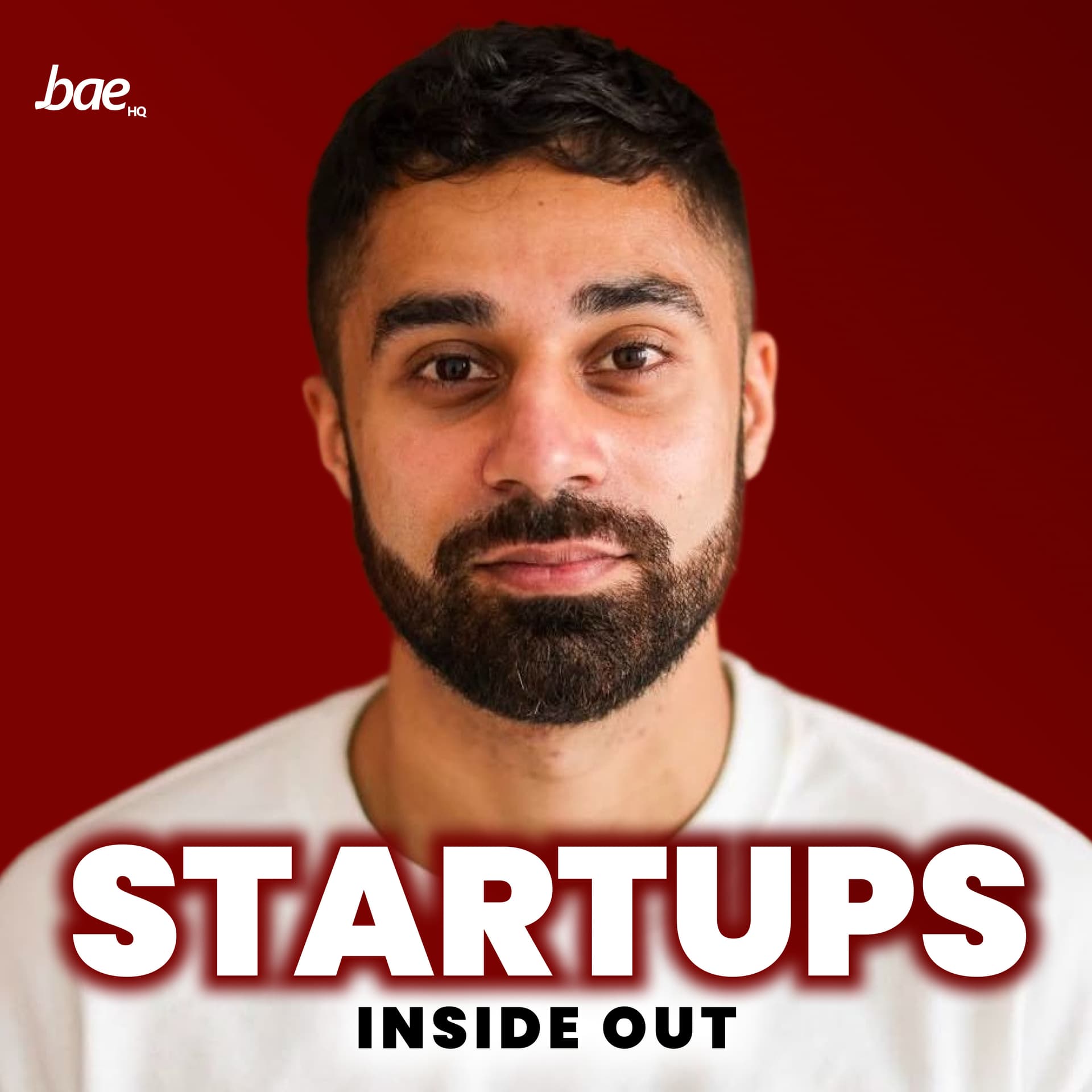
10:19And that's why I'm creating it, right? It's giving you that book that's going to be that Bible and that Bible, you know what I mean, I'm not being religious, but that best thing we can do for you to learn from an outsider's perspective and it then helps us because then I can't necessarily talk to everybody individually but we can sell that book to everybody and it's a cheap book right it's like 20 quid for 20 quid can that teach you the lessons that helps you make millions and that's the idea behind it and it's a way for us to create a product which is then repeatable it helps our revenues all those different things too and it gives us that magnum opus the second book is going to be startups for insiders and this is going to be all the stuff i've learned behind the scenes because you remember on the podcast people can't talk about their investors badly they can't talk about the employees badly they're talking about their co-founders badly but it's all this really crucial information that early stage founders really need to know to make a successful business so that's something announcements on that side right about why we're doing certain changes why this now looks different in your feed why you've got even for example on the thumbnail for the podcast on Spotify it's now going to have my face there.
11:32Why is that the case? Because people connect to faces. I try to differentiate this from myself by calling it BayHQ and not having my face on there but in reality is that we need that personal connection in order to get people moving. So now to move on and this is going to be the bit that's going to be really exciting for you nerds out there about how BayHQ podcast startups inside out has adapted over time and why you made the decisions we did and how we've just out-competed everything else in this division. So right at the start of this, first of all, remember I'd already done 100 podcasts. So I wasn't coming to this as a beginner.
12:08I had the reps, had the respectability. When I asked people to come on BHQ podcast, I can say, hey, do you want to come on the podcast? I've interviewed over 100 people, including the founders of Netflix and Twitter. that gives me a massive unfair advantage you can't replicate what I've done without doing those works and being able to get that level of trust and respect we also started out with tips a week on purpose because most other people can't do that it's making it intentionally difficult because other people can't then compete in that space we can stand out amongst people who are very inconsistent because we can just showcase people we're serious you should trust us because we're going to keep doing this work hard and keep going.
12:50The other thing two episodes a week does is it gives us access to other people's audiences, right? By having two guests a week means that people who are on the podcast, if they reshare it, people are seeing us. So now whenever I go to an event in the Asian space, somebody will know somebody's been on this podcast because they have 200 guests, right? 200 guests in a relatively small niche of where people know each other, it's going to pay off dividends, right? So that was a big reason behind that strategy to start. it's very difficult with a huge amount of work but because it was difficult it made it worthwhile and made it very rewarding too the other thing you can see from the early episodes right you go right back to the beginning the backgrounds I guess were very different you had influencers you had artists you had authors you had small business owners people with different random careers because we weren't yet set in our niche and we didn't really know where we wanted to go and we did that through sheer reps the more reps we did the more we understood what's our value where can we stand out where can we really be the best in our category not trying to be the best in every category and over time what's happened is that we've then filtered down to multiple startups so initially we're looking at people who've raised at least a million or have five million revenue that's now gone up further we're looking at say series a and beyond and people with much more significant revenue because it's looking at who has his experience in that backstory to really give you the value because like i said i said this before but in maths about who are we going to get on that can have those war stories because when people at the beginning you can talk about okay why did you quit your job like how is that decision for you but we've had like 100 200 episodes of that now, right?
14:39That's less valuable. There's all these stuff out there. What's more valuable is, okay, how do you go from that start to actually build something that's worthwhile and it's going to last and have legs? That's what I'm interested in, right? I'm interested in how does this last for years and years and years, as opposed to what's the starting point. The reality is too, is that everywhere I go, people are like, oh, there's nothing for Asians, but it's like, there is so much for Asians now. There are so many other podcasts dealing with different issues, dealing with different spaces. And there's no point us trying to be the same as everybody else.
15:11There is, we are a category of one. We are the community for high growth Asian heritage founders. And we say high growth, we mean startups and fast growing consumer brands. There is no competition. We're not the biggest, we're not the best. We are the only. And when you think about your strategy, it's how can you be the only is the best way to think about it. and what we had in the past too we had different experimental styles of the podcast so we had the lab podcast and the lab podcast was with operators so that's people who are working at startups or people are advising startups as opposed to the people who founded them and we did quite a few episodes of this and it was valuable because idea was meant to be more framework driven the challenge is what we had the friction is that lots of people operators they want to talk about their career journey but that's not our target audience right we're not necessarily trying to target that thing we're trying to target the builders the people who are starting companies and it's not that there's not value in people career journeys in tech it's just not our niche and other people can do that other people can build something for okay how do you get promoted that's just not what we're interested in and well we're interested in it but we can't cover everything so with the lab podcast and experiment but now we're going more towards this other style where i will do those episodes which are more framework driven and how do you learn this how do you do that because i have much more control the other element of when you're interviewing operators is often they have to get approved by their boss which slows down this whole process of building the podcast and it makes things more difficult there's more approvals there's more like it adds extra overheads another thing we did is have different guest hosts and while i'm not abandoning this necessarily the challenge is that until we have our operations and that velocity point where we don't have too many struggles when you've got multiple guest hosts managing that and make sure things are incorrectly and managing the different process it just becomes great overhead right so we had like an chico hosted like lots of episodes for us should do great job we had nikita we had other people too tanya and monia well mona monia i'm gonna leave that in there so but by having these different hosts we just weren't yet at that scale to be able to manage that and it's a learning for me and it was a good learning to have is that actually it's easier for us to have this into my control in our office i am here all the time I can record this episode very easily because I'm just sitting here anyway now in the future we will diversify again we will go into multiple hosts so that it reduces the dependency on me but it was premature for us to reduce the dependency on me we needed more of me because as a founder I'm going to be more motivated I'm going to have more time than everybody else is all those different things and on that point too so obviously having the solo episodes like this it's much more in my control makes life easier and also I can control the narrative I can get this the quality I want to get it rather than breathing down and micromanaging somebody else so if you look at our strategy over over the years right so two and a half years in two episodes a week and when there's been very difficult periods we have slowed that down to one episode a week then we've tried out different things we've segmented our news to more specific to high growth consumer brands and tech startups rather than trying to do everything we're only interviewing people later stage now and then we're also doing episodes where it's just me speaking like this because these ones are hopefully very useful to you guys but you see that journey right and one of the things I would say we made a mistake of at the beginning always this mistake that's paid off but by hiring a studio I increased our cost massively and made a thing much more difficult which I probably wouldn't have done in hindsight and now obviously we have our own podcast studio we have our own office in a sense that makes it much easier to record but at the same time this comes with a cost and I wouldn't advise this to everybody you've got to look at your own cost and what makes sense for you if I now transition into what my top five tips somebody wants to start their own podcast so tip number one don't start a podcast and if I've me saying that has just dissuaded you from starting a podcast you shouldn't have done in the first place podcasts are a lot of work even with AI even with these other tools out there it's not like if it's a fad for you there's just no point in starting the whole 99 % of podcasts don't make it past 21 you've got to look at is this the best use of a time is it distraction is it a shiny object you need to have a really clear case of why you're bothering to do it because there's no money in it there's all these different challenges it's it's got to be better than oh my friend said I should start a podcast I'm starting a podcast or I like talking to me start a podcast it's you're going to commit to a lot of work and you've got to really enjoy that and also see that it's the best issue of your time.
20:08The second part is stick to a niche and stop trying to please everybody and I consistently see this everybody is like oh yeah I'm gonna start a podcast in this niche like you mean like there's 10 other podcasts that do exactly the same thing you do and the challenge is is that once you start a podcast everyone's come on your podcast because they want to market themselves they want to showcase themselves they're doing it for their own selfish reasons as the host as a person owning that podcast you've got to have a wider lens you've got to look at is this used for my audience am I helping my audience and if not and it's also you might be helping audience but you've got to have a very clear line of like why are people listening to this so we have a very clear line now we we interview late stage founders and then we provide educational content through me there's no point in interviewing people from different business backgrounds they might be super successful they might have built like 20 dentist companies 20 dentists but we're not going to teach people how to build dentistry companies well that's not our niche we're not going to do that so it's understanding like what is your niche how are you fulfilling that because generalist podcasts and the challenges you look at people say like Stephen Bartlett Stephen Bartlett can do whatever he wants because Stephen Bartlett is a huge personal brand if you don't have a huge personal brand you need to be the best in a particular sector and own that sector.
21:28I can't do what I want. I am not that big, but I can be the best in this niche. And it's really difficult for people to understand that. And I give the example of Ali Abdao. Ali Abdao started off with helping medical students get into university. Then he did more stuff for study related stuff. And then he's overall gone into productivity. But he built his audience on a particular niche where he was the best in category and then expanded that category. And that's a strategy you have to go for. you earn the right to be a generalist you can't start off in that way and if you can you've got some kind of unfair advantage the other thing to think about too is that people are always going to want more from you you've got to get used to saying no you've got to get used to being decisive in saying yes or no because I'm very quick now to say sorry like you can't come from the podcast straight no it sounds blunt it sounds savage but if I'm wasting my time worrying about things, then I'm not getting my job done and I'm not serving the audience.
22:27And that's my job, right? I need to get the best guests on I can get on who I believe are going to help you, who are related to what we're trying to achieve. And that relevance is so, so important. Stick to a niche. Okay. Third is record the first 10 episodes with people that you already know really well. There's so many people reach out to me like, oh, can you come on my podcast? Like, if you haven't released an episode yet, I've been on podcasts before. They didn't release my episode because they gave up. Like, why am I going to waste my time on that? So first 10 episodes do people you know well.
23:00And if you don't know 10 people well enough, we're in your niche that you want to record a podcast with, you shouldn't be doing that podcast. You need to go back and build your network first and come back to the podcast afterwards. But if you can do 10 episodes, stick it out with people you know, you enjoy it and then continue, then okay, you're going somewhere, right? But so many people waste a huge amount of time on outreach and guests, getting all into hissy fits about, like, oh, nobody's accepting me, nobody's replying to me. You've got to earn it. You've got to earn that right. The first 10 episodes I did in my podcast way back in 2021, all people I knew, all people who wanted to talk to me.
23:37So you've got to earn that right to then be able to expand and to go further and further. Now when I reach the podcast guests, some of them still won't reply to me. But it's much easier because I'd done 400 podcasts. I'd earned the right for these people to give me their time. And that's the thing you've got to think about. Any podcast guest is that they need to believe that you're worth their time. And then because more of a mutual thing, whereas they want to talk to you too. The fourth element is to think of a podcast as a distribution channel for overall business as opposed to a business in itself.
24:07And I constantly see this and I don't get where people think there's so much money in podcasting because there just isn't. Unless your name is Joe Rogan or Stephen Bartlett or some of these other people are at the very top. There really isn't much money in this game. But if you can build a trust and use a podcast with the trust, the depth of relationship, then that is where the value is in. If people trust you, what can you do with that trust? Can that help you convert clients to your business? Can it help you convert deals in other places? A podcast right now isn't sponsored. On a sheer direct basis, this doesn't earn me any money.
24:45But the fact that we have this podcast means that I have a huge amount of trust, I have a huge amount of goodwill. And that means that we can buy way more of ourselves than we would do otherwise. So when you think about podcasting, especially if you've got an existing company, when people are looking for sponsors, why are you looking for sponsors? Your podcast should be advertising your company. Because there is not that much money in sponsorship to begin with. And if you're spending this much money, you're dramatically underrating your time. the reason I do this is one because other people can't compete on the amount of output we can do which means I can build trust with people much quicker than other people can and I can convert that trust into people coming to events people joining our programs how we get best founders on there is because they can watch these episodes and build some of the relationship with me some of the relationship with BayHQ and then come to our programs and then that's where we can start really getting the engine of the business going and then the final tip for you here is brutal consistency.
25:45If you want to build anything, but you're not willing to do the reps, you're not willing to build it. And I coined this other day. I don't know if I invented it. I've seen it somewhere else, but launching is massively overrated. Consistency is underrated. And me doing this many episodes, 250 episodes, who else do you know that's done 250 episodes? there's not many of us right by doing that that's where the compounding comes into play that's a snowball effect comes into play if you're wanting to start a podcast but you don't see yourself doing it in a couple years time are you just wasting resources are you just wasting your time and can you keep putting their rips when you're not seeing the results because the results come off the time people like chris williamson they didn't get any money for the first 100 episodes i didn't of these people you think that overnight success is but it takes a long time to get there so when you look at this if you want to start this podcast game if you want to start doing something like this does it make sense for your business is it a distribution channel for something else are you have you got 10 guests that you know already if you're going to do a guest-based episode can you stick to a niche where you stand for something and be the best in that particular area?
27:03And then finally, do you have what it takes to just be serious about it and really put in that work and keep going even when maybe it doesn't make sense to do so? So those are my five podcast tips there. And one thing to just end on, right? So obviously there's a bunch of humble brags that have come in this episode earlier. And I want to be very upfront with you guys. So this has been a really difficult journey. There has been so much stress. This year has been like devastating for the business in terms of how we've had to recover from so many different crises. There's a crisis every other week.
27:36There's things where we just don't know if we're going to actually make it. And I want you to know that, right? People can look at what we're doing and think about how everything is all rosy all the time. There's a huge burden of stress upon me. The responsibility of what I'm doing and being able to put stuff out and to be this voice of different people. like I take that very seriously it's like I said is there's element of I enjoy what I do but it's also do I just sometimes have that burden the weight on top of me that crushes me and it does right sometimes I wake up and I'm like how do I keep this going how do it make sense and when we built ourselves into position this year again touch wood touch wood touch wood that things are in a good place that we can really build upon this and go further but people don't see from all that output we've done how much years it's taken out of our lives how many like the white hairs in my beard you can now see if you watch something on youtube that's come because there has been a lot of stuff that's gone into this it's not easy i'm not going to sit here and lie to you about how i'm some prodigy and everything has come so easy to us and we're so amazing no like it has been a really tough journey so thank you to the partners that supported us thanks to the patrons that supported us and if you can support us in some way and you are later on in your journey later in your life that you do have that financial ability to support us it really does make a difference and on that podcasting side i'll be straight up with you as well i don't do one-to-one calls at all anymore i'm not going to sit there and tell you how to do your podcast because it just doesn't make sense for us right i've got to focus on what's the highest value use of my time that can help the most people.
29:21If you do want me to work on a podcast with you, that's a paid coaching thing. And if you can take on that paid coaching, that can then support some of the work we're doing. So we can keep doing what we're doing and support our next generation of Asian entrepreneurs. And just really supporting the general startup ecosystem in the UK, because I'm born and raised in London. I believe in what we're doing here. I love what we're doing here. And I guess we meet so many incredible people all the time, but there's more that needs we've done our job is just starting and I'm excited for that challenge in that future and sometimes I wonder why I put myself under the pressure I do and then other times I see like the results and where people the joy it brings people and where they've been able to transform different industries and like it's it's a pretty cool life sometimes right I'm very privileged to be in a position and again just thanks to everybody who supports us everybody who believes in us.
30:15Everybody gives back for mentorship programs. Thank you.
From the publisher
👉🏽 Join Bae HQ:https://www.thebaehq.com/joinAmardeep Parmar: https://www.linkedin.com/in/amardeepsparmar