In short
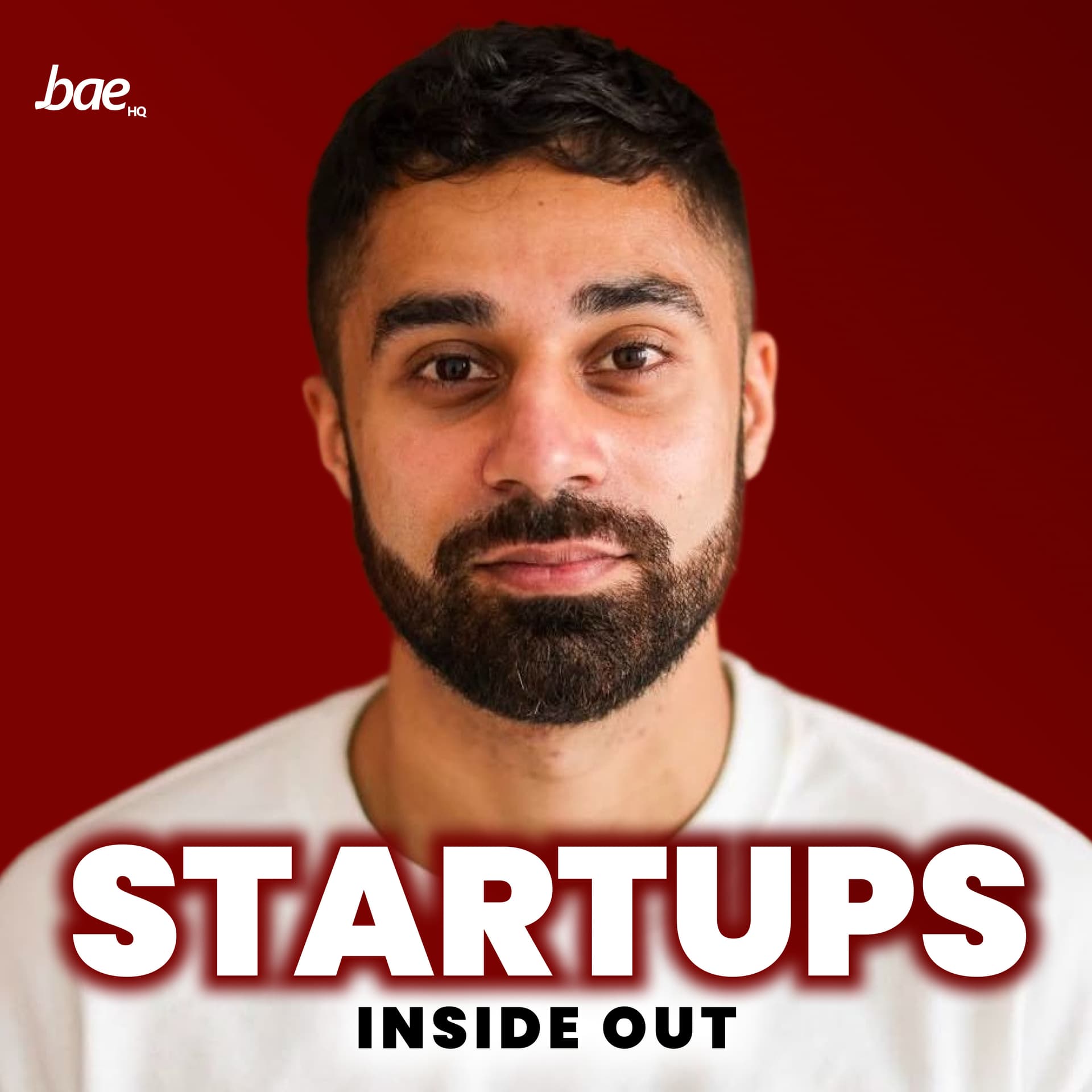
Navjot Sawhney, founder of The Washing Machine Project, explains how the organization distributes manual washing machines to people who currently hand-wash clothes, aiming to preserve dignity, increase time for women and girls, and scale impact from 20,000 to 150,000 by end of 2025. He covers funding models, distribution strategy across 15 countries, partnerships, marketing without ads, and research findings from upcoming Global Handwashing Report.
Guest backgrounds
Navjot Sawhney is an engineer-turned social entrepreneur and founder of The Washing Machine Project. The host, Amadeek Palmer, is co-founder of BayHQ (Asian heritage founder community).
Key claims
People use machines more when they pay (not free) and value dignity over handouts. The problem affects ~60% of the world. The team grew from 3 to 17; operations expanded from 8 to 15 countries; a manufacturing facility in India will produce 10,000 units/year.
Notable examples
Distribution into Gaza hospitals, Republic of Congo, Uganda; user stories include Salma (earns money, pays for education), Aishri Aria (more study time in Tamil Nadu), Sylvia (washed her wardrobe in two days). Partnerships include Whirlpool (150,000 lives over five years), Jaguar Land Rover, and cause-related campaigns with Wuka and pop-up with Tala.
Written by AI. May contain mistakes. Listen to the episode to check what was said.
Chapters
Tap a time to open that second in VOIntroduction to Navjot Sawhney and the Project
0:00 to 1:20
Learn about Navjot Sawhney and the impact of The Washing Machine Project.
“And then in 2025, by the end of this year, we'll have reached 150 ,000, like two years ago, that was 20 ,000.”
The Mission and Evolution of The Washing Machine Project
1:20 to 3:09
Discover the mission behind the project and its expansion over the years.
“And for those of you who don't know, so Nav is a fan of the Washing Machine Project.”
Leadership and Personal Growth in Nonprofits
3:09 to 5:08
Explore how Navjot's role and personal growth has evolved with the project’s expansion.
The Challenges of Constant Travel and Work-Life Balance
5:08 to 7:22
Understand the struggles of managing a busy schedule while staying connected to family.
“that if I want to do this for a long time, I need to really focus on my health.”
Building Relationships and Managing Expectations
7:22 to 8:30
Learn how Navjot navigates relationships while prioritizing the mission.
Partnerships and Growth Strategies
8:30 to 10:47
Hear about the strategic partnerships and growth methods Navjot employs.
“Great founder, Ruby, who's been on this podcast as well.”
Iterating on Solutions: Learning from Users
10:47 to 12:42
Delve into how feedback from users helps improve the washing machine solution.
“one rule we have is that we don't use ads.”
Organic Growth of Laundrettes
14:01 to 14:36
Exploring the organic emergence of laundrettes and their impact.
“I'm Amadeek Palmer, co-founder of BayHQ and the host of this show.”
Distribution Strategy for Machines
14:49 to 16:49
Discussing how machines are targeted for distribution based on need.
“So at this scale, we can't service those on requests.”
Business Models and Social Impact
16:49 to 18:08
Examining how different business models support social impact.
“But a lot of the people servicing don't.”
Show all 22 chapters
Insights from the Global Handwashing Report
18:08 to 19:29
Teaser of findings from the upcoming global handwashing report.
“So this is going to come up on next Tuesday.”
Future Plans and Machine Development
19:29 to 21:04
Discussing future developments and machine availability strategies.
“Yeah, I think as the scale comes online, you know, we're building machines.”
Building Confidence and Team Dynamics
21:04 to 22:54
Exploring personal growth and team dynamics in a mission-driven context.
“and you'll have seen me do that a lot more in the last year.”
Hiring Process and Team Alignment
22:54 to 24:41
Detailing the hiring process and maintaining team alignment.
“I mean, we go through a really interesting hiring process.”
Managing a Hybrid Team
24:41 to 26:06
Discussing strategies for managing a hybrid team across locations.
Setting Future Impact Goals
26:06 to 28:00
Goals for machine distribution and impact by 2030.
“It's like the tick box exercise of, you know, I want to go to London.”
Expanding Impact Through Partnerships
28:00 to 29:07
Learn how The Washing Machine Project aims to increase its reach through strategic partnerships.
Navigating Accolades and Media
29:07 to 30:42
Discover how Navjot Sawhney views awards and media coverage in relation to their mission.
Leveraging Marketing Strategies
30:42 to 32:38
Explore the strategies used by The Washing Machine Project to market their impact.
“And so I accept it with grace and humility and always be appreciative of all the support that we get.”
Lessons from the Past
32:38 to 34:25
Hear insights on the lessons learned over the past two years and advice for future growth.
“And for example, if you guys are using both strategies, it's not either or, right?”
Encouragement to Make a Change
34:25 to 36:10
Understand the importance of taking action to make a difference in the world.
Shoutouts to Inspiring Individuals
36:10 to 38:12
Navjot shares names of inspiring individuals making significant contributions in their fields.
“So we're going to quickly fire questions now.”
Transcript
Automatic transcript. May contain errors.0:00And then in 2025, by the end of this year, we'll have reached 150 ,000, like two years ago, that was 20 ,000. And so we've distributed our machines into Gazel Aspen Tours, into Pulasperons and Republic of Congo and now in Uganda.
0:16Amardeep Parmar:That's Navjot Sawhney, founder of the Washing Machine Project and one of the most inspiring men I know. We build men and wash machines for kibiru hand wash clothes around the world. One of the other things that we found was that people, they have a lot of pride, they are handouts and so it needs to be balanced. Ways that we can do and have been doing is through sub-pubbies. You can do buy one, give one as well. People can buy out through microfinancy as well. One of the research that we did was the usage of our machine when someone is paid for it versus when someone gets it for free. and we found that people use it more often when they paper it rather careful.
0:58Amardeep Parmar:His mission has only just begun and there's so many more people he can impact. 60 % of the world that still have to get on their hands and knees and scrub each piece of cloth.
1:12Amardeep Parmar:Great to have you back here again. So it's been two years. Thanks, Amor. Yeah, man. And congratulations on the new space. Thank you. It's that time from the podcast, right? Yeah. And for those of you who don't know, so Nav is a fan of the Washing Machine Project. He's done incredible work for like eight years. Well, yeah. Yeah. And if you want to hear his origin story or where it all came from, then go back to the previous episode. We'll link in the show notes. But for people who don't know about the Washing Machine Project, where are you today? Like what does the Washing Machine Project do in 2025?
1:48So when I look at the Washing Machine Project, we build manual washing machines for people who hand wash clothes around the world. These are for 60 % of the world that still have to get on their hands and knees and scrub each piece of cloth. This affects women and girls. But I think over the last two years, what's changed is that we've really realized that this is more than the machine. It's more than the kind of metal drum that you crank handle. um it just yeah the impact that it's created and the lives that it's improved and the businesses that have come out of just that machine it's just been great it's just been incredible to see and then in 2025 by the end of this year we'll have reached 150 000 lives and two years ago that was 20 000 lives so so it's been an interesting journey to get there obviously in the last year
2:41Amardeep Parmar:that's a massive expansion and as part of that you've always been like super passionate about what you're doing like it's obviously you care so much about it and but as a kind of leader and on that journey right there's one thing about when you're doing it for 20 000 people when you're 150 000 people you're gonna have to change like how you act and what you're able to do right yeah have you found that process of like being like the leader of a compass impacting 150 000 lives have you had to change in any way or grow in any way to step into the role you've got today yeah absolutely i mean well when we met two years ago we were a team of three people now we're a team of 17 people we um we operated at that time across probably eight countries we're now operating across 15 countries and um we're now opening up a manufacturing facility in india so that's the big news that we're announcing this year is that you know we'll manufacture 10 ,000 units a year in India closer to our users so I feel like on a personal level I've changed a lot like a lot of my focus has now been I say champagne and campaigning even though I don't drink but yeah it's it's really my priority is to really get the word of the washing machine project out get more more more resource into the business to to grow it and to be an advocate of our our mission and vision and we've got an incredible team that are working around the clock to to make it happen basically so that's that's been the shift because i've seen your schedule man your schedule isn't crazy and you've got a huge amount of travel as part of that too right and you say champagne and campaign but it's like you're just going around like chilling on beaches and stuff right you're constantly giving talks you're constantly in different places all across the world how has that been because it was a big adjustment to have all that travel and even at the adjustment it has in your life right because you don't have that same maybe routine that you might might have had a few years ago yeah it's horrible it's uh it's relentless and there's late nights early mornings you miss all types of family and friends occasion you sacrifice so much and um it's it's really important to find what you love to do and this is what i love to do and this is what I'm going to do for the rest of my life.
5:07And yeah, for me, I think I realized at the start of this year that if I want to do this for a long time, I need to really focus on my health. So that's been really nice to focus on whilst I do this kind of relentless schedule and traveling and talking and meetings and trying to be present for my team at the same time, which, you know, every leader makes mistakes as well. So it's been an interesting nishmash of things.
5:38Amardeep Parmar:One thing I struggle with, right, is just the sheer number of people I meet, and you probably meet more people than I do. And like I said, you're meeting all these people, you want to try and be present with them. But at the same time, it's so overwhelming, right? How have you adjusted to that in terms of like trying to build relationships with so many people and try to advocate for your mission while also having the very human thing of sometimes you just want to hide away and just chill out, right? Yeah, it's important. I think when I'm home and I'm not traveling and not working with my family, first and foremost, and just spending as much time with them as possible.
6:11So my life away from work is actually quite boring, which is a good thing. I struggle with that sometimes because, you know, when you're going 100 miles an hour and then you stop, it's like, whoa, you feel it. But then you're kind of ready to go at work again. and for me I you know I used to feel like I need to reply to every single message you know I still get hundreds of messages uh you know a week from people that want to support and they want to help in one way shape or form and that's incredible and they're so humbled and I've kind of taken the pressure of trying to respond to every single message which is the nature of what we have to do
6:50Amardeep Parmar:so yeah because we have some tips a similar thing to a much more extent but what i've kind of done now is have autoresponders everywhere and i think the way you can make processes into as much as possible and it's hard because obviously with your personality and the way you are you want to bang people personally yeah i think for us it's really important because people get the mission and the vision and we want them to encourage the support in one way shape form and the best way to that is through human connection which is kind of intuitive compared to something like an oral respond to the boat you have to do it yeah i think it's also the people who truly believe in your mission will understand that you're busy because you're doing the mission yeah and if they want to chat to you then it becomes like do you want to chat to them because it makes you feel good yeah or is it because what's best for the mission like you said like you've got to put the mission first if you're spending all your time responding people means you're doing less of the mission then that's taking you away from the whole point of it at the end of the day right and i think the closest people the best people understand that and they'll understand you're busy because you're like actually doing the job that gets you to where you are right and that's how I try and think about it is like the best people will be like okay you're busy because you're doing the work yeah and I think when I first started out we used to say yes to everything everything like I'm the biggest sucker when it comes to FOMO you know fear of missing out I say yes to everything and I think my team who are sometimes way more experienced than I am at this kind of stuff say like hey it's okay we don't need to do this anyone we don't need to say yes and that's been really difficult journey for me to understand but it's been incredible because we focus on what really matters and what's going to really move the needle for that 60 percent of the world because we think as well you've announced some pretty cool partnerships with other organizations doing cool things how has that been a second because you weren't doing as much of that before right it's a new area that you're growing and using other organizations doing similar impact work or similar kind of values to you i know i guess is has that method been working for you have you found that strategy yeah so we we have a corporate partnership strategy and um we didn't announce it last time we're here but we're very much in the kind of third year now of the whirlpool partnership now that's gonna reach another 150 000 lives together over the next five years um which is incredible this year we announced a partnership with jaguar land rover which has been great in trying to figure out what we do next to get to a million people by 2030 and then our audience has grown by 150 000 people so we've got lots of really interesting new followers and that's allowed us to have some really great brand partnerships so um recently we launched a cause-related marketing campaign with Wooka, who are the period wear brand.
9:45Great founder, Ruby, who's been on this podcast as well.
9:49Amardeep Parmar:She hasn't been on the podcast yet, but she spoke at one of our events. Interesting. I need to get her on. Yeah, I think it was like a calendar alignment thing. It's like, hey, you free now? No, sorry, not yet. You free now? Not yet. She's very busy. But yeah, doing incredibly well. Ruby, and then we did a pop-up with Tala. and on Carlyby Street, which has been great. And there's some really, really cool stuff that hasn't been announced that we're going to be doing by the end of this year. So some really interesting products that you probably eat or eat in the future. So yeah, you'll hear more about it.
10:28Amardeep Parmar:And you mentioned there about that you've grown the audience quite significantly, right, as well. Yeah. And it's something in which you've done different things in order to grow the audience. And obviously, we see your official media and the things you're doing there. How have you gone about that strategy and how you fall back in a way to obviously get more people to find out about your mission and then hopefully support it? Yeah, well, one thing, one rule we have is that we don't use ads. So that's really interesting. So we wanted to drive organic traffic and we hired in some really good experience.
10:57So Rabia handles our socials. She's incredible at what she does. And the third thing is that, you know, we really wanted to cut through, you know, because there's so much noise in the world. this is a really unknown issue it's very niche as well so how do you bring a live a problem that someone that we're speaking to has never experienced before so we do that by kind of creating scroll stopping videos um uh that has have a bit of purpose and you know there's a bit of a message behind it and a call to action afterwards and that seems to be working uh over the last year and we've got some really cool fun things planned um for the next year as well you
11:35Amardeep Parmar:say you've got a niche right but it's yeah you said it's a 60 % of the world's population right so it's one of the things where maybe people in the west or people in different countries don't fully understand that but it's not a small niche it's a niche that I said hopefully everyone should understand and everyone gets the scale of that problem yeah yeah and it's universal I've been in some of the most rural parts of America and people still get it so no matter what side of the spectrum you are like everyone has to wash their clothes in one way shape or form and it's relatable in that way I guess and obviously when you last came on here right one of the things that we stood out as you said about how you've got to fall in love with the problem not the solution right and how has that side of things gone because you have to keep iterating the product and keep getting it better and better I guess as well how does that process work for you yeah I mean I actually thought I'd be further along two years ago than I am now so so I guess I thought I'd have been further along now than I was um I guess that's every founder that has that frustration you know like you want to go faster you want to do more but actually you know it's really tough especially if you're in the kind of impact space where we are you know it's even tougher for me like I think my team are amazing I'm really like surprised every single day when I come in and they're like giving it all that also gives me a boost and what makes me fall in love with the problem every single day is seeing our users use the machine so whether it's Salma who's now earning money off the machine and she now washes clothes for her neighbors she's now paying for education she's just passed her first semester you have Aishri Aria the 18 year old who lives in Tamil Nadu who wants to be a lawyer she's now got more time to study and you have people like Sylvia who never thought in her wildest imagination should have a bush team in her life and she washed her whole wardrobe within the first two days so these are kind of the stories that keep falling up and making me fall in love with the problem.
13:50But yeah, pivots are important and necessary. And we've not just made a machine, we've started to create services around the machine. So laundrettes as an example, which came out completely organically when you just started to earn money off the machine.
14:08Amardeep Parmar:Hello, hello. I hope you've enjoyed the show so far. I'm Amadeek Palmer, co-founder of BayHQ and the host of this show. For those of you who don't know, BayHQ is the community for high growth Asian heritage founders and investors in the UK. Over 7 ,500 people have attended our events, 200 people have been for our impact programs, and obviously there's been over 250 episodes of this podcast. If you want to join us and take part in the program and come to the events go to bayhq.com forward slash join we also just released our first ever book called startups for outsiders which you can get amazon now and the link is in the bio hope to see you soon at event hope you enjoy the rest of the episode you mentioned about like the very different stories of people who are using the machine yeah because they've gone about it yeah and obviously if you're a distribution model and you said you're in 15 countries now right yeah how does it work in terms of like how do you decide where to target which machine where which machine should go where how many machines there should be in different areas like can you talk us through that because i know it is like quite diverse and complicated we looked at this a couple of months ago and we get hundreds of requests for machines all around the world and over the last couple of years we've had probably around 20 000 requests for machines from about 150 countries.
15:34So at this scale, we can't service those on requests. Where possible, we try and partner up with large NGOs like the UN or small grassroots organizations that really know the problem. They have the trust of the commission. They know the language. And then we prioritize areas where we're already present in. So, for example, whether it's in India or East Africa or South America, Mexico for example and we base our distributions on need so we do like a needs-based assessment and then we that's how you monitor impact as well so a combination of all of those all of those things but we get the most random requests of you know like Dorothy in Malmesbury that wants to buy a machine for her houseboat you know or someone in America that's going camping on the weekend that saw out our news article on Forbes and said, yeah, I want a machine.
16:33So one day we'll be able to service those people as well.
16:38Amardeep Parmar:And obviously with the social impact side of things, right? And you said some people, so the people you mentioned there, for example, the wanted for an EDFO or the wanted for a camping trip, they would assume they have some level of disposable income, right? Yeah. But a lot of the people servicing don't. Yes. How does that business model work as well? like is it the charities or where does it all fit into each other one of the research that we did was the usage of our machine when someone is paying for it versus when someone gets it for free and we found that people use it more often when they pay for it rather than get it for free so that's quite interesting one of the other things that we found was that you know people they have a lot of pride they don't want handouts and there's a lot of dignity associated to that however their buying power is very low so it needs to be balanced ways that we can do and have been doing it is through subsidies corporates have big CSR budgets and they can pay towards that impact people also can pay towards that impact you can do buy one, give one as well and people can buy outright through microfinancing as well.
17:48So easy money installments every week or every month. So these are things that we are trialing out right now. We've been really successful at corporate partnerships and purchasing the machines through big not-for-profits like the UN, for example, that distribute our machines for us.
18:08Amardeep Parmar:So this is going to come up on next Tuesday. It's going to come up before your report comes out. Yes. So could you give us a bit of a teaser on some of that data you've done you mentioned there about how people use it more if they bought it what are the interesting findings that you have yeah so we're on september september 30th of 2025 we're releasing this this report is called the global handwashing report and and it really kind of puts together a kind of cohesive uh understanding of the state of this problem we bring together all different partners and actors from the field and um And the Asian Development Bank, for example, have said that hand washing clothes prevents women and girls from working, studying and resting, for example, which is really, really important to the prospects of life further down the road.
19:03We also found that in Kenya, for example, mothers were saving, I think, 73 % of their time compared to hand washing clothes when using the Divya washing machine. where we found that they spend ridiculous amounts of money on their soap as well. So these are the kind of interesting findings that we found. And yeah, I'm interested to hear more on when you read it as well.
19:27Amardeep Parmar:Is there any changes you're going to make as a strategy based on that? Yeah, I think as the scale comes online, you know, we're building machines. I think we're going to be selling machines more. And that's what we're going to be focusing our attention on. So those who can afford it, whether that's governments or NGOs that can buy the machine in full and then distribute for free. We always want to try and make the machine as available and free as possible to those who can't afford it. So that's what we're going to be focusing on for the next year. And I think two years ago I was talking about what's happening next, you know, what are we doing?
20:06and where we've already started working on things like battery and solar semi-automatic machines. So that's quite interesting future development.
20:16Amardeep Parmar:And obviously you started off as an engineer, right? Like your role has changed so much over time. What do you enjoy the most now? What's the bit that, obviously, hearing the stories is going to be your favorite part, of course. But of the bit where you, like, oh, today I get to do this. What's that day? Like, yes, this is like my day. Yeah, I mean, I always love to speak to our users and see the users use our machines and get their stories back. So that's like dopamine hitting, you know, like, wow, this is amazing. I really love engaging with an audience and you can see in someone's eyes when someone gets the problem.
20:56I'm like, they're in, you know. And I've always said that's where I love to do my work. and you'll have seen me do that a lot more in the last year. But it's funny, two weeks ago we were in a partner, a new partner prospect, we were meeting the CEO. They said, yes, we want to work together for the next year. Great, great, big partnership is going to have a massive impact. And I got this massive rush of energy and I was like, wow, this is what I like. so I think it's a mix between you know um like empowering a crowd and finding a new audience uh users but also trying to get more money into the organization as well I think one of the things
21:46Amardeep Parmar:that people obviously see from you right there if they already know who you are they've already seen some of your story they're going to just see like how out that you are right that you've been able to you washing toes in the river and these these kind of things too I and sometimes if people think what happens to people is like oh I could never be like that right I could never have that confidence but do you think that's something which came naturally to you of how have you grown that confidence over time yeah I mean I have the least confidence in my team my uh my team I was like come on now we can do and that's that's that's what pushes me but I think you know like when you find your passion and your purpose and you you're able to help the world in some way it kind of like it's that icky guy phenomenon you know it gets easier so you know really trying to put yourself out of your comfort zone i think you know we've in the past as society we've been very kind to ourselves you know like it's okay don't worry you'll be okay actually sometimes you need a bit of a bit of a kick and just say go on like do it you know what what are you waiting for kind of thing yeah don't take yourself too seriously you said as you mentioned the team a few times right and you said how when you last came when you had about three people and now you're about 17 yeah and one of the scariest part for saying people too is especially when something so mission driven as you yeah so you have to trust that team to like go through your mission right yeah how are you selecting those people how are you selecting those people like yeah i can trust my baby and this thing that matters so much to me I trust you to be able to work on that and you can do the best job.
23:26I mean, we go through a really interesting hiring process. Five stages. That was actually over time we've done it that way. Because we got, I think on one job opening, we got like 150 applications and 100 of them were pretty bad. so we made the standard quite high to get to get through essentially but it's a really enjoyable process you know like you feel like you get to know someone on the journey and then we really give them a chance to say no you know every turn you know like and uh that's really important to to find someone that's values aligned and then you kind of just have to keep reminding yourself that you know like they're the best person for the job just let them let them get out of their way you know um and then it's important to be very um aligned on your strategy so making sure that everyone's a part of that strategy they have ownership of that strategy and they'll deliver on that strategy so i think it's the combination of values aligned and uh kind of strategically aligned as well otherwise you'll get people doing some crazy things is anybody you think that you
24:46Amardeep Parmar:hired too late when he is that once they join the team like we should have had somebody in the shop for like way earlier yeah that's a good question without offending anyone it's more where you think like oh if we had this person a year before yeah it would have helped us so much quicker yeah i think but this is just all resource constraints but you know as the partnerships are increasing we didn't have a partnerships manager you know so the when our partnerships manager came in more partners came in so it's a chicken and egg situation so yeah um i think with each person and each hire brings so much energy but it also comes that cost of resource away from impact which uh is a tension in this space you know like i think um team size isn't the definition of the success is how many people that you can impact around the world i've seen teams that are much smaller than ours that impact way more people also it's a tough tough one to grapple i think and your team's hybrid as well right some people are in london and meet up in person and others yeah or in other places yeah how did you go about think about that strategy yeah i mean so we have a a bristol office we have a workshop there where people from the r &d team work we have a london headquarters so to speak and then we have people in the field so we we have employees that work in india we have partners that work in mexico so we we i think we're really flexible in that way bristol's a great place for engineering you know i i work there a large appliance manufacturer and i knew that would get really good talent and i've been surprised especially the gen Z or Z community from around the UK, they'd love to come to London to work.
26:42It's like the tick box exercise of, you know, I want to go to London. Like the Americans go to New York, you know, or California, you know. Yeah, so I've been interesting. I've been looking at that with interest of who we can pull to London. And some people have moved from across the UK to London for the washing machine project, which I think is crazy, but really humbling as well.
27:09Amardeep Parmar:And we're feeling all right too because you are travelling so much, right? How do you manage that communication with the team and keep that strategy aligned when you're in Mexico one week and then you're here one week and here one week? Yeah, I mean, this has found a bottleneck as well. So I'm trying to move away from me making all the decisions, which is really not needed, and empowering other people to make decisions. and I think that that's important to do you know because they're the best people for the job and they can make the decisions and looking forwards as well as you've said you mentioned earlier about how you're looking for a million people right in fact have you got a rough target set for that when you want to achieve that 2030 is what we're hoping to when we're hoping to achieve that so five years from now okay so if you come back on again in two years time yeah are you coming too back two years time right another 200 episodes yeah what target would you like to set yourself to what we're doing two years time we'll have a little tv screen up here and we'll play like oh when you were last hit you said this are we gonna even get to see like have you achieved it or not i think so at the end of 2025 we'll get to 150 two years and we'll get to 500 i think pretty pretty comfortably and what do you think you need to do in order to get there on where you are today we've been really interested by so the world we've been recently working with the world health organization and they've been using our machines in hospitals and so we've distributed our machines into gaza hospitals into hospitals in republic of congo and now in uganda and that that increases impact numbers big time because you know so many people benefit from the use of hospital washing machines um so i think our focus is to get the machines into more communities so whether that's refugee camps or uh health clinics or um uh communities where they share share spaces so that's that's what we'll do and you mentioned as well how right now you're prioritizing countries you're already active in because i'm guessing just like even from a customs perspective when tariffs were said to it's just there when do you how do you then look at when to next expand in other areas is it like a approach issue drive by or is it more when opportunity is there that it makes sense to have you got a decision very much but funding driven so like if there's a partner or a funder in the country in question that we're not president can they help us access that country through scale whether that's um getting the machines into the country so government support in that way whether it's getting the machines to the end user servicing um finding the users does the support mechanisms that we need so um yeah for example we're about to announce a partnership with a big ffcg very very amazing ethical brand and um we're going into a new country for that we've never been to that country before and that's because they they wanted us there and they're helping us get get us there essentially and like over the last few years right you're constantly getting awarded this awarded that even this newspaper and that newspaper and then like i'm like oh yeah i know that guy and like tell my friend yeah yeah and they're like that's amazing thank you one of the most important things about that that we chatted about this before too is that you're not driven by that and it's one of the things we see right is like are you driven by those accolades or those accolades just helping you to get yeah the mission you want to achieve and like how do you think about that in terms of like the media and things like that how does that help you on your mission and how does these awards like which ones have been most effective at actually driving more funding and more impact for you i've always been uncomfortable with accepting accolades i you can see with my acceptance and speeches always cry on the stage.
31:05But it's a means to get to more people. And so I accept it with grace and humility and always be appreciative of all the support that we get. And I sometimes feel really guilty because there's so many people around us giving us support, like our team, that don't really get the credit. But this is coming out in a couple of weeks. So next week, my colleague, Jack, who is the team lead in the R &D team, he's getting the Young Engineer of the Year Award from the Royal Academy of Engineering, which is a great accolade. It's just amazing. And I'm really proud of him as well. So yeah, as long as it gets more eyes on the washing machine project, I really don't mind.
31:58And what's really helped us recently is the BBC documentary that's come out, which has been incredible. In 2025, we've had a partnership with JC DeKalb, who have been a blanking partner for us. And one of our billboards was spotted by our prospective partners that we're going to announce at the end of this year. so they were at the station and they saw the billboard and they went to their office and they googled us off that billboard and now that's led to a partnership that will impact hundreds and thousands of lives on a multi-year agreement so these things really really matter
32:37Amardeep Parmar:and it's interesting like you say because obviously you have a large social media presence and stuff but it's that physical billboard that made a difference and the documentary and it's an interesting dynamic sometimes where you have The people in the social media influence world, they're like, oh, billboards are outdated and the TV's outdated. And then you have the other side. And for example, if you guys are using both strategies, it's not either or, right? Yeah. And when you're trying to pick resources, because obviously it's a decision, right? Having a billboard, even if it's a partnership, you've still got to go into those meetings.
33:10Amardeep Parmar:You've got to have a team member to make sure they think it's correct. The creative around it. The creative around it, right? And how do you go about trying to make sure that you're using the marketing in the best way or the resources you have in the best way there. Yeah. I mean, so we only have two people in our marketing team, Rob and Rabia, and they do so much. We say yes to a lot of opportunities that come our way and we've been really... Do you say yes and they're like... It's a constant tension on a Monday morning team, yeah. But, you know, they see the impact that their workers had, you know, and that is having and there's value in that.
33:47So yeah, I think, you know, over time we have to be a lot more intentional. You can't be in like two places at once. So like where do we can, where can we focus our energy? So yeah, we're really lucky that it's been working so far. The multifaceted strategy that we have so far.
34:06Amardeep Parmar:And like, just before we go into like quick fire questions, if you could talk to yourself from two years ago, and you've learned some painful lessons the last couple of years, of course, what do you wish you could tell yourself two years ago to try and take you on a different strategy earlier or a different path earlier would there be any advice you'd give yourself yeah i mean i was a bit worried two years ago i think i thought that there wasn't really a way through and you know like it'd be tough to get there but actually it's it's been okay you know it's okay it'll get okay and it'll it's only going to get better you know you just have to enjoy the journey don't take yourself too seriously so it's always a pleasure to spend time with us and it's also going to be interesting for the audience and feedback on this from the audience but like because i know you a lot better now right for me this is a lot more fun because like i know you i can have a laugh at you first time i met you i was basically just like oh my god it's so aggressive right it's like it's like you have a different perception of people right and i think one thing i want to get across the words too is that like now there's an incredible work they're still just a normal guy yeah so when you think about you want to make a change in the world don't be like i can't do it no you have to start because you can do it right like now the normal guy who worked hard who cared about the problem and then he obsessed over the problem and made a change but he's done that because he went for it he could have been like oh there's no chance i can change this this is too big a problem for me but you didn't do that and you carried on doing and you've now impacted so many lives i've been surprised at how many people want to help along the journey you know like even if it's a very small way you know like introducing you to someone or giving us money you know very two two different two different things and people are scared of that you know asking for support you know and you should people because if your idea or causes something to get behind people will flock in their masses to support you and that's what's happening in the washing machine project.
36:10Amardeep Parmar:So we're going to quickly fire questions now. Let's do it. So the first question, we've answered this before, so you've got three new people who are three Asians in Britain you think are doing incredible work. And you'd love to shout them out. So the first person I want to shout out is a fashion designer. He's incredible, like designer, makes really great apparel. is I've won his stuff in my kind of most recent honorary doctorate ceremony and things like that. His name's Saren Kohli and his Instagram handles Saren Kohli label. Incredible guy. And I was at Parliament once and I was like, I really like your top to this MP.
36:56And he's like, yeah, Saren Kohli. It's so cool to hear that he's doing so well. So Saren's the first one. Isabella Mascarenas is the next one. She's a South Indian by way of Portugal, Goa as well. Amazing lady who used to be the VP of RS, one of our first partners. She's now her own business owner and she's a consultant. She's very purpose-driven and does incredible work in the D &I space as well. So Isabella Mascarenos. And the last person I wanted to shout out is Tan Carathas who's the head of partnerships for JC DeKalb. She has done incredible work to champion minorities in business and small business entrepreneurs.
Read the full transcript
37:48She's created this incredible program called Reach, which is supporting entrepreneurs from minority backgrounds in advertising. So she'll use JC Dickhouse's breadth and talent and experience to support these entrepreneurs. So those are the three people that I want to shout out. Awesome.
38:12Amardeep Parmar:And if people want to find out more about you and the Washing Machine Project, where are they going to? The Washing Machine Project Gohug and Washing Machine Project on all socials. And is there any way that they can help you, the audience listening? Three things, I think. just tell someone about this there must be someone in your life that you want to tell this story to right now, do it the second thing is to give what you can so go on thewashingmachineproject.org and donate one pound and the third is if your business wants to support the Washing Machine Project or your corporate partner there must be someone in your ecosystem them that wants to support the Washington Projects or make the introduction.
38:57Amardeep Parmar:Awesome. So thanks so much again for coming on for the third time. I'm bored of you now. No, I can't get bored of you. You're going to be back on again in two years' time. For the million. For the million, yeah. But no, you'll get the 500k in two years, right? We'll see. 500k in two years, and then what year is it? So then I get you on again for 2030 and that would be the... If for 2030, that would be like episode 1 ,000 or something like that. But I know you should tie it up. I can't count years. but it'll be a lot of episodes by then right yeah there's so much again for coming on any final words anything you want to share for the love of the problem because the solution always change and thank you to you man you're incredible to like spotlight um asians that are trying to do good is incredible you're doing an amazing you're doing it you're doing incredibly well and to see like how you guys have solidified your messaging and you know reaching more people it was great great to see as well so thank you
From the publisher
Amardeep Parmar from Bae HQ welcomes Navjot Sawhney, founder at The Washing Machine Project.👉🏽 Join Bae HQ
👉🏽 Take Bae Startup Foundations free:https://www.thebaehq.com/courses/bae-startup-foundations
👉🏽 Join Bae HQ:https://www.thebaehq.com/join
Amardeep Parmar from Bae HQ welcomes Navjot Sawhney, Founder at The Washing Machine Project.
Amardeep Parmar:https://www.linkedin.com/in/amardeepsparmar
Navjot Sawhney:https://www.linkedin.com/in/navsawhney/
The Washing Machine Project:https://www.thewashingmachineproject.org/