In short
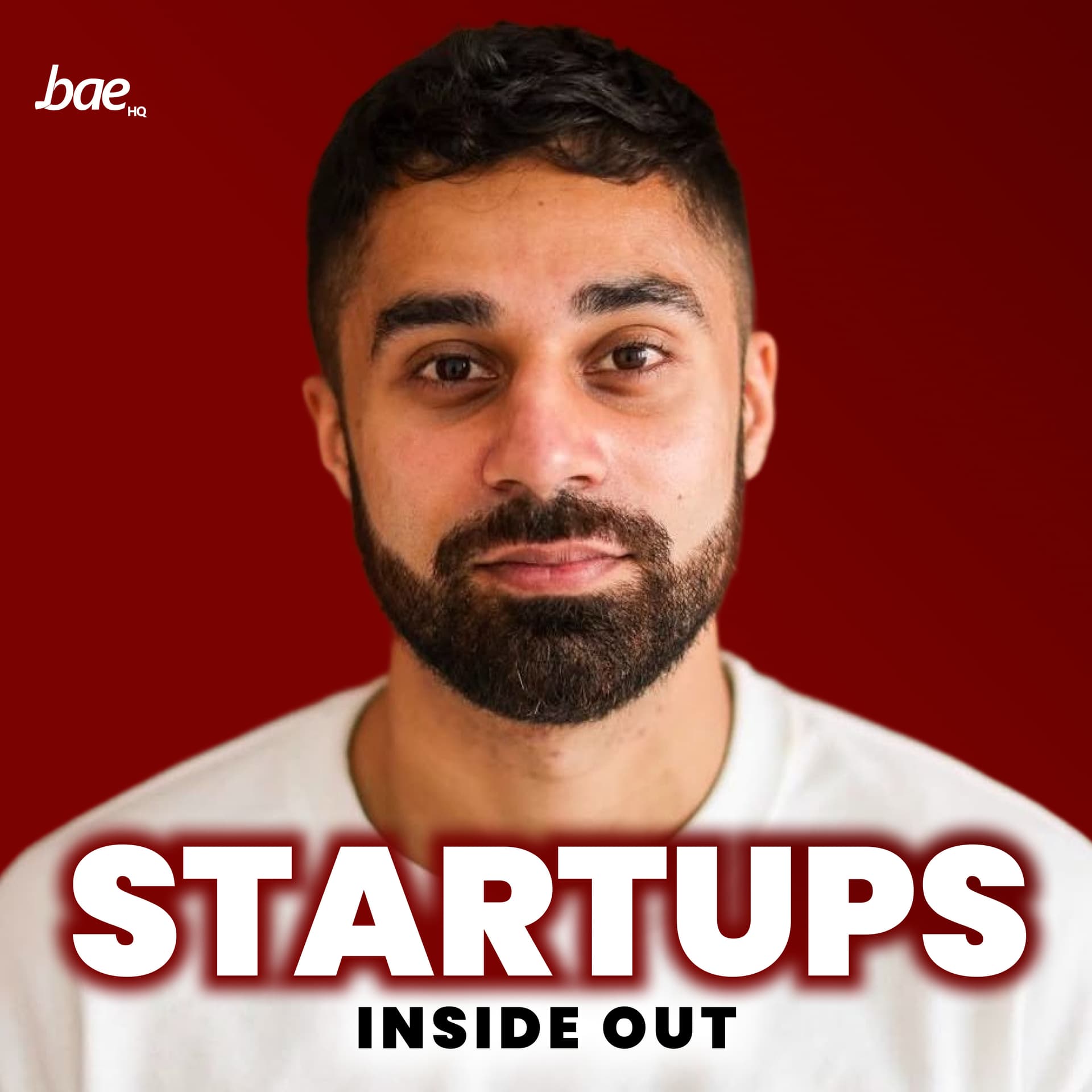
Peter Huang, co-founder of Health Tech One, explains how the company automates NHS GP admin—especially patient registrations—cutting registration time from weeks to hours and deploying the solution across 24% of the UK.
Guest background
Peter is a British entrepreneur (ex-Monzo) and co-founder with Raj. He grew up in a Chinese immigrant family running a GP practice (Raj’s parents), learning resilience and “honor” through hard work and sacrifice. He previously built an agency that became Health Tech One; he also won an Innovate UK grant and later joined Y Combinator.
Key claims
NHS admin is a major bottleneck; automating standardized workflows can dramatically improve speed and staff capacity. Peter emphasizes introspection on “why,” paying for paid test projects during hiring, and scaling founders’ own capabilities (not just product/team).
Notable examples
digitizing and automating GP registration (manual “thousands” → automated process); automating HR appraisal graphs from 50–100 question forms; improving an appraisal system and knowledge/website updates.
Written by AI. May contain mistakes. Listen to the episode to check what was said.
Chapters
Tap a time to open that second in VOThe Journey of Health Tech One
0:25 to 1:12
Peter discusses the challenges and motivations behind starting Health Tech One.
“They automate admin tasks in the NHS, so Star can focus on what really matters.”
A Life-Changing Realization
1:12 to 1:40
Peter shares a pivotal moment with his mother that shifted his motivation.
“and when he was too hard on himself because he thought he owed it to his family.”
The Journey of Health Tech One
1:40 to 1:56
Peter discusses the challenges and motivations behind starting Health Tech One.
“I know how to make them happy through other ways.”
Understanding the NHS and Admin Tasks
1:56 to 2:24
Peter explains the administrative challenges faced by GP practices and how they address them.
“thank you for people who don't know what does HealthTech1 do?”
The Co-Founder Journey
2:24 to 4:38
Peter recounts the bond formed with his co-founder, Raj, and their shared experiences.
“So I grew up on takeaway and saw so much like difficulty and love identity and trauma and learning and wisdom comes from that experience.”
Transforming GP Registrations
4:38 to 6:03
Discussion on how Peter and Raj improved GP registration processes significantly.
Lessons from a Family Business
6:03 to 6:41
Peter reflects on the lessons learned from his family’s takeaway business and their impact on his character.
Navigating Entrepreneurial Expectations
6:41 to 8:25
Peter discusses the expectations he felt from his parents and how it influenced his entrepreneurial journey.
Unconditional Parental Love
12:08 to 12:20
Peter's mother emphasizes the unconditional nature of parental love, changing his perspective on debt.
The Evolving 'Why' of Entrepreneurship
12:20 to 13:54
Peter explains how his motivations for entrepreneurship have evolved over time.
Show all 25 chapters
Building a Resilient Team Culture
14:00 to 16:48
Learn how a strong team culture fosters resilience and growth in startups.
Hiring for Success: The Importance of Fit
16:49 to 18:32
Understand the significance of hiring the right people and ensuring cultural fit.
The Value of Paid Test Projects in Hiring
19:09 to 22:32
Discover the benefits of paid test projects when hiring new team members.
“So for 100 people, it took two hours each to build a graph and a report of your year's performance.”
Navigating Co-Founder Relationships
22:33 to 25:04
Explore how to maintain strong relationships with co-founders amidst challenges.
Scaling Challenges in Health Tech
25:05 to 28:00
Learn about the unique scaling challenges faced in the health tech industry.
Scaling Client Acquisition
28:00 to 29:25
Learn how early adopters and networking help startups scale.
“So often it's going to them or finding them at events.”
Funding Journey Insights
29:25 to 31:06
Discover the lessons learned from bootstrapping and seeking funding.
Y Combinator Community Experience
31:06 to 33:06
Understand the value of the Y Combinator network and mentorship.
Tech Ecosystem Comparisons
33:06 to 34:08
Explore the differences between tech ecosystems in the UK and the US.
Focus on NHS and Global Aspirations
34:08 to 36:15
Examine the future goals and local commitment to improving the NHS.
“Like think of that density compared to here where London's great because it's got so many industries like law, music, finance, fashion, tech, whatever, food.”
Cultural Identity and Entrepreneurial Spirit
36:15 to 38:51
Delve into the connection between cultural identity and entrepreneurship.
Future Goals and Leadership Philosophy
38:51 to 42:04
Reflect on ambitions and maintaining authenticity in leadership.
Staying Grounded Amid Success
42:04 to 43:30
Learn how to manage success without letting ego take control.
Inspiring Asian Entrepreneurs
43:30 to 45:24
Discover notable Asian entrepreneurs making waves in the industry.
Opportunities in Health Tech
45:24 to 46:34
Understand the importance and opportunities in the health tech sector.
Transcript
Automatic transcript. May contain errors.0:00Oh my God, why does it take six weeks to get registered at RGP? This is what we're working at, but 15 minutes to get this service. Healthcare should really be like this. There's such a gap. So what used to take six weeks is now hours. It's now in 24 % of the country, saving a bunch of time. And I guess if you get registered nowadays, it may be us that made it quick and easy.
0:22Amardeep Parmar:That's Peter, co-founder of Health Tech One. They automate admin tasks in the NHS, so Star can focus on what really matters. We bootstrapped for a very long time, so maybe two years, if not longer, and we're on pretty much a super low income. I think like£9 ,000 for the first year. We also won an Innovate UK grant. So YC uniquely is not just the funding. Obviously, they'll put you in front of some of the best investors in the world during YC at the end of the demo day. but very much like a personal development journey. The very like inside view would be scaling yourself. So, you know, as co-founders, you are the one that carries all of the thread.
1:04You make lots of major decisions. The team will grow, problems will grow. So you don't want to be the blocker in the company.
1:11Amardeep Parmar:Peter shares deep personal insights into his motivation and when he was too hard on himself because he thought he owed it to his family. One really important moment for me is like, I was still living at home at a time, working a job, starting a company, doing a degree, overworked and burning out. And I remember getting into an argument with mum at home. That was my why at the time. She was like, look, you can't pay this back. The love from a parent to a child is unilateral. And that was really a huge moment for me where my why changed. I know how to make them happy through other ways. I now have the choice to truly pick what I want to do.
1:45We do really fix the NHS or a big part of it. we need to share that with the world
1:55Amardeep Parmar:great to have you here today Peter thank you for people who don't know what does HealthTech1 do? ah so we work in this healthcare setting the NHS and we automate admin for GP practices I guess you often interact with the GP practice at the front desk it's a lady or a person you're getting an appointment but behind the scenes there's loads of back office admin I imagine in a dark room paperwork old systems two finger typing and actually loads of work so yeah we started in a gp practice did a lot of the work we as me my co-founder by the way raj um and i just want to reveal this to the world like what props up our nhs is not just doctors nurses who you interact with but the admin staff um there's so many and we want to help them so we built software to help them what made you come up with it how did you decide on those people you wanted to help just an interesting kind of co-founder journey i guess so raj and i went to secondary school together darkford grammar school we describe our relationship like a helix so at school we kind of distant but played online games so we met online sounds like a dating thing but we played halo 3 online and then we'll go back to school and we're in different friendship groups so you can imagine the helix is kind of wide and then we go to uni and then we hang out more so the helix comes together there's this one moment where just serendipity uh our friends are meant to go on like a big cycling trip and they all drop out they all flake and me and him we weren't very good friends at the time but yeah why don't we do it screw it let's go together and our helix like really bounced together at that point 10 days trying to cycle to amsterdam ups and downs uh problems lots of fun i can go into that another day but essentially a real bonding experience i think traveling is a lot like that and then we live together we've got a consultancy together and then during that consultancy this is like 2020 our first company together and helix is so bound uh we have an opportunity to work with his mom and dad you can imagine covid mom and dad uh they run a gp practice they come to us and like oh my goodness i can't we can't cope things are shut we have to go digital we have no idea how to go digital um help us out and actually raj at that point says no i'm an entrepreneur i don't need to work with mom and dad like that's not cool is it and I've always worked with mum and dad.
4:12So I grew up on takeaway and saw so much like difficulty and love identity and trauma and learning and wisdom comes from that experience. But it changes from embarrassment to pride. And here's the moment I thought, oh, I've seen this journey before. Please don't look at mum and dad as a source of embarrassment or something that you shouldn't do or nepotism. This is an incredibly honourable moment. And it's also for the NHS and it's COVID. Let's give it a shot. Let's give it a try. and yeah we do so we get given these vip passes to step into the gp practice go into any room speak to any person solve any problem and just have free form exposure and we pitch 10 projects we see your problems in the practice there are 10 things we think we want to do give us a few months to complete them and we complete six this is from like taking the 15 year old front page website built on google sites and updating yet this is creating a knowledge face because they're nothing to keep knowledge uh improving the appraisal system for annual you know hr reviews and one thing was registrations so i think you know we were living and working at the same time uh in a flat in dalston and we ordered the food one night like a curry it came in 15 minutes we thought oh my god why does it take six weeks to get registered at our gp practice that we're working at but 15 minutes to get this service like healthcare should really be like this there's such a gap and that's when we thought oh registrations let's focus on this so what we do is we actually do the registrations i remember doing thousands manually uh getting really good at it but recognizing that oh we could totally redo this so paper form digitized it paper process that you're typing and looking at paper automated it so what used to take six weeks is now hours and we basically took that product and honed it and honed and honed it it's now in 24 of the country just saving a bunch of time and i guess if you get registered nowadays it may be us that made it quick and easy anyway like it's a brilliant space i don't think people know about the nhs and what happens in the gp practice enough brilliant people so i want to get back onto that journey in
6:18Amardeep Parmar:a second but you mentioned about your parents there right yeah and like having a chinese take ages growing up right can it tell us what you learned from that experience right because like you said i think and i was listening to the book the other day the unreasonable hospitality right where how through hospitality because it's such intense environment you can learn so much very quickly and those skills are really transferable right so what do you think you learned from that experience when you're growing up yeah you can take the academic like it was a business so i did the academic business bit so literally the moment i could speak and write it's such a typical chinese immigrant story i was on the phone i was doing a council tax like bills uh i was doing like the tax records loads of business paperwork so academically I was just learning the skills but when you look at I say character and learnings it's really a I think a story of resilience and seeing mum and dad work so damn hard and sacrifice so much and overcome so much struggle you can't help but I guess inherit that and do it maybe for good or for bad you never know maybe in a traumatic way but I just built resilience and what seems to be difficult in that setting it's not difficult for them so I learned that so incredibly resilient and it's difficult to be really honest like don't we all just want to grow up and play for me play football play games have my weekends free be able to do the things that other people do to fit in I want to have crisps in my lunchbox not Chinese stuff for um I want to be able to bring this to the Christmas party not Chinese stuff so there's definitely like a child identity piece in there where you're trying to match your home culture with the external but now you know when I'd say embarrassment turns to pride that resilience and difficulty becomes strength um and character all those sorts of like cultural identity pieces like food also become proud like moments as well and this idea of honor you talked about honor a lot to your family too it's just honoring what they've done and often it's their principle their essence how to be a good person how to present your world how to help others and what other thing than to be a good person and to abide by those principles it just so happens that entrepreneurship is my brush and that's what I use to honor those principles but yeah we all have styles and you have a different style too but I love the takeaway story now I totally want to write like get people interviewed and share that story and help people like see that story because it's not just food and a family serving the community it's a story of resilience of difficulty of learning of unity I can go on ages but I love the takeaway story basically so I mentioned to you before as well how my dad encouraged me to quit my job right and you said there's so much generational trauma and things going on there because your parents worked so hard and like built a business from that scratch level what do they want for you they're trying to encourage you to go down that safer path or when you decided to go into entrepreneurship yourself too how's that relationship for big one oh my god yeah let me give oh so my parents never gave me direct direction to achieve I think I intuitively saw mum and dad sacrifice a lot and do a lot and that made me want to I guess repay a debt and approval as a child is kind of like uh seeing what your parents reward and get happy with and obviously back then it's academic grades it's eight stars and stuff so did a lot of that stuff but they never told me directly upon reflection they never said you need to get this result I just took it on myself so I think entrepreneurship was an example of that where I thought oh you've done this thing let me imitate it and that is a source of pride and that's a reason why I should do it without communicating to my family I never told them that this is what it is and that was a really difficult burden actually so in the first like year or two of entrepreneurship coming out of like university I just like hustled hard became a real tech bro sacrificed like personal life romantic life you know health and stuff and worked incredibly hard and one really important moment for me is like I was still living at home at a time working a job starting a company doing a degree overworked and burning out and I remember getting into an argument with mum at home where she um she was like just nagging and as mums and mums do like hey you're eating so little and you're working so hard and you're still going to the gym and you should sleep more and all these things and deep inside what I hadn't communicated is I'm working so hard for you that was my why at the time it's for you I want to repay all of this and anyway I work really hard come back that night we get into a tiff and we argue it's really intense I don't typically argue with mum and silence kind of you know dovetails and I remember taking my glasses off and saying mum you just don't understand why I'm doing this and I actually break into tears and my arms go numb and my legs go numb and what I had bottled is some sort of expectation a projection that I had indirectly inherited from them and then you know I let it all out I cry I hug my mum she's like what's this about let's talk about this and I say mum dad like first of all you're a bit older so my parents are maybe 10 15 years older than my peers so growing up I'm like oh this is a bit weird I don't do sports with my family um but yeah I said I'm worried about your death really honestly so i'm running out of time so there's like an urgency here and that was probably one of my childhood fears and you sacrifice so much i want to pay you back there's so much i want to give back to you um and mum says okay let's let's do the math and starts like pretending to get a piece of paper out rent okay how many years rent times that up and bills and gas and food and how about all the other things she was like look you can't pay this back uh the love from a parent to a child is unilateral it's special and you should never believe you can pay that off so there is no debt between us please do not take that burden uh what you should do is just give us a call like honor us look after us and give us a phone call here and there and that was really a huge moment for me where my why changed where at first my why was i must do things for my parents uh without communicating you know that to them to i know how to make them happy through other ways i now have the choice to truly pick what i want to do turns out that it's entrepreneurship still like um but very different tastes and flavors when you do entrepreneurship with dark energies chip on your shoulder not introspection on your why and that's very different to you've done the processing and the introspection and you're ready to take it on differently so yeah i think that kind of i guess explains the relationship between me my family and entrepreneurship i think it's lovely i hope as well your parents listen to this and hear that too themselves and i think one of my favorite things about the podcast is where people say like oh my mom listened to the episode and she was crying she was so happy about it so it's always because sometimes you said things are left unsaid but when you start to think about it reflect like oh wow yeah that's a really big part of this and you're interested about the dark energy and like light energy and when you're going to gain things and it is true like a lot of people start off for the wrong reasons in some ways right it can be quite toxic and the challenge is you can get quite successful by doing that right on paper you'll be like okay i've raised this money i've got this revenue but you wouldn't really be happy inside when you're doing it that way right and obviously you start this off originally to help out your co-founder's parents but like today what keeps you going what's the motivation that as you've been growing for four years and continue going on what today is that why has it changed over time yeah I think startups uniquely attract people that are smart ambitious hard working and good so when you have like a big like mission full of purpose and you bring together like great people there's no better and they like click and they resonate and they just work together like a slick team there's no better experience in my eyes there's like an electric energy where you have camaraderie planning preciseness and achievement and running through that cycles you create like incredible memories so that kind of cycle has happened again and again as our challenges have gotten bigger and bigger and yeah it's just really nice like you think let's start here and then it gets then it doubles I remember when we had 10 practices and we'd celebrate and then we hit 100 we're like whoa so 50 000 registrations like whoa we've crossed like two million now and we have 24 of the country i'm like whoa what's the next thing so that's where resilience and continuing matters because you just say let's keep going there's a big vision keep on moving forward but your projects will always be some sort of if you're progressing anyway some size some goldilocks size where it's just big enough it's a bit out of your stretch and if you're a person that loves developing and working with others to overcome a challenge that's just so addictive you just keep on going and going going um but yeah i think you know getting a bit more successful over time keeps you going finding great people along the way keeps you going we've got a cheat code which is health care like there's no other space i've worked in like fintech uh before i was at monzo i've worked in food tech and lots of different tech startups basically but health is different it's you're actually just helping people become healthier or health care workers improve their lives so they can help their families more and there's nothing like it so i think there's a saying like once you're in health tech you're not leaving and i've never woken up with a single question in my mind as to whether this is the right purpose or not um everyone comes to health care basically what the trend we see right is that a lot of people start one company and then the second or third company will be in health tech because ultimately what happens is you start a company you get burnt out you've got too much going on your health becomes really important to you and we see that over and over again i've the same people in the building health tech sometimes it's not their first company but it is their third company their fourth company because they realize how key help is to everything else and as you said like your challenge is getting big over the years right so you started it for one practice and you grew out to different ones when did you start growing up the team because we'll talk about how to manage that team and get the right people on board and the right structure of that team too yeah i don't think we're world class at hiring just yet because to do that is such a concerted effort uh needs to be designed so damn nicely and you need to be true to your principles uh that's what i want to get to basically this is what i've been thinking about recently so just to share that but in the early days it was very much uh just organic network friends i'd spent maybe the past five to ten years just speaking to people seeing the community like your spaces for example and you just keep in touch with people and when the time comes you're hey come do you want to work on this so that's one piece a lot of serendipity friends know friends and it's pretty difficult actually like finding the first 10 or 20 people i think is one of the most important things for any company they'll be the future leaders they will set the foundations they'll they'll know the stories inherit the culture pass the culture on and hire the next next like concentric circle of people so yeah getting that right has been a slow process for us for sure like for example we don't just interview you know remotely and ask some questions we want to work with people so it's a two-way relationship all the things I say when I'm you know in the hiring process like this is how we are this is what the culture's like um this is how things will work and this is your day-to-day they're all words that's talking the talk but they spend two days with us working and we'll pay people for a test project and they can really verify that and see whether it's true whether the culture is what it is or how we've described it so doing it slowly is really important i think there's a point where yeah you don't want to grow too quickly because i think you lose your culture a bit uh which is really important i think that's the most powerful long-term thing to have we call it principles in our in our company kind of inherited from my from my family because i was brought up on principles asian principles hello hello i hope you've enjoyed the show so far i'm amurik palmer co-founder of bay hq and the host of this show.
18:33Amardeep Parmar:For those of you who don't know, BayHQ is the community for high growth Asian heritage founders and investors in the UK. Over 7 ,500 people have attended our events, 200 people have been for our impact programs, and obviously there's been over 250 episodes of this podcast. If you want to join us and take part in the programs and come to the events, go to www.fahihq.com forward slash join we also just released our first ever book called startups for outsiders which you can get amazon now and the link is in the bio hope to see you soon at event hope you enjoy the rest of the episode i love the idea of the test project that's paid because right now there's a lot of people i know who are out of work where where it's redundancies whether it's they quit their job thinking they could be able to get another job easier wherever it is and the competition is insane and it means it's an employer's market right so i'm seeing so many people who are spending like so much time doing projects for people but unpaid so it's like they're just doing the work for them for free and something which sits funny with me as like i don't know obviously people on our network who do that too but if some if you're trying to hire somebody if you're making them do that work for free and if you're actually going to use that work in particular it's like it's like when does that become acceptable when it's unacceptable so i really love that you actually pay people for that proper project because it's showing trust right and it's not using the people it's like okay you've got valuable skills let's see if it works as opposed to you've got valuable skills we know you're desperate for a job here go and do this work for free for us right yeah and how did that come up how do you introduce that to your system uh i think me and my co-founder did a test project so before we started our first consultancy i think there was a weekend before i went to san francisco to like to do like uh a bit of a trip why don't we just test the working relationship so we spend like a weekend or three days sitting in the gp practice trying to solve the hr appraisal system so it's a funny process it's like 100 people have to fill out a 50 to 100 question form which then spits out to a unique spreadsheet and HR teams in the GP practice would copy and paste and make graphs manually.
20:46So for 100 people, it took two hours each to build a graph and a report of your year's performance. We just automated that and saved hundreds of hours by making one form, one spreadsheet, and something that printed a doc out together. And it was this process of finding the problem, speaking to people, building something together, and feeling the vibe, to be really honest. Do you work well together? Obviously, very successful. That's why we've got a company together. but kind of spawn from there i think and realizing that the fidelity is incredibly high we're also lucky because as a small startup i think you can say we want to be picky like i just said the first 20 people are vital so you know we're honest about that hey first 20 people so damn important we want to make sure this is like near perfect let's spend more time doing this more like relationships right you want to make sure you ask difficult questions see the edges and actually maybe have some like intellectual clashes or working like moments.
21:44And yeah, everyone that joins, we do a test project together. And it's very much a two-way street. Like take the candidate experience. Like you interview a few times, you ask questions about the culture, they tell you some blanket answers or maybe non-truthful answers. And you join a job and you work there for maybe three months, but you already know like a month in, this isn't the place. so here it's like an invite have lunch with us meet the team uh literally feel the management relationship with me and how we all work together and then does that work let's go if it does so yeah it just saves that really difficult conversation down the line we're like oh we didn't we didn't have the right fit i wish we asked the questions earlier definitely recommend it
22:27Amardeep Parmar:because you and your co-founder are good friends beforehand was any worry before you built your first company right that that would ruin the relationship because i know sometimes people worry about that okay or you get along with this person but doing it in a work sense is very different and obviously you did the test project but is there anything else where if somebody listening is considering starting company with their friend that they should think about what they should be wary of yeah i think a lot of the advice is a domain expert co-founder plus a technical co-founder so you're taking a skills or competency approach to that important but you definitely have to cover different bases but what's much more important is long-term trust and shared vision because always compared to other relationships right whether it be a family or partner what keeps you going is you have a shared future you both believe in the desire to engage and get through all the good times easy all the bad times and work on it like relationships are not just honeymoon phases they're real pieces of work so here like honestly like we argue about things we intellectually debate we spend so much time on the company like on weekends as well and we just are super committed to each other it's all right if we fight or we argue we'll be lying if there's no fights you know a couple that say they never fight you know that's a bit weird or they haven't gotten into the really meaty difficult problems so the honest truth is like hey here's a problem should we work on it let's do it let's get stronger after and Roger's dad talks about it as like we have drilled such deep holes we've just kept on deepening and deepening and deepening the relationship and just like the helix like you want to keep on winding your ropes together and investing in that if someone doesn't and decides to flay off then that's the problem but we have a shared vision for the future and we're committed to that path so yeah like to wrap that it's not just competency it's like long-term trust belief in the future and willingness to invest um so important so pick slowly i'd say and test the relationship more than two days like do multiple projects and things i'd say yeah and then obviously you mentioned ross dad there right that's where this all side are from is with his parents but when you decide okay maybe there's some could you can expand to other gps too and because you had your other business before and you did other things was it like okay this we're going to work here we're going to then expand straight away or is there some discussion around is this the thing that we want to then grow and make our lives work yeah so one bold thing that we're willing to do is understand that our first product would be a wedge it'll be a landing zone it'll be the first and there'll be many more things that will come of that one one small opportunity opens many more but you can see that's a leap of faith it's generally good leap of faith faith like if you can pick one small thing and do incredibly well there will be other opportunities you can open into um so we saw one wedge i think the the academics of it are quite simple like gp practices are businesses uh there is a profit share at the end of the day they operate as businesses and make decisions that way okay there's a market uh the problem is very standardized like every patient registers in the same way okay cool that's useful some scalability there and the systems they use like maybe you compare it to windows or mac so their clinical system there's only two uh emis the system one and they own 90 plus of the market so like okay cool so there's one stable system their businesses their problems they're willing to pay um and we see a flow a patient flow that is hugely underserved uh and i think you know you look at those logo bricks and academically there's a business that can scale there and then you know we look at other tasks and other tasks to work on because there's just way too much to be done so yeah i think it's just naturally starting bit by a bit but yeah we're relatively lucky maybe you know there's some good thought behind it too but we found that perfect wedge to start with registrations is like yeah I think we're the best product in the market for that and practices love us so yeah quite lucky that we found that too what's been the hardest bit about scaling to getting to 24 % of the UK you mean like in the team or the product or anything so I guess I guess was it the team the hardest thing was in product the hardest thing or what was the hardest thing about that growth journey so far the very like inside view would be scaling yourself so you know as co-founders you are the one that carries all of the thread uh you make lots of major decisions your team will grow problems will grow so you don't want to be the blocker in the company and often you can be so how do you scale yourself and you know that's like you have to shift your competencies and learn new things you need to change your mindset from maybe a scarcity mindset to an abundant mindset um you need to keep on pushing your limits and that's an that's an awesome journey but if you can stay the course you see things you've never seen yourself and you kind of like regenerate every single time you go so i think scaling yourself there's like very okay scaling problems that are solved like how do you scale a tech product how do you scale a sales motion how do you scale team management how do you scale other things like these are the execution bits that you can learn from other people i think leaders leaders or co-founders need to scale themselves which is always a changing at the scale of the business is growing all the time so you always have to scale yourself relative to that shape so you always have to keep on going and also the industry you're targeting right it's not like you just you go and do se like how exactly would you get a new db practice does it each time with a new fresh relationship a new cold outreach or how are you able to actually scale and get new clients yeah just like typically like any other market so you have your early adopters that give you a chance they'll find you at events where you're pitching a new idea so loads of that and obviously make them incredibly happy and they refer their innovative friends so early part of the journey was that then this is like you can imagine the gp practice right the The person that manages the practice is busy and they're very, you know, they're physically in a location.
28:38So how do you access that? Emails don't work. Phone calls are hard. So often it's going to them or finding them at events. So that's one way. It's very old school stuff, actually. Cold calling sucks or a cold, you know, arriving sucks, but it also works. So being willing to put graft in is always important. But yeah, it's very much like a unique customer profile. one is um super busy and they can see say the sleazy sales people a mile off so luckily we don't need to pretend we are just transparent friendly and like good at what we do so we just have to present ourselves and go hey look hey we have that one we're here for you we're in a gp practice we get it we work with the national nhs england team can we work together so we're very friendly in our approach and very transparent which is quite a refreshing kind of uh you know angle across what typically you know b2b sass companies could be and then how did you think about the funding
29:34Amardeep Parmar:journey right because you could obviously go like one by one and like take your time and try and get profitable and then scale that way but you went through y combinator and you've raised other capital too what was the decision behind that being the best path for you yeah so we actually went pretty ramen not profitable but like yeah we bootstrapped for a very long time so maybe two years if not longer um and raj and i lived in the flat and worked in the flat and were on pretty much a super low income i think like nine thousand pounds for the first like year and fifteen thousand second year and you know that's one place of privilege right as well like we could eat into our savings long story short that's one bit another bit is our previous agency that then turned into health tech one there's like there was revenue from that and actually our product was revenue generating from the beginning so it let us have bootstrapped runway we also won a innovation uk innovate uk grant so that gave us a good amount of money so we actually i think skipped our pre-seed and one big funding round which is great because we can offer more you know equity and options to our team members too tough times in the early days to skip a funding round but revenue was really important to us we didn't want to be a you know revenue-less company at all and then Y Combinator probably happens in like year three two or three and yeah quite serendipitous like I used to work at Monzo I reached out to Tom when he was in London then spoke to him about he's very passionate about the NHS spoke to him about our sort of a journey he was like you should apply for Y Combinator I think that was our third time so like yeah we'll do we'll do it again and then got an interview and got an offer at that time we loads more revenue the first two times you had like small revenue which begs the question do people want it but by this point we had loads of revenue uh relative to a yc company um and then that was less about a funding journey so yc uniquely is not just the funding obviously they'll put you in front of some of the best investors in the world during yc at the end of the demo day but very much like a personal development journey plus a community like joining a community and my god the yc community our next level in so many ways like friendliness support directness quality um and inspiration like these people are so good and not competitive you'd think the best accelerator in the world would be super american competitiveness no they're just so open so so great so yeah huge journey for us personally speaking and builds our network and the mentorship is incredible we have access to the partners we meet the legends like instagram co-founder and sam altman and you know brian johnson and founders of like big companies like google photos like whoa here this person is and they've built these companies and they're so down to earth very inspirational in that regard um but funding overall for us is yeah we'll do it if it's strategically good we don't want to live on vc funding at all overall because why not just build an incredible business standalone that's definitely the first sort of core objective so yeah strategic utility really and obviously there's quite a few uk-based companies that went to do yc right and have you found by going to sam bran and working out there that mentality you learn out there's given you advantage here and the network in the uk has been really supportive yeah i think what raja and i like to do is go back every now and again and there's one element of immersion so the stark contrast is friendliness big picture thinkers and playing with ideas so i don't know imagine like an idea is a ball of energy you can easily toss it with other friends or founders and they'll increase it they'll amplify it and by the end of it it's a huge idea you're like yes i'm buzzed i want to do this over here it's like you chuck a ball to someone ball of energy it fizzles out oh i don't know about this throw it away so you know we like to get out there to like expand our thinking continually and i don't think uh that's going to change they just think on a different level now it's not we want to imitate that always but just get a taste of it and appropriately match it to our industry we don't want to copy and paste fully but just get a sense here and there a controlled sense i think generally the mentorship the community in sf is very mature the ecosystem like paypal mafia or so many exits and the network is incredible and you're probably two or one or two connections away from a founder that's done something you know a household name i remember like when the instagram founder spoke to us he talked about i think like the social media quarter and essentially within a mile or two there were the four big social media companies that had spawned and built their offices things like Foursquare, Twitter, Facebook and Instagram.
34:32Like think of that density compared to here where London's great because it's got so many industries like law, music, finance, fashion, tech, whatever, food. But over there, it's just pure tech and the density is incredible. I think here's, you have lots of commercial like viability because there's so many industries. So yeah, balance of both, I'd say.
34:53Amardeep Parmar:We feel perhaps as well, is it very much NHS focused or could it expand internationally someday or what's your thoughts there? uh nhs focus for now yeah i think there are enough problems nhs is one of the largest employers in the world um they drive the principle of universal health care like free health care at the point of access like take that as a sovereign or a sort of uh an ideology shouldn't health care be at the moment you need it not a question of money but a question of quality and speed and yes that's what we live by in the NHS which is incredible so given that we want to fix this system improve it bring the best talent onto this purpose too I partially have like I've always got like a wide wilder bigger idea Raj often laughs at me for this but I'll be like let's go global like we have to go international and the essence of that is less we need to expand and build a business there but a kind of honour and duty like say we do really fix the NHS or a big part of it we need to share that with the world like how could you sit and retire and not help all the other countries with one human race at the end of the day right so we should go global eventually but that's only because we get to fix the problems here um and it's close to our hearts right close to our hearts because yeah mom and dad like raj's mom and dad work in that practice we know the staff so damn well our office now is connected to the gp practice and in the other rooms raj used to run around as a kid uh in there so there is a family connection too and a lot of pride and reward on that point as well so i know that you have set up an organization to help with british chinese entrepreneurs right and does that come from that heritage and that importance of that culture for you yeah i'll throw identity in there too i mean i mean growing up as any young person you look towards a model of some sort right and is it from media is it from family is it from somewhere and when I look out and beyond obviously mum and dad are one role model who do I have and it's like oh Jackie Chan Bruce Lee they don't run businesses and they're from the 90s and they're cool but a bit outdated right it's the 2000s now so you know personally the identity piece is always searching for some sort of role model and I think there's a dark feeling sometimes where it's like when there is no role model uh first carry on don't give up but it may be you so be bold and keep on going and at times i feel like you know sometimes leaders aren't asked to be leaders but in this case i'm like oh think of that takeaway kid um if that was you wouldn't you want someone that could like help you a bit or feel like the path is possible that there is at least a door open and that does significantly enough already so it's definitely identity piece and looking for one i'm generally a champion of people so when i see other people yourself included doing great things i'm like go do it go go go and what's great for that safe spaces and community so that was a safe space for that community um and finally with any community where there's an intersection of something so this is obviously britishness chineseness and tech entrepreneurship there's going to be a venn diagram where one piece is relevant and one thing could be a failure like in my culture failure or face is very important failure is not looked upon nicely if an immigrant failure is costly as well so how have you been an entrepreneur if the social constructs around you say do not fail and even you say that to yourself so how can we have that conversation in a safe room one thing i care about a lot is like the eastern principles and heritage i have which make me authentically me and the western bits i have too how do you balance that you know how do you present your eastern side in an authentic way what's your leadership style what's your management style how do you stay true to identity as an entrepreneur so for me it's stuff like principles and my dad talks in proverbs and i hated it as a kid but now i kind of use them um you know with my growth team recently i the sales team i was like okay when you're planning this cycle think one thing um eat bitter things first and then the sweet things later so bitter first a sweet later and that's the comment on life right do the hard things earlier in your life and good things will come but for them it's like do the hard cold sales first and then later do the easy sales um anyway like that's me and me weaving in my identity into entrepreneurship and i think when you're first of kind let's have a community to encourage that across the board um so yeah love it i wish i did more like just need to keep on going there i think but shout out to nest uh and communities really important and safe spaces too i like one of the points been there as well because i think even with what i do i think that there's a level of reluctance right is that i didn't set out to want to be the face of this right but it's that by doing the work we're doing the mission you have then it makes sense for me to do that and i think about it with like any kind of leader if the leader is motivated by being important that makes them automatically a bad leader and you see a politician you see different people that are motivated by that power was when people were motivated by like okay i want this change to happen it's only going to happen if i take a leadership role and those are people i tend to look up to more because you're saying okay you're not doing this to feel important you're not doing this because you want to be your name in light you're doing it because you have to do it because that's what gets people to care about your mission so it gets people to care about the problems you're trying to solve and anything that's it happens quite often with people in our cultures is that it's not necessarily that they want to be in the spotlight because it's not about that fame it's not about that recognition but by doing something which they care about the only way they're going to get the funds the only way they're going to get the customers is by making their face go out there and one of the things right so with this podcast now we're 200 there's probably episode 265 ish good so we're going to get tv on the wall there and 200 episodes later we'll get you back on again right so 200 episodes would be about two years time and you mentioned about the dreams of the future and what you're working on in two years time if you're sitting here again what would you love to say to me that this is what we've achieved in the last two years oh so interesting yeah so there's a real like uh company aspect to this which is obviously we're in a quarter of gps now could we be in all of the gps and actually entering other spaces like pharmacies or hospitals uh with like automation services or is there a point now where if we do lots of different organizations we can web it together can we work with patients more and be a national service so it's definitely like company ambitions but I like the idea of like finding great people investing in them having great you know doing our life's best work together and just having more of those moments so not necessarily i care about headcount too much but if we like have a bigger family and we all are achieving great things and everyone's turning into a leader of some sort or high impact and i will like look back on my life at those moments i think and feel much more proud see a bigger team hit a few goals i think ultimately stay authentically yourself and you know mum on this journey has always said look you're starting to get a bit of success don't let your head inflate keep it small i think she's referring to ego here and yeah like egos can inflate so much so much so quickly so keep it keep it controlled have self-confidence break down barriers do wild ambitious things but don't let it you know don't get your head so big that you're falling over right um so yeah there's you see that so there's a future goal but a core that you want to stay true to so those two things in tension would be great it's uh keeping your feet on the ground but your head in the clouds is the idea right yeah yeah yeah that's where i look at it it's like that's the way you grow right you don't want to grow by you just go up for your feet leave the ground so if you continue in the ground you keep growing upwards that's the ideal thing i think and it's how do you manage that right yeah and like you said just then if you're ego driven and you want to be important then you detach yourself from the ground and you let your head fly to the sky but people that chase problems missions movements and some core aligning social construct let's say then you're attached to the ground right you're here for a movement for righteousness for justice for this problem and then that grounds you so yeah you've got it perfect i imagine i imagine a really tall person now just like there's that i'm sure there's a tv series that has something like this love telling your stories and like how the principles in your upbringing is affected where you've been building we're going to get to quick five questions now yeah do it so the first one is who are free asians in the uk you think are doing incredible work and you love to shout them out i think a mix of early entrepreneurs and more you know ahead entrepreneurs um so hung huang recently vietnamese guy got into yc i've been helping him and a good friend of mine will fairburn uh and they just started and i catch up with them every now and again they're just going and going and going and now they're at yc so good luck to them trying to automate fin financial ops so fin ops and yeah i think why i'm calling them out is because resilience agility and they just keep on going they're very ambitious and really inspirational story like their roots are good too i think talking about nest makes me think of peony and raphael raphael started something called brute tea uh very cool like tea business true to his roots again and peony just killing it at jude so they're great um i think an asian pair recently a final shout out would be uh tayyib and uh talvin building bleak 64 i think we should link it up but yeah i just caught up with them and they're like the fastest moving pair and i've ever seen so it's real yc energy and they just got into antler so well done guys but it's this like okay i'd say like have you spoken to your customers they're like not yet or you know only this much i might speak to 100 of them and then they've done it or have you looked at this bit and they're like okay cool let's do this and they're so damn quick at iterating and that energy is basically like yc energy and that's the level i think a team in the early days should move up but yeah they're just like early in their career or like entrepreneurial career and i'm rooting for them fully uh so yeah go go go awesome and if people want to find out more about you and health tech one where's the go to uh i think just linkedin's good so profile will be in there somewhere i guess and health tech one um our website is all on there so have a look there as anything the audience listening today could help you with what health tech one with oh think about joining health tech in general there's nothing more aligning and there's lots of exciting opportunity here you help people build great technologies leave such a positive sort of feeling that you um will maintain for a very long time and the stark reality is that um the healthcare system is failing it is breaking and it's kind of like on heart support you know icu support so the more smart people we can get here the better and yeah finance law i know probably all the asian sorts of families are crying now but yeah they're the typical industries health tech is totally different and so rewarding so come to health tech health tech one so thanks so much again for coming on any final words not at all thank you for your time this is fantastic um and keep going like you're building a really important movement especially in the context right now and yeah the more we can build strength and unity and a safe space the better so really really excited about what you're doing man so yeah keep going you
From the publisher
Amardeep Parmar from Bae HQ welcomes Peter Huang Co-Founder at Healthtech-1.
👉🏽 Join Bae HQ
👉🏽 Take Bae Startup Foundations free:https://www.thebaehq.com/courses/bae-startup-foundations
👉🏽 Join Bae HQ:https://www.thebaehq.com/join
Amardeep Parmar from Bae HQ welcomes Peter Huang, Co-Founder at Healthtech-1.
Amardeep Parmar:https://www.linkedin.com/in/amardeepsparmar
Peter Huang:https://www.linkedin.com/in/petejayhuang/
Healthtech-1:https://www.healthtech1.uk/