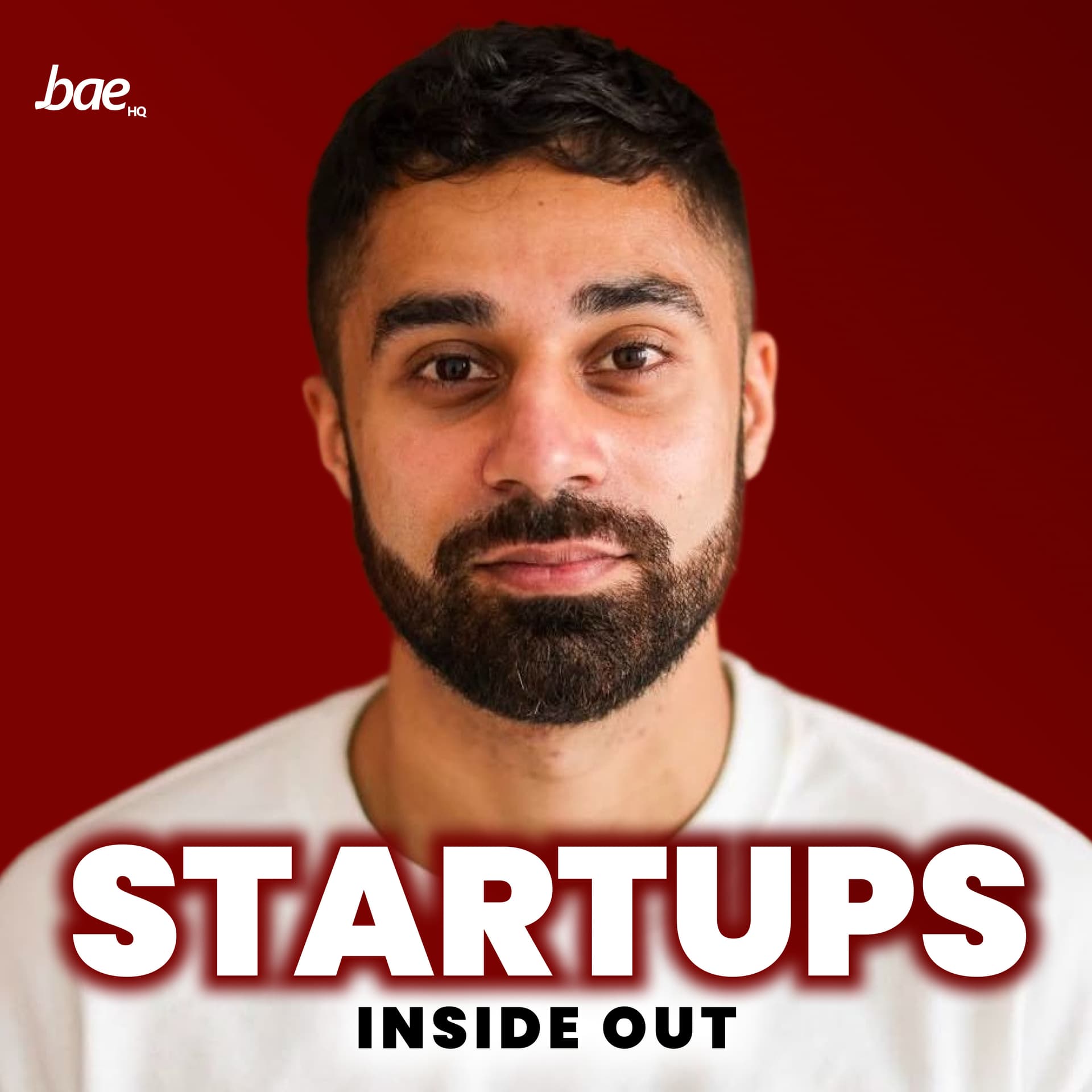
In short
Shruti Iyengar, a deep-tech early-stage investor at Future Planet Capital (FPC), explains how she invests in “deep science” startups (fusion energy, engineering biology, defense, space, and past agtech). She contrasts “deep tech” vs deep science, outlines how she evaluates defensibility (IP) and commercial traction, and describes her approach to de-risking business models via customer validation (“mystery shopping”). She also discusses VC fit, respectful founder conversations, and trends in climate/defense/AI and resilience tech. She highlights Climate Mosaic, a nonprofit community for underrepresented founders/investors in European climate tech, including a sponsor-backed survey report.
Guest background
Shruti previously invested at Sustainable Ventures (2+ years; ~35 climate companies). She now leads FPC’s space sub-fund and works on Climate Mosaic.
Key claims
VC risk is often binary tech vs “nobody wants it”; IP-first assessment; customer willingness-to-pay is crucial; diversity on investment committees matters.
Notable examples
A space-debris-catching robotic arm pitch; satellite coatings that change form; Albetham (Bristol; heat/sunlight-regulating glass coating); Climate Mosaic’s HSBC/Extantia-backed Europe/UK climate-tech survey.
Written by AI. May contain mistakes. Listen to the episode to check what was said.
Chapters
Tap a time to open that second in VOInvesting in Deep Tech Startups
0:45 to 2:42
Discussion on the investment focus of Future Planet Capital and their fund strategy.
“And again, very early stage, climate tech companies managed their portfolio for about 35 old climate companies.”
Personal Journey into Deep Tech Investing
2:42 to 4:19
Guest shares her background and transition into deep tech investing, highlighting her passion.
“But it still leaves a lot to kind of interpretation.”
Understanding Deep Tech and Its Challenges
4:19 to 6:41
Exploration of what defines deep tech and the challenges in distinguishing innovative companies.
Assessing Investment Viability
6:41 to 7:58
Insights on how to evaluate the viability of early-stage tech investments and customer validation.
“But I think the challenge is like, do people actually want it?”
Navigating Investor-Founder's Dynamics
7:58 to 10:16
Discussion on the relationship dynamics between investors and founders, including team assessments.
“that this is commercially like makes sense even if the numbers sometimes can be like.”
Conversations Around Team Changes
10:16 to 12:20
How to approach sensitive conversations about team changes and leadership dynamics.
Pitching to Investors and Value Add
12:20 to 14:02
Advice for founders on pitching to investors and understanding the value they bring.
“And I was like, okay, we need to sell to be successful, fair.”
Investor Insights on Company Relationships
14:02 to 16:48
Learn how investors build relationships with portfolio companies and what they bring to the table.
“Like I always encourage them to say, ask them about their portfolio companies, ask for a few intros, like see what their portfolio companies think of them.”
The Importance of Technical Due Diligence
16:49 to 18:04
Discover the significance of deep technical due diligence in early-stage investments.
“I'm Amiri Parma, co-founder of BayHQ and the host of this show.”
Highlighting Underrepresented Founders
18:19 to 20:51
Explore the importance of championing women founders in deep tech and their contributions.
“Is there anything that you'd like to highlight about, like, where maybe you believed in them and other people didn't or you really thought to them well and that's really validating for you?”
Show all 20 chapters
Trends in the VC Landscape
20:52 to 22:34
Discuss the evolution of the venture capital industry and representation in funding.
“And I always say this, like we do a lot of work when it comes to like, you know, having better representation of founders, having better representation of investors.”
Building Climate Mosaic Community for Founders
22:35 to 24:25
Learn about the initiative to support underrepresented founders in climate tech.
“Like so we've gone through the phase where like solar was cool and solar was not cool.”
Data-Driven Insights on Diversity in Climate Tech
24:26 to 26:54
Uncover findings on diversity and representation in climate tech through recent surveys.
“based out of amsterdam and we've built a community that is focused on underrepresented founders and investors, but in climate tech.”
Future Trends in Investment Opportunities
26:55 to 28:00
Examine emerging sectors and innovation trends within venture capital.
“And I guess both of us felt like, you know, the evidence was so key and we got great sponsors who believed in the same and had a lovely team that worked with us on it.”
Exploring AI and Climate Solutions
28:00 to 28:35
Learn how AI can contribute to climate solutions and the evolving landscape of investment.
“So from like a neck emissions perspective, you're still kind of focused on reduction.”
Future Aspirations of Mosaic and Investment Committees
28:35 to 29:54
Discover the aspirations for increasing diversity within investment committees and supporting unrepresented founders.
“But it will be amazing to see Mosaic lead to the funding of more unrepresented founders and a diverse group of founders.”
Challenges in Deep Science Funding
29:54 to 31:18
Understand the challenges in funding deep science and the importance of diversity in STEM education.
“is that it's not just about setting up funds that invest in our representative founders.”
Spotlighting Influential Asian Leaders
31:18 to 32:10
Hear about notable Asian leaders in the UK contributing to various sectors and the community.
“And I think so at FPC, we are trying to do stuff where in the coming year, I think we're hoping that we can do a little more upstream stuff in terms of content sessions or workshops with students or university grads.”
The Importance of Vulnerable Stories in Founding
32:10 to 34:29
Learn why sharing vulnerable experiences in entrepreneurship is crucial for building a supportive community.
“So Shravan, who's a GP at Keeling Capital and was previously an investor.”
Connecting with Founders in Deep Science
34:29 to 35:17
Explore how to connect with founders in deep science and the specifics of what they seek.
Transcript
Automatic transcript. May contain errors.0:00Amardeep Parmar:Great to have you here today. And like for the audience, we just messed up when I didn't press record. So you're going to do this again. So tell us about like what you invested. Great. So I'm part of a company called FutureBrior Capital. We manage a couple of different funds. We're an impact investor and invest into people and planets. So I sit within a specific fund called the UK Innovation and Science C Fund. We're a 116 mil fund and invest into deep tech startups, early stage. So 300 to 500K is our usual check size. and we invest in sort of deep science sectors. So everything from fusion energy to engineering biology, defense, space.
0:39And yeah, we've got also sort of a portfolio of ag tech companies that we've invested in the past. And then outside of fund, the UKI2S fund, we also have another fund that I'm involved with, which is our ocean fund, which is a slightly later stage fund, invests into anything in the blue economy and is a global fund so it's likely bigger mandate in terms of regions so with that deep tech side
1:03Amardeep Parmar:right it's the industries you mentioned there yeah all super technical and like for someone like me it's like oh wow like how does that all work yeah so how did you get into that like what made you want to invest in this kind of area and like is that with your background as well yeah i think it was quite like i think it all worked out quite nicely um i am very grateful for where i landed because before I was at, prior to FPC, I was at another fund called Sustainable Ventures, spent about two plus years doing climate tech investing there. And again, very early stage, climate tech companies managed their portfolio for about 35 old climate companies.
1:40But I think during my time there, I realized it was quite a broad set of sectors. We were even broader, let's say. everything from you know hardware to like sass and I think we I ended up realizing that the sectors that I was most sort of passionate about were the deep science sectors anything that was like materials or chemistry or you know and with with like core IP that was very interesting I would get more excited by I guess and so yeah so when FPC sort of came along it was quite a quite the perfect kind of you know match of what I was looking for and what excited me um and yeah so that's kind of been my VC you know experience in in UK and um yeah it's it's been one of those extremely like serendipitous kind of landing where I think I think I was supposed to
2:33Amardeep Parmar:I think like with deep tech as well right yeah I remember when a couple years ago people started using the term more yeah and everyone it's like with AI where everyone's now calling themselves AI yeah and with deep tech I guess it's the same thing of where sometimes somebody's not really deep tech but they call themselves a deep tech company and then they're trying to go for funding with you as well yeah and like how do you try to decipher like which some where something's like truly innovative yeah and where maybe something isn't quite right for you in your thesis yeah I think like we've got our like mandate um quite clearly cut out for us in terms of sectors so obviously that is a great starting point you know if something is not say a space tech investment and we can't do it from the space fund.
3:09But it still leaves a lot to kind of interpretation. And I think when it comes to like deep tech, it's quite interesting that you mentioned that because when I'm in some rooms, deep tech means very deep AI stuff. Whereas when we talk about deep tech, we actually mean like very like deep science, you know. And oftentimes I think we go back to like, what is your IP as like the base question. And I think that is like the defensibility piece around that is what is key for us. And if you don't have IP, then it becomes, okay, what is the commercial traction you have? And those are kind of the ways we assess if this is a mandate fit or not.
3:47And I think we do a lot of like, we have the privilege of sitting in a fund which is really well connected when it comes to like, you know, experts in various technical fields. So we tap on them to help us kind of decipher if like this is a investment that is truly, this is an innovation that is truly, you know, game changing or it's just one of those like widgets or an incremental improvement right like that we'll forget about in a year's time um but yeah I think that's kind of how we go about it
4:14Amardeep Parmar:it must be really fun as well because of you're getting to like the cost of technology right is there anything you've like seen recently that really stood out that was like I can't believe this is possible oh uh there's a lot in space um so I lead our space sub fund um and I think there's a lot that you see which is very much like how are you going to make that happen again but it's also I find it like very um I there is the part of me which is like a VC and is you know tends to be pessimistic or cynical sometimes and goes oh that's not gonna work I've seen other people try it but it's also like it's a it's nice to also see people be so ambitious and so like you know um out there and imaginative and we've seen all kinds of things I've seen somebody try to pitch us like a robotic arm that's going to catch space debris that's going to be attached to a satellite and um yeah which is interesting if they make it happen but you know the economics of these things are a bit like um hard to crack right um yeah we've seen you know so i'd say like that would probably be like out there and going oh wow okay can you actually do that um but yeah we've also seen like technologies that are very imaginative and are functioning and have had pocs and stuff so um you know coatings that go on satellites that are insulating in different ways and that can like change their um their form and yeah so i think i'm a bit of a material science i guess um geek though i don't have the background but i think that's what excites me the most so that's probably where i'd be like wow yes let's do that and then also use it by the economics of like trying to work out if this company is a viable or not too and i think that's when we go a lot of universities and talk at those for example right where sometimes the challenge is where they have a really innovative technology but they can't really make their economics work yeah and like when you're trying to assess companies on that as well like how do you go about that how do you go from okay so it's really cool but will it actually and even if it is functional but will it actually make money and obviously that's the mandate of a VC right you've got to take money from it yeah so how are you assessing that and like any advice for people as they're trying to think about their commercial model yeah I think I mean we always say like I I mean, there's a whole like business models can look very different, right?
6:23And they can still make money kind of basis. But I think when we look at something, one of my colleagues always says this. He says, the worry is not if your technology works or doesn't work. The worry if you make it work and nobody wants it. Because we are taking the binary risk on tech. Like more often than not, it is binary, especially if we go really early stage. But I think the challenge is like, do people actually want it? Are they willing to pay for it? and is the pain like serious enough that they will like move to pay for it, right? So often we do a lot of like customer validation calls even for very early stage tech, which hasn't been proven out.
7:01We'll go, okay, they claim it will work like this and it will solve your problem to this extent. Let's assume those claims stack up, right? Let's assume the tech works. Will you be willing to pay for it and how much will you pay for it? And I think that's like mystery shopping and like customer validation is really like the best that you can get when it comes to like validating like a business model and same with like go to market right like do you want to sell through I don't know you're an agri-tech player and you want to sell through to farmers directly or through corporates who will then sell on to farmers and we've seen all kinds of business models presented to us but we'll always just say okay give us three people that we can talk to who've told you they'll buy your product and let's ask them the questions directly because they're your customer and you know they're the ones that are going to kind of decide do I do I spend this money or do I not?
7:48So for me that would be the best kind of validation that an investor can get. So if you're a founder then you need to be thinking who can I introduce to the investor to be my champion to convince them that this is commercially like makes sense even if the numbers sometimes can be like.
8:06Amardeep Parmar:But I think like how many deals do you get inbound to you versus how many you invest in there? What's that kind of ratio for you? It depends on which fund and it also depends on it depends on I think the deployment sort of you know pace that you want to go at right so I feel like depending on like the life cycle of the fund so if you're quite late stage in your fund you've deployed a large part of it then we have some funds like that where now the standard is higher because you have deployed into like 10 companies you've got two checks left you're kind of going okay I need to you know figure out which ones are going to really return the fund so then the ratio kind of becomes the difference becomes starker like i think the it's more competitive whereas some of our funds which are more actively deploying i think the ratios would be better but even then i see a lot of companies where they've just not they're just not VC investable i don't want to sound like a snob saying it you know but the real because i do genuinely believe that not every company needs VC to be successful um and i say this so often like just because like if you are a functioning company which is currently you know has five people um and you have a path to success to revenues to scaling without taking VC money because you can get project financing or debt financing or venture debt and you can make it work then why give away equity right like yeah I have been told that I am the worst advertisement for VC it just doesn't help right just saying that I think it's one of those things of where when it's also like the long-term relationship we have with these companies then essentially is hiring for that it's like trying to trick somebody to take your money yeah maybe it's not right for them yeah it's bad for everybody like you want the people where the VC money will really help them because of their model right yeah and like with those people are like maybe just like near misses where like they're on the border zone and maybe you do take them to IC but they don't quite get through what do you see in some of those companies that it's just not quite right so I think this is also like fund dependent and maybe also like individual investor dependent like I tend not to take something to IC if I don't think I've got enough support um so we do a lot of like we're quite processed we can be sometimes process heavy I'd say but we will move as quickly as we need to is what we say um but you know like we make sure that we get a lot of like we socialize the data a lot internally and with the IC by the time we get to it so a lot of the questions have to be answered but I think from the deals I've seen that go to IC that let's say even pre-IC where we say sorry we just can't give you a term sheet like it's not going to make the cut um I think the challenges are often to do with like not being commercially scalable um like we just won't get the returns like this is not a VC player um sometimes it is the team um like the innovation might be cool but this might not be the team to take it forward and then when we have that honest discussion with the team to say you guys are great we'd love for you to stay on the c-suite but we need to bring in somebody who's commercially more savvy to support you maybe initially as an advisor leaders exec chair etc and if the team doesn't see that as necessary then we can't force it right so you don't want to start a relationship on that on that note how does a conversation go because i guess like some people will be like no i know what i'm doing yeah and then other people they'll almost be like upset like say oh you don't believe like yeah it's kind of an interesting dynamic like how to approach this conversation in a like respectful way I guess yeah and I think it's also like it's your baby right you're like I like it's mine and I know how to do this best and you don't need to tell me about it and also I feel like BCs some BCs do have a bad rap of like going in there and making a company something it shouldn't be but I think for us often it's like a we conversation rather than a you and I conversation uh I feel like that's the only way to do it right from the day that I'm convinced this is an investment I want to make I'm on your side and now from here on is you and me trying to convince my IC not me trying to poke more holes in what you are or what you can be so I think like it's a very delicate conversation to have but we I have had that unfortunately a few times in some cases it's not gone very well in some cases we've not done the deal and you know we've said okay it's fine if we don't agree on this plan you know we don't want you to ever feel disrespected so let's walk away friends rather than you know get into this and then have a falling out later in some cases people have actually been quite receptive to it they've gone actually you know what i don't even want to do this for more than two years like i'm quite tired i've done this a few times um i'm heading to retirement in a few years it'll be great if like i'm not the series a ceo like bring somebody in let's create enough options for that and let's make sure that we have enough runway to like fund somebody who's who's going to be quite expensive at that stage um and it's gone okay um but i think like so much of it is like being respectful of the fact that this is somebody's like creation and you know you are you are a guest in their house in that instance so yeah there's some people been on the podcast where they've kind of admitted that as well where they started the company like i don't really want to run this company i like doing the science stuff yeah and it's kind of interesting dynamic where obviously the best people are self-aware enough to know that yeah they know like okay i I really enjoy this bit, but I don't want to be selling.
13:16Amardeep Parmar:And I was like, okay, we need to sell to be successful, fair. But like you said, then they can be more mature about it. Where sometimes it's a case where if they don't have the skills, they don't really want to learn the skills, but then don't want somebody else to be the CEO, that's where you've obviously got a problem, right? Yeah, yeah, that's for sure. And you said about how once you've kind of agreed you're then on their side, and that's a big thing for ABCs, right? It's not just about picking the right companies, but then getting them to want you on their side too. So like, how do you go about that conversation?
13:43Amardeep Parmar:because you pitch yourself too sometimes, right? Yeah, and I always say that. I'm like, I tell my portfolio companies that a lot, which is that you're not just pitching to them, they're pitching to you as well. So don't go in there thinking, you know, I'm asking for like funding. It's also them trying to say, you know, we want to be on your cap table. So ask them questions, right? Like I always encourage them to say, ask them about their portfolio companies, ask for a few intros, like see what their portfolio companies think of them. And we encourage it when people are taking money from us as well, we say, talk to some of our portfolio companies.
14:15Very happy to give you intros and founders can tell you their relationship with us.
14:20Amardeep Parmar:But yeah, I think we, I would like to think we do a good job of it. Because somebody asked me the other day, someone asked me, how many deals have you been rejected from? And I was like, gosh, that is such a horrid question. But I can't remember too many deals that we, I can remember one or two maybe that didn't go to plan and we didn't get in on. one that we kind of were always not sure we'd get it on but one you know one that was quite a sad one that we didn't get it on um but but i think for us like when we when we kind of explain it to companies i'm always saying you know you've got to ask us ask your investors like what their value add is right and very happy to like walk you through like what we can contribute um we help with board composition we help with resourcing we help with like a fundraising strategy um we we We have quite like a, we're not a venture builder, but we tend to be quite hands-on when they need us to be.
15:15If it's a company that's flying and they don't need our support in terms of like, you know, we've done everything we can do and then they go, we're great. That's brilliant. Like, that's really what we want them to be. So, yeah, so we obviously like explain a lot of like what we can bring to the table. And then there's this entire network which we are plugged into across various UK government agencies and technical partners and whatnot that we are able to then kind of get support from. So I think a lot of the companies that we've kind of invested in find that very useful. And, you know, the feedback has always been, you know, thank you so much for kind of giving us all those intros because those are hard to like break into sometimes because you don't know where the door is.
15:53So, yeah, so that's usually how we try and pitch ourselves.
15:57Amardeep Parmar:and which part of the life cycle is most fun for you what's like the bit that you enjoy the most i think i love the technical dd um it's a very like it's a job that you can do in isolation um i know but i i yeah i love the technical dd because it's like you really learn so much and you feel so much more confident about why you're you have the conviction you have and the bit of course that i do love is meeting founders right like learning about their journey and um understanding like why they're passionate about the company that they're building. With deep science companies especially, like you find that sometimes they've spent very many years working on this particular piece of science.
16:35And so when you ask them the question about like what keeps you up at night and what drives you to wake up in the morning and do this, they've actually not like taken a minute to think about it themselves. So you get some very interesting answers. and I think that is like that's a very like intriguing intriguing part but I would say like the bit that I probably like love the most is the TV and it's it's and I also love it because like you're in this like conversation with the founders and they enjoy the fact that you've taken the time to actually get into the technical details and haven't just passed it on to somebody to like review or whatever so yeah so I think that's that's what I love.
17:16Amardeep Parmar:Hello, hello. I hope you're enjoying the show so far. I'm Amiri Parma, co-founder of BayHQ and the host of this show. For those of you who don't know, BayHQ is the community for high growth Asian heritage founders and investors in the UK. Over 7 ,500 people have attended our events. 200 people have been for our impact programs. And obviously, there's been over 250 episodes of this podcast. if you want to join us and take part in the programs and come to the events go to bahiehq.com forward slash join we also just released our first ever book called startups for outsiders which you can get amazon now and the link is in the bio hope to see you soon at event hope you enjoy the rest of the episode i don't think i've heard many vcs here before so in terms of your edge right there you go you've got an edge there as well that yeah yeah You know, you actually really love those details.
18:10Amardeep Parmar:And sometimes people are like, oh, like they love whatever else, right? And obviously you've mentioned a few companies so far for your future planet and obviously a place you've been. Is there anything that you'd like to highlight about, like, where maybe you believed in them and other people didn't or you really thought to them well and that's really validating for you? Yeah, I feel like we've had a few. I think one from my days at SB, I feel like there's a company that's still doing really well called Albetham, based out of Bristol, came out of uni bristol um and had a it was just this powerful like ceo cto two female founder combination um and i think that was one that i was very proud of because it was one of my first investments from the sv fund and you know they were they basically built this product that's so cool it's like a material that goes on um glass it can go on your glass houses greenhouses all of and it almost helps with like heat and temperature regulation and the amount of sunlight.
19:09So it goes from like transparent to thick and the amount of sunlight that comes in. So you have a lot of great environmental benefits, obviously, from it. But I think that one was, it was interesting because initially I think it was like we had to champion it quite hard for us to get it through because they didn't have like these like immense years of experience, let's say on the commercial side of things. There was all the, you know, okay, how will we build this team out and what kind of support will they need? but they're doing great they've raised another round of funding they've won various grants but yeah that was one that I think I was very like impressed with and it's very hard to find deep science CTOs who are women and I think that kind of stood out for me I think there was I remember there was a point when somebody was doing a piece like a journalist was doing a piece on this and we had a few inbounds we have a few women investors who are we're all trying to like back more women founders and we found um we were there was a few messages being exchanged about can you give me some names for ctos who can be highlighted in this article for women and we're really scratching our head to find them like maybe we don't know them and they exist right but um from like investment portfolio like this was one that i think i was like oh yes
20:22Amardeep Parmar:finally found that that star team i think like there's been a few ctos like female ctos have been on the podcast but now I think in deep science I can think of my head yeah but then like we are like 270 episodes in now so it might be I can't think of it yeah yeah yeah but it is always interesting like you said because sometimes there are many women obviously doing incredible things in science and then is it why are some of them are they not being included or that why is that not going into companies as well it's kind of interesting there oh one is well it's more biotech I guess but it's like linkivity for example yeah that's like the one of the founders is like former a professor at kings for um longevity science i don't know if i made that up but like yeah i'm thinking it's called longevity science and then it's like she's obviously got the scientific background as a technical person there as well yeah which got interesting but it's like i'm trying to think of more of it if anybody listening as well can think of more and like shout them out to us like tell us to yeah and obviously what you've seen in that period so obviously sv and then where you are now you've been in this industry for like a few years what have you seen change like what the trend's been that how the industry is moving as you've been part of it yeah i think I think it's evolved quite a bit.
21:27And I always say this, like we do a lot of work when it comes to like, you know, having better representation of founders, having better representation of investors. And I think like, yes, we keep saying we need more, we need, you know, improvement. But from when I started to now, and which isn't that long, I know, but, you know, we're in a very, like, I'm very grateful for like the phase that we're in because people are willing to listen to you. There is like a willingness to do something about it. And that's only gone up, I think, with the years. There are more communities that are supporting, say, unrepresented founders, unrepresented investors.
22:04There are more communities that are ecosystems that are being built around groups of people who haven't had that support system before, including yours. So yeah, I think it's so amazing to see the community come together. And this is what VC was back in the day. It was about personal connections. It was about building these relationships. So I think that as like on the softer side, I feel like that's probably the big change. I also think like there's been quite a bit of movement when it comes to climate, right? Like so we've gone through the phase where like solar was cool and solar was not cool.
22:40Then people lost a lot of money, you know, in that whole phase in pre-2010, right? And then now you're seeing, like, there's been a huge movement around, like, carbon capture and, you know, and climate tech was, like, the hot trend maybe, like, three years ago. Whereas now you feel like there's so much changing in the world and, like, when it comes to, like, geopolitics as well, that I think we're seeing a lot more, like, framing of, like, various innovations as a resilience tech rather than just climate or just defense. like how are we building industrial how are we doing industrial decarbonization how are we doing like how are we building resilience and supply chain i think those are sort of like the biggest trends right now i wouldn't say like the innovations have massively evolved in terms of like they're not they're still within the sectors we think they are it's just how they're being framed and the narrative around them um but yeah and it's also of course like i've seen like a lot more um a lot more like like a an awareness of how teams look right like people are going out there when they're recruiting and with a very like focused um or like an an effort at least whereas previously there was no effort in trying to make sure that your teams looked are diverse as well um and i quite like that because and i know there's there's no perfect fix for it like do you have a quota do you not have a quota there's a live debate all the time about this stuff but i think it's nice to just see movement if nothing else and obviously you're
24:13Amardeep Parmar:part of that too with climate mosaic can you tell us about what you do there and like people aren't aware yeah um so climate mosaic's a non-profit um and we started a few years ago um we are a community that basically well we've built a community me and my co-founder vicky who is based out of amsterdam and we've built a community that is focused on underrepresented founders and investors, but in climate tech. So when we started doing, when we started like, you know, thinking about this, I think it came from a place of frustration is what we often say. We just didn't have like a community like that for us.
24:45Most communities that existed were either like only for women or only for climate and had a heavy sort of presence of the US, but like not so much Europe or UK. So we felt like, you know, we truly believe that diversity is way beyond women right like there's so many other traits um and there are so many other sort of segments to it um so yeah so it was set up really to build that community to help people help empower people um help them not feel isolated which is i feel like one of the core feelings when you're underrepresented um and we've so so we we do stuff for founders and investors mainly and we've run a bunch of like networking sessions we do some content sessions we try and bring people together and we started off in London and Amsterdam we've now kind of built a presence in Berlin Munich and Paris and we've we've built this sort of ambassador model where like people will put their hands up and say I want to be a climate music ambassador and set up their own hub in that particular like city we were obviously like on track to kind of you know the community is organically built we've really not like you know spent a lot of time um pushing out and promoting the community but we've spent time instead just building strong quality like you know content and relationships um and yeah like most recently we had our um we had a report come out that was backed by um hsbc and extantia and hsbc innovation banking and extantia and um it was really focused on uh we did we did a survey over a period of like four or five months and it was focused on um founders and investors in climate tech in Europe and the UK.
26:24It was really interesting because it was the first of a kind. And we were very particular that we didn't want this to be like a scrape of like LinkedIn or a scrape of like Borehurst alone, both like different ways of doing it. We wanted it to be like self reported surveys because we were asking questions about things that were not captured previously, like Carrie or like how you feel about bias or inclusivity. And yeah, the response was great. And And I think it's, yeah, we're hoping that, you know, there are many more versions of this to come and the base just keeps increasing. But we had a starting point for like evidence, right, and data, because I think a lot of people talk about unrepresentation and diversity, but they don't actually talk about the stats behind it because there isn't that much available.
27:06And I guess both of us felt like, you know, the evidence was so key and we got great sponsors who believed in the same and had a lovely team that worked with us on it. So, yeah, that's a bit about Zik.
27:17Amardeep Parmar:so malaika obviously helped you should be worried her for our report which is over here yeah so thanks for that i went to your report launch and then i was like oh like oh you did a report can you help us out in the house so that kind of worked out well for us as well yeah she did tell me and then on the other side so you said about how the trends were obviously as people doing different things and like in different backgrounds too are you seeing like more opportunities in any particular area you said it was like the areas you expected are doing well has there been anything think that's maybe the pace of innovation been faster in a particular sector at all or has all been fairly expected?
27:50I would say like I don't know if I can zero in on sectors that haven't moved quickly enough because maybe I've not been paying attention to them but the ones that I think have moved quite fast and have evolved and we see a lot of capital coming into our space and defense anything duo use is very hot right now anything climate and AI is also quite hot but more from like a perspective of how do I use AI to deliver a climate solution without necessarily needing that level of compute and data processing, right? So from like a neck emissions perspective, you're still kind of focused on reduction. Yeah, so those would be probably the areas that I think I've also seen some like interesting things pop up around like creative industries, which I think weren't being spoken about a lot before, right?
28:36Like you've got grants coming in now you've got investment coming into those areas which is interesting to see and I'm I'm sort of I've got my popcorn and I'm like watching how this will play out because we're not an investor in that but it'll be interesting to see what that VC model looks like I think yeah and then looking
28:51Amardeep Parmar:forwards as well right so what we're saying is so 270 something episodes in so 100 episodes a year and we're saying people can come back on two years afterwards so 200 episodes later if you were to come back on I'm gonna have like a little tv up here and be like what do you hope you achieve in the next couple of years what would you say and then we're going to play it back next time you come on wow you have set me up for like a very like a proper peer pressure test um personally i think in two years time i i would hope like i guess i would split it into like the mosaic world and like the the professional world and the other side of the professional world and i think on the mosaic world we really we've never wanted to be prescriptive about where this goes because it is organic.
29:37It is something we do out of passion. But it will be amazing to see Mosaic lead to the funding of more unrepresented founders and a diverse group of founders. And also just more representation on investment committees. I think that's something that we're really pushing for because I think the core thesis that we still hold is that it's not just about setting up funds that invest in our representative founders. It's about changing how investment committees look in funds which have lots of capital already, because that changes the lengths of how you invest. And that's where bias begins. Right. And the vote matters, I think.
30:15And so changing that is I would love to see more representation in investment committees and like Mosaic being, you know, instrumental for that. so we're hoping a lot of the work that we've done in the report now starting next year we're going to start trying to like hold sessions with emerging gps and lps that can kind of hopefully curate um like a almost like a memo of sorts right of like what could be your ask of gps when it comes to ics and deployment and things like that um so yeah that'll be really cool to see and i think professionally i don't know i guess i want to in two years time i would hope that i've invested in a lot more like 100 % of founders.
30:54I feel like, you know, we sometimes struggle with that in deep science. I think there is, it goes back to the upstream challenge of how many, what is the diversity in the kind of students who are taking on STEM courses, who think of BSE physics is interesting, right? And I think so at FPC, we are trying to do stuff where in the coming year, I think we're hoping that we can do a little more upstream stuff in terms of content sessions or workshops with students or university grads. We do a lot with university students already. But yeah, so I think that's the hope where eventually we can see a lot more like founding teams that don't just have like a woman as the marketing officer and founding teams where you're seeing people come from different age groups and the spectrum of neurodivergence.
31:54And that would be, I'd feel like, okay, I've achieved something.
31:59Amardeep Parmar:Awesome. So thanks so much for today. We're going to go to the quick five questions now. All right. Here's the first one is, who are three Asians in the UK you think are doing incredible work? I'd love to shout them out. So Shravan, who's a GP at Keeling Capital and was previously an investor. He's also a close friend, so I'm biased. But I think he's just got a great lens on what funds can do better and differently. And I love the fact that he's an emergent GP. I think that really changes the playing field for how we invest. And I like that it's all commercial terms. Because I truly, deeply believe that diversity leads to better fund performance.
Read the full transcript
32:46like that's it like there's no there's no other part of that conversation right like that is the hypothesis so i like that that's something that he kind of believes in and that's the hypothesis as well for the way he functions um i love the work namrita does at speed and best um she's big in terms of climate really big just in terms of like the interactions and like you know connections she makes and there's just like this this generosity of like intros which is so helpful for the community and i and both are investors so i guess the the founder side um i really like what dimple's doing at nature metrics i think she's so um so like bravely vulnerable about her story and i love that because i think people need to hear the side of the story which is not always great right like um how difficult an exit can be and and the toll it can take on people and and not all of it is like hunky dory um so yes i quite like that she can she can tell both sides of the story um and make it quite real for other founders yeah so dimple's obviously on our board
33:50Amardeep Parmar:yeah and i was also the first podcast she ever did so before that she didn't shoot like it was her first experience i'd like to say like after that i think what was good is that because she was so good in that podcast and shared a story in that way then lots of other people reached out to her and over there next year now she's got so many talks and like it's not my i didn't take the credit for it but we kind of discovered her but it was one of those things as well it was where stories like hers need to be told and it's so important when she's able to be that vulnerable and tell those things otherwise everyone's just trying to be impressive all the time yeah but her being able to say okay this is the background this is the things that went wrong that's what founders need to hear and learn from yeah and that's what people want to find out more about you and where to like reach out to you where should they go to uh probably linkedin yeah i'm relatively responsive responsive uh i'm um but i do say this and i don't i don't want to be obnoxious about it but i do say that you know um when you're dropping me a note if you're reaching out like be very specific about like why you're reaching out because we as i'm sure most vcs get a lot of like you know uh inbound and i'm sure founders get a lot of inbound it's just very difficult like knowing what the inbound's for um so yeah linkedin's probably the best way to reach me um because i think i'm i like to i mean as much as i can help i love to help um but we're all kind of strapped for time and if people listening right now could help you what could they help you with oh uh send me more founders who are working on deep science um innovations no matter how early it is um but within the sectors that we invest in um and who have like interesting backgrounds which aren't stereotypical yeah awesome so thanks so much for coming on thank you for having me any final words no i love the work you're doing love the fact that we're all building communities and um you know that there isn't like i love the fact there isn't gatekeeping um and i think that's so crucial for all of us to like get to where we all want to get to um and i'd wish that more people would you know emulate that behavior.
From the publisher
Amardeep Parmar from Bae HQ welcomes Shruti Iyengar, Investment Manager at Future Planet Capital.
Amardeep Parmar: https://www.linkedin.com/in/amardeepsparmar
Shruti Iyengar: https://www.linkedin.com/in/shruti-iyengar/
Future Planet Capital: https://futureplanetcapital.com/
👉🏽 Learn through our IncuBaetor: https://www.thebaehq.com/incubaetor
👉🏽 Join Bae HQ: https://www.thebaehq.com/join