In short
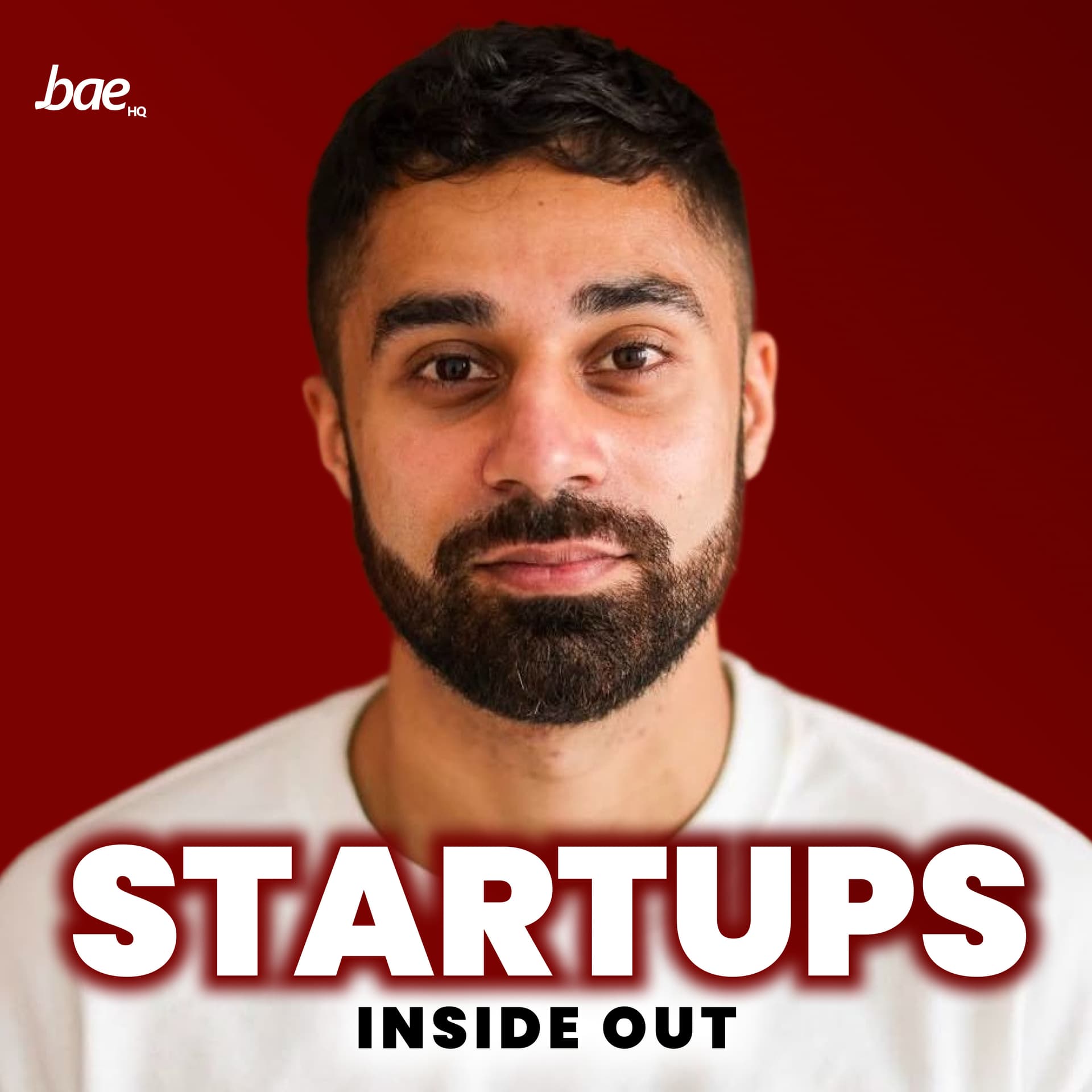
Podcast Summary: Startups Inside Out - Episode 288
Episode Title
Meet the Doctor Who Saved 2 Million Hours for Clinicians Through Agentic AI w/ Dr. Harvinder Power | Motics
Podcast Overview
- Show Title: Startups Inside Out
- Description: This podcast explores the entrepreneurial world, featuring insights from scaled founders and experienced investors in the startup scene. Episodes range from insider stories to educational masterclasses by Amardeep Parmar.
Episode Description In this episode, Amardeep Parmar speaks with Dr. Harvinder Power, the Co-founder and CEO of Motics. The discussion focuses on how Motics leverages AI to reduce administrative burdens for clinicians, ultimately enhancing patient care.
Key Discussion Points
Introduction to Motics
- Founder’s Background: Dr. Harvinder Power shares his journey from being a medical doctor to co-founding Motics.
- Core Mission: Motics aims to provide AI agents for healthcare, specifically targeting operational inefficiencies faced by clinics.
Achievements
- Patient Impact: Motics successfully served 100,000 patients in the last year, highlighting the effectiveness of their platform.
- Milestones: The conversation touches on the importance of key milestones and the journey of establishing the company over eight years.
Evolution of the Business
- Initial Concept: The idea took shape during Dr. Power's medical schooling in 2018. The first attempts at Motics focused on physiotherapy and rehabilitation.
- Pivot & Growth: After going through Techstars in 2023, the company pivoted to focus on AI in healthcare, emphasizing new directions and strategies.
Team Dynamics
- Co-founders' Strengths: Dr. Power and co-founder Selena complement each other's skills—his medical background and her expertise in engineering and AI—creating a balanced team.
- Hiring Philosophy: The team prioritizes unique backgrounds and personal stories in their hiring process, valuing diverse experiences over traditional qualifications.
Business Strategy
- Focus on AI: The discussion delves into the competitive landscape of AI in healthcare, emphasizing the need to understand specific client requirements and deliver tailored solutions.
- Market Strategy: Motics currently enjoys inbound interest from clients, with a shift towards proactive outreach to further expand their market presence.
Balancing Entrepreneurship and Personal Life
- Work-Life Balance: Dr. Power discusses the challenges of maintaining work-life balance in the startup environment and the importance of recognizing personal limits.
- Long-Term Vision: The team has set a five-year goal for a potential exit strategy, fostering a sense of urgency and alignment within the organization.
Future Aspirations
- Ambitious Goals: Dr. Power expresses a lofty ambition to help 100 million patients improve their healthcare access and experience through Motics' technology.
- Scaling Impact: The conversation concludes with thoughts on continuous innovation and learning from clients to enhance Motics' offerings.
Key Takeaways
- AI in Healthcare: The use of AI agents can significantly free up clinician time, allowing them to focus on patient care rather than administrative tasks.
- Resilience in Entrepreneurship: Building a startup is challenging; surrounding oneself with supportive people is crucial for maintaining optimism and resilience.
- Storytelling as a Tool: Effective marketing and storytelling can help startups communicate their value proposition and engage potential clients.
Closing Thoughts Dr. Harvinder Power highlights the importance of passion for their work and the desire to make a meaningful impact on healthcare. The episode serves as an inspiring example of leveraging technology to address real-world challenges in the medical field.
---
Additional Resources
- Motics Website: [motics.ai](https://www.motics.ai/)
- Amardeep Parmar on LinkedIn: [LinkedIn](https://www.linkedin.com/in/amardeepsparmar)
- Dr. Harvinder Power on LinkedIn: [LinkedIn](https://www.linkedin.com/in/dr-harvinder-power-70800b124/)
Join the Community
- Bae HQ: [Join Bae HQ](https://www.thebaehq.com/join)
- IncuBaetor Program: [Learn More](https://www.thebaehq.com/incubaetor)
This episode underscores the transformative potential of AI in the healthcare sector and the importance of entrepreneurial resilience and teamwork.
Written by AI. May contain mistakes. Listen to the episode to check what was said.
Chapters
Tap a time to open that second in VOMotix's Mission and Achievements
0:46 to 4:00
Discussion about what Motix does and its impact on clinicians.
“If you tell me about where you are today, right?”
The Journey to Founding Motix
4:01 to 7:30
Dr. Power shares the origins of Motix and the early struggles faced.
“And you said that to me earlier that you cover each other's weaknesses, right?”
Team Dynamics and Strengths
7:31 to 11:20
Exploration of team strengths and how they complement each other.
“got roles to join and then with the value proposition of what you're offering today now as well right because you're saying how you're getting some like really good sales things coming and like really exciting.”
Scaling and Business Model Challenges
11:21 to 14:00
Insights into scaling Motix and the challenges of the AI business model.
“But what we can do is try and make it the best for everybody, right?”
Navigating Startup Pressures and Timelines
14:00 to 16:06
Explore how startup pressures impact timelines and founder well-being.
“So it's like, oh, I need to reach this much revenue by this day, or by year three, we need to do that.”
Balancing Work and Life in Startups
16:54 to 21:42
Discuss the challenges of maintaining work-life balance as a startup founder.
“And I'd actually throw the question back to you.”
Growth and Storytelling in Healthcare Startups
21:42 to 27:26
Delve into the importance of storytelling in marketing healthcare solutions.
Future Aspirations and Goals
27:26 to 28:06
Discuss ambitions for expanding impact in healthcare within the next two years.
“And where are you looking at expansion-wise the most right now?”
Aiming for Big Goals in Healthcare
28:06 to 29:18
The discussion centers around ambitious healthcare goals and personal reflections on resilience.
“I remember, funny story, so Salim knows the story and Selena knows the story.”
Maintaining Resilience Through Tough Times
29:19 to 31:08
Insights on maintaining optimism and resilience despite challenges in the startup journey.
“And with that too, so you mentioned about how, like obviously your ambitions have changed over time, right?”
Show all 13 chapters
Celebrating Milestones and Impact
31:09 to 31:43
The speaker reflects on key milestones achieved and the impact of their technology in healthcare.
“We've seen the, what the effect of our technology, what our, you know, AI can have on real lives at the end of the day.”
Recognizing Influential Figures in the Community
31:44 to 33:17
Highlighting three significant individuals in the Asian community who are making an impact.
“So first one is, who are three Asians in Britain you think could do an incredible work?”
Connecting with the Audience and Final Thoughts
33:18 to 34:32
Discussion on how the audience can engage and support the guest's mission and initiatives.
“So, well, now it's been on three times, Vara's been on twice.”
Transcript
Automatic transcript. May contain errors.0:00Amardeep Parmar:Okay, so startups inside out, we've got Harvinder here today, who's co-founder of Motix. You had to tell me how to say that just properly just now. Absolutely. But I told people what it means, like what does Motix do? Ah, so, well firstly, thanks for having us on.
0:14Dr. Harvinder Power:You know, real pleasure to be here today. So Motix, so we started a few years ago and really what we're doing is providing AI agents for healthcare. So the big problem we're really addressing for our clients is, particularly with clinics that are startups, the biggest challenge they have is operational work. So clinicians, people like myself, like I used to be a doctor, you spend more time behind the computer, doing admin, doing paperwork, doing bills, emails, phone calls, all of it. What we're trying to do is really liberate clinicians from their keyboards so they spend more time with patients, really less on paperwork at the end of the day.
0:43Dr. Harvinder Power:And you've been going for about eight years so far, right?
0:46Amardeep Parmar:Well. If you tell me about where you are today, right? Because I know I think you mentioned 100 ,000 patients last year, was it?
0:52Dr. Harvinder Power:Yeah, that's right. So we did 100 ,000 patients last year on the Motix platform. So it's an amazing milestone. So huge kudos to the team for getting us to do that. And yeah, super excited for Vistager as well.
1:02Amardeep Parmar:And then, so obviously I just saw you at the Morgan Stanley Demo Day. So you've been part of both Morgan Stanley's sustainable and inclusive venture program. Yep. And then Techstars as well, right? So you went through a few different accelerators and obviously it all started back at Kickstart, right? That's right. So as I mentioned, this is eight years in, but in that eight years, there's been a lot of ups and downs, right? For sure. so like first of all i guess like where this idea come back like where did motix start from yeah so
1:30Dr. Harvinder Power:i'd say 2018 was the first time we tried motix as a business so cut back to me in my what would have been my third or fourth year of medical school so it feels like an age go now many ways and i always had a bit of an entrepreneurial bug in terms of wanting to do entrepreneurship want to do something a bit different so applied to kickstart amazing program you know really amazing cohorts that come through then and met my co-founder selena through the program we applied as individuals so for those who are familiar you just apply on your own merit to get in then you meet other amazing people to start businesses with and yeah so from there we tried doing stuff in physiotherapy so specifically on rehabilitation how we can help patients rehab faster using hardware as i'm sure anyone who's really listening will think like hardware is actually pretty damn hard surprise it rise and so we we eventually moved away from it in 22 so we kept it part-time in that journey so just on the back burner as we were doing other stuff in our careers and then really we did Techstars in 23 where we met Salim Chowdhury so Salim I think you met him he's actually been on the podcast as well amazing guest and he really opened our eyes into how do we turn this from being sort of an idea on paper into being a real business and then really gave us the right direction and I think at that point after Techstars we then pivoted we then stopped what we were doing previously started up Motix anew in 23 really now on this journey of how do we create the next generation of healthcare using AI agents and really that's why I think when you say eight years it's quite funny to think about it that way because really this new direction has only been going for a few now I need just over two so yeah it's been a hell of a journey really exciting journey and meeting lots of amazing people like yourself as well and one of the crazy things right
3:10Amardeep Parmar:so you and Selena have been there right from the start right and that eight year journey together and you mentioned how when people were assessing you they look at that team like beyond just like you've been working for eight years what is it that makes that team work like why is it that you're still together and you're still thriving together i think the reason why our team has
3:31Dr. Harvinder Power:worked really well is it's kind of a love of the problem in terms of we see the impact that this has on real people and their real jobs and i think once we started spending more time with our clients you know times in clinics with people who we serve ultimately we started to see what that impact truly means and so things like you know here's on a daily basis now it's like you've given me time back in my family in the evenings because I'm now not spending that behind a computer I'm now just spending it with my kids and I think once we started to crystallize and see the effect of the impact we could deliver at scale it started to become really obvious what we need to do and it's just to scale this out like we started to get what we call like product market fit so like it means the early signs of it now and we're super excited about this journey and every time we speak to clients we get more and more passionate about what we're doing we start to see the impact and really we just want to scale that up and really get this to you know be an amazing business and really serve millions of patients by the end of the day.
4:23Amardeep Parmar:And you said that to me earlier that you cover each other's weaknesses, right? For sure. So what is it that you shine at and what is it that you think Selena shines at? Oh, I'm going to be modern. I like it a lot. I also do the nicely around, Rob. Then what do you suck at? What does she suck at? I can seriously suck at. You hear that too?
4:38Dr. Harvinder Power:No, I think we come at it from different sides, right? So my background, so for those who don't know, so medical doctor's my background. So I did Medicine Imperial, then small background in bioengineering, my time there. Selena's background, electronic and electrical engineering, if I can always get that right. And then did her PhD in AI for applied medical AI and previously did some work at Intel as well. So on paper, my expertise is more medical. So anything with patients, anything with compliance, regulation, that's for me, that's where I shine. In terms of pure technical horsepower, that's always Selena.
5:10Dr. Harvinder Power:She's going to beat me every day, every day of the week in that fight.
5:13Amardeep Parmar:And you mentioned as well, say, how the program you just did, how it kind of shifted you from a scrappy startup mentality. to now being much more professionalized. What are some of the big changes you made in that period that have really made an impact on where you are?
5:26Dr. Harvinder Power:The biggest one I would say, the biggest impact we've had over the last few months with Morgan Stanley has been the mindset, I would say. And I think it may be one that you're familiar with in terms of Asian entrepreneurs. They often start off, we often start off being quite scrappy, focusing on how do we just get to value quickly at the lowest possible cost. And I think that is a fantastic mindset. It actually helps, I would say, that Asian entrepreneurs be some of the best in terms of that zero to one getting started. Where I think it goes from one to 10, I think that's where you need to start thinking about money as an asset.
5:57Dr. Harvinder Power:And that's what we're starting to do now is not just about keeping cost to zero, but about how do we use and leverage funding that we now have to then scale up the impact to serve even more people as part of our mission.
6:07Amardeep Parmar:And what are you spending that money on now?
6:09Dr. Harvinder Power:So we're hiring. So we just hired a few more team members to join the team. We're actually still hiring at the moment for software engineers and for people in our customer success team to expand it out. So if anybody listening is interested, please do just drop me a note. Like we're always hiring for new roles.
6:21Amardeep Parmar:And how are you picking those people? How are you getting those right people in? Because you said some of the people you've brought on board recently, you could see how they've got the right mindset. They've got the right ability to see you through to where you want to get to. Yep. How do you know that? How did you select them?
6:35Dr. Harvinder Power:Yeah, we take a bit of an orthodox way to hiring. I'd say we screen a lot of CVs that come through to us. And we try and avoid working with recruitment agencies because we want to get a feel for the person, ultimately. be like we know that some of the best people that we hired have been from the most shall we say you know unorthodox backgrounds so for example you know somebody who works with us in the business started off with a master's in history and is now actually working on our marketing team because funnily enough the way he started his career was actually in football marketing and then gained skills when he was 15.
7:08Dr. Harvinder Power:Obviously his background in history has nothing to do with us in the business but his background in marketing from the age of 15 is so I think that's what we look for is like what makes you special like what's the super unique story that only you have because i think that's where we love people at the end of the day it's like what have you done in your career or in your life so far that makes you stand out and unique that's we want to hear so yeah if anyone's got any really interesting stories about that we'd love to hear them and uh yeah we've always
7:33Amardeep Parmar:got roles to join and then with the value proposition of what you're offering today now as well right because you're saying how you're getting some like really good sales things coming and like really exciting. How are you convincing people that in like a world of AI agents where everybody's now doing AI agents and everybody's like doing this stuff, like how are you proving to people that what you're doing is a step above everybody else?
7:54Dr. Harvinder Power:I mean, you can speak to our clients. The end of the day, I feel like they tell that story better than we ever can. I think the simplest way to distill it down is what is value to our client at the end of the day? What are they looking for beyond just, let's say an AI agent? What's the use case for them at the end of the day? Because what we often see players trying to do in the space is they're just saying AI and putting it in for any role in any position in any sort of use case, but they're not really thinking about, okay, but what is it to this business? Why do they need it? What are they willing to pay for this ultimately?
8:26Dr. Harvinder Power:What's going to help their patients that they serve to get a better experience at the end of the day? So we do work at our clients who spend a lot more time trying to understand that, which gives us a really granular, really deep understanding of ultimately what is value to them. Like how do we put that on a piece of paper and say that? And then how do we let them show it? How do we prove it to them in this really unique way where by the end of it, they almost become a perfect referral channel for us. They almost sell the product by proxy of just being going through that process. So I think we do things in a slightly unique way.
8:56Dr. Harvinder Power:And as we scale out, we'd love to keep that personal touch as best we can to really just prove out essentially that the product works, that it scales with customers. And actually, at the end of the day, it helps patients get a much better experience of their healthcare.
9:08Amardeep Parmar:And when you're looking at the different feature set as well, right? Because if I remember correctly from your pitch, it was only like last week. You've forgotten already? You had four different key areas, right, that you worked on. Yep. And the whole idea is that they work really well as a workflow, right? Not just as an individual thing. How do you kind of come about that's the way you want to do it? Because obviously, there's so many people building individual tools or people are trying to be all in mind for everything. And like, how do you work out which is the most important things? And did you make missteps?
9:36Amardeep Parmar:Obviously, you're going to say, you talk to customers, right? And you sit with them. But like, was it that smooth? Or was there missteps along that way?
9:43Dr. Harvinder Power:No, for sure. I think there was definitely missteps. So there were definitely distractions, I would say. And that's always a key thing, isn't it? When you're starting a business, there's tons of distractions out there. Like, we could do this. We got approached by pharma companies. We got approached by fintech companies. And so like, we went down a couple of rabbit holes because essentially, we were just getting pulled in every direction by these opportunities that were coming to us, which is amazing. You know, we really love them. But I think when we start to discipline ourselves and say, we need to double down on what is our core customer group and how do we really just serve them amazingly well, it just started to crystallize about, ultimately, we spend time with clients.
10:15Dr. Harvinder Power:I think that's kind of a given. Everyone does, ultimately. And once we started to spend time in their clinics, like literally sitting in for a day in their clinics and seeing how they do things, it's kind of, you know, the Henry Ford analogy of like, you know, people say they want faster horses, you can macabre, right? In the similar sort of vein, we started to understand that what they didn't need was just the replica of the software they had with AI, but they needed a new model of care. They needed new ways of doing these processes that they've never thought about because they're just so stuck in the day-to-day.
10:42Dr. Harvinder Power:And I think that's where the ideas started to come across the team. And we always encourage every new person to run the team to spend time in the clinic. It doesn't matter what your role is, whether you're marketing, sales, customer support, tech, whatever. You always spend time in the clinic, spend at least a day in there just to experience it. And then everyone comes up with pretty unique ideas on how we can make it better. And so that's really where ultimately we help to sort of spend time with clients. They also guide the product. They tell us what they want in many ways and say, love if we had this, this would help me do X, Y, Z.
11:10Dr. Harvinder Power:And if it works for the business use case, let's go ahead and build it out.
11:14Amardeep Parmar:And one of the things too of AI right now is like the business models is kind of a gray area, right? Because a lot of people are experimenting and trying to work out okay do we do this base model like is it a credit based model is it this base model and you mentioned to me earlier how it's not necessarily just getting people to be like it's not a bespoke version of everybody right you you send them the software they can customize it and if they want your support you can offer that too how do you go about deciding these kind of things i'm sure there's the pressure from some people to just be like no we want you to just do it all for us and wrap it into the price and it's just you should just do that and especially at the beginning when maybe you don't have massive revenue yet yeah it can be very hard to be disciplined
11:55Dr. Harvinder Power:about that too for sure i think that was the one thing we learned from the journey like i know you mentioned we're doing this for quite a while is that when we try doing that in the previous let's say previous lifetime of motix you'd call it we learned that just doesn't scale all right ultimately you know our mission is patient impact at scale how many patients can we help can we make their journey better through using our software so from that big lesson and big thinking point we realized that we can't just do a consulting model style where we just customize and make it bespoke to absolutely everybody.
12:23Dr. Harvinder Power:But what we can do is try and make it the best for everybody, right? We'll take snippets, we'll take the lessons of what works well for each client, for each customer. And then we'll really just make the whole experience better for everybody because ultimately that just makes everybody's experience better rather than just that one individual's. And so I think that's been a really powerful model is like spending time with clients, just listening, which everybody does at the end of the day, but also then bringing them into Motix as well. So we actually invite them into our offices and spend time with us and tell us how to make it better.
12:52Dr. Harvinder Power:And so that's been quite unique in that way. But I think you're exactly right. Business models are always going to be challenging with AI. What we found works really well is understanding what's the biggest priority. Like, is it going to be cost saving? Is it revenue generation? Is it patient experience? What matters most? And then essentially tweak the proposal to them and what they need ultimately. But I think the jury's still out in terms of what the best one is going forwards. And it's case by case.
13:18Amardeep Parmar:And I imagine too, like a lot of your clients right now,
13:21Dr. Harvinder Power:your customers, are you outreaching to them? Are they discovering you?
13:25Amardeep Parmar:Is it word of mouth? How is that kind of system of getting new customers?
13:29Dr. Harvinder Power:100 % in-bounds that's been coming to us. If I literally only in the last month, we've now started doing outbounds and already we're getting amazing conversion rates from those because like our network has been fantastic and including Morgan Stanley as well have been introducing us as well, which is going really you know it's it's opened a lot of doors and now we're working with really amazing partners as well so the partners that we work with in terms of integrations terms of industry leaders they have just been fantastic so the opening doors for us helping us to network in the industry and so now we're starting to go from sort of really steady really amazing growth to now like okay we can't keep up which is an awesome problem because now we can scale up
14:07Amardeep Parmar:the team scale by resources for it and with that messaging side too right because you said how you're actually starting in a different type of product you've done change you've been part-time and then you've gone through like different iterations and for some people like i might do it for example i'm looking at a company oh they've been going for eight years but then why haven't they done this why haven't they done that in that time has that been a challenge for you because i know that there'll be some people who are worried about that kind of clock that's ticking in their heads and sometimes it's true that investors are analyzing that but sometimes as well they're putting so much pressure on.
14:37Amardeep Parmar:So it's like, oh, I need to reach this much revenue by this day, or by year three, we need to do that. Year five, we need to do this. How has that affected you? Has it been a factor at all? Has anybody really kind of brought that with you?
Read the full transcript
14:48Dr. Harvinder Power:Not at all. In fact, there's a bit of an anecdote everyone in Motix knows, which is that we have a five-year clock, which we started in September last year. So it's been four months now, almost into that journey. And essentially, that's what we call D-Day for the business, where essentially we will want to all exit and call it time, whether we merge, whether we do an IPO, whether we do something somebody else. But we create this sort of very unique alignment through saying that that is the exit event for everybody in the business in five years time. And that's our goal. Whether it happens or not, different matter entirely.
15:19Dr. Harvinder Power:But it creates this sort of unique clarity of we know where the ending is, so let's work backwards from that. And I think that's where we're taking a bit of a unique spin on it. Whether it's the right one or not, let's see how it pans out. But it's because we know that ultimately we have lives to get on with. We want to have kids, families, all the sort of good stuff that we want out of life as well. And I think doing it while you're a startup founder is tough, right? It is really tough, whether we like to admit it or not. It is doable. And some people are amazing at managing that. I would say that for me, it's not the easiest thing to balance both.
15:50Dr. Harvinder Power:And so I made a bit of a choice to focus on business first. Let's get this period of my life done. I really want to get this delivered. And then let's focus on what comes after that. Enjoy the sort of good life after it with an amazing exit with amazing team so we all want to benefit we want to win and that's
16:05Amardeep Parmar:the timeline that we're working on hello hello i hope you've enjoyed the show so far i'm amadik palmer co-founder of bay hq and the host of this show for those of you who don't know bay hq is the community for high growth asian heritage founders and investors in the uk over 7 500 500 people have attended our events, 200 people have been for our impact programs, and obviously there's been over 250 episodes of this podcast. If you want to join us and take part in the program and come to the events, go to behihq.com forward slash join. We also just released our first ever book called Startups for Outsiders, which you can get on Amazon now, and the link is in the bio.
16:49Amardeep Parmar:Hope to see you soon at our event. Hope you enjoy the rest of the episode. it was uh all over linkedin last year either 996 and the debates around that and one of the things i find difficult right is that there's kind of the human level of me versus the reality of like actually i do work 80 hour weeks so i can want to be and sometimes it's hard because i can want other people to be balanced but then i won't do it myself and then it's trying to like navigate that sometimes too right especially in the healthcare space right so if you're working longer hours or you're stressed out and these things are happening then it's like well wait should I be doing that should be looking after myself but also in order to make this grow then I need to work hard and how have you been able to find that because obviously doing it part-time is one thing and now it's full-time you're trying to grow as fast as you can you've got this clock in five years and even with the best intention I imagine you probably don't have the best balance all the time how is that like now how are you navigating that right now it's tough I would say
17:50Dr. Harvinder Power:it comes in waves and troughs in many ways. And I'd actually throw the question back to you. How are you handling it? I'm curious to see how you see it. I mean, look at my eyes. So one of the things I look at is like the sprints in that with what we do,
18:06Amardeep Parmar:it's like kind of reaching different tipping points, right? So there's a sprint from September to November last year where I did over 50 events. We released the book, released the report. I did a TEDx, all these kind of different things, right? Just a small month. Yeah. But then I was completely burnt out by the end of it. I hated everybody and I could feel the irritation just in me all the time. Like I was just so on edge all the time. And I knew that, but I kind of had that deal in my head. I know that I need to do this for two or three months. And then most of December I took off and most early part of January.
18:45Amardeep Parmar:And then now it's like, so we're recording this early, mid-Feb. So end of Jan was a bit busier. Feb, we're starting to get into like, this is the flow now. But I know once we hit March, March or June, it's going to be healthy again. But I know that's happening and I kind of am aware of it. And then in some way, I'm going to slow down again. So I have this kind of peaks and troughs, but then every year the goal is make each peak and trough less severe, where it's just more normalized. And that's as we hire the right people, as we get the right systems in place. And I think that's what you talked about earlier about professionalizing.
19:20Amardeep Parmar:Is that we're at the stage, or we were at the stage, where it needed a huge amount of work to discuss off the ground. And the challenges too, it's like people like a year ago, oh, you're so amazing. You're doing so well. It's like, in my head, I know we're not. I know we need to do a lot more because it always makes financially sustainable versus the last of the next 30, 40 years. It can't, like, it's really difficult to kind of navigate that positioning where sometimes from outside people are like oh you're
19:46Dr. Harvinder Power:doing so well it's going to say amazing yeah but in the end i'm like i don't know how we're going
19:50Amardeep Parmar:to pay rent this month like and it's that's kind of the challenge where you're wearing these different hats and i try to be quite honestly open about that but it's quite difficult in that regard and like i guess for you coming back to it as well do you have that kind of seasonality to your work or is it kind of all year round is busy because we have summer is a bit quieter december is a bit
20:09Dr. Harvinder Power:quieter and gen is a bit quieter yeah i would say in terms of seasonality i think it's it depends because i think at the moment things are growing so fast that i think okay next quarter is going to be a bit quieter that's okay it turns out it's like a new record quarter and like it's we're in that sort of phase of our growth where growth is coming really quickly which is amazing for us and you know amazing that we're able to serve so many people but we i would say work-life balance is the one thing that it has been difficult and actually it's one thing we acknowledge on our team is like is probably the hardest thing for people to do.
20:39Dr. Harvinder Power:And so whenever somebody joins us, you say, just to pre-warn you, if you're expecting the work-life balance, we can't offer that to you at the moment. And that's just part and parcel of being at the early stage start of the VR. And that's okay. We're not always going to be the right fit for everybody. But for me, the way I sort of see alignment, the way I sort of see work-life balance is exactly as you described it, is just know what you're getting yourself into and know when the exit point is for that period. Because I think doing a 12-month burn constant, like thinking, that's going to get better, it's going to get better.
21:07Dr. Harvinder Power:but you don't know when that's tough man I've never been able to do that I think you just have to have some semblance of okay it's going to be tough but here's what we're going to do to make it better here's how I'm going to reward myself I think the one thing I've learned over years of doing startups is that it is important to be kind to yourself like it's a tough journey you know we do this because of our love for what we do and who we serve at the end of the day so the question is how can you then reward yourself in small ways right whether it's going to see a friend on a weekend going to watch a movie just having a nice dinner right small things but i think they just help you to just feel more balanced even if it's just a small gesture just to get you through the week and do you sometimes see the irony of with
21:46Amardeep Parmar:what you do is you're freeing up time for clinicians while making yourself work harder
21:51Dr. Harvinder Power:i i do i i definitely do in fact i was thinking you know we saved something like two million hours of clinician time by last year absolutely crazy numbers and i was wishing i could take some of back for myself but sadly not this year maybe next year i think you brought a book a point as
22:06Amardeep Parmar:well about the transparency but i think that's the thing that aware i think in anything right it's like if you're transparent about the expectations then people can't get too annoyed right so if somebody is starts working and working long hours but you've been very clear with them from the beginning that's what's going to happen this is what the expectations are if that's right if you join if it's not right if you don't join that's okay whereas if you kind of try and solve the dream of oh I saw going to be sunshine and rainbows and then all of a sudden they're working for you and now like why aren't you working at like midnight on a Sunday then that's where's gonna be more clashes and I think what I think is hard for me first-time founders early stage founders is they have the need to be liked so in the hiring process they over glamorize everything and sometimes they have the best intentions right but if you are at that scrappy stage where you don't know if you can pay for everything or these kind of different pressures you have on you then promising somebody when they start that they can have this comfortable lifestyle when you don't have the means or resources to do it you're setting yourself both up for failure for sure and with the hiring side you're doing now so okay you said what was your first hire that's how it goes yeah so marketing actually so a bit of an interesting take an engineering
23:16Dr. Harvinder Power:person wasn't that first i was actually a second hire first one was marketing and why was that so because to be honest our engineering efforts have been pretty good i would say internally right So obviously it can always be better. That's part of parcel being a startup. But Selena has been an amazing engineer. I mean, obviously I'm going to gush a little about how amazing she's been. But I think she's done a fantastic job of getting the platform set up and to the standard that it's at. I think the biggest need for us is that we knew our weaknesses and strengths, going back to your earlier point, one of our biggest weaknesses for both of us was actually marketing combined.
23:47Dr. Harvinder Power:We knew that we're very good technical people. We're very good at building whatever we need to build. But marketing and telling a story, Ultimately, that's something where I'd love to learn how to do that a bit better. And actually, I'm going to take some stories from yourself about how to do that as well.
24:01Amardeep Parmar:And what do you think that your marketing high has changed the way your story? What do you think you can see that they've really made a big difference?
24:07Dr. Harvinder Power:Yeah. So I'd say our marketing guy really has helped us to bring out what is already there. I think what we're very good at doing is working very quietly behind the scenes, very diligently, very methodically. What he's helped to do is tell the stories of what the amazing conversations are behind the curtain, essentially, and then bring them to the forefront and say, hey, look at the amazing work we're doing with our clients in x space or y space or this country or this country and i think that's really started to take shape and we're starting to see it you know we're getting more and more leads coming inbound because of this very simply where we're just telling the story of who we are what we're doing and people are really resonating with it they're saying hey you know i'd love to work with this sort of company i'd love to you know see what they can offer me and see how they can support so i think one thing i always give to like new founders as recommendations is don't underestimate the power of storytelling about telling your own story as well as that of your business and using it to help people come in.
24:59Dr. Harvinder Power:So what are you doing right now? Well, exactly.
25:01Amardeep Parmar:It's like proof in the pudding, right? Yeah. And you mentioned there about like different countries and things. So obviously I'm not a clinician, right? So with the software you do, does it make a difference where the clinicians are based? Is there any? Sure.
25:13Dr. Harvinder Power:Yeah, absolutely. So there's always regional differences. So it's very simple to think that essentially healthcare is the same in every single country you operate in. There are lots of big differences. So we operate in a number of different geographies, including the UK, US, Canada, South Africa, Singapore, Malaysia, some in the Middle East as well. So we've got a number of different locations we're working with, which is amazing. Again, testament to the inbounds and clients who want to work with us. But everyone has got slight subtle differences in terms of how they want to do things. But that's, again, part of what we love to understand is like, what's unique about them?
25:44Dr. Harvinder Power:How can we make it the best experience for them? And how do we then bring those learnings back and build them into the platform? So I think that way, it's still a learning journey. Every day is a learning day in startups, right? So we're still learning about how we can continue to build on that lead and make it the best platform across the world for all clinicians.
25:59Amardeep Parmar:So strategically as well, right? That's an interesting take because you could, for example, focus only on the UK, for sure, and make it the best possible product for people in the UK, kind of dominate the UK, then go and do other countries. But then also what you've been able to do is customize it for different countries at once. but I imagine that also makes your marketing effort and your sales efforts more split too. So did that kind of conflict or debate come up when you went through this process or was it more just like, demands here, let's go and do it?
26:26Dr. Harvinder Power:It's been pretty interesting. I'd say that the story we tell around clinics and the problems we have seems to be international, which is that definitely in the countries that I've described already, the challenges they have seem to be the same, which is that they're trying to grow businesses. They run like startups. They've got dreams. They've got ideas of what they want to be. They have the same problems around the amount of hiring they need to do, the amount of operations they have to deal with. And actually, essentially, it's the same solution. It's how do we make those processes more efficient at the end of the day?
26:56Dr. Harvinder Power:So in many ways, while there are definitely differences in terms of these countries, there are a lot of similarities as well in terms of what we can provide as value to our clients. And so that's where it's really interesting, where we take stories from the UK, for example, about where it's been really successful and take it to Canada. They're like, oh, that's a really interesting tape. We never thought about it like this way. So in many ways, we're also sharing lessons that we've learned on ways and giving it to our clients to say, hey, here's something you could try and think about and actually provide value to them.
27:21Dr. Harvinder Power:Even if they don't go with us or if they do, we provide value whatever we do.
27:26Amardeep Parmar:And where are you looking at expansion-wise the most right now? Is it kind of a global effort or is a particular region that you think are really right?
27:33Dr. Harvinder Power:Yeah, so I think there's a lot of opportunity for us in a few different markets. So Europe and the US, obviously the two big locations. I think we're allowing the market to almost dictate where we're going to end up going next. But I think it'll be exciting next year to see where we end up going.
27:47Amardeep Parmar:So rounding out, so we've got, we're going to start to go into a quick five questions in a moment. Sure. So one thing we're going to do, and it was before we got this bookcase here that I started making this plan. So we're going to get like a little TV here. But what might happen is might just be like a little AI TV where we replay this moment back in the future, right? So what we're saying is to people come back on in two years time. so if you were to come back on in two years time what would you love to be able to say that you've
28:13Dr. Harvinder Power:achieved in those two years in two years i would love for us to have helped 100 million patients to get better access to healthcare and better quality of healthcare i think it's a pretty lofty goal i'm sure but i think that's we've got to have big you know big dreams big ambitions so that's really ambition for the next couple of years no that's awesome and if you come back on
28:31Amardeep Parmar:here again in two years time and say you've done that oh for sure i'll be i'm very very happy i can
28:35Dr. Harvinder Power:I'm only going to look at myself and think, what on earth was it? 100 million is a crazy high number. But I think 100 million. Yeah, just keep going. I remember, funny story, so Salim knows the story and Selena knows the story. It's like, I remember the Textiles demo day. I made this promise to like half the NHS waiting list. It's really funny. Selena always takes the mechanism for it. And I look back and I'm like, ah, well, it was good. I believed in myself, but that's the key thing. And funnily enough, I'm like, well, actually, nowadays, We're going in the right direction towards it. So I'll hold myself to it.
29:09Dr. Harvinder Power:Whether or not we get there, that's another story. But you know the analogy, right? You've got to shoot for the stars. Otherwise, you're going to end up on the moon either way and have some fun. So let's see where we end up.
29:19Amardeep Parmar:And with that too, so you mentioned about how, like obviously your ambitions have changed over time, right? And what you're looking at. Yeah. How have you kept optimism up over like an eight-year period, right? Because you still have the big dreams and you've obviously, over the years, you've got different setbacks. and you've had to pick yourself up and different hardships. How have you kind of kept that resilience and kept going through everything?
29:40Dr. Harvinder Power:It is tough. It is really, really tough. And I think with resilience, I would say that it's not something that it's constant and always be there. There will be days where things will just get you down. And I think that's okay. And that's important to know is that there will just be tough days and that's okay. But I think the big thing for me is having the right people around you, surrounding yourselves with the right kind of energy the right kind of essentially motivation ultimately because people are really the motivators in this business that helps you get through the tough times and i think that's what i refocus on when we bring people into motix is what really drives you and what gets you out of bed in the morning and are you the right energy and the right sort of fit for us as a business and are we the right fit for you can we be the right right organization to help you grow can you help us grow because i think one thing that's crystallized for me over the last few years is more that startups are tough every day is going to be a new challenge as long as you've got the right mindset you know we talk in Sikhi about Jadlikala you know the right sort of mentality then you can achieve whatever you want to right you've just got to have the right sort of motivation right mindset and then everything comes you know through hardship or through good.
30:48Dr. Harvinder Power:What do you think you're most proud about of that journey? I think it's very easy for me to look back and think about all the good times and all the bad times and sort of focus on the bad times because that's what comes very naturally. I would say on the journey, I'm very happy that we've gone through all these sort of major milestones as a business, but also fundamentally like that we got it running, like we got it working. We've already seen patient impact. We've seen the, what the effect of our technology, what our, you know, AI can have on real lives at the end of the day. And that's amazing.
31:18Dr. Harvinder Power:Like all we're doing now is scaling that and like getting it to more and more and more people. So I think I'm really proud of our team for how we've done that already and how we've told that story, how we're really helping that sort of experience. And now I think I'm even more proud about how we scale that out. How do we help even more people? How do we provide that same effect, that same experience to so many more different clinics and so many different clinicians as well? So on that note,
31:40Amardeep Parmar:which is a good positive note there. Absolutely. Quick five question time. Go for it. So first one is, who are three Asians in Britain you think could do an incredible work? And do you want to shout them out?
31:50Dr. Harvinder Power:For sure, for sure. I think the first thing that comes to my mind is Nav Sohny. So I think he knows Nav. He's from the podcast. He's the first free-time guest. Amazing. Make him the four-time guest now. Nav, you've got to come back on. Absolutely. So Nav's doing amazing work. So for those who don't know, he started the Washing Machine Project, so doing his work over there. I think he, for me, from a Sikhi perspective as well as a practicing Sikh, I think he also embodies the concept of Sivar really well and really nicely, I think, for sort of modern-day Sikh as well. um so i really love that about nav like he's really you know testament to that uh second one is pam core so first group cfo at hsbc probably not well as well known i'd say as nav who gets a lot of publicity now but i think so pam was probably for me quite interesting she really broke that glass ceiling in terms of what's the heights that we can achieve you know as a as a society in terms of women and help women in finance and how we get to those positions but also then as a sick as well in that space so i think pan definitely gets up there for me and the third one i think um more recently has been vrun vrun abanot uh so he's done really amazing work as a startup founder like i think he's also proved like tenacity and how you know asian entrepreneurs especially they i'd say the grit is probably one of the highest like it's one of the best qualities you have just from upbringing just from culture and so i think he's done a really amazing job so I think those are my three.
33:17Amardeep Parmar:Awesome. So, well, now it's been on three times, Vara's been on twice. So I don't think I've met Pam yet, but soon. Soon, yeah. And if people want to find out more about you and what you're up to, where do they go to?
33:28Dr. Harvinder Power:Absolutely. So you can always hit our website. So it's motix.ai. So it's all about the business over there. You can find me on socials. I'll be on LinkedIn. I'm always talking about stuff in our space, healthcare and AI. And we're always active on Instagram now. So it seems to be our new big thing. We love to get on at TikTok soon, but not yet.
33:46Amardeep Parmar:And is there any way that the audience could help you?
33:48Dr. Harvinder Power:Ah, so in so many ways. So obviously we'd love to speak to more clinics. So if anyone in the audience is part of a clinic or in healthcare or in sort of hospital networks, we'd love to speak to you, see if we can help you in terms of operations. Can we help you scale that business without scaling that cost? The other way is also if you'd love to join the team. Like we're always looking for new people to join the team, especially on our side in terms of engineers joining and also in customer success to help our clients just get a much better experience, even more than they already are. and so if you're interested feel free to drop me an email so it's harvinder at motix.ai or head to the website and you can see more than roles that we have over there thanks so much for coming on any final words well thank you for having me and keep up the great work i think one thing that doesn't get enough credit and shout out is actually the work at bay and what the amazing worth of they're doing to help really advance the community so thank you for what you're doing
From the publisher
Amardeep Parmar from Bae HQ welcomes Dr. Harvinder Power, Cofounder and CEO of Motics.
Amardeep Parmar: https://www.linkedin.com/in/amardeepsparmar
Dr. Harvinder Power: https://www.linkedin.com/in/dr-harvinder-power-70800b124/
Motics: https://www.motics.ai/
👉🏽 Learn through our IncuBaetor: https://www.thebaehq.com/incubaetor
👉🏽 Join Bae HQ: https://www.thebaehq.com/join