
 Startups Magazine: The Cereal Entrepreneur
16 Oct 2026 · 19m

 Add vo to ChatGPT or Claude to ask about everything you hear
vo listened to this episode to put together the overview and transcript, so there may be the odd mistake.
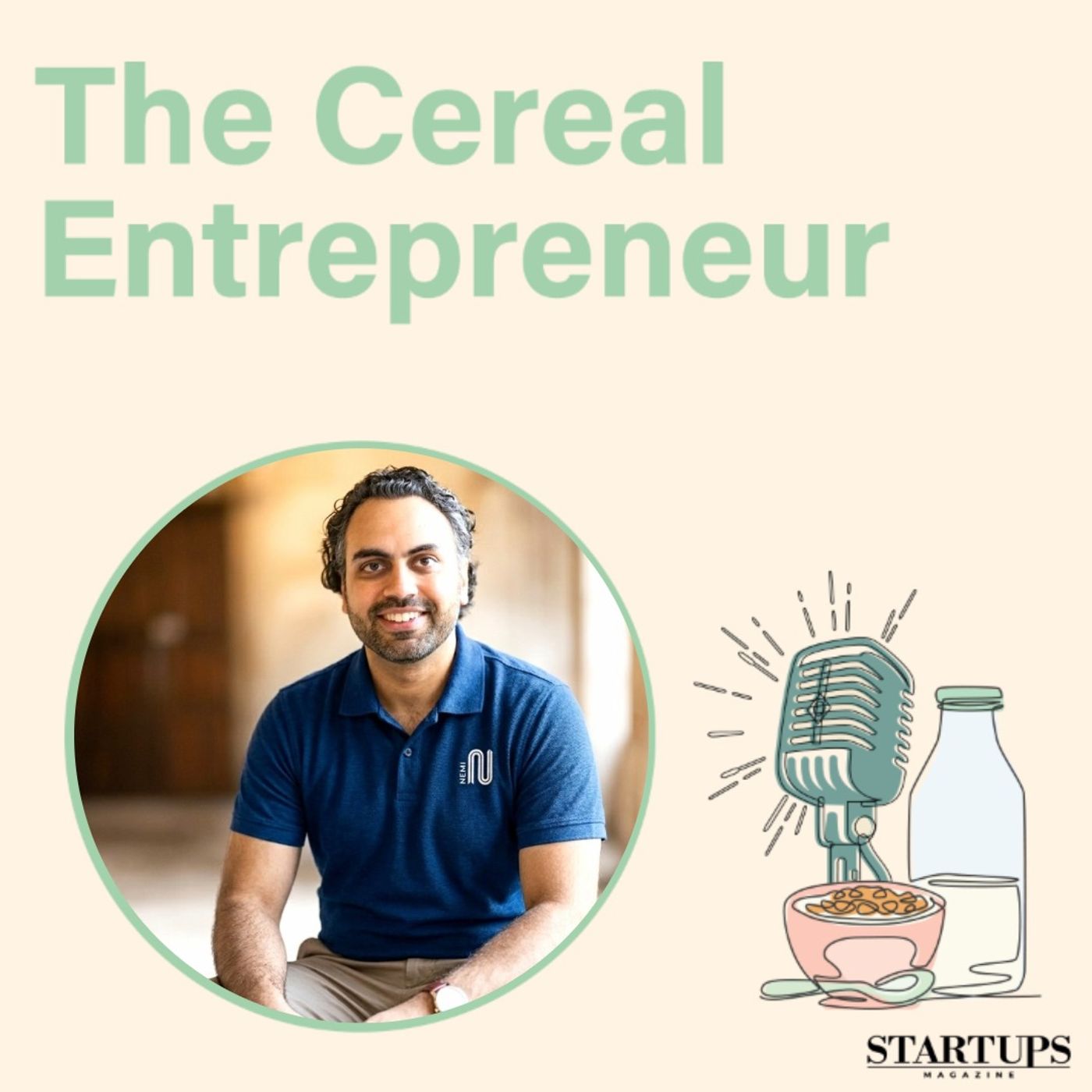
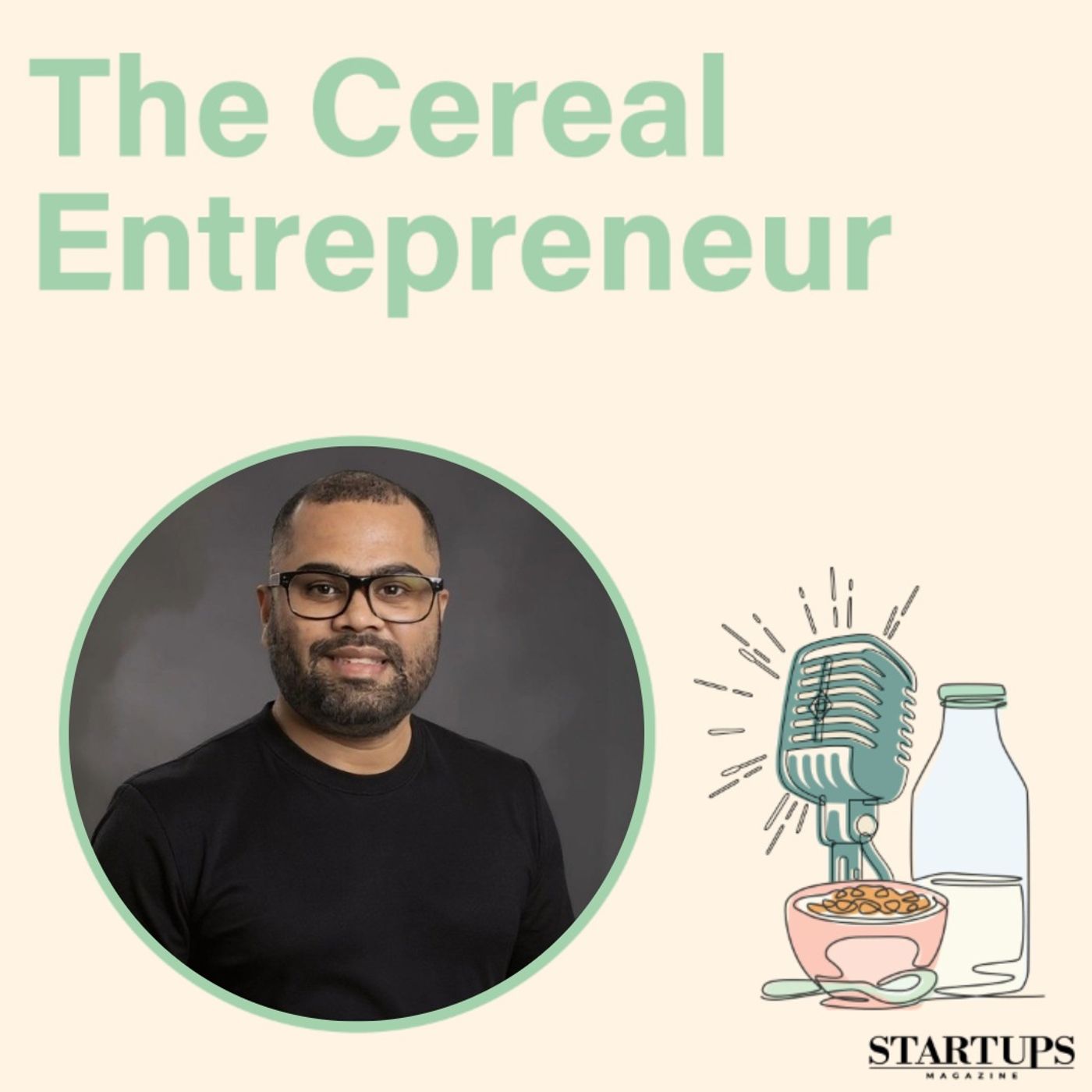
Hustle Awards 2026 Social Impact Heroes winner Pranav Chopra discusses running London-based social enterprise NEMI Teas (and Trampoline Cafe) that trains and employs refugees, the challenges of scaling impact, how they measure success, and examples of outcomes.
Pranav Chopra, founder and CEO of NEMI Teas (10 years operating) and Trampoline Cafe; previously started brewing Indian chai in UK markets and festivals, recruiting refugees for hospitality work.
social enterprises must run “two businesses in one” (commercial + social) and require strong foundations; funding and hospitality competition are major hurdles; success means sustaining/growing the commercial business to scale impact.
colleague Abdul (from Syria) hired at Trampoline Cafe, moved to Somerset for a warehouse role, gained stability (full-time salary, 40-hour weeks, driver’s license plans, saving for a car). NEMI Teas has supported 70+ individuals into employment/education; milestone: £2M last year; staff grew from 3 to 9.
0:01Welcome back to The Serial Entrepreneur. I'm your host, Anna Wood. On today's episode, I'm joined by Pranav Chopra, founder of NEMI Tease. We discuss the highlights and challenges of running a social enterprise, making a real impact on the lives of refugees, and winning the Social Impact Hero Award at the Hustle Awards 2026. Let's dig in.
0:25Pranav Chopra: How are you doing? I'm good, thank you. Thank you for having me. here. Thank you for coming on. So to begin every podcast, we start with our signature icebreaker question, which is what is your favorite breakfast cereal and wine? Breakfast cereal? I'm pretty used to it. I don't really have much of breakfast, but just the regular oats, really non-branded oats, to be honest, from our local zero waste shop. So yeah. Fair enough. I think either a lot of people say they don't eat breakfast or it is quite a basic thing. Yeah, yeah. As much as my wife pushes me to have a decent breakfast, I'm useless.
1:03So, yeah. Yeah, I get that.
1:05Pranav Chopra: So, would you be able to introduce yourself and tell me a bit about your background? Yeah, absolutely. So, I'm Pranav Chopra. I'm the founder and CEO of Nemi Teas and Trampoline Cafe. Nemi Teas is a London-based social enterprise tea company. We've been operating for about 10 years now. And the premise behind the business is to provide hospitality training and employment to refugees, whilst providing a sustainable range of plastic free teas within the food service sector, which is mostly to large offices, hotels, restaurants, cafes, delis, that sort of thing. So it's the power of business that we use to create impact.
1:43Pranav Chopra: Fantastic. So what was the inspiration behind starting NEMI Teas? Inspiration? Yeah, it's a long story to be honest. I'll try and summarize it. But again, it goes back to 10 years ago, I met an amazing group of refugees and they told me about their personal stories about, you know, the journeys coming into London, to the UK in general, and their sort of struggles finding work. And, you know, a couple of the things that came out was a lack of local work experience, or also they didn't know anyone here who could vouch for them. So it's very common that refugees come into the country alone by themselves and not knowing anyone.
2:22So you can imagine how they're meant to know anyone to give that sort of initial reference. And then that sort of, you know, in turn, really difficult for them to actually get their first jobs. And that's the day when I basically, as a joke, mentioned to them, what about set up a company? And if I employed you for something, I'm sure you'll do a great job. And I'll give you a good reference. Is that all you need? And they were like, yep, absolutely. And that's sort of where the idea sort of began of like, you know, it's not much that these individuals need. It's just that stepping stone. And that's the least we can do because, you know, they're forced migrants.
2:58They're not here on a holiday, to be honest. Nearly all of them would want to be back home. Like the same as us. If we were forced out of the UK, pretty sure we would want to come back. So it's the same thing for them. So the least we can do is support them whilst they're here.
3:14Pranav Chopra: So why tea? Tea, I guess it sort of comes back to my Indian heritage. So I've grown up with chai. So I actually started with traditional Indian chai, where we started brewing chai in food markets and festivals here in the UK, which is where I started recruiting refugees to come in and work in the food markets, actually. So initially, it was just about there was no real good chai around London. This is well before all the chai is a big craze now. I'm talking about 10 years ago, there was no one around. And that's when we kicked off. And, you know, soon after loads of locals found out about us, they wanted to come in and actually started asking about buying tea that they can make at home.
3:58So we started going more, especially, you know, going to wholesale. Suddenly we started bagging out loose leaf blends that people bought and took it home. And then from there on, you know, fast forward 10 years and we're, you know, supplying our teas to big investment banks like Goldman Sachs, Sachs and UBS, etc. So, you know, even Chelsea Football Club, for God's sake. So, you know, it's slightly, slightly changed since those days, the market days. But to be honest, I still miss those days because that was really, you know, on the ground, working with the people, with the community that I love working with and just chatting with the locals and really educating them about, you know, about the story, about the culture of the refugees coming into the country.
4:40because it is fascinating.
4:42Pranav Chopra: Yeah, definitely. That is amazing. So we're here because NEMI T's won the Social Impact Hero at the Hustle Award. So congratulations on that. Thank you so much, Noah. We're stoked. Yeah. So how did winning a Hustle Award make you feel? What does that mean for the company? To be honest, it means a lot. We're still a small business and, you know, everyone digs in. There's only six of us in the head office here. And sort of, you know, everyone's obviously put the hard yards in. and sort of just getting recognition, especially for Hustle Awards, was a huge win for us because it kind of just the recognition shows that we're doing something right.
5:19There's a long way to go. But I think we, especially as a social enterprise, any of these little achievements on the side is really beneficial for team morale, but also just, you know, pat on the back that, you know, we're doing the right thing, keep going, keep pushing, and that helps us achieve greater impact. So, you know, that was a great, plus obviously a great night out as well for my colleagues. So yeah, all in all, lovely awards.
5:43Pranav Chopra: Amazing. So working within social impact, could you share a story about someone who really stands out to you that you have impacted through an METs? Oh, absolutely. I'll share, I guess, a live case study is of my colleague Abdul, who's from Syria, came in as a 30-year-old, spent a couple of years looking for work, sort of you know had his struggles and then we employed him at our trampoline cafe to work in the cafe and within six months you know he's got great work athletes really hard worker we had an opening in our warehouse in somerset and you know i told him about that and he was like you know literally i took it grabbed it with you know his both his arms that in terms of he's like i would love to work there on a full-time basis so i was like we'll help you move down i sent him up in an in an apartment so he's got a nice apartment there was 40 hour weeks and you know full-time salary you know now he's got a girlfriend that comes down visits him and you know he's he's saving up for his own first car you know he's getting driver's license sort of exams that he's going for lessons etc so the whole thing you know is just so good to see him settle in and he's excelling at work he's already had his first pay review etc so that's you know it couldn't get any better and we've got so many similar stories like him who've worked with us have stayed with us who've worked with us and have moved onwards in their respective fields and you know but abdul's you know shining star and like you know we all love him absolutely he's great yeah amazing it must feel so good knowing that you're actually making a true impact on people's lives as well yeah and yeah exactly and the word is true it's real it's not like it's not made up it's like these are real lives you know abdul is a person like he is he's a legend in his own right honestly he is so positive about life and he's really excited about you know coming here settling in but also contributing to the uk economy you know he wants to give back to the country that has given him asylum and you know he's a perfect case study to you know shine a light on yeah that is amazing so as a business with social impact at the forefront.
7:59Pranav Chopra: How do you measure success with such a strong social mission? I guess success is for us as a social enterprise is dual. Obviously, you know, initially, I guess at the first and foremost, we are a business in its own right. So obviously we need to be successful in terms of financially in order to do any good. So if we just was all about impact, we would fall apart because obviously we'd love to help as many people, but that's not realistic because we still need to run the business and you know keep the lights on so success in terms is i guess sustaining and growing our commercial business in order to scale our social impact that's success for us to be honest and you know we basically need to grow our business as quickly and you know substantially as we can in order to sort of because as a social enterprise model it directly relates to us creating impact so that's a real success for us if you're able to do that fantastic so looking at the journey so far what would you say have been some of the biggest challenges for you and metis and how have you managed to overcome them challenges well i don't know which one to which one to talk about it's honestly this firefighting on a daily basis you know all the way obviously the first one that comes up is funding it's always financing funding because you know you're trying to fund the growth of the business but also trying to fund all the training the hospitality training that we provide at two of our trampoline cafes you know running hospitality in london or in this climate is very difficult there's so much competition you know the prices have increased so much it's really difficult so all the way to basically running our own distribution center and production center in Somerset.
9:46So there's just a lot going on. And so for solely a tea business, I think we would have been okay. But I think with this added element of the social enterprise angle, which we absolutely love and the reason we exist, there's a lot of extra added pressures, because we want to grow our impact. We're not content with just having, you know, one or two beneficiaries every year, you know, we want to have like that to 100 or 1000 10 ,000 beneficiaries that as many people as we can. So obviously that adds pressure at our end, more at the head office, because we're always trying to come up with ways of how to grow the business in order to support more people.
10:23So yeah, it's a fun challenge, to be honest, because it helps us come up with creative ways to run the business. And it's, you know, it's part of the game. I've been doing this for 10 years now. But yeah, it keeps me motivated.
10:36Pranav Chopra: Yeah, I can imagine. So on the flip side of that, what would you say have been some of the biggest highlights? the biggest highlights or the biggest highlights you know 10 years on we still we're still going to be honest that's for any small business that's a big achievement but in one of the big highlights was actually winning the king's award to be honest again an external recognition but obviously being recognized at such a high level for the work that we do for the community that we support was you know was absolute big win for us but again i guess the biggest win over the 10 years was actually the first ever refugee that we supported you know his name was Anwar right at the start and that's when I was like if I shut this business down I think of you know it's been a success because we were able to at least change one life and that's that's where it started you know and now we've been able to support over 70 individuals into you know meaningful employment education whatever it may be we've just you know we're still small we're still growing but I think there's been lots of wins along the way but there's a lot of work still to do yes definitely so running a business especially with such a strong social mission what have been the lessons that you've learned since founding the company lessons i'd say the social enterprise model is a really interesting model i think it's become a very of a buzzword everyone's all talking about social impact sustainability social enterprise it's great that they you know there's so much of a buzz around it but the reality of it is actually very difficult.
12:11Because the social enterprise, as I mentioned earlier, it's got two elements to it. It's got the enterprise bit as well as the social bit. So it's running two businesses in one. And for most people, for most of the population, running an enterprise is difficult enough. And here we are, which is like running a tea company, which is running like a Twainings, but also going, you know what, that's not enough for us. let's just have this entire separate business which is around supporting refugees so sometimes we forget we're a tea company because we you know we we get involved in advocacy we're talking about refugee rights you know obviously there's so much uh tension within the country around sort of refugees on an ongoing basis that you know uh the rhetoric is there that we also look to support and challenge as much as we can do and you know how the the different ways of supporting refugees but also asylum seekers who don't have the right to work here.
13:07So there's so much involved in the social side of the business that it's actually not easy to run both sides of the business successfully. And that's where I think being the biggest learning, that running a social enterprise is not easy. That's not putting anyone sort of away from it. I think it's a very meaningful organization that you can set up and definitely the way forward. but you know it's not a it's not a given that you'll be a successful social enterprise
13:40Pranav Chopra: so kind of either if you could give advice or one piece of knowledge that you've learned to either another founder or if you could go back in time and tell yourself before you started an MUTs what would that one lesson or piece of advice be I guess for me was like don't try and help as many people in the world. And, you know, I think you just got to like, sort of, you know, be sort of the foundation needs to be strong. But again, like that's something with social entrepreneurs that you find that, you know, very commonly that, you know, we're all driven with our social mission. So we want to create that impact very quickly, you know, and scale it.
14:20And regardless of your, you know, how the toll it's taking on the business, but also personally. And I think that's where Then again, I'm guilty of that even till today. You're so engrossed in your business, especially if it's a social enterprise, creating that impact that you can't let go of a few things, which I think are quite important to have, I guess, a successful life outside work. And I think that's where our work-life balance really matters. And I think something that I would tell a younger self to be more mindful and sort of, you know, treat yourself with a bit more respect and take care of the entrepreneur itself.
15:00But yeah, there's lots more learning, but I think that's probably right up there.
15:05Pranav Chopra: Fantastic. So in terms of NEMUTs, how big has the business grown in the last 10 years? it's actually we have hit the big milestone of two million pounds last year which is huge for us amazing and for a small business again we tripled our staff count last year which was insane from three people to nine people which was like again yeah huge for us and you know everyone's a superstar they contribute so so much i can't thank them enough and i've been able to grow the business that much. But yeah, it's been great over the last 24 months. And I think that's thanks to a lot of growth within the social enterprise world, but also all our clients are looking to support social enterprises, but also have a bit more of a sustainable supply chain, which is great to see.
15:58And hence, that's translated into, I guess, a sustained growth within the business.
16:03Pranav Chopra: Great. So what does the future hold for the business in yourself? Do you have any big plans in the pipeline that you can discuss? Oh, there's always plans. My team hates me for it. They literally think I do all day, every day. All I do is NPD, literally coming up with some random ideas that I want to launch, random collaborations. Yeah, I love sharing stuff. It's, you know, it may not go ahead, but we're thinking of collaborating with a beer company. So we're doing some, I love my beer as well, apart from chai. So we're thinking of doing a bit of maybe a chai stout or an earl grey ale. So some cheeky collaborations there, maybe venturing out into the sparkling tea world, who knows.
16:46So just trying to really explore and be innovative, using tea, what we're good at, what we're, you know, and see where we go. But lots of different opportunities, to be honest. And we like, because we're a small team, we can be quite nimble. and if there's an opportunity arises, you know, we definitely grasp it and sort of go from there.
17:07Pranav Chopra: I would have never thought to have put tea and beer together. Me neither, to be honest. I can't wait to do the trials and head down to the breweries. Yeah, that does sound exciting. Yeah, absolutely. So to round up this episode, is there anything that you wanted to add or plug at the end of it? To be honest, we've covered, And to be honest with you, we've covered a lot. And but, you know, I just wanted to basically share that, you know, the journey's been amazing. And but it's not about sometimes not about the outcome. It's not about the scale of the impact. It's where sort of, you know, where your heart lies, where you set out to be from day one.
17:47And if your heart's in the right place, you know, you will achieve great things. And I think that's where no need to stress. I think, you know, even a small social enterprise or as big a social enterprise as you can be, you know, all our work is meaningful. So keep at it. All the young social entrepreneurs out there, you know, just be motivated and keep going.
18:09Pranav Chopra: Amazing. Thank you so much, Planab. It's been amazing speaking with you and learning more about the journey and METs. My pleasure. Thank you for having me. Perfect. Thank you. And hopefully see some of the exciting new product soon. I can't wait. honestly it would be yeah the trials happen maybe next month i can't wait for the beer especially yeah so we we did that we did an event bake for courage earlier this year for refugee week so we got all the bakeries in the country basically that we could get on board to use our chai to make baked goods which is an amazing initiative again that kind of went sort of viral next year we're looking to do something different so we'll see how that goes yeah that sounds amazing like tea and baked goods together wow yeah no so we're you know we're busy apart from just selling tea and working with you know our trainees there's there's lots happening but uh yeah anyway well thanks again for having me it's been it's been great hopefully hopefully that was insightful and helpful for you yes very insightful thank you so much and hopefully speak soon absolutely all right take care thank If you like this episode, be sure to subscribe to the podcast and check out Startup Magazine's socials to stay up to date on the latest startups news.
In this special episode of The Cereal Entrepreneur's Hustle Awards 2026, Pranav Chopra, Founder of Nemi Teas and Winner of the social impact heroes Award, sat down to talk about the work he is doing at Nemi Teas, and the recognition behind the award.
Scan the code with your iPhone camera
Listen in the app.