In short
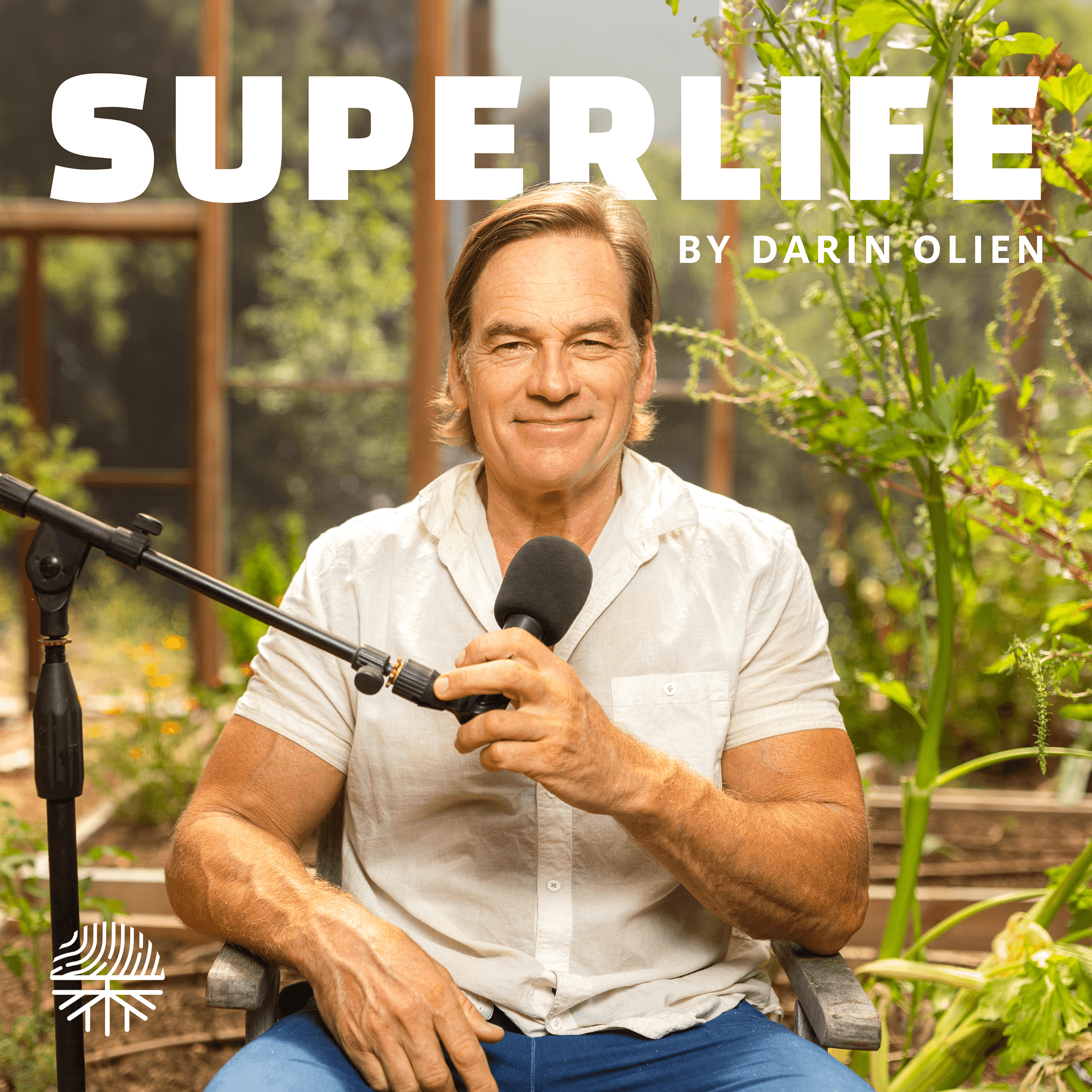
Podcast Summary: SuperLife with Darin Olien - Episode: Plant Protein, Part 2: The Truth About Where Your Protein Comes From
Podcast Overview Host: Darin Olien ("Superfood Hunter") Theme: Motivation and education towards a healthier, sustainable lifestyle. Focus: In-depth discussions on nutrition, mental health, sustainability, and life's Fatal Conveniences™—issues in our daily lives that may harm us or the planet.
Episode Highlights Title: Plant Protein, Part 2: The Truth About Where Your Protein Comes From Description: This episode continues the discussion on protein, specifically examining where food comes from, the impact of factory farming, and the ethical implications of food choices.
Key Concepts Discussed
- Food Source Matters More Than Macros: The origin of food plays a crucial role in health and environmental impact.
- Factory Farming Issues:
- Contamination concerns due to factory farming practices (e.g., pathogens, antibiotics).
- The ethical debate surrounding animal treatment and environmental stewardship.
- Health Risks:
- Discussion on foodborne illnesses (e.g., Salmonella, E. coli) and their association with animal products.
- Antibiotic resistance stemming from animal agriculture.
- Environmental Impact:
- Data from EPA highlighting the negative effects of confined animal operations on the environment.
- The ecological damage caused by animal feed (soy and corn).
- Industry Lobbying:
- Insight into the influence of the beef and dairy industries on public messaging and dietary choices.
- Discussion of how marketing and lobbying efforts affect perceptions of protein sources.
Common Myths Addressed
- Plant-Based Proteins:
- All plants contain essential amino acids—debunking the myth that they are incomplete.
- The health benefits of transitioning from red meat to plant-based proteins.
- Iron and B12 Needs:
- Importance of fortified foods and supplements for vegans.
- Comparisons between heme and non-heme iron and their absorption rates.
- Soy and Hormones:
- Clarification that soy does not negatively impact testosterone levels in men.
- Quality of Plant Proteins:
- Mixing different plant sources offers complete proteins, countering the belief that plant proteins are inferior.
Health and Longevity
- Plant-Dominant Diets:
- Studies indicating that higher plant protein intake is linked to lower mortality rates.
- Emphasis on the importance of reducing saturated fats from animal products.
- Environmental Sustainability:
- Beef’s environmental footprint significantly higher than that of plant proteins.
- Shifting towards plant-based diets as a solution for sustainable living.
Final Recap
- All Essential Amino Acids from Plants:
- The notion that plants can meet all protein needs effectively.
- Shift towards plant-based diets correlates with improved health outcomes and ethical considerations.
Key Takeaway > "All plants contain all essential amino acids. The more you swap red meat for plants, the longer, stronger, and cleaner your life becomes."
Sponsors
- SuperLife Patreon: Join for exclusive content and a global community focused on conscious living.
- Bite Toothpaste: Eco-friendly toothpaste alternative, promoting sustainability and health.
Connect with Darin Olien
- Website: [darinolien.com](https://darinolien.com)
- Instagram: [@darinolien](https://instagram.com/darinolien)
- Book: [Fatal Conveniences](https://darinolien.com/fatal-conveniences-book)
Conclusion This episode of "SuperLife" challenges listeners to rethink their understanding of protein sources and promotes a conscious approach to food that benefits both health and the environment. Darin Olien provides a comprehensive analysis backed by research and personal experience, advocating for a shift towards plant-based diets for a healthier future.
Written by AI. May contain mistakes. Listen to the episode to check what was said.
Transcript
Automatic transcript. May contain errors.0:03Darin Olien:Welcome to Super Life with me, Darin Olien, a podcast where we explore, discover, and share solutions that promote a healthier life and a better world. Together, we'll ignite possibilities, inspire change, and build sovereignty, creating a roadmap towards a super life for you and for all. Get ready to start living your super life.
0:32Darin Olien:By 2050, there will be more plastic in the ocean than fish. Over 500 toothpaste tubes have been thrown away since I've started this ad. You don't think of these small little things, but they add up a lot over time, and we can do something about it. That ends up to be over a billion plastic toothpaste tubes a year alone that ultimately end up in our environment and in our waterways and ultimately ends up in the ocean. Do you want to add to this or do you want to do something different? Plus, maybe that exposure to that plastic, getting the plasticizers and the endocrine disruptors and then putting that toothpaste in your mouth also is not a good idea.
1:21Darin Olien:There's some great solutions. You can DIY stuff. I've got many of these in my fatal conveniences, but the easy ones that I use every day, and I'm about to travel a lot more, and the traveling makes them really easy, I go to bite. I bite down on a little tablet, which is not interacting with any plastics because it's in a glass bottle. And it's refillable and reusable and sustainable. And there's no unwanted toxic fluorides, flow agents, and solvents in my mouth. So my favorite is this Bite Toothpaste. 100 % home, compostable pouches, subscription models. You don't even have to think about it again.
2:07Darin Olien:You're helping you by putting clean products in your mouth and you're helping the environment because Bite Toothpaste is one of the best companies I've seen looking at all aspects of their supply chain and their refillable, reusable, sustainable, regenerative practices. So Bite is offering you, all my listeners, 20 % off your first order. Go to trybite.com, T-R-Y-B-I-T-E, forward slash Darren20, or just use the promo code Darren20, D-A-R-I-N, and you can get 20 % off your first order with a great new toothpaste without using the tube. Hey, everybody. Welcome to the show. This is Super Life with me, Darren O 'Lean.
2:51This is part two of the protein thing, because we always seem to have to have this conversation. This part two is about the other side, the source of where your food is coming from. What is the effect that that has on your food? And in this case, there is contamination in the food system. And of course, we're going to talk about the ethics around this. It is massive. Billions and billions and billions of animals are slaughtered. And if you don't want to hear this, that's okay, but that's the truth. billions we should be stewards of the animals of this earth of ourselves not dominion over it's not dominion over it's stewardship of so side note i really believe that what christ spiracy uh talked about so check that out christ spiracy.com they dove into it for seven years talked to all the academics i'll leave that there go watch again my personal point of view i'll get into the data.
3:56Hang on. Don't worry about it. Don't freak out. It's my personal opinion. I get to have that. It's my podcast. So the reality check is the EPA's confined agricultural factory chaos. This large confining of operations, this concentration of feces, manure, pathogens, pharmaceuticals are so detrimental to the animal and to the environment and to the pollution that it's causing air water and you because those contaminants are being passed to you that is ethical whether you want to believe it or justify it or not choices matter so foodborne illnesses Salmonella E. coli still are illnesses tied to specific categories, especially around poultry, beef, and of course does show up in produce, but usually that comes by way of getting contaminated to animal products, fertilizers or whatever.
5:03Underscoring why thorough cooking and handling matters. So, you know, if you're eating anything raw or beef raw or any of that stuff, then that is a very risky situation. The regulatory context, the E. coli, is an adulterant in raw ground beef. Salmonella, a policy in raw poultry, has been evolving and is becoming stronger and stronger. Antibiotic resistance is a really big issue. And the antibiotics being used in the factory farming far outweighs the antibiotics that we need in the human society. However, the antibiotic resistance is being perpetuated in the animals because of this horrible disease-ridden state that they're in.
5:57So, hormones. FDA allows growth-promoting hormones and implants in cattle. Not approved for pigs and poultry, but the antibiotics still are. Some of the research around, which is also great, that PFAS is not being detected in a lot of the poultry, beef, and fish world. However, the contamination of the use of that water is in the farms and contaminated in the soil and is showing up in milk and sometimes beef. But this persistent pollutant can enter animal foods when the environments are contaminated. Small samples, it shows up sometimes and sometimes it doesn't. And the feed reality to some of these foods, processed soybean, is a leading driver of feed and meal consumption in the livestock and poultry industry.
6:55So again, from my lens, eat the soy, leave the animal alone, right? So, I mean, this was a great study, the Economic Research Service. And also, there's all kinds of marketing agendas. The USDA overseen checkoff boards in the beef and dairy industry, collecting mandatory assessments to promote their commodities. It's a big, big industry and it shapes public messaging all the time. They were behind the takedown of Impossible Meat and Beyond Meat. These guys were lobbying heavily against this. So when that happens, all of you that think that this is just, I just want to eat my beef and meat or whatever.
7:48and the messaging that you're getting that beef is superior is just not data-driven. It's just messaging. When most soy becomes animal feed and beef and dairy have taxpayer overseen promotion boards, we shouldn't be shocked that the default plate skewers animal-centric behavior. It's just the way it is. After 17 years of being vegan, the numbers back my lived experience. I don't need animal products for health, longevity, strength, or performance. The highest quality data from randomized controlled trials, randomized twin trials, substitution analysis, AHA guidelines favor mostly plants. Ethically and environmentally, plants win every time.
8:42So keep it simple. If you want to eat meat, do whatever you need to do. But without a doubt, the more plants you bring into your life, the more variety of the incredible benefits that they have, you get enough protein, you can easily supplement with B12, lift heavy, lift long, and you don't have to kill anything in the process. So let me recap. All plants have all 20 amino acids. Vegan twin study, lower the LDL cholesterol. Insulin went down and weight went down. Swapping red meat for plant-based meats lowers your LDL cholesterol. Replace saturated fat with polyunsaturated fat. Fewer cardiovascular disease markers.
9:30More plant protein, lower all-cause mortality, period, in the studies. Athlete protein, 1.4 to 2.0 or 2.2 grams per kilogram of body weight works and it all can come from plants. Beef hormones, they're allowed. Do you want beef hormones? Do you want synthetic hormones? Do you want antibiotic resistance? You think that beef is non-processed? Think again. Antibiotics, steroids, hormones, contaminated foods, confined spaces, disease, pathogens. Come on. It's clear. So again, I'm not here to shame you, but it's just the data. And it's funded. The beef industry has got a lock on trying to share and trying to navigate this narrative to tell you it's all good.
10:25Where do you get your protein? Aren't plant proteins incomplete? Short answer, all plants contain all essential amino acids. Variety easily meets needs. Dr. Christopher Gardner shows well-planned vegetarian, vegan diets, meat protein, and amino acid requirements. Legumes, nuts, seeds, grains, leucine, lysine needs, all are met. Will I lose muscle or performance without meat? Short answer, no. With enough total protein, and that's calories from a wide variety of sources, end training, both strength and endurance, or whatever your goals are, hold up perfectly. Systematic reviews and athletes show plant-based diet support, similar performance, and body composition to omnivore diets when protein is matched.
11:16Isn't animal protein healthier for longevity? Short answer. It's the source that matters. Swapping animal protein, especially processed and red meats, for plant protein is linked to a longer life. Large U.S. cohorts and meta-analysis show higher plant protein intake is associated with lower all-cause mortality and cardiovascular mortality. Replacing animal with plant proteins lower your risk. What about saturated fat? Was that all overblown? Short answer, elevated LDL and APOB drives arterial disease. Replacing saturated fat, commonly in red meats, with unsaturated fat lowers all of these events.
12:09European Atherosclerosis Society and HA conclude LDL is a causal factor in arterial cardiovascular disease. And replacing saturated fat with polyunsaturated fat reduces cardiovascular disease events.
12:30Darin Olien:Okay, everybody. Are you ready to upgrade your operating system? I know I am. I'm always game to do that. Not just physically, but mentally, emotionally, and spiritually. That's what we're doing over at Super Life Patreon. This isn't just behind-the-scenes membership. It's a global experiment in conscious living that I am connected to, committed with, in every cell of my body. Each week, you'll get exclusive access to deeper podcast conversations, extended interviews, voice notes from the road of me personally, personal reflections, behind-the-scenes footage, community wellness challenges, and even surprise drop-ins that I no longer do on social media because I don't really dig it anymore.
13:23Darin Olien:We're talking decentralized healing, reclaiming sovereignty, ancient wisdom meets future tech, and a tribe of people with you walking the path. If you love this podcast, the Patreon is where we go deeper, get more real, and reclaim our power together. Join us at patreon.com forward slash Darren Olean. That's Patreon, P-A-T-R-E-O-N.com forward slash Darren Olin, D-A-R-I-N-O-L-I-E-N. Join the movement, support the mission, let's rise together. Is red meat and processed meat really linked to cancer? Processed meat causes colorectal cancer. Red meat probably does. The research is leaning in that direction.
14:19Risk rises with dose. The more you eat it, the higher likelihood. The IARC classifies processed meat as a group 1 carcinogen and red meat as a group 2A, a probable carcinogen. World Cancer Research Fund admits limiting both. Aren't meat eaters just getting better? Iron and B12? B12 isn't in plants. Vegans should use fortified foods, supplements. I do, no big deal. We're taking a million supplements. Easy to do. Iron's a trade-off. Heme iron absorbs easily, but is linked to higher cardiovascular disease risk. Non-heme iron in plants absorbs fine And when you're eating a wide variety of food, you get higher amounts of vitamin C as well.
15:18And when that's combined, you don't have an issue of getting iron. The NIH recommends reliable B12 supplements for those not eating animal products. Okay, that's in the research. No big deal. Is soy bad for men, the testosterone, or thyroid? Short answer, good quality data says soy doesn't lower men's testosterone. It generally is fine for the thyroid in iodine replete people. Again, we are biochemically different. So it is helpful if you get a functional report based on where you're starting from, a blood analysis, look on your markers. This is always the case. Aren't plant proteins lower quality than animal?
16:08I think you know the answer at this point. Some individual plant foods score lower as an individual. But mixing, which is how we eat normally, mixing legumes, grains, soy, nuts, seeds, eating beautiful variety of plants meets all of your needs. But I feel better on a moderate meat diet. What's the real trade-off? Short answer, the more you shift from a red meat and processed meat to a whole plant protein, the better you have for long-term health signaling. Even partial swaps matter and help. The less meat you eat, the more whole foods you replace, the better outcomes you get. This is common sense.
16:58substitution analysis show replacing a small percentage of energy from red meat and processed meat with plant protein lowers all-cause mortality affects the scale of how much you swap dose matters aren't ultra processed meats just junk whole food plants should be your base always but And occasionally, I eat Beyond Meat. I looked into them. I went to their factories. I was astonished how well it is created. And it's not ultra-processed. It's processed just like your protein shake, right? So not all processed food is bad. And the data shows the Stanford Swap Meat randomized crossover trial and the recent synthesis report showed the metabolic, the cardiometabolic benefits over eight weeks.
17:58And again, replacing meat showed the benefits of all-cause mortality and lower cardiovascular events. Environmentally, can't regenerative beef fix all of this? Well, management helps for sure. But beef's footprint remains far higher per gram of protein than any plant protein, legumes, tofu. So cutting red meat beats the tweaks for sure. Cutting red meat is infinitely better, lowers pollution in the world, lowers the constraint on this environment. And the data shows it. Global analysis shows beef's emissions. And I'm saying like emissions is how polluting this is from air, water, animals, the environment, and the land use dwarf plant protein when you go toe-to-toe on what it takes to create a protein.
19:00The IPCC finds dietary shifts towards plant-rich diets are a key mitigation lever alongside the supply-side improvement. Food miles are a real issue. Not what I eat, right? What you eat matters much more than how far it traveled. Swapping beef for beans dwarfs transport emissions for sure. Is meat essential for a strong, cheap diet? No. Beans, lentils, tofu, peanuts, baruca nuts are much, much cheaper proteins and certainly are much, much cheaper proteins. Shows up in the data. Again, USDA, ERS notes, corn. Again, corn, soy are primarily grown for animal feed in the US. So the cheapest forms of protein to get you the essential amino acids are plants.
19:59Shows up in the data. Instead of feeding corn and soy, that is, by the way, genetically modified, which is a whole nother tangent, but let's leave that aside. Eat the soy rather than feed it to cattle because that's just a bioreactor for those upregulation of the amino acids that you could just take in without needing to eat the beef. What about contamination? Antibiotics, hormones, pathogens. U.S. cattle commonly receive hormone implants. Antibiotics are widely used in animals. PFAS is showing up localized more and more. FDA documents livestock hormone implants and usage is tracking and goes up every year.
20:43Antibiotic resistance and antimicrobial sales for food animals continues to skyrocket. Attributed to a large share of salmonella E. coli because of the resistance and the illnesses that show up in the meat and poultry industry. Aren't plants full of anti-nutrients? Soaking, cooking, fermenting, dose is the poison. All of those things people bring up. No, the dose that's in those plants aren't hurting you. Okay, you don't eat a bean raw. But as soon as you cook them correctly, lectins and all the anti-nutrients go away. So that's not true. In the real world diets, benefits, fiber, polyphenols, micronutrients outweigh any theoretical downside of any anti-nutrients.
21:34Major guidelines and research reviews emphasize overall diet quality and preparation methods. Populations eating legume-rich diets have excellent health outcomes, period. So after being a vegan for 17 years, I'm still active. I'm still kicking ass. I'm still doing my thing. You don't need animal products to be healthy, to have strength, to have longevity. They are not superior. The amino acids come from plants. All of the essential amino acids are in all plants. And when you eat a wide variety of plants, which I've done all my career, you get all of your needs met. The strongest evidence says favor plant protein sources.
22:20Keep saturated fat low, limit red meat more and more, especially processed meat, and also lowers your heart and cancer risk. If you eat animal foods, shift the mix towards plants and unsaturated fats, and your risk drops. Environmentally, economically, ethically, I'm sorry to say, always favor the plants. I love you. Peace.
From the publisher
In this follow-up to his deep dive on protein, Darin exposes the other side of the protein story: where your food comes from, what's really in it, and how the system itself affects your health, the planet, and the animals. From factory farm contamination to antibiotic resistance, industry lobbying, and why plants still win on every level — Darin breaks down the research, ethics, and environmental data so you can make conscious choices that fuel a truly SuperLife.
What You'll Learn
[00:00] Welcome + sponsor message: plastic waste, conscious products, and Bite Toothpaste
[02:47] Introduction — the real protein conversation continues
[03:00] The source of your food matters more than macros
[03:10] Contamination, ethics, and the reality of factory farming
[03:30] Stewardship vs. dominion — a call for responsibility
[04:01] EPA data: confined animal operations and environmental chaos
[05:00] Foodborne illness: salmonella, E. coli, and what contamination really means
[05:57] Antibiotics, resistance, and hormones in animal agriculture
[06:42] Persistent pollutants (PFOAs) showing up in food and milk
[07:10] How animal feed (soy and corn) drives ecological damage
[07:57] USDA marketing boards + industry lobbying against plant alternatives
[08:38] Darin's 17 years vegan — data and lived experience
[09:00] The numbers: amino acids, LDL, fat swaps, and longevity
[09:47] Common plant-based protein myths answered
[12:59] Patreon message — upgrade your operating system and join the tribe
[14:03] The cancer connection: processed and red meat research
[14:47] Iron, B12, and what vegans actually need to know
[15:37] Soy, testosterone, and thyroid myths debunked
[16:08] Protein quality: why mixing plant foods covers all bases
[16:31] Feeling better on moderate meat? Understanding the trade-offs
[17:18] Substitution data: even small swaps improve health outcomes
[17:57] Processed vs. ultra-processed: why Beyond Meat isn't the enemy
[18:09] Environmental impact: why beef's footprint dwarfs plant protein
[19:05] Food miles myth — what you eat matters more than distance
[19:29] Cost and accessibility: the cheapest protein sources are plants
[20:08] Contamination and antibiotic resistance rising annually
[21:03] Anti-nutrients and the myth of plant dangers
[21:47] Real-world evidence: fiber, polyphenols, and legume-based longevity
[22:00] Final recap — all essential amino acids come from plants
[22:17] Strongest evidence: plant protein wins ethically, environmentally, and scientifically
Thank You to Our Sponsors:
-
SuperLife Patreon: Go towww.patreon.com/DarinOlien and sign up to start changing your life today
-
Bite Toothpaste: Go to trybite.com/DARIN20 or use code DARIN20 for 20% off your first order.
Connect with Darin Olien:
-
Website: darinolien.com
-
Instagram: @darinolien
-
Book: Fatal Conveniences
-
Platform & Products: superlife.com
Key Takeaway
"All plants contain all essential amino acids. The more you swap red meat for plants, the longer, stronger, and cleaner your life becomes."