In short
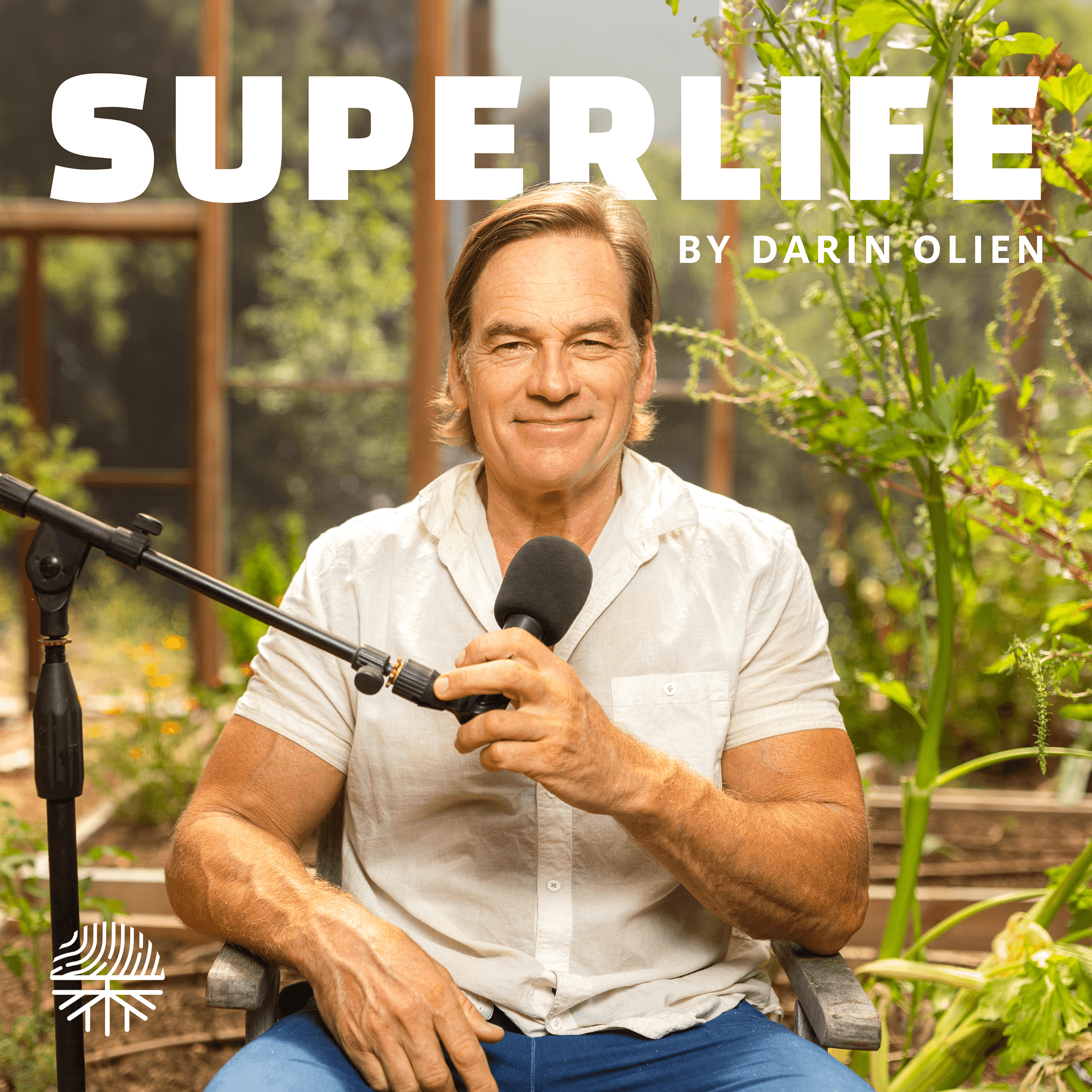
Podcast Summary: SuperLife with Darin Olien
Episode Title
Why You're Exhausted All the Time (Even When You Do Everything Right)
Episode Description In this solo episode, Darin Olien explores the reasons behind chronic exhaustion experienced by many individuals despite following healthy lifestyles. He emphasizes that fatigue is not a sign of personal failure, but rather a biological signal indicating misalignment in modern living. The episode provides insights into restoring energy through environmental realignment, habit adjustment, and synchronization with natural rhythms.
---
Key Learnings
The Rise of Chronic Fatigue
- Chronic Fatigue Statistics: Nearly 1 in 3 adults experience persistent fatigue.
- Symptoms: Fatigue often accompanies brain fog, low motivation, and slow recovery, even among those who are active and health-conscious.
Understanding Mitochondria
- Role Beyond Energy Production: Mitochondria serve as environmental sensors, processing stress and information that impact overall energy levels.
- Dysfunction Effects: Mitochondrial dysfunction can lead to significant energy depletion and affect mood and recovery.
Modern Life Disturbances
- Circadian Misalignment: Artificial light and erratic schedules disrupt natural biological clocks.
- Environmental Stressors: Increased exposure to EMFs (electromagnetic fields) and psychological stressors contribute to energy depletion.
- Nutrient Deprivation: Clean diets may still be lacking in essential nutrients that support mitochondrial function.
Fatigue as a Biological Signal
- Signal Not Failure: Fatigue represents a misalignment between biological rhythms and modern lifestyles, rather than a lack of discipline.
---
Practical Roadmap for Energy Restoration
Daily Practices to Support Mitochondria
- Breathwork: Engaging in breathwork can mitigate stress and enhance parasympathetic response.
- Social Connections: Positive interactions can reduce stress signaling and improve vitality.
- Morning Sunlight: Exposure to natural light in the morning is crucial for setting circadian rhythms.
- Nutrition: Focus on nutrient-rich foods (e.g., CoQ10, magnesium, B vitamins) that support mitochondrial health.
Lifestyle Adjustments
- Sleep Hygiene: Maintain consistent sleep and wake times, aiming for alignment with natural light cycles.
- Stress Management: Incorporate mindfulness practices, gentle stretching, and relaxation techniques to foster recovery.
- Targeted Nutrition: Emphasize whole foods rich in antioxidants and micronutrients to combat oxidative stress.
---
Five Daily Energy Takeaways
- Sunlight + Sleep Timing: Reset your circadian rhythm daily.
- Support Mitochondrial Repair: Engage in stress reduction rituals (meditation, journaling).
- Targeted Nutrition: Include micronutrient-dense foods in your diet.
- Light Environment Hygiene: Optimize exposure to natural light, minimize blue light at night.
- Movement Variety: Incorporate regular movement and active recovery days.
---
Additional Notes
- Primal Expression: Encourage emotional expression (e.g., primal screaming) as a method to release built-up tension and enhance energy.
- Community Support: Darin emphasizes the value of community in promoting accountability and shared knowledge for health and wellness.
---
Conclusion Darin Olien concludes that energy is not about forcing it but allowing it by creating a supportive environment that respects biological needs. Fatigue serves as feedback for necessary adjustments in lifestyle. The episode encourages listeners to adopt small, consistent changes for a healthier, more energized life.
---
Key Quote *"Fatigue isn't failure. It's feedback. When your environment, timing, and signals align, your biology remembers how to thrive."*
---
Join the SuperLife Community
- Patreon Support: $7.49/month for additional wellness resources and community support.
Find More from Darin Olien
- [Instagram](https://instagram.com/darinolien)
- [SuperLife Podcast](https://superlife.com/podcasts/)
- [Website](https://superlife.com)
- [Book: Fatal Conveniences](https://www.amazon.com/Fatal-Conveniences-Harmful-Products-Sick_and/dp/0063114534)
---
Bibliography/Sources
- A collection of scientific articles supporting the discussion on mitochondrial function, circadian rhythms, and nutrition-related to energy levels is provided for further reading.
Feel free to explore the references for a deeper understanding of the topics discussed.
Written by AI. May contain mistakes. Listen to the episode to check what was said.
Chapters
Tap a time to open that second in VOUnderstanding Exhaustion: The Modern Energy Crisis
2:11 to 4:12
Discussing the modern issues related to chronic fatigue and energy loss.
“We have less than 365 days left in the year.”
The Role of Mitochondria in Energy Production
4:12 to 6:34
Exploring how mitochondria affect energy levels and overall health.
“Because most advice only scratches the surface of what could be driving this energy loss at a cellular level, a systemic level.”
Recognizing and Releasing Emotional Stress
6:34 to 8:28
The importance of emotional expression and its impact on energy.
“And we actually lose track of time because of all this exposure.”
Lifestyle Signals and Biological Clocks
8:28 to 9:21
How lifestyle choices influence our biological energy systems.
“These are healthy ways to express some of that.”
Circadian Rhythm and Light Exposure
15:17 to 18:59
Discover how light exposure influences your circadian rhythm and mitochondrial health.
“And then when I go out with my dogs, the light, even if it's cloudy, it's still light coming through.”
Nutrition for Mitochondrial Health
19:00 to 20:49
Explore essential nutrients and foods that support mitochondrial function and overall health.
“Even though I'm in nature, the moon is a full moon last night.”
Stress Management and Recovery
20:50 to 23:04
Learn effective stress management techniques and the importance of recovery in fitness.
“even see, I don't go into gyms much anymore, but because we have gyms at private residence that we get together at.”
Daily Practices for Energy and Health
23:05 to 25:14
Implement simple daily practices to boost energy levels and overall health.
“And then, you know, just to continue on the nutrition side, I had a big salad yesterday with some organic barbecue sauce and tempeh and tofu, actually a combination.”
Transcript
Automatic transcript. May contain errors.0:03Darin Olien:Welcome to Super Life with me, Darin Olien, a podcast where we explore, discover, and share solutions that promote a healthier life and a better world. Together, we'll ignite possibilities, inspire change, and build sovereignty, creating a roadmap towards a super life for you and for all. Get ready to start living your super life.
0:32Before we start this podcast today, I want to tell you about my sponsor, Therisage. You know, there's a reason Therisage has become one of the most trusted names in natural healing. Because it's not just a brand, it's a family. Robbie and Melody, who I've known for a very long time, built Therisage from the ground up, driven by love for their family and a belief that nature already gave us everything we need to heal. We just have to activate it. For 25 years, they've led the world in infrared, red light, natural frequency technologies, not by chasing trends, but by standing in truth. Every Therisage product is built with integrity, backed by science, and made with one purpose.
1:25to help you reconnect with your body's natural intelligence. This is real wellness. Honest, grounded, family-made. This is Therisage. It's safe, low EMF, and no weird flicker of lights. It's in many sizes, small size as well as big size. And when I lay on this thing, my full body is fantastic. You can go to Therisage.com and get 15 % off your order. Just type in Darren, D-A-R-I-N, and magically, you get 15 % off. I'm super stoked for Therisage. I love their company, I love what they're doing, and you will too.
2:10Darin Olien:Hey everybody, welcome to the show. This is Super Life. Happy New Year. We are starting off. It is already rolling. We have less than 365 days left in the year. I'm very aware of that. Like I'm recording this on January 4th and time cruises. And I think about a lot of things all the time. And I thought about many topics that are to help you. And one of the things that I was thinking about is, are you exhausted all the time? It could be your mitochondria. It could be circadian rhythm. And it could be nutrients or lack thereof to blame. because here's the thing. You could be someone that's relative to you.
2:52Darin Olien:You're eating clean, you train, you drink, you know, eat a lot of veggies, you take your smoothies, you're doing all the quote-unquote right things, yet you wake up exhausted. And by mid-morning, your energy crashes, your workouts feel heavy, your focus is gone, and no amount of caffeine and coffee seems to help. Here's the thing. You're not lazy. You're not doing it wrong. There's something deeper going on, something most people don't talk about. There is a modern day issue or modern energy crisis. See, chronic fatigue is exploding. This is a silent hindrance to our life. Nearly one in three adults report persistent fatigue without illness.
3:38Just I don't have the energy.
3:39Darin Olien:Among healthy, active people, fatigue often comes with brain fog, low motivation, and slow recovery. I too, I've felt this many times. And, you know, traditional advice isn't necessarily solving this anymore. Our modern day world has other issues. You know, you're eating clean, you're exercising, you're sleeping seven to eight hours. And some of those things maybe you're not doing or you're trying to. But for the most part, all of you listening here, you're trying, yet your energy remains low. Why? Because most advice only scratches the surface of what could be driving this energy loss at a cellular level, a systemic level.
4:23Darin Olien:And there's a lot of things going on. And I've been loving diving into the research around mitochondria because the work of Dr. Picard, when I highlighted the Huberman podcast and Andrew talking with Dr. Picard about mitochondria changed everything. It changed the way I view some systems of the body in terms of energy flow. So the mitochondria could be in a massive dysfunction. Your cells aren't producing enough energy. Your circadian misalignment, your biology clocks are all out of sync because of our modern day world living inside. The environmental stressors are at an all time high and they're only increasing.
5:06Darin Olien:EMFs sitting in front of computers and phones and artificial lights at night. And the social psychological stress of our modern day world. As well as we're trying to get stronger, we're trying to achieve, we're trying to get our metabolism going. and lower weight and increase our strength. And we're trying to get energy, but it also could lead to overtraining because as we see through the lens of mitochondria, it is built on flow and rest. So you could be chronically in this stress mode and then just adding more stress to it. As well as, which we know now, the nutrient deprivation, even clean diets often miss critical cofactors, as well as this low-grade inflammation, immune activation system, cytokine storms.
5:56Darin Olien:So fatigue isn't a lack of discipline. It's a signal that your biology is out of alignment with your modern environment. So this is something we need to do. And these levers that I'm going to talk about today are, quote-unquote, small but huge. Because added up over time, they create massive changes. So the modern life is designed, really, if you really look at it, to misalign our energy systems. This artificial light has changed our society. And of course, it's made a massive convenience because like Vegas, they can keep the lights on and keep us up. And we actually lose track of time because of all this exposure.
6:39Darin Olien:And that's what they do in Vegas. You lose track of time. But on a smaller scale, we're flipping on lights. We're not with the rhythm of one of the greatest natural rhythms of the entire planet of our life, of the sun, these photons, these very critical setting of our internal clocks. We also have erratic schedules. We are in this overproduce mode. And this is so much a part of the modern westernized world. You've got to produce, got to produce, got to produce, got to. once I get there, I will be there. I need to set more goals. I need to set more ambition. But really, it's going to come down and I'll do a whole podcast later on discipline.
7:25Darin Olien:But it's really discipline based on setting up our lives in a way that supports these natural rhythms. And excuse my voice. I did a side note. I did some primal screaming this past weekend. I'm not sick. I just screamed. I was sitting at a waterfall on my property and I was just in touch of a seven-year cycle that I've been in since the loss of my property. And it's been draining me, this whole process. So I, this is a side note, I just went outside, put my feet in the ground, it was raining and I just screamed. I just got in touch with this primal side of myself. And I got to tell you, ever since then, I've had so much energy.
8:08Darin Olien:So this is a side note, But getting in touch with unexpressed anger, resentment, fear, sadness, and finding ways to let that out is so important. Now, if you don't have an outside place to go and you feel weird, you can certainly do silent screams of just open your mouth and get in touch with that. You can also scream in a pillow. These are healthy ways to express some of that. So that's part of this energy thing too, because I just had to say that because I received back so much energy by kind of acknowledging the shadow side. So getting back to this, the problem is that one of the most highly searched things on the internet is why am I tired all the time?
8:57Darin Olien:Exhausted even after eating healthy meal, burnout fatigue. All of these queries are skyrocketing in our world. So clearly there's something going on across the population. And understanding how our cells, clocks, and lifestyle signals and interacts with our biology is the key to reclaiming some of this energy. And that's exactly what this episode is going to break down. So let's start with the very core, these tiny powerhouses of the cell and every cell and many cells and all throughout the body, all cells throughout the body. They literally decide whether you feel energized or exhausted, the mitochondria.
9:40Darin Olien:And there's a lot to unpack here. But they're more, like I said in a previous solo podcast about mitochondria, they're more than just these powerhouses of the cell. We seem to look at the body as like a car mechanics. Well, here's the powerhouse of the cell. They convert glucose and oxygen spark and turn on the Krebs cycle and produce all this energy. But with Dr. Martin Picard's work out of Columbia University, he shows that it's not just energy producers. They are environmentally responding. They are stress communicating. They are information processing organelles. That link is what you experience and feel with what your cells are doing.
10:26Darin Olien:That's huge. So again, it's this witness of what you are doing, even what you are thinking, and what your environment is giving to you or not giving to you that's allowing the mitochondria to move energy throughout the body. So they respond to stress, the environment, the psychosocial signals, which is why it's also important to hang out with great people that up level you, inspire you, that you have a strong community. But also mitochondrial allostatic load, the stress load, this reduces the ATP production. The dysfunction affects the whole body energy, mood and recovery. So here's some clear biological, physiological, mitochondrial ways to help mitigate some of that stress.
11:20Darin Olien:It's simply a stopping, doing some breath work, doing some slow exhales. So if I breathe in for a count of three, I exhale double the count of six, for example. It doesn't really matter what you choose. It could be five in or ten out, but you can do this for a few minutes a day. One little hack is do that in front of your meals. It's a nice way to just pray for the food and be grateful, but as well as just downshift into parasympathetic response, getting ready to digest. It's always a great way. It reduces cortisol and then protects this mitochondrial function. And easy way is also double inhale.
12:00So it's in the nose for two and let it out.
12:05Darin Olien:Just do a few rounds of that. So this is this meditation, mindfulness, what you're doing instead of just thinking about the next steps. You're just really present in the moment. Increase this or do it a minute, do two minutes, do it 10, do 20, whatever you can start to build. And the other things that help the mitochondria is this social connection, this positive interaction, low stress signaling for the body. And that is just hang out. I love working out with my buddies because I kind of come in colorfully animated all the time. It's my great expression and we make each other laugh and we do this pretty much on a daily basis.
12:48Darin Olien:And then the loving relationships I have in my life. There's countless people that I have in my life that I've cultivated that inspire me every day that is nurturing to me. And I eliminate the ones that are not. By 2050, there will be more plastic in the ocean than fish. Over 500 toothpaste tubes have been thrown away since I've started this ad. You don't think of these small little things, but they add up a lot over time, and we can do something about it. That ends up to be over a billion plastic toothpaste tubes a year alone that ultimately end up in our environment and in our waterways and ultimately ends up in the ocean.
13:35Darin Olien:Do you want to add to this or do you want to do something different? Plus, maybe that exposure to that plastic, getting the plasticizers and the endocrine disruptors and then putting that toothpaste in your mouth also is not a good idea. There's some great solutions. You can DIY stuff. I've got many of these in my fatal conveniences, but the easy ones that I use every day and I'm about to travel a lot more and the traveling makes them really easy, I go to bite. I bite down on a little tablet, which is not interacting with any plastics because it's in a glass bottle. And it's refillable and reusable and sustainable.
14:17Darin Olien:And there's no unwanted toxic fluorides, flow agents, and solvents in my mouth. So my favorite is this Bite Toothpaste. 100 % home, compostable pouches, subscription models. You don't even have to think about it again. You're helping you by putting clean products in your mouth, and you're helping the environment because Bite Toothpaste is one of the best companies I've seen looking at all aspects of their supply chain and their refillable, reusable, sustainable, regenerative practices. So Bite is offering you, all my listeners, 20 % off your first order. Go to trybite.com, T-R-Y-B-I-T-E forward slash Darren20 or just use the promo code Darren20, D-A-R-I-N, and you can get 20 % off your first order with a great new toothpaste without using the tube.
15:17Darin Olien:light in your environment so morning sunlight sets this clock because if we rely on artificial lights all the time it does not set the circadian rhythm all that well so this primes the mitochondria and and then of course you know and this is like you know 10 20 minutes if you can get outside i luckily get to go walk my dogs straight away after my meditations the lights coming up because i'm usually up at 4, 4.30 in the morning. And then when I go out with my dogs, the light, even if it's cloudy, it's still light coming through. And then at night, of course, limit your artificial light at night.
15:56Darin Olien:Use amber lights or blue blockers, raw optics. I love them. One of my favorite companies for mitigating blue lights. And then you could put a red light glasses on if you have artificial lights around you and you can't control that. But mitigate that one to two hours before. Then other things that you can focus on for mitochondrial cofactors, and that is CoQ10, which is huge in spinach, broccoli, broccoli sprouts. Or you can also look at, this is just, this is not medical advice, but you can look at 100 to 200 milligrams per day if you want to supplement. Also, magnesium is hugely important for this mitigation, the support of the mitochondria cofactor system.
16:45Darin Olien:Pumpkin seeds are high in magnesium. Cacao is very high. I consume a lot of cacao. Drinks and stuff in the morning. Spinach is also huge. And you can also look at two to 400 milligrams of magnesium a day. B vitamins, whole grains, legumes, nuts, seeds, spirulina are great whole food ways to bring in a wide variety of the B vitamins. And of course, omega-3s, chia, flax. I grind these fresh every other day. Algae oils, hemp oil, these things are great. Problem I have with fish oil is often they're rancid. So they actually, instead of anti-inflammatory. They could support more inflammatory responses.
17:28Darin Olien:And now the sleep timing more is the circadian rhythm. The sleep timing is so important. So this supports your circadian rhythm going up with the sun, going down with the sun as close to that as possible. And you want to really aim for consistent sleep wake times. So even on the weekends. So I pretty much from 8pm to 10pm, it's very rare. 930 is like feels super late for me. And then I always wake up between four. I put four and six down here. I'm saying it to you, but usually between four and 5am I'm up. So I get seven to eight hours of sleep a night. And then this pre-sleep routine, I think, is so important.
18:17Darin Olien:So again, dim those lights, avoid blue light, and also avoid the stimulatory caffeine six to eight hours, depending on certain people digest and metabolize caffeine differently than others. But, you know, avoid that. Don't take caffeine or coffee later in the afternoon. You want to minimize that. And then some other ways to down-regulate, you could do some breathing, you could do some gentle stretching, you could do some visualization. That's been something I've been doing, jumping into some visualization and diving into breathwork and journaling at night, which I really have not done consistently, and now in the last month I have, and I really love it.
18:57Darin Olien:And then, of course, the other things that tart cherry juice actually shows up as a great way to help circadian misalignment if it persists, as well as the temperature of the bedroom. Cooler often is better. Dark, wear an eye mask if you can't. Even though I'm in nature, the moon is a full moon last night. My eye mask is on all the time. It's blacked out, man. And just to emphasize, the suppression of melatonin is something that disrupts the mitochondria, does not allow it to repair well, and it delays the circadian phase. So this then has a cascade effect of less energy from the mitochondria and increases stress and cortisol that then shows up the next day.
19:46Darin Olien:So again, everything is compounded. That's why I'm talking about simple, small steps that you can do to integrate these things added up over time. These, you know, we always want to get the thing that's going to do it, but it's really a bunch of little things that we need to acknowledge our modern world, acknowledge our biology, and then set our lives up so that we can support our system a lot better. Other ways to protect the mitochondria pretty directly, and this is a diet rich in antioxidants, colors, dark leafy greens, berries, cacao, walnuts, barucas, all of these things huge in antioxidants.
20:31Darin Olien:This reduces the oxidative stress induced naturally just by us living, but also the increase of oxidative stress from our environment. The other thing I want to just mention here is the chronic high intensity stress without recovery enough. So if we are always training and beating ourselves up, I've seen this so many times where you even see, I don't go into gyms much anymore, but because we have gyms at private residence that we get together at. But periodization, sometimes intense, sometimes moderate, and sometimes light days, higher reps, these kind of things. An active rest and active recovery every day.
21:17Darin Olien:So one little hack that we do with us and the guys every day is we go pretty hard three days a week. And after that, we lay down on the ground on our towels and go right into down regulation of three rounds of breathing. So that's usually could be in the nose, out the mouth, or could be in the mouth, out the mouth. inspired by Wim Hof, of course, the OG. And this is, we do 30 to 40 breaths per round with an exhale hold and then an inhale hold. And we do three to four rounds like that. And it's amazing after an intense workout how quickly the body shifts into the recovery mode. So feel free to steal that one because that one's huge.
22:07Darin Olien:And we also go directly into a dry sauna two to three times a week. And then, you know, in those off days, do gentle mobility stuff, yoga sessions, just reducing the sympathetic dominance and increasing the parasympathetic rest. And of course, nutritionally, I have to say one and a half to two grams per kilogram of body weight. I'm 200 pounds. So I'm shooting for, I don't get too obsessed over it. I'm shooting for about 100 grams of protein a day. And I don't, I mean, I add my Shakeology, which I've created because it's got a bunch of antioxidants, prebiotics and enzymes and all kinds of other stuff in it.
22:51Darin Olien:But that's a good way to add to my smoothie bowls. I add some nuts and seeds and berries and all of that stuff. So I'm getting 40 to 50 grams of protein without even trying, really. So this is really important. And then, you know, just to continue on the nutrition side, I had a big salad yesterday with some organic barbecue sauce and tempeh and tofu, actually a combination. It was so good. And I added it on my salad with nuts. And so it's not hard to get the amount of protein just by virtually eating. So you want to think high polyphenols, cacao, green teas, omega-3s, curcumin, which is an active ingredient of turmeric and ginger.
23:40Darin Olien:These are all helpful for overall systems, recovery, immune support. So you want to avoid overtraining and you want to just do regular movement every day. Like today, which is basically an off day, I just skipped and did a light jog while I was walking the dogs. So good. jumped on the motorcycle the second walk and just kind of putzed around and jumped around on the bike as I was walking the dogs. Like these things are just stress managements. So really good. Probiotic rich foods, fermented veggies, kimchi, kefir, all of these things help with systemic inflammation of the body. Prebiotics like onions, garlic, asparagus, artichokes, nourish big time, as well as the polyphenols and antioxidants of berries and blueberries and things like that help build the prebiotic food for the good bacteria.
24:37Darin Olien:So five actionable daily takeaways. Sunlight plus sleep timing. Reset your circadian rhythm. Do that every day. Support this mitochondrial repair. Stress reduction rituals. Meditation, journaling, social connection. You all can do this. You all can do this. This is a beautiful thing. You don't need to buy anything to do these things. Targeted nutrition. So all the things that I mentioned before, micronutrients, whole foods, antioxidants, colorful filled foods, light in your environment hygiene. So like I said, light in the morning, light at night, naturally without sunglasses on, blue light reduction, especially at night, total darkness at night.
25:24Darin Olien:So if you're exhausted, despite doing everything right, your body isn't failing you. It's trying to adapt to a strange modern life. Energy isn't forced. It's permitted when the environment, the timing, the signals tell your biology it's safe to thrive. Fatigue isn't failure. It's a signal that your biology may be out of alignment. So it's not just your effort. It's habits that are maybe not integrated that could better serve you. So this is one of those episodes that these are daily practices you all can do to improve. And I promise you by integrating all of these things, you will feel energy.
26:10Darin Olien:You will feel great and maybe get a primal scream in there every once in a while. If you're holding unnecessary tension, be in touch with your body. Sit inside your body before you work out, in your meditations, feel what's going on. I scan my body every day from my toes to my ankles to my shins to my knees to my hips to my stomach to my chest to my arms to my head and out the head. I scan my body on a daily basis to be in touch with this thing that is living in this modern world. It has a lot of information that it can give to you. Okay. Happy new year, everyone. And please, if you want to sign up for my super life Patreon, please do.
26:55Darin Olien:We are diving in to support through a community, things like this, things exactly like this. And the community is also supporting itself, giving information, sharing ideas. If you want to sign up, it's only$7 and 49 cents a month. And I, my intention is to over deliver information that can help you thrive in this modern world that we find ourselves in. Okay. Peace. Love. Happy new year.
From the publisher
In this solo episode, Darin breaks down why so many people feel chronically exhausted despite eating clean, exercising, and "doing everything right." He explains how modern life disrupts mitochondrial function, circadian rhythm, stress signaling, and nutrient availability, and why fatigue is not a personal failure, but a biological signal.
This episode offers a grounded, practical roadmap to restoring energy by realigning your environment, habits, and daily rhythms with how the body is actually designed to function.
What You'll Learn in This Episode:
-
Why chronic fatigue is exploding—even among healthy, active people
-
How mitochondria do far more than "make energy"
-
The role of circadian rhythm, light exposure, and timing in energy production
-
Why stress, overtraining, and modern lifestyles drain cellular energy
-
How emotional suppression and unexpressed stress affect vitality
-
The difference between forcing energy and allowing energy
-
Simple daily practices that support mitochondrial repair
-
How breathwork, stillness, and social connection restore resilience
-
Why nutrition alone isn't enough without rhythm and recovery
-
How to realign your biology with the modern world
Timecodes
00:00:00 – Welcome to SuperLife and the intention behind this episode
00:00:32 – Sponsor: TheraSage and natural frequency-based healing
00:02:10 – Happy New Year + why this conversation matters now
00:02:37 – Are you exhausted even though you're "doing everything right"?
00:03:26 – The modern energy crisis and rising chronic fatigue
00:04:12 – Why surface-level health advice no longer works
00:04:27 – Mitochondria: more than energy factories
00:04:59 – Circadian misalignment, EMFs, and modern stressors
00:05:36 – Overtraining, stress load, and lack of recovery
00:06:00 – Fatigue as a signal, not a lack of discipline
00:06:18 – How artificial light disrupts internal clocks
00:07:25 – Discipline as alignment with natural rhythms
00:07:36 – Emotional release, primal expression, and energy recovery
00:08:47 – Why "why am I tired all the time?" is exploding online
00:09:24 – The mitochondria as environmental sensors
00:10:06 – Stress signaling, thoughts, and cellular energy flow
00:11:18 – Breathwork and slowing the nervous system
00:12:24 – Social connection and low-stress signaling
00:13:02 – Sponsor: Bite toothpaste and eliminating plastic exposure
00:15:19 – Morning sunlight and circadian priming
00:15:52 – Reducing artificial light at night
00:16:15 – Nutrients that support mitochondrial function
00:17:29 – Sleep timing, consistency, and repair
00:18:20 – Evening routines and melatonin protection
00:19:46 – Small daily steps compound into real energy
00:20:17 – Antioxidants, inflammation, and recovery
00:20:49 – Training smarter, not harder
00:21:31 – Breathwork, sauna, and recovery rituals
00:22:26 – Nutrition, protein, and polyphenols
00:24:37 – Five daily energy takeaways
00:25:24 – Energy is permitted, not forced
00:26:03 – Listening to the body and closing reflections
00:26:49 – SuperLife Patreon and community support
Join the SuperLife Community
Get Darin's deeper wellness breakdowns — beyond social media restrictions:
-
Weekly voice notes
-
Ingredient deep dives
-
Wellness challenges
-
Energy + consciousness tools
-
Community accountability
-
Extended episodes
Join for $7.49/month → https://patreon.com/darinolien
Thank You to Our Sponsors:
-
Therasage: Go to www.therasage.com and use code DARIN at checkout for 15% off
-
Bite Toothpaste: Go to trybite.com/DARIN20 or use code DARIN20 for 20% off your first order.
Find More from Darin Olien:
-
Instagram: @darinolien
-
Podcast: SuperLife Podcast
-
Website: superlife.com
-
Book: Fatal Conveniences
Key Takeaway
"Fatigue isn't failure. It's feedback. When your environment, timing, and signals align, your biology remembers how to thrive."
Bibliography/Sources:
Ames, B. N. (2006). Low micronutrient intake may accelerate the degenerative diseases of aging through allocation triage. Proceedings of the National Academy of Sciences, 103(47), 17589–17594.
https://doi.org/10.1073/pnas.0608757103
Bass, J., & Takahashi, J. S. (2010). Circadian integration of metabolism and energetics. Science, 330(6009), 1349–1354.
https://doi.org/10.1126/science.1195668
Gooley, J. J., Chamberlain, K., Smith, K. A., Khalsa, S. B., Rajaratnam, S. M., Van Reen, E., Zeitzer, J. M., Czeisler, C. A., & Lockley, S. W. (2011). Exposure to room light before bedtime suppresses melatonin onset and shortens melatonin duration in humans. The Journal of Clinical Endocrinology & Metabolism, 96(3), E463–E472.
https://doi.org/10.1210/jc.2010-2098
Kreher, J. B., & Schwartz, J. B. (2012). Overtraining syndrome: A practical guide. Sports Health, 4(2), 128–138.
https://doi.org/10.1177/1941738111434406
Meeusen, R., Duclos, M., Foster, C., Fry, A., Gleeson, M., Nieman, D., Raglin, J., Rietjens, G., Steinacker, J., & Urhausen, A. (2013). Prevention, diagnosis, and treatment of the overtraining syndrome: Joint consensus statement of the European College of Sport Science and the American College of Sports Medicine. European Journal of Sport Science, 13(1), 1–24.
https://doi.org/10.1080/17461391.2012.730061
Panda, S. (2016). Circadian physiology of metabolism. Cell Metabolism, 23(6), 1152–1163.
https://doi.org/10.1016/j.cmet.2016.06.005
Picard, M., Juster, R. P., & McEwen, B. S. (2014). Mitochondrial allostatic load: Putting the 'gluc' back in glucocorticoids. Nature Reviews Endocrinology, 10(5), 303–310.
https://doi.org/10.1038/nrendo.2014.22
Picard, M., & McEwen, B. S. (2018). Psychological stress and mitochondria: A systematic review. Psychosomatic Medicine, 80(2), 126–140.
https://doi.org/10.1097/PSY.0000000000000544
Picard, M., McElroy, G. S., & Turnbull, D. M. (2015). Mitochondrial functions modulate neuroendocrine, metabolic, inflammatory, and transcriptional responses to acute psychological stress. Proceedings of the National Academy of Sciences, 112(48), 14920–14925.
https://doi.org/10.1073/pnas.1518223112
Reiter, R. J., Rosales-Corral, S., Tan, D. X., Acuna-Castroviejo, D., Qin, L., Yang, S. F., & Xu, K. (2017). Melatonin as a mitochondria-targeted antioxidant: One of evolution's best inventions? Journal of Pineal Research, 62(1), e12394.
https://doi.org/10.1111/jpi.12394
Scheer, F. A., Hilton, M. F., Mantzoros, C. S., & Shea, S. A. (2009). Adverse metabolic and cardiovascular consequences of circadian misalignment. Proceedings of the National Academy of Sciences, 106(11), 4453–4458.
https://doi.org/10.1073/pnas.0808180106
Straub, R. H. (2017). The brain and immune system prompt energy shortage in chronic inflammation and ageing. Nature Reviews Rheumatology, 13(2), 74–79.
https://doi.org/10.1038/nrrheum.2016.213
World Health Organization. (n.d.). Micronutrient deficiencies. World Health Organization.