In short
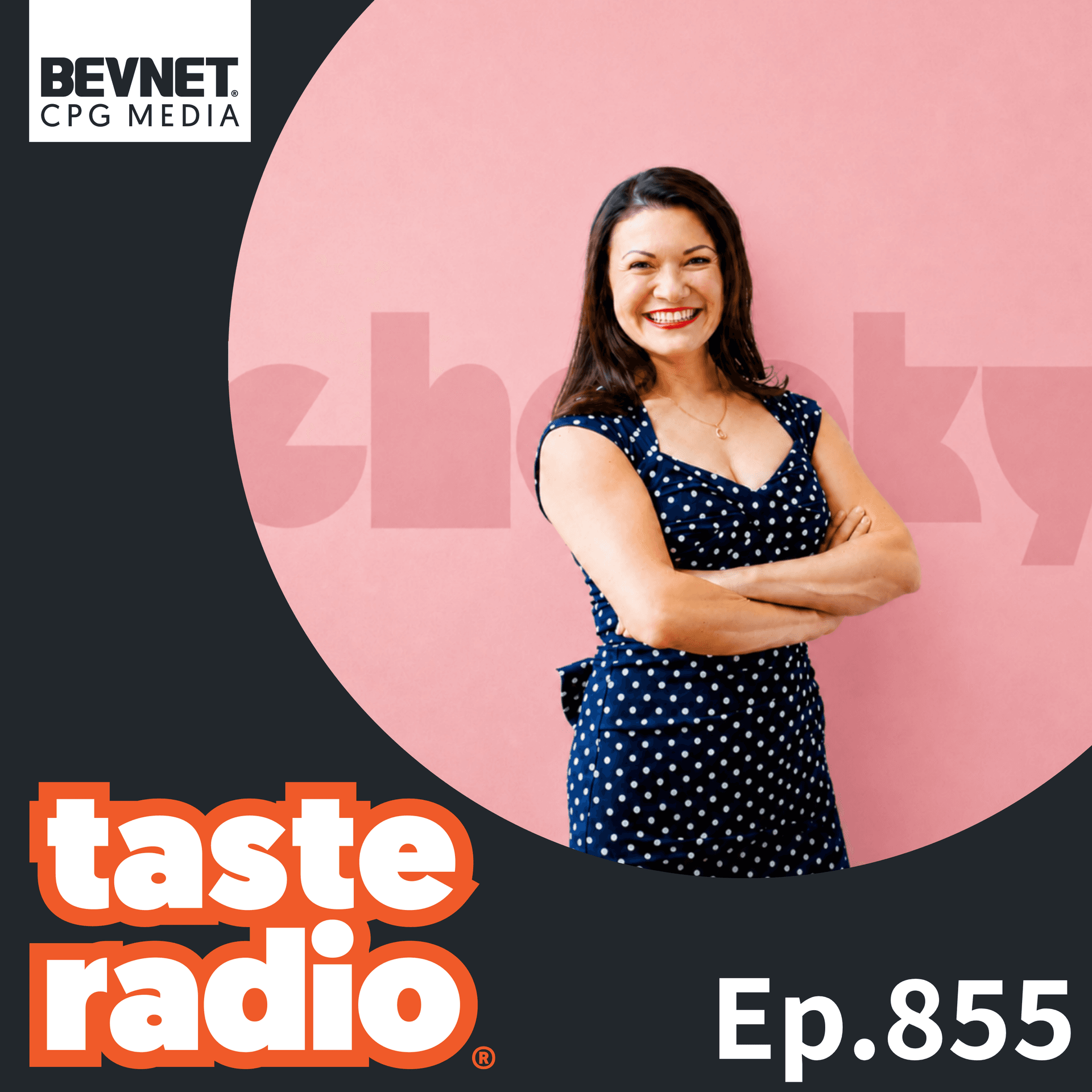
Cheeky Cocktails’ founder April Wachtel explains how real-world market feedback is reshaping product positioning and how her “cheeky” strategy—iterate fast, get to market quickly, and use consumer reactions to guide decisions—has led to a new functional tonic line.
Guests
April Wachtel, founder and CEO of Cheeky Cocktails (Boston-to-Brooklyn; previously worked in restaurants/bars, craft cocktails, and spirits/consulting including Diageo).
Key claims
Cheeky’s new Cheeky Lime Tonic is positioned as the world’s first functional tonic with fiber, 40–70% lower sugar than traditional tonics, and designed to be sipped or mixed. She argues loyalty can be brand familiarity, not just repeat purchase.
Notable examples
COVID forced a rapid relaunch in 2020 (website, photography, labels in ~9 hours). Retail placement flipped from “better-for-you tonic aisle” to cold-box/grab-and-go based on buyer feedback; she targets discovery and cold placements with specific use cases.
Written by AI. May contain mistakes. Listen to the episode to check what was said.
Chapters
Tap a time to open that second in VOThe Journey of Cheeky Cocktails
0:46 to 2:44
April Wachtel shares her journey in building Cheeky Cocktails.
“For CPG founders, it's a compelling case for embracing iteration rather than waiting for perfection.”
From Swig & Swallow to Cheeky
2:45 to 4:08
Discussion on the rebranding from Swig & Swallow to Cheeky Cocktails.
“It was like very much learning how to do things.”
Navigating Challenges During COVID-19
4:09 to 7:25
April talks about the challenges and adjustments made during the COVID-19 pandemic.
“And even when I was a kid, we would make these fake companies and then film these like crazy ads for them where we would just like invent the ad and put on accents and, you know, stage the entire scene.”
Building Brand Loyalty in Uncertain Times
9:39 to 12:00
April discusses strategies on building brand loyalty during changing consumer behaviors.
“No one was going to bars or very few people were going to bars and restaurants.”
The Opportunity for Functional Beverages
12:04 to 14:00
The conversation revolves around the development of functional beverages and Cheeky's strategy.
“and it'll be interesting to see how our folks in the office reach for a cheeky.”
Innovating Beverage Development
14:00 to 17:04
Learn about the R&D process for creating a functional tonic water.
“you know, how they've obviously normalized fiber in people's diets and the fact that, you know, over 90 % of Americans don't get enough of it.”
Retail Strategy and Market Positioning
17:04 to 19:35
Discover the importance of retail placement and buyer feedback in strategy.
“I've been physically, you know, like if I taste a buyer on a product, I have the product in my car.”
Balancing Business Focus
19:35 to 21:41
Explore challenges of managing multiple product lines in a business.
“I don't think I knew when we launched this, this was basically going to add a second brand.”
The Role of Intuition in Entrepreneurship
21:41 to 24:12
Understand how intuition influences product development and decision-making.
“How much does that play into where Cheeky is today?”
The Growth Potential of Cheeky
24:12 to 28:00
Hear about the premium branding and future potential of Cheeky products.
“I think it has been essential there because staying focused and not going off on 8 billion tangents and getting involved in other projects is really critically important.”
Show all 16 chapters
The Origin Story of Vibes Candy
30:00 to 31:50
Jonathan shares how Vibes Candy was created and the market opportunity they saw.
“Vibes Candy, a fantastic brand that is playing in a space that is quite hot right now in CPG that is better for you, Candy.”
Ingredients and Health Focus
31:50 to 33:45
The founders discuss the special ingredients in their candy and its health benefits.
“to create a delicious product that was actually cool.”
Retail Strategy and Market Entry
33:45 to 36:03
Jonathan explains their retail strategy and how they gained shelf space.
“Well, if I'm a retail buyer hearing all this, I'm definitely interested.”
E-commerce Growth and Partnerships
36:03 to 37:49
The team discusses their e-commerce success and partnerships with major retailers.
“even before the fires and even before all the weather elements.”
Innovation and Flavor Development
37:49 to 40:03
Jonathan shares their approach to flavor innovation and new product development.
“Jonathan, how do you think about innovation from a flavor perspective?”
Final Thoughts and Sign Off
40:03 to 40:23
Ray wraps up the conversation, expressing enthusiasm for Vibes Candy.
“And I was like, wow, I hope I get a chance to talk to the founders at some point.”
Transcript
Automatic transcript. May contain errors.0:10Hello, friends. I'm Ray Lateef, and you're tuned into Taste Radio, the number one podcast for anyone building a business in food or beverage. The fastest way to find out if your strategy holds water, put it in the market. For more than a decade, Cheeky Cocktails has built a following with premium syrups and juices designed to elevate at-home cocktails. Now, founder and CEO April Wachtel is pushing the brand into a first-of-its-kind functional tonic and shares how real-world feedback is reshaping everything from where the product belongs on shelf to how she's thinking about Cheeky's next chapter.
0:53For CPG founders, it's a compelling case for embracing iteration rather than waiting for perfection.
1:03Hey folks, it's Ray with Taste Radio. Right now, I'm supremely honored to be sitting down with April Wachtel, who is the founder and CEO of Cheeky Cocktails. April, it's great to see you.
1:13April Wachtel:It's so great to see you. Thank you so much for having me. Thank you so much for being here. You used to be based in the Boston area. Now you are based in? Brooklyn. Brooklyn, New York. Very specific. You didn't say New York City. Well, it has a little bit of its own identity. It does. And everybody knows that Brooklyn's part of New York. This is true. But people from Brooklyn are proud that they're from Brooklyn, as opposed to New York City, which people usually associate with Manhattan. Yeah. Yeah. Well, I also feel like the food startup world is so strong in Brooklyn in particular that I think it does make a difference.
1:45Is that why you moved there to kind of fit in with the food and beverage scene or because the food and beverage scene was so and is so thriving?
1:51April Wachtel:No, I think I moved there actually to be close to my rock climbing gym, to be honest. Okay. When I moved from Boston. Okay. Yeah. Yeah. But it just anecdotally, it just happened that the food scene was also amazing. And that's something that has definitely kept me in the borough since then. Yeah. Rock climbing. First passion? One of my passions and one I've done probably for 16 or 17 years at this point. Primarily though, like, you know, plastic rock, we're talking about like indoor bouldering. So it's nothing, nothing too extreme. You're not covering like the face of a mountain? No. No? Okay.
2:21No, no, no. Not at all. All right. Maybe one day.
2:24April Wachtel:Maybe one day. But ironically, I'm like terrified of heights. I know it doesn't make any sense. No. Yeah. Well, at least you have some cheeky cocktails to ease that anxiety and tension. Sure, sure. Indeed. Yeah. Yeah. Well, we are here today to talk about cheeky cocktails and the incredible brand that you've built over the last now 11 years. Is that right? Yeah. I mean, I kind of don't like to count the first five or six just because we like didn't have even books for years. It was like very much learning how to do things. But yeah, I mean, it's been a long and evolving and very informative journey so far.
2:57I wouldn't worry about the didn't have books phase of the company. There's a lot of people who they're like, I need an accountant. I need a bookkeeper. Yeah, you kind of do.
3:06April Wachtel:It's such a small detail. You know, why worry about it? Little things like gross margin, profitability. Who cares? Paying your vendors. Yeah, this is irrelevant. Yeah, yeah. Before you started your own company, you were sort of in the beverage industry in a different kind of capacity. Yes. So I started working in restaurants when I was 13. So I was like a really industrious kid and I was like, I would like a job. So I started working in restaurants. I ended up staying in bars and restaurants through college. I went to school in Boston and then got into the craft cocktail scene probably 2009-ish.
3:40Right around when it started to blow up.
3:41April Wachtel:Sure. Well, in Boston, for sure, because again, it had already been hitting in New York. But yeah, got into that more deeply. And then when I moved to New York in 2011, got into it even further, worked for some luminaries in the scene in New York, and then got into the spirits industry via brand ambassadorship and then consulting later on with Diageo as well. Yeah. So what made you get into entrepreneurship? Why do you think this was a path that you could succeed at? I think I was always just like an independent, curious kid. And I think that those attributes, you know, are very common, both for creatives as well as entrepreneurs.
4:12April Wachtel:And even when I was a kid, we would make these fake companies and then film these like crazy ads for them where we would just like invent the ad and put on accents and, you know, stage the entire scene. And so I think I always just wanted an opportunity to see what I was capable of doing. And because the creative thing, I was always having ideas for products that didn't seem to be on the market, at least in my awareness of the world. And so I had those ideas from when I was a child. And so later on, you know, you become hopefully a bit more pragmatic. And so the question was then, well, what am I good at?
4:45April Wachtel:What do I know a lot about? What am I qualified to speak to or to develop? What can make money? You know, all those things around ikigai. And ultimately, after having been in the beverage business for so long, I was like, there's got to be something in my experience here that puts me in a better position to launch a product or a company of some kind. And so ultimately, V1 of what is now Cheeky was actually, it was a company called Swig & Swallow. There was no business behind it. It was just my exploration of like, what does it take to legally start an entity? And then I'm going to figure out what I'm going to put in the entity once I've figured that out.
5:20And lo and behold, I'm not sure I'd recommend that method because then you end up with a brand called Swig & Swallow.
5:27April Wachtel:And then you're like, well, goddamn, I've got to do something with this. But ultimately, that was the journey that I took. And it seems to have worked out okay so far. Swig and Swallow is a good name for a brand. I like Cheeky a little bit better because I feel like it's something you can put on a sticker or a car or that people just will say, oh, Cheeky. Swig and Swallow takes a little bit more time to say. It does. It was also very polarizing. And I actually think, you know, one of the things that I love about this journey is that you learn so much from so many people that you speak to. Some could have deep expertise in the space.
5:58April Wachtel:Some could have a lot of entrepreneurial experience. And some could just be random people who just remark on your product. But in 20, I think it was 2017, maybe, I was a guest on the Pitch Podcast. And I would say I was very confused going into that pitch. Like it was just a really tough time with Swig and Swallow. And I went in and I pitched to, I think it was four VCs and one angel. And I remember Jillian McManus commented about the name Swig and Swallow. And she was like, it's not like you're like going down the street to buy a Swig and Swallow. And then they had a sort of discussion about it.
6:30April Wachtel:And I remember internalizing that and thinking about it for years, but I didn't have a better name. And so ultimately, for probably two years, I just was trying to figure out what is the right word? What is the right word? What is the right word? And then out of the blue, I was like, cheeky. It has precedence in drinking in British culture, you know, a cheeky pint or a cheeky cocktail or whatever. And then lo and behold, bizarrely, the trademark was available. And so then I was just like, OK, this is go time. And like, it's time to revamp this entire thing. Yeah. Good timing, too. Indeed, yeah.
6:592020.
7:00April Wachtel:Well, I think it was, well, no, I mean, and that's actually ironic is I pulled apart Swig and Swallow in 2019. And like the original plan was April of 2020, I'm going to casually launch this. I'm going to do all these things right that I didn't do right the first time. Like everything that we just rushed through in the spirit of just getting an MVP out there, a minimum viable product. I was like, I'm going to take my time and there's no rush and it's a beautiful thing. And so of course, March of 2020, COVID hits. And it was just like, okay, the thing that is very obvious is now you have to go really fast because you don't know what is going to happen in two weeks and four weeks, whatever.
7:36April Wachtel:And so ultimately, like I was waiting for a designer to turn around the brand. It was like we were already in the third iteration of the brand identity and there was no website. And we had the formulas. We had the name. We had the facility. And that was it. And then ultimately, I was just like, I can't wait for a month for them to do this thing. So then I just like banged out everything. I think it was like nine hours later. We had a website. We had photography. We had labels. It was like a very crazy rush process. And we've just continued to iterate since then.
8:27Listing runs on BevNet, BrewBound, and Nosh, reaching a self-selected CPG-experienced audience that means less wrong-fit screening. Post the job on cpgjobs.com today, use code TASTERADIO26, and save money on a job listing. Hey Mike, Cold Brew is having another moment with consumers, and High Brew is turning heads with Bold Innovation. Super exciting, Ray. There's new ready-to-drink nitro flavors like blueberry and Mexican chocolate that are hitting the shelves at Sprouts and Target later this summer. And this fall, they're dropping three regenerative organic certified multi-serves in 48-ounce bottles.
9:05Big size, bigger mission. Part of their higher standard. You can find High Brew at Sprouts, HEB, Wegmans, Raley's, and more. High Brew's everywhere the action is. Grab yours at highbrewcoffee.com. Cold brew for those who do. Your inbox should reflect the parts of CPG that matter to you. Choose from BevNet's seven free newsletters covering beverage, food, beer, spirits, careers, education, and more. Sign up and select your favorites at cpgmedia.com slash newsletter. I mean, good timing. I said it a little bit in jest, but it was also good timing in that at the time, people were making cocktails at home.
9:45No one was going to bars or very few people were going to bars and restaurants. And so cocktail making at home started to blow up. I think about ordering from companies back in 2020 and 2021. And I think some of them I haven't spent a dime since. Just it was the right place, right time. But how are you able to develop Cheeky as a brand and establish a sense of loyalty among your current consumers such that they were talking about well beyond that first and second order?
10:14April Wachtel:I'm not sure I know the answer to that. And part of that is, you know, I think retention is a toughie in general. And also, again, because the consumer behaviors have changed so dramatically. Just for example, in that period of time, thousands and thousands of people tasted our product and were exposed to the product. I would ask the question back to you, if 90 % of those people are not people who would normally make cocktails in the home, does that negate the benefit of them having become familiar with the brand and the logo? I don't think so, but it's a different question than like, are they repeat customers?
10:52April Wachtel:This is something that I try to think about often because again, our business is evolving at all times of like, who is truly our consumer? Because we live in an era where I would argue that consumers are generally not loyal, but crazy loyal to brands. Like, for example, in beverage, yeah, you might have one to four brands that you love, but you probably also have another like five or six brands in the hopper that you're like, oh, I like them. Or when that other thing's not available, I'm happy to use that thing. And so I think about this a lot. And again, I think we're pretty analytical about it.
11:29April Wachtel:We're still a small team. I don't have, you know, a bunch of people pouring over the data and then just reporting up from the basement for me, you know, but I think that there's so much of brand building that is non-quantifiable, but it still helps. And I think many of these times you don't see like a, oh, my conversion rate jumped by X. I think it's more like when people continually say, I saw that, I've seen that product before. It's familiar to me. You know, I know that means quality. It's like, do they actually have to be a buyer for that to matter? And I think in many cases, the answer is no.
12:00You filled up our cooler upstairs with some cheeky lime tonics, and it'll be interesting to see how our folks in the office reach for a cheeky. I have a feeling they're going to pick this up and want to know more about it. Talk about where you saw the opportunity for a product like this and why it had to be functional. To be clear, your other products are not functional in the way that we talk about function. They're functional in a very specific, here's how you make a cocktail function. So they're made for refreshment for taste. They're not made for a specific benefit.
12:34April Wachtel:Right. So there's a few things going on here. I think the first one is, you know, I've been on my own moderation journey. I love alcohol, but I don't want it every night. But I have a ritual, like the sort of sign for me that like the day is done and all of my, you know, worries are being pushed to the side is like, I'd love to have a sip of something. and I tried a ton of the products on the market and I just don't drink empty calories and I don't drink things just for flavor. Like I drink coffee for the caffeine, I'll drink alcohol for the effect. Occasionally I've dabbled with a, you know, THC beverage or I put like collagen or creatine or something into whatever I drink.
13:11April Wachtel:And so I couldn't find anything on the market where I was like, this feels like an adult beverage. It feels like something that I would drink as my nightcap. And it tastes great. And it also tastes great mixed. So we didn't have any tonic or any bitter products at all at this time. And I took a, let's call it a commercial light tonic and I mixed it with soda water because whenever I order a gin and tonic, that's how I do because I can't deal with the sugar. and I mixed those two together. And then I was looking around, I'm like, I still wouldn't drink this because it's just empty calories. Like, how do I make this into something where I'm like, I feel like I'm respecting all of the decisions that I make during the day about fitness and like, you know, watching what I eat, where I can carry that through to like that evening ritual.
13:54April Wachtel:And so, you know, I looked at collagen and I looked at fiber and this and that. And ultimately, as I kind of started thinking more about the space about poppy and ollie pop and culture pop and, you know, how they've obviously normalized fiber in people's diets and the fact that, you know, over 90 % of Americans don't get enough of it. That was kind of the evolution that got us here. And ultimately in the R &D process for this, we did versions from a SodaStream version to the carbonated, like tiny little five pound tank, you know, in the office. And then we got canning equipment. So we did a whole ton of R &D and did a lot of crowdsourcing and things like that in this process.
14:30April Wachtel:But in addition, we also tasted it on its own, tasted it mixed with gin, tasted it like in the R &D process and tasted it with lime to make sure that it could actually behave like a tonic water such that it could be consumed alone or mixed with spirits. So there's a lot of different ways you can go with it. That's all well and good because you can touch more consumers that way. But how does it fit into your overall strategy? How does it fit into what Cheeky is today and in what it could be in the future. There's so many ways you can slice and dice your mission and your company description or whatever that may be.
15:05April Wachtel:We're trying to make great products that make people feel great about consuming, entertaining, and connecting. And I don't know if I have a more specific answer to that right now. Many of us have a tendency to want to lock in on one thing. And I'm not saying that we should have a vague reason to exist. for the rest of our lives. But I would say that when you look at iconic brands, like the logo is going to evolve 40 times. The offerings are going to evolve 40 times. There's lots of companies that, you know, start product lines where it's just a line extension or companies that start a product in order to sunset the previous product.
15:43April Wachtel:So this is something that I can stand behind as a product that I think is incredibly high quality, that people love, it surprises and delights, and that's what our legacy syrups and juices do as well. And so I think that that's the sort of overarching model that we're using right now. And then as our consumer reacts to it or potentially even changes, we're going to find what they believe this to be. And then we can hone that description a bit more succinctly. I very strongly believe you want to make the best product you possibly can, and you want to get it to market as quickly as you possibly can.
16:18April Wachtel:Why get it to market as quickly as you can? Because you have all these ideas about what's right and like what the consumer wants. And like many times you're going to be completely wrong or like your thesis is just going to be a little bit off. So you need to get real reactions. So, you know, for the 10 months between when I had the idea for this product and then when we launched it, I was crowdsourcing. I was like teasing out little pieces, asking people about the sweetener source, you know, grams of sugar that felt palatable, tradeoffs between flavor and health benefits. All of these questions on packaging, whatever.
16:50April Wachtel:And ultimately, we had a really good starting place for when we did this, you know, the first commercial run of this product. And then already, you know, I've done a ton of retail samplings already. We've been self-distributing. I've been physically, you know, like if I taste a buyer on a product, I have the product in my car. So then I sell them on the intro deal. If you have an innovative product, I think everybody should do it this way, at least for a little bit to gather the data because it's so helpful. So for example, in these initial placements that I've made, I completely flip-flopped where the positioning in store.
17:27April Wachtel:Initially, we had said, okay, this is a better for you tonic. We want to be placed right next to the premium tonics in the tonic aisle, the mixer aisle. And then immediately, a lot of the buyers said, okay, but that category doesn't really move. Like, I'd be really happy to pick it up if you want to put it in the cold box. And we said, okay. And so then the conversation about relative velocity and category management versus absolute velocity came up. And so ultimately, it's been such a great experience going into these stores, working with the buyers to figure out the places to merchandise. In most cases, we get at least two facings.
18:01April Wachtel:And so we want one that's like positioned for discovery, whether it's in or adjacent to mixers or like in the grab and go section within non-alc. And then we're trying to get another one where it's a cold placement in functional or something. It's changing kind of per account that we go into. But already that completely flip-flopped what I put on the sell sheet for where we wanted to be positioned, simply because at least with these independents, they're like, I don't want to pick up a product in a category that's very slow moving. But if people will be drinking this on another occasion and it says on the can, like you can sip, you can mix it, whatever, they're like, I'm happy to sell it and we'll move a lot of product.
18:38April Wachtel:We are in the process right now of revising and honing the channel strategy such that it's a very clear placement ask and a very clear use case where like in bars, restaurants, cafes, this is the signature serve or like this is where we think you should use it. And then people can always deviate from that. But it is important to go in and be specific rather than just say, just put it wherever. If you are a startup and you have a new product, I would highly recommend trying to be in the field and really have these conversations and then try to sort of codify the data or at least start taking direction from what the market is telling you to inform your actual formal strategy.
19:24Do you think there's a point at which this product could be the primary focus of your business versus your syrups and juices?
Read the full transcript
19:35April Wachtel:Oh, a thousand percent. Okay. I think this is a real inflection point for this conversation and also for your own business strategy, which is that if you're putting the future of the company, if you think the future of the company is based here in this tonic, how do you make sure that you're giving this the fuel it needs to grow, giving it the amount of time and resources that you think it will need to grow while maintaining what's getting you there in the first place, which is your syrups and your energy. in Juice's business. I mean, this is like the hardest thing. I don't think I knew when we launched this, this was basically going to add a second brand.
20:15April Wachtel:Like I thought it was going to be like, oh great, it's a line extension. Like it just fits into the rest of the things that we do. And indeed it doesn't because we manufacture almost everything in-house for the syrups and juices. So I run a full-time manufacturing facility. This is co-manufactured, which is more easily scalable for us for a million reasons. But essentially, we have like all of the model and the infrastructure from the old product. And we're in a, basically, I did this skew rationalization process where we are winding down some of our skews from the old product. And we are obviously launching this, we have two other flavors that I'm going to call them coming out next spring, they're supposed to come out this fall, I just don't think it's the right decision right now.
21:03April Wachtel:And indeed, it's basically like running two completely different but related businesses at the same time. So not recommended if you can avoid it, but you know, I don't think we could have avoided it either. It's almost like you're running three businesses because if you're running your own manufacturing, that's one business. Sales and marketing for the primary lines, that's one business. This tonic line or brand, that's another business. I think this also speaks to intuition as an entrepreneur and going with your gut, no pun intended, but you know, how much has your intuition informed you about this company and how to market, how to innovate, how to lead?
21:41How much does that play into where Cheeky is today? And how much did you have to learn about all those different things? How much did you source guidance about all these different things? So intuition absolutely played a huge part in the idea behind why these products matter or like why I should have launched them in the first place.
22:06April Wachtel:So it was based on, you know, the original syrups and juices was based on my experience as a consumer, as a professional, you know, throwing huge cocktail events and not being able to source the high quality ingredients that we would make from scratch. We would always have to make them like on the nightclub floor or at the hotel, you know, and we never had enough refrigeration. So that informed that product line being shelf stable. And then as well as, you know, when I was a cocktail instructor and all of my students said, I want a better quality cocktail at home, but like none of these ingredients exist.
22:34April Wachtel:So that informed that. And then, you know, I realized too, I actually didn't tell the listener what's actually in this tonic, but Cheeky Lime Tonic. So it's a, we believe it's the world's first functional tonic water with fiber. It's 40 to 70 % lower sugar than traditional tonics. And when you look at the actual tonic and mixer markets, U.S. It's$3.7 billion total addressable market. And the vast majority of products are loaded with sugar. They're filled with artificial flavors, colors, preservatives. And there's very few options and they're all new with functional benefit of any kind. So I think the idea about the consumer need and in this particular case about my personal needs, that came from intuition based on experience.
23:14April Wachtel:But then, you know, you need to substantiate it with other things as well. So, you know, had I explored this and said, oh, you know, the tonic market's actually really low, or like, had I said, oh, every product in the mixer space is functional. Once I encountered that data, I would have done something different. I probably would have just been like, it's too saturated or like there's not enough demand or whatever. So I think ultimately, like you have to follow your gut when you're starting these things. And then I also would say, and again, I know we're sort of joking about the gut reference, but like probably over the past five years, when things have been wrong or, you know, the idea for a product has come up and I feel like in my gut a bad feeling or like not excitement, something that's like a signal that this ain't it, I follow that.
24:03April Wachtel:And so I think it is very valuable when you start, but also I think in the editing process of like deciding what you're going to pursue, what you're not going to pursue. I think it has been essential there because staying focused and not going off on 8 billion tangents and getting involved in other projects is really critically important. And there's all these distractions at all times. So I think it's been really helpful keeping us focused on the things that matter and hopefully offering something where the portfolio makes sense to the consumer. I think that there's so much growth potential for Cheeky in general.
24:39The brand just screams premium. I remember when we first saw it in the office. I think you either sent samples or brought samples way back in the day. And again, that's one of those things where as soon as you see it, you know, folks like us in the office who are always looking at new products and always focused on consumer brands, that was something we're like, wow, okay, that's cool. That's something I could use. And it's clean. It's beautiful. It speaks to the ingredients that are in the product. I always had an inkling that of all the new mixtures that were sent to BevNet HQ, that Cheeky would be one of the ones that would continue to see for a long time.
25:16April Wachtel:Oh, thank you. No, I mean, it sucks to say it that I guess if you read between lines, what I'm saying is that I'm really happy for you. But it sucks because there are so many brands that don't make it. There's so many brands that launch every year and the failure rate here is so high that you're like, okay, here today, gone in a year, here today, gone in a couple of weeks. But there was always something about what you were doing. And I think folks listening and hearing not only feel the sense of passion and conviction that you have for Cheeky, but the thoughtfulness in your strategy. It's not something we're like, okay, let's throw it a wall and see if it sticks.
25:49If anyone got that from, oh, let's just go into a retailer or give it to consumers and see what they think. I think that's the opposite of what you're saying. It's like, we've got to go to market and make sure that our thesis was proven correct. And if it's not, let's tweak it here or there and make some adjustments here or there. But going to market quickly is going back to that point. Sometimes that's the opposite advice that we hear from entrepreneurs. but I'm glad that you brought it up today. And I'm glad that you brought up the fact that you need to know more, that you need to hear more from the people out there because that information is always going to advise you as to the next step for your brand.
26:27April Wachtel:I think when you talk to true entrepreneurs, this is my, in my humble opinion, they're never satisfied with the thing that they have. Like they might be happy with where they are and they might say, great, we've made some great progress, but there's always infinite opportunities to do better. You definitely do not want to, you know, put swill into the market. You want to give your absolute best first attempt, but you cannot live, in my opinion, I mean, maybe if you're Steve Jobs, you know, your first idea is right. And even with that, I'm sure they went through millions and millions of iterations for every product they ever launched.
27:00April Wachtel:And again, I think that each time you do it and, you know, we've launched, I don't know, 12, 15, 17 flavors over the years. You know, each time you do it, you get better at doing it and better at understanding where the starting point should be and what the bar for that should be. And like, are you proud enough of it that you're comfortable even asking people for feedback? And mind you, you know, I tasted the first versions of this when we did the SodaStream. I can tell you SodaStream is a wonderful product, but it does not keep the carbonation well. And so the first few samples I gave to like very qualified, experienced tasters in the spirits industry, again, they knew that I was like, I just gassed this up with my SodaStream next door.
27:43April Wachtel:But they were like, OK, the carbonation needs work. And we're like, OK, yeah. And that's, by the way, that's something that we're still sort of working through is like the proper, perfect level of carbonation for this. You can't do this in a vacuum. And I also think that people love being part of the process and love being asked for their opinions as well. And some people are going to judge you on the first version. And, you know, and hopefully if somebody is like intrigued in the journey and like appreciates their opinion being valued, you know, hopefully they'll be, you know, involved in the journey for a lot longer as well.
28:13April Wachtel:So there's also that sort of like side benefit too. Yeah. Well, you're not satisfied as an entrepreneur. You never should be. But I'm satisfied with our conversation. I'm actually kind of thrilled with our conversation because I feel like we covered quite a bit. And I'm just so happy for you, April. Thank you. Thank you so much. Yeah. Thank you so much for being with us on Taste Radio today. Really appreciate it. This was such a blast. Thank you. That brings us to the end of this episode of Taste Radio. Thank you so much for listening. Taste Radio is a production of BevNet.com Incorporated. Our audio engineer for Taste Radio is Joe Cratchy.
28:48Our technical director is Joshua Pratt. And our video editor is Ryan Galang. Our social marketing manager is Amanda Smirlinski. And our designer is Amanda Huang. Just a reminder, if you like what you hear on Taste Radio, please share the podcast with friends and colleagues. And of course, we would love it if you could review us on the Apple Podcasts app or your listening platform of choice. Check us out on Instagram. Our handle is BevNetTasteRadio. As always, for questions, comments, ideas for future podcasts, please send us an email to ask at tasteradio.com. On behalf of the entire Taste Radio team, thank you for listening, and we'll talk to you next time.
29:39Hey, folks, it's Ray with Taste Radio. Right now, I am supremely honored to be sitting down with Luke Colson and Jonathan Siegel, the co-founders of Vibes Candy. Luke, it's great to see you. It's good to see you too, Ray. Thanks for having us on. Yeah, Jonathan, how are you? I'm doing great. It's a Friday. lovely vibes are in the air. Yeah, I love the way you put that because we are all about the vibes today. Vibes Candy, a fantastic brand that is playing in a space that is quite hot right now in CPG that is better for you, Candy. Let's kick things off with the origin story. Jonathan, tell us about how Vibes was created and what you saw as an opportunity to innovate in this space.
30:19So quick story, my hometown, Venice Beach, California, less than three years ago, I'm in a Whole Foods grabbing a little grab and go sandwich at the checkout line. In front of me was a surfer and a skateboarder. And they were grabbing a Smart Sweets from the rack. And they were both kind of grabbed it. They looked at it, looked at the back of the ingredients and then put it back on the shelf. And one of the guys was like shaking his head. So I'm just making a conversation. I'm like, hey, man, you're not feeling. He goes, no, man. I wish there was like a really cool, delicious, healthy snack that tastes really, really good.
30:54And immediately that's where the idea came into my head. I blazed out of it with my sandwich, went to the candy aisle and started looking at all the different competitors that were there. And that's where the journey started. Luke and I met in Venice Beach right after that amazing co-founder. We realized that the competitors at that time, it wasn't even called better for you. It was kind of healthy. Gen Z millennials really don't like the words healthy. They don't like the words dietary. They don't like supplements. And they loved looking at the back of chip bags and candy bags, looking for clean ingredients.
31:30However, at the end of the day, they also eat Skittles and red dye and all these artificial ingredients. And what we noticed that a lot of the competitors at the time didn't really have flashy, cool branding. The packaging were very kind of like matte, nothing really inspiring and aspirational. and we decided that there was a really opportunity to create a delicious product that was actually cool. So lastly, we think of Vibes as not a healthy candy that tastes good. It's a delicious candy that's cool and happens to be healthy. Luke, I love your packaging. It is fantastic. It definitely stands out among the other healthy, better for you candy brands out there.
32:13But let's talk about the better for you aspects. what is in the candy? What makes it special? What gives people permission to eat it and eat a lot of it? You're quite right. We are in a very kind of hot space right now. For us, it's about calories, it's about low sugar, and it's about ingredients that aren't on the back of all your regular candies that are quite frankly terrible for you. So we set about right from the get-go, Jonathan and I, figuring out how to make a candy that tastes like a candy. What we don't want, and to Jonathan's point, is a lot of the other candies or the best of you candies, they don't taste great.
32:51So we're very, very taste first. We've also got a little sprinkle of some nice ingredients, a little extra ingredient in each of our current four flavors. So we've got some chamomile in the sour watermelon, sour watermelon chill, we call it. We've got some MCT coconut oil in the sour blue raspberry boost. We've got some elderberry in the cherry. And we've got some amla fruit or gooseberry in the strawberry. And these are just little sprinklings, but not enough to make us a supplement. We never wanted to be a supplement. We always wanted to be a nutrition. We always wanted to be candy. But just a little bit of an additional offering, as well as taking out high sugar, as well as making sure we had a good content of fiber in there.
33:36High fiber is a big hot topic right now. People are clambering for a good snack that fills you up. So a pouch of vibes is going to really hit the spot. Well, if I'm a retail buyer hearing all this, I'm definitely interested. I'm thinking, okay, great packaging, great flavor, better for your ingredients, a functional component. It's a no brainer, but it's not always that easy. Jonathan, talk about the retail strategy and how you guys went about getting on shelf. Very good question. We have a fantastic partner. His name is Scott and he's the head of our biz dev. And he literally, along with Luke and I, for the past year and a half, before we got a broker and before we got Sprouts and other large independent distributors and chains, we went from store to store, state to state, 50 states, from Puerto Rico to Hawaii to Maine and everywhere in between, knocked on the stores, talked to managers, grocery people, customers, and they tasted it.
34:37The feedback was phenomenal. And we started going into local stores, getting word of mouth, which was our strategy going along and building it up. And that's where some of the brokers and distributors found out about us. And that's how we got into innovation with Sprouts initially. Now we're nationwide. We're also very, very big on social media. We did a lot of activations, obviously, in the surfskate snow community, which is our voice. Our ethos, Ray, is all about Southern California lifestyle, eating, drinking well, wellness. It's part of who we are, being in that community. And just lastly, which we're really, really proud of, if you think about it, one of the last truly American culture is the SoCal surfskate snow community.
35:25that's exported and imported around the world. You know, you could be in Amsterdam, you could be in London, you can be in Bangkok, and everything, cultures, you know, people kind of dress the same. But the uniqueness about Southern California and the aspirational way of life is really important to our brand, especially with our social impact and charitable partner, which we're so proud to be involved with. This was one of the first things that Luke and I wanted to do was to give back. And we're very big ocean people, marine life, and we partnered with the Hawaii Wildlife Fund, which was started by Hannah Barnard.
35:59And she's an amazing woman, amazing Jedi for turtle conservation and Hawaii's coastline restoration, even before the fires and even before all the weather elements. So part of our proceeds for vibes on all of our flavors goes back to the Hawaii Wildlife Fund, which is super exciting. And we're so proud of our partnership. That's fantastic. In addition to all the traction you're having in brick and mortar retail, you're also picking up quite a bit of steam on e-commerce, specifically with Walmart. Talk about how you got involved with that chain. So we were, again, just word of mouth. Some stuff is through our brokers.
36:37A lot of stuff is, as Jonathan said, through ourselves and Scott, who is just incredible at getting the word out there. And Walmart came to us. And then they asked us if we wanted to start with e-commerce. us see how we do with you know the idea being we go into stores so yeah we just launched on Walmart literally a week ago and things are going great so we have all of our four main flavors on there and then subsequently we're doing great on Amazon Prime which we've been on for quite a while now we have just a constant stream of sales through Amazon Prime which is great we've just launched our TikTok shop and that's going great guns that's new of course that is the Wild West by the way, anyone who can tell you.
37:20And same with our Instagram, we've managed to garner thousands and thousands of followers on Instagram, and we're continuing to grow that. So Walmart.com is really just the beginning. We also have a great partnership with goodeggs.com, who just continue to reorder and reorder. Also fair.com, which is a wholesale website, which we're now on. People are purchasing for their independent stores as well. So that's just the beginning, the very tip of the iceberg for us. Pretty exciting stuff though. Very exciting. And it's also very exciting to innovate with new flavors and new products as well, which you are going full steam ahead on that front as well.
37:53Jonathan, how do you think about innovation from a flavor perspective? And, you know, given the fact that you also use functional ingredients, how does that also factor into your new product development strategy? Super important. We did a lot of market research. We did a lot of consulting groups, a lot of young kids. Again, when I mentioned earlier about, you know, what Gen Z and millennials are looking for in terms of snacks and fruit snacks and healthy and options like that. The first thing was important for them was flavor. And then obviously in the candy gummy space was texture. Some people don't like it too soft.
38:27Some people like it really hard, like a hairball. You can't please everybody. But we found our quote unquote sweet spot, which people really love the consistency. It's kind of like a fruit snack, but a little hardness to it. And then in terms of the flavors, obviously, we started with the most popular flavors doing our research and questionnaires like that. And we're very excited about our new flavors that we're going to be launching. We're doing our first spicy, sour, and we have some really great flavors coming up in the pipeline. And when people ask about what differentiates Vibes with some of your competitors, you know, we like to say that, you know, we're bringing dimensional flavor and innovation to the candy aisle, but also to the homes of parents and kids and tweens and teens and everyone in between.
39:14And we're always thinking about the holistic, spiritual wellness part of the product of the flavor, which is the most important thing, obviously the health part. But at the end of the day, people want to have fun, and it's candy. I learned to walk. For my mom bribed me with M &Ms out of the stroller. She lured me with plain M &Ms. And everybody has their own story about their favorite candies. And that's what Luke and I wanted to create, a really rich flavor and a story that's truthful and proud of where we come from. Well, you already have a consumer in me. I remember the first time I saw Vibes on Shelf, it was in a convenience store in La Jolla.
39:58And I was like, what is this? This is really cool. Great packaging. It was the chamomile and sour variety that you have. And I was like, wow, I hope I get a chance to talk to the founders at some point. And here we are on Taste Radio chatting about Vibes Candy. VibesCandy.com is the website. Definitely check it out, folks. Jonathan, Luke, this has been so great. Thank you so much for taking the time to speak with me today. Thanks, Ray. Great to meet you. you as well.
From the publisher
The fastest way to find out if your strategy holds water? Put it in the market.
For more than a decade, Cheeky Cocktails has built a following with premium syrups and juices designed to elevate at-home cocktails.
Now, founder and CEO April Wachtel is pushing the brand into a first-of-its-kind functional tonic, and shares how real-world feedback is reshaping everything from where the product belongs on the shelf to how she's thinking about Cheeky's next chapter. For CPG founders, it's a compelling case for embracing iteration rather than waiting for perfection.
Show notes:
0:20: April Wachtel, Founder & CEO, Cheeky Cocktails – April discusses her unconventional path from working in restaurants as a teenager to becoming a craft cocktail bartender, spirits brand ambassador and consultant before launching her own company. She reflects on the evolution from her original brand, Swig and Swallow and how she ultimately relaunched the business just as the COVID-19 pandemic accelerated at-home cocktail culture. April explains how her experience as a bartender, cocktail instructor and consumer shaped Cheeky's portfolio of premium syrups and juices, as well as its newest product, Cheeky Lime Tonic, which she describes as a functional tonic with fiber and 40–70% less sugar than traditional tonics. April details the extensive R&D and consumer feedback that went into developing the tonic and explains why she believes entrepreneurs should get products into the market quickly to test their assumptions and learn from real-world reactions. She also discusses Cheeky's evolving retail strategy and the challenge of building a company around two distinct product lines and the possibility that the tonic could eventually become the primary focus of Cheeky. April also shares how intuition, personal experience and data have each influenced her entrepreneurial decisions, emphasizing the importance of following instinct while validating ideas with market research and consumer feedback.
Brands in this episode: Cheeky Cocktails, Poppi, Olipop, Culture Pop