Ask ChatGPT

 The Checkup with Doctor Mike
2 Sep 2026 · 3h 9m · 75 chapters
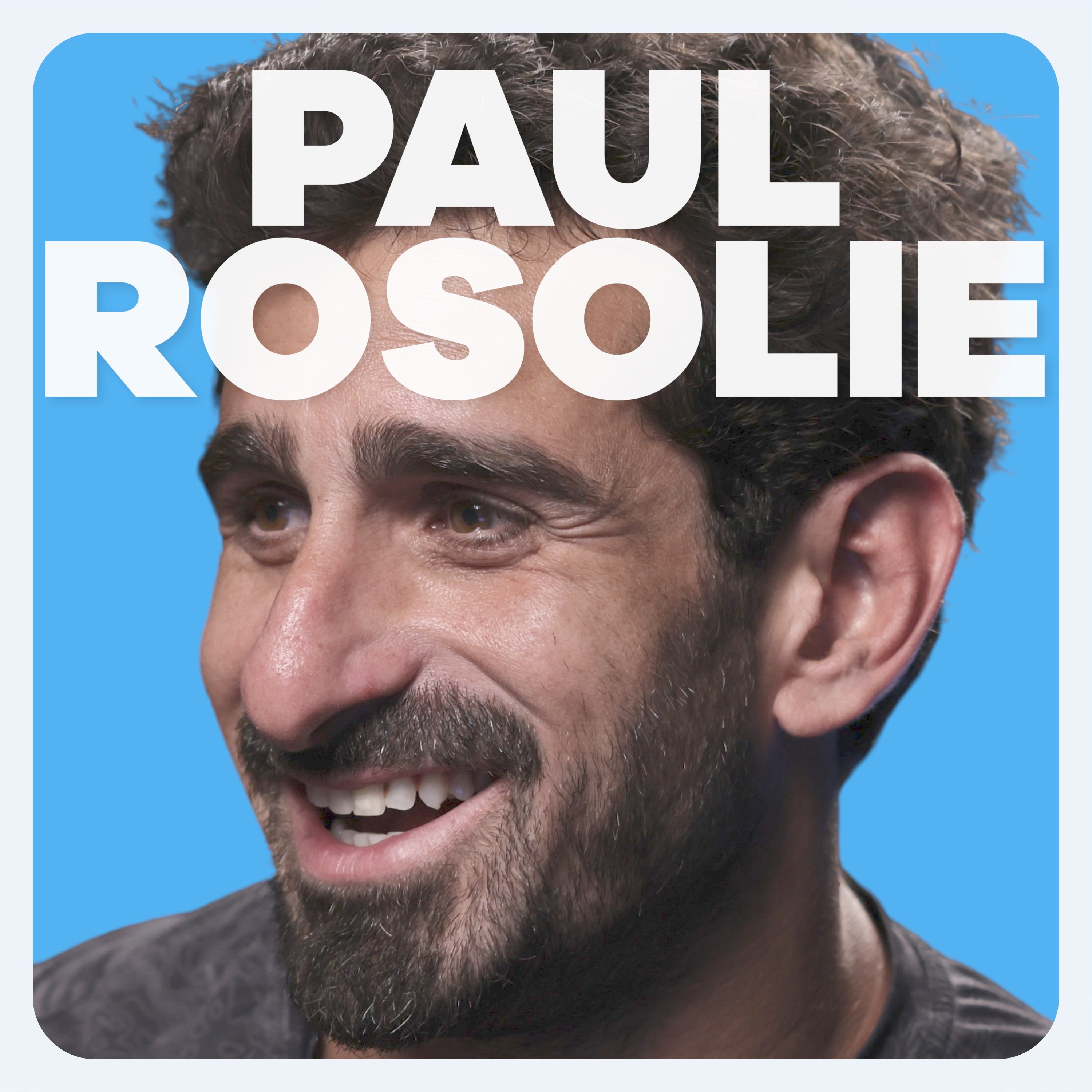
Paul Rosolie discusses protecting uncontacted Amazon tribes and the rainforest from violence and industrial destruction, using field notes, indigenous knowledge, and a conservation model that funds indigenous-led protection. He also explains his personal path (medicine, extreme jungle experience, and building an “authentic” treehouse-based research and education hub) and his philosophy on calculated risk and purpose.
Paul Rosolie is a family medicine doctor and long-time Amazon conservationist. He immigrated from Russia to Bay Ridge, Brooklyn (1995). He studied medicine, spent about 20 years working with indigenous experts, and wrote Jungle Keeper (a New York Times bestseller). He has extensive jungle field experience, including climbing very tall rainforest trees and documenting species via notebooks. He describes a formative friendship with JJ, an indigenous S.A.H.A. native who grew up in the jungle, learned indigenous medicines, and knew English.
Written by AI. May contain mistakes.
Discussion about the threats facing uncontacted Amazon tribes and conservation efforts.
“a verifiable way of saving the wildest place on Earth.”
Paul shares his personal journey from Brooklyn to the Amazon.
“I mean, I draw species that I don't know.”
Paul explains the inspiration and features of the world's tallest treehouse in the Amazon.
“But as you reach the top of that 20 feet and you're working to put in your gear, if you slip and fall, you're going 40.”
Discussion on the challenges and experiences of climbing in the Amazon rainforest.
“And my parents are from Brooklyn, right?”
Paul reflects on his childhood experiences that shaped his love for nature and adventure.
“And so then in between semesters, I would just go to the jungle.”
Paul discusses his decision to pursue a life of adventure and purpose in the wild.
“the last shack where you can buy a Coca-Cola.”
Learn about the dynamic friendship and adventures in snake catching and exploration in the Amazon.
“And they're like, however hard you want to go, whatever.”
Discover the host's unique relationship with fear and risk-taking in extreme situations.
“and then it wraps around your wrists and then it wraps around your shoulders and then you can't let it go if you want to.”
Understand the significance of finding mentors and learning before taking risks in exploration.
“Because then I wouldn't have, I mean, look, for every, you know the book and the movie Into the Wild?”
Explore how modern conveniences can lead to laziness and a loss of meaning in life.
“They don't know when someone's just going to change lanes.”
Explore how modern technology can lead to laziness and diminished human connection.
“to get comfortable with laziness, because of this frictionless experience, it will allow you, if you let it, to create a loss of meaning, laziness.”
Understand the value of failure through personal stories from the Amazon jungle.
“And now I have less time with my patients again.”
Learn how challenging experiences shape resilience and skills in life.
“And my friend told me a really interesting sort of parable where he was talking about a tree, let's just call it an oak tree, that grows up in a greenhouse.”
Discover how immersive experiences in nature clarify what is real and important.
“But no, and I think, again, anybody who's trying to find the limit risks having to deal with the limit.”
Learn about innovative ways to share the Amazon experience while ensuring safety and environmental conservation.
“No, I love that I'm there because in those moments, there's always, for me, there's always a reason we're there, right?”
Examine the balance between comfort and authentic experiences in the Amazon.
“local people where we've given them better employment, better healthcare, and this community, and they get to share their jungle with people from around the world.”
Learn how eco-tourism can be authentic and beneficial for local communities.
“But if somebody tried to do that without me, without the experience we've created, they couldn't.”
Discover innovative strategies to save the Amazon rainforest through local involvement.
“in a way that's holistic with the environment.”
Explore how young people are engaging with conservation efforts and community impact.
“he'll show up and he knows how to talk to them.”
Analyze the impact of social media and personal influence on conservation efforts.
“they're able to connect with that and then like after six months we send them a t-shirt and then And if they, you know, a lot of times they come see it and then it's real.”
Hear the story of a dramatic rescue of a spider monkey and its implications for wildlife interaction.
“You better not be calling me an influencer.”
Gain insights into different types of animal intelligence through real-life examples.
“And the spider monkey had jumped into the river and was trying to get to the other side.”
Discuss the challenges and criticisms faced in wildlife conservation efforts.
“And none of the elephants were figuring it out.”
Discover the complexities of interacting with uncontacted tribes and their realities.
“In the comments, for sure, people are going, why didn't you just leave the monkey?”
Explore the ethical challenges of revealing uncontacted tribes to the outside world.
“You don't want to tell the world and then have them come ruin it.”
Understand the role and responsibilities of influencers in wildlife conservation.
“If that's a term that's positive for someone, great.”
The importance of sharing experiences with wildlife and positive environmental efforts on platforms like Instagram.
“and putting the camera on myself and going, this is this incredible animal out in the middle of the Amazon living in a swamp.”
A story illustrating indigenous survival techniques in the Amazon and the bond formed through shared experiences.
“And so we found, we're in a boat, and he was like, hey, he's like, watch this.”
The unique interactions between indigenous perspectives and scientific approaches as explored by the speaker.
“No, I think it was really one of those, those moments of, of absolute luck.”
Adventures in the Amazon that highlight the unpredictability of nature and the lessons learned from unexpected challenges.
“Yeah, but as you said, how dry, wet season, things change that are unpredictable.”
Discussing the necessity of protecting the Amazon rainforest and the significance of virgin ecosystems.
“And now we're sitting in the middle of a river in the middle of nowhere and we can't go anywhere.”
A discussion on the differences in cleanliness and health perceptions between natural environments and urban settings.
“So when I say historic, we have a once in history chance to save something that's been growing for 50 million years, the Amazon rainforest, and we can save this.”
Exploration of the safety and filtration of Amazon water as it relates to indigenous practices.
“So I first saw you when you had the audacity to call me out.”
Insights into adapting to local environments and the experiences of living with indigenous people.
“across the world, I think every country has a level of zero.”
Reflections on bravery, personal discovery, and the challenges faced in extreme situations.
“I want to show you a few things at some point.”
Discussing the mindset of facing life-threatening situations and the lessons learned.
“anxiety over that and so much care for you know any give once i became responsible for the trees at any given moment, as we're talking right now, they're bulldozing trees.”
A vivid recount of dealing with severe illness while caring for wildlife.
“So I had dengue, so I was already compromised.”
Hear about a harrowing experience of survival in the Amazon jungle.
The tale of a severe infection that almost led to death and the hospital experience.
“And then I ended up getting on a poaching boat that took me two days to get back to town.”
Discussing the most dangerous animals faced in the wild, including polar bears and tigers.
“And I just, it was a really bad MRSA infection.”
Insights into human interactions with bears, including surprising behaviors.
“They'd rather eat deer and bison and the other things they eat.”
Exploration of elephant behavior, intelligence, and their relationship with humans.
“But in my experience, I know so many people that do bear photography where they're right there on a pebble beach and there's bears and they're interested in the salmon.”
Discussing the ecological role of elephants and the impact of human activity on their survival.
“Elephants are one of the most incredible, iconic species on our planet, and we are just absolutely ruining their ability to survive.”
Learn about the emotional connection between humans and animals, and the importance of conservation efforts.
“been abused and i've seen how gentle you know babies and mothers can be they are they're beautiful but they just but they kind of have a pretty hard line of don't make me scared yeah I don't want to do that.”
Discover the shocking statistic that wildlife populations have declined by 70% since the 1980s.
“70 % of the wildlife on our planet is gone because of us.”
Explore reasons why people feel helpless about climate change and wildlife extinction.
“The fact that we're having like the hottest year on record right now, that the temperature, it's like no longer a thing.”
Learn about the financial needs for conservation efforts and how individuals can contribute.
“you could protect like half of the amazon you could protect massive amounts of the amazon We need$15 million to finish our national park.”
Discuss the impact of collaboration with wealthy individuals and organizations in conservation efforts.
“I've grown up in those places and I am immensely thankful to the work that they do.”
Examine the rise of vaccine hesitancy and misconceptions around natural vs. synthetic.
“And he was like, I'll have my team call your team and we'll get that resolved.”
Explores the misconceptions surrounding natural versus synthetic safety, particularly in vaccines.
“So that's why those people say they're not safe.”
Discusses the unique perspective gained from living in the jungle for an extended time.
“I haven't made millions of dollars, but I have achieved a certain level of richness in the sense that I have been able to disregard a lot of the sort of mental contagions that happen to people.”
Addresses environmental degradation and the role of apathy in the destruction of nature.
“But see, here, I'll give you another example of me being kind of tone deaf because I'm in the jungle.”
Examines the economic pressures that lead to environmental exploitation despite conservation efforts.
“The fact that the Amazon are the greatest, when you look at the earth, if that's its face, It's like the Amazon is our Earth's nose.”
Discusses the dramatic decline in tiger populations and the importance of conservation.
“There were 3 ,000 tigers while I was growing up.”
Narrates a personal story about encountering a stingray in the Amazon and the resulting injury.
“much like how you do your passions on conservancy.”
Details the intense pain from a stingray injury and the indigenous remedies used for treatment.
“And so you have Amazonian freshwater manatees.”
Explores the healing process following the injury and the effectiveness of plant-based remedies.
“And I have bits of memory of, I was lifted my head on the boat.”
Learn about indigenous plant remedies used to treat stingray wounds.
“This is what it looks like when you get stung.”
Explore the balance between skepticism and respect for indigenous medical practices.
“This indigenous practice of this type of medicine, its existence and these anecdotes is evidence that something is happening.”
Discover unique methods used by locals to remove bot flies from the skin.
“about the other two guys that got Stingray stung because I watched how badly that was.”
Learn about the uses and benefits of Sangre de Drago in traditional medicine.
“So what they do is they take this really local type of tobacco.”
Understand how pharmaceuticals derive from natural compounds and the implications.
“When people say like, screw pharma, natural's the way to go.”
Examine the healing properties of Sangre de Drago and its effectiveness in treating infections.
“Only testing medicines that are really profitable for them where people need to take for a long period of time.”
Learn about the medicinal uses of Sangre de Drago and the skepticism surrounding supplements.
“That happens a lot in the supplement world.”
Explore how cultural beliefs influence perspectives on medicine and healing.
“And they're like, she's like, no, I'm going to buy a bottle of this and bring it to my friend.”
Discuss the importance of bone density and personal experiences with injuries.
“So it doesn't look that high, but then look.”
Discover workout routines and health challenges faced in the Amazon.
“And I called my uncle Lassie, who's a surgeon.”
Gain insight into the daily life and responsibilities of children in the Amazon region.
“I have published this part of this video.”
Explore the fascinating experiences of a six-year-old in the Amazon and her unique skills.
“But again, I'm not going to alienate a six-year-old.”
Discussing the value of obtaining a PhD and its impact on conservation work.
“Well, speaking of education, do you think at all if it would be valuable for you to go back and get your PhD?”
Understanding rattlesnakes' behavior and their importance in the ecosystem.
“People come to the Amazon and I talk to them and I would do a PhD.”
A discussion on the importance of scientific understanding versus mystical beliefs about nature.
“If you look up, what do you do when you get bitten by a venomous snake?”
Explore the reasoning behind indigenous practices and the importance of logic in understanding them.
“Or you could say, hey, let's look at this objectively.”
Hear about the challenges of documenting wildlife and the importance of authentic storytelling.
“because when I was in my early, frictionless, when I was in my early 20s, they convinced me to do this Discovery Channel show where they tried to feed me to an anaconda.”
Reflect on the personal legacy desired in conservation efforts and the fight to save wildlife.
“I just, I just, I want it to be something about the ancient trees and the millions of heartbeats.”

Get the gist, explore an idea or ask about something said.
 Claude
On The Checkup with Doctor Mike, what are the key points of this episode?
Searching your listeningAutomatic transcript. May contain errors.
0:00I should have died about 12 times. Forget nine lives.
0:03Doctor Mike: Yes, Paul. You got it. You got it. They're people that live out in the Amazon without contact with other tribes. The narco traffickers are attacking these people with machine guns. The Chinese companies are subcontracting the Peruvian logging companies and destroying the very reality that they call home. Bulldozing their forests so in the next five years they could be murdered. The Amazon has lost an area the size of Germany and France combined. Nobody cares. I have spent the last 20 years bleeding with the indigenous people and my friends who are experts to create a way that the people who, like me, care about these species and these wild places and want our world to continue to be healthy and functioning can have a verifiable way of saving the wildest place on Earth.
0:56Doctor Mike: In 1995, I immigrated from Russia to Bay Ridge, a neighborhood in South Brooklyn. It turns out just a few blocks away was a kid named Paul Rosalie. I went on to study medicine. He went on to save the Amazon rainforest, or at least is trying to. Conservationists like Jane Goodall and John Muir have filled our textbooks for decades, but what about our new environmental heroes? Paul has become one of the leading voices in the fight to protect the Amazonian jungle, which is about the size of the entire continental United States from deforestation to keep its plants, animals, and uncontacted tribes safe from harm.
1:34Doctor Mike: It's unfortunately a life-threatening job, putting him in harm's way to violent drug lords, relentless logging companies, and the countless monsters that prowl the untouched depths of the winding tributaries in our planet's most diverse ecosystem. Fortunately, Paul is more than a machete-wielding New Yorker with a cell phone. He's a man of action who has a very clear and I think very achievable plan of saving the jungle from ourselves. You whipped out the notebook. I did. So I know it's about to get serious. It's about to get very serious. Tell me about this notebook. This notebook has some blood on it.
2:10Is that moleskin? Yes, it is. It's got some blood on it. It's got some dead mosquitoes. That's a high level notebook. I have piles of them. What are you writing? Well, I wrote three books. The last one is a New York Times bestseller called Jungle Keeper.
2:23Doctor Mike: Did it start on this? Yeah. Yeah. There's a scene in this where we meet an uncontacted tribe, literally people that don't know any language that live out in the middle of the Amazon. And the only way to record these things out there is to write them down. And so I have notebooks on notebooks. I got a pile of probably 30 notebooks, black, green, everything. And what are you, like, what's in it? Just the, you know, different days. Are you journaling? Yeah, journaling what happened, what species. We find riverine transects where we're driving the boat through miles and miles of rainforest. I mean, I draw species that I don't know.
2:58Like if you see a bird and you don't know what it is offhand, like I can kind of just like, zoom, it goes by and I could photograph, you know, and just draw what I saw. Oh, see, like this is the treehouse that we have in the Amazon. We have the world's tallest treehouse. And Stefan, who you met when he came down, I had drawings of this treehouse I wanted to build because I've climbed these. You're an artist, though. These are terrible. I have, I am. My friend, do you want me to draw a treehouse for you? Can we have a draw off?
3:22Doctor Mike: No, no, no, no, no. There is no draw off. You win instantly. Yeah, no, but he looked at my journal and he saw this treehouse and he's like, what is that? And I was like, well, I climbed the tallest trees in the rainforest and I would love to share what I see up there with people. And so now we built the world's tallest treehouse. But then there was the issue of, well, people can't climb up there. So we made a spiral staircase. And then it was like, well, once they're up there, they're tired. So we're like, we should probably put it in a bathroom. and we're like, they might need help. So we put in Starlink.
3:49And then we're like, you know what? They should just sleep up there. So we made a bed. So it's a hotel. It's the world's tallest hotel. We're in Time Magazine's 50 best places to go. It's this beautiful Alta Sanctuary tree house.
3:59Doctor Mike: So if I go to the Amazon with you, that's where I'd stay? That's where you would stay, 100%. You could watch the mist come off the trees and the monkeys and the macaws. It's like Avatar. It's like you're in the canopy. How many rooms are there? One. Oh, it's one room. No, no, no. It's one room. You are on top of the Amazon. And there's nothing, there's no other place.
4:16tree house. How do you do with heights? I, because of my job, have to be good with heights. I mean, literally you're free soloing trees that are 160 feet tall. And these are thousand year old trees that have had millions of species on them. And so you're, you climb. And even if you have a rope, you're basically, climbers don't know what I'm talking about. You're basically lead climbing. So you go up 20 feet, put in gear. But as you reach the top of that 20 feet and you're working to put in your gear, if you slip and fall, you're going 40. And so you're smacking back into the tree and so it's spooky or if you have to do a traverse out onto a branch that pendulum swing it's spooky and if you hit a wasp nest you die if you hit a venomous snake if you reach up into a crevice you die there's just a lot of or if you get tangled in your ropes and you're 130 feet up and no one else with you as a climber could be a week before you get help you know who are they going to send that can get a rope up to 130 feet like in the middle of the jungle it's not like you can call the fire department and they'll come with like the bucket and even the bucket wouldn't reach because this is high.
5:16But once you get up there, you're on branches that are the size of, they're bigger than the oak trees here. And you can walk on them and you see a different ecosystem. Some of the species that are up in the canopy of the Amazon, which is 50 % of the life in the Amazon is in the canopy and never touches the ground. And so there's a whole different unstudied ecosystem in the canopy of the Amazon. And so that's what we're starting to explore.
5:39Doctor Mike: And it started with the treehouse. Well, it started before the treehouse. I climbed up one of the biggest tree I knew of that was close by to our research station at like four in the morning. So I saw the sun come up over the east and I always heard that 20 trillion liters of water are pumped into the day off of the Amazon. And so there's an invisible mist river going above the Amazon River. And as the sun came up over the east at that angle going directly into my eyes, you can see the mist river. And so when I saw this, it was this life-changing moment and I went, I have to share this with people.
6:13Other people have to see this. And climbing those trees is one of the most extreme athletic endeavors I've ever done. So I was like, we have to find a way that I can show my mom this, that we can bring kids here. And so now at the tree house, we host families and people from all over the world. Wow.
6:28Doctor Mike: How does a guy from Brooklyn end up on a tree house in the Amazon? I grew up with this incredible affinity for animals. But that was like pigeons probably. well no once you're from bay ridge right bay ridge yeah same yeah there you go what streets did you grow up on uh we were like my well i i again when my parents moved out of brooklyn when i was pretty young and so okay we were my grandmother lived on uh 10th and 82nd and so we were there every sunday for italian grandma dinner right by the subway on 86 yeah and right by you know looking at the verrazano bridge um and then my aunt lives on shore road and so we're like you know down there and uh so a lot of sunday dinners and but we moved to new jersey so i had access to the state line with new york where there's all these amazing state parks and i used to go to the i grew up in a four like going to a 4 000 acre forest reserve and just exploring it and walking up streams ram i don't want to blow i don't want to blow it up but round for it's a secret it's not a secret but it's just it's a nice place to walk and there's gonna be millions of people going there um that's but they're going to be educated medically conscious excitable people but but the whole thing with the woods you want to keep the people out so it's nice um but i just like love they'd be like do you want this truck to play with like as a toddler and i'd be like dinosaurs i want to watch documentaries can you take me to the stream on the weekend and i want to walk up the stream and i want to find salamanders and i want to catch that frog and i I remember the first time I saw a black snake, a black rat snake, and they're like six feet.
8:01And I saw it sleeping in this tree. And my parents are from Brooklyn, right? So I was like, dad, I was like, I have to go touch. And he was like, you are not touching that snake. You are six. And I just wanted to touch him. And so I started rescuing animals, working with animals. My parents had to send me to expedition school in the Adirondacks. Were you a Boy Scout? I was not a Boy Scout.
8:22Doctor Mike: Wow, how did that not connect? Like the wilderness of it all. Clubs, teams. I just like, I was always out on my own. I like to find out where like the deer were sleeping in the grass or where you go because the mother deer will leave and leave the little spotted babies in the grass or where a mother fox would have a hole and she'd go out to hunt for the day and leave her pups right by the hole. And so like, I wanted to learn these things. And I was reading books like The North Runner and Call of the Wild and all of these things where people go into the wilderness and have these profound experiences.
8:50And I wanted to do that. And I felt like, why do these other people, you know, Teddy Roosevelt, after the tragedies of his life went out West and sort of reforged himself on the frontier. And I was stuck in like middle school and they're like, you can't go to the bathroom. You have to learn about the Ming dynasty. Like, you know, read this book. And I was like, this is boring, man. It was like, I'm ready for adventure. And so I dropped out of high school after 10th grade. The deal was - In Jersey? Yeah. And the deal my parents made with me was, you're miserable. You're clearly miserable. And they said, if you drop out of high school, you have to go to college right away.
9:25And so you can take your, this is for all the kids out there. You take your GED, a couple hours of testing and you're out. You skip two years of high school and then you can go as an unmatriculated student to college. And then they, they, they judge your entry into the college based off of how you do in those unmatriculated classes. So it's a little loop around. And I did that. And so then in between semesters, I would just go to the jungle. And so the first time I met, I found this guy who had this research station. This is the story that's in the book. This guy, JJ, who had this research station, and he's indigenous S.A.H.A.
9:58native. So he grew up in the jungle, no shoes, his whole life, eating monkeys, catching fish, learning the indigenous medicines. And he also had, this is the thing, he happened to learn English. So I went down there not knowing any Spanish, and he knew English. And so when I showed up, I grew up on Steve Irwin. So I grew up catching, I ended up catching all the snakes. I caught rattlesnakes and black rat snakes and everything. And I said, I have to catch 100 non-venomous snakes before I ever catch a venomous snake. And so I learned really well.
10:27Doctor Mike: How did you set that barometer for yourself? Well, because I figured eventually I'm going to have to handle a venomous snake. And so I wanted to make sure that I did it safely. Okay. And so I have - That was the number. That was the number for me. I mean, you said a lot of things very casually there, like eating monkeys and you just casually after college or in between college went to the jungle. Like that's not a thing that people do. No, but I had a life. I had like a fire in me. I had something for some reason that I wanted to see the deepest wilderness on earth. When I would go out into the forest, I would do these solos with my dog where we would take a stake, a match, and I would usually build shelter.
11:05And the idea was to go off trail, get lost, side of a mountain, camp under a rock, thunderstorms, snow storms. I'd wait for the worst weather to go. and I learned to survive there. Then I went to expedition school. And so I just said, after I dropped out of high school, I went, instead of waiting, I just saw everyone around me just, you know, kind of living and I went, but I want my life to be like a movie. I want it to, I want to be adventure and I want purpose. I was like, I want to do something that matters. And I had said to my dad when I was like probably 11, we were like sitting in the car waiting for my mom to get out of a store.
11:40And I said, when I grow up, I'm going to make a lot of money and then I'm going to use that money to go on great adventures. And my dad was like, yeah, everybody says that. He's like, and then they start making a lot of money to get a family and then they never go on adventures. And, you know, he was just like talking over the back of the seat, not thinking about it probably. How it's living, yeah. Changed my whole life. Because I was like, I'm going now. And I would watch It's a Wonderful Life. And you know when he's going, he's like, I want to go to Africa and I want to get out of here. And then like life pulls him back towards his people.
12:09And that's beautiful. But I was like, I'm going. And so I went to the Amazon and I went to the most remote place I could find. And so JJ saw his community go from a place that had birds and monkeys and all this abundant resources, giant trees, to a place that by the time he was 20 that had been logged out, that no longer had jaguars or monkeys or any of these things, where the people were starving because they depleted their natural resources. The water was becoming polluted. And so he went up this river, the Las Piedras River, and said, I want to go to the wildest place that you can get to by boat and I want to protect that.
12:45So he had this incredible vision and when I showed up I was so hungry you know it's like it's like Jurassic Park they get there and they're like it's probably not anything that great and then when they see the dinosaur for the first time you get chills down your back. The first time I got on the boat and there's just these hundred foot walls of trees on either side and it's like heart of darkness we had to take a boat from the, you know, the last town, this is how you gauge where you are in the Amazon, the last shack where you can buy a Coca-Cola. Once you get beyond that, you're out. They sell like bullets, Coca-Cola, and cigarettes.
13:20And once you leave that, you're in like unconstructed dream space. It's the earth as it was the day it was created. It's just ancient forest that no one has touched. And so we went for, you know, the rivers are very windy down there because there's no elevation drop. And you go for an entire day, 10 hour day by boat. Then you camp on the side of the river and then you do another 10 hours. And then you have to carry all your stuff through the jungle to this little tiny research station. No power, no electricity, no comms with the outside world. And I was just there for weeks and it was awesome.
13:56So the kid that was rebelling against rules in school. They went, you have to do macaw research in the morning after that, do whatever you want. And I was like, how hard can I go? And they're like, however hard you want to go, whatever. And I went like, like I can just go die. And they were like, go do whatever you want. And then me and JJ became friends. Cause I was like, Hey, I know how to catch snakes. Can you show me snakes? And he was like, I kill it. Like everyone in my community kills snakes. And he's like, I've never even looked at a snake. He's like without terror. And so I started showing him how to catch snakes.
14:27And in return, he'd started teaching me the medicines and the trails and tracking. And so we developed this adventure friendship. And then we started going off catching, trying to catch. I was like, well, where are the anacondas at? And he was like, well, that's good.
14:39Doctor Mike: Because you're right away going for the next level. Always. Climb the biggest tree, catch the biggest snake. I mean, at 18 years old, you just want to go nuts and you have no fear. And so, you know, you start with no fear. And then over the years, you go, whoa, you know, I'll ride my motorcycle with no helmet. And then you, then you go, well, well, I've seen it. I'm going to just, I'll wear a helmet. It's okay. You know, at like 38, you go, I'll just wear a helmet. It's okay. Most people, I could see the tie and the excitement of the isolation, the exploration, all of that. Does fear not register for you or do you love the fear?
15:12Doctor Mike: What's your relationship there? I tend to, I'm severely dyslexic if this has anything to do with it. I, I, in school, I had so much pent up need for adventure. And for whatever reason, when I, you know, I was thinking if I didn't do this, I'd want to go into my, you know, I thought like, I want to be like a Navy SEAL or something, you know, or, or a fireman or something really extreme, uh, first responder of some sort, because I lock in when there's an emergency. I kind of, I kind of get really excited and I have to tone it down when things get dangerous. I kind of like, I can almost make jokes that make people uncomfortable because I, you know, when, when the wind is howling and the trees are falling and the river is rushing and there's 40 foot whirlpools and everyone's like, oh shit, we might not make it out of this.
15:59I'm like, this is what I've been waiting for. Like these are the, and so I've, there wasn't fear. It was, you know, JJ would go, okay, there's a, there's a 15 foot anaconda. There's a snake that weighs, you know, 200 pounds and has so many, has four rows of teeth. It could eviscerate you, cut you so deep that you bleed out. It could also crush you. I've seen a snake crush a mammal so hard that the guts come out of its mouth and its ass and that its eyeballs pop out of its head. And so you can imagine at our size, if a 15-foot snake squeezes you, that probably the same thing would happen. And I would just jump on the head, catch the head, and the mouth would open, and then I'd rely on him to save me.
16:39Quite literally. Quite literally. Like I've been squeezed to the point that my clavicle almost snapped, like where the shoulders are coming together. the first one, because you grab it by the head and then it wraps around your wrists and then it wraps around your shoulders and then you can't let it go if you want to. So you're stuck.
16:55Doctor Mike: But now as you're adapting to this fear, does that high leave you? Because like you climb the tallest tree, you've seen the deadliest snake. No. Or is there always a level up? No, and I'm not that kind of adrenaline junkie. I think like every time I climb the tree, I have this profound respect for it. It's like, hey, I've climbed this tree 10 times. maybe I should be extra careful because you only get so many free passes and then as I'm going to show you like some of the things you know there's there's one example from last year where I was climbing this cliff there was a the cliff on the side of the river there had been the rainy season so the river went up and there was an avalanche and so this is really high cliff probably 70 feet and so we're in the boat and I'm like yo pull over because I see I see roots coming out of the top of the cliff and i'm like i bet i just bet that i could run up the mud catch on to a root and then climb up and then get my hand over and and so i did that and the thing i didn't anticipate was i did all of that and it required all of my strength which i enjoyed but then i got to the top and i'm holding on to this little root this thin and now i'm looking you know it's easy to go up and i'm looking down and it's it's 25 feet vertical drop then it's another you know uh and so you know oh, you're just going to spin and probably break everything.
18:13And so I start sweating and you're holding onto this thing. And I reached to the first tree that I could get, but my feet were just eroding the mud. I had no foot to push myself up with. And then I switched hands because my forearms are burning. And all of a sudden it was like an anime. There was just rushing color past my head. And I went, oh, this is how it happens. I'm dying. And then I fell on my rib cage after 25 feet and just tumble rolled down the rest of the thing. And I was fine. Somehow, somehow I was fine. Momentum saved you. Momentum safety and like, you know, it's like kind of like when they land a BMX bike after a huge jump, it's like, you just kind of come into it.
18:55But that impact on my ribs, that was no sneezing and no sleeping for like two months. Because every time you - Laughing was no bueno. No bueno, I had to be very serious. Yeah. But yeah, so that, I mean, it's just -
19:07Doctor Mike: There's these wake-up calls that... Exactly. And I actually really appreciate when there's a wake-up call. Not that long ago, I caught a caiman, a small crocodile. And as I was releasing him, you have him by the head and the tail. You always sort of give him a little boost so that they go in the water over there. Yeah, I do that the same. Right? You always got to do that. And he turned around in midair and slashed my hand. And it was like, hey, thank God that one was three feet and not five feet. and so you know because a five-footer will just grab your hand and twist it off whereas this little guy just just slashed me with a tooth and i went oh i felt a little bit of that power i mean they're made out of cement those things like they are tough animals and so when you feel that power you go oh okay all right you know so at what point do you think it shifts and you become potentially less risk prone or you become risk aversive there's a quote and i'm I'm going to forget which F1 driver said it.
20:08Doctor Mike: There's a race car driver that was coming to a turn with another race car driver. And one of them had to brake first. And one of them was just like, I'm going all the way. And the reporter asked him afterwards, why did you brake so late? How did you know the other guy would brake first? He goes, he has a wife and kids and I'm younger than him. I have nothing to lose. So like, does age just slow you down? No, I don't think age slows you down. I think it makes you a better practitioner of it. Whereas I should have died about 12 times, forget nine lives. Like there's, there's a lot of times that I should have died that now when I look back as an older person, you go, you shouldn't have done that.
20:47Like now that I have.
20:48Doctor Mike: So if you could go back in time to tell yourself, would you say don't do that? No, no, no, no, no. I mean, doing those things taught me, thank God it went the way it went. It's written now. But as kids, you know, I have hundreds of kids messaging me now saying like, I want to do what you do. And I'm going, please don't do that. Like I'm not telling. But wait, why would you not tell yourself that same message then? Because then I wouldn't have, I mean, look, for every, you know the book and the movie Into the Wild? So that kid went out seeking adventure, meaning wilderness, and he went out and he found it and he also died.
21:18And so I went out on these solos and that's a little bit of what this book is about is like not only meeting JJ, not only discovering the Amazon, but then I wanted to take it to the extreme. So I went on these solos, right? Have people drop me, forget the last indigenous community. I have people take me to places with no names up these rivers. And then I'd want to cross into other watersheds. And I had a little raft that I took on my back and I'd be camping for days. And, you know, if anything goes wrong, if you break an ankle, if you venomous snake, if anything, anything at all, if you run out of food, if you get - I mean, diarrhea.
21:53Diarrhea. I was just going to say diarrhea. You can get dehydrated so quick. And so, you know, looking back, those were suicidal. title. But at the same time, I took that risk and it gave me this relationship with the forest that I think has become crucial in the work I do of telling the world how important it is and that we have to protect it. However, the into the wild thing I say, because for every person that survives, how many of the race car drivers took that turn and crashed and burned? And so I don't want to tell kids, yeah, yeah, yeah, go do what I did. Go out on solos, go jump on giant reptiles.
22:29Doctor Mike: So what is the nuanced message then? In what way? Well, being a family medicine doctor, I see patients that are children and their parents ask me, what limits should I set for my children, et cetera. And obviously they're not anywhere near your level. They're talking about like letting them outside to play or walk home from school, et cetera. And currently we live in a very risk-averse society where people are scared of a lot of things that are overblown risk, usually related to media, social media, scaring them, et cetera. so i encourage them to let their children take some level of risk calculated risk this doesn't seem very calculated so how do you tell children a nuanced message of take the risk but calculate it's like what were you calculating then what were you not no i actually think that i am very calculated i think and i kind of point this out to my friends because they'll go you're insane um and so i was having this conversation with my friend stefan where he was saying he goes you know the things you do he goes they're just so reckless at times that they make no sense.
23:29Like you just have this insanity gene. And I go, but you know, I say, I'm like, I should have been able to make it up that cliff. And you know, when I climb the tree, I do it with ropes. And I started on small snakes and non-venomous snakes and worked my way up to anacondas. And you know, with all of this stuff, I didn't go out on 10 day solos right away. I worked up to it. And so you can do these things safely. And I think that my analogy is that it's just like driving. If you take a person where it's their first day driving a car and you stick them on Route 87 and they're driving it 85 miles an hour, it's going to be dangerous.
24:02There's trucks. They don't know when someone's just going to change lanes. It could be life-threatening. But if you learn slowly and you become an experienced driver, then you can do all kinds of stuff. You could drive from here to Virginia, no problem. And it's really the same thing with whatever you're doing, whether it's climbing or wildlife. You learn that, you know, how, and this is not in the Amazon. These are in other places, but like what the signs are that an elephant is going to charge you in a way that it's trying to kill you and what signs are there that an elephant is going to charge you in a way to just say hey back up or the fact that bears won't give you any indication bears will be head down they won't look at you and then they'll sprint at you and so whereas whereas other animals will you can kind of see them lock in on you and you know they're coming and it's and so i actually think i'm i'm very careful.
24:48It's just, I just have a different experience level. And so my, my, my, my advice to kids would be for most of my advice to kids is based around find something that you love. Find someone that's doing it in the way you want to do it. Find a mentor, find someone where you go, that person is doing it at the highest level and I respect them. And I want to,
25:08Doctor Mike: JJ is that mentor for you? JJ is like that. Um, I would say Jane Goodall was, was that for me. and in the book there's you know i is a whole chapter about how jane changed my life you know jane was my parents read to me a lot because i couldn't read until till as well into the double digits and so they read sherlock holmes lord of the rings jane goodall they read so many things every night to us for me and my sister and you know jane goodall was this you know seemed like a historical figure there's these black and white photos of her with chimpanzees and the the the findings that she published redefined our view of humans it always was man the tool maker and then she was like no the chimps use tools too and she was a rule breaker and so then when i got old enough and i'd been working in the amazon and i met jane and she said what you're doing is really cool and she said if you write a book i'd be happy to give you an endorsement for it and that you know it's mind-blowing where someone that you look up to so much says hey i approve of what you're doing and i'm willing to help you And so that became a major lesson.
26:12And that's an example of someone who, and she's, you know, how much did her life impact the protection of wild places, the inspiration of children, the forces for good in the world? And so that was one of my biggest role models. And so for kids, I say, find someone who's doing something that you love. Find a way of contributing. There's so much good work that needs to be done. And there's such a disassociation right now. And I think a lot of it is our distance from nature, where we have this frictionless life where you can order stuff and it shows up. You don't need to do anything. When I'm here, I mean, in the jungle, you have to check your boat and you have to batten down the hatches when there's a storm and you have to look for, you must, and farmers know this, like you must, you must go milk the cows.
26:53Like it has to happen. And parents know this. You have to take care of your kid or else it's going to be bad. And so I think for a lot of people, they're going, well, what is my meaning? What is my path? And you have to go find that. That's the hero's journey. And so a lot of kids are going, you know, should I get into conservation? What do I do? And it's like, find somebody that you respect, help them, follow them, study them. Don't run out and try to, you know, everyone's like, I'm going to start an organization to do my, don't start with, you're going to start an organization. Start with learn.
27:23Join an organization. Join an organization. Help them. There's people out there who've been working for 20 years to save endangered turtles, bonobos, whatever it is, rainforests. I mean, help. I just met someone who's sending sustainable sanitary napkins to women in Africa because they need them. And in rural places, they don't have them. And it's like, this is great work. You know, this is incredible stuff, but learn first. You remember Braveheart? And he goes, I want the sword. And he goes, before you learn to use this, you have to learn to use this. You know, get this.
27:55Doctor Mike: I think that society has a very clear way to get comfortable with laziness, because of this frictionless experience, it will allow you, if you let it, to create a loss of meaning, laziness. Why do that when I have this? Why go out and meet someone when I can go online? Why play a sport when I could play it on the video game? There's a lot of variations in modern life where it can lead you down a path of laziness. And what's interesting is the hope was always that when you get time to be free from this frictionless experience, you would use it to do something amazing. Yeah. That's always the idea.
28:39Doctor Mike: Like I'll give you completely unrelated to your lifestyle, but related very much to mine. In healthcare, they say, we're creating this new technology so you don't have to write the note when you're examining a patient. You could just speak to this technology and through AI, it'll document the encounter for you. So you don't have to spend all this time logging. And you would think, oh my God, it buys me time to be with my patient. But then the healthcare system sees it and they go, oh, well now you can see like 30 more patients. Right? So like - Solved the problem and created a new one. Created a new one.
29:11Doctor Mike: And now I have less time with my patients again. So it's the same thing that happens and plays out in society where, oh, social media was meant to connect us because it makes it easier to catch up with friends where there's a barrier. Yes. But it could also now be so easy to never see anyone ever again. Never see anybody, yeah. So there's these natural instincts in humans that are very corruptible. And I think that's where modern technology really ruins things for us. And bringing us back to nature reestablishes that law because you can't afford to be lazy in the Amazon. Yeah, and also like the rocks and the rain have rules that are older than human knowing and that are unnegotiable.
29:54It's the chemical, physical truth of reality. And so when you're out there, the river or the rain or the mountains, it's like you can't cheat. You can't start at the top of the mountain. That's not how reality works. What I see, because I work with students who come down on Study Abroad to now our thriving research station and the treehouse, and we do research projects with them, but I see them very scared to engage in things that they can fail at. and they don't understand that secret, sacred formula that you have to fail and that that will make you stronger. And I think that I did so much failure in the Amazon.
30:29I mean, I'm gonna go spend my first night out in the jungle. Your headlamp dies. You didn't think of that. You spend the night in the jungle in the dark with no tent. It's horrible, but you live. And then you go, okay, so now I know. Now I know. And my friend told me a really interesting sort of parable where he was talking about a tree, let's just call it an oak tree, that grows up in a greenhouse. And that after 30, 40 years, they dismantle the greenhouse and the oak tree has grown up in this greenhouse. And so they take down the greenhouse and they say, let's leave the tree because it's such a beautiful tree.
31:02And then on the first day that the tree is out in the wild, it falls over because it hasn't had the wind pushing it, building that muscle. And that's what a natural tree does. And so again, back to the book, this is a story of all the failures. It's me and JJ going from the barefoot machete days where we were getting injured and we had no idea what we were doing. And we were watching the Amazon be destroyed and saying, we want to somehow protect this incredible Avatar land, this beautiful ancient rainforest. We have to protect it. And there was a point, you know, young and dumb where I went, JJ, isn't there someone we can call who can help us with this?
31:40And he looked up river and he looks down river and he goes, do you see anybody? and it was really he didn't think it was profound but he was like you know if you want it done you have to do it and i think that that's again sort of the the message that i'm giving to so many of these kids are they're like hey there's a local stream where i live and they're they're polluting it or they're bulldozing part of it they're building a development and i'm like hey no one else is going to stand in the way of this you have to figure out a way to affect this to if you want to protect that stream you better figure it out and i mean you know this from from becoming a doctor it's like if you want to make it through medical school it's like you you better buckle in yeah it's going to cost you and so i think that that's something that like i i i earned my abilities in the in the wilderness through immense trial and error but it was controlled trial and
32:30Doctor Mike: error you weren't reckless as you say you didn't go in and the first snake you wrestled was a rattlesnake or a giant anaconda you worked your way up to it goes way up so it's like look i hate using the race car analogy again but when you're taking a turn if you have a little controlled spin on it you know where the limit is now yeah you know that when you're starting to feel that experience again you know how to control that but until you get that little spin happening you don't know what the limit is so you were kind of always playing with these limits and to us civilian folk Those limits seem scary.
33:07Doctor Mike: I mean, you're a race car driver. You're not that civilian. I'm pretty civilian. You're taking risks yourself. But no, and I think, again, anybody who's trying to find the limit risks having to deal with the limit. And that's okay. And not everyone needs to do that. You can totally go out into the world and begin doing research or exploration or all these things without - Or limiting the risk. Not everyone needs to be taking risks. It's not about that. It's about finding your purpose in a world that is increasingly causing this sort of disassociation where people are going, what's real? Are we living in a simulation?
33:42Let me tell you something. On hour 16 of a thunderstorm, when it's 3 a.m. and you're freezing cold, bordering on hypothermia in the middle of the Amazon and you have no food and there's not even a chance that anyone is going to help you, you have no doubt about what is real and what isn't. And it's beautiful because it breaks down political barriers. It doesn't matter what you believe in. You're all in the same problem.
34:06Doctor Mike: So what are you feeling in that moment? Like obvious discomfort, but you're like, why am I here? Or you're like, I love that I'm here. I love this. Like what? No, I love that I'm there because in those moments, there's always, for me, there's always a reason we're there, right? We're trying to protect this forest. So if we're stuck on the side of the river because the motor broke and let's just say I'm with three other people. Well, first of all, it's probably going to be me and JJ who are the most experienced, that have done some sort of wilderness medicine training, that know how the local things work.
34:37Because again, back to Into the Wild, if you look at what ultimately killed him was that he was able to cross a river to get to the place where he lived in that bus. And then when he decided, I'm starving, I need to go back, the river rose. And he couldn't cross the river. And so these things, you can look at an area of jungle and go, oh, this is easy. We'll walk on this trail and then we'll cross the river. we'll use a stick and then we'll get to the other side and yeah yeah sure that's all great but if you forget the one thing you know oh you you you calculated this in the dry season you didn't think that in the rainy season that's impossible you can you know and so so you have to make these calculations and in those situations i go this is that you're you're you're playing the game of life with skin in the game i feel like everyone is almost third person analyzing their own life like what should I do?
35:25What should my career be? Who should I date? What's the ideal partner?
35:29Doctor Mike: Why do you feel like that's third person? Because it involves, you're not letting, you're not being the author of your life in a fluid way. You're not embodying the character you are. You're sort of playing the game of life with a sort of cautionary. I just read this book, Empire of the Summer Moon about the Comanches. And they weren't thinking about like, hey, should we like, you know, what do I feel like I want? They're like, I'm a Comanche, you know, and we're going to defend our land. And they knew who they were and what they needed to do. And was it savage and brutal? And was there civilization being exterminated?
36:04Yes. But they were in it and they were immersed in it to the point that there was. And then there's a beautiful passage in Call of the Wild where they talk about the moment, you know, the peak of existence being where you forget that you exist because you're fully invested. And people feel that when they are at the highest level of what they're doing. And whether that's danger, whether that's a first response or whether that's a race car driver, whether that's me in a storm where you're so invested in the moment that you are in, that you're not analyzing it. So like this flow state
36:33Doctor Mike: that you're describing, you can't experience that dating, being a stockbroker, practicing medicine. No, I bet you can. But I'm saying, I think that's, to me, that's the beauty. And I think that nature forces it. I think that if you want a quick fix of that, you can go out and go camping by yourself and very quickly in the middle of the night, you will feel so humbled. And I think that we, you know, we, we have our phones and we go, should I book a ticket to Indonesia? You know, and we feel very powerful. And I've, I've sort of lived, you know, there's a scene at the end of the movie cast away where after he's been on the Island for years and years and they rescue him and he's like in the waiting room and they're going to present him to the press and everything.
37:15And he just like picks up a lighter and clicks it and there's fire after all the time he's been trying to make fire and after living in the mud we're like if the motor breaks we have to carry the motor up the stairs to a dry spot and work on it and we might not be able to do it and so like today where it's like oh yeah i'll just door dash it you know when i'm back here i'm like whoa things are different and and so i'm so amazed at the sort of efficiency and and ability of society but that that heightened state i think can can happen with whatever you're doing that you truly love and whether that's playing with your kids or i mean sports i think give that to people all the time where if you're if you're if you're just nailing it that day you're locked in and to me that's what i'm always chasing is that that sort of heightened awareness and for me that's that's wildlife that's that's having an encounter with an animal that's you know i've come face to face with elephants where this sort of this acknowledgement where they'll go i'm not going to kill you but don't take another step closer and you go okay you know and that you sort of walk away from that you know and then you get the adrenaline later where you go oh boy you know and sort of to me the jungle is church you've brought a lot of people right along with you on these journeys and not everyone is as experienced as you i wonder do you like what percentage of people
38:38Doctor Mike: do it and they go i'm so uncomfortable camping here or uh living in the jungle i just hate this yeah do people say that or does everyone fall in love okay this mystical experience there's two very important things most 99.9 percent of people do not want to do so there's expeditionary jungle okay right and that's like what me and jj do when we go out into the middle of the jungle that's the thunderstorm the thunderstorm freezing and the and the bot flies and the leaf cutter ants taking apart my tent oh that's a video i want to show you i'm trying to camp in these leaf cut our hands rip apart my tent they turn it into a nap there's no there was i just got rained on the whole night uh the problems you don't anticipate um but over the years i've learned that sharing the jungle whether it's through social media documentaries my books or bringing people to the jungle and so what we've done is create the alta sanctuary tree house where you can stay in a bed that has neatly folded so glamping it's very much glamping but what it does is it takes people into, and again, if you had a football field that was our section of our watershed, I'm talking about like a sesame seed, like a tiny little pinprick on there that we have made accessible to people.
39:49And we take them out there and they stay in comfort. And we've employed people that were loggers and gold miners and all these other extractive things. And we've given them jobs as cooks and boat drivers and guides and all this. So we've created this family of local people where we've given them better employment, better healthcare, and this community, and they get to share their jungle with people from around the world. And so for those people, we have dinner service at night. There's candles, there's wine, we have guides. And so no one that I know would want voluntarily to go out and suffer the way we do.
40:23Doctor Mike: But then isn't the tree, or can the argument be made that the tree house is antithetical to your experience of the jungle no i think that my experience is because everything you've painted as a picture of this uh nature connection has been the negative made it so valuable and you're taking that away from people i'm no i'm not well yeah you're giving dinner service i can prove you i can starlink i can prove you wrong for the for the 65 year old birder who wants to take his wife on a really good adventure right they can come with us in a safe way and have dinner with the locals and talk to the locals see spider monkeys and birds stay up in the tree house and get to see the places they could never see so are you door dash of the amazon we are we are the we're the i don't think so what does door dash do they deliver food they deliver food can they deliver other things like if you wanted them to deliver like a dog would they do it not a dog but other items.
41:22Doctor Mike: But if you were like, could you pick me up? I just use DoorDash as a random example to make it funny but I'm asking it more so. You speak about society creating a frictionless experience and why it's potentially caused harm. Yeah. Right? Are you creating a frictionless Amazon experience? No, we're creating the most authentic way to do it. So what we do is we bring people that they're with the locals, they're out on the trails with indigenous guides and so they still have to go on the trails. They still have to be on the boat and we lead them in a safe way through the things that we love. So walking up a stream, for example, I could do that and I get to see these amazing, you know, vortexes of thousands of butterflies, all these ancient trees.
42:01But if somebody tried to do that without me, without the experience we've created, they couldn't. It would be very dangerous, whereas now we can bring students and they can challenge themselves in a way that's controlled. Now, we have people that have come on two, three, four of our trips. For example, I had one girl who did triathlons, and she goes, I want to climb that big tree you climb. I went, you're welcome to try. I climbed up to the top, I dropped a rope, and she tried. And she made it two-thirds up. It was incredible. And she was bleeding by the time she gave up. Her name is Tarina. She brings students down.
42:39She's one of the study abroad coordinators. She went home, trained for a year doing vine pull-ups, came back, climbed the tree. And so in that way, I'm guiding people towards pushing themselves, guiding people towards, you know, again, for the birders or something, being able to see a paradise tanager in the canopy of the Amazon. So no, I think what we're doing is so authentic. Eco-tourism gets a bad rap sometimes because in Africa, they've had like, you know, cultural tourism where the people come out and they do a little dance and they wear feathers and like, that's not great. You know, you're paying people to be a caricature of their culture.
43:14Whereas what we're doing here is we're saying, you know, the only way that these people are going to earn a good living, not cutting down trees, is by sharing this. And then we help them. They have better jobs and everything. And so I think that doing it with authenticity and honesty in a way that's holistic with the environment. And then a lot of those people, we depend on donations to save rainforest, to buy it before the loggers get there. And that's something I should explain to you is that you know once we found this eden we saw the again it's it's a it's a cliche save the rainforest but we saw the smoke on the horizon and then this place that i love is being destroyed before my eyes we saw the burning forest these millennium trees going down and so what we've created now is a way because then when i was a kid you know you'd see these wwf commercials or you know they'd show you these polar bears on melting ice and they'd say please send us money and we'll send you a little plushy polar bear.
44:14But I always wondered, if I send them$5, where is it going? And there's a few organizations that we've looked into where it's like, they're paying their CEOs $500 ,000 a year and they're using 90 % of their advertising on, they're using 90 % of the funding they bring in on advertising. And so what we did was we created an organization with the local people, indigenous led, that allows, it's the most direct way to save the Amazon. Because I was that kid watching David Attenborough going, I can't believe all this stuff is dying. Because he'd be like, you know, the penguins soon will have nowhere to live.
44:49And you're like, but I haven't even seen them yet. They're part of our world that's so beautiful. Elephants are going to go extinct in our time. Tigers are disappearing. The Amazon's being ripped apart. And so now we're working with the indigenous people. We've created junglekeepers.org. And people give$5,$10 a month. And that adds up. and allows us to go in. And when there's loggers about to destroy 10 ,000 acres, they're going to do that. And it's going to take them five years to go through all those trees. We show up and because JJ is local, he'll show up and he knows how to talk to them. And he goes, hey guys, listen, not to cramp your style, but you're going to make money over five or 10 years doing this brutal work.
45:29Can we just pay you now? We'll pay you now for the land and you don't touch it. And they're like, you want to pay us to do no work? Yup. And then we save this land. And then a lot of the people that do this, I mean, they're paying the cost of a latte a month to help us save millions of animals, wild heartbeats, one of the most important biomes of our planet where the moisture comes from, where all the ecological systems are still intact. And for the price of a latte a month, if enough people do that, a lot of raindrops make a flood. And we're able to turn those loggers and those gold miners into friends.
46:02and so it's we've created something that's creating real change and we're on the cusp of
46:06Doctor Mike: making history with that what would be the history the history is that first of all people that are here that are i mean there's a lot of people that are concerned about the environment that are worried about climate change that the loss of species is the defining issue of our time and now i have mothers coming to me when i do public speaking events and they say look you know i'm a single mom i work two jobs but we give five dollars a month to jungle keepers and i show them your Instagram. And my kids are like, mom, look at the animals that we're protecting. And they are. And we, you know, we publish all of our, you know, you get the skeptics on the comments and it's like, go look us up.
46:41What are the skeptics say? Oh, they're just like, this guy's full of shit. He's making millions of dollars by asking for your donations. Like 501c3s, it's all public record. You can see what we're doing. You can see how we use, and we keep, there's a, you know, we keep the, the percentages that like 80 % of the funding that we receive goes directly into our ranger program buying land of course there's a little bit of administrative cost and then we don't do any advertising i come on podcasts i write books i do my instagram and these are powerful things that reach millions of people and out of every hundred people there's one or two that go i love the rainforest and i could i could spare 10 or 20 a month and then they're able to connect with that and then like after six months we send them a t-shirt and then And if they, you know, a lot of times they come see it and then it's real.
47:27And so we're kind of changing lives with that some of these people, some of these kids come down, they're 17 and they're like, I love the rainforest too. And it's a way for them to see it. And then just like Tarina came back and climbed the tree, they come on two expeditions and then we're like, look, so what do you really want? And they're like, I want to see it. Is it mostly rich kids that are doing this?
47:44Doctor Mike: Like who can afford to travel to the Amazon? It's not. There was just a kid the other day I spoke to, I did an event in Brooklyn and him and his mother came up to me and she said, he has something to tell you. And he goes, you know, I've listened to everything you've done. I've read all of your books. And he was like, I'm saving up to come. And he's like, I just got at my first job. And he's like, I'm coming down next year. And I went, deal. I was like, I'll see you in the jungle. And that's fair game. You know what I mean? He's saving up for his plane ticket. How does it feel being that kid's Jane Goodall?
48:15I don't know if I'm that kid's Jane Goodall. I'm not that cool. What do you mean? That's exactly what you are. Jane Goodall is a legend.
48:21Doctor Mike: she's a generational this kid said he read everything you've ever done and watch everything you've done i'm just i'm not ready to take the weight of that but the fact that the fact that because i'm just not that's how i feel okay you think it's a bad thing that's my truth but you think it's a bad thing no that's a wonderful thing i just think that it's like uh it's just hard to take a compliment sometimes i mean that that's wonderful if that's really the way he feels um i would love that just like sometimes people go you're our generation steve erwin and i'm like no, Steve Irwin had global reach and nuclear levels of enthusiasm and there's never going to be another Steve Irwin, but thank you for the thought.
48:56But the fact that I can, that I know that there's kids reading this book somewhere going, oh my God, I can't believe this kind of adventure is still possible. Uncontacted tribes, rivers that have never been explored, species that are undiscovered. And then they get so motivated that they come to an event and that they come to the jungle. That's, that's incredible. Yeah.
49:15Doctor Mike: I mean, the term influencer has used, been used predominantly derogatory, right? Like, oh, you're just an influencer. You better not be calling me an influencer. Are you? I'm going to ask you. No, I'm not. I don't consider myself an influencer. I consider myself a conservationist and an author. What do you think you're doing to the kid? I'm posting about my job. You don't think you're influencing him? I think an influencer's primary job is creating content. I'm not creating content. I'm sharing my job. This is like you being a doctor. Did you just rename share? Like you use a synonym? Well, I just.
49:47I'm not sharing. Okay. If you were an influencer who maybe wasn't a doctor who went around sharing cool medical facts and making little jingles for TikTok, you'd be an influencer. But you're a doctor who is sharing medical knowledge with people. So you're a doctor first. And then the social media stuff comes second. And so to me, I'm an author and conservationist. And you could add Explorer to that. But I'm not just going out going, how can I make content today? Maybe I'll list my 10 favorite animals or maybe I'll do a little dance. Like, no, no, no, no. But why are you against that?
50:18Doctor Mike: Why do you view that in an egg? What if that gets another kid excited about visiting the rainforest or donating money? Like if you did the dance and you got 10 million views on the video and you raised a million dollars for the rainforest, it's not a good thing? It is. It is. But you don't like it. It's just not my style. I think in the spirit of Jane Goodall, in the spirit of some of the academic conservationists that I've known, I think that for me, for whatever reason, it's important to me. I cringe a little bit when somebody says, oh, he's a wildlife influencer. And I'm like, sure. But I'm not just interacting.
50:50And actually, here's why it's important. Because there's a video online that did very well where it was like 7 in the morning. We're coming down this river. And JJ sees a spider monkey that's in the river. and what people you can't see in the video is that there's like a lot of back currents and swirling going on. And the spider monkey had jumped into the river and was trying to get to the other side. And so we're coming down from setting up camera traps up river and checking on the rangers. We're just at work and we're in the middle of the Amazon and JJ goes, help her. And I'm like, she's a monkey.
51:21She'll say swim all the time. They'll be fine. It was like 7 a.m. I was kind of cold. And I was like, I don't really want to get in the water right now. And then her head went under. And he's like, no, she's drowning. And so I jump in the water. Are you the dedicated lifeguard? Are you the good swimmer? I was a lifeguard through high school and college. And that's how I funded my Amazon trips. So I have seven confirmed saves in the river, like real ones. I only count the ones where they would have died if I wasn't there.
51:46Doctor Mike: Do you have more saves in the Amazon or in your lifeguard job? My lifeguard job was at a YMCA pool. I never had to save anybody. I've never saved a life on the lifeguard job. So being a lifeguard saved your life by giving you purpose and sending you to the Amazon. Yeah. And then there's a bunch of people that, you know, because we swim in the rivers and seven times, I mean, probably 20 times I've helped people, but there are seven times that I can say with honesty and conviction that if I hadn't been there, that person would not have come up. And so this monkey was number eight. This monkey was number eight.
52:21Her head went down. And so I took my shirt off. I grabbed a kayak paddle, jumped in the water. and now I could have grabbed this monkey. Like I could have just like, you know, animal controlled or just grabbed her by the neck, grabbed her by the tail and then like, you know, swam out. But then she'd be terrified. So I'm thinking of this monkey's mental wellbeing as she's drowning. And so I put the paddle underneath her and lifted and she grabbed it. She was like, oh shit, here's something to grab. And as she came up and I'm saying, you got to also think different, we can talk about this too, different animal intelligences.
52:51You know, an elephant is not the same intelligence spectrum as a monkey, which is not the same as a human, which is not the same as a snake. Different types. And so monkeys orient themselves. Which one's the smartest out of those? Again, it's a different thing. It's like saying, what's the most venomous snake? Well, again, an elephant, it was interesting. They tried to, they had a, researchers did this thing where they, I think they put fruit in a tree. You got to give me a second to remember this. And they gave an elephant a stick. They were like, here's a tool for the elephant. And none of the elephants were figuring it out.
53:24The elephants would take, they wouldn't take the stick and associate it with hitting the tree. I've seen elephants, which again, animals using tools. I've seen an elephant take a stick and they'll scratch their leg with it. And they're like, you know, like when you want to do it with a fork. They're like. Like one of those back scratches. Exactly. And they'll take a stick and they're like, oh, this is so good. But the elephants will push a box under the tree and stand up on it. And so like the way they solve, I mean, a dolphin is going to solve problems. It's like how there's emotional intelligence,
53:54Doctor Mike: spatial intelligence, all that stuff. Totally. One of the directors of Jungle Keepers who I work with, Stefan, is much more technically oriented than I am. The way he's going to solve a problem is going to involve a lot more analysis and preparation, whereas I'm probably just going to try and smash through the wall. He'll probably neatly cut the wall and find out a better way of doing it. There's different intelligences. But so this monkey, I wanted to respect the monkey intelligence. and I've rescued half a dozen spider monkeys at this point where I've had them on me and I've spoken to them and they have a certain way of vocalizing.
54:30And so I started -
54:31Doctor Mike: You mean metaphorically? No, I mean like they'll go like, and that's like spider monkey talk. And they'll do that. They'll do that. They'll be like, I'm hungry. And they'll talk. So they make sounds. Of course they make sounds. They call to each other. They have whole dialects. But you don't know what they're saying. I mean, generally, you know what an alarm call is. you know what an affectionate call is. There's some very simple - So the tone. Yeah. And so you learn these over time. Just like if you walk through a forest, you can hear bird alarm calls. You can hear bird mating calls. You can hear fear responses.
55:02And so you learn the same bird is going to have all different calls. And so you learn these things being out in the wild. And so I lifted her up in this swirling river. I lift her up on the kayak paddle and she wraps her tail. That's why they call them spider monkeys. It looks like they have a lot of limbs because of their tail is so incredibly prehensile. they'll just wrap and i lifted her up and she looked at me and i went and i spoke to her and she looked at me and she responded in spider monkey now i know how ridiculous this sounds but then i brought her to the edge of the of the river and i let her go and now the reason that we're talking about this is that then when i publish that video because i'm going i'm trying to save animals and the ecosystem they live in and then what you'll see is an article written and they'll go, wildlife influencer interferes with nature and manhandles a monkey.
55:56And look, I'm not interacting with that monkey for fun.
55:59Doctor Mike: This is a real article? I mean, these are real things. In the comments, for sure, people are going, why didn't you just leave the monkey? She was fine. Why didn't you just leave the monkey? If she dies, she'll be part of the biological processes of a rotting corpse. I'm sorry, but bacteria existed before we did. That's, you know, like the house always wins. But are these people just trolling? Yeah, but then we were, again, we didn't contact the uncontacted people. We were doing our work and they came out on a beach. Wait, wait, what happened with uncontacted people? We were up working with one of the indigenous communities where we work.
56:34And they are inside of the area that we protect. So we work as partners with them. So they're contacted? Totally contacted. These are people we could eat lunch with. They speak Spanish. So why are they called uncontacted? They are not. this is an indigenous community right okay that's one thing now we're with these people and the uncontacted indians come out now the term uncontacted again right there everyone's gonna go well they're not uncontacted because you saw them it's like sure they're people that live out in the amazon without contact with other tribes without other communities they are naked except for that they make very simple rope and they use that rope to tie their penises up to their stomachs for protection i would guess so that they don't snag it on a yeah on a vine on thorns um and and they're extremely mysterious when i first went to the amazon it was sort of a rumor that they were out there there's uncontacted there's they'd say calatos like a ghost thing it was like a ghost thing the peruvian government's official position was that these people are not real it's a myth that they tell the loggers to keep them out they're not there also if there's this amazing indigenous culture that's out there, then that means that you can't use that land for resource extraction because it's a heritage site.
57:45Anyway, these people come out.
57:48Doctor Mike: So they are real and they were there. They are real and now they're out in broad daylight and we're there with DSLRs. And so for the first time, we're getting HD footage of this interaction between the indigenous people that we work with and our friends and partners with and this uncontacted tribe. And so that was a huge event. And it happened - You thought they were gonna kill you or something? We did. There was a native anthropologist with us who said, please put down your bows. They're known for their arrows. He told them that? He did. He speaks a dialect that is kind of similar to them. It's like when I speak Spanish to an Italian, like I can speak Spanish, but when I'm in Italy, I can get by because they're like, I kind of get what you're saying.
58:26Not 100%. And so he was saying to them in his broken nomole, he was saying, please put down your weapons and we can talk. We'll give you some bananas. They don't have agriculture. They don't have stones. They don't have metal. They have none of that. And so... How do we know that if they're not contacted? Because what we do is we find their camps on the edges of tributaries. And they use palm thatching to make these temporary structures. They're nomadic. They don't live in one spot. And so there's clans of them that move through the jungle. And you'll see that they made a fire. You'll see that they cooked a tortoise.
59:03We've never found fish bones. So we know that they don't really fish. and i think in the murky water that you know they don't have hooks they don't have metal there's no rocks in our region of the amazon it's just clay and so they basically don't have stones and so i often say i'm like yeah they're pre-stone age they're living a pre-stone age life because they don't have stones and i'm sort of being playful when i say that you would not believe the public outcry of why is a white guy ruining these people's lives why is this person contacting them how dare you exploit them by publishing these videos without their consent it's like well you want to go get their consent they will kill you that's not up for debate right and the next thing is by telling the world that they exist And we are telling the world we have to protect where they live because they can't do it.
59:52They can't come on a podcast. They can't put on a suit and go address the United Nations. They can't hold a protest and put it on TikTok. And so there again, what I'm doing is my work. It's very serious. People die doing it. and so then when um for recently published an article where they went it's an increasing problem that influencers are going in search of uncontacted tribes and i was like don't you dare call me an influencer but are there influencers doing that there are so is what they're saying
1:00:22Doctor Mike: valuable partly but i get lumped into that i see i'm a professional conservationist that's on the verge of creating a national so that's why the influencer term is i think so it's it's it's just that I keep coming up against. So now I'm curious about this scenario where you meet this uncontacted tribe. You have the choice of putting out this content, alerting people that they exist in order to create protections for them, support their issues that are threatening their existence. But on the flip side, you're also alerting people that they're there and now they might want to go out and try and find them.
1:01:00Doctor Mike: So how do you balance that? Exactly. You don't want to, there's a, what's that line in the King Kong where it's like he killed the thing he loved the most. But like, you don't want to do that. You don't want to tell the world and then have them come ruin it. And so there's a few things. First of all, nobody can get to where we are. If you were to fly into the last city and go, I want to go up that river. Well, how? You're going to get a local person to just motor you up this river. And then when you get all the way up there, what are you going to do? You have no idea who to talk to. It's deep wilderness.
1:01:32Not to mention, we have jungle keepers, rangers now going up and down the river patrolling for poachers and idiot tourists that might come. We've never had anybody do that. But so the risk of like blowing up their spot is not a real risk. The real risk is that the narco traffickers are attacking these people with machine guns. It's that the Chinese companies are subcontracting the Peruvian logging companies and destroying the very reality that they call home, bulldozing their forest. So in the next five years, they could be murdered. They are being annihilated and they have bamboo bows and arrows against shotguns and bulldozers and machine guns.
1:02:10And so by publishing, and in the book, I write this story with all of its nuance and complexity about how they presented to us the things that they said to us.
1:02:21Doctor Mike: Were they asking for something? The first thing they asked for was food. They're starving. And so anthropologically, there's two ways to look at this. you can say, well, they're a very special tribe that lives out in the jungle, and they've been doing this for thousands of years, and we should leave them alone and respect them. There's another way of looking at this where you go, when rubber was discovered at the turn of the century, and we needed rubber for hoses and gaskets and bike tires and machinery for the Industrial Revolution, there was a horrendous period of Amazonian genocide where rubber barons went down to the jungle, and the only way to get rubber trees, you can't plant them in plantations, they die from leaf blight.
1:03:00And so the only way to get rubber trees was to go out into the jungle, find the rubber trees. And so these foreigners would come down and just maim the local people, like burn a few of them in front of the village and then be like, you go out and do it or you're going to be next. And so there's this awful violent period. And so some of the tribes refused to be conquered and went further out. And so these most likely are tribes that were already living very isolated lives and went deeper. Splinter tribes, splinter clans. And they've been out there for a hundred years. And so you figure a few generations of telling their kids, hey, everyone on the outside world is trying to kill you.
1:03:40And they don't have like the Warani, the Yanomami, the Eseha. There's so many different tribes that have deep, longstanding, hundreds and hundreds, if not thousands of years of culture developed. They have dishes, they have ceremonies. These, the mashkopiro or the nomoles, as we call them, it's more like they're running scared. They're naked, they're nomadic, they're terrified of the outside world. And so there's this very complex thing happening where the indigenous communities that are very much integrated with the outside world that still live on monkeys and fish and their environment, but who we can talk to and work with, they're going to have to find a way to negotiate with these tribes what their future looks like.
1:04:25Even if we protect their forest, right? Which we're doing. We have to deal with the fact like our friends in the indigenous, in the established indigenous communities, they get killed by these tribes. The tribes raid on them sometimes. They'll come in and steal machetes. They'll come in and shoot our friends. The day after we interacted with the tribe across a river, you know, there's a whole river between us. It was like shirts versus skins. We were like one tribe versus the other tribe and we were waving our hands at them. Put down your bows. We'll send a boat across with bananas. All we did was help them.
1:05:00And the next day they shot my friend George with a six foot arrow that went in above his clavicle and came out by his belly button.
1:05:07Doctor Mike: Why? Unknown. They're not like - Like they wanted more? We don't know. I saw the boat where he was hit and it was just covered in blood. Somehow he survived. We got him hella evac'd by a helicopter. But it's incredibly complex. And so when I published that, when I put this in the book, and then we released the footage when the book came out in January, and instantly there was backlash. You know, people saying, what you're doing isn't right. They just said, the rights of these people, and how dare you? I'm trying to understand their core argument. The rights of those people to not be filmed? I don't know.
1:05:47But my response to them is very simple. We're protecting tens of thousands of acres that these people live on that are safe now because of the work that we do. Because of those people who give$5,$10,$20 a month, we're able to, with our rangers and with our land purchases, and again, all the land goes to Peruvian ownership. It's not like there's foreigners buying up Peruvian jungle. We're protecting those. So people, there's this outpouring of support where people said, these people need help. And so these big donations came in to protect them. And what's comical is that most of the people complaining about that we're exploiting these people, yeah, but we're protecting them.
1:06:26And there's no one else doing it. So unless you want to go down there and find a way to protect the jungle, just shut up.
1:06:31Doctor Mike: Were there any legitimate voices that were concerned about this? No, no, no. We're working with, first of all, we have a team of legal ethicists. We have the world-leading anthropologists on isolated, voluntarily isolated nomadic peoples. We confer with them. we take their advice. And what's their feedback? What do they say is ideal in scenarios like that? Like if those people came, do you give them a bunch of Nike shirts? Do you give them shoes? Because look, outpouring of support, right? Life could get better for them, right? You can get them antibiotics. Yeah. You can give them shoes. You can give them water, filters, whatever it is.
1:07:11Doctor Mike: But should you? Or like what's the line there? That's an age-old anthropological question. I mean, if I'm not wrong, and I might be wrong, but I remember learning about Napoleon Shenyan, who worked with the Yanomami. And I think I'm pretty sure that he gave them shotguns. And like that changes everything. Because if they were, you know, intertribal warfare was like bows and arrows. Shotguns? That's totally different. And, you know, for these people, I think when they steal a machete, like good for them. They need a machete. Well, you can't go a mile in the jungle without a machete. How they do it, I don't know.
1:07:48If I told you I'll give you$10 ,000 to start a fire right there and I gave you a Bic lighter, you wouldn't be able to do it. The jungle is soaking wet. So how they make fire, we have no idea. But yeah, it's just really complex. It's incredibly complex. And so look, the important thing is is that they're given the space to exist. and whatever the terms, as they learn about the outside world, as they learn that there are people, not the outside world, but as they learn that they have brothers in the indigenous communities who are willing to help them, that they need to stop sort of being a war clan.
1:08:24They're almost like the Comanches, where they shoot first and ask questions later, but it's like, hey, man, we could help you. You could actually come. We'll make a separate little farm for you. You can come and have bananas. Here's how you plant bananas. They don't have agriculture. And so you don't have to eat turtles every day.
1:08:40Doctor Mike: But that's the question is, do you teach them that? And then like, what are the repercussions? But that's not up to me. That's up to the - Who is it up to? Because it can be up to you. No, but it's not. It's up to the indigenous anthropologists and sort of the Peruvian experts that are dealing with this. My job as a mouthpiece for this organization and for the indigenous efforts to save the Amazon is to just raise the funds, is to get the word out that there's this very special - Damn it, checkmate. no but it's it's a it's a valuable position all right fine i'll take it i just think that a lot of people have again i open by saying that the term influencer is usually used disparaging that's true so as a doctor when people would say that you're an influencer i'd be like oh i hate it but now my god if there was ever a time to influence people about their bodies and health and science this is a good time to do it yeah i i agree with you we can debate the term influencer as long as we want.
1:09:35If that's a term that's positive for someone, great. It makes me cringe a little bit because I'd rather be known as, look, there's a lot of people that would say, you know, why are you manhandling that anaconda? And it's like, well, because we're doing groundbreaking research on anacondas, publishing scientific literature on anacondas and the bioaccumulation of mercury from the gold mining and how that goes into an apex predator. But they don't know that. They see the Instagram video of me holding the anaconda. And what I try to explain is every time that I rescue a monkey or every time that we're measuring a giant anaconda, I do make a point of stopping and putting the camera on myself and going, this is this incredible animal out in the middle of the Amazon living in a swamp.
1:10:14It's basically a dragon and we know so little about them. And so I want to share that wonder and that awe with people. And so it actually, again, we're sort of taking the defensive position here, but actually it's such a privilege to have something like Instagram that allows me to connect with people all over the world that are saving cheetahs and saving elephants and that have different strategies towards protecting ecosystems and wildlife that are turning the tide on, you know, we hear the news cycle and everything is negative. You know, whereas we technically, percentage of population-wise, we live at the most peaceful time in history.
1:10:50We know more, technology is better, you can travel. We've never had access to more resources and there's people all over the world doing good work. And unfortunately, Fortunately, the news will say, you know, there's war in one part of the world and everyone's losing their mind. Whereas in my feed has become this interchange of amazing experts all over the world who are doing great things. And for me, being able to share that with those kids who read the book and then go on my feed and they're like, oh, shit, he's really out there. This is cool. In the book, in one of the chapters, I describe how when I first went down and I'm 18 years old, maybe 19, I'm there and we had no food.
1:11:27Me and JJ had been living out in the station until we ran out of food. And so we found, we're in a boat, and he was like, hey, he's like, watch this. Takes a knife, or takes a machete, goes to his foot, and we walk barefoot all the time. He saws off the back of his foot, the callus. I was about to say. He saws off a big slug of callus, like a two-inch slug. And we got a little fishing hook, and he cuts it in half, puts it on the fishing hook, throws it in the water, and comes up with a little catfish. cool and it's impossible to find bait down there you cannot if i told you find a worm again you wouldn't be able to do it it's the most competitive ecosystem on earth so everything is either camouflaged venomous or gone it's just they're just you're not going to find them even if we want to find like a grasshopper sometimes i want to show people a spider and i'm like i'll throw a grasshopper in the spider web and they can see how it wraps it up you can't even find one you can't catch one and they have spikes and they can bite you it's the amazon but he caught a small fish then he chops the small fish in half gets a big hook puts it on the big hook gets a big stronger line throws that in the river and we got this big tiger catfish for dinner and it's like man the stuff he knows like it's just incredible yeah it's just incredible that indigenous wisdom um i have no idea why i'm talking about that story about influencing how powerful it is teaching these tricks teaching these tricks showing these people oh that's what it was so the other day someone that we brought down someone who was at the alta sanctuary tree house was sitting there with JJ and he was reading my book and he was like, JJ, can you really, can you really do that?
1:13:02And the funny thing is JJ whips out a pocket knife and just saws a slug of skin. And so I got a picture from the field of JJ smiling, holding this piece of his foot. And the kid is holding my book and smiling. And it was like, he just got the real thing. Like he just, he just got shown.
1:13:19Doctor Mike: Your relationship with JJ seems quite close. when you first met, were there any distinct cultural differences that made it difficult to communicate? No, I think it was really one of those, those moments of, of absolute luck. He was waiting. I think he felt like, you know, he either knew scientists or indigenous people and indigenous people really want to interact with the jungle in a way that they're pretty functional. They're like, can I eat it or is it dangerous? You know? And so they're not like, let's go out and find snakes. And then the scientists, you know, most of the scientists that I've met, the hardcore ones, you know, they demand that you wear, you know, the rain boots in the jungle.
1:14:01They, you know, want to be covered from head to toe and long sleeves, a field shirt, maybe even a mosquito mask. And it's taken very, very seriously. And like JJ was sort of in between worlds where he was like, I've explored a lot of jungle. I'm indigenous. I know all the medicines. I know how to track and thing, and I know all the birds. But then he worked with the scientists. And so now he can name all the Latin names of the birds. He learned English. So now he's a indigenous scientist who speaks English. And so there's a chapter in the book called The Rarest Species, and it's JJ. And so he, when I showed up, he was like, what do you want to do?
1:14:36And I was like, I want to go out all night. I want to see if we can walk around this swamp where there's no trail. And as we go, let's go into the swamp at intervals to look for anacondas. let's not come back till dawn and he was like why do you want to do that and i'm like wouldn't it be amazing and he's like yeah he's like no one's ever asked me to do that before let's go and so we started doing these these these things that you know he had never thought of doing and then it was really cool because he goes okay this kid can survive and so he took me one day to his to his mom's house where i met his his 19 brothers and i met some of his brothers and i met his dad and they were like he was like hey this kid's legit he wants to see anacondas and they were like should we take them and they all like everyone got really serious and everyone leaned in and turned chairs around and they were like you want to take them and i'm like take me where and they're like let's do it and and once a year their family would go inside a national park where they still had grandfather rights because they're indigenous they could go up this stream and they were allowed to hunt you know a couple a couple of wild boar or whatever a couple of birds and they did this as like a yearly family ceremony and they would do it in an open top canoe with this crappy little 16 horsepower motor and go for like 10 days and they were like let's go so it was me and three of them it was jj pico and chito i think and uh all of a sudden at 19 i'm going on these expeditions in an open top canoe for 10 days at a time when the sun is out you're getting scorched when the rain is on you can get hypothermia really quick in the tropics it's funny because the moisture in the air is so is is you just get you it sucks the heat out of your body and so you're getting sun burnt and frozen and sun burnt and frozen and then they're like dude there's wild boar let peccaries they're like let's go and the first thing he said he they turned around they looked at me and they went why do you make so much noise take your shoes off and i'm like take my shoes off in the amazon he goes or stay in the boat he goes it's your call but you're not coming and making that much noise with your boots take my shoes off but there's there's thorns that are 12 inches there's bullet ants there's venomous snakes there's all i mean not to mention you could just stub your toe and rip your foot open on any feature and then we're running through the amazon rainforest barefoot and again friction i've injured the shit out of my feet i mean the amount of times i should have gotten stitches the amount of times i've just slammed that stupid toe that sticks out in front of your big toe and then it's purple for two weeks but i learned how to keep up and and
1:17:04Doctor Mike: This doesn't seem like a very calculated risk. It just seems like a full-on risk. They knew what they were doing. Yeah, but as you said, how dry, wet season, things change that are unpredictable. There happens to be a jaguar where there's not supposed to be a jaguar. I don't know if there's jaguars. That's very good. Most people say leopards. There's jaguars. Jaguars will be somewhere where it's not supposed to be because it's displaced. And all of a sudden your plan goes to shit. Yeah. That's another thing. And this is something that the wild taught me. And this is also something that I think is an important lesson for the kids just starting, is that a lot of times when your plans go to shit, that's life taking away the thing you wanted and giving you the thing you need.
1:17:45And that, I think, is something sacred to understand. Because then when you don't get that job or that relationship blows up or you just don't get the thing that you thought you wanted, it's because the story of your life is going, well, that's just not the way it goes. It's like God going, I'm going to help you on this one.
1:18:02Doctor Mike: I mean, this is very poetic. yeah does that mean you never feel sad it means that i feel less sad the the older i get and that when things don't work out i go great you know now professionally it's like you know when when something happens like oh man are we going to do a collaboration with such and such and like last year this major company called up and they're like hey we're going to do a profile of you and i was like i'm stoked and then they're like yeah it didn't work out i'm like great that's great i don't care on to the next thing and so you learn that thing of like well that if i wasn't meant for me that's great expedition wise we wanted to go up this river and then we wanted to have the boat driver go down leave us up there and then cross into this other river super hardcore expedition it would have been we would have seen beautiful jungle that no one's ever seen and there's also like the swag rights of like no one's done this shit and so we were two-thirds of the way up we're six days up this river that doesn't even have a name and exactly what you said the river dropped because there hadn't been rain in a week.
1:19:01It was too low for the boat. And now we're sitting in the middle of a river in the middle of nowhere and we can't go anywhere. And now we're just being incinerated by the sun, eviscerated by the sand flies and the bees. Bees started showing up. We're covered in bees. And we had two wild boar in the boat that we'd cut up and salted and that were in pots. And so we're just stuck in the middle of the river for days. And then we had to drag the boat down the river and there's stingrays in the water and piranha and sticks that you can rip your foot open on. JJ sliced the webbing of his foot so badly on a fishing line that he couldn't walk.
1:19:40And so you're just in this absolute but, but, but, but. The camaraderie that that built between us that were out there. The things that we learned in terms of being out there. And then if you're going up a river, you're going up a river with a motor. there's no animals out on the side of the beach, whereas we couldn't go anywhere for a day. So the jungle kind of silences in around you. And when you're out there, it's kind of like the Galapagos where the animals never seen a person. So a jaguar will walk out on the beach, just looking around, doesn't care. He's the king. And tapers will walk out and the anacondas just sit on the logs on the side of the river.
1:20:18And so you get to experience these things and you get a, we have something, you know, shifting baselines and generational amnesia where three generations ago, you see this incredible jungle. And then it gets a little bit logged out and it's a little crappier and there's not as much animals and there's not as much rain over that jungle. And then the next generation just sees like a couple of sticks and maybe gets turned into farmland. And it's no longer a pristine wilderness. It's kind of just someone's backyard. But then someone's like, oh, but it's a nice farm. But it's like every generation kind of doesn't have a window into the magnitude that once was.
1:20:54And so that happens with us where, you know, as developments take over forest, as farmland gets turned into mini malls. And it's like, as the populations, like there used to be just such, if you read about Teddy Roosevelt's childhood, it's like the amount of life that was in the water around New York City was completely, I mean, it was unbelievable. None of that is there now. I mean, we have humpbacks coming back a little bit and the fish populations are recovering, but we really destroyed them. And so in the Amazon, I'm what's been important for me as a communicator that is helping communicator that's helping to save these last wild places is having knowing knowing the baseline it's so difficult to go out there and find an original piece of jungle and so this whole river this whole little watershed that we're working on protecting is that it's one of the last crown jewels of nature and that's why we are so committed to saving it because we have the chance to save it now.
1:21:52And once that chance goes, that's it. So when I say historic, we have a once in history chance to save something that's been growing for 50 million years, the Amazon rainforest, and we can save this. Sequoia National Park in the US, biggest trees in the world, is saved because John Muir brought Teddy Roosevelt out there and said, president, you got to protect this. And then when he saw those trees, he went, yeah, we're going to. Sounds like a good influence. He was an amazing influencer. But his thing is he You stand on the back of trains and you just scream at people. But the trains were his Instagram.
1:22:22Doctor Mike: Yeah. Let me ask you this. You made this choice at the recommendation of your friends to remove your shoes, to run through the forest. Yeah. And the fact that it was difficult, that you injured your feet, this made the process special, right? That friction made you love it. I'm curious, and this could be a very dumb question. Why, when you're in New York, you do wear shoes? Why not bring that experience? You're making that face. Why not make the face in the Amazon? It's worse in the Amazon, no? Okay, well, you're a doctor. Germs. You know, there's something about like, if I took a peanut and I dropped it on the floor of a forest and it landed on some oak leaves and grass, right?
1:23:08I think you'd feel pretty confident to pick it up and eat it, right? It's not dirty. If I took a peanut and I dropped it on the side of a sub, inside the subway, and you know that black sludge that's everywhere. Would you pick it up and eat it?
1:23:22Doctor Mike: No, but I wouldn't also - So I don't want my feet touching that. But I also wouldn't run around the rainforest. All right, but I'm saying in this particular analogy, let's stay within the bounds of this. Is it because you have this thought that nature is clean and anything man-made is not clean? It's not a thought. It's true. Nature is clean. If you swab a subway pole and you swab a tree in the middle of the Amazon, which one do you think would be more deleterious to your health? probably the subway pole because it's been touched by more humans. Whereas, you know, but it doesn't mean that the rainforest one is safer.
1:23:54Doctor Mike: Like it's safe. I think it is. And actually that brings us really nicely to our, how we met. Exactly. That's what I was excited. It's a wonderful time. So I first saw you when you had the audacity to call me out. Audacity. I liked, so you did this video where you took one of my videos where I'm hanging off the side of a boat and I'm like, you know, getting water in the Amazon is a little easier. Being an influencer. Totally being an influencer. The only reason for that video was to freak people out. You're right. I will give you that. And I take a coffee mug and I actually like you stop and you go, they have coffee mugs in the Amazon.
1:24:30That was funny. And I fill a coffee mug and I go, it's, you know, Amazon gin. Ah, it's like, okay. And then you were like, and I was like, I was like, the water's clean. And you just went, sir, it's not. and so that's what started it and then i responded to you and i said hey we should talk about it yeah
1:24:48Doctor Mike: so tell me about this coffee mug the water the roots cleaning the water you're wrong and i'm right and uh no it's you're actually right you're right the water is not something that everyone should be drinking especially out of the river so you are right your medical opinion was spot on but in the amazon there's a few things that are worthy of note and why me drinking the water is okay Okay, first, the level of coliforms, like the fecal matter that's in water, across the world, I think every country has a level of zero. They filter their water for the public. They make sure that the level is at zero.
1:25:31The levels that are in our streams are like between 25 and 50. It's virtually non-existent. For an example, by the water that flows past the nearest city, the levels are over a thousand and so the turbidity in like which the amount of dissolved particles that's in glacier water is higher than the water that's flowing out of these amazonian streams because the tree roots think of it like a like a really intense sponge yeah the sieve they are filtering the water it's coming off the trees and falling right back down now of course it is running off of the leaves and there's a certain amount of small biotic material that's in there but it's not polluted there's no there's no chemical compounds um well there's definitely chemical compounds no but i mean like human-made chemical compounds like there's no like gasoline synthetic poisons yes and so in the streams you also have to think there's 20 million indigenous people living in the amazon and they drink from the streams and they poop in the streams i assume uh no most clean in the streams they do clean in the streams but i think when you can consider the the metric tonnage of water that's going by.
1:26:36Doctor Mike: I just don't know what's happening upstream, you know? Well, the interesting thing is on our river, it's one of the last endless forests. You follow our river all the way up and it goes into another national park that's the size of a small country. And so it literally doesn't end. It goes into tributaries out and tree branches until it becomes just jungle. And so there is nothing upriver except for those tribes. And like 15, 20 guys pooping somewhere in the forest, I'll take my chances. But where I drank that water, it was the mouth of a very small clear water stream. And we've tested it. And it's so clean that it's cleaner than glacial water.
1:27:15It's cleaner than the average American stream, which you wouldn't think for the Amazon. And if you were to take a clear water bottle and put that water in it and just leave it in the sun for a few hours, it would actually kill off the very last of the bacteria and it would be safe to drink. so you're right that it's absolutely unadvisable but we are in such remote wilderness that you know also the the risk is okay the risk is minimal for us and also i grew up with now you know i am not actually indigenous but for the last 20 years i've been living with the indigenous guys
1:27:47Doctor Mike: so i so your gi tract has adapted probably to some degree because the gi tract absolutely does adapt yeah majorly and so initially when you started going did you have more trouble uh like because I was playing wilderness my whole childhood. I just drank from the streams wherever I was. It was disgusting. Got it. So you're just a walking protozoan at this point. Well, I mean, I've had everything. I mean, that's the thing. I want to show you a few things at some point. And one of them, I mean, I've had dengue like four times. I've had tularemia, which is - The rabbit disease. Yeah. And so when it was interesting, because I went to an infectious disease doctor in Manhattan.
1:28:26He called in his fellows.
1:28:27Doctor Mike: he was like hey this is it's a board question that's why i know it's about rabbits yeah he he called in his students he went i want you to see this he was probably the only time you're gonna see it did you get it from a rabbit i got it from i was living in a mud hut in india looking for tigers i don't know how i got it i wasn't handling any rabbits um i could have eaten something i'm sure it's not only in rabbits this is some stupid memorization no but you're right it it the first thing you look up when you look up tularemia is that it cycles through rabbits that it uses them for its transmission.
1:28:57Tularamia, all kinds of infections. I've had everything. So, I mean, some of the, again, now this is another one where people are going to lose their mind. They go, how can you protect monkeys, but also eat them? And the truth is, is that when you're at an indigenous village and everyone sits down for dinner and there's chickens over there and there's a shotgun in the corner and they have turtle and monkey for dinner, you can do one of two things. Either you can grab a fork and dig in or not, because it's usually not a fork. but or you can go you guys have mugs and yeah forks that's again that's at the treehouse so we bring them on the boat but or you can be like i'm a gringo i want to purell my hands i'm going to stand back and i'm going to have a cliff bar and they're going to go gringo you know say that's fine why don't you go put on some more sunscreen they're going to look at you a certain way whereas the way that i have conducted myself is i'm one of you i walk barefoot you want to see me cut the callous off my feet because i can and they're like oh you are and i go yeah i i i admire your way of life and i aspire to knowing the things you know i mean i basically have done the same
1:30:03Doctor Mike: stuff as you uh there was a pedicure place one time with like little fishies you put your feet in and the little fish you know not that's great when you get sick with dengue malaria do you regret putting yourself in the situation where you got that sick oh i think the the fever you get from dengue is like nothing else i think it's better than any i've never heard anyone talk about a fever this positive no it's lovely it's like a bone breaking oh you feel you feel like you're dying i get hyper emotional my imagination is great i always i feel like i fill a whole journal uh but you emotional about what what do you i don't know i could i just anything in the moment song and cry it just like makes you it makes me hyper emotional like you just think like god i love my mother like you just get you just get so something this is what happens to me i mean other people like yeah it sucks i love it here's what i'm hearing and i want you to reflect on it when there's mayhem you calm down yeah when you're in extreme discomfort you connect to emotions yeah do you always have to be in this overdrive to feel human no i like it a lot but i think that i i would say this i would say that most of my life I was someone that very so badly wanted to have that blazing purpose and I couldn't see a way of getting there I was not academically gifted enough and with dyslexia I had no chance of being an actual PhD candidate when I was younger because now that's on the table through other means so the conservation biologists I could never be one of those and I wanted to find a way of saving the things I loved, but I didn't know how to write grants.
1:31:49And so I just threw myself into the thing. And again, so you're going to the Amazon. I was going to the Amazon for months at a time while my family's back in New York. And I'm watching my cousins and my friends get jobs and get married and have kids. And I'm like the jungle. I'm the fun, the funkel who goes to the Amazon and comes back with wild stories. But at 30, being dirt poor and having cool stories, it starts to lose its luster and so i think i spent so much time sort of with that like desperate sort of depressed disassociation of like am i gonna be the thing that i set out to be or am i going to end up being someone that that tried and sort of blew it and so i think i had so much anxiety over that and so much care for you know any give once i became responsible for the trees at any given moment, as we're talking right now, they're bulldozing trees.
1:32:44They're burning my trees. It could be moments before I get a phone call that one of my rangers was killed. And so there's that much responsibility. But I would say that the adrenaline junkie stuff came out from that fear made me feel so inhuman where I was waiting to embody the calling that I saw and waiting to reach that, that now that I've reached that, I think I would sort of go, I don't need to jump on that crocodile because I know that I can. And also preserving my fingers and being able to continue doing my work is more important then. But at that point, I wanted to, I also wanted to find out what I was made of.
1:33:24I was like, I've never been, I've never done anything that mattered. You're a kid, right? And you're like, no, but like, Winston Churchill by this age had already been to war. And you're like, I want to find out, Like, you know, am I, am I, do I have courage? You know, real situations. And so some of them are dumb, you know, like climbing the cliff. I was just playing.
1:33:44Doctor Mike: What taught you that you do have courage? Being through some of those situations and, and, and you don't, it's a muscle. You don't just have courage or maybe some people do, but the analogy I can give you is I've seen one person in my life that had a gun pointed point blank at his face. and I can tell you that when you have a gun pointed at your face, you move. It's just like this reflex. You get out of the way. And I watched this one guy just look straight down the barrel and you went, wow, that's not the first time that's happened. And you can't fake that. And so being out with JJ and the guys and the first time it's raining and you go, oh, I've reached my limit.
1:34:27I have a fever and I'm shaking and it's raining and I'm wet and I have no way of getting dry and and you sort of know there's a certain kind of courage where you say but i just have to i have to keep it together and i have to just trust that it's going to be okay and i have to ask for the right help and you learn slowly or the first time that you see someone drowning and you go if i jump in that water well then i can drown that happens all the time where some they see you see someone drowning and then you jump in and well you're stuck in the same whirlpool and then you might not or they might drown you that's another thing that constantly happens where they grab you and they push you down.
1:35:03And so then you make it out of that situation where you go, shit, that person would have drowned unless I pulled them out. And then you start building that sort of self evidence where you go, it doesn't matter what anybody else thinks. I know how I handle myself. And I think that that was very important to me where it's like, you're searching within yourself to find out what are you, you know?
1:35:25Doctor Mike: This fear of unknown is something that is innately installed in humans. And these days, people are very anxious about it, especially when it comes to their health. I have a lot of patients who have a mild symptom and infection, even when it gets a little bit more serious, perhaps a pneumonia, they worry, oh my God, this could get worse and I could die. Why when you're in the rainforest with a really bad fever, with a serious illness, you don't worry that you can die? Or do you worry and you brush it off? No, sometimes the most informative, the lessons that you learn the most from are when you think, this is the beauty of life, is when, and again, I'm smiling, but it's like when you think there's no way out.
1:36:07You go, this is it. This is the one. It's like in the movie, it's like 40 people with guns pointing at you. They're not getting out of this one. Or like Kill Bill when they nail her into the coffin and you're like, yeah, right. And it's like, how am I going to fail? And sometimes you go i'm just gonna die i think it's time for you to see the picture this image has been traveling for 19 years uh-oh to make it to this moment
1:36:35Doctor Mike: okay you were eating a hot dog and got mustard all over your face that's pus i was i had dengue and i went to the nearest that's a lot of pus i went to the nearest town That's a really bad staph infection. And your mouth is swelling? There's some edema there? So I had dengue, so I was already compromised. I went to the nearest clinic, which was days away from where I was. And I think I got a shot. I don't remember. I was like 19. But anyway, I contracted this staph infection. And at the time, I was taking care of this baby giant anteater who had lost her mother. Her name was Lulu. and I was so committed to taking care of this anteater that as I was going upriver, two-day journey upriver, I was going, something doesn't feel right.
1:37:23I was going, I don't know, man. And I had this one pustule on my arm from a mosquito bite and I kept picking at it. And what I didn't realize I was doing was taking all that bacteria and putting it all over myself. And so I kept picking. I was like, man, that thing's not getting better. It looks terrible. And then at night, it's the jungle. So you go like this on this mosquito bite. You go like this. and so I'm spreading this infection all over myself and I don't really shave anymore I trim but uh back in those days I dragged a razor over my face and all of those little micro cuts when I woke up the morning before the morning that I took that picture I'd been alone in the jungle for two weeks taking care of my anteater as one does and my face I remember because I woke up but I couldn't open my eyes and my face was pus glued to the pillow and I couldn't open my eyes because there was this the pus was coming out of my eyeballs and so it had clamped my eyelashes shut and so i stood up with the pillow and i had to feel my way to the nearest and i'd got water and i put the water on my eyelet and i had to un because if you ripped it it would hurt i had to detach the pillow from my face and then uh when i saw that i said i'm dying clearly i'm dying or at the very least i'm going to be disfigured the rest of my life and i had no way to call anybody and so for the next few days i just had to survive in the jungle with this little anteater and care for her and at some point you know you had her i'd already run out of food so i was looking for fish so i tried to go out fishing and at one point uh my vision went black and white and i passed out i know i passed out because i woke up on the forest floor and the anteater was pushing me like hey why aren't you playing with me um wow anteaters are friendly like that super friendly really they hold on giant anteaters hold on to their mother they have claw they walk on their claws they have huge black claws to fend off jaguars and the babies ride on their mother's back for the first i think like six to eight months that they're alive and they what i don't what you don't realize is they have this incredibly close emotional bond with their parent with their mothers when a mother anteater sleeps she wraps the baby up in the center she puts her big bushy tail over them and so that when somebody shot this mother anteater but it didn't kill the baby so i got the baby she wanted to be hugging me all the time and so she was always hugging me and so i had to carry her around on my chest on my back i would go to sleep with her and then the crazy thing with an anteater is they have like these 10 inch tongues that's how they get the ants out of the holes but when you're sleeping with a baby anteater on you in the hammock and she's like i want to wake up and play she takes that tongue and your nose looks just like a but turn my head.
1:40:03She fired so deep it would come out my mouth.
1:40:05Doctor Mike: No. Oh yeah. And then I'd be like, no. And I'd turn my head like this and she'd go pounding into my ear just like all the way in. And so, and then you go, no. That's like, I always warn people about Q-tips, but it's anteaters I should be warning people about. You should be warning people about the anteaters. They go much deeper. And then you try and pull her off of you and she's like, no, I love you, but she would cut you with those really sharp claws. And I loved every second of it except for the dying part. And I remember I wrote a note to my parents saying like, hey, you did an amazing job raising me.
1:40:36I love you guys so much. I'm in the Amazon and I'm going to die. You know, my vision is black and white. My face is leaking pus. I have a very high fever. I do not know how high. And then I ended up getting on a poaching boat that took me two days to get back to town. And then I called my mother. She rescheduled my flights. On the flight, somebody sat next to me and I had like a hood. I was so embarrassed and it looked disgusting. So I had the hood up and I was like sitting there and you just saw this woman kind of figure out that something was wrong. And she leaned forward and she looked and she just, she stood up and she never came back.
1:41:11And that seat remained empty. And when I got to customs in JFK, you know, the guy who takes my passport, he looks at it, he goes, okay, where are you coming from? I was like, Peru. He looks up to me, he goes, buddy, what the? And I was like, I was like, I was like, please let me in. I was like, I just, I'm so sick and I want to see my parents and I need a hospital. and he just went, he went, go, go, go.
1:41:32Doctor Mike: Wait, they're allowed to let you in with a potentially communicable disease? This angel of a human being let me in. I have no further questions. That's how the next contagion movie starts. But literally, the fact that they didn't assault me on the airplane and throw me back, I was so happy that I made it back. And then I get to the hospital and the lady in the ER, you know how in ER, as I sat down, she goes, yeah, fill out this piece of paper. She goes, what are your symptoms, sir? and I was like, it's really bad. Look. And she was like, sir, I need you to describe your symptoms so I could put them here.
1:42:04And I was like, look. And she like looked at me and she went, and her mouth opened. And then the next thing I knew, I was in that ET box with a little window. Yeah. And the guys with hazmat suits and they pulled me in and there was a porthole on my door. And then they had me isolated and they went, we don't know what you have. And the doctor that got me better who put me on like double IVs. Where was that?
1:42:27Doctor Mike: What hospital was that? that was at valley hospital in ridgewood new jersey i believe that'd be crazy if he came to my hospital because i'm in new jersey too oh really atlantic health yeah there you go imagine you ended up under my care that would have been weird well maybe one time i will oh yeah that would make a great you know come to summit well i would say come to the amazon i'll get injured you can care for me yeah i would be the worst person to care for you um but they they like you know pumped me full of antibiotics for a week brought me back the doctor said that you know he He was like, another couple days of this.
1:42:56And he's like, that infection had won. You were not going to survive that. You were going to die. And I just, it was a really bad MRSA infection. But that picture was that. Was that the closest you came to death? That's the closest I came to medical death from like a disease, you know. Oh. Like, you know, an infection. Illness. Yeah, from an illness. Yeah. Like dengue, you know, dengue, dengue, dengue, dengue. My friend Mohsen had hemorrhagic dengue where he starts peeing blood. Now that you can die from. Yeah. that's serious but that wasn't me um and and so that's the closest i ever came from medical death other than my appendix bursting when i was a kid right i mean then there's like an elephant almost crushing you there's almost drowning in the water i mean there's a dozen other ones just being lost
1:43:40Doctor Mike: in the amazon until you bring up the elephant as a very dangerous animal is that the most dangerous animal uh no there's not that's not the most dangerous animal like if you i think had to choose yeah like final face off the most dangerous animal in a room what's the most dangerous animal oh in a room the most that's easy that's either tiger or polar bear and i would say polar bear because a tiger chances are you've seen both uh no i have not seen a polar bear only are allowed to choose from ones you've seen there's nothing like it i mean look first of all a polar bear you're on mostly like lions don't tigers won't except for in the sunder bands one area tigers don't really consider people food.
1:44:20They'd rather eat deer and bison and the other things they eat. You get an old tiger that doesn't have teeth anymore. He's like, I need to eat. So he's going to poach a villager. But I mean, a tiger has a 20 foot vertical jump. They have dinner plate sized paws with razors on them. Their tongues have like little shark teeth on their tongue. So they can lick the, if you ever look, anybody that's listening to this, look up what a tiger tongue looks like they have thousands of little like you know like when a cat licks your finger and it feels rough well tigers when they do it'll take your skin off so they're even their tongues have teeth and then their teeth are huge they're so athletic that their triceps are like you know it's it's just wild there's nothing like a tiger but a polar bear will eat you like a polar bear if it sees you will run over to you to eat you it's hilarious that i mean And that's what everyone I know that's been around polar bears has told me that, that if you see a polar bear and the polar bear - Why are bears so aggressive?
1:45:20I don't think bears are aggressive. I think grizzly bears, black bears, everything else. I think they're, I've been, I've done crazy things. Black bears have come and tried to get my food and I have, I literally slapped one on the ass as he was running. No way. Yeah, yeah, yeah.
1:45:31Doctor Mike: But you said sometimes they don't even have to show that they're angry. They look up and they - I'm talking about the habits of individuals. So if you see, I saw when I was like 16, I saw a mother black bear walking with her cubs. And of course I'm 16 and I'm out of little like Nikon cool picks and I'm like in the woods and I'm like covered in mud and I'm like inching closer to this black bear. And I'm like, she has no idea I'm here. She knew exactly where I was. She could smell me. She knew I was there, but she just didn't care. And she's like, she could smell your ax body spray. Oh God. Italian kid.
1:46:0016 years old. I mean, that was the vibe. Yeah. And she, she's eating blueberries and I'm like, I'm so cool. Get really close. And then she just went, and she like beat the floor with her. And it's like, oh, she didn't even let me know that was coming. And so she shocked me out of my skin and I like went for it. And grizzly bears will not, doesn't seem like they'll bother people most of the time until they do. And then you got big problems. Bears are bears. They're big, powerful. But in my experience, I know so many people that do bear photography where they're right there on a pebble beach and there's bears and they're interested in the salmon.
1:46:42You know, sometimes the bear will get too close.
1:46:44Doctor Mike: Yeah, there was a recent video I saw. Like the bear was eating the salmon right next to a guy on a canoe or something. Yeah, and so you'll hear people be like, that's enough. Hey, bear. You know, they'll be like, hey. And the bear's like, yeah, whatever, you know. But then there's those times where you get a hiker on the trail. And the bear just mulls. And the bear's eating and has his head down and the hiker gets too close. And a bear, just like an elephant, is gonna go, hey, if you disrespect me, if you make me fear for my life, I'll just kill you so I don't have to worry. And so, and there's this amazing thing, whether it's a sparrow, a Canadian goose, a fox, or a bear, there's a certain limit that animals have.
1:47:25There's like a limit of permissible distance, whereas you're approaching this animal, especially with birds, you can see this, where they don't care that you're there. And this is, you can do it with like crows. They don't care. But if you go close, you see that they'll notice you. And all of a sudden they're like, okay, you're on my radar. You're something I have to worry about because I can see that you're interested in me. Just like if you're not paying attention and there's like deer over there, they don't care. As soon as you face them, ears turn towards you. They'll look up at you and they'll be very still.
1:47:53And so then as you get closer, you see them go, okay. Birds will usually, they'll poop. Actually, butterflies do the same thing. As you get close, I'll always be taking pictures of butterflies. and they'll usually defecate because they're like, all right, I'm going to have to run. And so most animals have a permissible distance that you can come before they go. And for something like a deer or a butterfly or a crow, it doesn't matter. For an elephant or a grizzly bear, it matters a lot because they are of a massive and noble race. And if you disrespect them, they will make you pay for it by eating your face off or crushing you.
1:48:28I mean, elephants, I've seen footage of what an elephant can do with its feet to a human. I can show you later. I have the picture. Where it just steps on a poacher and just the way you would step on a bug. There's just a long smatter of blood on the street.
1:48:49Doctor Mike: I always thought elephants loved people. Or is this a Disney thing that I got? It's a Disney thing. Elephants have been more persecuted by humans. The shame is that they're so smart. And, you know, in India where I spent a lot of time, South India has the largest remaining population of Asian elephants. And, you know, they have their old maps that they migrate by. And now there's roads in the middle and there's towns in the middle and there's farm fields in the middle. So there's not enough food in the jungle. And then there's like a pineapple plantation or a banana plantation. And so what do the elephants do?
1:49:25They're like, I'm hungry. I got to eat like, you know, however, I forget how many calories a day an elephant needs to eat, but it's gargantuan. and they'll go, all right, well, it's 2 a.m. and no one seems to be around. And they'll go eat$20 ,000 worth of bananas from this farmer. And then the farmers come out the next day with fireworks and spears and poison and they'll put electric fences up and they go nuts trying to kill these elephants. And then you have an elephant-human war. And so then the elephants learn humans are bad, specifically men. They really hate men. Women, they kind of know that they, you know, they're not going to mess with them.
1:49:58It doesn't seem like the women are usually throwing the spears at the elephants. so elephants treat men and women very differently and uh but if an elephant can you know if an elephant has been abused by humans they're smart enough to think well you know what before this happens again i'm going to take you out and good for them that's scary it's scary but what's scarier is that on a species level they're being annihilated and backed into a corner and that they're smart enough that they really should have representation in government they are so intelligent and so emotional and in the terms of you put a human and an elephant in the jungle you know elephant elephants can communicate with other elephants at subsonic level i think it's seismic communication where they vibrate through the pads in their feet and they can tell other elephants there's water over here they can communicate over miles the fact that they've been recorded using medicinal plants the fact that they they grieve by carrying the bones of deceased elders, there's so much social structure that the older males teach younger males how to behave.
1:51:01Elephants are one of the most incredible, iconic species on our planet, and we are just absolutely ruining their ability to survive. And if you think about it, you know, we grew, you know, they say that humans all came from Africa and like across Africa and Asia and Europe, there were so many more species of elephants from woolly mammoths to all these other crazy different combinations of tusks, but they are the engineers of their ecosystems, right? They're the ones that have the largest impact. Next to humans, you know, if you talk to any game manager in Africa, the elephants are pulling down trees and they'll knock over a tree to get to the fruit and their pathways, their dung sprouts, mushrooms, and the dung beetles are rolling it away.
1:51:43I mean, they're entire fertilizers and farmers and excavators of their ecosystems. And so on a species level you could almost say like they raised us we showed up a lot later on the scene than they did and what we've done to them is just devastating and so i you know i've lived with semi-wild herds of elephants i've seen the danger of an angry elephant a rage-filled elephant that's been abused and i've seen how gentle you know babies and mothers can be they are they're beautiful but they just but they kind of have a pretty hard line of don't make me scared yeah I don't want to do that. I've always wanted to meet an elephant.
1:52:18Doctor Mike: Come. Come with me. Let's go. Where's the nearest elephant? Not close. I would, like. So I would never, I don't really believe in keeping elephants in captivity. Like zoos either? No, you know, this, again, zoos have fallen out of favor. But if it wasn't for the Bronx Zoo, I probably wouldn't be doing what I'm doing. There was a guy named Alan Rabinowitz who worked at the Bronx Zoo. And he was like my idol. He would go out. First of all, he also had a stutter as a kid. And so he identified with animals in a big way because he's like, they can't speak for themselves, but they have emotions and families and their own reasons for existing outside of our utilitarian view of them.
1:52:57And so he was like, I got to protect animals. And so he became a wildlife biologist and he created entire national parks and studied jaguars and went all over the world. And he used to say he liked dealing with dictators because if you go to democracy, you have to like ask all these people and get a consensus. Whereas you go to the King of Bhutan and you go, hey, this whole area is very important for tigers. It should be a tiger reserve because no one lives there. King of Bhutan goes, yes.
1:53:23Doctor Mike: Well, until he says no. Well, until he says no. But if you can convince him that this is great and part of his, you know, the tiger is a symbol of their country's national heritage. And so he had this amazing ability to make all these things. But the Bronx Zoo is where, you know, WCS is where he worked out of. and I would go to the Bronx Zoo as a kid and see the gorillas face to face through a piece of glass. You see a gorilla. I mean, it's just my, you should go see the gorilla. I mean, it's like, you know what a gorilla looks like. I don't think I've been to the Bronx Zoo. You need to go to the Bronx Zoo.
1:53:54Stop what you're doing. They, when you see a gorilla and like, you know, good days, bad days. Sometimes you go and they're all like somewhere else, but they give you a presentation about gorillas and then they lift the curtain and there's gorillas, real gorillas. and here's this like humanoid big black ape looking at you and the first time i went as a kid you know people are like making faces doing things and there was this one that and you could just tell the gorilla was just sitting there like i'm kind of bored the the trainers were throwing uh water frozen watermelon in there so they would you know have to interact a little bit and everyone was just kind of quiet watching the gorillas there's some kids running around this little girl has her face right up against the glass and she goes like this she went and closed her hand again and the gorilla just was like this and looked at her and just went and the whole room you know went silent everyone had chills up their spine it was like wait a second is this thing an animal like a mouse or is this a human that we we just you know is this you got the sense of that this is a being that we don't understand and i think a gorilla is as smart as like a five year old um which if five year olds are smart and so you know to me animals are so important so many people like you know i wonder where we're going to find the aliens and it's like cool can what if you focused on protecting lemurs and elephants and all these other intelligences that we share this planet with it's not all about us and so that's the other thing for my job i feel like my job is communicating on behalf of these animals because for every acre of forest that we lose my spider monkeys and my anteaters and my friends they're getting burned you know we're not just losing ecosystems and it's not just global warming it's it's massive individual suffering that's happening too you burn a forest well where do they go they have nowhere else to go they hide in their trees that burn and so and so you know i've spent so much time with animals that i truly consider it my job to try and change the direction that the fate of what's going to happen to them because if we just let it go, they'll burn, they'll cut, burn and pave everything.
1:56:01Whereas if we, if we can keep these forests, they will continue to create the moisture that makes the rivers.
1:56:07Doctor Mike: So are you anti going to the moon, Mars? No, I mean, I just think, I just think clean your room before you start doing other things. I think it's great. Go to the moon, go to the moon. That was so cool. Like Elon Musk, I don't know what he wants to go to Mars or something. Are you pro his mission? I think it's going to be cool to watch season one of We Arrived on Mars when they all die. I think, I just think it'll be fun. um not in like a sadistic way i just think like that's it's going to be tough you know like the first few voyages around the globe um i i just think to me like i just think that it's so crucial that the systems on earth are ocean fisheries i mean if you really look like if you go to environmental college and you look like everyone's racing around like everything's fine they don't realize our beds are burning and if you look at the the wildlife populations on earth have declined by 70 % since like the 1980s.
1:56:5770%. 70 % of the wildlife on our planet is gone because of us. Well, I thought when I heard that, that like the traffic would stop, the newscasters would take out their mind. Like I thought like everyone would be like, we've gone too far. We got to stop this. Nobody cares. The fact that we're having like the hottest year on record right now, that the temperature, it's like no longer a thing. We are changing the climate of the planet.
1:57:20Doctor Mike: Nobody cares. why do you think people don't care why do you think they're not buying it i think because they feel helpless i think because someone goes okay you're telling me that elephants are going extinct here's another another reference to my dad as i was growing up you know one time and i i i sort of i sort of would like damage myself with this you know i'd go read things on manga bay.com is sort of this like devout conservation website where they only talk about the real it's like the first source of everything and you know they'd be like you know 20 new 20 rhinos were just poached in whatever country in africa and pretty soon the population is going to be gone and i was just you know you're inches away from crying and you just go but like i'm sitting there in new jersey you know empathizing with these rhinos and going this is so sad and i i which i've learned not to do with this all this environmental stuff that i do but as a kid i was like a teenager and i walked in and I showed my dad this thing and he had just gotten home.
1:58:19You know, he was still driving to Brooklyn to teach all day and then commute home and then get dinner ready and then read to us at night. And I went in and I was like, dude, all these rhinos just died. And he looked at me and he was like, the sadness on his face was incredible. He was like, that's horrible. And he just shook his head and went and got dishes for dinner. And I was like, but everyone feels it, but what the hell do you do about it? And that's a perfect example. So what's he going to do about the what's he going to do about the rhinos and so that's why we created jungle keepers just because i was that kid that was devastated and now i'm saying to people if you help us you go to the website and again there's that thing of am i is this really if i give my money is it really going
1:58:58Doctor Mike: to yup come see so if elon musk gives you a billion dollars what will happen a billion you could protect like half of the amazon you could protect massive amounts of the amazon We need$15 million to finish our national park. We're halfway there. And I am running myself thin, telling everyone that we are so close. We've protected 150 ,000 acres. I think that's like double the size of Singapore and half the size of Rhode Island. It's getting big. It's really big, the area. I mean, it's too much to explore. We need to fly over it now to monitor the deforestation. And it's like, we've come so far with large donors who've given us like 300 grand at a time or more.
1:59:42And then a huge network of thousands of people that give us 10, 20, a hundred dollars a month. Now for all of those people and for everybody watching, if every person, or even if just one in 10 of the people that hear this podcast went and gave us$10 a month for the next two years, we would finish the project. And here's something else about what we do that's special. We're not trying to save the ocean or the environment. It's not some like nebulous mercurial thing where you're like, well, when do we win? Can we win? There's a watershed. There's a tree of rivers that flow into the main channel.
2:00:15There's the wildest place. And around that are logging roads and narco-terrorists. And they're trying to come in and they want to eat it alive. And all the beautiful butterflies and jaguars and the uncontacted tribes and the ancient trees and the heartbeat of life is going to be silenced. but we can save it and everyone at home can do that and all i got to do is again for the price of a freaking frappuccino a month who's your this is a funny question who's your biggest
2:00:41Doctor Mike: competitor in this space who else is doing good work out there oh man there's so many people doing amazing work um i think like are there any like mega ngos doing good stuff i mean i think i i think the nature conservancy does a great job i've been to so many reserves in the u.s that just have a little sign in the front that says this was protected by the Nature Conservancy. I've grown up in those places and I am immensely thankful to the work that they do. I think the WCS, again, Alan Rabinowitz and some of the stuff they've done has been incredible. Conservation International is pretty incredible.
2:01:13And a lot of the organizations that are doing the best work are not very public about it. They're not really putting it forward. Doug Tompkins and Yvonne Chouinard, who are the owners of the North Face in Patagonia, They're good friends. And for anybody starting a business, if you haven't read Yvonne Chouinard's book, Let My People Go Surfing, great book about how to take care of people as you start a business and not lose your soul. But these are two billionaires who were rock climbing bums who went and protected wilderness in Patagonia. And so like, those are people that I really look up to, people that are doing it.
2:01:50I mean, recently we got into a thing with, again, I don't understand this stuff, but Google AdWords and promoting Jungle Keeper so that more people get the message.
2:02:00Doctor Mike: SEO stuff, yeah. Yeah, I don't know. And some internet stuff. And again, foot fish. It's like wrestling an anaconda. I get it. Yeah, as long as someone does. Stefan gets it. That's what's important. Me and JJ, no idea. But we couldn't use the word Amazon. We were like, we're protecting the Amazon rainforest. And Google AdWords was like, you can't use the word Amazon, it's copyrighted. And we were like, what? And they were like, yeah, Amazon copyrighted Amazon. We were like, no, no, no, Amazon rainforest. And they're like, copyrighted, Peruvian Amazon, copyrighted. And we kept, we were like, but dude.
2:02:31Why is Peruvian? Well, I work in Peru. No, no, but why is that copyright? Peruvian Amazon. They're like, you can't use the word Amazon. At all. And so I was like, yo, I got really mad. But then I said, wait a second, hold up. Because my friend, Lex Friedman, told me that he had had dinner with Lauren Sanchez, Jeff's wife, and that she's actually really into conservation. I said, I have a feeling they just don't know. And so one day while I was on the front of the boat, I took my phone, turned it on to myself. And I said, this message is for Jeff Bezos and Lauren Sanchez. I said, I'm trying to save this.
2:03:03See the trees? I'm trying to save these trees. Like it's hard enough. We're getting shot at and there's bulldozers. Can we please have access to the word Amazon? And then I posted it to Instagram and I was like, everybody tag Jeff. And he responded. And he was like, I'm so sorry. That's absolutely moronic. And he was like, I'll have my team call your team and we'll get that resolved. and they did. And it was great. And then I found out that the Bezos Earth Fund has just made two new national parks in Peru. And it's like, they're doing good. It's like, there's all different kind of, you know, and people love to hate on, you know, these public figures and everything.
2:03:40But again, you, so many people can do good. And that goes from the level of the teenager who's signed up for Jungle Keepers and all he has is a little patch on his backpack and a t-shirt to the billionaire level where they're like, wait, can we just help you to get your message out there? Sure. Why not? Like that was very nice of him.
2:03:59Doctor Mike: Another example of good influencing. Hey man, I think when I leave this room, I'm just going to have to admit that I'm an influence. I just didn't realize it. How'd your conversation with Mike go? Well, I realized I'm an influence. I changed jobs. Oh, you know, what's a question I should have asked. Do you get vaccinated before you travel to these exotic places great question no oh i got vaccinated when i first went down okay they gave you everything are you anti-vaccine is that why no no no no no no no it's just like when you know i when i lived in india people would come and get off the plane and they'd be like oh yeah we're on malaria medication and i'm like you know i'm living there with the my friends yeah okay i'm like what are we you're spending too much time there yeah i'm like what do you like i'm like There's no malaria here.
2:04:41Also, where I work in the Amazon, there's not a dense enough human population for there to be malaria. Like if a mosquito bites you, it's nowhere to go. So we have dengue. I think the first time I went down, I got yellow fever, hepe. That's pretty serious. Yeah, yellow fever, hepe. Oh, you got it. I got them all. It was 20 years ago, so I don't know.
2:05:03Doctor Mike: I mean, I don't know what the - Tetanus. Well, tetanus, I hope you have. Well, I got to get tetanus all the time. I mean, I'm always carrying motors and getting scratched and I have slashes in me at any time. What's your take on folks who are anti-vaccine? I don't get into stuff that I don't know about. When I was a kid, I was taught. I come from a family of doctors. My uncle Asi is a surgeon, nurses, doctors. I was just taught that you get vaccinated and that's why there's things like not polio. Right. Well, that's right. The anti-vax people were always this fringe group. And then all of a sudden, I come back from the jungle in the last few years, and they've grown in power.
2:05:47Interesting. It's like that part in Game of Thrones where those crazy religious people take over the city. And it's like, you're like, wait, why is this happening?
2:05:54Doctor Mike: Well, there's this fallacy that exists where just because something's natural means it's safe. And that's not... I'm sure you can attest to that probably better than anyone. Natural means it's safe. How does that apply to vaccines? Vaccines aren't natural, are they? So that's why those people say they're not safe. sure. But then don't get into a plane. Yeah. But also is nature safe? Coca-Cola. Nature's metal. Nature's dangerous. Yeah. Right. Nature will kill you. That's what I'm saying. There's hemotoxic, cytotoxic, neurotoxic venom waiting to be injected into you at any given moment by a variety of species.
2:06:25All natural is the way to go. I don't, I don't have time. That's the thing. Living in the jungle. I do. I'm not, I haven't. You're free of those. I haven't made millions of dollars, but I have achieved a certain level of richness in the sense that I have been able to disregard a lot of the sort of mental contagions that happen to people. Like, you know, when people get really obsessed with something, I kind of come back and I go, what are we talking about this month? You know, when I was a kid, it was like, you know, Clinton's and OJ Simpson. And then like, I go to the jungle for a while and I come back and everyone's like, COVID.
2:06:57And I was like, oh, like that was pretty bad. I get it. That's a long gap that you were in the jungle. I was in the jungle for a long time. 20 years? Yeah. I mean, I just, I missed out on a lot of things. Who did we kill? We killed someone. I remember they were like, yes. And they were like, we got him. I was like, we did.
2:07:14Doctor Mike: I was like, we got him. I love that you come out of a coma, a jungle coma every time. Well, because we didn't have communications out there. So I'd come back and I'd be like. So you have no phone access at all? Now. With Elon Musk, you have the hookup. Yes. I got in trouble. But see, here, I'll give you another example of me being kind of tone deaf because I'm in the jungle. elon musk tweeted this is a cool tree house no i don't tweet he tweeted that he did oh about my tree house that's nice well you would think so i was like oh this guy who's an inventor tweeted this thing no i've never tweeted um but i shared a screenshot of the tweet that my friend sent me on my instagram and instantly i got uh labeled as being on the wrong side of the political spectrum to be an environmentalist oh interesting right uh because apparently elon is and so i you know what i mean like i don't understand is elon popular is he not popular i thought he invented electric cars now he's not popular because he's friends with trump and was like guys i don't know i was like i just some guy tweeted about the thing i thought it was cool and i got in trouble for it and it's like i just i don't really i'm concerned with the fact that if if you can't breathe the air and drink the water nothing else you're interested is gonna interested in is gonna happen civilizations rise and fall.
2:08:26History has happened. And whatever political thing they're worried about, we are at a moment in history, like World War II, your greatest generation. If they lost World War II, what would the world look like? It's almost incomprehensible. Evil would have won. And right now, apathy is winning. And it's like, can we as a human race, as a global society, say, okay, we're pretty smart. We figured out like communications and air travel and all this other stuff. We might go to the moon or Mars, whatever. But can we transcend that to become truly intelligent and maybe not have so many wars and maybe not destroy the free fish that comes standard with life on earth, the free clean air that we are continually ruining.
2:09:14The fact that the Amazon are the greatest, when you look at the earth, if that's its face, It's like the Amazon is our Earth's nose. It's this big green thing. It's beautiful. And it's got this tree of rivers going across it. And we just keep cutting it away until it's gone. And it's like all the 50 % of the life, of the terrestrial life on our planet is in the rainforest belt. It's like, why are we allowing this to happen? Why are we allowing people to pollute our water? And so this is - It's probably because of the apathy that you described. It's apathy and it's, look, there's like an entropy of money.
2:09:48It's like, look, if I inherit 70 ,000 acres from my grandfather and I'm working at a job making not that much money, but I got this land, but I got to pay the taxes on it. And it's like the most likely outcome is that I'm going to go, I want to sell this land. And the most likely outcome is that the person that buys that land wants to develop that land and subdivide it and make money for himself. And it's like, we're all me and that guy and everybody else is like, well, you can make a few million dollars here. And it tends to go that way. And every now and then you get that guy who's like, nope, it's a conservancy.
2:10:19I'm protecting my forest. But there's not a lot of economic incentive to, you know, ecosystem services don't produce dollars most of the time. Now in New York City, they protected the Catskills and all the different aquifers that are up in the Hudson Valley. And so New York City has some of the best water in the world. But that's because it's protected and surrounded by forest. But we could do this everywhere. It doesn't need to be exploited. The fact that there's giant trawlers out in the ocean trying to trawl for shrimp and also getting dolphins and whales and other species and the bycatch. It's horrific.
2:10:54The fact that we got down to like three. There were 100 ,000 tigers in 1900. 100 ,000. There were 3 ,000 tigers while I was growing up. And I always give people the example. If you had$100 ,000 in your bank account, that was your whole net worth. And all of a sudden somebody knocked you down to three. How hard would it be to recover? Think of tigers. That's their existence. And now the greatest terrestrial land predator that we have has been knocked down. This iconic symbol of life on earth, the tiger, has almost been exterminated. And so my job is to talk for the animals. And I think that, again, the adventure for these kids that are coming up now, the adventure of their lives, and I think the new generation is sort of keyed into this, is that there is so much good work to be done and that it doesn't have to all be about, you know you i think we got i think my generation got very into that very obsessed with that where it was very my space youtubey in my space and like getting likes and stuff and i think that i see a lot of people sort of disconnecting and being like i want to go back to authenticity i want to start a farm and help my local community i want to make beautiful things you know it's like you just see people sort of going you know what which is cool because this whole like ai thing i just see people being like you know what we're going to go back to authenticity like i'm going to start working with leather you know or whatever it is and it's like i see kids disconnecting i've just met a few i've met three kids in the last two weeks so i said uh i said can i use this picture they go yeah i said oh i'll tag you on instagram no i don't i don't do social media yeah my
2:12:24Doctor Mike: knicks are the same way i love that i love to see it it gets me excited right even though it's like at my expense but i'm like yes please less followers yeah well i'm fine with it yeah but But I love talking about science, much like how you do your passions on conservancy. I want to do the same for science and getting people excited about it. It's kind of a similar mission in that you can make better choices when you're in charge and you understand what science is, what limitations we have, what we don't know. I've heard you talk on other podcasts before using medicine that indigenous people have created and how valuable it is.
2:13:01Doctor Mike: Take me through what your stance is on that. okay i gotta tell you a story so i was this is last year in maybe april i'm walking through a stream that i walk through all the time i love this stream and i actually had shoes on for once and i get to this waterfall this is how things go i guess this little waterfall and i'm like all right cool i made it through the whole stream i know this waterfall as if that means anything i take my shoes off take my shirt off i get in the waterfall stay a while stingray oh and now Now, this is the thing that I was the most scared of in the Amazon. You say like, are you scared?
2:13:37Doctor Mike: First of all, there are stingrays in the Amazon. Okay, so this is a cool fact. Because the Amazon used to be, the Amazon separated off of Africa back when the continents were all together. So there used to be the Congo River used to flow across what is now South America, like the proto-Zaire river system thing. And then when South America hit the Nazca Plate and the Andes Mountains came up, it all drained out. And so the ocean water that was covering the Amazon basin over millions of years flowed out as it became the Amazon River. So it gradually desalinized. And so you have Amazonian freshwater manatees.
2:14:14You have Amazonian freshwater stingrays. You have Amazonian freshwater dolphins. Stingrays, unlike marine stingrays, they have horrific, blinding pain. when they sting you. It's a knife. It's a double size.
2:14:32Doctor Mike: Yeah, what is the sting? Is it poke? When a snake bites you, it's really just like a needle. And they just inject the venom. And I always explain to people, they go, they're poisonous snakes. And they go, no, no, no. Poison is when you eat it. Venom is when it's injected. And the stingrays always scared me because the one person I had seen, I'd seen two people get, the toughest native guy I know, which is one of JJ's brothers named Chiki, he got stingrayed and i've never seen him he was just on the ground howling in a way that is haunting i was just like this is so terrifying i'm never i can never i can never tolerate that if he's like that i will die and then one of the people i was with you know you said you know am i creating a frictionless experience i said you guys can walk up the stream with me and i had a group of of tourists with me and this guy was walking up the stream with me barefoot he said i want to do I said, that's fine with me.
2:15:26And we weren't walking single file, so the stingray, they'll move out of the way, they don't want to sting you. But we were all spread out across the stream, so the stingray had nowhere to go. Nails this guy in the foot, he was howling. And again, I said, oh my God, this looks horrible. And the stingrays in the Amazon have, it's incredibly, it causes necrosis very fast. Tissue damage, blinding pain, inflammation. And so we got him back to the nearest town where they treated him with some antibiotics. And then he went back to his country where they didn't really know. He didn't walk for two months.
2:16:03He had tissue damage and permanent cell damage in his foot. So when I got stung by the stingray, I'm going, oh, man, this year is over. So the first thing I did was pull out my phone, pick up my foot. See, I knew it was going to happen. pick up my foot and i was like i'm in the amazon rainforest and i've just been stung by a stingray and my foot is bleeding from where this serrated high level influencer right high level so what this thing did was on the arch of my foot it went in okay and then it wiggled its tail so it flayed the skin off of my off of my arch of my foot plans her fascia release or something i just i can't described to you and I've I have been cut fallen bitten scratched burned everything this was the worst pain by a mile and you know it hurt a ton I sat down I took a video I was like this is really bad and then JJ's nephew LR he comes up to me and he goes hey we gotta go we gotta go now I was like yeah just let me finish this video this hurts this hurts a lot like I have an influencer bro I was like I can't you know and he goes no no he goes it hasn't gotten bad yet he goes we have to go while you're still conscious.
2:17:16And I remember just going, oh shit. And we walk out through the jungle. And I have bits of memory of, I was lifted my head on the boat. And then it goes black. And then I remember getting to the stairs and looking. And then I'm back at the station and I'm just, you know, you're just making deals with God. You're going, I will, you know, I'll do anything. I'll wrestle a polar bear. I'll wrestle a polar bear. I'll make donations. I'll go to church. I'll do whatever you want. Just like, please. and then you black out and you come back and you're like and you can't put your foot down but you can't keep your foot elevated and it's so damn hard to to exist and the local guys went and they they they use the machete to scratch the bark off of a satiko tree and an amasisa tree and they scratch the bark off of both of those they get you know so it basically makes like this fluffy sort of material and then they put both of them together roll them up and then they take a heliconia leaf fold them into this and then they cook it on a pan so they're doing this while i'm dying on the floor and then they make essentially a hot poultice come in and they slap this against my foot and now in the video that that i have of it you can see the the separated skin it's all white because it's separated from the from the i'm assuming the circulation of my foot and they put this blazing hot plant material on my foot and they're like it's gonna suck out the venom and i know from snake bites there's no such thing as sucking out the venom i'm very skeptical of so they said no this is going to suck out the venom and it's going to neutralize the pain and sure it's burning you it was burning me like like which would hurt under normal circumstances but somehow when you're in this much pain somehow the pain this was actually well it just probably burned your nerve fibers but that's the thing it was just helping yeah i mean this was coursing up my whole body but right here was the epicenter it was just unbelievably painful and so yeah them putting a scalding hot thing boom right on my foot actually felt better in whatever weird logic that is and then i passed out for about four hours and i woke up and they peeled it off and it had sucked out all of this black junk and it was i don't know if it was like super condensed blood or like denatured cells blood or whatever it was but it had and so they were like there's the venom i don't know if that's necessarily the venom but some yeah exactly that's like if you put one of those patches on that they
2:19:50Doctor Mike: sell in the late night infomercials they change color because they oxidize and people go this sucked out the venom i really think that for our reaction thing i think that we should watch these videos because i wait there's this video no this is what i have for you i have this is a video i I have me falling off the cliff. I have this stingray video. I need you to watch this. I'm telling you. Okay, hold on. This is what it looks like when you get stung. See? I'm telling you. Oh, wow. Yeah, that's dead skin. Yeah, that's dead skin. I'm assuming afterwards all of that came off. No. Like, as time went on.
2:20:27Doctor Mike: As time went on, it came off, yeah. It's a good thing that most of the guys that I work with are indigenous. and they know how to find plant remedies in the forest. They collected material from several different trees. Then the entire concoction was cooked for several minutes in a leaf pack until it was hot. When the hot poultice is ready, the plant material is applied to my foot and then bandaged into place. Hours later, when they remove the bandage, you can actually see the blood and venom that the poultice pulled out. The stingray barb flayed the skin off the arch of my foot. So that's going to take some time to heal.
2:21:00but indigenous medicine and having my Peruvian family around me is going to keep this woman from getting infected a hundred miles from the nearest hospital and my foot's going to be okay.
2:21:10Doctor Mike: I have thoughts. Yeah. Tell me. I'm glad your foot's okay. Thank you. This indigenous practice of this type of medicine, its existence and these anecdotes is evidence that something is happening. Of course. but it is not proof of course so i don't know if i could watch that video and say your foot got better because of what they did i agree with you because we're coming at this from the perspective of science and there's a bunch of indigenous things that i would say are are kind of like when somebody says like don't don't run in the rain you're going to catch a cold right like i always come back to them i'm like is there rhino virus in the rain yeah there isn't yeah like no so like i love running in the rain thank you very much grandma um and so with peruvian medicine this is there's so much cool stuff with this now there's there's a local system where if you break a bone which jj did one time you're supposed to go find this certain toad and then you step on the toad really hard all right it's like the size of a baseball you step on it so hard that its guts go flying out of its mouth then what you do you flip it over now it has poison glands right you You flip it over and you put it on your area of broken bone.
2:22:29And then you wrap it with an ACE bandage. And they say that the poison compounds go into your skin and promote bone healing. Now, I kind of call bullshit on that one. It doesn't seem -
2:22:40Doctor Mike: Well, I don't call bullshit. I just say like there's an absence of proof. What is it called? Causation is the - What do you say? Correlation is not causation. Correlation is not causation. Yeah. So I can't say that it's bullshit. I have a high level of skepticism. Oh, I have - Yeah, that's right. And I would much prefer - A more refined way of saying it. Yeah. Well, because there is value in thousands of years of anecdotal experience. So we cannot write that off. But at the same time, we cannot equate it as proof. 100%. And so the reason that I told you, I strategically told you the story about the other two guys that got Stingray stung because I watched how badly that was.
2:23:21It was almost the same wound. and I know what you're saying. I understand you need vast instances to come up with science. Well, I'm curious. Based on your understanding of it,
2:23:34Doctor Mike: why do you think it's important that from these two examples, we don't say that this medicine saved your life and didn't allow him to walk for two weeks, the lack of it? Why is it important that we don't say that? Yeah. Because that's not the scientific method. That's not how, you can't prove anything with such a small sample size. However, all I'm saying is that in my, and I'm so skeptical, I'm from New York. What I would say is if you told me that that tree bark was going to heal me, I would have said, no, I'm highly skeptical. But in that moment, I was back on my feet in five hours from the worst pain I've ever felt.
2:24:15And my foot healed so well, where I've seen somebody else. And I'll give you a few more examples. Bot flies. A filmmaker I was with got a bot fly in his back. There was a video that said bot fly. Oh, God. It's a disgusting video of me taking out a pencil-sized bot fly from my body. They're buried deep, right? They're buried deep, and you can't get them out.
2:24:37Doctor Mike: You can't put a little petroleum jelly or something, choke them out. That's what we were taught. I picture the bot flies just laughing. Yeah, yeah, yeah. They just laugh. I mean, I'm talking to you, man. I had a bot fly at two in my side at one point. And every, I mean, you just, you can't sleep. And you feel this throb because it always gets infected. And you feel them moving. And then I would go to JJ's brother, William, and I'd go, hey, man, like, can you work on me? And he was like, I got you. So you're going to like this. So what they do is they take this really local type of tobacco. They roll a big fat cigarette.
2:25:13They rip on this cigarette. and then they go and they blow onto their hand. And what you get, just like a cigarette filter, if you look at a filter, you can see the tar. If you take a big enough hit of a cigarette and then you blow it through a small in your lips, you actually get a spot of tar on your hands. That I've seen at 100. I could do it for you. Then what they do is with a razor blade or they use a lemon thorn sometimes, you scratch that off of your hand so now you have this little gloop of tar and then they put that over the bot fly hole and that is incredibly irritating to the bot fly it's like nicotine crack and then they put the petroleum jelly over that and sometimes that suffocates and irritates the bot fly enough that it will come up looking for air come up out of your skin over the course of like a half hour and then so what they do is and then they rip the band-aid off and go in with tweezers and things like no and it goes back in really yes oh and you're like now we missed our chance it's like whack-a-mole but whack a bot fly and then we have to wait till tomorrow or like you know you have to reset the whole thing and uh i mean weeks i'm talking about like two weeks at a time so this filmmaker got a bot fly went back to his country in europe and the doctors were like well we don't know what to do they tried all of the conventional stuff and then they just i don't know what it's called the circular razor biopsy i guess so they went in with that it was like they just went in and punched biopsied and just turned it and came out with it but but then he has a hole in his back yeah yeah throw a little suture and you're good okay well i mean i just you know and uh we do those punch biopsies for skin cancer checks all the time really yeah it just seemed kind of extreme that that that's what you find extreme it just seems a little my friend it seemed like an overreaction my friend let me tell you something you were wrestling anacondas in
2:27:11Doctor Mike: pitch black at night with 105 degree fever drill holes in people's backs it seems a little bit extreme come on i mean why don't you just hold the piranha to their back and let it take out a chunk sicko um oh that's great so okay so that and then you know the things as they're going for the boffle they go and i go why are you making that sound do they have ears yeah and from you know the old because for some reason you know the women are used to taking lots of boffleys out of the men so they're good with a needle and it's always grandma who's doing it right jj's mother used to do it for me they pinch your skin and they they go no no i'm calling it out they put the tobacco and they pinch it i love it right um so that's one now the interesting one and i'm going to refer to my notes because I don't want to get anything wrong uh this is sangre de drago okay now sangre de drago is interesting it means dragon's blood oh okay and it's in the it basically it's a tree that when you cut it it it leaks this its sap is this red latex and so what jj taught me was twofold one you if you have an upset stomach which occasionally we get oh i've heard of this yeah we use this now there's a medication there's an fda approved medicine yeah but it's for like hiv diarrhea it's for non uh what is it called non infectious infectious diarrhea related to hiv related to hiv yeah and it's and it's fda approved there's a lot of these there's a chilean soap bark tree extract that's used in the shingles vaccine yeah i mean these natural compounds are the start of a lot of what people let me just break down for the audience because this is so passionate of mine, such a big passion of mine.
2:28:53Doctor Mike: When people say like, screw pharma, natural's the way to go. What really confuses me there is a lot of pharma is from nature. Is derived from nature. Like there's some percentage of like some percentage of pharmaceuticals are from the Amazon even, right? Isn't that true? Like there's some value to that. And then what science does, what pharmaceutical companies do is they try and scale this to see how we can purify it, to get the least of the immune response, to maximize the benefit and more importantly, figure out who should we give this medicine to? At what dose? At what dose do we see side effects where we can give less, still see the intended effect, limit the amount of side effect?
2:29:34Doctor Mike: Or do we need to give more for the intended effect and tolerate the side effect? So pharmaceutical companies, what they do is they standardize and normalize it so we can actually get the benefit without the risk, knowing what interactions exist, and that costs money. And that makes things expensive. and pharmaceutical companies in turn are for-profit companies. They take on this risk in order to, A, bring this valuable medicine to the general public at a way where we can understand it and make a dollar in the process. Where they become shady and I start becoming skeptical of them and call them out is when they start playing games.
2:30:09Doctor Mike: Only testing medicines that are really profitable for them where people need to take for a long period of time. They become very shady, lack of transparency about pricing. oh you need this medicine to stay alive so we'll make it more expensive that's been said yeah so that's where i hate it but there is value in the amazon so there's untapped value oh there's if i go with you we're finding the next viagra oh well you know it's funny because jj says it's out there now this is this would be a hilarious you know youtube episode or something let's go down and find the amazonian viagra because they swear they swear that if you eat this whatever it is root they're like they you know we we told them we said you know with viagra they say in the commercial if if you have an erection that lasts longer than four hours go to the hospital so we tell them that we're like hey you know what they say and they're like oh please this erection lasts for three days and it's strong that's not good that's well i mean again this is i i don't you see i get excited i've never seen this work right for obvious reasons like i'm just like but you know what the the substance is my god my jj could take us out there he could show you the plan he also knows something called barbasco which this is so cool and this is this is not a myth you go and you you beat this root until like the juices come out of it and you take this section of tree root and you make a little dam in a stream and you know you're talking about maybe like a three foot deep little moment in a stream a little bit riverbend and you make a little dam on one side and you throw the barbasco in and the fish that are in there will float to the top and then you can actually take the fish you want and then remove the dam.
2:31:44And then as the water - The fish die? They don't. They become stunned. And then you take the fish out. I've seen it done. Wow. And then you take the two biggest catfish and then there's like a bunch of little bait fish. You just let them go and they'll wake back up. Wow. And then, okay. But the thing with the Sangre de Drago is that JJ would, so after that bad infection, the face. What? Oh, the face. With the face.
2:32:07Doctor Mike: You had antibiotic associated diarrhea or something? No. No, but he always used to say, if your stomach is upset, he would say, take two drops of the sangre de drago, put it in tea, and drink it. He would say, it'll help your stomach. And if your stomach's really bad, he'd say, go on a diet. He would say, don't eat for, I'm thinking of how they say it in Spanish. He would say, don't eat for a few days, and just drink this tea, and it'll clear out your stomach. Again, I'm telling you what they say. um now the cool thing because it's in the latex family is that when you cut the sangra de drago let's say i have a pustule which is not that uncommon and now i'm very you know for a while because you're like yeah now now i'm terrified of it and so i mean i go down there with antibiotics now i'm ready just in case it comes to MRSA you know you carry it and you and uh now what i do is you get the you clean you clean it and then we get the in the evening is when the sangra de drago flows best.
2:33:03You cut it with the machete, you collect it in a spoon, you put it on the wound, and then you go like this. And as it heats up and there's friction, it forms like a latex shield. Oh, like a band-aid. Yep. And so it'll go over that. Nature's band-aid. And I know this is proven as good for the GI thing, but it seems like infections don't last long with this stuff. I have not since had a problem with infections.
2:33:28Doctor Mike: The coverage is also valuable. So a lot of people think when they have like a wound, not in the Amazonian rainforest, but out here, they're like, oh, I'll let it dry up and leave it out covered, not covered. It actually heals way better when it's covered. So that's a common misconception as well. So maybe just covering it is giving you good healing properties. I agree with you, but again, I know that I'm not a clinical trial, but putting some neosporin and a Band-Aid on it has not worked as well for me as this. And I am way more on the side of skepticism. And I'm not saying neosporin would be the right thing to do either yeah i'm not like pro neosporium but you have to you have to stop the infection because in the jungle it's kind of like the infection is going to win yeah you don't play the game um but it's it's it's really interesting if you look at i mean i was researching in before i came to talk to you i was researching about all of the benefits of sangria didago and it's like they say it just does everything that's the problem it seems like it's good for everything yeah that's the problem promotes healing and fibroplasts and like it's really good for gi stuff in relation to HIV and it's like, well, what are you saying then?
2:34:28Doctor Mike: You know, what doesn't it do? That happens a lot in the supplement world. Yes, except for that this one does seem to have some real medical. Sure. And that's the truth with some supplements as well. Yeah. I'll tell you. So I was, I sang it at the drago. We show people, we're like, oh, so, and then the one paper I found that was like hardcore, I can send this to you. It said it was proven that it is antibacterial in high concentrations. Sure. Right? I mean, honey is antibacterial. Well, I mean, like on like the neosporin level of like, it'll kill. Do you know what we use for diabetic foot ulcers that are antibiotic resistant on patients?
2:35:05Doctor Mike: Manuka honey. Prescribed manuka honey. How does, I mean, honey? Who knew? I didn't know that. So that's what I'm saying. Like we have prescription level manuka honey. Manuka honey. What's manuka honey? From New Zealand, the special bee that eats this plant. I don't know what the bees do. No, but it's probably a cool story though. Yeah. I mean, it tastes great. Yeah. I don't eat my patients when you go honey. I was going to say, you look at it off patients. I don't do that. Different Dr. Mike. Different Dr. Mike. Okay. So this lady though, she came down. Mike is catching shots on a podcast he's not even on.
2:35:42So I showed this. I was like, oh, you can make a bandage out of this Sangre de Drago. And I was like, and it does seem to be the best thing to get your infections or if you have a bad stomach. And this lady who was on the trip, she was like, oh my God, my friend has cancer. I'm going to bring this to her. And I went, why? And she was like, no, because this is healing juice. And I was like, no, no, no, you're not listening to me. That's such a good story. This is how the locals use it. We have reasonable evidence to assume that it is good at these things. Me as a skeptic, I would say I believe in this.
2:36:13And she goes, yeah, but it can't. And you don't have a choice. That's a thing. Well, we have to use it. Yeah, that's what I'm saying. And she's like, no, I'm going to buy a bottle because in town they sell it. Of course. And they're like, she's like, no, I'm going to buy a bottle of this and bring it to my friend. She has terminal cancer. And I was like, please don't do that. I was like, don't, don't give her random. I was like, also like, why aren't you listening to me? This is not cancer medication. And she just, she was like, it's medicine and it's from the Amazon. So it's magical.
2:36:38Doctor Mike: Well, that's why it's tough to pull apart the cultural beliefs from some of these things. Yeah. But this was someone from like New York. Yeah. But they want culture too. They want to tie to something meaningful. People will reach for stuff. That's true. I mean, religion does that all the time. I guess so. We just reacted, speaking of reacting to TikTok videos, we just reacted to a gentleman that in service to some Hindu god, Shiva, was standing for 12 years, refused to sit, and his legs are falling apart. Another gentleman - The fingernail guy? Yep, raised his arm, wouldn't lower his arm. So there's all sorts of self-sacrifice.
2:37:15Those are such an India thing. Is it? Oh, yeah. I think all of those guys - I've never been to India. There's sadhus in India who, you know, these holy men who, I mean, it's actually, once you get delved deeply into why they're doing those things, and I'm not the expert on this, but I've lived for like four years in India and they, you know, it's, it's basically like, you know, you find something almost impossible in reality to do. And it's so simple, you know, it's your, your standard. I mean, to do this, I mean, you have to sacrifice your life to do this one thing. And there is something beautiful in the impossibility of that.
2:37:48Again, I wouldn't want to do it. I want my arm. I don't want to spend my whole life walking around my arm up. Seems ridiculous to me as a Westerner. But if you get deeply into the philosophy of what those people are searching deeply into, that inner space, or I mean, even there's, I've met people in India that claim that if you fast for long enough, human beings have the ability to photosynthesize. Yeah, you know.
2:38:13Doctor Mike: I mean, you can make a claim about anything. Yeah, sure. But I'm saying it's very interesting. in India, I feel like the line gets blurred to where they're looking at things so differently. And it's good to look at things differently because then you find stuff out. The guy who invented or discovered insulin, he was trying to cure his wife. I mean, Viagra was a blood pressure, pulmonary hypotension. Which interestingly, Captopril, which was a blood pressure medication, came from the venom of the Bushmaster, the Amazonian snake. Look at that. A little blood pressure. There we go. A little ACE inhibitor.
2:38:49Doctor Mike: There we go. Okay, so I want you to see the one where I fall off the cliff because I truly as a physician, I think you'll be so concerned that... Fall off a cliff. So see, now I use that as a... Boom! Yes!
2:39:06Right? So it doesn't look that high, but then look.
2:39:12See, this is a part. My strength is waning. You got it.
2:39:15Doctor Mike: You got it. Come on! I'm over the edge. I'm over the top. Oh, he bow, he bow, he bow, he bow. Why is everyone so casual about you? Whack. That was the ribs. Oh, my God. You okay? I'm good. I'm good. I just couldn't do it. What is your skin made of, man? So interesting. How did you not lose a layer? I didn't lose any layer of skin. And I'm worried about saying this on this podcast because I'm worried that I'm wrong. But my friend is like a semi-pro swimmer, like a national level swimmer. Okay. He wins every race. Jesus, where are you going with that? He had his swim team. He's a coach, my friend Partha.
2:40:02He brought his swim team to be scanned for like BMI and a bunch of other things. And I don't know what the name is. Texas kid. Sure. You lay in a thing and they give you a readout. And again, right now, no. But at that point, I was 13 % body fat. I was lean. So lean now. Thank you. But when I came out, it was interesting because we were in India. And so we had a few different people with us. And a couple of these guys were so real thin. And interestingly, their body fat was like 20. And I was like, you're so much skinnier than me. And the guy was explaining. He's like, yeah, but you have a lot of muscle compared to.
2:40:39But the thing was, and I bring this up because of the fall. the guy looked at the sheet he goes i want you to go again i said why do you want me to go again he goes i've never seen bone density like you he goes you're in the like 98.9 percentile bone density and then he was comparing that with a friend of mine he goes he's he's in the 45th and he was like he has like really light bones super vegetarian kid um but they the according to this the scan that came out and i could send you this um my bones are borderline what the guys who do the hard body training smashing the bricks they can increase their bone density up to double and this guy was just like look you have bones that aren't going to break and so i've taken falls like that and i
2:41:23Doctor Mike: have ripped my skin and healed and you've broken bones before never never no and i've fallen off you just said you fractured a rib no no i said i hurt my ribs oh you didn't break a rib no i've Never broken. Did you get it scanned? Is it one of those scenarios? Like I never got an x-ray. So I never broke a rib. No, I thought I broke a rib on a surfboard. And I called my uncle Lassie, who's a surgeon. I said, Uncle Lassie, I broke a rib. He goes, no, you didn't. You bruised the rib. And I said, I'm telling you, I can't breathe. And he goes, go get it scanned. So I went and I got it scanned. And sure enough, no break.
2:41:54I was convinced it was broken. I was like, I broke my first bone.
2:41:56Doctor Mike: Also, x-rays are not super sensitive for small rib fractures, hairlines. You have to do an MRI. As to the best of my knowledge, I've never broken a bone. And I'm talking falls like that, snowboarding accidents, surfing things where I land on this thing. Also, really strong bones are a medical condition that's bad called osteopetrosis. Okay. Osteoporosis, weak bone. Petrosis is like these stone bones that brittlely break. Yeah, I don't have that, but maybe when I get older. Yeah, you have like the strong version. Very, very thick bones. I'm quite heavy too. I sink. I mean you're also how do you maintain your gains in the rainforest I don't have to I'll be honest with you it's not it's not I I work hard but I don't I can't with these dudes and their genetics I don't oh I just I'm so diesel and I'm 13 percent wait no I'm not my bones are also yo you're not being fair right now also my foot like and I got a stingray get up and I told the perfect hair and I'm so tall and smart um okay so dude I have ridiculous forearms I don't like but I don't like training forums.
2:43:00Doctor Mike: But what do you eat? Where's your protein coming from? I just eat a lot. Is this a result of monkey muscle? I eat a monkey a day. No. How do you, like, do you track your macros in the rainforest? I think I got time to track my macros. I don't know, bro. I'm running an organization, writing books, trying to survive. I had a hit out on my head for the last two years of tracking my macros. I don't know what a macro is. In the video, you have this guy with the macros. I don't even know what a macro is. You're holding a giant fish with your abs out. door dash bring you a plate of macros i don't even know what that means um what i can tell you is this i don't do shit i uh i i i only do body weight i do push-ups pull-ups sit-ups daily uh every other day i do it until i uh can't can't so i do i have a system i want to tell you about tell me the system so i saw david goggins running i hope we don't you know david goggins running and he goes you know he goes everybody has a little bitch inside of them you know yeah so i I said, wow.
2:43:57And he goes, you got to kill that bitch. I said, okay. So you got to find the little one that lives inside you. And you go, I don't want to. I want to, you know. And the discipline that he's talking about. And so I just said, wait, I should just make a, like a gauntlet out of this. And so I said, for me, 25 pushups. I'm heavy. It's like 25 pushups, 50 to 60 sit-ups.
2:44:20Doctor Mike: Bro, you're talking about you creating a David Goggins routine and you do 25 pushups? The guy runs like 99 ,000 miles. No, no, I'm saying he inspired me to do my own version of it. I'm not saying I'm David Goggins. 25 push-ups is your version of David Goggins? He would punch you right in the bladder right now. You have listened to the - This is like you're reading the first sentence of a paper and having no idea. You have no idea what you're talking about. 25 push-ups is extreme? You have no idea what you're talking about because you haven't listened. This is like - Tell me the rest of The Gauntlet.
2:44:48This is like you don't know what the movie's about. The Gauntlet?
2:44:50Doctor Mike: Listen to me. You called it The Gauntlet and then you said I'm doing 25 push-ups. I started talking. And 50 sit-ups. Because you're from Brooklyn. You got a mouth. I need more. I need more than 25 push-ups. Brooklyn's going to come right out of me. If you don't... I'm going to shove a moose in the face. Tell me the rest of this. All right. Go on. 25 push-ups, 50 crunches. And I do two pull-ups? 10 pull-ups. And then you have to repeat it 10 times. Okay. There we go. Which, if we did that right now... You saved that for the end purposefully. Yeah. To make me look dumb. No. You just can't... You just started yapping.
2:45:25No, but it's, it's, and that's, that's my workout. That's hard. That's what I do. And to do a perfect 10 of like all the way to crunch, fully extended to do the, the, all of the crunches and leg lifts and everything. 250 pushups. And then to do, you're doing a hundred chin-ups. Yeah, that's a lot. That's a lot. So no wonder. Full chin-ups. And so that's my entire workout. And then on the off days. Do you lose a ton of weight when you're there? I just posted a video today.
2:45:48Doctor Mike: I was so shredded. Like you can't pinch skin. But you also lose muscle, I'm sure. You just get shredded. Really? I don't know. Eggs. You just start eating eggs. There's not a lot of meat in the Amazon. Just the Amazonian diet. I mean, dude. You should sell that. That would crush me. No, what I should do is have fat camp down there. What's that? Because you sweat some... You have people that are overweight that want to lose their first 20 pounds. Okay. And what they should do is come with me, walk around. Get a tapeworm. You know, that's discriminatory towards the Amazonian peoples. What is the...
2:46:21Doctor Mike: I didn't say anything about the people. There's helmets. That's racist. There's helmets that live in. Helmets? Helmets. Helmets. I know what you're talking about. Like flatworms. Yeah. Yeah. But no, don't discourage people from coming to the Amazon. My mom comes to the Amazon. What I'm saying is have them come to the Amazon, shadow me for a week or train one of my guys. They'll be sweating so much. They'll be putting out so much energy and that they'll be eating healthy. That's not a good way to kickstart someone's lifestyle. Because once I get back here, it's not realistic. They can't maintain that.
2:46:55All right, well then, screw that idea. I'll stick to saving the monkeys. Like again, I know one thing. But if you made the monkey diet, that would go viral. No, and I want to, so I have a video. I'll send you this too. You haven't published it yet? I have published this part of this video. I can send you a part that I haven't published. But I was babysitting for a six-year-old, and we were in this shack in the middle of the Amazon. She's a really sweet girl, Daira. and I was like you know she was like I want to she's like I'm hungry and I was like well you know there's the food over there your parents said this food over there in the bucket in the refrigerator and she was like oh cool so we lift up the thing she takes out a monkey head and she starts pulling on the monkey you know she's like I can't get his ear off and she's like can you do it so I pulled his ear off and gave and well I gave it to her I didn't and uh and then I was like you know I was like you know I'm a saltaholic and I was like that's not that bad and then she like took a rip of a lip and she like threw it back to me.
2:47:49And me and this girl, we just sat there by the side of the river just eating monkey face.
2:47:53Doctor Mike: I don't know how I feel about that. I have mixed emotions. You should. It's not right. I don't condone eating monkeys. I'm trying to save the monkeys. But again, I'm not going to alienate a six-year-old. Right. What's it like babysitting a six-year-old in the Amazon? Is it different? Like a kid here misbehaves. He's like, I want my iPad. And there are they like, I want the Python. so that's a very very very cool question um she's six and she has two younger siblings and she carries them and she knows how to change them and she knows how to wash they have like three dishes she knows how to wash them in the river um she also like when i'm with her like her games are can we throw this stick so that it hits that tree and she's like come here she's like let me see and she's like see if you could do it i'm like whoa she wants to climb a tree so it's very interactive and fun and then you know she knows how to cook she knows how to clean if you give her a piranha let's say you catch a piranha give it a whack so the piranha's not moving anymore she can take a knife usually wouldn't give a six-year-old a knife she'll sit there and get the scales off of it cut down the center and take the guts out and throw it in the pot and do the next one she's very helpful she also shows me she thinks it's funny because she grew up eating the the squirmy squirmy palm grubs that have pincers on the front and so she'll like cut up in a log and take out this big fat like pumba and timon grub and she'll be like you want some and i'm always like no not really and then she'll be like haha and then she'll eat it and i'm like give me the next one give me the bigger one you know she'll like kind of like are there distinct gender roles in these societies i mean men are hunting right uh men are usually the boat drivers but there's there's a few really expert women boat drivers it's kind of like you know like i don't know like well because there's she's growing growing up throwing sticks and maybe not necessarily taking care of the home so is it more free in that way or is it no we know uh actually we want to get direct to school in the u.s because she's incredibly she's that kid in the class where you're like you are a league above everything else uh the amazon and i'm going to be careful with what i say here the amazon is tough on women uh the men are loggers boat drivers hunters whatever and it's like you know out in the amazonian back country it's very common to see girls pregnant at 14 15 very rarely have a stable partner for more than six months and like they kind of end up you know uh weaving baskets on the side of a river and i'm like i want better for that for someone like dira who is a standout kid an amazing student i actually for a while she was doing her schoolwork via starlink in the middle of the jungle she's sitting there with a pencil while the teacher was teaching them basic math and she's eating palm grubs while she's doing math off of starlink like it was awesome if you took this kid and put her in a u.s school she would flourish and i'm saying like there's a lot of kids they're really cute but like not everyone you know you're like timmy over there's not the sharpest tool in the shed very nice but this one is smart she spends it'd be so much fun to bring her and then imagine her taking over Going back there as a literate conservationist or doctor or whatever she wants to become and helping her family and her community would be really amazing.
2:51:12Doctor Mike: Well, speaking of education, do you think at all if it would be valuable for you to go back and get your PhD? As you talked about having this new option of not having to read things and maybe make it more of an audible experience. So this is a huge question that I was in the car yesterday debating with my wife because I think that it would add legitimacy to me. Less people would be able to call me an influencer. We're about to create a national park. I think that as we move more into science, which I want to talk to you about our ED &A study in a second. It's funny. I asked Jane Goodall when I was in my early 20s.
2:51:50I was sitting with her and I said, should I get my PhD? I said, I feel like everyone thinks I'm just like the shirtless anaconda jungle dude. And she was like, don't. she's like your time is more valuable down there protecting the trees she's like while you're up here doing courses they're going to be burning acres and she's like she was like general patent she was like i want you she said this to me she goes i'm going to give you an endorsement for your book and you're going to you're going to protect acres and she was saying i'm going to give you something really special she knew what she was giving me it seemed sacred you know she was like I'm going to pass you this Excalibur sword, and I want something from you.
2:52:29You know, 100 Nazi scalps. She was like, I want acres. And so I took that really seriously. And to this day, I mean, running the organization, writing the books, being on the river, coming back, doing podcasts and publicity. I don't know when I'd do it. And also six months of coursework. I'd have to do six months of coursework. there's this incredible scientist named dr patricia wright she discovered a new species of lemur the golden bamboo lemur she works at a stony brook university and she was like i'll i'll do it with you if you want she's like but you got to be here at stony brook and i was like so like yeah like at some point i would love to but i would also look is there anything positive that could come out of
2:53:12Doctor Mike: it besides the legitimacy just doing it for others is there any value to you i would love to teach Well, not to teach, but you learning anything in P or very limited classrooms value there. With all humility, the Amazon as a classroom, the indigenous people as teachers, and the fact that I already get to work with scientists. So when we go catch anacondas and take population data on anacondas, we send it to my friend Pat, who writes up the paper. When I see a new species of snake eating another species of snake, I go, is there any scientific literature on these two species having a predation? Nope, write up a paper.
2:53:48And so we're constantly making these observations. And so I'm able to be a, I have my name on scientific papers and would take part in scientific studies all the time and collaborate. I've become a good photographer because I've worked with all kinds of professional photographers. I would love to, because I've always been sort of outside of the, what, the institutions, like I was bad at academics. It would really be cool for me to be, to have a PhD. I would love to teach. Can you teach without a PhD? I'm sure you can, but I would rather get the PhD. I think you can only be a tenured professor with a PhD at a magical school, especially in the sciences.
2:54:23I mean, who gives a shit about tenured, not tenured?
2:54:24Doctor Mike: If you start your own school right now - You're asking me, I don't know. Yeah, I think you could do it. You've got a lot of attitude. You didn't lose it. Where do you live now? You still live in Brooklyn? Yes, basically. But you could teach. I do teach. People come to the Amazon and I talk to them and I would do a PhD. I mean, I have friends, you could do a PhD in anything. I have a friend who did a PhD in rattlesnakes. but I would do a PhD. What can the PhD of rattlesnakes teach you who's wrestled rattlesnakes? Well, again, they're not wrestling rattlesnakes. What they're doing is studying the conservation of rattlesnakes.
2:54:54Rattlesnakes have been eradicated for most of their previous range. People still exterminate rattlesnakes but they're important and valuable species and they're beautiful. And so now in New York, we have rattlesnakes in New York. Oh shit, really? Timber rattlesnakes, they're beautiful. Where are they? But they only exist. Where are they? um i don't they they only i will take you and they're so beautiful and the cool thing they're not oh yeah they're kill me all right now that's snake racism and i got you on that one you are not getting away with that that's that's not right now i'll tell you what if there was a rattlesnake in this room it would curl up into a spiral it would lift its tail and you know how i said with the face thing like when you know you know when i was a kid i'd hear like leaves rattling or I was like, is that a rattlesnake?
2:55:38And I never, I never, the one day, the first time I saw a rattlesnake, and you're like, that's what a rattlesnake. Like the whole air is shaking with this sound and you're like, you're fine, you know. You're like, that's a rattlesnake. You'll know it when it happens. So if it was here, what's happening? It would do nothing. It wouldn't eat me. Sorry, it wouldn't bite you. The reason they have the rattles, you gotta think they developed where there's large undulates like cows and bison. Leave me alone. saying, leave me alone. And that's all they want is for you to leave them alone. And the reason they have the potent venom is so to keep them safe.
2:56:12Because if a snake, and I've seen this happen, if a snake catches a rodent and it rolls it up, if it doesn't get it perfectly by the neck or something, it rodents with those teeth. If it doesn't roll it perfectly while the snake is trying to crush the mouse, the mouse will just eat through the snake. So it's a tremendous risk for them to hunt. And every time they want to eat, they have to risk their life. So what rattlesnakes do is they go up to, you know, they have the heat seeking pits, like all vipers, and they go up to this, let's just say a rat, punch it with their teeth. They go whack it with the venom.
2:56:44And then the rat takes like five steps and falls over or more than that. But you know, the rat is so envenomated that it dies. It goes into like cardiac arrest instantly. And then the rattlesnake can come and eat the rat in safety. So it's a beautiful, amazing evolutionary thing. Humans, it's funny If you look up, what do you do when you get bitten by a venomous snake? One of the first things is don't chase the snake.
2:57:09Doctor Mike: Why? To show the doctor? Because people get bitten. They're like, I got to show the doctor what kind of snake. And like, first of all, most snake bites happen while people are trying to kill the snake. Snakes don't want to interact with you. Or an accident or something. You run into it. Maybe you're cleaning out your shed and you shove your hand into a hole and the snake gets scared. There's always that. But snakes won't attack you. There's a myth in the Amazon that Bushmasters, it's the largest viper on earth. They are tremendous. They're this thick and they have like dragon scales, like keeled scales coming off of their bodies.
2:57:42Their Latin name is Lachesis muta muta, which is death, death. It's like death squared. The locals say if you get bitten by one, don't try to live. They say smoke your last cigarette, call your mother, whatever it is. But they're like, just relax. You're going to die. but they say that a bush master will attack you and they i've seen a dozen bush masters big ones and they all are in an s not in a spiral by the edge of the trail or in the middle of the jungle they blend in really well now if you step on them they might defend themselves but if they're just sitting there they're just sitting there if there was one right there it would do nothing in fact it might be intimidated and go under that that cart over there or under our chairs they want to be safe.
2:58:24They're peaceful creatures. Now, the one time a Bushmaster, all right, I had some people with me and I'm the guide. And I was like, that's a big Bushmaster. I saw like an 11 foot Bushmaster. It looked like in a list, probably like nine feet, but it was very impressive. And I grabbed it by the tail because most of it was in the jungle and I wanted to show them. I got a stick and I grabbed it by the tail. And now what I usually do is I lift up a snake. So I I grab it by the tail and I lift it up. You don't got to grab it by the head or anything. I lift it up. So I show people, I go, you see this really cool snake?
2:58:57You don't have to hurt them, manhandle them, nothing. I go, you see this big dangerous snake and I can keep the head, the full length of the snake away from me. This is an amazing Bushmaster. Put it down. This guy, I grabbed his tail. This Bushmaster turned around, came up in an S, came up about a foot and a half off the ground and their head is big and their teeth are big. And he got up and a big tongue up and down and he looked at me and you could just tell the snake went, I'm not in the mood, but if you want to meet God, I can arrange it. And he just, he looked so excited. He was like, do you want to make me do it?
2:59:33And I was like, you know what? I was like, guys, there was a big snake there, but let's keep walking. And I just, I just, I just, and I was like, you just leave him alone. Yeah. It's scary. But you, but I had to mess with him for him to say, Hey, but what about when you're sleeping?
2:59:47Doctor Mike: They don't just like slither. I've never had a snake come in to my mosquito net. I've had a tarantula come into my mosquito net because they're always prowling around looking for stuff. But they're... You make everything sound so peaceful, man. There's no animal other than mosquitoes. There's nothing that wants to hurt you. I think it's just ridiculous. Everyone says you go into the rainforest, everything's trying to kill you, and you're like, no, nothing wants to kill you. Yeah, and you know what? If you go to the south, it's like nice people that live in the countryside. Like my friends in Virginia, they think like that in New York City.
3:00:20They go, if you go to New York City, everyone's rude, mean, and they're going to try and rob you. And look at us. We're doing fine. I'm just saying that's a little bit discriminatory. I'm not going to say anything else, but you know.
3:00:30Doctor Mike: But snakes, you can't communicate with them. You can't tell them like, hey, snake, I'm just making a YouTube video. It felt really bad because I can't. I have to be nicer. I'm on a journey to be nicer because I'm really good with the animals. I struggle with the people. I was recently with somebody. I'm an animal too, so it's all good. Okay. I met this woman recently and she goes, Hey, so I saw some of your stuff and she goes, it seems like you can, you can communicate with animals. And I said, well, I guess I can communicate with animals pretty well, better than other humans. And she goes like, like you can hear their words.
3:01:00Like they do it telepathically. She goes, tell me, I believe in all of it. And I went, that's interesting. Cause I believe in none of it. And then I was like, why did you slap her in the face like that? But it was like, again, as a person that comes from a scientific background, And I was like, why would you start with that? I believe all of it. You just think of that Monty Python thing. Well, because they want to show support for your mission,
3:01:23Doctor Mike: to talk with the spider monkey. No, I think it's just because she lives in a magical dreamland. I just think science, look, I just think that science is how we've helped infant mortality, people to survive diseases. I mean, my whole family would be dead if it wasn't for Western medicine. Appendix, heart, diabetes. I mean, you could just name all these things. my whole family would be gone if their lives hadn't been saved. And so that depends on, like you said, actual research. And so when people are like, hey, is this red tree sap cancer juice? It's like, hey, can you slow down? Because it might actually make that person more sick.
3:01:57And yes, the uncontacted tribes, you can say, well, they're beautiful, noble savages. Or you could say, hey, let's look at this objectively. What's their infant mortality rate? And how do they treat their women? And where are their women? Because we've never seen them. they're always hidden somewhere and so you know we've heard that they do raids and so i just i like logic i think there's a lot to be said for it i grew up reading sherlock holmes um and so yeah i don't know why i slapped that that lady so hard but i'm working i'm on a sell i'm gonna journey of you're gonna what clip that you're gonna clip that great i slapped that lady so oh please like i did david goggins told me to kill the bitch and then i slapped that lady someone's gonna put this together and then i did 10 push-ups and then i did 10 push-ups all right
3:02:42Doctor Mike: so where can people go to support the journey where do you want folks to go thank you for asking me that and i the thing is this if you've made it this far into this conversation i i would you you you if you care at all about the natural world i have spent the last 20 years bleeding with the indigenous people and my friends who are experts to create a way that the people who, like me, care about these species and these wild places and want our world to continue to be healthy and functioning can have a verifiable way of saving the wildest place on earth. Junglekeepers.org, people can go become monthly donors.
3:03:18And again, that has a connotation where even I go, I don't want to become a monthly. You become a monthly donor to this and you're becoming part of our team. You can verify the fact that your dollars are allowing us to save wildlife, jaguars, monkeys, rainforest and then you can even come down so it's like the start of an adventure and for the people that are already supporting us i keep telling them like if if if you're giving ten dollars a month to jungle keepers get one family member and we could finish this project make a national park and save this whole river and you're part of the story and that's what this whole book is about you got i got jane goodall's i got jane goodall's uh endorsement right there which i still i still just can't believe how jane changed my life but junglekeepers.org if you want to support jungle keepers alta sanctuary tree house if you want to come stay in the tree house um yeah i just i just i think what you do is great i think that the the idea of of educating people in a fun way i think this is this is really cool i still got a couple of videos that i got to show you
3:04:16Doctor Mike: well we have plenty of time for that um the right have have free leave then take and eat 3
3:04:24I'm trying to get better at, I want to more, like in a more linear way, tell the story of what I'm doing. And you know, right now there's, we're coming up against it. Where's Netflix?
3:04:35Doctor Mike: Where's all these people? Why aren't they talking to you? Oh, I get approached by a documentary company a month. I have to be very careful because when I was in my early, frictionless, when I was in my early 20s, they convinced me to do this Discovery Channel show where they tried to feed me to an anaconda. It did not go well. It was very stupid. I signed on because I got, you know, young person. Bushy-tailed. I thought if I could get the platform of having a Discovery Channel show, even with the stunt, I could convince people to help me save the rainforest. And so I shook a few hands, signed the contract and learned hard what happened oh it was a disaster no it was a disaster it was a silly stunt PETA came after me the scientists scientific community ejected me it was just like everybody went crazy you were actually going to get eaten by an anaconda no but that's what discovery channel misrepresented it as that but i'm saying i would i would literally spent my 20s trying to do anything possible to save the rainforest and now with jj and the indigenous people we have figured out a way got it this is so incredibly so special you're gonna do something you want it to be meaningful and avoid these traps that hollywood sets for people yeah and so like when these when these when these networks reach out it's like look if you can tell the story right the only people that have come down uh matt gutman from abc news came down a few years ago and he literally said i only want to see what you guys are doing we don't want to change the story and And so they followed us as we went into the gold mining areas, as our rangers went into the jungle, as we checked our camera traps.
3:06:07And at one point, I lifted a snake off of a bush. And I went, hey, do you want me to handle this snake for you a little bit? And he goes, would you be handling that snake if I wasn't here? And I went, no. He went, then no. He goes, I only want to report on what's happening. And that won an Emmy for the coverage they did of the Amazon fires. And so that's the caliber that I want to keep it at. We've done such incredible work. and I'm saying that on behalf of my team and the sheer amount of acres that we've protected, that there's no reason to ever risk it again where they don't tell the story right or they don't give it the caliber and respect it deserves.
3:06:44This has been such an amazing journey and that's what the book is about, is about me going from this kid laying on the floor watching David Attenborough going to the Bronx Zoo to sort of coming into the adventure of my life and realizing this is my purpose. I'm going to protect more animals than anyone else. I'm going to save more trees than anyone else. And I was willing to die to do it. And so at this point, it seems like we're going to do it.
3:07:09Doctor Mike: This is dark, but you just said you're willing to die to do it. What do you want your eulogy to sound like? Oh, here lies Paul Rosely. I just, I just, I want it to be something about the ancient trees and the millions of heartbeats. I want my legacy to be, when you see these thousand-year-old trees, you think that our ancestors. During World War II, that tree was standing there. During the Industrial Revolution, that tree was standing there. And so our lives are these little things. The human lifespan is nothing. And so I would like to be scattered in the Amazon. And I'd like to say I saved a million heartbeats.
3:07:52I think that would be my thing is how many animal lives, because I love them so much. They can't stop the bulldozers and the flames, but we can. And watching the swell of enthusiasm of people who have come to help us, to help our team run forward and to actually protect this forest has redefined sort of how I view the world in terms of viewing it as a really negative place to saying, wait a second, there's so many good people out there who are willing to help us, who want to save animals, who want to make the world better and change the narrative of what's going to happen. Because instead of we're losing the rainforest and everything is dying, it's like, well, wait a second.
3:08:28Let's break this into bite-sized chunks. Let's protect this. Then we'll protect this. And we come up with a methodology and then share that blueprint. And suddenly we're winning the war instead of losing the war. And so that's a really complicated way of saying, I wanted to say that he saved a million heartbeats or a billion heartbeats. I don't know.
3:08:45Doctor Mike: I think you definitely won a few fans over in this conversation. So I thank you for that. Okay, well, thank you. This has been fun. Well done, sir. If you enjoyed learning about Paul's efforts to save the animals of the Amazon, you might enjoy my conversation with Dr. Silvallan Hammond, the honest veterinarian who fights to keep animals safe from pet anti-vaxxers. Scroll on back to find that episode. If you wouldn't mind giving us a five-star review, leaving a comment, sharing an episode with your friend or family member, it really helps us find new listeners and viewers. And as always, stay happy and healthy.
I'll teach you how to become the media's go-to expert in your field. Enroll in The Professional's Media Academy now: https://www.professionalsmediaacademy.com/
Huge thanks to @Junglekeeper for joining me today! Check out his organization and donate here: https://www.junglekeepers.org/
00:00 Intro
02:01Treehouse Hotel
6:29 Growing Up In Brooklyn
12:47 Early Amazon Days
27:55 Jungle Failures
38:30 Bringing Tourists
45:00 Hiring Loggers
56:25 Uncontacted Tribes
1:13:20 His Best Friend JJ
1:23:55 Jungle Bacteria / Dengue Fever
1:43:48 Dangerous Animals
1:56:09 Space Travel vs. Earth Preservation
1:58:44 How To Actually Save The Amazon
2:04:12 Vaccines In The Jungle
2:12:53 Stingray Attack
2:20:10 Reacting To Videos
2:28:00 Amazonian Drugs
2:38:50 Cliff Fall / Workout Routine
2:47:07 Amazonian Women / PhD
3:02:40 Discovery Channel Disaster
Help us continue the fight against medical misinformation and change the world through charity by becoming a Doctor Mike Resident on Patreon where every month I donate 100% of the proceeds to the charity, organization, or cause of your choice! Residents get access to bonus content, and many other perks for just $10 a month. Become a Resident today: https://www.patreon.com/doctormike
Let’s connect:
IG: https://go.doctormikemedia.com/instagram/DMinstagram
Twitter: https://go.doctormikemedia.com/twitter/DMTwitter
FB: https://go.doctormikemedia.com/facebook/DMFacebook
TikTok: https://go.doctormikemedia.com/tiktok/DMTikTok
Reddit: https://go.doctormikemedia.com/reddit/DMReddit
Contact Email: [email protected]
Executive Producer: Doctor Mike
Production Director and Editor: Dan Owens
Managing Editor and Producer: Sam Bowers
Editor and Designer: Caroline Weigum
Editor: Juan Carlos Zuniga
* Select photos/videos provided by Getty Images *
** The information in this video is not intended nor implied to be a substitute for professional medical advice, diagnosis or treatment. All content, including text, graphics, images, and information, contained in this video is for general information purposes only and does not replace a consultation with your own doctor/health professional **