
 Ask ChatGPT


 The Daily T
4 Jun 2026 · 48m · 14 chapters
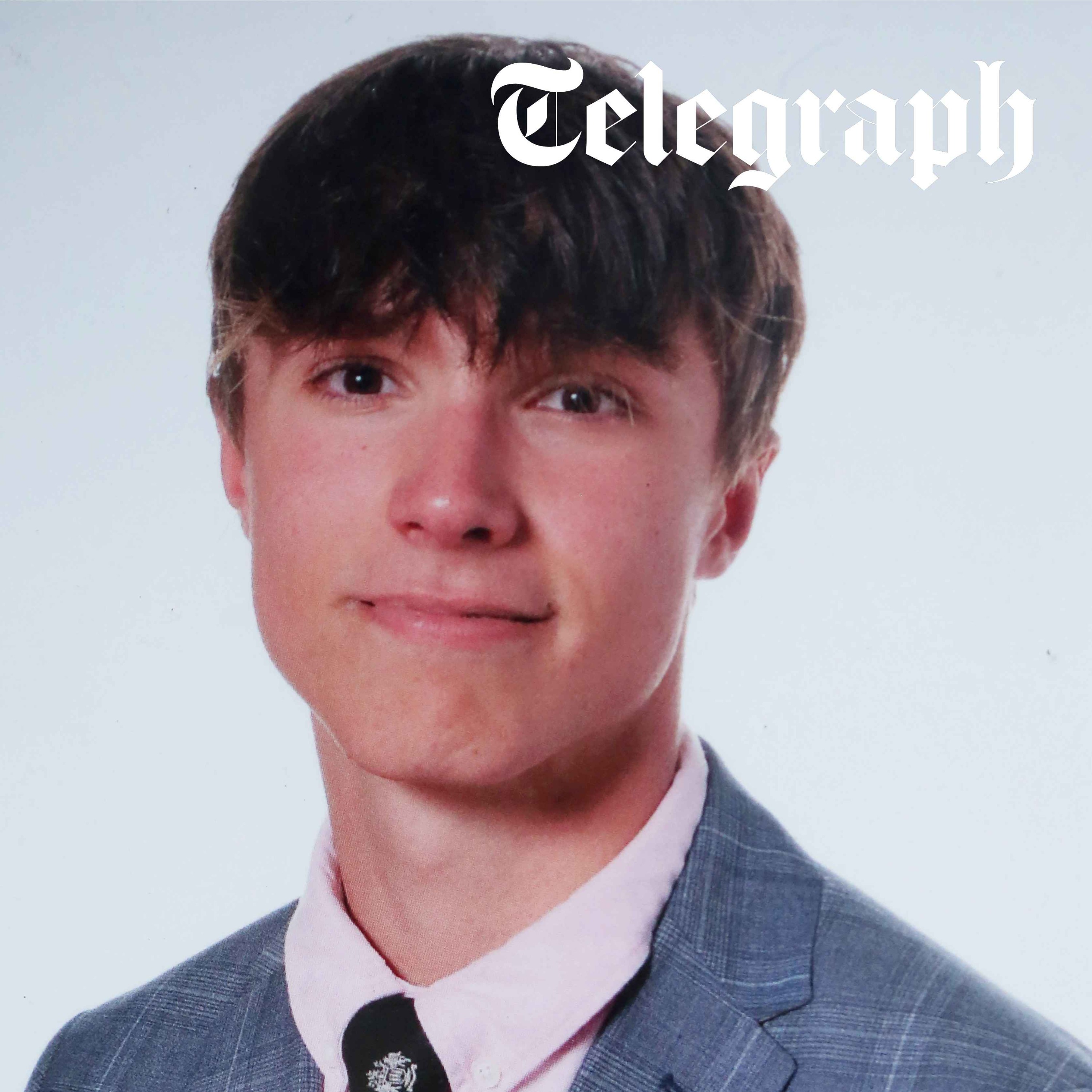
Emma Webber, mother of Barnaby Webber (19), reacts to the Nottingham attacks inquiry findings after killer Valdo Calicane’s death sentence outcome. She argues killings could have been prevented through repeated police/CPS/NHS failures, privacy breaches, and a “cover-up” that led to a manslaughter/diminished responsibility plea instead of murder.
Emma Webber is a bereaved parent and campaigner who pushed for a statutory public inquiry into the June 2023 Nottingham knife/van attack that killed Barnaby, Grace O’Malley Kumar (19), and Ian Coates (65).
Calicane was repeatedly assessed and sectioned but released without proper checks; arrest warrants weren’t executed; information was mishandled (“generic inbox”); CPS suppressed a police report (DC Neil Beddow) saying Calicane acted with rationality; prosecutors hid it in an MG6D folder; NHS/police staff accessed victims’ records/images without reason (11 NHS staff fired); police officers shared graphic injury details on WhatsApp.
Calicane’s release after a mental health assessment led to a door assault and Grace jumping from a first-floor window; a later warehouse assault in Leicestershire allegedly missed warrant markers; Calicane’s rucksack allegedly contained weapons and names/addresses of prior victims; WhatsApp message by PC Ashley Small describing “butchered” injuries.
Written by AI. May contain mistakes.
Discussion about the violent events in Nottingham and their implications.
“The inquiry into the Nottingham attacks has heard Valdo Calicane's victims were failed at every turn.”
Emma Weber discusses her campaign for an inquiry into her son's murder.
“You campaigned for an inquiry into the killings.”
Details on how systemic failures contributed to the tragedy.
“It's come out repeatedly actually throughout the inquiry.”
Exploration of the incompetence shown by police and mental health services.
“He was released with no checks, no balances and that's what happened.”
Discussion on how mental health perceptions affect legal outcomes.
“And the police officers that attended didn't put his details in properly.”
Analysis of the legal considerations surrounding Calicane's mental health.
“or institution that actually did their jobs properly and it's a catalogue of failures that led to this catastrophe.”
Insight into Calicane's mental health and manipulation skills.
“to have seen Calicane tried for murder and not manslaughter.”
Explore the mental health issues and manipulative behavior of the perpetrator.
“It says, well, he's got treatment resistant paranoid schizophrenia.”
Discuss the evidence that suggests premeditation in the murder case.
“Yeah, when he was, I mean, this is something that was sectioned, I say, mental health assessed six times.”
Examine the shortcomings in the investigation and response by authorities.
“What's troubling about it is that I thought, in all of my naivety, that the CPS was there to bring a prosecution on behalf of the families of a victim of a killing to get justice.”
Discussion about the improper access of sensitive imagery related to victims by NHS staff and police.
“names of those students he'd previously assaulted over a number of years and they were in his rucksack and he was going to those addresses.”
A mother discusses the horrific details of police and NHS misconduct following her son's death.
“I couldn't quite believe the moment that it was revealed that NHS staff and police officers had accessed imagery of Barnaby and Grace and Ian with no reason to look at the pictures.”
The ongoing struggle for accountability and justice after a tragic loss, highlighting systemic failures.
“And, you know, it's the inquiry is hugely important.”
Explore the emotions and advocacy of a mother reacting to her son's murder.
“So I like to think that it's a way of him trying to communicate with me.”

Get the gist, explore an idea or ask about something said.
 Claude
On The Daily T, what are the key points of this episode?
Searching your listeningAutomatic transcript. May contain errors.
0:02The Telegraph.
0:30an integrated energy and chemicals company. Learn more about us at aramco.com. Quick question. When was the last time a display ad changed your mind? Now think about the last time a friend told you about something they loved. Different feeling, right? That's how podcast advertising works. A host who's built real trust with their audience talks about your brand in their own words, in their own voice. It doesn't interrupt the experience. It's part of it. With Acast, you can access the world's largest podcast marketplace. Choose the right shows, the right audiences, the right format. Then watch the data tell you it worked.
1:09You're not buying impressions. You're buying influence. Learn more by visiting acast.com slash advertise.
1:23What's it like to lose a child to a killer the police could have stopped? The inquiry into the Nottingham attacks has heard Valdo Calicane's victims were failed at every turn. In this highly emotional interview that every parent should watch, I speak to Barnaby Webber's mother, Emma, about how the families were lied to by police and prosecutors, how a catalogue of catastrophic errors saw Calicane avoid prison, and hear her direct message to Henry Novak's family. Welcome to The Daily Tea with me, Camilla Tominy.
2:06In June 2023, Valdo Calicane fatally stabbed three people in a knife and van attack in Nottingham, sparking major public inquiries into severe NHS and police failings. Emma Weber, mother of one of the victims, Barnaby Weber, aged 19, who was killed alongside his friend Grace O'Malley Kumar, also 19, and Ian Coates, 65, joins me now. You campaigned for an inquiry into the killings. You succeeded in getting one. It began in February. It concluded on Friday. I've watched, with a degree of interest, concern, alarm, your social media posts as you have been put through the ringer And I start by saluting your bravery in all this because what you've been through is frankly unimaginable.
3:01And the inquiry findings are horrendous, to be perfectly frank. So if we try and take it chronologically, because you've been in the weeds and for many people, they don't quite know what has been uncovered over the course of the last few months. Let's begin with what you've heard about how the killings could have perhaps been prevented. It's come out repeatedly actually throughout the inquiry. The word stigma has been used quite a lot for many different examples. I think that was really early on into the inquiry because the first half of it was sort of chronologically following the awful journey from May 2020 onwards when he became known to the police and extensively mental health services.
3:50So essentially what happened was he was causing quite a bit of commotion in the flats that he lived, so much so that he was about to assault others. They were holding him to the ground. The police came, arrested him, took him away. And so he had a mental health assessment on this day. We're going to talk about a 24-hour period. And it was only when the notes became apparent. And of course, because it's a statutory public inquiry, what we have been able to see which is partly what makes it so horrifying is we've actually been able to see the notes the conversations whatsapp messages and the like and and one of the one of the notes that was was put down was over representation of young black males um in the nottingham area anyway they i guess there were other reasons i'm not sure but they they released him and didn't detain him and he went straight back to the flats and he went straight back to what he'd done before and he was desperately trying to get into the young student female student that lived above him's flat and trying to break the door down she was so scared she jumped out of the window first floor window and broke her back and she was nearly paralyzed and she's major spinal surgery and that happened within 20 minutes of him being back in those flats.
5:14He was released with no checks, no balances and that's what happened. Then he was detained and that was the beginning of his, that was the first of his four sectionings. He was assessed mental health assessment six times and detained four. And what did you learn about the warrant that was issued for his arrest by Nottinghamshire Police that appeared to go into some kind of inbox that nobody read? Yeah. The information and the excuses and the rationale that's come forward, unless you've witnessed it, it's actually, it seems like we're making it up or it's unbelievable. But we're moving forward in time to his third sectioning and when he was sectioned for the third time, it was the one through six, which is under the Mental Health Act, where mental health crisis team and the police were present because of his behaviour, wanted to do mental health assessment.
6:14They went to his flat. I think this video footage has been played of what actually happened. I mean, ironically, the police officer that ended up getting seriously assaulted was called Barnaby. Barnaby Pritchard. Yeah, PC Pritchard. So anyway, it's what you see and we hadn't seen it before. And it really is chilling stuff is he opens the door. There's a fairly calm conversation. they want to have access to do the mental health assessment and he lets them in and within a split second he goes after taking his glasses and putting them on the table obviously in his head preparing for what he's going to do it turned into the most violent terrifying assault and so he assaulted the the male police officer there were about seven or eight police officers there as well as all the mental health professionals he ended up being detained and sectioned under section three of the mental health act this time again didn't stay in that long but it started to go through the criminal justice system and that's where it all started to fall apart where well he's he's I think we've seen him also said something along the lines of well it's it's it's a mental health it's not going to go anywhere trying to cut the story a little bit short they did issue it did go through procedures they did issue a warrant for his arrest the warrant for his arrest was never executed as we know but it actually had no bail on it as well so that actually makes it worse because that means had that been executed because it said no bail he would have to have been taken into custody and they would have had to been put before a magistrate and his mental health problems would have been evident and that was yeah it went to a generic inbox it was never actioned And then we fast forward to May of 2023, when he violently assaults co-workers in a warehouse in a factory in Leicestershire where he was working.
8:09And the police officers that attended didn't put his details in properly. Had they done, they would have seen the warrant. They would have also seen all the markers for extreme violence and extreme violence and assault against others. And because they didn't see it, that's another police force that failed. So, yeah, he was left out literally unwarranted, unchecked and unmanaged. And then the dreadful thing happened a month later. And those are just a few examples. I mean, are we talking about the tip of the iceberg? It really is. Honestly, I can understand why people get so lost. Because I think the most important thing to say is that the scale of failure on this is almost unimaginable.
8:53the only way I can describe it to people is to say if you think of absolutely everything in anything that could have gone wrong from 2020 literally right up until now it did and it has and it continues to and it is that bad there's not one single agency not one single organisation or institution that actually did their jobs properly and it's a catalogue of failures that led to this catastrophe. Now you can look at it in the round and I know you've been in the weeds but when you take yourself away from it and you look at the notion of basically a rampaging violent criminal who has forced a woman out of a first floor window, who's attacked a police officer, who has attacked co-workers and just the notion that his potential to cause more carnage was not taken seriously by the police.
9:51What is your interpretation of those events? The police are so overstretched, there's so many criminals like this at loose that they lost track, that they're just completely incompetent, that care in the community has failed and we need to do... All those things? One of those things? Yes, to all of the above, because it's evident. But I think if I were to isolate, the key problem here is mental health. And it's the hot potato that no institution, including, I would say, our health services, address properly. Yes. And it's a legacy of care in the community. There's a lack of resources, lack of beds.
10:33And, you know, every single agency that's been up, the CPS, the two police forces, two hospital trusts, amongst others, have all, which we expect to use the resources excuse. But as Sanjoy Kumar, Grace's dad says, we've never had enough money. He's a GP. We've never had enough money. We've never had enough doctors, you know, but you get things done. So I don't want to get too political, too into the minutiae of it because I don't feel that that's my job to do. I think what it is to do is to point out that it's not always significant underfunding and underresourcing. It's people who just don't do their jobs properly.
11:12Yes. They're not curious enough. I would say they're incurious and they are siloed. Agencies are siloed. I think if I did a word search on all of the transcripts of the witness statements in the inquiry, of which there are millions and millions of words, I think GDPR and data protection and confidentiality will come up repeatedly. Yes. And you can strike through that straight away with if there is a risk to life or health of yourself or others, then you are not bound by GDPR. No one has ever been arrested for sharing information that prevents someone being hurt or murdered. Also, nobody's been killed by having privacy invaded.
11:57Yeah. We've heard the word stigma, yeah. We're going to get onto that, actually, because there's a juxtaposition here with how Barnaby's privacy was invaded and how Calicane's privacy was protected. We'll get onto that in a minute, Emma, because I know you want to speak about that. I think it's important to discuss the mental health element with regard to your desire and that of the other families to have seen Calicane tried for murder and not manslaughter. And this is a huge plank of this inquiry. You have made a discovery about basically a Crown Prosecution Service, a CPS cover-up that is absolutely staggering.
12:35But just can you weigh up for me? Because this is you on one hand are saying that this was a failure of this man and his mental health. And yet rather than trying him for murder, the CPS decides, and we'll get on to the reasons in a minute, and the justifications and the secrets and lies involved. they decide that he has got mental health problems and that he should actually be tried for manslaughter because of his own diminished responsibility. So that's a lesser charge than murder. Murder requires intent to kill. He's got to be sane enough to know what he's doing. Is it the case that you're arguing, yes, he had significant mental health problems, but he had enough cognizance, he had enough agency, he demonstrated enough planning that he can still be found guilty of the intent to kill, even though he has significant problems with, I think, diagnosed schizophrenia and other conditions.
13:30Is that your position on it? Absolutely. We have never, ever denied the fact that Calacane is seriously mentally unwell. Yes. He has a diagnosis of paranoid schizophrenia and he's had it for years. He has never been concordant with medication, which in normal people's terms, because we've heard that at the inquiry a lot, is he refuses to take his meds. He doesn't believe he's ill. And the continued non-concordance of medication has meant that there's never been a period of time since 2020 where he has actually been significantly on his meds for it to be deemed that he was treatment resistant. Yes.
14:15Which is a very key word. It's a funny term. It says, well, he's got treatment resistant paranoid schizophrenia. That doesn't mean that it can't be treated. It means he's resisting the treatment. I think what's come out of this inquiry is that Calicane was mentally very unwell, but Calicane was a master manipulator. He knew how to manage himself as much as he needed to. He knew how to manage not taking his medications and lie about that. And he basically lied and manipulated his way into getting the diminished responsibility plea. There are so many examples I could give you, but this is a man who did have insight.
14:53insight he did have awareness of his actions on the 13th of June if we track him back from the 11th of June onwards he's there's countless times when it's clear he's making rational-ish decisions he comes up here to London he meets with a very dodgy friend of his who's part of a notorious gang up here and drug dealer and then mysteriously you know there's an incident with a zombie knife there's all sorts of things but he travels up to London and he travels back in the early hours of the 13th of June. But, you know, the way it was presented in the sentencing, for anyone that followed it from the very beginning, it's that this man was smited down.
15:32He was in such a state of psychosis, he knew not what he was doing. When you start to look at the facts, he had a rucksack full of weapons that he had been amassing over years. He'd swapped SIM cards in his phone to avoid capture. Yeah, he'd swapped SIM cards in his phone twice. He'd carried a Schlesinger bag with him and went off CCTV camera for nearly an hour where he changed his clothes, he changed his footwear and mysteriously came out without the bag. He went to a cash point, he withdrew money, bought himself a sandwich, he got onto the tram, he had a conversation with a tram driver. The areas that he went to, Ilkeston Road, is obviously where he murdered Barney and Grace, was where he used to live.
16:12Ilkeston Road was one of his previous addresses. He hid in the shadows there. He allowed seven people to walk by until Barney walked past him. He attacked Barney. Grace tried to intervene and save Barney. And both of them were so fatally and viciously wounded that obviously they didn't survive. But this was not someone with a kitchen knife. No. This was someone with a rucksack of weapons, including a knife sharpener and a one foot long double serrated knife. That's the implement that he used. He knew exactly what he was doing to strike his injuries. In that rucksack full of weapons, he had three names of students written down, and those were the students involved in the previous assault during the mental health interventions.
17:00The addresses that he visited that evening before he ended up murdering Ian were actually where he was living, previous residences. His phone and, what do you call it, memory stick that were in the rucksack, they were never fully put forward in court. But the downloads of those are live shootings of massacres in Buffalo and Christchurch, animal mutilation, how to use weapons, how to use an electric knife sharpener, Nazi memorabilia, extremist memorabilia. searching large venues in Nottingham, photographs of police out and about. He had been photographing the Tescos near where he lived. I could go on and on.
17:47I mean, but what's frustrating as I'm listening to this is this is all discovered after he's carried out these killings. Yeah. Had the police acted on the information they had, they could have taken away phones and computers and discovered. Yeah, when he was, I mean, this is something that was sectioned, I say, mental health assessed six times. and sectioned four. And every time he was sectioned, he was in for barely no time. He was allowed to not engage in any group type therapy activities other than being allowed to go to the gym. So he was left with his laptop and his phone in his room, isolated to do what he wants.
18:28So it's one of the sectionings where he's supposed to be on 10-minute observations. and it came out in the inquiry that actually he had not only had they not been checking on him properly that it transpired that he had he had in the middle of the night gone into another patient's room and was found in their bathroom hours later this is the state of our mental health secure units that are supposed to be helping these people but i think there's so much more i could add to it but i think what it shows is a clear pattern that that calicane all of his assaults were on young students. He clearly had rage and anger and vengeance against others he deemed as more successful than him.
19:13And he chose his victims. He knew what he was doing and therefore he should have been tried for murder. Yes. And what happened was we ended up with half-baked investigation by Nottinghamshire Police, a really weak and poor prosecution by the CPS, who were so awful and appalling in their contact with us, as has been proven, and the utter reliance on doctors. Yes, let's get on to that then, because we have a reliance on four doctors basically saying he suffered from diminished responsibility, he wasn't able to exercise rational judgment or self-control. It was a psychosis, untreated psychosis. And the CPS goes down that route.
19:56However, the inquiry reveals a smoking gun. The inquiry reveals that a veteran DC called Neil Beddow had put a report together concluding that Calicane had acted with, and I quote, rationality and understanding of consequences. You then discover that the prosecutors try and suppress that report to such an extent that they hide it in a MG6D folder, which for the uninitiated is a highly restrictive schedule, usually reserved for terrorism, spies and national security. So basically, they have a contrary view that actually Calicaine knows exactly what he's doing. And they bury it to protect any reputational damage that might ensue by this being released and people asking very serious questions about why they've switched from trying him for murder to manslaughter.
20:59Yeah, there's so much to this. everything that you've said, I think any person with any basic knowledge of the law, whilst we wouldn't understand the, I didn't, I've never heard of that file before, and I'm now much more aware of the CPS processes than I ever would have wanted to be. But it's common sense, isn't it? That why, we've seen the email from Alan Murphy, the senior prosecutor, and his decision to put it on that file. And it was throughout the process of this inquiry, when of course, it's statutory, so everything has to be revealed. And they've said, well, it's just police, CPS, communication.
21:34You wouldn't put it on there. That is for the highest possible level that could be detrimental to public safety. It actually coincides. Alan Murphy says, well, this is an unwarranted... He played it out as though DC Beddoes had gone off on his own and decided to dig about and produce his report. He calls it a very poor quality report. He sends an A4 long, rude email criticising it, saying that it was unwarranted and unasked for, when actually it had been asked for by the junior counsel for the CPS barrister. They'd asked for it. It's from an experienced policeman. And he wasn't unwarranted. Basically saying, you've asked me to do this and this is what I say.
22:16This is what I've concluded. This is basically how I read this is. And I think actually Grace's father, Sanjoy, said, it's nothing short of a cover up. They didn't want us to know that the police thought so too. The CPS don't want you to know that the police concur with your interpretation of events, which is that Calicane knows what he's doing. What's troubling about it is that I thought, in all of my naivety, that the CPS was there to bring a prosecution on behalf of the families of a victim of a killing to get justice. And so you need to be reaching for the highest level of justice that you can get for those families.
23:01If there was an intent to kill and this was pre-planned, notwithstanding his paranoid schizophrenia, you need to be reaching the highest possible bar to ensure that the trial is fairly held, that there is adequate sentencing and all the rest of it. At the end of this, we end up with a situation where Calacane is in a secure unit. He's not in a prison. Hospital, yeah. He's not in a prison. He's not in the penal system. He's not in the prison system at all. So he is being looked after by doctors. He's still in receipt of his benefits at the moment. And we do feel this... Sorry? Yeah. If you get convicted of a mental health crime and you are sent to a secure hospital, then you're a patient and you're not a prisoner.
23:48So he's been receiving his benefits for the past, what, I don't know, how long has he been there? Benefits for what? Whatever benefits he's entitled to. How does that make you feel? It's sickening, isn't it? It's just disgusting that he's getting thousands and thousands of pounds a year. These indefinite hospital orders are not indefinite or anything but. The statistics are that over 90 % are out within 10 years. These are people that have murdered that are out within 10 years. Over 80 % are out within five. Has there been any stipulation as to how long he needs to remain in this unit? Indefinite, which means...
24:26Which means, as you say, it could be anything. I mean, we'll have to make him the next Ian Brady to fight hard for him to not be released. But if he's in there and he's responding to his treatments that will be enforced upon him now and are being enforced upon him now, then... Well, is he being forcibly drugged, do we think? I'm not sure. I'm not sure, actually. so I wouldn't like to speculate. But I know that he's in and he's responding to treatment. But even the thought that he could be released in 10 years. Yeah. Or even 20 years is abhorrent, isn't it? Yeah. I mean, how does that actually make you feel?
25:05Oh, sick to my stomach. It was... Well, you talk about the Bedo's report, the burying of that one. Bear in mind, this happened in June 23, and the date for what was either going to be a trial or a hearing was already set really, really early on for January. Yes. There's not much time. It is pretty rushed through. And we were told on the 28th of November 2023 that the CPS were planning to accept a minish responsibility. So that's only a few months after. We had no time. No. They were accepted. And this was a Friday. You're probably still, I mean, you're in shock. Well, yeah, the whole time we were under the impression, Camilla, that, you know, we were thinking it's we'd been told by the police countless times.
25:49it's murder, he's going down for it we've got the refutable evidence la la la la la so we were just thinking this monster it needs to be a whole life tariff to then have your legs taken away and your breath taken away that morning on a team's call first time we'd ever met the CPS it was just the Kumar family and us the Coats hadn't been invited good grief they said they'd invited them, it's in the minutes we saw it only two days ago they said that they'd been invited James Coates said they were never invited How appalling No, they treated the Coates family and they told us that the Coates family didn't want anything to do with it they wished us well but they're very private they said they're a disjointed family who had to deal with things their own way But that's not true is it?
26:33It's not true at all You and the Coomars and the Coates are very close right? Yes, absolutely It was at the sentencing hearing when James Coates because they separated us in the courtroom as well they were on the other side of the room This is Ian's son just to clarify Ian's got three sons, Darren, James and Lee in that order of age. And James came over and said, Emma, I've been wanting to get your number and we exchanged numbers. And that was January 24. But all that was happening and to have that rushed and imposed upon us. So we started asking those questions. Unbeknownst, we had no idea about the Bedos report until this month or last month.
27:08But we had been asking all of those questions. We said, well, how was he when he was arrested? What was the CCTV footage of his interviews in custody like? What did the security guard who saw Mitzilihurst's house say? What did his family say? What did his flatmate say? And we were lied to. We were told there was no CCTV in the custody suite, which was a lie, there is, and we have six hours of it now. It hasn't yet been released, but we plan on asking for it to be, where he didn't give no common interview. And they didn't bother interviewing the guard. None of the doctors spoke to anybody. Well, there was no toxicology either for six days.
27:42They didn't bother. They just didn't take toxicology. Where they put, as well as burying evidence, like I say, the full scope of what they had on him that was put into unused evidence is unfathomable to me. Why they did not think it was relevant that he had written down names of those students he'd previously assaulted over a number of years and they were in his rucksack and he was going to those addresses. Was that not planning? I mean, but also, wouldn't you want to know? Wouldn't if you were those students? Let alone the students. Afterwards, they were visited. Happened upon. Yeah.
28:28Seeking. Pushing. Optimizing. Creating. Learning. Discovering. At Aramco, we believe in harnessing the power of data to push the limits of what's possible. That's how we deliver reliable energy to millions across the world. Aramco, an integrated energy and chemicals company. Learn more about us at aramco.com. You've got social dialed in. Search is doing its thing. So why do your marketing results look the same as six months ago? That's because you're fishing in the same pond as everyone else. Podcast listeners are a different audience entirely, more engaged, harder to reach through traditional channels, and ready to act when someone they trust makes a recommendation.
29:17We're Acast, and we put them right in front of you. Browse thousands of the world's leading podcasts, book host reads or run your own ads, and track every conversion in real time. Same skills you already have, brand new results. Acast. Acast.com slash advertise.
29:44When I was watching all of this unfolding, I couldn't quite believe the moment that it was revealed that NHS staff and police officers had accessed imagery of Barnaby and Grace and Ian with no reason to look at the pictures. Yeah, we've had data breaches and invasion of privacy from every single agency as well, sadly. Yeah, the University Hospital Trust is a QMC, it's a Queen Medical Centre, where Barney, Grace and Ian were taken. And thanks to Callicane, couldn't receive any treatment. But we know it's part of an investigation. We had the medical director up last week, week before, in the stands that over 150 staff accessed their records whilst they were in the hospital.
30:39Why? Exactly. Why? It's just abhorrent voyeurism. It's rubbernecking of the worst possible type. And why would you want to, I'm going to speak honestly about my child because it's not for me to speak about the others, but I can only imagine that people were nosy. They wanted to see what injuries he had. It's just absolutely disgusting. And that was once Barney had passed and that was, you know, the actions of NHS staff and I must stress at every level. It isn't, you know, we can't just say it was just one, right up to consultant, up to doctor levels. It was medics, nurses, administrators and managers.
31:18The NHS Trust fired 11 people for accessing the records. So far, yeah. So far. But the police, now let's just talk about the police, and again, I don't want to distress you. Police officers shared graphic details of the attacks, victims' injuries on WhatsApp. Yeah. There was a particular phrase used. I don't really want to use it, but it was... A disgusting phrase was used to describe the extent of the injuries to Barnaby. You've described that as a kick in the teeth. Yeah, PC Ashley Small wrote that WhatsApp message in his group WhatsApp shift chat. I'm happy to, not happy to say, but I think everything else has been so public that what he wrote was he wrote sort of about what had happened.
32:08Something big's going down, this guy warrants out for him here than the other. Two students been properly butchered in Ilkeston Road, innards out and everything. I mean, that's. That's my child. That's my son. He was 19 years old. And it wasn't really taken terribly seriously by the police. The chief constable, who has miraculously taken early retirement, Kate Maynell, we found out afterwards, subsequently, her son was in that WhatsApp group. we've never had clarification on how many officers were in the group how many actually shared it and discussed because they put disappearing messages on but they were caught out because another PC Matthew Gell had shared it with his wife and a colleague and so that was seen and then you know we weren't ever told about it until it'd been in their eyes done and dusted and And of course, we then asked lots and lots of questions.
33:15But that's not the only thing, the Nottinghamshire Police. We've only found out the real scale of it at this inquiry that members of admin staff and a special constable viewed the body-worn footage. That was Barney and Grace being treated on scene. Yeah. And we were told the special constable had been sacked and so had a desk clerk and someone else had had a final written warning. We weren't told the details. We were told they'd looked at something we didn't know what. Now we know they looked at, well, particularly, I think he's called Skenderaj, the special constable. He looked at everything.
34:00And he resigned before he was sacked. But they self-referred. This wasn't because of an audit being done. So we've now insisted that an audit is done of anyone who accessed that. I say that the police have stated there is currently, quotes, no criminal investigation. I mean, I'm listening to this and I'm getting upset. This is your boy. Yeah. I think any decent human being, anyone with a sense of morality and humanity would find that appalling, but especially apparent. And actually, the Nottinghamshire police, I have made a formal complaint of a crime. They have referred themselves to the IOPC because of their failure to investigate that properly.
34:44That's the Independent Police Watchdog, just to stress. Yeah, and they have agreed to scope an audit. So we expect, sadly, that number to rise. And your husband David has pointed out, as I said earlier, the bitter irony here. Huge efforts made to protect Calicane's privacy and his medical history. And yet the very people that you would hope uphold the standards of decency and integrity, we're talking about doctors, nurses, consultants and actual police officers in uniform, do that. But now we're at the end of this process. Does it bring any closure? Are you angrier now than you were at the beginning?
35:36I think I would be. Where are you at with this? It's been a really brutal, bruising process. And I thought I was prepared. I expected some more revelations to come out. But it's shocked even me. I think I'd probably safely say the same for the other families and our entire legal team. There certainly isn't closure yet. I don't know if there ever would be proper closure. But I think what it has done is it's brought some part of this process to close because it's the validation that we... You've been gaslit for months and now everything that you thought was true has been proved to be true. And some.
36:23And you've been vindicated. Yeah. And, you know, it's the inquiry is hugely important. And the findings of the chair, Deborah Taylor, in the spring of 27 are going to be vital. But it doesn't stop with just the inquiry because so much is still ongoing. There are still investigations. There's what we do with the next steps because we've asked for three things we wanted to happen out of the inquiry and beyond is accountability. on an individual and organisational level. And as you alluded to, 11 members of staff in the University Hospital Trust have been sacked so far. 14 have had final warnings, but it's only midway through that investigation.
37:08What we haven't seen, which I think is actually more shocking, is we haven't seen anyone be held to account to any level at all in the NHS and the Foundation Trust, which is the Mental Health Trust, or Leicestershire or Nottinghamshire Police Force for their inexcusable failures and misconduct and neglect. And that's what we have to see through now. And it's professional bodies. It's the GMC. It's the NMC. It's whatever's relevant. But that process has to happen. We will address what we believe to be an enormous miscarriage of justice with Carla Kane, with the way the evidence was gathered, with the credibility of the expert witnesses, is what was put forward to the judge.
37:53So that is going to be a battle. Yes. But we've fought battles for nearly three years now. Your battle hardened, Emma. Yeah, like I said to you, I feel scarred, like combat scarred. You know, the level of PTSD. But it's, where are we with June? Before summer recess, we will be meeting with the Prime Minister. Yes. The Attorney General, the Director of Public Prosecutions and Justice Minister and the Health Secretary, whoever they might be. Yes. Well, who knows? Any of those figures could have changed. That's why I said the titles. But we will be meeting with them. And I understand there's a lot that the government will say they can't do until the recommendation and findings of the chair come out.
38:39but it's about the paper trail, it's about the breadcrumbs, it's about making sure that this doesn't become a dusty inquiry where we're all outraged and a few little things happen and then it doesn't change. And somebody says, lessons will be learned. Oh, we've banned that. No. You're not allowed to say lessons will be learned. We call it the copy and paste. Well, it is. It's almost the kind of bingo card of public inquiries. Unreserved apologies is the next one. mistakes were made. I think it's also being brought into wider context. Actually, we've had Robert Jenrick, who's in Reform UK now, last week speaking in the Commons following the body cam footage and then the statement made by Henry Novak's father about, let's be honest, multiple police failings in that case.
39:33And it's also people have spoken out because of the sentencing of his killer, a man called Diguar. And I wondered how you cope with these other cases, maybe also Rudicabana, the Southport killer. There is something that ties these three cases, and it's abject incompetence. And do you find it triggering when you see the headlines about Henry Novak? Similar age to Barnaby, similar position, university student in Southampton, stabbed with a unfeasibly long ceremonial knife yeah and the and the lies and the the conducts and yeah of course I've been following it and I I listened to the dad I've chosen not to watch the body cam footage because why would I I don't need to see that because I understand how distressing and awful those sort of things are but you've mentioned I'm glad you mentioned the you know the Southport atrocities.
40:32There's been how many other instances where, you know, on the, was it Cambridge on the train? Yes. It was a miracle nobody died that day. Gold was green recently. I think what the commonality across all of these is failure of agencies, failure of people to do their jobs, but it's mental health is at the heart of a lot of these. Yes. You know, mental health, the hot potato, individuals known to the police, known to mental health services, yet they're free to roam out there. I don't know enough about Henry's case, but what I do know, sadly, that thankfully the vast majority of people that have obviously been watching it and listening to it recently is I know how his dad, I know how his family feels.
41:22I know when he talks about what was the last thing my son heard. Well, I think what was the last thing that Barney saw, and I dread to think it was that monster's disgusting face. It's the stuff of nightmares. He talked about Christmas Eve. He talked about staying in Henry's bed. You know, tick, I've done that. You know, I carry this locket I wear. It's got a lock of Barney's hair. I see butterflies, I like to think, because apparently those that have passed come to you on the wind. So I like to think that it's a way of him trying to communicate with me. But, you know, but the stuff that Henry's poor family and friends are going through is that I'm sure they've heard all the same things we have.
42:15I can't imagine it's the most awful thing. It's every parent's worst nightmare. You know, it's all of that and some and it is absolutely devastating and catastrophic. and to lose a child in any circumstances is the wrong order. But to have a child murdered when it could have been prevented but also potentially he could have been saved, we've had all these missed opportunities, these missteps, these cover-ups, this negligence that stopped Calacane being stopped. I really pray that this is the line in the sand now where because it's such high profile and timely you know the that news story broke the same time as the inquiry ended that if we make enough noise that it will actually be listened to that is I don't believe for a single second we'd have this inquiry had we not made so much noise and had to expose our worst grief publicly and with the media's support.
43:26And I thank all of the media, yourself included, who've continued to listen to us and to report on us for the last three years because that's what makes the people in power listen. It isn't due diligence or policy. But the frightening thing about it is that you have solidarity with people, particularly parents and this is the depressing conclusion to draw that barnaby could have been any of our sons yeah as could henry yeah as could grace yeah so that's why people look at it because they say they're for the grace of god go i yeah and that you have and the girl and and those little girls in the dance class and the girls in the dance class could have been any of our daughters but then the chap got on the bus to go to school but emma what are we actually saying What we're saying and we're concluding is that we aren't necessarily surprised.
44:18We're appalled. We're shocked. Yeah. But we aren't necessarily surprised that perfectly decent young people with their lives ahead of them can be slain in the street. Yeah. And we later discover that their deaths were probably preventable, that were actually caused by systemic failures of every organisation and authority involved. That's why parents and human beings and everyone identifies with you, because it could happen to any of us. And that's what I'm finding frightening. That's why the Novak case is frightening. Yeah, it is. It's fear. I think we need to make the state realise that the passive reactive state that we appear to be in this country, especially with our fear of stigma, our fear of addressing the root of the problems.
45:17that fear now transferred across to the public might be the difference because I guarantee there are Calicanes out in every single city in this country we've seen evidence of how poor the community health crisis mental health crisis teams are how poorly resourced they are how stretched they are yes but also how the right powers aren't being used properly people that carry out mental health assaults I think I was trying it's really hard because the figures aren't easily available but it's upwards of a quarter of a million serious assaults a year of NHS stuff and when I say assaults we're talking GBH level so life-changing assaults potentially not just a punch or a slap and at least two murders two homicides a week from people with mental health problems and 1300 suicides a year that are reported directly related to mental health All of those numbers are wrong.
46:27None of them should be there, but we'll never get a utopia. But what I do think is we have to recognise that it isn't stigmatising to people with mental health illnesses by not talking about it. It's more stigmatising by hiding it because it makes us fearful. And if people that are that ill and also dangerous, and it certainly is the majority aren't dangerous, but there's a significant number that are and they're being community treated. If that's not addressed properly, then it will continue happening. You have refused to go quietly into the good night. Yeah, I know I got that quote slightly wrong.
47:06Do not go gentle into that good night. Yeah, I was actually thinking about rephrasing that one. The Welsh poet, but no, we get the sentiment of it entirely. When the headlines do eventually fade, I mean, the public moves on, you never move on. You've lost your son. But what do you want Barnaby's legacy to be? Because I know, and we've heard this from the Southport victims' parents, you know, you don't want your beautiful boy to be associated with his death. You want him to be remembered for his life. And that's difficult. I think I said that in my statement to the inquiry. I don't want Barnaby Webber to be mentioned in the same sentence as paranoid, schizophrenic, Vardo Calacane, which happens.
47:52You've got the worst of humanity named alongside, my opinion, the best of humanity. Yeah, so it's difficult. We're not asking and calling for Barney's law, Grace or Ian's law, although we did work out if you put them together, you could make it big law. Yes. We did work that one out. B-I-G, yes. But I think what it has to be is, you know, I want Charlie, who's Barney's younger brother, who's now 18 he's going to be 19 in September and that's crazy to think about but I want I want Charlie to know that as his parents we did the right thing we pushed and we fought back and we made things safer I want Barney to know that I did everything I couldn't be there I feel guilt that I wasn't there to save him it's ridiculous isn't it how would I have been in Nottingham But you can't help it as a parent.
48:46You feel guilty whether you're there and you feel guilty if you're not. And I want him to know that I didn't go gently into that good night. And I'm not going to. And the headlines might fade. But until we get what we deserve and what we demand, I'll keep going. But however long it takes, we will address it because we've come this far. And countless people said, you'll never get an inquiry. We would definitely never get a statutory inquiry. You had that moment at the beginning where I thought, oh God, did we actually get it all wrong? And it was all done properly. And that's where the validation comes in, that yeah, it was as bad, actually worse than we thought.
49:29But it's not peculiar to this one tragedy in this one case. And it could be the legacy that does actually change some stuff in this country for the better. Emma Webber, thank you very much indeed for joining me on The Daily Tea. Thanks for having me.
50:09Here's a tip for you. There's a podcast out there with fans waiting to be your next customer. They tune in every week. They trust the host. And that host wants to talk about brands like yours in their own words to their audience. The problem is you just haven't been introduced yet. We're Acast, where that introduction happens. As the world's largest podcast marketplace, we let you browse shows, see who's listening, and book host-read sponsorships or run your own ads all from one platform. Transparent pricing, real-time data, complete control. Start advertising on podcasts by visiting acast.com slash advertise.
Camilla Tominey speaks to Emma Webber, mother of Nottingham attack victim Barnaby Webber, about the latest revelations from the public inquiry into the killings carried out by Valdo Calocane.
They discuss evidence surrounding the decision not to section Calocane despite clear signs of psychosis, the police and NHS failings that allowed him to remain at large, and claims that crucial evidence challenging his manslaughter plea was hidden from victims’ families.
Emma draws parallels with the police response to the killing of Henry Nowak, as she explains why she continues to fight for accountability and lasting reform in Barnaby’s name.
Producer: Georgia Coan and Emma Williams
Senior Producer: John Cadigan
Executive Producer: Charlotte Seligman
Video Producer: Will Walters
Studio Operator: Meghan Searle
Editor: Camilla Tominey
Highlights
Hosted on Acast. See acast.com/privacy for more information.


