
 Ask ChatGPT



The episode debates “Is the British countryside racist?” after a University of Leicester Centre for Hate Studies report. Topic: the report argues the countryside is “overwhelmingly white,” creating discomfort and psychological burden, and that traditional rural customs (including pub culture) may exclude people; it also cites lack of facilities and limited halal/kosher options.
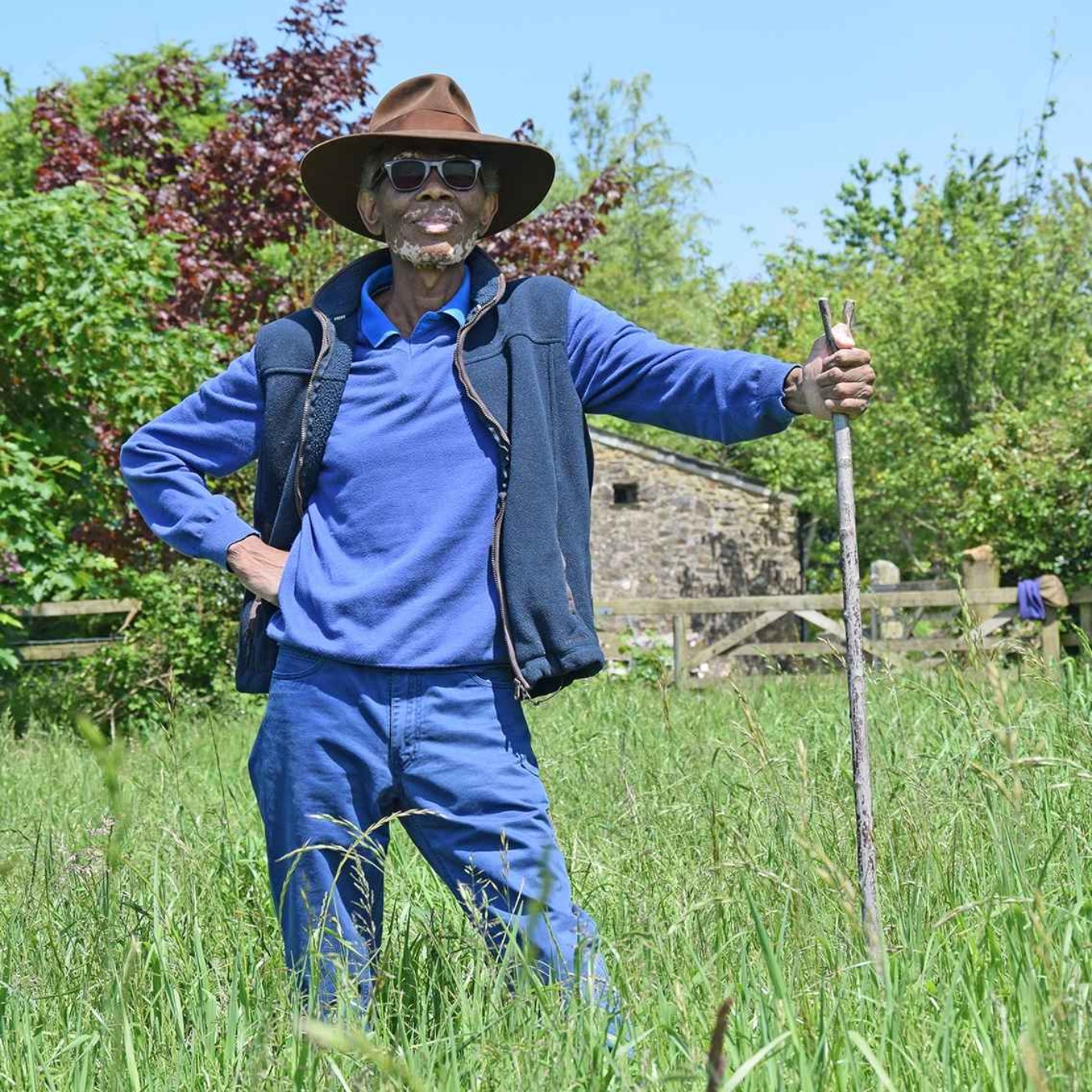
Professor Corin Fowler, University of Leicester co-author; Wilfred Emanuel Jones, a Black farmer who owns a farm on the Cornwall–Devon border.
Fowler says racism is prevalent but often subtle (staring, surveillance-like feeling) and includes severe school bullying (e.g., “monkey noises,” being told to “go back to Africa”); she also notes anti-racism and growing interest from young people of colour visiting. Jones argues rural racism is not worse than urban, that staring can reflect being a stranger, and that visitors expecting urban norms (e.g., halal food) is unrealistic.
pub as a “flashpoint”; unreported abuse; social media analysis of 193,000 words.
Written by AI. May contain mistakes.
Discussion on a report claiming the British countryside has racial issues.
“grade tools are damage-free gel polish that lasts up to 21 days.”
Discussion on a report claiming the British countryside has racial issues.
“We speak to a white academic who says yes, and a black farmer who says no.”
Professor Corin Fowler discusses the nuances of racism in rural areas.
“Well, joining us now, we have one of the report's co-authors, Professor Corin Fowler from the University of Leicester.”
Examining the effects of racism, particularly on children, in rural areas.
“But what we found was that really there was a sense of being kind of watched, sometimes stared at, sometimes glared at.”
Wilfred Emanuel Jones shares his contrasting experience of racism in rural Britain.
“but I just want to pick up on one thing, which is some of what you're describing is just plain awful.”
Discussion on the report's findings and a debate about rural racism experiences.
“things they've seen for example Facebook petitions to try and get families of colour out you know things like this but I think that what we what we're doing is we're just reporting on what people have told us.”
Exploring the patterns of experiences shared by white residents and people of color.
“So there were patterns that were coming out from these interviews.”
Discussion on the varying experiences of people of color living versus visiting the countryside.
“And I told you some quite upsetting things that they told me about their experiences in the countryside.”
Analyzing the expectations for cultural adaptation in rural areas and its implications.
“And the only way you're going to bring change is when people from diverse communities go and establish themselves in those communities.”
Highlighting positive aspects of integration and community support in rural areas.
“And a lot of people reading that would say, well, look, this is just not a demographically mixed area.”
Learn about what makes a pub great and insights from a pub expert.
“Is it the beer, the hospitality, the history?”
Discussion on the dynamics and implications of the Green Party's leadership election.
“You must have, talking about sticking out like a sore thumb in the countryside, you must have looked like the resident Tory boy of the scene.”
Insights into the contrasting ideologies within the Green Party and their leadership election outcomes.
“Zach Polanski, who is a London Assembly member who was running on a populist, very economically radical ticket.”
Analysis of Jeremy Corbyn's influence on the Green Party and its electoral dynamics.
“One, which is what most of the press ask questions about, which is Jeremy Corbyn.”
Discussion on controversies relating to anti-Semitism and Islamophobia within the party.
“The first suggestion from the polling, I'm told, is that one of the things Corbyn does is draw votes away from the Greens.”
A light-hearted discussion about suggested names for the new party amidst political changes.
“So if you want to be the anti-racist party, you have to confront that issue within your own ranks.”

Get the gist, explore an idea or ask about something said.
 Claude
On The Daily T, what are the key points of this episode?
Searching your listeningAutomatic transcript. May contain errors.
0:02The Telegraph.
0:30grade tools are damage-free gel polish that lasts up to 21 days. All you do is prep, paint, cure, and you're good to go. And the best part, it's super easy and so affordable. Each mani breaks down to$2. So let's skip that$80 salon appointment and get the salon quality look at home for so much less than on your schedule. Head to oliveandjune.com slash DIYgel20 and use code DIYGEL20 for 20 % off your first gel mani system. That's oliveandjune.com slash DIYGEL20. Code DIYGEL20 for 20 % off your first gel mani system. ACAST powers the world's best podcasts. Here's a show that we recommend. Ten years after Troy, Odysseus is still lost.
1:23I'm Tristan Hughes, and all of this month on The Ancients, I'm going to be sailing through Homer's treacherous world of monsters, witchcraft, and tempestuous gods, exploring the real archaeology and history beneath the myths. Join us on The Ancients from History Hit. Listen now and subscribe on your favourite podcast player.
1:47Acast helps creators launch, grow, and monetize their podcasts everywhere. Acast.com
2:00Camilla: Is the countryside racist? That's the conclusion of a new report. We speak to a white academic who says yes, and a black farmer who says no. And I attended the election of the Green Party's new zany leader, Zach Polanski. He's crazy, but I was more interested in his deputy, who has in the past been accused of anti-Semitism. Welcome to The Daily Tea with me, Camilla Tominy. And me, Tim Stanley.
2:35Camilla: Well, it's a story that has got Telegraph readers, I would say, slightly throthing, foaming at the mouth in anger. About 5 ,000 comments so far. 5 ,000 comments. And the premise of the question that the article seems to be posing, and it may be right or wrong, is, is the countryside racist? And this comes after a new study by the University of Leicester's Centre for Hate Studies said the British countryside is, quote, overwhelmingly white and that this creates feelings of discomfort, the report states, and the psychological burden that comes with navigating predominantly white spaces. It also raises concerns that the traditional pub culture and other monocultural customs are exclusionary.
3:21Camilla: And it concludes that the countryside lacks appropriate facilities to meet religious and cultural needs, does not cater for the dietary norms that are rooted in religious and cultural practice, such as kosher and halal, adding to feelings of exclusion. Well, joining us now, we have one of the report's co-authors, Professor Corin Fowler from the University of Leicester. And we're also joined by Wilfred Emanuel Jones, also known as the black farmer who owns a farm on the Cornwall-Devon border. Welcome to you both. Thank you. Good afternoon. It's nice to be on your podcast. First big question goes to you, Professor Corin Fowler.
4:01Is the countryside racist? Yeah, I'm glad you asked me that because the description of what our report says, I don't really recognise it. It's picking out details that makes it look kind of quirky. We're not saying that the countryside is racist. We're examining how racism, which happens everywhere, is experienced and expressed differently in the countryside, where there are far fewer people of colour living. As you know, there's only a small amount of people, around 4%, I believe. And so what we found is that racism is prevalent, but it's often subtle. It's not always overt. It's not all about racial slurs.
4:47It's not all about shouting or physical violence, although we did find many, many examples of that which had not gone reported and won't show up in the statistics. But what we found was that really there was a sense of being kind of watched, sometimes stared at, sometimes glared at. There's a kind of sliding scale and that it was quite tiring for people to feel that they were under surveillance in some way, even if that was not intentional racism. racism but we're also something you didn't mention in your introduction is that one of the findings is that some of the worst affected are children who have received a lot of racist bullying in schools so for example one of the people we spoke to said that he had monkey noises made at him at school and they wasn't dealt with others told us that they were called terrorists when they were children at schools.
5:48And again, it wasn't dealt with very well. And one of our respondents actually said that he was told to go back to Africa practically daily. So that has a big impact on people's psyches. But we also had some positive findings, which you didn't mention in your introduction, one of which was that there's an explosion of interest among especially young people of colour in coming into the countryside as visitors. So there's a big amount of people coming in to go walking, trekking and to go on holiday. And so that creates a kind of a bit of a unique and relatively new situation, which not all local communities are equipped to cater for those or are not used to experiencing contact with people who are from different cultures, religions and so on.
6:44I'm going to bring in Wilfred Emanuel Jones in a second, but I just want to pick up on one thing, which is some of what you're describing is just plain awful. So the racism that children face in schools, of course they face that racism in urban schools as well. It's not specifically a rural issue. Some of what you described are issues of perception, I perceive. Can I just interrupt there? Because I think the issue is that when you're a more visible minority, in other words, there aren't lots of other people who look like you. then what we found is that people are targeted more because they are a more visibly different minority.
7:21So there's something unique about that which is quite contextual. Which brings me to my point, which is, are you blaming rural areas for the fact that they contain small numbers of minorities? They don't have many black people in them. Therefore, it's inevitable that a person of colour will seem different or will experience things differently. The tone of the report is that there's something morally off about the countryside, but really it's just a demographic issue. There just aren't that many people of colour in there. So when they do visit it, they are different. I think it's an interesting point, but I think we need to get away from blame, shame or guilt.
8:04what we're doing is we're talking to people about their experiences of being in the countryside including some white residents who are definitely anti-racist and very concerned about some of the things they've seen for example Facebook petitions to try and get families of colour out you know things like this but I think that what we what we're doing is we're just reporting on what people have told us. So these are findings. They're not opinions or us being moralising. We're just saying this is what people are experiencing. Let's have a conversation about it. Let's not dismiss it because part of our research, as well as speaking to people, involved an analysis of 193 ,000 words on social media and below the line comments under newspaper articles about rural racism.
8:59And we found that the overwhelming impulse that people have is to dismiss this, to dismiss this experience, to deny it and to suggest that it's not happening. And I think the thing to remember is that as a white person, I've not experienced racism in the countryside. And not all of our respondents did. Two of them, two of the people we spoke to had never experienced racism in the countryside. and that's great because there are strong communities which are very supportive of people of colour as well and that was one of our other findings. Well, let's bring in Wilfred. What is your experience of living in the countryside and how do you react to the report?
9:43I find it quite fascinating because there's four of us here and I'm the one of colour here and I would probably know more about racism than anyone having experienced it. Now, the big issue that I have, and this seems to sort of rear its head every couple of years is rural Britain being marked out as being racist and implying more racist than being in urban Britain. In my experience, and that experience of most people of colour, you are likely to experience racism far more in urban Britain than you are in rural Britain. So I'd like to get that out there. And I think what happens is this, is that people interpret certain types of rural behavior which is different as being racist and that is not the case and an example of that would be you know being stared at being looked at you know if you anybody who whether they're white whether they're black and they're not local to that particular community i see on the street they are going to be stared at because one of the things that you actually love about being part of royal britain is that you know who your neighbors are you can rely on each other and therefore if you are a stranger you are going to be viewed differently you cannot then say that behavior makes you racist so that's the first thing that i would like to sort of clear up now the other thing is this is that you cannot expect to go into a rural environment and bring all the habits all the ideas all the thinking of urban britain to a rural community that is the height of madness.
11:20If you want to be part of a rural environment, you have to accept that it's different. And one of my great frustrations is that people want to go to rural Britain, and they want to go to rural Britain because of all it offers. But then you can't be expected to bring everything from urban Britain with you, you have to adapt to that type of environment. And the thing that I'm really interested in to find out, well, who are the authors of this report, I noticed that is it all white academics? I'm just interested in where are you getting all of your data from? Because it'd be ridiculous to say that racism doesn't exist in rural Britain.
11:58Well, it does. It's just like it would exist anywhere. You know, there are still parts of rural Britain where they would refer to you as coloured rather than black. Now, when they say that, they're not saying that because they're being racist. Actually, believe it or not, they think it's being more polite. And maybe what needs to be happening in that case is that actually by being familiarized with more people of color, they would then feel comfortable using the word black. When I called my brand the black farmer, you know, believe it or not, there's a lot of shock horror because people were confused about what is the correct language you can use when you're referring to people of color.
12:37So what happens with this report is that a lot of people of colour who would love to go down to rural Britain, actually what it does, they go into this part of the world, part of Britain, with trepidation, looking for an issue, looking for a problem. And there's one thing I know about life, is that if you go looking for something, you will find it. You will interpret so many things to mean something when it actually doesn't. And for somebody that's been there for 25 years now, 25 years I've been on the Devon-Cornwall border, I have a real good insight about actually what the people are like there, how they treat people of colour.
13:19And what you found in your report is definitely not my experience. Corinne. First of all, I want to talk about the composition of the research team. We are a multiracial research team. The study was led by Professor Neil Chakravarti and one of our researchers, Vijay Kupan, actually himself received racial abuse. He was threatened with a knife and chased out of a pub. I think the pub seems to be a bit of a flashpoint for some of these experiences. But we actually spoke in depth to hundreds of people and that allowed us to gain insights into people's experience. And they all said similar things.
14:10So there were patterns that were coming out from these interviews. In terms of white residents being stared at and receiving the same treatment as outsiders, the white people that we interviewed told us that they didn't often get asked questions which were not necessarily meant to be aggressive at all about why they were there or what they were doing there or where they came from or whether they knew the countryside code and they said they didn't have the experience that many described of just not being served when they were sitting in a cafe as strangers, as visitors. And I think that there's always a danger of saying, well, this is imagined.
14:57So all of these people that we spoke to are all imagining the things that I told you. And I told you some quite upsetting things that they told me about their experiences in the countryside. And we must take this seriously and we must accept it as evidence, even where we ourselves have not personally experienced these things. It's not that the countryside is more racist. It's just that there are different manifestations of racism in the countryside, some subtle, some really overt. And we saw the whole range expressed in what people had experienced, even those who grew up in the deep rural and who were from those places continually got asked what they were doing there, why they were there and so on.
15:45It becomes tiring after a while. So we looked at some of the effects of that. People were feeling stressed, fatigued. They were feeling a bit hypervigilant. They felt they had to perhaps over-modify their behaviour. It wasn't necessarily relaxing for them. And they didn't necessarily, therefore, have access to the benefits that the countryside gives so many of us unquestioningly. Wilfred, do you think there's a difference in experience between people of colour who live in the countryside versus those who visit it? is some of what we're discussing about just the different nature of encountering the countryside.
16:23Because if you live there for a long time, you get to know people, people know you, they feel comfortable with you, vice versa. But if you're visiting, then perhaps there's more opportunity for conflict and misunderstanding. Well, I think if you're visiting and you're visiting with the mindset that people are going to be racist, you're going to find it. And just to give all of this sort of context, racism exists. and people experience racism in all sorts of situations. But I do think sometimes what happens is that we're expecting too much from rural Britain. One of the things you were talking about in your report is that people not being able to get, let's say, halal food.
17:03Now, that is just ridiculous to expect a pub that the majority of their customers are going to be non-halal, should basically have halal food on the likelihood that someone might actually want halal once they're down visiting. That's ridiculous because as a person that runs a business, you've got to deal with waste and all that sort of stuff. You can't then chastise people to say because they're not actually addressing the needs of those people. Therefore, they are admitting behaviours being racist. That's ridiculous. It's back to the idea that there is a lack of diversity in rural Britain. It's one of the things I've been campaigning for a number of years.
17:46And the only way you're going to bring change is when people from diverse communities go and establish themselves in those communities. When they establish themselves in those communities, bring in new ideas. One of the big things I'm campaigning about is that how do you get people from non-traditional farming backgrounds to get into farming? It's fantastic, the things that Jeremy Clarkson's doing in terms of encouraging new people into the countryside. But what I don't like is that people in rural Britain are being actually placed as being somehow worse than people in urban Britain. If you want to really tackle racism and the disadvantage for people of colour, you need to look at urban Britain.
18:35In fact, I will guarantee you this, is that if you're a person of colour and you choose to go and settle in any part of rural Britain, you become part of the community, you'll be more likely to be welcomed than anywhere in urban Britain. you know and that for me is what i would like to say about royal britain is that they're really really good of accepting you once you've made that commitment to be here your experience when you come to visit will be different i'm telling you i stop people who walk down my lane all the time that i do not know what are you doing here you know and these people are simply lost they want instruction but i stop them it doesn't matter what color you are you're stopped you want to you You know, you've been questioned.
19:19You've been asked. It happens all the time. Corinne, isn't there a danger?
19:23Camilla: Isn't there a danger that reports like this actually sow a degree of division and resentment that wasn't there in the first place? Because often these reports come out and they have the sort of strange effect of making white people feel, you used the words earlier, about people being made to feel stressed and judged and they have to be over-vigilant. what you're doing is sort of making white people feel guilty for something they haven't even done ascribing sort of beliefs because of just demographics i want to come back on the halal thing because it's been taken out of context and i think that often these kinds of studies are reported on um people read the articles about it but they don't go and read the reports themselves to kind of get a more subtle picture of what's being said the halal thing is an interesting one because it's a little detail, almost a footnote in our report, which was mentioned by white people, white residents, and suggested by them as well as the people of colour that we interviewed.
20:28The context for this is that there's been an explosion of interest in visiting the countryside, especially by young people of colour. And so when they visit, it's not just about halal and kosher food, but having good vegetarian food or vegan food or gluten-free food, which means that people will, it makes economic sense in the hotspots where people are visiting, like the Peak District and Cumbria and so on, where there would actually be a market for it. So I think that that is just a kind of throwaway comment by a number of people who responded to our study. But I think it's also important to not just to place the onus on people of colour to modify their behaviour when in in rural spaces I mean we all modify our behaviour everywhere but I don't think we should be too quick to dismiss and this is something we found this quickness to dismiss and deny that this is even an issue what people are telling us they are experiencing they can't all be imagining it But what I would say is that with this report, it is perceived by rural people that what the report is saying is that the rural area is particularly racist and that the rural area must change.
21:45And a lot of people reading that would say, well, look, this is just not a demographically mixed area. Why must we change if it's just not an issue that we encounter? But I think the thing I would most like to draw your attention to is Wilfred. Wilfred is giving a very different take on the experience of being a person of colour in the countryside I mean Wilfred how do you feel listening to this account of the countryside as a place full of all this racism When you've built a successful business there and you've built your life there I think what it seems to be coming out from this report is that it's down to rural people Rural Britain to change and adapt And I say no it isn't I just think that if you decide to go and live within a community or a part of Britain, you adapt to those ways.
22:34If you were going to live in France, Spain, Italy, you know, Saudi Arabia, you'd have to adapt to the way that those people operate. And I think this is this actually smacks off. Urban Britain saying this is the way we do things and this is how you should also be doing things in rural Britain. I'm of the belief that when you have a negative report like this, what you do is that you plant into people's minds, you get out of London or Manchester, these big cities, you are going to face a problem. And they go there looking for it. Not that that problem exists. And, you know, I've been down in rural Britain for 25 years.
23:16I've had a chance to mix with all sorts to get a real sense of the different types of personalities that you have there. And the one thing that I would say is this. As a person of colour, if you are accepted in that community, I feel safer than being in urban Britain.
23:34Camilla: OK, very final brief word to Corinne, because I could see her bristling at the notion of you describing this report as negative. And Corinne, you made the point at the beginning that there are some positive messages in there. in terms of integration rurally, right? Absolutely. So we found lots of evidence, not just of expressions of true love for nature and an enjoyment of nature amongst the people of colour that we interviewed and a determination to go out in the countryside nonetheless, but we also found evidence of anti-racism in the countryside, strong rural communities who had welcomed and supported people of colour on all fronts.
24:19So that's a positive finding. So it is not a negative report. In fact, it's very optimistic in many ways. But what the report is, is an invitation to reimagine rural England as embracing many countries and many histories. And I think that Wilfred and I would very much agree on the value and the enriching nature of that as an end goal.
24:42Camilla: Wilfred, Corinne, thank you very much indeed for joining us on The Daily Tea today. Thank you. Thank you.
24:52Camilla: While we were just speaking to them, Tim, it reminded me of when I was working on the Hemel Hempstead Gazette and I was sent out on a story to interview the only black family in Tring. So this was early noughties. Right. And I can't remember the family's name, but I went to see them and they were perfectly happy to talk about the fact that they were the only black family. And we talked about what had brought them there and what their family history was. And those areas are now more multicultural than they were when I was reporting on them. But did that family say that they were the victims of racism?
25:24No.
25:25Camilla: No, they were perfectly welcomed. Right. Yes, of course, they stuck out because they were the only black people living in that area. Yes. But the children all attended the local schools and they worked in the local area. Thank goodness for Wilfred, because the problem is, is when this report is written, I do not want to and would not dismiss people's lived experience of racism, right? If the report has concrete examples of people experiencing or perceiving racism, I'm not going to dismiss that because I'm a white guy living in the suburbs, right? But to have Wilfred sit there saying, but that's just not my experience.
26:00That's just not my experience. I don't get quite how the report answers someone like him who says, but I actually am in the area. And I can say that's not how I feel it. But if, as I said, the concern is how things are perceived, then I find it odd that no one is ever concerned by how rural areas perceive people talking about what rural areas are like. and the way they read this report is rural areas are backward yokels who burn crosses for fun and despite them only occasionally being visited in the tourist season by people from different cultures they've got to change their culture to make those people feel more welcome I mean Corinne's point at the end we all look forward to a time when we're more multicultural and we all learn from each other actually some people just don't want to do that they just want to stay living in the same area they've always lived with the same customs and traditions they've always had.
26:55And unless there's a big demographic change, unless there is a reason to change to make people feel more welcome, why must rural areas feel welcome? The report also mentioned prayer spaces for Muslims to pray in. You're talking about an area in which there are no toilets. That's my first concern when I go to the countryside, whenever I go on a long walk, where am I going to wee? And of course, the answer the bushes. And so things like that, or the provision of halal food, this sounds to me more like an encounter between the urban and the rural than it is an ethnic problem. It's about, you just don't realise that we don't have a great provision of anything.
27:33When I went to Wales, the restaurants over the summer, the restaurants closed at eight. Never mind halal food. I couldn't get food.
27:40Camilla: I tell you where they should serve vegan and vegetarian food as a rule. Well, That is the Green Party launch of their brand new leader, which you attended so I didn't have to.
28:00What makes a great pub? Is it the beer, the hospitality, the history? I'm Will Hawkes, journalist and co-author of The Telegraph's Guide to the UK's Best Pubs. I've visited thousands of them and enjoyed a few pints along the way in my search for pub perfection. Now I've had the job of whittling down the best of what the nation has to offer. Enter your postcode to see if your local made our list or filter to find your new favourites. Visit telegraph.co.uk forward slash best pubs today.
28:37Camilla: Can I just say that you are far too suited and booted for the second day running to have attended a Green Party leadership launch today? You should have been in a tie-dye t-shirt, socks and sandals. You must have, talking about sticking out like a sore thumb in the countryside, you must have looked like the resident Tory boy of the scene. I don't know what's happened to me. I'm dressing like a prep school Reaganaut in the 1980s. Yes, you are. I just want to cut taxes and finance the Contras. Or you look like one of Michael Gove's young men. So I was very out of place in a room that was full of pink hair, knitted vests, one lady in a Russian hat.
29:22Yeah, it was. And a guru. There was someone dressed as a guru with the full towel around his head and everything. It had a touch of the Star Wars bar about it. But why did I go? Because the Green Party is in a good place right now. It has four MPs. It's polling okay.
29:46Camilla: I think it's polling at 10 according to... That's pretty good in historic terms. They have got something like 850 councillors nationally. And given that Labour is under pressure from the right, it's also now under pressure on the left because of welfare reforms in Gaza, the Greens see an opportunity. So this leadership election, which was sold to me in the email, is one of the most consequential political events of the autumn. Wow. Although we agreed it was certainly the most politically consequential event of Tuesday. Of Tuesday morning. Nonetheless, I thought I'm going to go to this because I do feel like this is the future.
30:20I think they're going to matter in a few years' time. They have a complicated leadership system where they have to re-elect the leader every two years. Basically, the contest was between two green but different people. Zach Polanski, who is a London Assembly member who was running on a populist, very economically radical ticket. Used to be a Lib Dem. Right. And Ellie Chowns, who represents North Herefordshire, I believe.
30:47Camilla: She was a surprise green MP there. She wasn't expected to win and she did because people were worried about pollution in rivers and things. And the thing about Ellie, who I've been on Question Time a lot with and I think is very polished, she is still quite radical. She tends to talk more about Gaza than she does the environment. But you can see that she is pitched at the rural and suburban end of the green vote, which is growing. And that is people who are concerned with their mucky water and things like that. Whereas Zach Polanski, who was formerly a hypnotherapist, who allegedly tried to persuade someone that through hypnotherapy he could help them to feel as if their breasts were bigger, Zach Polanski was pitched much more of the kind of Corbynites urban voters.
31:32So the result was going to be an interesting indicator of what is the Green Party like now? What does the Green Party want? Does it want to be middle class eco or does it want to be urban radical? Well, he won by something like 80%.
31:46Camilla: Yes. It was totally hands down. It was a wipe out. And he got up to give his speech. He seems like a nice enough person. He has a partner who works in palliative care. So I like that. He gave quite a good speech. He didn't talk a lot about the climate. No. I noticed that Helen Lamb, the CEO of the party who introduced him, didn't mention the climate once, except in passing at the end with a bailed reference to climate justice. Did they mention the word genocide much? Otherwise, the word... Genocide was mentioned a lot more than the conservation of the lesser spotted heron. Yeah, funny that. Which to me is odd because the roots of the Green Party really are in saving the planet, but now they seem to be about saving Gaza, which is a good cause.
32:34Nonetheless, so Zak got up, gave his speech, radical, bring more people into the party, etc., etc. But there are two things hanging over the Green Party right now. One, which is what most of the press ask questions about, which is Jeremy Corbyn. And he talked about how we might not have a political alliance with the new Corbyn party, but we could have an intellectual alliance with them, which means they work together when they want to, etc. And he tried to put a nice spin on the creation of Corbyn's party as we welcome lots of different parties. It's a proof that Labour's dying. The truth is the Greens must be really irritated.
33:09that they had this breakthrough at the last election, they're doing well in the polls, and suddenly Corbyn decides to form a new party rather than join them. Why didn't he bring the Ghazan independents in with him? Why didn't he and Zahra Sultana join the Greens? From what I can make out, they agree on literally everything.
33:28Camilla: Yes. What is it that stops them? And so... Ego. The first suggestion from the polling, I'm told, is that one of the things Corbyn does is draw votes away from the Greens. So I feel sorry for them. They've done the work. They've got the councillors. They've got the MPs. And now they're actually going to be undermined by their ally, Jeremy Corbyn. But I think the other thing that hangs over the Greens is the issue of conservative Islam. Because some Muslims have made their home in the Greens, I think partly on the basis of the Gaza issue. And that was most evident in the election of their deputy leader.
34:06They've got two deputy leaders. One looked like a supermodel, classic kind of posh urbanite, oh, thanks, jolly, kind of you all have to vote for me. Oh, gosh, I'm overwhelmed. And the other guy was...
34:19Camilla: Mo Finale. Now, this caught my attention because I've done stories about Mo Finale, who was a councillor in Leeds. And I did stories because in the immediate aftermath of October the 7th, I had found out that the rabbi there, who was the chaplain to all of the universities in Leeds, one of which I attended back in the 90s, had been forced into hiding along with his wife and their children. And he was spotted in a TikTok video describing the rabbi as some sort of animal. The day after October the 7th, on October the 8th, he posted a picture of himself with the Palestinian flag. No sympathy expressed for the Israeli victims of that massacre.
35:02Camilla: He is somebody who very much stands by Palestine. He has labelled Israel in the past white supremacists. He has said that Gaza was, quote, the biggest concentration camp the world has ever seen, which I would imagine is quite offensive to Jewish people in light of the Holocaust and actual concentration camps ruled over by murderous Nazis. And then in August, he posted a picture of himself posing alongside Bob Villain of Death, Death to the IDF fame. And he was so keen on that photograph, Tim, that he set it as his profile picture on Facebook. We can't find many of his ex posts because, curiously, he deleted his account.
35:42Camilla: And I've written various columns about the Greens in the past. I don't think I would have been welcome this morning because the last column I wrote was headlined Carla Denya, colon, and that's Polanski's predecessor, Carla Denya, colon, wrong about everything all the time. But I don't like the hypocrisy of a party sort of purporting to be cuddly and environmental. I think that's something that they have got in common with Jeremy Corbyn and indeed Zahra Sultana. There's this undercurrent, this reoccurrence of the kind of Jewish hatred that we witnessed under the last incandation of Corbyn as Labour leader for those four years.
36:22Camilla: And it makes me very uncomfortable. And there's a tension, right, between you want to be the most pro-trans party and you also want to be the most pro-Muslim party. Yes. Well, one Gaza independent MP said publicly that he doesn't believe trans women are women, which then sparked a fight with Zahra Sultana. So Jeremy Corbyn's new party has a problem with that. So Zach Polanski is gay and Jewish. One of his deputy leaders is a woman. another deputy leader is Muslim. It's a full house, right? But Zach Polanski said, Islamophobia and anti-Semitism are two sides of the same coin. And I really wanted to say to him, no, they're not.
36:59They're not. One reason why we have a big rise in anti-Semitism in this country is because of Muslim migration. I'm sorry, it is. So if you want to be the anti-racist party, you have to confront that issue within your own ranks. As to be fair, the Labour Party has. I'm not saying you can't have a party with lots of Muslims in and avoid anti-Semitism. That's not my point. My point is, if you're going to be the party that sets out to be the home of the most militantly pro-Gaza, most militantly anti-Zionist Muslims, then I'm telling you, you will find that your coin has quite a bit more anti-Semitism on it than Islamophobia.
37:41Camilla: Agreed. To end on a slightly lighter note, should we just very briefly go through some of the suggested names for Sexy Jazz's new party? Because they did that tweet where they suggested it was called Your Party and then they said, no, we're not going to call it Your Party because... It was a placeholder. It was a placeholder. But they should have said it was a placeholder. Yes, but they didn't. So here are some of the suggestions from Telegraph readers. The favourite option was The Leftovers. Clever. Preferred by 40 % of polled readers, closely followed by left behind, like by a third of more than 4 ,000 votes, would you believe?
38:16Close behind were suggestions including left of Labour.
38:20Camilla: I think that's because the acronym is LOL. But other ideas offered, which I think sort of hit the nail more on the head, include Jez Bala, Sultana and the Fruitcakes, and Fruit and Nut. and on that bombshell we'll be back tomorrow 5pm
39:08ACAST powers the world's best podcasts. Here's a show that we recommend. After three years, the world of the award-winning horror podcast, The Magnus Archives, is back with The Magnus Protocol. Immerse yourself in a brand new terror and uncover the secrets behind the mysterious work of the Office of Incident Assessment and Response and try to find out what really happened to the Magnus Institute. Though remember that too many questions can come at a cost. The Magnus Protocol is available now, wherever you get your podcasts.
The British countryside is “overwhelmingly white” and needs more halal food, a report has claimed.
Camilla and Tim ask Corinne Fowler, one of the co-authors, about the claim that ethnic minority people experience a “psychological burden” from “navigating predominantly white spaces” in rural Britain.
They are also joined by Wilfred Emmanuel-Jones, aka The Black Farmer, who says expecting urban habits and ideas in the countryside is “the height of madness”.
Plus, break out the hummus: the Green Party has a new leader. Tim went to the announcement so Camilla didn’t have to, and explains where the hard-Left party might go under former hypnotherapist Zack Polanski.
We want to hear from you! Email us at [email protected] or follow @dailytpodcast on Instagram, X and TikTok.
Producer: Lilian Fawcett
Senior Producer: John Cadigan
Planning Editor: Venetia Rainey
Video Editor: Will Walters
Social Producer: James Simmons
Studio Director: Meghan Searle
Executive Producer: Charlotte Seligman
Hosted on Acast. See acast.com/privacy for more information.


