
 Ask ChatGPT


 The Daily T
7 Aug 2025 · 36m · 14 chapters
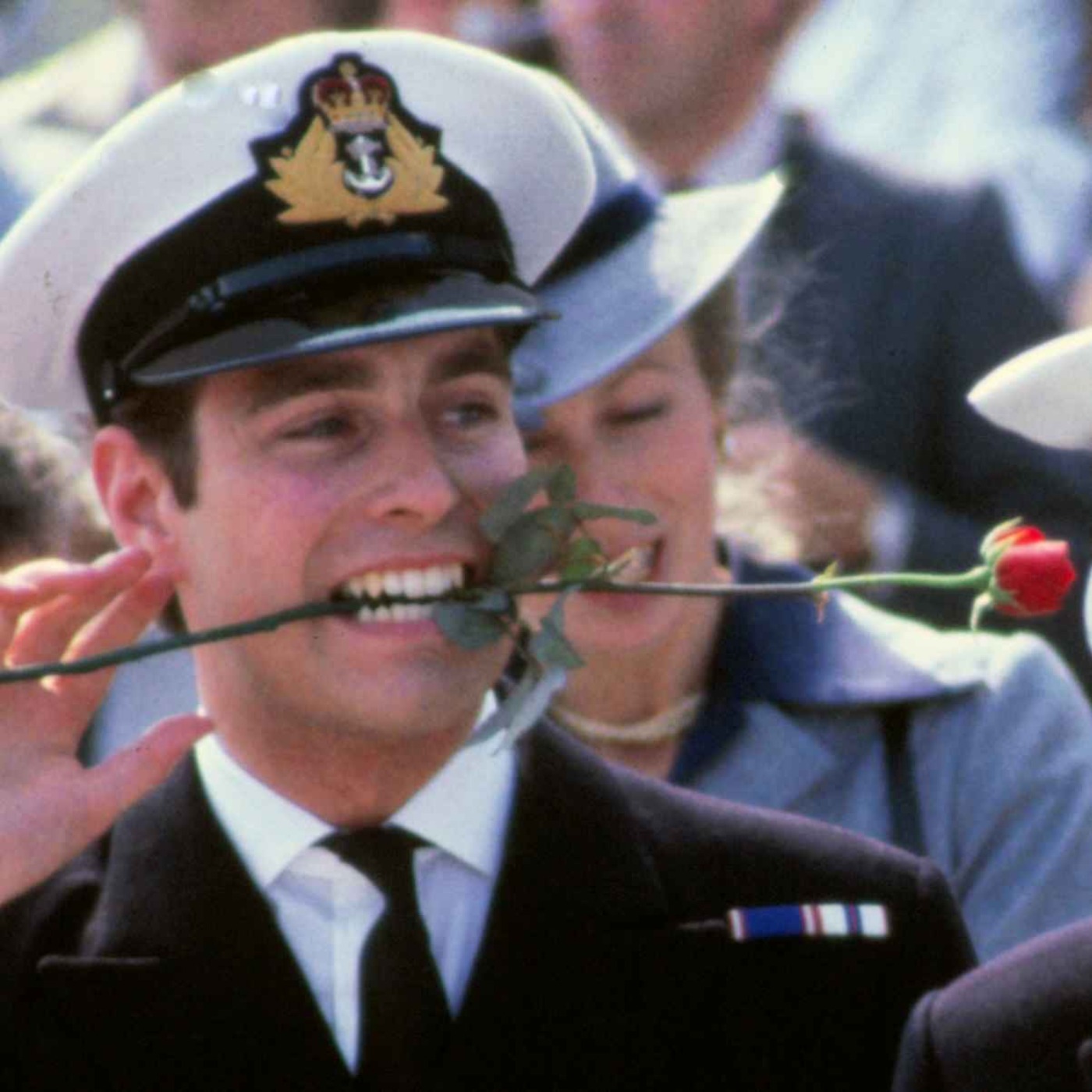
Royal historian Andrew Lowney discusses his joint biography Entitled: The Rise and Fall of the House of York, focused on Prince Andrew and Sarah Ferguson. Topic: Andrew’s alleged childhood entitlement and identity issues; his self-sabotage (e.g., LA paint-gun incident leading to compensation and ongoing need for PR); and the Yorks’ “huge PR machine.”
Andrew’s relationship with Jeffrey Epstein began earlier than Andrew admits (sources cite early 1990s/1980; Epstein associates say 1991; Andrew had a “Britannia Suite” and cut holidays to visit Palm Beach). Lowney alleges financial misdeeds and opaque wealth, including £750,000 (passport help) and additional payments; Gate Ventures; a £3.5 million commission tied to Kazakhstan; and opaque funding for major refurbishments.
Andrew’s Falklands role; Andrew and Sarah’s marriage (1986) and divorce (1996); Sarah’s repeated lawsuits over unpaid bills; and Epstein’s death questions (cameras/guards/autopsy secrecy).
Andrew Lowney; hosts Tim Stanley and Claire Watson.
Written by AI. May contain mistakes.
Exploring the complex background and personality of Prince Andrew.
“We're speaking to Andrew Lowney, a royal historian and author, about his explosive new biography.”
Discussing Andrew's history of self-sabotaging behavior and PR missteps.
“And certainly, for example, during the 1980s, he came back as a war hero.”
Analyzing Andrew's relationships with his family and their influence on him.
“But actually, there's two parts of this book.”
Uncovering Andrew's financial misdeeds and the implications for the royal family.
“There's a man called Tony Hogg, who was his career mentor in the Navy.”
Exploring the origins of Andrew's relationship with Sarah Ferguson.
“And I think people have some big questions to answer in both government and the palace.”
Explore the dynamics of Andrew and Sarah's relationship post-divorce.
“So she was in royal circles, but they'd went their separate ways.”
Discuss Andrew's relationship with Epstein and its implications.
“But they seem to have this incredible friendship now.”
Uncover the timeline and details of Andrew's interactions with Epstein.
“and after Epstein really entered the public consciousness when did Andrew first meet Epstein and why is it important?”
Examine sensational claims about Andrew's early life and their effects.
“Listen now, wherever you get your podcasts.”
Learn about the author's experiences and hurdles in writing about Andrew.
“Well, you ought to say your source describes it as sexual abuse.”
Learn about the author's extensive research and connections in the royal sphere.
“One of my best friends was in the same year as him.”
Explore the dynamics of Prince Andrew's connections with Jeffrey Epstein and others.
“And this was a chance to set the record straight, particularly some of the people, his commanding officer in the Falklands and things.”
Delve into the controversial circumstances surrounding Jeffrey Epstein's death.
“He's not the only rich and powerful man who befriended Epstein, nor is he the only one who stayed in contact with him after he'd been disgraced and imprisoned.”
Discuss the potential future of Prince Andrew under the reign of William.
“You know, keep the real secret secret and otherwise trust people with everything else.”

Get the gist, explore an idea or ask about something said.
 Claude
On The Daily T, what are the key points of this episode?
Searching your listeningAutomatic transcript. May contain errors.
0:03The Telegraph.
0:09In 2023, a source sent me a tip. It tied baseball's biggest star to a vast, illegal sports betting operation. Shohei Otani! But then, someone surprising confessed to me. His best friend. I'm Ipe Mizahara, and you do have permission to record me. From 30 for 30 Podcasts, this is The Betrayal of Shohei Ohtani. Listen now, wherever you get your podcasts.
0:44We're speaking to Andrew Lowney, a royal historian and author, about his explosive new biography. It's called Entitled, The Rise and Fall of the House of York. We hear about the alleged childhood trauma that may have shaped the personality of this complex man, his relationship with Jeffrey Epstein, the alleged financial misdealings, and also his relationship with Sarah Ferguson. Welcome to The Daily Tea with me, Tim Stanley. And me, Claire Watson.
1:21Andrew Lowney, thank you very much for joining us. You are a royal historian and author. You've previously written biographies of Lord Mount Banton, Edward VIII, and Guy Burgess. And your new book, entitled The Rise and Fall of the House of York, comes out next Thursday. That's the 14th of August, published by HarperCollins. And it's a joint biography of Prince Andrew and his ex-wife, Sarah Ferguson, discussing their relationship, Andrew's business dealings, his Falklands records, and his links with Jeffrey Epstein. I want to open by quoting your own book at you, which I've greatly enjoyed, by the way.
1:54It's a great read. You say in the introduction, the charismatic and handsome Prince Andrew, who returned from the Falklands in 1982, a war hero, is now in his mid-60s, a prisoner in his own house, a scorned figure, relieved of royal duties, who spends his days playing golf and watching television. How did we go from golden boy Andrew to this Andrew? Well, that's a good question. And that's one of the great perks of doing a biography that you can trace that journey. I think, you know, a lot of the problems that we've seen come into play now were there as a child. I mean, he was very spoilt. He had no barriers.
2:29He was a bully. He felt entitled. And he was very arrogant and pompous. And I think all his life, he's been searching for a sense of identity. What is he? People argue, you know, he was a spare and that's very hard. But after all, Prince Edward and Princess Anne have managed to create roles themselves. So I think, you know, there is a deeply flawed character there, but it's a very sad story. And it's had its ups and downs. The book is called The Rise and Fall. And certainly, for example, during the 1980s, he came back as a war hero. He was actually being muted as being put forward as the sort of future of the royal family and beliefs with Charles's marital problems.
3:09He might even be regent. so it's a huge fall from grace but the signs were there I mean even talking to his school friends and I've talked now to I suppose about 300 people which I think is rare in a royal biography many of them on the record but talking to his contemporaries they said this was an accident waiting to happen and again if you look at the story time and time again he's sort of given an opportunity sent off to represent the queen in LA and then he turns sort of a paint thing on the journalist he's he's constantly almost self-sabotaging himself it's almost as if he has some sort of Tourette's syndrome.
3:41I mean, he's a fascinating study. Can I just ask you to explain exactly what happened there? Yes, this is a very interesting episode in the early 80s. Andrew was actually off on his first solo tour. He goes to LA. He's rather too exuberant with a paint gun, turns it on the journalist. He claims that his finger slips. He actually wrecks expensive camera equipment and clothes and is forced to pay very expensive compensation to the journalist. but as a result of that he always had to have a sort of PR person with him after that so even sort of 40 years ago he couldn't quite be trusted not to do something slightly outrageous and difficult and this is why this is this sort of self-sabotaging that he seems to be bedevil his whole life that once he's given opportunities he doesn't always rise to them he kind of almost doesn't want to do them and it's a really interesting episode people said to me when I started this book, well, he's so boring, why would you do it?
4:34But actually, there's two parts of this book. One is the study of the marriage and the study of the two individuals and the way they've leveraged their royal position for personal financial gain. And the other is about the future of the monarchy and the relationship between the press and the monarchy, the very symbiotic relationship and the way the royals have managed to curate the narrative through a mixture of carrot and stick. And I hope this will take us, I mean, in the way that when one writes about other subjects as a historian, you can actually begin to try and get to the truth rather than just rely on the hagiography.
5:05I have to say, having written about intelligence, it's a lot harder writing about the royals. He was born in 1960. His own mother, the late queen, said that he could be a handful. Yes, baby grumpling. What was that? Baby grumpling. Baby grumpling, she described him as. And he was someone who wasn't used to people saying no to him. Is it fair to say he was somewhat like his father. Yes, there are interesting parallels and that relationship is very interesting. He has modelled himself a bit on his father. His father is rather accusatory in terms of the way he deals with people, clearly very brusque and clearly a sort of alpha male and I think and very sporty.
5:45Both of them are very good cricketers. So there is a sense of following his father's footsteps. His father was there teaching how to shoot and sail. But I think Philip clearly was a much more sensitive figure, a more thoughtful figure than Andrew. I think the The odd thing about Andrew is he's so different from his siblings, particularly Charles and Edward. And, you know, I suppose these things happen. But it's very odd that the Queen should have him as the favourite son when I would have thought they were more obvious favourite sons. Why would she have been drawn to him rather than more sensitive Charles or a very sensible Anne?
6:17Well, I think that she felt protective of him. I think she felt he was probably the most vulnerable for her children. I mean, after all, he's the one. I mean, the others remarried or remarried and are very happy. He has had a very difficult life. And actually, one of the most revealing comments he made was that his interest in photography, he saw himself as a loner. And I think one of the problems is that he was always separated from people for security reasons. So at school, he was in a separate house. In the Navy, he had a separate block. He didn't drink. So he went about and did his job. But he didn't.
6:48That's why, you know, he goes back and watches videos. He's not a huge party animal, contrary to actually what some people feel. And I think he felt betrayed. sometimes by people leaking stories about him. And I think that's made him quite insular. But it's interesting. There are very few friends that he has. Sarah Ferguson has a huge group of friends who are very loyal. He doesn't seem to have that. So it is a very sad story. And, you know, what I find sad too is that time and time again, there could have been ways to stop some of these problems and no one stepped in. I mean, the Navy felt that his parents rather abandoned him and they actually took him in hand.
7:25There's a man called Tony Hogg, who was his career mentor in the Navy. And he came to the conclusion that I actually felt very sorry for him. And he tried to direct his career. And when Andrew's focused, for example, in the Falklands, he rises to the occasion. The problem is he's very easily, shall we say, misled by people. And he has lots of people hanging around him who are not perhaps the most suitable people. He's greedy. He's always envied wealth, right back to his school days. And that, I think, has created a lot of the problems. But, you know, for example, I mean, this is a book actually to me about financial corruption in the royal family.
7:58It's the Epstein and the sex stuff is sort of incidental. And he should never have been allowed to be special representative. Charles warned against it and tried to keep him in the Navy. People outside and in government warned against it. And yet they pushed this thing through. And it was like a sort of putting him in a sweetie shop. And of course, there was no proper supervision of him once he went in. The Foreign Office, you know, didn't say it said it wasn't them. The Department of Trade said it wasn't them. The Royal Household said it wasn't them. And so he kind of wandered around doing his own thing, turning up in the New York consulate with his ex-wife, caging sort of contacts from the consulate, making them set up events that they could see no point to.
8:36And the whole thing was a pointless exercise. The diplomats couldn't understand what the point of it was, often self-defeating and actually cause problems. He didn't really want to be there either. And of course, we as taxpayers were footing this huge bill for Hermes Andy to gallivant around the world and slip in his golf and slip in meetings with rather dodgy businessmen and doing business on the side when he was meant to be promoting British trade. So, Andrew, could you give us a couple of examples of the most significant financial misdeeds that you saw? Yes, a lot. I mean, there's a famous I mean, a lot of stuff only comes out from legal depositions.
9:14There's a famous case with a man called Selman Turk in the High Court in 2022, where Andrew is paid£750 ,000 for supposedly helping someone get a passport. He, in fact, the money is returned, but he's also paid another£350 ,000. Sarah Ferguson, they find, had£250 ,000. And no one would explain what this money was for. There were suggestions it was a wedding, that£750 ,000 was a wedding gift. There was a suggestion that$35 ,000 was for a party from someone that the girl didn't even know. We've had cases with Gate Ventures, which again popped up in the courts, which was an investment funded for the theatre, which was set up with Chinese investors.
9:58Ferguson took huge sums as a director. Money was loaned to her for her other businesses. We have the case of, which was in the papers, of Andrew taking a£3.5 million commission for introducing a Greek water company to doing business in Kazakhstan, organised by a Swiss finance house. In fact, the whole thing collapsed because of problems in Kazakhstan. But of course, he had this very close relationship with the president of Kazakhstan. His son-in-law was the man who bought Sunning Hill, his home, not just for£3 million more than the asking price, but actually about£8 million. The house was valued at about£6 million.
10:41It was on the market for£12 million and sold for£15 million. There had been no other bidders and it had been lying desolate for years. And so there are lots and lots of these occasions that have come out. I mean, this stuff was being reported to the palace and to the politicians, and no one wanted to know. No one was doing anything about it. And I think people have some big questions to answer in both government and the palace. So he also has some surprising outgoings, which are difficult to account for how a man in his position with his official salaries or official pensions could possibly finance them.
11:14Yes. I mean, his wealth, of course, is very opaque. We're not allowed to see royal wills. They, as I say, hide their stuff under various nominee accounts. So we have no idea. I'm in favour of a royal register. So actually we see what these particularly non-working royals are doing and where they're putting the money and where there's a parliamentary register. But you're absolutely right. It's a real mystery. I believe he was left money under trust funds by the Queen Mother, by the Queen. But he has clearly been making a lot of money on the side, particularly in places like the Middle East and China.
11:46He has a 30-room royal lodge, am I correct, where he spent£7.5 million refurbishing and has annual running costs of around£250 ,000. Yeah, absolutely. And huge staff. I mean, they had a ski chalet in Verbier, which was, I think,£14 million. Sarah Ferguson has just bought, having pleaded poverty, she's just actually bought two houses in Belgravia for£4 million, which are rented out, I think, for about£250 ,000 a year. So there's plenty of money coming in, and there's plenty of money there. So all these stories about Royal Lodge going to rack and ruin, And it surprised me because the money is there.
12:24But of course, they hate putting their hands in their pocket, these two. And so anything that comes as a freebie. And one of the extraordinary things that I show in the book is just the amount of number of times that she's taken to the high court for not paying bills to lawyers, to PR people, not even to her hairdresser and even members of staff running up bills, staff not being paid, and huge numbers of staff. I interviewed someone who was very close to her, and he had the story of when they were looking at the trying to cut back on her expenses. She had 17 members of staff, three drivers, cooks.
13:00Anyway, they went down the line. There was a woman just employed to wrap up presents. And then he came to a little Portuguese couple, and he said to him, what do you do? And he said, well, I go around and I pick up the dog poo.
13:14And then he said to the woman next to her, the woman's wife, what about you? She said, I help him. Who has the worst job in that relationship? I suspect it's her. I just want to tidy up one bit of the narrative then, because you're making Sarah and Andrew sound like the Imelda and Ferdinand Marcos of British royalty. How did those two meet in the mid-'80s? You've explained, went to school, very selfish, overindulged, didn't quite know what to do with him, went to the army, had a good war record. Oh, Navy. Yes. Mid-'80s, meets Sarah Ferguson, marries her, and that was a big, big wedding. Why Sarah Ferguson?
13:50Well, I mean, they've actually been childhood friends. So, in fact, the first picture in the book is a picture of them at a polo match playing, you know, when he's aged about eight. So, and of course, her father was a polo manager to Charles. So she was in royal circles, but they'd went their separate ways. He, in fact, was much closer to Diana. And that was the person that everyone thought he might marry. Really? And it was Diana who was friendly with Sarah Ferguson who realized how unhappy Sarah Ferguson was with a relationship she had with a much older man called Paddy McNally she was living with.
14:21A very rich man who gave her a taste of the high life. And she tried to get Sarah in as a lady-in-waiting and then introduced her to Ascot. It was a royal week at Ascot in the summer of 1985. And they kind of bonded over some profitable and some very juvenile humor. And the thing took off. And she clearly realized that Paddy McNally wasn't going to marry her. He was on the rebound from Coos Stark, known as Stalkers, because she kept appearing nude in various films and wasn't regarded as suitable. And they kind of just, you know, it was a very strong physical attraction. They were drawn to each other.
14:55And I think they were just ready. But the sad thing was that they weren't allowed to live together in naval quarters. He then went away, of course, to sea quite a bit. She was left dealing with the palace, trying to run a job, felt kind of abandoned. She'd always had abandonment issues because her mother had left the family when she was a teenager to run off with an Argentinian polo player. And so the thing was kind of doomed from the start. And I think that's important because when it comes to understanding the royals and the kind of people they turn into, it is actually the structure of the firm that can shape people's behavior and their relationships.
15:32They were not really allowed to have a normal marriage, they would say. I think she was one of the early victims, a bit like Diana. You know, she wasn't seen to be that important. I mean, I think they're better later on at trying to bring people in and, you know, stories with Meghan Markle and others having people like Sophie Wessex sort of mentor her. But I don't think that happened then. And they're also quite headstrong people, impulsive, impetuous people. And I'm not sure that they really wanted, particularly Sarah Ferguson, wanted to fit into that mould. I mean, she'd been used to doing her own thing.
16:04She was a pretty wild chalet girl. There were a lot of stories about her. The royals were rather nervous about these stories getting out. But you're right, they were never really giving a chance. Whenever they raised these issues with the queen, she kind of deflected them onto dogs and horses and much more important things. So, you know, it is a sad story that if there'd been management, both in terms of his career and in terms of their marriage. And indeed, when the divorce came, they were told to separate and then eventually divorce. What year was that, sir? They separated in 92 and divorced in 96, having got married only in 86.
16:37It was the Queen who was fed up with basically Sarah's antics. She kept appearing in the press doing strange things like sucking people's, having her toe sucked. And it didn't look very good for the morning. One of the first news stories I remember. Right. The Gulf War. Seminal, seminal. But you're right, Andrew. They got divorced in 1996. But they seem to have this incredible friendship now. They live together. they seem very very happy divorcees is there any kind of explanation for that yeah I think there is I mean I think you know they believe in being good parents they were very keen to keep the family together she moved back into the house because it was costing her too much to rent property and it was more difficult to she was traveling a lot to the states and it was easier for care and all sorts of things so they were kind of thrown together but also you've got to remember that her whole sort of raison d 'etre is being part of the royal family.
17:29She hangs as a limpet in there because without it, she's nothing. She couldn't do all her businesses and her duchess selections and all the things that she does in QVC, in Royal Purple, et cetera, without being in the royal family. And both Philip and Elizabeth were very keen to get her out and for him to be able to establish another relationship. And they thought she was a bad influence on him. But you're right. They stuck together. There's two of them against the world. She supports him now. He supported her. He certainly helped her with a lot of her debts, and I suspect she may be helping him possibly now.
18:04But, you know, there's a friendship there. And I think it often happens in marriages where things clearly go wrong, but actually they can remain quite good friends. And, I mean, go on holiday and one's seen recent television programs race across the world where the couple had broken up and were traveling together. So I don't think it's that unusual, But I think it's one of the nice things about them that they have managed this. And I think there's a terrific respect for them that they have kept that family unit together. And I think particularly for her, because obviously his reputation has been irreparably damaged.
18:39She has stayed very loyal to him. and perhaps, depending on how this book lands, to her own detriment, because I feel like her image has rehabilitated somewhat in the last few years. You don't really associate her daughters with him so much, but she has stuck by him. And do you think she's going to have a sort of second dip? We've got to remember that there's a huge PR machine behind the Yorks. There's a big push at the moment to get the daughters made working royals. I mean if you look at the papers almost every day there's some story about them and so she's worked very hard to get back in there she's worked very closely particularly with Camilla Charles is you know a nice man he doesn't want to fight and so it's much better to keep her close than to cast her aside She seemed to come closer to Andrew after the infamous Emily Maitler's interview and after Epstein really entered the public consciousness when did Andrew first meet Epstein and why is it important?
19:37I sense that there's some dispute over precisely when this relationship began. And that dispute is important to the issue of what is the nature of the relationship. Yes. Well, I mean, the thing I found was the relationship began much earlier. It lasted much longer and it was much more intense for both of them. Than what he has said. He's publicly said it was one date, but you're saying it was much. Both of them. Both of them. So, you know, he will say it was, we met in the late 1990s. I think 1980, he says. Well, Alistair Watson, his own private secretary, has written at the time saying it was early 1990s.
20:11Steve Hoffenberg, who was a right-hand man to Epstein, says it was 1991. And Andrew was such a regular visitor at the house in Manhattan that he had a suite called the Britannia Suite. Deborah Gale, who was one of the sources in the book, who was the housekeeper at Epstein, said that he was constantly at Palm Beach. Andrew was constantly in the island. He actually cut holidays with his children short in order to actually go to the island with young girls. So they certainly not told the truth. He said that he'd cut links with Epstein in December 2010. He'd gone there to say goodbye. He stayed five days at a dinner party in his honor.
20:53He went there to try and get some more money. And this goodbye was at a point at which Epstein was very much disgraced. Absolutely. We should make that clear. This wasn't just saying goodbye to a friend who was in some difficult water. He spent five days with a man who was accused of very serious things. Well, he'd come out of prison. He'd been in prison in 2008 to 2009. But he was a pretty broken figure. I wouldn't say broken, but he was a pretty diminished figure, Epstein. And the extraordinary thing is that Andrew went there. We have, of course, those pictures of him saying goodbye to Catherine Keating in a very affectionate way.
21:24We have Epstein setting him up with that walk in the park that Andrew kind of walked into, showing Epstein showing, look, I've still got Andrew on my side. But Andrew said that was the end, nothing more. And Sarah said exactly the same. Well, then we had legal depositions with Jess Slaley and some of the Barclays cases showing that there were a communication meeting after that.
21:52in 2023 a source sent me a tip it tied baseball's biggest star to a vast illegal sports betting operation but then someone surprising confessed to me his best friend i'm ipame izahara and you From 30 for 30 podcasts, this is The Betrayal of Shohei Otani. Listen now, wherever you get your podcasts.
22:32There are some quite sensational claims in the book from an unnamed source that Andrew lost his virginity at 11, that he had his first sexual experience at eight. By the time he was 13 he'd slept with half a dozen women do you think this goes some way to explain his sort of later sexual interactions with women yes absolutely and this is why i put it in i mean clearly the the privacy issues there um it is salacious i mean my source is reliable i mean he hasn't really had long-term relationships with anyone and he has a bit like epstein this instant this need for graphic instantaneous gratifications moving through women and actually not really liking woman.
23:16So we felt this was important. And it came up also when I did the Mountbatten book. Mountbatten, I had a chapter on his paedophilia. Everyone said, you've made this up. I had two witnesses and I actually had an FBI file. And actually other witnesses have come forward since to back it up. But one of the things I found were love letters from a minister who had tutored him at the age of Mountbatten, age of 16. And all the correspondence, apart from one thing I found in a miscellaneous file, a couple of letters had been weeded out, which made me think that there would have been something going on there to shape Mountbatten's life and his propensity for young girls.
23:57I'm not saying that Andrew actually goes after a young woman. I mean, I found no evidence to support that. I mean, Virginia Giffray was 17. All the women that I've come across are in their 20s or older. So I think that's ridiculous what they say. though it's interesting that his nickname at Gordonson was nonce but um but it's um but I yeah I did think very carefully about this because the last thing I want is for the credibility of a book which has taken me four years and where there are a lot of very very reliable sources to be undermined by some claims which people might pick holes in well and of course um your Mountbatten book was published posthumously.
24:37Andrew is still very much alive and well. And I think, again, the sort of headlines with this is that it's also salacious and exciting, but something that really comes through in the book is just how sad it is, actually. And there are some explanations coming out for why people behave the way that they do. Well, you ought to say your source describes it as sexual abuse. Yes, of course, at that age. Yes, he's a victim. He's a victim here. No, no. I mean, but yeah, no, it is a sad story. And what I would have liked, and maybe someone will do this, is to have some sort of psychiatrist look at the book and perhaps look at some of the behavior, which is very strange.
25:18Particularly at the end of the book, there's a whole section on weird things that he does and weird things that he says and his lack of any sort of emotional empathy with people to try and understand it. Because I think this is not just he's arrogant and stupid. There is something wrong with him. And there were rumours when he was young that he was actually kept away from public view. There were concerns about his mental health. Perhaps we could just talk a little bit about, you know, how you went about writing this book. It's taken you four years. I believe you approached 3 ,000 people and you got a 10 % response, which I suppose is quite a good hit rate.
26:00It's a good hit rate for Royal Books, yes. It is. Did you approach the Yorks themselves? Did they come back to you? Did you get any sense that they tried to stop people speaking to you or give permission? Yeah. I mean, I had a meeting, actually, on the day that Andrew settled his case with Virginia Jeffrey with Sarah Ferguson. Sarah Ferguson's mother had been at school with my mother-in-law. My wife had been a neighbour, they'd been neighbours, and, in fact, when Sarah Ferguson came, We showed them pictures of the two of them together. It was all very friendly. And I said that I would hope that they would cooperate.
26:34They would let people talk to me. That would allow them to shape the narrative that I had absolutely no agenda, that I wanted to be as fair and balanced as possible. I wasn't going to write a hagiography, but I wasn't going to do a hatchet job. And I thought that she went away from that meeting. I think I believed, hoping to collaborate. and I had another meeting with her PR people. I gave her a copy of my last book so she could see. I mean, I am quite hard-hitting. And they then decided that they didn't want to cooperate. And I then discovered, I mean, in the middle of an interview with someone, they said, I'm sorry, I can't continue this.
27:14I've been told to not talk to you. So they went completely the other way. My publishers had legal letters from Sarah Ferguson saying they were monitoring my social media and basically I was on notice and trying to intimidate me. And so, you know, inevitably they won't have, you know, some of their closest friends haven't talked to me, which is a shame and I hope they'll reconsider. In terms of other people, I literally went through all the diplomatic list, all the people who would have served in the embassies at the time when Andrew might have visited, not just a special representative, but actually going back to the 80s and then through who's who, LinkedIn, all sorts of other things, social media.
27:58I traced them. I had friends who were at Gordonstone. One of my best friends was in the same year as him. So I was able through contacts there to do something. My mother-in-law had good connections and I'd served in the Royal Naval Reserve. So I had naval connections. So I used some insider contacts, but generally I just wrote to lots of people. I had 12 lever arch files of a chronology, literally going back day by day. I had, I think, six crates of press cuttings, which I took several years just to type up. So I could almost follow them day by day. And I followed literally every single person in those news cuttings to trace them.
28:36So girlfriends that have been named, people who've given quotes, yeah, people, and then one person led to another. And And so it grew. So most of these people had never spoken before. And so that was really helpful. And I think a lot of people were very keen to speak. They felt that they had been protected. They felt upset by some of the things that were going on. And some of the most senior diplomats, which is what really surprised me, talked to me. Lots of people in the Navy, I thought they would be in a murder, but he wasn't hugely popular in the Navy. And I think people felt that he had sort of brought it on himself.
29:08and I think also a lot of people, and I hope I've done them justice, thought I would try and be fair and I was a serious person and I wasn't looking for salacious headlines, so that's why I'm slightly uncomfortable with the reaction. And this was a chance to set the record straight, particularly some of the people, his commanding officer in the Falklands and things. And I did correct, I think, a number of myths, It's the myth that he didn't really serve in the Falklands properly. I mean, I had someone write to me today, said he was actually whisked off to Scotland. All complete rubbish. But he did his bit in the Falklands, and he should give them credit for that.
29:49And the same, I wrote to people in charities, and if they said that Sarah did a great job, I put it in the book. We should add that there are people who have been sexually abused who do not go on to have those kind of problems. It's not a universal reaction to that experience. but the portrait you're giving us here is of a man who is very much motivated by sex, who needs to have money, who's got a big public-facing role but doesn't quite know how to perform it. What does a man like that see in Jeffrey Epstein? Well, as he said... What is the nature of their relationship? Wait, wait. I mean, in Newsnight, he said it all, contacts.
30:24He introduced me to people even I couldn't meet. And of course, there was money. There was money paying off his wife's debts. I mean, Andrew's ex-girlfriend said it was more like two million than the 15 ,000 that she says. And women. And, you know, of course, women were throwing themselves at Andrew. And he had a whole series of friends who kind of put on parties, dinner parties, to introduce him to women. I mean, you know, there were lots of people who facilitated in the way that Ghislaine did. And indeed, she had that role at one point. But they were driven by the same thing, interest in the same thing, money and sex and great bodies.
31:04He's not the only rich and powerful man who befriended Epstein, nor is he the only one who stayed in contact with him after he'd been disgraced and imprisoned. Why? Why did Andrew stay in contact with Epstein? Well, I think he thought he was under the radar. You know, time and time again, you know, he's doing silly things. I mean, just the brazenness of some of the ways he operated, telling diplomats to, you know, shoo in meetings and to want to meet certain people who are outside his official schedule. He knew he was protected. You know, we haven't had any of the files for his time as Special Representative released.
31:40In spite of, I would say, two or three hundred FOIs that I've sent over the last four years. they'd use every exemption possible. One moment it's got too much material, when you narrow it, there's actually nothing there. Or when it comes, it's completely redacted, or it's health and safety, or it's national security. So the Foreign Office told people not to talk to me. The computer in the Department of Trade from an internal source had everything of Andrew wiped out. There's been a concerted effort to kind of clear up this mess rather than face it. and I think that the royal family need to look, if they are to win and keep the support of the public, they need to be much more transparent, particularly about their finances and we need to get away from this curation of the narrative with tame journalists and trying to discredit people who are only trying to tell the truth.
32:35In the end, I have no agenda. People said I've got this lifelong obsession with the Yorks. I've written about all sorts of people, John Buchan, you know as you said Guy Burgess I've written literary guides to Edinburgh I'm not fixated by the royals I'll probably move on to something else next time but when I do a book I kind of want to try and do it properly and I want to try and tell the real story not the one that's been presented for us. And are you satisfied with the official narrative of Epstein's death? Well I think there are lots of unanswered questions and it's interesting that his own lawyers say that's very unlikely their argument is that this was a man who was right at the beginning of the whole process He had managed to work his way out of it several times before, get diminished sentences, plea bargains, all sorts of things.
33:19He was, when they saw him, very, very upbeat. He wasn't a man by his nature to be suicidal. He was very arrogant. And I mean, even Epstein's brother has said that he didn't feel that he'd committed suicide. He actually commissioned a man called Michael Baden, who I know, who was a New York coroner who's done a lot of famous cases and showed that the death from the body and the official autopsy was never released. But the one that he did showed that he said there were more signs of homicide than of strangulation than of suicide. And, of course, the big question is why was a man who was on suicide watch?
33:57Why did he have his cellmate moved out the day before? Why did the cameras not work? Why did the two guards fall asleep at exactly the same time and not do the checks? You know, there are a lot of it. It seems extraordinary, the coincidences there. Why, when they release a film, have they cut several minutes from the film and actually doesn't even show the cell door? So I think, you know, one of my arguments for more openness is it actually gets rid of speculation and fantasy in this vacuum that's created. You know, keep the real secret secret and otherwise trust people with everything else. Could we reasonably say Andrew did benefit from his death?
34:37That's an interesting question. I think it didn't really help Andrew. It shifted the focus onto Ghislaine. She became the sort of fall woman for the whole thing. And I don't think Epstein would have dished the dirt on Andrew, as I don't think Ghislaine will dish the dirt on Andrew. So I don't think much is going to change there, but it just racks up the old story. But, you know, there's Gloria Aldred, who was one of the lawyers, calling again for Andrew to give testimony. And one of the, I think, depressing things in the book is the number of times that U.S. officials asked Andrew just to give a statement, just to talk to them, because he was a witness to these events and might have suitable information.
35:18And he refused each time. He ran up to Balmoral, even when his daughter was about to have a baby, and hid there rather than actually be served the summons. You know, this whole strategy was about avoiding the issue in the hope it would go away. And of course, it made the situation much worse. In the future, when William is on the throne, what do you see happening to Andrew? What will his role be, do you think? Well, you know, who knows when William will come to the throne? And so I think it depends. Hopefully a long time from now. Exactly, exactly. So, you know, I hope the situation, the problem of Andrew is sorted out before that.
35:53And everyone's forgotten about Andrew by the time William comes to the throne. and it's not going to be his problem. Whether the present king is prepared to do something, I mean, he clearly tried to evict him from Royal Lodge and, you know, clearly what the fallout will be from this book. I think it's very interesting. The Telegraph ran a very good, interesting piece two days ago, I think clearly briefed by the palace, saying that they were sort of looking at the way they organised things. And, you know, this is a bigger problem than Andrew. Andrew, in some ways, is just a symptom of a wider malaise.
36:24and if they address the wider malaise, they'll be absolutely fine. And I speak that as a very committed monarchist. I have no wish to bring the royal family down, but I do feel that they need to be held to the highest standards if they are to command support and that no one is well alone. Andrew Lowney, thank you very much.
36:54Thank you.
Andrew Lownie – bestselling royal historian and author of acclaimed biographies on Lord Mountbatten, Edward VIII and Guy Burgess – joins Tim and Cleo in The Daily T studio to discuss his explosive new book Entitled: The Rise and Fall of the House of York.
In this revealing joint biography of Prince Andrew and Sarah Ferguson, Lownie explores the Duke and Duchess of York’s controversial lives - from their relationship and divorce, to Prince Andrew’s Falklands service, business ties, and infamous links to Jeffrey Epstein.
Based on four years of investigative research, over 100 exclusive interviews, and multiple FOI requests, Entitled uncovers new details from palace insiders, former staff, diplomats, charity workers, and journalists silenced from reporting on the Yorks – offering an unprecedented portrait of a royal couple at the centre of scandal.
We want to hear from you! Email us at [email protected] or find @dailytpodcast on TikTok, Instagram and X
Producers: Georgia Coan
Senior Producer: John Cadigan
Planning Editor: Venetia Rainey
Video Editor: James England
Studio Director: Meghan Searle
Executive Producer: Louisa Wells
Hosted on Acast. See acast.com/privacy for more information.


