
 Ask ChatGPT
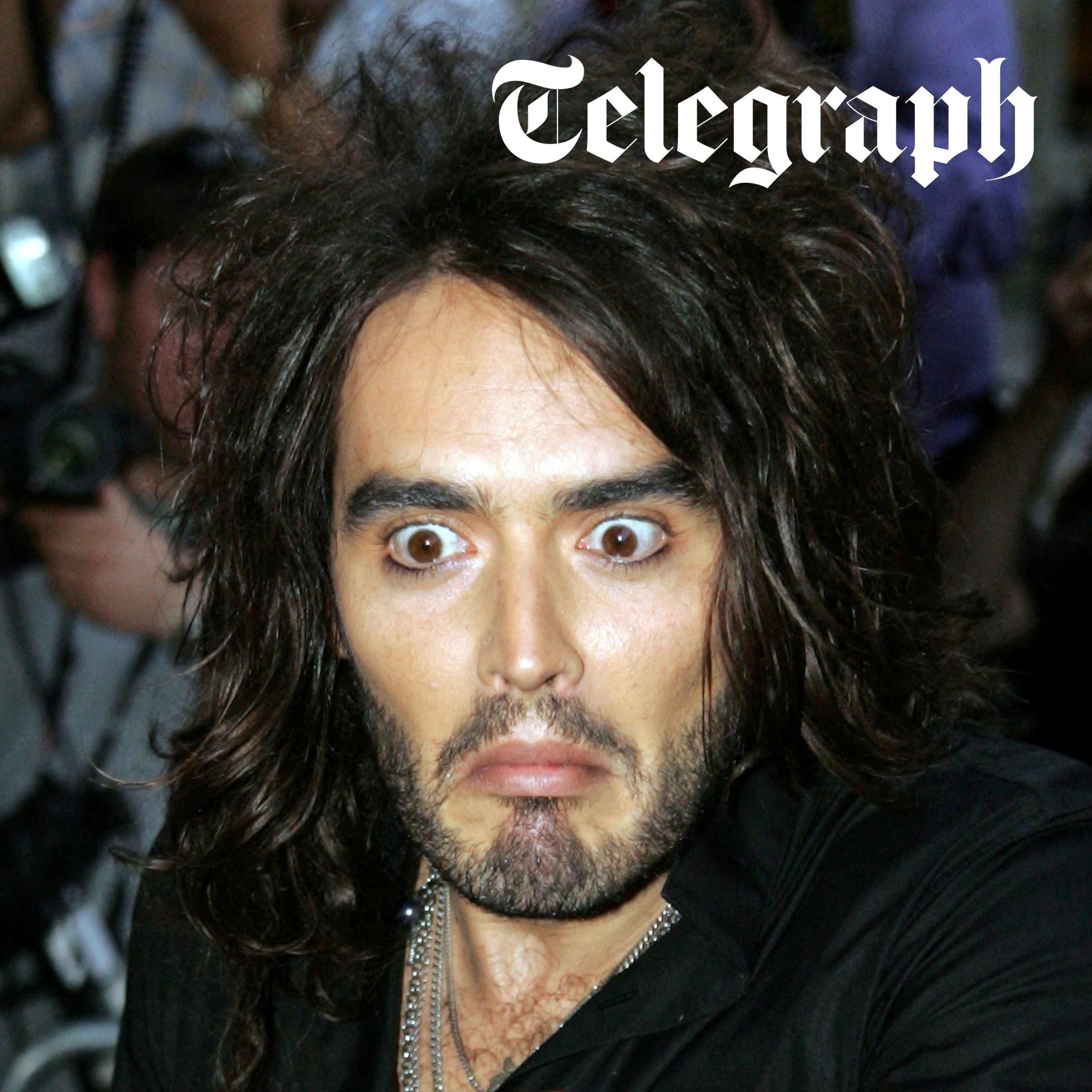

 The Daily T
15 Aug 2025 · 46m · 21 chapters

Dr. David Bull, newly appointed chairman of the UK Reform Party, discusses taking over after Zia Yusuf, Reform’s voter base, and the party’s priorities on immigration, crime, LGBT issues, net zero, and “fairness.” He also recounts his unusual media and paranormal background and his relationship with Nigel Farage.
Bull is a former TV doctor and presenter (including Otis the Aardvark and Most Haunted Live). He previously stood as a Conservative candidate, later became a Brexit Party MEP, and helped transition Brexit Party operations into Reform. He claims his party name was decided in his Suffolk home kitchen.
Reform is not “the Nigel Farage show”; Bull says he’s healing internal splits and bridging London strategy with grassroots campaigning. He argues voters’ core anger is lack of “fairness,” especially taxes, immigration, and net zero costs. He supports leaving the ECHR, “stopping the boats,” and turning them back.
disputes with Farage over HIV migrants; rural crime examples (farm machinery and oil theft); his Most Haunted Live story involving Derek Okora; and his account of meeting the late Queen and current King.
Written by AI. May contain mistakes.
David Bull shares thoughts on having tea with the current king and recounts experiences with the late queen and duke.
“his paranormal experiences and his relationship with Nigel Farage.”
David Bull discusses his new role as chairman of the Reform Party and his interactions with the public.
“And I'll tell you what, I completely understand what they're saying.”
Recounting his early political involvement and experiences within the Conservative Party.
“And then I was selected for Brighton Pavilion where I lived at the time.”
David Bull discusses LGBTQ+ representation in politics and societal attitudes towards sexuality.
“it's lazy journalism when people say, well, he represents a far right party.”
Bull reflects on his medical career, current healthcare issues, and the changes within the medical profession.
“I may or may not have written on Twitter after a drink that he was an idiot.”
Discover how the guest transitioned from medicine to a television career.
“How did you come to go from being a medic to being a TV star?”
Explore the guest's surprising encounters with ghosts and clairvoyance.
“How do you end up doing the paranormal though?”
Understand the guest's views on politics intertwined with his experience in the paranormal.
“Well, you have described it, and it's called something of a media sensation.”
Learn about the guest's rise to chairman and the dynamics within the Reform party.
“Which was a huge gravy train, by the way.”
Learn about the disconnect between party leadership and grassroots efforts.
“I was the only one that stayed with the party.”
Explore the impact of personal relationships on political dynamics.
“How have you personally handled those sorts of disputes?”
Discuss the future of the party and Farage's evolving role.
“That's the stuff that people are really energized about.”
Understand why younger voters are attracted to the Reform party.
“I mean, there's a lot of ifs in there, aren't there?”
Delve into opinions on immigration and the proposed policies.
“I mean, again, when you meet, I think you've met George, but...”
Examine views on integration and cultural expectations for immigrants.
“So then, if they are true asylum seekers, we're just going to see more people coming into the country.”
Highlight rural crime issues and their impact on communities.
“Reform is making crime a very big part of it.”
Discuss the challenges and critiques of net-zero policies.
“about elections being won on the centre ground.”
Explore the changing political landscape in East Anglia and the rise of Reform.
“And, you know, the whole wind farm stuff is actually ridiculous.”
Discussing the host's admiration for Donald Trump and his persona.
“And so that's why I said Nigel can't do it as a one-man band, and he knows it.”
Considering the possibility of a return to politics and the importance of constituency affinity.
“Is there a chance of you running for Parliament again?”
Reflecting on how David Bull wants to be remembered and his guiding philosophy.
“And I was really interested in what you were saying about proving to people that things can be done.”

Get the gist, explore an idea or ask about something said.
 Claude
On The Daily T, what are the key points of this episode?
Searching your listeningAutomatic transcript. May contain errors.
0:04The Telegraph.
0:09Dr. David Bull, the new chairman of the Reform Party, is an unlikely politician. He made his name as a TV doctor and presenter, including a stint with Otis the Aardvark, and even hosted a live ghost hunt. But he played a key role in the transition of the Brexit Party to Reform. He says the name of the party was cooked up in his very house, and he's bringing healing to the party after a period of splits and resignations. Bull replaces Zia Yusuf, who quit after criticising an MP who opposed the burqa. I visited David at his home in Suffolk, where we spoke about his previous lives as a Tory candidate and as a Brexit MEP, his paranormal experiences and his relationship with Nigel Farage.
0:53Welcome to The Daily Tea with me, Tim Stanley. .
1:06Dr David Ball, thank you very much for joining us. This is a pleasure. We're in your lovely home in Suffolk. Beautiful day. First question that we always like to ask everyone. If you could have a cup of tea with anyone in history, who would it be? It's a great question. I would answer that by saying I would like tea with the current king. Oh, really? I didn't I know I was about to say I knew his mother I met his I'm not well I didn't know I met his mother many times and I met his father as well right on multiple occasions because we used to work together Uh-huh and I was absolutely to work together Well, so I used to present Duke of Edinburgh Awards on the last year right you Okay, right and so he had the most brilliant sense of humor and I remember one day when we were in Buckingham Palace I was in one room and he came in and he looked at me and he said not you again and I said to him, well, I could say the same for you, sir.
1:54And he loved that kind of sparring. Right. And the late Queen was super. I thought she was just such a brilliant person. There are some great comments that she... So I was at a... I used to do Help the Aged, so one of the charities that I supported. And she was giving out awards to older people, which I'm very passionate about, making sure that older people are recognised for everything they do. So anyway, so afterwards we had champagne. We were at Windsor and we had these champagne flutes with ER etched on them, which I mean, I thought was wild anyway. And then the Aquarius of the Queen came over and asked, would you mind speaking to Her Majesty?
2:33So I said, yeah, sure, because I'd had three or four glasses of champagne. And she asked me what was the secret of long life. And I paused and I said, well, Your Majesty, you're doing pretty well without me. And she, there was this deathly silence. And I thought, I've either played this really well or it's a disaster. And she laughed. And I said, no, seriously, I think it's about good genes. And I know you have great genes from your mother. I know that you exercise, you go riding. And I said, it's also about drinking lots of water. Yes. Really? And she paused and she said, really? And I said, don't worry, champagne's fabulous.
3:04So having met the late king and queen, I would like to meet the current king. Right. Because A, I've never met him. I would be very interested to see whether we accord on certain things like, for example, green issues, where he sees the future of this country. OK, OK. You've recently become chair of the Reform Party. Yes. And you have joked to journalists that travelling around with reform, visiting all the pubs and everything is a recipe for putting on weight. Yes. How are you finding the job so far? Very... You look trim. I do not, but thank you. I have put on so much weight it's absolutely ridiculous it's amazing so one of the things that Nigel asked me to do was to go round and talk to all the associations so I am doing that tomorrow I'm in Runcorn doing a huge televised event where actually I went before the by-election when we got Sarah elected into Parliament and then after that I'm going to Cheltenham the following day and I'm going round the country it is so brilliant it's such a brilliant peach because I get to see real people in their environment, in working men's clubs, in British Legion clubs, wherever around the country.
4:15And I'll tell you what, I completely understand what they're saying. And I think sometimes when you sit in your bubble in London, not you, but when one sits in one's bubble in London, you just don't understand the level of anger or frustration or upset about what is going on politically. And I hear that, particularly when people have had a couple of pints of lager. they will tell me very vociferously what they think about the state of the country. And what are they angry about? Everything. Right. So everything from sort of the tax burden to immigration, the nonsense of net zero, for example, they're really angry.
4:51Actually, it all is underpinned by one word, which is fairness or the lack of it. And that's what people can see. And I have never, I mean, I've been in politics quite a long time, as you know. I have never, ever seen what I'm now seeing. when I am greeted, I wouldn't say like Nigel, but when I go into these places, you know, those whoops and hollers, and people are thrilled that I'm there and I will give a speech, and there's either a standing ovation or people who are really moved by what I'm saying. What I'm saying is nothing clever. It's just reaffirming their own views, I think. Let's talk about your political journey, because there's something very interesting about you, given that many people will know you from your media, having been a doctor, having presented TV.
5:38And they might think that you're almost ancillary to the reform project, someone who just sweeps in to clean things up and keep people together. But actually, you've been involved in politics for a very long time. Am I correct that late 2000s, you were a Conservative? I was. I was. I was an A-lister. Right. Under David Cameron. Right. And so I was then... So that was quite funny because I... Basically, the reason I got into politics, I happened to be at a drinks party and there were various MPs around. And I was having a go at them and saying, well, none of you ever do anything. You're all useless.
6:09And one of them said to me, well, why don't you do it? And I thought, right, I will then, because I like a challenge. And so that's how I ended up on the A-list. And then this is David Cameron. This is David Cameron's A-list. The 2010 election. That's right. And he, yes, crikey, 15 years ago. So I think they liked me because I was a bit different and represented different people in this country. And so then I was asked which seats I applied for a couple and I got through to the final two And then I was selected for Brighton Pavilion where I lived at the time. Did you I really did yes Well as you know, that's an eclectic group of people This is this is the year that Caroline Lucas won for the Green Party, right?
6:49So let me explain how she won so I I was standing there and my father became terminally ill So I came home to Suffolk to be with my family because I think that's very important. And my association said, if you don't come back now, we'll deselect you. And I said, fine. I said, I want nothing more to do with it. And I then got a phone call from Eric Pickles. And Eric said, David has asked me to see you. So I went to Westminster. and I think it's Victoria Gardens next to the House of Commons. So I sat on a park bench. It was like something out of Spooks. And he then rolled up and sat on the bench next to me and we were looking at the river.
7:35Look at each other. This is David Cameron? No, this is Eric Pickles. This is Eric Pickles. And Eric then said to me, I have been told by David I'm to do everything I can to keep you. And I said, well, fundamentally, I thought we were a party that believed in the family. And if we're not, I want nothing to do with it. And that's how I ended up stepping down, and that's why I was then given the sexual health review, which I then did and wrote. So I was up against Caroline Lucas. I was not in a fit state to carry on because, as you can imagine, when your dad dies and we're a very close family, it was devastating.
8:09My mum was in pieces. The whole family fell apart, pretty much. And so family comes first. And actually, there's a nice segue there into reform, family, community, country, the three core values that we stick to. You were photographed, were you not wearing a T-shirt that said, I've come out as a Tory or something like that? Well, that was my idea, I'm afraid, yes. Right, OK. So they had never done Brighton Pride, which I thought was absolutely ridiculous. Really? Right. Well, it's a showcase piece of Brighton. So I thought that no one really cares about your sexuality anymore. But the last kind of bastion was about whether you're a Tory.
8:44So I had these T-shirts made that said on the front, I've come out dot, dot, dot, and on the back it said I'm a Tory. Has it become easier to be gay than right wing? Yeah. Yeah. 100%. Right. If you talk to young people, they don't care. In fact, being gay is a bit dull. Everyone is, you know, there are all sorts of proclivities is fine. Although, as far as I'm concerned, I think it's all gone a bit out of hand. But anyway, that's another conversation. But no, I think, yeah, I'm always called, or I think it's lazy journalism when people say, well, he represents a far right party. There's nothing far right about what reform stands for, which is right.
9:24You know, it's right of centre, of course. I'm socially liberal, but fiscally conservative. Right, right. But the social liberalism, does that still extend to the T bit of LGBT? oh, well, that's another big conversation about I just think the whole thing's been hijacked by vested interests and things. And actually, in many ways, Pride has kind of fulfilled what it set out to do, which was to grant true equality. And actually, people have got equality. And my real worry is now some of those organisations, which I won't name, but some of those political lobby groups have now sort of going after a whole new group, which is the tea, and talking to kids who are not fully formed emotionally, intellectually, sexually, and persuading them that maybe they're not happy in their own body.
10:12Right. That's called growing up. Right. And I'm just deeply nervous that we're medicalising people far too early, and that's why the cast report was so important to say, actually, you know, there are two biological sexes pretty much is what... Is it an issue for you of child safety, or do you actually dispute that people can change their sex? No, people can. But I don't believe the preponderance is as high as it is. Right. I think a lot of young people struggle with who they are. I'm sure many of us have done that. And you're constantly thinking, well, where do I fit in? You know, you won't believe this, but as a child I was shy.
10:46And I knew you wouldn't believe me. But I was shy and I was bullied really badly at school and I was fat. And so I was determined that I wasn't... You were shy and overweight. Yeah. I'm finding this very hard for you. Thank you very much. But this is all a reaction. Right. Right. So and that's quite because I keep thinking I thought about it this morning. Why am I doing this? Yeah, because actually the level of vitriol and hate you sometimes get and I thought actually I don't really need to do. Well, I don't need to do this. Yeah, I could. The other option is to say, you know, have a nice life, carry on in broadcasting, which I love doing.
11:20Yeah. And not not put your head above the bar. So why do it? I think it's because I have always been a high achiever and I'm determined to prove to people that when they say it's not possible, that it's eminently possible. Right. For you personally, you can do... Well, I think me, but also, for example, with the party, people said to us, you're idiots. You'll never do this. Or just watch. Yes. You did, a few years later, have a dispute with Nigel Farage over the question of migrants with HIV. I may or may not have written on Twitter after a drink that he was an idiot. Because he had said that we shouldn't let migrants in who have HIV.
11:59No, I don't think he said that. I think what he said was we shouldn't treat HIV migrants. Oh, I see. Forgive me. And I said you're an idiot because the fact is we need to treat people to get the viral load down because they're going to have sex with Indigenous people. And so otherwise you're going to spread HIV. That was the dispute as far as I remember. And you were, of course, trained as a doctor. I do want to ask, would you, if you were still a doctor, go on strike? No. No. No, I wouldn't. Okay. So I'm really conflicted about this because being a doctor is really hard work. However, I'll get into trouble for saying this, and all my friends are consultants now and, you know, quite senior.
12:40The profession has changed dramatically. So people went into medicine because they loved looking after people. And that's why I went into medicine. That's why many of us went into medicine. I think what we saw was this over sort of making sure that everyone was super academic. Well, guess what? You don't need to be super academic to be a great doctor. You need some bright people, some really clever academics, but you need a lot of hand holders. You need people with compassion and empathy. So when I was a junior doctor, the hours were absolutely horrific. I mean, I was doing 100 hours a week or whatever, a one in two, one in two and a half on core.
13:14I got£17 ,000 for it. And I was quite militant as a junior doctor of saying, well, hang on a minute. I've trained for six years. I'm a doctor. And of course, you're not really the day you qualify is the day you start learning. Right. So which is why they were always called junior doctors. I understand also that that was a ridiculous term in some ways, because when you're a senior registrar after six, seven, eight, nine, ten years, you're still a junior doctor, which is why they've changed to resident doctors. But the BMA has become a nasty left-wing, super left-wing union. And as you can see, West Street basically bound down to them, gave them a 28 % pay rise, I think it was.
13:53And then they got a pay uplift of what, 4.55 % and now they want another 22%. Tell me another job that gets that. Not mine, that's for sure. How did you come to go from being a medic to being a TV star? That's very kind you call me a star. So I think when I was growing up, I wanted to be either a television person or a doctor. And I think my parents wisely sort of said, well, I'd probably encourage that one. But I have always been obsessed with television and the workings behind it and everything. But what I had an idea, basically, it's a really long story, this. I had no money when I graduated, as you can imagine, because I had huge debts.
14:33And I was looking to rent a flat. And I came across a modelling agency. And I did some modelling when I... OK. I shouldn't be telling you this because you'll find the pictures. But I did some... It was clean, I trust. Yeah, of course it was clean. It was like shampoo commercials. I went for things like that. And I've got these amazing shots of me with... I had curtains in those days, which was, you know... Very 90s. We are very 90s. Anyway, so I went to this flat and it was a modelling agency and I did that. And then I had some photo shots. And then basically, as a part of that, they were asking me what I wanted to do.
15:11And I said I was really keen to do medicine on television. And they introduced me to this agent. I went to see this woman called Annie Sweetbaum, who is still in the industry. I went to see her. She was an amazing woman, immaculately dressed, enormous hair, huge earrings. and she said, darling, what can I do for you? And I said, I would like you to represent me. And she said, why should I, the agent of the stars, I look after Richard and Judy, I look after Alan Titchmatch, I look after all these people, why should I look after you? And I said, because if you don't, you'll regret it. And she said, really?
15:45Which show do you want? And that's how it all started. So then she came up with the idea. So basically the premise was that I was seeing fatter and fatter kids in clinic and no one was teaching them about healthy eating or exercise or anything like that. And so I realised that actually the way to talk to them was through television. So I had the idea to do children's health on television and I wrote to John Craven. You're too young to know who you are. No, I know who you mean. Yes, Newsround. Newsround. And so I went for lunch with John Craven in the fifth floor dining suite at Television Centre.
16:16This is in the days when there was waitress service at the BBC, which shows you quite how long ago it was. And John said, it's a brilliant idea, and gave me a job for three days a month. But it was enough. And I then resigned from being a full-time doctor. And I did that. And I locum'd in A &E units around London to pay the bills. But it meant that I could then do my broadcasting. And so I started. It's more complicated, that story, because I'd actually started on Sky giving health advice in 95. I joined Newsround in 97. And I decided I would give myself a year to see if I could make it in television.
16:53How do you end up doing the paranormal though? Oh Out of 30 years you've chosen that one know that I was really angry I've chosen that one for a reason because here's something else we have in common You play the piano and the flute. I played the piano and the flute you lived in Brighton. I lived in Brighton My grandmother was a clairvoyant She was a professional clairvoyant. So I believe in psychic phenomena Hooray! So you're not talking to someone here who's going to take the mick, but you did this extraordinary program. I did, Most Wanted Live. Right, okay. It was the world's largest live ghost town.
17:28Well, then you sold me. It became a phenomenon. So what I'll tell you how, so basically having done children's, I basically set myself a year to get around BBC Television Centre, ended up doing Saturday mornings with an aardvark called Otis. You know, then I worked and fully booked up in Scotland. And then Anne Robinson called, and then I did Watchdog with Annie, and then I did Watchdog Health Check with Gabby Roslin, which obviously was medical, so that all made sense. Then I did Tomorrow's World, I killed that, I was the last presenter of that. And then out of the blue, one day, the controller of living called me and said, basically, you're a really good live presenter.
18:03What do you know about ghosts? And I said, nothing. And he said, perfect. And so that's how I ended up doing Most Haunted Live. Did you go in as a sceptic? I went in as an open-minded sceptic. Right, right. But you've come out of it somewhat leaning more towards it's possibly true. So when this job was announced, I saw that Andrew Pearce had written in the Daily Mail the night before some hideous headline where he decided that I was a ghost hunter, which is not true. And I have spoken to him about that and told him I'm never speaking to him again after that, which I'm joking. But what happened was that the premise of the show was it was completely unscripted.
18:44I had 500 people in the audience. I was hosting it. And I had basically some ghost hunters who went off with night vision cameras into castles and all the rest of it. Then I had historians. So I had some VTs that I could go to to show the history of the castle, for example. They'd find, oh, look, spooky things happen. I could go to historians and say they mentioned the name Mary. Was a Mary ever associated with this castle, for example? And basically weaved the tapestry of that narrative and the show together. And it was great fun, but stuff happened that I can't explain. OK. Well, you have described it, and it's called something of a media sensation.
19:23Come on. And I have to quote the encounter with Derek Okora, who you said tried to strangle you. He did. He said your grandmother was with you. Then he changed facially, jumped on me and tried to strangle me. Yes. Now, OK, so I told that story on Good Morning Britain. Right. Because Susanna Reid decided that she was going to ask me what. So she said, do you believe in ghosts? And I said, look, things happen I can't explain. And she said, like what? Now, I had a split second judgment to decide. Do I say I'll tell you over dinner or do I launch in full throatedly, which was a foolish move? But I did.
20:03OK. But it is true. So we'd done this great show in a castle, and it was really spooky. And we wrapped, and I drove to the hotel, and it was through a wood. I mean, it's like a real horror story, this. Through a wood, it was bucketing with rain, and I knew someone was in the car. Right. And you sometimes get a feeling that something isn't right. Yes. And so I checked in the back of the car, and then I opened the boot, and I checked in the boot. I was soaking wet. Anyway, no one in the car. drove to the hotel, walked to the bar, and Derek Okora came up to me, the paranormal medium, saying, you didn't come here on your own, did you?
20:40And I said, what do you mean? And he said, someone was in your car, and I know who it was. Well, I mean, I nearly fell over. And he said, it's your grandmother. I went, right, okay. She has a message for you. And then he started talking to me, and as you rightly quoted to me, his face changed, he jumped on top of me, and he tried to strangle me. Right. And the bounce, I had bouncers in those days, they pulled him off me. Right. And he went to bed. And the next day I saw him at breakfast and he said, I'm really sorry about that. And I went, yeah, you're trying to struggle me. It's not normal. And he said, no, what happened was I'd forgotten to close down the medium connection that I had established in the castle.
21:23And when I was talking to your grandmother, it was hijacked by an evil spirit. Right. OK. Now, I know I sound like a complete Froot Loop. Is there a part of you that thinks he was looking for an excuse to jump on you and strangle you? Yes, sure. But I'll tell you what, it's a great dinner party conversation. I trust both your grandmothers were past because if he had said all of this and actually they were alive, it would make the story ten times stranger. It would. Now, on another occasion, a clairvoyant I had never met came up to me and said, your mother is in danger. Right. So I was just going on air.
21:57Right. And I thought, great. So I opened the show. This is true. I opened the show and I got to the first ad break and I pulled out my phone and I phoned my mum and I said, are you all right? And she said, yes, why? And I said, oh, that's right. And I said, I've had your mother on to me because it was, the message was from my grandmother. And she's like, but my mother's dead. And I went, I know. But she sent me a message to say, you're in danger. So I changed my plans that weekend and I went home to be with my mum to ensure that she was okay. And again, I sound like a complete lunatic. No, I don't think you are.
22:33A lot of people believe in this kind of stuff. Well, so that's the brilliant thing. When Susanna Ray thought she got me, they then did a, I think it was more in common, one of the polls did a big poll about reform supporters. The majority of, or I think it was the majority of people who support reform also believe in the paranormal. So there's a brilliant splash on one of their newspapers saying that David Bull is on the money. Yeah, no, I think you're quite right, because I think there is a kind of a folk religion out there, sort of folk spirituality, and a lot of people are open-minded about that stuff.
23:03But also, if we truly believe that we're so clever that we know everything about our existence, I don't believe you. I agree, I agree.
23:23Let's get back to politics. Oh, yes. That whole thing. Were you involved in UKIP? No. No, you weren't. You were involved in the Brexit party. Nigel Farage asked you to run. You ran for the North West. You won. You served in the European Parliament. You have said, am I correct? Which was a huge gravy train, by the way. Right. Did you come out of it with money? No. No. Didn't get a pension. Right. But came out at least two stone heavier. Two stone heavier. Oh, I see. It's a gravy train in that sense. Well, it's also, it was an amazing job. I mean the reason that the MEPs love it is because basically you get paid really well.
23:57You get 300 euros a day As your per diems which you then spend on basically lunch and a hotel And then you you only have to sign in you don't have to do anything right money It's like the house of law and then you get a car to drive you everywhere. I mean really marvelous That's so actually that shows How passionate we were because actually to line our own nest we would have stayed in the European and to get elected knowing you wouldn't be there for very long. Well, that was... Because the whole point was to get out. The whole point was to get out. And to force the Tory party to change its policy, there'd be a proper Brexit and you'd be out of it.
24:32Am I correct that you have said that reform was essentially founded in this house's kitchen? So I believe that is true. Right. Yes. Because that's a bit of the story which is not clear in everyone's heads how we go from Brexit party to reform. So we won, right? We Brexited. We carried the union flag out of the European Parliament. Triumphant day. Marvellous. and actually I came back to London on the Eurostar. So we had pretty much done what we set out to achieve. And then we basically stood down, if you remember, giving Boris an ATC majority because he decided that that was, you know, he was going to fulfil Brexit.
25:07Well, that was a blinking mistake. Anyway, and so really the Brexit party was put on ice because it was a single-issue party and it was put on ice and Nigel left. And so Richard Tice, who I have a lot of time for, who's a great man, there's a slight another story here, which is that Richard, I have TV studios here as well. And then I did some shows with Richard called Tice Talk here. We did Reform TV was launched here. And then Richard, we were transitioning from the Brexit Party to Reform. And it was sort of around that time that we decided on the name. I'm pretty sure it was either on that not this part of the sofa or in the kitchen and that's when Richard asked me to be deputy Right, okay.
25:53Okay, and then Nigel came back Well, so yeah, and so with Richard may we went from two three four percent up to eight nine percent right and then yeah Nigel came back I mean it's made a heck of a difference and polling at 34 percent And they've asked you to come in now to serve as chairman. This is after Zia left over a controversy regarding the burqa I don't believe that's true either. Right, right. Zia did an amazing job. He set up 400 branches. If you think about this in the sort of corporate terms, and I have set up a company and run it, we've gone from being a start-up to an SME. And so it's grown exponentially.
26:35And Zia, his job as chairman, he was executive chairman, so he really did everything. And I think it burnt him out. I really do. And I think, you know, he worked all day, all hours, day and night, and it was too much. And then he left over, whether it was over, I don't know, I wasn't there. And so he then left. Nigel called me. And remember, Nigel had asked me to step down as deputy leader because he gave it to Richard, which was only right because Richard was elected and I wasn't. But my job in that election was to get Nigel and Richard elected. So I achieved what I set out to do. Then, yeah, then Nigel called me and asked me to be chairman.
27:14You ran in this seat, is that correct? No, not this seat, West Suffolk. Against Nick Timothy. Yes. Because you did rather well. You got about 20 % of the vote. With no campaigning. Yeah, pretty good. I was a paper candidate. Right, right. So what was the thinking behind your appointment in terms of, so Zia had burnt out, there was just too much work to do. Is there some division now between administration and rallying the troops And you're more rallying the troops than administration. So the job is too big. It's just enormous. And we've moved offices. We've got all of these people. I mean, it's extraordinarily large and growing really quickly.
27:50So, yeah, Nigel's view was that he wanted, he knows what I do. I think ultimately he trusts me. I'm a team player. And you can see that because actually when we left the Brexit party, I was the only one that stayed with the party. Right. The only one. Right. With Richard. Right. So really it was the three of us, Richard, Nigel and me. And so my job really is to go, there's been a big disconnect, I think, in the past between the professional party in London and the people who do all the hard work, knocking on doors and volunteering and market stalls and all that dreadful stuff that you do. And it is hard blinking work.
28:26And so that's, I'm doing two to three days a week on the road, which is killing me, campaigning, you know, and rallying the troops. but then I'm back in the office overseeing the organisation. I have an ops director now in terms of the sort of organisational structure. And then we've got Paul Nuttall has come in as vice chair, who's looking after more of the political side in terms of candidates and all of the stuff that he's very used to doing in the past. OK, this is what I mean by your very interesting role in the history of all of this, because you've been at the centre of it consistently while all this has been going on.
29:01Not necessarily in the limelight, running in the big candidacies or the big by-elections, but you've always been there at the centre of it. The party's seen a number of splits, a number of people have disappeared. Ben Habib's gone off. You've had the Rupert Lowe problem. How have you personally handled those sorts of disputes? Do they hurt you personally because you've known these people for many years? I have. I have a lot of time for both of them, actually. But I think with Rupert, I think he's a really effective MP from what I understand. but also you know there was a clash of probably i don't know i assume there's a clash of personalities they're both very strong characters nigel and rupert very strong and and both actually used to working for themselves rupert is a self-made very successful businessman and the same is true of ben actually you know he's also a very successful businessman i have a lot of time for ben as well and um obviously i then campaigned for him when he stood in wellingborough and then in In fact, I couldn't cope when I was deputy leader because I was doing all my TV stuff as well.
30:00And it was also becoming a problem because you become partisan if you're also in a political party. And so if you're trying to be a dispassionate broadcaster, as you know, where you're trying to give equal sort of measure to all the different political parties, it was becoming untenable. And so that's why I brought Ben in to be joint deputy leader. And so he did far more of the limelight-y stuff, and I did some of the other stuff behind the scenes, really. And in an ideal world, would you like to see Ben and Rupert back in the party? I don't think either would come back. Right. I just don't. OK.
30:35I think it's a bit like a family where you've fallen out. Right. I get the impression they also want to go in a certain direction now. They do. Towards the more sort of Tommy Robinson end of things. But remember, politics is won and lost in the centre ground. Right. It always has been. Right. I think what we need is, I'm not a right winger. I'm just someone who hopefully is common sense. So stuff like immigration makes people absolutely livid. Yes. The fact you've got illegal immigration and no one is doing anything about it. That kind of stuff really hurts. Why can't you see a GP? Why does nothing work in this country?
31:10Why are there potholes everywhere? Why are you paying so much tax? That's the stuff that people are really energized about. And actually, and this goes back to me as a team player. I haven't got time for big egos. Because that just is... You have worked with Nigel Farage. I have. So look, so... Will I say this to him? He is mellowing. Right. I think. Right, right. He knows that to build this party, and he has said this, it can no longer be about him. He is the most effective orator and brilliant political mind I have ever met. I have never met anyone. If I say to him, I want you to speak for 45 minutes, he will speak for 45 minutes and zero seconds without notes.
31:57That is an incredible skill. And I'm very used to public speaking. But to be able to do that, I think, is really quite an extraordinary gift. And he's developed techniques to do that. But if we are seriously growing this to be a party of government, then we have to have a team. You cannot have the Nigel Farrell show. If you were elected, and maybe if you ran, might I be talking to a future health secretary? Maybe. I mean, there's a lot of ifs in there, aren't there? Let's come to reform and what it stands for and who is supporting it. If I go to reform events, I'm struck by two things about the membership.
32:34How good looking everyone is. They're very working class. Yes. And they're quite young. They skew a lot younger. 60 % of our voters are under 50. Right. Which is very unusual in politics. But not only that, everyone thinks it's old people. And, you know, I love old people, so I'm willing to have every vote possible. So do we at the Telegraph, I assure you. Well, exactly. But when you say 60 % are under 50, most people are very shocked by that. Yes. 40 % of our voters are not graduates. And that's a classic sign of this is where politically things are going, whenever you get young people. Because there was a period when Starmer's lot had all the young people, etc.
33:11But why do you think young people right now are drawn to reform? Because there's such a sense of dissatisfaction. They see no future. How do they get on the housing ladder? There are no prospects for them. They see a sense, I mentioned the word fairness. Nothing works. It's not fair. And they want to, I think they're deeply patriotic, actually, a lot of these young people. I'm really struck by how brilliant they are. They're out and about. They're great orators. I've got 19, 20-year-olds who are going on media interviews. There's no way I could have done that. Well, one of them's running a council.
33:43Yeah, well, exactly. Which is very impressive. George is running a council. Yes, yes. I mean, again, when you meet, I think you've met George, but... I haven't met him, no. I'm impressed, by the way, that someone doesn't just buckle under that kind of pressure and scrutiny at that age. I think that's actually very impressive. Well, we did a press conference yesterday, and you could see he is very, very emotional about the job he's doing, and he's taking it very seriously. And, you know, fair play. Yeah. One of those key issues is immigration. Yes. What are we going to do about illegal immigration?
34:15Well, for a start, stop the boats coming over. I mean, what are we on now? 25 ,000 so far this year? Right. So you have to stop the boats, and I think you have to be really strong. So you have to leave the ECHR is the first thing, and I think you have to turn the boats back. You have to have a deterrent. You know, this nonsense that Labour's come up with at the moment, one in, one out, even if you're trying to be terribly optimistic about that, why would the French agree to that? Well, the answer is because they're going to get rid of more people to this country. So I don't understand how that would work.
34:44In terms of the Tories' plan and Rwanda, I would have quite liked to see whether it had any effect at all. But obviously, Starman decided to scrap it. I don't think that is the answer. But you need to have safe and legal routes to this country. And you need to turn the votes back. And you need to enforce British security. The point is, you've got people coming here. We have no idea who they are. We've no idea if they're a threat to this country. They chuck their passports in the sea and their mobile phones after they've done their TikTok videos as they're coming across. So we have to leave the ECHR, turn the boats back, puncture the boats, tell the French that actually they need to do something with the money that we've given them instead of just smoking a Goulwaz and walking up and down the beach.
35:23And actually be really strong on it and send people back. If you have no right to be here, you're not a true asylum seeker, you're out. The Keir Starmer France one-in-one-out policy, what do you think of that? I think it's rubbish. I just don't understand how it's going to work. Yeah. How is that going to work? No one has got any answers to this. And Yvette Cooper, I saw doing an interview this morning, she can't even tell me how many people will be sent back. It may be 50 a week. Hang on a minute. So 25 ,000 coming in so far this year. What, we're going to send how many back? Like 100? I mean, so that doesn't make any sense at all.
35:58And so we're going to give back people for true asylum seekers. So then, if they are true asylum seekers, we're just going to see more people coming into the country. Yes, so the key thing, I think, is Labour doesn't understand that it's a numbers game. People don't want the numbers. They don't want anyone. Yes, Labour thinks that people want lots of immigration. They don't want any. Just a certain kind of immigration, but actually they want less of it. People don't want any immigration. Right. And so actually, so I gave an answer to an interview the other day, which was probably a bit too nuanced, where I said in the past, this country has relied on controlled immigration.
36:37Oh, yes. And that has been taken completely out of context. Look, the point is that actually, the voters don't want anyone coming to this country. They want the country sorted out. We need to look after our own. We need to build houses. I mean, if you actually look at the numbers of people coming into this country, whether it's legal or illegal, what was it, 745 ,000 net immigration legally into this country, where are they going? Where are the houses? Where are the schools? Where are the GPs? That's why you can't see a GP. And that's what people are furious about. What about when people already are here, how do we deal with the problem of integration?
37:12I mean, I believe you said that you don't like the burka. I don't. Right. You'd like to see a ban on it? I would. Right, OK. So a sort of a strong promotion of Britishness, is that your agenda? Yes. I mean, I worked, so I think these mistakes were made a long time ago. So when I worked at Ealing Hospital, I used to go to various tower blocks and no one spoke English. And of course, all we've done is pacify that by having signs in multiple languages in hospital. I'm sorry, no, we'll speak English if you come to this country. And if you're legally allowed to come to this country, you learn English.
37:47You subscribe to British values, and that includes not wearing a burqa. Reform is making crime a very big part of it. Yes, we are. It's a platform at the moment. Is that a particular concern in Suffolk, in rural areas? So you may think it's lovely and leafy and sunny, which it is, but actually rural crime is a huge problem. So we're seeing people, I would say, so the local chatter is these are a lot of immigrants who are here who are nicking farm machinery. There's a lot of money which is lying around in people's, you know, warehouses and all the rest of it. So, yeah, I mean, again, there's rural crime.
38:19People go around nicking your oil, siphoning oil out of your oil tank, for example. So I know people who've lost a lot of oil who are now padlocking their oil tanks. So it's not the county it was when I grew up. We used to go out when I was a child, and you could cycle for miles, and no one really locked their doors. No one bothered about any of that. You wouldn't do that now. Vanessa Frake has said that she is happy in some circumstances with trans women being in women's prisons. How would you feel about that? So that's a complicated one. It's not party policy. Right. So we believe there are two biological sexism that actually male prisoners are in one prison and female prisoners are in another.
38:57She made quite an interesting point, actually. She said, well, what happens if you fully transition? And if you basically are phenotypically a woman, but you're genotypically a man, if you've got female parts, but you're biologically a man, where do you put them? Do you put them in a male prison? And that's a complicated one to answer. And the answer is actually they should be in their own prison. Right. But we can't have separate prisons. So that's why she said it needs to be done on a case-by-case basis. And that's why everyone's gone absolutely ape over the whole thing. Would you personally agree with that?
39:31It doesn't seem unreasonable to say that. I don't think it is unreasonable. But it's not what people want to hear. No. And the Tories have jumped on it. They have jumped on it. And it's an example of them increasingly trying to attack reform from a more conservative position. Isn't it? Yes. Which you might find ironic, I don't know. But it comes back to what you said earlier about elections being won on the centre ground. I mean, is reform trying to square the circle of both articulating the anger and frustration that you find at these meetings, while also being credible when it comes to governing?
40:04Yes. And recognising that it can't promise the earth. We can't. Because it might not be able to deliver everything. Exactly right. And of course, one of the things that I'm really keen to impress upon our councillors, we've got 864 now, is that we have to deliver. We absolutely have to deliver in those councils that we control, because unless we can show that we're effective at local government, then people won't trust us when it comes to national government. So, yeah, it's about those small steps. And when you take over anything like a council, for example, it is incredibly difficult to run. The guys up in Lancashire are doing an amazing job.
40:35But again, they're not promising anything because they've inherited this budget and they've looked at what can go. And they're literally going through line items and saying, we don't need this. We don't need that. I like that. What about the environment? I mean, this again is a very lovely rural area of green lawns and golden fields. Do you oppose net zero as a strategy? No, I think to get to net zero is a marvellous ideal. But it's absolutely bonkers the amount of money we're spending. because the point is that why are we impoverishing ourselves? The fact is that energy has never been more expensive.
41:11We need to frack. We need to get out cheap energy. And when you've got people, and you say it's rolling green fields and all the rest of it, it's a really, really hardworking agricultural economy. Right. And so all of this net zero stuff is just nonsense. We emit 1 % of global emissions. What are we doing? Why are we making people poorer? And then this is the bit that really makes my blood boil, is that I get told by Ed Miliband, you should have a heat pump. Has he been to the country? Imagine heating this house with a heat pump. You can't. So again, none of this lot from Islington has ever been to the country, because I have oil, which is brought in.
41:46I have a 5 ,000 litre oil tank. You have to buy oil. Where does oil come from? And also the thing is, it's all smoke and mirrors, isn't it? Because we do carbon trading, so that we're actually then offsetting our emissions. The whole thing is They're utterly bonkers. And, you know, the whole wind farm stuff is actually ridiculous. So I've got solar panels. I drive an electric car. So I subscribe. But it should be done at a pace that's achievable. This area in general, Norfolk, Suffolk, Essex, reform does well around here. Very well. So that's interesting. Essex, yes. Yeah. Particularly Estuary, Essex, Estuary, Kent.
42:25Suffolk, normally, when I was growing up, you would have weighed the vote here. Right. You wouldn't count it. would be Conservative through and through. Not anymore. Oh, really? Okay. That's my feeling. I just think people are really pragmatic. They can see what's going on. They don't like what's happening. And so they have repeatedly voted Conservative and they haven't delivered. And now I think, but you know, politics is also cyclical and it's also about being there at the right moment with the right offering. And I think that's what we're now seeing. So people who would never, ever have thought about voting reform are now thinking of doing so.
42:59And that's great. And that's part of what we're trying to do, actually, is to broaden our appeal. You need to have this sort of cabinet of people, people who've got specialty, who've got understanding, who appeal to different people in the community. And so that's why I said Nigel can't do it as a one-man band, and he knows it. J.D. Vance is in the country. Donald Trump has been here. He's going to come back later in the year. He hasn't been to this house. He hasn't been to this house, but would you like him to come to this house? I would. You're a fan of his house. I would love to meet Trump.
43:27What is it you like about Donald Trump? Oh, he's no nonsense. Well, Nigel's told me a lot about meeting him and all the rest of it. I love people anyway, so I'd just be fascinated to sit down with Trump, to see what makes him tick. He doesn't drink, he's single-minded, he knows his own mind, and he gets his own way. I quite like that. What do you think of his wife, Melania? I haven't seen her speak. I think she's great. She's a fantastic woman. Well, she looks amazing. Yeah, she does, she does. And I just love her speeches. She always says, we are here to give thanks for colours. Yes. And things like that.
44:00It's just wonderful. I mean, so I would love to meet Trump. Because apparently when you meet him, you know he's powerful. Yes. OK, so an invite to Mar-a-Lago might be on its way. Yeah, it would be lovely. I'll take my swimming shorts. I did ask about you possibly becoming Health Secretary. Is there a chance of you running for Parliament again? It's hard blinking work doing that. Yes, is the answer. but I'm a great believer you need affinity with the constituency that you stand for. I hate people being parachuted in, and I think people hate it when it happens. So for me, I spend my time between here and London.
44:37I was born in Kent. So that kind of, for me, Suffolk would be ideal. Obviously this area, Central Suffolk, which is currently Patrick Spencer. Somewhere in East Anglia, because I have enormous affinity and I like East Anglia, I know the people here. Kent, Essex, that would be a good fit. I don't think necessarily going for somewhere, even if it looks statistically good for us, might be not the right thing for me. But I would have to make that decision when I can. Okay. Final question. You've had such an interesting career. No, you have, as we discussed. It's so varied. And I was really interested in what you were saying about proving to people that things can be done.
45:16How would you like to be remembered? Do you want to be remembered as a political person, as a doctor, as a TV personality. Who is David Bull? What do you want chiselled on that gravestone? I have this saying which I've had above my desk, belief creates reality, which I want people to realise that whatever you set your mind to, if you work hard enough and if you chuck enough mud at walls, some of it will stick. That's perfect. Thank you. Marvelous. Perfect. I sound like a complete fruit loop. Not at all. That's all alright, isn't it? You got all that. Thank you. Was that alright?
Dr. David Bull, the new chairman of Reform UK, is an unlikely politician. He made his name as a TV doctor and presenter, even hosting a live ghost hunt. But he played a key role in the transition of the Brexit Party to Reform and even says the name of the party was cooked up in his kitchen.
He takes on the role from Zia Yusuf – who quit in dramatic fashion earlier this year – and after a period of splits and infighting.
Tim visited Dr Bull at his home in Suffolk, where they spoke about his previous lives as a Tory candidate and as a Brexit MEP; his paranormal experiences; and his relationships with Rupert Lowe and Nigel Farage.
Producers: Lilian Fawcett and Georgia Coan
Planning Editor: Venetia Rainey
Video Editor: Will Walters
Social Producer: Ece Celik
Camera Director: Aaron Wheeler
Executive Producer: Louisa Wells
Hosted on Acast. See acast.com/privacy for more information.


