
 Ask ChatGPT


 The Daily T
31 Mar 2026 · 35m · 12 chapters
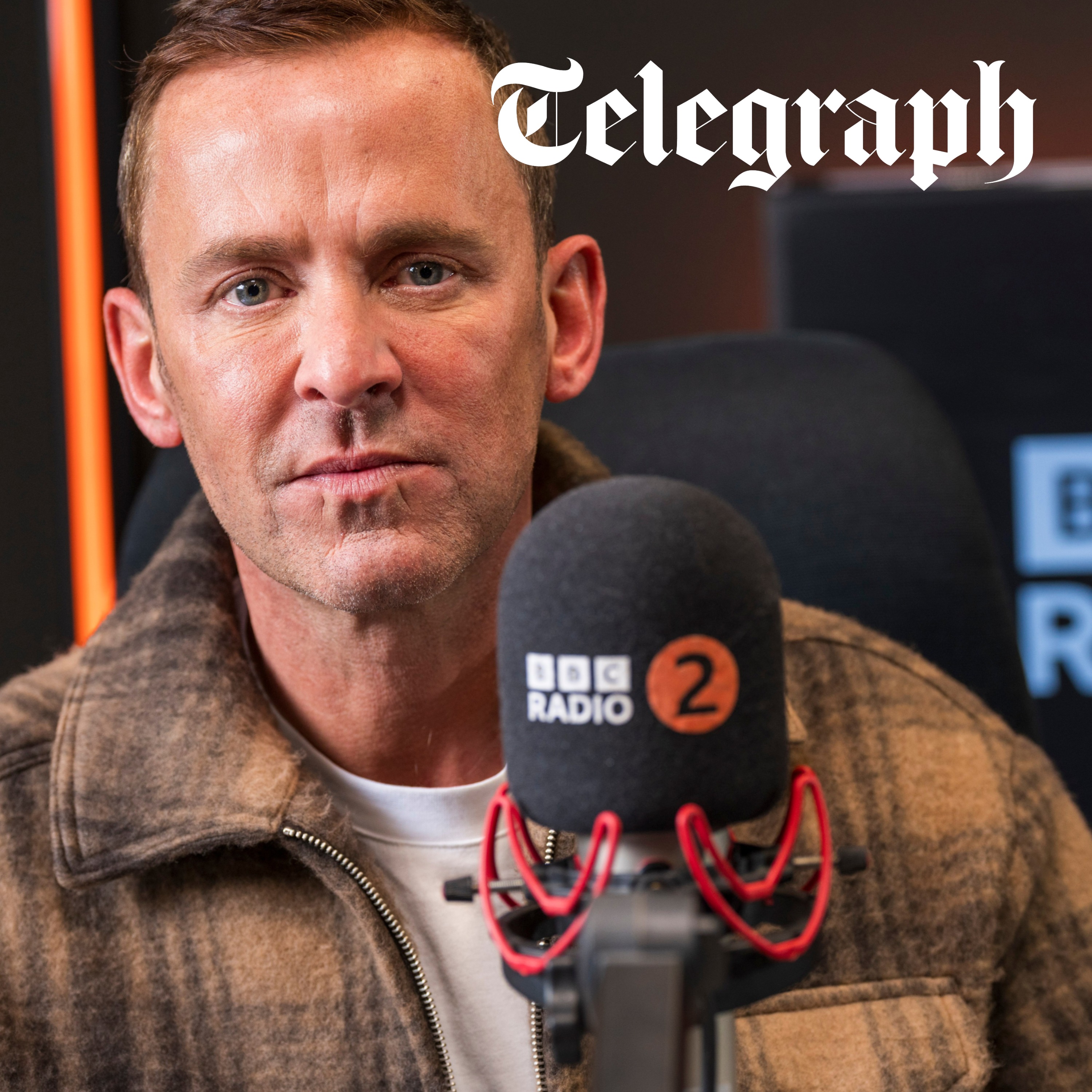
The episode discusses two BBC-related scandals. First, it covers DJ Scott Mills being sacked from BBC Radio 2 Breakfast after historic allegations of sexual offences against an underage teenage boy (alleged relationship 1997–2000). The Telegraph associate editor Gordon Rayner says a former BBC presenter, Anna Breeze, emailed the BBC in May 2025 asking about safeguarding/harassment complaints and internal investigations; Rayner reports the BBC did not respond and later admitted it should have followed up. Key claim: the BBC was warned almost a year earlier and failed to act, echoing past BBC failures (e.g., Hugh Edwards). Notable examples mentioned: Jimmy Savile, Greg Wallace, and Cliff Richard’s house raid helicopter. Second, the show interviews Barry Tomes, Hugh Edwards’ “self-appointed publicist,” who says he approached Edwards via third parties, handled media for seven days, and claims Edwards wants to explain his side, citing mental health context and complaining he wasn’t asked to comment before filming.
Written by AI. May contain mistakes.
Discussion about the scandal involving Scott Mills and the BBC's response.
“Acast helps creators launch, grow, and monetize their podcasts everywhere.”
Deep dive into the investigations and warnings received by the BBC regarding Mills.
“So, if you think about the timeline, 1997 to 2000 is the relationship.”
Analysis of the BBC's failure to act on information about Scott Mills.
“And finally you got one from the BBC and what did they say?”
Discussion on the cultural implications of the BBC's handling of scandals.
“longer than they have let on and there's been a failure to do something about it.”
Comparing Scott Mills's case with Hugh Edwards and discussing industry standards.
“I think that what BBC viewers and listeners want is honesty and transparency.”
Explore the implications of Hugh Edwards' case and the dangers of rushing to judgment.
“It's really excellent with a chilling central performance by Martin Clunes.”
Barry Tomes discusses his role as a publicist and his perspective on Hugh Edwards.
“You are the self-described, self-appointed publicist.”
Delve into the discussion about mental health and its connection to behaviors in high-profile cases.
“I'm inundated with offers for him to do things.”
The discussion covers the circumstances surrounding Hugh Edwards and the reactions from those involved.
“So in just seven days, I've gained a lot of information, which was always my intention.”
Analyzing Hugh Edwards' statement and the implications of his actions during the crisis.
“though I've checked in two or three times a day to say, are you okay?”
Exploring potential avenues for Hugh Edwards to publicly address the situation and regain his voice.
“I won't be involved in the slightest because I know, and I know the big question that keeps coming up and up and up, is he going to pay the money back?”
Discussing the impact of the situation on Hugh Edwards' family and personal relationships.
“and I advise him to do that as well because you can't not say anything and then complain when lots of people are coming at you one-sided.”

Get the gist, explore an idea or ask about something said.
 Claude
On The Daily T, what are the key points of this episode?
Searching your listeningAutomatic transcript. May contain errors.
0:28The Telegraph when we were giggling during an inappropriate time. But of course, we can't be managed. So we decided to start this podcast to continue giggling. We will make fun of pop culture news, we're watching, fashion trends, pep talks where we give advice, mental health moments, and games and guests. Listen to Giggly Squad on Acast or wherever you get your podcasts. Acast helps creators launch, grow, and monetize their podcasts everywhere. Acast.com.
1:03The DJ Scott Mills has been sacked from Radio 2's Breakfast Show after historic allegations of sexual offences with an underage teenage boy. But a new exclusive Telegraph investigation reveals that the BBC was warned about Mills' behaviour almost a year ago and did not take action. Our associate editor Gordon Rayner joins us. And with the new drama about Hugh Edwards finally released last week, We speak to his self-appointed publicist to ask what Hugh Edwards made of it all. Welcome to The Daily Tea with me, Tim Stanley. And me, Rachel Johnson.
1:49Another humiliating scandal for the BBC. Last Tuesday, people tuning in to listen to BBC Radio 2's breakfast show will have heard Scott Mills sign off in the same way he always does, like this. Oh yeah, we need to finish with the loaf. And share. Back tomorrow morning when you wake up from 6.30 with Niall Horan and Jason Manford. The next day, Scott was gone. 53-year-old Mills, it was announced over the weekend, had been sacked from his£355 ,000 a year job, hosting Radio 2 Breakfast and Eurovision, after allegations emerged of serious sexual offences committed against a teenage boy between 1997 and 2000.
2:34Now, the police did not become involved in this story until the late 2010s, and the CPS did not charge Scott Mills when it investigated him between 2016 and 2019. So, if you think about the timeline, 1997 to 2000 is the relationship. 16 years later, you get the beginning of a police investigation. And then another 10 years after that, the BBC finally lets him go. He may, of course, be completely innocent. But obviously what we want to know is when did the BBC become aware of this relationship and what actions did it take in relation to it? Now, to answer some of those questions, I'm joined by our Telegraph Associate Editor, Gordon Rayner, who is like a bus.
3:20You don't see him for a while. and then there's two of you in two straight days. That's right. And you, I believe, received an email which shone some new light on this story. Yes, that's right. So I was contacted by a former BBC presenter called Anna Breeze and she was told by somebody in 2025 about what she was told was inappropriate conduct by Scott Mills with someone and she contacted the BBC to ask them about this. Can I just ask you that this relationship that she was contacting them about, do we think that's the one that was reported to the police? No, we don't. OK, carry on. But she contacted the BBC in May 2025 and she said that she had received information regarding alleged inappropriate communications involving Scott Mills.
4:14She asked the BBC whether they had ever received any formal or informal complaints about Mills relating to safeguarding, inappropriate conduct or harassment. And had there been any internal investigations carried out into his behaviour? They did not respond to that. And it would appear, in fact, we now know that they basically ignored that. Right. OK. So you did what all good journalists do and you asked the BBC about it. and in fact let in a trade secret we've had to record and re-record this programme several times because we were waiting for their response. And finally you got one from the BBC and what did they say?
4:55I did. So the BBC have said in response to this, we received a press query in 2025 which included limited information. This should have been followed up and we should have asked further questions. We apologise for this and we'll look into why this did not happen. More broadly, we would always urge anyone who has concerns or information to raise it with us. That is remarkable because that opens up a whole new dimension to this drama, which is the question not just of why they let Scott Mills go now, but why they didn't act sooner on information that we can show they were provided with. Yes, I think the BBC will probably, if they're asked about this by others, they will try to play up the idea that the information that was in that email that I just read out from Anna didn't contain a specific allegation of, you know, he did this to this person or he did this with this person.
5:53But it's very clear in that email that she has information which would be worrying to any employer if they were made aware of that. She talks about safeguarding, she talks about harassment. Any sort of switched on employer would look at that and think, hold on a minute, we need to check this out. She is a journalist. She's a former BBC journalist. Exactly. And there are a lot of warning lights that should have gone off in the BBC. And they seem to have just sort of dismissed it out of hand. Well, and even if the information she provided was partial, they acknowledge in their email to you that they should have looked into it anyway.
6:29Yeah. Which follows the same pattern of behaviour that I'm afraid we've seen over the past few years with the BBC where there are things that are sort of known about to a greater or lesser extent within the organisation and nothing is done until it comes to a point where they have to act rather belatedly. So, you know, this is another example of the BBC knowing about something for longer than they have let on and there's been a failure to do something about it. There are shades too of the Hugh Edwards story. You'll recall that the parents of the boy who he is alleged to have groomed, said they took that complaint to the BBC and that didn't go up the ladder in the way that it should have done, which is why they had to go to the papers instead.
7:11And we will pick up on that later on when we talk about Power, the new docudrama about Edwards starring Martin Clunes. How do you think this will reflect on the state broadcast on the BBC? Whose inbox does this land in? Tim Davey, the outgoing Director General, or the incoming director general matt britain well clearly it would be tim davie in as much as this all happened before the incoming dg had anything to do with the bbc so it's not it's not his problem i think that the timing of it is interesting in as much as it's happened just after they've announced a new dg who's going to be starting the job the fact they've done this now does mean that it's it's not an in his intray so that is helpful to him obviously i don't know if those two things so in any way related.
7:55And as far as where it leaves the BBC, well, there is a history at the BBC of being aware of what they regard as talent, being accused of various types of inappropriate behaviour, going all the way back to Jimmy Savile, and the BBC not responding to that in the right way. So it's tempting to speculate that he's gone at this time, so that the incoming new director general does not have to take responsibility for it. All I would say is it's an inevitable question that pops into one's head when you think of the timing of this sacking and the fact that it's come just at the time when they have announced the new DG.
8:35And by doing this now, it means that that is not going to be his problem. But also there is a history of powerful male presenters getting into hot water and people saying the corporation has not done enough to police their behaviour. You mentioned Jimmy Savile. Another example is Greg Wallace, who was accused of many things. And again, people said that there was a culture of feeling, well, that's just Greg being Greg, and we don't wish to intervene and sort of let the genie out of the bottle by messing around with a celebrity. And I think, Rachel may disagree with me, but I think this is a reflection in part of how the BBC relies too much upon celebrities and upon single presenters, that it sort of puts all its eggs in one basket.
9:15I don't know if the word celebrity is right. I mean, these are people who've become famous because of their work within the BBC. Scott Mills was a jobbing local radio DJ and then hit the big time. And he's had the biggest jobs in BBC radio, in popular radio that you don't listen to. You know, radio is one and two, Tim. My question, I think the timing, I think it's going to... I don't think a scandal like this has ever happened at Classic FM. I just want to say that. I think this is all going to hinge on timing. When did the BBC know about Scott Mills and why did they act sack him on whenever it was Tuesday?
9:55And I think there may be more than one factor at play. I think we can see the crossover of the DGs. I think we can see the release of the Hugh Edwards documentary. And I think, I mean, this is my lizard brain, journalistic lizard brain working here, is they're trying to preempt more bad news, more bad news coming out about whatever it is that the police investigated in 2016 and whatever it is Anna Brees was asking about in May 2025. I think that what BBC viewers and listeners want is honesty and transparency. I think that people understand that if you have a huge organisation, you know, with tens of thousands of employees, you're going to have a few bad apples.
10:40And it's the question is, what do you do about that? And then once you do do something, are you being honest with the people who pay the licence fee about what actually happened? And what people don't like is when they feel that they are somehow being lied to, that there's been somehow a cover up, that the BBC has tried to obscure the truth about, you know, maybe when they knew about things rather than just coming clean about the whole thing. They also want to see fairness, though. And at the same time as the BBC has been accused of covering things up, it has also in the past been accused of overreacting or sensationalising.
11:11One thinks of when they worked with the police to cover the raid of Cliff Richard's house. They sent a helicopter to film their police search of Cliff Richard's house. It was very un-British as well. But also Paul Gambaccini is an example of a man who turned out to be completely innocent, but his name was sort of thrown out there. And there will be some people right now thinking, well, whether Scott Mills had a relationship with someone underage or not, it was not proven. It was investigated and not proven. and therefore we're sort of obliged to assume innocence, in which case is it fair to dismiss the man when nothing came of a police investigation?
11:51Which raises the question, if somebody is an employee or a star presenter on the BBC as opposed to another commercial network or broadcaster, are they held to a higher standard? Should they be held to a higher standard? and has what the BBC has done with regard to Scott Mills shows they are determined to tell the licence fee payers and the viewing public that they do want to be whiter than white and this is a new broom coming in and kind of all those sorts of allegations about that sort of behaviour will no longer be tolerated, whether proven or not. But the heads of these public bodies also have to think about the pastoral needs of their employees.
12:36I mean, we're assuming a lot in this discussion. But let us say that someone was innocent of something they were accused of. They have an obligation towards the public, yes, but they also have an obligation towards that innocent employee. You have a relationship with your employer and the so-called bosses at the company may like this person. and they don't want simply to throw him under a bus in order to appease the ravening wolves of the media who love a scalp. You know, once they sniff, once they smell blood in the water, then they go for the kill. I don't know who you're referring to, Rachel.
13:15Also, that takes us back to Hugh Edwards because in that documentary, and you've talked about this, Tim, because you met Hugh Edwards. I mean, you were saying that some of his behaviour it was in plain sight, but it was overlooked by bosses because he was the broadcaster's kind of marquee name and the one who announced the death of the Queen. And so you kind of, even though some thumb of what he did was apparently in plain sight. I have found, and hindsight is a wonderful thing, that I have met so many people in the last couple of years who've said, oh, we all knew this about Hugh. We all knew the way he behaved.
13:51Well, I've met one or two producers who said he contacted them on Instagram. But, you know, yes. Right. And great, though, the docudrama is because of the narrowness of its focus. And people really should watch it. It's really excellent with a chilling central performance by Martin Clunes. Give him all the BAFTAs. It's like one of those AI things where impressionists are AI to turn into the person they're doing an impression of. It is an uncannily good impression of Hugh Edwards, but partly because of its narrow focus on his relationship with the boy. and I suspect the script is based around the text communications that they had so that they're showing stuff which they can factually prove was said.
14:28It doesn't give the wider picture, which I don't think in any way lets Edwards off the hook. On the contrary, from what I understand, there was a lot more that he was doing that was really quite transparent and open. Despite being married and being a Christian and being a public figure, everyone apparently knew about Hugh Edwards. That was Hugh being Hugh. That was Hugh being Hugh. On the other hand, one does also want to exercise prudence and not rush to judgment on people. One reason why I always urge caution this is because I was a leader writer in the years of Lord Bramall. Oh, poor Lord. May God rest his soul.
15:05And the accusations that were made against various public figures. And Leon Brishon. Sir Leon Brishon. Leon Brishon by a completely lunatic Carl Beach that turned out to be totally false. And totally cleared was the former Tory MP Harvey Proctor. Now, he has said this, which I think is really interesting on X. I am deeply concerned by the Scott Mills story following his sacking. Mills was allegedly investigated by the Metropolitan Police with a file handed to the CPS who decided there was insufficient evidence to prosecute. If an individual can be investigated, cleared of prosecution due to insufficient evidence, and still face professional ruin, then we are entering dangerous territory.
15:46I know, for instance, a Catholic cleric who was accused of rape by someone in a foreign country. That person in the foreign country had never been to England, and the cleric had never been to that foreign country. Nonetheless, the church has certain processes. Once it's reported, it has to be treated seriously. You are suspended from ministry for six months, not even allowed near certain places. And of course, it just destroys your life. So I have some sympathy for, instinctive sympathy for people who are accused. I think there should be a moment in which we prudentially weigh up, are they definitely guilty or not, before we all rush to judgment against them.
16:24Well, the BBC has judged. That's the bottom line. I think that one of the questions we don't know the answer to yet, we're trying to find out from the BBC, is whether the staff and particularly presenters have an obligation to inform the BBC as their employer if they, let's say, are arrested, if there's anything that happens that could potentially bring the organisation into disrepute. So that is a possibility here. You know, we could be talking about him being sacked because he's failed to tell them rather than because he's been found guilty of doing something. So we're trying to find that out.
16:58We don't know the answer to that yet. But maybe the BBC never asked him. It seems to me that the BBC has come to a conclusion that the Crown Prosecution Service didn't, which seems at the moment a dissonance. But there may be an obligation on the employee to tell the employer if, for example, they're arrested. I worked at the BBC. I never remember having... I mean, I've been through positive vetting for the Foreign Office. and then you are asked if there's anything in your background or past that is compromising any blackmail, pornography habits and so on. And then you are supposed to tell. But I don't think when you join the BBC or you're given a freelance contract or even a staff contract with the BBC, you have to go through that sort of procedure at all.
17:38This is bringing us into the grim territory of Peter Mandelson, isn't it? He did go through developed vetting, but after he was given the job. Well, next we're going to speak to someone who is a self-appointed publicist for Hugh Edwards, Barry Tomes, who says that he can give us some view on what motivated Hugh Edwards and what really happened. Whether or not you choose to believe him is up to you.
18:09Hello, I'm William Sitwell, and as a proud ambassador of the Telegraph Save Our Pubs campaign, I'm here to tell you about our nationwide competition. Nominate your favourite pub and tell Tell us in 250 words what it means to you and your community. Five winning pubs will win a£5 ,000 round for punters like you to enjoy on our National Pub Day on the 16th of May. Entries close on the 11th of April, so mark your calendars and get nominated. Visit telegraph.co.uk slash pubs today.
18:44Welcome to Barry Tomes. You are the self-described, self-appointed publicist. for Hugh Edwards, the SACT and former BBC presenter, who's been the subject of a very well-publicised documentary called Power on Channel 5. Can I start by asking you, what do you mean by self-appointed? Did you approach Hugh Edwards and is he paying you? I mean, what is the nature of your relationship with Hugh Edwards? OK, well, yeah, thanks for the question. And I self-appointed came from Good Morning Britain, not me. I've never used that word. I only made them correct the fact they were calling me an agent and I'm a publicist.
19:25That's my role. That's what I do. In regards to Mr Edwards, I approached him originally about nine months ago. And at that time, it was through a third party because obviously nobody could find him. Certainly nobody was able to talk to him. That was declined. I tried again three months later. That was declined. and I still had the same motivation. I wanted to meet him to see if he would tell me something or something nobody else knew. It was really a case study. The whole reason was just a case study. That was it for me. And did you meet him? I met him last Saturday, you know, just over a week ago.
20:06And how that came about, as I said, my expectation at the beginning of this would be he'll agree to meet me or not. if he agrees to meet me, I'll ask him about the crimes leading up to it, the past, just try and get a little bit of information about what causes this kind of behaviour from people. That was my total motivation. There was never any plan to be involved in any media storm. The only reason that changed was my last communication with them was probably about three months ago, and I sent a message to say, I've been told or I've been made aware that a production company are making a drama about the whole U.Ed was down for.
20:50I didn't know it was on Channel 5. All I knew was some insider told me. I let them know that. They were aware of that. And very quickly the production team and Channel 5 went into the best publicist thing you could ever want. They were amazing. Their work was terrific as a publicist. so I can admire that um at that point I got a call I was in Hong Kong about two weeks ago working for a company over there just for 10 days and I got a call to say my friend would like to speak to you and that was that was the word my friend would like to speak to you the person wasn't even named but I've got to hear straight away the story was well we're going to release a statement we'd like you to read the statement and give us your thoughts So I was sent the statement and I said, okay, well, if you intend to release that, you must understand that will bring a media storm, you know, there will be a lot.
21:51They said to me, what do you advise? I said, well, would you mind, and this was my request, not theirs, if I handled the media for just seven days, just seven days, that was my offer. It ended on Saturday. My role ended on Saturday. And I said, but the only condition of which I'll do it, There are two conditions. Number one, I don't want any money. I want it made clear I don't want any money. And secondly, you have to keep out the way why I'm doing it. I just want to gather the information. And that's how we got to the start of the whole media storm, really. Barry, that's very generous of you.
22:23Why would you choose to represent someone like Hugh Edwards for free? I don't consider I'm representing Hugh Edwards, actually. I think I'm representing all the victims out there that don't get answers, and they don't get answers at all. and the amount of things that have happened in my life where you say, well, what caused it? Oh, mental health. There's no explanation as to what mental health means. And you do know, and you're aware, in his statement, he said that mental health was not an excuse for committing crime. And he agrees, I would agree with that. And I think the second part was something like, it may be part of the reason why people do these things.
23:02Well, that's my question, really. So generosity has got nothing to do with it. I could have very easily earned£5 ,000 that week, but you and everybody else would have said, I'm only doing it for the money, and I'm absolutely not. The money's irrelevant. Do you see, sorry, this is interesting, because it seems that you see, and Hugh Edwards, sees himself as the victim here. I didn't say that. Well, you did. You said you wanted to represent victims. Okay. In that case, if he is a victim, then that would be right. But I'm not calling him a victim. I'm talking about the other people around him, a young man that we know of.
23:46I think he was played by somebody called Ryan in the drama. So that's what I'm referring to. And a lot of this is based on 60 years of things that have gone on in my life. but I wasn't, if I was representing Mr Edwards, I'd be out there getting loads of TV shows, I'd be getting press, I'd be getting paid for the press. We could have only easily earned£25 ,000 in a couple of days last week. Stuff has been offered to me. I'm inundated with offers for him to do things. So I thought very quickly, and I thought I did it well, I did my best live on television against two very good presenters that are well known for getting things out, people.
24:27I said, this is not about the money. It's not about getting him work. He has no intention at all of coming back, making a comeback. And if that's what he wanted, then I'm not his publicist. I'm the publicist for seven days because I knew there would be a media storm. And if he wasn't available or he'd away or his lawyers didn't want to speak, we'd get no further. We'd just get no further. So you're referring that to your appearance on Wednesday last week on Good Morning Britain, where you were interrogated by Ed Balls and Susanna Reid. So I infer that what you're saying is that you were seeking to explain what happened with Hugh Edwards rather than justify it.
25:08Oh yeah, no justification at all. Fair, fair. And I can see there'll be some value in that too. All that we have seen, or all I know of it is the Hugh Edwards drama starring Martin Clunes. I've seen that too. Right, which I thought was very good and, of course, was focused upon the victim and also told the story through the text messages, through the evidence that we have of the communications between him and Hugh Edwards. That's, I won't say one-sided, but that's necessarily, it inevitably saw things very much from the boy's point of view. Is there something you can bring to this that might give us a bigger picture of why Hugh Edwards was grooming this young man?
25:52I can't get into the mind of that or the legals. I know he was guilty when I met him. I know he was sentenced, and I believe he's still serving that sentence. For me personally, I did watch the whole program, beginning to end, very uncomfortable watching, as you can imagine. It's also a factual drama. Now, I make documentaries. I've been around quite a long time. And as long as the facts are correct, then you've got a factual drama. Now, I don't know if the facts are correct or not. If you read the entire statement, which you haven't had the full statement I'm happy to send to you, the full statement hasn't been printed at all or discussed.
26:35And I think part of that, he does refer to, you know, being misrepresented in some way. So that's for him to say, not me. I just said I would collect all the evidence and then we'll have another meeting, which I'm due to have this week. Right. My point is, because the drama does not contain an interior monologue, Hugh Edwards does not explain why he's doing what he's doing. Some of what I saw him doing in the drama just seemed really strange. And I am assured that that is how people who are grooming people behave. Are you suggesting that there is a context of mental ill health that we need to understand?
27:09that Hugh Edwards was actually borderline insane when he did what he did. I can't quote as to his mental ability. I didn't know him at the time. All I know, as you would know, during the whole trial, during the last 18 months where it's been relatively quiet, and certainly during the media storm this week, it's been referred that mental health and depression were part of the issue. And I think he does describe in the statement saying it's well known or well documented for the last 25 years so there is it's there it's not something i've made up it's not something he's told me it just exists as a thing so me for my own personal reasons i want to try and understand mental health because just because of some things that have gone on in my life a lot over a 60 year period and um so i'm not saying he was mentally insane i'm not saying he was ill i don't even know if he was extremely well and telling lies i don't know i honestly don't know I was never involved with him I wasn't there I wasn't involved in the court case I spoke to him three times on the phone and I met him in person once uh last Saturday and I said to him let me do this to collect the information a lot of which has come my way um also four specialists have come my way to do with mental health a victim very strangely and I didn't know this story who came outside the BBC for seven months prior to the Hugh Edwards thing and not connected to Edwards has come forward and said, I might be part of the black box.
28:44Would you be willing to meet me? So in just seven days, I've gained a lot of information, which was always my intention. OK. For those who haven't seen, had sight of Hugh Edwards' statement at all, can you can you just summarize what his statement says in reaction to the documentary that I presume he has sat down and watched and tell us how is he I've met the person once and at that point he was calm perfectly polite is we haven't entered into conversations this week deliberately although though I've checked in two or three times a day to say, are you okay? Just as a duty of care, really. So I would say he's probably very, very anxious.
29:33You would be at this point. Until I meet him on Thursday, I won't really get a true sense of how his past week has been, but I will ask that question. He seemed to be saying, in a summary, that he wasn't allowed to see the drama, right? He seems to be saying that prior to broadcast. He wasn't asked to comment on the drama until it was already filmed. You know, that's his statement. And he doesn't understand how not being able to give his side of the story is not fair. It's not for me to decide if it's fair, guys. All I can say is I made sure the statement got out and I got to everybody so every single person could have their say and ask questions like you are, and I respect why you need to do these things.
30:26But then I said, well, the only way to have your say is to have your say. You can't employ people like me to have your say. We can only gather the information and maybe give some quotes. Well, I'm not here to defend a criminal. I'm not here to defend the crimes. The main thing is he said he wants to have his say, And I said, then you have to have your say. And I also said, going forward, after these seven days, which ended on Saturday effectively, I said, unless you answer questions that I've got, which could be one, three, five, ten questions, unless you agree to answer those questions in full, I won't be involved in the slightest because I know, and I know the big question that keeps coming up and up and up, is he going to pay the money back?
31:16And that's fair. There's no reason to argue with that. This is the salary. The salary and the£200 ,000. You advised him not to. I don't know why. No, no, no. I said I wouldn't. You wouldn't pay it back if you were him? Do you think that's a further admission of guilt or what? No, these are my thoughts. First of all, let's make it absolutely clear. I said I wouldn't pay it back. It's up to him what he does and he has to make the decision. That is out there. It's recorded. Now, is it a mission of guilt? I don't know, because guilt of what? He's been found guilty of the crime. He's been sentenced for the crime.
31:54So passing money across the table doesn't change a single thing, only the public's perception. So here we go. Let's say I suggest, and I'm not suggesting, let's be clear. Let's say I suggest he gives the money back because the public will be happier with it and the BBC needs the cash, right? Let's say that's my advice. It is not. But let's say I give that advice. I know, you know, and the rest of the media know, all of what we said is, you know, is the public will say he's just trying to gain favour with the public. Well, that's for him to decide if he thinks handing back money would gain favour with the public.
32:33That's his decision. These decisions aren't mine. I've gained enough information in the seven days and I said I will have questions and unless you're willing to go on screen personally and make your statement, make your claims, counterclaims, Reebokans, whatever you want to do, I'm not your lawyer, but unless you agree to do that, I wouldn't be involved. Now, it could be... Do you think that Hugh Edwards is likely to do that? He's told me that he fully intends to, yes. Right. Yes. He is going to do an interview at some point. He has told me that's what he wants to do, absolutely, yes. and I advise him to do that as well because you can't not say anything and then complain when lots of people are coming at you one-sided.
33:21You've got to have your say and I think that was his motivation. Now, there are various ways of doing that. You know that. I know that. And he could write a book, right? He could do a TikTok because that's very popular. He could do a documentary. He could do – I've had one TV channel offered to clear their entire show if I get him on to say his piece. Now, they're the ones that are saying he doesn't want to come back, but they all want him to come back. And I've got nine, maybe 11 offers for that at the moment. Well, I don't think they want him to come back. I think they want to grill him and get the ratings for having done it.
33:57I don't think people are invested in Hugh Edwards' return. But does he think he might have a role to play in public life? Absolutely not. There's no intention, no indication. And I have asked that question directly, you know, and I started the question by saying, do you want your old job back at the BBC? No. Do you want to work for Sky News? No. Do you want to work for GB News? No. So you're not really interested in going back and reading the news? No. Are you any interested in television talk? No. What is the thing you'll be doing mostly in the coming weeks? That was my, I think that was probably my last question.
34:35He said, focusing on my mother, who I'm looking after. Can we ask about Hugh Edwards' family? Are they in contact with him? Is he in contact with them? Do you mean all of his family? Well, is he still together with his wife? I think they're going through a divorce, from what I know. He's definitely in contact with his mother because he's living with and looking after her. The rest of the family, including his mother, and I do feel for her particularly because she's at an elderly stage who was probably very proud of her son for a long time and is now not proud or upset or heartbroken, is I don't know his family.
35:11I don't know the names of his family. I don't know where they live. All I did offer to him, which he didn't comment either way, was when this starts, please keep out of my way, but you are in charge to give my number to any family or friend that you think might just need a help because of the media, you know, turning up doorstep in. And I offered that. It wasn't declined, it wasn't accepted, but I made the offer because I thought that was the right thing to do as a human being. Thank you. Thank you. We'll be back tomorrow at 5pm. Ahead of May's critical local elections, we're taking the daily tea on the road, visiting key battlegrounds across Britain and answering your questions with four special live events.
35:58Join me and Camilla, plus special guests, in London on April 27th, Cardiff on April 28th, Warwick on April 29th, and Worthing on April 30th. You can buy tickets now at telegraph.co.uk forward slash daily tea live.
36:29ACAST powers the world's best podcasts. Here's a show that we recommend. This season on The Dream. Supplies are being provided by nurses who run out in the middle of the night and purchase diapers. but the hospital is still charging as if they still have these items. We are digging into every topic we've ever wanted to cover on this show. It's a spinning plate analogy. The second that you stop spinning those plates, that crashes. So you can never stop working. The Dream Season 4 comes at you weekly starting Monday, January 20th. ACAST helps creators launch, grow, and monetize their podcasts everywhere.
37:13ACAST.COM
The BBC has admitted to the Telegraph that it knew of allegations against Scott Mills almost a year ago but failed to investigate.
The corporation had claimed it terminated the Radio 2 presenter's contract as soon as it learned of the allegations of serious sexual offences against a teenage boy between 1997 and 2000.
But as The Telegraph's associate editor Gordon Rayner tells The Daily T, a former BBC presenter contacted the corporation in May 2025 to say she had received information about alleged “inappropriate communications” involving Mills.
She did not receive a response, and today the BBC admitted her information “should have been followed up and we should have asked further questions”. We explore what this latest scandal means for the beleaguered broadcaster.
We want to hear from you! Email us at [email protected] or find @dailytpodcast on TikTok, Instagram and X
► Sign up to our most popular newsletter, From the Editor. Look forward to receiving free-thinking comment and the day's biggest stories, every morning. telegraph.co.uk/fromtheeditor
Producers: Georgia Coan and Lilian Fawcett
Senior Producer: John Cadigan
Executive Producer: Charlotte Seligman
Video Producer: Andy Mackenzie
Studio Operator: Meghan Searle
Social Media Producer: Nada Aggour
Hosted on Acast. See acast.com/privacy for more information.


