
 Ask ChatGPT



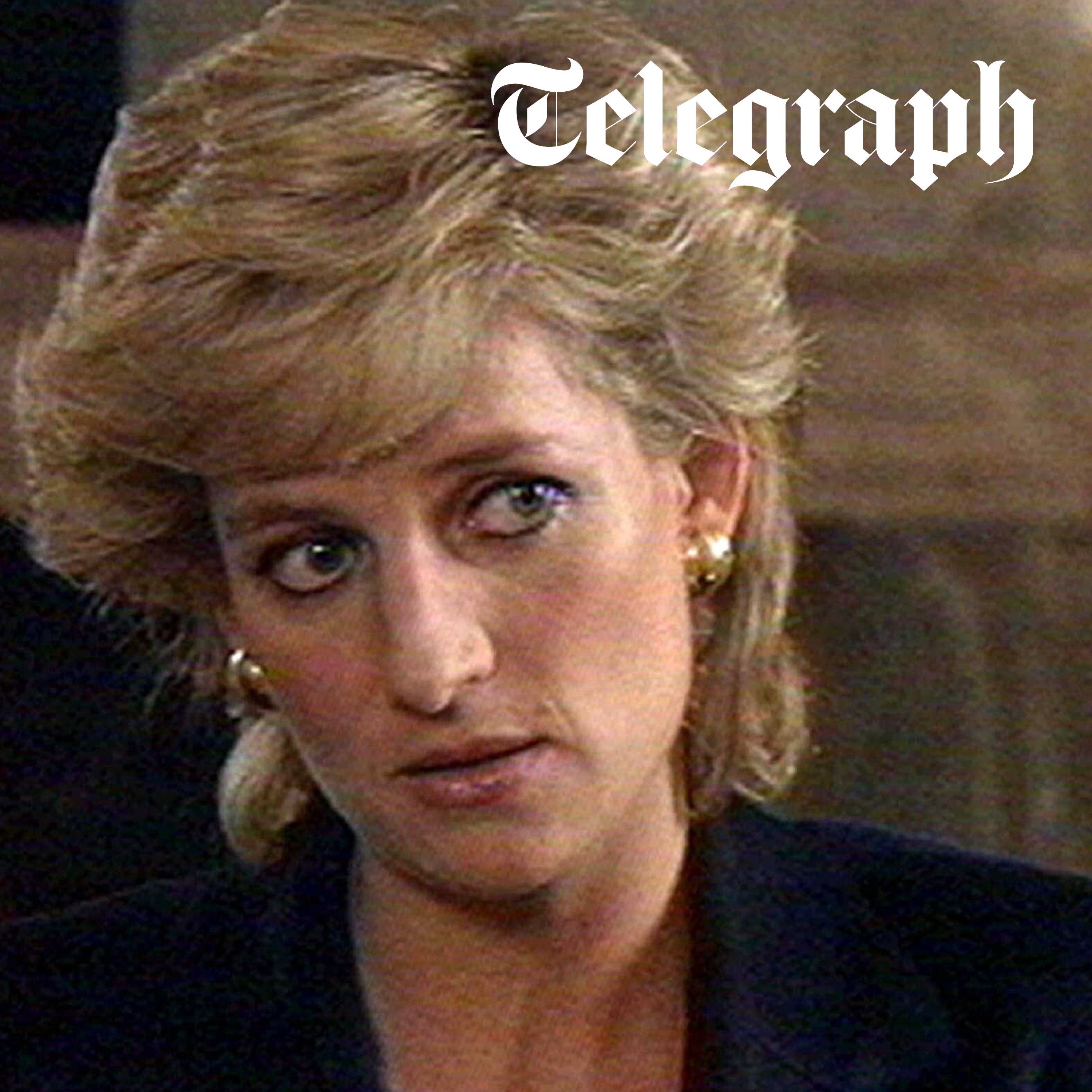
In this episode of The Daily T, hosts Camilla Tominey and Tim Stanley discuss a major scandal involving the BBC, particularly focusing on the revelations about the Panorama interview with Princess Diana conducted by Martin Bashir. The conversation highlights the tactics used by Bashir, the BBC's response to the fallout, and the implications of this scandal.
Written by AI. May contain mistakes.

Get the gist, explore an idea or ask about something said.
 Claude
On The Daily T, what are the key points of this episode?
Searching your listeningAutomatic transcript. May contain errors.
0:28The Telegraph also how the BBC internally seems to be circling the wagons and is as deluded as ever. And we're going to be talking to Andy Webb, whose book, Dianarama, about Martin Bashir's famous panorama interview with Princess Diana, amounted to a scandal that, frankly, rivals phone hacking for its nefarious tactics. Welcome to The Daily Tea with me, Tim Stanley. And me, Camilla Tomini.
1:06Tim, after a busy day's scooping here yesterday on The Daily Tea with our exclusive story about the BBC having doctored the Trump speech for a second time on Newsnight, we both rushed home. Well, I rushed straight to GB News because, as you know, my media whoring knows no bounds. Yes. And if there's an opportunity for me to showboat on a television screen, I will do so. Yeah. And then we went home and my husband said, oh, the story's just been on the six o 'clock news and then it was on the 10 and then it was on Newsnight. I had a very pleasant and surreal evening watching myself being discussed on 10.
1:38Yes. But even stranger to watch the BBC discussing the BBC or what I've reported about it on the BBC. I know. And the timing of last night, so we put out our Daily Tea exclusive. Thank you very much if you watched it, if you listened to it. Many, many thousands have. But also the timing was perfect, Tim, in the BBC then issuing their sort of half apology to Trump. What did you make of that? Sorry, not sorry. They had an apology ready to go, but that was in relation to the Panorama spliced clip. And that apology came with the sting that they did not believe there was any grounds to pay money because, of course, Donald Trump had demanded a billion dollars.
2:19One billion dollars. We've enjoyed saying that all week. Because of the damage to his angelic reputation. So the BBC had planned to say, we're sorry, but we're not going to pay you the money. Our story came out, which proved that they had done this not just once, but twice on a completely different program in a slightly subtly different way, which meant that, yes, they apologized. But what then were they apologizing for? They were apologizing for one clip. And now the White House, which set a deadline for this apology of 10pm today, the White House then said that this now looks like a pattern of misrepresentation of the president's views.
2:58So the BBC had hoped to tie all this up and be done with it on Thursday. But arguably our scoop has reopened the debate. Talking about a pattern, clearly lots of people have now gone back through the archives or have been racking their memories for other incidents that they think that the BBC has distorted coverage of Trump. If you own any recorded episodes of Newsnight from the last four years... Yes, please do send them in. But for instance, just to be generalised about some of the claims that I've received just in the last 12 hours, because none of them have been substantiated, so I have to go through it all.
3:33I was reminded that Victoria Derbyshire, now the presenter of Newsnight, did present an entire show with the Trump baby blimp in the studio. And whether or not that might have been partisan, also claims about coverage around Trump's election and the people they had on to speak about it. I mean, yes, there may be a pattern of there. What we certainly do know now, and I did make this point perhaps rather smugly on X, but are we still blaming Robbie Gibb for this or the bad actors in this newsroom? Is it the fault of the bad actors, the bad journalists in this newsroom, apparently, according to the left, according to Campbell and Robinson and Yelland and Bolton and all of these figures?
4:13Or could it just be the BBC's fault that it isn't good enough? Yeah, and the fact that they did it twice points to that being the case. We should note that this comes at a good time for Trump because he's actually in some trouble in the United States. Yes. He had a round of bad election results in California, Virginia and New York. The Epstein files, more of them have been released because Congress has forced it. He didn't want to. Some of those suggest that while he says his relationship with Epstein ended in the early 2000s, Epstein still seems to feel he had a relationship with him for much of the rest of that decade.
4:45Plus, he's also in trouble with his base because he has said he wants to import Chinese students and Argentinian beef. So this is probably quite welcome in the White House because it shifts things back to the idea of the president as a persecuted man. In which case, this is the left doing his work for him. If they hadn't made these mistakes, then that narrative couldn't be kept going. As we have consistently said, there's no denying he said the 2020 election was stolen. There was an insurrection at Capitol Hill. The dispute is over this very narrow point about what precisely the president said.
5:20And was he personally responsible for ordering people to go to the Capitol Hill? The problem is the BBC just on two occasions took to simplistic an interpretation of that and it was wrong and it's handed Trump a weapon. Yet still hubris reigns supreme at the BBC. I've been sent a couple of different examples of that. Kate Phillips, who is the head of content, so to be fair, she's covering the entertainment side of things predominantly and it is children in need and that does raise a lot of money for charity. Sarah Cox, the radio DJ, is out and about doing marathon after marathon. And I think that's a very worthy cause.
5:56But in this kind of email, morale boosting email that was sent this morning that I've been sent a copy of, I'll just read out a little bit of it because I think it speaks to the culture inside the BBC, even when serious wrongdoing is uncovered. Morning all, we got through the week. Thank you so much to everyone who's been in touch. I've really appreciated your candor. And what has come through loud and clear is how passionately you care about the BBC and the work you do, but also the understandable upset and frustration at what has happened. I feel the same. In Parliament this week, UK Culture Secretary Lisa Nandy highlighted the danger of sustained attacks against the BBC and what's at stake.
6:34Of course, we're always utterly accountable and concerns over editorial failings should always be raised. But that should be in the spirit of making the best public service broadcaster in the world even better. As Tim Davey said on the all staff call earlier this week, these times are difficult for all of us. But if we make the case for the BBC and focus on delivering for audiences, we will get through them and we will thrive. This is the killer bit. One thing that's been consistent in all the conversations and debates over the past few days is the recognition of the importance of the BBC and the quality of what we deliver.
7:11That matters now more than ever. We have the best journalism in the world and our friends and colleagues in news are doing an extraordinary job. Please take a moment to check in with those you know there. And if you still have questions, I'd encourage you to keep talking to the senior leaders in your areas. The best journalism in the world. Yeah. I can think of a number of foreign outlets that would disagree with that, let alone the press against which that does feel like a swipe. One, they are behaving in a political way. What public-funded institution mounts this kind of political defense of itself?
7:49You are paid simply to serve the public. You're not paid to promote yourself, which is something the BBC constantly does. And two, I'm not saying it's morally on the same level at all. But you can see how institutions ended up covering up abuse. Yes. Because they persuade themselves that the institution is so critical to the nation that it cannot allow itself to be brought down even when it has been caught doing something wrong. Yes, even when it's deserved. These are exactly the same conversations you would find within institutions, whereas they would say rotten apples have been accused of abuse.
8:26They would say, you still need us. We're still wonderful. And thank you, all of you, for sticking with the program. OK, well, there's another example of the bunker mentality taking hold here in Chris Packham, formerly of the Really Wild show that you and I enjoyed as children. Now, arch defender of the BBC, he's managed to get more than 300 signatures together on a letter entitled Defend the BBC. We, the undersigned employees, contributors and service providers, past and present, wish to register our support for the BBC. We believe that the current attacks and bullying of the corporation represent a real danger to its long-term survival as the world's best and most far-reaching public service broadcaster, etc., etc.
9:10Again, let me just point out the killer line in this. Packham, ignorance is only strength to those who oppress truth at this point. Sorry, Chris? No, it's the BBC that has been accused of distorting the truth to its own audience, not the people who have reported on the BBC's failings. The scandal is not about truth. It's about inaccuracy. Yeah. And if the right, whatever the hell that is, is bullying the BBC, then it's akin to Taiwan bullying China. Yes, indeed. But bullying, how immature? The Telegraph lives or dies on sales. Oh, my goodness. We are a free market publication. We live or die on our ability to sell.
9:56The BBC is supported by millions and millions and millions of pounds that you are forced to pay. Also, lots of people, I love the ignorance of people who are saying, well, you're being partisan in your commentary. Yes, we are an unashamedly right-leaning podcast on a right-leaning newspaper that isn't funded by the licence fee. Yes, yes. Our partisanship costs you nothing. No, indeed. You can pay for it or you can not pay for it. You can go for partisanship at The Guardian for all we care. The other thing, bullying. Come on. OK, so now... One man on the board. One man on the board. Taiwan versus China.
10:35Robbie Gibb versus the entire BBC. Yes, I think we should start a hashtag. Blame Robbie Gibb. If anything bad happens... Today, you know, we are actually not going to increase income tax, says the Chancellor and the Prime Minister, because it's all been pitch rolled and everyone hates it. It's gone down like a cup of cold sick. Blame Robbie Gibb for that. It's his fault that they are U-turning. Until now, I wasn't entirely sure who he was. I thought he was in the Bee Gees. He's the long-lost Gibb brother. That's right. I honestly thought, what's he got to do with the Bee Gees? Should we get him on here for a Christmas special?
11:07We could get him to sing Staying Alive in the face of this critique. In the face of all of the left wing invective against him, let's get Robbie Gibbon here along with any remaining Gibbs and put on some kind of disco show. Yeah. OK? Good idea. Right, coming up next, I mean, if you haven't had your fill of BBC scandal, we have spoken to a brilliant journalist called Andy Webb who has spent the last 25 years investigating probably the most famous Panorama interview of all, the 1995 chat between Martin Bashir and Princess Diana. but, as is often the case with the BBC, it seems in recent times, all was not as it seems and the tactics employed by Bashir ended up being the subject of an inquiry.
11:53And the BBC then covered up for Bashir, did not help those investigating it and has many questions to answer and the relevance of this to recent events is that this book is due out next week. Tim Davy has resigned as Director General of the BBC. had he not done so, then he would have been in charge next week and would have had to have answered some of the questions that arise from this book, including questions related to his own behaviour.
12:31Tim, it was arguably one of the most, if not the most famous, royal interview in history. Yes. Princess Diana, a doe-eyed princess, speaking to the BBC's Martin Bashir for a Panorama special in 1995. Yeah, I was very young. I don't think I was allowed to watch it. I remember it quite vividly. It was a bit saucy, wasn't it? I mean, people were talking about it for weeks and months. It went off and won awards. It was meant to represent this sort of Rubicon having been crossed with such an intimate interview between journalist and royal. Yes, Prince Charles had done his Dimbleby interview where he admitted to a degree of infidelity.
13:09And this was Princess Diana in the War of the Waleses. It was almost at its peak as she hit back and gave her side of the story. Talking like a human being, humanising the royal family. Precisely. Dramatically changing the way that we see that institution and the people inside it. But that story has, over the course of recent years, turned into a nightmare as it has been revealed just how nefarious the tactics that Martin Bashir employed actually were. The reality of how it's made is as shocking as finding that the moon landings were faked. It's as big as the original story, how they went about making this.
13:44And we wouldn't know how it was made if it wasn't for the man who joins us in the studio now, Andy Webb. Welcome to The Daily Tea. Thank you very much. We're here to discuss your new book, Dianorama, which takes us inside the Panorama interview and lays bare not just a conspiracy, Andy, but a cover up by the BBC. So let's go back to the very beginning. What was your role in all this originally? I worked for the BBC for the best part of 20 years. I was a reporter then in BBC Features in White City. So that's what I was doing back in 1995. when I first began to pursue this story was actually 2007.
14:29I wasn't on BBC staff anymore. I'm a freelance documentary director at this point. But I suspected that there was a real-world story here, that something, you know, there was a real bad smell over what had happened about that interview. I can tell you that that smell was very apparent within the BBC, within the corridors of the BBC. It was known that there had something gone wrong. In 2007, I put in my first freedom of information request to the BBC saying, look, there must be documents to do with an inquiry that we know took place, et cetera, et cetera, back in the day. And they came back with what is your lawyers don't need to be worried about this.
15:06It was a lie. It was a lie. The BBC lied in black and white and said to me, and the document is in my office, we don't have any such documents. and we know that they did have lots and lots of documents. Over the succeeding years, I tried on many, many occasions to get a substantial documentary made on this and I say in the book, I think I've coined the phrase protective notoriety and by that I mean the sort of aura that I think surrounded Jimmy Savile, for instance, whereby everybody knows he's a wrong man And so it's not news anymore. And when I was trying to pitch the notion of what Bashir had done, we knew at that point that he had commissioned forged documents.
15:56We weren't at all sure then what he'd done with his forged documents, but I tried to pitch and pitch and pitch the documentary. But the problem was, well, look, as I say, yeah, there's something wrong with this interview, but it's not kind of fresh enough. It's not news enough to merit it. Cutting to what happened in 2020, finally, finally, the BBC did send to me some documents under FOI, and it was free of information. It was just one of those documents that the BBC sent to me that purported to show that Charles Spencer, Diana's brother, far from him being, and it sounds completely bizarre, far from him being shown fake documents by Bashir, this document sent to me by the BBC said that it was Spencer who'd shown Bashir bank statements.
16:50Right. Which was like, OK, this is 48 hours before my film is due to air. I emailed the copy of this document to Charles Spencer, somebody who at that point I had not spoken to before once. And as soon as he got it, Charles Spencer rang me and the whole bizarre, lurid, sordid story unfolded of actually what had happened all those years ago. That's a long answer to your question, but my interest in this goes back that far. Right. So let's take a step back. How did Martin Bashir, a relatively junior journalist, not that many good contacts, up against rivals like David Frost, who were also desperate for it, how did he persuade Diana to sit down for an interview?
17:40You're quite right. David Frost, Oprah Winfrey had been chasing the interview, Barbara Walters, they'd been for lunch at Kensington Palace. How did Martin Bashir do it? Well, Martin Bashir did very, very, very skillfully what people in our profession, occasionally, unfortunately, there are people such as this, who very, very skillfully decide to construct a completely false scenario of one kind or another and pass themselves off as genuine. That's how Martin Bashir, somebody, you know, perhaps unkindly said at this point, he's not even a household name in his own household. He's not Oprah Winfrey.
18:20He's not David Frost. The methods by which Bashir got his foot in the door, which were via Charles Spencer, who was effectively Diana's gatekeeper, if you like, at this point. Because it's her brother. Her brother. Martin Bashir is able to get past Charles Spencer's sort of bristling hostility or suspicion of the media. He's successful there. But once he is in the inner sanctum, if you like, literally in Diana's sitting room in Kensington Palace, he unfolds this extraordinary litany of bizarre, terrifying stories backed up with faked documents. And people have said, and I think it's really important, people have said that Diana was paranoid.
19:09Well, her own sons have said that. Prince William said. Well, absolutely. But I'm going to say, with all due respect, I think that's somewhat unkind because paranoid sounds to me like some kind of psychiatric diagnosis. If, let's say, don't forget Martin Boucher is from the BBC, not just the BBC, but from Panorama. Very highly respected show. If David Attenborough were to come up to me and whisper that, you know, I've got to tell you, your wife is planning to have you murdered. Yes. And I've got some documents to prove. You'd be. You'd listen. So she didn't need to have a mental health condition to be hoodwinked by Bashir.
19:50But just explain, Andy, what did these documents convince her of? Well, OK, one of the key sources in my book is Patrick Jefferson. Yes, her private secretary. Who for eight years was Diana's private secretary. Holy loyal. I must, you know, conflict of interests declared. I know, Patrick, we share an agent, darling. I don't mind telling you that, Tim. He is a thoroughly upstanding. is a thoroughly upstanding member of not only the royal household, but the public. Thoroughly decent man who, just for context, could not understand for the life of him why one day, after eight years of loyalty to Princess Diana being her right-hand man, her close confidant, her chief advisor, she suddenly cut him loose.
20:35That's right. Andy, why did she? Because just one of the many, many falsehoods, lies that Bashir had to pass on was that Patrick Jefferson was in the pay of what Bashir was sort of calling dark forces. Now, whether the dark forces were MI5, MI6, GCHQ, who knows? And not only that, but Bashir had produced forged bank statements purporting to show that Patrick Jefferson had received about£40 ,000. He and a chap called Richard Aylard, who was working for Prince Charles at the time. So Bashir had provided evidence, as far as he was concerned, that Patrick Jefferson was on the take to spy on Diana and report back to these people.
21:25So that's why Diana parted company very quickly with Patrick Jeffs. And Patrick, interestingly enough, as I say, was a very important source for the book. I sent him, as soon as we received hard copies of the book, the first one I sent was to Patrick. Because I thought it was so important that he saw what had been written. It meant an enormous amount to Patrick when I was able to find out why, what you've just described, why that happened. because Patrick, for 25 years... Yes. ..didn't know. So I, again, because I know him, I've had lunch with him, spent quite a lot of time with him, he literally spent 25 years of his life not knowing why his principal, somebody he cared deeply about professionally and personally, cut him loose.
22:12And it's because Martin Bashir lied to her about him. It was the most cruel treatment of someone. What he finds utterly heartbreaking is that Diana clearly went to her death believing that he had betrayed her. Yes. There was no chance to correct that impression. Now, as you say, for 25 years, he didn't know why she held these beliefs. For context, you should also know that she didn't tell Jefferson she was doing the interview with Bashir. She didn't tell anyone until after it had been recorded. Right. Presumably because Bashir had persuaded her to keep it a secret. Now, if he hadn't have done that, people may well have raised completely sincere and well-meaning objections to her doing it.
22:59But that's another part of this whole sorry saga. How did Bashir get his hands on such convincing forgeries? Well, there are two sets of forgeries. The first set of forgeries we can talk about because we've seen them. There are copies of them that exist. That set of forgeries, he went to a freelance graphic designer who'd worked for the BBC. It was then working freelance called Matt Viesler, who's also, I spent a lot of time in Matt and tell his story in the book. And Bashir went to Matt, out of hours actually, he went to his apartment in Camden where he was living at the time, and said, Matt, the BBC will pay you£250.
23:41I want you to produce two things that look very, very much like NatWest bank statements with this information in this bank account number, this address and these figures. And they were completely fake, forgery. But Bashir wanted these documents and he wanted them to look very, very believable because these were the documents that he produced on the first occasion when he met Charles Spencer. Right. And the point of having these documents, from Bashir's point of view, was that it would suggest, indeed, prove that he was indeed somebody who had really, really important sources. He was able to get hold of this sort of financial information for what it's worth, what the bank statements are supposed to have shown, was that somebody who used to work for Charles Spencer had been taking bungs from the tabloids.
24:33He hadn't, because they're complete fakes. But the point of them, from Bashir's point of view, was that it suggested that he did indeed have genuine sources. And on that, as you point out in regards to Princess Diana not really being paranoid, but just understandably taken in by a man who was supposed to be a reputable journalist from a respectable organisation. Similarly, if you're Charles Spenshaw, Tim, and you are presented with what appear to be Nat West bang statements, at no point in your cognizance are you thinking, oh, hang on a minute. Now, I wonder if Bashir has gone to a graphic designer and had this knocked up.
25:09Because it's just so unfathomable to even consider deploying these sorts of tactics. Especially when it's someone from the BBC. It's the BBC. You assume they don't do things like that. So Diana is shown these things which encourage her paranoia. How then does he leverage that paranoia into her agreeing to an interview? Diana wasn't shown any fake bank statements. Right. The fake bank statements were not for Diana. They were to get in the door. They were shown to Charles Spencer. What Bashir does when he has got into Kensington Palace is he then unfolds a quite extraordinary litany of falsehoods.
25:51I mean, utterly, utterly bizarre. The main ones amongst them were this, that at this point in 1995, October, November 1995, Bashir had been able to convince Diana that the Queen, Queen Elizabeth, was going to abdicate in six months' time. She was going to abdicate in April of 1996. That's one thing. Number two, Prince Charles, as he was then, was planning to have both Diana and Camilla Parker Bowles murdered. Both of them murdered. Okay. Why would he want to have them murdered? The answer is because Prince Charles, and this is all completely fictitious, but the story was Prince Charles is having an affair with a lady who we know, history knows as Tiggy Leg Burke.
26:43She was 30 years old. She was the nanny who looked after Harry and William. So that's the story that Bashir was passing on to Diana, that Prince Charles was planning to have her and Camilla murdered to clear the decks so that Charles can marry Tiggy Leg Burke. Bit of context there, Tim, because Diana did have a bit of a difficult relationship with Tiggy in the sense that after their separation, she probably resents the relationship between the sons and Tiggy and equally the relationship between Tiggy and Prince Charles because he was extremely reliant on her. So it's absolutely playing into the heart of her insecurities in that post separation arena.
27:21That's both clever and wicked. It's wicked, against the backdrop, of course, of literally hundreds of headlines of briefings and counter briefings in the so-called War of the Waleses. You're absolutely right. And what's really interesting is, you might say, well, how do we know that Bashir came up with these things and passed them on? It's critical that there was a meeting. The first time that Martin Bashir meets Princess Diana was on September the 19th, 1995, at an apartment in Kensington. There were three people in the living room there, Diana, Martin Bashir and Charles Spencer. So Charles Spencer was making notes on all of the information that was being unfolded by Bashir.
27:59And Charles said to me that he was absolutely conscious that he describes it as what Bashir was doing, was playing battleships, battleships in the sense that he was putting out ideas, waiting to see which one landed the hardest. And he says that it was when the conversation turned to Tiggy-Legg-Burke presenting a threat. He says that is what Diana was clearly biting at. It's so cruel, that, because she was a mother who thought she had lost her grip. She would not be the first mother in a sort of separation or divorce circumstances to be intensely jealous and ill-disposed towards another woman looking after her children.
28:40So when she agrees to the interview, she's doing it to save her life and her family in her mind. Yes, absolutely. And we know that's what she was doing. This is not just speculation because of a meeting which took place seven days before the fateful Panorama interview recording. That was recorded on November the 5th, 1995. at a meeting seven days before, Patrick Jefferson was present at this meeting and has described to me exactly what happened. And Patrick has said that at that meeting, Diana was effectively dictating a set of things that she believed. And he said it was as much as anything like a last will and testament, a last will and testament that if, and these are his words, not mine, if she washed up in the Thames one morning, the world would know what had happened.
29:34So what you've got is a situation where Diana has been pumped full of these terrifying stories by somebody from the BBC, who we're all school to believe, the sort of way forward that had been worked out between Diana and Bashir. with Bashir very, very much driving this. Diana was very, very much the innocent victim in this. Bashir had painted a scenario whereby, look, I've explained to you the dreadful, dark nature of the world as it is. You're going to do an interview on Panorama for me, but of course we're not going to talk about all that. We're going to keep that. Between us. What you're going to do is you're going to go on Panorama and really do two important things.
30:22One, you're going to make it absolutely clear to Buckingham Palace that you're not going anywhere, not going anywhere. And that really was the abiding takeaway from that interview, that Diana was putting herself above the parapet saying, I mean, several times during the interview, she effectively said, look, I'm tough. You know, I'm not going to be pushed around. And that is the whole queen of people's hearts shtick. She's trying to position herself for her future outside of the monarchy, but at the same time as a key figure in public life. Absolutely. So that was meant to be the important, and indeed was the important takeaway from the interview, but the second one was really very critical, and this is in the last sort of six to eight minutes of the interview.
31:02And from Buckingham Palace's point of view, this was the real nitty-gritty here, because first of all, Dana was asked, do you think you'll be queen? She says, I don't think so. Do you think that Prince Charles should be king? At which point she effectively says, well, you know, it's complicated. And she says, no, do you know what? I don't think he's really cut out to be king. Then she's asked, do you think William should take the throne instead of Charles? And she says, again, effectively, yes. So what you've got there is a scenario where Diana is recommending that Charles doesn't accede, but William does.
31:41Now, you link that with what Diana has also been told, that the Queen is going to abdicate in six months' time. Yes. And you begin to see this scenario that has been painted for her, which looks really quite attractive. Because if at this point you're the separated wife of Prince Charles, you've been told that he wants to get married to the nanny and take your kids as stepkids. Instead, something else can unfold here. When the Queen goes in six months' time, complete nonsense, of course, but in this scenario, the Queen goes in six months' time, Charles has just been told in no uncertain terms that he should, forgive me, bugger off to Highgrove and worry about his organic vegetables.
32:29Meanwhile, William, even though he's only 13 at this point, takes the crown. And where does Diana sit in that scenario? Well, she's the mother of the young man who is now the king. Now, that is the scenario that had been painted for her. And I must say a very, very attractive one. That is why she went on Panorama and did what I think is actually wrong to think of as an interview, because an interview is a process between two people where one is asking questions and seeking information. This was a performance. It was a double act. It had been rehearsed. It had been, again, in the book, I go into it really quite precisely and forensically about how much time was spent in that interview room just that night alone.
33:14I mean, they were together that night for five hours and I think the tape was rolling for 90 minutes or so on. So most of it, the vast bulk of it was actually not filming at all. It was other. It was prep. It's basically like a living epitaph in a way. And I think it's also worth reminding ourselves of how William reacts to this. So my understanding is that William is at Eton. Obviously, this documentary becomes the talk of the town, if not the world, because she describes Camilla as the third person in their marriage, but also confesses to having had an affair with James Hewitt. He's there. He's just arrived from prep school.
33:54He's already a bit up against it because he's a prince. he's then getting a load of flack apparently from other Etonians basically sniggering and laughing behind his back about this betrayal really he thinks by his mother because he's tearing his hair out thinking we've had the press following us around our whole lives when we've gone on private holidays when we've gone to Chessington when I've turned up here at school and now you're feeding this monster, which tells you a great deal actually about the subsequent mistrust of both William and Harry of the press. Simone Simmons, who was Princess Diana's healer, claimed and it was never stood up or stood down that he was so angry that when he came back from school, he has a physical fight with his mother about all this.
34:43We don't know that. But imagine the effect on him and again both of the boys are angry and upset because she hasn't consulted with them about even doing this i think you're right i mean all sorts of uh reasons i mean i what i try and do in this is take away strip away the sort of the royal patina on this because there is a temptation to think it it's all a bit kind of you know it's another world no what 13 year old boy watching his mother on television talking about having sex with her you know former boyfriend hugely hugely embarrassing but not only that it was a month after the panorama interview goes out that the letter arrives from windsor from the queen uh saying you're going to get the divorce enough's enough now no i just kind of think that teenagers sort of in in a situation where Mum and Dad, it's not working.
35:42You hope, you pray, you cry your eyes out hoping that it can be made to work. And what William saw was the marriage was utterly sundered pretty much as a result of this interview. It was certainly the last snail in the coffin. That's terrible, terrible enough. When William subsequently realises, and actually many years subsequently, that had the BBC, had BBC managers, forget Bashir, He's done his wicked work. Had BBC managers, when they knew that Bashir had commissioned forgeries, he'd deployed his forgeries, and he'd lied about it, they knew that. But they didn't pass that on to his mum. They didn't tell his mum.
36:27When did they know that? They knew that. We can say absolutely for definite when they knew that. They knew that as early as March of 1996. I mean, really quite soon after. Wow. Oh, yes, absolutely. I mean, they are entering this interview for every award going. It wins every award going. They are so proud of this interview and they know that's how it's been obtained. Yes, those things are true. I mean, it wasn't every BBC manager, but there's a small lot of BBC managers who knew. They didn't know all the awful things that I've just described, you know, the death, Prince Charles's quotes, death plots.
37:05They didn't know all of that. But what they did know, in my view, was utterly sufficient, necessitated. If for no other reason that you have a duty of care to a member of the public, whether they're a princess or not, if it's come to your attention that a member of your staff has had forgeries, he's used the forgeries and he's lied about the forgeries, this must be made known. If it had have been made known, and I think this is what is so heartbreaking for Diana's family, Charles Spencer, brother, William, etc., so heartbreaking is that had Diana been briefed on what had been done up to that point, the whole thing would then have emerged and her life would have been set on a different course that actually wouldn't have ended up in a tunnel in Paris.
37:55So how did the interview put her on course for the tunnel in Paris? Yes. Very good question. And I put that question to people, including Charles Spencer. And Simone Simmons. Simone Simmons had been very clear and they were very, very close. It's all very well to dismiss Simone because she was a spiritual healer and therefore wasn't taken seriously. At that post separation point, she was probably the closest woman in Diana's life, knew her exceptionally well. She directly blames Martin Bashir. She says if it wasn't for this interview, she wouldn't have ended up dead in the Alma Tunnel in 1997, August the 31st, because she dispensed with Jefferson, who would have advised her about the wisdom of going off to Dodi Alfeaid's yacht in the first place and the photographic evidence of it that ensued that she was using to get back at Charles and others, that she wouldn't have dispensed with her taxpayer funded bodyguards, Ken Wolfe and others who were in her team.
38:54You say dispensed. She got rid of them. She got rid of them. Yes, it was her choice. People have misreported, Andy, that she was stripped of them. She was never stripped of them. She was a very high profile woman. She was an icon of the 20th century. She needed to be protected from the public, let alone any lone nutters. She took that decision and it is said that some of the compromises on her own personal safety that were made that fateful night wouldn't have occurred if she had still been looked after by metropolitan police officers, very well trained, SO-19 officers. And she got rid of them because she didn't trust them because of everything she had been fed.
39:31Yes, I think so, Andy. Don't you agree? So if the BBC had told us, sorry, that was all lies, then your thinking is she might have been more willing to use British protection and talk to the family. I mean, she sacked her chauffeur because she'd been told the chauffeur was, you know, part of some surveillance project. So her own chauffeur went. But most important of all, and this is what Charles Spencer said to me, he said that it was the fact that Patrick, Patrick Jefferson was no longer in the mix. That was utterly, utterly critical because he said, you know, in Charles Spencer's word, Diana could be mercurial and, you know, somewhat difficult.
40:07But Patrick was very, very good with her. He helped her to keep her feet on the ground. And the word I always comes back to me in this case is that in the not much more than 18 months which elapsed from the Panorama interview to Diana's death, her life became sort of somewhat untethered in a way. A lot of 1996 was taken up with the divorce coming to fruition in the summer of 1996. latterly it's not very long before the relationship begins to develop with Dodi Fayed and she then very sadly in August of 97 finds herself in Paris protected by this sort of ramshackle operation run by Mohamed Al-Fayed with a drunken driver behind the wheel of a Mercedes etc etc so one isn't saying that it was you know the director general of the BBC who was driving the Mercedes that night, of course he wasn't.
41:01But if this was your mum, and it is even arguable, even remotely possible, that she wouldn't have been there if they'd have done what they should have done, that's the situation I think William is in. Let's just quote William and Harry on this very point, because you're going to describe to us how the BBC covered it up. It all ends up getting exposed because Lord Dyson carries out an investigation, the findings of which are that Bashir has breached BBC guidelines, acted the quote is deceitfully, and both of the princes react. William says that his life thereafter was shaped by what Panorama did to his mother.
41:41Yes, of course, the princes always blame the paparazzi for how her life and death played out, but also the BBC, which instigated a cover-up of Bashir's actions. Let's hear Prince William reacting to the findings of that inquiry. It brings indescribable sadness to know that the BBC's failures contributed significantly to her fear, paranoia and isolation that I remember from those final years with her. But what saddens me most is that if the BBC had properly investigated the complaints and concerns first raised in 1995, my mother would have known that she'd been deceived. She was failed not just by a rogue reporter, but by leaders at the BBC who looked the other way rather than asking the tough questions.
42:29It is my firm view that this panorama programme holds no legitimacy and should never be aired again. It effectively established a false narrative which for over a quarter of a century has been commercialised by the BBC and others. Prince Harry then said that unethical practices ultimately caused Dinah's death. I think this is an interesting quote. The ripple effect of a culture of exploitation and unethical practices ultimately took her life. To those who have taken some form of accountability, thank you for owning it. That is the first step towards justice and truth. Yet what deeply concerns me is that practices like these, and even worse, are still widespread today.
43:07Can I come in on that? because we know that Harry has always been a fierce critic of the tabloid press, print media in general, any media. I'm sorry, Andy, and do not for one minute think that this is me excusing phone hacking because it isn't. I thought phone hacking was absolutely deplorable and an absolute stain on my industry and my profession. I think what Bashir did was far worse than phone hacking. Well, who could disagree with that? What staggers me, frankly, is that there's been no criminal implications of this. If anybody goes and has a couple of documents that are fake forged bank statements and you get yourself the world's most sought-after interview, that the BBC incidentally then sort of...
43:55Deception and fraud. Sold around the world for a million plus. Hang on. So is that fine then? I mean, can I do that? Deception, fraud and forgery. A gaslighting in modern parlance and a certain element of coercive control. But let's talk about the cover-up as well, Andy, because the other aspect of this, we have the conspiracy, we have these deplorable tactics employed by Martin Bashir, but almost as culpable are those BBC bosses who look the other way. I think so. I mean, when you talk about a cover-up, we can use that word because that is that phrase, because that's a phrase that Lord Dyson, who you mentioned, who conducted the inquiry.
44:38And in the book, there are three chapters on this. I have, for what it's worth, very, very, very serious reservations about the quality of that inquiry. But he did use the term cover-up. He uses it in a very, very specific way about what it was that the BBC had covered up, in his view, what they covered up. A little bit complicated, but covered up really the fact, if you like, that they had held an inquiry at all. He doesn't make broad claims about what we would understand a cover-up to be, a sort of general desire to keep the lid on this thing. But so, well, what evidence is there of a broader cover-up?
45:18Well, there are, in my view, many examples of such evidence. One in particular, we've heard a lot in recent days about the BBC board. At the time in 1996, it was called the Board of Governors, but effectively it was the same, their role was the same. They were the watchdogs, if you like, there to sort of stand by, but keep an eye on what the BBC is doing. Just keep an eye and if they really go too far, they're going to step in. So they're the watchdogs. Tony Hall was called before them. Former Director General. Absolutely, yes, of course. Tony Hall, who then became director general in later years, but he was at this point head of news, you're quite right.
45:57He has called before the Board of Governors to sort of explain, like, what's happening. And the reason he'd been called before them was the story had just begun to dribble out a little bit. The Mail on Sunday had been pushing very hard and they'd published something. The Board of Governors called the meeting and said, right, explain what's happening here. Tell us all about it. And Hall went before that meeting, and I think it's absolutely critical, there must have been a 10-minute period in that meeting that, in my view, if that 10 minutes had gone differently, we'd be living in a different country today.
46:33Because what he said to the governors was not that Martin Bashir had commissioned forged documents and deployed them to a member of the public, Charles Spencer in this case, and that he lied about it. Didn't say that. didn't say that to the Board of Governors. He said to the Board of Governors that he'd examined what had happened and that Martin Bashir, in his view, quotes, was an honest and honourable man. Now, four members of that board constituted at that time are now dead. The youngest surviving member of the board is Sir Richard Eyre, who is a distinguished ex-theatre director. I said to Sir Richard, look, had you been told the truth, Had Hall told you what we know the case to be, what would you have done?
47:24And he said, it's absolutely clear. We would have called for a full inquiry. Yes. We would have insisted on a full inquiry. Now, had that happened, at that point, all these awful other terrible things would have emerged. Diana would have been briefed. And that is why history would have been different. because it's not going too far to paint a scenario where Diana doesn't end up in the Paris tunnel. She's here today. She's 64 years old. She's got five grandkids. That's the other scenario that could have unfolded had Hall told the whole truth that day. But there is also an extraordinary sting in the tale of this story because in 2016, Jonathan Munro, who is now the acting CEO of BBC News following the departure of Deborah Ternis, decides it's a good idea to rehire Martin Bashir as religious affairs correspondent.
48:30That's the most amazing bit of it, by the way, religious affairs. Now, I did work with Bashir because he had previously been at MSNBC and when I did both of the royal weddings for NBC, that's the umbrella network in the US, he wasn't supposed to do it, but I was on a panel to compare that royal wedding between Kate and William outside Buckingham Palace alongside Andrew Roberts. I was the royal expert, he was the historian, and Brian Williams, another very, very famous NBC news anchor, was going to star alongside. He had to pull out at the last minute because there was a tornado somewhere in the Deep South and the person they drafted in was Martin Bashir.
49:09So I worked with him that day. Andrew, I don't want to speak for Andrew, but Andrew and I both found him to be quite strange. He leaves MSNBC over a controversy involving Sarah Palin. It's quite grotesque what he actually suggested should happen to Sarah Palin, so let's just leave that there. He's in disgrace, really. There are more than rumours bubbling up at the BBC about his conduct during the Panorama interview. He's left America and American broadcasting under a cloud of suspicion, but the BBC rehires him. I find that extraordinary and staggering, Andy. No, you won't be alone in thinking that's staggering because the BBC, as you say, the scandal that you refer to, there was Sarah Palin, that followed hot on the heels of another scandal at his prior network where he'd said grotesquely sexist and sexually charged things at a public event, etc.
50:06So he's been sacked or resigned very quickly from there, then big trouble at MSNBC. Then, as you say, he comes back to the UK, absolutely nothing happening for Martin Bashir until he goes to the BBC. And I've thought many times, and this is purely me thinking this, but from the point of view of some senior people at the BBC, Do you want Martin Bashir kicking around maybe for the next couple of decades without a job and wondering how can I turn my finances around? Who knows? I mean, we just don't know that. Martin Bashir hasn't really responded to many inquiries post the inquiry because he has had quadruple heart bypass surgery.
50:47Then he had another heart operation in spring 2020. He was hospitalized in late 2020 for COVID related health issues. I mean, he resigned as the religious editor in 2021, shortly before the Dyson Report was published, citing ongoing health issues. That was his last professional activity. He has retired from the public eye since and has made no official comments on his health or career. Your book is coming out next week. The 20th, yes, and that date has been chosen long ago by the publishers because that is literally, literally 30 years to the day of the infamous panorama. Can it have been 30 years?
51:28Goodness me. Now, Tim Davy has already announced that he's leaving. Had he not made that announcement and your book had come out, do you think that would have been doubly uncomfortable for Tim Davy? I know it would have been doubly uncomfortable for Tim Davy. The question in my own mind is, did he make his decision to go after this particular new scandal rather than wait another seven or eight days for the next scandal? Because absolutely, I mean, in the book, very, very serious questions are raised about Tim Davies' handling of the scandal as it began to erupt in 2020. Yeah, that's when he first becomes Director General, actually.
52:08So are there suggestions, Andy, that you didn't take it seriously enough, that you tried to sweep it under the carpet? Yes, more than just suggestions. I mean, Charles Spencer, and again, the email is actually in the book. Charles Spencer emailed privately Tim Davy saying, look, Mr Davy, terrible things have happened and I've got documents in my office to prove that. Tim Davies' response to that, to paraphrase, was your story does not accord with the story we've been told by Martin Bashir. But hang on, you know, the BBC knows that Martin Bashir is a serial liar. and this was what made Charles Spencer so utterly furious that the BBC was saying, oh, you say X, Martin Bishia says Y and we're going to go with Y.
53:01And at that point, Charles Spencer completely just, that's it, that's it, I'm out of here. The documents that he had, he decided to take to the Daily Mail. The Daily Mail then had five front page splashes, terrible scandal, et cetera, et cetera. And it's once those five front pages have gone by that Tim Davy, with all his professed love of transparency and openness and accountability, it's only then that he says, ah, right, yeah, we're going to have an inquiry into this. Now, he had been offered privately in a grown-up, dignified way by Charles Spencer because he is by no means somebody who is running to the press with this extraordinary material.
53:46Charles Spence is a real BBC, a wannabe BBC fan. Yes. He refuses to say that the BBC is a corrupt one. He continually says there are people at the BBC who... Yeah, bad apples. Bad apples, exactly. He wanted this to be dealt with. I mean, of course, the nature of the information he had, etc., it would have emerged, but he wanted it to emerge in a dignified way, a proper way, not in five front pages, frankly. in the Daily Mail. No, but he was desperate. But, well, it was Davies' response, that he just lost patience. The other point, maybe to bring out as regards Tim Davies, I think, a difficult, very, very difficult thing he would have to answer, had he hung on for a further few days, is this, that I had been putting in various freedom of information requests for certain documents, and to prevent me getting them, Tim Davies has sanctioned the spending of more than a million pounds of licence fee money to stop me seeing those emails.
54:51Now, again, if your shtick is transparency, accountability, and indeed a proper stewardship of these public funds, for it to be fully explained and demonstrated just how you spent a million quid on stopping a journalist, a writer, seeing what you've been up to, That's not a good look. And that's why I genuinely think he knew that these things were going to come out soon. And I kind of think it's not impossible to think, look, how many scandals can I weather and which one do I want to take the bullet for? Yes. Also, let's not forget that the BBC ended up paying libel damages to Tiggy Legbook, also a substantial payout to Patrick Jefferson.
55:39But just to end on a positive note, Andy and Tim, so I'm just looking back at the story I did. March 2022 headlined Relief for Princess Diana's Private Secretary Paid Damages by BBC Over Martin Bashir Interview. It was an undisclosed sum, but I believe it to have been tens of thousands of pounds. It was 110 ,000. Do you know what Jefferson did with it? What did he do with it? He gave it to a Welsh hospice, a charity that Princess Diana was associated with. and I'm just going to pick out the quote because I think it's important in this story that we sort of talked about the worst but let's just talk about the best because there were people around her that cared about her.
56:22He said to me, it's called Teehafan and he said, this was the last patronage I helped to organise for the princess. We arranged a concert with Luciano Pavarotti to raise money to build the hospice but Diana died before construction was finished. Having thought about it very hard, I realised that money couldn't reverse the harm done, but giving my award to T. Hafan feels right. It changes something bad into something good, and that's a blessing. Just a note on top of that, as I understand it, Princess Kate was very, very keen that she assumed the patronage of that hospice as a marker of Diana's concern as well.
57:06Andy Webb, thank you very much. You're welcome.
57:13A book well worth reading, Tim. Well, it's been a crazy week. I am going to leave the studio and lie down in a darkened room for several days. But we do want to hear from you, as we did from David Shodwar, who was the whistleblower who brought us the exclusive story of the second doctoring of the Trump speech. Should you have any stories to tell about the BBC? If you do, then please email us at thedailytea at telegraph.co.uk. Or you can contact us via our socials, the TikTok-y, X, Instagram, the handle, as they call it. At Daily Tea Podcast. There you have it. Have a great weekend. We'll be back on Monday, 5pm.
58:06Thank you.
It’s the morning after the scoop before, and the end of a bad week for the BBC.
After The Daily T revealed how Newsnight also doctored Donald Trump’s January 6th speech, and were called out live on air, Tim and Camilla go inside the BBC’s own response to the saga. Hint: it suggests the corporation is as deluded as ever.
Then, it’s a scandal which is arguably more damning than phone hacking. We hear from Andy Webb, the author of an explosive new book about Martin Bashir’s Panorama interview with Princess Diana. He lays out the nefarious tactics Bashir used to get it and how the BBC covered it up for 25 years.
We want to hear from you! Email us at [email protected] or find @dailytpodcast on TikTok, Instagram and X
► Sign up to our most popular newsletter, From the Editor. Look forward to receiving free-thinking comment and the day's biggest stories, every morning. telegraph.co.uk/fromtheeditor
Producer: Lilian Fawcett and Georgia Coan
Senior Producer: John Cadigan
Video Producer: Will Walters
Studio Operator: Meghan Searle
Executive Producer: Charlotte Seligman
Social Producer: Nada Aggour
Editor: Camilla Tominey
Hosted on Acast. See acast.com/privacy for more information.


