In short
Podcast Summary: The Diary Of A CEO with Steven Bartlett
Episode Title
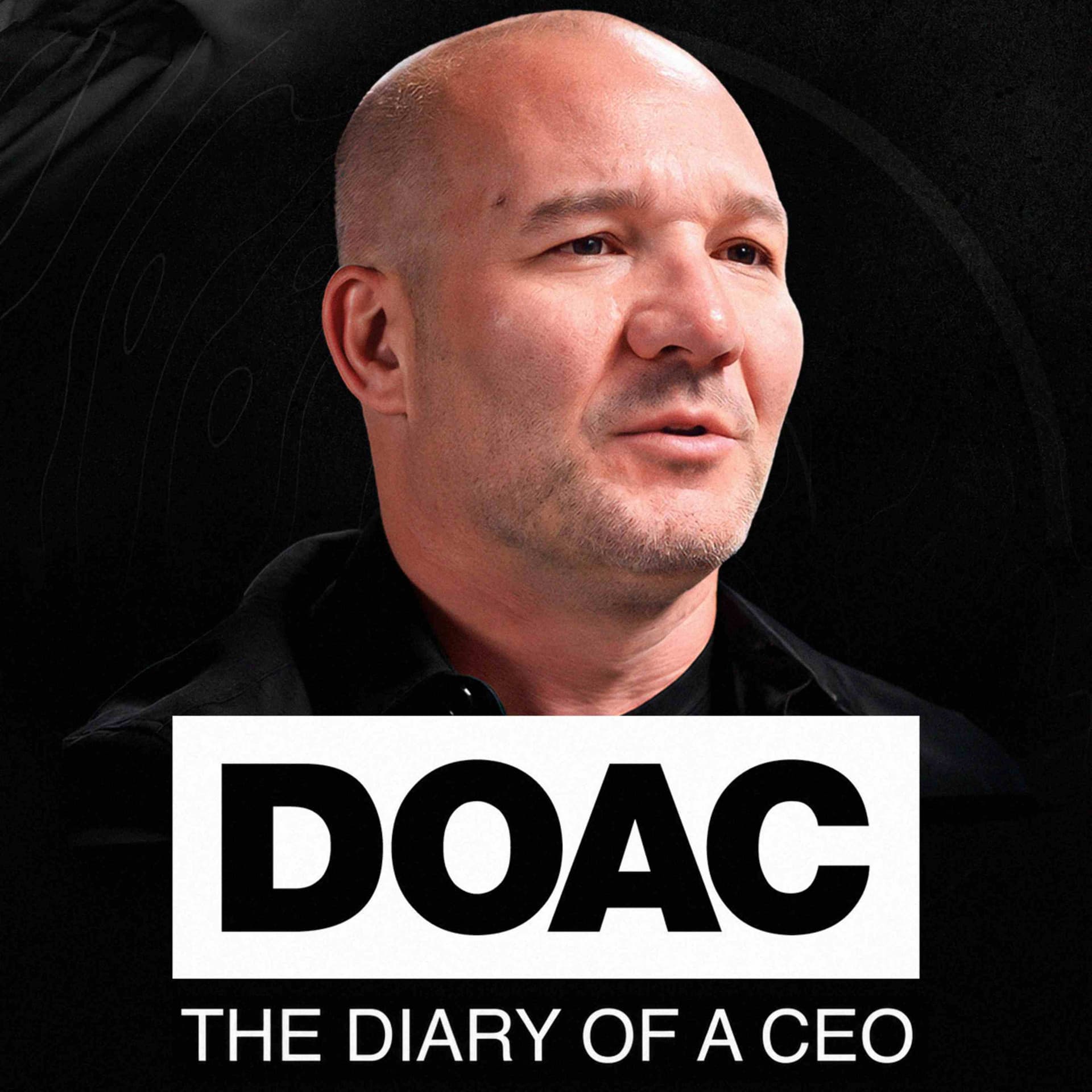
Ashley Walters (Top Boy): "Me & Kano Didn't Have The Greatest Time!". The Unheard TRUTH About Top Boy, Career Rejection & Personal Grief!
Episode Overview In this episode, Steven Bartlett interviews rapper and actor Ashley Walters, known for his role in the critically acclaimed series "Top Boy." The discussion dives into Ashley's life journey, starting from his early years, his relationship with his father, and the struggles he's faced with mental health, grief, and the acting industry.
Key Themes and Discussions
Ashley's Background
- Early Life: Ashley gained fame as a member of the British rap group So Solid Crew and became known for his acting roles since childhood. His career took off with the film "Bullet Boy" and the series "Top Boy."
- Family Dynamics: Ashley reflects on his strained relationship with his father, who was often absent due to incarceration, which left him seeking father figures in his community.
- Emotional Struggles: He discusses the anger and turmoil he felt as a teenager, stemming from feelings of abandonment and a need for belonging.
Therapy and Healing
- Seeking Help: Ashley emphasizes the importance of therapy in overcoming trauma and understanding his past.
- Forgiveness and Grief: He shares the emotional impact of his father's death, the unresolved feelings he harbors, and the lessons learned during his father's final days.
The Acting Journey
- Struggles in the Industry: Ashley talks about the challenges of being typecast in roles and the pressure to succeed as an actor.
- Experience in "Top Boy": He highlights the hard work and dedication that goes into making the show, including the difficulties faced during the filming of the last season.
- Cultural Impact: The series has opened doors for black British culture globally, allowing for a richer representation of stories and characters.
Personal Reflections
- Fatherhood: Ashley discusses his role as a father and the complexities of his relationships with his children, sharing fears of repeating the patterns of his past.
- Mental Health: He speaks candidly about his struggles with depression, particularly during the COVID-19 pandemic, and the importance of addressing emotional well-being.
Key Takeaways
- The Importance of Forgiveness: Ashley emphasizes the healing power of forgiving others and oneself, recognizing that holding onto grudges ultimately harms the individual.
- Pursuit of Authenticity: He reflects on the necessity of being true to oneself and the significance of emotional vulnerability in personal relationships.
- Cultural Representation: Ashley acknowledges the role of "Top Boy" in shifting perceptions of black culture, advocating for more diverse narratives in the entertainment industry.
Closing Thoughts Ashley Walters’ story is one of resilience, growth, and the pursuit of authenticity in both personal and professional realms. His journey underscores the significance of addressing mental health, the power of storytelling, and the impact that art can have on culture and society.
Follow Ashley Walters
- Instagram: [Ashley Walters Instagram](https://bit.ly/3RfAyI9)
- Twitter: [Ashley Walters Twitter](https://bit.ly/48f3PZt)
Follow Steven Bartlett
- Podcast Link: [The Diary Of A CEO](https://beacons.ai/diaryofaceo)
- Book Link: [Steven Bartlett's New Book](https://g2ul0.app.link/DOAC)
Final Note This episode is a powerful reminder of the human experience, resilience, and the importance of connection and understanding in overcoming personal challenges.
Written by AI. May contain mistakes. Listen to the episode to check what was said.
Transcript
Automatic transcript. May contain errors.0:00I was obsessed with the fact that I was gonna die young. I wanted to hurt people the way I was hurt. Some of the things that go from my head scare me. That's the worst! I got 21 seconds to go. Act top. Here we go. Top boy that in the building. Growing up had a lot of trauma that made me angry with the world. My dad who's in prison, you know, so much. The local bad boys, they became dads to me. And I started to follow in their footsteps. I'm still going to price for those years now. But once I get in front of a camera, it's not that actually anymore. Top boy! Top boy! Top boy. The greatest show that's ever come out of the UK.
0:39Like, too much. It's crazy. You know, I changed my life. But filming the last season, me and Kane, we don't have the greatest time. People don't understand we go hard for that show. We go hard to make sure characters are being represented in the way they should be. And we face a lot of resistance. How? The truth is... You had rekindled your relationship with your father? Yeah. And then he died, man. I never realised it would have hurt me that much. It took me to some dark places. Making decisions that... We're going to come back to haunt me, you know? Um... Yeah, man. I want to break down now, just talking about it.
1:37Actually, I've got an interesting observation that I wanted to start with. I... The way you speak, the way you've been chatting to me before we started rolling, it... It almost reminds me of someone who has had a bit of therapy, or has done some work on understanding the unobvious subconscious forces that are at play in their life. And what you've had to delve into, because I think... As I... This is often the case in this podcast, I think I like earliest context. Shapes are in a profound way. And it's something that's quite hard to unshape ourselves with, undue as we become adults. So, what is that early context that you've had to reflect on to understand yourself?
2:21Yeah, man. So, where do I start? So much. I mean, look, I... I... First of all, I've had a lot of therapy. Right? So, I've been in a lot of situations where I've been counselled, you know, I've... I've... sought help. Um... Because I needed it, right? And I had a lot of trauma. I guess that has kind of stuck with me over my life. And I think one of the biggest things for me was my dad, really. That's what it's then back to, like, growing up, um... Just not having a father figure around. Um... And the places that push me to. And don't get me wrong, like, a lot of people have gone through that. And come out of the other side and not been like me.
3:16But I dealt with it in, like, a really crazy sort of way. You know, it made me angry. Made me angry with the world. So, all throughout my, you know, my soul -solid years and my early kind of acting years, um... My attitude towards life and towards other people was very... I mean, it was wrong, you know, it was quite negative. And I wanted to hurt people the way I was hurt. And sometimes I did, you know, sometimes I did. It came out in a lot of different ways. Some of the people I cared about, some of the people were close to me. And some people I didn't know, random people. But got me into a lot of trouble with the police.
4:03Yeah, you know, I just didn't care about myself as a teen growing up. So, and look, I had some amazing supportive people around me. Like, my mom is amazing. I've got an amazing family. But that one niggling thing of kind of being slightly lost about what a man is, um, not feeling like I fit in rooms with other men, you know, in groups of people and stuff like that. Just like having this niggling doubt about myself all the time, um, made me quite a difficult person to be around, um, growing up, and trying to explore that. So, yeah, when I, and I didn't know, it was, that's why at the time, I didn't know I had anything to do with, you know, not having my dad around.
4:50Like, my dad, when he was around, you know, he was in prison, most of my, my childhood growing up. That was like France. He used to say he was in France. So, to me and my younger brothers, like any time, you know, my mom would be like, he's in France or someone would say he's in France or whatever. That was like code for prison. Didn't know I had a time or something I learned later on. But he was in France a lot of times. So, you know what I mean? It was like, um, so there was a few phone conversations and stuff like that with him, but never had him there. And then when he would turn up, he would just turn up randomly at my, at my house and stuff.
5:26One thing I always remember is that I always wanted to go with him, right? Because he was a superhero to me. You know, I didn't care as much as the other adults cared about the fact that he was, you know, in and out of my life and what that means that was doing to me and stuff like that. I was just like, I want to see my dad. Everyone else has got a dad. Why haven't I got a dad, you know, I want to know my dad. So, my mom would do, I got to give my mom a little credit because she would never badmouth him in front of me, even though I know that she wanted to. And she would always give me the option.
6:00So, anytime he would come, she was like, would you like to go? And I would obviously go. And then I'd come back crying because something had happened, you know, like one of the, you know, my dad drank a lot. I remember one time he took me to a party. It was like a family party. It was like after a christening or something like that. And he was, he got so drunk and they threw him out. And he had a fight with someone in the party and he got thrown out. And I remember having to, like, you know, I'm maybe like 10, 11 tops having to carry him home. Literally down the street, like carry this guy home to my grandson's moms.
6:43You know, being chased by the police and the car, you know, and pushing my head down in the back. I just remember that image of him going, like, look, keep your head down and stuff like that. And he was getting chased by police and I laugh about it now. It's more an uneasy laugh this happening. This is not me being like proud of any of this. It's just those were my images, those are my images and memories of like being with my dad. But without fail, my mom said, you want to go back and go back, you know, I wanted to dad. He weren't the best dad, you know, but I wanted someone there. And kind of eventually when I realized when I got a bit older and I was kind of angry with him for how he treated me, it became I'm going to find other figures, other dad figures, other role models in my community.
7:31So the, you know, the local bad boys, the local dealers, they became dads to me. And I started to to follow in their footsteps a bit, you know, I mean, and adopt the same attitude, adopt the same swagger. And you know, I think even good joining soul solid was, was never about music for me in the beginning. It was about belonging. It was about like, it was the first time, you know, I was part of the gang. And there was a lot of older men in there in that group that looked after me, you know, took care of me and seemingly at the time, loved me. You know, I'm saying as much as, you know, as far as I was concerned.
8:13So I spent a lot of years bouncing around like that. The funny thing is about it is I was having success throughout this, you know, throughout this process, like making films and successful TV shows and music and stuff like that. Like, so I guess the, I had talent, you know, I had a gift that was shining through, but learning how to be a man. I didn't, I didn't get, I didn't know, you know, I thought that was aggression. I thought that was, don't take no shit from anyone. You know what I mean? Don't cry. Don't take no shit. Be hard. You know, try and stand up for yourself. But emotionally, I was incapable of the other stuff that really builds the real picture of what I'm man is.
9:03Where does the anger come from in that situation of like abandonment needing a father, the father not meeting the expectation that you want him to be? You're often here with kids like your desperate for your father to like be a father. And you repeatedly give them another chance to be that person and they continue to let you down over and over and over again. And it's funny because I've sat here with like child psychologists in Gabel Matte and all of these geniuses that study children at your young age. And it's funny how the one thing that Gabel said to me, who's maybe like the number one child psychologist in the world said to me, he was like children in any context think everything's about them.
9:41They're narcissists. So if the parents are arguing, they interpret that as something about them. And if they, so even in the context of what you've described your father's behavior there, he almost, he's got his own problem clearly. But you interpreted as meaning something about you. Of course. And do you understand what the interpretation was? How you interpreted that situation? I think not in that much detail, but I guess surface wise that I wasn't good enough. And I can only say that because of how I've treated myself. Because I never, I generally, generally, I never think I'm good enough to be doing anything that I'm doing.
10:29You know, I always feel like there's always like a slight little bit of me and it's like they're going to catch me out like sweet. Like I shouldn't have this opportunity. You know, I always play. But I'm always going to make the most of it. I'm always going to prove to people that I'm good enough to be here. But I'm always there's always that niggling out of what the other person is thinking about me. And I'm, and that's something that I'm still working on today. I'm still working on the whole process of understanding like, you know, someone else's opinion of me is none of my business. I'm saying like, and just accepting that, you know, I'm going into a room.
11:11And if I see people talking in the corner wondering, I'd be talking about me, you know, having those like that sort of thought process is tough. But I think it stems from rejection. I think it stems from, you know, being abandoned slightly. I mean, I hate to use that word, but because, you know, my mom, my mom will be upset. About me using that terminology, broke, because she never understood and bless her, you know, my mom's a very intelligent woman. But one thing she couldn't understand emotion was the fact that I still wanted him. You know, and even, you know, I've until he died and after he died, there was loads of moments where I was broken.
11:57And she was just like, what is wrong with you? Like, why? You know, you didn't really know him like that. Like, why you, you know, she just didn't get that. Yeah, I just wanted him to be proud. You know, if anything, you know, I just love him to see me now. I'd love him to understand like who I've become, what I've achieved. I think in the beginning, that was more about that was like a stick your finger up sort of thing. Like even without you, I did great, you know. But the reality is like the last encounter I had with him was the most beautiful encounter ever. You know, maybe that I've ever had with any person that I love.
12:42Like, and he said some things to me that really have stuck with me. You know, really I changed my life going forward, but you know, he didn't he didn't care. He was like, only me, he cared about me, but he didn't care about the stuff that I was doing. He was like, that's meaningless. You know, all of that can be taken away anytime. You know, I'm glad you've got talent. I'm glad you feel fulfilled in like what you're trying to achieve in life and your life goals and that. But I wouldn't care if you did that or you didn't. It still be my son. And I'd still love you as much as I do. And he was always concerned about my fight, my fight for perfection.
13:27Because I spend a lot of time like trying to dig deep to make things perfect.
13:37And it's only now I know that nothing can be perfect. There's no such thing. And I think I eventually understood like, you know, it's not always going to go my way. Right. I have to be slightly more willing to adapt to accept that. And when I have been more willing to accept it, good things have happened. You know, I've got to be open to it. He passed away in 2005. Yeah. And by that time, you had sort of rekindled your relationship to some degree. When I was reading through, I think it's so solid. Page 12, you referred to him at that time as a waste of space, which I guess was a reflection of how you were feeling about him at that time.
14:29Yeah. I mean, it's so funny you bring that book up because I don't even, I won't even read that book. Really? I don't even think I've ever read it if I'm honest with you. And I mean, yeah, I mean, it's not that much to read if I'm honest. It's a lot of pictures. But, um, but yeah, probably that's how I felt for a lot of the time. I think those last two weeks, when I was in, I was shooting Gerrich, other I tried and I was in Canada. He forced his way out to come and see me because, you know, he knew I felt about him and he knew he only had weeks left to live. And he was like, look, I have to, I have to come and see you.
15:11And he came and he lived with me for those like two weeks. And I was already in the process of like, so I had this thing, but then I was going to die when I was like 33. I'd been, it'd been something that I said to my mom from a young age. And she was like, randomly one day at like six, seven, you was like, you're going to die at 33 or whatever. And she was like, I don't know where you got that from, but you've been obsessed with that. And as an adult, I was obsessed with the fact that I was going to die young, right? I wasn't going to survive past that age. So I got someone to start filming me every day.
15:52Now I got a friend to just start documenting my daily life on camera.
16:01And when I went to Canada to shoot, I took the camera with me and just said, look, I'll get some footage myself when you're not, while you're not here. My dad came and I just decided to turn the camera on. So I did. So every night, you know, while he was there, he was like, you know, go and get me some weed. Sky had lung cancer. Could hardly breathe. I'm going to be some weed and, you know, I'll get him some drink and stuff like that. It would be sitting there for hours like hours and hours. And I just put the camera down on the table and that and just film him and just ask him the most random questions just about life.
16:42Like, you know, where was you? Where was you at this time? Where was you that time? Whatever. And the guy was like, for context, when I was in prison, I was in prison in like 2001, right? And he wrote to me a few times. And it was the first time I understood that my dad was illiterate. Like he couldn't read or write. So these letters were so like, it's just fucked up, man. It was just like, I was like, I had no idea that he had that issue. And I read these letters. I was like, wow. So that gave me another level to my hate for him. It was like, now you're done as well. Like, yeah, do you know what I mean?
17:26It was like, yeah, I really don't like it. Like, I don't know. So it was evil, but it was just another excuse for me not to like him. Right. So cut back to being in Canada.
17:42He, I sat down with him and filmed them. And found out that he was one of the most intelligent people I know, just from being street wise, just from life experience. Do you get what I'm saying? Like it actually burnt me because I didn't want him to know anything. I didn't want him to have anything to really offer me in the end when I delved deeper into who he was as a person. But all the things I was going through were women with life. You know what I mean? He was like, he had a wealth of knowledge that he could speak to me about. He couldn't write it down. Couldn't really articulate it in the greatest way.
18:21But just listening to his kind of anecdotal sort of stories and whatever, I got what I needed to get from it. And I filmed him kind of going through it. But there was also like a huge fear as well. You know, I realized in that moment that he had, he had genuine excuses for being the person he was. I mean, he grew up, didn't have the greatest upbringing. He was in care. He was slightly neglected by his own purge. And you know, he was the bad kid of the bunch. And he just kind of got pushed out. And that kind of led to his life and things happened, etc. But I understood it from his point of view when I heard him talk about it.
19:02And I was like, actually, okay, I can see why you would be the person that you are. And actually, maybe you did me a favor by not being there too much because who would I be? You know, would I be the person I am today? But then, you know, after realizing I love this guy. And I'm enjoying spending time with him. And we were like good friends. And we went to clubs together out there. This guy is like, you know, thin, like wafer fin, like on deaf store step. And he was making the effort to come out with me and, you know, brave and do all this stuff. And, but at night, at bedtime, I slayed in my bed awake every night, just staring at the scene and thinking he's going to die here because he was just coughing all through the night, man.
19:53It was like, you know, like he was coughing up his lungs. Like, how was that worth? I was praying that it didn't happen, you know, there.
20:06And then he died, man. He'd like, you know, left, left literally got off the plane. They rushed him to hospital because he was going on the plane, rushed him to hospital. He died. Whilst I was filming and, you know, I wasn't the best way that I found out. I was filming at the time I was doing a scene with 50. It was like a really emotional scene outside and location.
20:45And the vibe just changed on set, like, you know, in between takes everyone's stock talking. And it was quiet. It was like this. And like, the producers were just like looking at me. And I was like, nah, I knew. You don't mean something had happened. I knew something was wrong. And they was like, look, we're going to take a break, just go and call home. You need to call home, actually. So when to my train line, I called my partner at the time and she was like, sorry, man. I mean, he's gone. It was tough. It was tough. It was tough moment. It was tough moment.
21:35Yeah, and I was, I was broken. I was broken. I never realized it would affect me that much. It broke me. And I'm crazy. But the one thing I remember from that moment is I went to my trailer, I broke down. Some of the actors came like Joey Bryant. She came in and she was just like, just hug me and I was a scryent and stuck. And 50 came in and was, he won't remember this. And I know it wasn't Malice. So he has any bad intentions, but he was like, I'm sorry to air about your dad. And it just started talking about a scene to someone. You know when someone's like, sorry to air about your dad, man. Anyway, whatever.
22:26And I was like, you know, talking to him after it was like, he's been through some, some shit. You know, that's made him really like. I hadn't been through anything like that. At that point, that was my first real kind of close encounter with death. Like and having someone that meant so much to me, pass away. But my first instinct was to work, to continue working. I continued working. I flew back for the funeral for literally one day, did the funeral and then I left. I went back to work. I just plowed through and I didn't grieve. And I haven't. You haven't. I don't think I have. I don't know what you call it because even like now, I want to break down now.
23:28Just talking about it. I don't know. It's just like 2005, right? It's like 18 years or whatever. I mean, is that an indication that I haven't dealt with it enough? Yeah. I don't know.
23:46The feelings you have towards his loss, are they complicated? Are they because are there unanswered conversations? Are there, is there, is there any regrets in there? Is there, what are, what were those feelings? Because your mother, as you said, was surprised by your reaction to his loss. From him dying, I lost. I went off the rails a bit. And I went off the rails a bit when the sense of. My ego took over and I lost any sort of spiritual connection that I had with. Life or the universe up until that point. And I'm never been the most religious person. But I've always been a believer in. In like the universal law, right?
24:43Like in. And if I give, I will get. And I in the in the way that things are meant to be. You know, anything that's. Happened in my life. I has been. Manifested in some sort of way. And I when I wanted to be in so solid, I knew who so solid were. Before they knew who I was. And I was, I made a, I looked in the mirror one day and said, I'm going to be in that group. And that was. I was a little boy on the streets. Working out ways to. To be and the universe constantly bringing people around my situation. That was connected to that situation. That was bridging the gap for me. You know, so I only had to be.
25:30I only had to. You know, focus and believe or whatever. So I believe in all that, all that stuff. But when it come to, when my dad passed, I like, I lost a lot of that. Those beliefs, I lost a lot of that understanding. And I became slightly like. Yeah, just lost. You know, lost. I was. I drank more. I, you know, I did. I cared less about myself. About where I was going and about, you know, what I wanted in life and stuff.
26:07Yeah, that led me on a different. Different sort of journey, you know. Took me to some dark places, for honest. Dark places. Yeah, man, just like. Like definitely not making decisions purposely making decisions in life that. We're going to come back to want me, you know. And. I mean, a big thing for me was like.
26:48My relationship at the time.
Read the full transcript
26:55I gave up on, you know, I gave up on it.
27:01I became quite like promiscuous. You know, I abused the.
27:11The celebrity that I had, you know, like I gave into the temptation that was around me a lot more. And. You know, I really hurt my, my first partner. By being that person, I actually that resulted in. In me having two kids out of my relationship. So two of my children who I love daily. You know, came from that situation. But I think that was like a big part of my like. You know, my reckless sort of rebellious sort of attitude. And I mean, I only way I can put it is that I became, I came before everyone at that point. You know, me and my ego and like world revolved around me. And I think before that point, even though I did have moments of being quite wayward and whatever, I was still.
28:07And caring, loving, actually, you know, that's how I, that's how I grew up. But yeah, I definitely came out my box from that point on. And I guess to me at the time it was like. You only live once. You know, I don't fear anyone. Whatever happens happens. It was that whole thing that was going on. But I'm still, still paying the price for those, those years now. If you're someone running a business today, that means you're probably operating in a world that doesn't sit still. Tariffs and trade policies are dynamic customer expectations shift constantly. And the pace of innovation is relentless.
28:54So your margin of error is becoming increasingly smaller. Making decisions without full visibility across your business is not only risky, but it inevitably slows down everything. And I see it all the time, businesses with the right ideas, but they're stuck because they're spread across five systems that don't talk to each other. Many of my companies now use our sponsor NetSuite by Oracle, which has an AI powered business management suite that allows you to see your business more clearly. Everything from financials to HR to operations lives in one place. So instead of chasing information, you've got it all in front of you.
29:26It operates in real time so you can forecast with assurance spot problems before they even become problems and generally move faster without blind spots. If your business is generating seven figures or more, there's a free ebook that's worth your time reading. It's called Navigating Global Trade, three insights for leaders. And you can download it now from netsuite .com slash Bartlett. That's netsuite .com slash Bartlett. I'll link it below. Right now, with the Home Depot, you'll find stored solutions made to fit your needs. Grab an HDX tough tilt to protect your tools. Or keep your sports equipment contained with reinforced snap fit lids.
30:03Or stack up and make better use of your space with bins and totes built to last. Whatever your story, we've got the gear to keep it organized and protected at the Home Depot. How doers get more done? Those tapes. Have you still got them?
30:25It's another upsetting story, man. So I set up a production company, me and a good friend of mine at the time. But I was a nightmare to deal with. And I was the demons were there. I didn't give 100 % into this company at all. So a lot of the weight was left on them to kind of hold it up. And I think this person, this guy was going through his own troubles as well at the time with his dad and his family and stuff. So you know, it was a disaster in the end, but either way, you know, we had an archive of footage that we created from filming. That we never knew what we was going to use it for, but all the stuff I filmed.
31:16My dad went into this archive. And when the company actually was dissolved and you know, we kind of fell out at that point. He took all the tapes and the footage. And for how many years now I've been asking to get it back, because we don't speak, you know, but for maybe 10 years now, I've been trying to send messages through people I know, knowing and stuff like that. I've said no response, you know, and the last thing I want to do is. Going to some legal sort of battle for it or whatever, but. It's the last, you know, the other stuff I can let go, but the stuff with my dad, like, is the last.
32:02Things I've got. I don't have pitches of him. You know, I don't have like family portraits and anything like that. All I really have is those, those tapes and they're like. They're like my, do you know that movie? Things to do in Denver when you're dead. Yeah. They're like, you know, it's like that to me. It's like Gold Dust. It's like I can, I could probably watch those tapes and it could probably help me through a lot of tough times that I face now. Or maybe even my kids, you know, maybe even help the boys somehow. So it'd be nice to get them back. It's really sad. It's like it's hurtful, man.
32:42And I hope one day I can resolve that situation. Do you even know if that person still has them? Do you know what? I mean, I could be sitting there with, you know, Vinkin that he has them, but he might not. I'm pretty sure he does. I'm pretty sure. That lasts two weeks with your father before he passed away. My first question is, did you, did you know he was going to pass away soon? And what did you take from that? Those two weeks of sitting with him and asking, what is the, what did you walk away with? That you didn't have in that moment. You knew he was much more intelligent than you ever knew.
33:15But the lessons you speak of that you've, they have stayed with you ever since and that have seemingly guided you. What were those lessons? I knew he was going to pass away. I hadn't accepted it. Yeah, you know, but it was obvious that he was going to die. Right? It was obvious.
33:37Lessons, I think is, I got from it what I, what I, one of the key things I needed, I think one of the key things you need from knowing your dad is knowing where you come from. I think that's such a, it's just such a key point in being a dad like, if my son can look at me, I can look at my son and kind of, he knows who I am. He knows where I came from. He knows what my values are. You know what I expect of him and stuff like that. But then I think it makes him easier for him going out there to be just a person to be a human being. When you're, when you're constantly looking for that reference point, right?
34:26You're lost, you know, and when I spent those two weeks with him, I kind of got a better understanding of, oh, okay, this is why I do that funny thing with my eye when, you know, me now. I'm lying or this is why I feel this way at this point and, you know, he was powerful as a man, he didn't have anything, didn't have anything, but he oozed some sort of confidence and charm, right? That you can't buy like, you know what I mean? And I felt that and I saw that in him and it made me understand about, I should feel more like that by myself. You know what I mean? I should feel more powerful. Look, you don't have to be a dickhead, you know, when you're, you know, when you're confident, there's a half to come across that way.
35:35But he had, he had that like that level of confidence with like a, some beautiful sort of humility that went with it, but, you know, and that was my dad, that was my dad's. So it made me know that I can be that person, you know, that I don't need to doubt myself as much as I do. And he stripped away from me. He constantly, and that little time I spent with me stripped away all the, because I was like hiding myself in success. I've got this, I've got this watch, I've got this car, this coat and staying in this apartment and this and that or whatever. And he didn't give a shit about any of that.
36:20And I don't know whether he was doing it on purpose, but he genuinely was like, well, I mean, it's good. I mean, but, and he, he, he, he knew a lot more about me than, and thought he did.
36:38So, he paid attention somehow. But I walked away from that meeting, that encounter, knowing that he loved me, and knowing that he was proud of me, you know, he was proud. And that was good enough. What would you say to him if he was listening now? I think I didn't tell him, thank you. I hope he didn't get on that plane, feeling like, you know, feeling like I was still unhappy with him, because I treated him quite bad, you know, especially when I mean, when he was going through his cancer, when he told me I'd cancer, I was like, whatever. I don't even believe you, probably to say in it from because you want me to talk to you.
37:37That's how I, that was my attitude towards towards him in that period of time. That's how much anger I was holding. So, you know, I let go of a lot of that whilst we was together. But I do wonder if there was any doubt in his mind when he left, you know, because I couldn't, you know, it's not like I was like, you know, all over him and touchy feeling and kissing him and, you know, rubbing him and stroking him and stuff. I still kept a bit of, you know, a toughness about it. Like I'm not going to let you in like that, you know, but I do, I do hope that he could read between the lines and know that I'd soften slightly and like let him in a bit.
38:22If you could see all the success you've had now, what do you reckon you think all that you've done? It probably try and tell me, you know, if we like, you're not doing this right, you're not doing that right, you could improve in this area and that area and whatever. Probably about heads about it, but you know, that would be all good. I take that now in hindsight. You know what I mean? I take it. You try and be a dad. That's what that's. I mean, that's it. Yeah. Yeah. Yeah. That's it. I do envy some of my friends that I know, like I've got really good relationships with their dads and, you know, they've got to have looked over their contracts and stuff like that.
39:05You know, I mean, I've been a major part of their life. You know, I'm determined to do that for my, my kids if they haven't eaten it. In hindsight, though, we look at the, some of the most difficult things we've been through and overcome and we understand the correlation that has with the better things about us, all the things that we're proud of. Like there's often a surprising link between the worst thing that's happened to us or the worst trauma we've had and the best thing that's happened to us. And as I was listening to all of that, you know, you use this word talent at the very beginning.
39:36You said I must have had just had a talent. But I'm not necessarily sure what you mean by talent because you grew up with an ability to have that talent in multiple areas. You were, you had it in music, you had it acting in a very young age. And there's part of me that wonders that, you know, about the link of the things that you went through in the circumstances you were in and how that left you with this trait you described as not quite everything can your work or you were good enough. How that actually all played into your drive and ambition to go that extra mile to work that extra hour to spend the next hour in the editing studio.
40:15And I often see in people that when they have that feeling of like some call it imposter syndrome, I don't like the term that they actually produce better work because they end up becoming the perfectionist that you your father told you not to be so it's interesting that there's a correlation there and well if I asked you, you know, because I was looking at this and you start acting super young. I'm wondering how it's possible that at 15 years old, you are not only joining one of the most successful groups at the time and so solid crew. But you're also acting on the BBC 15, 16, 17, 17 years old.
40:51You're doing two things that most people never, I mean, if one person had just been in so solid crew, that would be a success. They would be a success, but for you to be doing both things at the same time, what have I missed here? Like what is it about you that your character traits, your philosophy, your mindset that you think is really guided you through that process? I'm going to struggle to really answer this Stephen if in all honesty because it kind of involves like it kind of involves bigger myself a bit more than I'm comfortable with if I'm honest.
41:39But since we're here, larger. Now I think it's more, look, I don't, I don't, I believe there's that some of that charm that we spoke about that I saw in my dad. I know I have in me, right? So I have the, I have that ability. I know how to talk to people. I know if I kind of, if I get into a situation like this with me and you like I can make people like me. I mean, it's a little thing that I've got. And I try and bring that out in the characters that I play on the screen. I think I always bring a bit of myself to the roles I play. So as much as I'm hiding behind these characters or whatever, the engine room is Ashley.
42:31And if I can find ways to use my trauma to portray this, I do. I think outside of the ring, when I say ring in the acting space, I'm humble. You know, I don't brag. I keep it simple. And I treat people as good as I can. You know what I mean? And I give back a lot. You know, I'm always about like trying to help other people. It's always been a part of me. So I think that's helped move me forward. And I think especially in like within the black community, you know, where I was one of the first to kind of break through when there was only a few black faces on screens. And a lot of black people that, you know, maybe in their forties now have grown up watching me.
43:33That's the Ashley that they know. You know, I think I've never. I've always been quite accessible. I've never like turned my back on where I came from, you know, for some reason in some way I've managed to stay in that place where it's like, oh, it's Ash. You know what I mean? I'm like, you have a lot of sight of yourself. Yeah, it's like people are comfortable around me. This is why like still to this day. You know, a lot of people are like, bro, why are you just walking down the street? Or why are you just on the train? Or why are you just sitting in this like, because I can because people don't really, you know, they don't really want to like, I don't have the, you know, I mean, the Justin Bieber effect on people like, you don't have to shut down stores or whatever when I come in like people looking stuff like that.
44:33But it's like, I just feel like they've got, they used to me. Yeah, you know what I mean? And I think like, I mean, I'm straight off point a bit, but I think like all of this as part of my character is part of my personality ties into why I've been working for so long, you know, why I've managed to maintain relationships in the industry. And why I have a solid like fan base, you know, solid base of supporters that will show up to my shows to watch my films or watch, you know what I mean? Many people are investing me. Yeah, it makes it and we often don't think about the role that people skills will play over a long period of time.
45:12But it's like a force that's either, it's like an invisible force like your reputation in terms of how you've churned up the people that will, when you zoom out, will catch up with you either way for better or for worse, you know what I mean? Yeah, that's it. That's called it like invisible PR. It's like what, how you've treated people along the way. Well, and people don't often focus on that because there's other things they might try and focus on, but that force that's kind of just making sure people call you when there's the opportunity or they recommend you in a room you're not in. And that all comes down to everything you've just said there.
45:45If I'm honest with you, it's helped me so much in a sense of I've made mistakes along the way. You know, I've made mistakes that I've not necessarily been public mistakes. I've never say that I'm a perfect person, but when I have made those mistakes, people that have known me have supported me. You know what I mean? Because I've been good to people. So, you know, when we live in a world today where, you know, any minute people can turn it back on you, any minute people can cancel you or everything want to call it and it happens day in and day out.
46:33So, you know, I feel like I feel really proud of the fact that I've been as genuine as I can be coming up. If I was one of your kids then and I come to you and I say, Dad, listen, I want to be an actor. No. Well, I couldn't, I mean, I couldn't tell them though, but I would be worried. Why? Because it's just hard. It's a hard industry to crack. You did it, Dads. Yeah, I did it. I don't know how. I didn't know. I'm yet to know what the blueprint is. It's tough. You know, my students at Kingdom asked me this all the time. All I can teach you is like, how to prepare. How is going to happen? When is going to happen?
47:19And I want that is like, it's an anomaly. And that's like, it comes when it comes. Right? And you just got to be kind of ready for it at the time. But, yeah, I mean, my kids. And the worst thing about it is, like, most of them probably are going to do something in entertainment. I can see that. So it's going to be tough. It's going to be tough for them. It's going to be tough for me. But it is a, it is a rocky road. And it's a tough life. But I will support them all the way. What is that? So I fuck out if I was like, Dad, what do you mean rocky road? Rocky road meaning, you know, for years, I'd say only in the last 10 years I've been financially stable.
48:06I've been acting all of my life. So not knowing sometimes how I was going to feed my children, you know, what was going to happen next. You know, just whether I was coming or going, it was just unstable. It's just unstable. And the rejection is immense, man. Like, you know, I have to be really tough in places when it comes to 80 % of it is people just telling you no. Like, this ain't going to happen. You're not going to be able to do it. That's probably not going to work. Sorry, we don't want you not this time. You were great, but. It's like that a lot of the time what people get to see is that little 10 % that works.
48:56Why didn't you listen to them? Because I spoke to someone close to you and they told me they said, it's funny because earlier on UN, I'm not good at, you won't get it saying no to people. Right? Because you said you have these people, please attendancies. When I spoke to people close to you, they said, you're not good at hearing, though, either. As in, if someone says no to you, it turns into driving motivation. Yeah, well, so why don't you listen to them when all these people reject June said no, it's not going to work. You're not going to be in this movie or this thing.
49:29It's kind of thrown me a bit. Now I'm thinking about who you spoke to. If a people in your team, they say that, you know, you're when you, someone says no to you, like you can't direct Ashley. Yeah, you know, yeah, yeah. I mean, I have that, but I'm not like, I don't have it in a way of like, not in a rude way, but it's a motivation. It does, it does. Yeah, it does. You know, I stay, when I'm silent, that's when people should worry about me. Because that's when I'm, that's when I'm thinking how to get around you or how to do that thing that you, you said I can't do, but. When someone says you can't do something, actually, well, does you can't do that?
50:15How does that feel? I don't like to, I mean, it doesn't feel good. It doesn't feel good. Especially when I know there's a way, especially when I know that I can, you know, or I believe that I can. I just prefer people to let me try. And if it fails, then we can both agree. Maybe it wasn't going to work the way I said it was. We tried different way, but we don't revisit it. But I need the opportunity to, to bring how I feel to the table. And yeah, there have been times where I've accepted, like, it's not going to work or whatever. I've never regretted it off them because someone else has come and done it.
51:01And so I think I've become, I've got tougher with that over the years. And like, the directing thing was one of those things because I was told, like, you know, you can't direct. It was my own show that I created. It was like, no, you haven't got enough experience. Like, yeah, I've watched some of the directors you put on here. That would be, I've got more experience than them. I've been, I've been filming since I was like seven. And to hear that is like, you know, it's a kick in the teeth, but I went to, you know, I went to my business partner after that. I was like, how do we change this? And he was like, well, if you're serious about it, let's make a short film.
51:52We're making a short film. We were on a made a short film. Got some money from Sky, made this short film. None that came out, but I think actually what happened in that process was I liked it. I wasn't expecting to like directing so much. At that point, it was about you want experience. I'm going to get your experience. The best experience that you could possibly have. But actually, throughout the process, I was like, no, I like this, man. I enjoy this process. And I spiraled into me doing more. You said, you talked about Kingdom there. And those students that come to you that you mentor, that ask you, you know, you said, okay, you can't help them figure out how and when it's going to happen, but you can get them prepared.
52:39What is preparation for the life you've lived? Boy, I make a point of always saying to them that if you've come here trying to have my journey, you're going to have to go to prison, you know, lose your dad, this that, I tell them all negative things that's happened because that's what's made me. I was speaking to Laura about this. I was like, look, I can't sit there and regret things that have gone wrong because the truth is if they hadn't, if those series of events hadn't happened in the way they happened on the days they happened, I wouldn't be sitting here now. And I wouldn't have all the great things that I have the kids and it's not any little thing that was different might have changed a whole course of my life.
53:28So I have to accept that. Would you erase it? Would you erase your dad passing going to prison if there's a button in front of you? No, I couldn't. No, really? I couldn't. Well, if I erase that, then I might have, you know, you know, like that picture in them in back to the future where he's like, when he's not getting home or something like, and his brother starts to fade away, his sister starts to feel, it's like, if I erased that and bought my dad back, I might erase like four of my children. Genome.
54:00Actually, six degrees of separation. You might not be.
54:07Never know. So, no, I couldn't. I couldn't. You have to, you have to live with it. And I say this to students, it's like, so it's not about the journey. It's about how you use your journey. And more importantly, enjoying the journey. Because I tell you now, Stephen, it's not that enjoyable where I am. The best parts of whatever achieved has been along the way. Do you know what I mean? The people I've met, the fun I've had doing things, the film, the memories, this and that or whatever. Actually, the looking back, the challenges, the people saying no, so what I had to do to get around that, to get there and whatever.
54:53Actually, like, I think when you clock the game, it's like, I'm not saying I've clocked it. But I'm saying I can see with the people that I know that are like in that space where they've kind of like, there's not much more to do. I think it's pretty boring. Like, I don't envy them. You know, I don't envy them. I may want that Lambo, but I don't envy. Yeah, like, you know, that space that they're in, because there's nothing much more to achieve. It feels like, and I'm always like, I have to have a fix. Like, I have to, there has to be something else. Like, I'm very, can be very fickle like that.
55:35Like, I can be very focused and determined and whatever. And now, like, I'm doing this Disney show and it's like, I've shot the Disney show and, you know, I'm editing. But I want it to end now, because I want to do another show. So let me play out this, the scenario then, Ashley, oh, it's funny, because as you were saying that, I was imagining someone coming into your life and saying, Ashley, you can't work for another two years. You just got to sit at home. But then I remembered we had that. Oh, yeah, the pandemic. Yeah. How did you respond to that? Not well. Sitting down is not, not good for me.
56:09You know, my wife and I, we can't, we can really go on holiday together. Because what she wants to do is read books. She didn't get to read and lie on sun lounges and stuff. And I'm like, I can't, I can't live like that. You know, I need to be doing something. Something's got to happen or be happening. What if it doesn't? It's tough for me. It's uncomfortable. It's uncomfortable. It's uncomfortable. What was the pandemic like in the first couple of weeks, sat at home alone. Nothing can't go to the gym. Can't move. That was tough, man. That was tough like taking away my work from me and, you know, all of those, all of that talk of me being like, hard.
56:55Love to be there more with the kids and love to speak with my wife. A lot more and whatever. I realized that I didn't, I, I weren't ready for it. I weren't ready for 24 hours with my family. I wasn't used to it. I was always used to having a release or knowing that, all right, I'm going to have this week full on at home. But the next week I'm going there, I'm doing this and doing that. So there was always something coming. But yeah, it was a struggle. It opened up a lot of, a lot of things in our relationship. Definitely. I mean, me and the Mrs. You know, we dealt with a lot. Now we argued a lot throughout that period of time.
57:44It was like, it was tough. There was a lot of things I didn't realize irritated me. You know, maybe about vice versa. You know, she realizes a lot of things it irritated her about me. I guess because we've spent so much time together. If I was to fly on the wall in your household at that time, what would I actually would I have seen in that first couple of weeks? Yeah, I mean, the press, sad. Depressed. Yeah, slightly. Not worried about, I mean, worried about the state of the game, worried about where we was. I mean, I was one of those people that was worried. If I were, am I going to die? Do you know what I mean?
58:27I was like one of my first thoughts. Like, did you have a breakdown? No, I don't think I had a breakdown. I don't think I had a breakdown. I kind of know where you're, you know, I mean, there was, I had a moment. I did have a moment because I think.
58:46I think the pressure, the pressure of not, like it was, it was hard for me not to, not to have the choice to work. Like it was hard for me not to have the choice to do certain things with my life. You know, and yeah, it took, it took its toll on me. I think, I don't know if I would go as far as saying I had a breakdown, but I was very depressed. I was very, I was very low. I was very low. The reason I asked the question is because someone who, I think you remind me of myself in many ways, where I think at some level, I'm getting some of myself esteem and some of myself worth from my work. Like by, by being successful in my work, I think I feel like I'm good in myself to some degree.
59:37It's probably an illusion, but it makes me feel that way. It's probably the same reason people by Lamborghini's, like it is an illusion. It's not going to fill the void, but it keeps me stable. The chaos keeps me stable. And that's why I asked the questions because it's one of those moments in our lives where, for someone like you, where your work is requires you to be on sets, mine I could still do from my laptop. Right, but for you, you have to be on sets and all that stuff shut down. We lock down. So how does one, because I'm guessing here that you have a set, the same relationship with your work on some level, where it makes you feel like you're, you're good.
1:00:14Yeah, yeah, yeah, like you're enough. Yeah, yeah, yeah. I mean, yeah, you're right. You're hitting on the head. I mean, I can't, I can't articulate it any better. I guess that's what happened. It stripped a bit of me away and I became a civilian. Do you know what I mean? It was like the little part of me that made me slightly different to the people around me had been taken away. And I just had to be actually. And just, and actually sit with my thoughts and deal with my flaws, you know, you'd spent a long time distracting yourself. Yeah, 100 % but it became evident, you know, I was drinking a little bit too much.
1:01:00I smoked a lot, you know, I was back in my nails. I know these things sound stupid, but to me they were like, things I'd never been able to conquer and became more apparent and evident where I had nothing else to do. Sitting with yourself and sitting with your thoughts. How's that for you? It wasn't great. It wasn't great at the time. It's not, I mean, it's not always great now. I'm a strong believer in that voice in my head is a mug.
1:01:46He's not the right person for me to be listening to. Really? I don't believe anyone should listen to voices in their head if I'm honest with you. Your head is an extension of you, right? It's going to be trying to like, it's bias. It's going to be telling you, enjoy the time, telling you to shit you want to hear, you know, telling you stuff that's not really happening, but, you know, trying to justify, I just think, you know, why is he a mug? That voice in your head. Because he's made me make some terrible decisions in my opinion.
1:02:25Now nowadays, I try to quieten the voice as much as possible.
1:02:34And connect. I think that's the most important thing to do. Like, if I'm sitting there thinking something, and I don't know the art, so something maybe emotional, something, it's like, it makes more sense to call my mum, or to call someone else, you know, I mean, or to speak to open up to my wife about it and go, what do you think about this? And get someone else's perspective and then make decisions. But I feel like, you know, as emotional creatures, as we are as humans, and we, you know, a lot of our, the moves that we made make our based on, you know, emotion, anger, fear, you know, jealousy, this, that, whatever.
1:03:28I just think you know, you should never be making decisions in that frame of mine. You know, you should always have someone to bounce something off, but I just don't think of the voice in your head. I mean, look, in my opinion, in my life, the voice in my head has never been the best voice. I've done some, some of the most stupid things because I said to myself, it's the right thing to do. The personality of that voice, angry, you said? Yeah, sometimes. Look, there's a very vengeful person somewhere inside of me. I believe we've all got that part of us, you know. Some of the things that go through my head sometimes scare me.
1:04:21Because I've been hurt, and I've been hurt, and sometimes it feels like the easiest thing to do is hurt other people. But I've just glad that I have the ability to control those feelings and to think about things, and to kind of always in any how I can do it, move forward with love. And I have a clear understanding that. You know, hurt people, hurt people. So if you can forgive, you know, you're not doing yourself a great favor, first and foremost, if you can forgive. If I can forgive the people that hurt me, right? Do you forgive everybody in your life? I don't think I've got rounds of forgiving everyone.
1:05:13I think I do carry a lot of baggage, but I'm working on it. And I'm working on it. And I'm working on making amends with other people as well that maybe don't forgive me, you know. But what I do know is the people that maybe I don't forgive, they probably forgotten who I am. And I'm sitting there thinking about them all the time. And it's like, so who's really hurt? Yeah, yourself. Yeah, that's the nature isn't it of holding the grudges, which we will do. But it just does not know damage to the other person. Does it? I remember really in that quote one day, and it was like, forgiving someone is like letting a prisoner go and realizing and doing so that you were the prison of the whole time.
1:05:58Like you can imagine opening the gates to the jail and seeing yourself run out. Yeah, yeah. I'm going fuck yeah, I'm so only hurting myself. You said something quite curious there, which made me a train of thought, which is sometimes I just want to speak to my wife, Danielle, about it. Now speaking to your wife about it, when I think about the other points you've given me about not being like growing up the way you did, your emotion not coming naturally to you, I'm guessing you like me in some respects where because I have in the kind of conversations that you need to have to keep a woman in your life, don't come naturally to me either.
1:06:35I still don't even call my parents by, I never call my parents my mom or dad. I just don't, I didn't have that affection growing up. So if you don't build the ability to communicate in a certain way and to listen in a certain way and show emotion in a certain way, you have no chance of being in a loving committed relationship and getting all the benefits of that. What journey have you been on with like, because it's funny, because I was thinking about that moment where you locked down together and the war. And much of the war is like, either one person or two people that don't have to communicate properly.
1:07:06Yeah, that was the war. The war was because Dan is like, she's the most loving, caring, tactile sort of person I've ever met in my life. To the point that when I first met her, when I first met her, no, when we first started dating, I met her a long time before we started dating, right? When we first started dating and I met her family and I saw how her family are together like, it made me sick. And I know now that was, it was jealousy, because I just never, I love my mum, and I know my mum loves me. But we can go without talking for two weeks. We're not all over each other hugging. Do you know what I mean?
1:08:01Like we just have that really clean relationship. Yeah, yeah, yeah, it's like that. Whereas Dan's family was completely different. I'd come home to the flat and they'd all be lying on the sofa together, like lying in each other's lap tour, or brothers or mum, or whatever, and their dad would come out and like, you know, you were right, Ash, whatever, it's just like this whole, and then the beginning, I was like, oh, this is great. And I mean, I can't deal with this. This is weird. That was my first reaction. This is weird.
1:08:42But I've learnt to love it. I've become apart of that family. And I've learnt to realise that I want some of that. I wanted some of that. You know, I wanted some of that. It doesn't make me love my family any less. But it's nice to get some of that loving, like some of that physical stuff. So yeah, that's where Dan comes from. So her side of the street is always like, I'm like, strap your boots up. Something's gone wrong. How do we solve it? It's getting cracking. And she wants to be like, I want to talk about what went wrong. Not too big of a goodbye. And I just can't understand, like sometimes we're like talking cheese.
1:09:34I'm just like, you want to sit in for an hour telling me, how you feel? How you feel? And I don't get that. And I do have to, like, I need to understand that more slowly, but surely, like I'm getting there, slowly, but surely I will. I'll come a step closer, but I'm quite, you know, I can be quite cold as a husband. And it doesn't, that doesn't work with her. And she's a feisty woman as well. So she is not scared to tell you. It reminds me of myself and my relationship. But at the same time, I know that that's exactly what I need. Because imagine if I was in a relationship with someone like me, it would be all too one way.
1:10:17So it's almost like the other person is a counterbalance. And they're pulling a side out of me that's actually beneficial for me. And I've seen it's beneficial for me, but I ain't given it willingly. Yeah, yeah. I'll be, yeah, I'm kicking the screen. I'll kick it in screaming. She's going to be cracking up at this because I don't even know whether she understands that I know. That's how it works. Yeah. And so, you know, but I do, I get it. And I struggle, I struggle with it. But it's something that I like, you know, on a daily basis, I'm just trying to, to give it more. And you're right, you're completely right.
1:10:54It's like, it helps me in everything else that I'm doing. Kind of bringing that side of me out. Do you have any ideas why, where that came from? I guess, in one respect, I think about it, in my own context. I go, I never learned that. No one ever told me that. So it's like alien behavior. But there is a part of me that at a deep level, I feel uncomfortable with it. Like, there's something about when my girlfriend wants to sit down for an hour and talk about how she's feeling and the situation we're in and stuff. Well, I kind of get a bit of an allergic reaction to it for it. And I kind of want to run and I kind of just want to like, what can I do to fix it now?
1:11:32Like, do you know what? What can I, press, buy, say, just to end it, to fix it? Because I, something about me feels uncomfortable sharing my emotions. Is it a defense thing in me? You know, I'm saying, like, is it, oh, did I just not learn how to do it? Was it both? I think it's, I think it is. It's a combination of both. Like, I know from me, I definitely haven't learnt how to do that. I don't know how to do it. I was saying to her friend yesterday, I was like, because he was like, he was talking about his wife and stuff. And like, she, she's working now, and he's not working. And her job finishes like, like, two in the morning, she gets home about three, and then she wants to tell him about her day, whilst they're in bed.
1:12:26And he's like, he doesn't want to hear it, because it makes him feel like he wants to go and beat up her boss. Because you know, the stuff that she's telling him is like, so he gets angry about it, and it's like, it starts to hold resentment or whatever. But he keeps his mouth shut, and I said, I can't do that. Because what happens with me is, I, I can not just listen. Do you know what I mean? I've worked that out now. Like, I, I, it burns me to keep my mouth shut, because I want to solve it for you. You're a fixer. Yeah, I'm a fixer. I feel like that's what I need to do. There's no world where I feel like you're telling me something, just for me to listen to it.
1:13:18Like, that's a crazy to me. So I feel like, when you're telling me something, it's like, all right, so you want me to, you know, you could be just saying, I walked down the street, I fell over whatever, and you know, it happened like last week or whatever. I said, I'm like, so should we book an appointment? Do you need to, should we x -ray off? Like, I need to do something. And I think the, the key to, you know, but that's, my mom was, has been like that. You know, my mom was, shut up. How are you going to fix it? So you, be quiet. What, you know what I mean? What's your next steps? How are you going to make this, what you want to go there?
1:14:00Write me a business plan. You know, that's what I went through. So my life communication was, for the precursor to take some action. Yeah. It wasn't as a way to connect. Yeah, it went back to let's sit down and just talk about each other's days. I was like, God, that must be difficult. In terms of like, if I'm Danny, you're, you're partner, and she comes from that background. She must have taken her a lot of work to understand you that it's not that you don't love her. It's none of that, because that's how that must feel, that coldness. Should I be honest with you? Yeah, please. She feels like that to her now.
1:14:41I don't think she understands. I mean, I'm, I'm hoping somewhere deep down. She does because she's still rocking with me. Have you told her though? Have you told her this? Because I feel like you're probably finding it easier to talk to me than to say it. About the sort of person that I am. Yeah. All of this stuff you said, like you said today. Yeah, I mean, we've done a lot of, we do a lot of work on it. We're in counseling, you know? We're in counseling. Every week, and we discuss it, you know, we talk about it. I don't think, I think the issue has been up until that point, being in a room where someone slightly mediating and helping to pull things out of you.
1:15:22I haven't felt comfortable enough to be honest with her, you know, personally. But I think that's happening more now. And there's ways, you know, we're learning ways to kind of talk about issues that we have with each other. And you're a dad now. So you've got kids, so you must think about how that generational cycle you talked about with your father, then you is then going to play out in the next generation. 100%. Yeah, I mean, you know, I carry a lot of fear for that because it hasn't gone great with all of my children. I don't have the greatest relationship with all of my kids, especially my older ones.
1:16:03You had those when you were 17, those kids at 17, 18 years old. Yeah. You went to jail at 19 years old. So you were absent for much of that period. Yeah. A lot of the first bits of their life. And then when I wasn't, I was out, you know, I was touring. I was me doing music. And then I was acting. And then, and then, I mean, if I'm honest with you a lot of the other times, like I didn't care enough. I didn't, and I cared about them. I loved my children. But I didn't want the adult responsibility that came with it. And I didn't want to sacrifice, you know, what I needed to do in order to give to them.
1:16:52So for a long period of time, I was like, I was not there in the way that I should be. And I know that I felt, I'm paying, I'm slightly paying the price for that now. What is the price for that? Is, I feel like there's a slight distance between me and my kids. You know, there's a lack of trust there in feeling sometimes, like, you know, why don't they come to me about that? Yeah, yeah. You know, as for me to do, it's a bad thing to, it's a bad conversation to have. And as well, I think I passed on my, my distant kind of ways to them. and as much as like, when we're together, we have an amazing time and whatever.
1:17:51But, you know, call me that much, you know? I think it's the same with me and my dad. I think we never really had a close relationship. I think he probably had the same with his father and I have the same with him. And my fear is how that translates downwards to the next generation. But me and my father, I wouldn't say we're like, he knows what's going on in my life other than him listening to this. There isn't like the phone call to update him or anything. So, I can relate. Top boy. Yeah. Crazy. Crazy how that all played out. Yeah. Yeah. It's been an amazing journey, you know? I'm never, never thought it would actually, we're shooting the first season.
1:18:46I remember Kane looking at me and going, are they going to put this? Are they going to put this on TV? Because the subject matter, you know, some of the things we were, we was in the process, we were shooting that scene where we cut off, we were in the film, Sways finger in the market in Summer House. And we was literally looking at each other like that. I had a channel for going to put this on TV. Because we've never seen anything on TV like it at the time. But, you know, cut from that to where we are today. One of the biggest shows on Netflix, one of our biggest kind of exports from the UK globally.
1:19:26And, and you know, people walking down the street and people just hearing the shame from every angle of London. It's crazy. You know, I changed my life. I changed my life. In hindsight, you see how big of an opportunity it was. But when someone approached you with that, and that you saw the script and you saw the role you'd be playing in it, you must not have had an idea that it was going to. I did you think. I didn't. Do you know, do you want to know why I did it? Why? Because, like, literally months before, I said to my agent, I said, look, I'm sick of just being a bad boy who was just like, I can't keep on playing these same roles.
1:20:12Like, so what I'm getting is after I've done Bullock Boy, I was just getting the same scripts over and over again. You've been typecasted. I was like, I'm not. You know, I've done a bit of research. I've watched like videos of other actors, like American actors have been in the same position and other people that. And I just said, look, I have to be willing not to work. But I want to be seen for other roles. Like, I want to be. She made me know she was like, look, you may not get any work for a while. That means like, no money, no, listen to that. And I was like, so be it. So that kind of situation came about.
1:20:54But then the top boy script came. I remember not too long after having that conversation. And for the first time for me reading that script, I was like, wow, it felt like like good fillers, scarface, like all of those shows, those films that had grown up on that were very violent. They'll get me wrong. But behind it all, there was some structure and hierarchy. It was the first time that I'd seen black organized crime, not looking like a bunch of crazy kids with hoodies just doing crazy shit and not having no, you know, with no sense. It was like I read characters that were human, that I finally was like, I saw the people behind the hood.
1:21:49I understood why they was doing what they was doing and what their motivation was for, whether I agree to read of it or not. And I saw a character in the Shane that was like aspired for greater, like he wanted, he wanted to change the face of the game, you know, his initial intention was that I can do this. I'm going to be the best at it, right? But along the way, I'm not going to hurt people. And I'm going to feed everyone, you know, and he was like, you know, that entrepreneurial kind of, it was like there within the script and within the character and that was like it that turned me. So like literally months after going, I ain't doing no more of these roles or whatever.
1:22:32That script comment, I was like, yeah, I'm doing this one now. And that's what made me do it. And there was no hesitation. Once I've read it, no. I'm sorry, I never read anything like it. And you've got to imagine I was reading loads of, like when I say everything I read was about a black boy from NSEE London that was a drug dealer or was stabbing someone or was shooting someone or whatever, it was loads of different, like it's racial sort of the same character, right? And when I read that, just stood out for me. It was something different. I knew that there was something different about it, but I had no idea they would cut through the way it did.
1:23:14Channel 4 just didn't do a third series. They stopped at two series. Why was that? I couldn't figure that out from rummaging and reading. You're not the only one who can't figure it out. I think over the years, because I've been asked that so much, right? I've learned, or created scenarios. That could have happened. So I don't know. But I do think there was a change of God around the time that this third season should have been commissioned. And I feel like when that happens, ideas need to change in order for the new person to feel like they're not living off the coat tails or the last person created that was successful.
1:24:11And usually it's the most successful thing that gets the axe then. Because there's nothing that, you know, I can't take the credit for this success. So I feel like that might have been a reason why. Or maybe there just wasn't the space there at the time for them to take it where it needed to go to the next level. But either way, like we discussed before, so good that it happened that way, right? And it had that space to just not be around and for people to want it back for so many years before we got into the new situation. Why did it come back in your view? I think it, time in ways, when it was on channel four, it landed at such a pivotal time just in London and for culture.
1:25:09And coincided with, like, your, you know, the real kind of social media kind of push and all of that stuff. So I think it was kind of cemented in people's minds and I think it was like the first of its kind really to do what it did. So I think that having that fan base, that key kind of niche sort of fan base, cult fan base, kept it alive. And then I think... It translated as well, didn't it? Really interestingly, because a lot of the work at that time that was one on the surface might think was similar. Those stories of, you know, like, of London and young black men and crime and all of that stuff, they didn't translate well globally.
1:25:56They didn't cross over to, like, different audiences and in the same way that for some reason, top voyages crossed over. And maybe it's because of that complexity and that, how thought through the plots and storylines and characters are. And it wasn't just surface level shit, like, a lot of the other stuff was like, stereotypical surface level. Yeah, it was, it was, it was, it was humans on the page. Yeah. And what happened, you walk away from the, like, you root for these characters, no matter what they're doing, like, and that's because they're 3D. And so you understand kind of what's going on in their heads.
1:26:31I think we, from the beginning, we've always incorporated what's going on outside of that world, like, you know, like, the, you know, I think in like season one on channel four, it was like mental health. You know, there was a lot of other issues that we were throwing in there, like, you know, with the little kid, Jim Soul, just kind of his family structure and neglect from his parents and stuff like that. There was other things that kind of, we talked about that you just didn't get in the other shows. And then we had, I mean, a big, big, big part of this puzzle was, Jan, Jan DeMarge. Because he's a filmmaker.
1:27:21He's a very cinematic well -versed kind of filmmaker that knows how to get brilliant performances out of people. And remember, you know, maybe 90 % of our cast in that first season, I never acted before. It's crazy. So you needed someone at their home driving that, that had a clear understanding of how to get great performances out of people, that had that much experience and also shoot a beautiful TV show. What do you have to do to get the best performance out of yourself? Do you have any rituals or anything when you know you're going on set? Is there anything that you do to make to embody the character?
1:28:07And to also just like get yourself in the right frame of mind? I have no set of rules, but I'm open to being willing to do what it takes for any given. It's different every time. You know, I've had characters where I've gone into play that I'm like, I don't even know if I can do this. So I'm shit scared. So I would do everything. Like, I'm not eating. I'm moving. I don't speak to people that I love. Like, you know, this is for a role where I played like an alcoholic, like, crack addicted, like, character. I stopped eating food. You know, I needed to lose the weight. I needed to feel homeless. So I kind of put myself in a situation where I left my household and I slept on a mattress in a one bedroom kind of apartment thing and like really push myself to the limits.
1:29:12Because sometimes I like, I don't know how else I'm going to do something. Like, just being able to act isn't enough. Like, I need to feel it. Like, I need to, you know, and then there's other times where I'm like, actually, I don't need to do that much. Like, I know this person, like, quite well. You know, I need to be well versed on who that character is, what their backstory is. So I can be free when I'm in the moment. But, you know, I'm just, I'm not one of these guys that have a, like, a set of rules. And a lot of the time I believe less is more. You know, I don't want to be over prepared because then I feel like there's no vulnerability, you know.
1:30:02So it gets picked up by Netflix. Yeah. And it becomes a mega mega show, one of their biggest shows of all time. Life changes for you hugely. You go on this journey for another two seasons on Netflix. And then you have one final season on its way. How do you feel about that? It's a bit of sweet. What's the bit in what's the sweet?
1:30:32It's bitter that some of the people on that show that I've worked with the whole time. I've been doing it. I like my family, you know. And actually, I know we've discussed this the type of person I am. I'm not going to see them that much after. It was our reason for connection. And so what happens in this world, you move on, you make our families, you develop our relationships. So I worry about, like, losing those connections a bit. You look sad as you say it. I can see the emotion in your face. That's a bit of a thing for me. It's like, remember, you spend more time with these people than you do with your actual family.
1:31:32You invest so much into them. It's tough. And I mean, if I'm honest with you, the last film in the last season brought me and Kane probably even closer. Then we've ever been kind of doing that show because we don't have the greatest time, you know, fighting for what we believed in. And making it the best show that we could make it be, you know, the best last season for the fans. Like, people don't understand, like, we go hard for that show. We go hard to make sure the scripts are right. We go hard to make sure other characters are being represented in the way they should be. And storylines make sense on whatever.
1:32:19The truth is we faced a lot of resistance this time around. We wasn't given the creative input all the time that we desired. And this is like a common thing. You know, this happens behind the scene. So this is not me being a, you know, a grass or anything. It's just like, it's the reality. Sometimes, you know, when there's seven execs, eight execs, not everyone agrees. And you've got to, you know, you have to, it's business. You've been there, right? You know, like, yeah. So it was tough. We went for a tough experience. We haven't been through before. And that brought us closer together. So it's even harder knowing that this is the last time because we developed another level to our relationship where I was like, ah, like as businessmen, like, we're a team as well, you know what I mean?
1:33:09You know, but the sweet figure about it, if you want to make, you know, end on a positive is that I've got my life back. You know, it's, I mean, to a certain extent, you know, the shame is a very popular character. But when I say life back meaning that I can pursue other avenues, you know, contractually, I was tied down to that show for a long time. You know, that's how it works. And it'd be nice to see what else is out there, what else I can do, where I can take my career. You scared a little bit. I was just going to say that. Yeah. So it's also scary because that was, um, is to get that stability in, in the acting game is very rare.
1:34:02You know, usually if you want that sort of stability with a show or whatever, then you have to, you have to go and do a soap. You know, um, don't really get it from like drama like that. Um, so yeah, it's been nice. It's been good for the family. It's been good for me to focus on just being an artist and enjoying what I do rather than worrying about mortgages and, you know, have a stuff. But, um, but yeah, been a brilliant time. Did you win the fight? When I say the fight, you in, um, you two were fighting to have the show be the way you want it to be. Are you happy with how it ended up this final season?
1:34:47Yeah. Yeah. I mean, look, I wouldn't say necessarily that we won. Um, but I think the process of pushing back and fighting for what you're believing. And always without doing that, I don't think we would have got to where we got to. I think that you, the push and pull that happens within that process is what makes the show as good as it is. You'll never be able to see the impact it's had on young people's lives all around the world and perceptions shifting all of these things. But if you were to try and define that, what is the impact you think the shows had on culture, on the world? Exactly that.
1:35:38I think, um, I feel if I can define it, it will be. I had a, I had a meeting today. Um, with like a Nigerian, um, a Nigerian man that owns like a record label, a very famous record label, right? And production company. Um, we sat down today and we was talking and he was like, thank you. Because it's made his job a lot easier. You know, I had the same conversation with gigs who spends a lot of time in the States and he was like, I don't have to explain myself anymore when I go out there like around the world. They now because of the show, they kind of know where I come from. You know, so when it comes to marketing or whatever, you know what I mean?
1:36:37Like announcing yourself when you go somewhere into a new territory or whatever, it's like there is an association for them to, to have. And I think that's what the show has done. It's kind of taken us from cups of tea and biscuits and period drama and maybe not in Hill or whatever, you know, stuff like that too. The rest of the world kind of understanding that, you know, and there's another side to what we, we have. And I think as a foundation, as a way of opening the door into the international market, except in what we export. I think is really good. I think now from here we should push on into telling black stories.
1:37:29They don't necessarily have to be from the same world as top white, you know. They should be black detectives. They should be black superheroes. They should be black. You know, we can, the boundaries are, you know, they're endless. But I think that it's open. It's really opened the door internationally for like people trusting in in what we give them. We have a closing tradition on this podcast where the last guest leaves a question in my diary for the next guest, not knowing who they're going to leave it for. The question in the diary left for you is, you've got one phone call left to your children.
1:38:05What do you say to them? Oh, mmm Probably. Oh shit. Well, I always say to my kids when I leave us don't eat my chicken wings.
1:38:34Oh, my God. No, I know, I know, I know it would be, I know it's cliche, but it would be that I love you. You know, I think that's. I didn't tell my dad that before he left. And.
1:38:55Yeah, we didn't, you know, we didn't have those conversations and he didn't tell me. That not in not using those words. And I'm assuming that this last conversation would probably be the last time that I see them. So I'd want them to know that.
1:39:17Yeah, actually, yes, I can't wait. I can't wait for to see this last season. I share that excitement with everybody else that's listening right now. And thank you for creating a piece of art over the years and fighting for that piece of art with to hope to keep its integrity and to keep the residents that it's had was everybody that's consumed it. Even when it's easier not to and I can I understanding you, I understand why that fight was so important for you. And I'm exceptionally excited because of your experiences and because of that, that take on your art form that you've developed over the last two, three decades to watch your at your directing career continue to play out.
1:39:57I know you're working on some incredible things at the moment. I know you've been working very, very hard on those things. That's a conversation for another time. But if it's anything like a lot of the art you've created in your life and it has that perspective that integrity and that personality, I think it's going to have equal impact on the world that top boy and all of the other projects you've been involved in over the last two and half decades have had on people. That is a really, really special thing. And as I say, I'm I couldn't it couldn't have happened to a to a more deserving individual in my opinion.
1:40:25I think it's it's weird to have this feeling that I'm so happy this you've had this in your life and I'm so excited to see what plays out for you. I know it's going to be something special because although you talk about talent, I'm not quite convinced that it's just a a God given talent alone. I think there's a ton of hard work, dedication, perfectionism, love, craft, dedication, kindness, people skills. I think there's a lot of perspective. I think there's a lot of hardship. There's a lot of rebounding. There's a lot of rejection that you've had to overcome to get here. And that's a very, very admirable thing that we can all be inspired by and that we are.
1:41:00So thank you Ashley. Thank you for taking the time and thank you for your generosity. Thank you, man. Thank you for having me. Being so good to be here.
1:41:29Thank you.
From the publisher
In this new episode Steven sits down with rapper and actor, Ashley Walters.
From Asher D to Top Boy, prison to fame, Ashley Walters refuses to be told what he can or can’t do.
Ashley first gained popular attention in 2001 as Asher D, a member of British Rap Group, ‘So Solid Crew’. Acting in TV shows since he was 10 years old, in 2004 Ashley broke into film with, ‘Bullet Boy’, for which he was named Best Newcomer at the British Independent Film Awards. This led to roles in major Hollywood blockbusters such as ‘Get Rich Or Die Tryin’. In 2011, Ashley starred as Dushane in the massively popular TV show, ‘Top Boy’.
In this conversation Ashley and Steven discuss topics, such as:
Attending therapy
His relationship with his father
His anger with the world as a teenager
His father’s time in prison
Looking for father figures and role models
Joining So Solid Crew for belonging
Being a people pleaser and not feeling good enough
His last encounter with his father
The lessons he learned from his dying father
Not grieving for his father
Being a perfectionist
Obsessing over the fact that he was going to die young
His experience of prison
Being constantly motivated
Having a strict upbringing
They key to his talent
Wanting to escape being himself
Being naturally shy
Using acting as a way to escape trauma
The tough life of acting
Turning adversity into motivation
Moving into being a director
Always needing the next challenge in his life
His depression during the Coronavirus pandemic
The importance of forgiveness
His relationship with his wife
Struggling with opening up with his emotions
Fatherhood
Not having the greatest relationship with some of his children
Top Boy
How the script for Top Boy got Ashley hooked
Why Channel 4 didn’t make a third season of Top Boy
Why Top Boy became the success it did
How he will push himself for an acting role
Filming the last season of Top Boy
His future
Top Boy opening the door for black British culture worldwide
Follow Ashley:
Instagram: https://bit.ly/3RfAyI9
Twitter: https://bit.ly/48f3PZt
Follow me:
https://beacons.ai/diaryofaceo
Learn more about your ad choices. Visit megaphone.fm/adchoices