In short
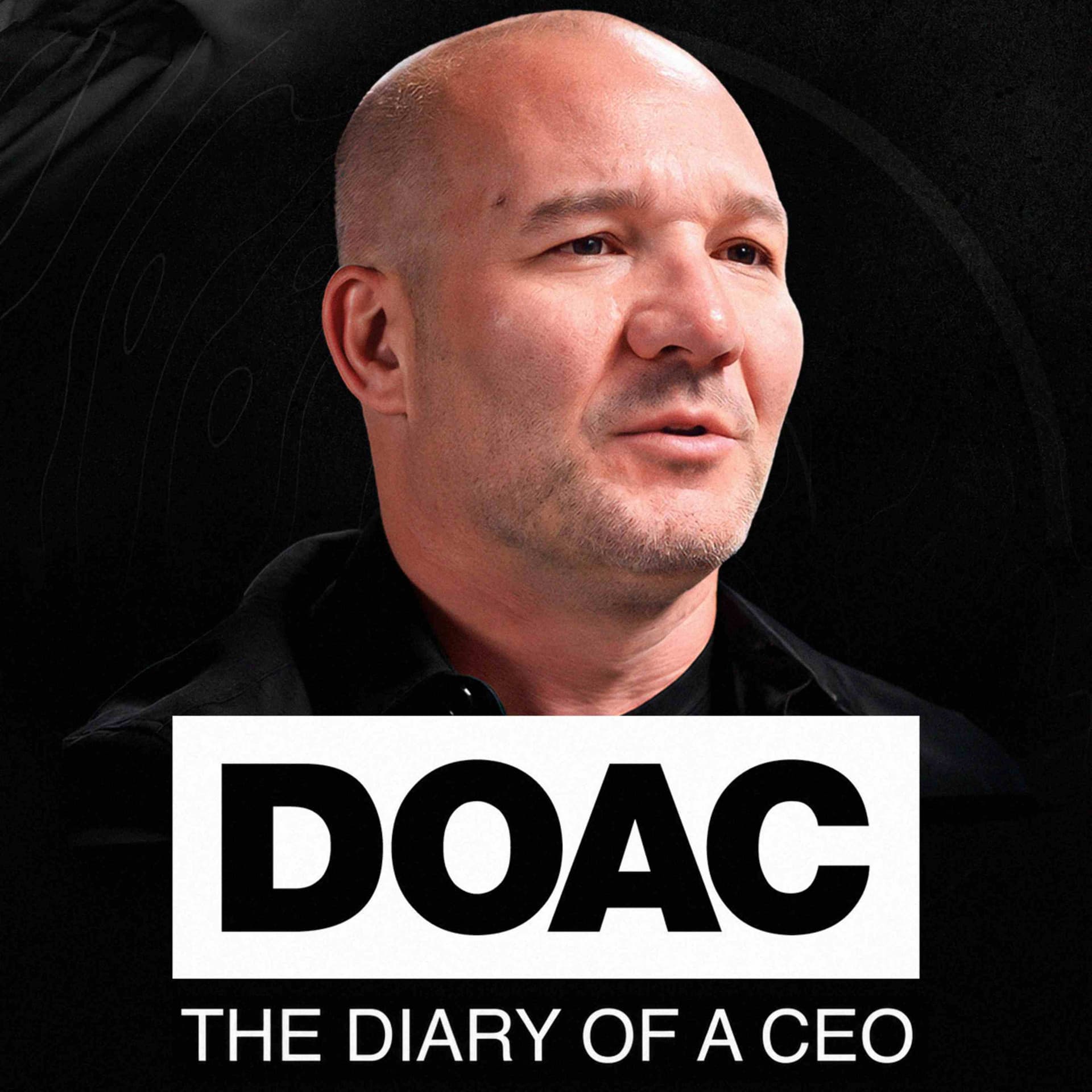
Podcast Episode Notes: CEO Diaries - The Brutal Mistake That Almost Crippled Snapchat!
Podcast Overview
- Host: Steven Bartlett
- Guest: Evan Spiegel, CEO and Co-Founder of Snapchat
- Theme: Insights into hiring mistakes and lessons learned in building a successful company culture.
Key Themes and Discussions
Importance of Hiring
- Cultural Fit Over Experience
- Early emphasis on hiring experienced leaders nearly backfired.
- Hiring individuals with experience in managing large teams (e.g., an Amazon leader managing 300 people) was initially prioritized.
- Realization that adaptability and cultural fit were equally, if not more, critical.
Hiring Mistakes
- Overvaluing Experience
- Original hiring frameworks often prioritized traditional experiences over innovative thinking.
- Potential hires suggested adding features like "likes" without understanding Snapchat's unique vision.
Values and Attributes for Snapchat Employees
- Core Values: Kind, Smart, Creative
- These values were established early in the company and reflect what the founders desired in team members.
- Importance of kindness in fostering a supportive and creative environment.
- Distinction between kindness (genuine care for others) and niceness (superficial pleasantries).
Leadership Attributes
- T-shaped Leadership
- Depth in one area combined with a broad understanding of the business.
- Essential for driving impact and connecting with diverse team members.
- Growth and Change
- Quick adaptation to new information and addressing mistakes is crucial.
- Leaders should focus on fixing mistakes rather than being paralyzed by fear of making the wrong decision.
Insights on Team Culture
- Culture Preservation in Growth
- As Snapchat grew, the influx of different cultures from new hires (Amazon, Google, Meta) made it challenging to maintain original values.
- Emphasis on defining and embedding cultural values early on to avoid dilution as the company scales.
Advice for Founders
- Prioritize Feedback and Adaptation
- Founders should not fear making decisions; the ability to pivot based on feedback is vital.
- Creating a culture of open and honest communication encourages innovation and growth.
Final Thoughts
- Reflection on Leadership
- Spiegel advises new entrepreneurs to focus on creating a supportive culture where feedback is valued.
- Acknowledges the need for clarity in values to guide team behavior and decision-making.
Key Takeaways
- Hiring for cultural fit and adaptability is crucial for startup success.
- Emphasizing kindness can foster a more creative and supportive work environment.
- T-shaped leadership facilitates collaboration and innovation within diverse teams.
- Founders must remain agile, ready to pivot, and embrace feedback to sustain growth and company culture.
Resources
- Listen to the full episode:
- [Spotify](https://g2ul0.app.link/GSm1crv4TTb)
- [Apple](https://g2ul0.app.link/6VjMycy4TTb)
- [YouTube](https://www.youtube.com/c/%20TheDiaryOfACEO/videos)
- Follow Steven Bartlett:
- [Instagram](https://www.instagram.com/steven)
- [LinkedIn](https://www.linkedin.com/in/stevenbartlett-123)
Conclusion The episode emphasizes the critical role of hiring and culture in building a successful organization. Evan Spiegel shares candid insights from his experiences at Snapchat, highlighting the lessons learned from missteps and the importance of fostering a supportive workplace to drive creativity and innovation.
Written by AI. May contain mistakes. Listen to the episode to check what was said.
Transcript
Automatic transcript. May contain errors.0:01The Direvcio's brought to you by Progressive Insurance. Do you ever think about switching insurance companies to see if you could save some cash? Progressive makes it easy. Just drop in some details about yourself and see if you're eligible to save money when you bundle your home and auto policies. The process only takes minutes and it could mean hundreds more in your pocket. Visit progressive .com after this episode to see if you could save. Progressive casualty insurance company and affiliates. Potential savings will vary, not available in all states. Today's moment episode features Evan Schpiegel, the CEO and co -founder of Snapchat.
0:33He has a tremendous emphasis on hiring people in culture, which is one of the most important things in business. The reality of running a small business is that switching off is never really an option. Even when you try the ideas, the excitement and all the responsibility is always there. Because you're always switched on, it's only fair that your hiring partner should be too. LinkedIn Jobs, who are the sponsor of this moment's episode, has been that hiring partner for me and for years. Because it's always working away in the background. My team can post our jobs for free, share them with our networks and reach top talent all in the same place.
1:07So let's get into today's conversation. Let's go back to those early days. You're in that office. When you think about the people in that photo that were part of the first sort of 20, how important in hindsight is hiring? I think it's everything. I think it's everything. And these were really, really just wonderful people. I mean, still, in many cases, close friends. And I think, interesting, there was a moment I realized, David, Daniel, Bobby, and a couple of other of our original engineers, all of them, original engineers were musicians as well. And it was really interesting this moment, because the early folks who were working on the engineering side of Snap were unbelievably creative and unbelievably talented.
1:57And it was an interesting, like, aha moment, because I think oftentimes people think of the disciplines as separate. Like, oh, there's designers, and then over there, there's engineers. And I think so much of the magic, actually, is when those disciplines combine or crossover or people who really love and appreciate both. Especially for a company that's aspiring to be creative in everything that's doing. On this point of hiring, did you make any hiring mistakes in those early days? Oh, absolutely. What are those mistakes? Not necessarily people, but the frameworks were awful, the way that you've hired these people or what caused the mistakes?
2:33I think occasionally in the early days, we almost like over -indexed on the wrong types of experience, if that makes sense. So one of the things we really wanted to do was bring in people who were very, very experienced leaders who had run much bigger teams. That was like, if we want to build a big company, we've got to find people who have run big companies and big teams. And so one of the early engineering leaders who joined our team, I think he was coming from working on a team of 300 or something like that at Amazon was coming to a team of eight at Snapchat. But we were really thinking ahead about how can we hire people who can actually help us scale here and build something really big.
3:13And I think that's sort of focus on leadership experience and experience leading at scale was really valuable. I think what was oftentimes a bit less valuable in those early days was almost more people who had very specific domain expertise. So there were people who would come into our, come from an interview or something like that and be like, well, I think what you guys should do is add likes because every other platform has likes. So if you just add likes, then people will use your service more. And not really coming with the same open mindedness and curiosity about, well, why Snapchat doing it differently?
3:47Why don't you have likes and comments? Like, how are you thinking about the service differently? And how can I change and grow and adapt to the way that you're thinking about it to help you grow faster? And so I think now one of the things we're always looking for in the interview process is adaptability. Right? It's amazing to have prior experience. But the question is, how do you apply that prior experience to a new context and change and adapt the way that you see things, change your perspective to be able to meet the needs of our business, which is different than other businesses? What are the other factors?
4:20If you were to make a perfect Snapchat employee now, what would their personality be, their psychology, their attributes? We have three values and three leadership behaviors. Three values are kind smart and creative. That's been the, those have been the values since the very beginning. Really because Bobby and I were just having a conversation like, what kind of people do we want to work with? Kind smart, creative, like, great. But since then, and we can spend some more time talking about this, I think what was really fascinating over time was to learn, you know, and by the way, 10 years ago, people were not talking about kindness at work.
4:52I mean, people would be like, sorry, what? You know, no, no, kind smart, creative, like why kindness? What we found was that with the relationship between kindness and creativity is really, really important because unless people feel comfortable coming up with crazy ideas, unless they feel comfortable that if they say, you know, they have some new idea and it actually isn't that great that they're not going to be laughed at that they'll be supported, right? Unless you have that sort of supportive culture, it's very hard to be creative. And so we learned over time that actually wow, kindness is kind of the essential ingredient if you want to have a creative, a creative culture.
5:28But anyways, kind smart, creative, smart, pretty self -explanatory. And then when it comes to leadership behaviors, there's three leadership behaviors or attributes we look for. I just want to pause on that point of kind. Do you make a distinction between someone being nice and being kind? Because in your environment, you also mentioned that you do these critique sessions and you're giving people critical feedback. And if a coach gets a little bit too kind, then isn't that going to inhibit innovation and feedback? We always differentiate between kind of nice. There's a couple examples that I think help with that.
6:00So like for one, I think it's really kind to tell somebody that they have something stuck in their teeth. You have something stuck in your teeth. You want to know about it, right? It might make you feel awkward. Certainly as the person pointing it out, it's a little awkward, right? If you just want to be nice, you pretend nothing's going on and you just say, oh, you know, nice to meet you, whatever. But if you're really being kind and you want to help that person, you say, you know, you got something stuck in your teeth, you got to take care of that. And I think that helps distinguish between, you know, niceties and being kind and really wanting to help somebody.
6:29I think another great example is if somebody is really struggling, you know, at work or they're struggling to grow or they're struggling with, you know, to perform, you know, their duties at SNAP, you know, the nice thing to do is maybe just make them feel good about, oh, don't worry, you know, I'm sure it'll be okay. The kind thing to do is really help them succeed, right? Say, hey, this isn't working because you're doing X, Y and Z, you know, here are some things to do to think about that differently, provide that really direct feedback. That allows people to grow. And that's the kind thing to do rather than just making them feel good about not meeting expectations.
7:03Leadership values, you said this. Leadership values. Okay, there's three of them. The first one is T -shaped leadership. So we talk a lot about T -shaped leadership. What we mean by that is that you have a real depth of experience, a depth of expertise in a given area, and then a real breadth of understanding of the business overall and an ability to connect with lots of different types of people who think different ways. Because you need to be able to connect your expertise to all the different areas of our business to really drive impact as a leader. I mean, I think that's one of like almost the hallmarks of running a business today, is it's basically impossible to do anything interesting without a team, right?
7:39The way that the world works today is very complicated, and it's really important that you have folks who have deep expertise, but then they have to apply it to all these other cross -functional areas. So they have to have a familiarity with it and an ability to relate to people with different viewpoints or other areas of expertise. And as we proceed with this, these leadership principles, are you saying that in order to become a leader at Snapchat, you need these three things? Or are you saying everybody at Snapchat needs these three things? We think everyone is a leader. So we do apply it broadly, but of course, you know, you know, I think it's really important as we're thinking about hiring or bringing in a new leader that, you know, this is something that we talk to folks about.
8:17So if someone's not quite T -shaped, if they're a little bit eye -shaped, is there something they can do to become a bit more T -shaped? Yeah, that's almost maybe the easier one, right? If you can build on a real depth of expertise by going engaging with folks maybe outside of your comfort zone or in different parts of the business and build that curiosity and understanding, that helps develop, I think that breadth of understanding. I think what's harder is if you're a generalist and you don't have that deep skill set or that deep area of expertise, it's really, really hard to bring enough value to the team, right?
8:50And I think that's where people get frustrated with like the idea of middle management, right? Where it's like, oh, this is just a person who knows a little about a lot, but can't really help me solve this problem because they don't really know the details. They don't really understand how to help me grow as an individual or solve this tough technical problem. And so I think that's why that area of expertise is so important because it's so hard to inspire people that you're working with if you don't know a lot about the area that you're working in. And do you need to be a T -shaped leader at Snapchat now?
9:21And when there was 10 of you in the bedroom or in your dad's house, has it always been important or is that a function of being bigger? That's a great question. I wish we had been more thoughtful about the leadership values and characteristics we were looking for back then. I think, you know, when you're working on a team of 10 or a team of 20, you're not thinking as much about what leadership characteristics are really important to us. It's more about like, how do we survive tomorrow? But I think over time, as we learned what leaders were really successful at Snapchat, we were able to look at those attributes and say, OK, these are the leaders who really succeed here and drive a lot of value for our business.
9:58Before we move on to the second two, if this Evan could have gone back to the Evan that was running a team of 10 and he could have pulled him aside and said, listen, here's some advice that you're going to need to know about leadership in building this team. The most critical advice we could give you at this time, and this is for all the entrepreneurs out there that are building it, they're laying the foundations of a potentially very big company right now. What would you have whispered in his ear? I would have said everything's going to be OK. Everything's going to be OK. You know, I think sometimes people are too focused on making the right decision and not as focused on fixing it if they're wrong.
10:36And I think what I would have put more emphasis on is just how quickly are you changing your mind when you receive new information? How quickly are you fixing a problem or a mistake if you didn't make the right decision in the first place? And that's the feedback loop that is so mission critical to building a business in the early days. It has very little to do. Obviously, there's existential decisions. And those can create some big problems through your business, but most decisions are not existential decisions. And the more important thing is to make a decision and then if you're wrong, fix it.
11:08And I think it's the, when you're wrong, fixing it, part that deserves most of the attention. And also how you can identify who your great leaders are, who really talented folks on the team are, because they're very quick to point out, I don't think we did that. Right. I think we should take this path, this other path that we maybe hadn't considered the first time. And I think it takes courage to say that in an organization rather than just say, oh, we're doing a great job. And when you're back there and you've made a mistake, there's something you've done wrong. In hindsight, did you know in your check?
11:42Because one of the things that I think of when I was the first time found at building a student notice board was I would get feedback. And the feedback would be saying, you're wrong about this, you need to change. And I think at some times there was a part of me that knew, but I was like too scared to act upon it. So I kind of like gaslit myself to just keep going. And I think a lot of founders do that. I know this because they come to me in my portfolio and they say, oh, Steve, there's this guy we've hired and he's been there now for a year and he's just not cutting it. I'm like, why the fuck are you telling me?
12:12And they're procrastinating avoiding the conversation. But clearly they know. Clearly they know it's not right. It's funny you say that because anytime someone comes to ask me about like that type of people advice, like what do you think we should do? Do you think that I'm like, it sounds like you've already made up your mind.
12:31So yeah, I think it is, I think it is really important to act on that feedback, not be afraid to change direction quickly if you realize that you made a mistake. But as you point out, it's hard to do. And sometimes it is worth seeing if your bet plays out. You don't want to thrash the team and change your mind all the time. So sometimes it is sometimes we're seeing things through a little bit before you change. Is there anything else you would have said to that younger Evan in your dad's house advice? At that point before we had scaled to a lot of thousands of people, I think we could have been much more clear on the culture, the kind smart creative piece and really embedded that in the team prior to scaling.
13:14Because one of the biggest challenges that we confronted was, as we went from 20 people to 2 ,000 people, we basically imported all of these different cultures from all sorts of different companies. Like we imported an Amazon contingent, right? We, you know, who they really love their six page documents. We, you know, imported a Google contingent, right? And they're very focused on consensus -based decision making. We imported, you know, a contingent from Meta as well. And I think we were too slow to be really clear about what our values were and what that looks like in practice, what those behaviors looked like.
13:50And I think if we had earlier and faster ones, so when we're evaluating performance, we look at our values, kind smart creative, we have specific behaviors attached to that that are actually research -backed in whatever we did a whole study to understand, which of those behaviors are really tied to performance and those values. But that gives people a really clear framework for the expectations for how to behave at snap and our unique culture. And there was a moment of time, moment in time where I felt like we were losing control of our culture. And I wasn't happy with our company and the team.
14:21I remember I was complaining to a friend of mine. This is probably like your story of folks coming to you and saying, oh, it's not working. I was complaining to a friend of mine and I was just like, man, I just don't, like, I don't like it. Like I don't like my job. I don't like what our companies become. And she just looks at me and she's like, then fix it. Great point. And I, you know, I think that it just, it had changed and grown so quickly that it was really hard to stay true to our values. But I think, you know, I really took that advice hard and just started trying to fix it with our team, getting really clear about the values, getting really clear about the behaviors, holding a higher bar and saying, hey, you know, if you're not into the kind smart creative thing, that's okay.
15:01There are other companies with different cultures, but, you know, that really matters to us here. I hope you found today's conversation helpful and insightful. If you're ready to join two and a half million other small businesses already using LinkedIn for hiring, head over to LinkedIn .com slash DOAC now. That's LinkedIn .com slash DOAC to find your next exceptional hire.
15:24It is a really interesting time to be running a business. Tire of and trade policies are in flux. The pace of innovation is relentless and staying relevant means constantly reinventing how you operate. If your business can't adapt in real time, it risks falling behind, which means leaders need complete clarity across every part of their operation all times. This is what our sponsor NetSuite by Oracle already delivers to 41 ,000 companies. NetSuite is an AI powered business management suite that brings accounting, financial management, HR and project planning into one platform. Because you've got this one source of truth, you can make fast decisions based on real -time data.
15:59Or if you're looking ahead, NetSuite's forecasting tools give you a clear view of what's coming next and how to prepare for it. NetSuite helps you spot bottlenecks, manage your margins and stay agile. So if your business is generating seven figures or more, download the free ebook, which is called Navigating Global Trade, three insights for leaders at NetSuite .com slash
From the publisher
In this episode of CEO Diaries, Snapchat CEO Evan Spiegel reveals the biggest hiring mistakes that nearly cost him everything. Overvaluing experience, ignoring culture, and avoiding tough feedback can quietly kill a company, and this brutally honest insight will change how you build teams forever.
Visit - www.linkedin.com/DOAC
Listen to the full episode here -
Spotify - https://g2ul0.app.link/GSm1crv4TTb
Apple - https://g2ul0.app.link/6VjMycy4TTb
Watch the Episodes On YouTube -
https://www.youtube.com/c/%20TheDiaryOfACEO/videos
Learn more about your ad choices. Visit megaphone.fm/adchoices