In short
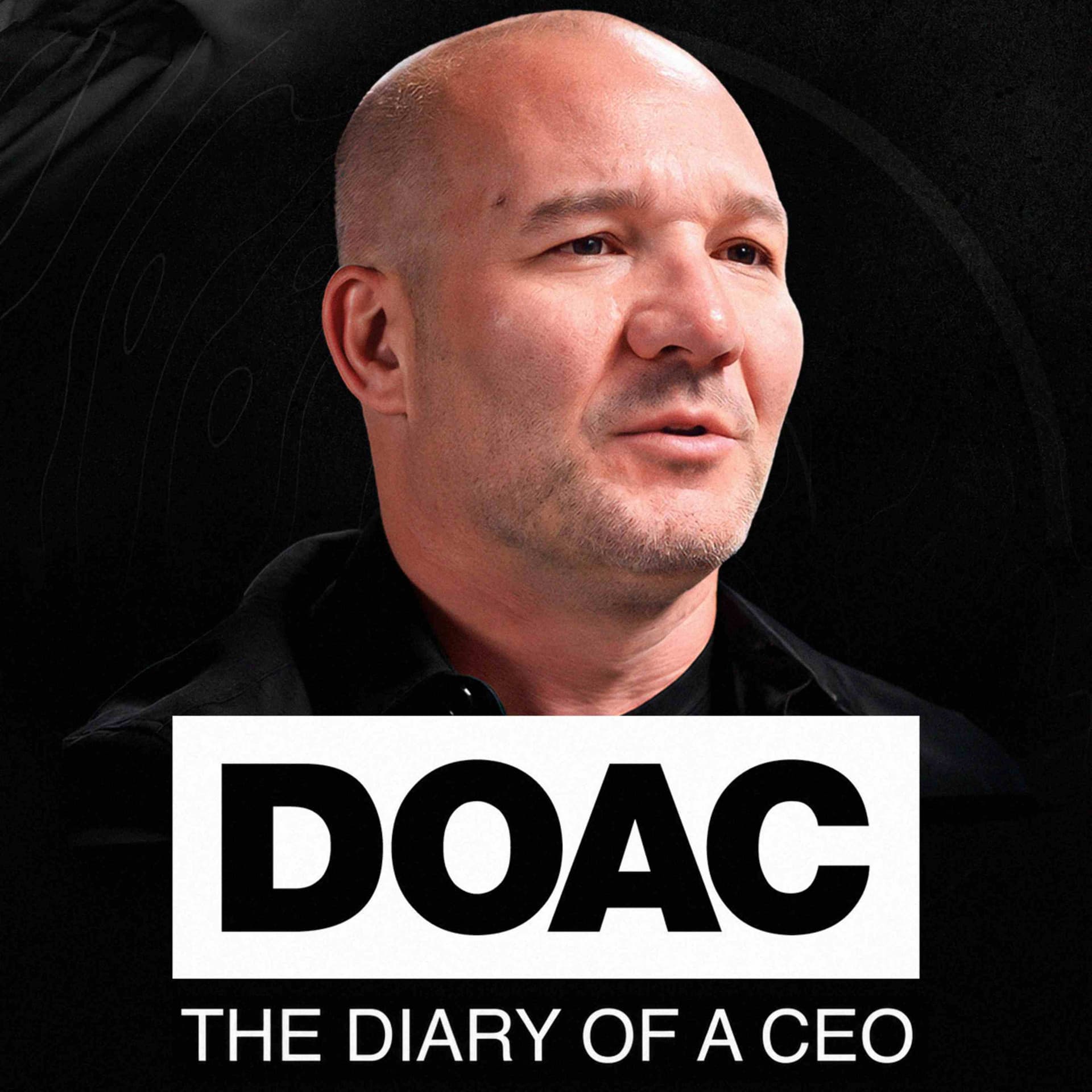
Podcast Summary: The Diary Of A CEO with Steven Bartlett - Episode: CEO Diaries: The Mistake That Nearly Derailed MrBeast’s Entire Empire
Overview In this episode of "The Diary Of A CEO," Steven Bartlett engages with MrBeast, a prominent content creator and entrepreneur, discussing the trials and tribulations of scaling a business. MrBeast shares insights from his experience of growing a small team to over 500 employees, emphasizing the importance of surrounding oneself with high-performing individuals (A-players) and navigating leadership complexities.
Key Themes
- Importance of Team Composition
- A-Players vs. C-Players:
- MrBeast stresses that being surrounded by high achievers (A-players) can significantly elevate performance and morale.
- Conversely, hiring lower-performing individuals (C-players) can negatively impact the team’s motivation and overall culture.
- Challenges of Scaling
- Growth Pain Points:
- MrBeast acknowledges that scaling up from a small team introduces complexities and challenges that can be daunting.
- The transition from 100 to 500 employees has come with its own set of learning experiences and mistakes.
- Learning from Experience
- Mistakes as Learning Tools:
- Reflecting on his journey, MrBeast shares that each growth milestone has been a learning opportunity.
- Many mistakes stem from a lack of previous experience, leading to realizations about the importance of seasoned team members, especially in leadership roles.
- Balancing Creativity and Structure
- Innovation vs. Corporate Systems:
- MrBeast discusses the tension between maintaining creativity while instituting necessary structural changes as the company grows.
- He admits to previously overcorrecting towards eliminating corporate structures, realizing that a balanced approach is vital for fostering innovation without sacrificing operational efficiency.
- Handling Negative Feedback
- Public Perception and Criticism:
- Addressing the potential for negative narratives, MrBeast shares insights on managing criticism, especially when working with a large team.
- He emphasizes the importance of problem-solving and learning from criticism rather than shying away from it.
Key Takeaways
- Culture Matters: The most significant factor in employee retention is the enjoyment of their work environment and peers, rather than just monetary compensation.
- Growth Requires Learning: Scaling a business for the first time involves a steep learning curve, and mistakes are natural parts of that journey.
- Seek Experienced Guidance: Bringing in seasoned professionals to guide through scaling challenges can mitigate mistakes and streamline growth.
- Protect Creativity: Establishing organizational systems should not dampen innovation; a careful balance must be maintained.
Conclusion This episode provides invaluable insights for entrepreneurs and business leaders on the complexities of scaling a business. MrBeast's candid reflections serve as a guide for those navigating similar challenges, highlighting the significance of team dynamics, learning from mistakes, and the delicate balance between innovation and structure.
For further details and to listen to the full episode, visit
- [Spotify](https://g2ul0.app.link/yzN2XAsY3Tb)
- [Apple Podcasts](https://g2ul0.app.link/lyW0n2BY3Tb)
- [YouTube](https://www.youtube.com/c/%20TheDiaryOfACEO/videos)
Written by AI. May contain mistakes. Listen to the episode to check what was said.
Transcript
Automatic transcript. May contain errors.0:01The Direvcio's brought to you by Progressive Insurance. Do you ever think about switching insurance companies to see if you could save some cash? Progressive makes it easy. Just drop in some details about yourself and see if you're eligible to save money when you bundle your home and auto policies. The process only takes minutes and it could mean hundreds more in your pocket. Visit progressive .com after this episode to see if you could save. Progressive casualty insurance company and affiliates. Potential savings will vary, not available in all states. Today's moment episode is with Mr Beast and he has one of the most incredible teams in the world.
0:34But I guess the question is, how? The reality of running a small business is that switching off is never really an option. Even when you try the ideas, the excitement and all the responsibility is always there. And because you're always switched on, it's only fair that your hiring partner should be too. LinkedIn jobs who are the sponsor of this moment's episode has been that hiring partner for me and for years. Because it's always working away in the background. My team can post our jobs for free, share them with our networks and reach top talent all in the same place. So let's get into today's conversation.
1:06Great people just love working with great people. They do and there's something about being around great people that pulls some kind of animal out of you that just makes you want to do more and push more and believe things aren't possible. And I don't know, when you put me around a bunch of other successful entrepreneurs, I just turn into a different human. Then if you put me around, I don't know, a bunch of people who are just running small businesses and don't really care and don't really have much ambition. I'm like two completely different humans and you see that same thing and full effect.
1:33You put a bunch of A players around more A players. They just build off of each other. But you like put two or three C players amongst a bunch of great people and they'll start pulling them down. They'll start making them not want to work as much and make work not as fun. And so everyone knows, get rid of the C players, right? Obviously, get rid of people who are in all end. It's the ones that are like, they're not an A player, but they're not a C player. So it's kind of hard because you still feed off the energy. And if you get enough of them, it just drags the overall culture down. So those are like the worst.
2:02I mean, not everyone can be these like world ending monsters that, you know, there are a lot of mundane things like, I mean, the book controller and accounting. I mean, probably doesn't have to be the best in the world. But, you know, when it comes to like the mission critical things like making videos and things like that, you like just the great people got to be surrounded. Like, that's one of your number one jobs as leaders just to make sure your great people are working with other great people. Because that's like, that's like the number one reason why people will leave jobs isn't money. You know what I mean?
2:28It's like number four on the list. Don't ask me to list them all. I don't remember. I just know the number one thing is do they enjoy who they're working with? And people will leave their job because they hate working with people way before they all ever leave because of money. Have you ever been frustrated that the people you've hired don't match your level of obsession? No, because I just find the people that do. All that people that do. Oh yeah, there are so many people in my business. I mean, obviously you have to take care of them. Pam, well, like, they're not the kind of people that will just make the standard rate.
2:59But yeah, like people like Tyler, Clizner, Russ, and you know, people on our editing team, I mean, they're putting in most weeks, same hour, same amount of hours as me and they're all in, see the vision. It's like, it's hard to find those kinds of people. But, you know, when you do, you got to treasure them and recognize that they're unicorns. And you have almost 500, roughly 500 people. I probably, I think the production company were around 300 festivals, around 100, and then probably another 40, 50 scatter months, everything else. Most founders that I speak to describe scaling head counts is the kind of worst past part of the job.
3:32More people, more problems, right? Yeah, that's an understanding. Especially as someone like you who's a creative at heart and who is very focused and obsessed on, I guess, the show and producing, as you say often, I want to produce the best videos we possibly can. Of course. And then all this other shit comes with it. Yeah. It's just like hate, char, whichever founder I speak to hates. I mean, yeah, the worst part is I just have this very once in a, I just very rare opportunity where I have so much attention and so many people watch my content. And I wish I had, I just wish I had more experience building businesses, you know, I'm only 26 and this is my first real business of every, every employee milestone we hit.
4:14It's my first time hitting that, right? Like when I hit 100 employees, that was my first time getting there. And this was my first time going from 100 to 200 to 300 and like, with what I know now, I could have done it so much faster. Obviously, and it's just, you know, it's a little brutal because like, like scaling festivals from, you know, zero to 100 was way easier than doing my production company because I've been through the ringer before and I learned a bunch and I get better with time and I, it's just the, honestly, the most annoying part is just ignorance, right? Like, because a lot of things mistakes I make, I look back and I'm like, oh, yeah, I probably should have brought in people with more experience working at a larger company earlier here.
4:49I waited a little too long here. I probably should, and it's just like brutal because if I had known these things, I'd be way further along. But I mean, that's just how you learn. You just got to make 10 ,000 mistakes. Every funder says the same. Every founder of Sputus says the same, that unknown, unknown, exactly. And it's just like, so that's where, I mean, my big thing recently has just been trying to find people who have successfully skilled businesses and like bring them into my organization and learn from them because I'm just so tired of like being like, fuck, I should have known better, but I didn't because I've never done this before.
5:19And so I'm trying to find a lot of great people who have been through it so they can like kind of mentor me along the way. So I make less mistakes, which has been really good. We brought in a new C suite recently. I, it's like always a hard balance because I try not to, and the past I have like, you know, decisions are kind of like pendulums and I have a problem where I like identify something and I'll overcorrect the pendulum one way and then I'm like, oh, no, I should have just stopped in the middle. And like, my overcorrection in the past was like corporate people try to build too many systems and they kill innovation.
5:49And so I was very anti like people with too much corporate experience because they're going to just destroy all the creativity. But you know, that's why we're making so many organizational fuck ups because we don't have anyone who's actually built the business at this size. And so, you know, pendulum was on the right and I swung it all the way to the left of no corporate. And now I think we're in the healthy medium where, you know, obviously the people in our C suite and the leaders should have lots of experience managing people at this size and scale. But it's just finding the right people who can do it and build systems in a way where it doesn't crush creativity.
6:19And they actually value the product over ease. Did I oversee and my, I'm on a TV show called Dragon's Den in the UK and my stuff is significantly smaller. It's like a percentage of your viewership. But even I am slightly terrified with hiring people because it's quite clear to me that there's a huge incentive for anyone that I work with to say that I did something bad. And in the early days of my first business, what happens is the journalists go to everyone that works there and they ask them what was he like? You have the same problem. You have the same conundrum where anyone has an incentive that works for you when they leave so many different incentives to throw an arrow at you on the way out the door.
7:01How do you contend with this? Yeah, I mean, you hit it on the head of, you know, I have four or five hundred people right now, but we've also worked with thousands of people in the past. And so I think it's just what comes with it. But at the end of the day, you know, as long as what we're doing is more unethical, like you said, they're going to throw arrows. But, you know, I'm just a problem solver. It's like whenever I see the metaphorical arrow, I just go, you know, what's the problem? And if we did something wrong, how do we fix it? Or if it's not an actual problem, it's just rumors. I mean, it is what it is.
7:31And so, yeah, I think it just comes with part of it. I mean, it sucks. And it's unfortunate. But you also think like most people don't like their jobs too. And so it's not like this is even specific to our industry. Like, you know, just go ask a hundred random Americans of all the jobs that worked in their life. How many did they deeply enjoy it? Would they have nothing negative to say? So I think it's just part of it, you know, it's almost like a pastime for a lot of people just to like trash talk their old jobs or whatever. I hope you found today's conversation helpful in insightful. If you're ready to join two and a half million other small businesses already using LinkedIn for hiring, head over to LinkedIn .com slash D O A C now.
8:07That's LinkedIn .com slash D O A C to find your next exceptional hire.
8:16If you're someone running a business today, that means you're probably operating in a world that doesn't sit still tariffs and trade policies are dynamic customer expectations shift constantly and the pace of innovation is relentless. So your margin of error is becoming increasingly smaller, making decisions without full visibility across your business is not only risky, but it inevitably slows down everything. And I see it all the time, businesses with the right ideas, but they're stuck because they're spread across five systems that don't talk to each other. Many of my companies now use our sponsor NetSuite by Oracle, which has an AI powered business management suite that allows you to see your business more clearly.
8:53Everything from financials to HR to operations lives in one place. So instead of chasing information, you've got it all in front of you. It operates in real time so you can forecast with assurance, spot problems before they even become problems and generally move faster without blind spots. If your business is generating seven figures or more, there's a free ebook that's worth your time reading. It's called Navigating Global Trade, three insights for leaders. And you can download it now from NetSuite .com slash Bartlett. That's NetSuite .com slash Bartlett. I'll link it below.
From the publisher
In this episode of CEO Diaries, MrBeast dives into the real challenges of building a business from the ground up. He shares his journey of scaling from a small team to 500+ employees, offering valuable insights into why surrounding yourself with A-players is crucial to success. From navigating the complexities of leadership, to balancing innovation with structure, MrBeast opens up about the lessons learned, and how he’s shaping his company’s future. Whether you're an entrepreneur or just interested in how top businesses thrive, this moment is full of wisdom on scaling, team building, and leadership.
Visit - www.linkedin.com/DOAC
Listen to the full episode here -
Spotify - https://g2ul0.app.link/yzN2XAsY3Tb
Apple - https://g2ul0.app.link/lyW0n2BY3Tb
Watch the Episodes On YouTube -
https://www.youtube.com/c/%20TheDiaryOfACEO/videos
Learn more about your ad choices. Visit megaphone.fm/adchoices