In short
The Diary Of A CEO with Steven Bartlett
Episode Summary
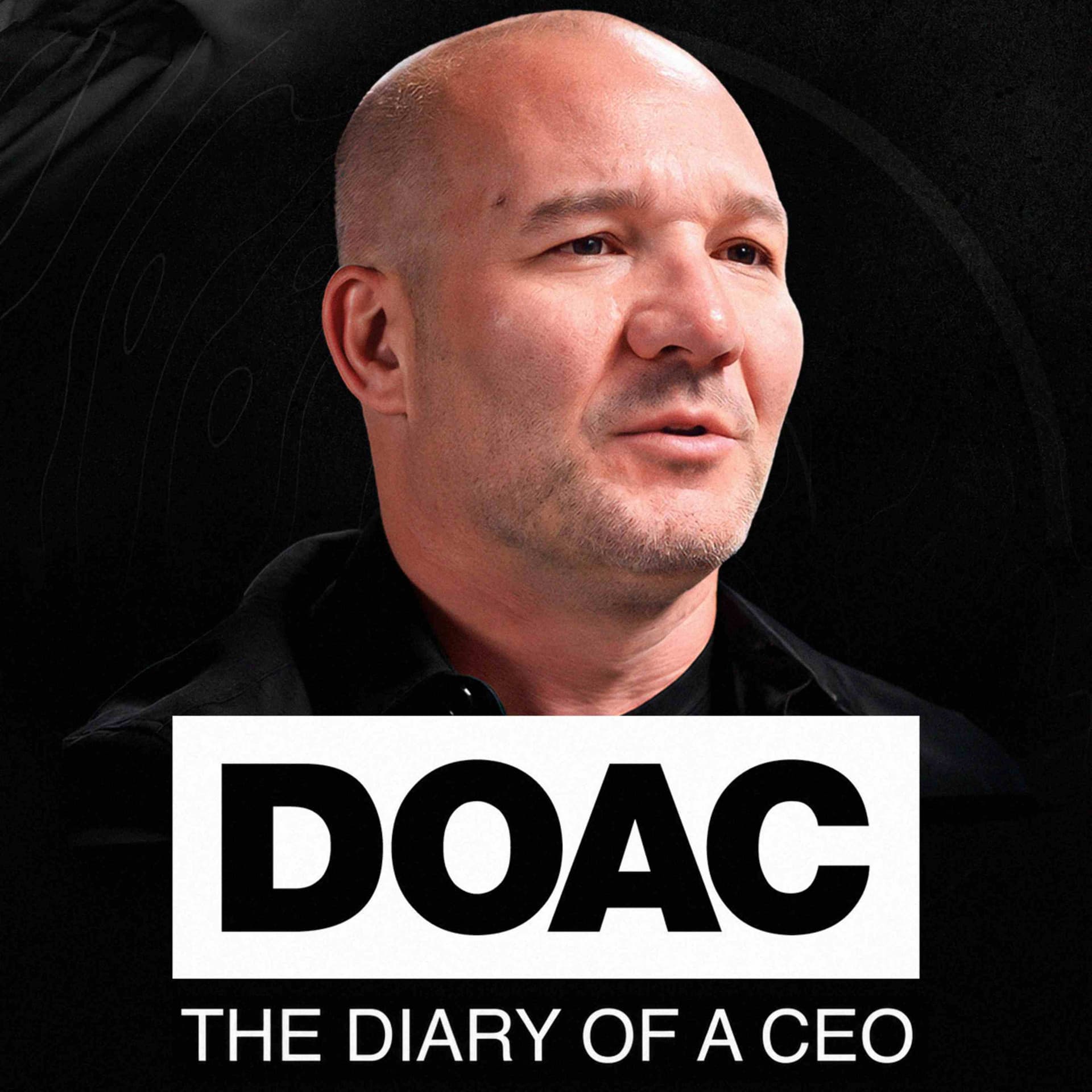
Episode Title: Former Mafia Boss: "I Was Running The Biggest Scam In The World! $1.4 Million A Day!" - Michael Franzese
Guest: Michael Franzese, a former mafia member and best-selling author, shares his journey from being a medical student to becoming a high-ranked mobster in the Colombo crime family. Throughout this episode, Michael discusses the intricacies of mafia life, the reasons for his departure, and his experiences in solitary confinement.
Key Discussions
Introduction and Background
- Who is Michael Franzese?: Michael Franzese introduces his background, from a medical student to a prominent mafia figure.
- Inside a Mafia Family: Insights into the family dynamics and the influence of Michael's father, a former underboss, on his mafia involvement.
Mafia Structure and Operations
- Mafia Hierarchy: Explanation of the hierarchical structure of a mafia family, detailing roles from associates to the boss.
- The Colombo Crime Family: History and influence of the Colombo family, one of the five major families in New York.
- Mafia Sitdowns: The role of meetings in resolving disputes and making crucial decisions, emphasizing respect and protocol.
Personal Journey and Experiences
- Joining the Mafia: Michael's path to becoming a made man, driven by a desire to help his father.
- Gas Station Scam: Details of one of the most significant scams orchestrated by Michael, defrauding the government out of millions.
- Solitary Confinement: Michael's harrowing experience in solitary confinement for 21 months, highlighting the mental and physical challenges.
Moral and Ethical Reflections
- Reflections on Violence: Discussions on the nature of violence in the mafia and its psychological impact.
- Family Betrayal: Michael's feelings about his father's perceived betrayal during a critical mafia meeting.
- Life After Mafia: Michael's transition from mafia life to becoming a motivational speaker, emphasizing redemption and transformation.
Business Lessons from Mafia Life
- Negotiation Skills: Insights into negotiation techniques and people management learned from mafia dealings.
- Leadership and Influence: The importance of respect, punctuality, and understanding human nature in leadership roles.
Closing Thoughts
- Michael's Message: Encouragement for those struggling to not be defined by past mistakes, highlighting the possibility of redemption and change.
- Steven Bartlett's Reflection: Acknowledgment of the inspirational aspects of Michael's story and the universal lessons applicable to business and personal life.
Additional Resources
- Michael Franzese’s Books: Available insights and lessons from his experiences.
- Follow Michael: Links to his social media and YouTube channel for further engagement.
- Steven Bartlett’s New Book: 'The 33 Laws Of Business & Life' and conversation cards for deeper personal growth exploration.
Sponsors
- Me Undies: Discussed during the podcast as a sponsor.
- NetSuite: Presented as a sponsor, providing business management solutions.
This episode offers a deep dive into the life and transformation of Michael Franzese, highlighting the complexities of mafia life and the universal potential for personal change and growth.
Written by AI. May contain mistakes. Listen to the episode to check what was said.
Transcript
Automatic transcript. May contain errors.0:00This episode is brought to you by Me Undies. While Me Undies can't totally help your love life this Valentine's Day, they can offer you insanely comfy undies and loungewear to buy or gift. Me Undies has so many awesome Valentine's Day prints and styles. Plus, you can match with your partner, friends, or even your pets. This Valentine's Day, give the gift that'll keep them thinking of you and score huge sight -wide savings at Me Undies .com slash Spotify. That's Me Undies .com slash Spotify. Me Undies. Comfort from the outside in.
0:58And I was a racer here, meaning I was elevating the family. I'd make a damn money. I had 18 companies defrauding the government at a tax, bringing in $10 million a week. It was living a lifetime in a jet, buying at an helicopter. What was the most cash you ever saw? 40, 50 million. In cash, in cash. Now, you can learn so much from them off. You know, I'll give you an example. The art of negotiation. This is a tremendous technique to get what you want. And I always want. So here's what you have to do. Now, you may be making all this money, but we have rules. And you don't violate the rules because the consequences of severe.
1:29It was a guy that had a child's father, and then a very dear friend of mine. He did something that was total violation of our life, and he ended up getting killed. But the one thing that really hurt me bad, my dad had a powerful position in the market. And he betrayed me. That was rough. Steve, the thing is, I've done a lot of bad things in my life, but it's not the path that I wanted to take. I realized, I got to get away from this. But you don't walk away from this life, and not a lot to do that. When does it all come crashing down for you?
2:06Michael, who were you? Who was I? Interesting question. I, um... You know, I have to start with this because you just came right off the bat and asked me a question that I don't want to say stumped me, but maybe in a way did. In the same way that Jordan Peterson did. I'll tell you why. Jordan said to me, he said, Michael, he spent 20 years in that life. Obviously, he did some things that were not good. I said, yeah, you know, how'd you do that? And I said, you know, Jordan, when I had to do something that I was uncomfortable with, I kind of stepped out of myself, I believe, took care of business, and then stepped back in.
2:55So he looked at me and he said, well, how do you know who the real Michael is? The guy that stepped out, or the guy that's sitting here in front of me now? That's why it's a good question, Jordan. I said, but I've been this guy for the last, almost 30 years, so hopefully this is the guy. So, you know, who am I? I mean, I'm a guy that, you know, at a point in time in my life, I was on the right track. Love my dad very much, and as a result of that, I followed him into this life to try to help him out. He had a 50 -year prison sentence, and I thought the only way to help him, and he thought the same, was to really get on the street and do some of the work that was necessary to try to overturn a conviction that he got wrongful conviction, by the way.
3:44So I became that other guy that was able to, I was going to be a doctor. I was a pre -med student when my dad got this 50 -year sentence. So, but then I just, I mean, I fell into that life, and I thought I did a pretty good job while I was there, and I acclimated to it pretty easily. When someone thinks about you joining the mafia, they assume that your home life must have been a certain way. You must have had a really, really rough, early upbringing. Is that the case? You know, I had a very strict mother. I mean, she was 16 when I was born, and we had a very turbulent life because of my father's involvement in that life.
4:29My father was an extremely high -profile guy at that time, major target of law enforcement. So from the time I was four or five years old, my dad was in and out of jail, going on trial, and we allowed a lot of turbulence. Police around us all the time. So I witnessed all that. It was part of that. I don't know if that contributed to, you know, who I am now. I don't know. I mean, it certainly had effect on me at that point in time. I hated the police. I hated the government. I hated anything about law enforcement, because I saw them as the enemy, the way they harassing my dad, harassing my family, at least in my view at that point.
5:12So it did shape my world view of those people at that time. And they would park outside your house, I read? We had six or seven different agencies parked around our house. And every time we left, there was a parade of law enforcement vehicles following us. I mean, it was that severe with my dad. I've never seen anything like that quite honestly. You know, other people have had surveillance, but I guess because I grew up and I witnessed that. I was part of it. But it was so intense with him. It really was. Did you know what they were there? And did you know what you died was doing? You know, it was hard not to, although he never sat down with me and said to me, this is what I'm all about.
5:50It was basically from other people, from what I read and what I witnessed. So yeah, I mean, I knew what he was about, but I thought it was a good thing. You know, because his friends came to the house. To me, they were like Uncle Joe, Uncle Liz, Uncle Ladd, good people. You know, we'd go out together. So I thought it was a good thing at that time. What was he about? My dad. Yeah. Yeah, very charismatic guy. You know, a good father. I mean, he wanted the best for me. He didn't want me in this life originally. He wanted me to go to school, be a doctor, get an education, stay off the street. That was his initial desire for me.
6:32It was a good husband to my mother, I thought, at that time. But, you know, we had that other side of him. That once or twice, growing up, I kind of witnessed. And I saw there was something else, you know, with him. What did you witness? You know, I'll never forget. It was really two things that happened. I was, he was taking me up. My dad was involved in the music business. So he was taking me into Manhattan to meet with some of the people, you know, just his daily work. And a longer way he had to stop. And he had to meet with somebody. And I was in the car and two of his guys that I knew very well with, with my dad.
7:08And they were talking to this guy and a conversation got very heated. And I said, my dad really angry. Never saw him like that before. And Steve, I'm not kidding. At least this was a kid's impression. I was young. He just picked that guy up. I, like, his throat and I'm up against the wall. And I saw the guy was horosclich. And I didn't, you know, never saw my dad like that before. Because he didn't, he didn't hate us or anything his kids. You know, I had brothers and sisters. He didn't treat us that my mom was tough. My mom forget it. She didn't spare the rub. But my dad was not. So to see him like that, I said, wow, there was really another side of him, you know, street side of him.
7:44He said there was another experience. Another experience. This was, it was kind of funny. But in a way it wasn't. We had a cop and through that was working in our house. And he was kind of a, his name was Sal. I'll never forget a big guy, huge guy. And he would never finish anything on time to cop and tree. My dad would hire him because he probably didn't have to pay him much, right? And my mom was always on him, you know, a guy that comes, he don't finish the job and all of that and came to the house once in my Tetris. Just went off on him, punched him like in the house and knocked the guy out, you know, in front of all of us.
8:18We were kind of surprised, but he said, don't blame me. Your mother's nagging me too much. I can't take it. You know, I was one of those things. So those as a young person, those were the two things that I really witnessed with him. Those were clues. Those were clues of something else. There's were a window into his other life. And what was his other life? What was the reality of his other life as you've come to understand it? Well, another thing in this, this, it's amazing how you can remember things sometimes at a young age, but you can't really put it together. I have to go back. The first real incident that I had is, I was probably four years old.
8:55And we were living in Brooklyn, but my dad had moved us out, me and my mom, to Long Island, where my grandparents were. We were living in their house for a while. And I didn't see my dad for a couple of days. It was gone. And then one morning he comes in, and my dad had a heavy beard. He hadn't shaved. And his right hand man was just standing out on the porch, kind of standing guard. And my dad came in, hugged my mother. My mother was a little upset. She was crying. Then he came over and hugged me. I was sitting on this step of my grandmother's house. I was saying, what's this all about? He was there for about a half an hour, and then he left.
9:32Well, what I didn't find out until later on, our family, the Colombo family, was at war at that point. And so my dad was not at home, it was kind of dangerous to be at home and, you know, lasted for a while. And I didn't know what that meant at that time. You know, you look back and you put these things together later on. So real I would say it was those three incidents. But look, my dad was a, you know, he was a captain in that life and then an underboss in that life. So he had a very high position, powerful position. A lot of people around him, a lot of guys who were subordinate to him. And, you know, he was big time in that life.
10:10He was a captain and an underboss. Yeah. I have been trying to understand the structure of a mafia family. So I printed off this to try and understand it from what I, from what I can see. And I'll put this on the screen for anyone that's interested in pinnacle. Is that, is that some more accurate in terms of the structure of a mafia family? Yeah. Yeah, that's it. These are, this is the true rankings. And that's the, I mean, there's a boss and another underboss in the console. Yeri is kind of an advisor to the boss. And then you have the, Coppola James is the real term for it, or coppers. And they are, they're kind of the street bosses.
10:53They're in elevated position. And then you have the soldiers, which is the first official rank. When you get made, the term is made the night that you take the oath and you become an official member of that life, your rank is a soldier. And, and the associates are guys that are around us, but never taken the oath. They're not full -fledged members. They're just associates. So from the bottom up, the bottom level is the associates. I'm going to repeat this back to you to see it. Make sure I've got it. And then they haven't taken the oath. So they've not become what you call made men. Correct. The soldiers are the first level that have taken the oath.
11:29Correct. And they report into capos. Yes. And the capos report into the underboss. Capos can go right to the boss also. And then there's the boss above the underboss. Yes. He's the boss. He's the official ruler of the family. And your dad became an underboss. Underboss, yes. So he was one below the boss. Yes. And you mentioned your family had a certain name. What was that name? Columbo. Columbo. What is the, because I think I need to understand the kind of history of the mafia to understand what a Columbo is. Yes. Well, you know, originated in Italy, obviously, Sicily. And it was originally just a group in Italy that band together to protect their towns from marauders that were coming in and, you know, doing damage in the towns and the cities.
12:20And eventually for some reason, they started becoming a little bit of a criminal, you know, body. And then they migrated many of them to New York. You know, back in 1901, 1901. I think the earliest, in the late, late 1980, I think there was maybe in 1885 or something like that was when they first started coming here to the United States. Came legally, went to Reles Island and came in legally. And originally, the guys that came in, they were just kind of praying on their own people in the cities that, you know, they got into. And, you know, I can go through all of this, but you go back to the days of Al Capone.
13:02I'm sure you know, you've heard that name, who originally came from Brooklyn and went out to Chicago. And I always say this, they were obviously involved in criminal activity, you know, long -shocking, lending money at Eugereas rates, extorting some of the shop owners, you know, for protection, getting money out of them, little bit of the gambling business. But what really happened, I always say this, it was the government, the United States government that made the mafia strong in the United States. And when did they do that with prohibition? Because it was then that the guy realized, hey, people want this, they want to drink.
13:41The government is, you know, banning it, but we're going to allow them to have it. And so they started to create, they got into the illegal booze business, basically. And to give the extent to that, in New York state alone, there were 36 ,000 speak -ease, which were illegal bars at the time. 36 ,000 in New York alone. And the mafia controlled all of them. And people wanted it, and they gave it to them. And it was extremely lucrative. I mean, you're talking, you know, in today's money, billions of dollars. And that's what started to create this organization. And then in the 40s, Lucky Luciano, who again came from Italy, saw that a lot of the guys were starting to war among each other.
14:28It was always power and control and money. And he said, we're not going to exist, we're not going to survive like this. We have to become an organization, a business. And he's the one that created the mafia commission and split it up into families. Actually, at that time, there were nine families nationwide. And there were bosses of each family. And that's how this whole structure came about. It was in the 40s. It was actually him, Maralanski, who played a significant role, even though Maralanski was not a made guy because he was Jewish, and you have to be of Italian descent. But he was a right -hand man to Lucky Luciano.
15:07And that's when the mafia really came to be here in the United States. So the mafia was this one organization. And then Lucky Luciano, did you say that? Yes. He split it into lots of families. Correct. Were those families actually related by blood in any way? No. Was it just when he said he split it into families? Was he essentially just a point of the CEOs to run different parts of the same organization? Yeah, it was called a family. I mean, you could have called it a group or whatever you wanted to call it. But we called it families. And no, they weren't necessarily related. And somebody emerged in that group as the top guy, and he officially appointed them as the boss.
15:48And in order to have a seat on the commission, which was the ruling body of all of these families nationwide, you had to be the boss or representative of your family that the boss designated. And you can then sit on the commission and the commission allegedly created policy for all of the families nationwide. And that's how it worked. Allegedly. Allegedly because, you know, I got to understand that the commission was like the United Nations. Sounds good, you know, and they're going to create policy. But really, you can't tell a boss of his own family what to do. He has total autonomy. So it sounded good.
16:27And sometimes the commission will make a policy that people will respect. But if the boss of that family doesn't want to, they don't have to. And how big were the families? In New York, we had five families. And in each of the total, total made guys in those families was about 750 guys. You know, the Gambino family had about 250 guys. And this is through my era. Genovies family, 250 guys. Banana family, Colombo family, lookaisies. We had about 100 in Samadhi. We were the smaller families. But you had total about 750 made men, guys that actually took the oath. And then we had a lot of associates, you know, hundreds.
17:09So we had a big presence, especially in New York. And did the families fight each other even in New York, where there are arguments amongst families? Prior to the 40s, yes. When the commission was created, yes. They would go to war among each other. Once that commission was created, there was no war among the families. Anytime there was a war, it was a civil war. And it was always a war for power. Our family, the Colombo family, we were one of the more violent warring families. We had three wars during my lifetime in the Colombo. And it was always for power who wanted to be the boss. You don't have elections.
17:45Somebody wants to take over. It's a power struggle. And however it turns out, it turns out within the family, within the family. Now other families could say, okay, we throw our support behind you, but not with manpower. It's, you know, whoever you're rooting for at that point. But, you know, things were solved. You know, once the commission came into place and the family, things were solved, amicably, usually, you know, peacefully. But there was always a lot of disagreements. There was a lot of sit -downs, you know, to straighten things out. We had a lot of that, you know, I was very active in that life.
18:20And I was going to sit down every other day, you know, trying to resolve something. Either one of my crazy guys got in trouble. Or was it business situation? It was a lot of that. What is a sit -down? I was reading about this in your work and I found it quite interesting because I think sometimes in business as a CEO, maybe we should emulate this idea of having a sit -down. We have a lot of meetings and a lot of VMals and stuff like that. But it seems like you have a pure way of dealing with things. We do. Sit -down was the way we resolved everything. Everything. We sat down, they were structured.
18:51When I say structured, you had normally the boss was in control of that. If it was a serious one, rather than two captains or couples getting together, you had to bring the boss in. He was the final rule. What he says goes, like it or not. And there was rules. If you're a made guy and I'm a made guy, and we're arguing over business issue, and you're lying through your teeth, I can't call you a liar. If I call you a liar, I lose the argument automatically because I disrespected you. They have to be respectful to meetings. So if a guy's lying, you got to figure out how to let the boss understand that without calling him a liar.
19:30And then at the end of this, you know, whatever decision the boss makes, that's it. There's no appeals, there's no nothing. Shae Kahn, you get up and you leave. And that's the final ruling. So you mentioned this, I wrote a book. It was actually a business book. I'll make you know, if you can't refuse. Hopper Collins was the publisher. After they heard about that, they said, we're not having any more meetings from now on. They're all sit -outs. You said that's it, you know, because it was a lot more efficient. What kind of things would get resolved in a sit -down? Normally business disputes. And then sometimes quite honestly, you know, you know, look, that's a life with serious consequences.
20:11And if somebody violated policy, made a mistake to the point where he was going to pay for it seriously, you had to sit down to decide his fate basically. People speaking for him, people speaking against him, and then the boss would make the final ruling. So that could be, you know, a serious sit -down, could be a business matter. So if, in the case of deciding someone's fate, would the person you were deciding their fate, were they be sat there? No. So it would be someone on basically speaking, on behalf of one side of that decision. Correct. Things like whether this person should live. Correct.
20:50Have you ever been in a sit -down where people were discussing if someone's lived? And you've seen it go both ways. Yes. You father got sent to prison when you were 19? Yeah. Well, he finally, he was in and out before that, but he started to do time on that 50 -year prison sentence. I was 19. How did that change your life? Through everything I read, you really loved this man. I loved him. He was a good dad. And he wanted the best for me at that point. And he taught me great things. I mean, he really did. And, you know, the one advantage I had in my life, and again, taught to me by my dad, he always said, son, be a good listener.
21:35Listen before you speak. You know, be careful. Don't speak out of turn. He always told me to be a good listener. So the person I listened to the most was him. And he taught me well in that regard. So I had a lot of love and respect for my dad. And when he went away, he was devastating. Because he was 50 years old when he went into prison. Figure out 50 on top of that. He'd never come out of prison alive. That's what we thought. You know, so it was tough. I can almost still see the emotion in you when you talk about him going away to prison. Yeah. It was a defining moment in my life, because, you know, I realized things were going to dramatically change.
22:18I mean, I was the oldest with my mom. I had three younger brothers and sisters. And I knew I had to play a role in that, you know, and taking care of my mom. Because my dad, when he went away, he said, listen, I'm entrusting the family to you. He said, you know, be a good son. And take care of your brothers and sisters. Take care of your mother. So I mean, I had that responsibility. And I was doing that anyway, because during many of my dad's trials, my mom would go. And I would, one time he was, you know, tried a couple of hundred miles away from us. They moved the menu to Albany, New York, and I'm in Long Island.
22:55So my mom would be away for three or four days at a time. With my dad, I'd be watching the kids. And so I mean, I took on that role early on, but then when he went away, it became a lot more, you know, serious. You were alive when he went away. You were studying to be a doctor. Yeah. It's hard to imagine the sort of turn of, turn of events that happen in your life at that point. When you're studying to be a doctor, your dad goes to prison, and it ends up changing the trajectory of your life. It ends up swaying you towards the life he had just come from. And you say that he was wrongly imprisoned?
23:33My dad was framed on that case. Framed. Yeah, 100%. I'll take it to my grave, Steve. He was, he was supposedly masterminding a nationwide job. He was a string of bank robberies. And you know, when my dad first went away, I was with him in the visiting room. We were in a jail. And I looked at him, I said, Dad, bank robbery. And he looked at me and he said, Son, I'm innocent. I'm not a bank robber. I didn't owe to these bank robberies. He's, I was framed. Government framed me. My dad had never lied to me to that point. And he said, we got to work to overturn this conviction. And why did I believe, I first of all, he never lied to me so I believed it.
24:15But the four witnesses that testified against him, were old drug addicts. My dad, my entire life preached against drugs to me. He used to make up stories, parables, to show me the dangers of drugs. All of us, though, all the kids, so that we would never get involved. He hated anything to do with drugs. Always spoke about it. It's right. I never saw my dad as a hypocrite in that regard. He wouldn't associate with these people. No, let's do bank robberies with them. So it made it very real. And so it angered me in some ways, would have motivated me to say, you know what? I can't let my dad die in here, you know?
24:53And then at the same time, I was getting very close to Joe Colombo, who was the boss of our family, Colombo family. And he kind of took me under his wing, because, you know, he obviously my dad was his under boss. And I started to meet a lot more of my dad's friends. And they would say to me, Mike, what are you doing going to school? You don't help your father out, he's going to die in prison. So I was very, it affected me in a big way. I said, I can't let that happen. And even though my dad did not want me involved in the life, but I went to visit him in the visiting room, and left more with penitentiary.
25:25And I said, Dad, I'm not going to school anymore. If I don't help you out, you're going to die in here. And we kind of argued about it, because he was disappointed. He didn't want that for me. He knew the life was tough. He didn't want it for me. He wanted for an A, but his kids. But I was pretty headstrong as a kid. And I said, Dad, my mind is made up. I lost interest in school. I'm not going to go. I said, it's a waste of your breath. And basically, he looked at me, Steve, and you know, and I don't ever want to be offensive to the audience, but he looked at me and he said, OK, but if you're going to be on the street, then I want you on the street the right way.
25:57In his mind, the right way was to become a member of his life. So he looked at me and he said, I got to ask you a question very serious. I said, go ahead. He said, if you ever had to kill anybody, could you do it? And I said, Dad, under the right circumstances, yeah, I could do it. He said, that's the right answer. He said to me, then he looked at me and he said, go home. Somebody's going to be in touch with you. Do it. You told that's all he said. He didn't break it down. He didn't say, this is what's required of you. Nothing. Because you know, Steve, that's a secret life. You're not supposed to talk about that life with anybody outside of it.
Read the full transcript
26:30My dad wouldn't violate that policy. Even with me, his own son. He just figured, okay, kids got it in him. Go home and do what you're told. And I didn't question him. I said, okay, Dad, this is what you want. Just point me in the right direction. I mean, that's the kind of bond that we had together at that point. And I left there and that's how things started for me. When you answered that question, your dad asked you. Were you telling the truth? Yeah. I mean, obviously I had never been in that situation. But I thought about it. I don't remember what rolled through my mind at that point. Did I say to myself, well, this is the answer my dad wants?
27:07Or did I say to myself, yeah, I could really do it? As I sit here now, all these years later, I can't honestly answer that. But the answer was yes. He didn't, um, he didn't ever try and stop you. Or did he, did he ever try and assuage you out of joining the mafia? No. I mean, prior to that point, that's not what he wanted for me. But once I made up my mind, I think there was a feeling of pride or joy in my dad. I kind of seen it in him. And that, you know, once I did become a made guy, he was, she was overjoyed. It was thrilled. How did he, or anyone else, think that you joining the mafia would help him?
27:51Simple. Needed money for attorneys. I had kind of a business head. And my dad knew that we needed to track down witnesses and people that were involved in the case that could, you know, say this was a frame up. And that's exactly what I did. I mean, I went after all of these witnesses to try to find them and get them to recant that testimony. I worked with the lawyers as a result of that. And eventually did get, you know, three of the witnesses to recant that testimony, gave them lie detector tests, proved they lied at the trial that the FBI had gone along with the story that they met up. Because my father was such a, they wanted him so bad.
28:28They really did. I mean, if you go back to the 60s and you look at the amount of media attention you had, you know, you wouldn't believe it. But, um, so the FBI, at that time, I believe was complicit in this frame up. Because they might have known that these guys were lying. One of the, one of the witnesses told me that when they agreed to cooperate with the government, they were going to put these bank robberies or to make the masterminds somebody else. And they actually did. God, been named the Tony Policie. They said, well, he was the original guy that told us how to do these bank robberies.
29:04And then when the FBI told him, this came right from the witness. The FBI told him, well, that'll get you some time off when I ain't going to go that far. We don't care about Tony Policie. A guy like Sonny Francis, that would matter. And then they went and they concocted this story because Steve, the thing is, they committed all the bank robberies. Every one of them. And they described it in great detail at the trial. And all they said was that Sonny Francis ordered them at a meeting that we had once at the Q -Moderin. And, um, why did they pick the night for the meeting? Because my dad was under constant surveillance.
29:39And the FBI told them, what day, my dad would be available to, that wouldn't have an alibi. He was probably sitting at home, wouldn't have an alibi to say that he wasn't at that meeting. So they structured this whole thing. And many people afterwards have said Sonny would never associate with these type of guys. So, you know, all those things came together. And I, like I said, look, I went to crime. I went to jail for crime. I was guilty of. I've pled guilty, did my time. But this particular crime that my dad did, I'd take it to my grave. He was not, he was no bank robber. We should have had a good guy.
30:16I thought so. I mean, yeah. Listen, people liked him. My dad was very well liked. Objectively. As you sit here today, do you think he was a net positive? Listen, my dad, look, I'm going to tell you this. You know, the word on the street from the FBI, my dad was involved in 30, 35 murders. No, he never admitted that to me about anyone in particular. He was indicted for one murder. And he was acquitted in that case, found out guilty. But my dad was, he was a tough guy. There's no question. So... If he was involved in 35 murders as the FBI suggests, do you think he was better off behind bars? What I'm getting at here really is if they framed him, was it a net benefit to society that they framed him?
31:03Well, you know, Steve, let me, I know there's going to be a tough one, but let me tell you how I think.
31:12The right and just side of me, the legally just side of me, says that the government is never allowed to break the law, to uphold the law. Because if you allow that to happen, then it falls into monarchy, and people are not protected. Because if they do it against sunny francies, they can do it against anybody. So I believe strictly, the government has enough tools and weapons to get people the right way. And they do 96, 97 % at a time. They shouldn't be allowed to violate the law, to go after a criminal. That's my, my feeling on it. Now, another thing is this, people think when we take an oath, the oath of omirata, it's an oath to stay silent.
31:54It's not an oath to lie, steal, cheat, and kill. Does that happen as part of that light? Yes. But we're told straight out. Now, try to understand the thinking here. You come into that life, you told straight out. We have rules. You don't ever violate another man's wife, daughter, sister, girl, never. That'll cause you to die. During my era, we weren't allowed to deal with drugs. You deal with drugs, you get caught, you die. You maybe do some other things. You're not honest with people. You disrespect somebody. You hit another made guy, you die. Now, we understand that. And they tell you, your best friend may be the one that pulls a trigger.
32:34Because the life comes before anything. That's it. You don't violate the rules. That's how we maintain control in this life. That's how we existed for 100 years. And that's how it's going to stay. So now you're saying, okay, we all agreed to this. We all admitted it. If one of us decides to violate the policy of the law, and we get caught, well, we understand the consequences. So that's how I looked at it. And that's how I justified it. Now, does that say you can go out and start to do random killings? No. If the boss tells you to go kill somebody because he doesn't like them, and you do it, that's not right.
33:14But if we kill our own, and you know, you hear a lot of times, well, we only kill our own. Well, we don't only kill our own. But if we only kill our own, knowing that we made that choice, well, then, okay, I kind of get it anyway. Even though murder is murder and it's a crime and it's sinful, and I understand that. But that's how you justify it. But it wasn't the case that you only killed your own. Well, for some of us who was, and for others, it was not. And I've seen both sides of that. You've never talked about having to kill someone. Have you? No. Why is that? It's just not a subject I care to get into, you know?
33:57I listen. I like to be as honest as I possibly can because I am a Christian, and you don't want to lie to people. But it's not something I want to talk about. I was wondering, because when I read that, I thought, maybe it's because, you know, there's something might be legal retribution. Maybe it's because, you know, it's not nice for people to hear about. Maybe it's because there's still some kind of like rule where you can't say anything. But I wouldn't do the why. Maybe it's one of the above, I don't know. Well, you know, Steve, look, there's guys, there's a lot of guys on the street now. And if you go on YouTube, you'll see a number of them.
34:36And they've admitted to murders that they were involved in. These are made guys. And they've admitted to it. And many of them struck a deal with the government. They had immunity for the crimes they committed, even murder. I mean, the government give you immunity for murder if you want to, if they want you to cooperate and help them out. It's amazing, but they'll do it. And so they have immunity. They could talk about their crimes. I didn't cooperate to that level at all. I don't have immunity for anything that I've done in the past. You know, and listen, you know, all laws here in the United States, if you were standing next to somebody when they murdered somebody else, you could be charged for murder the same way that they have.
35:14So, you know, I'm a saying I have a, was in that position. I'm just saying that's the law. So, you know, why talk about it? Number one and number two, murder is ugly. You know, it's ugly. And you don't ever want to talk about it. I mean, I don't, if I were to do something like that, I wouldn't be proud of it. I'm not trying to throw my chest out and say, hey, look what I could do. Guys go to war, they kill people all the time. You know, in defense of our country, a defensive. So, I mean, it's not like, oh, God, you know, nobody, I mean, murder happens every single day. Who wants to talk about it?
35:50Some people do. I know, not me. You got closer to the mafia when your father was sent down and at this was the point where you decide not to go to school, the boss of the Colombo family, that brings you close, brings you under his wing. Do you have to do some kind of training or something to join the mafia, is there any? Well, you do. Oh, yeah. Well, when you come into, here's what happened. I leave there, a captain and a family picked me up and took me to see the boss. Now, unfortunately, Joe Colombo was assassinated. He was shot, seriously wounded. He lingered for about seven years and then he died as a result of these wounds.
36:27So, a new boss took over and he's passed away now. And I sat with him. This was about two weeks after my father sent word downtown that he was proposing me to be part of that life. If you can't just go up to somebody and say, I like to join. Somebody has to propose you, vouch for you, say you have what it takes. There's a lot of nepotism in that life. A lot of fathers brought their sons in, their nephews, whatever. So, in my case, it was my dad that proposed me. And so, I sat with the boss and he said to me, here's the deal. You want to become a member of our life. Your father sent the message, is that true?
36:59And I said, yes. He said, well, here's the deal. From now on 24 hours a day, seven days a week, you're on call to serve this family, the Colombo family. That means if your mother is sick and she's dying, you're at her bedside, we call you to service. You'll leave your mother, you'll come and serve us. From now on, win number one in your life before anything and everything. Winning if we feel you've deserved this privilege, this honor to become a member will let you know. That's it. And do you accept that? And I said, yes, I do. And so, for the next two and a half years, I was in like a recruit pledge period where I had to do anything and everything I was told to do.
37:35Prove myself for it. Could have been something very menial, a lot of discipline in that life, a lot of authority, a lot of alleged respect. You had a meeting at eight o 'clock, you weren't there at 730, you were late. You could never be late in that life. I don't care what the situation is. You had a meeting at eight o 'clock, if there was traffic, and you were concerned, come tonight before and sleep in the car. You could never be late, no excuses. You know, drive the bus to a meeting, sit in the car at three, four, five hours. God forbid you leave. You go to the restroom, get a newspaper. He comes out, you're not there.
38:06Oh my gosh, we could have had trouble. You were the getaway driver, you weren't there. I know I did that once and I paid the price for it. That was very serious stuff. You paid the price? Well, paid the price, in other words, I got a real good tongue -lapse ring. I'll tell you, you know, just stuff like that. They kind of put you on the shelf for two weeks to make you understand the seriousness of what you did. So you never do it again. You never repeat your mistakes in that life. If you're smart, if you want to, if you want to, number one, want to survive, and number two, you want to move up.
38:35You never repeat your mistakes. So, you know, things like that, and then look, I'm going to be honest with you. You know, as honest as I possibly can, it's a violent life at times. If you're part of the life in some shape or form, you're part of the violence. And if anybody tells you differently, they're either not being honest or they weren't a made member of that life, and that's just how it goes. Why did you say that? Because you said the menial, and then you said it's a violent life. Are you saying that in that sort of probationary two years, you had to do both of those things. You had to be involved in the violence and do the menial stuff.
39:09Let's put it this way. They got to have enough faith in you that you can be capable of doing whatever it is they tell you to do. They have to understand that and feel that. Because if they don't feel that, you're not going anywhere. That's it. So during that time, you're going to be tested. And you were tested? Yeah. When they made you pledge that if your mother was dying and you were at her bedside and they called you and asked you to do something, you'd leave, would you have left if your mother was dying? Back then, I mean, I might have. I was a play by the rule guy.
39:49I was very fortunate that I had a great teacher in my dad. He was a student and master of the life. And I was like a sponge. I absorbed whatever my dad told me. I listened. And some of the things that he told me were right. So I might have at the time. I'm going to be honest with you. I mean, I don't know. It would have to depend on what's happening at that moment. But I was so indoctrinated into that life at some point. It's who I was. Sounds a bit like a cult anyway. It's cult -like, I guess, in a way. I mean, we didn't do silly things. You know, we wouldn't have rituals and ceremonies other than that.
40:30Sounds like wine, yeah. Other than that, wine, nothing after that. What did it teach you about people's skills? Because you're around these bosses, these very talented men. You're seeing how they conduct themselves do business, influence people, win friends. What did that phase of your life teach you about how to be a motivator slash manipulator of people? Yeah, it taught me well. I think I got it. You know, there's kind of two levels in that life. You're either a racketeer or you're a gangster. What's the difference? I'll tell you the difference. A gangster is a guy that really doesn't know how to use that life to benefit him in business.
41:16So he's more of a... I don't want to say tough guy. I don't want to say this term, but he's more of a guy that, hey, we had something done. This is the guy. Send him out. Let him do it. Because you've got to earn your keep in that life. We in the Colombo family had 115 made guys at that time. Out of the 115, 20 of us were really earning money and supporting the family in some way and really elevating the family. We were racketeers. Now, a gangster could never really be a racketeer. He just doesn't know how. But a racketeer has to be a gangster also. Because you're going to be called upon. Not as much as this guy.
41:52But when you're called upon, you got to do it. So, you know, I was more of a racketeer. And as a result of that, I was constantly in businesses, buts, and sitting down with other guys. And you have to learn, you know, how to negotiate. I mean, I learned the art of negotiation at these sit -downs. You know, learned how to try to, you know, really before I walk into a meeting with somebody, number one, try to know the personality of that person, know if there's a fallback position, if I'm not winning, what I'll accept. And so, I had to prepare myself for these meetings. Because unprepared, you know, they'll true you up.
42:29Because a lot of these old time was very skillful. And believe me, you could be 100 % right and end up wrong. And they'll put you in a trap. So, you really had to know what you were doing. And so, my people skills in that regard, as far as negotiating and identifying a true leader, were really honed to a, you know, a high degree. Because I came out on top many, many times. What are the principles of, in your view, of a good sell or a good negotiation? Are there small things that you saw within the mafia that you probably don't see in the outside world? One of them you've already named, which is this idea of being really punctual.
43:08But it seems like respect is at the very heart of what you said. What are those small things that are important for negotiation or a sales pitch in your view? Well, understand, you know, again, you know, I always learn this. There's sometimes you can walk into a room and be the smartest person in the room. You don't want anybody to know that. And you want people to just talk. Let, you know, just talk. Give them an opening. Give them, throw them a bone so that they're going to come back and talk and learn the personality of this person. Learn, you can learn so much from people just when they talk and you keep quiet.
43:44There's other times when you're not the smartest person in the room. And by keeping quiet, nobody knows that. What is this guy thinking? What is this thinking? It's a tremendous technique. And in that life, it was extremely valuable for me. I was always the last guy to talk. Talk, tell me everything, you know. And it helped me kind of master that art in that life because you had these guys never sell them short. There were some very smart guys there. If they weren't in that life, they would have been successful somewhere else. Very smart. So you had to really know what you would do them because the consequences to a very severe.
44:17I mean, you could walk in there and lose your shirt, you know. Because the boss could say, hey, not only are you going to pay this guy this, but you're going to pay the family everything else. And everything you got I'm taking away from you right now. Those are, that's how severe it could have been. So you, yes, you really had to know. I'll tell you this. When I, I think you know, I was in the gas business, right? The gas tax business. I was defrauding the government out of tax on every gallon of gas. It was probably the biggest scam since the days of prohibition. Explain to me how that was even possible.
44:49The law at that time is that the gas tax was collected by a wholesaler. You had to be a licensed wholesaler. But the government really wasn't up to their collection process. So to make a long story short, I had 18 companies that were licensed to collect the tax on every gallon of gasoline. They were all shell companies. Everything wanted them, all right? And they were all Panamanian companies. Why Panaman? Because Panaman, a corporation in Panaman had bear a stock. You give me the stock? I'm the owner. I give it to you. You're the owner. So we don't have to give a lot of information. The only reason I needed the company was number one to get the license and number two to open a bank account.
45:30I didn't need brick and more. I need anything, right? That's all I needed. So now I'm allowed to collect the tax. Well, we had a very sophisticated process or strategy to collect that tax for about 10, 11, sometimes a whole year before the government came down on us. Because we had a report, we had to pay quarterly and so on and so. They're very slow. They're very slow. So we had a way to keep them at bay for almost a year. When they finally came down on us, we closed the office, closed the... That license and just started operating under a new license. Well, I ran this for seven years. So just to summarize, I'll make sure I'm clear.
46:08You had the supply chain coming from Panama? No, we had the companies were Panamanian companies. Ah, okay. Right. So where was the gas coming from? Gas was coming from. We were buying barges as they came over from the Middle East. And we were buying gas from all the major oil companies. Ah, okay. So you bought the gas with a shell company in Panama which allowed you to get the wholesale license so that you could collect the tax from the retailer of the gas. And then you would sell it to the retailer. And then when the government come for their tax maybe 12 months later, you say, sorry, the company's gone bust and you shut it down.
46:41You were saying the dollar would be closed. There was nobody there. It wouldn't even know where to go. Ah, okay. So were you then giving the retailer a discount on the gas? Yes. Okay. You know, the way I do it, let's say, you know, we're going to go under operated 300 plus gas stations. We either owned or operated least whatever. But if we would go buy a gas station on a corner where there are four stations and you have a lot of that in New York, we would buy one station, lease one station. Could have been a mobile any brand, didn't matter. And we'd get the other three station owners as they come in.
47:12We want to talk to you. Here's the deal. Okay. Whatever you sell the gas for, we're going to be two cents cheaper. If you go down five, we'll go down 10. If you go down 10, we'll go down 20 because I had 40 cents to work with in most cases. As we'll put you out of business. So just stay understanding. We're going to stay two cents. We don't want to kill you. We want you to earn money, but we're always going to be cheaper. Before you know it, they're buying all their gas from us anyway. So we would sell it all four stations, you know, being supplied by us. Because look, gas station owner, if you're saving them five, six, seven cents a gallon, 10 cents a gallon, it's a lot of money.
47:46You know, if they're doing volume too. So we were selling gas to everybody. Branded stations, unbranded stations, didn't matter. And the government just could not keep up with us. So when I realized what I had, you'll appreciate this. I went to my boss at the time, got my personal. He's passed on now. And we called him Jr. and I said, Jr., here's the deal. I'm going to show you more money than you've ever seen in your life. Because I realized what I had, right? He says, we don't do drugs. I said, it's not drugs. You know, I hate drugs. There's nothing to do with drugs. He's, what is it? I said, it's gas.
48:18Gas. I said, yes, tax money. Oh, okay. That's clean. I said, but here's the deal. Everybody's going to want a piece of this. Everybody on the street, when they realize what we, what I have here, they're going to want a piece of it. So here's what you have to do. You have to make me win every argument. I said, anytime I sit down, doesn't matter what family it is. I said, don't play politics. You know, I said, I'm not telling you as the boss what to do. But I'm telling you, I'm going to make you wealthy. So I said, make me win every argument. I'm going to be right anyway. I'll come in right. I said, so make, make me win.
48:51I'll make you more money than you ever seen before. I'll never forget Steve. He just slipped back like this. He said, show me. Okay. I was bringing him $2 million a week and built up too. That buys a lot of loyalty and a lot of wins on the street. Because I was constantly sitting down with people. They wanted a piece, wanted a dish, wanted a dad. Then if somebody wasn't, I wasn't the only guy in the business. We just did it better than anybody else. But if somebody wanted to buy gas from us, I'd say, okay, but you got to pay. If you don't pay, it's going to be a problem. So when people didn't pay, we had to sit down.
49:22I always won. You know, so it was, I mean, to look at it elevated. I became a captain as a result of the money that I was turning in. And I had a big crew under me. I was living a lifetime in a jet plane. I had helicopter. We'll bring it in 7, 8, 9, 10 million dollars a week at times. Is that big? So I'm going to have to a billion gallons a gas a month, taking down 30, 40 cents a gallon, whatever we decided to charge somebody at that time. It's a lot of money. That's a lot of money. I think I'm in the wrong business. No, you're in a red state. From what I understand, you're doing pretty well. 7 or 8, 7 to 10 million a week.
49:59I'm not doing that well. Does this little gasoline pulse to work? Let's put it this way. I'm out of it. And I don't even want to, I don't even want to be tempted. So if I wanted to become a made man back then, which is basically when you kind of swear the oath, and you joined the mafia, that was after your two years of sort of probationary period being an intern, I mean, that process of becoming a made man sounded a little bit coldly. Well, I'll tell you this. You know, when I got straightened out, and we call it straightened out, believe it or not, you're straightened out, that's when you become a made man.
50:36Right. You know, it's same term, but that was in 1975. For 20 years prior to that, almost 25 years, they had a term that the books were closed. They weren't bringing any new guys into the life, and that was nationwide. Security reasons they said, the only time you can make a guy is if a guy died in a family, you could replace him. So you replace him the ranks, but you couldn't bring anybody else in. Well, in the mid -70s, they opened the books. Okay, now we're going to start to build the families up again. When I was made, there was guys waiting 20 years, 25 years. Yeah, that was a part of that, and just waiting for the day when they can have their turn.
51:16So I was definitely a younger guy. I mean, there was a couple of younger guys that got in at that time. You know, the double -edged sword, because there's a lot of resentment to the young guys that got in after two or three years, and guys were waiting 20, 25 years. It's like anything else. Just that you have the resentment from the older guys, and I had to deal with that. It's just that, again, it's the most severe on the street than it would be in normal life. Do you still, you become a made man? You have to swear an oath to the Matthew. What is that oath that you swear? Well, for me, it was Halloween night, 1975, when I took the oath, it was me and five other guys that night.
51:56And you don't have any preparation. Did you still wear a suit? And then all of a sudden that night had happened. You kind of get maybe a little inkling, because you're waiting for this to happen. And we walked into a room individually. It was late at night, very solemn ceremony, a dimly lit room. The boss receded at the head of like a horseshoe configuration, the under -boss in the consulieri with to his left and right, and all the copper or James were alongside it. I'm so just can't attend this. Only the copper was only the brass of the family. I walked down the aisle, stood in front of the boss, I held out my hand.
52:29He took a knife, cut my finger, some blood dropped on the floor. This is a blood oath. I cupped my hands. He took a picture of a saint, Catholic altar god, put it in my hands, lit it a flame, didn't hurt it burn quickly, it was merely symbolic. And he said, tonight Michael Francis, who are born again into a new life into cosonostra, this thing of ours. Violet, which you know about this life, betray your brothers, and you will die and burn in hell like the saint is burning in your hands. Do you accept? Yes I do. And that's how it started. That's the oath. Very fast, very simple, very serious. Were you scared?
53:06When you walked into that room? I was exhilarated that night. I was like, wow, finally. You know, I'm going to have this even closer bond with my dad. I've worked for this now for two and a half years. I was exhilarated that night. I mean, on an instance, show with the other five guys, everybody. Why, when you look back with the wisdom that you have now as to why you joined that life? I know your father was a catalyst in some respects, but I imagine it's probably a bit more complex than just being about your father. What were your genuine motivations? You know, quite honestly, I didn't aspire to be a mom guy.
53:42I mean, even though I admired my dad, it's not the path that I wanted to take. It didn't, and say, wow, I wish I could do that. You know, and it's kind of odd because a lot of the young people I speak to now are like, he's gang bangers, going to juvenile holes in prisons. And they say the same thing, wow, you guys had all the money, you had all the power, you had the cars, you had the women. And it turned them on. And that's what they wanted to be that guy. I didn't have that feeling. Maybe because I grew up with it, maybe because that was my dad. You know, we didn't grow up poor, weren't wealthy, but we didn't really want for anything.
54:17We had a roof over our head. We went on a vacation every once in a while. So we didn't struggle financially in that regard. So I mean, it's not something I aspired to be. It was strictly, strictly to help my dad. Really? Yeah, it really was. Then of course, as I get into the process, well now, I want to complete it. I want to become that made guy. I'm working for it. You know, it's like anything I do. You know, I want to complete it. I want to succeed. So that became part of it. And then, you know, because watching my dad is one thing, going through the process, understanding what the life is about, being around the other guys that were mentoring me.
54:53Now I started to really get an understanding of the life. Don't I say you sound like you were maybe slightly different in the sense of your intentions of being there were slightly different from those around you in that life? What were everybody else's intentions? What were their motivations? And I was wondering, as you were speaking about the different personality types you must have encountered in that life. I've heard you say before, there are two types of people in the mafia, people who enjoyed killing and people who were just following orders. Which camp were you in? Oh, definitely following orders.
55:32I mean, I was... Listen, there was some... You know, I can mention his name because everybody knows it, isn't it? But there's a guy by name Roy DeMail. I don't know if you ever heard that. Roy was... You know, it was... He was a serial killer. No question. But what I say about Roy, and I knew him, Roy would have been a serial killer if he wasn't in a mafia. The mafia didn't make him a serial killer. That's just who he was. I mean, he enjoyed it. You know, and there were guys like that. He enjoyed it. I think so. Had to. Because how could you do that? I mean... What did he do? A couple of hundred murders.
56:07And if you know, he had a place called the Gemini Club. It was a... It was a club that he had. And they described the way they would kill. Because some people became informants that were involved with him. And I mean, killing people, chopping up bodies, I mean, it was gruesome, you know? I mean, you're a different kind of human being if you're doing stuff like that, you know? Have you... Have you... Your experience in the mafia must have taught you something about the nature of humans? And what we're capable of? Because we all walk around thinking that we're... Quote and quote, good. And that we are just...
56:44We're born with this perfect sort of moral compass. And that none of us are capable of doing violent things or morbid things or amoral things. But you must have a slightly different perspective on that. Yeah, not true at all. I think just the opposite. I think we all have something in us that, you know, if we're triggered in the right way, we can do damage. Let's put it that way. I've seen that my whole life. Sometimes for the right reasons and sometimes for the wrong reasons. Obviously, if you're in defense of your family, of your friend, I mean, you might do some horrible things to somebody trying to victimize them.
57:21But there's others that, you know, just do it because they can do it. And I've seen that. I've seen both. Do you think things like murder are part of human nature? Yes, absolutely. I do believe that.
57:39I mean, you know, and I want to be clear on this, be careful on this. Murder is murder. Murder is murder. The reason you commit it is another thing. But listen, you go into the military, you're killing people on the other side. Why are you doing it? Well, I'm defending my country and I get it and I understand that. And that's a noble thing. Supposedly, right? But you're still committing murders. You still have an in you. You could have been the nicest guy in the world. Okay, you could have been the most laid back, soft person in the world. You go into the military, they're going to teach you to be a killer.
58:13And you're going to do it. So you have an in you. You know, it's a tough thing. But I think everybody has the capability of doing something, doing damage. Let me use that word. How have you been affected by what you saw? Because I can imagine your eyes have seen some things that mine absolutely haven't. And it's impossible to think that one can just shake that off. You know, I've been blessed in a way that sometimes my wife gets upset with me. That I can compartmentalize things pretty well. And I think it's the result of being in that life. And I think this is what triggered it for me, Steve. I had a fellow that when my dad went to prison, he was, they called him already the animal.
59:03It's a real tough guy, right? He's a Jewish guy. But I loved him. He's like a second dad for me. My father and him were very close. When my dad went away, he kind of, again, took not only me, but my whole family. Very close with his family. He had younger kids. His wife was, was wonderful. And he got murdered. I was young. He was 17, 18 years old. And he got murdered. No, I'm sorry. I'm sorry. I'm interested. He was one of my dad first one into prison. So I was 19 or 20. And I walked into the funeral parlour. I'll never forget. And his sister came up to me and hugged me. And she said, you need to come with me.
59:44You need to look at what these animals did to my brother. I'll never forget the words. The coffin was closed. And she opened the coffin. And he was unrecognizable. And he was like, there's a guy I loved. I didn't faint, but it got to me. It really got to me. I'd never seen anything like that before. In reality, especially somebody I really cared for, really loved. And it did have an impact on me. There's no question. But somehow I was able to get beyond that as a young person. I don't know what that says about me in that regard. And I'm able to do that about certain things. Even if it's wrong, it's was wrong, but I can't sit on it.
1:00:31I can't let it get to me. I can't overcome it. And I think that was a defining moment in my life. To be able to move that and then continue to move into the life. Because I said, this is part of it. Do you regret that she did that? That she showed you him? Yeah, I didn't need to see that. I didn't need to. She did it out of love. She didn't do it out of. Because she loved me and she was a sister. She devastated. And I think she felt close enough to me because she knew how I cared about Arty and how he cared about me. So she just, it was grief. No other reason, you know? It was just a sincere, sincere move that she did.
1:01:16But I didn't need to see that. And you know what? This time's when I have visions of that. My wife, you know, I have a tendency in my sleep. Things don't come out of me when I'm awake. But when I'm in my sleep, she says, you know, you had a fight last night. Who is it with? And it happens fairly often. You know, more than I think a normal person. But I don't remember. I wake up, hey, I'm fine. You see him in your sleep. I have. Yeah, I have. Again, that was like, boom, you know, and something just impacts you in a way like, whoa. I, compartmentalizing sounds like a good short -term strategy to things.
1:02:02To grief, to traumatic events and things. But I don't know if I believe one can truly compartmentalize something forever without it rearing. It's, it's had somewhere else. I almost this year, like kind of like Wacomall. I might be able to shut it down in this part of my life. But it's probably going to emerge over here in some other way. I agree with that. I think when something is so severe, even at that moment, I think it could last and come out in different ways. You know, you know, I mean, I know of them. I mean, there was a very dear friend of mine. You know, it was like a brother to me, and he ended up getting killed.
1:02:39And that had an impact on me. Because I honestly tried to save him, and I couldn't. Yeah. Because he, without getting into the details, he did something that was total violation of our life. And he lost his life as a result of it. And I couldn't save him. I tried. But I couldn't. He was in the mafia. Yeah. So there was a sit -down grand presuming. Yeah. It was decided that he wasn't going to live. Yeah. Were you in a sit -down? I was in a number of sit -downs in my life, you know. Yeah, it was a tough one. You know, one of the horrors of that life is, you know, you make a mistake, your best friend walks you into that room.
1:03:27You don't walk out again. And throughout the course of my life, I've seen that. Obviously, I've seen guys that, you know, here one day gone the next. And it's one of the evil parts of that life. There's no question. And I saw guys that died for the wrong reasons. You know, it's like anything else, you know. In a corporate world, you have greed, and you have backstabbing and all of that. But you lose your job, you lose some money, you move on. And that life, the consequences of severe. So... I was thinking about my best friend. I was thinking if my best friend did something, which was disrespectful in some way.
1:04:08I don't know, he stole something. Maybe he... Something even more extreme. He slept with my sister. You know, I wouldn't want him to die. No, you wouldn't want him to die. But in the life you came from, he would die. It's the most severe policy. I'll tell you this. I'll tell you how severe it is. There's another guy, you know, to mention his name. There's two brothers that were made guys in that life. And I was friendly with them both. One of them happened to be in our family. The other one was with another family. But I drove him home to Brooklyn one day. And he got out of the car and I said, I'll see.
1:04:52He said, no, wait, wait. Don't leave yet. It's okay. I waited. So he opened the door of his house. And he looked in and like he was looking at something. I wasn't really paying attention. But then I seen him close the door and come out. And he got in the car and I said, what happened? He said, nobody's home. I said, but that's your house. What do you mean nobody's home? Why is it somebody have to be home? And he said, I can't go in my house. I said, what do you mean? Well, his father had been caught fooling around with somebody else's wife or daughter at the time. And him and his brother were given the contract.
1:05:28And he killed his father. And he said, anytime I walk in the house, if I'm alone, the ghost of my father is in there and wants me. So he said, I haven't been in my house alone in 20 -some odd years. He killed his own father. Yeah.
1:05:48Now, I don't want to... How should I say this? I don't want to give the impression that that's what the life is all about every day and all the time. It's not. But there are extreme cases where these things happen. And that's what makes it a bad life. And I call it an evil life because families have destroyed as a result of this. I don't know any family of any made member of that life that hasn't been devastated, including my own. Now, not my wife and kids. I've been able to spare them of that, praise God. But my mother, 33 years without a husband, when she passed away in 2012, her relationship with my dad, Ugly, because she blamed him for everything that went wrong, rightfully so.
1:06:31He was gone only 40 years my dad did on that 50. So what went wrong? My sister, 27 years old, dies of an overdose of drugs. My brother, 25 years of drug addicts, Steve, you don't know what I had to do to save his life so many times. Kid, you know, drug addicts. If he wasn't my brother and my father's son, he wouldn't have made it. My younger sister, 40 years old, she died young. She was never mentally stable. The whole family was devastated. And my father ended up doing 40 years out of 50 in that prison. He was out a few times on parole, but 40 years out of the 50. His life destroyed, basically.
1:07:12So when he lifestyle, it does that to a family. He's a bad life. It's an evil life. And I don't know any family of any member that hasn't met a similar fate in some way, shape or form. So, you know, I came to that conclusion. I said, this is, this is bad. And we got me out of it. You know, I met a young girl that I fell in love with. She was 20 years old. My wife, we're married 39 years this week. I said, am I going to do this to this girl? And marry her? I'm a major target. I'm never going to get away with this long term. I had huge bulls on my back. I went to 12, five times. I had seven indictments.
1:07:50A rest of 18 times. They would never going to let me go. They had a 14 -agency task force that was assigned to put me in jail forever. It's all documented. So I said, what am I going to do? I'm going to marry this girl. And in two years, I'll be in jail for the rest of my life. So that's what just started to give me. I got to get away from this.
1:08:11Do you think you would have gotten away from it just with the well -eved love alone? No. If it was, you know, I really thought about this myself, so off. And, you know, I had an incident where my dad actually betrayed me. And it was devastating to me. And it made me think, I said, if this life can separate father and son, what do I really have here? What do we really have? What are we doing here? And I didn't meet my wife until two years after that. But I don't, if that act of betrayal didn't happen from my dad, I don't know if I would have ever left the life because the pull he had on me was very strong.
1:08:54I don't know if I would have walked away. But I think that had to happen to kind of separate me from him and really make me understand that this life, if it could separate us, what is it? What was the betrayal? I was called into a room one night. It was over money in there. There was an article that came out in a Long Island newspaper. I think it was a Long Island press out of circulation now. It said, I was becoming powerful enough to take over, to stop my own family, break away from the Columbus, stop my own family. No truth in it whatsoever. Some reported, just made it up because I was doing well.
1:09:30I had a jet plane, helicopter, big crew. I was in the media. What was your net worth and how old were you? I was, well, when I walked away from that life, I was 34. This was, I was around 30 at that point, 2930. Do you know what your net worth was? I have no idea because I had a lot of cash. I was in a millions, for sure. It was a lot of money. And then it was saying that I had defrauded the government at $2 billion. It wasn't $2 billion. It was a lot of money. But, you know, they always exaggerate. So now, guys on the street are starting to get a little $2 billion. It's going family. I had the Russians.
1:10:05I had organized the Russians with me. We had a very strong crew. A lot of guys around me. So I think they walked me into that room one night. And my father was in there before me. And I mean, I could, this story can take an hour. So I don't want to hold you up with it. But the bottom line is, I, I, I talked my sense into them and said, basically, I'm bringing you all this money and I'm being put on the spot for this. I said, I'm taking all the risk. Nobody else is in jeopardy here. These are my guys. Nobody knows who you are. I purposely kept my guys away from them so that if my thing ever blew up, we wouldn't be hurting any of the guys in the family.
1:10:49And I said, and now I'm being questioned. I said, they write an article about me. All of a sudden it's true. They write about everybody else. It's false. So I started to get angry with the boss. You don't do that. You know, you know, the, you never are trying to master. You know that principle and that life for sure. So I calm myself down. I said, okay, I'm walking out of here. Everything's going to be all right. Now we've finished up and, you know, we've glass of wine. Everything's great. You know, the usual thing. And then it wasn't until I got in the car with the guy that drove me there who I knew my whole life.
1:11:21He was a captain along with me. And I got in a car and I got very upset with him. I said, you knew, you didn't tell me what was happening here tonight. I walk into a trap. And you don't prepare me. You don't say anything to me. You know what he said, Steve? He looked at me and he said, if it was the other way around, would you have told me? I said, you smart guy. And I said, no. I said, Michael, you know the life as well as anybody. You go up around the best. I said, okay. I get out of the car and he grabs my hand. My arm. And he says, I'm going to tell you something. You're not going to want to hear this.
1:11:57But it's the truth. I am your friend. He said, we live by a certain code, but I am your friend. I said, what? Your father was in there before you tonight. He didn't help you. One bit. He hurt you in there tonight. And I was like devastated. What do you mean? And I said it to myself. I didn't ask him. I couldn't even answer him. I was starting. I got out of the car and was walking towards my car. And I started to think. Knowing my father so well, I said, I know what he did. Hey, my son is stealing. He does everything. I'm on parole. I don't know what he's doing. I have no idea. He just kind of took the high road and left me on my own.
1:12:33Instead of standing up for me because we were both captains at that point. My dad could have forcefully said, I'll dare you. My son would never rob me. He could have really came out, but he didn't. I was really on my own. And I could have been dangerous. You know, again, the traps that they set up for you during that time, because believe me, they would have loved to take over my business. And you got to watch for that. So the traps that was set up, you know, fortunately, I was able to navigate them. But it really was devastating because they said, how could that happen? You were running multiple businesses at that point, not just the fuel business?
1:13:08No, I had, well, you know, I had legitimate business. I had two ultimate bill agencies. I had a Mazda dealership. Very successful. I had a Chevrolet dealership. Successful. I had a leasing company. I had a film production company at that time. I was making movies. I made about 30 films during that time. All the horror exploitation films. They were big at that point. I had a number of restaurants that I was involved in. I had a video shop and video, you know, cassettes and everything were big. Didn't compete with Blockbuster, but we had a good neighborhood spot. You know, so I had a lot of things going on.
1:13:41I had a lot of money on the street. I was lending money out to a lot of my own guys. I'd lend it to them. They in turn would lend it to somebody else. You know, so I mean, I had a lot going on. And did you have to pay tax to the mafia for earning money? Did you have to then pay the mafia some of that money? If it was illegitimate, yes. Okay. So if it's legal, no. If it's legal, no. Unless they contributed in some way and they didn't. My dealerships were mine. I didn't know them anything. You know, my film company was mine. But anything I had on the street, yes, you have to pay up. How did being part of the mafia help you in business?
1:14:15Could you just, you told me the gas station story. I imagine you weren't struggling your way all the time into business. Away. Didn't have to strong arm. You know, listen, the Mazda agency that I got, people knew who I was. You know, I was going broke. I didn't have any money. I was on trial a couple. I was broke. But I told the guys, listen, I understand the business. I'm very aggressive. Give me the place. You know, my father is, you know, you got it. I'm going broke. So he gave me the dealership, basically. And then through a series of things, I was able to get flow planning. I mean, it was a whole, I worked hard Steve.
1:14:52I was seven day a week working guy. Worked hard. I kind of understood certain things like, you know, right away. There was a guy in general, electrocredit, you know, I went to him. I knew he kind of was fascinated with the life. And I said to him, look, I need a flow plan for my cars. I don't have any money. I said, I need a couple hundred thousand dollars. I got to be able to buy cars from Mazda. I said, I'll give you so much of your car. I said, you flow plan me. I'll play it straight with you. Every car I sell, I'll give you a couple hundred bucks. He was in trouble. He flowed plan me. That's how I got the flow plan.
1:15:25It's the flow plan. Flow plan is financing to buy the cars from the manufacturer. So you can put them on you yet. Oh, I can use it. They don't give you credit. You got to buy them. When does it all come crashing down for you?
1:15:41Well, came crashing down really. Like, I, I had went to trial five times and is either dismissed or acquitted in every case. I beat him five times. But it came crashing down in the gasoline tax case. My partner, who he and I developed this scheme together, he was really the brains of it. I was the polish. I knew how to do certain things that he couldn't do. But he came up with the scheme. I brought the accountant in. I brought a certain strategy in. I brought people to the table and I made sure nobody messed up and we got the right money. I was, I was the expansion part of the business, you know.
1:16:18And he became an informant. He got in trouble on an unrelated case. And they told him, listen, you're going to jail forever unless you give us Michael. And that's when it started to come down on me. I took a pleaded gasoline case. Even though he had testified against me in a prior case and I was acquitted, we destroyed him on the stand. He wasn't a good witness. But part of my strategy, I'll take a plea. I'm married. I knew my wife at that point. I'm going to marry this girl. I'll get a lower sentence by taking a plea. I'll give the government back some money. I gave up my plane, my helicopter to hold bid.
1:16:50Take it in four features. I had five million in four features and 15 million in restitution. I had to pay them. So it was part of my strategy to take a plea. Do some time. Give them some money. Move out to the West Coast. To marry this girl and then try to get out of life. It's part of my strategy, really. How did you feel about him? You know, I'm going to tell you that God's on a truth. He was six foot four, almost six five, 450 pounds. Big guy. He wasn't a sloppy fatty. He was a big guy, right? We were together seven, eight years. Never had an argument. His kids called me Uncle Michael. I was married before for a short time.
1:17:35And my young kids called him Uncle Larry. We made millions together. But I knew he was weak. I knew if you ever got in trouble. And look, when he got in trouble, they said to me, we'll take care of him for you. And I said, listen, I'm going to fight him. His wife, I know his family. I can't do it. I said, just, I'll fight him in court. They were upset with me for making that decision. And that was my decision. I said, I'll fight him in court. And that's what happened. How did you feel about him?
1:18:09It's almost like I couldn't even be really upset with him. Because we got along so well. We made so much money. I just knew he was weak. So, you know, I learned one thing, Steve. I try not to put the blame on anybody else. Anything that goes wrong, I take responsibility for personally. I shouldn't own better. Even if some guy does me wrong, why didn't I figure that out? Why didn't I know this? I always try to take responsibility so I don't make the same mistake again. It's worked for me my whole life. When you stop playing a blame game and start it, all it does, it's a sign of weakness in my view.
1:18:46And, you know, if you accept responsibility for everything, even when it really isn't your fault, can you say, I shouldn't own better. Come on. How did I do this? Why did I let this guy get it, take advantage of me like this? Until right now, I have a situation now. I'm saying the same thing. My fault. What am I going to do? Get mad. So, you know, it's just the way I operate. So, was I really upset with him like, you know, no. When you say you knew he was weak, how are you defining weakness and strength? I knew if he got in trouble, he wouldn't stand up. He would cooperate. He didn't want to go to prison.
1:19:20He was in a guy that was going to do jail time. I knew that. And, my other guy, you know, one of the things is, my boss always wanted to meet him. And I said, I'm not going to make, and I know why they wanted to meet him, you know, in case of anything, they would take him away from me, right? I said, I'm not going to make you meet him because he's weak. If we ever get, he's going to give up everybody. So, why would I make him meet you? And then you're going to blame me for introducing him to you strategy, right? They couldn't say no to that. They couldn't say no. And I said it in front of people.
1:19:54I said, I'm telling you this guy is not going to stand up. When I have a problem, he's my problem. I'll take care of it my way. But I'm not going to introduce him to people that he can put in trouble. No way. And they couldn't argue with that. It's part of my strategy. So, when he snatched effectively, did they not want to take care of it? Oh, absolutely. Yeah. They said, we'll handle it for you. You know, turn us, you know, let us know. They wanted him out of the pictures. So, they didn't want this to end. Because they figured if he's gone, I can still keep this going. How easy was that for them to order someone's murder?
1:20:34Because it sounds like a matter of fact. Like, I will take care of this. The boss had total, how hard was it for the boss to order a murder and then have it executed? Yeah. Wasn't hard at all. It was not hard at all. Especially with somebody within our life, it wasn't hard. Unfortunately. So, the boss could just say, take care of him and then someone would go into it. Absolutely. No questions asked. Boss at that point say, he's going to go and he decided to somebody and then it's up to them. How they handled it. What if they didn't handle it? They'd be in trouble. They got to handle it. Was there ever an instance you can recall where someone didn't handle it?
1:21:14Well, it could have been an aborted attempt. And if it was a legitimately aborted attempt, you know, you're normally not going to be held responsible for that. But if you're given a job, you better get it done. Let's put it that way. Or you're going to be responsible. In some ways, yes. You could be. Especially if that person goes on to do something hurtful to everybody else. Eventually, you do get sent to prison. You take a plea deal. Yeah. What's your plea deal? I played to a racketeering case. The underlying act was tax fraud. And two counts that I played guilty to. Racketeering, conspiracy, something.
1:21:57And ten -year prison sentence, $15 million, $14 .7 million, a restitution, $5 million, and four fixtures. And leave you with any money? Well, yes. Because in negotiating the plea, I was able to keep certain things and not. I said, listen, if I'm going to take a plea, my wife's not going to go to work. I'm going to make sure my wife, my kid, they're all okay. So I'm going to keep some of the money. You know, so when you're negotiating the plea, my lawyer, he was able to at least give me enough. My wife never had to go to work when I was in jail. Did I was wondering this because a lot of the things you described sound like they were done in cash.
1:22:37A lot of cash, no question. But there was a lot of wire transfers and money sent in different places. We had a lot, because not everybody paid. And you were selling to legitimate gas station owners. You know, they didn't pay you on cash all the time. And especially when you're selling big volume, there was a lot of wire transfers, a lot of wire activity. What was the most cash you ever saw in person? Oh gosh. I think the most I've ever seen is like 10k. 10k? Well, I've just never seen a lot of cash in my lifetime. I don't even have a wallet. You don't deal with cash. I just have my phone. You know, probably 40, 50 million around there.
1:23:15In cash. In cash. You've seen 40 or 50 million in cash. When was that? Back in the 80s, early 80s. Was it just in a ring or something? Yeah, it was in a room. Yeah. How big does a room have to be to have 40? It's not going to be pretty big, because gas station money is small bills. Okay. I mean, listen, it got to a point with the cash where I used to come home. And I used to get the fives and ones, and I used to give them to my wife. So I give this to your brothers and sisters, because I have no room for them. There's no place to put them. And I'd give her a couple of grandings and say, I'd just give it out.
1:23:51I want to keep the 20s and, you know, the tens. And it was, you know, washing the money was an issue. I mean, once my wife went to the bank and I gave her, I don't know, thousands of dollars to deposit. And the banker said, why does your money go, we smell like gas. So my wife said, I'm not going to the bank anymore for you. And she didn't know I was doing anything wrong. I never discussed it with her and never told her anything. I said, hey, I'm in this business. I'm a wholesaler. We have a lot of cash. You know, you go to a gas station and pay with cash. And I have as many credit cards as I have now.
1:24:24So it came to a point and said, all right, I'll fix it. And I bought a refrigerator and I put baking soda in the refrigerator with the cash. And that took the smell out. And she said, I never seen anything like that before. I said, well, you know, gas, nobody wants a smell gas. But I made everything legitimate out of it. I never told her a thing that was going on. Did you know, I always think when I read stories like this, that if I was in that moment, I would live in a permanent state of fear that I might go to jail. So I'd take, I don't know, a couple of million and bury it somewhere. You're nodding is that what you did?
1:24:59Well, listen, I, you know, I was resourceful in that regard. But, you know, you plans don't always work out the way you want them to. I'll tell you one thing that really hurt me bad. I hired a lawyer that had just come out of the government, the prosecution's office. He was, as a matter of fact, he was almost on one of my cases, but he wasn't, so there was no conflict. But he just came out of the Eastern District of New York, which was Brooklyn, where my cases were, most of them. And so I hired him. And I said, John, I need one thing from you. I want to know when I'm going to be arrested, or locked up, or indicted on this gasoline case, because this was after my pond, it became a snitch.
1:25:38And he said, I'll never forget. He said, don't worry about it. June of 86, that's when it's going to happen. You got time, right? And this was like the middle of 85. I said, great, I got married in July of 85, right? I said, great, I got time. I have my own plan. I was moving things around. But I was figuring I had 7, 8, 9 months. Well, I got indicted in December of that year, and no bail. So they kind of derailed a lot of my plan and strategy, because I got locked up six months earlier than I thought. And so that was, that was hurtful. I can tell you that. What was your plan? I was moving a lot of money around, right?
1:26:18Honestly, moving a lot of money around at different places. Physical money, yeah. And money that I had put in certain places, I was taking it out. I was putting it so I said, I'll never have to worry about anything again. I'm going to have to sit on this cash. Because another thing happened. My partner and I had a bank in Austria. And we were taking a federal tax money, nine cents. And we were just putting it in that bank. We opened up a bank account. He had half the number. It was a number to count. He had half the number I had half the number. Neither one of us knew the other half, right? We just did it.
1:26:57I always came up with that. I said, let's make sure we have no temptation. It was more for him than with me, right? And we had about $33 million in that account. When he became a snitch, I got a whole of his son, Larry Jr., his name was Larry, and I said, tell your father I'll fight him in court. Don't give up the money. It's all money. It's for you, your mother. Don't give up the money. Whatever happens, let's worry about the court situation. Well, he testifies against me. He becomes an informant, goes to the whole thing. He never gives up the money. Never gives up the account. He testifies against me in a Giuliani case.
1:27:35I get acquitted. Jury didn't believe him, right? We destroyed him on the stand. So now the government in the Eastern District, the other side in Brooklyn, said, you're worthless. You couldn't get a conviction on Francis, you're worthless, you're throwing you out at a program. You're done. He gets scared. He says, wait a second. You know, there's more. He gives him the half of the number. The FBI goes to Austria, true story. He goes to Austria and says, it's my few money. We have half the account number. We want it. Austria says, I don't care what money it is. You come with the full account number.
1:28:09You're not getting anything. Tell us the FBI. I didn't care. It wouldn't give it up. Austria, not Switzerland, Austria, right? So now, when I'm the... I get indicted, and then negotiating the plea. Originally, they want to give me a hundred million dollar fine and 25 years in prison. That was we were negotiating. So my lawyer comes to me and says, you're never going to get the money. He's got the... it's done. It's over. It's finished. He says, give me the account number. It'll help me negotiate the plea down. I give it to him. They negotiate the plea from 25 years and a hundred million down to 10 years and 15 million with a five million and a four -fifth -year clause, right?
1:28:51So he did. It was very helpful in that regard. But we lost all that money. It was meaningful. It wasn't all everything, but it was meaningful. And when he cooperated, they gave him back two and a half million dollars out of that, 33 million. So he profited a little bit out of it, at least. Did you have anything buried in the ground? Yes. Physically buried in the ground. In a safe, yes. In a safe in the ground. Safe. Safe in the ground. Yes. Up until you were released. They were there. Let's put it there. No, because there's what I think anyone with a brain would do. But you just, if you don't know the timing, if you're, well, even if you didn't, I think if I was in that life, I'd live assuming that some coin I was probably going to have to do some time for something.
1:29:38So I buried all over the place. I will tell you this. They believe that I have a lot of money there. Some place. To the point where they hired an investigator who wrote a book about it just to go and investigate in search. And this guy went around the world to different accounts that he thought I might have had money and he wrote a book about it. They couldn't identify it. They couldn't find it. But until today I get plagued with that. They say, we know you got it. 100 % we know you got it. We just wonder when you're going to go get it. I don't, I sound respond to silly stuff like that, you know.
1:30:12Do you think you're being followed and watched? No. I mean, I think... Let's put it this way. At any moment you can get in the crosshairs again and who knows. But I don't think they're worried or concerned about me at this moment. It's not just say that that could not be a concern of theirs again. But I don't worry about that. But you were just saying there that you said they are just waiting for me to go. They think they're just waiting for you to go. Retired agents have told me that. Agents, it's not the mafia agents. Well, they absolutely think I do. There's no question. The mafia. I know. There's guys that have told me that.
1:31:02Talk to you. We know you have it. When are you going to go get it? When they say go get it, do they mean New York? No, wherever the money is buried or wherever it is, you know, when is it going to appear? I heard that consistently over the years. Is it buried? Let's put it this way. If it's there, who knows if I'll ever get to use it again, you know. But we'll have to see. Q1 is often when businesses start implementing new systems and processes in hopes of creating efficiencies for the year ahead. And over the course of my career, I've learnt just how crucial having the right systems in places, one which has helped me across many of my investments is NetSuite.
1:31:43They're also a sponsor of this podcast. NetSuite is the number one cloud financial system through their streamlined platform. You'll find all of your accounting financial management inventory and HR in one place. Their technology has been a real game changer, especially for my team at Flight Studio. As over the last year, we've moved out of startup mode and into scale at mode. We no longer have to juggle multiple systems and having everything together has reduced the number of manual tasks and errors. Over 41 ,000 businesses have chosen to future -proof their business with NetSuite. So if you'd like to learn how it can help your business, head to netsuite .com slash Bartlett and free download the CFO's guide to AI and machine learning.
1:32:22That's netsuite .com slash Bartlett. You went to prison though. You're in solitary confinement for a while while you're in prison. I can't imagine. I can't imagine. One of my recurring nightmares is going to prison. I think it's just like my deepest darkest. Really? Yeah, it is. It's specifically going to prison for something I didn't do is one of my recurring nightmares that will happen every couple of months. It's just the worst feeling in the world. That is a nightmare. I mean, to go for something you didn't do, for sure. Yeah, prison is a, listen, it's like anything else. You're going to know how to navigate the system as best you can.
1:32:58And, you know, my father taught me again. He said, am I going to tell you three things they're going to help you when you go to prison? Because you're going to go one day. You said three words that are going to go a long way. Please thank you. Excuse me. And he said the reason for that. He said, all these guys in prison that never got respect on the street, they wanted all in there. They want to show their people, you know, their tough guys or whatever. You're bunking to somebody. Excuse me. You want to cut somebody on the line, go to eat, whatever. I said, do you mind, you know, excuse me, if please, if I can come in front of you, don't ever just get in front of them.
1:33:34And somebody, hey, thank you. Thank you very much. Be cordial, you know, and it really helped. Because I saw guys try to throw their weight around. John Gotti tried to throw his weight around. Don't work in there. Guys are doing life in prison. They don't care who you are. What they got to lose, you know. But I never had a problem. Never had a problem in prison. I treated people that way. And, yeah, I did spend 29 months and seven days in solitary and honestly, not easy. That was rough. I saw a lot of guys that not do well. And I don't, I don't demean them for it, you know, lights went out sometimes.
1:34:09You heard a lot of things. I've seen a lot of things in there. The guys couldn't deal with it for extended times. It's rough. It's, it's, I'm dead set against it for young people. I think it's a form of torture. We really, really hurt them emotionally. And I'm against it, you know, unless somebody's such a danger to themselves or a danger to others, you know, I'm dead set against it. But I got through it. Why were you sent to solitary? They were upset with me. You know, when, when I wouldn't cooperate to the level that they wanted me to, especially in one big case that they tried to get me to take to stand against the friend of mine and I refused.
1:34:46And within a few days, I was back in on a parole violation. They locked me up and sent me right to the hole. And I was in solitary the whole time, getting mad and just getting even with me. 29 months and seven days. Yeah. In a row or? Yes. It was, I did, I did 11 months in one place and then they moved me and took about two days and then put me in another place and I finished it up. When you say that you had grown men in that breaking, what do you mean? You know, banging heads against the bars and just, just some other disgusting things you don't want to hear. I mean, you know, damaging themselves, you know, hurting themselves just to get out of the hole.
1:35:28You know, I'd say guys that did things to themselves to get out of the hole in jail and get sent to the prison so they didn't have to stay in that environment anymore. It was just, it was just bad. That's nightmare stuff. It really is. You, um, you're quite uncomfortable talking about it, aren't you? Yeah, because you know, it's kind of demeaning to, to, and I'm not trying to come off that way. I'm not saying, well, I was a tough guy. I was able to handle it. I was, by the grace of God, I was able to handle it. I had my days and my nights where, you know, you said, God, it's one long day. It never ends, you know?
1:36:06And I mean, I lost a lot of weight in there. I was down to, I'm, I'm like 190 something now. I was 180, 166 when I got out of there. Because I wouldn't eat, you know, the food that they gave us, I got, uh, uh, homemade poison a couple of times. I said, hey, give me cereal, give me bananas and give me cup of soup. That's all I want to eat. I don't want to eat anything else. And so I lived on that for quite some time. And, you know, I don't want to make it sound that, I mean, it wasn't, uh, you know, some of these places where, you know, you don't have a toilet or anything else. I mean, I'm sure this place is around the world and a lot worse could be.
1:36:43But it's just the solitary. It wasn't so much the conditions. You know, I mean, we had a sink, we had a toilet, you had your bed and with a little mattress. Um, so that was, it was just, it was just being solitary. That's hard. Did you, did you find yourself losing your own mind in that? And whatever that might mean? No. No, Steve, honestly, and I was pretty, I think I have a, a fairly strong constitution as something in me. And that's, that's God -given. You know, I can't, I can't say, I don't know how you don't, do you acquire something like that? Or it's just who you are. I don't know. But, um, I was able to deal with it.
1:37:28I mean, I had my bed nights in there, you know, and you're just, fortunately, I had a Sony Walkman. Music was, you have no idea. Music was so soothing. I remember one Christmas Eve. I had just gotten off the phone with my wife and it was devastating. The whole family was there and it was just, and I just put my Walkman on and, and it just lifted me out of there for a minute. Just the music, you forget stuff. You know, um, and, you know, I got into my Bible during that time and I was listening to a pastor that I had not known. And I've met him. His name was Greg Laurie. He's Harvest Crusade, huge pastor here now.
1:38:06Very dear friend of mine now. But his words were so uplifting. I look forward to listening to him every morning. He had a morning radio shows. And so things like that meant a lot. And then getting to a phone. Everything is about the phone and having, you know, contact with your family. So the thing that worried me, when my dad went away at that time, he got one three -minute phone call a month. And one visit a month, one eight hour visit. That was it. So he lost touch with the family. And him and my mother drifted apart. My sister hardly knew him, you know, my, he, he, you just can't. If you're not in touch with people, it just naturally happens.
1:38:53So when I went away, my fear was that was going to happen to me and my wife. So I did, all I wanted, I told it, I told it, you want to lock me up? Lock me up. Just give me my phone calls and give me my visits. I don't care what you do. I'll take everything else. But don't take my phone call, don't take my visit. I'm not going to do anything that will cause you to do that. So don't do it. That's all I care about. Because I want to maintain a relationship with my wife. And she stuck by you? She did. She did. Eight years that I did, she stuck by me. And she was young. She had a great mom, good Christian mom, who held her up.
1:39:28Our church. At that time, Westford Hills Christian church. They rallied around my wife and me and my kids, we had little babies back then. And she stood up. When I went out, I did five years. I was home for 13 months. Very difficult 13 months. I was devastated. Contract on my life. People wanted to kill me and the government was all over me to become a witness. And I had a very tough time. I violated my parole. And when I went in, the feds told her, you're never going to see a husband free again. We're in dining on another case. We violated his parole. He's done. He may as well pack it up. And she had a breakdown on me at that point.
1:40:08She probably couldn't see me for about six or seven weeks. She didn't come to visit. You imagine what life would have been like in solitary if she had decided that it was all too much for her? I would have been bitter and resentful. I don't think I would have come out of there the same. I really don't... Because she met that much to me. Still does. Because I did everything for her, basically. You know what I mean? She was the reason why I left that life. Even though I knew it was a bad life. I wouldn't have left. I was so indoctrinated. Steve, when I walked into that room that night, I thought I was going to die.
1:40:51And yet I walked into the room. Wow, what a hero. Wasn't heroic. It was robotic. I was so much a part of that life. I had seen so much. I said, well, it's my turn. It's my turn. It wasn't heroic. I was scared out of my mind. My knees were weak. My heart was stomping out of my chest. And I still didn't want them to realize that I was that scared. But I was really scared. Which room? The very beginning of the night. The very beginning of the night. They walked me into that room. And I didn't know if I was going to... That's one of the horrors of that life. The night my dad betrayed me. Your dad, you walked into that room that night with the bosses there.
1:41:26And a lot of other people there. And your dad there. He wasn't there. Oh, he had left already. He had left already. Yes. They talked to us separately. And when they had a conversation with him, had they told him that you were going to... There was going to be a contract on you? They didn't tell him that, but they were fishing to find out if there was a reason for it to happen. In other words, if I believe... Now, this is my perception of that night. There was two reasons they walked me in. One of two. Number one, trying to scare me to let me know, you may be making all this money. You may have this big crew.
1:42:06That article came out in the paper. But where the boss? You try to make a move. You're going to die. That's what I think. It was either that. Or they really believed I was doing something wrong. And they were going to try to take over the business. Now, again, remember, one of the safeguards, I never let a meat that guy. And I never let a micro was my crew. I didn't bring them around. They were my guys. And when we fell, nobody... No made guy fell with us. It was only my crew. So I protected them in that way. But in another way, I was safeguarding my business. So, were they going to look for an excuse that night to take me out?
1:42:45Very possibly. And you think your dad might have been aware of that? Yes. In a way, yes. Because... And again, I've struggled with this too. Okay, dad, you betrayed me that night. You threw me under the bus. He didn't say, well, my son did this wrong. My son did that. He didn't do that. He just said, I don't know. I can't tell you. I don't know. And that was damaging. He didn't stand up for me. How did you know he didn't? Jimmy told me. And I approached my father two years later. He denied it. But I said, dad, I know you did it. It was confirmed. I know you did it. I know what you did. But it's okay, I love you.
1:43:24It's all right. I get it. I understand the life. I get it. What did Jimmy tell you? Tell me your father threw you under the bus. He didn't help you one bit. It's his exact words. He didn't help you one bit. He hurt you in that tonight. And you know, I was devastating. Have you forgiven him for that? Absolutely. Absolutely forgave him. You know, something happens to you in that life. You know, it's like, which is right is wrong, which is wrong is right. You justify certain things. But I understood because that night, I mean, what kind of insanity to walk into a room when you think you're going to get killed?
1:44:02Or you think you might get that's your perception. Whether it's real or not, that's your perception. Okay. People say, why don't you cut and run? Robotic. Okay. I was so consumed by the life. So this was me. Okay. I'm going to die tonight. Scared. Of course I was scared. No. I'm not ashamed of it. Not at all. I mean, I know that door opened. I almost fainted. Probably. I don't know. Because I know it had set up. You know, I walk in. It would have been over quick. So when that door was going to open, I almost fainted. But I can tell you this. Where I believe now, as a person of faith, I strongly believe this.
1:44:43That the way my life has turned out now. Two things. That bond between my dad and me had to be broken. It had to be broken. And I had to realize in my life that I could face death if I had to. Because when I walked away from that life, I didn't know I was going to walk away. But when I walked away from that life, you know, contract on my life, my boss was very upset with me. He took it very personal. He was a tough guy. He was an old time, real tough guy. And he took it very personal. You know, walk away. You don't walk away from this life. We're not allowed to do that. My dad disowned me for a number of years.
1:45:19Till we patched it up. When they realized I wasn't going to be testifying against everybody. Because they thought I was, okay, this is what he's going to do. I wasn't interested in that. They thought I was going to go into the witness protection program and start hurting guys left and right. That's not what I was going to do. Never would have done that. Not a chance. But they didn't know. Because when guys walk away, that's what they do. Do you think your dad loved you? I know he loved me. No question. I tell you what the problem with my dad was. His legend in that life meant everything to him.
1:45:54I just can't square the fact that he would allow you to walk into that room and not defend you with the risk of you dying. And at the same time, he loves you. I like to think that maybe he didn't perceive it that way. There was some other things playing. You know, this is like, it's Shakespearean in a way. My mother who I loved, very difficult woman. I can tell you this. She had her issues for whatever reason. But, you know, I think my mother liked to be my father's wife for a time. I mean, she got a lot of attention, right? When I became prominent in that life, a lot of the attention was not on her.
1:46:39And I think she said to some things to my dad, you know, that kind of maybe got in his head a little bit about me. Maybe I hate to say this. It doesn't sound right. Now, I don't want people to perceive it. Maybe there was a little jealousy or envy there. I don't know, Steve. You know, I've never talked like this before. And I don't like to do it because it puts my father in a very bad light. But sometimes you can play on somebody's mind so much, you know, especially a woman that he loved. And I know my mother loved me too. Figure this one out. There's no question my mother loved me. But I can't explain what dynamic they had going on within them.
1:47:16I don't know. But maybe there was some resentment there a little bit, even though face to face, I never experienced that with him. But then this happens in that room. I don't know. I don't think if my dad thought I was going to get killed that night, I don't think he would have gone through it. Maybe he was in on it, you know, I don't know. Maybe he said, hey, let's flush my son out. I don't know. I don't know. And Jimmy wouldn't have known that. The guy that drove me. So I don't know. How do you square one of this? Because one of the things I think all human beings need, regardless of how tough they are is love.
1:47:55Yeah, absolutely.
1:48:00And listen, I got my relationship with my dad was never the same, especially after I walked away. You know, when we didn't speak for about 10 years. And then when I got out of prison and he was on parole and we realized, he realized I wasn't hurting anybody. He said, I want to see you. Called me. I said, okay, he said, I'm going to meet you in such and such a place. I said, no, I'll meet you at the house, your house. Not going anywhere to meet you, dad. Almost a little mistrust there. I'm going to be honest, you know. And so I go to see him at, I go to his house 530 in the morning because I was on parole, had a record at that time.
1:48:44I didn't know if I was allowed to see him, you know, on the violation. He was on parole, I was on parole. Why did you go to his house? I knew my mom was in, I'm in his house. I don't have to worry about it. I wasn't going to go anywhere with somebody else could have been there. You know, and I knew my dad would never do anything in his house. That's my feeling. So I seen him, it was 530 in the morning, open the door. And he's standing there, arms folded and he looks at me. And his first words to me, he said, if you were to listen to me, you would have been the boss of the Colombo family. I looked at him, I said, daddy, you went to Twilight Zone or something?
1:49:19I said, I serve a different master right now. And he looked at me and he said, do you mean his Bible stuff is for real with you? Because I had turned Christian at that point. I said, yes, for real. He said, okay, let's talk. And that's kind of how we broke the ice. And we spent three hours talking and going over a lot of the stuff that happened. And you know, some of the anger I had in me, I expressed to him, you know, some of the things he said, you know, what he said to me. And I said to him, if you're on, I said, I'm not going back in that life. I said, dad, you see, I wasn't here to hurt anybody.
1:49:56But if there's things that you don't want to express, just don't tell me. I don't want to hear it. I mean, it was a very open, hard conversation that he and I had. But it was good. Because we came to an agreement in terms after that. You know, one of the things to either, buddy, you know, the mob jaunerons, social medias, like people talk and they say, they think they don't know what really went on with me and my dad and our personal conversations and all of that. And you know, well, you know, you never want to see your dad. When your dad died, you didn't go to his funeral. And I didn't go. And I didn't go for a reason.
1:50:30Because number one, I knew who else was going to be there. I'm not going to go there and be the center of attention. Or maybe have something happen at my dad's funeral. If somebody wants to make remarks for me, and then we're going to, it's going to be a bad time in there. I've respected my dad enough to do that. I went to visit him privately. I didn't need to make a show or a display out of it. And actually, people say, as a me, Michael, you better off not going. You know, you don't, who knows if there's going to be a scene? Because I'd walked away from that life. Other guys might have been friends of my father might have showed up.
1:50:58And it could have been confrontational. I don't need to do that. I'm not looking to put on a show. You know, so, but guys make remarks. Oh, you didn't care about your father. They don't know. They don't know what went on personally between us. Not in a business. This is probably the most open conversation I've ever had about it publicly. Maybe at all. I don't talk about it. What are the stories that you're unable to tell about your time in the mafia? You didn't have to tell me the stories because you're unable to tell them. But what are the nature of those stories that you're unable to tell? Because you do a lot of interviews these days.
1:51:30There's a podcast you speak now. You know, I mean, look, it's like I said, there was a lot of guys that I knew that were gone. You know, it's just not there. And you know, give you an example. It was a guy that was around my dad then became around me. I was just capped in and he got involved in a drug deal with somebody that was higher up. So he came to me. I was at a funeral party and he came to me and he told me what happened. And I got mad. I said, Tony, what is the matter with you? You've been around all this. How did he, how did you let this happen? I said, don't worry about it. I'm going to straighten it out.
1:52:10And we were at a funeral of a guy that got killed. And he said to me, you couldn't straight that one out, Michael. I said, don't compare the two situations. This was something else. I said, don't worry about it. I'm going to handle it. He said, Mike, they're not going to work me in a room. I said, it's not going to happen. Relax. I promise you. I'll take care of it. You've been around. You have good soul, you've been around a long time. You got a lot of respect. Don't worry about it. You've made a stupid mistake. We'll clear it. I get on my plane. I go to Florida. My movie was being made down there.
1:52:41And I go to Florida. I get off the plane. One of my guys calls me up. He says, Mike, and I'm going to believe this. He said, Tony wanted to a phone booth and blew his brains out. He was an old time. I'm so afraid. He said, I'm not going out. Nobody's going to take me out, walk me into a room. And he did it himself. So you see things like that in that life. And it's like, you know, I don't know what to say. You know, how are you? I'm good. You know, if your wife is in a room over there, in the green room over there, in another building. If I were to ask her, if I were to say, what are the type of things that Michael struggles with?
1:53:22What would she say to me? Well, because if you ask my girlfriend that, you'd get a laundry list. I imagine your wife would say, you know, what do I struggle with in the family? You know, it's funny. I'm on the street. I got all this stuff going for me in my house. I'm just dad. You know, sometimes I get mad. My kids take advantage of me. I said, I go out on my way for all of you. You don't do anything in return. You know, you guys don't appreciate anything. I guess I still have that, you know, I'm a pretty giving guy, Steve. You know, I give you everything I can possibly give you. Just, you don't have to give it back to me.
1:53:59Just treat me right. Respect is a lot. If I feel I'm being disrespect, I don't like it. You even tell my wife sometimes, he struggles with, you know, the littlest thing. He thinks it's disrespect. Can't help it. That's my nature. You know, I don't like that. I have a guy now, you know, we're trying to call him up. He doesn't call you back for two, three days. That's disrespectful. You know, I don't like stuff like that. I struggle with it because I see a lot of it around, around. You know, I don't know what else. When people come to you and they ask, because you've been a speaker for some time now, about two decades or almost.
1:54:3125 years. 25 years. What are the key things that people approach you to speak about based on your experience? Well, it's a number. I mean, look, everybody wants to hear the mob story. It's intrigued with the mob story worldwide. And I never realized that when I was in the life until I became what I am now and all over the world. People are fascinated with more than any other criminal group. They're fascinated with the mafia media. Why, of course, all the great movies, you know, Al Capone, John Gotti, Bigger Than Life, all that stuff. So there's a fascination with this life. United Kingdom, you know, two tours there.
1:55:05People, they don't, because you don't have a mafia there. You're lucky in that regard. But so people want to hear that. But then they want to hear how that life has impacted me. How I've been able to get out of it and still, you know, succeed in a way. And they're a perception I'm succeeding. And, but you'll be surprised with this, Steve. Whenever I open it up for a Q &A, which is often, you think you're going to hear all the mob questions. You don't. You know what it is? How did your wife react with you after being away so long? How did you patch that up? How did your kids react to you? How were you able to adjust?
1:55:40You know, did you feel you were doing the right thing? How is it struggles? People, and I'm saying to myself, these people might be going through these same things in a different way. And wow, I came out of a tough situation. How did I make it? Can they apply it to their own lives? People are struggling, you know? And I see it more and more and more. If I wanted to spend my time mentoring to people all the time, I would be overloaded. Just from social media and emails and texts that I get. And it's a good feeling. Don't get me wrong that people see something in me that maybe can be helpful to them.
1:56:16And I pursued as much as I can. As a matter of fact, I'm starting a platform now. I think it's come to that point, you know, God has put it on my heart. And maybe it's time to, you know, offer these people something more than just a conversation. And so we are starting a platform where we can create this kind of family or community where not only I can be a assistance, but my team can. And people can start to, you know, help one another. I think we need that more than ever. We'll link that below if you if you are able to send me a link to that so people can check it out. I, I understand why there is intrigue.
1:56:50I think a lot of people will be intrigued because the mafia, you know, as I said to you before we start recording, I haven't watched the mafia movies. I don't really know anything about the mafia. I've been enlightened today. It's quite fascinating. I feel like I'm going to go watch all of the movies. But the thing that I found so compelling is just what I can learn from it. Because I think everybody that's lived a anomalous life where they've done something different and they've walked a different path has something different that they've learnt. That is also a fundamental truth. I, regardless of what you've done, whatever divergent path you've taken, you've learned a bunch of fundamental principles of how the world works, how people work, how to navigate, how to survive.
1:57:25And some of these principles are super applicable to the my day -to -day life. I've learned so much about even business. The concept of having a sit -down, you know, we don't in business, there's not enough candor. There's not enough honesty, there's not enough frank conversations in our regard. There's lots of emails, brainstorms, this person's on, and you'll leave. We're going to talk on blah, blah, blah. But there's not enough of that frankness. So those are the things that I really wanted to understand. If you've got any more of those for me in terms of how, because you're a businessman now and you're an entrepreneur in this season of life.
1:57:54And some of those principles that you learnt from the mafia days must still be applicable. Well, I'll tell you this, and I'm sure this is a principle that you follow. You don't look like a micromanager to me. Well, I don't know. I'm good to know. Well, I don't know. Do you know what the honest answer is? Yeah. The honest answer is, I think, and you can ask my team privately. Actually, Jack, come over here. Yeah, yeah, yeah. No, because I genuinely want to know the truth. Yeah. I want to know the actual truth. Okay, Jack, 100 % honesty. I think in some areas you can be a micromanager, but I think other areas are not.
1:58:30And then I think we need to be you are. Yeah, I think I am and I'm not. And it's a real dichotomy. IE. And again, this is just my opinion. Well, I don't know if I've got the self -awareness for this to be accurate, but. I'll tell you. Okay, I think that I am obsessed with the smallest details of a system. And I like to understand the smallest details of a system. To some degree. And I think when I get to a point where I realise, honestly, this is what it is, that. Whoever's running that system can do it way better than me. I resign to it. And I don't, I don't feel like I'm, I'm a tall necessary.
1:59:08And say this, for example, with this production, there's nothing I can tell Jack about cameras. Right. There's zero. I don't know anything about these bloody cameras or about what he does in post production. You want to know anything about? No. Good. Because good. Because he's, because I trust him. But there are instances with other team members or with other businesses that I run where I don't have the trust. And I've always said to my team, and people don't like this, but you can't fake trust. Trust for me is evidence. So like, like, what, how do I describe this? If I told you to believe that I was the spaghetti monster, no matter how much you wanted to world that in.
1:59:43I said, I'm going to give you a million dollars in cash right now if you believe I'm the spaghetti monster. All of the evidence you have says that I'm a human being of what two arms do you legs. So all you could do is lie. Right. But you wouldn't actually believe it. And I think trust is the same. Like if it's evidence you do or don't have, I have so much evidence that Jack doesn't need to be told anything about production because he's, you know. So that's kind of how my, how my system works. So on one end, I think a lot of my team, and I've heard them say in interviews before that I've given them immense freedom in scenarios.
2:00:10And then in other elements, I think I am, I can be my uncle about detail and being in weeds. Well, my motto and it's worked for me most of the time when I'm, when I'm really paying attention. I'm older now. I used to be a little bit different when I was younger. I was more hands on, but I came to a conclusion early on. You can't micromanage because when you micromanage, you're taking yourself away from your best talent and the thing that you can contribute to the best in your business. And so I always said, do what I do best, delegate the rest. And then hopefully you have the talent to motivate the people and get the most out of them.
2:00:47So it's, it's a double sword, double head sword. Do what you do best, delegate the rest, but motivate them to the point where you're getting the most out of them. That's critical. That's critical because you can't do everything well, you know. No, I know. You know, and it's, you know, and I always say this too. I tell people, get your personal life in order because normally your business is going to be a reflection of your personal life in some way, shape or form. And you can't do both. You can't do one well and do the other not good because they're going to affect one another. So have your personal life in order, be a reflection of your business will be a reflection of your personal life.
2:01:25And if you can do that, do what you do best, delegate the rest, give your personal life in order, your business will be a reflection of that. And you're going to do okay. I believe it. Michael, we have a closing tradition on this podcast where the last guest leaves a question for the next guest not knowing who they're going to be leaving it for. And the question that's been left for you is what is one event conversation or experience that was your aha light bulb that influenced or changed your life? Who?
2:02:00Look, I think the unfortunately, you know, these are defining moments. And in the course of my life, there's been more than one. But really too, I'll boil it down to two. One was with my dad. And during that time when he proposed me into the life. And the second one was with the pastor of the church that married me that I hardly knew. And when we're going to get married in that church, I was with him and my wife. And for some reason, and I was still a mob guy at that point, I told my wife, I want you to leave. I want to speak to Dr. Taylor, Dr. Myranteller, who was, and he was, he was a pastor.
2:02:44And I sat down with him and I said, Doc, you don't know my background. I said, but I've done a lot of bad things in my life. I was part of a rough lifestyle. My wife is telling me, you know, I could be forgiven for these things. Is it possible? And he really opened up to me. And it was a very inspiring conversation. Because I really, he's such a good man. I mean, I got to know and loved this man. He's passed on now when he married us. And he was the one that filled me with some hope that, yeah, well, maybe, maybe I can't turn this around. Because up till then, I didn't know. You know, my wife was a Christian and I was marrying her and I respected her for her faith, but I wasn't buying into it.
2:03:31You know, okay, you know, and my mother -in -law, a strong woman of faith, but I wasn't buying into it myself. Because I said, they don't know who I am. And then I had this conversation and it planted the seeds to say, you know what, maybe there is something else. Maybe I can undo some of the things, not undo them, but change some of the things, change the path of my life. And it was a short time, maybe half hour, the most, but meaningful. And that's ultimately where your life began to change. Yeah. You found God. Yes. Or you found me, one of the two. I don't know. What is your closing message, Michael?
2:04:13You know, it's a message, hopefully, of encouragement and hope, you know, to people that are struggling and facing challenges in their life. You know, you don't always be defeated by your past. You're not always defined by your past. You can change that in many cases, not in every case, but in many cases. And I think I'm an example of that. And it's been inspiring to people and it's extremely rewarding to me to know that I've been able to turn it around to a point where it's been a positive influence on people. So I like people to know that. That's what motivates me to continue to speaking. It's not about, you know, it's about the way people react.
2:04:56And you see that this hope, it's the emails, the text, the messages, hey, you've inspired me. You know, you've given me hope. And I want people to know that. You know, you're not defined by your past all the time. And you can make changes in your life. I mean, that's certainly one of the very inspiring messages you leave me with is just this idea that in all of our lives, it's going to come in seasons. And we're able and we have the permission to change with the seasons. We don't have to be fixed to an identity or to a past or to an old job title or to a group of people who used to associate with it any time we can make the decision.
2:05:36Although it's not going to be fast to become who we always were, I guess. You know, I started this conversation asking you who you were. I kind of suspect you were the same person you always were fundamentally, but circumstances changed. Beliefs have changed. You're who you're accountable has to has changed. Yes. Your values have become refined, you know, and all these things. But at the end of the day, it's the same human being, but with a different sense, center principles and purpose in their life. And I look back at my life and it's the same. I haven't always been great. I haven't always done good things.
2:06:13They were tough parts. I did things that I'm not proud of and probably wouldn't say on camera too much, but I think that's really important. I think the best thing for humanity is that people have a chance to evolve and can be forgiven and move on in their judged for how they show up today. Your book is incredibly inspiring. It's also incredibly fascinating. Mafia democracy by yourself. And the forward on here is from Rudy Giuliani, which I thought was hilarious, because I know that he was an enemy for much of your career. Yes. And he was trying to destroy you, give you a hundred -year sentence.
2:06:44He was instrumental in imposing some of the laws that shut down the mafia's hate as well. And thank you for your honesty, because although I know it's not always easy to recount certain memories from certain chapters of our life, in doing so, you enlighten us to the true nature of what it is to be a human. And the complexities of what it is to be a human and all the forces that are in play and all of us, all of the time. And that's inspiring, but it's also liberating, because even though we've walked very different lives, you know, there's certainly similarities and so many lessons that I've learned from you.
2:07:15So thank you, Michael. I appreciate you. I appreciate that. And I want to tell you I'm very inspired by you. Like I said, I'm very impressed with somebody at a young age as it together works hard and reaches the level that you've reached at a young age. I mean, it's very inspiring. We need, you know, I hope you continue to be, you know, an example of somebody that can just really put their head to the grind and make it. And I've read up on you and I know that's what you've done. You've created a great, great business here and just keep going. Thank you, Michael. Okay. Thank you. You got it.
2:08:11Q1 is often when businesses start implementing new systems and processes in hopes of creating efficiencies for the year ahead. And over the course of my career, I've learnt just how crucial having the right systems in places, one which has helped me across many of my investments is net suite. They're also a sponsor of this podcast. Net suite is the number one cloud financial system through their streamlined platform. You'll find all of your accounting financial management inventory and HR in one place. Their technology has been a real game changer, especially for my team at Flight Studio. As over the last year, we've moved out of startup mode and into scale at mode.
2:08:46We no longer have to juggle multiple systems and having everything together has reduced the number of manual tasks and errors. Over 41 ,000 businesses have chosen to future proof their business with net suite. So if you'd like to learn how it can help your business, head to netsweep .com slash Bartlett and free download the CFO's guide to AI and machine learning. That's netsweep .com slash Bartlett.
From the publisher
He was made an offer he couldn't refuse. From medical student to the most profitable mobster since Al Capone, this is the real story of the hidden mafia life.
Michael Franzese is an American former mafia member who served as a caporegime in the Colombo crime family. He is the best-selling author of books such as, ‘Blood Covenant’ and ‘I'll Make You an Offer You Can't Refuse: Insider Business Tips from a Former Mob Boss’.
In this conversation, Michael and Steven discuss topics such as, how Michael ran the world’s biggest scam, how his father got him into the mafia, the reason Michael left a life of crime, and his experience of 21 months and 7 days in solitary confinement.
(00:00) Intro
(01:25) Who is Michael Franzese?
(03:27) Inside a Mafia Family
(05:32) My Dad Was A Mafia UnderBoss
(09:35) How the Mafia Family is Structured
(10:10) The History of the Colombo Family
(16:33) Mafia Family Wars
(17:50) What Happens at a Mafia Sitdown?
(19:51) How the Mafia Decides Who Lives and Who Dies
(20:20) Franzese’s Dad In Prison
(22:30) Joining the Mafia: How Michael Franzese Became a Made Man
(29:34) My Dad Was Involved in 35 Murders
(32:56) How Does The Mafia Kill People?
(35:15) Is There Mafia Training? What It Takes to Join
(38:49) Choosing The Mafia Over My Loved Ones
(39:56) The Mafia’s Manipulation Tactics
(42:15) Business Lessons from the Mafia
(43:58) How I Made Millions with the Gas Station Scam
(51:02) Swearing the Mafia Oath
(52:43) Why I Joined the Mafia
(54:18) Mafia Members: Killers vs Rule Followers
(56:52) Do We All Have the Instinct to Kill?
(58:51) How Seeing a Dead Body Changed My Life Forever
(01:04:20) “He Had To Kill His Father”
(01:08:31) The Moment My Dad Betrayed Me
(01:13:25) Was All the Money Illegal?
(01:14:33) How Mafia Life Helped My Business Success
(01:15:56) When Does Everything Come Crashing Down?
(01:20:51) How Easy Is It to Order a Murder in the Mafia
(01:22:53) Money Rules in the Mafia
(01:28:24) How the FBI Tracked My Bank Accounts
(01:29:31) Where I Hid My Mafia Money
(01:32:48) What It’s Really Like Behind Bars
(01:34:55) “I Was Kept in Solitary Confinement”
(01:37:24) How I Survived Solitary Confinement Without Losing My Mind
(01:41:46) How Power Is Maintained in the Mob
(01:43:36) My Dad Didn’t Stand Up for Me
(01:48:10) Reconnecting with My Father After Betrayal
(01:51:42) The Mafia Stories I Can’t Tell
(01:53:31) What I Struggle with
(01:54:51) What Do People Want To Know About You?
(01:58:24) Micromanaging
(02:02:08) The Last Guest Question
(02:04:30) Michael Franzese’s Closing Message to the Audience
Follow Michael:
YouTube - https://g2ul0.app.link/iOcSgJkX4Lb
Twitter - https://g2ul0.app.link/dXbcRafX4Lb
Instagram - https://g2ul0.app.link/pRuoUtiX4Lb
Website - https://g2ul0.app.link/toKs7zS9cMb
You can buy Michael’s book, ‘I'll Make You an Offer You Can't Refuse’, here: https://g2ul0.app.link/JDOamnFm5Lb
You can learn more about Franzese Wines, here: https://g2ul0.app.link/HaBZW6W9cMb
Watch the episodes on Youtube - https://g2ul0.app.link/DOACEpisodes
My new book! 'The 33 Laws Of Business & Life' is out now - https://g2ul0.app.link/DOACBook
You can purchase the The Diary Of A CEO Conversation Cards: Second Edition, here: https://g2ul0.app.link/f31dsUttKKb
Follow me:
https://beacons.ai/diaryofaceo
Learn more about your ad choices. Visit megaphone.fm/adchoices